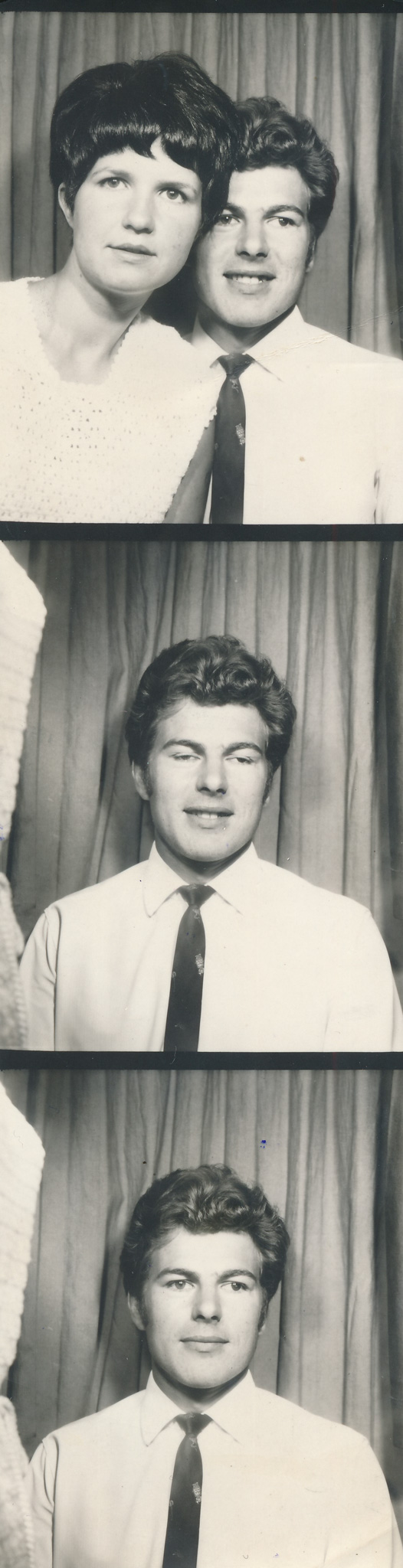
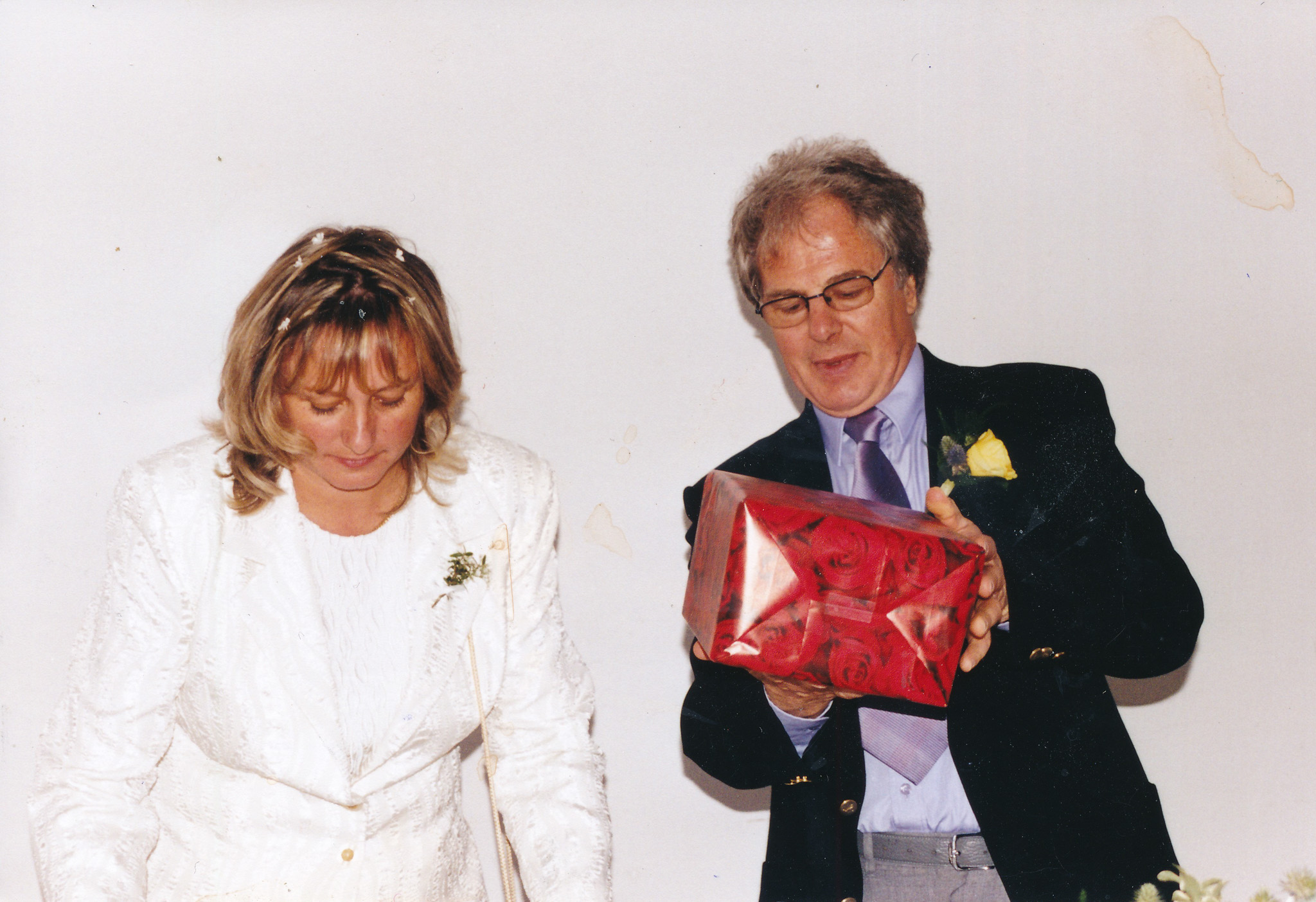
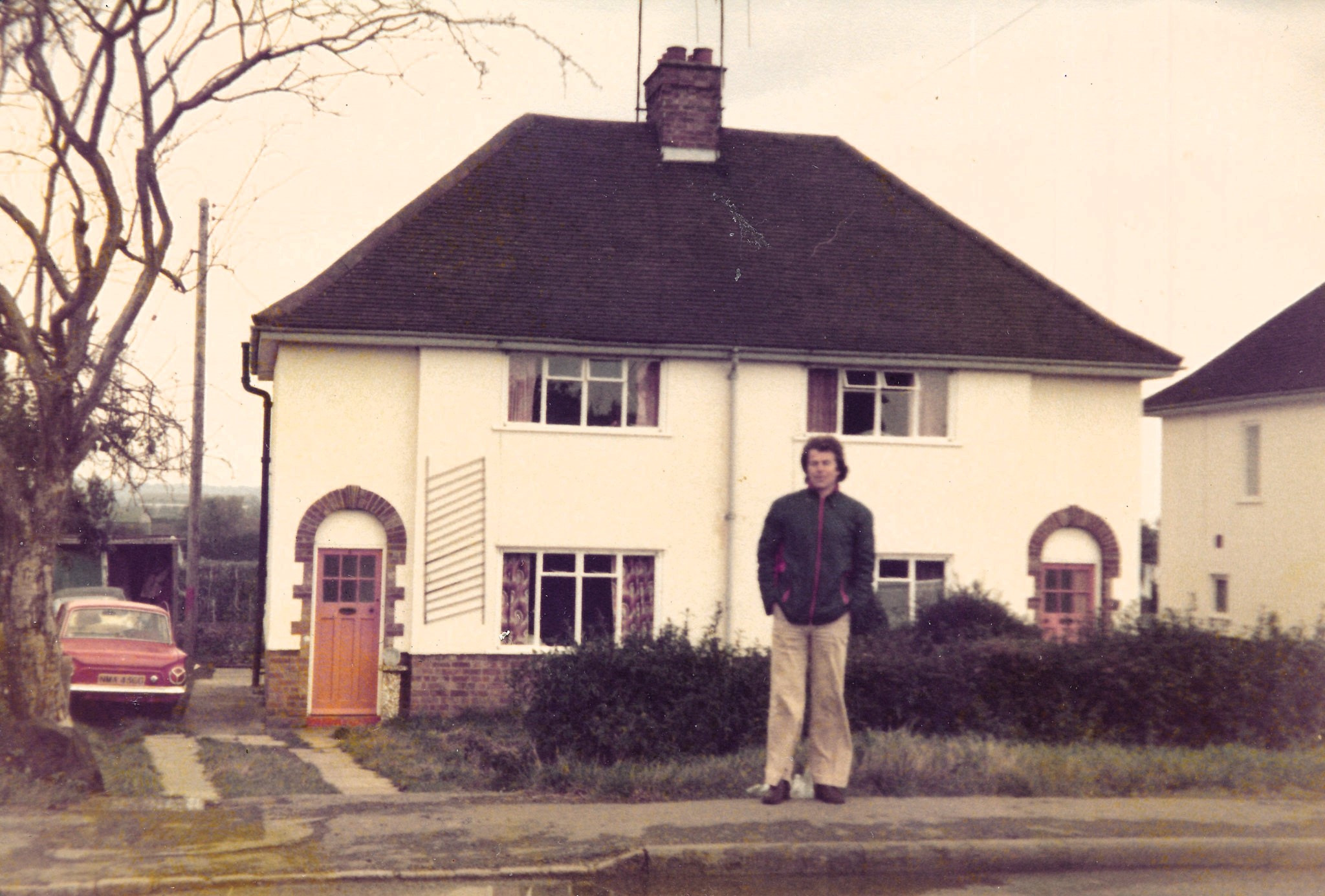
"In '69, a year after I left Czechoslovakia after the invasion, (my father) came to visit me. He came to England to see me for about two months. And there was an interesting thing. I came to meet him, the thirty miles from the research centre where I was working, I came to the airport in London, I met my father there, and then we went and sat outside and waited for the bus back to the town where I was working. And now there was a man in a suit, with a tie, even though it was cold, he came in, I think, to sit next to us. And when my dad saw him coming towards us, he said, 'He sat next to me on the plane.' He came and sat next to us for a while and then he went back again. So he was obviously undercover, wanting to find out what we were talking about. We switched to a harmless discussion about what buses - double-deckers - were like in London."
"I left Czechoslovakia on August 17. It was purely by chance, I went there on a student exchange. I was going there with a girlfriend who lived in Dečín, so I was going through East Germany and the train was going through Děčín, so she came over and we went through Denmark to Sweden. We stayed in student accommodation at Uppsala University. And at six o'clock in the morning, my Swedish friend who had arranged it rang me on the phone and told me that Czechoslovakia had been invaded by the Soviet Union. So we took a bus to his house, and he was about two years older than us, so he was married, and we saw on TV how Soviet tanks were blocking the bridges in Prague, and there were lots of people everywhere, demonstrations and so on. And in Uppsala itself there were big demonstrations of Swedes against the invasion. And they took me out to the cinema there, there were about six hundred people there, they put a microphone in my hand to say something about the invasion. I thanked them for their support. And there were a couple of journalists there, I just didn't want to give them a name, in case there was some problem in Czechoslovakia. But otherwise, of course, I was very grateful for the support."
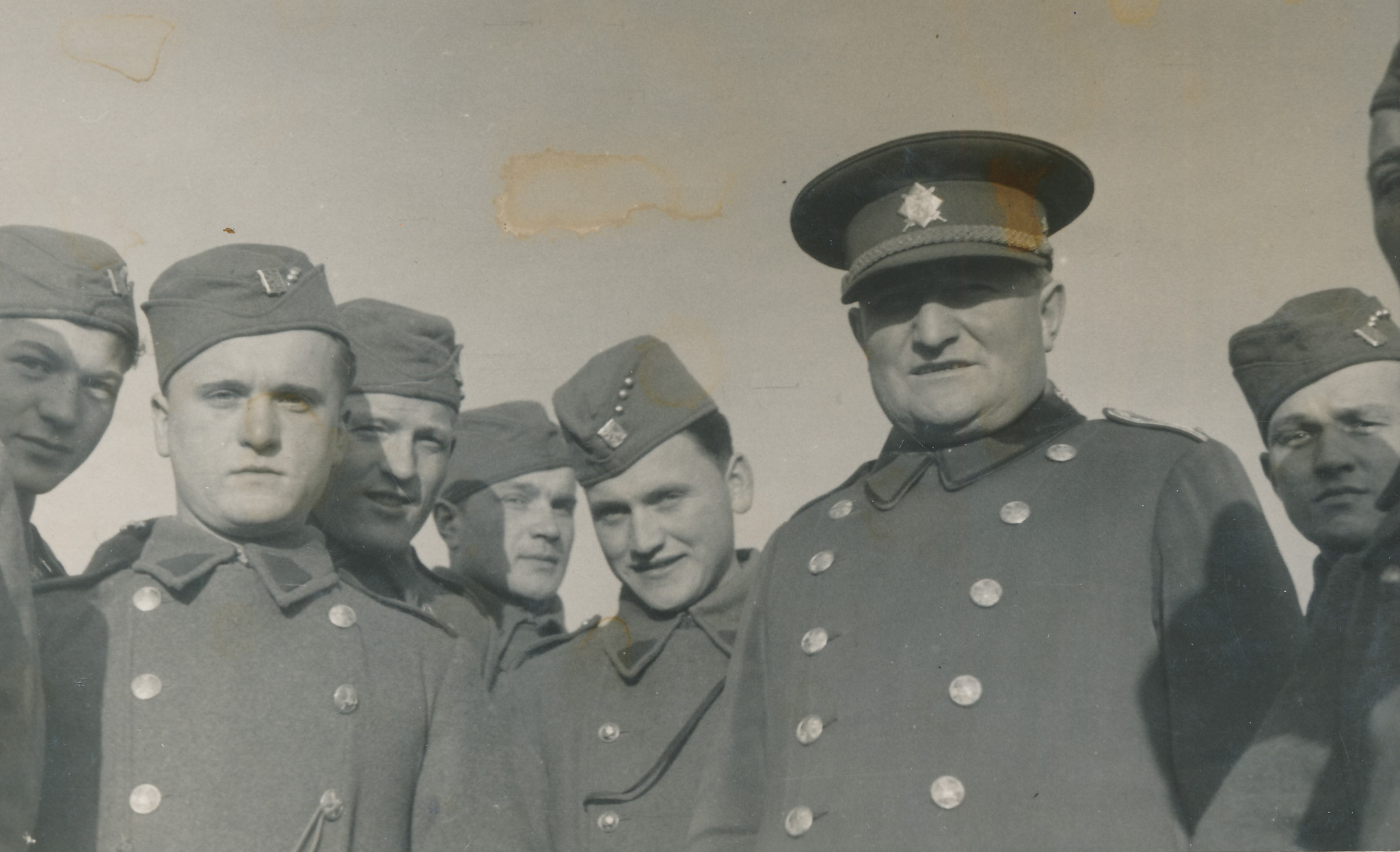
"But he was very lucky, he was sentenced to death. Fortunately, on the day of the execution, the Americans liberated Mauthausen, so he escaped by the skin of his teeth. He mentioned a couple of times that it was terrible there. That there was a huge SS man who used to amuse himself by saying that if he didn't like a prisoner, he would have him buried in the dirt and then rip his head off, alive. I think that would explain why dad was quite neurotic and towards the end of his life - he only lived to be sixty-five, died two days after his birthday - that he was paranoid. It was a terrible experience for him. He lost a lot of friends in the Dukla, and then on top of that, Mauthausen, so it was a lot."
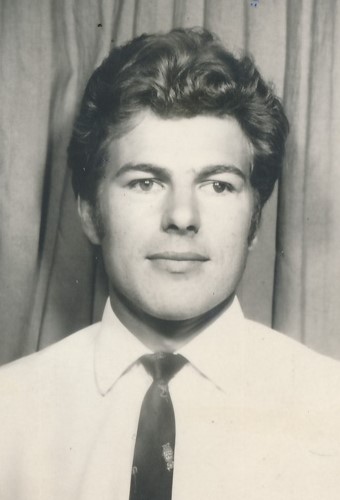
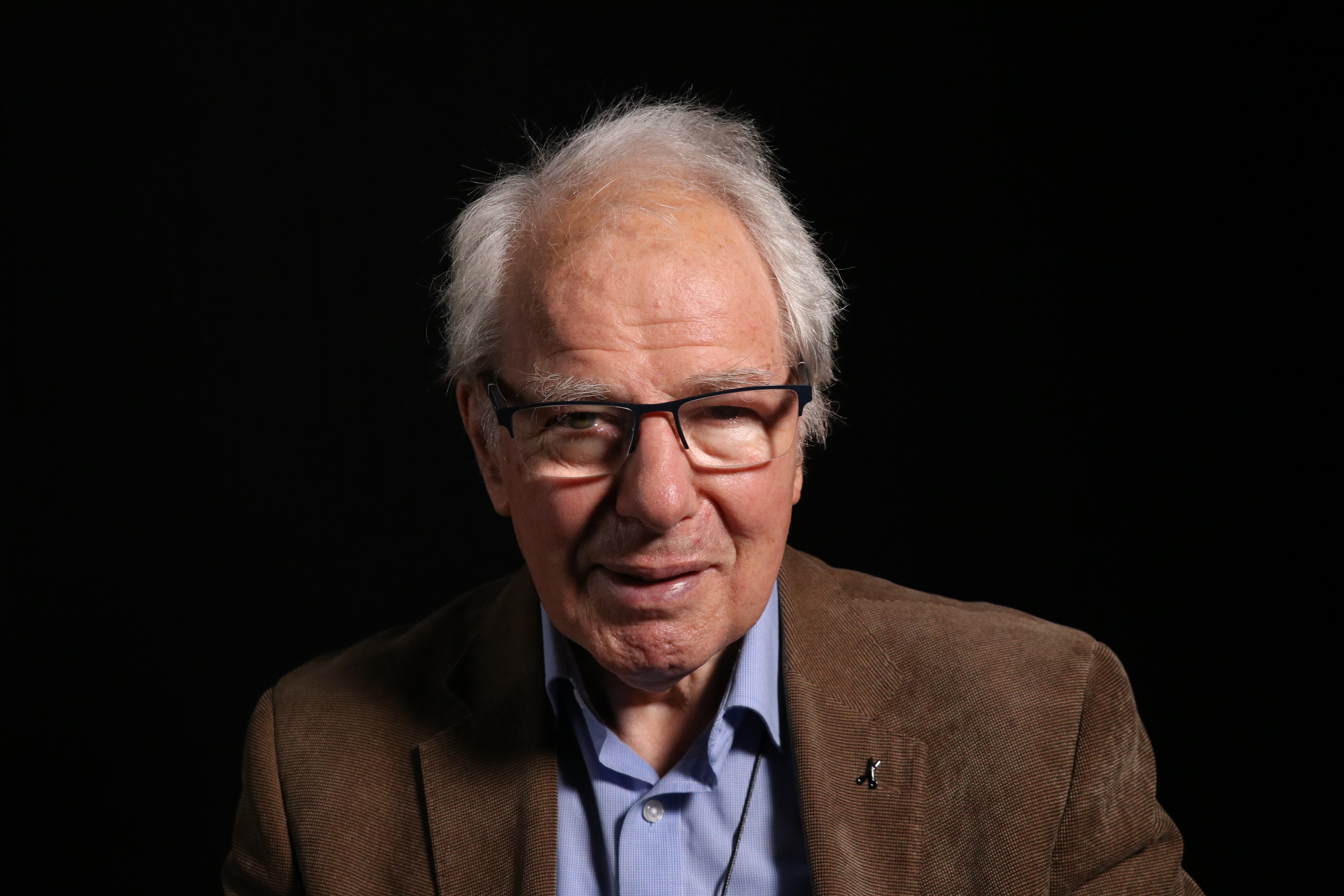
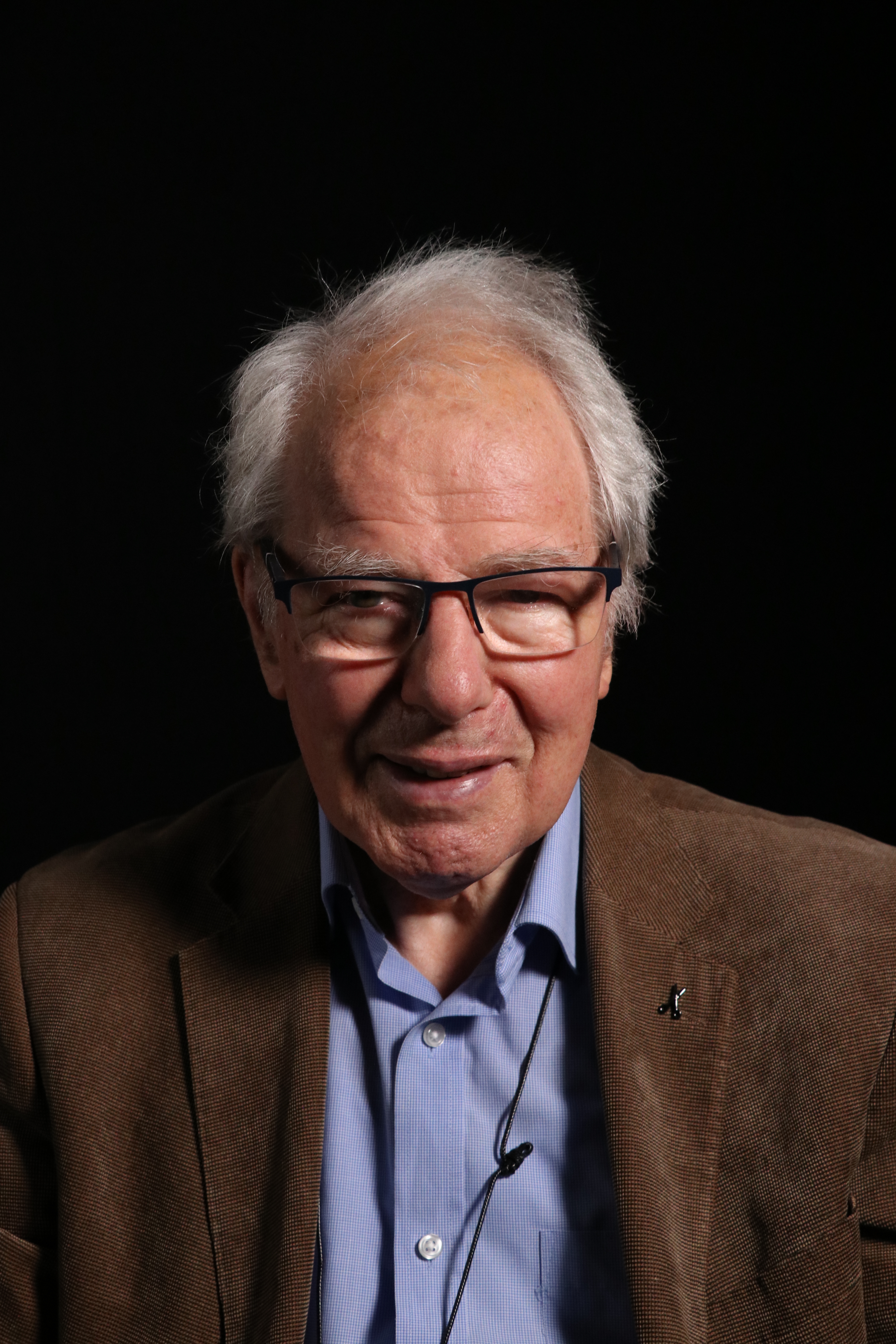
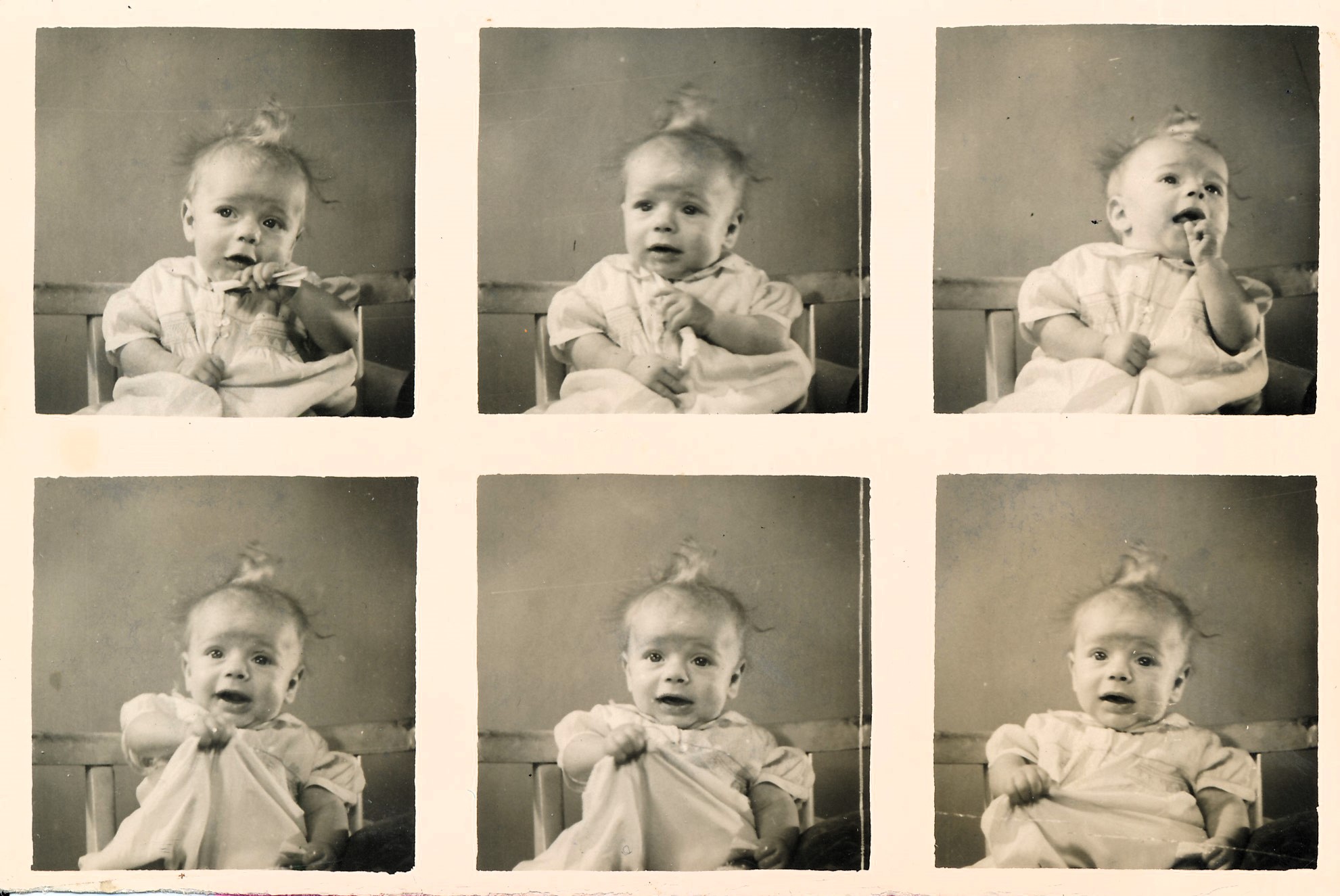
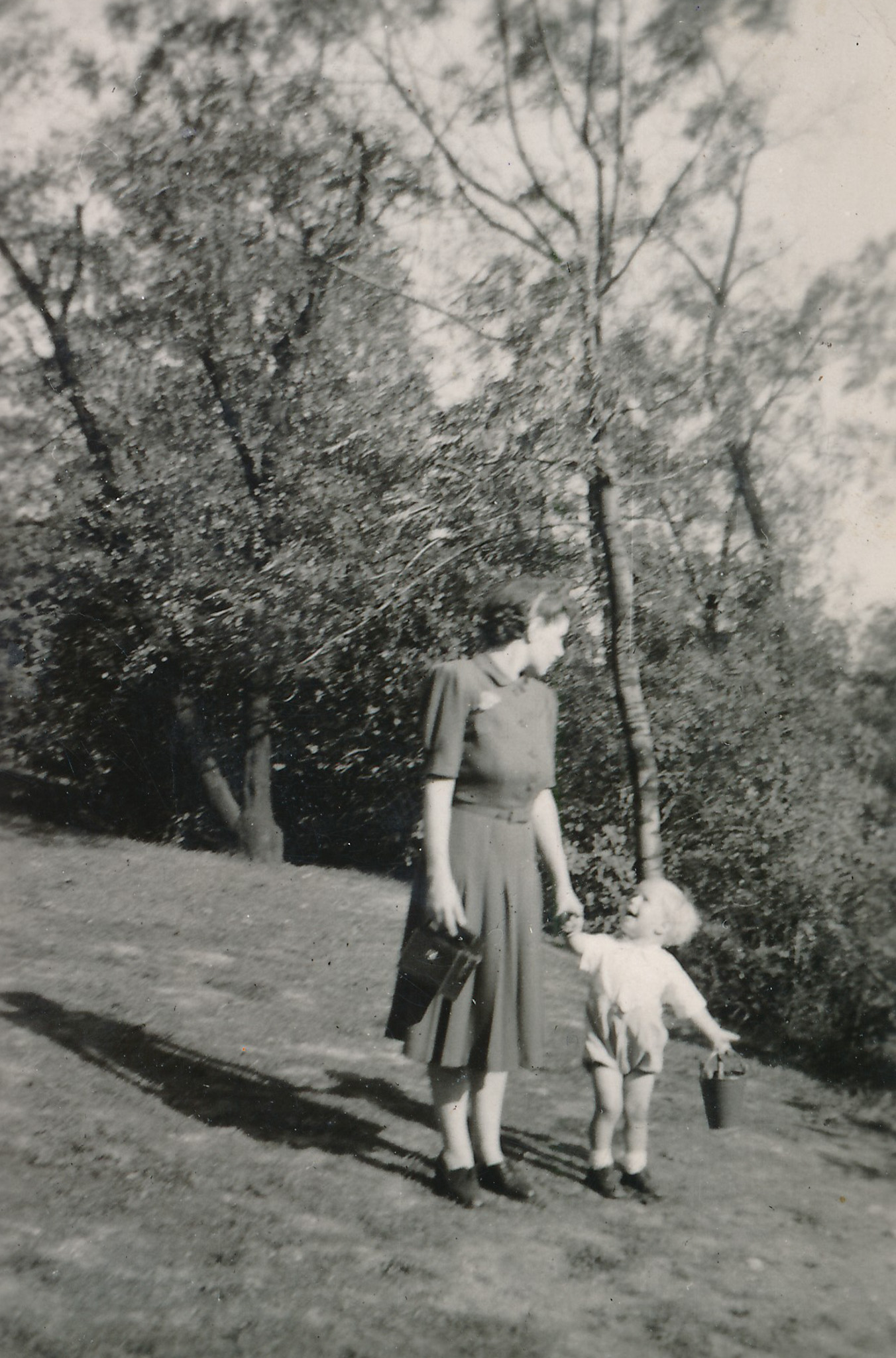
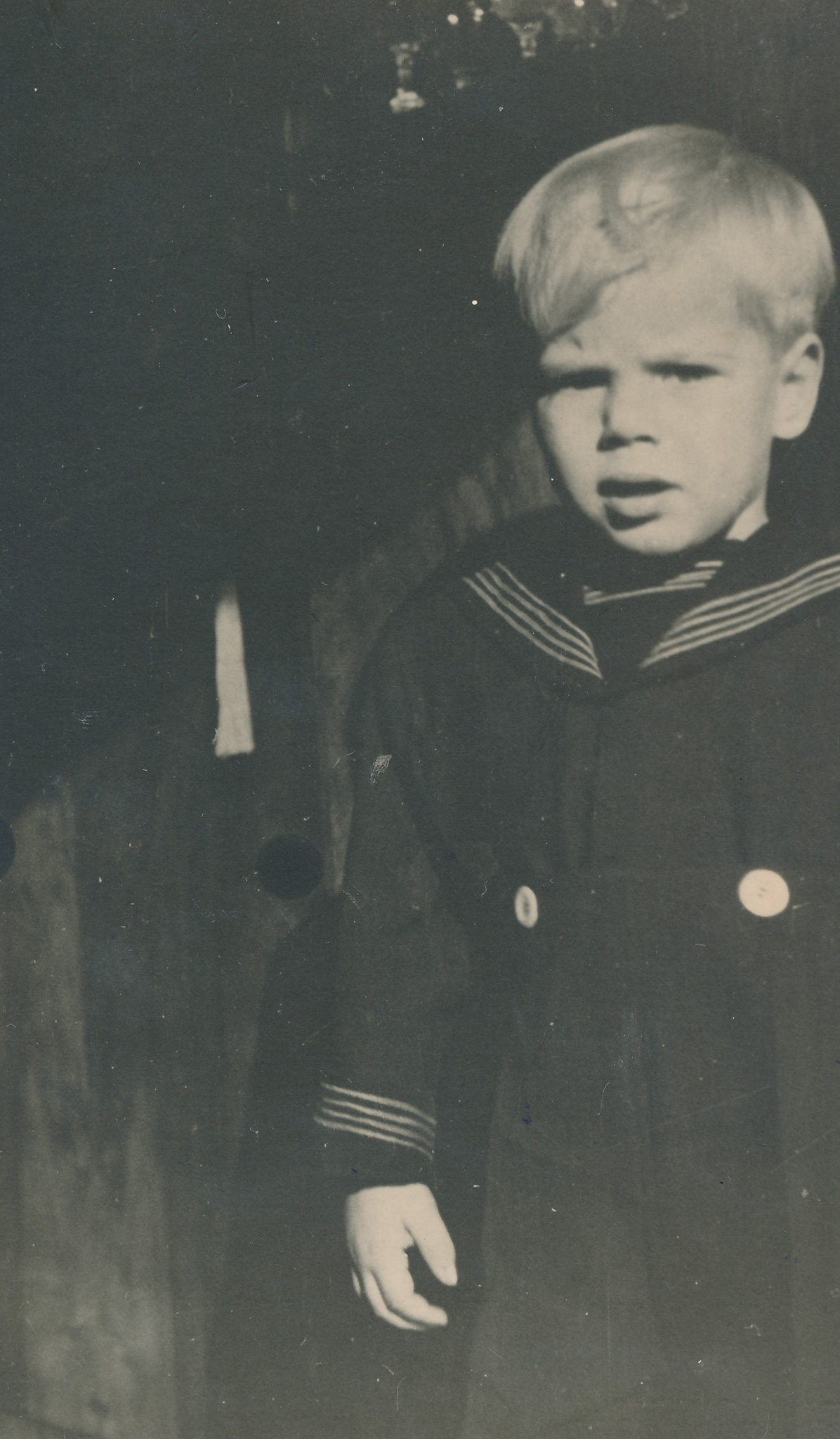
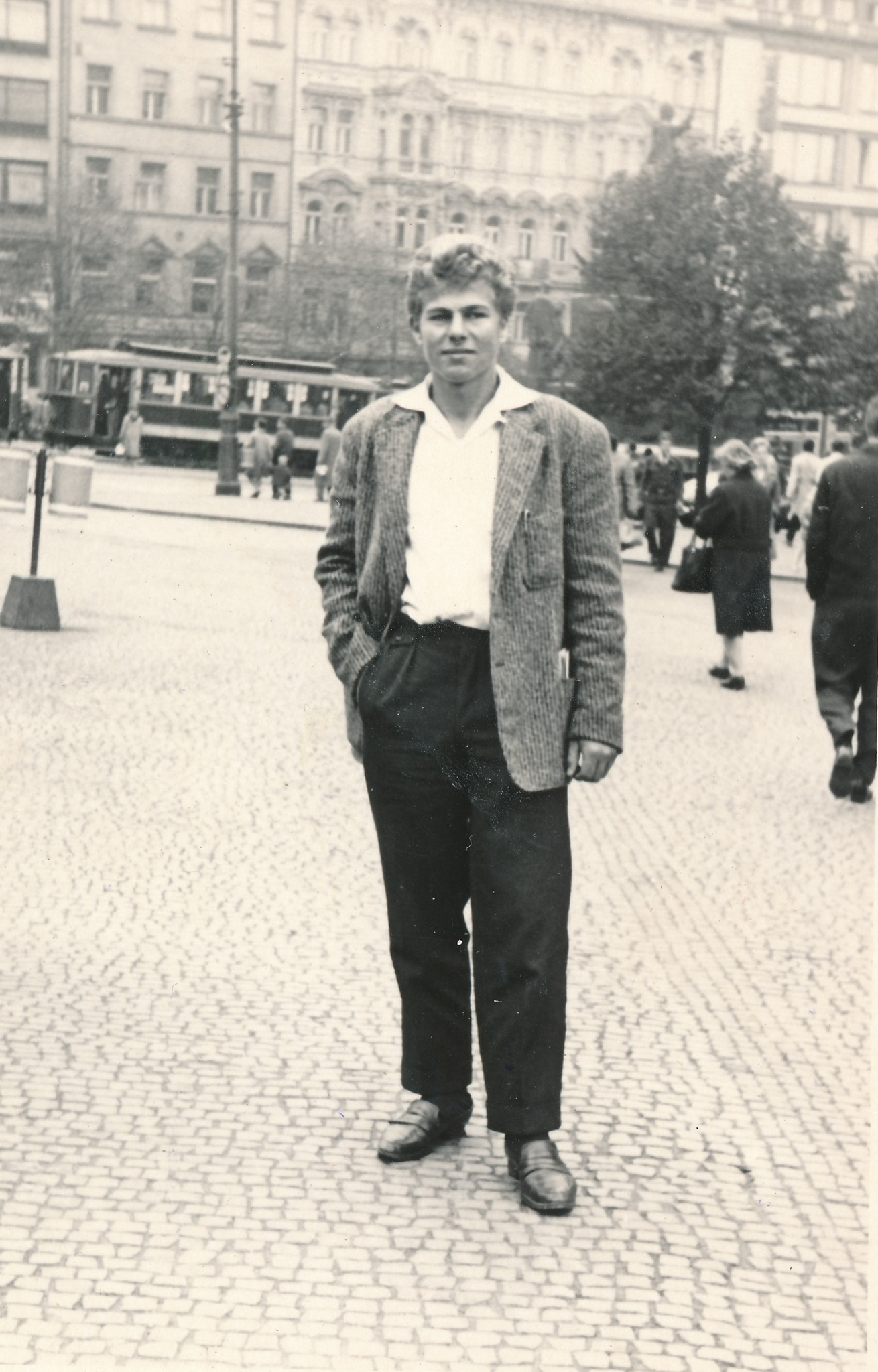
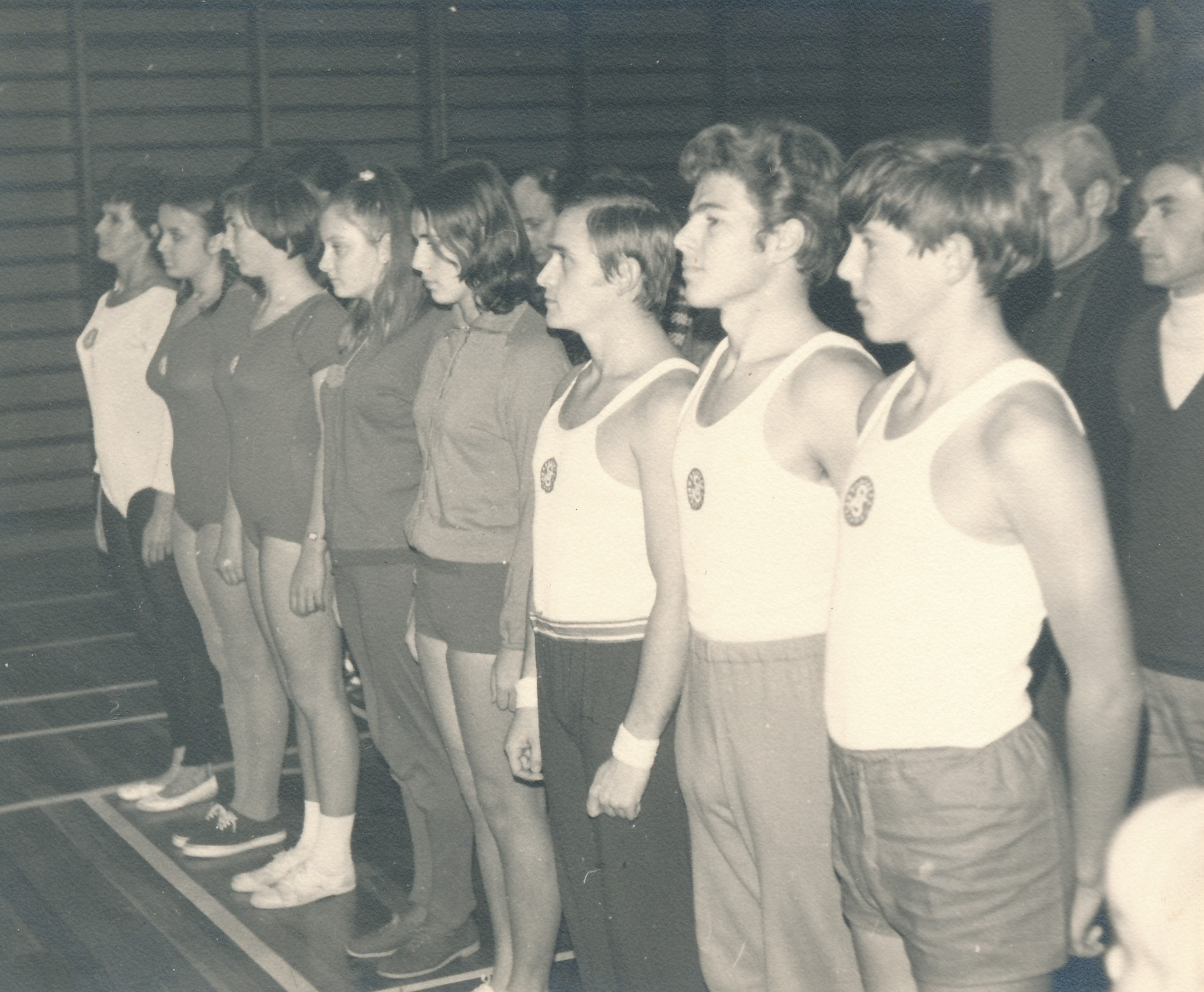
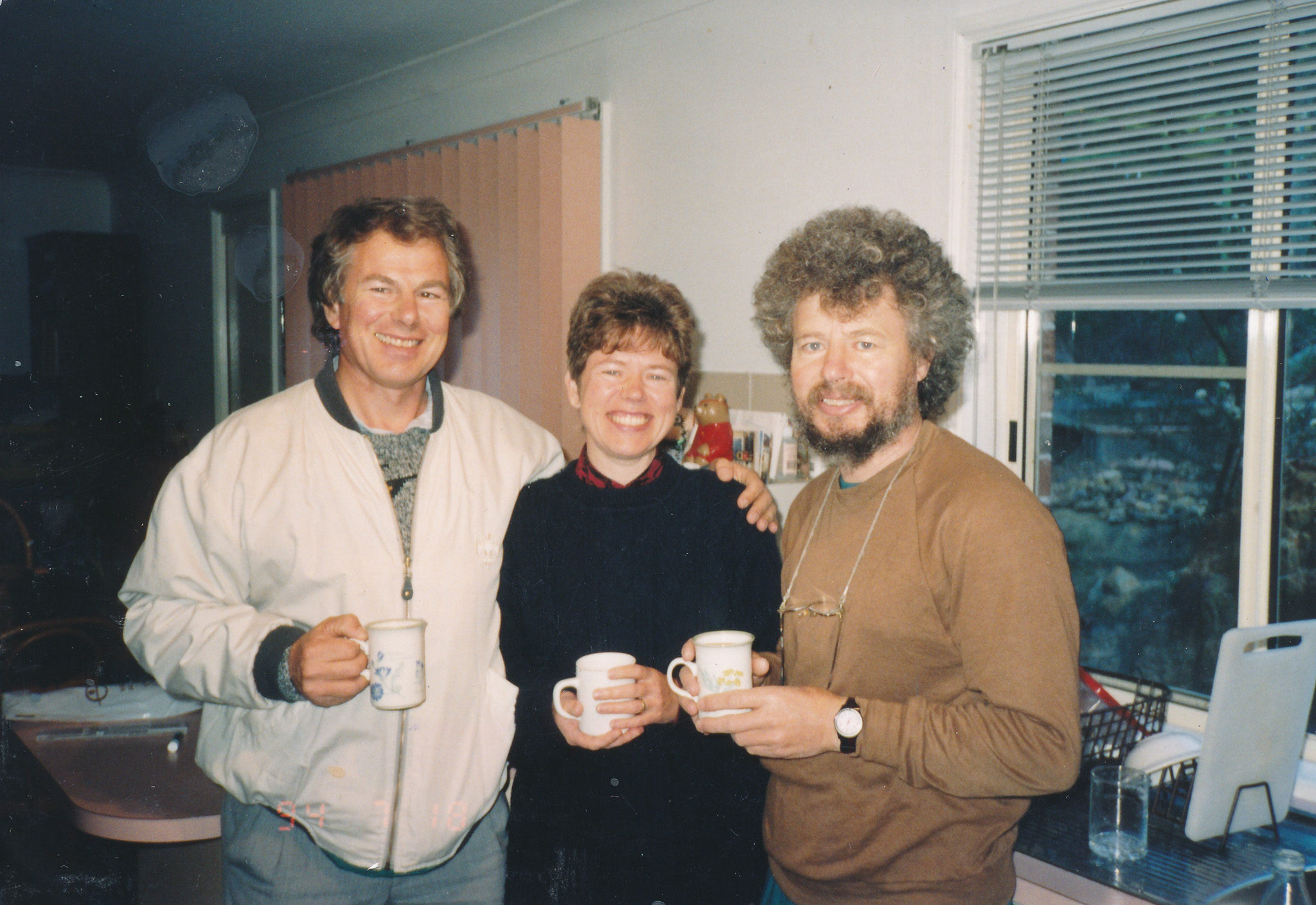
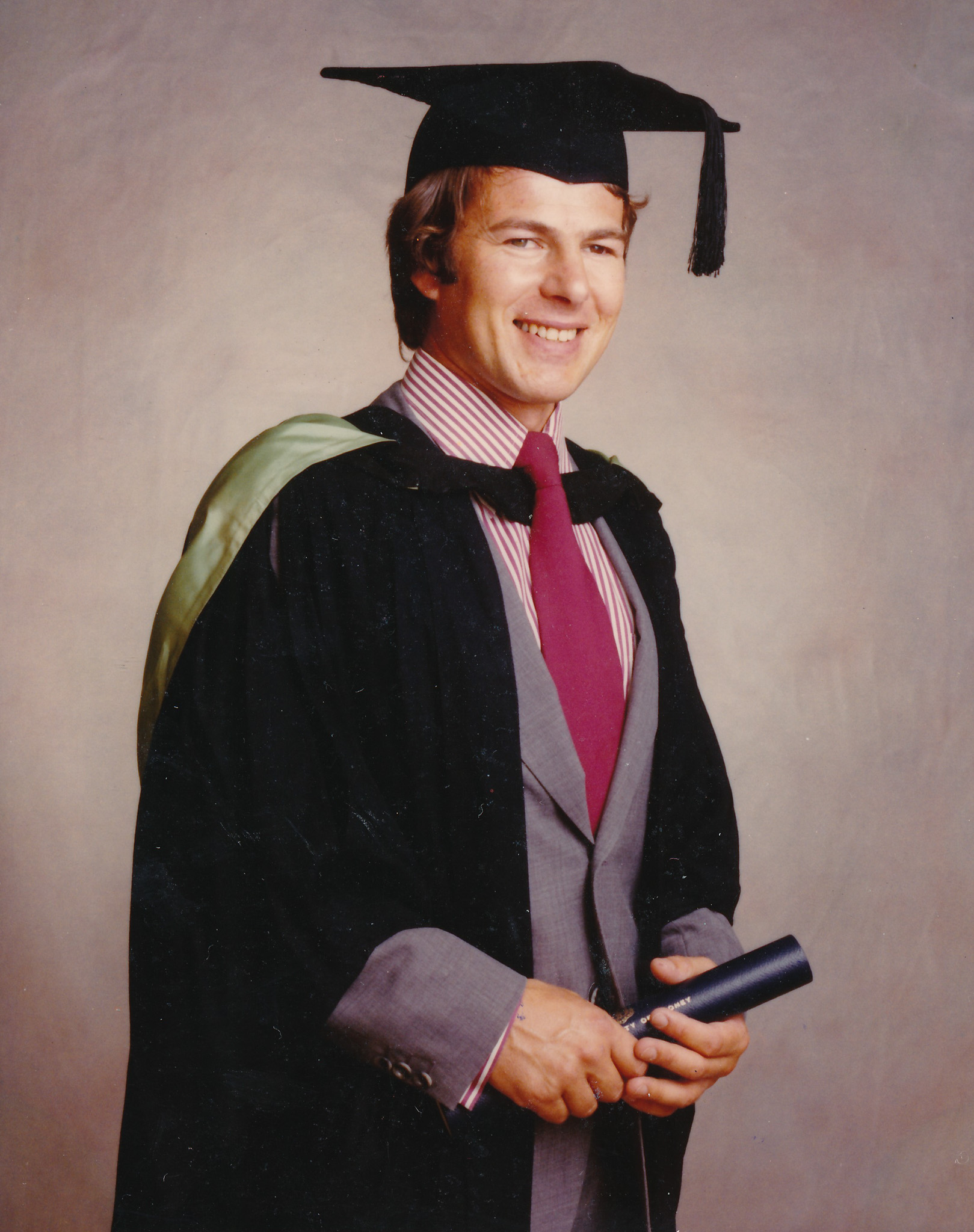
Miroslav Alan Westcott Doležal was born on November 4, 1943 in central England as the son of Jan Doležal, an officer of the Czechoslovak Armoured Brigade, and Lucy Florens Westcott, an English telegraph operator. His father was sent to the Eastern Front by the government in exile. In 1944 he took part in the fighting at Dukla, where he was wounded and subsequently imprisoned in the Mauthausen concentration camp. After the war, the family moved to Czechoslovakia. He was actively involved in social life as a member of the editorial board of the magazine Impuls and in organizing foreign exchange visits. After the invasion of Czechoslovakia by Warsaw Pact troops, which found him on a tour of northern Europe, he decided to emigrate. After a short stay in his native England, he was awarded a scholarship to the University of Sydney, after which he took up a post as a research fellow at the Sydney Agricultural Research Institute. After the Velvet Revolution, he completed his studies at the Czech University of Agriculture (CFA), where he taught after moving to the Czech Republic in 2005. In 2023 he lived with his wife Eliška in Prague.