Linus Vrba

* 1929

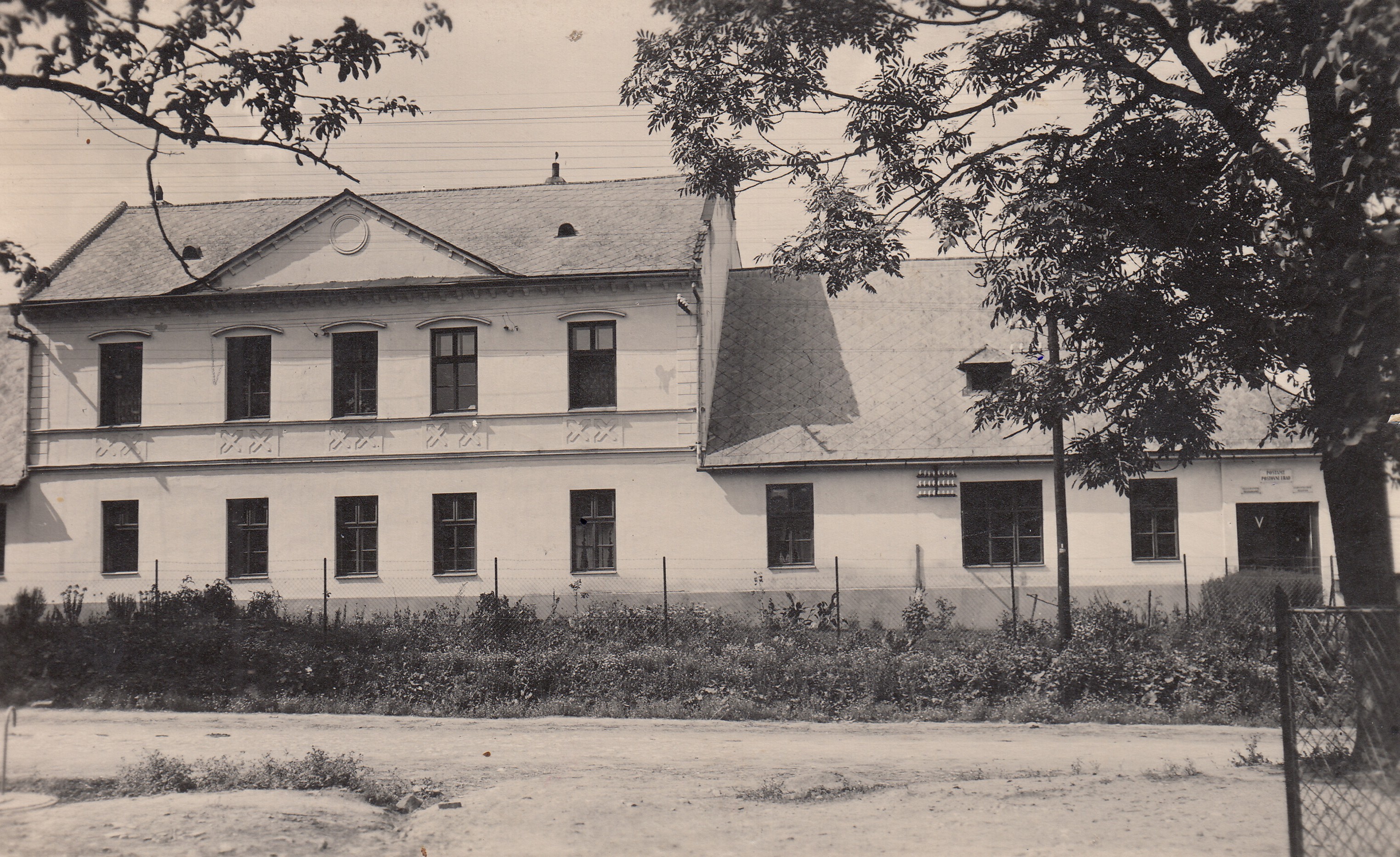
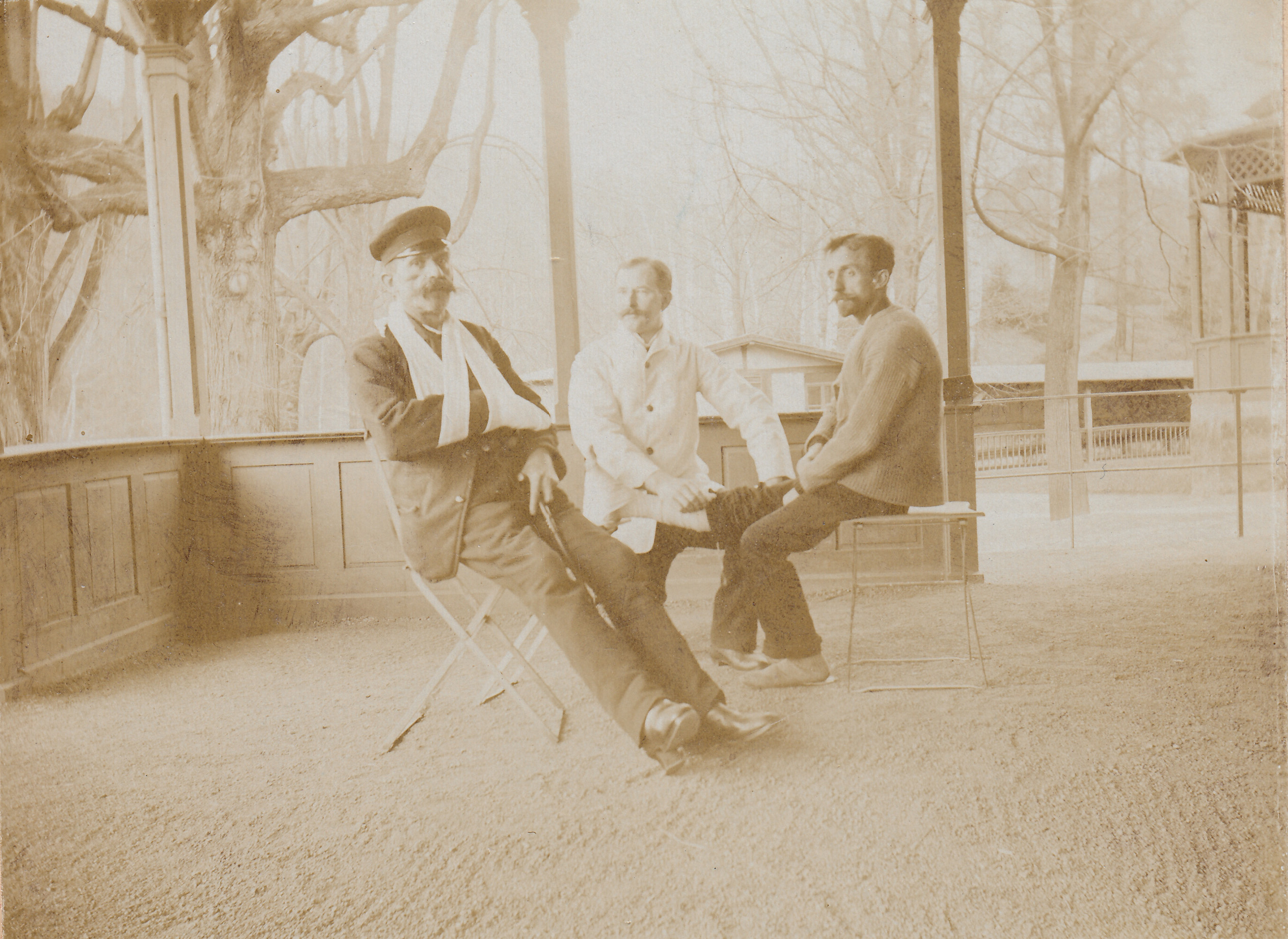
  • In the morning, when we woke up while it was still dark, the Romanians were already walking around. You can see it in the photo from the book. They were asking whether they could get a horse-drawn wagon with a driver from the village. And me, just a foolish boy, I said to the driver - he was a Slovak from Trenčín—‘I’ll go with him so he’s not alone.’ I was sixteen. So we went. Just like in the photo: Bojkovice, Romanians, a column of soldiers. We rode with one wagon, one team. They were open peasant carts. I think two or three wagons went from the village altogether. We joined the column, loaded soldiers onto the bed—ones who would’ve otherwise walked—and headed from Hrádek toward Bojkovice. It’s about the third village on the way toward Uherský Brod, heading for Uherské Hradiště. It was assumed that the route was cleared of mines, or at least that dangerous spots or bridges had been secured. We took it more or less for granted that nothing could happen to us. We crossed to the other side of the Morava River, heading toward Zdounky and Brno. We were part of the column. There were more of us, not just our three wagons. In the photo, you can see the Romanian army near Bojkovice. That’s exactly how we continued toward Brno. At one point, the terrain was sloped, and the road ran horizontally, but in the wooded hills there were occasional clearings, like you often see in forests. Planes were flying overhead. We didn’t know what was going on. At first, we were calm. Then suddenly we heard a loud noise—and then silence again. We drove maybe a hundred or two hundred meters. And then we saw the result of the shooting from the planes. It was probably the Germans, chasing some military aircraft. For the first time, I saw human stew. They fired and hit the column in one of the open clearings. As they flew in toward the slope, they saw the column moving below. They hit one or two wagons and tore the bodies apart. That day, I lost my appetite for everything."

  • "In Moravia, in Hrádek, it was that these two arrived with a truck, a brückenkommando - an engineer commando, and they wanted to get to the west. And what did they want? They wanted to get the fat. For a kilo of bacon, they offered revolvers loaded with bullets. For getting a kilo of pork to get something for the journey, they gave it to us. Early the next morning, while it was still dark, they disappeared and headed west. That’s how it worked. The second group, the second case, was this: artillerymen - with horses, because back then artillery still moved on horse-drawn carriages - were housed by a family in Hrádek. They wanted to spend the night. The horses were kept in the yard. The soldiers lay down in the barn on straw. They left their rifles in the hallway of the house, and I, just a boy - curious, foolish, inexperienced, irresponsible—was staring at those rifles during the night. I knew how to open them. Each rifle—old standard Wehrmacht rifles, they didn’t have submachine guns—held five rounds. I took out four bullets from each rifle, closed them back up, and left them standing there. Only later did I realize how serious that could have been. I didn’t dare tell anyone in the family. If they had found out, they probably wouldn’t have been thrilled. But I saw it as a way to help—so they wouldn’t shoot at our people."

  • "My uncle went - if that name means anything to you today - to Jelenia Góra in Poland. It was a district town in the foothills on the Polish side of the Krkonoše Mountains. He said he needed a permit for himself and his son. People had to have a 'Durchlassschein' - a pass- to travel from Germany into the Protectorate. To disappear as quickly as possible, I went under the name of my cousin, my uncle’s son, the very next morning after he got the slip from the office. My uncle and I boarded the train and headed toward Moravia, toward Hrádek. It was a critical moment. In my life, I’ve had moments when I was truly lucky. Several years after the war, when my mother was remembering what happened to my classmates, she said that one of them had died as a member of the Volkssturm, deployed at the anti-aircraft flak."

  • Full recordings
  • 1

    Karlovy Vary, 15.04.2025

    (audio)
    duration: 01:13:08
  • 2

    Karlovy Vary, 23.04.2025

    (audio)
    duration: 01:34:25
Full recordings are available only for logged users.

He was lucky to survive several times
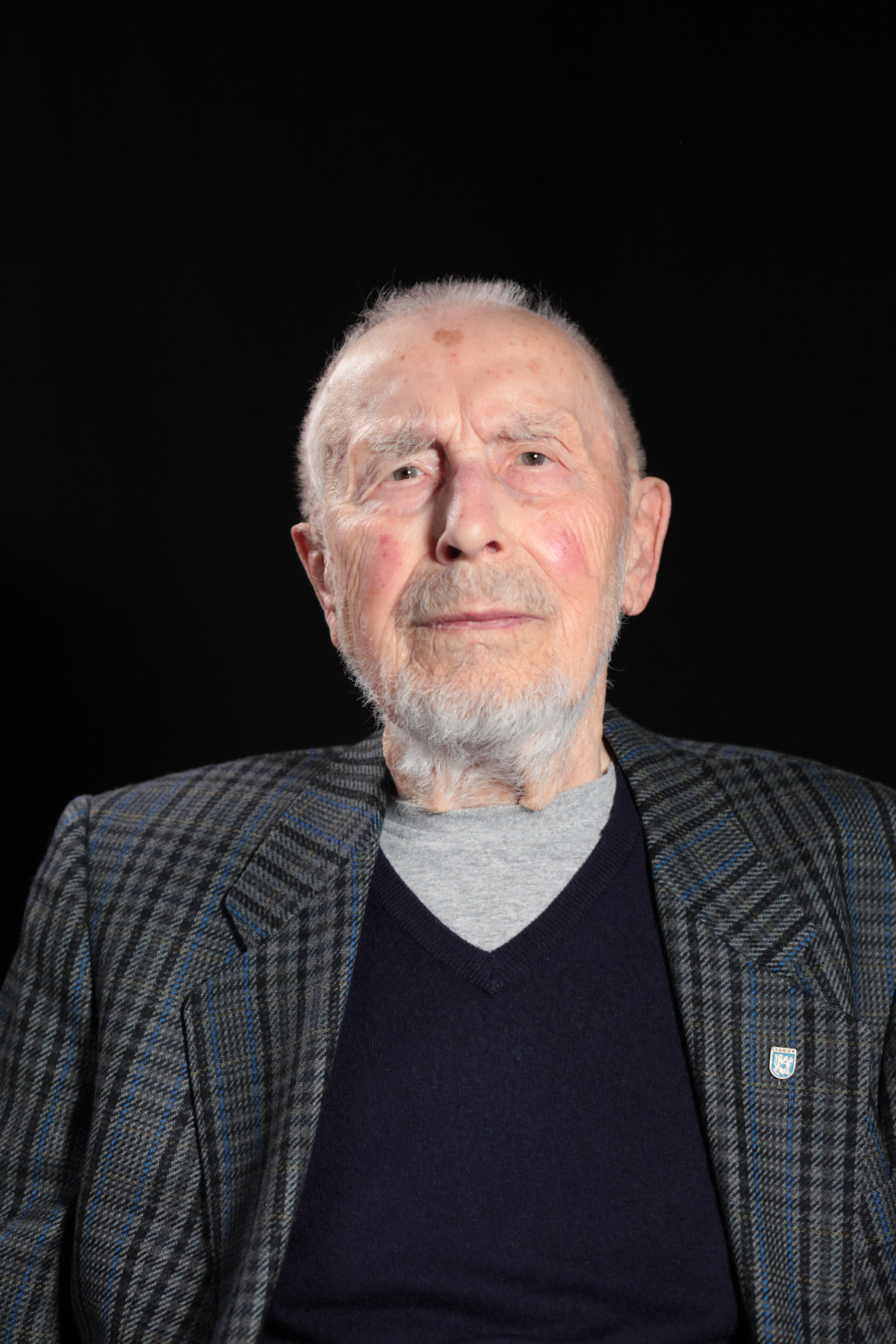
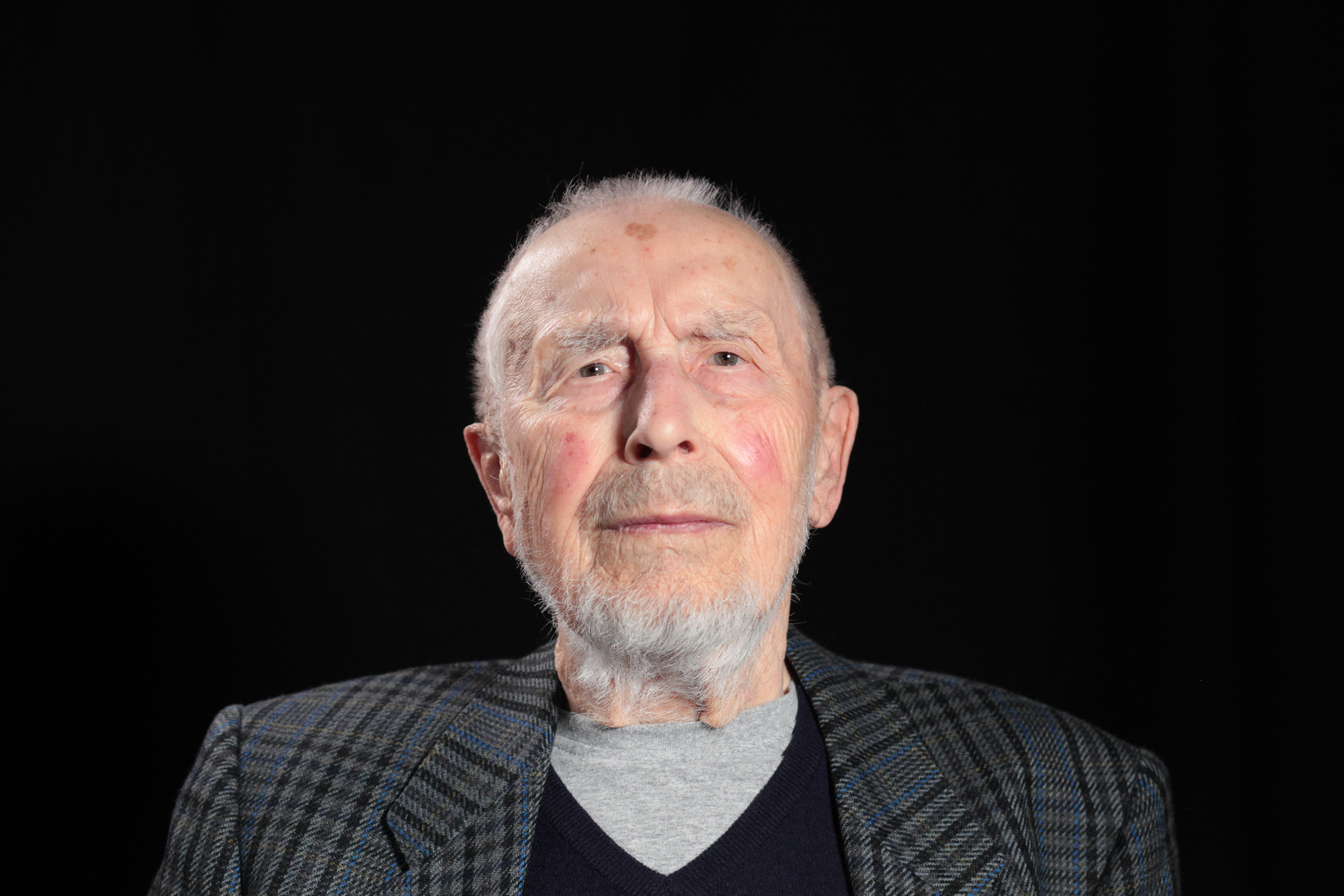
Linus Vrba in 2025
Linus Vrba in 2025
photo: Post Bellum

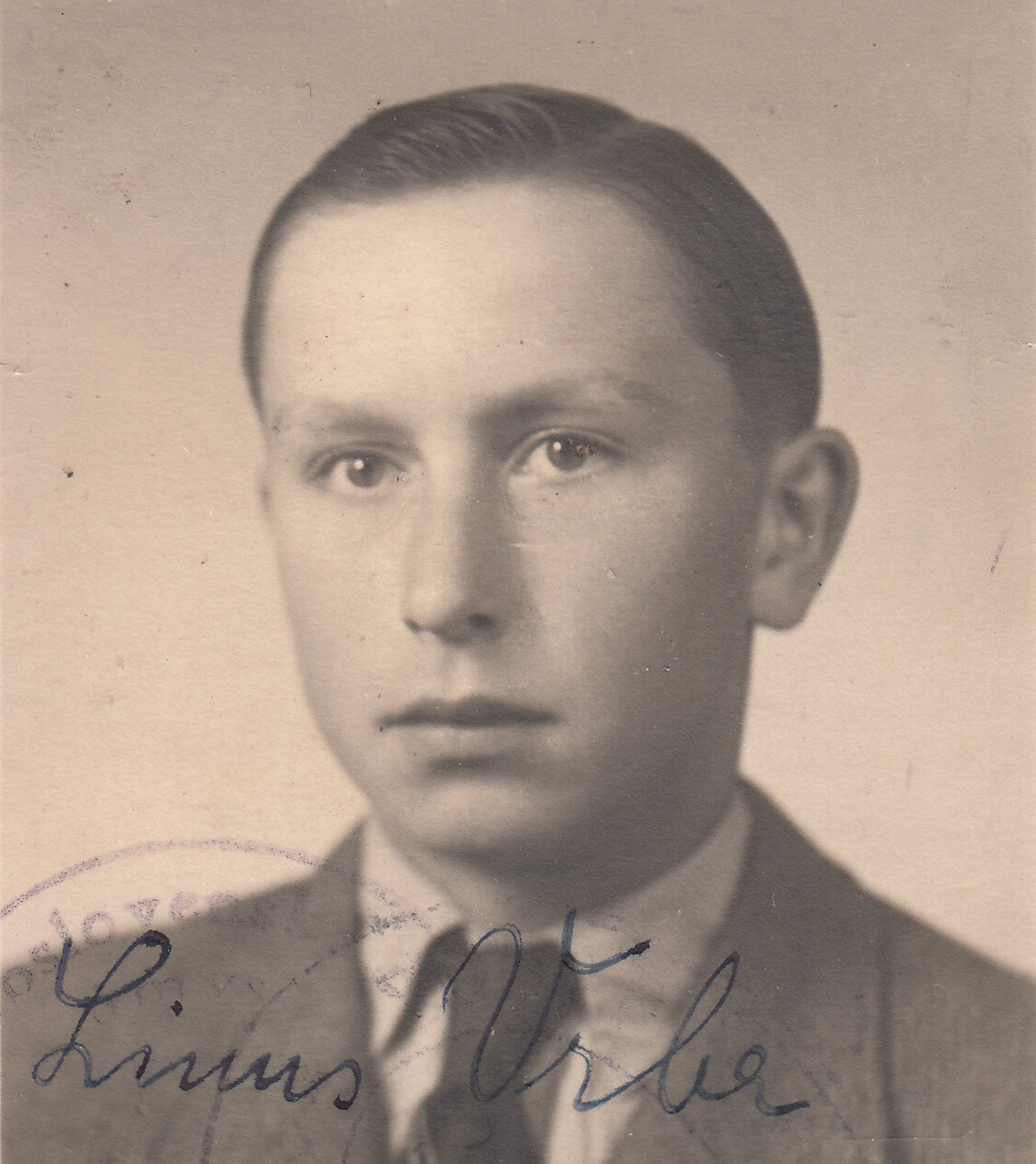
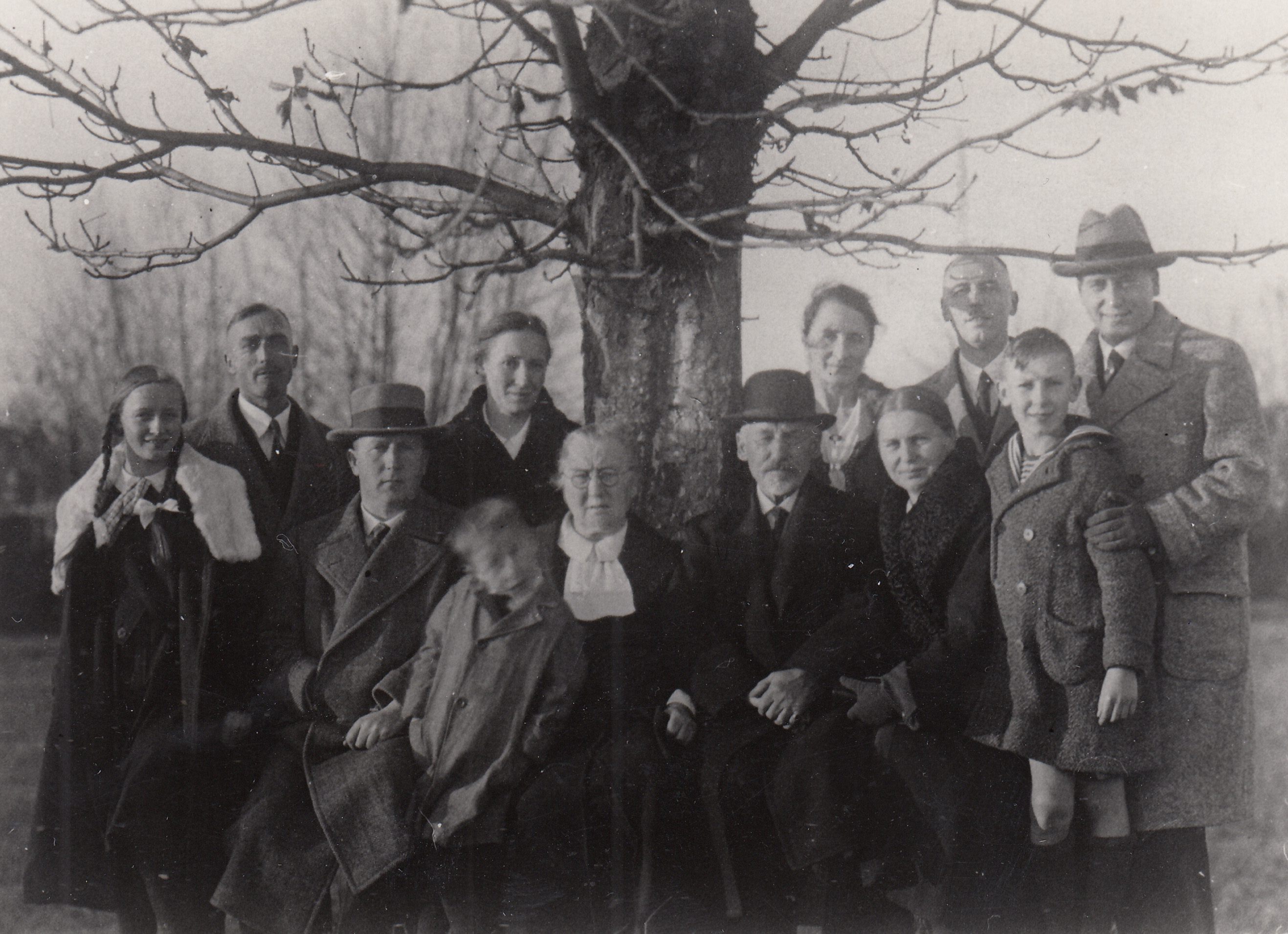
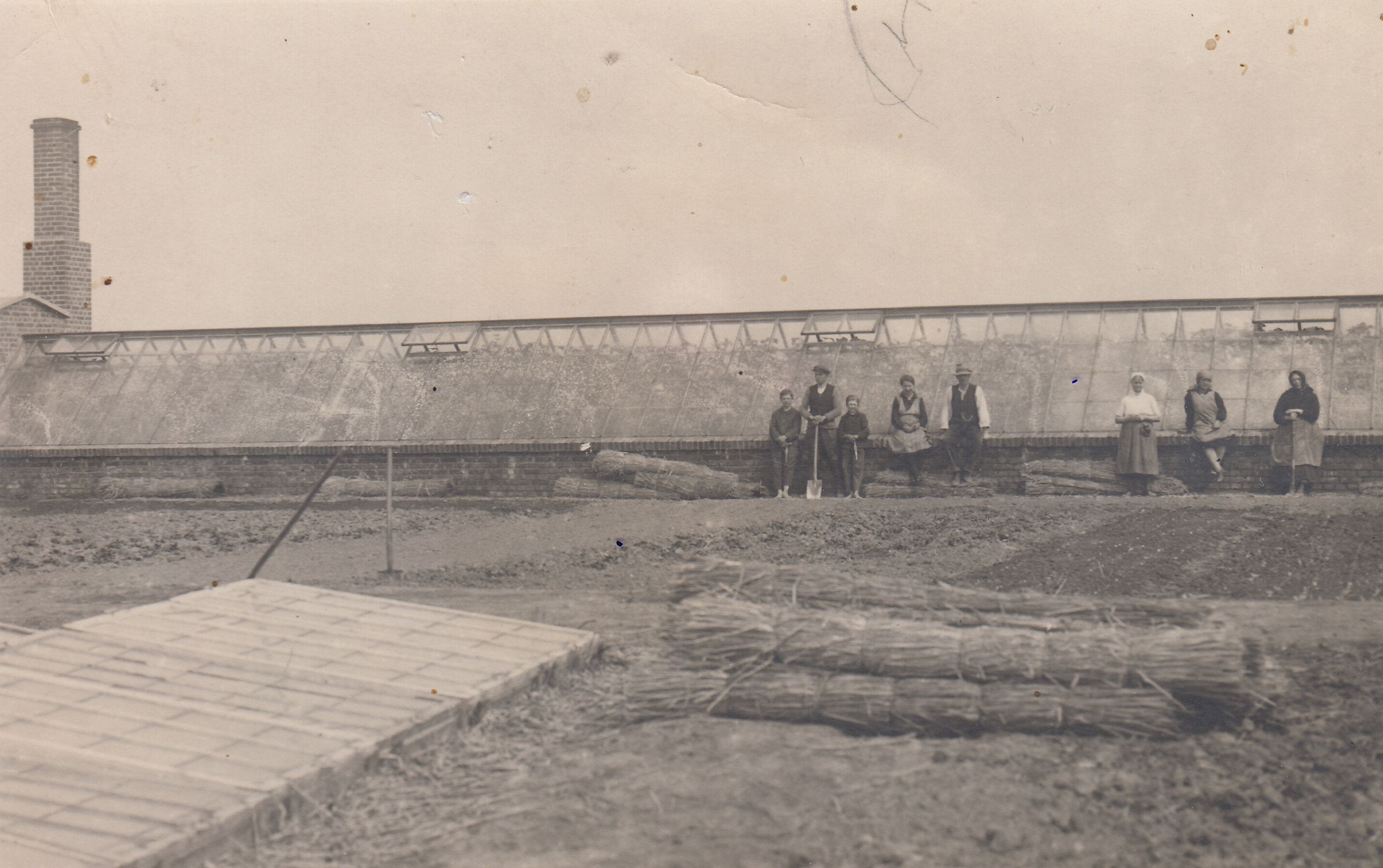
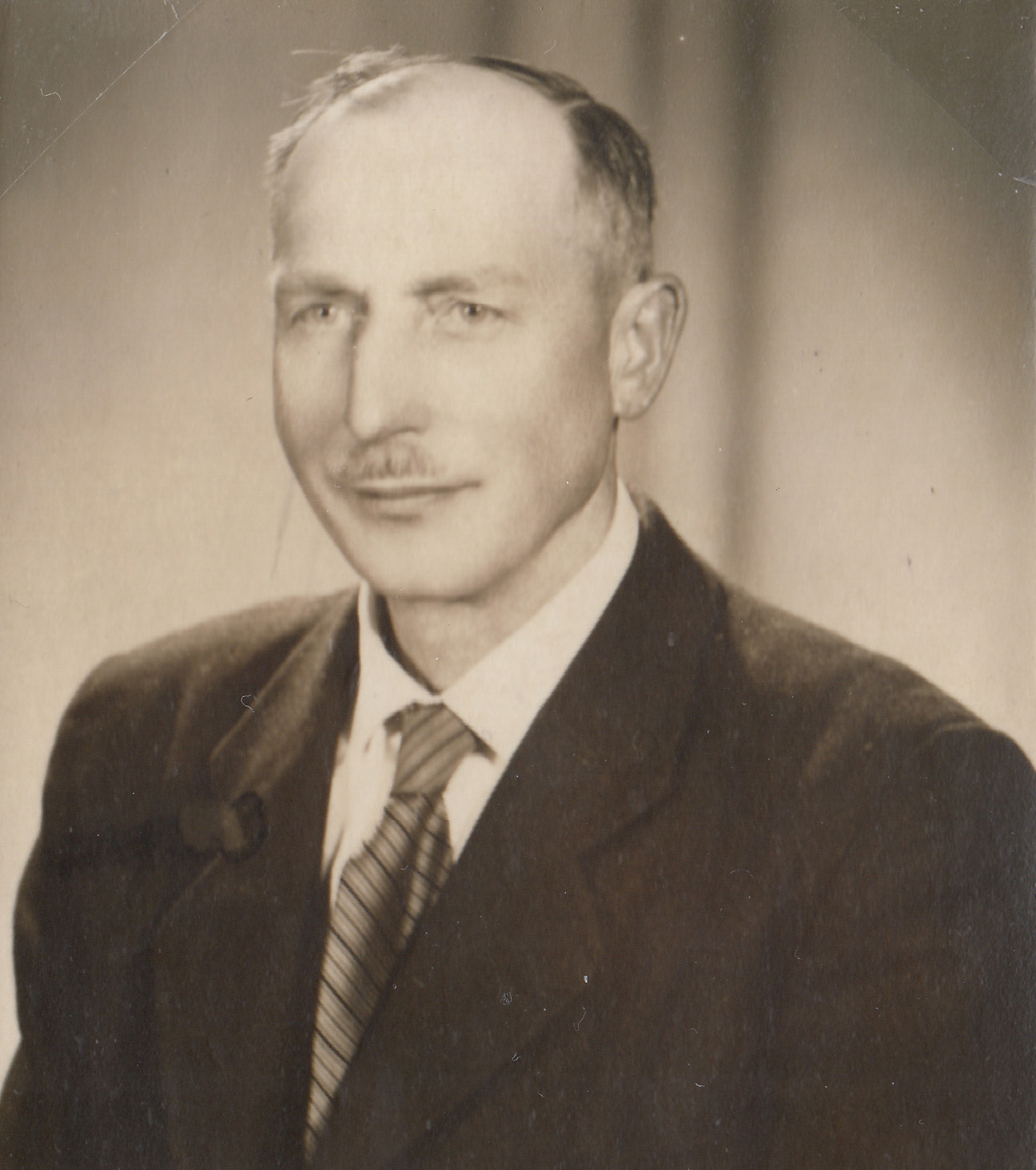
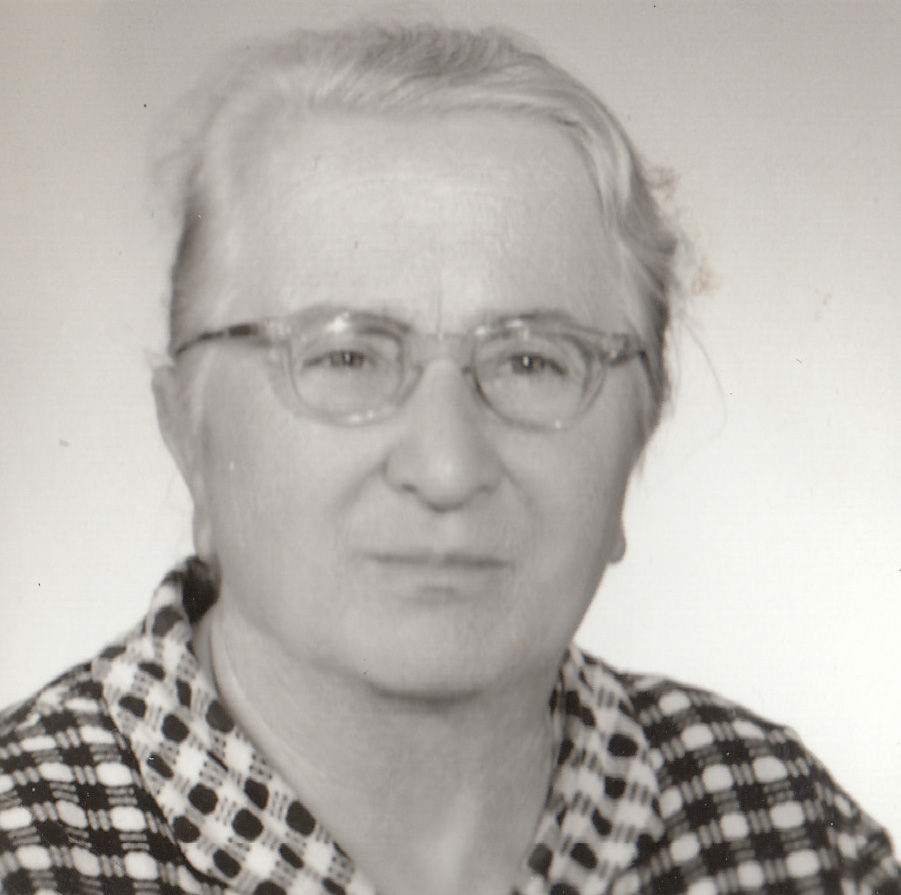
Linus Vrba was born on August 12, 1929 in the then German town of Lehnice in Lower Silesia, in today’s Poland. His mother, Markéta née Valentinová, came from a German-Polish family and his father, Jan Vrba, was the son of Czech immigrants from Hrádek on the Vlárská track near Uherský Brod. Linus Vrba attended the real grammar school in Lehnice, which he did not finish because the schools closed in 1944. At the end of the war, his mother sent him and his relatives to the safety of the Volkssturm and the approaching Russian front to family friends in the Giant Mountains. They left at 8 a.m. on February 9, 1945. Since Linus Vrba was stopped there one day by a patrol who wanted to question him the next day at his duty station, his uncle secured false documents and left Germany with him to his relatives in Hrádek. They arrived there on March 15, 1945. In Hrádek, Linus Vrba experienced several critical moments when his life was in danger. He witnessed the fighting of partisans and Red Army soldiers against the retreating Germans. After the war, Linus Vrba moved with his uncle’s family to Jablonné v Podještědí, to a farm that his uncle had inherited from the Sudeten Germans. He did not meet his parents again until before Christmas 1945, after his father returned from forced labour in Upper Silesia. His father also applied for a farm, which was allocated to him in Chyš, where the family farmed for about a year. However, Linus Vrba’s mother was identified as German by one of the officials of the National Committee. He therefore ordered her to wear a white armband like other Germans in Czechoslovakia. His father was so outraged that he returned the farm. The family then moved to Velichov near Karlovy Vary and Linus Vrba to a boarding school in Nejdek, where he joined a textile factory and apprenticeship. Later he began to study at the Secondary Industrial Textile School in Liberec and at the Higher Industrial School in Ružomberok, Slovakia, where he graduated in 1952. After the war in 1954, he returned to Nejdek and started working as a textile technologist. In 1958 he joined the Communist Party of Czechoslovakia (KSČ) with the aim of transforming it from within into a social democracy. After the disappointment of the invasion by Warsaw Pact troops and the subsequent occupation of Czechoslovakia by the Soviet army, he left the party in 1968. Even after several summonses to the party committee, he did not change his position in the following years, which meant his expulsion from his research position and his transfer to the workers’ party, where he remained almost until his retirement in 1989. For the last three years he worked as a spinning mill dispatcher. At the time of the filming in 2025, he was living in a senior citizens’ home in Stará Role, Carlsbad.