"When you work on human rights, you probably have 90% of disappointment and when you have success, you don´t know about it. I remember we worked a lot on the situation in prisons in Vietnam. For several years we made report after report. No prisoners were released, we had very bad news about the prisoners in the camps. We made report, press release and nothing changed. An in fact a couple of years after the campaign, we had the news that someone, some prisoner who was released, finally said that it was a good thing with the pressure. Their situation was improving at that time because of the international pressure. When we did the campaign, we were very disappointed. But finally, we said - well, it was useful."
"It was in 2020. The EU signed a free trade agreement with Vietnam. It was the year when Vietnam repressed everybody. Everybody was out in jail or harassed. Normally, before that, European countries would say - we don´t ratify the treaty. Usually, Vietnam would free two or three dissidents and then Europe would say - it is better now with human rights, so we can sign. But they didn´t do even that. There was one dissident, Pham Ci Dung, who asked the European parliament in a video to delay the ratification of the treaty and wait for some improvement on human rights. He sent us the video. And the day after he was arrested. And the European Parliament ratified the treaty. Few years after, the European Parliament said that finally they were wrong and made a resolution, which is anyway not binding. It was just a way to say - oh, we are ashamed. That was all. And Pham Chi Dung was condemned to fifteen years in prison."
"For a long time, the mayor of Gennevilliers was also a member of the French parliament and he was also the chairman of the Commission on friendship between France and Vietnam. So, we made a lot of what we may call anti-Communist activities in a communist-lead city. But we are in France and it is not like in Vietnam. There are no real threats... Well, this is not true. Because in our street, there were two printing houses. One night, when I was very little, suddenly there was a lot of firemen and policemen, noise, light. In fact, the other printing house in the street was set on fire. That night we were very little children and we were alone in the house. My parents went to visit the other activists to organise the campaign. I remember it was very dark and there were police, I was very little child and I loved to see all the policemen and firemen. But in fact, as we discovered later, there were some people who wanted to create an arson to burn our printing house. And probably it was because of our activism for the boat people and for Vietnam. They made a mistake and burned the other one, not our printing house."
"The situation was that we had a house in Gennevilliers and we had a garden and a little house in the garden. And on the other side of the house, there was a printing house with an office for the clients, etc. The real house with my room was just in the middle. So, when we went left, we could see the printing house and when we went right, we had the garden. In the little house, when I was young, there was at the same time the campaign for the boats. And even before, my father wanted to organise some Vietnamese cultural events. He founded the Quê Me magazine and at the beginning the aim of the magazine was to maintain Vietnamese culture outside the country. Because inside the country, culture was repressed and we were afraid that the communist regime would kill Vietnamese culture. So, every Saturday night, there were a lot of Vietnamese who came to the little house in the middle of the garden to make music and poetry. And we were there and I must say that as a child I was there because there was coke and something to eat at the fire, it was nice. But I have had contact with Vietnamese people in that way."
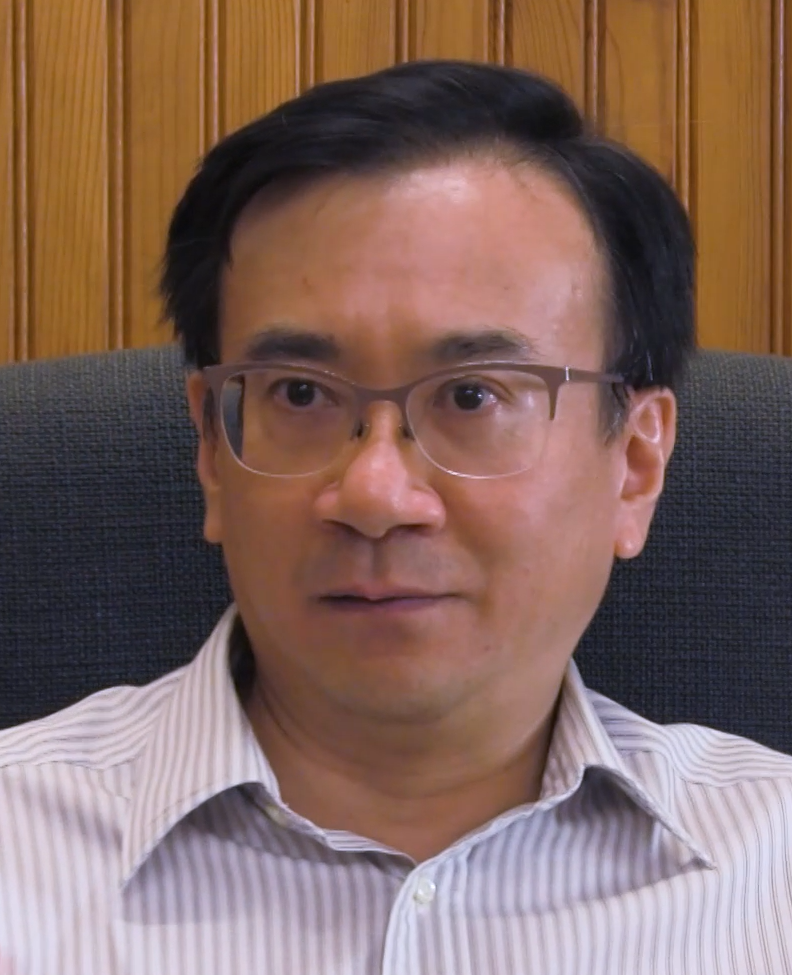
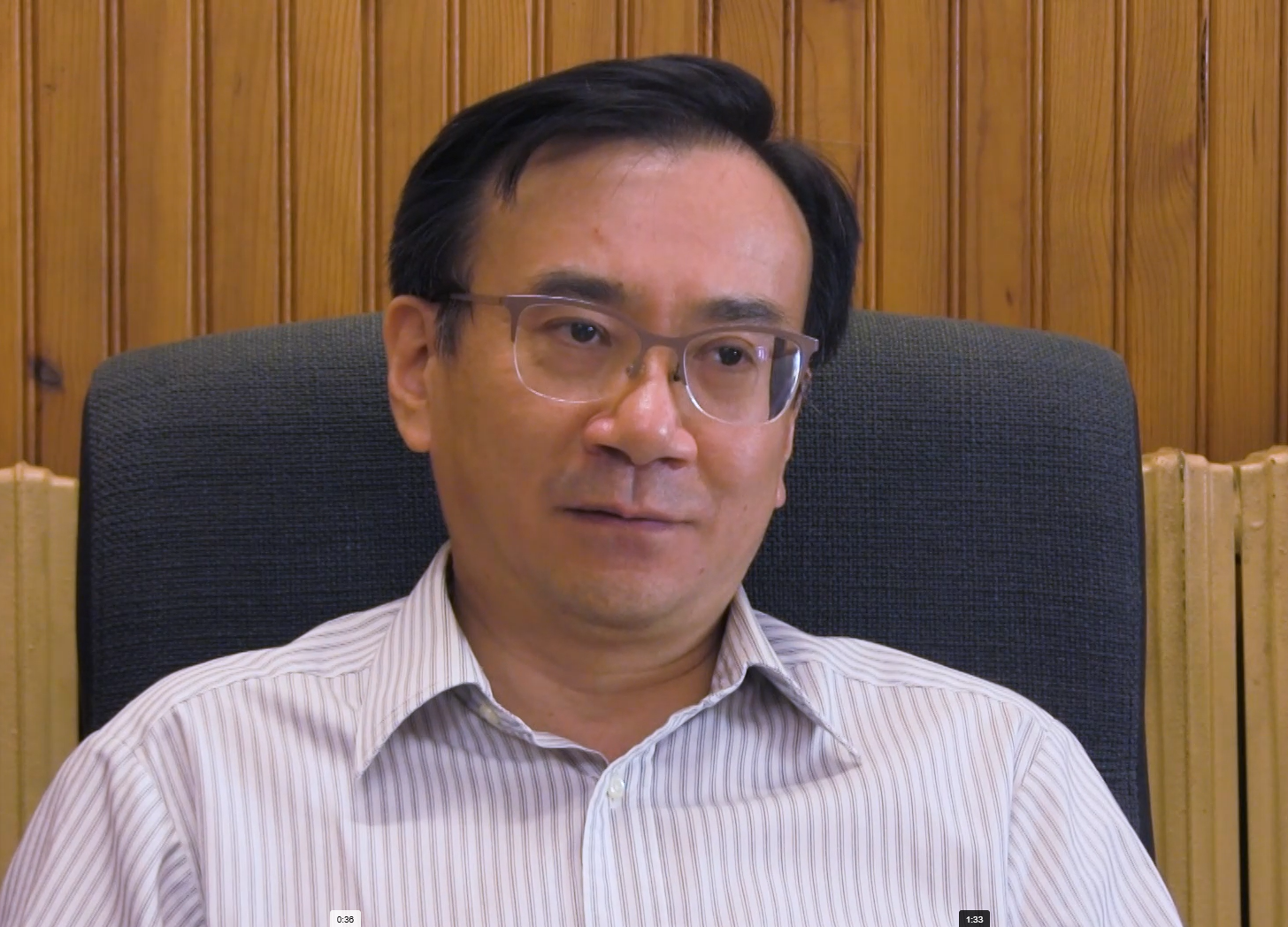
Võ Trần Nhật was born in France in 1969 as the son of Võ Văn Ái, a prominent Vietnamese poet, former dissident and political prisoner. He grew up in the Paris suburb of Gennevilliers, where his father ran a printing house and, together with his wife Penelope Faulkner, provided a refuge in his home for Vietnamese music and poetry in exile, as well as for the fight for human rights in a country ravaged by communist dictatorship. This house was also the publishing house of the important exile magazine Quê Me (Homeland), and the site of numerous campaigns, notably Boat for Vietnam aiming at help to Vietnamese political refugees. It was also here that the Vietnamese Committee for the Defense of Human Rights (Commitée Vietnam pour la Défense des Droits de l’Homme - VCHR) was founded. Võ Trần Nhật volunteered with the committee as a young man and became fully involved after completing his law studies. He monitored the situation in Vietnam and human rights violations there, cooperating with local human rights organizations as well as the United Nations, UNESCO, the Council of Europe, and the EU. He has authored a number of publications, legal analyses, and reports for the UN and other relevant international organizations.