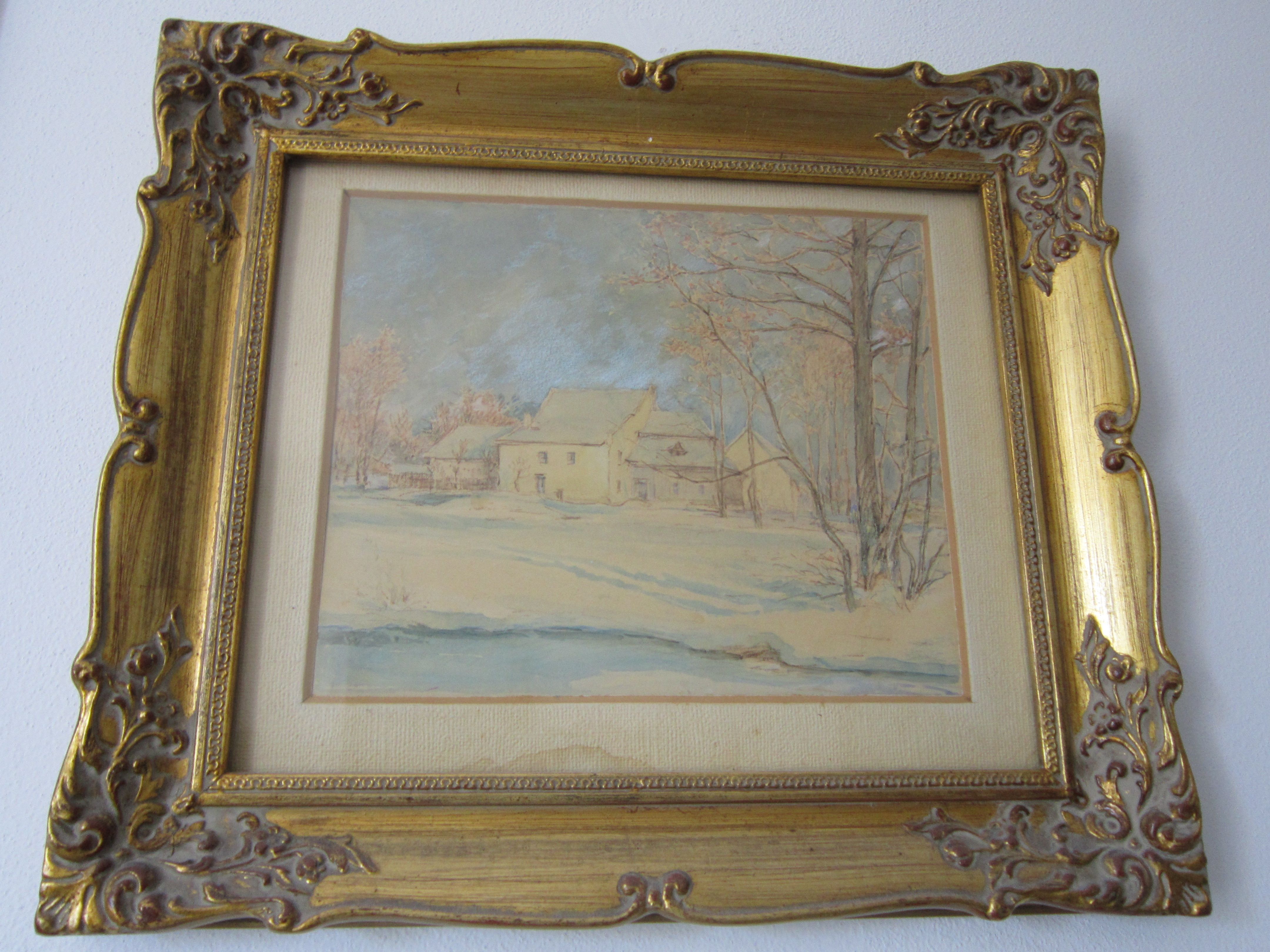
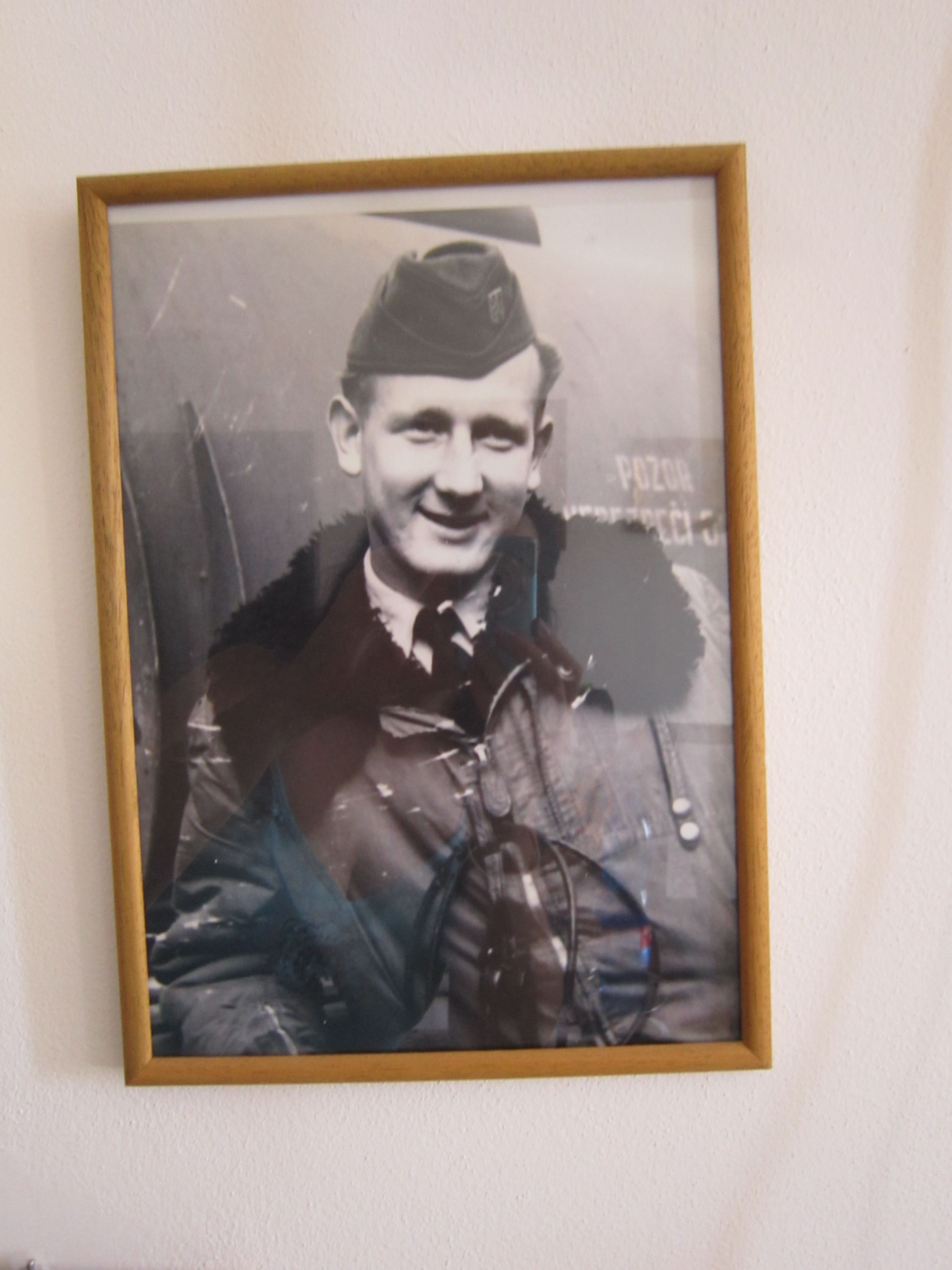
"I would like [young people] to be interested in what is happening around them. To not be disinterested. What I see around here today... I don't think young people today are bad, worse than we were. But I would say that they are - at least in my immediate surroundings - indifferent. They were actually born into a time when life in our country was never as good as it is now. And I think what happened to my father's situation is that it proved exactly what they say: 'You don't care about politics and politics cares about you.' And it also happened to him that politics crushed him. So I would tell young people—if I may presume to have the right to leave them a message: Take an interest in the world you live in, and pay attention to politics. Get involved in politics, and choose people who enter politics who are worthy of your trust.”
"Mr Kasík was also part of the group that used to come to congratulate the parents. At that time, my parents didn't know what a holiday was, but the holidays of St. Wenceslas and St. Anne were celebrated in the mill. Those were my parents. Both parents celebrated the holidays. Friends came over to congratulate us, they were always treated. I have a vivid memory that Mr. Kasik was one of those participants at least once. And as a girl, I remember - I must have been about eight or nine years old then — when he stood on the frame of the clothes dryer and played taps for my mother. Now he had a different role. He was seizing our two cows straight from the pasture near the mill. I can still see him driving them into the barns of the State Farm. On the other side of the property, under the supervision of Mr. Weinfurther, the rest of the livestock was being taken. All the poultry was loaded into crates — or whatever you’d call them — and carried away. In short, within a single afternoon my mother’s entire farm was wiped out. All we were left with was the tomcat and the pigeons on the roof…”
"Czechoslovak State Farms does not pay my father the agreed rent for the mill, he owes for five years. The father is demanding payment of the outstanding rent, since he is financing the rent out of his wages and is in fact supporting his entire family. The then director of the State Farm, Mr Haysman, decided not to pay the rent and to try to get the mill into the ownership of the farm. He instructed his subordinates to do so. At that time, he snooped - to put it in the vernacular - in our barns, what we fed and how. He could find nothing, but the result came. No evidence was needed. [On March 1, 1956, my father was arrested. The first court, the district court in Klatovy, tried my father for sabotage. The trial lasted two days. The result was: four years' imprisonment, forfeiture of all property, loss of civil rights, and after serving the sentence, a ban on residence in Janovice [nad Úhlavou]. The regional court of appeal confused sabotage with theft of socialist property and otherwise upheld the sentence. Thus we found ourselves without a provider."
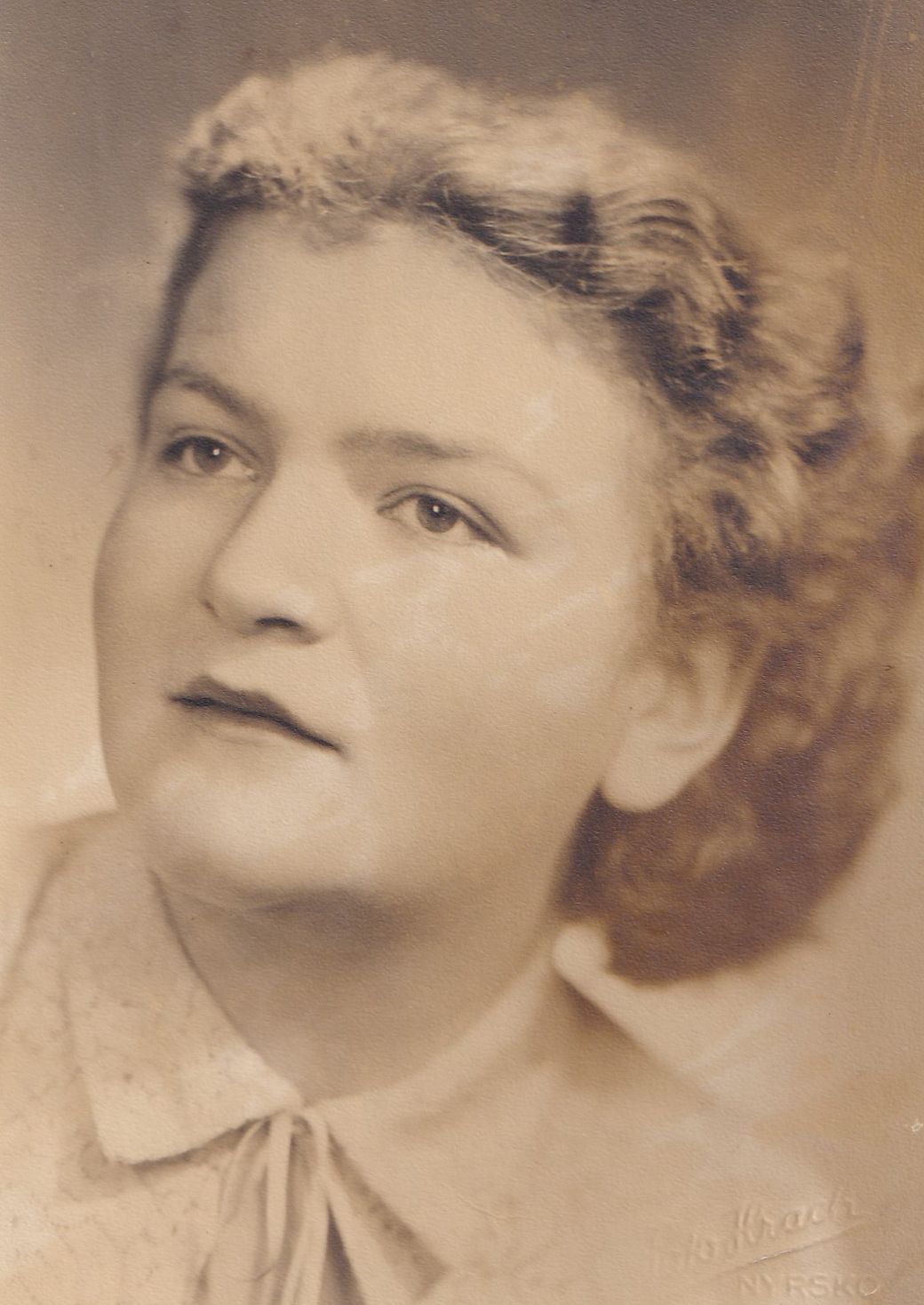
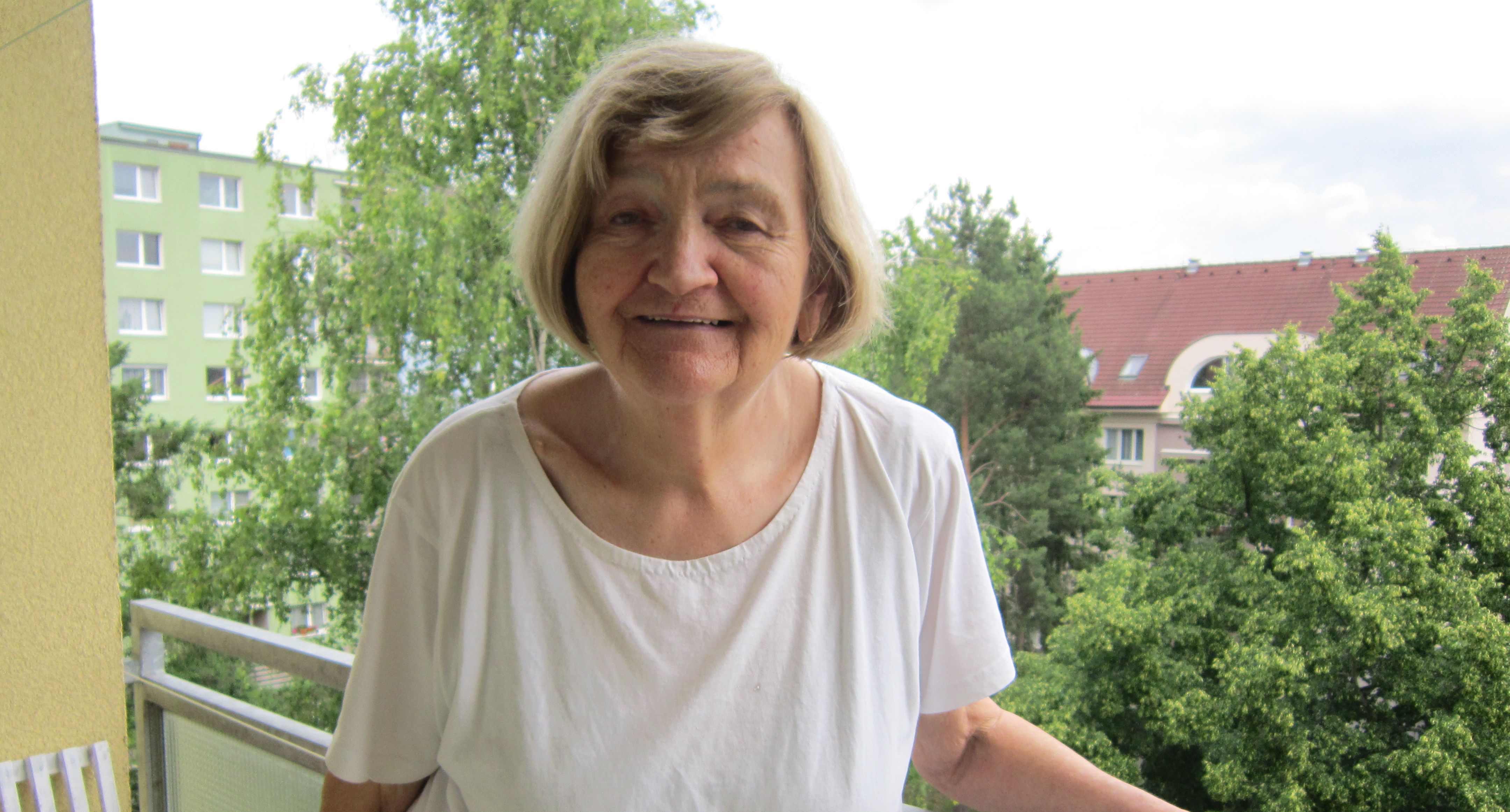
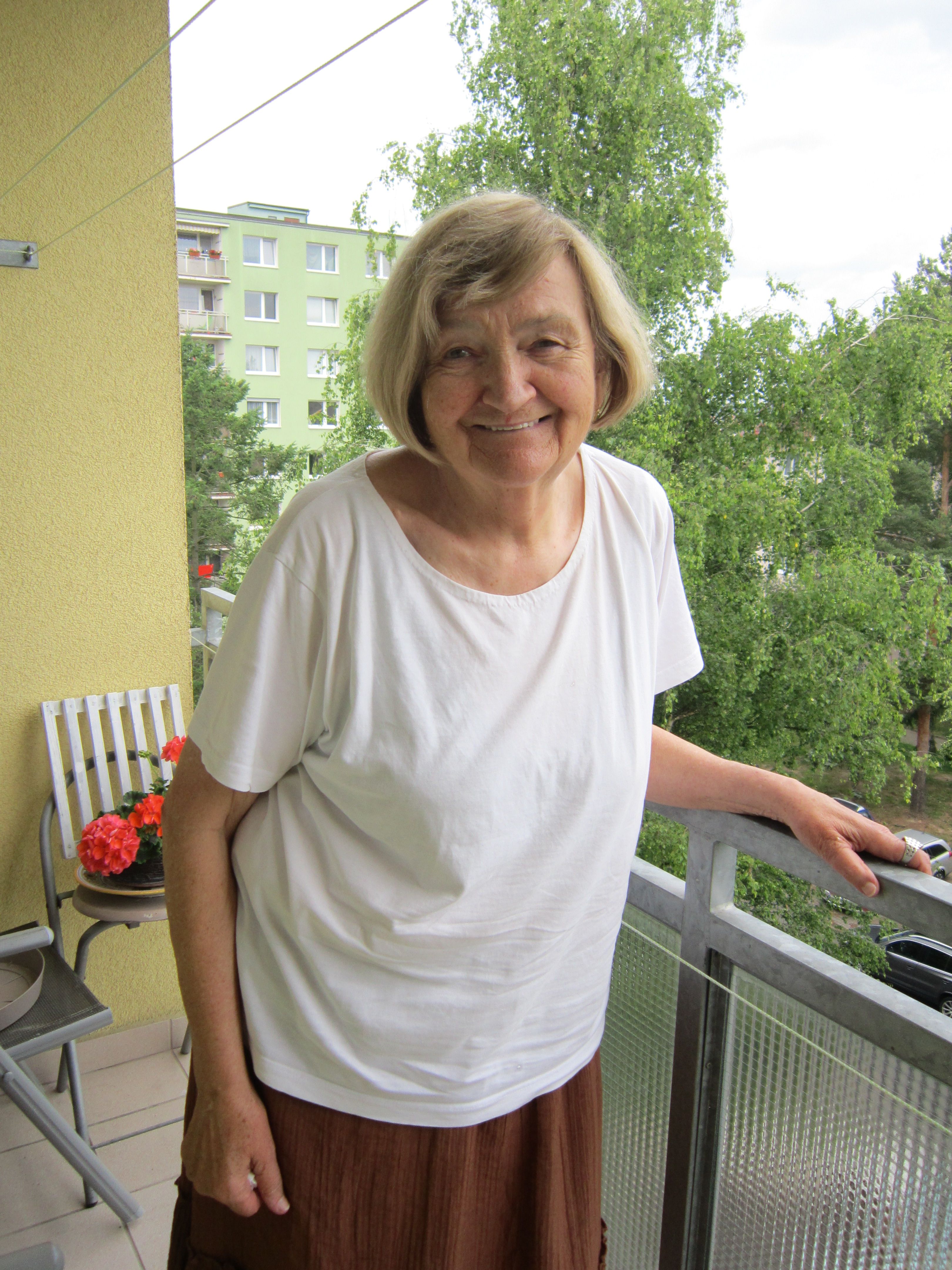
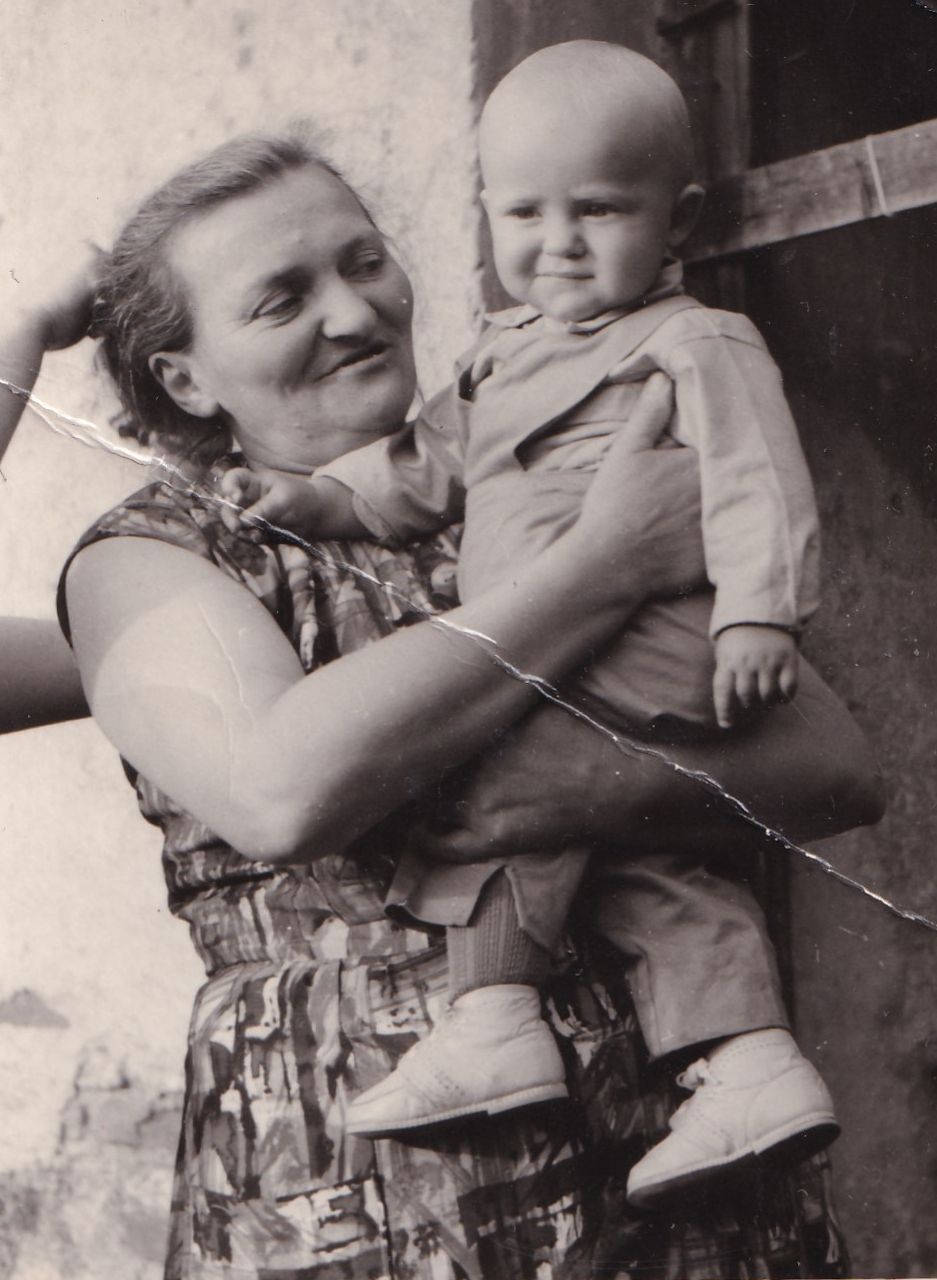
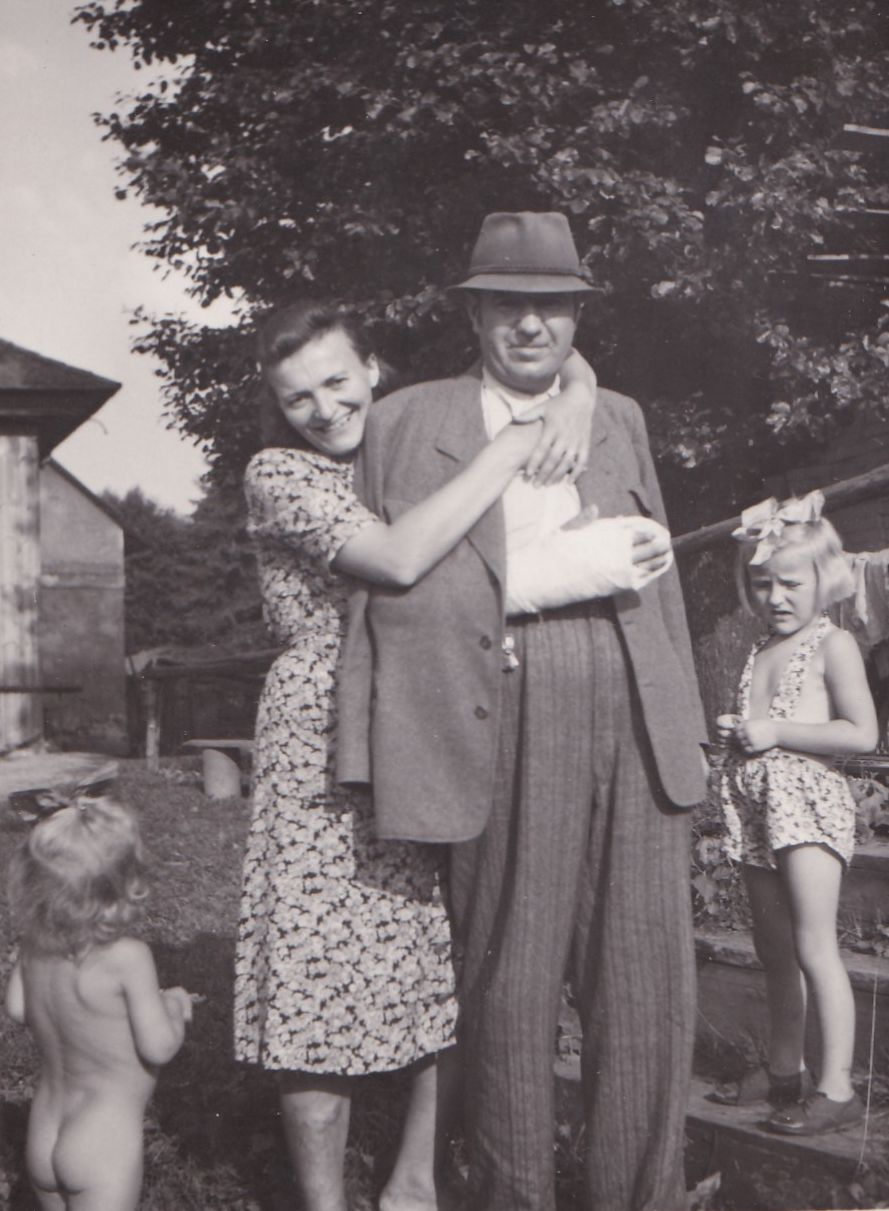
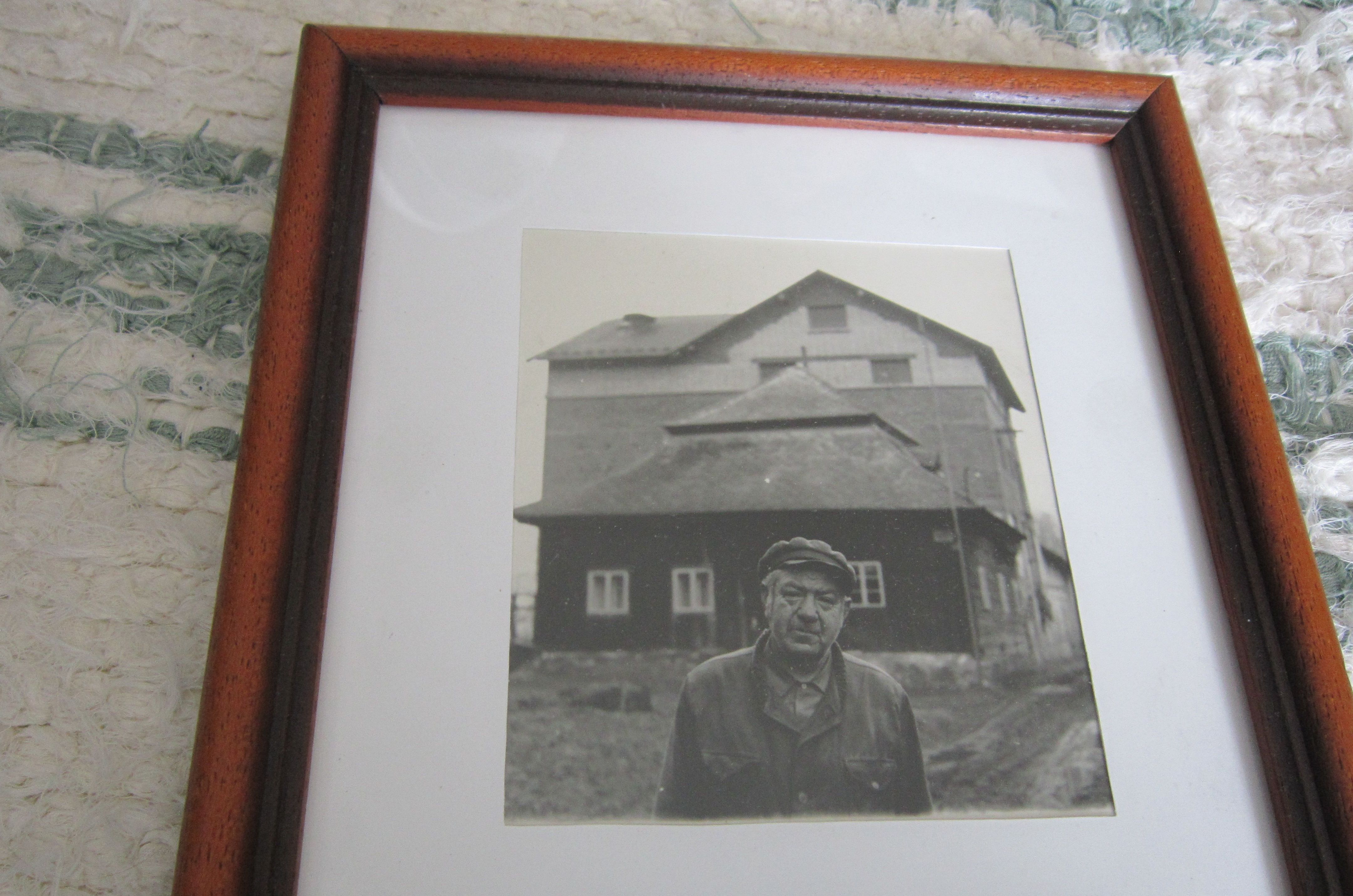
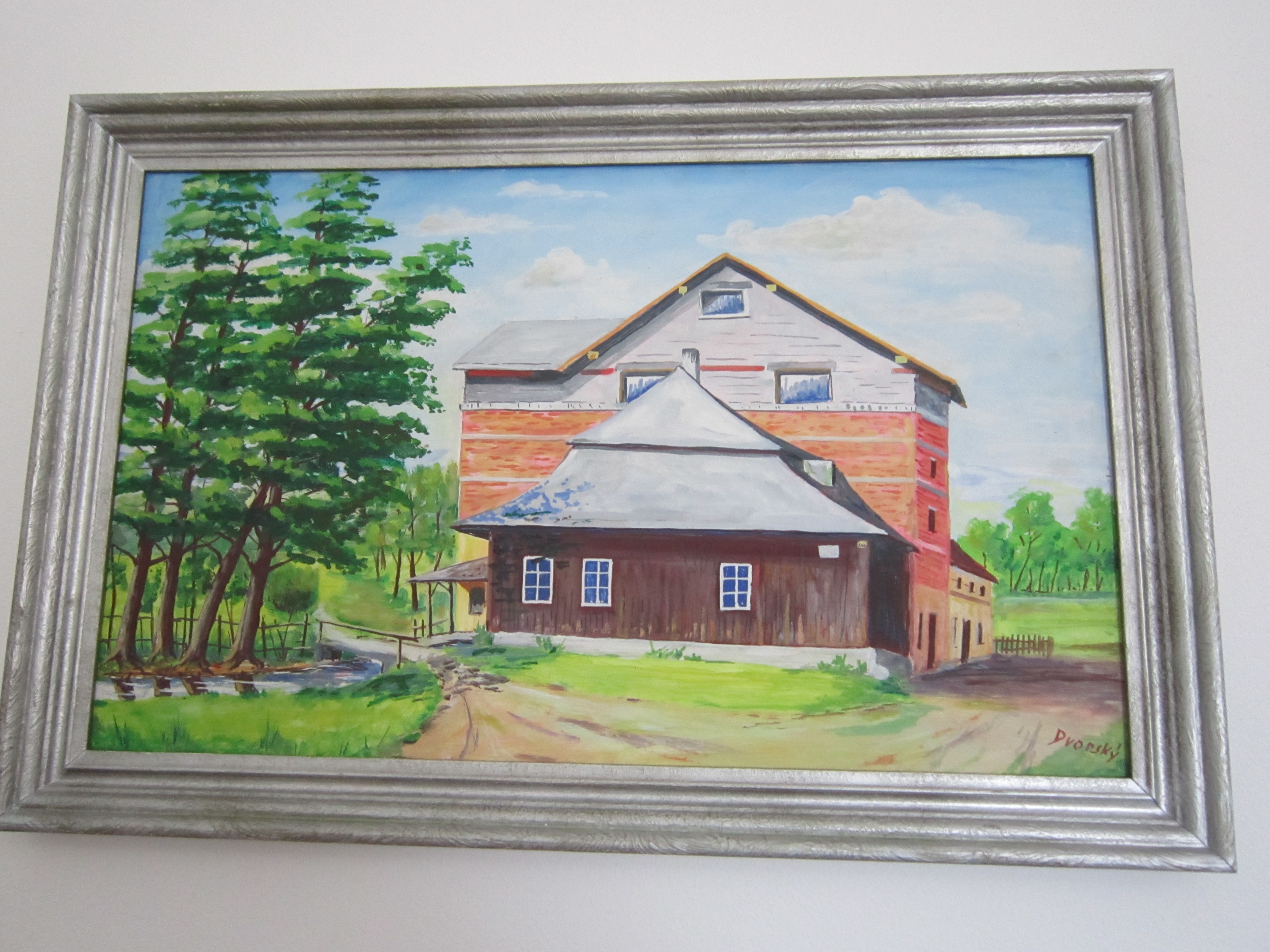
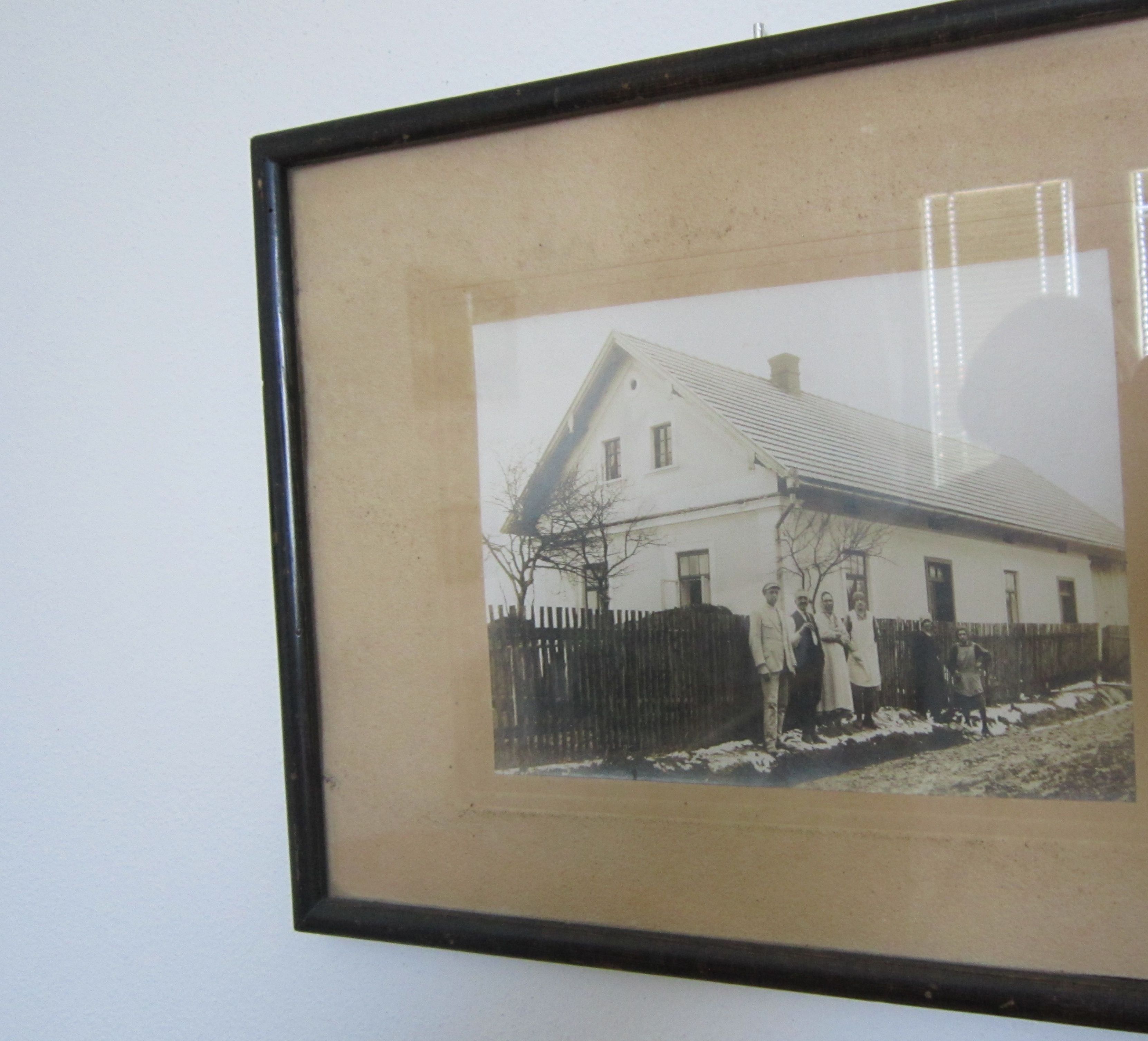
Věnceslava Vlčková was born on January 29, 1943 in Janovice nad Úhlavou to Anna Špirková, née Hejlíčková, and Václav Špirka. Her father probably bought the water mill Mark in Janovice nad Úhlavou in 1935. At the time of collectivisation in 1950 he rented part of the mill and the land to the Czechoslovak State Farm in Veselí. However, they did not pay the rent and Václav Špirka was arrested on March 1, 1956 and sentenced to four years in prison for sabotage because of their desire to acquire the mill. The family farm was liquidated in one afternoon. In 1960, Věnceslava Vlčková became a saleswoman for Jednota Klatovy. At the intercession of the director of the apprenticeship school, she was able to study at the evening school of economics, which ended with a high school diploma. From 1964 she worked for eleven years in Domácí potřeby in Bezděkov. In 1974 she married Václav Vlček, they moved to Ostrov nad Ohří and raised two sons together. After the Velvet Revolution, the building of Mark’s Mill, including the land, was owned by the municipality. It was in a desolate condition. Their house was bought as a confiscate, the owner refused to give it to the family. They received sixty-six thousand crowns for it. The ruined mill burned down in 1998 due to a pyromaniac fireman. Věnceslava Vlčková lived in Pilsen at the time of the filming in 2025.