"Next to my friend Mariechen there was a farmer, a widower, he had no children, and he had a girl, I don't know if she was Ukrainian or Russian. We called her Natia. She already spoke German well and ran his household. There was no other woman there. If there was something more, we didn't think about it. She was there her own boss. And she was so anxious to get home... And then when I heard that they were all 'traitors,' I thought, poor girl, I wonder where she ended up."
"Everyone was nice to me, I don't remember there being any Nazis in Úštěk. There were a lot of mixed marriages. I know that [people] visited each other a lot and I learned German so much that I almost forgot Czech."
"And I have to say that when they left for the station, we lived on the edge of Svobodná Ves, they said goodbye to us and said, 'Please, go there and there...' and told us where they had everything hidden. But at our place we said, 'Not possible! We couldn't take it!'"
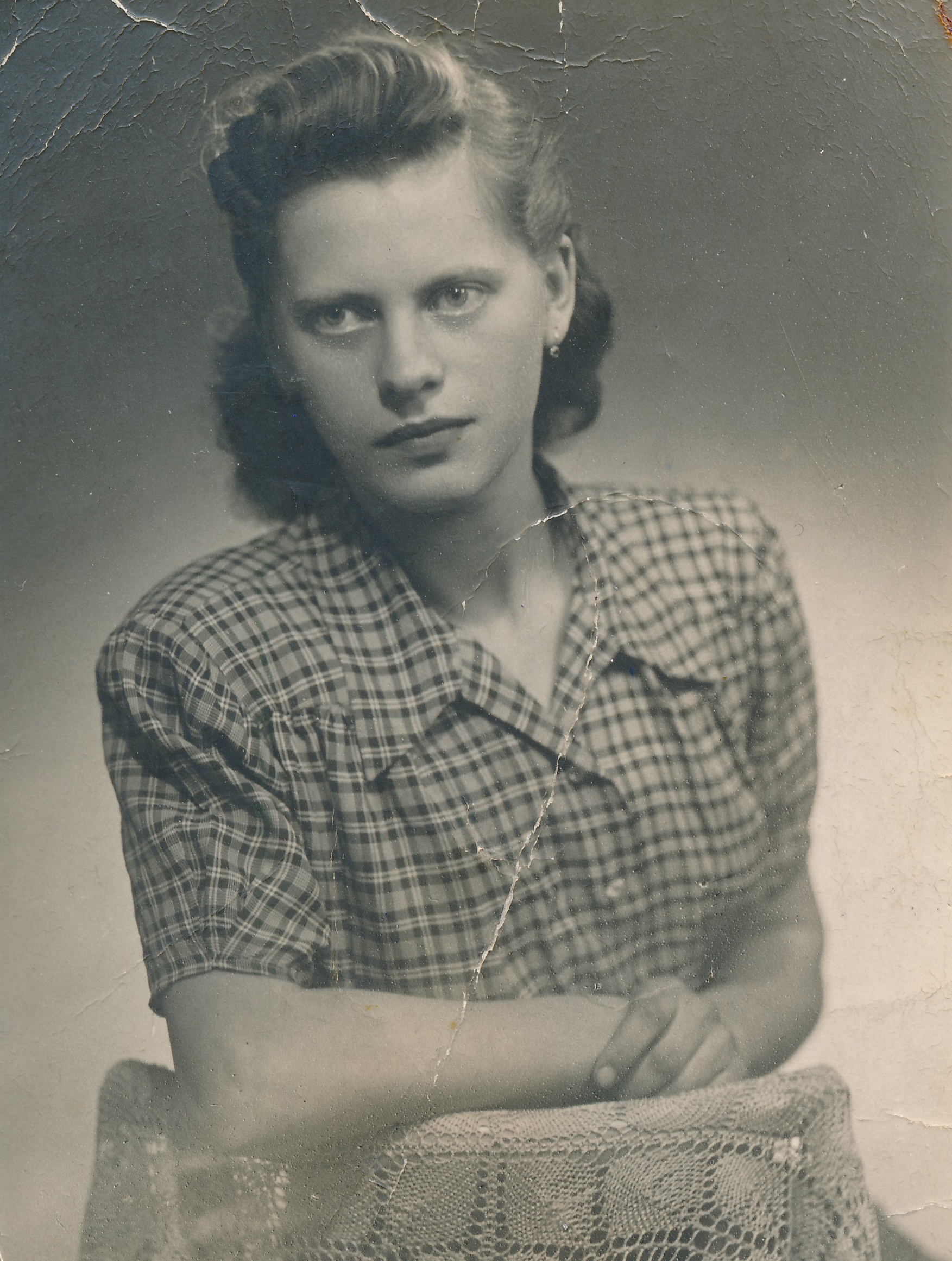
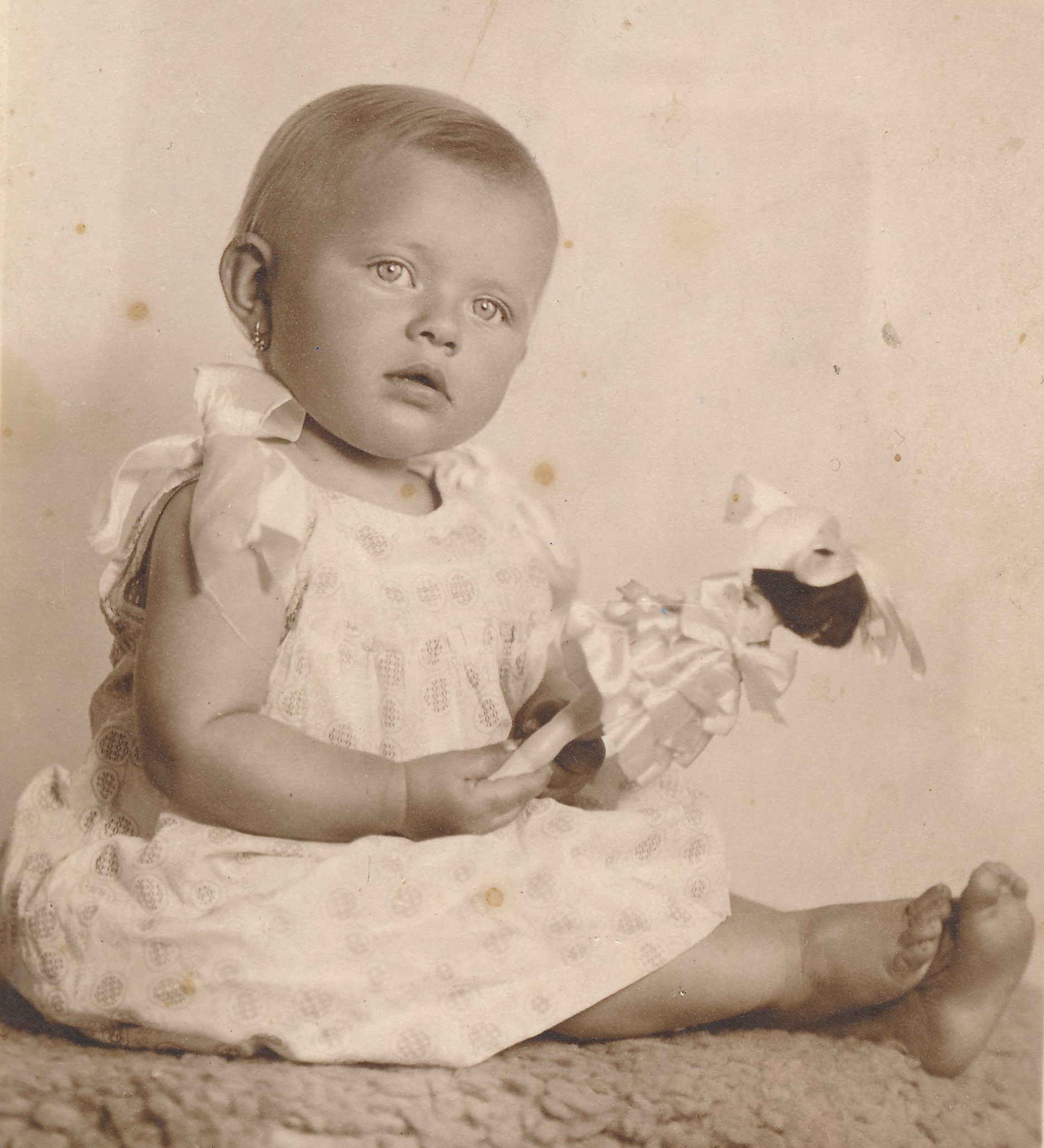
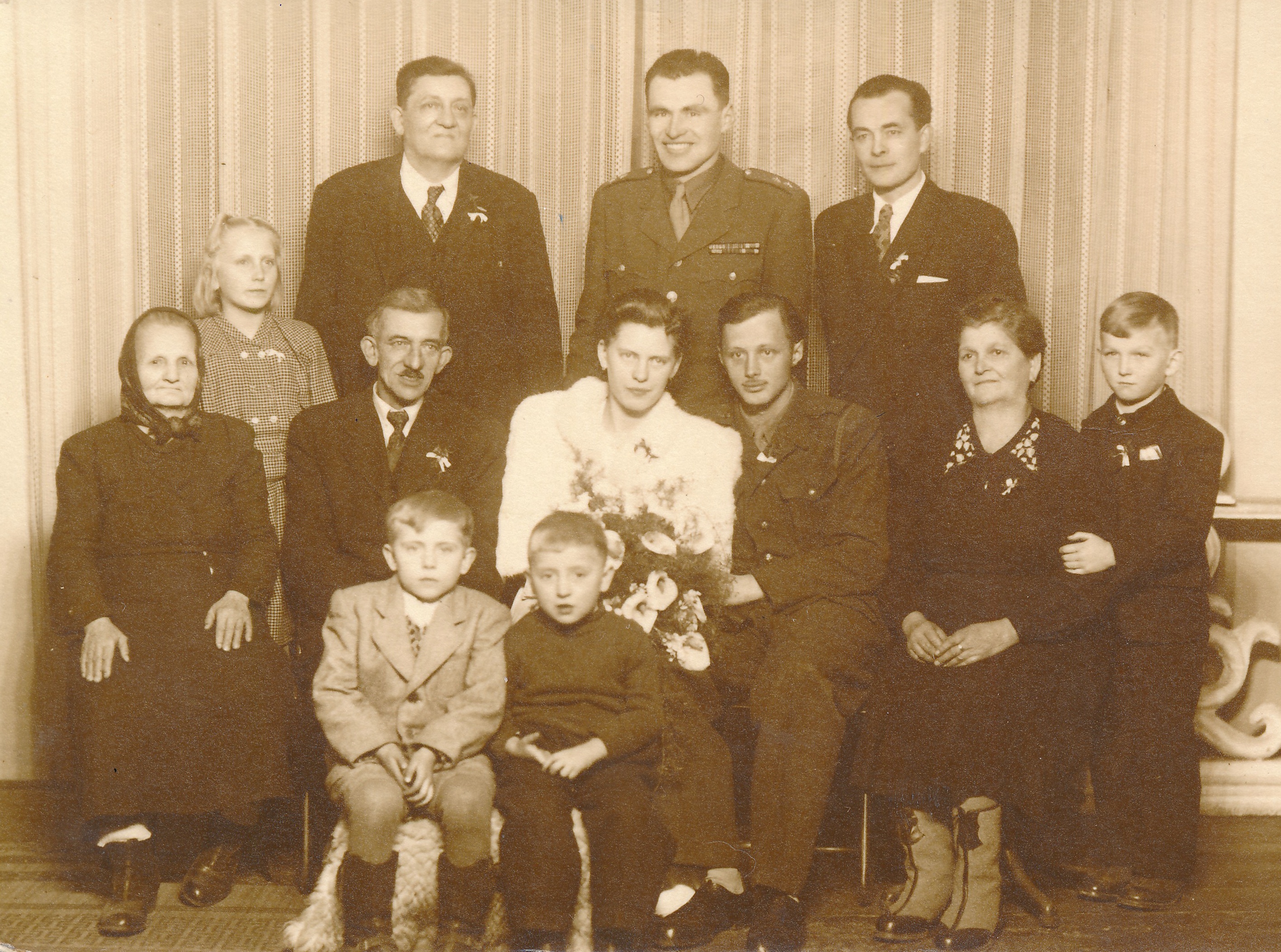
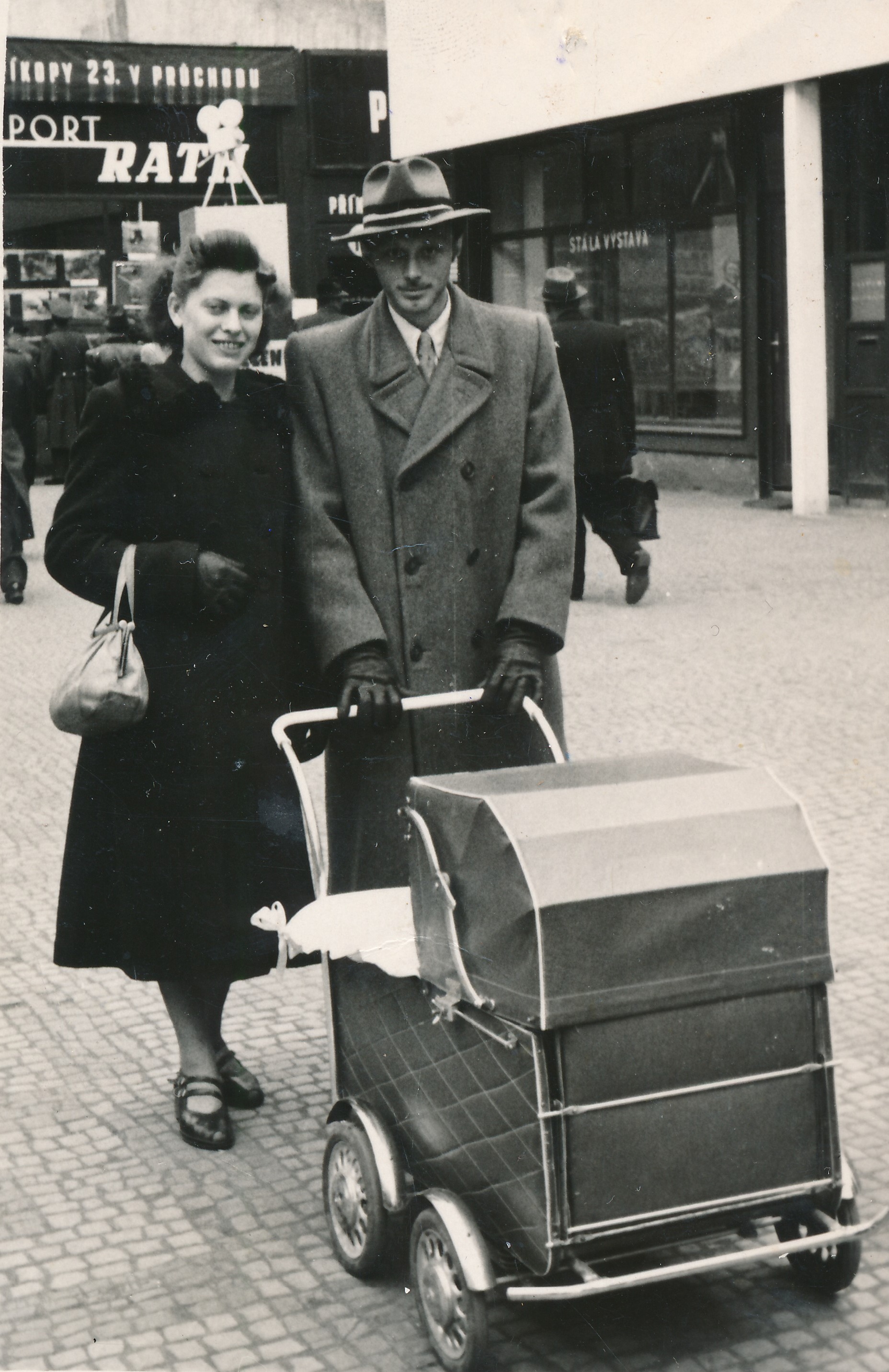
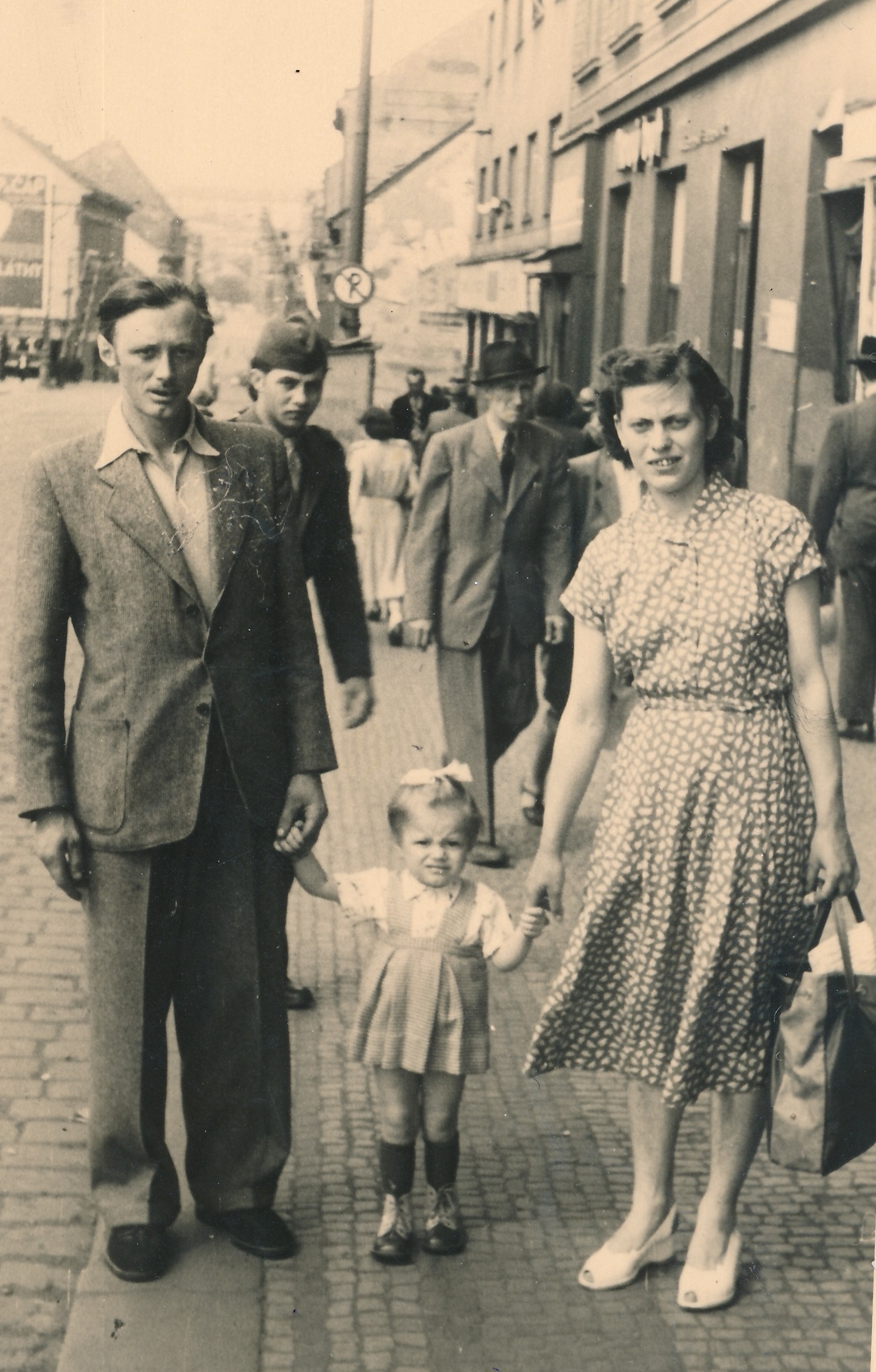
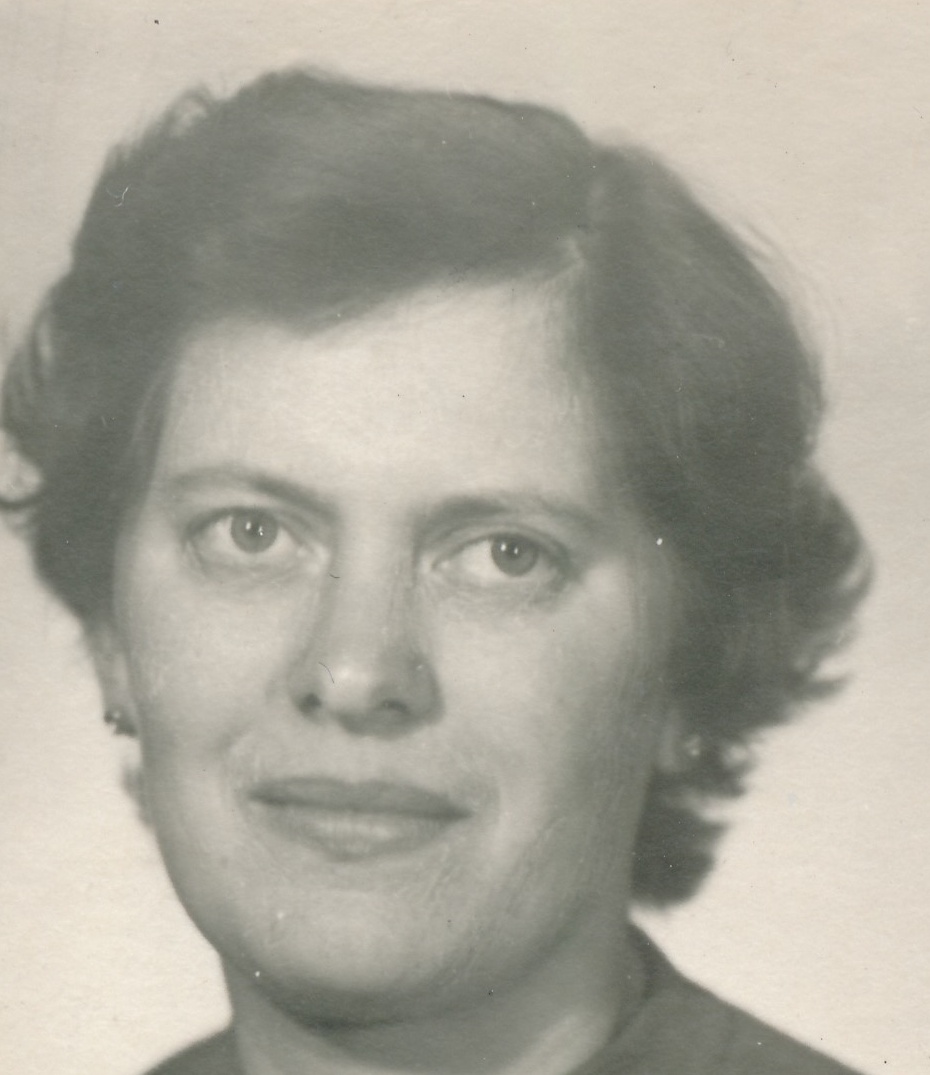
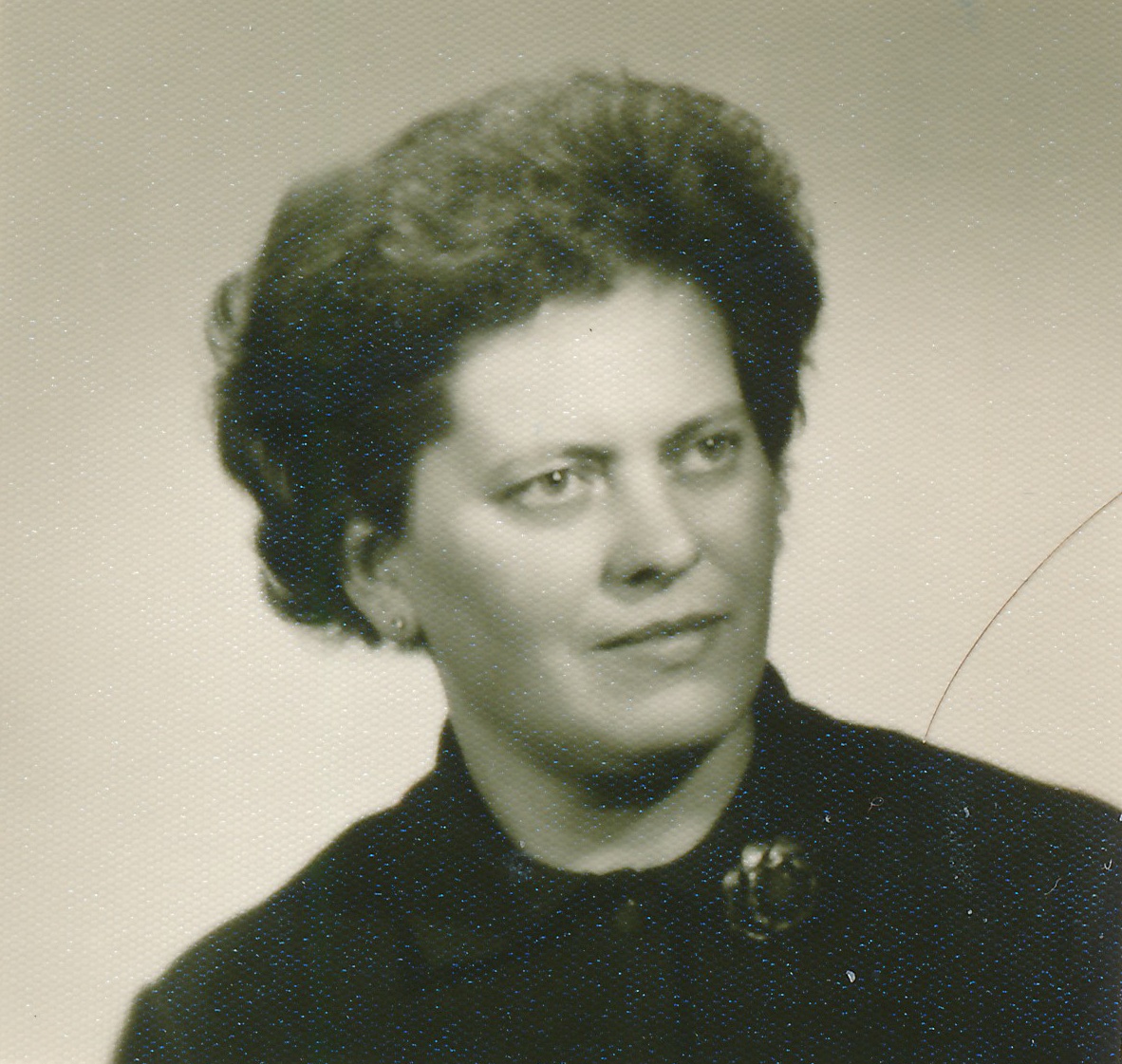
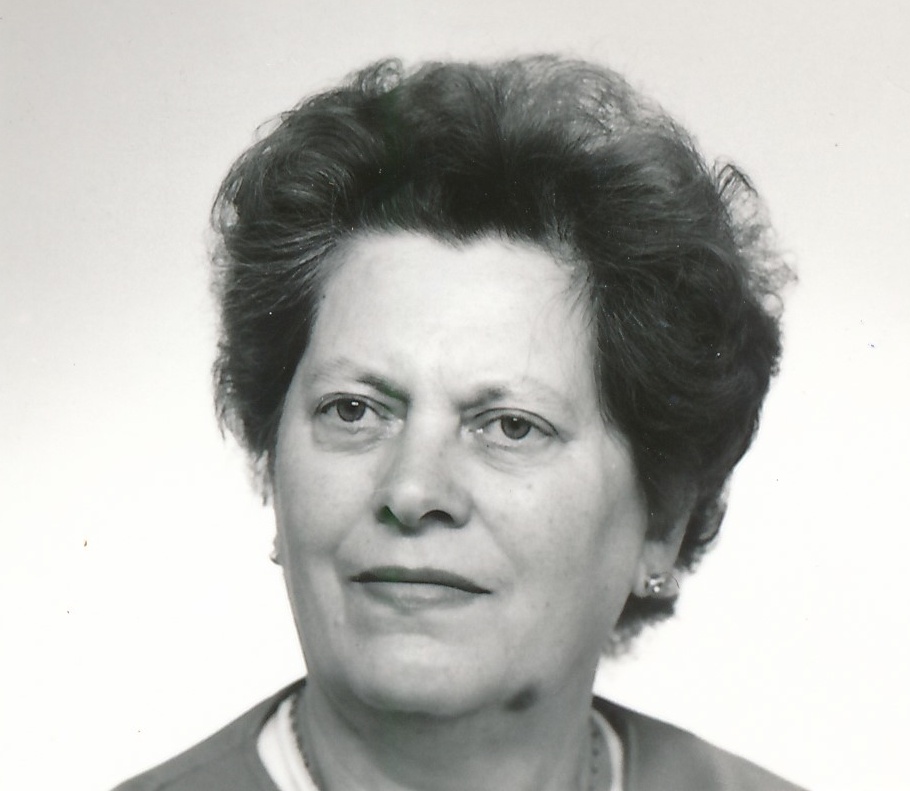
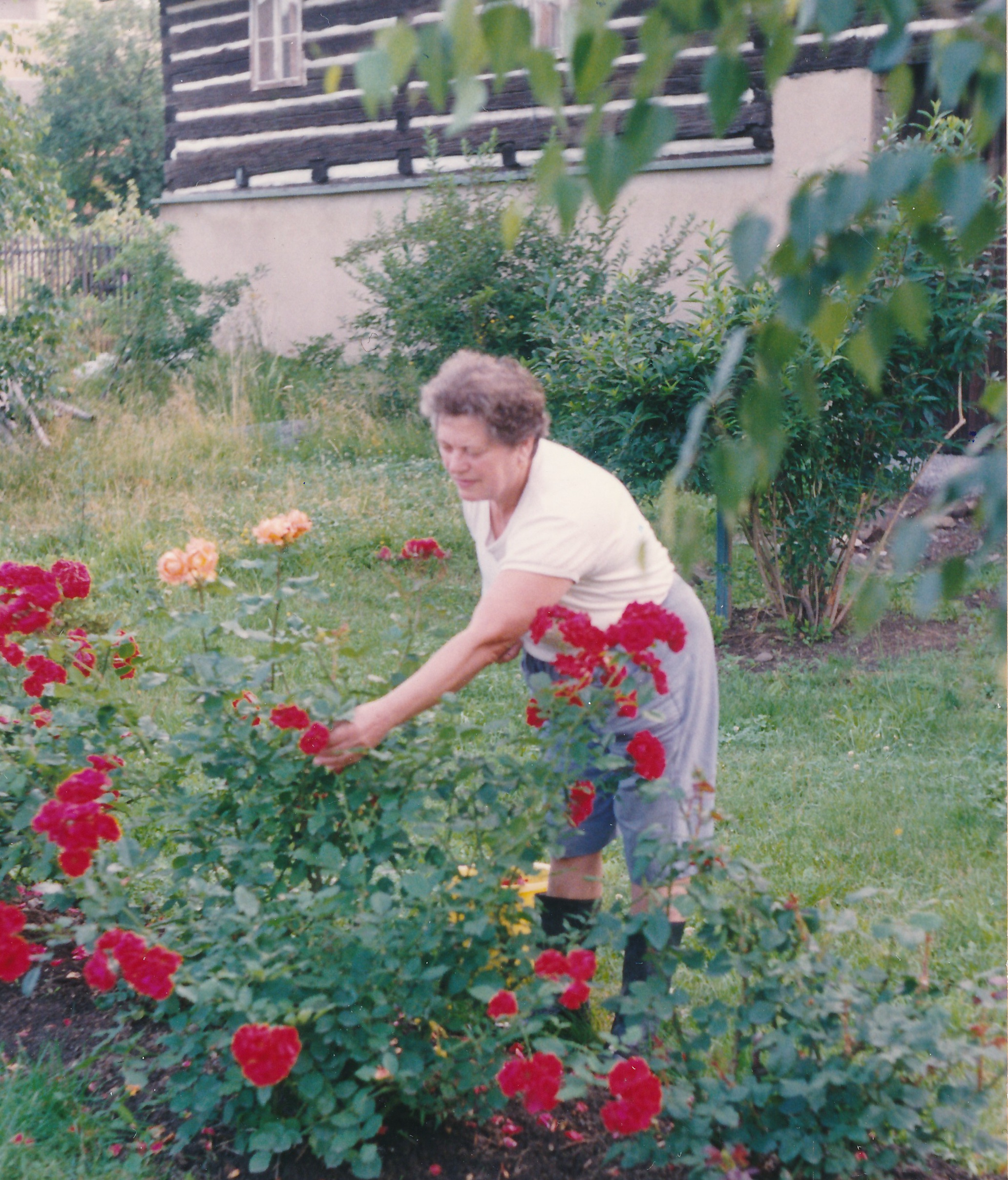
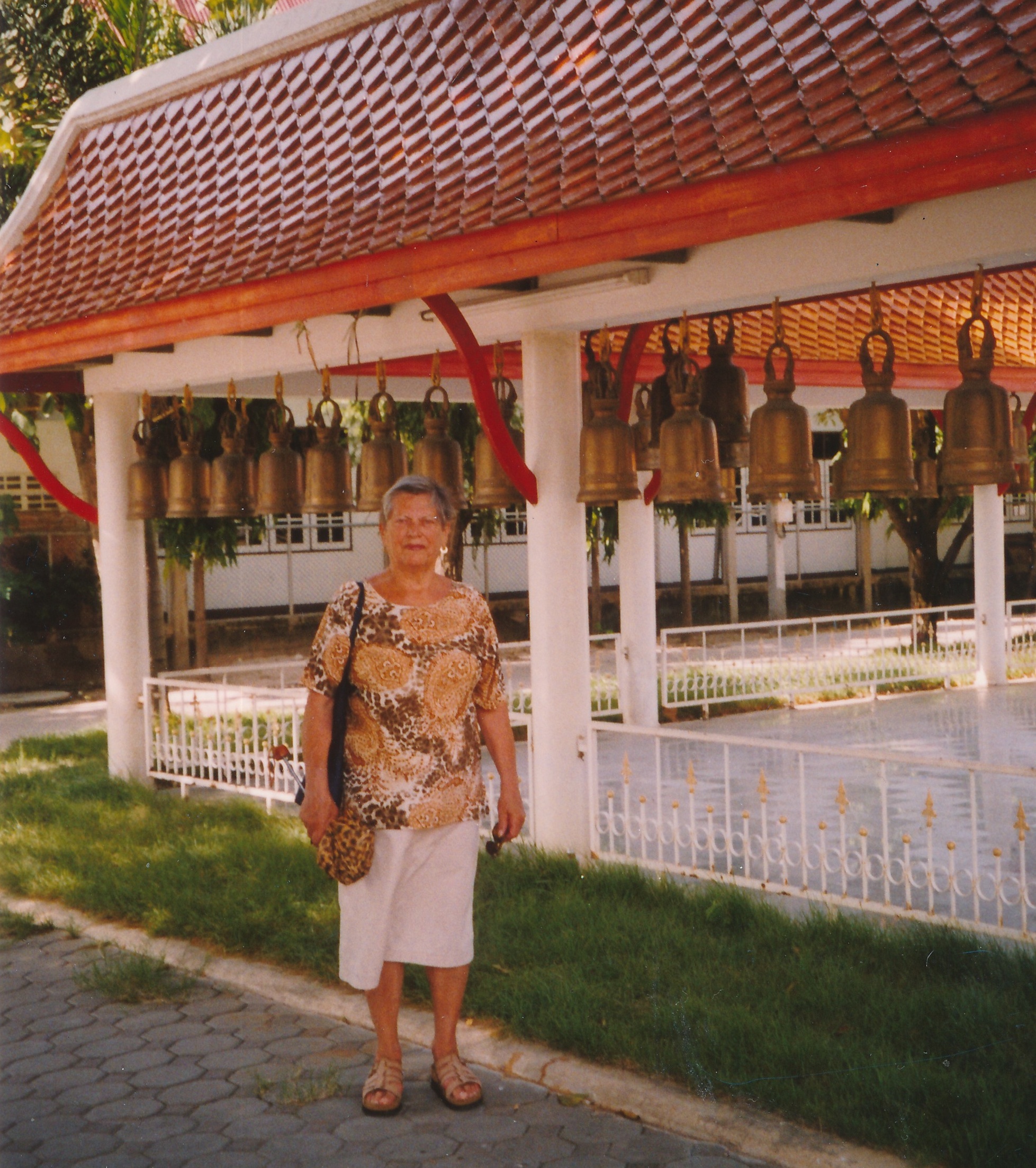
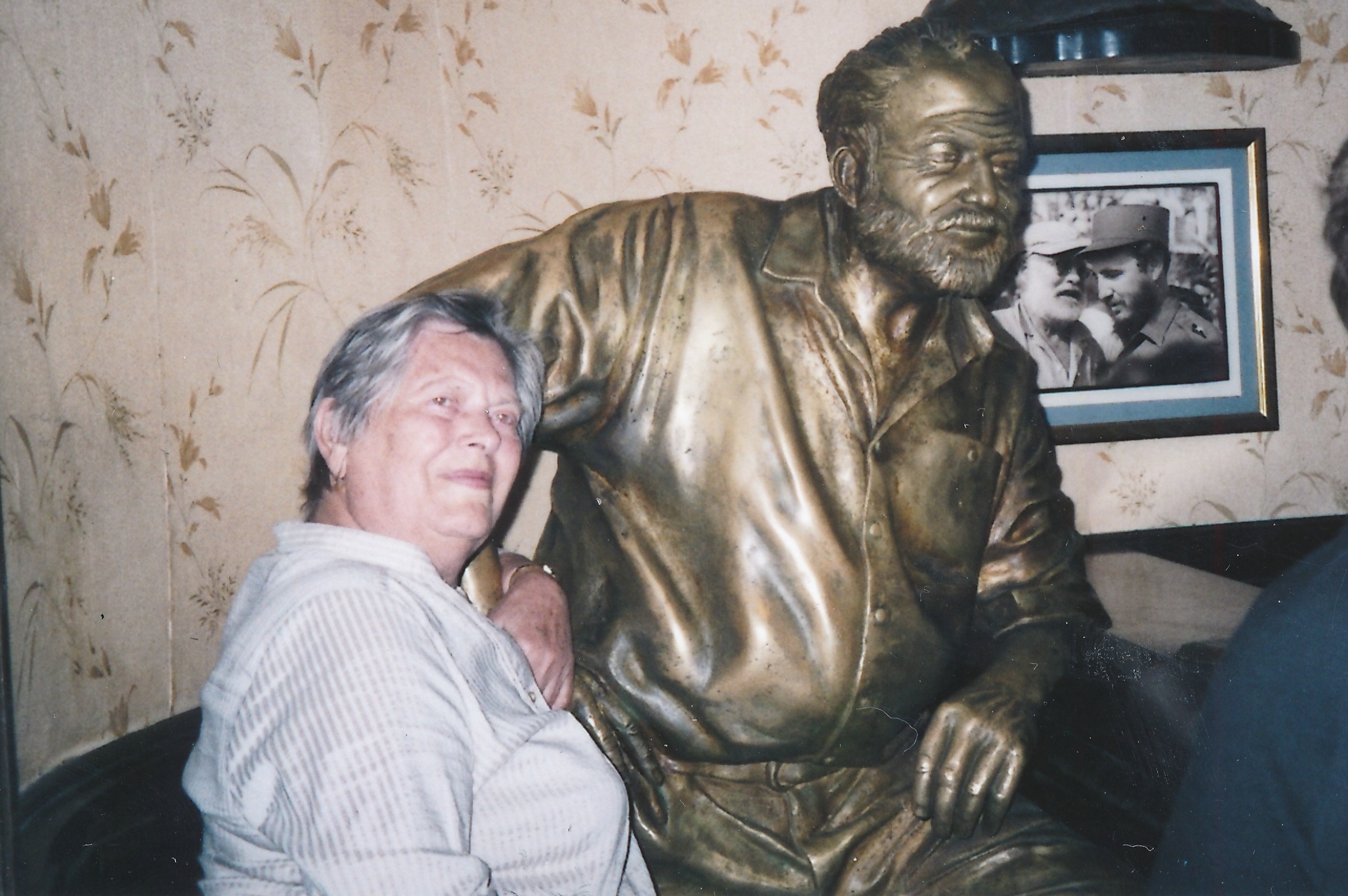
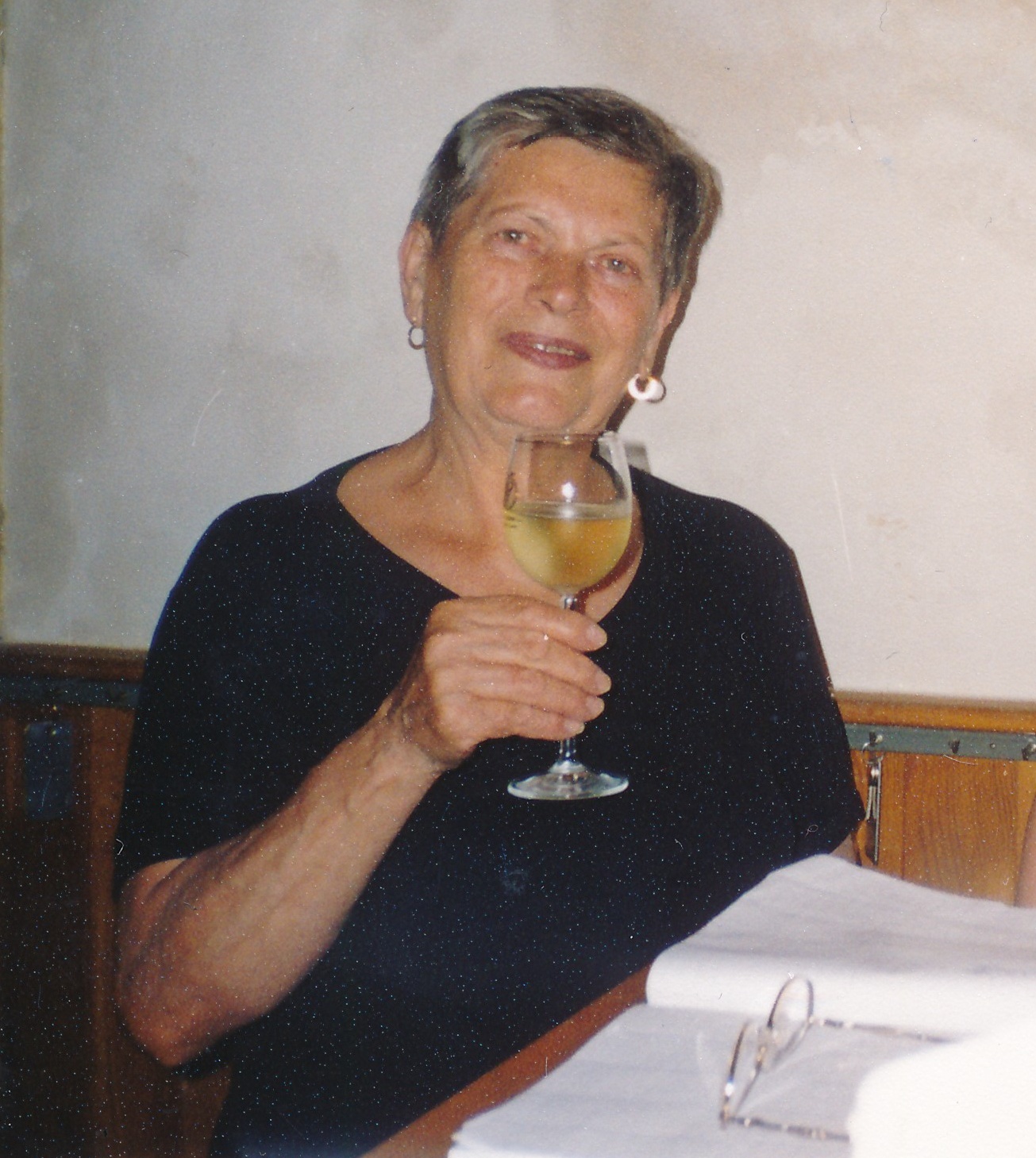
Jarmila Vítovská was born on 27 August 1930 in Poděbrady. After the death of her mother Terezie Mayerová, married name Hojná, her father Stanislav Hojný remarried. However, his second wife, Marie Mayerová-Hojná, also died and Jarmila Vítovská moved to her aunt Františka Richterová’s mixed Czech-German family in the Sudetenland in 1942. She was the only Czech girl to attend a German school. She experienced the savage removal of Germans from Úštěk, the arrival of the Red Army and the Revolutionary Guards. In 1950 she married and moved to Prague. Her husband Zdeněk Vítovský was totally deployed and later worked in Germany for the American army. He joined the Communist Party and left in 1964. His daughter Zdena Vítovská witnessed the shelling of Czechoslovak Radio in 1968. Son Petr Vítovský co-founded the Civic Forum in 1989. Jarmila Vítovská has been retired since 1985 and lived in Prague-Malešice in 2024. She died on 12 November 2024.