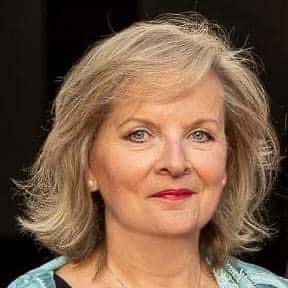
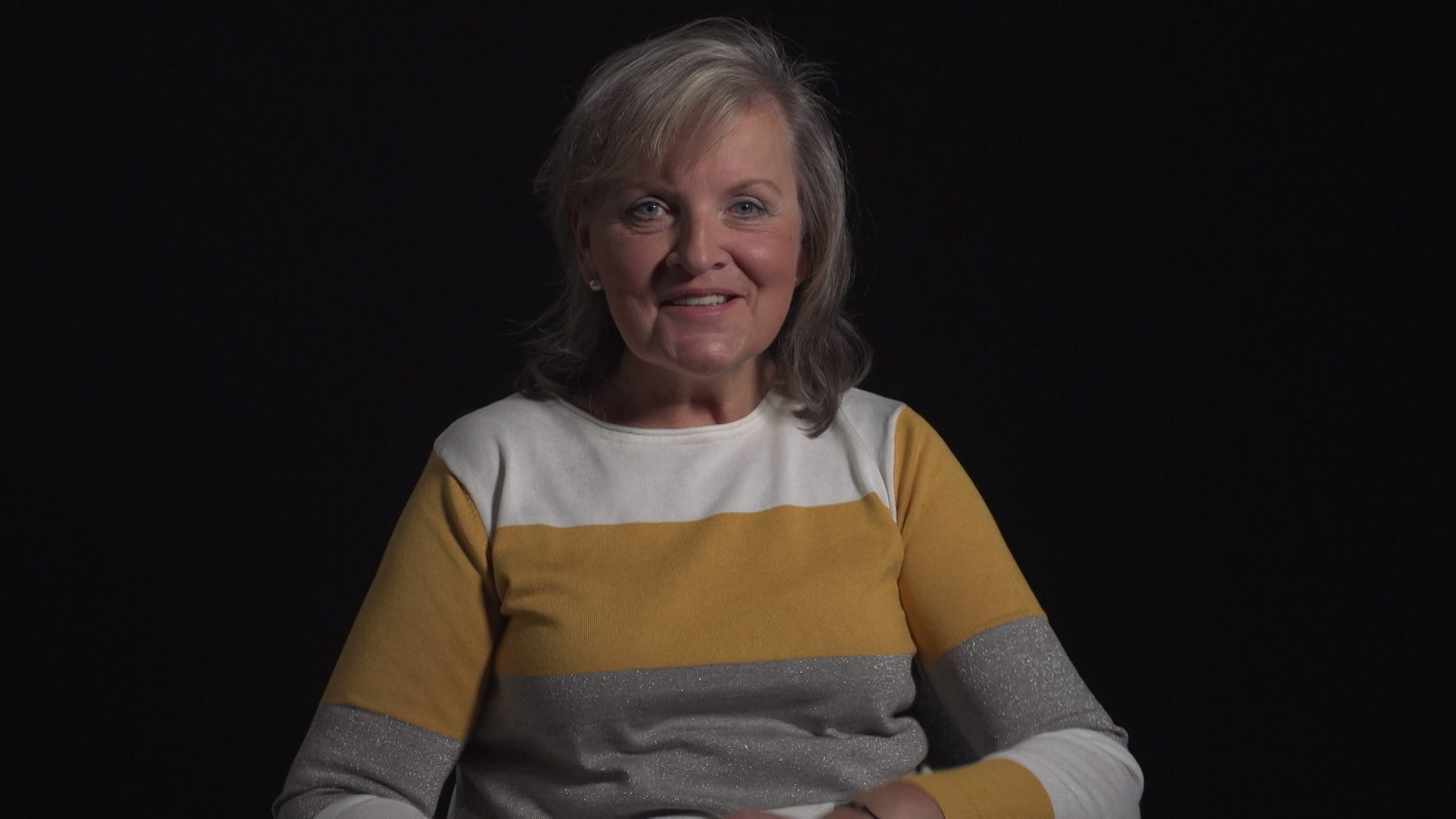
Marcela Vaňhová

* 1959

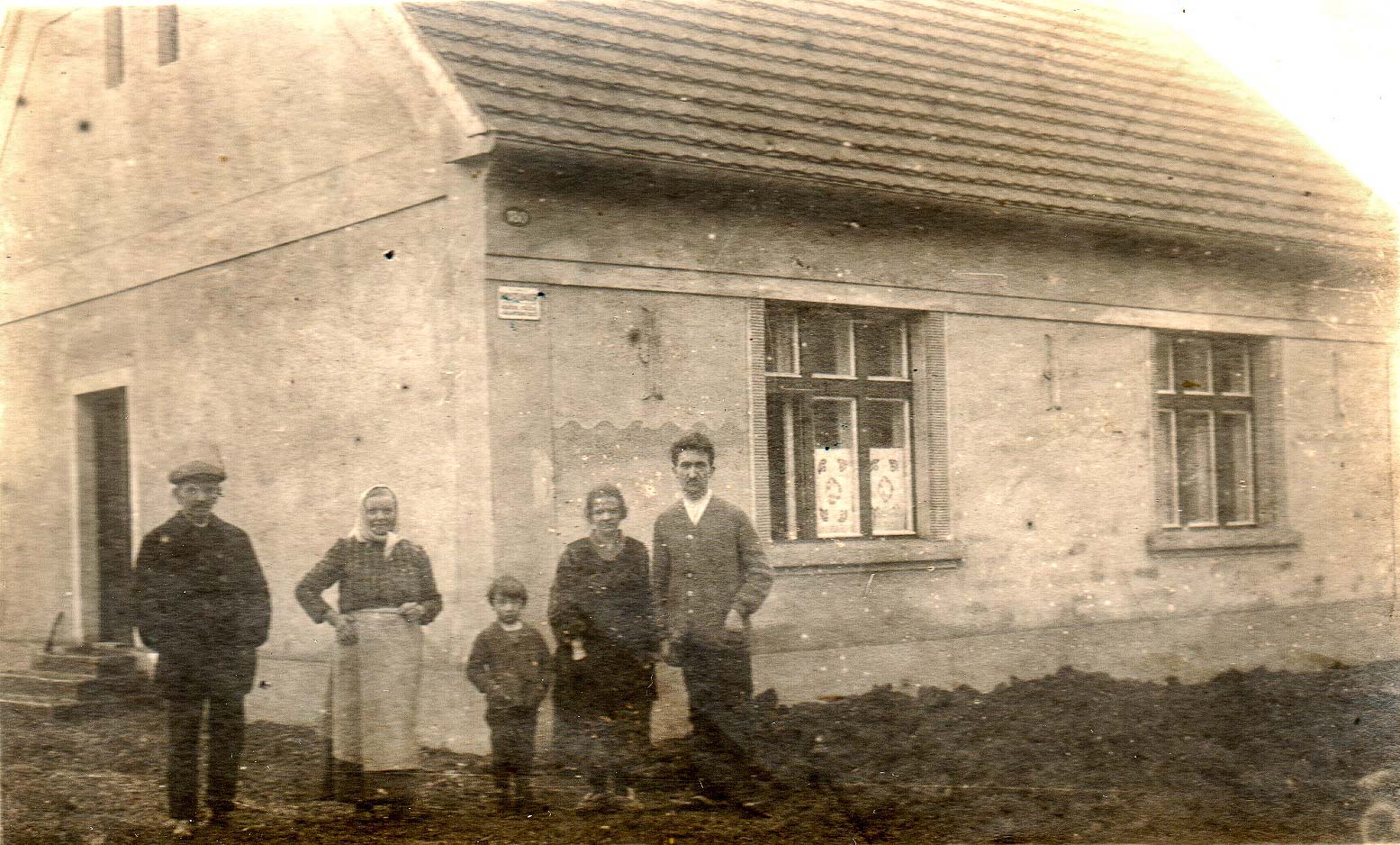
  • "Well, that's kind of my sore spot, a little bit. His wife lived in Neuměř, he also returned to Neuměř – but I used to go to Zámělíč. So I thought to myself: that's strange, why Zámělíč, how did he end up there? Well, unfortunately, I found out. I didn't really want to believe it, but he evicted a German family from the farm and they moved there instead. Every year – as I said, I went there on vacation at the beginning of July – and every year at that time, a car with German license plates would arrive and just stand in front of the house, looking inside. I was strictly forbidden to go to the door or even approach them. But I was so tempted, I kept watching them, I saw the old people getting out of the car, I saw the children, and I wondered: what are they looking for here? So they came every year, for the ten years or so that I went there, they showed up every year and came to look at the house. So that's what... that's exactly what I'm saying, that's the hard part for me, I can't come to terms with, because I saw my uncle as morally superior and I couldn't imagine him stooping to something like that. But unfortunately, that's probably what happened. I'll have to leave it to someone else to sort out, because I'm not, I'm a little shocked by it all."

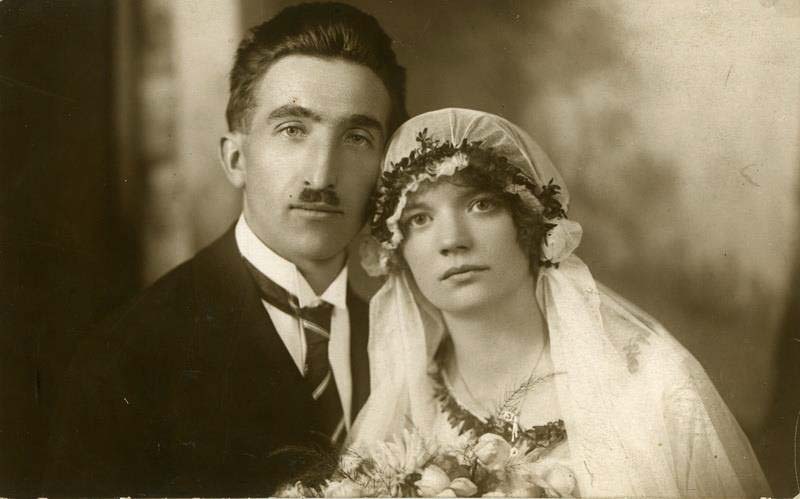
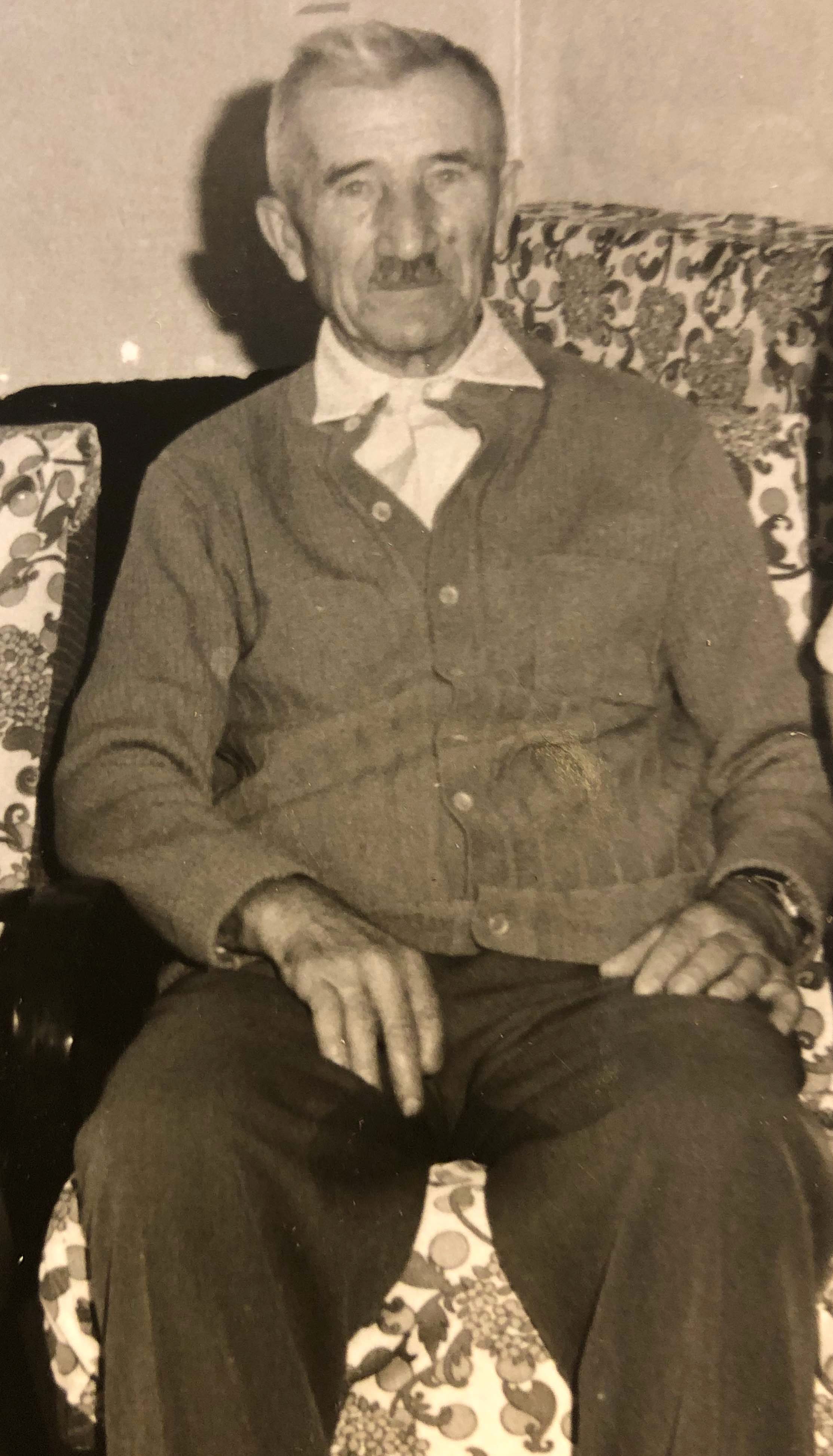
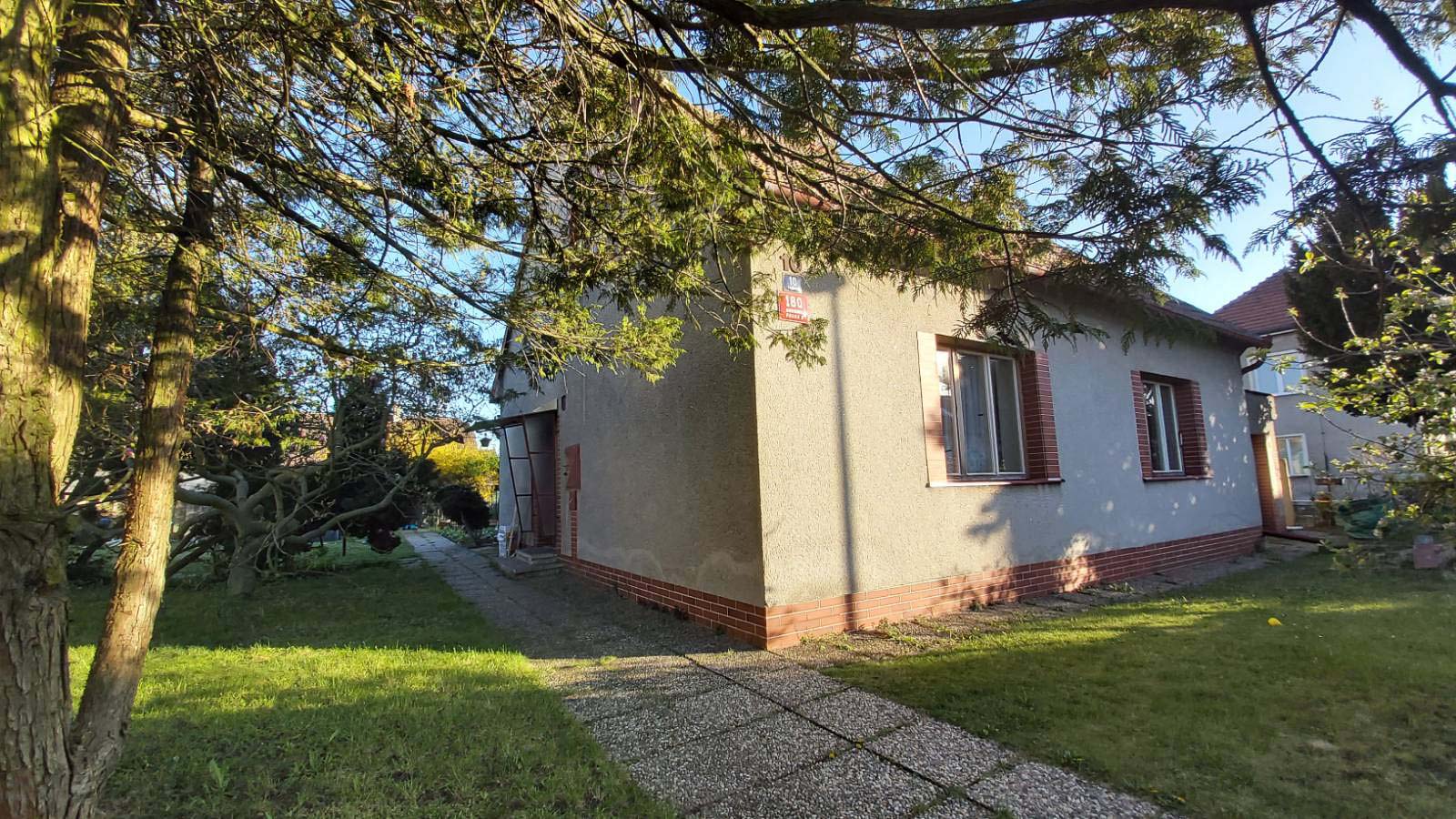
  • "My grandfather worked at Jawa, and on May 31, 1942, he didn't come home and was arrested at Jawa. Allegedly for boycotting production. My grandfather was a locksmith, and weapons were manufactured there, so basically – boycotting production. From then on, the SS came to Suchdol and searched the whole house, always arriving at night, of course. They took everything, food, they took everything. They never found anything. They never charged my grandfather. From the documents I found there, it was clear that my grandfather had a radio in the house. They were looking for that radio. They never found it. At the time they arrested him, there were already people coming there to use the transmitter. The whole thing had already been so processed that the radio couldn't stop. Unfortunately, my grandfather was in the wrong place at the wrong time. There was the assassination of Heydrich, and they linked him to it , and executed him. On June 30, 1942, they executed him at the Kobylisy shooting range."

  • "It was very interesting, because all I knew from my grandmother was that my grandfather had been shot. But I never looked into it, it was just clear information for me, I never knew what had happened. And it was only when I was fifty-five, when I was rummaging around in the attic of my house, that I found two medals. One of them was a war cross. It said that the war cross had been awarded to Josef Behenský. So I went to my father and said, 'What does this mean?' I just found it in the attic... And my dad told me at the time that it meant nothing to him, that his father's life was what mattered to him. I said, "Why isn't it displayed anywhere?" Nothing... And he didn't want to talk to me about it at all. It kept bothering me, I thought to myself: that's not possible, if he received the War Cross, he must have been active in some way. So I kept pestering my dad, I kept asking him to tell me something about it. And he brought me a folder of papers and said, 'Here, you can read about it here.' I read what we're going to talk about today. It actually sparked my incredible passion for history and genealogy. I've been doing it for almost five years now, and I've found some incredible things."

  • Full recordings
  • 1

    Praha, 04.11.2021

    (audio)
    duration: 01:43:33
    media recorded in project Stories of the 20th Century TV
Full recordings are available only for logged users.

Her house hid a treasure. She found a suitcase full of documents and uncovered a fascinating family history
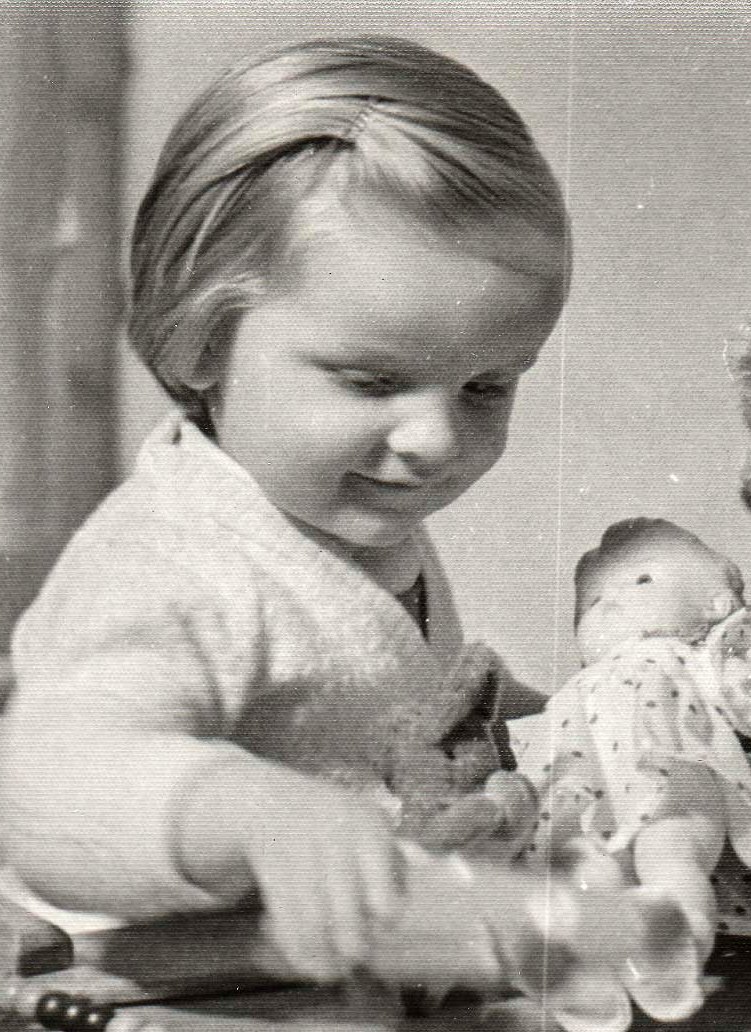
Marcela Vaňhová, née Behenská
photo: Witness archive

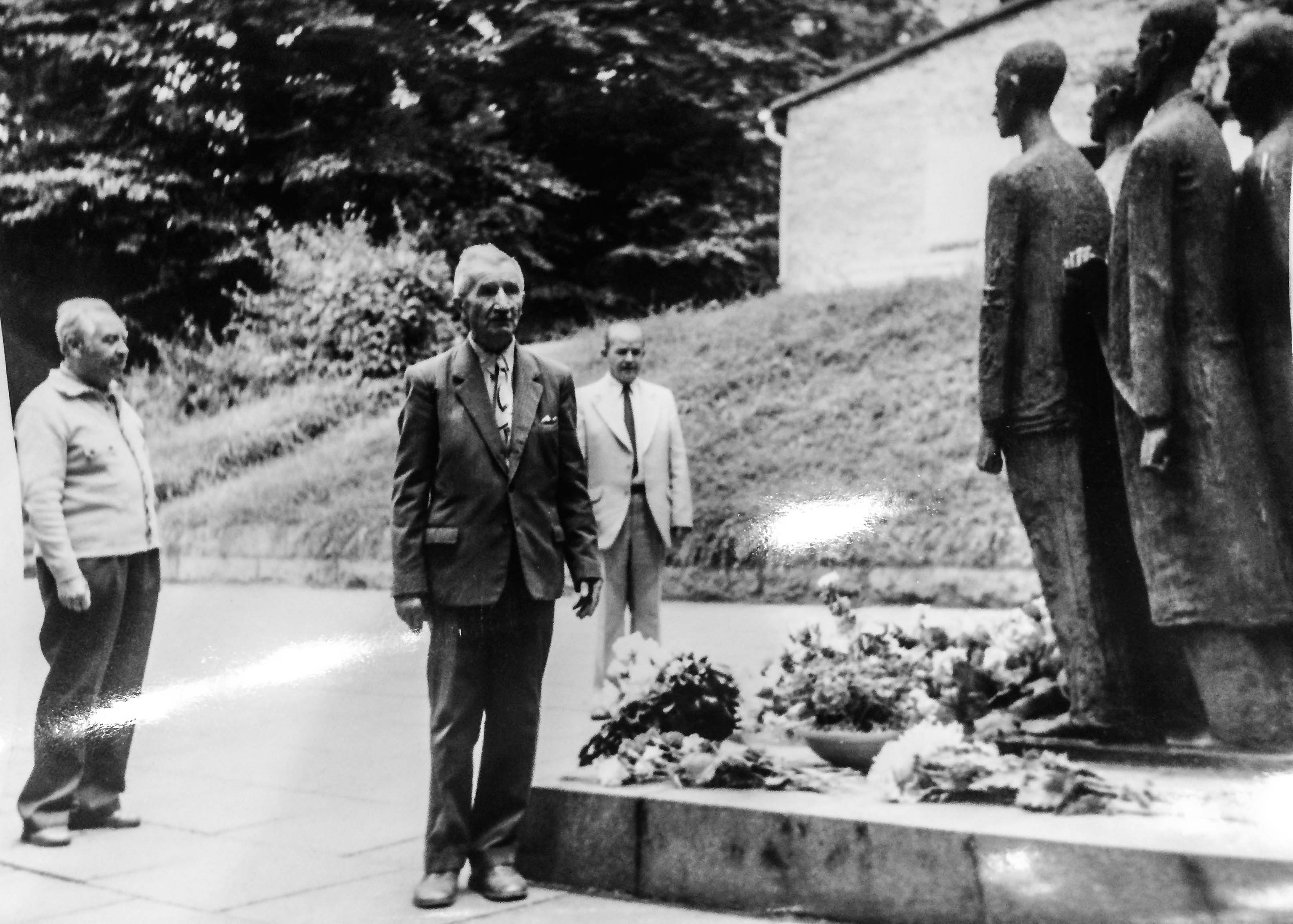
She was born on August 10, 1959, in Prague. From childhood, she knew that her grandfather Josef Behenský had been executed by the Nazis, but she did not seek out the details. It was not until 2014 that the discovery of her grandfather’s war medal prompted her to research her family history, which culminated in the discovery of a suitcase full of valuable documents. From these, she reconstructed the story of her grandfather, who collaborated with the Captain Nemo resistance group and hid a radio transmitter in his house in Suchdol. The Gestapo arrested him in March 1942 and executed him in June of the same year at the Kobylisy shooting range, but they did not find the radio transmitter. Marcela Vaňhová also searched for the fates of other relatives: her great-uncle, Karel Behenský, who went through Nazi concentration camps, her maternal grandmother, Anna Fochlerová, who traveled to the Netherlands and was not allowed to return to Czechoslovakia by the communists. Or the family of her first husband, Ota Vaňha, whose great-uncle Jindřich Vaňha built a network of fish shops and restaurants in the 1930s. The Prague “Vaňha Fish Market” on Wenceslas Square was famous, and Vaňha even owned a fleet of fishing boats anchored in Hamburg and several planes used for the rapid transport of fresh fish – but the communists took everything away from him. Marcela Vaňhová publishes the stories of her ancestors on her own blog. In 2021, when she shared them with Paměť národa (Memory of the Nation), she was living in Mělník.