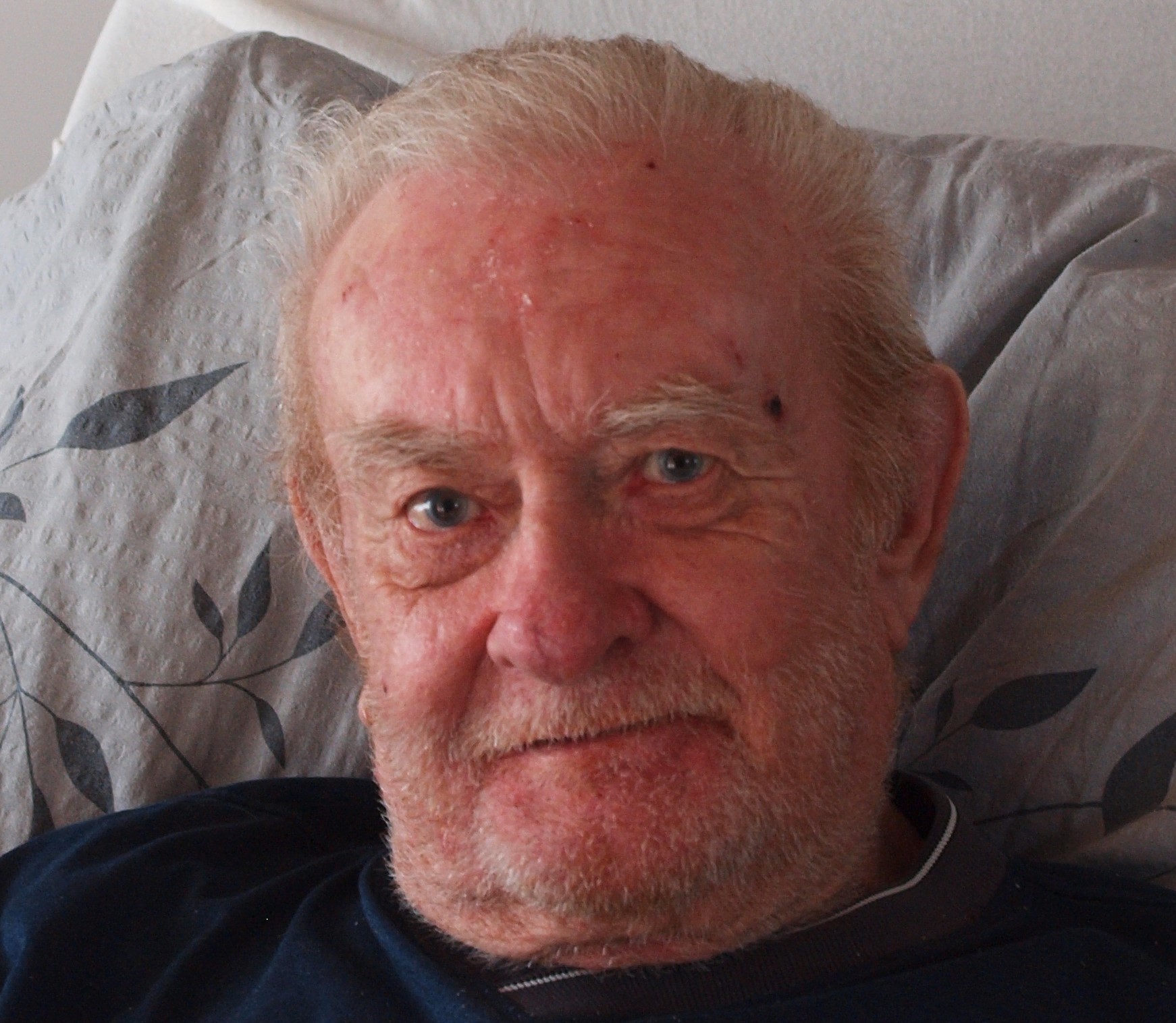
Antonín Tomešek

* 1943

  • "This rumble in the night, I say, what is it? Because in Bzenec there were also tankers, there were two barracks there, and I thought, 'I'm going to sort them out!' So I went out in my pajamas: 'What the hell are you doing there? There are little kids in here!' And [they said]: 'What's that?' (In Russian). I said, oh my God, it's some foreigners, I saw a Russian flag. I said, 'Oh s..t!' [The soldier] pulled out a submachine gun, and in a moment I was in the basement. I turned on the radio: 'Yes, we're occupied by the Warsaw Pact.' I said: 'Jesus Christ!' So I went out, the bike - and that I was going to work. Of course, there were a lot of people in the square. 'What happened?' 'Jura Tomeček was shot by the Russians!'"

  • "Between Vracov and Vlkoš - it's a neighbouring village - the train stopped and a motorcyclist arrived with a sidecar and a machine gun from the other side and they left us, they let people loot." - "Czechs? Czechs ran there?" - "Well, people ran over there, it was by the forest and they were carrying everything like into the forest. Some, my dad told me that... even named who it was, that he took a submachine gun from a German, he saw it all, so they went around with the gun and started to shoot at them. And they shot old Repík, who had wine in the cellar with us, in both legs."

  • "One time we fell underground, it was a sandpit, we were playing football there. A boy fell down, there were German trenches, there were dead bodies, all this, weapons..." - "In Břeclav, or somewhere near Břeclav?" - "Well, behind Hruški - Hruški and Břeclav, it's almost the same. We took ammo belts, rifles and submachine guns and off we went, we marched through Břeclav and we saluted. The policemen surrounded us and they would beat us, they immediately took all the stuff and we had to report where we found it. And they immediately surrounded it with a wire mesh."

  • "I remember when I was a little kid, when I was a year old, that there was a bomb that went off. The Germans were on the hill and shelling Vracov. It fell into the backyard, it was quite an explosion, all the windows were broken out and there was a crater."

  • Full recordings
  • 1

    Šternberk, 21.07.2025

    (audio)
    duration: 33:37
    media recorded in project Field reports
  • 2

    Šternberk, 28.07.2025

    (audio)
    duration: 01:51:33
    media recorded in project Stories of the region - Central Moravia
Full recordings are available only for logged users.

All my life, I’ve have been saying no to communism
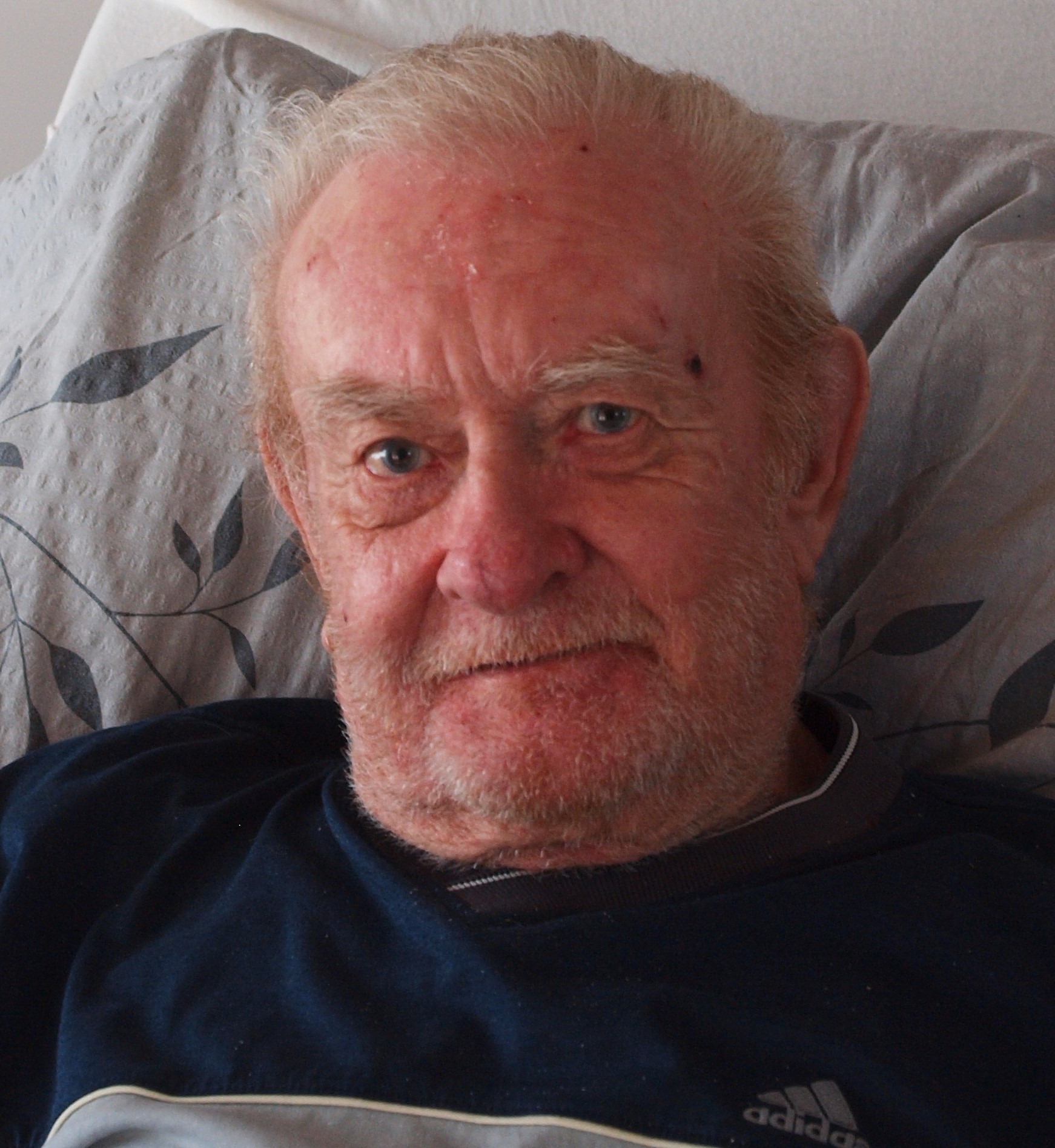
Antonín Tomešek in DS Oblouková, Šternberk, during an interview for the Memory of Nations, 21 July 2025
photo: Memory of Nations

Antonín Tomešek was born on 22 November 1943 in the small town of Vracov in South Moravia near Kyjov. He had three siblings. His mother, Alžběta was a housewife, later she worked in a unified agricultural cooperative (JZD) and a wine cooperative, father Antonín was employed as a railwayman. As a child, he experienced the liberation of Vracov - and although he was less than two years old, he has memories of a grenade explosion near their house. After the war, he and his friends accidentally discovered a German bunker with the remains of soldiers and ammunition. After 1948, his parents joined the Communist Party of Czechoslovakia - his father, a hunter, was not allowed to own a gun without membership. He left the party in the 1960s. Antonín Tomešek was a lifelong non-party member. In his adolescence and youth he danced in the Vracov song and dance group, with which he participated in competitions and social events, and devoted himself to hunting. Paradoxically, he was unable to study at his dream high school because of his father’s membership in the Communist Party - the headmaster was a People’s Party member. He trained as a locksmith. He worked in the Kyjov screw factory, later under the Průmyslové stavby Gottwaldov company, as a machinist in the Kovo Bzenec company or as a watchman in the Textil Ostrava company in Šternberk. He was married three times and raised two children with his first wife. In 1987, he moved to Šternberk, where he participated in the revolutionary events of 1989 and was a member of the OF. He lived there at the time of the interview in 2025.