Josef Švehla

* 1939

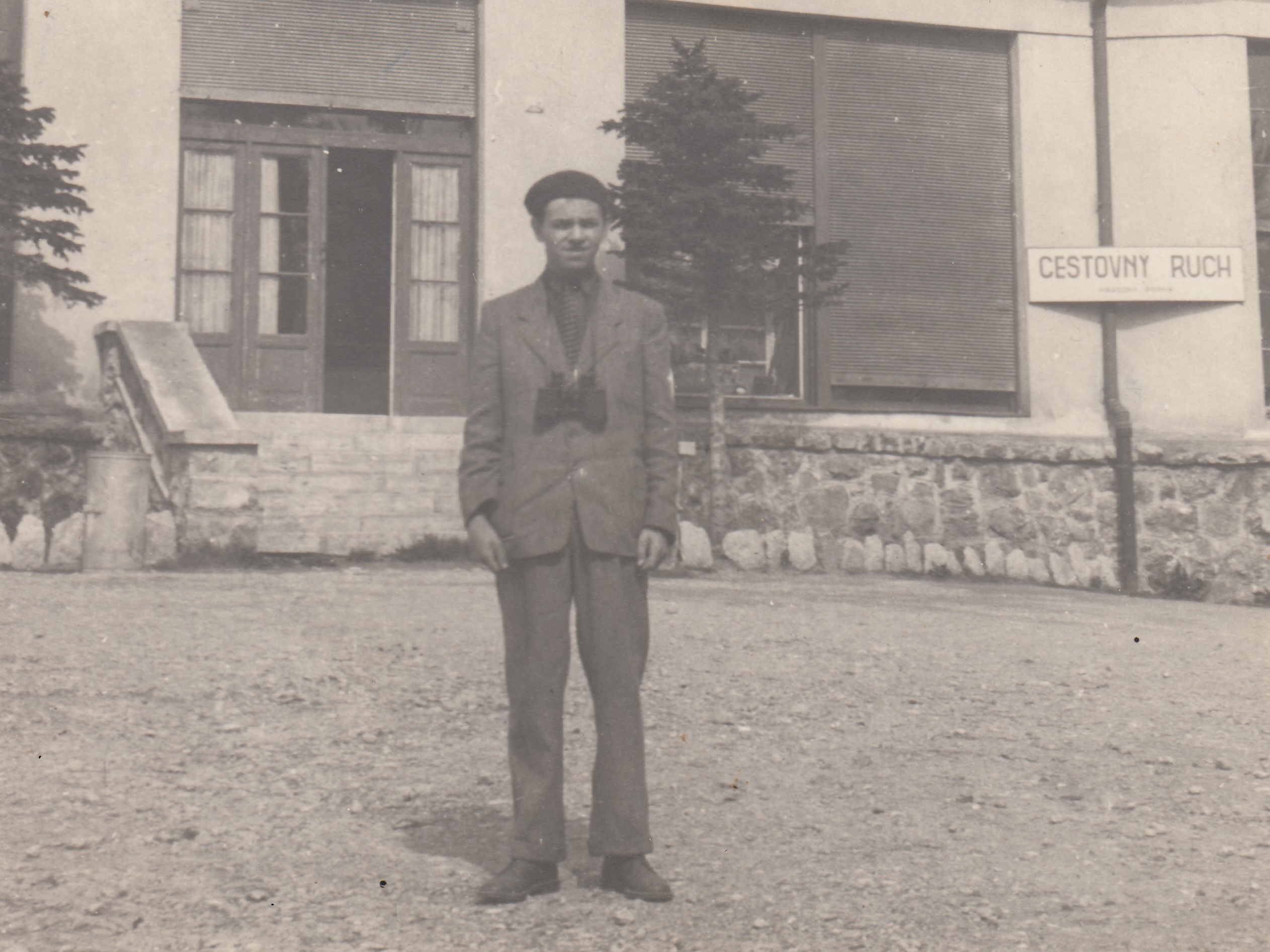
  • "It was normal at the border. We were calm there. The border could have been breached from the outside, if someone from Austria wanted to come here. Apparently there were few such candidates to want to walk through the barbed wire and wire barricade, which was usually electrified at night. Then there was the danger of intrusion internally, as from our side, which was mostly people from our side or it was those who didn't want to be here and couldn't get in by the normal route. But they were more likely to be people from foreign nations or foreign countries. Specifically in our area it was citizens of Poland. We usually checked them already at the railway station in Slavonice. If they did not have the necessary documents, we handed them over to the police and they took them away, questioned them, gave them fines, or got them out of our territory again. So we had, who knows if two or three such detentions in the year I was there. As border guards there, we had better pay, better military pay than those who were serving in the interior and maybe near the border. Let me give you an example: Jemnice, that's near Moravské Budějovice. Or Hodonín and so on. I had the opportunity to go through this whole area on the border with Austria, from the number one unit, which was Slavonice, to the Russian houses, which was the last unit on the border with Slovakia, and carry out the so-called demarcation, the control of border landmarks. To see if someone was moving it towards us or the other side."

  • "I can say that for me the American soldiers were liberators. They were tanks and vehicles that had a beautiful white star. Interestingly, the national flags were displayed. I remember that my grandmother, Anežka Švehlová, had also created an American flag back in the month of April back then with forty-eight white stars. And when during the war once, and it was forbidden. Very strictly forbidden under severe penalties. So she listened, among other things, to London Calling. The policemen from Spálené Poříčí, called the gendarmes at the time, came to listen to it. And then she got a certificate for courage for it. If someone had discovered that at the beginning of May, we could still have been severely punished for it."

  • "In 1945, in April, I still remember, there were various flashes, but no thunder was heard. But flashes, especially in the west, so many of the citizens of Těnovice who knew the area and the geography said: That's Nuremberg being bombed. That was sometime in the beginning of April. And for the record, I remember the last ten days of April 1945 well. That's when my parents woke me up to see the flares flying and to see the light from us from Těnovice to the northwest to Plzeň, to see the light there on the Skoda plant or the Electrotechnical Plant in Doudlevice, how it was being bombed. I remember that, and it's really vivid in my memory."

  • Full recordings
  • 1

    Plzeň, 04.04.2025

    (audio)
    duration: 02:34:51
    media recorded in project Stories of the 20th Century TV
Full recordings are available only for logged users.

My grandmother sewed the American flag in April 1945
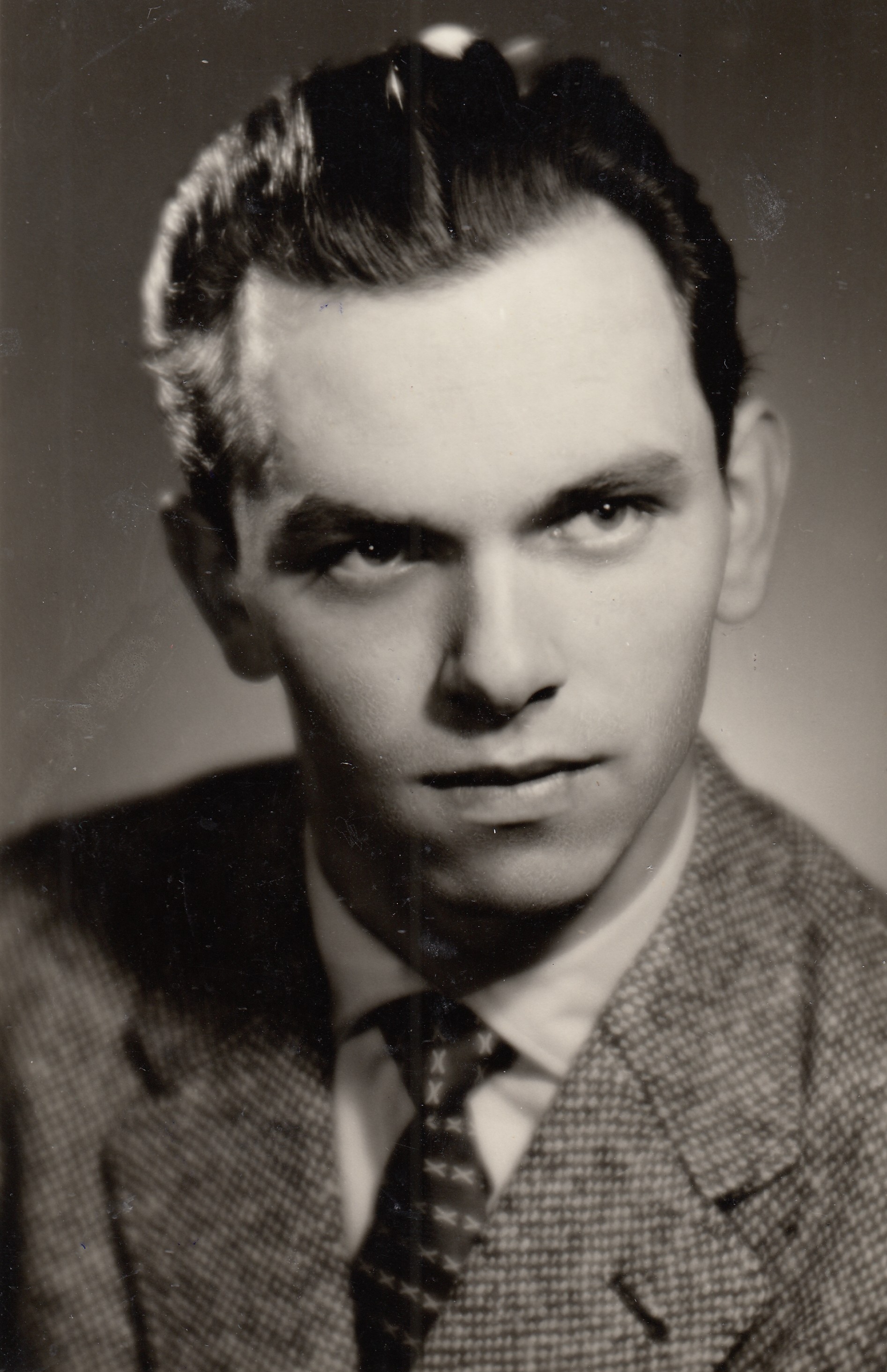
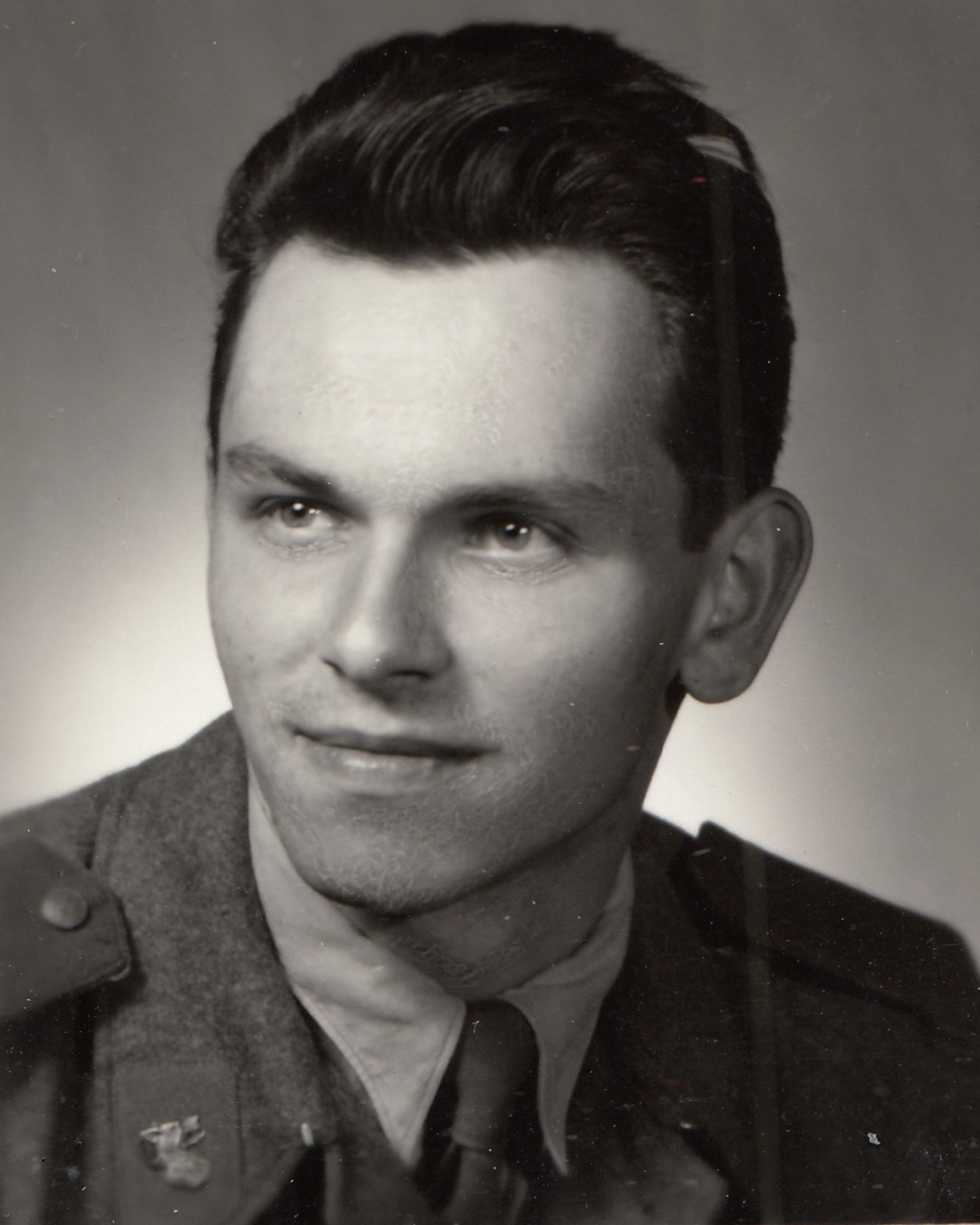
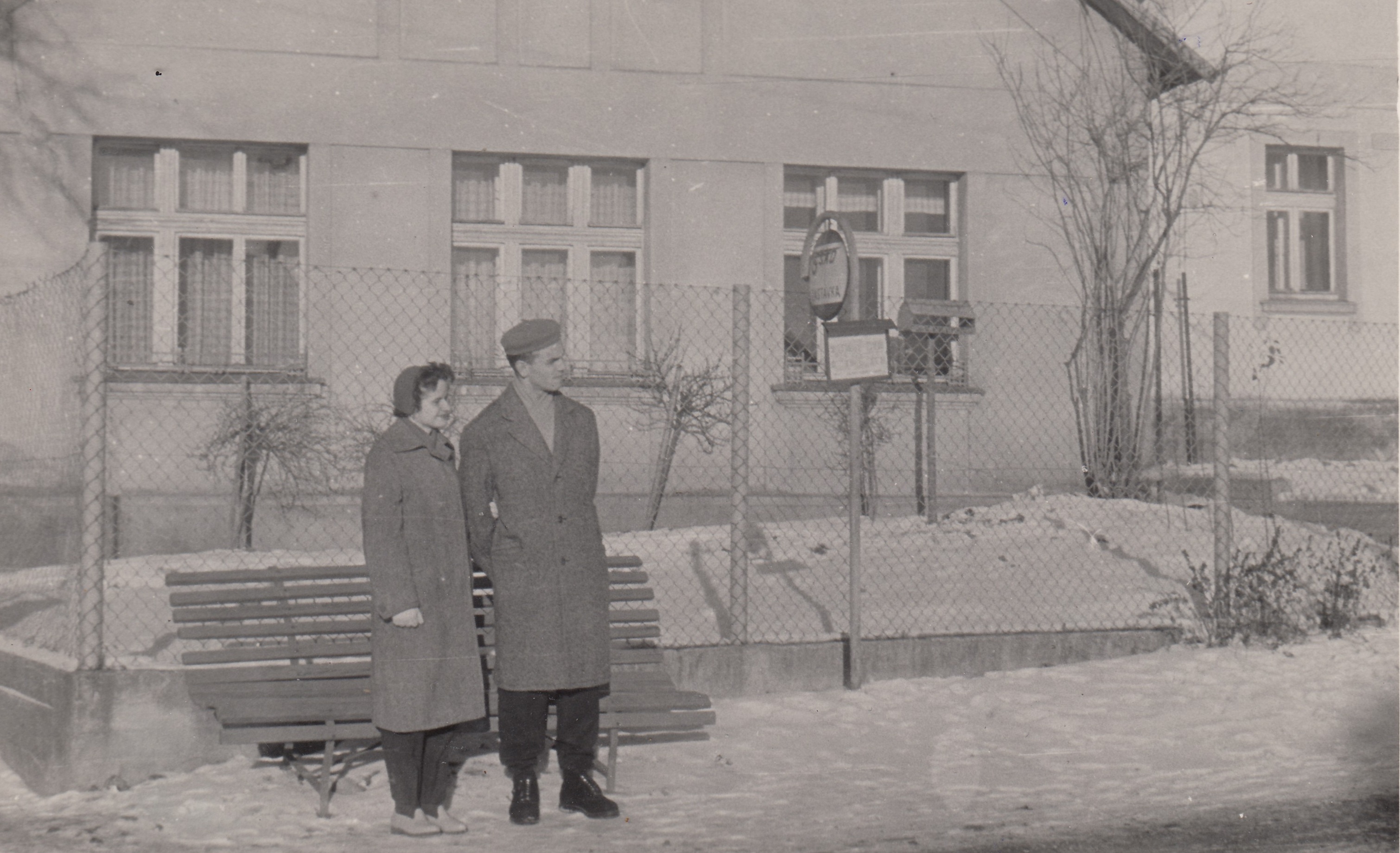
Josef Švehla in 1958
photo: Witness´s archive

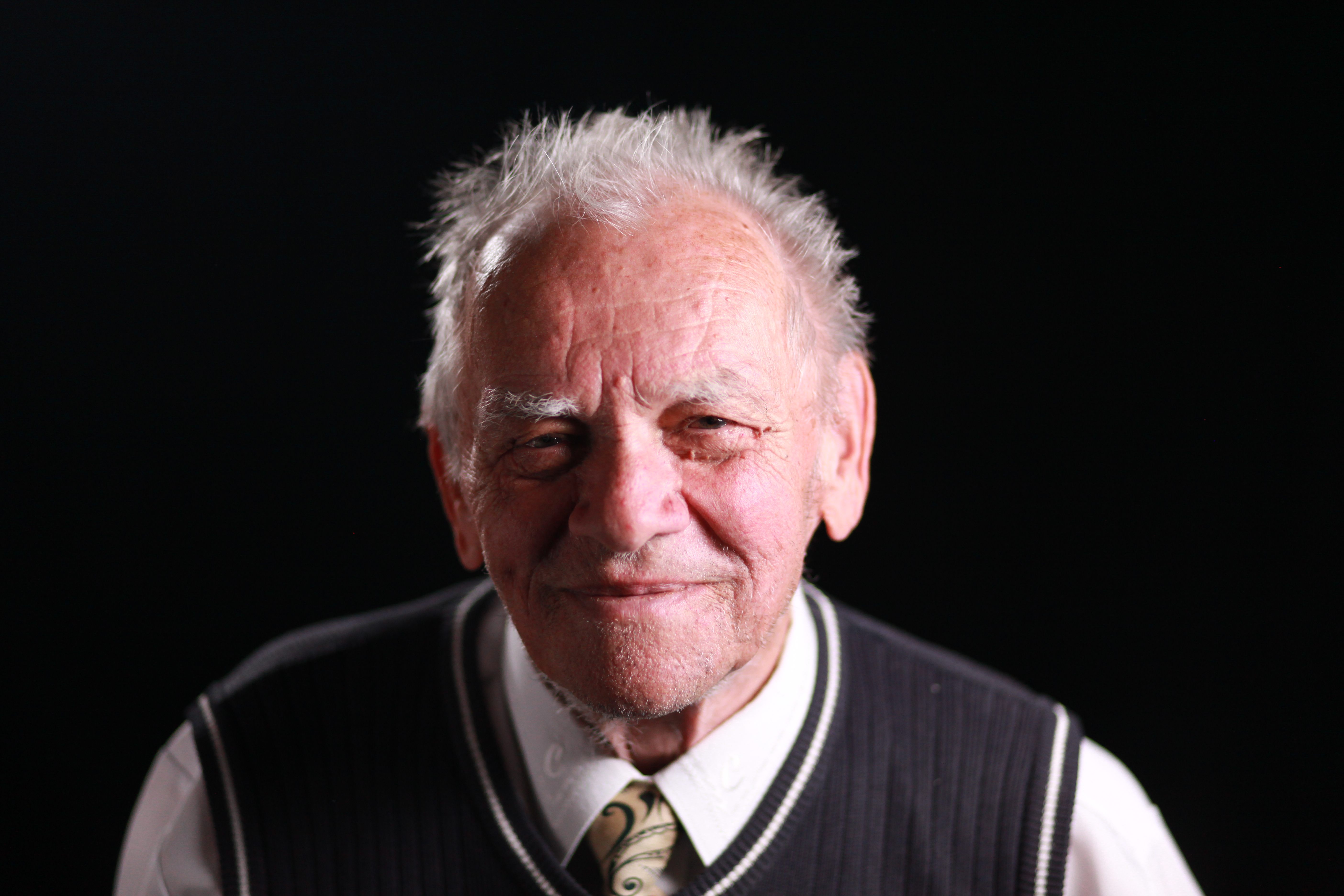
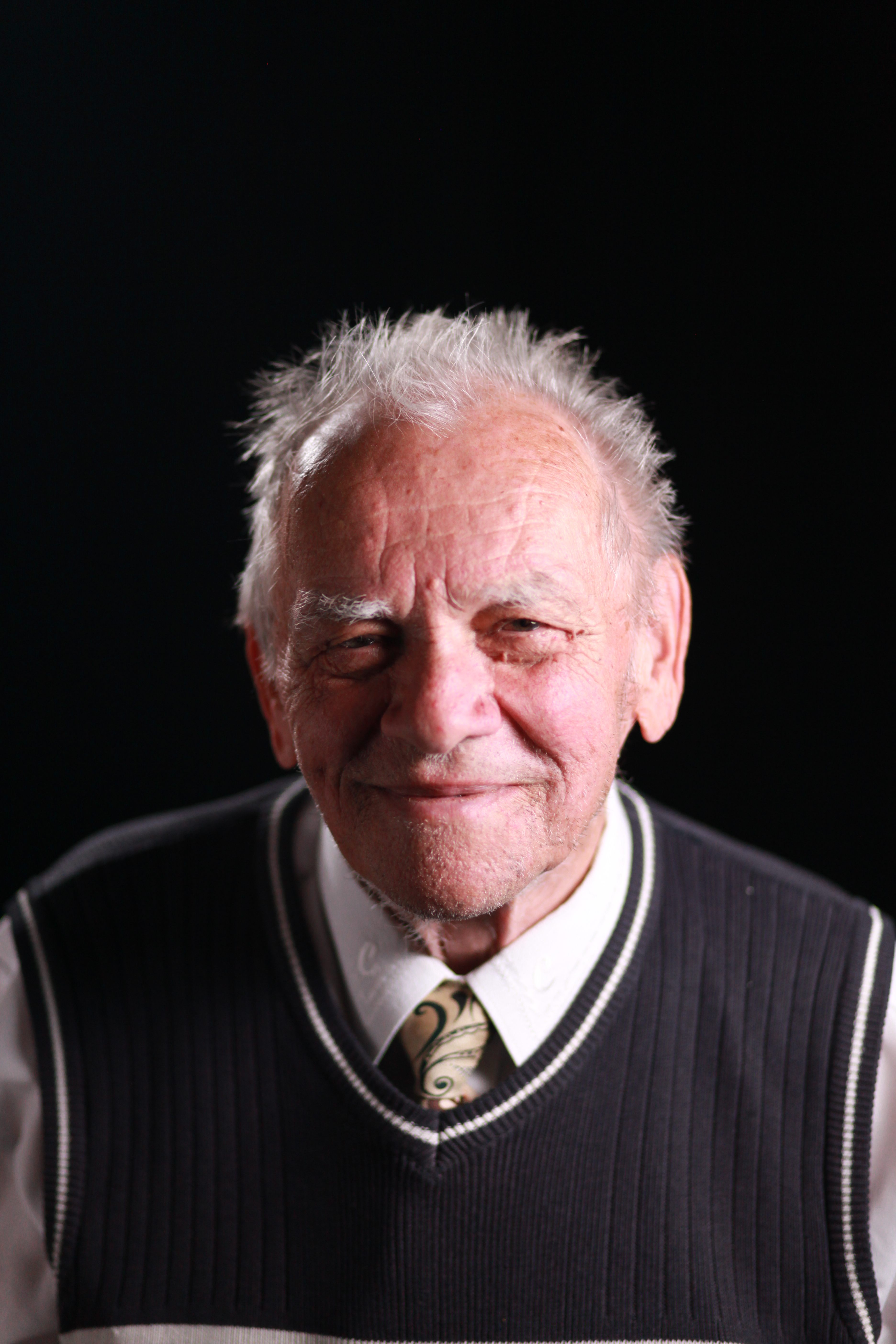
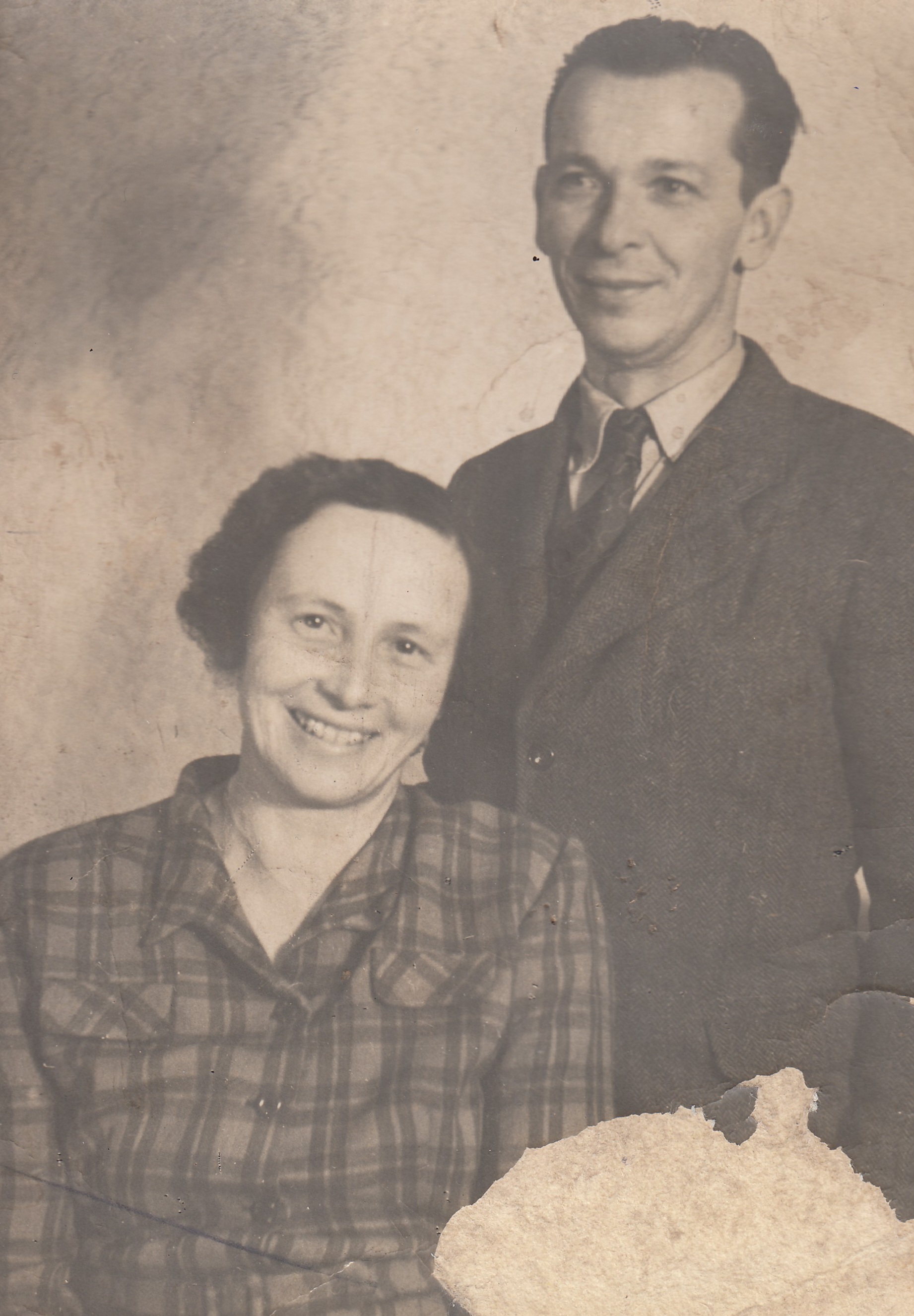
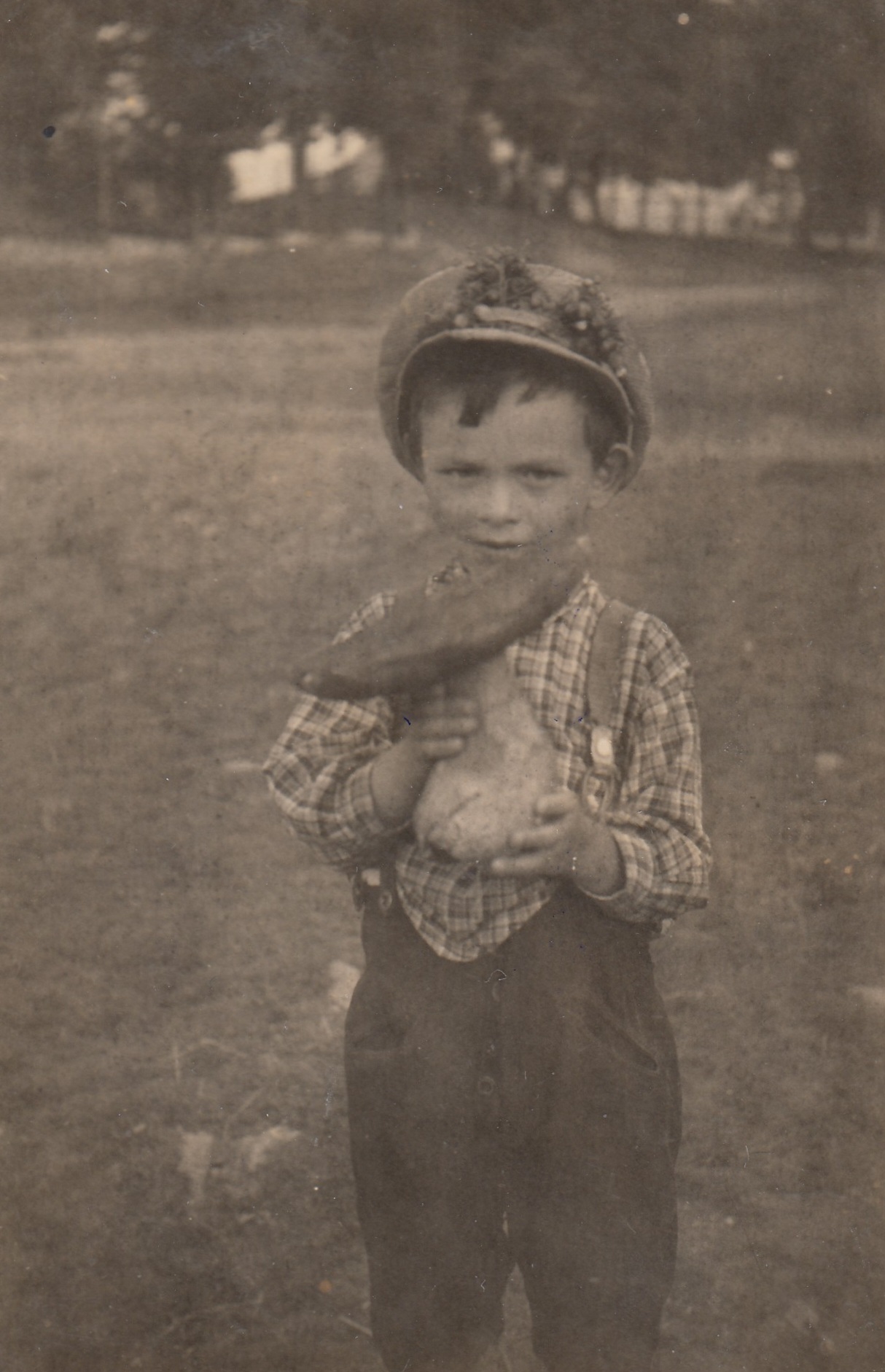
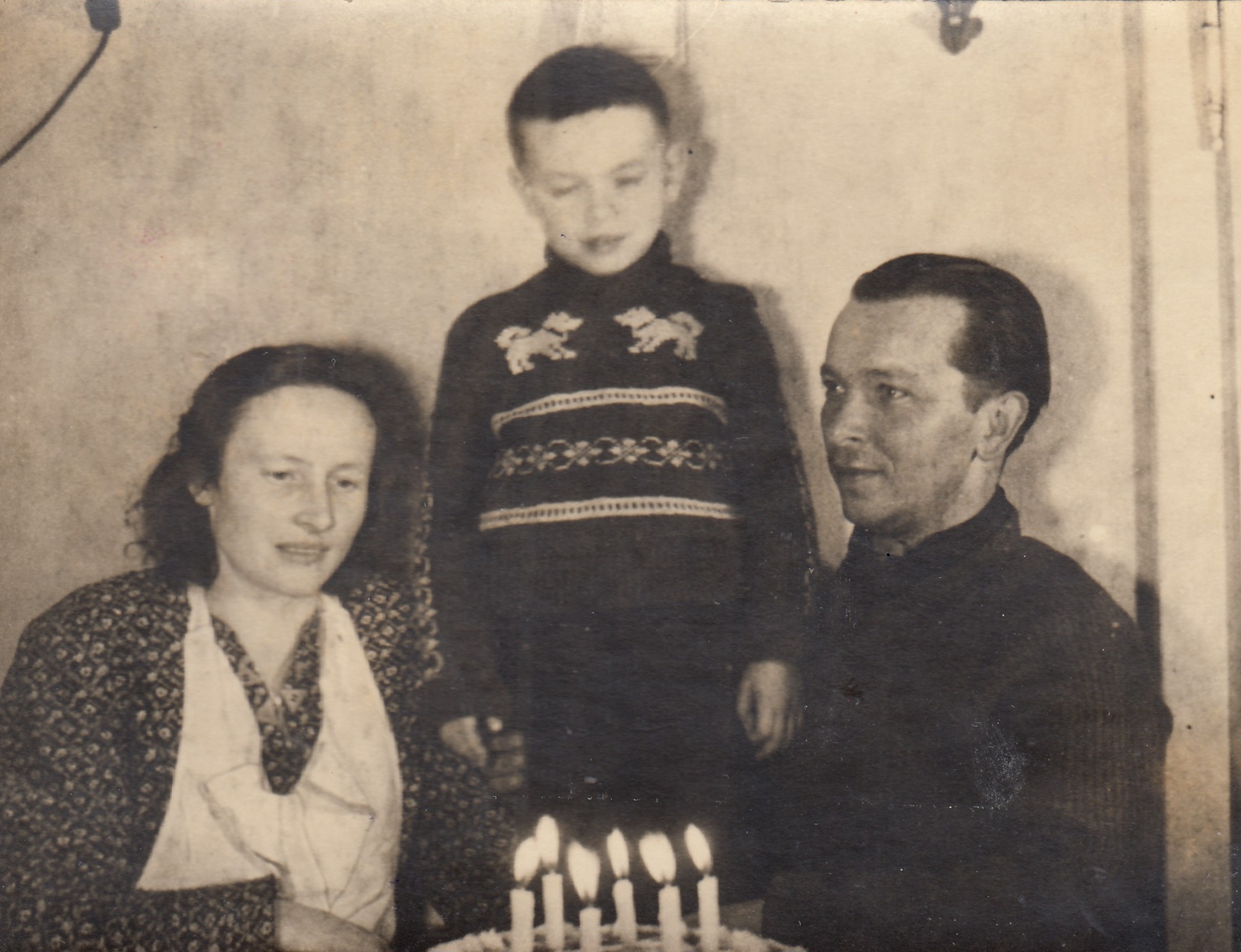
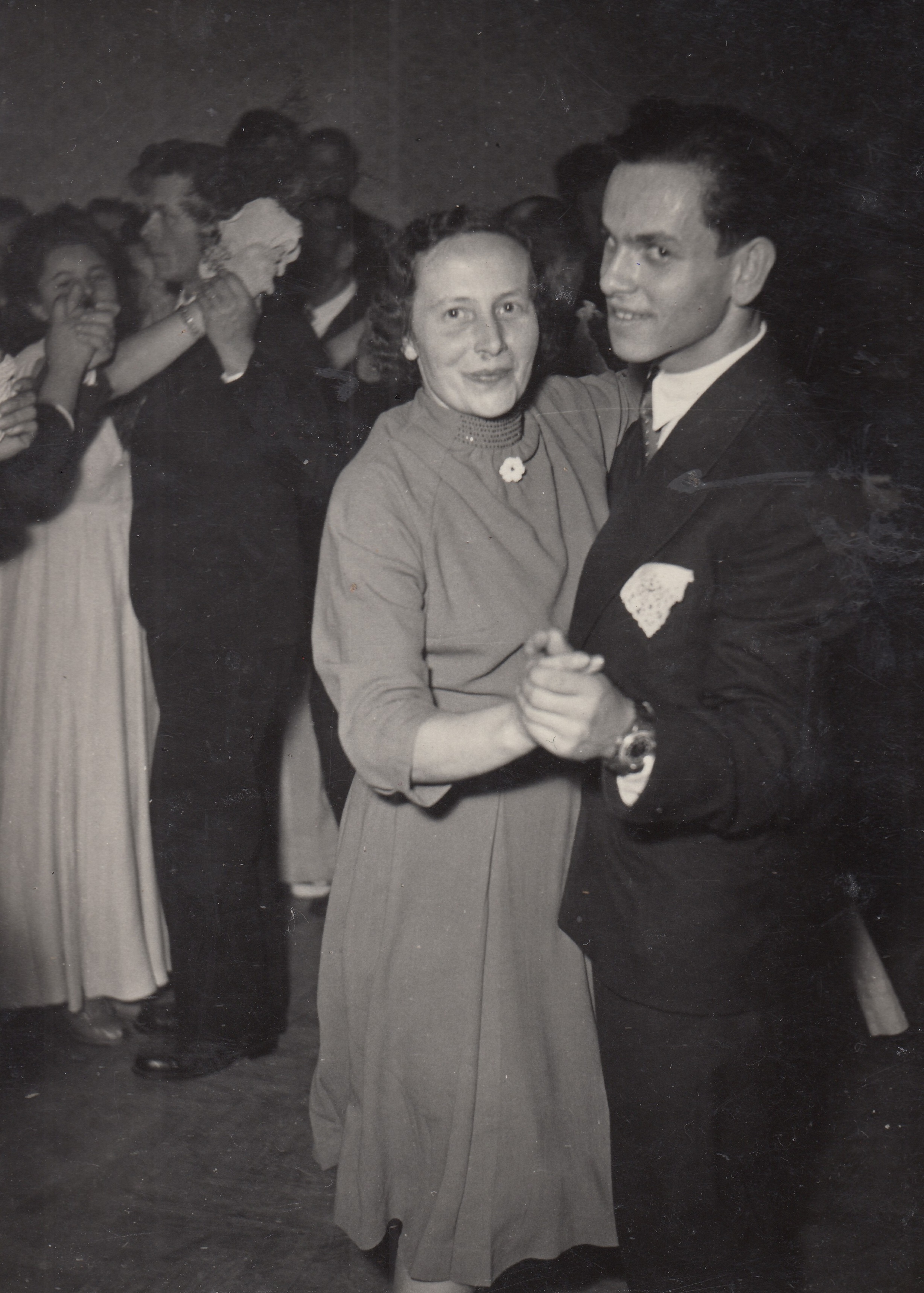
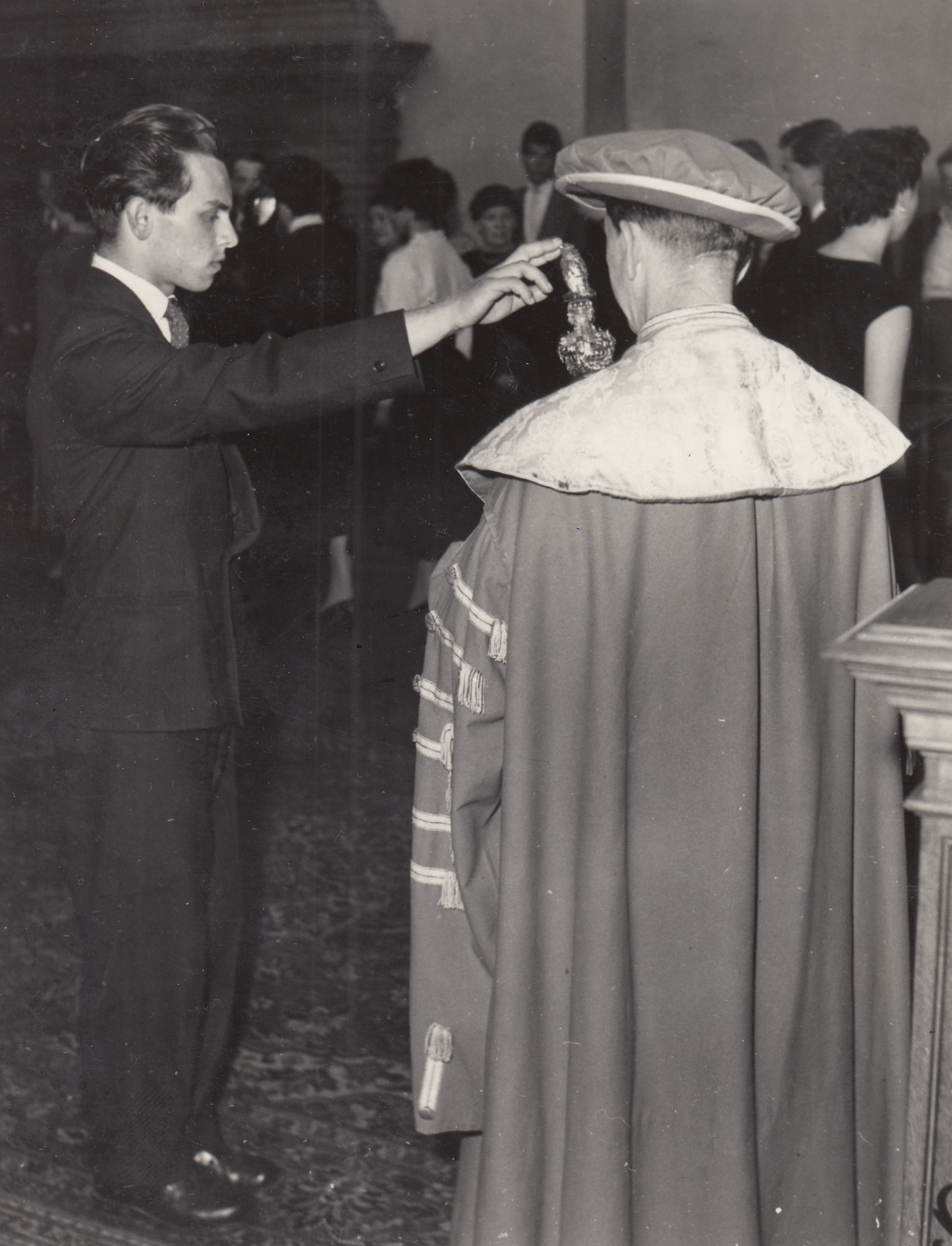
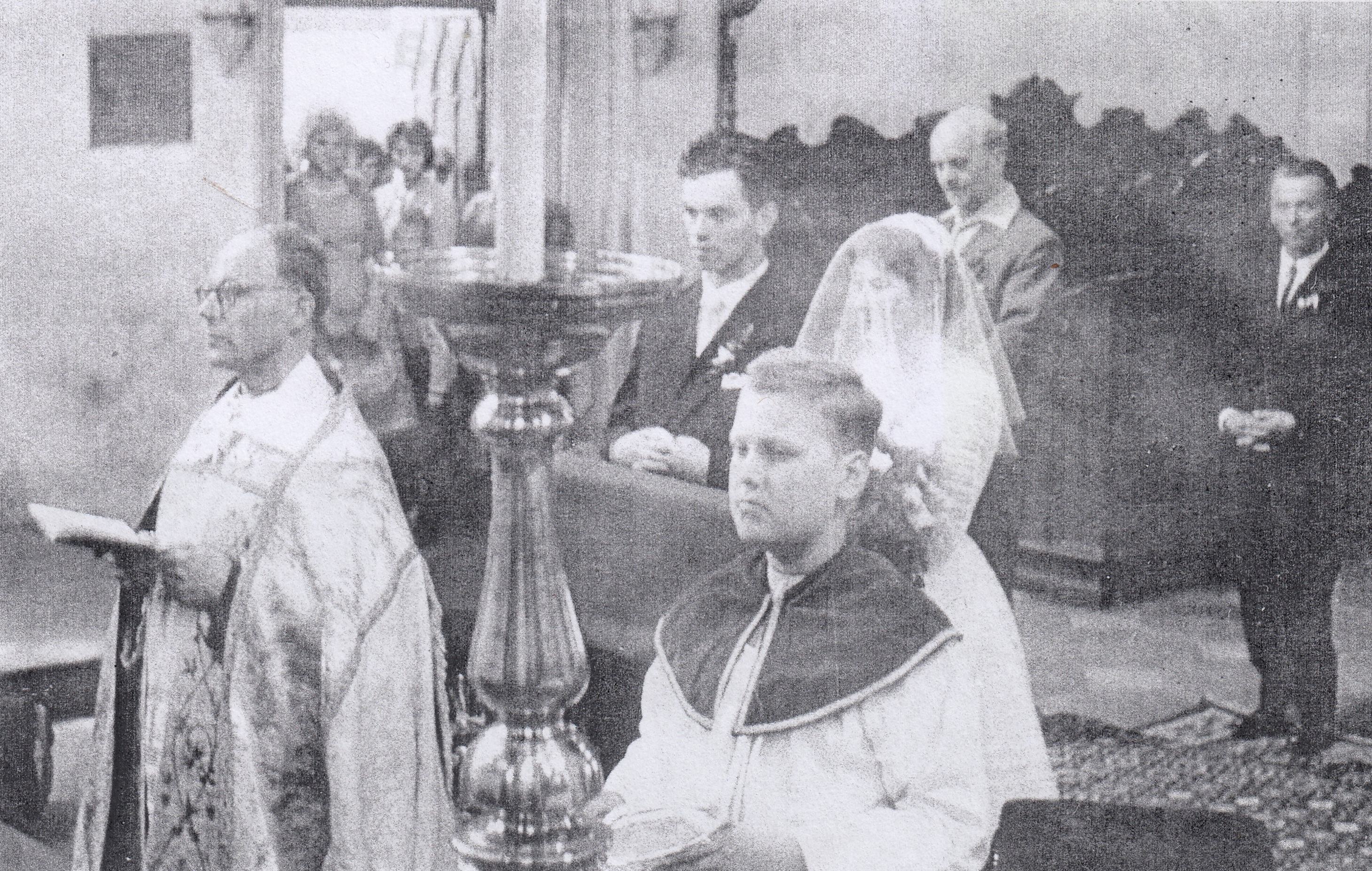
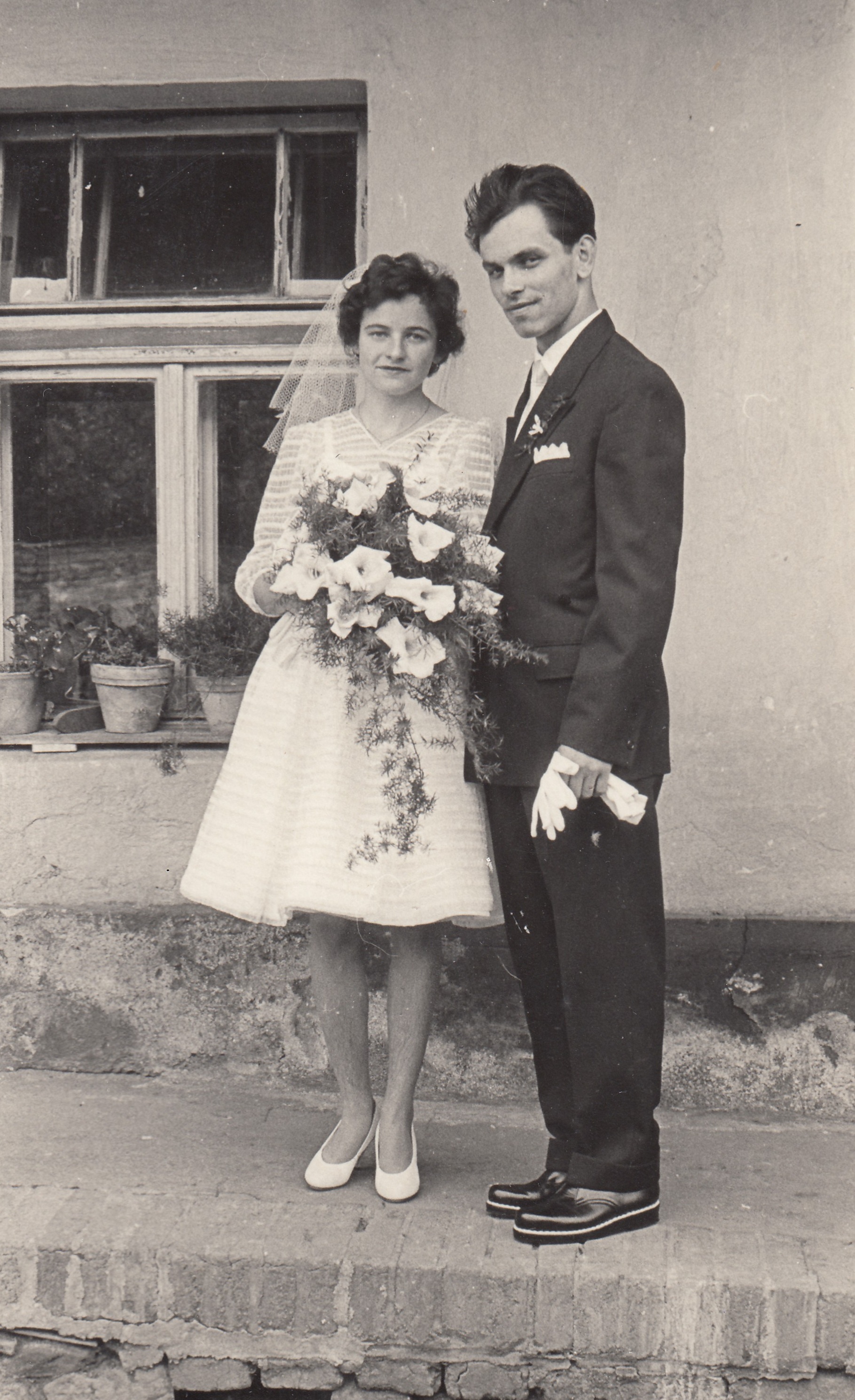
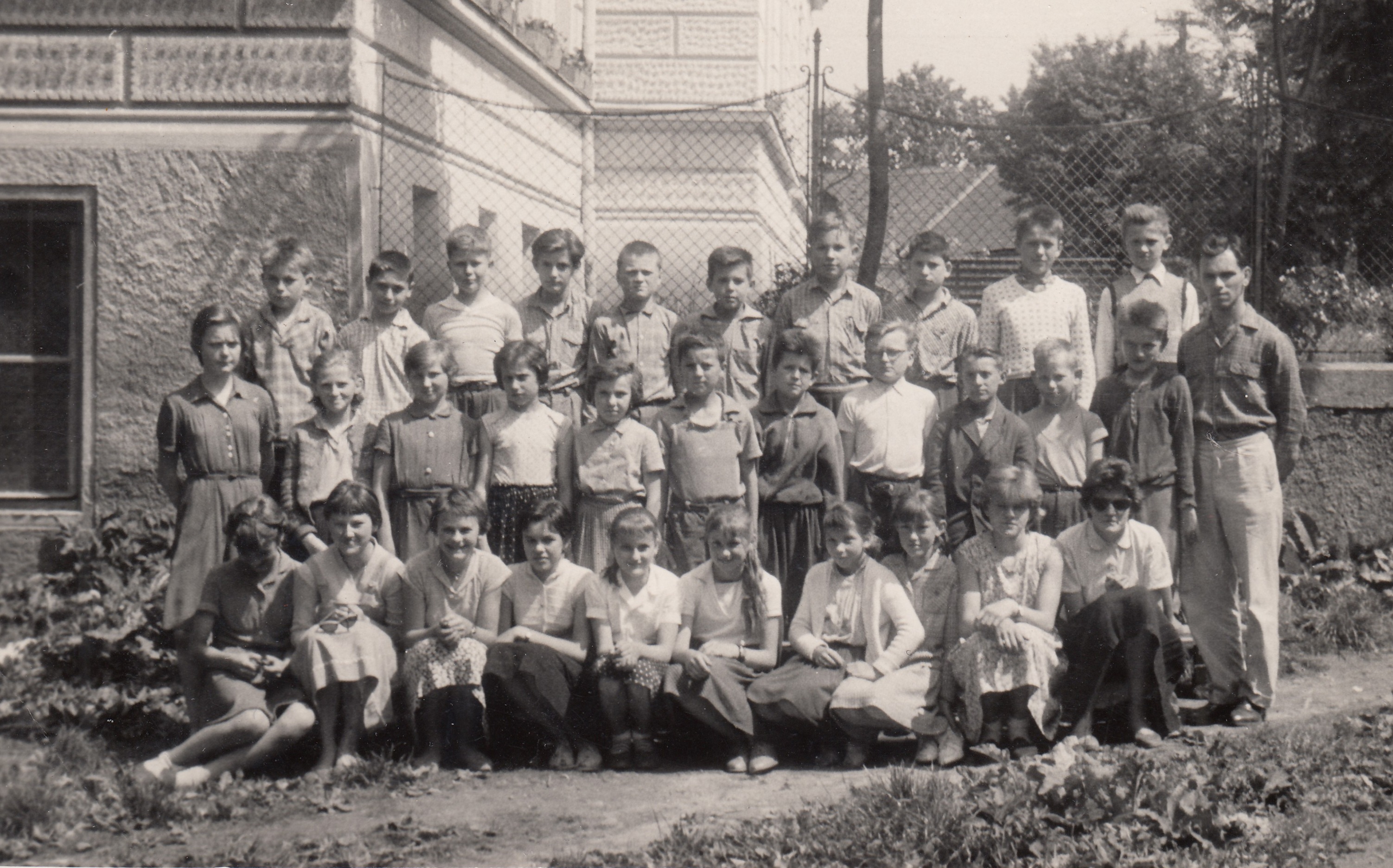
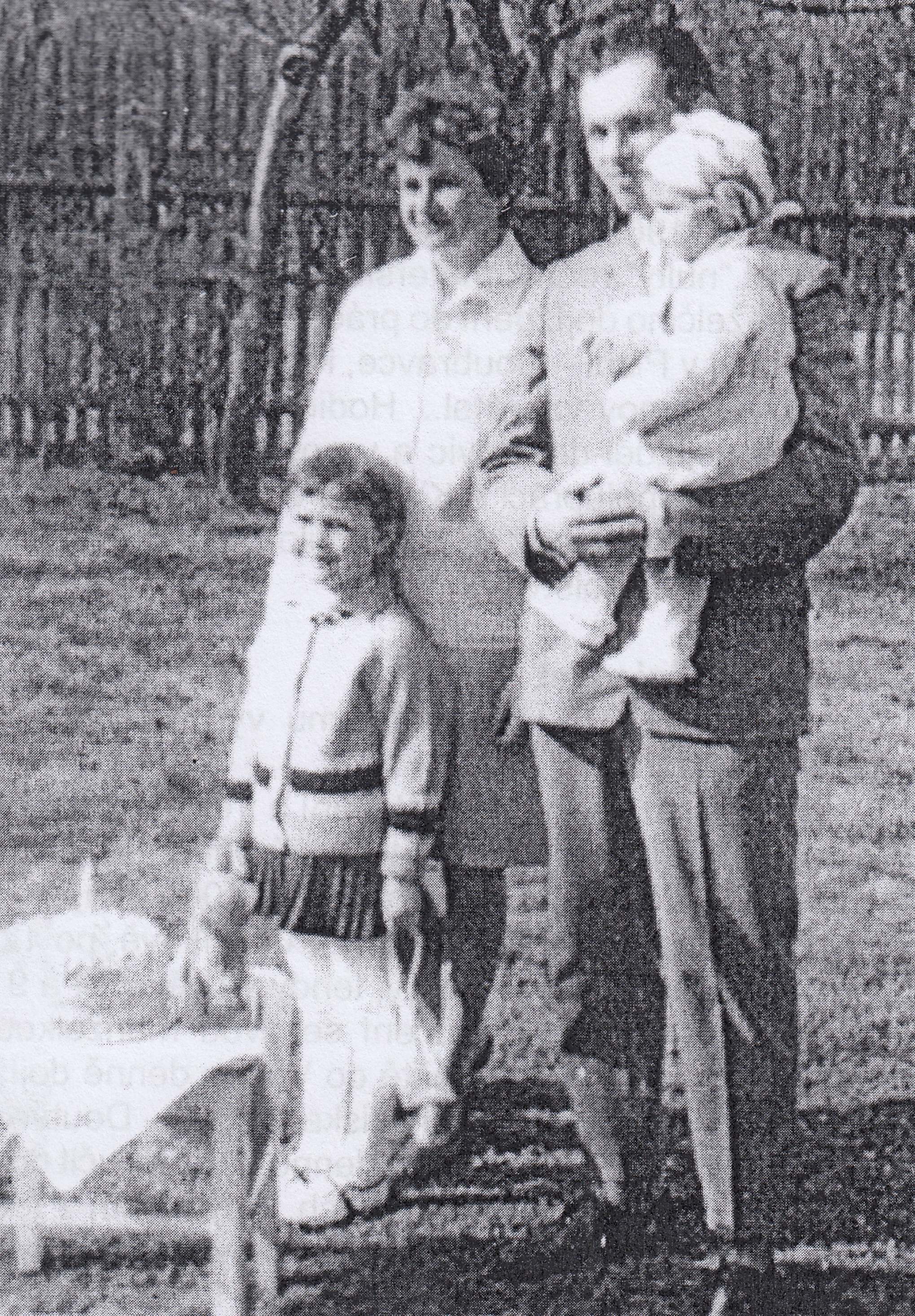
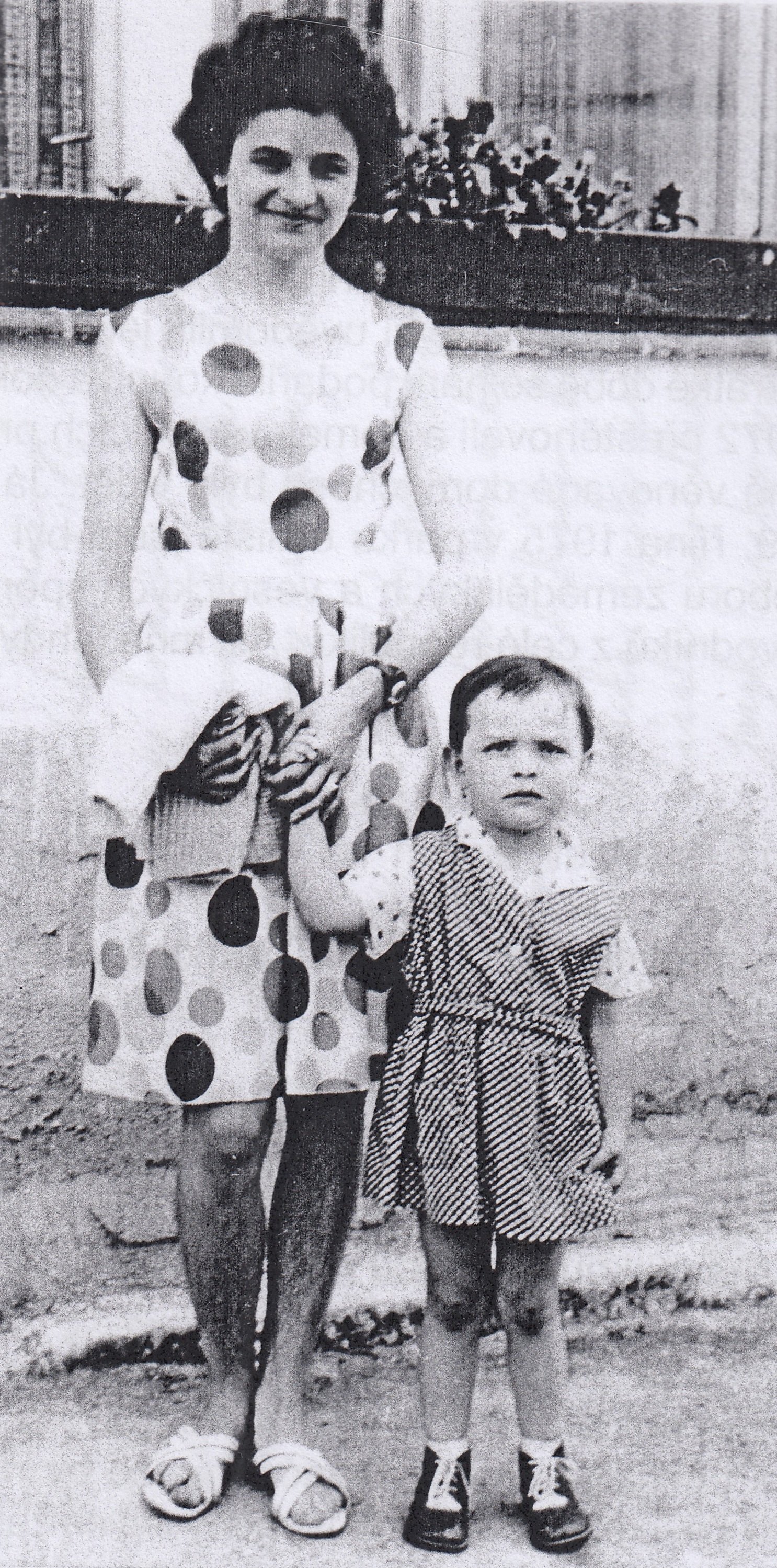
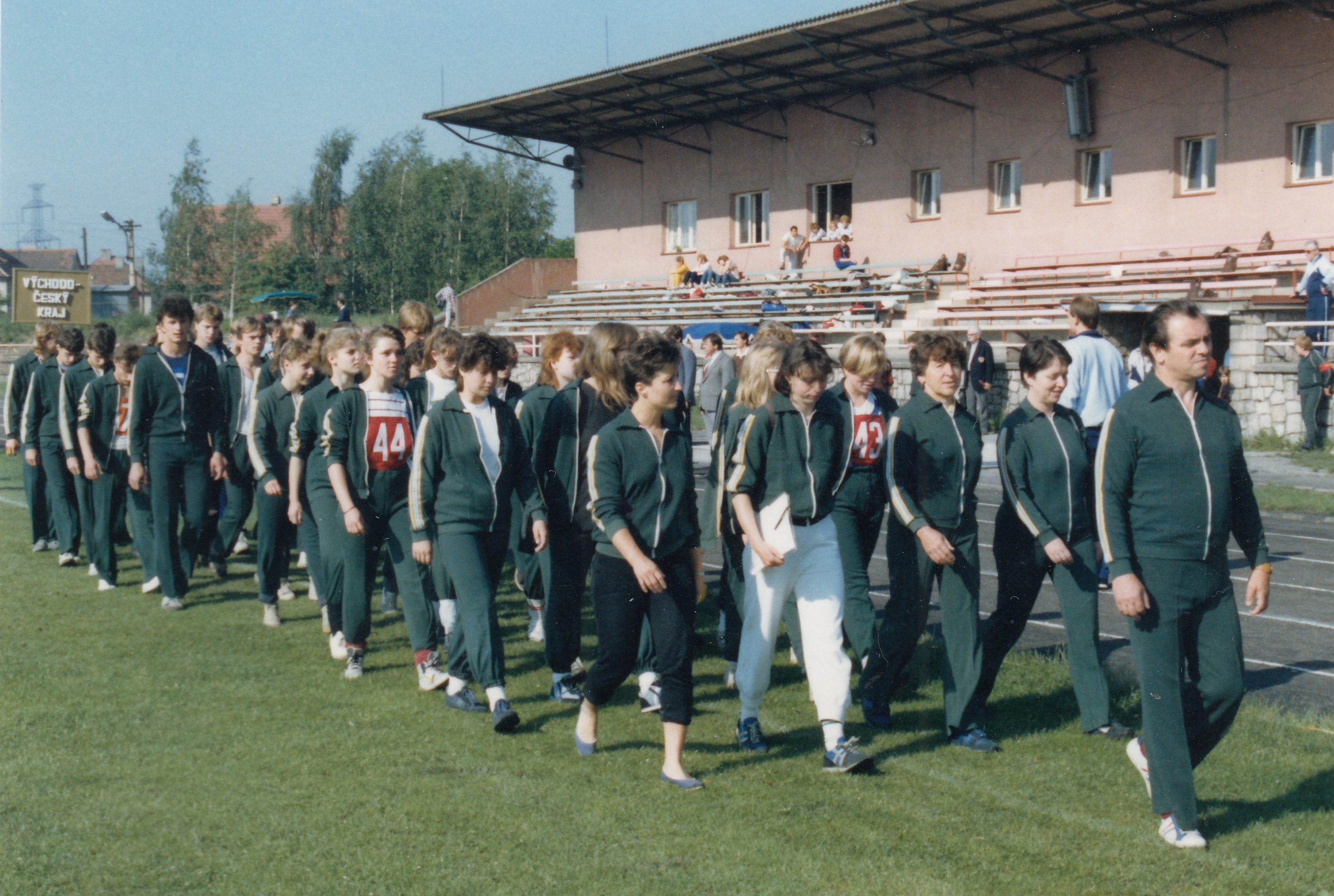
Josef Švehla was born on 8 February 1939 in Pilsen. His father, Josef Švehla, and mother, Jarmila Švehlová, née Skočilová, had a farm of several hectares and a pub in Těnovice. Josef Švehla’s newborn brother died during the air raids on Pilsen in 1944. As Těnovice was about twelve kilometres behind the demarcation line, the village was liberated by the American army. After the war, the locals set up a cooperative to receive material aid from UNRRA. The family of the witness joined the cooperative farm, which had been established in the early 1950s. He graduated as a teacher, completed his military service in the border guards and spent a large part of his life teaching physical education (PE) at an apprenticeship. Because of his opposition to the entry of Warsaw Pact troops into Czechoslovakia in 1968, he was prevented from advancing in his career. So he devoted himself to sports and caring for his family. He was widowed at the age of 37 and took care of his two teenage daughters alone. After 1989, he worked for ten years as a primary school headmaster in Pilsen. In 2025 Josef Švehla was living in his native Těnovice.