Life has no meaning without creating
Download image
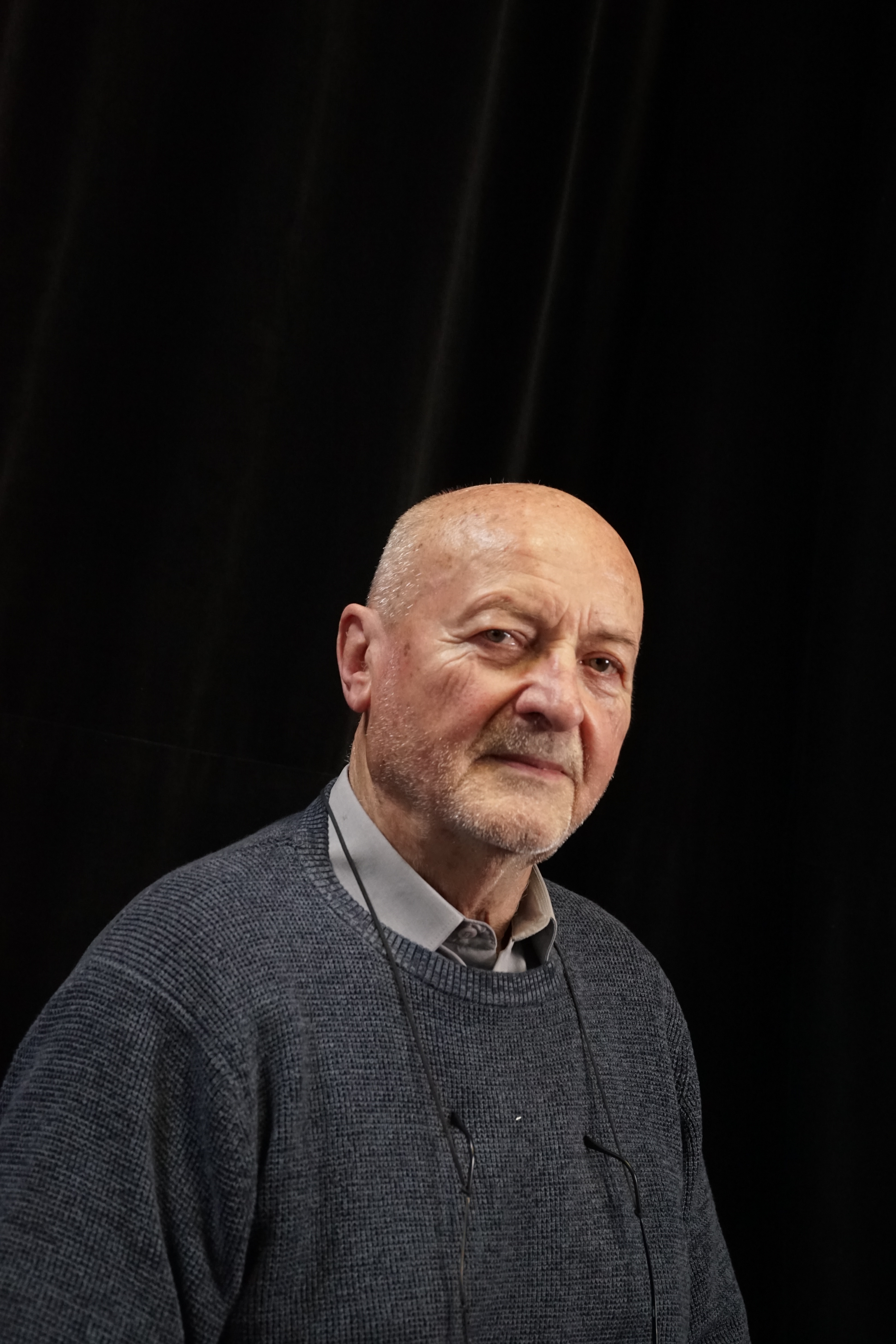
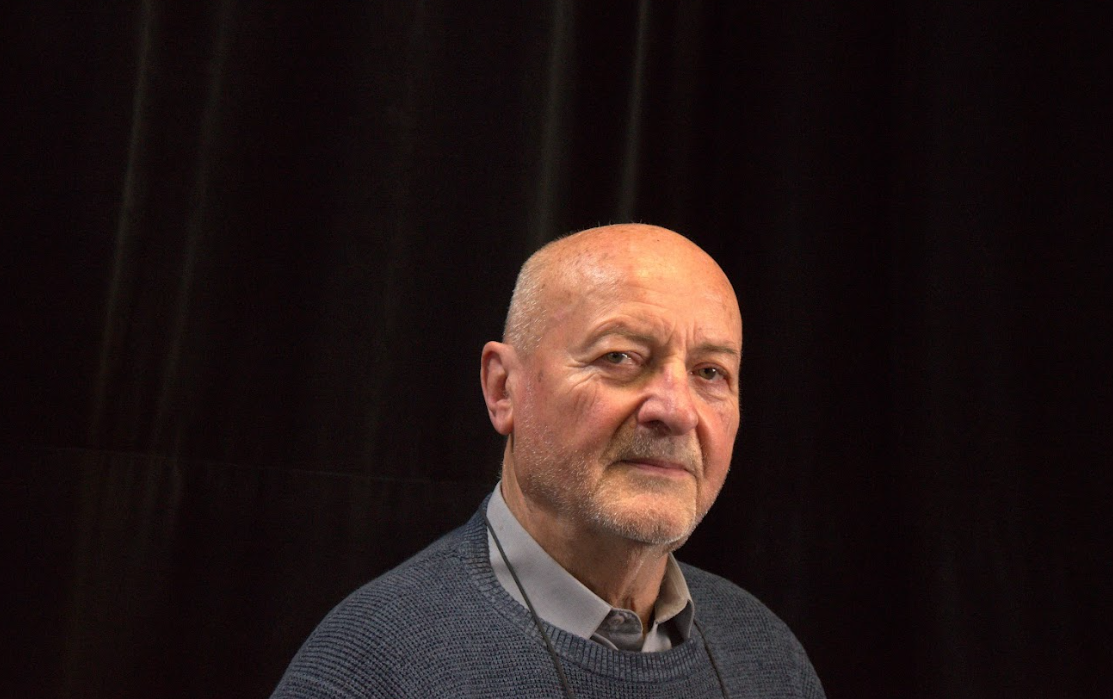
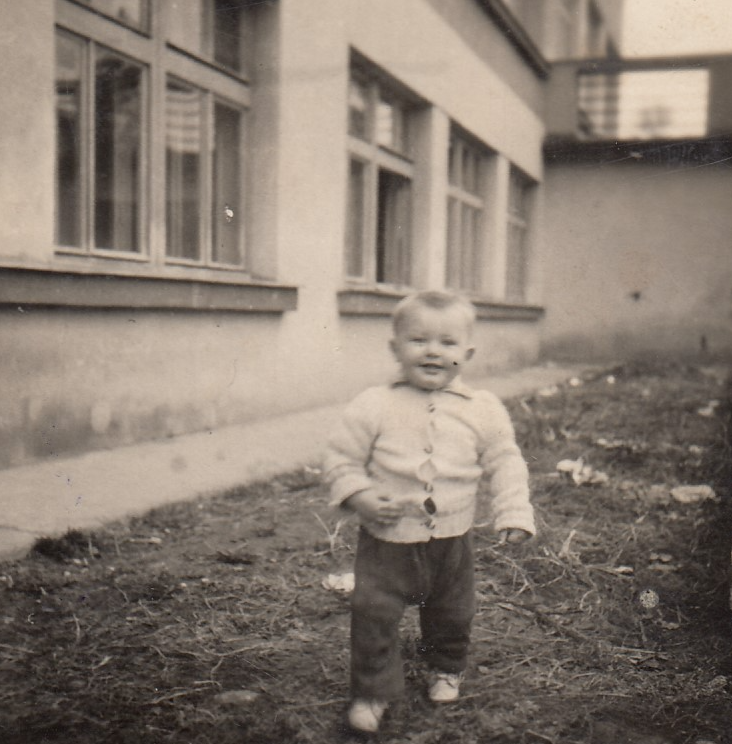
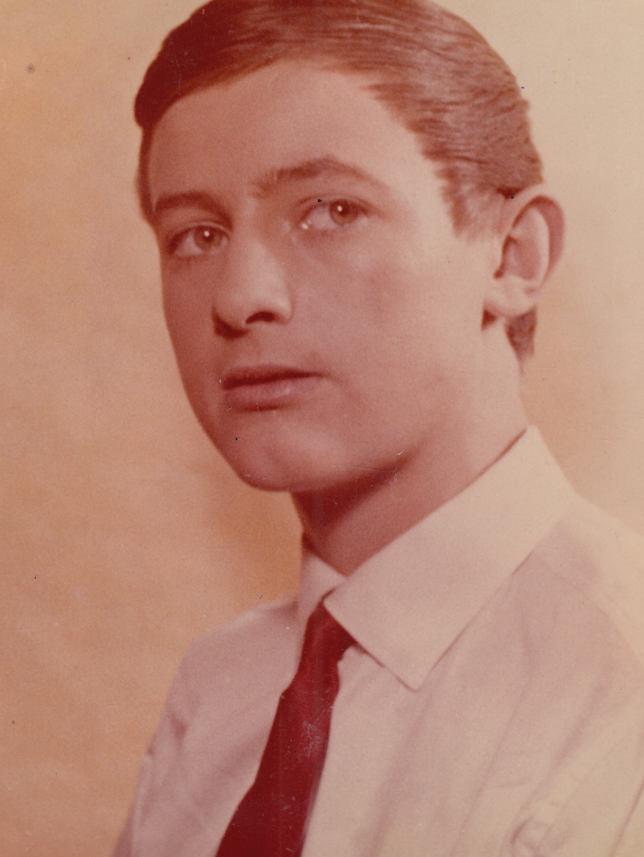
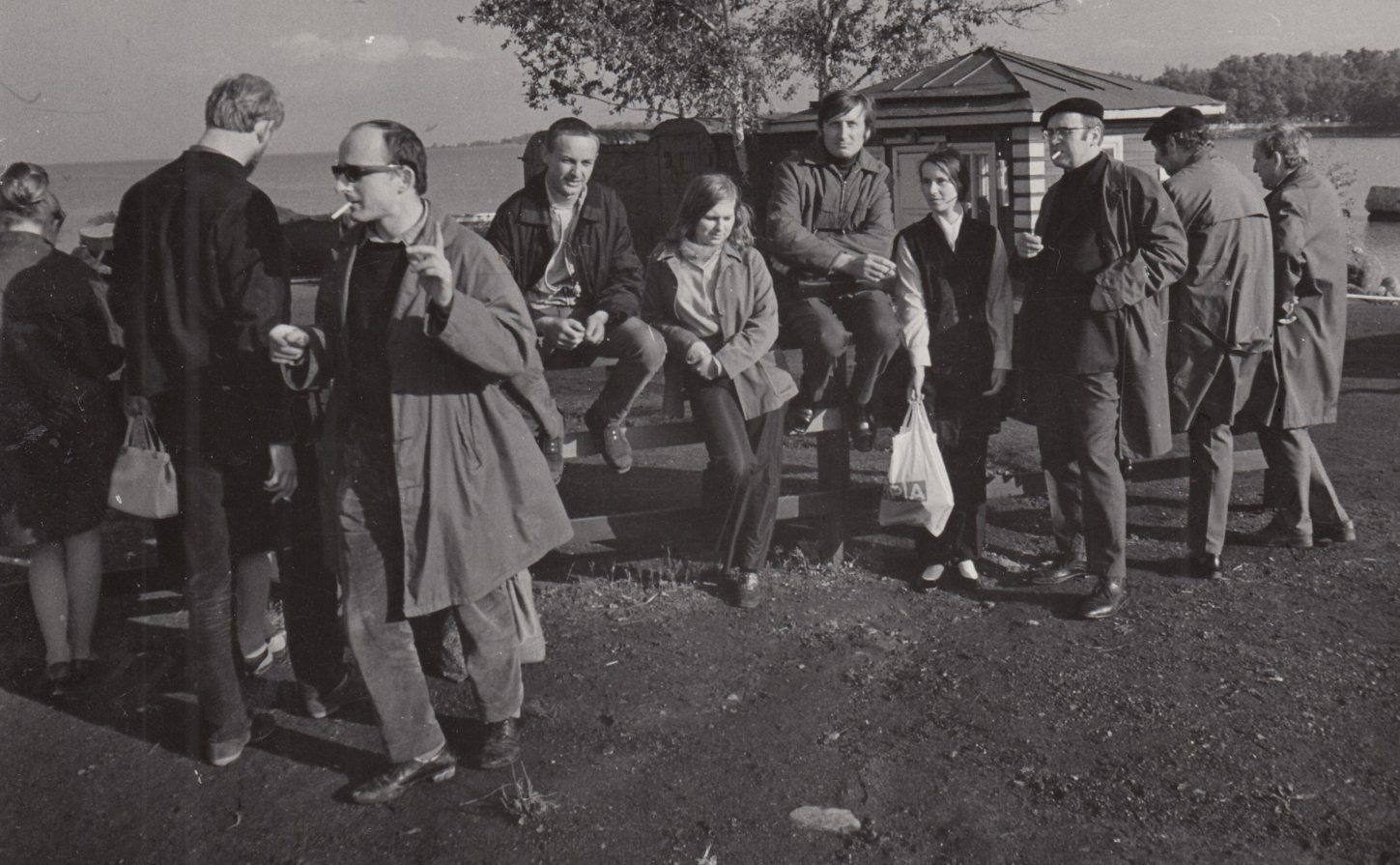
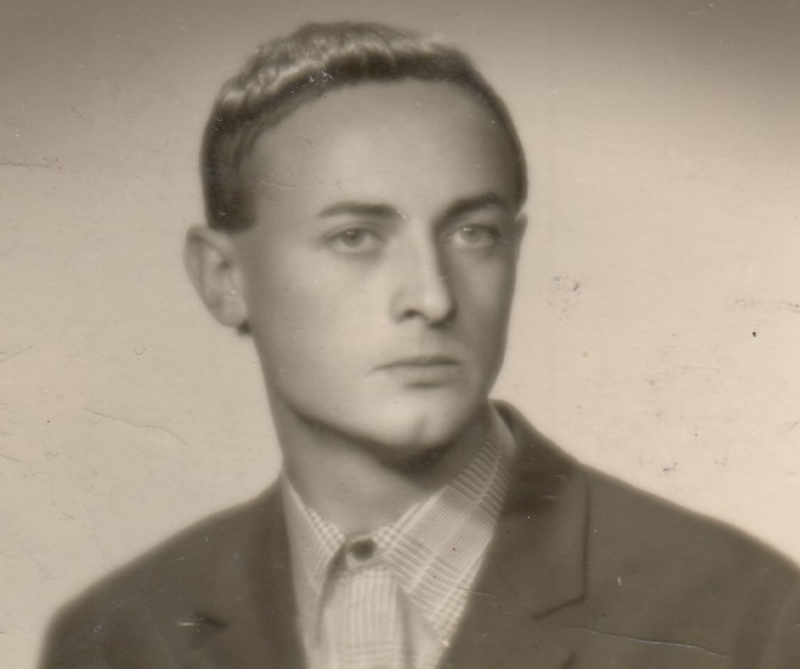
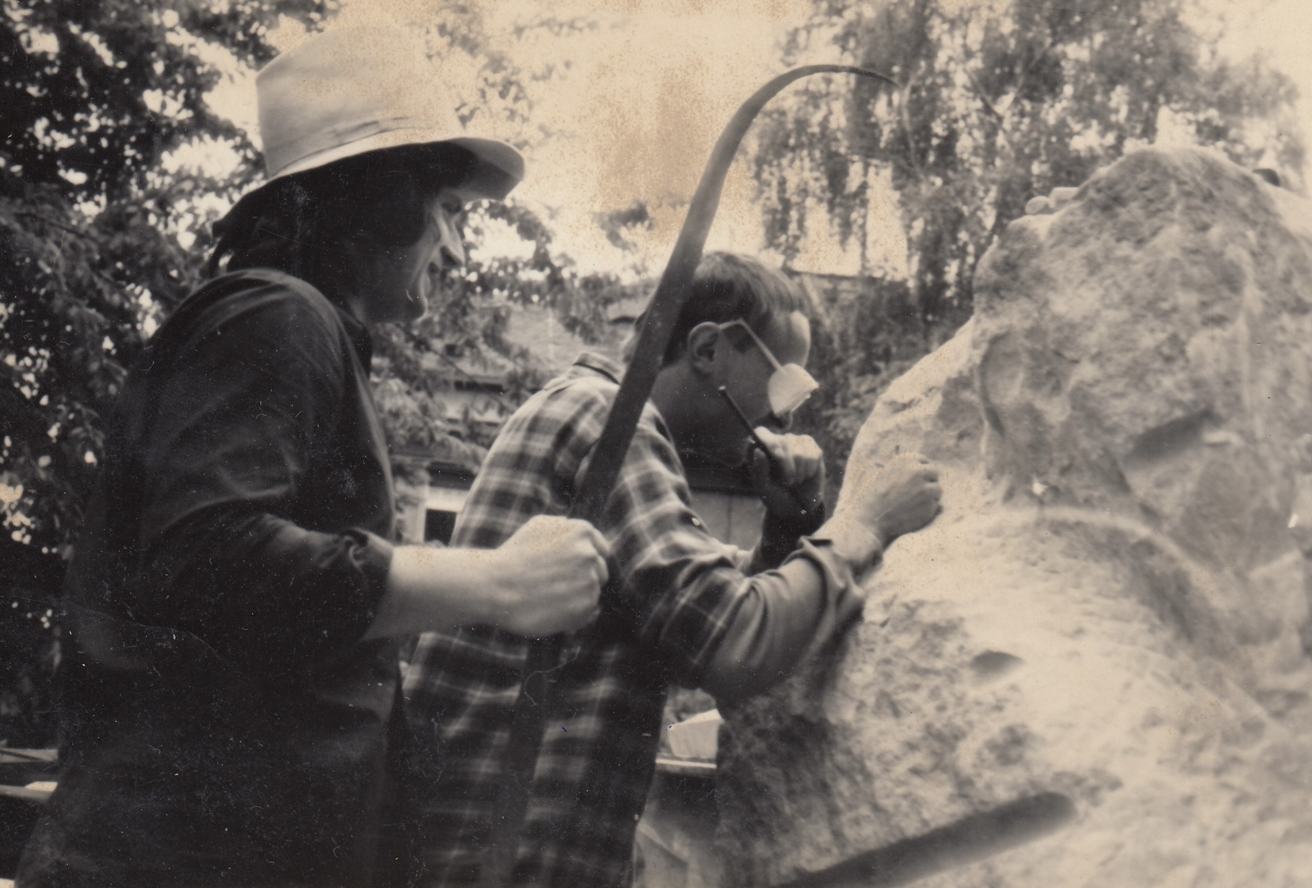
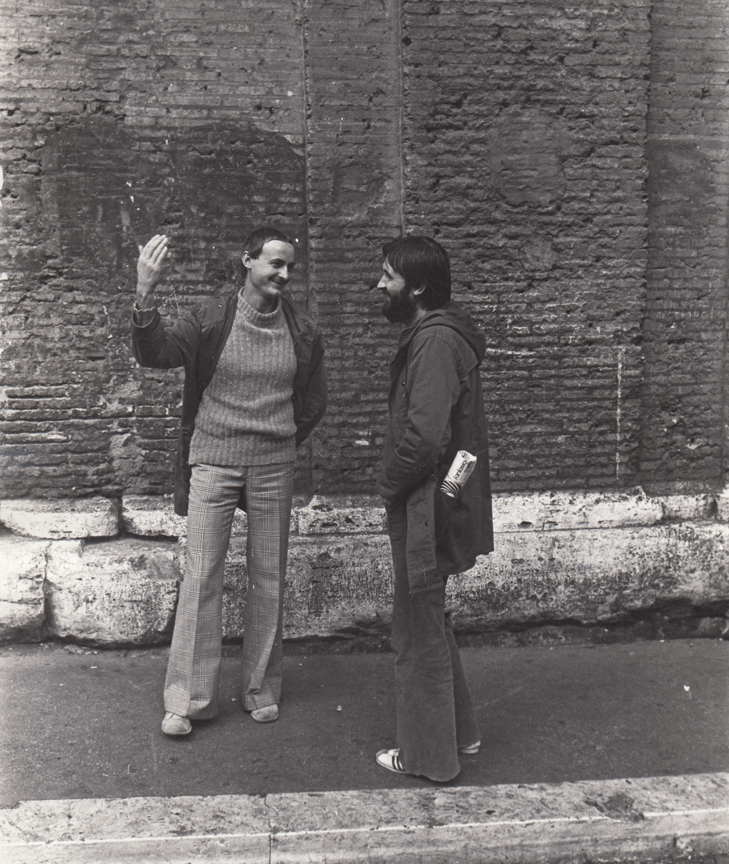
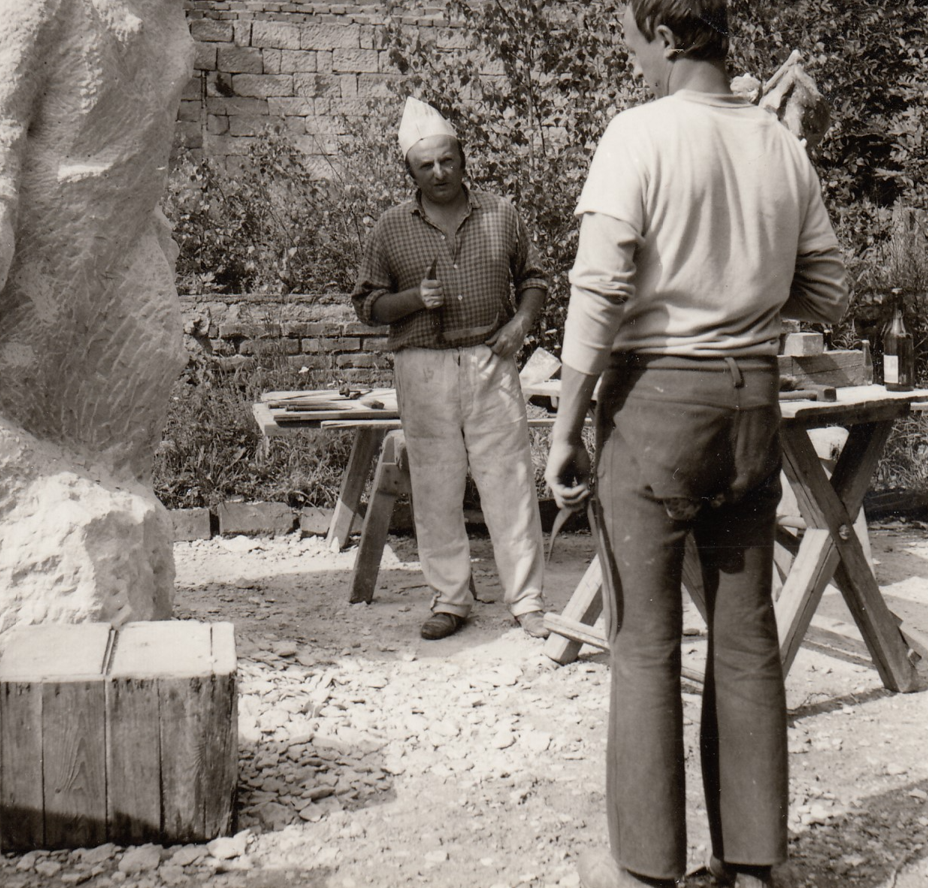
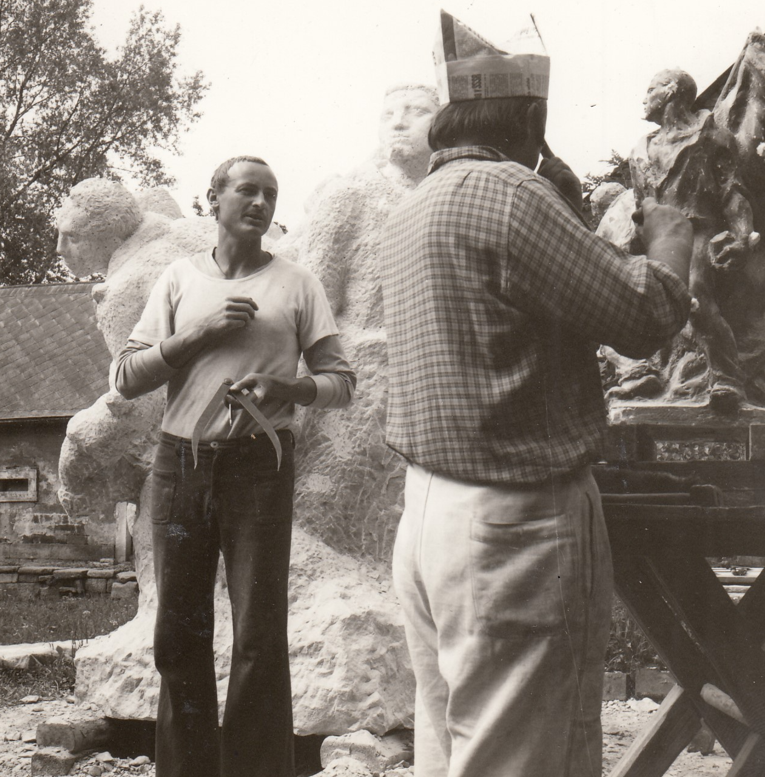
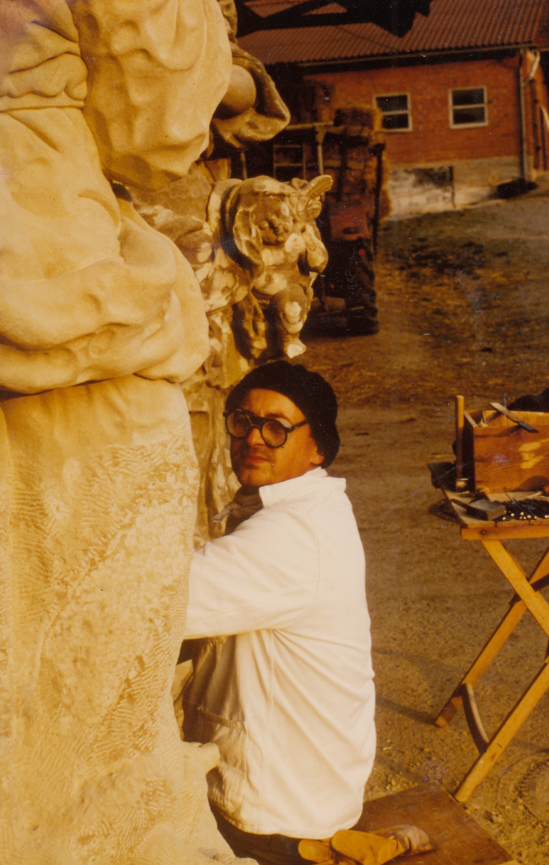
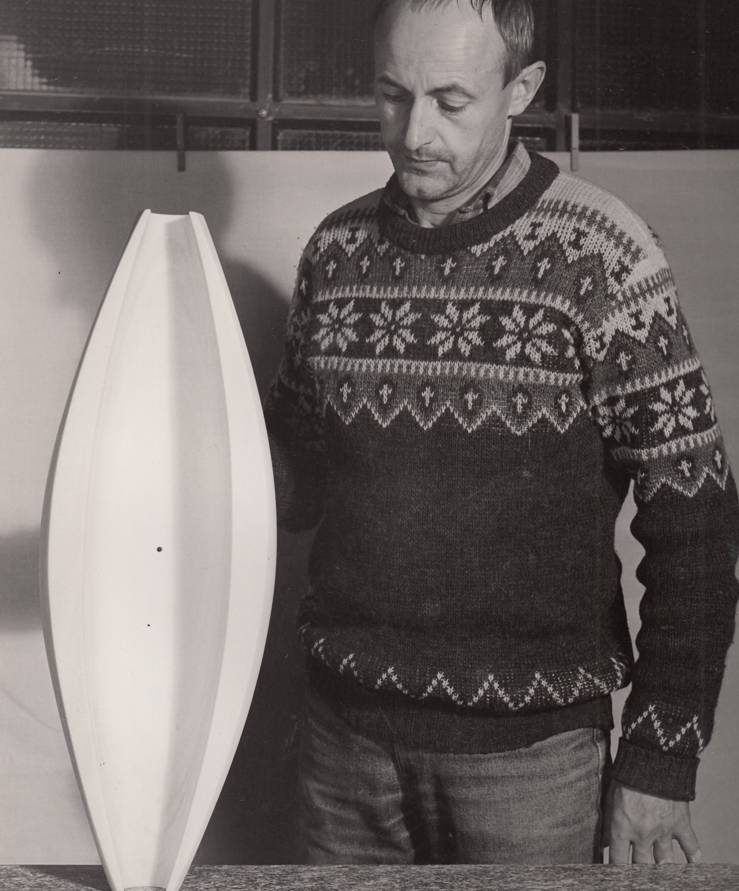
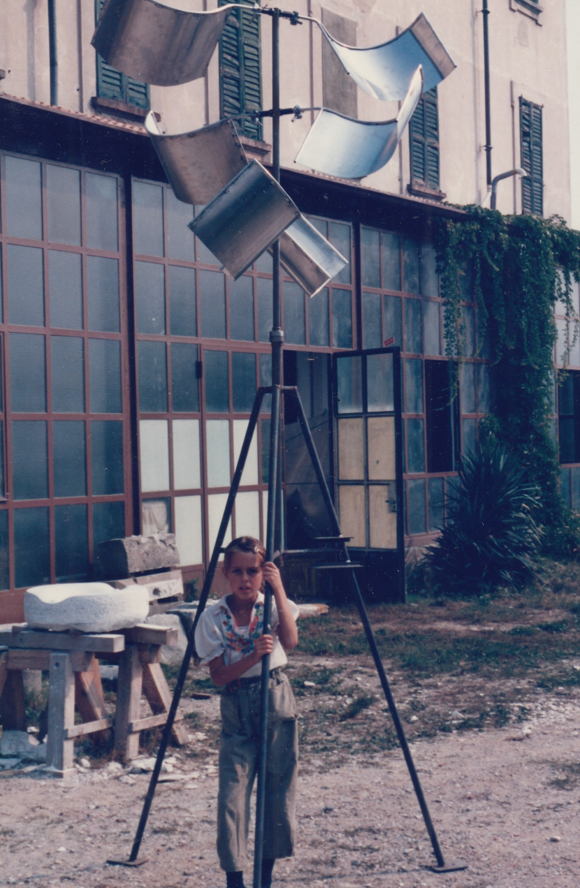
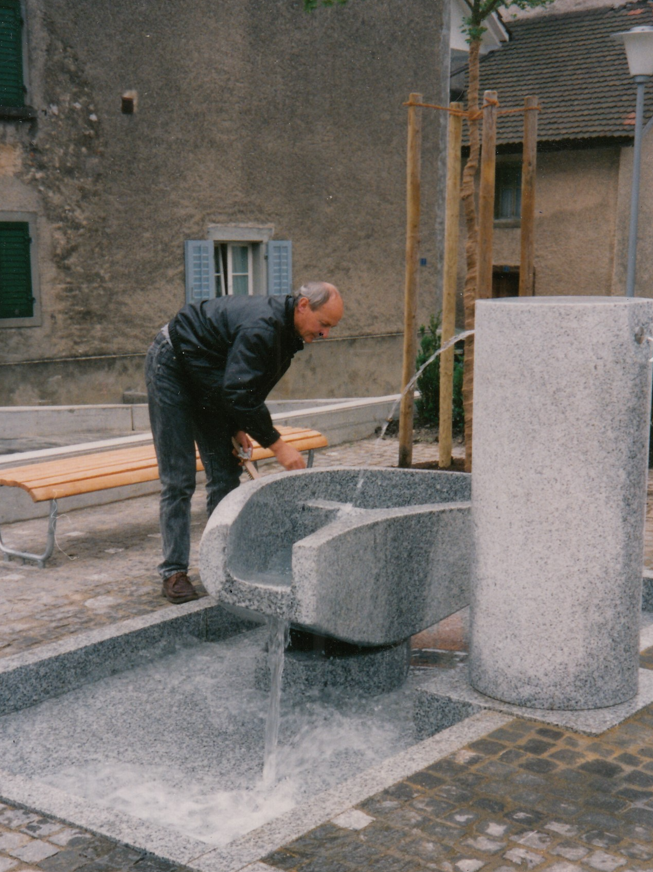
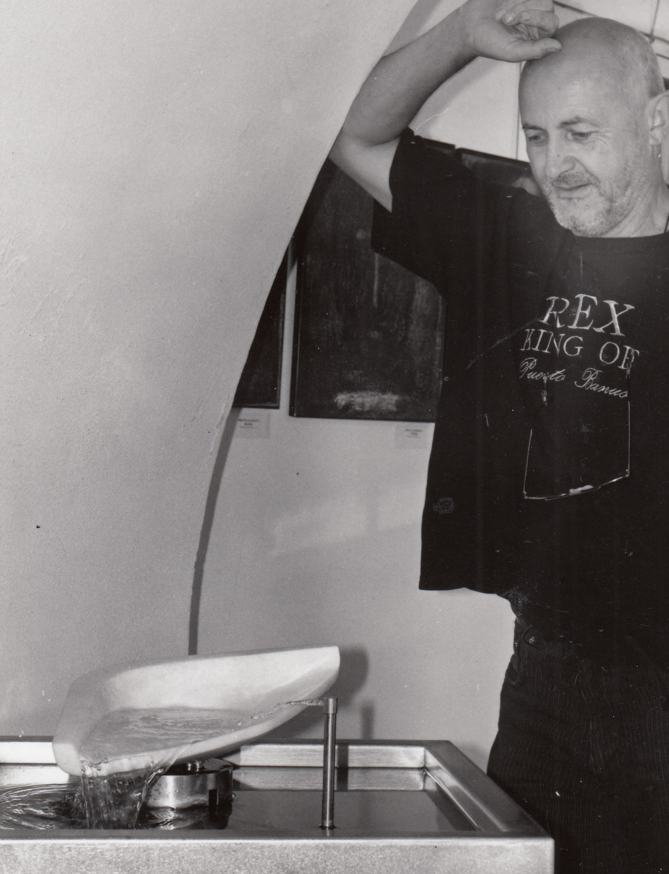
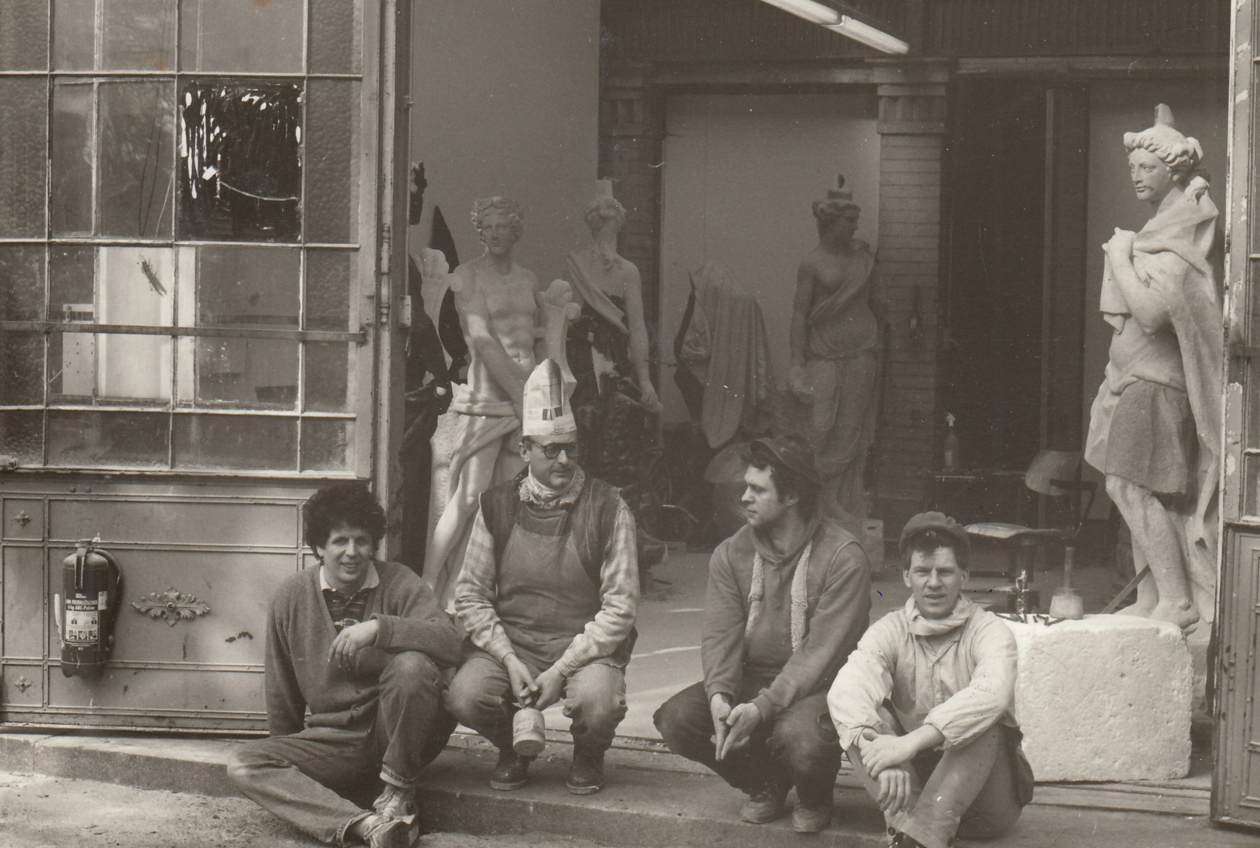
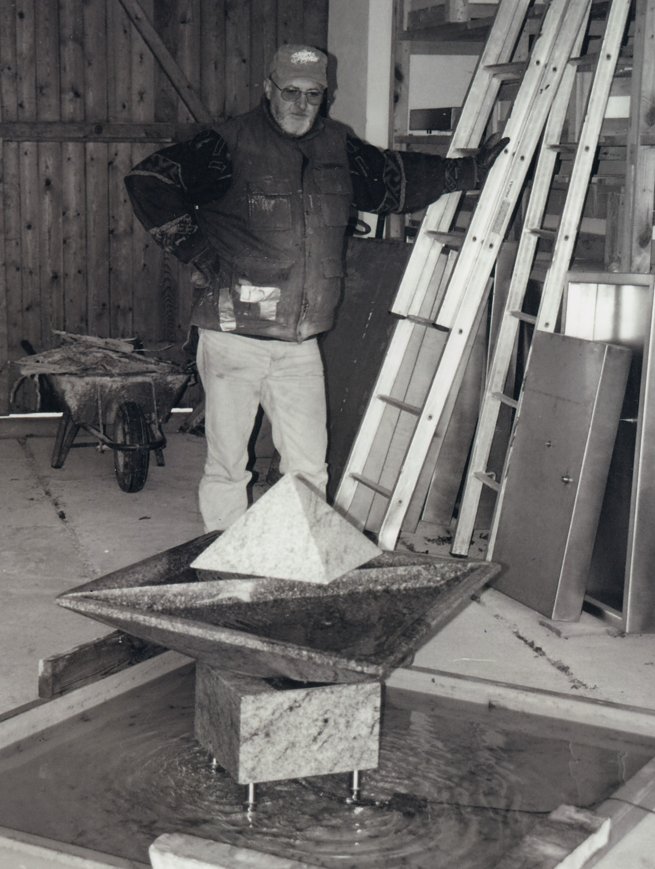
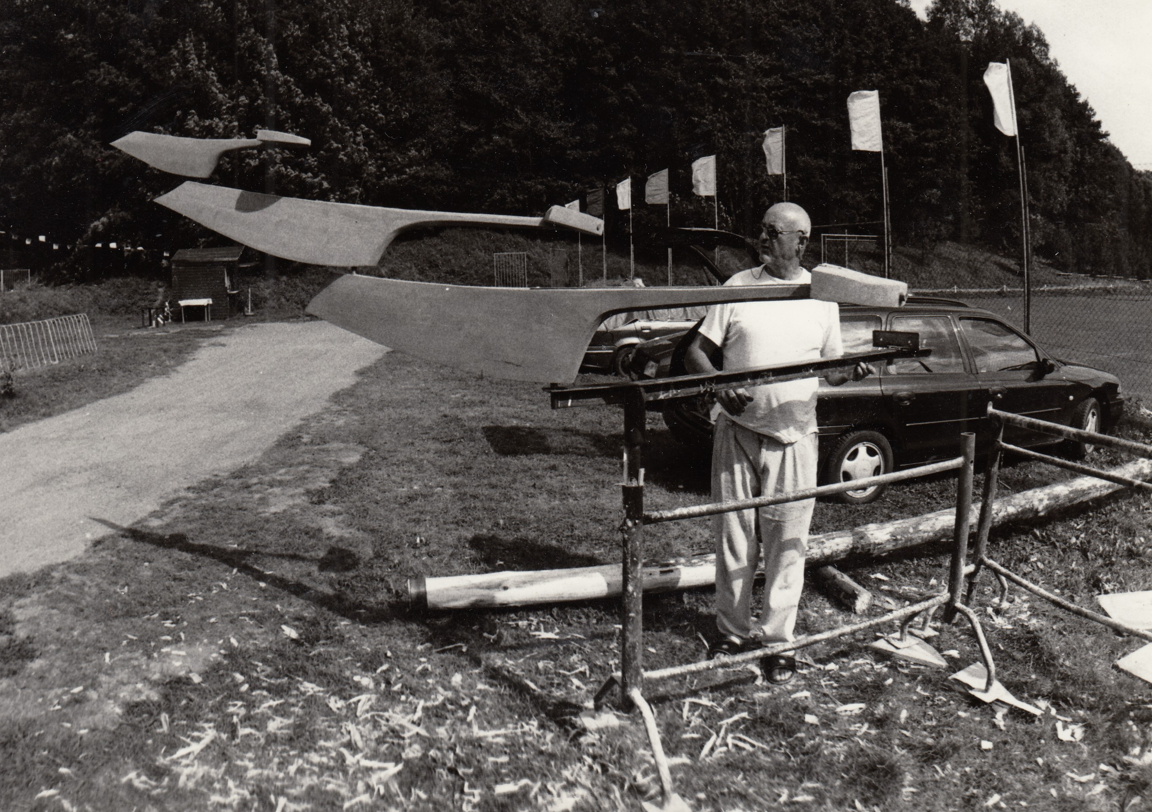
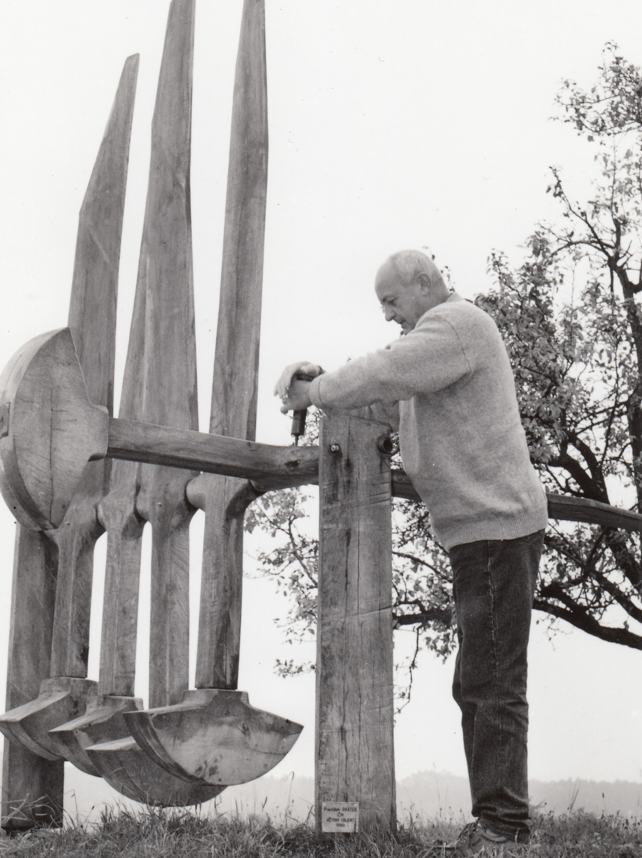
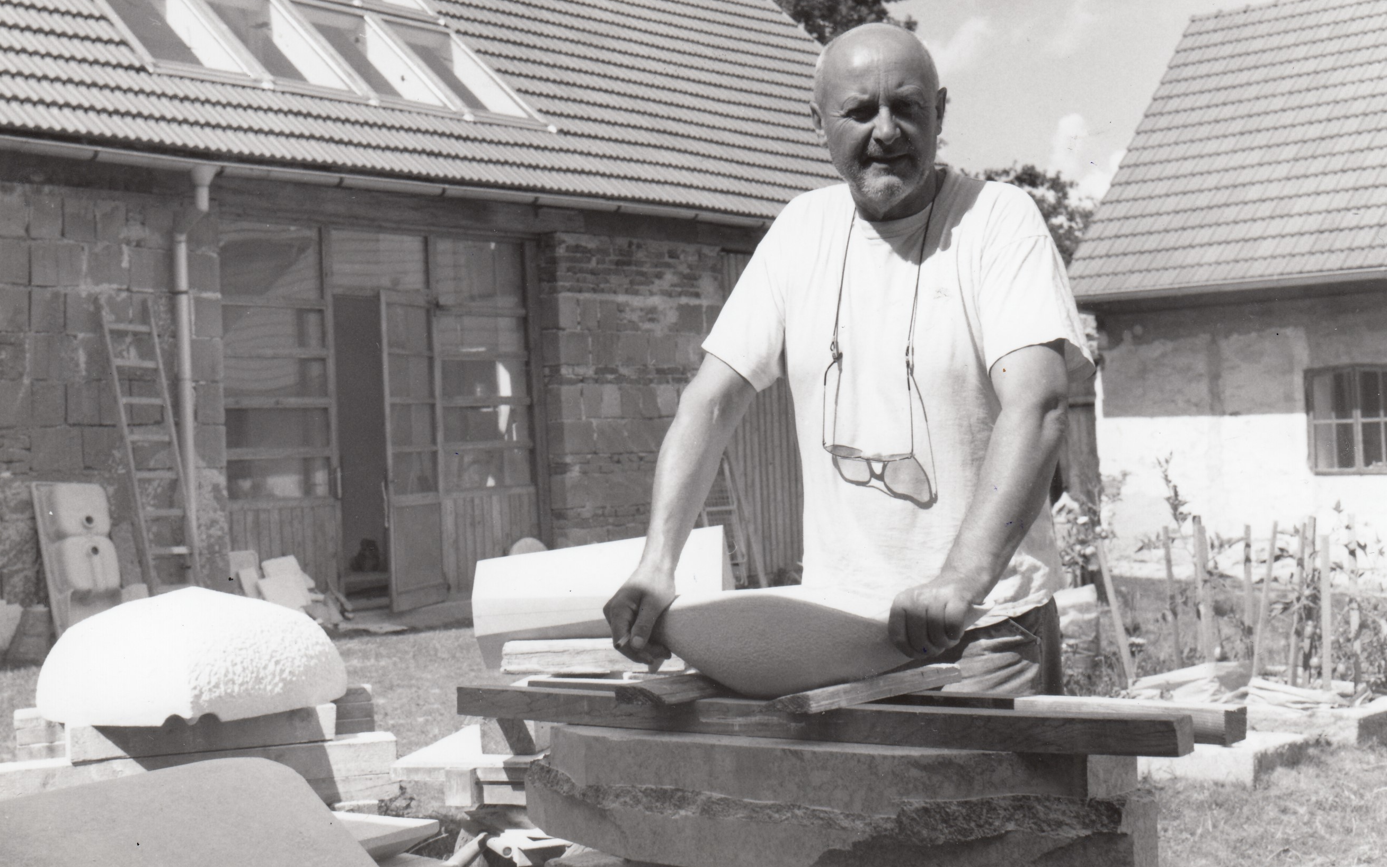
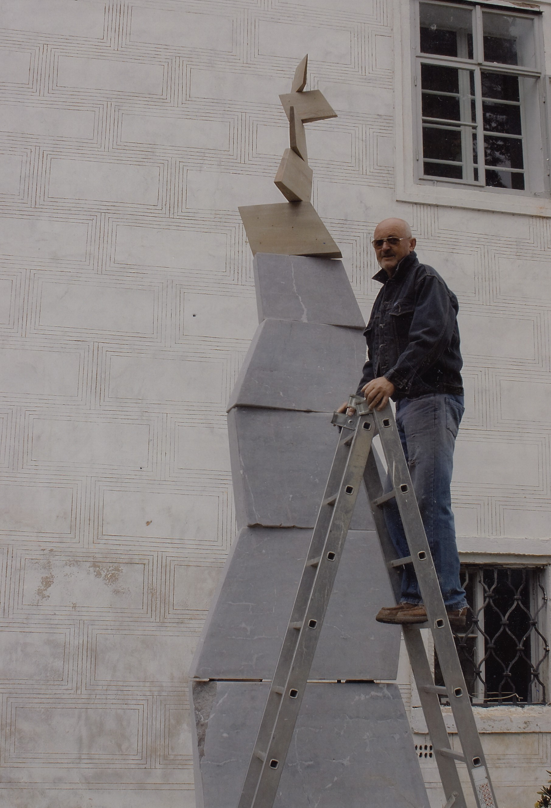
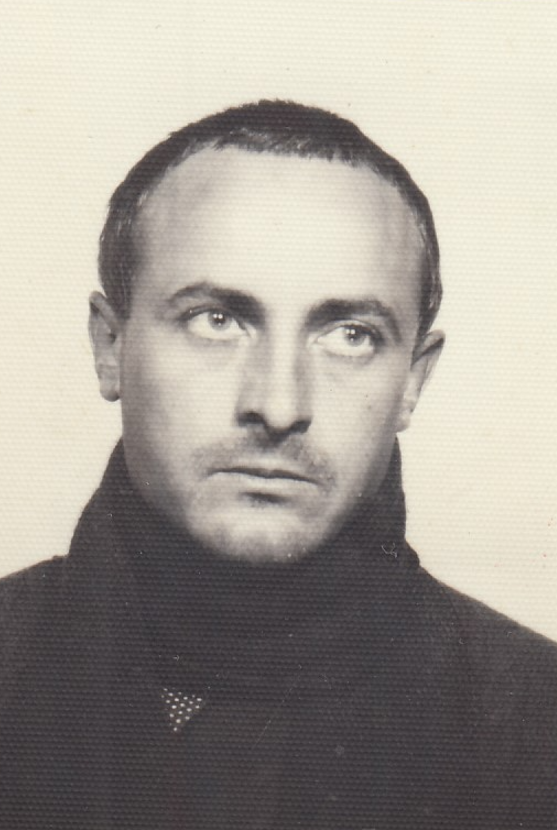
František Svátek was born in Tábor on 2 December 1945. The family was Christian but the parents joined the communist party to avoid trouble. Still, the father had to leave his school headmaster job and the family moved to the borderland. The witness graduated from the high school of nuclear technology in Prague in 1963 as a nuclear equipment designer. He drew while still a student. Following high school, he held a few jobs briefly, then passed the admission procedure for the high school of sculpting and stonemasonry in Hořice. This is where he learned the craft of sculpting as he had intended. In 1968–1973, he studied sculpting and restoring at AVU and met his future wife Barbora Blahutová. They emigrated to Italy in 1974 and were granted asylum in Germany in 1975. They returned to Italy later on for a selective scholarship. František Svátek worked as an art restorer and gained prestige in the field, working on many high-profile projects. Still, he was drawn to free creation and was able to focus on it over time. His work is typified by a play of the elements and stone – he became famous for kinetic fountains. His works are to be found all over the world including Japan, Switzerland, Italy and Germany. Many of his post-1990 works are also present in his homeland. František Svátek returned to the Czech Republic for good in 1999. He was living in Vlastiboř at the time of filming. He has two daughters with wife Barbora Blahutová.