“My uncle was an old man and my cousin was a divorced woman. They had some land, some meadows and I guess about ten hectares of fields. But they didn’t farm on that, they rented it to a family who worked there. And when the harvest was reaped and there was some corn and hay, anything that could be sold, uncle was there and they split the money in half. And then the Soviets decided that they were exploiting the working class.” – “And what did they do with them?” – “Because they were the exploiters they took them to a concentration camp in Kazakhstan.” – “And what happened with them?” – “Uncle died and my cousin survived and she returned to Poland.” – “And when she returned?” – “She spent there about three years.” – “And what were their names?” – “Alexandr Pyšl and Elizabetha Golková.”
“Behind the hill, there were German bunkers and trenches. They were ready for any invasion from the north. The walls were rounded with the trunks so that the ground did not fall into the bunker. And on the roof they had another two layers of trunks, stones and ground. And they had logs on the floor so that when it was raining, they didn’t have to walk trough water. So they had it nicely built, for defense.”
“It was quiet, no attacks, no shooting. And then shrapnel came and hit the top of a tree, it exploded and the fragments shattered all over the place. Next to us, about four meters away, there were the messengers who usually secured communication with the command in case the telephone lines didn’t work. So one of them was injured as well, another one died right at the spot and the Slovak guy next to me had a broken arm. It was a clear cut hanging just on a piece of skin. It didn’t even bleed because the piece of metal was red-hot. So we had to cut the rest of the skin and we bandaged the amputated arm. We threw away the rest, it could not be sewed back anyway since the bone was broken.”
“And did you witness any persecutions of the Jews in Volhynia?” – “During the German occupation? I wasn’t an eyewitness but they took all the Jews from the city and put them in one quarter which was then called the ghetto. And they lived there and had to work both women and men.” – “And have you ever been to the ghetto?” – “I wasn’t there. We weren’t allowed to enter. And one day they ordered them to get dressed and get on German trucks. They simply had to. Then they took them to about ten kilometers behind the town. And there the men had to dig their own graves and when they were finished, they had to get undressed and the Germans shot them all. And they filled the holes with them layer by layer.” – “And they killed just the adults or the children as well?” – “All of them.”
“The fields around Nižný Komárnik were bare. There were no trees on the fields because people grew grain there. There was a creek, which streamed from the woods above and it was trimmed with trees because there was enough water for them. So it was shielded by the trees. The leaves did not fall yet. We carried the casualties up the stream to the woods where we handed them to the others. And they transported them with wagons or cars. There was no other way to transport the wounded. Eight people carried the stretcher and we exchanged places to get as soon as we could to the rear, where they were given proper treatment. That was the only way.”
“Those were insurgent units,” – “And have you ever seen one of those units?” – “You couldn’t normally see them, only in the night. They had wagons pulled by horses – up to ten horses pulling one wagon. They didn’t use roads, they crossed directly through the fields. They also needed some food and so on. So they came to a village and they asked for a calf or a pig.” – “And you said they had a lot of horses. That was because of the bad terrain?” – “Yes, they also had their machineguns on the wagons. There were some Polish villages. Most of the settlements were Czech but there were also some Polish inhabitants from the old times. And Bandera units fought against the Poles. They wanted to drive them away so that Ukraine would not fall back under Polish rule. They simply attacked them and killed them. Polish settlers had to flee to the city, where Bandera units left them alone because of the German army. The Poles certainly didn’t enjoy very good times then.”
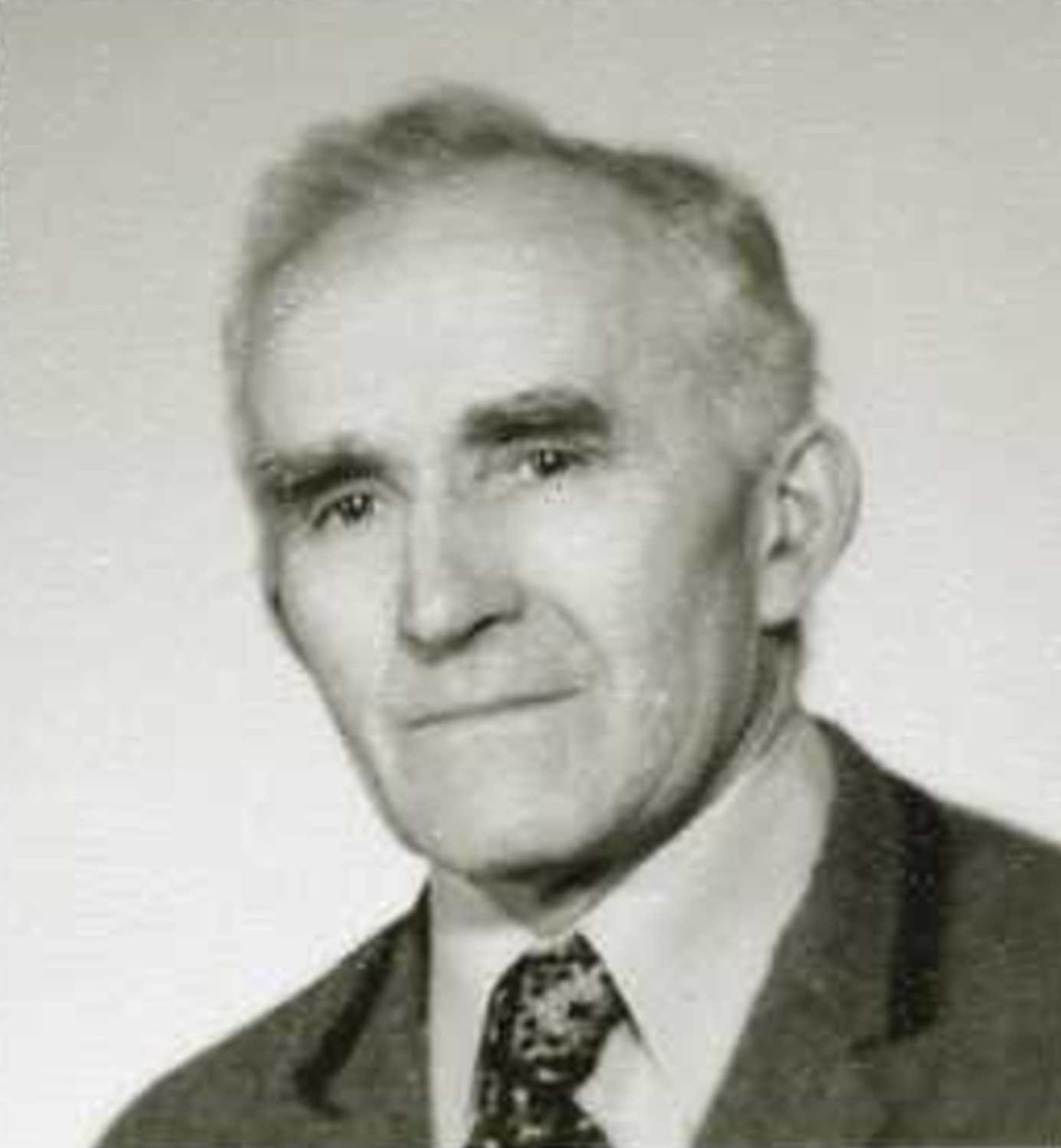
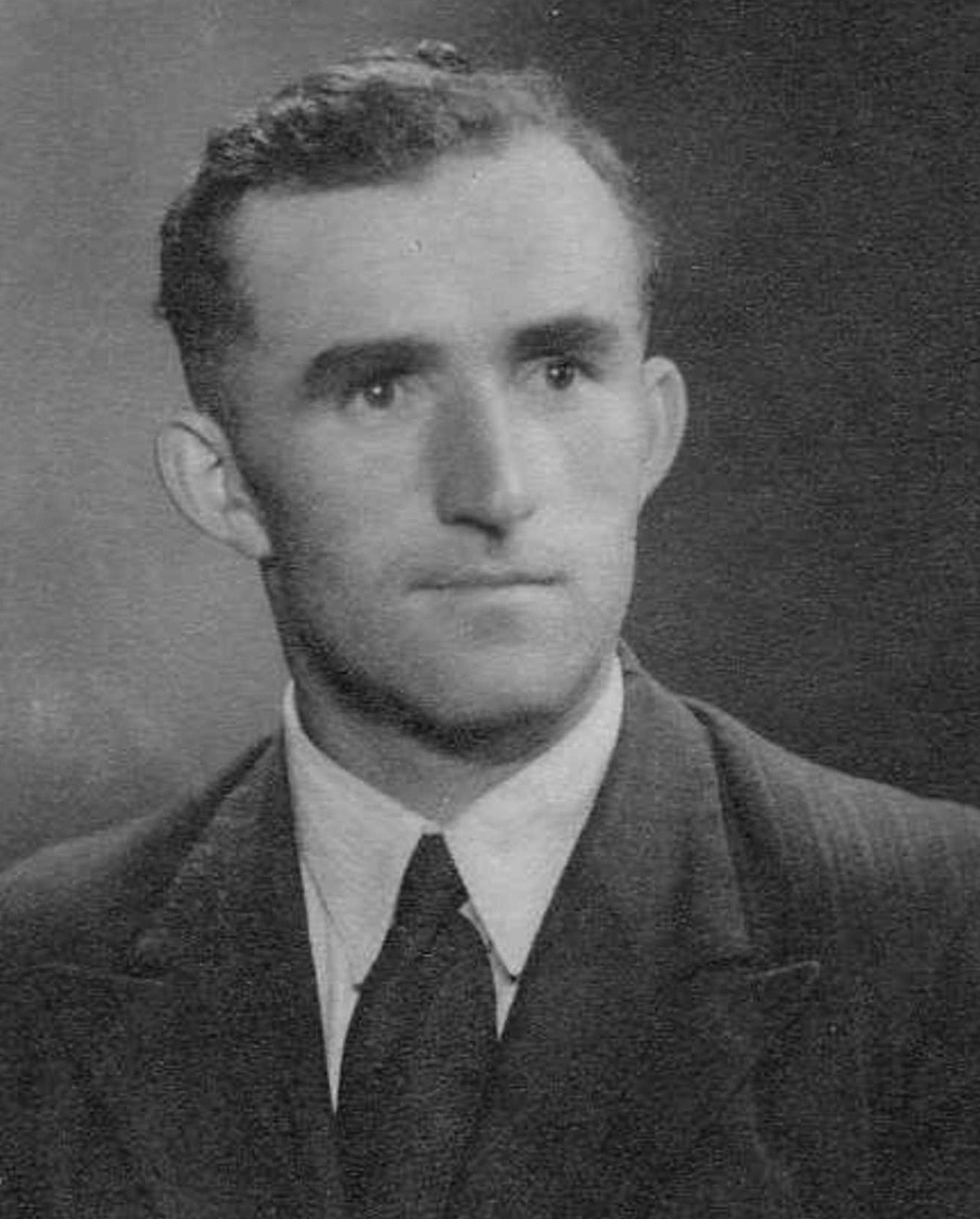
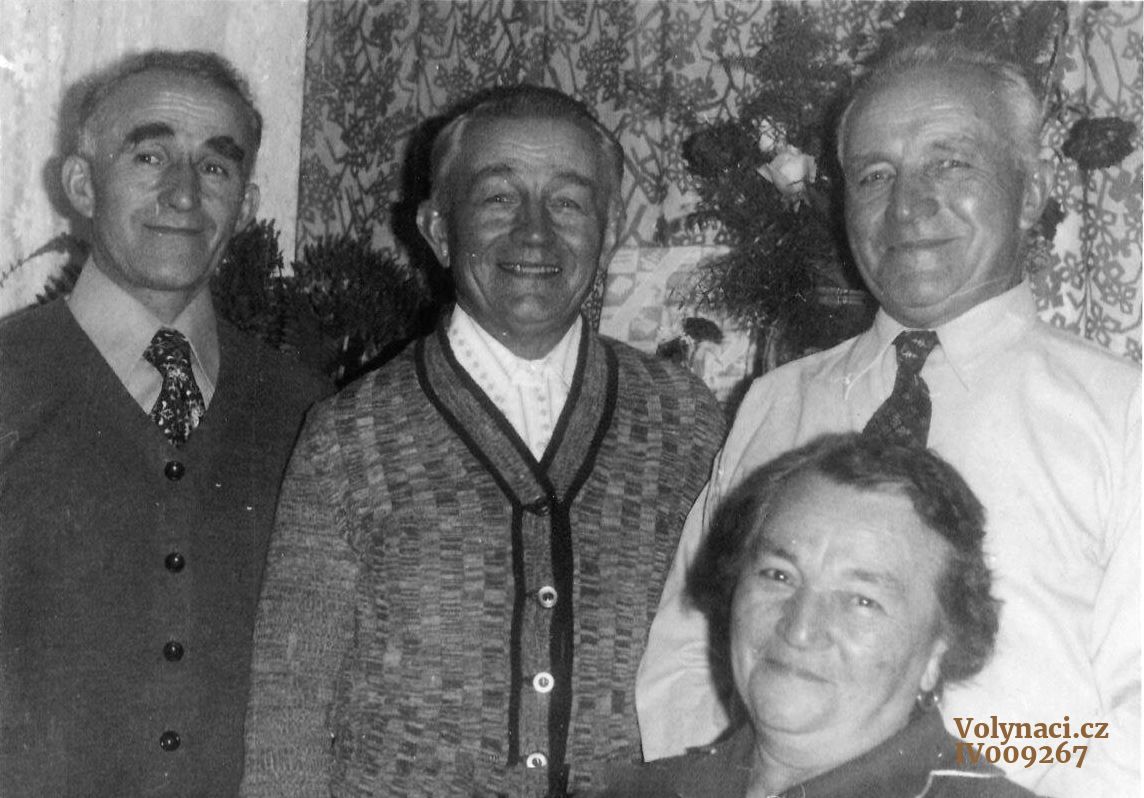
Boleslav Štěpánek was born on 15 November 1920 in the Czech village of Nové Teremno (Lipiny) in Volhynia in today’s north-western Ukraine, where his family worked on their own farm. He attended the Czech school in Lipiny, and later the Polish school in Lutsk. During the occupation by the Soviet Union after 1939, his uncle and cousin were interned in a labour camp in Kazakhstan. During the attack of Nazi Germany on the Soviet Union in June 1941, heavy fighting took place right in their village. Subsequently, during the Nazi occupation, Volhynian Czechs witnessed many horrors. Boleslav was employed as a veterinary nurse in Lutsk, which prevented him from being sent to forced labor in Germany. In March 1944, he enlisted in the 1st Czechoslovak Army Corps in Rovno. He was assigned as a medic, trained in Bukovina on the Romanian-Ukrainian border. In autumn 1944 he was deployed during the Carpatho-Dukla operation. During the fighting near Stropkov in December 1944, he contracted pneumonia and was subsequently treated in a hospital in Krosno. He then took part in the battles of Liptovský Mikuláš, Vrútky and Žilina. On May 17, 1945, he attended a ceremonial parade in Prague’s Old Town Square. After the war he served in Česká Lípa and Žatec, supervising the deportations of the Germans. He demobilized in December 1945. He settled on the farm of the Germans in Soběnice near Litoměřice, which was later collectivized. In 1960 he moved with his family to Bohušovice nad Ohří and worked in the chemical plants in Lovosice. He died on 17 February 2013.