Mgr. Karel Škarka

* 1946

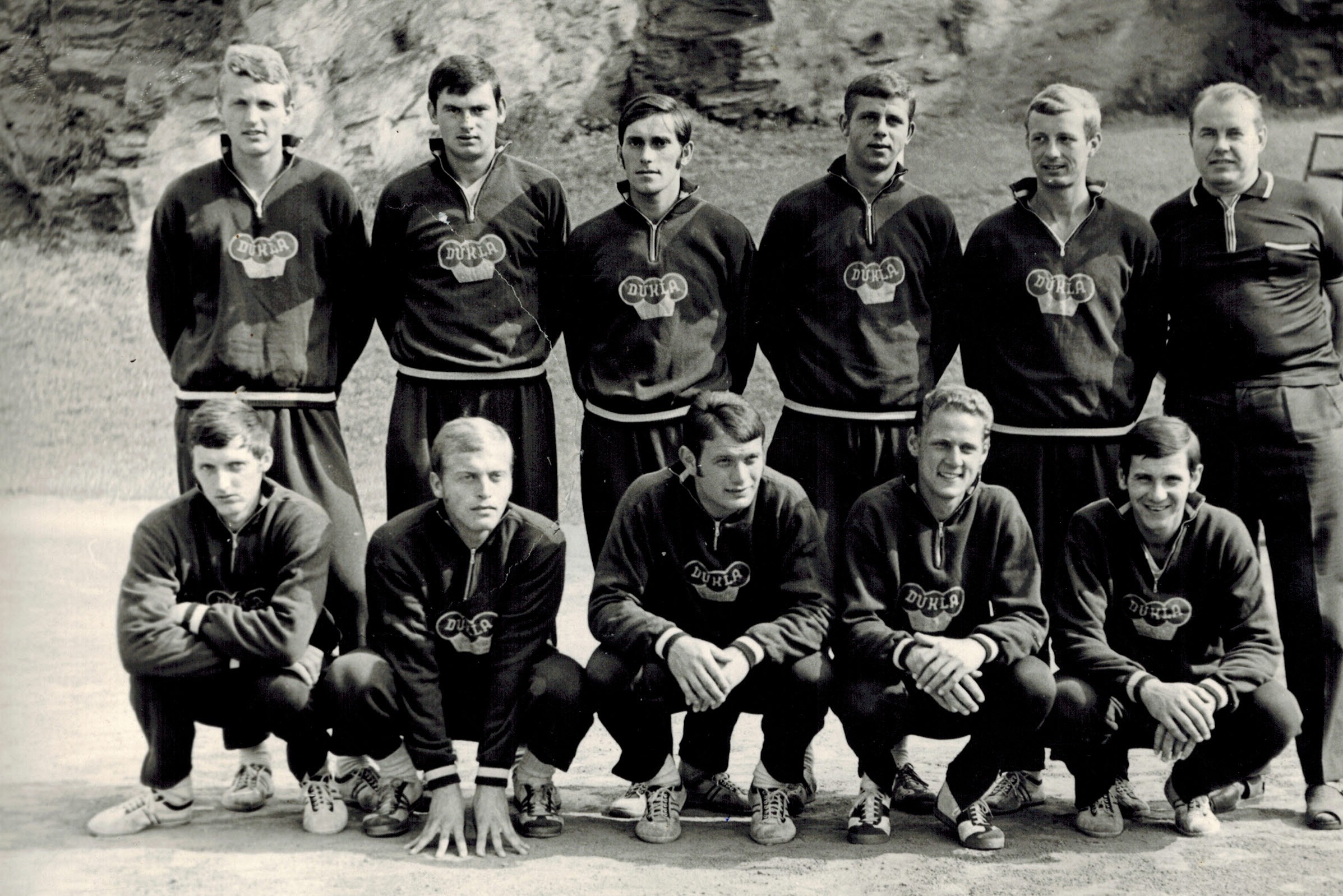
  • "I wanted to study [university] in a distance study, and even though I had offers to play in the major leagues and the extra-league teams, I thought that in the two years I've been coaching, I like volleyball so much that I don't want it to be the only thing in my life. And it was also temporary, of course, because the sporting life isn't very long. So in the spring, they promised me that if I came back to Usti, I would play second league, which I thought was good. That's good competition and a good team. So they promised me that I could be a sports clerk at the school, I could study [university] in a distance study, I could get a flat, so what more could I ask for. So I came back [from Kolín to Ústí]. That was after the background checks. On the first of August I started my military service, I finished on the last of July, I came to Ústí and all those who had promised me at the personnel department were fired. So, I went to a boarding school but only as a tutor and after a few days I said, no, I'm not going to do that and I quit. And I was looking for a job somewhere, and the director of the apprenticeship [also from Ústí] came to me and said that I had completed my apprenticeship and that I graduated from secondary technical school and if I wanted to work in the apprenticeship, where I had started - as a master of vocational training. I've always enjoyed working with young people, I've been a ski instructor, I've led ski courses, so I accepted it with the condition that I would study to obtain the teaching minimum. That's about three terms. I said no, I wanted to go to uniersity and which one. Well, so first year: 'You're not a cadre reserve', second year: 'You're not a cadre reserve', third year: 'You're not a cadre reserve'. That was 1973."

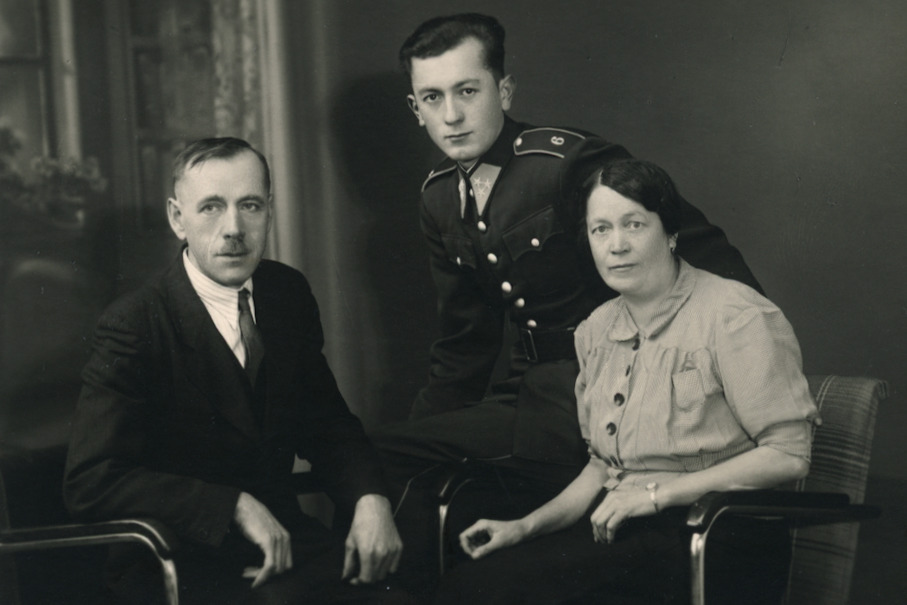
  • "[My father] was declared missing by the German authorities like everyone else, and my mother had a very cruel life at that time because she had to take care of Jana, my little sister. As I said about Dad, he was a member of the Czech Cycling Club. That was a very active group in Ústí nad Orlicí. One of them was Mr. Josef Kubáň. He was a well-known racer at that time, at the level of the republic, or the Protectorate, he was one of the best. And he was a postman. And when these postmen, he and a friend of his, whose name I don't know, noticed that a letter was going to the Gestapo in Pardubice, which included Ústí nad Orlicí, that was not sent recomando, that is, by registered mail, they sometimes withhheld such letters, because they were usually denunciations. And they were destroyed. Because if it didn't have a response, then nobody could even claim why it had or hadn't occurred, why the Germans hadn't responded. In one such letter they learned that somebody was writing a denunciation against my mother, that she had a husband in a foreign army, that he had run away and that she was sewing illegally. That was the way to the concentration camp."

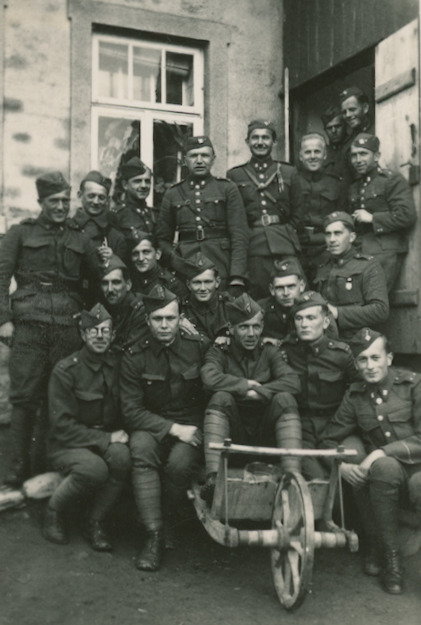
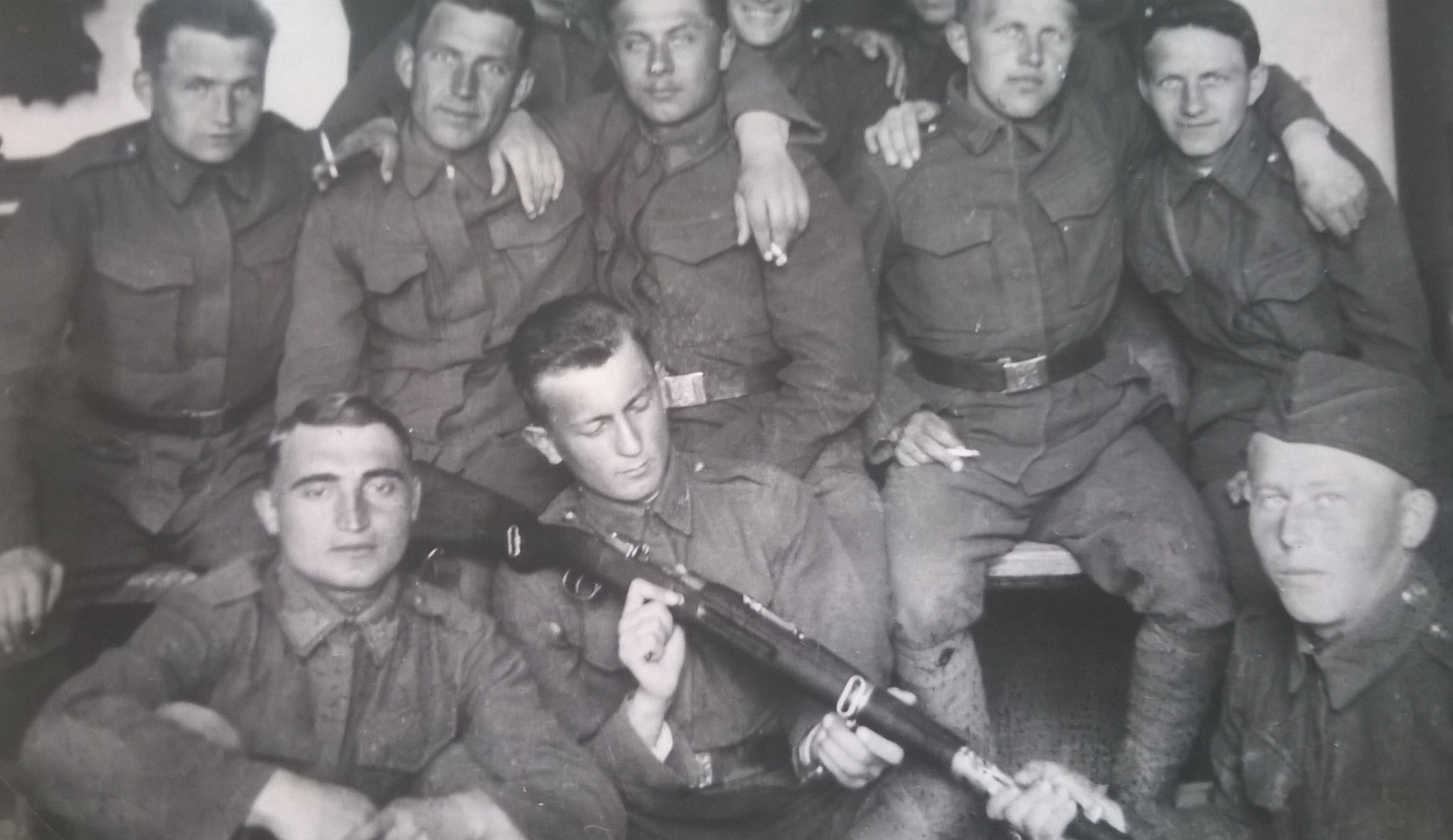
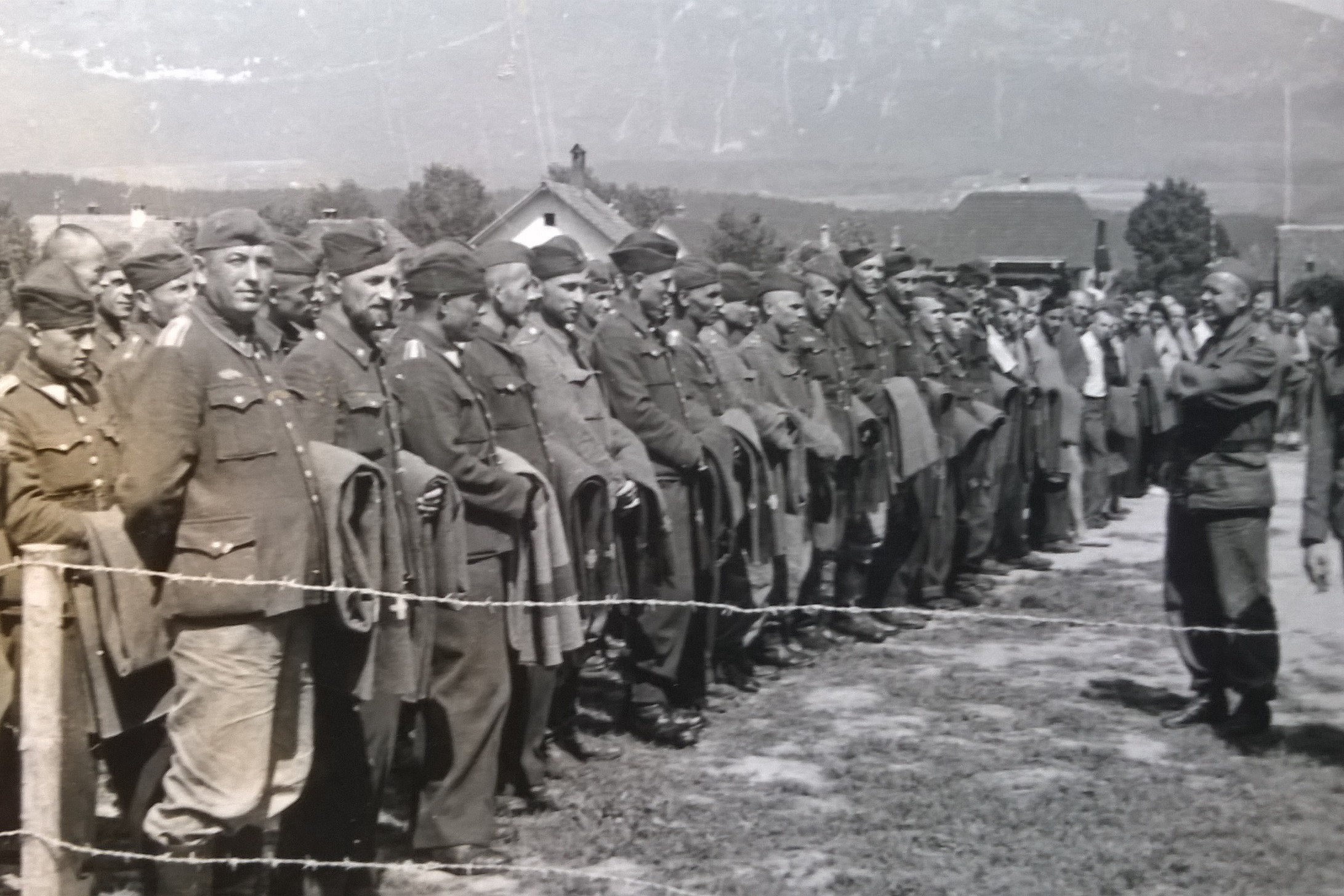
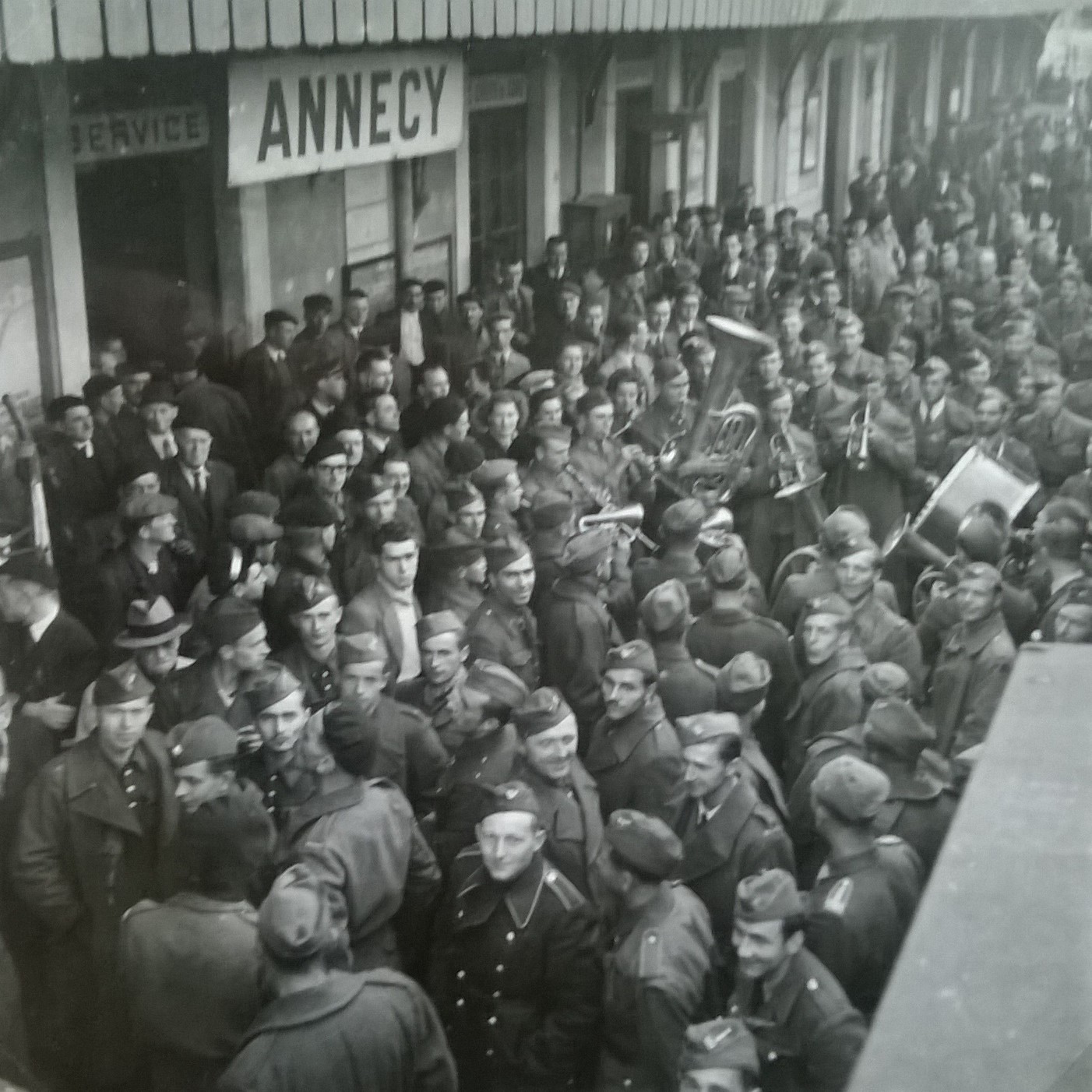
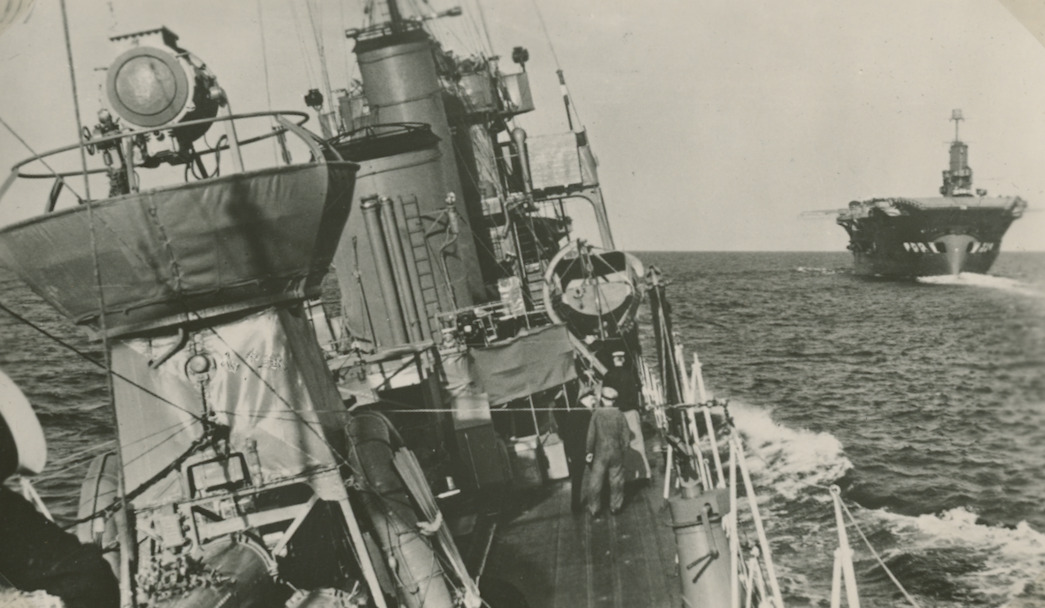
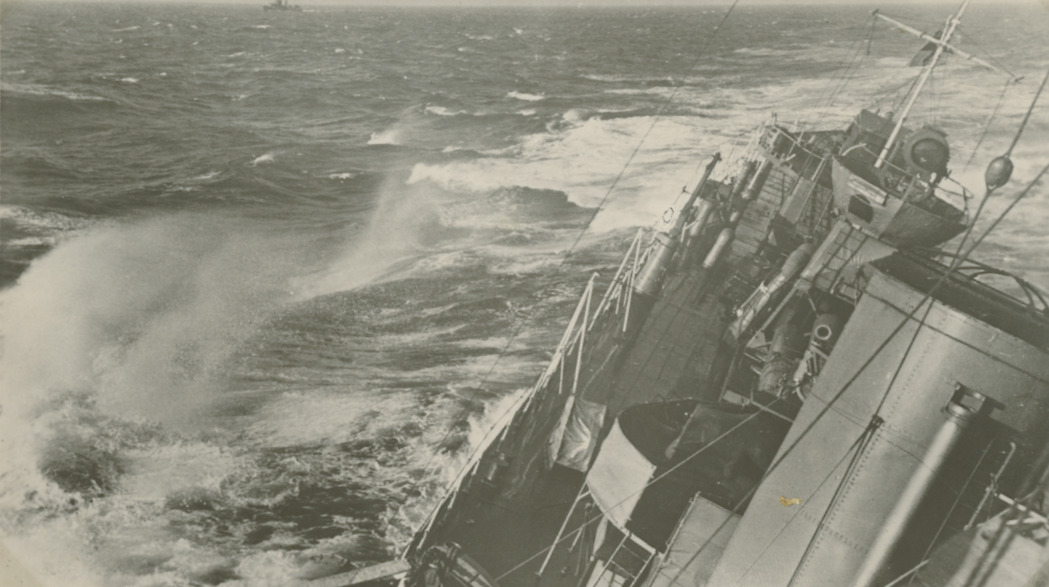
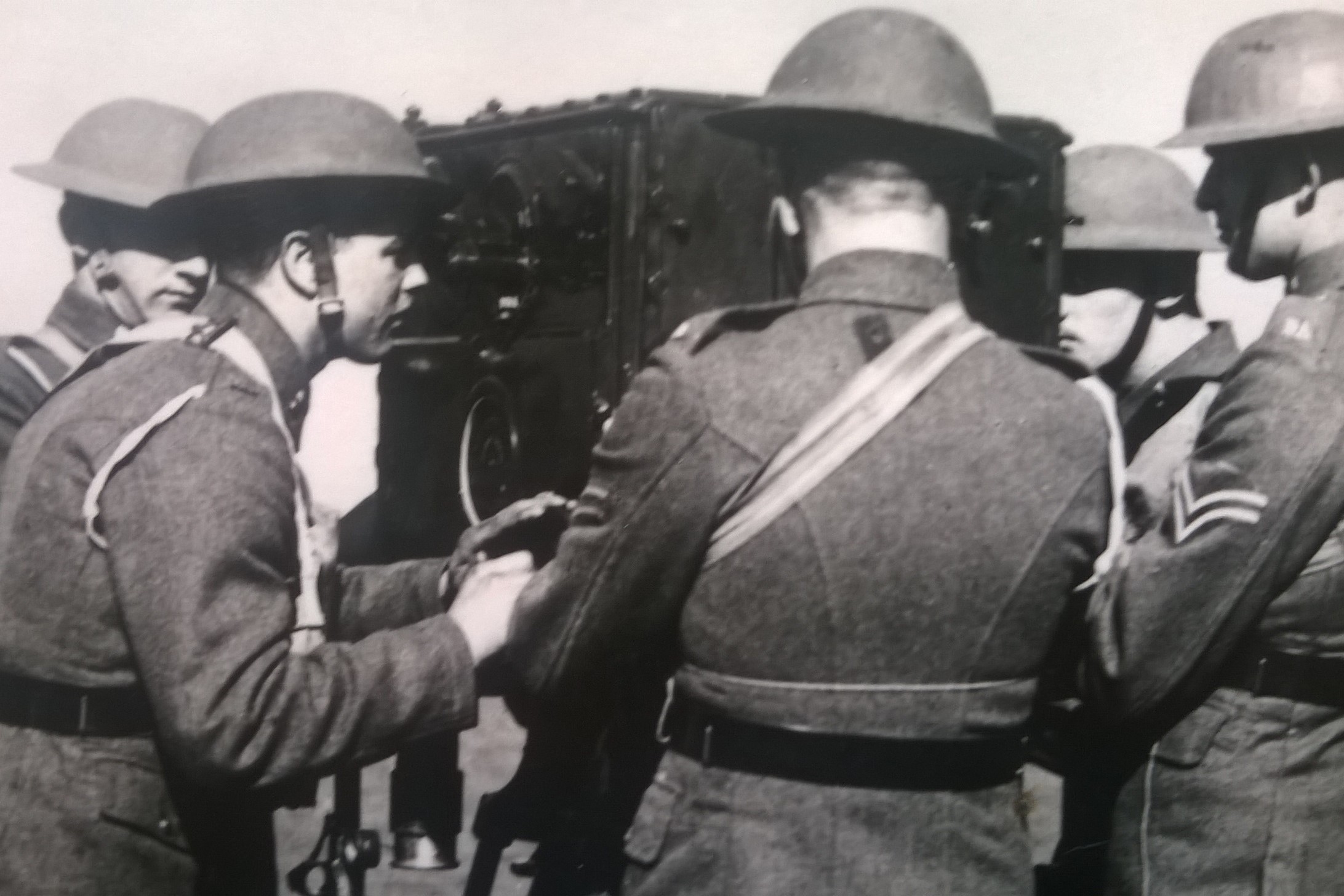
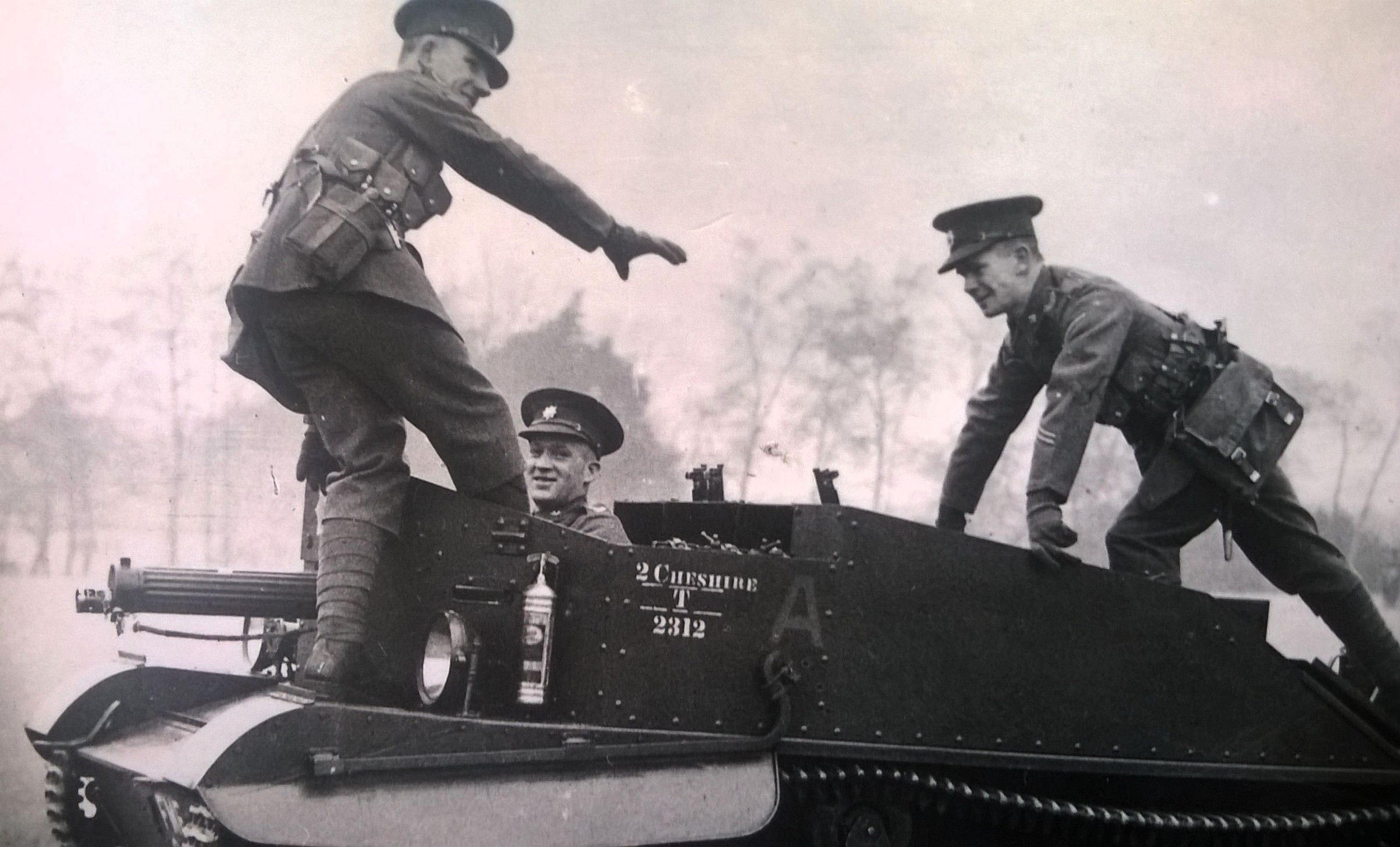
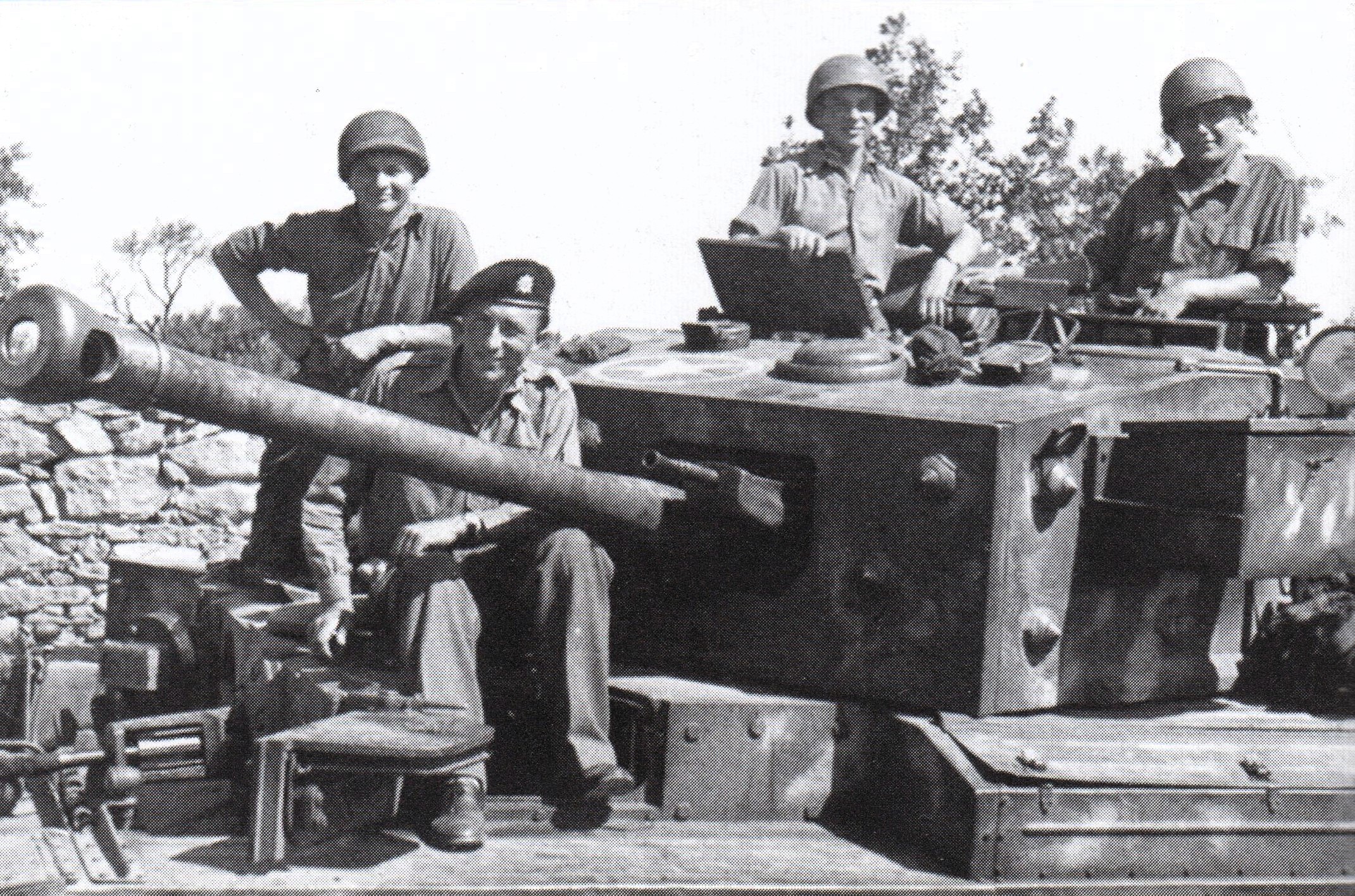
  • "They were put on a ship in Marseilles and they went to England via Naples and then Algiers in Africa - through the Strait of Gibraltar. They took a detour across the Atlantic Ocean because the Bay of Biscay was defended by submarines and they had a whole convoy with them to guard it. An anti-aircraft ship and a destroyer. In Naples, they became soldiers for the first time. Because we have to remember how they escaped, from then on they were in one dress, maybe rags, we would say today, ragged. So they were equipped with battledresses there, they got their first equipment there, and they also took the oath of the Czechoslovak army abroad. They also signed a declaration that they would not join another army. This was because the Soviet Union in particular was already at that time agitating among these soldiers through its various - even former communists, for example - among the government soldiers not to fight alongside the Western Allies. That it was an imperialist war, that they were pursuing their own selfish aims. The situation was not rosy, not to put it very simply."

  • Full recordings
  • 1

    Hradec Králové, 19.06.2025

    (audio)
    duration: 02:26:30
    media recorded in project Příběhy regionu - HRK REG ED
Full recordings are available only for logged users.

The password Czechoslovak meant to remain loyal to oneself and to one’s country
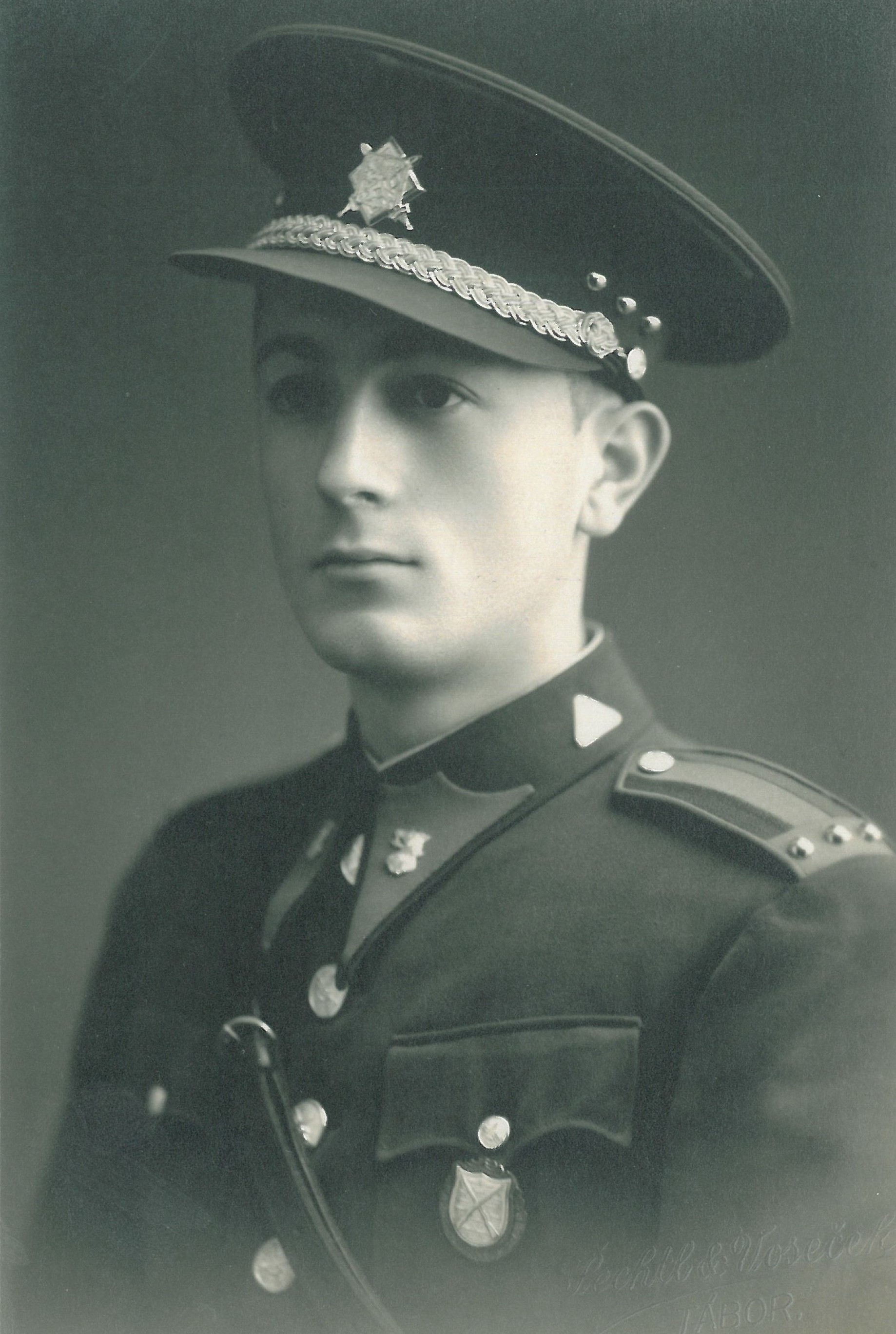
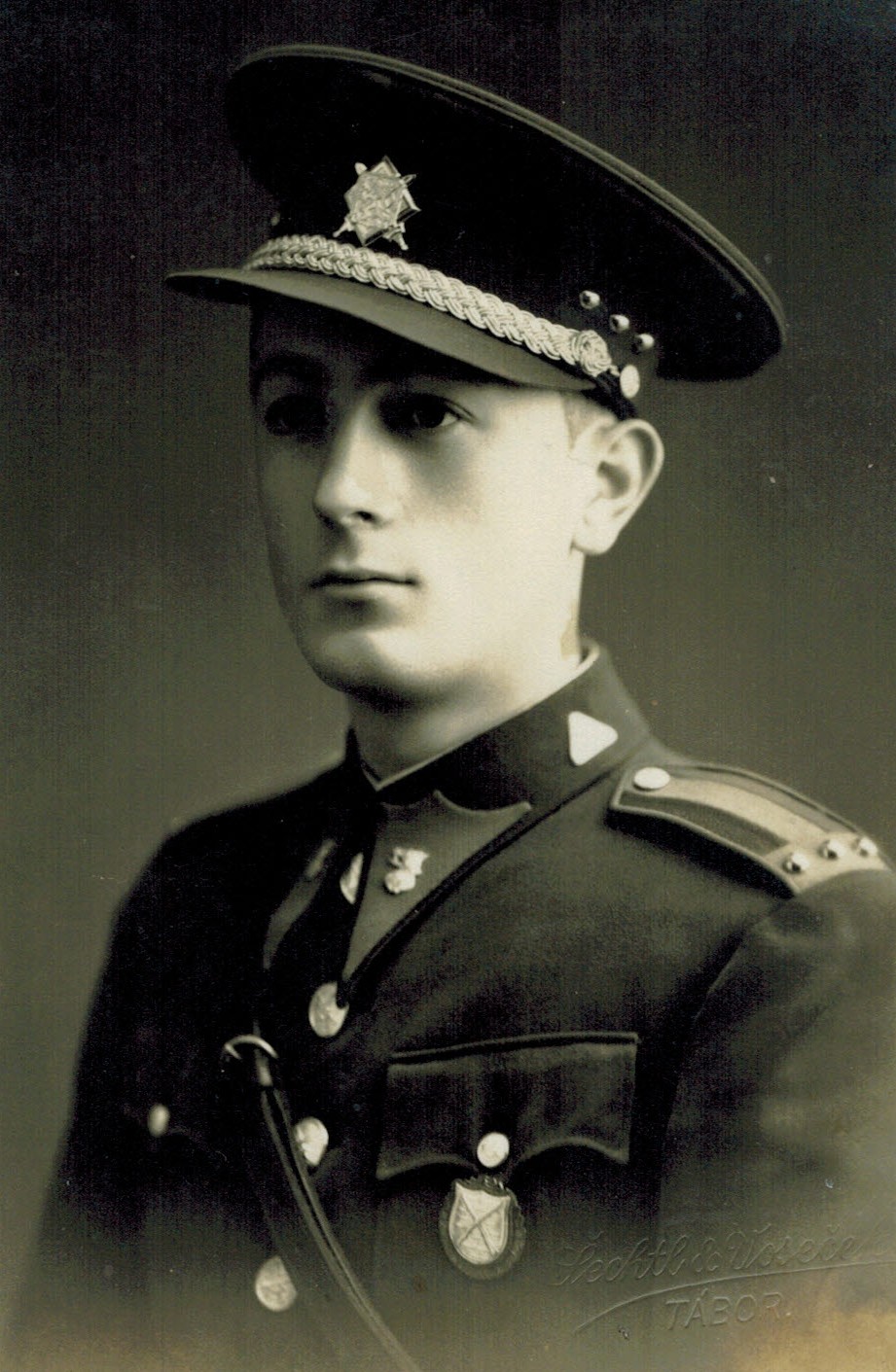
Graduation photograph of Karel Škarka
photo: Archive of Karel Škarka

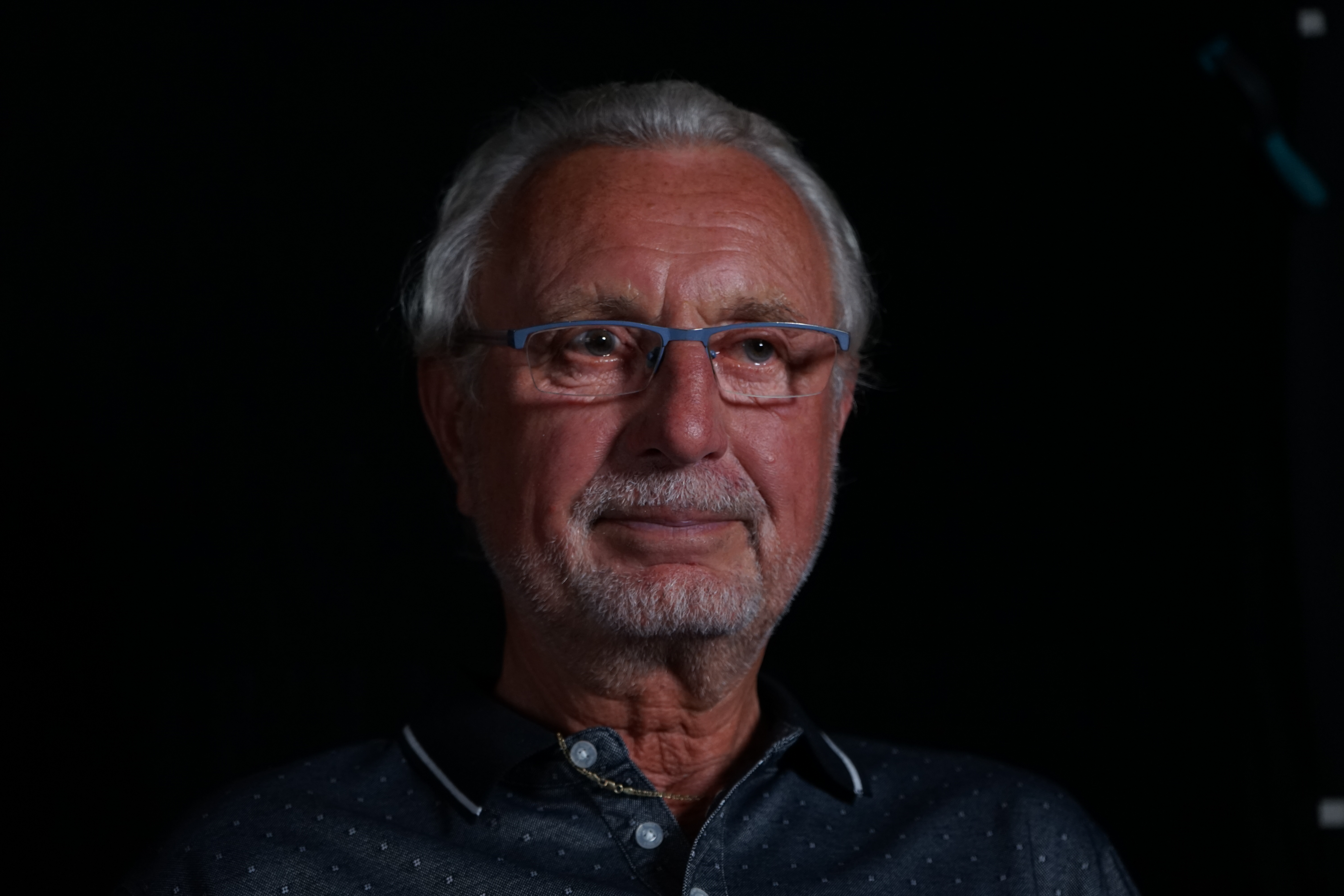
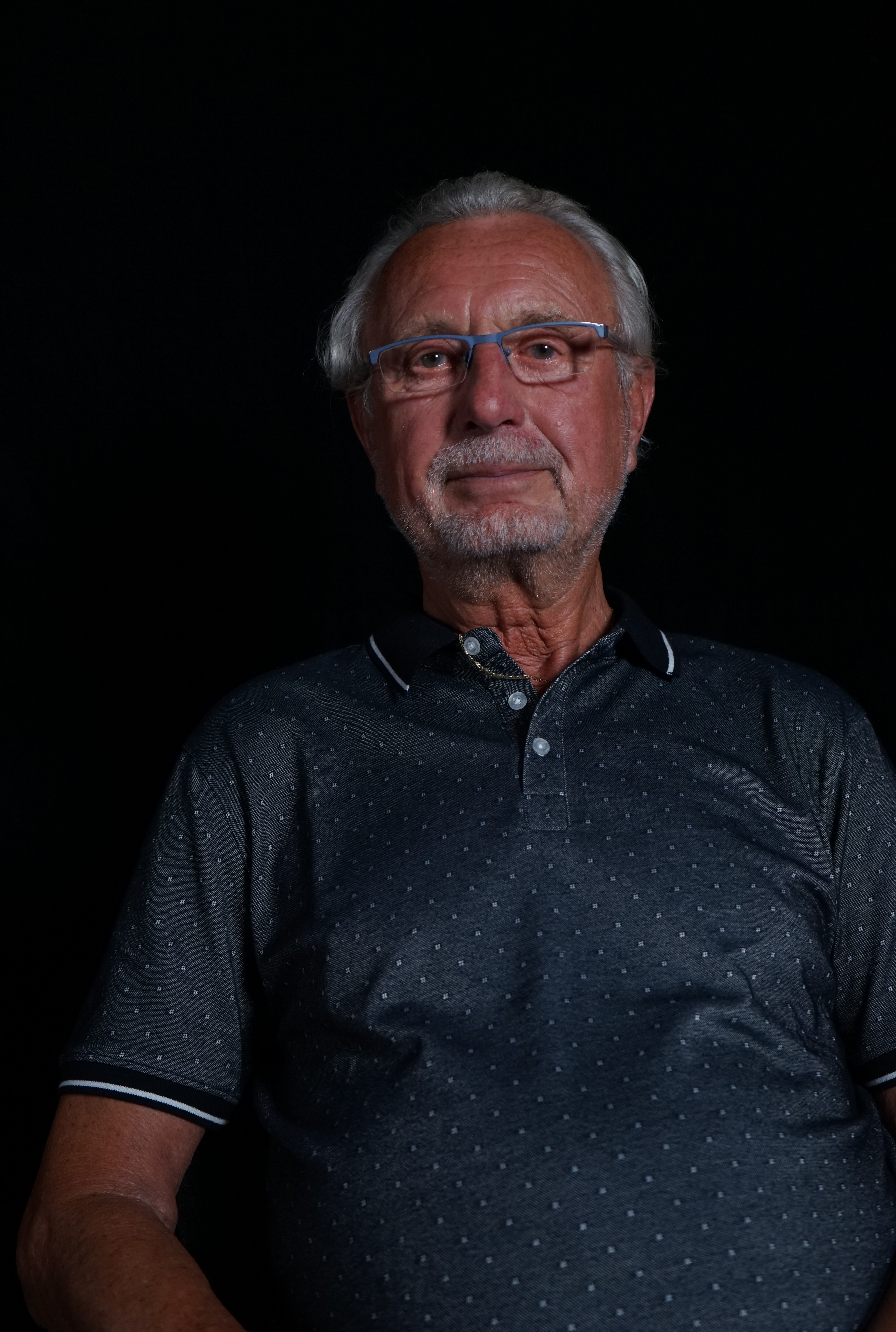
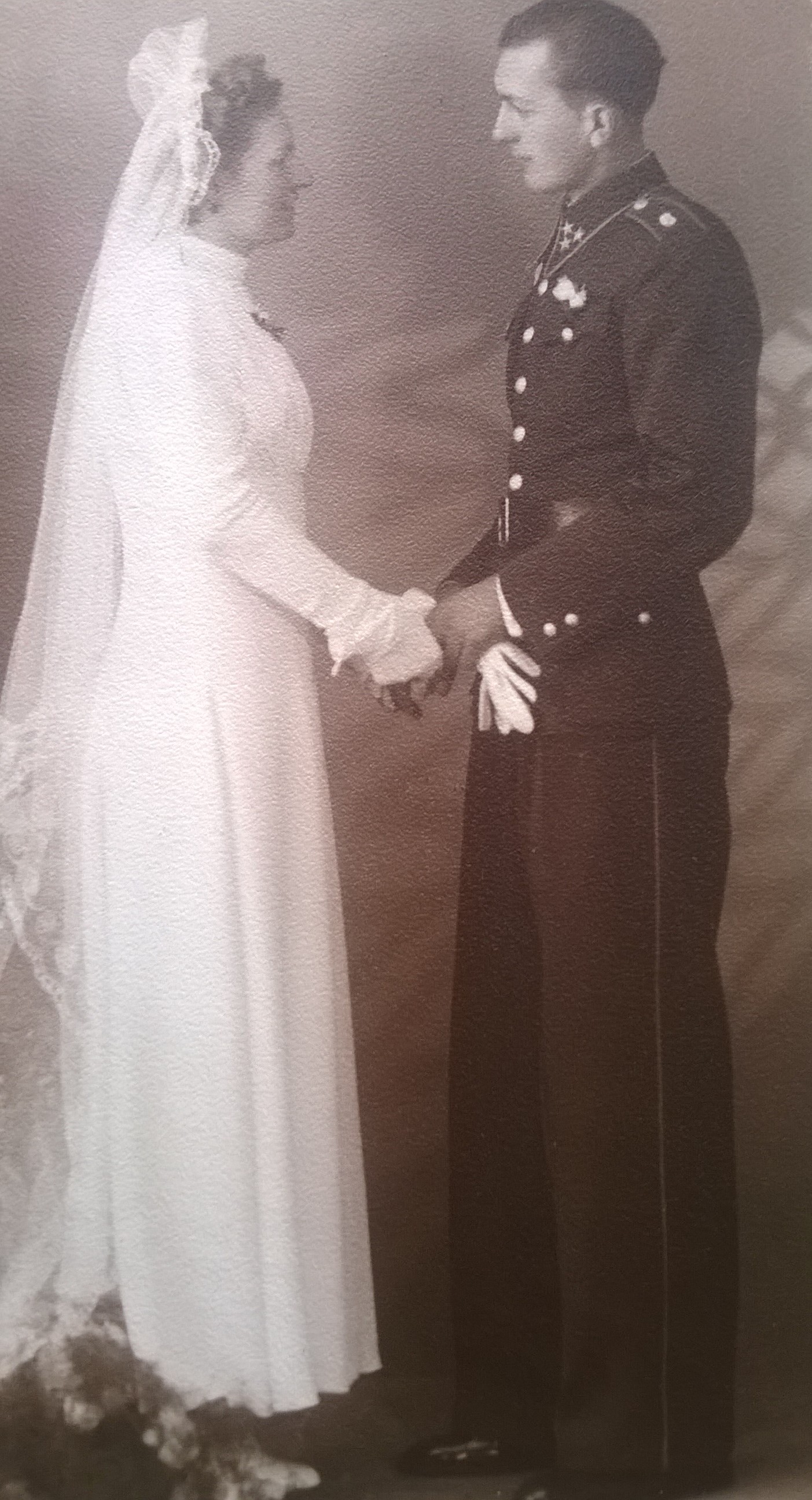
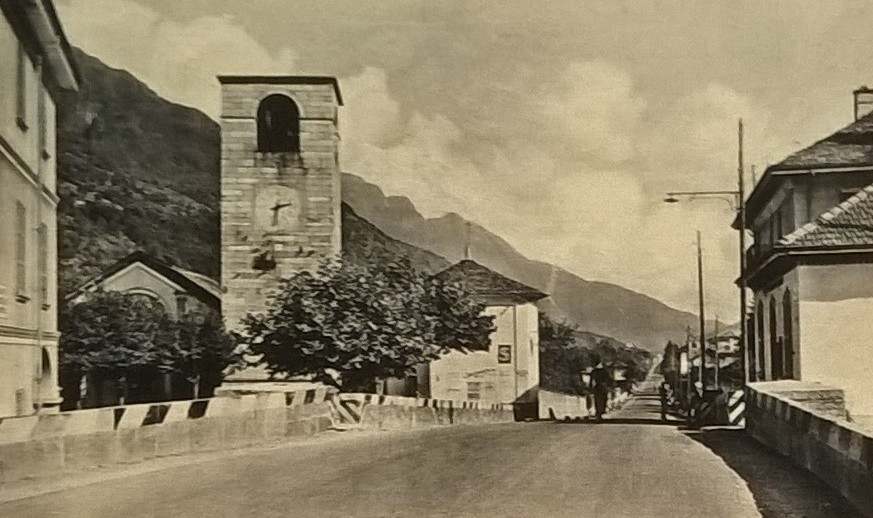
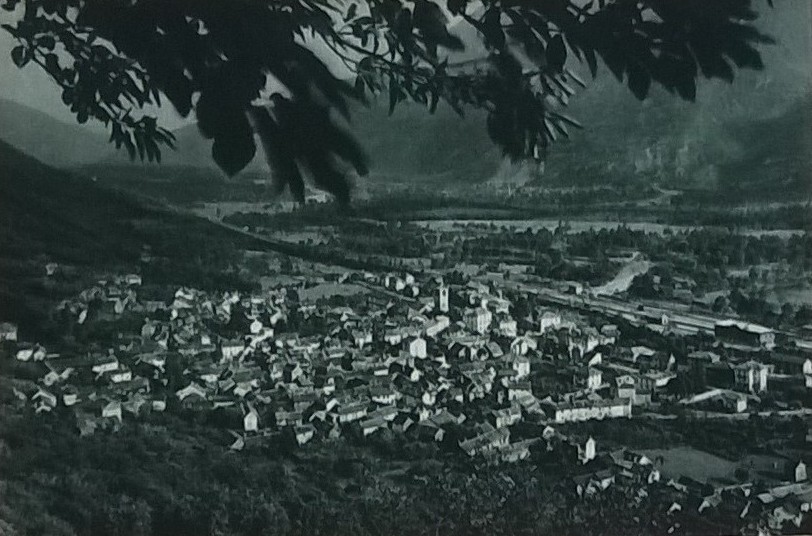
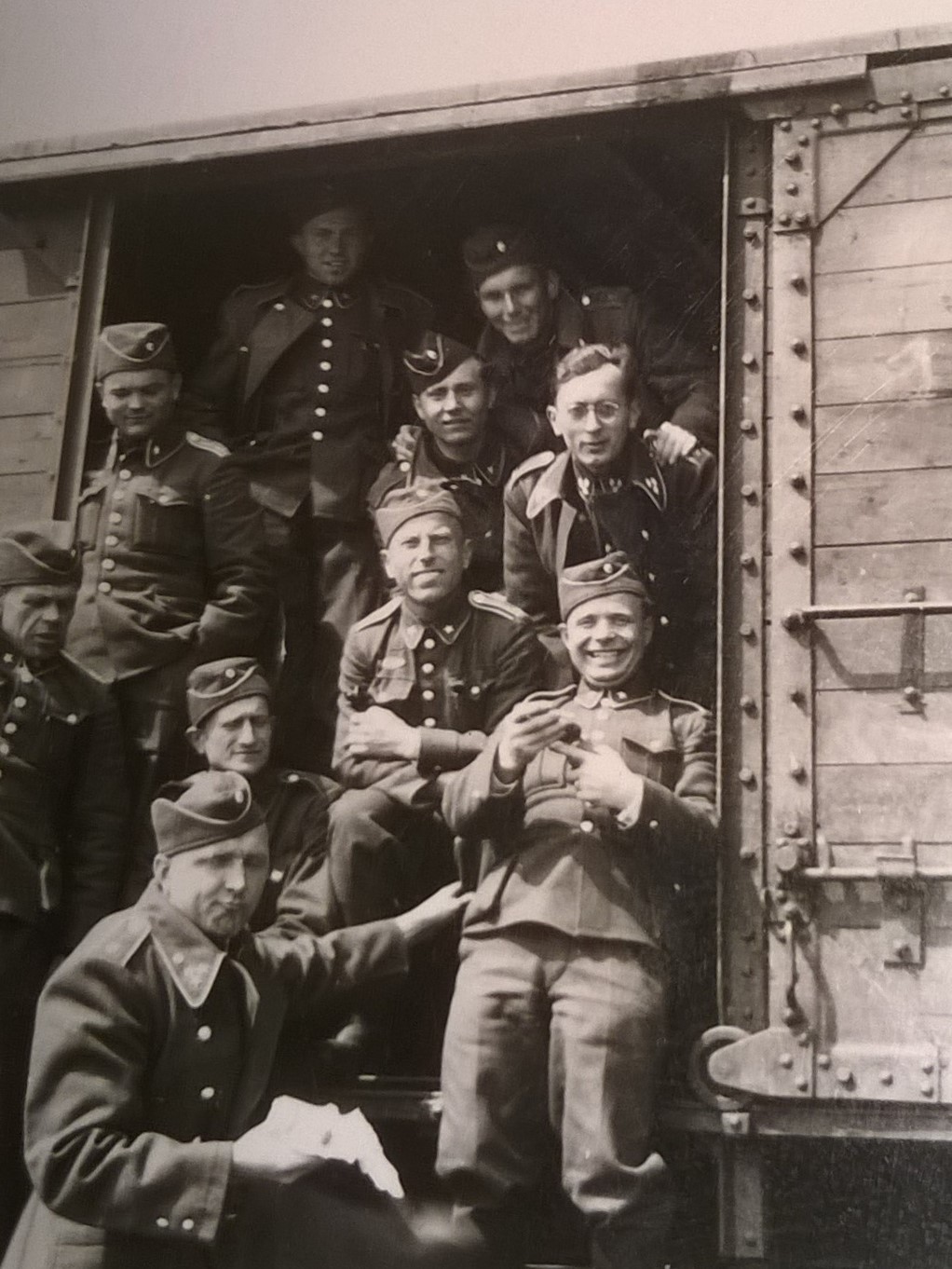
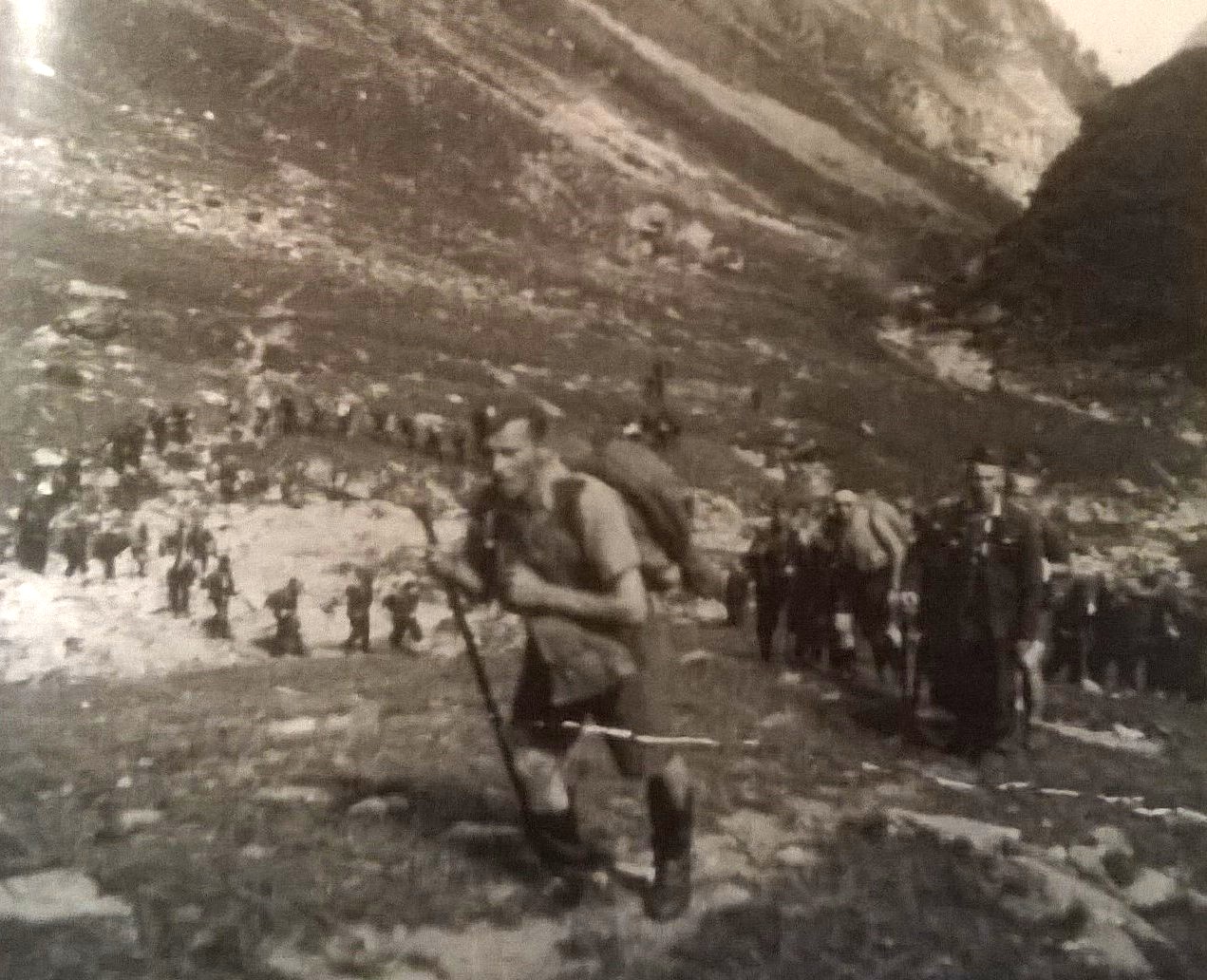
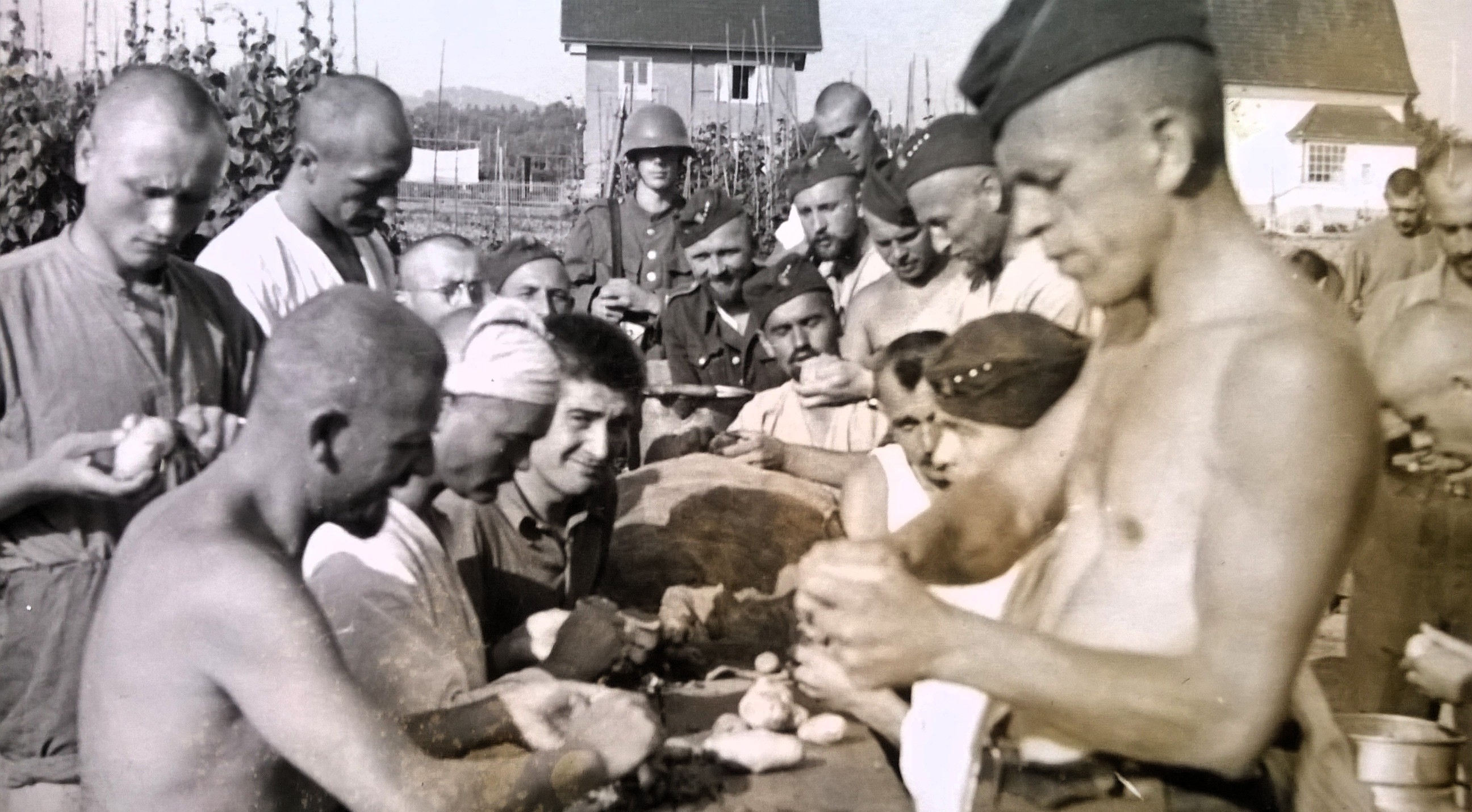
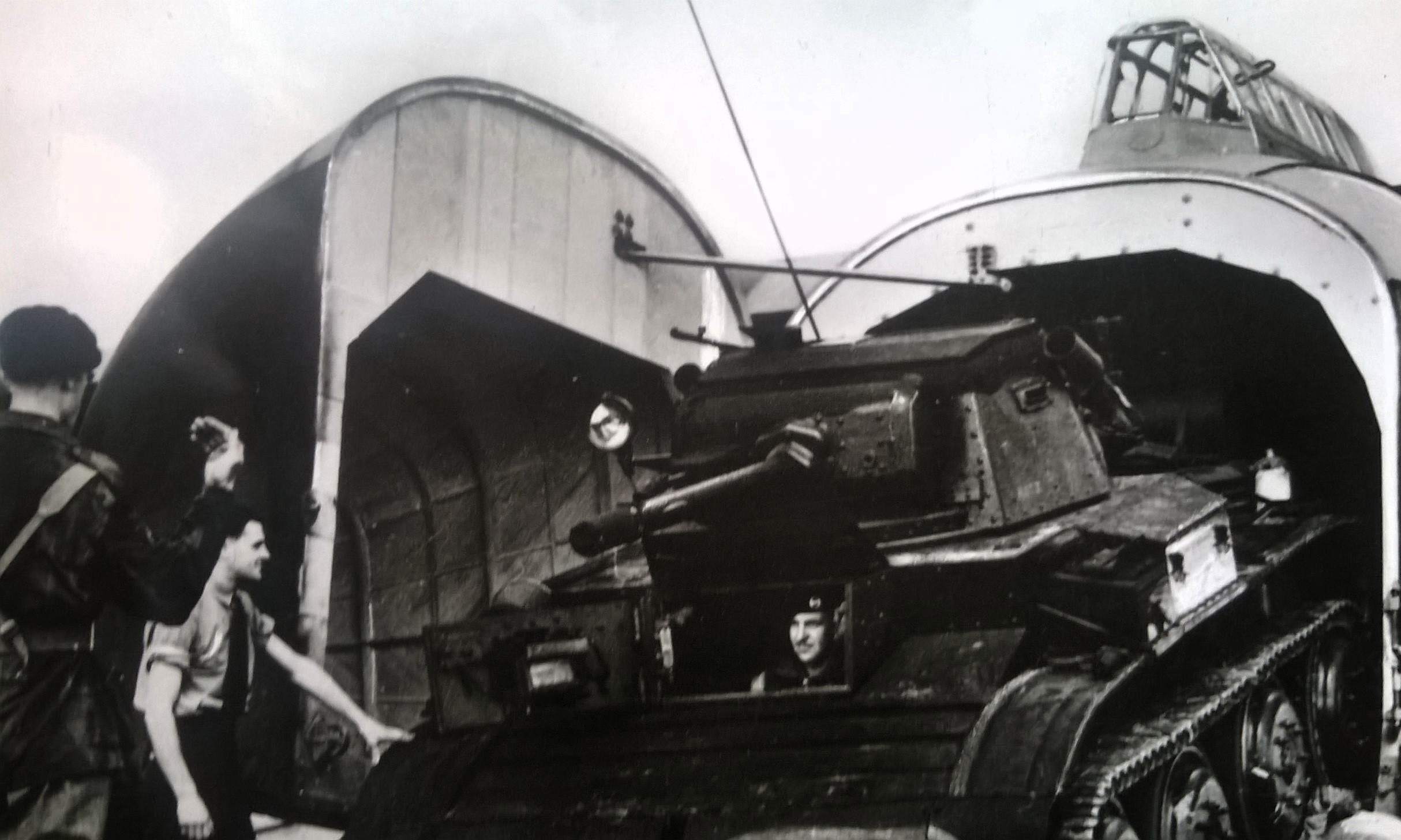
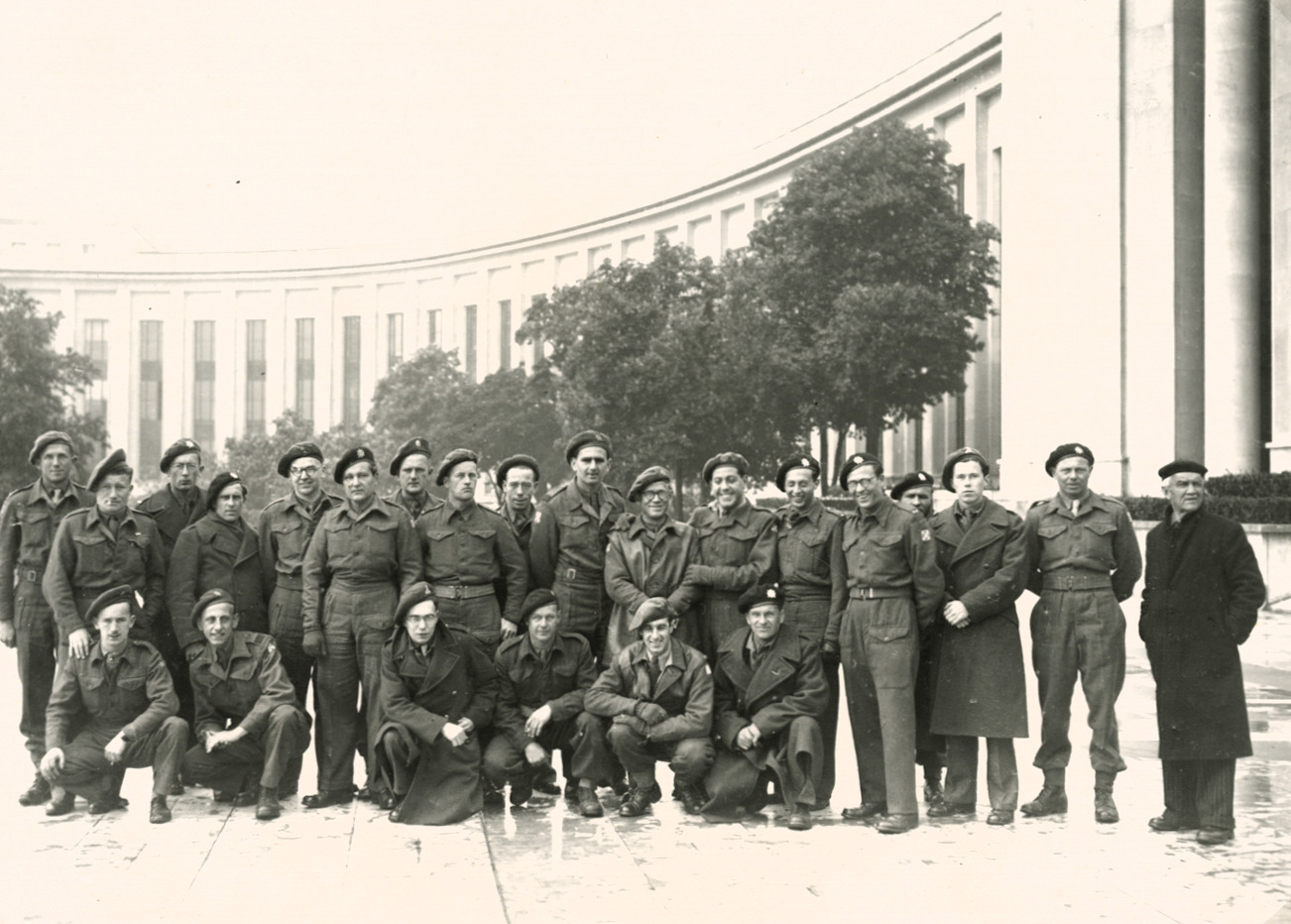
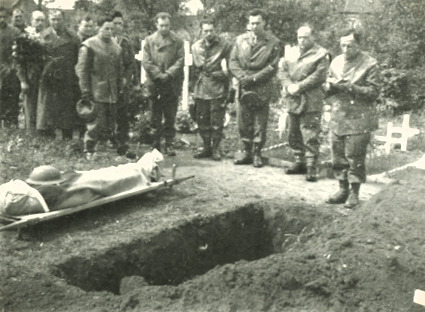
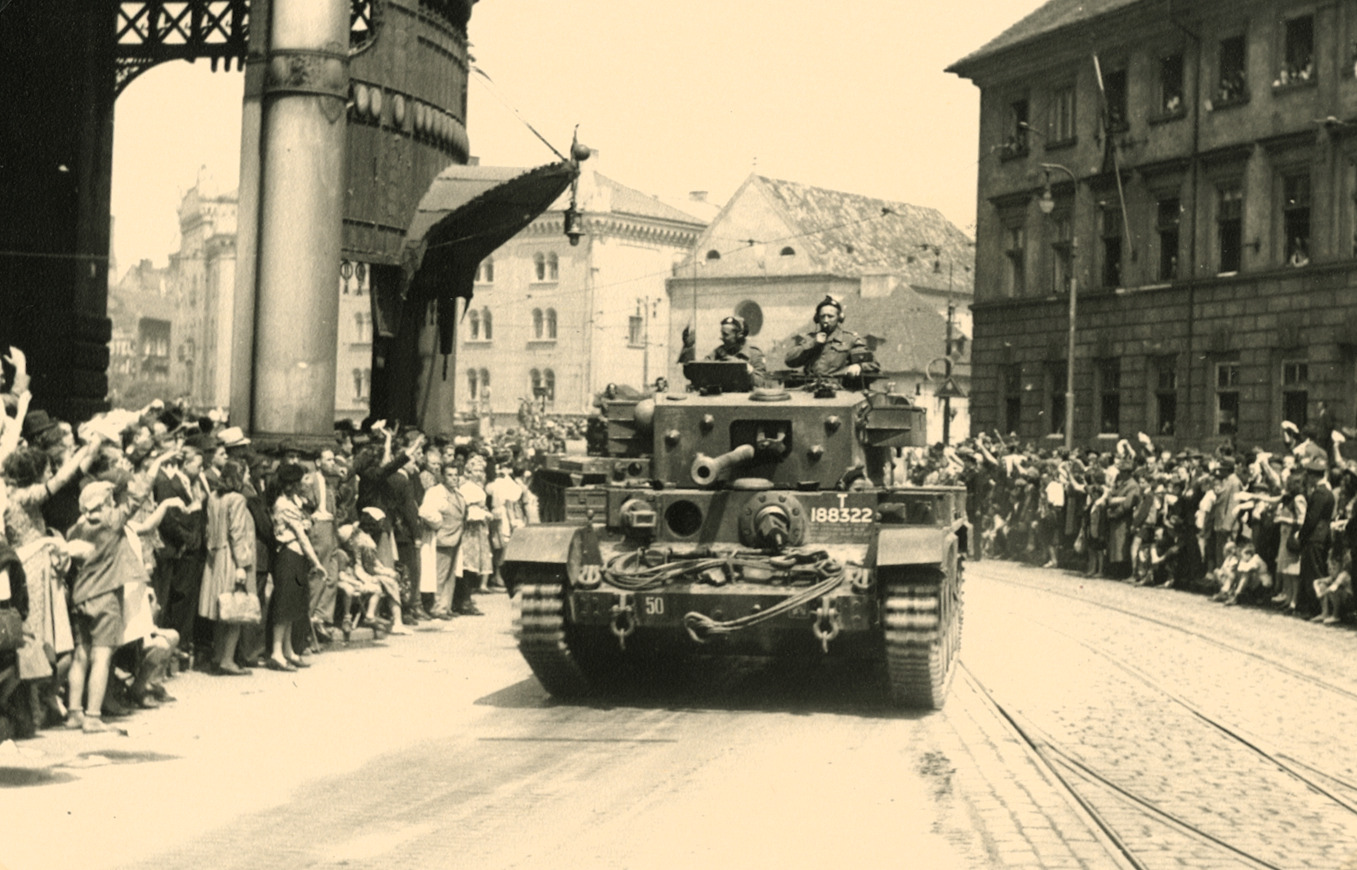
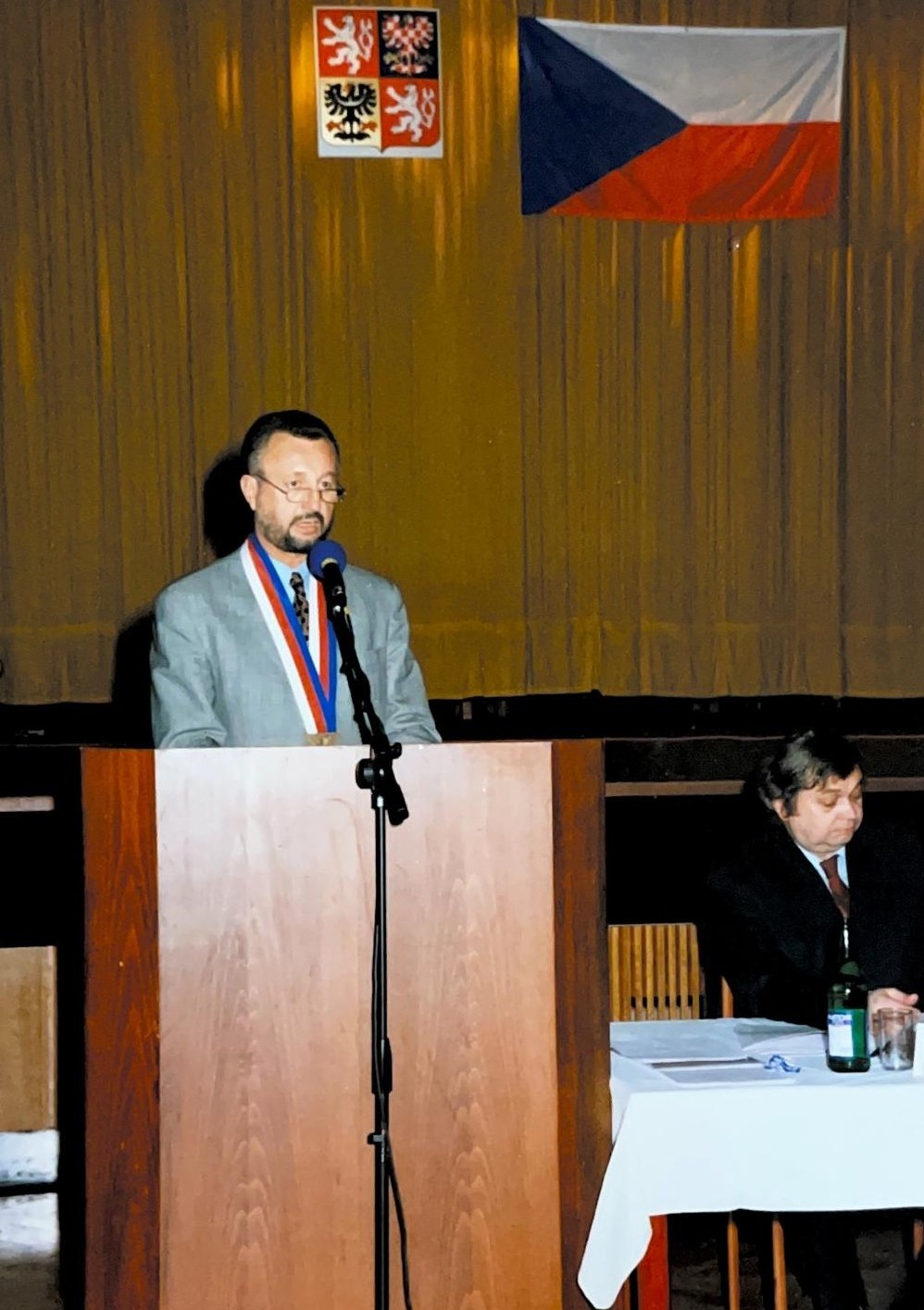
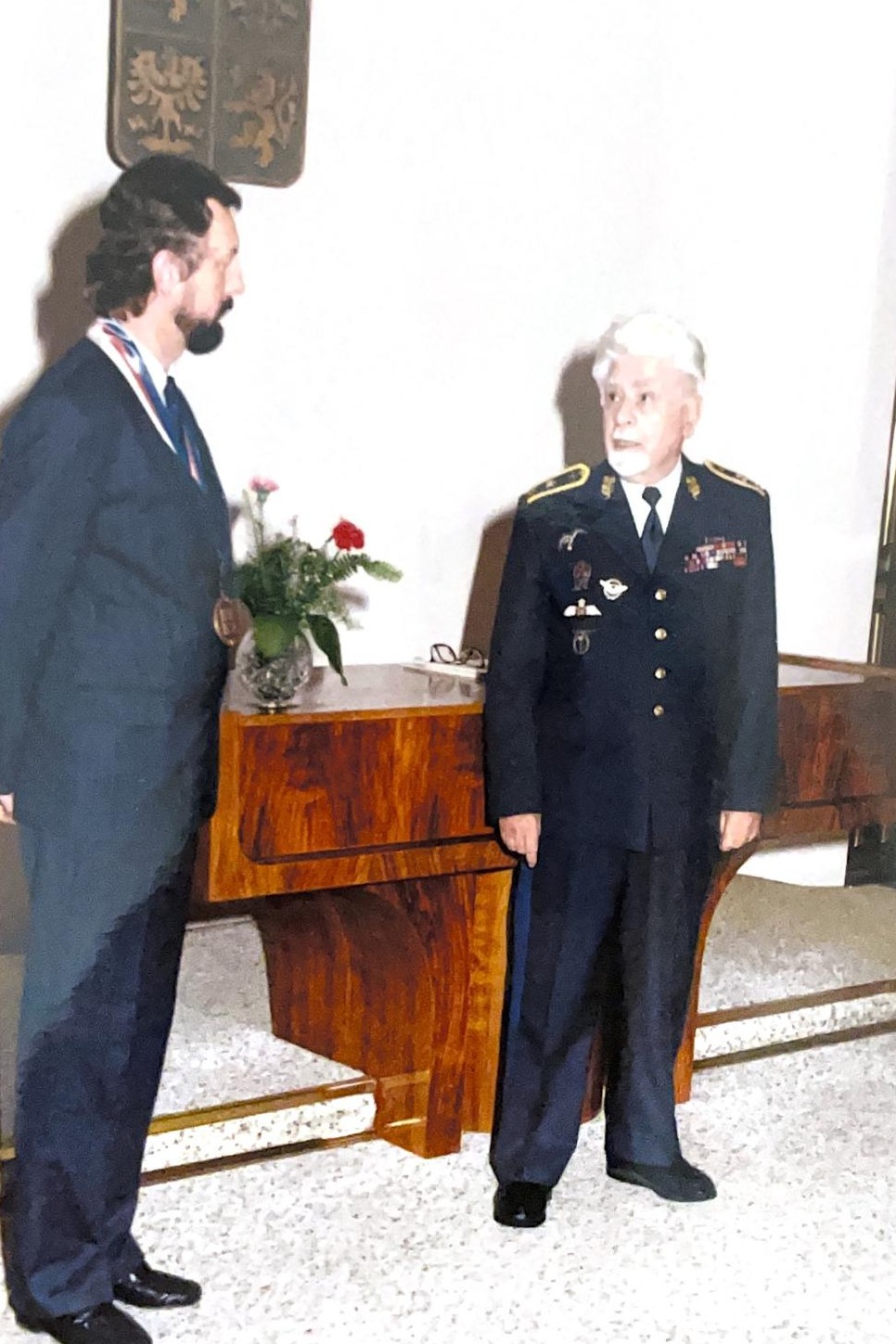
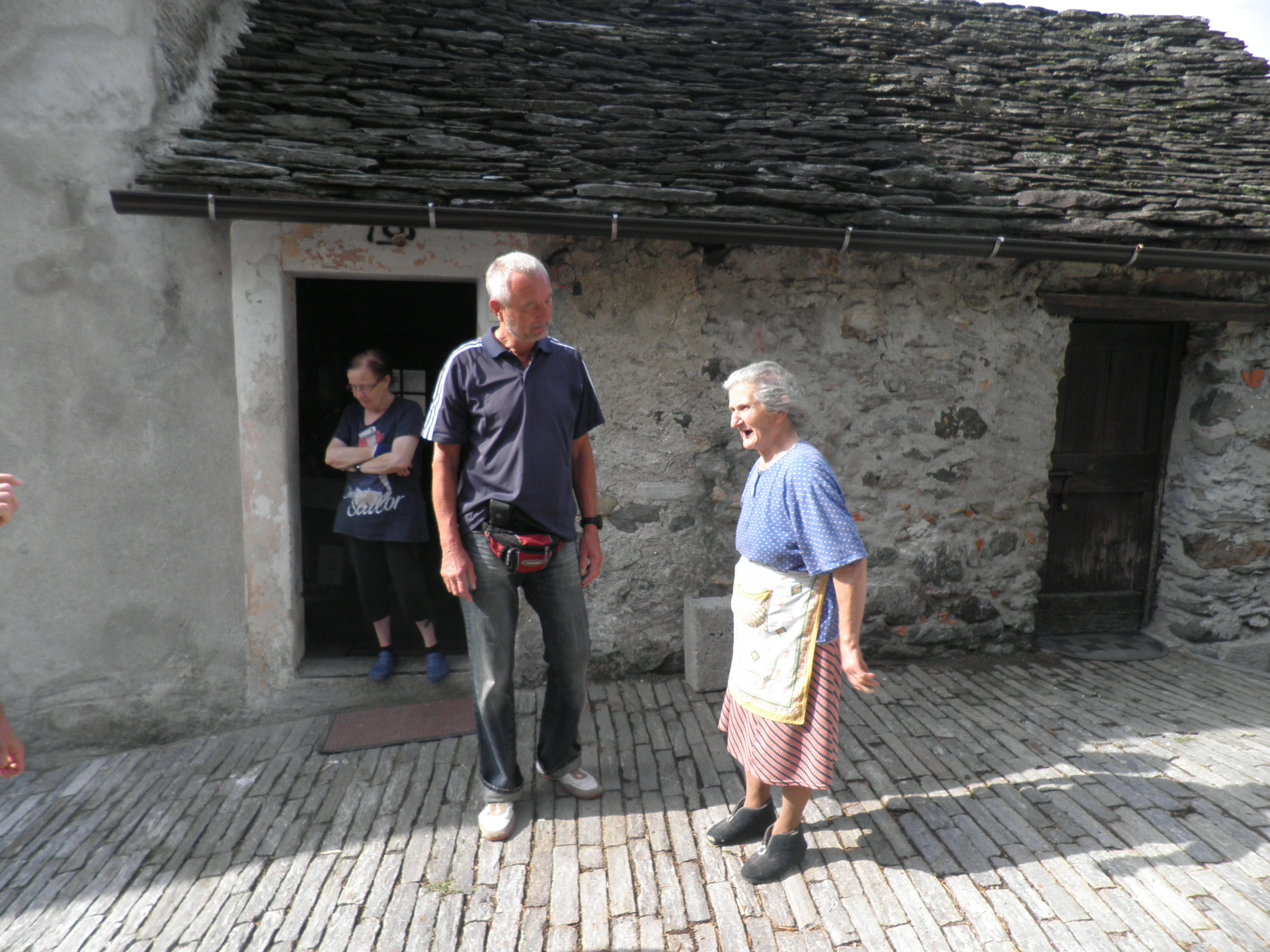
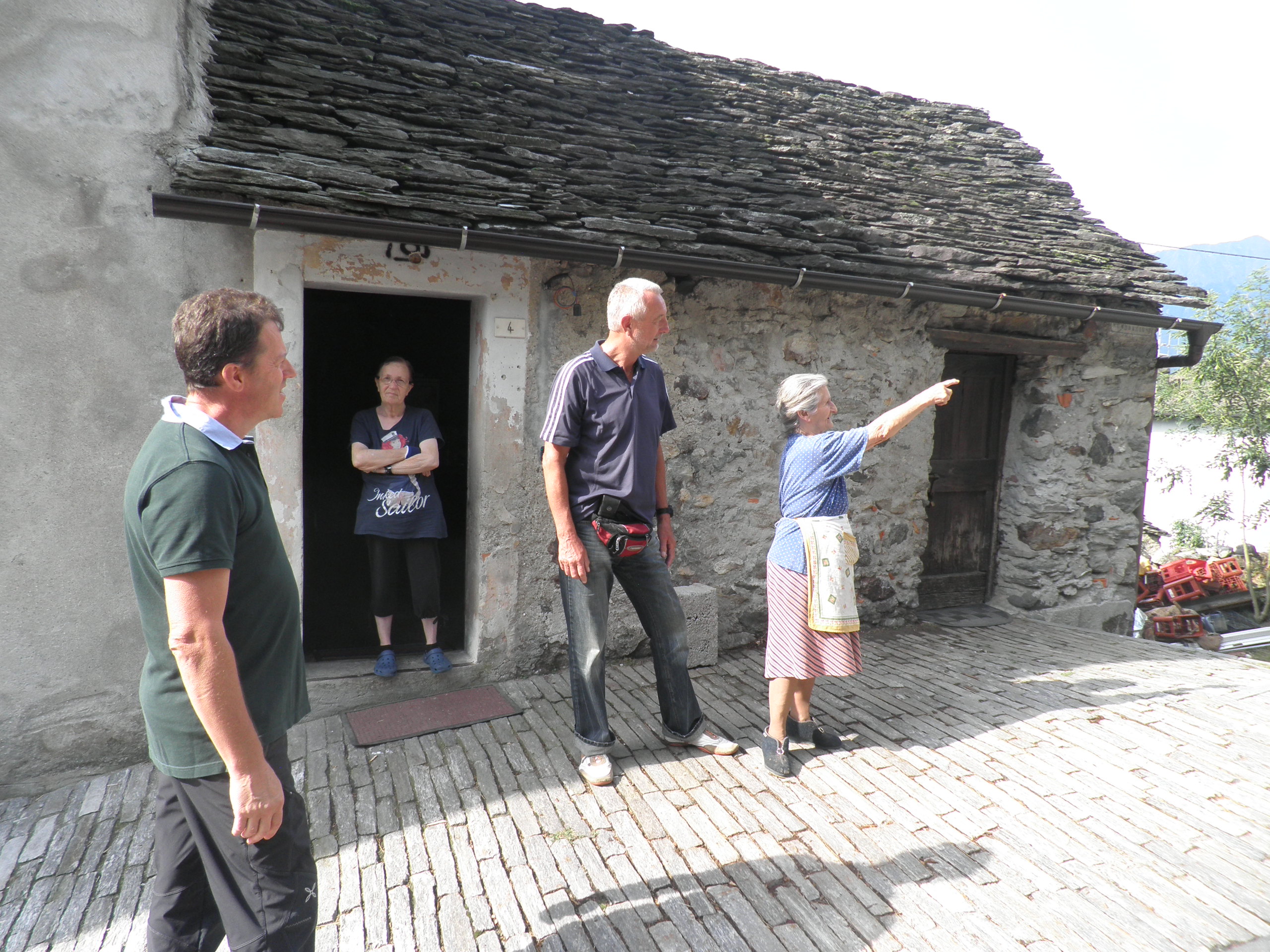
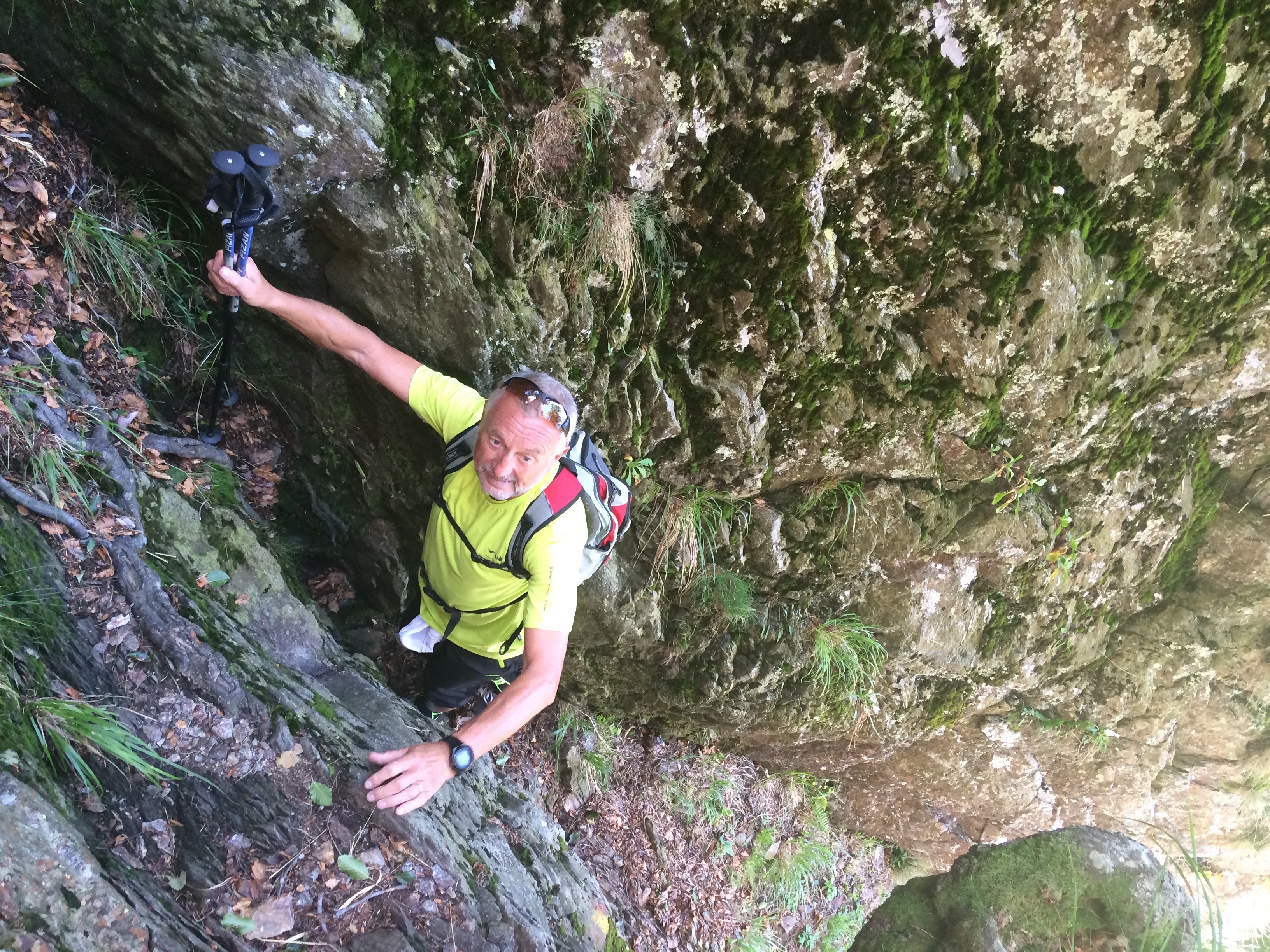
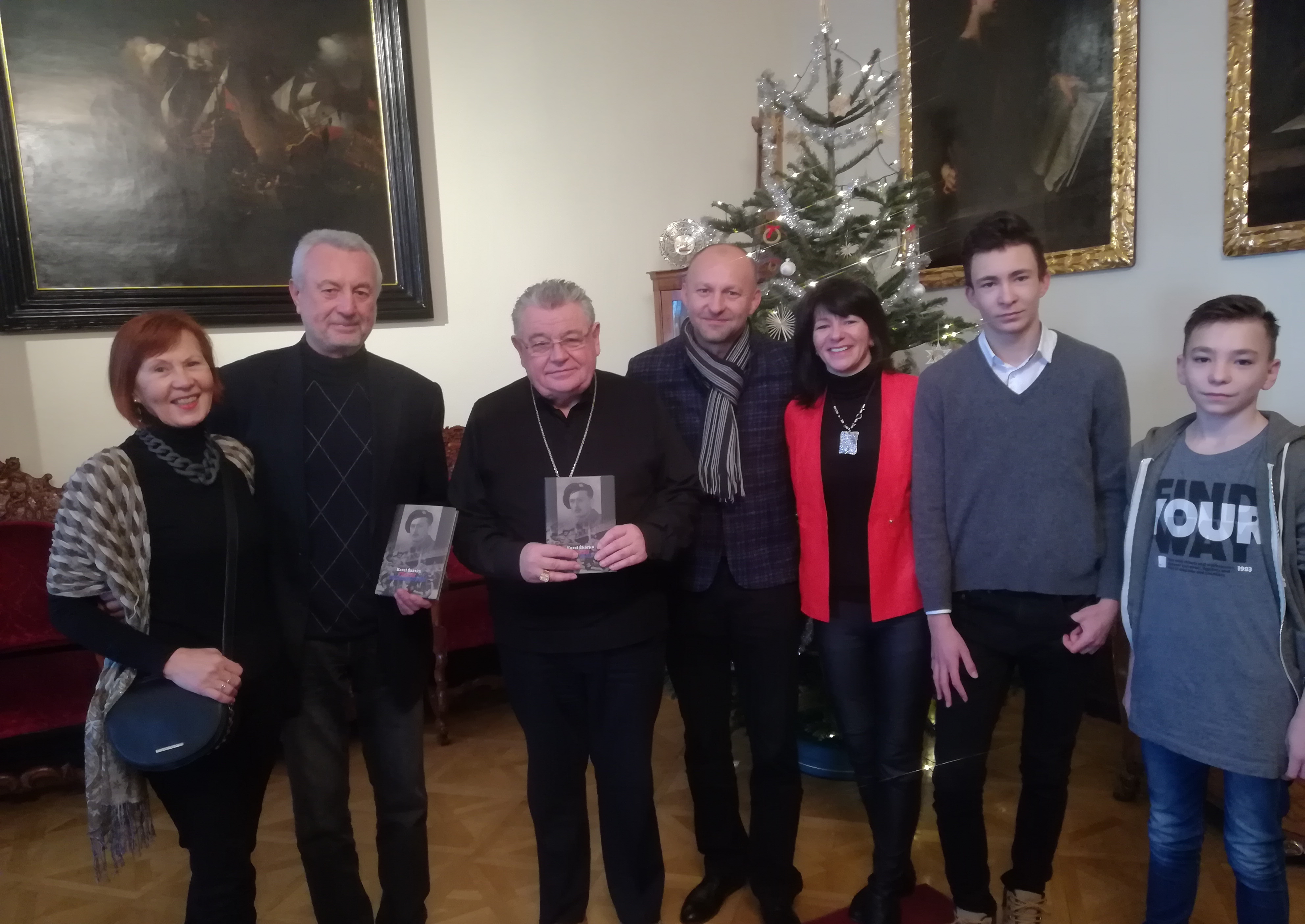
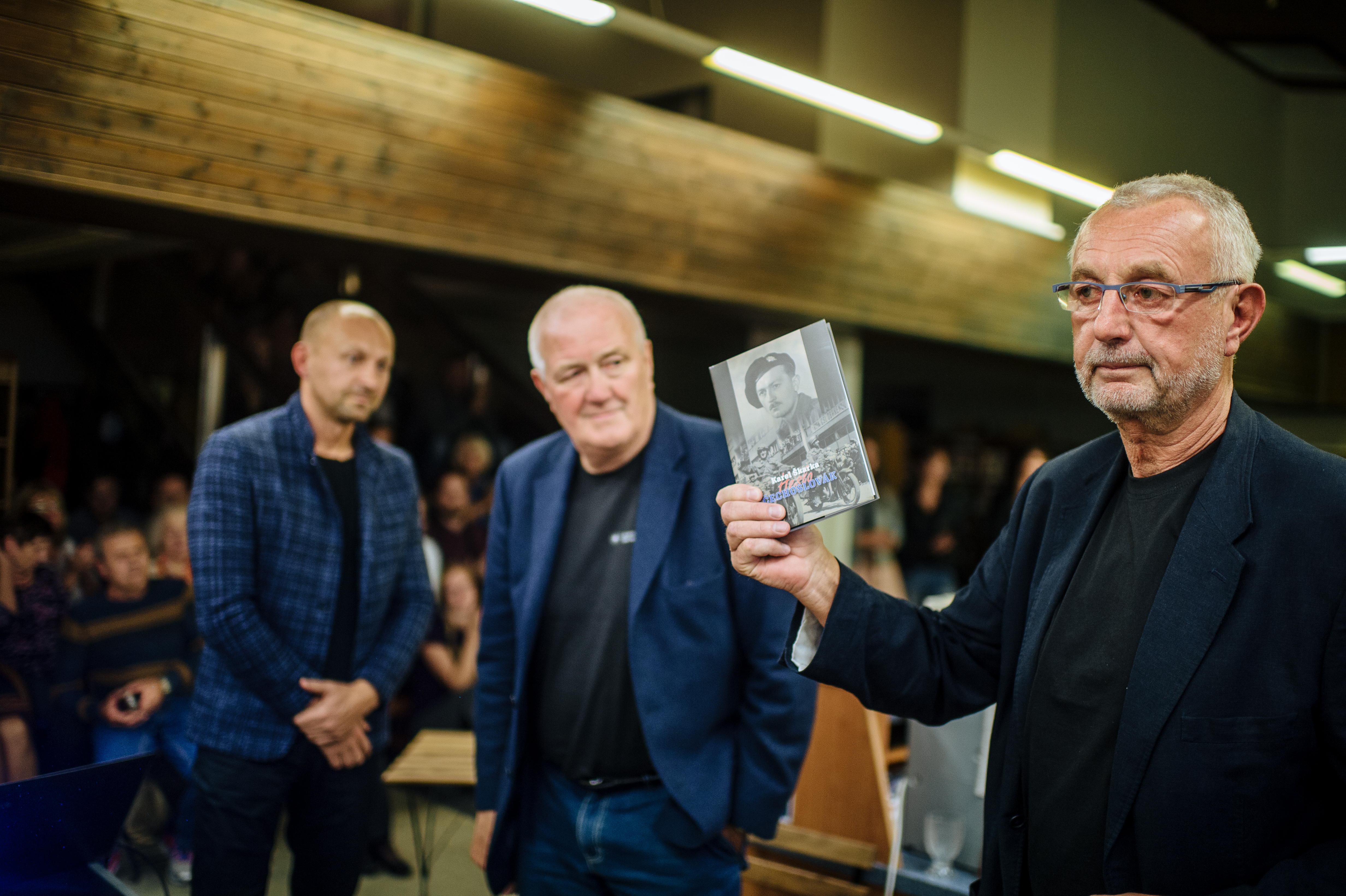
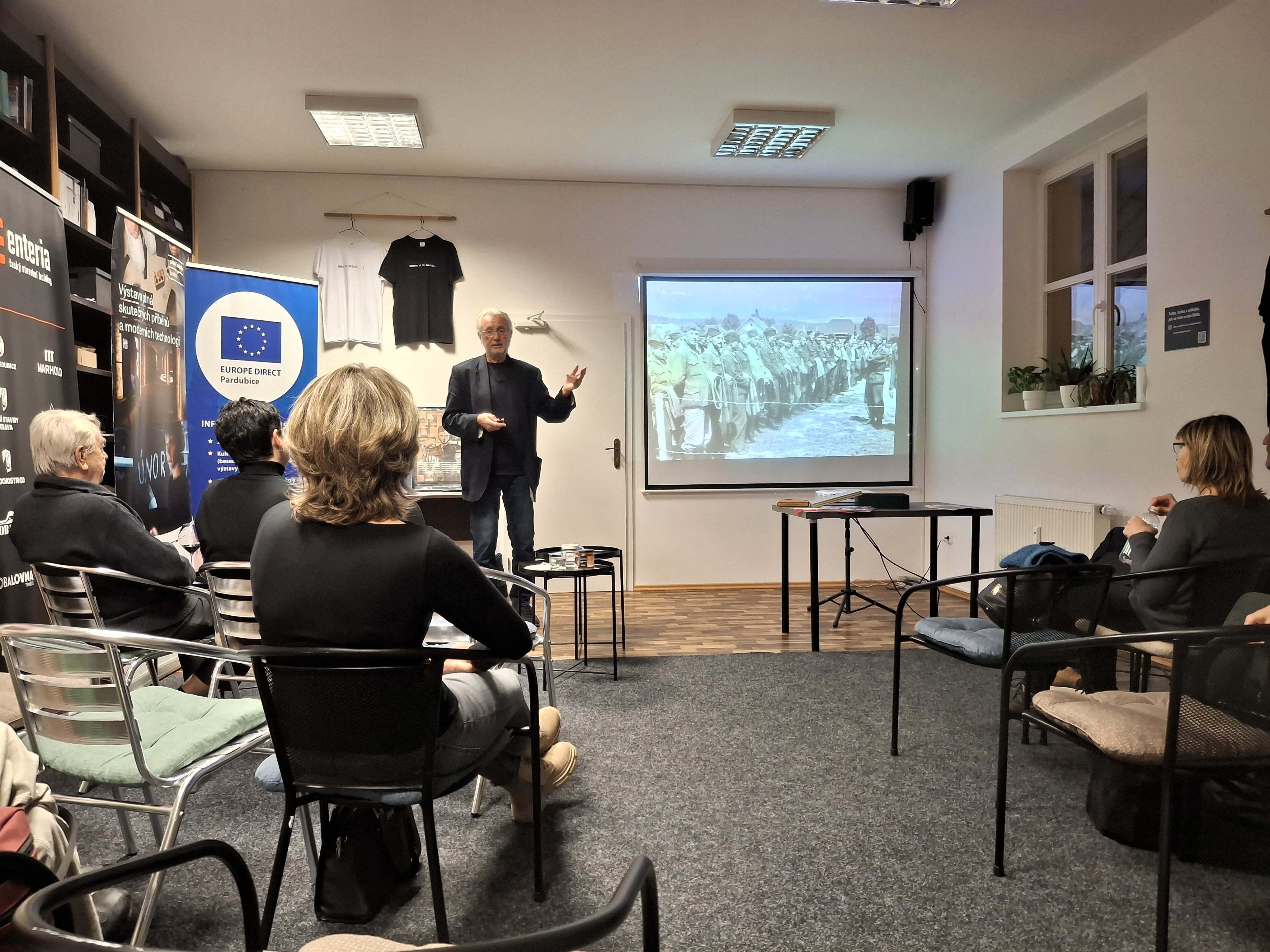
Karel Škarka Jr. was born on 29 March 1946 in Ústí nad Orlicí into the family of a war hero, which significantly influenced the direction of his life. His father, Colonel Karel Škarka, risked his life during the World War II in the dramatic transition from government troops to the Allied forces, with whom he subsequently took part in the siege of the port of Dunkirk. After the February 1948 coup, however, the family suffered political persecution; the father was expelled from the army and the son was disadvantaged in his choice of studies by the regime. Therefore, Karel Škarka first trained as a machine fitter, and only later was he able to graduate from the Secondary Technical School of Mechanical Engineering in Rychnov nad Kněžnou in 1964-1968, and then to study at two universities by distance learning. After the fall of the communist regime, he became actively involved in public life and was elected to the town council in the first free elections. Since 1990, he has been passing on his professional knowledge as a teacher at a vocational school and an art and design school, but he has also held important political positions as mayor and deputy mayor of Ústí nad Orlicí. He confirmed his lifelong respect for his father’s courage in 2016, when he and his son Ondřej travelled in the footsteps of his father’s wartime anabasis in Italy and the Alps. This family history, symbolizing loyalty to the homeland even in the most difficult times, was later elaborated in the award-winning biographical book “Password: Czechoslovak”. In 2025, at the time of recording, he lived in Ústí n. Orlicí.