"When we were finishing our studies at the faculty after the original two-year compulsory period, the important associate professor who headed the library science department said that there was a vacancy in Polička. So I was very quiet because I didn't want to be in the people's library and I wanted to be in the research library. That's how I got to Prague. And it was completely different. There was actually [only] one thing, that in our field - geological sciences - two people left Czechoslovakia after their studies and went into Western emigration. So their work should have been removed. So I know I put it aside somehow so it wouldn't be in plain sight, but we didn't throw it away. So it was a little detour from the normal [tracks]."
"During the war, you knew what was going on in the critical years. Terrible attacks everywhere, military and terrible things of all kinds. And so my parents and the neighbours dug a hole in the barn, which was not a big barn. But when they were working on it, I was terrified if somebody came in. And then afterwards they would go to the woods to the neighbours who had a bigger woods, that was the Krejsek family. So they dug a big hole there, that we would go there to hide if the German troops came."
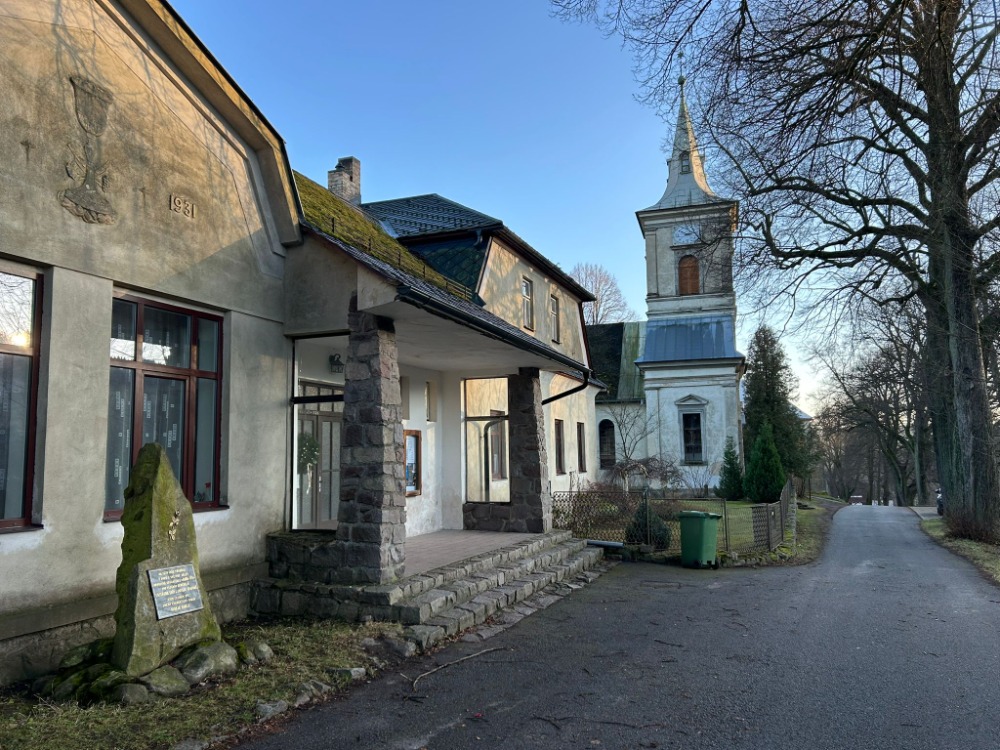
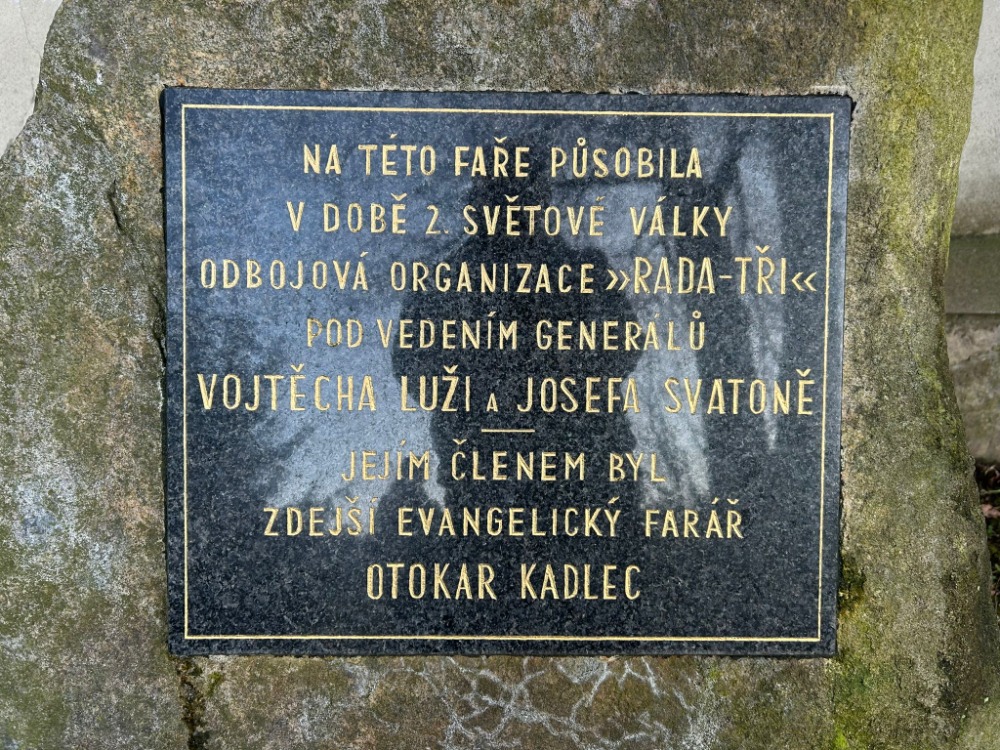
"That is, Sunday school went on without excuse. It was January, so we were walking along the snowy way. But it wasn't drifts, it was in the daytime. We walked for an hour and at the lower end, almost to a mile from the rectory, when he was already walking down the Telecí slope, as the slope is down to the end of the village to our families and then to Lačnov. So that's where we met him - running, in a coat, in a winter coat, but he was wearing house slippers. And we greeted him, and he answered us so casually, without any interest. I guess it wasn't exceptional. Then he got to Samotín with the Lamplots, and there they took him to the Procházkas. And there he spent a few months of partisan-type life and lived until the end of the war and then returned home. So did pastors wife who lived through it in Terezín. And Rutka, the adopted daughter, lived through it with the Kamenský family of the mayor."
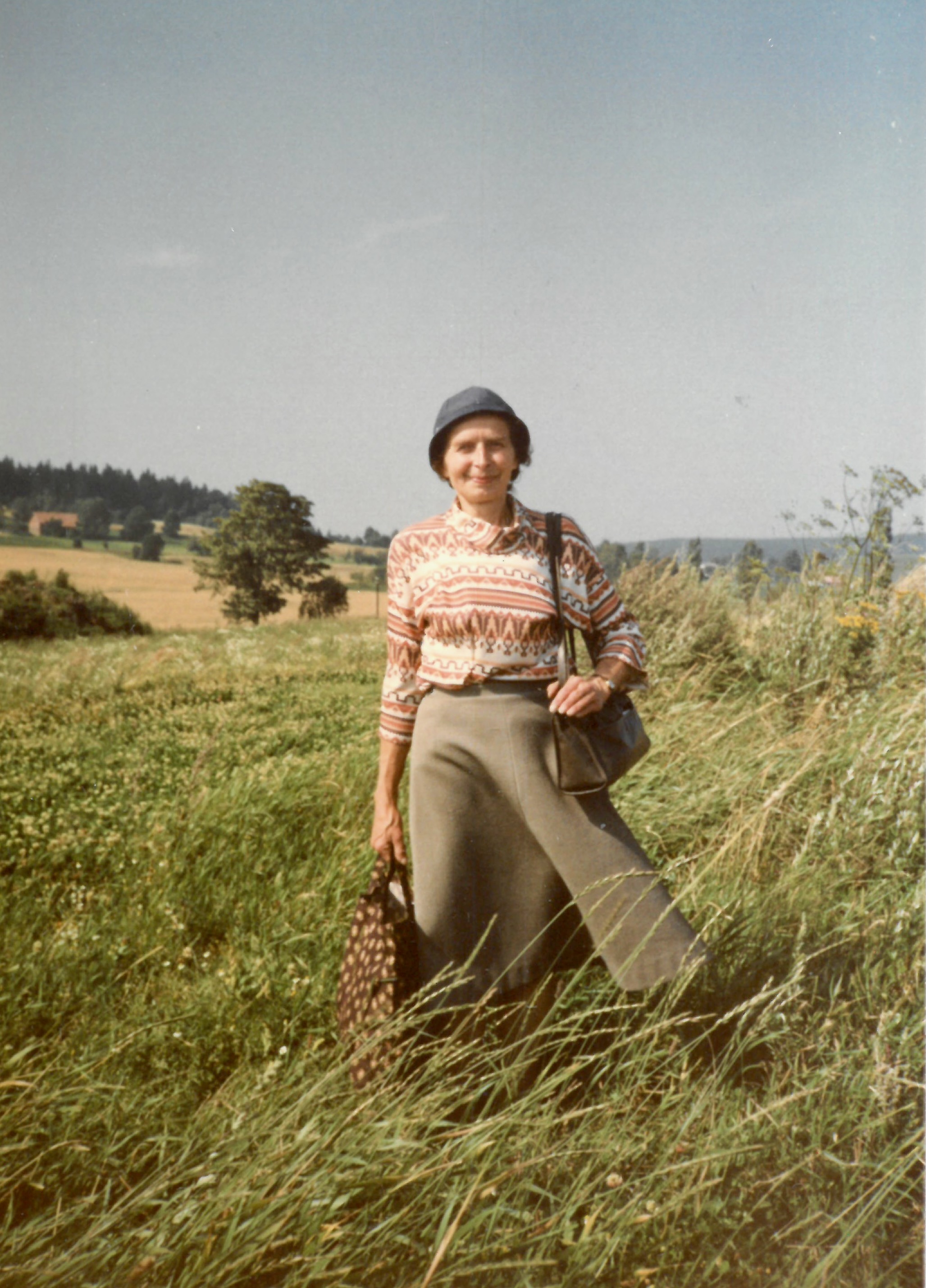
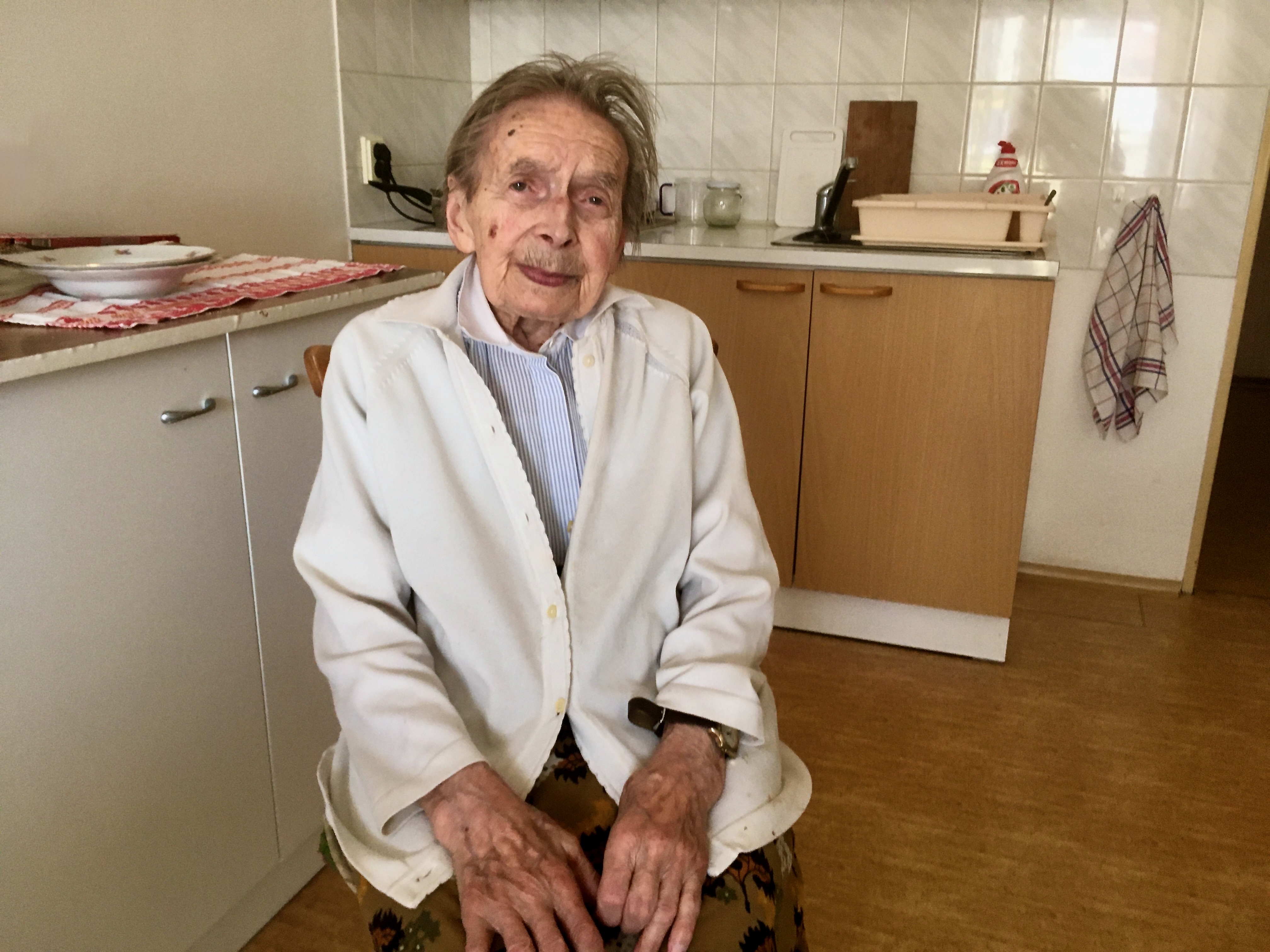
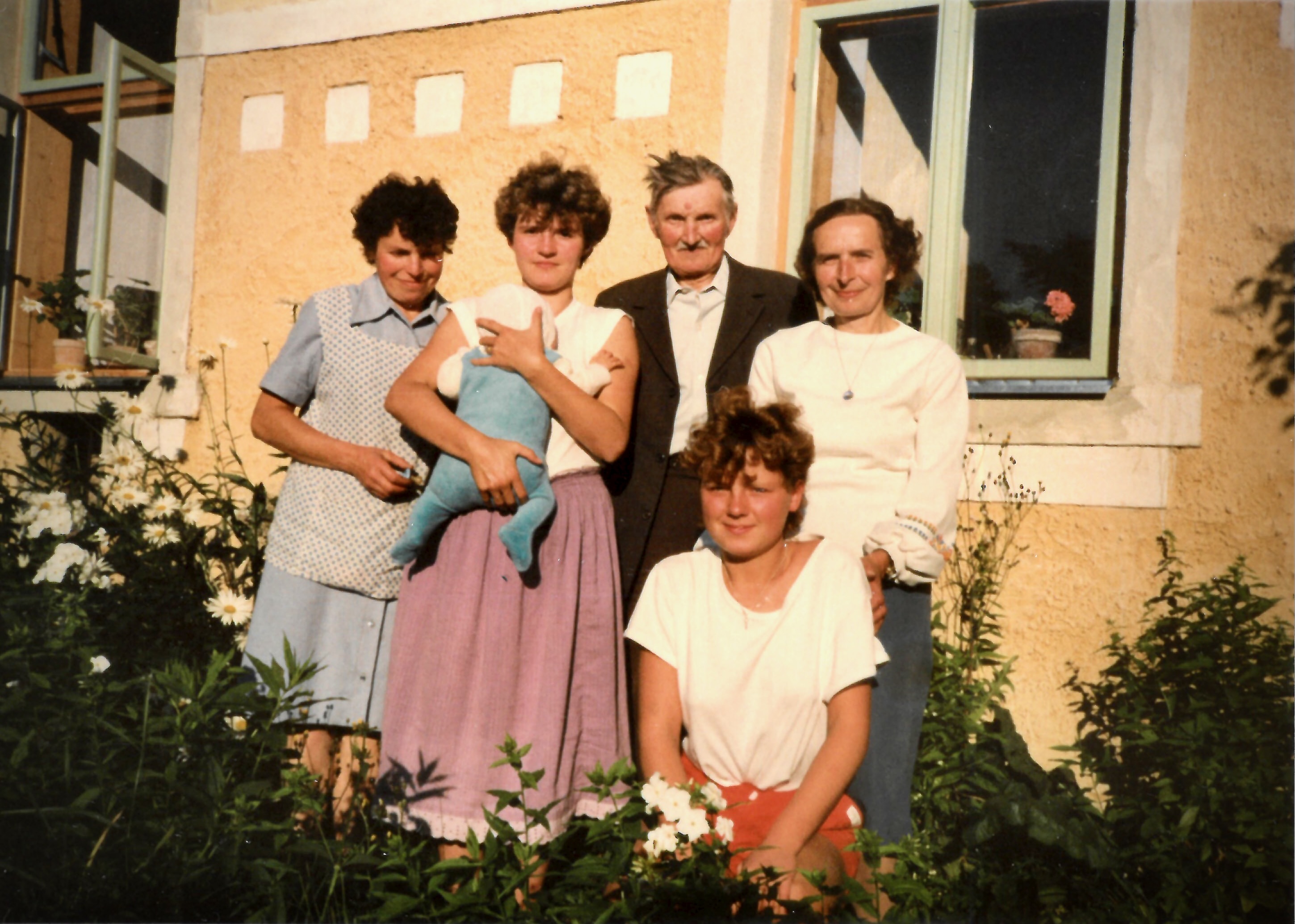
Libuše Šimonová was born on 26 August 1931 in Polička. Her parents Štěpán and Aloisie Šimon had a small farm in Telecí. During the World War II, the local evangelical priest Otokar Kadlec joined the resistance. He escaped before being arrested by the Gestapo in January 1945, which the witness saw as a child, and he remained in hiding until the end of the war. His wife was arrested and interned in Terezín. After the war, Kadlec actively participated in the forced collectivisation in the village. Libuše Šimonová enrolled at Charles University in 1950, majoring in Bohemia - Russian Studies. The village wrote her a bad report. Eventually she was accepted to the newly opened library science course. She graduated with a doctorate. She worked in the Memorial of National Literature and for 16 years in the basic library of the Czechoslovak Academy of Sciences. In 1969 she moved to the library centre of the geological and geographic section of the Faculty of Science of Charles University, where she remained until her retirement. At the time of recording in 2025 she lived in Polička.