"My mother learned from someone, just before Christmas 1942, that there was someone serving at the gate in the evening who had a bit of a thing for children. So when the children come to the gate, she accepts a package from them as a Christmas present, something special. So that's how my mother and I went, it was in the evening, it's dark at five o'clock. Mum gave us the package, we learned to say the German phrase that it was for František Ryšánek, and we went to the gate ourselves to impress the fact that we were children. You know, I still have that fear in front of me. We were madly afraid! I can still feel it. The road wasn't wide, certainly a car wouldn't have passed. And there were huge bushes on the right side, quite wild and there was no light at all. There was light only at the gate, there was a fence made by the occupiers at the barracks. There were floodlights and there was a soldier standing at the gate with his gun ready. We went to the fence, said a learned sentence, he took it from us without a word, just shouted Franz Ryšánek, dad went out of the door of one of the houses and the soldier waved the package like that. Dad quickly took it and quickly disappeared. That was the last time we saw him. After that we never saw him again, he was transported in January."
"The conversation took place in the law school, I can tell you exactly the room in which it took place. I have some pretty horrible memories of it. We were taken into that room by a soldier who was standing at the door and on duty there. Then a Gestapo man came in, had a conversation with my mother about why we were there, and only then did they bring my father in. Dad had to report, and I remember as a little child, I was six years old, how he was so small next to the Gestapo man. I felt how humiliated he was by the Gestapo. Then there was this terrible situation. Dad was a heavy smoker, and my mother took him a little metal box of so-called Dorettes, which were these little triangles that smokers used to use as a substitute - somehow it replaced the cigarettes, I can't say how. Mum asked the Gestapo man if she could give the box to dad. And he first let us open it, and then with his leather-gloved finger - I guess they were afraid we would somehow infect them - he reached into the box like that, and of course the Dorettes immediately spilled out on the floor. Dad had to pick them all up. I felt it was a terrible humiliation and I knew that dad couldn't do anything and I couldn't do anything. It seems strange to me, when a six year old realizes this, that the behavior must have been terribly harsh and yet really superior. We were nothing and I realized it, it stayed so lodged in me that I can tell you in such detail."
"There was a limit where they worked, in the gardens at Kraví Hora. The road, the border on the left and the gardens on the right. The wives of the prisoners told each other that there was less security because the prisoners were working behind the fence. And that the soldier walks back and forth in a certain rhythm. So, when he goes there, he can throw a food parcel over the fence, which hopefully will reach his father. So one time, this mother and I were lying behind the fence, and she threw the parcel over there. But I know neither she nor we dared to do it more than once. It just left us terrified and scared. I don't know if the package reached the father."
"When the Gestapo came to arrest him at his home, it was Thursday. I remember that because my brother and I went to kindergarten and - I don't know why - we didn't go to kindergarten on Thursdays. It was free time and we played. We had a family house in Králové Pole on Tyršova Street, and now my great-niece lives there. My brother and I played downstairs and my mother washed the windows upstairs. The bell was not well heard upstairs, and when the Gestapo rang, my brother and I both ran to the door. I was faster, but I found out that the Gestapo was behind the door. I got scared and ran upstairs to get my mother. Then, when my mother opened the door, they started to ask her why it took so long. But mom spoke flawless German, so she explained what the reason was. They had looked for dad at school before, they hadn't found him there, so they went to our house, but he wasn't home either. But they put us in the living room on the ground floor. My brother, my mother and - dad founded the magazine Physical Education of Youth and we had the editorial office of that magazine in the house. There was a clerk who was always working, handling the mail and so on. So they [put it in the living room] there, too. I was five years old and the experience was so horrible that I remember the Gestapo man with his leather gloved hand, a kind of light brown, throwing books out of the library and then kicking them in his boot to read the title of the book."
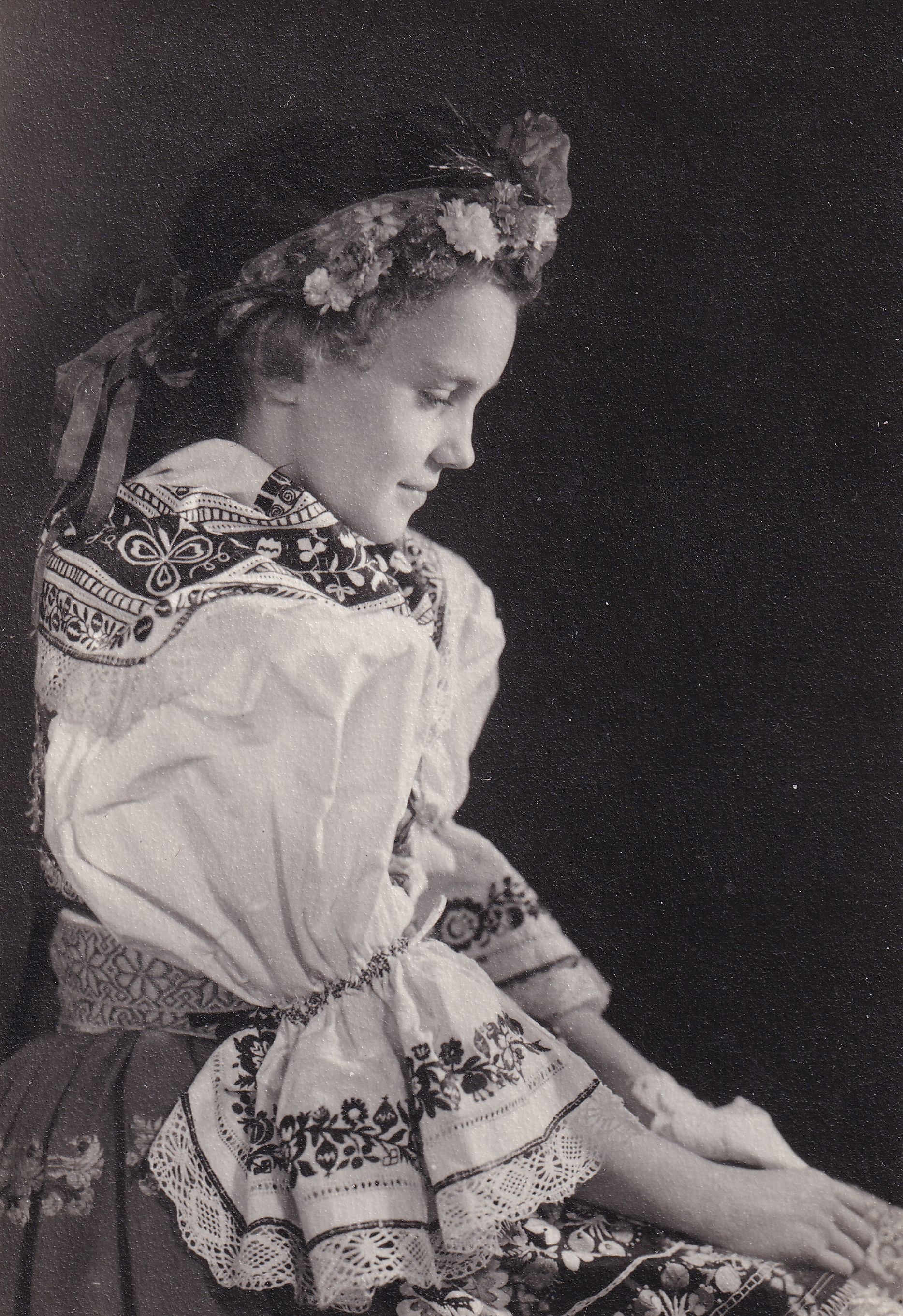
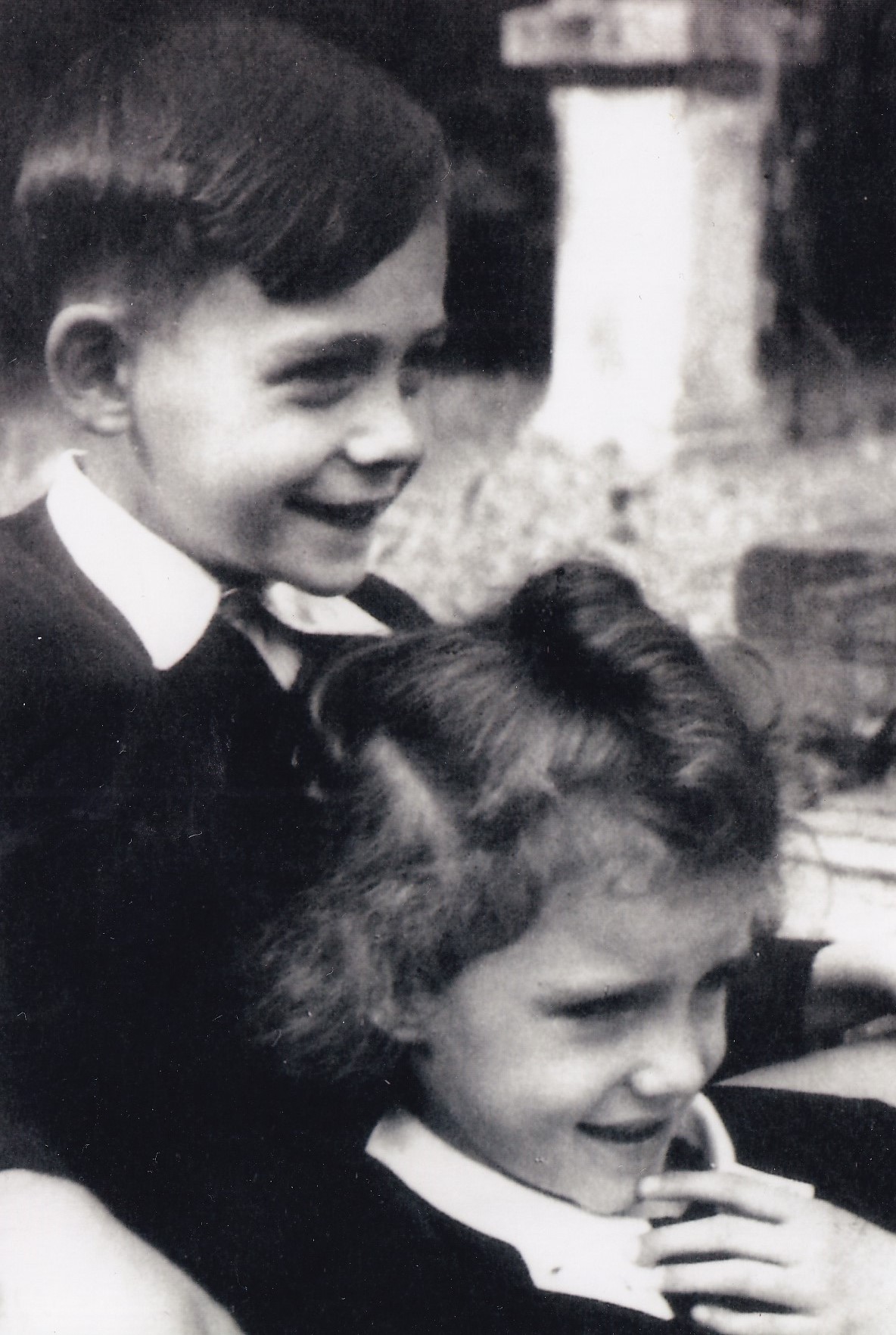
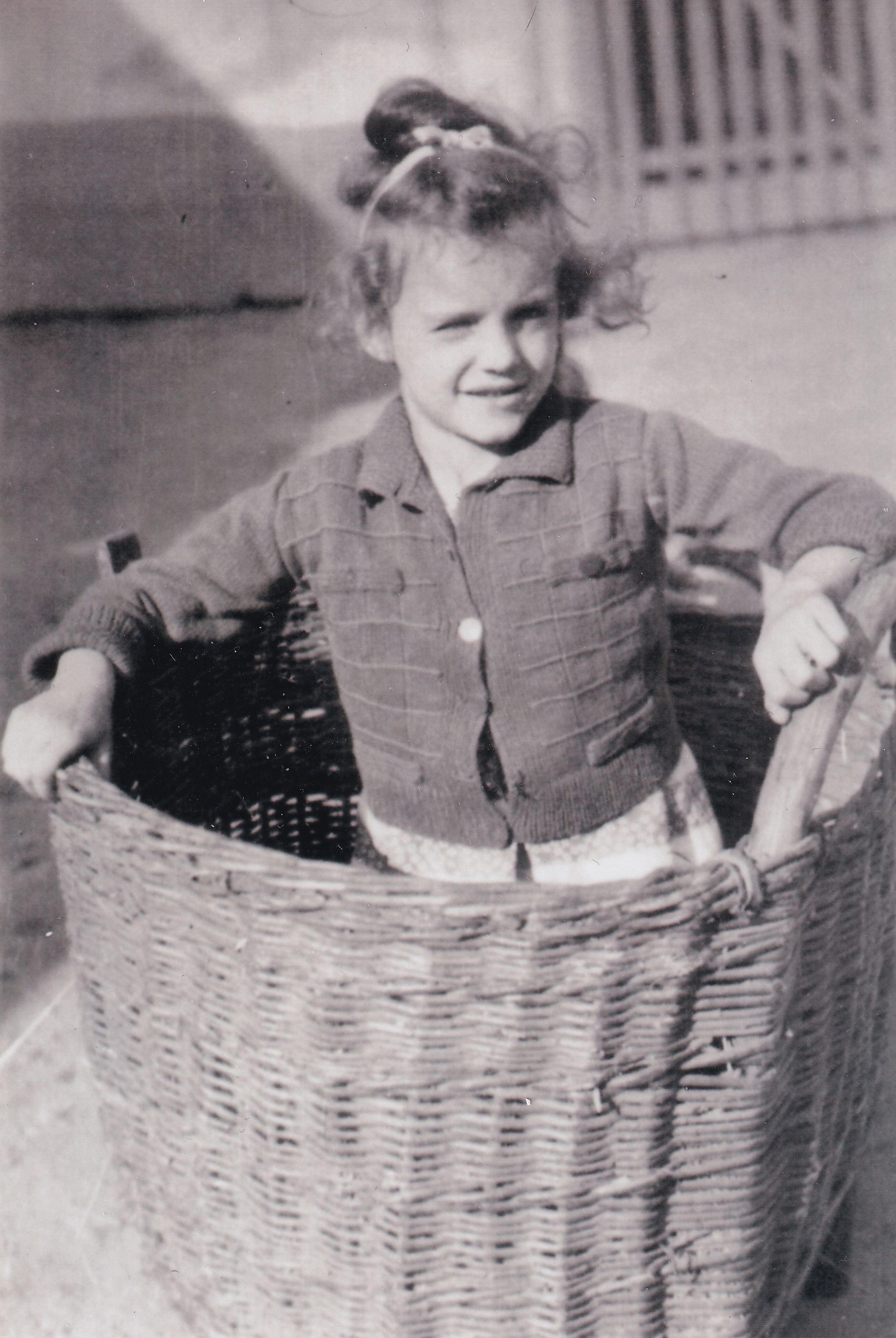
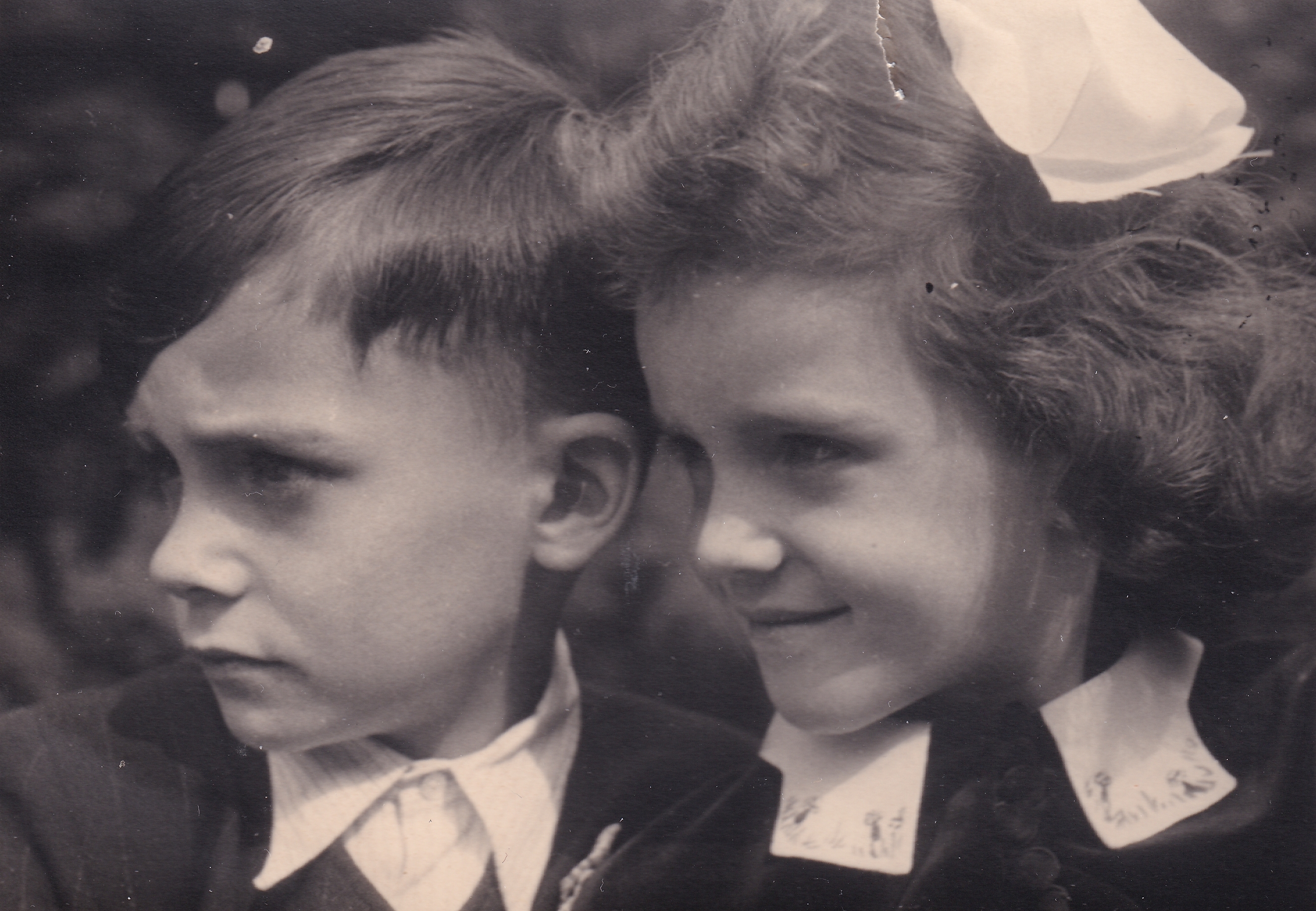
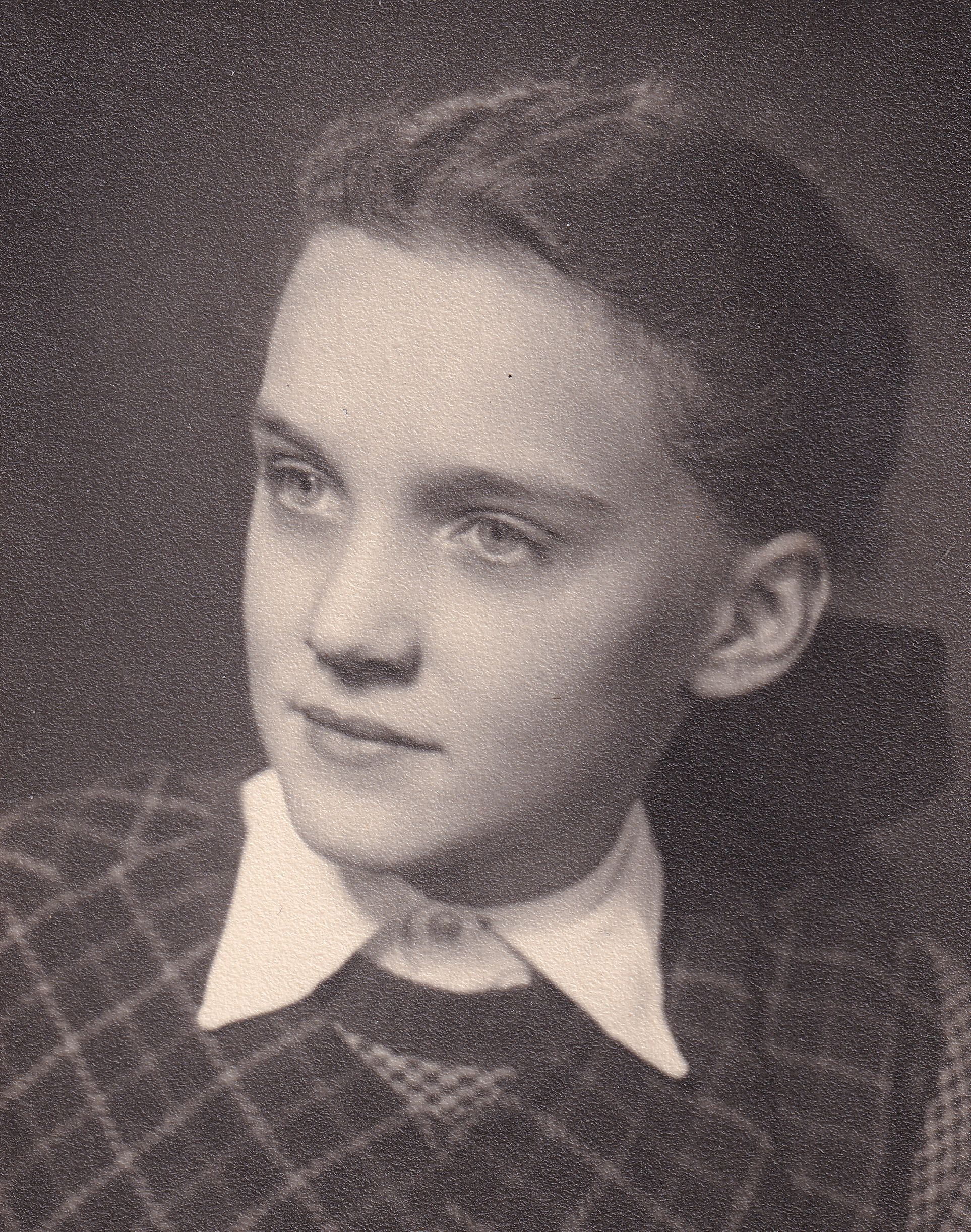
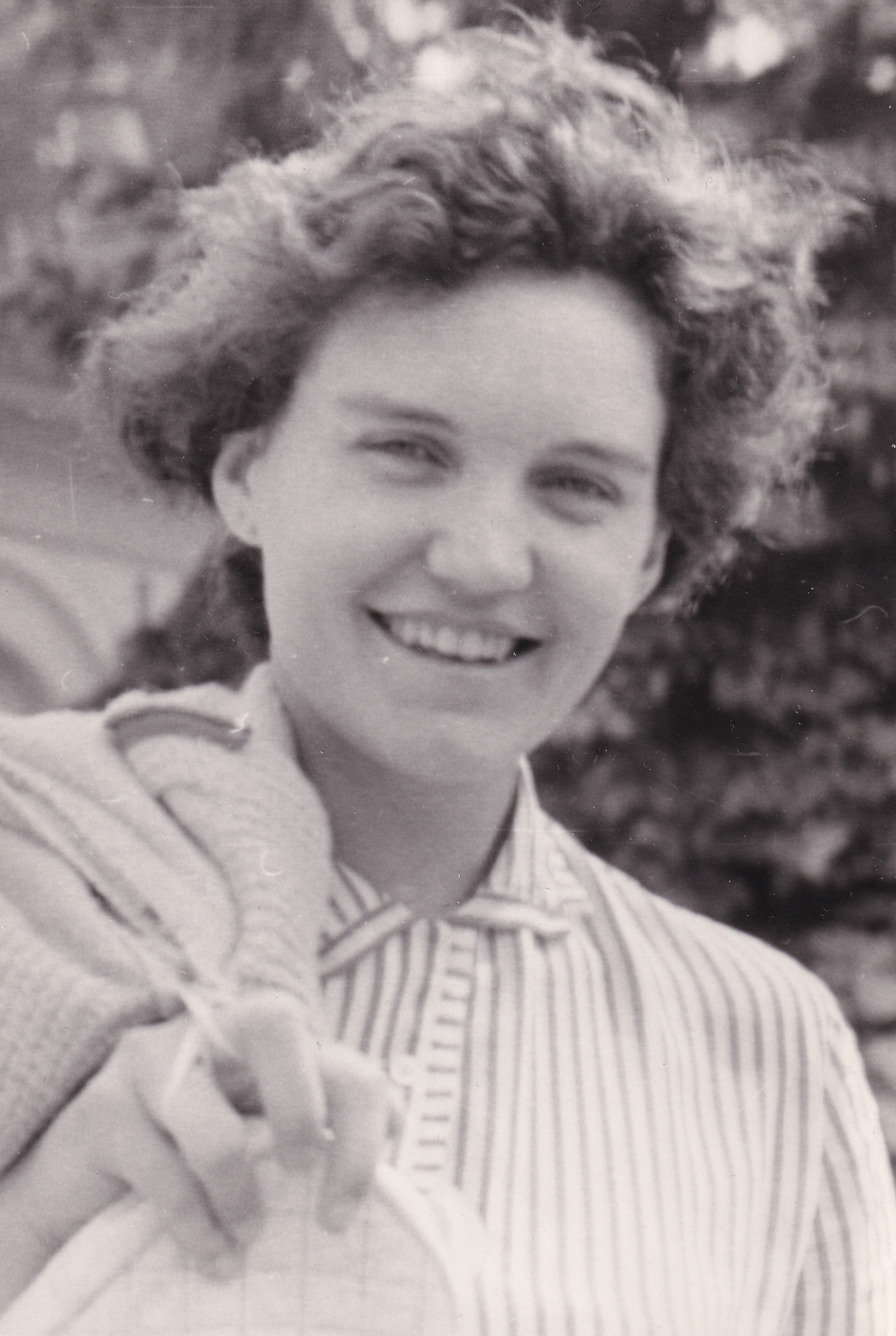
Alenka Schauerová, née Ryšánková, was born on May 29, 1936 in Brno. Both her parents, Marie (1896-1983) and František (1896-1943) Ryšánek, worked as teachers. During the war, her father was active in the resistance organisation Defence of the Nation. In 1941 he was betrayed and arrested by the Gestapo on October 9, of the same year. This was followed by imprisonment in Brno and then in the Auschwitz concentration camp, where he died on May 23, 1943. Alenka Schauerová lived through the bombing and liberation of Brno. After the war, the Communists imprisoned her brother Milan Ryšánek for attempting to cross the border illegally. In the 1950s, Alenka Schauerová graduated from a pedagogical high school and worked as a teacher. While working, she completed her higher education at the J. E. Purkyně University in Brno (today’s Masaryk University) from 1962 to 1967. During the Prague Spring she signed the manifesto Two Thousand Words. In the 1970s she failed to pass the normalisation checks, lost her teaching job at the University of Olomouc and had difficulty finding permanent employment. After the Velvet Revolution, she served as deputy mayor of Brno for the Civic Forum. Since the 1950s, she has been involved in folklore, carried out research, published publications, served on advisory boards, juries and conferences, and as a choreographer was involved in a Wallachian folklore ensemble. In 2024 she lived in Brno.
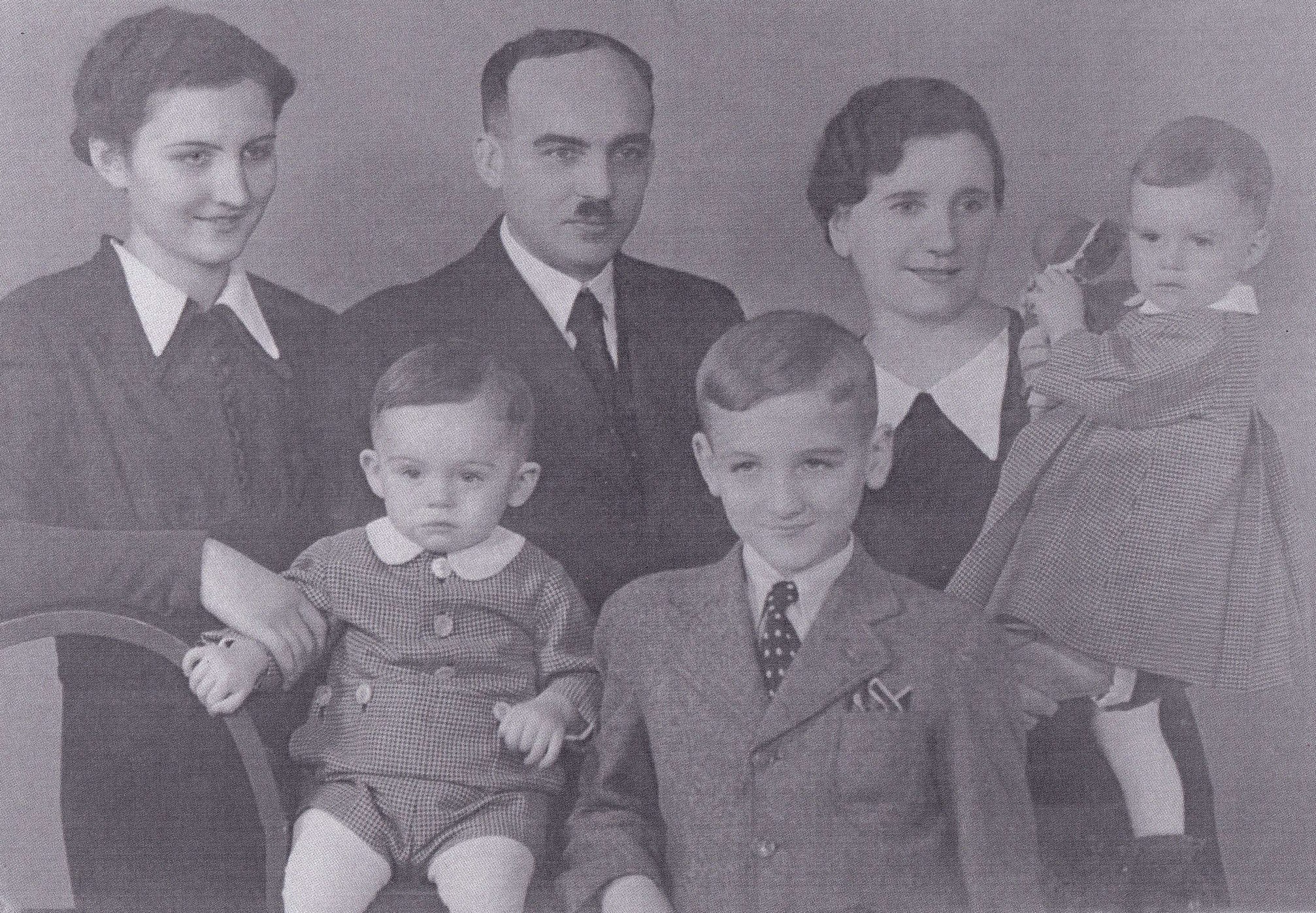
1937. From top left - sister Gabriela, father František, mother Marie with Alenka Schauer in her arms. From bottom left - brothers Dušan and Milan Ryšánek
1937. From top left - sister Gabriela, father František, mother Marie with Alenka Schauer in her arms. From bottom left - brothers Dušan and Milan Ryšánek
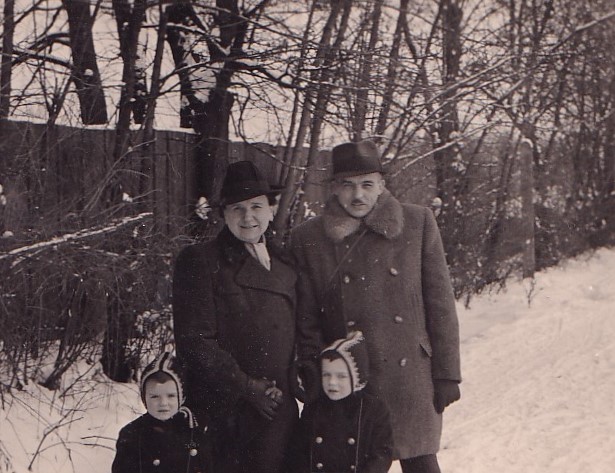
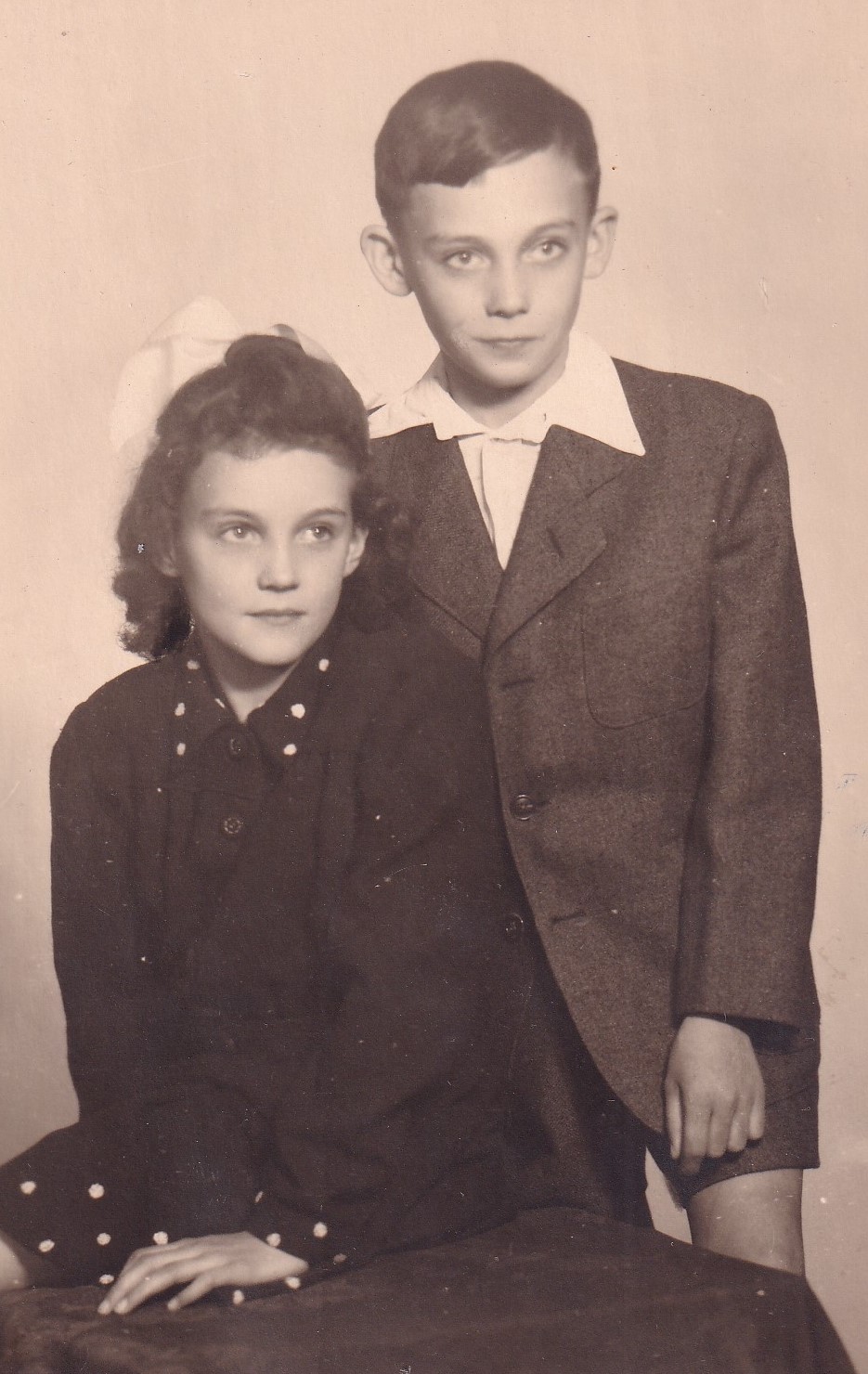
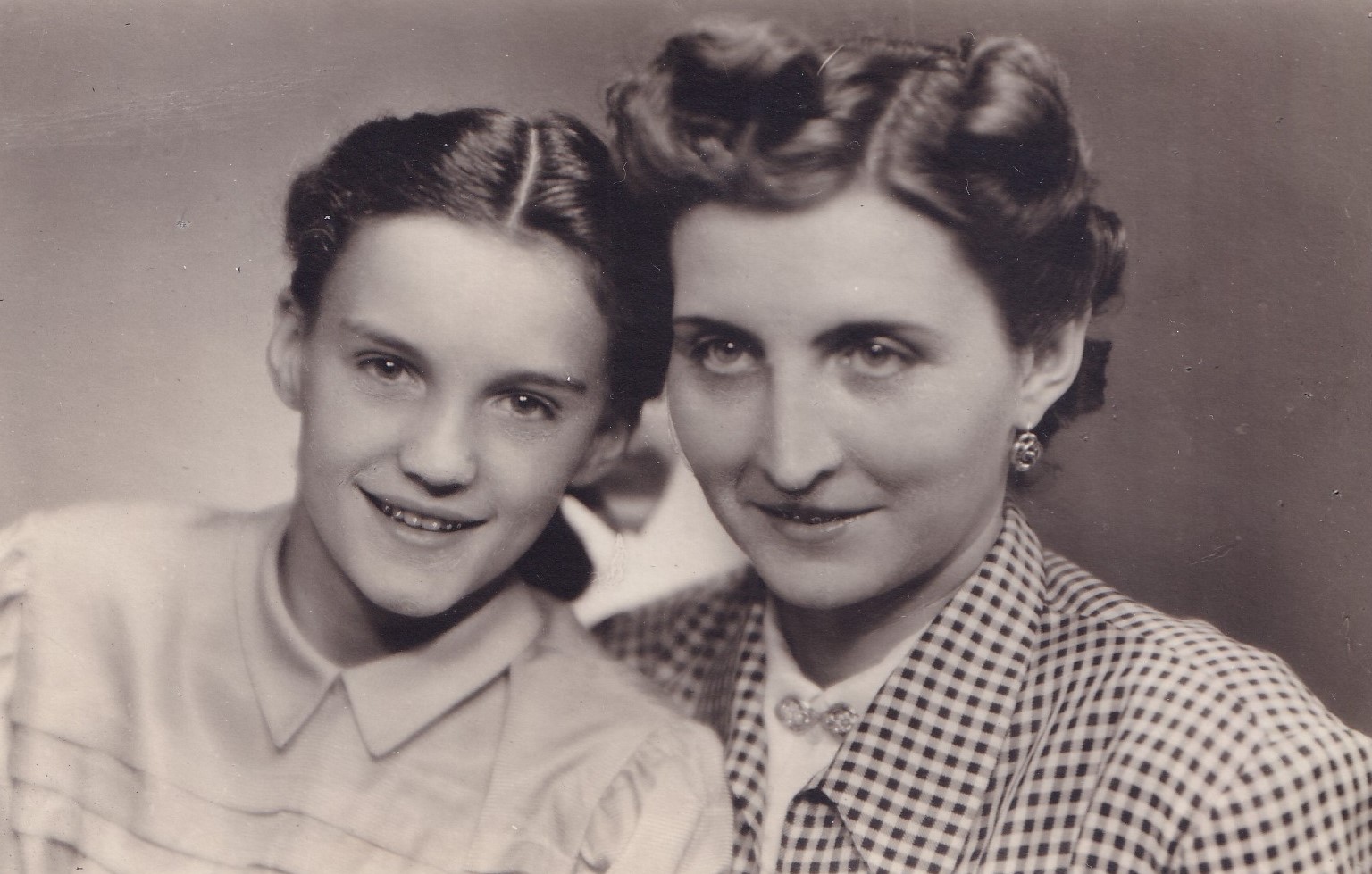
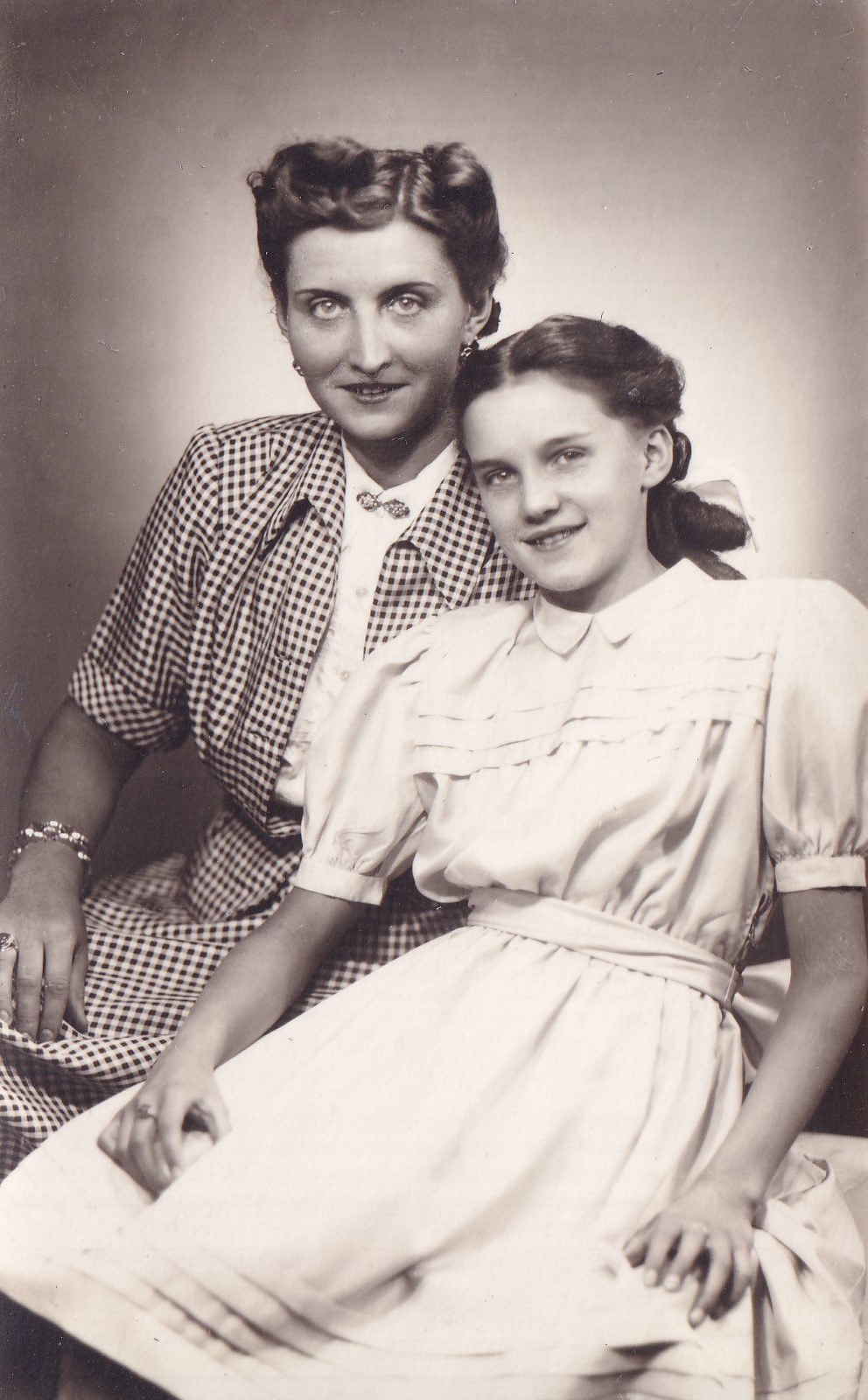
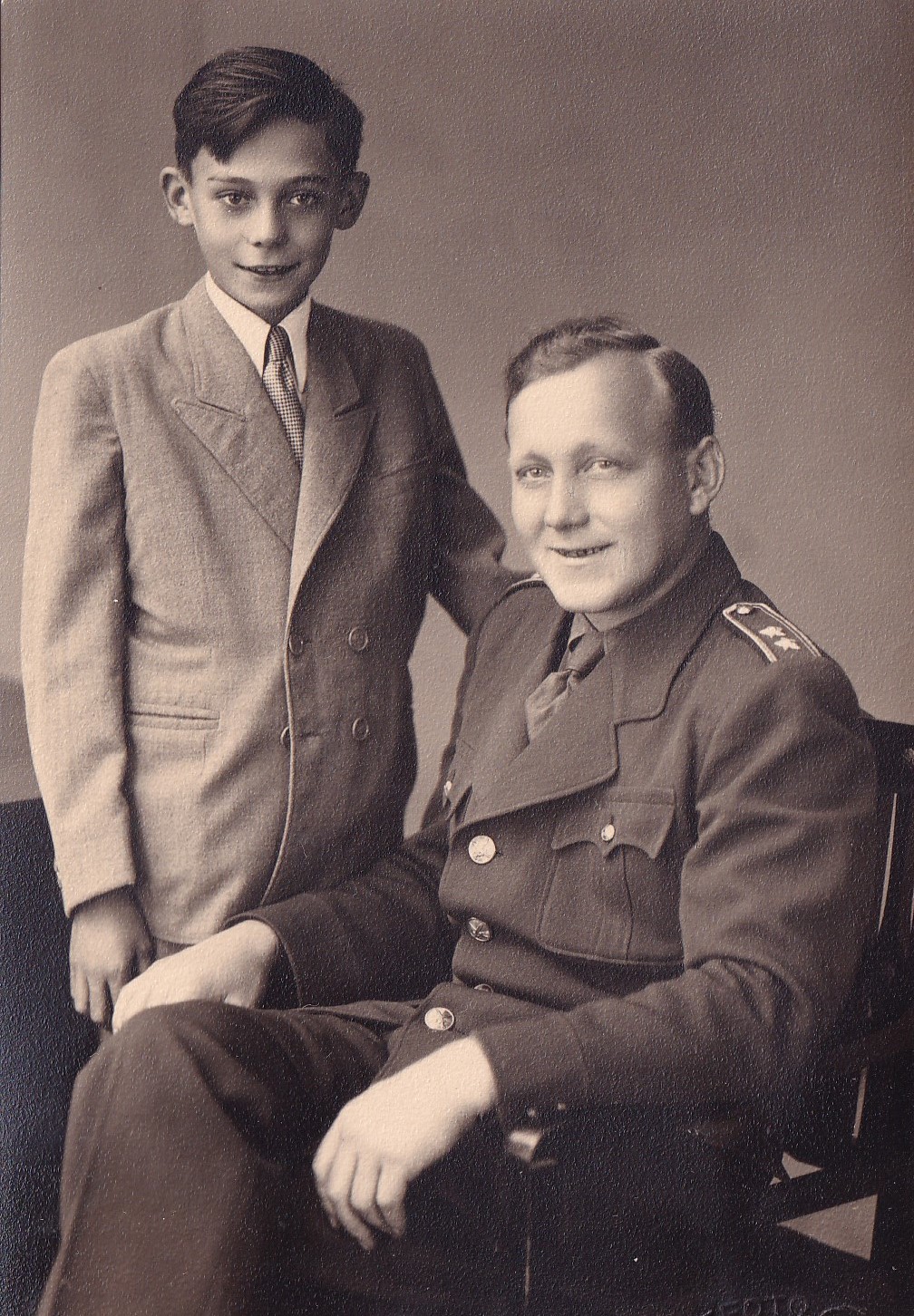
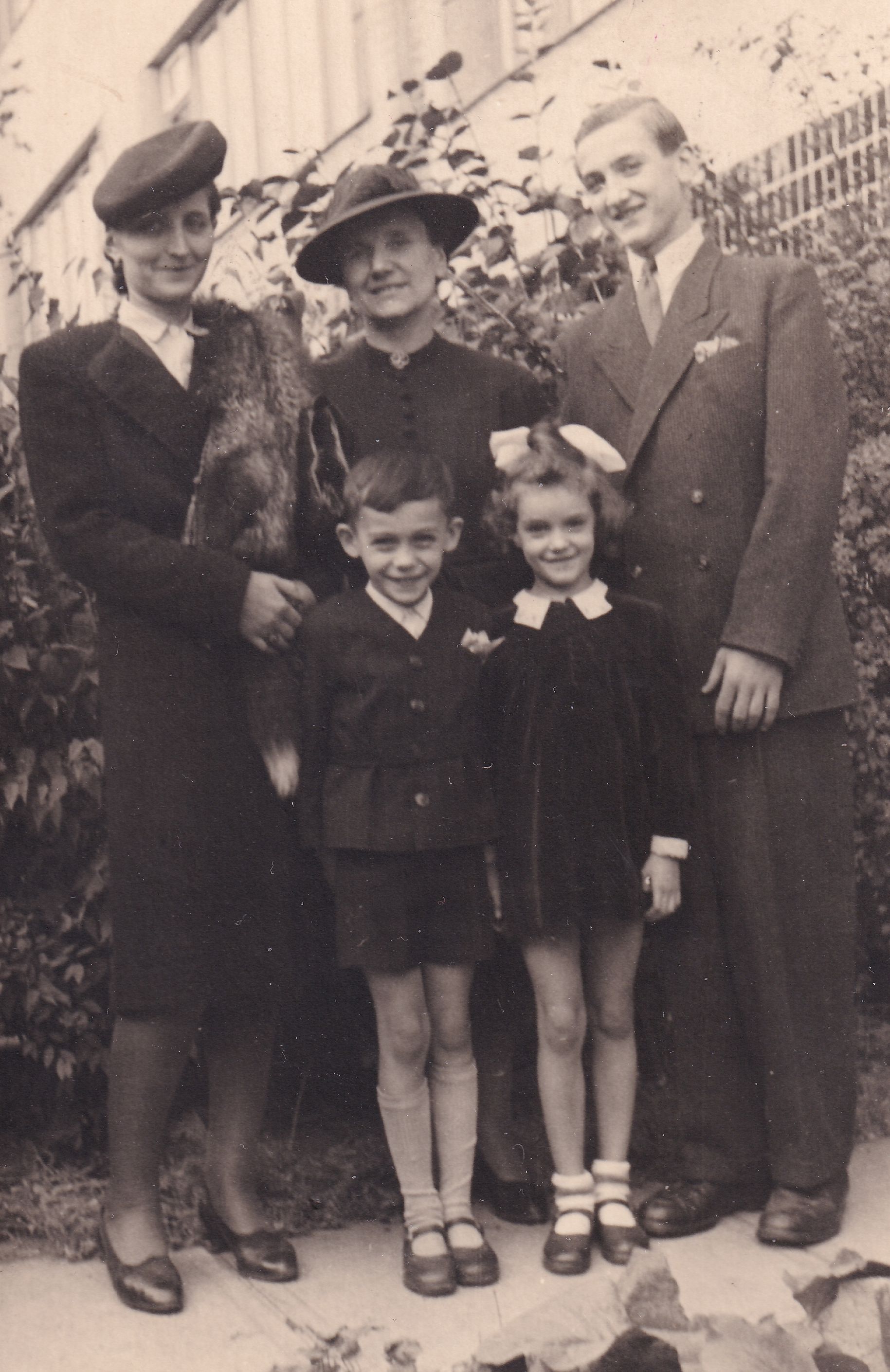
A photograph taken in 1942 and sent to her father in prison. The mother of the witness and her two stepchildren Jelenka and Milan and her own children Dušan and Alenka
A photograph taken in 1942 and sent to her father in prison. The mother of the witness and her two stepchildren Jelenka and Milan and her own children Dušan and Alenka