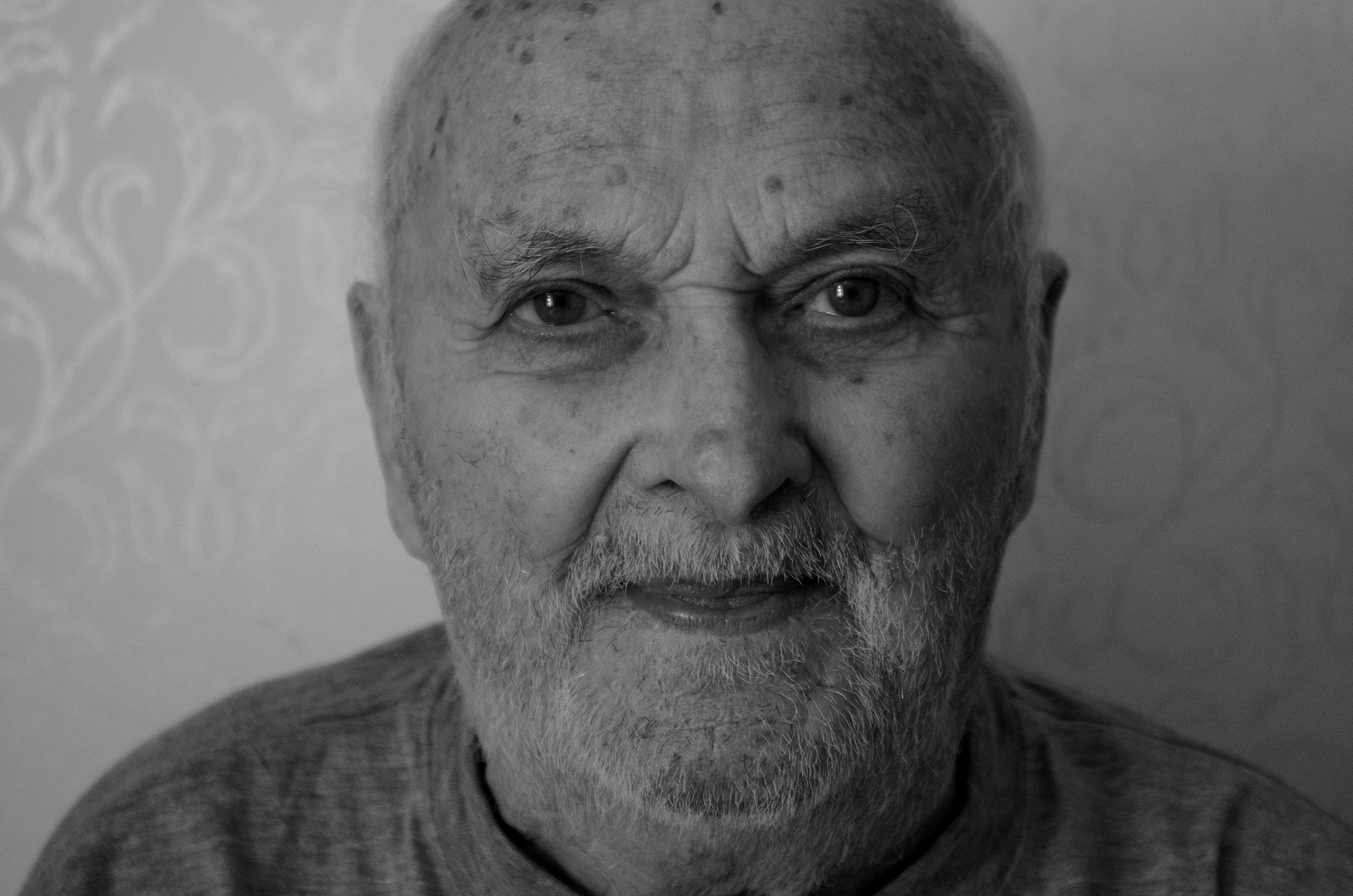
Stanislav Rytina

* 1927

  • "And it didn't even occur to us... because we remembered that... how they (the interrogated) had been beaten in the Petschek Palace, how they were hung, how they were... so some kind of pity, it wasn't there. That they took them out of the Petschek Palace, the headquarters of the Prague Gestapo, and pulled off their jackets and shirts and broke their skin... The back was bloody. They beat them with buckles, not with belts. And sometimes, of course, as they dragged them, they fell to their knees. So the Revolutionary Guard would hit them in the ribs with a rifle, with the butt of the rifle. Ríša, he was a son of a doctor, sat down there - and we asked him if he was all right. And he said he couldn't look at it... In the time we were there, they brought out about five or six of them. We were there for a long time, looking at it. They beat everybody they took out... and then they threw them in the pond. They weren't able to get out of the pond. The civilians were shouting at them and cursing them, I remember there was one shouting, 'You bastard, you beat us, now we're going to get it from us.' There was such a vengeful mood... what they supposedly had done to those arrested during interrogations..."

  • "We arrived in Libeň, the train stopped and they said it was no further. Because at Masaryk station, then it was Hybernská station, the Germans shot a lot of railwaymen. It's not going on and everybody gets off. So the three of us got off. And as we are getting off... it was a nice day, the sun was shining... so we see at the Libeň station, where there were tracks and a platform and a station building, we see that there are, I don't know, twelve, fourteen German women, I mean German women, in that tracks. In summer dresses, little skirts like that, and each of them has swastika on her back. Made by some kind of black paint. They were sweeping there... we got out and walked to the Powder Gate and to the Old Town Square. There we had to go through...it was on the 10th of May, about eleven o'clock, we could see the barricades still there. But they were already taking away some of the cobblestones. There were people there, lots of people. And all of a sudden, man, from that one house, there was an open window on the first floor, maybe second or third floor, we see that there was shooting. There were only a few of those Russians in that Old Town Square, they had machine guns with them, and when the shooting started, at that moment we - and all the people - took cover. Against the wall... And the Russians were still watching, they had machine guns... and about two or three jumps to the house..."

  • "Even from Klučov and some of the villages, they provided the radio. And the SS men caught some of them there... some escaped... some, just about ten or fifteen were caught and shot in Český Brod in Malichov. One of our extended family was also sent there, his name was Janoušek, he was a professor in Prague at the grammar school in Karlín. When Prague rose up and the barricades were being built, so that he and his family would be safe, he went to his parents with his family to Klučov. Well, this Janoušek went there (note: to guard the radio in Liblice). And that's where the Germans caught him. He came to get to safety, and in the end the poor man paid with his life."

  • "There was, I would say, like a paramilitary group, the commander was Staff Captain Menšík. And we were sitting there (note: in a local pub) and we were dividing up the duties, into pairs. This pair would be over there, this one over there... And now suddenly... and we heard... At Poříčany they also built a barricade towards Sadská, in front of Třeboradice. They built it there. And suddenly we hear this bang and they (note: the Germans) blew up the barricade with an armoured fist, and in a moment we see German armoured cars driving towards Poříčany. First they stopped on the outskirts of Poříčany and we hear machine gun fire. Because the Germans didn't know what Poříčany was like. If, you know, there was resistance, or what. And when they saw that there was nothing, they drove on, they came to Poříčany and they stormed the pub where we were sitting. Five, six, seven (German) soldiers - and they were watching. We were surprised. And when they saw that we were just sitting and had beer or lemonade in front of us, they closed the door again and left. And then the German convoy went to Klučov and Liblice and then to Prague."

  • Full recordings
  • 1

    Poříčany, 17.05.2025

    (audio)
    duration: 02:59:27
    media recorded in project Stories of 20th Century
Full recordings are available only for logged users.

For what the Germans had done to our people, they deserved revenge
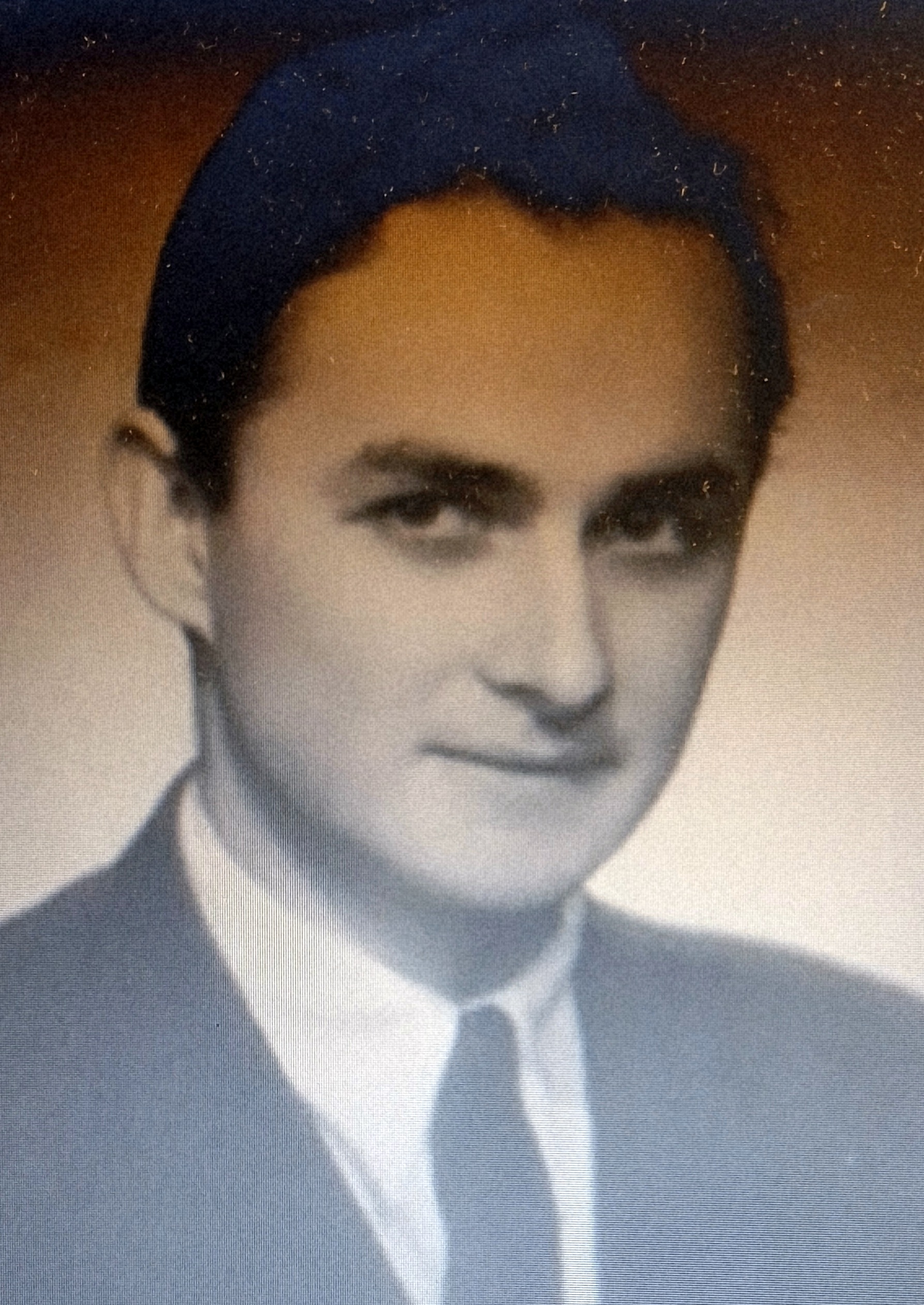
Stanislav Rytina
Stanislav Rytina
photo: witness´s archive

Stanislav Rytina was born on 3 June 1927 in Poříčany near Nymburk. His father Alois Rytina was an employee of the Czechoslovak Railways, a member of Sokol and a respected citizen of Poříčany. When Czechoslovakia was occupied by the German army in the spring of 1939, he bore it hard and raised his two sons in resistance against the Nazis. For this reason, after the outbreak of the May Uprising in 1945, the then eighteen-year-old Stanislav became actively involved in the defence of Poříčany and became the youngest member of the local Revolutionary Guard. However, the arrival of a German Wehrmacht unit in Poříčany caught the local rebels off guard, and the threatened incident was fortunately avoided without bloodshed. The situation was different in the not too distant Liblice, where men patrolling near a strategically important radio transmitter were shot dead by the SS. One of the eighteen victims was Jan Jiroušek, a distant relative of Stanislav Rytina. Two days after the German surrender and the official end of World War II, Stanislav left for Prague with two friends of the same age. He recalls specific places where the effects of the fighting for the liberation of Prague were still visible. At the same time, he also witnessed the drastic events when the Czechs took revenge for the hardships they had experienced. After the war, Stanislav graduated from a business academy and after graduation began working at the then State Bank of Czechoslovakia. He remained in the business throughout his working career. In 2025 he lived in Poříčany.