Ivan Ringel

* 1947

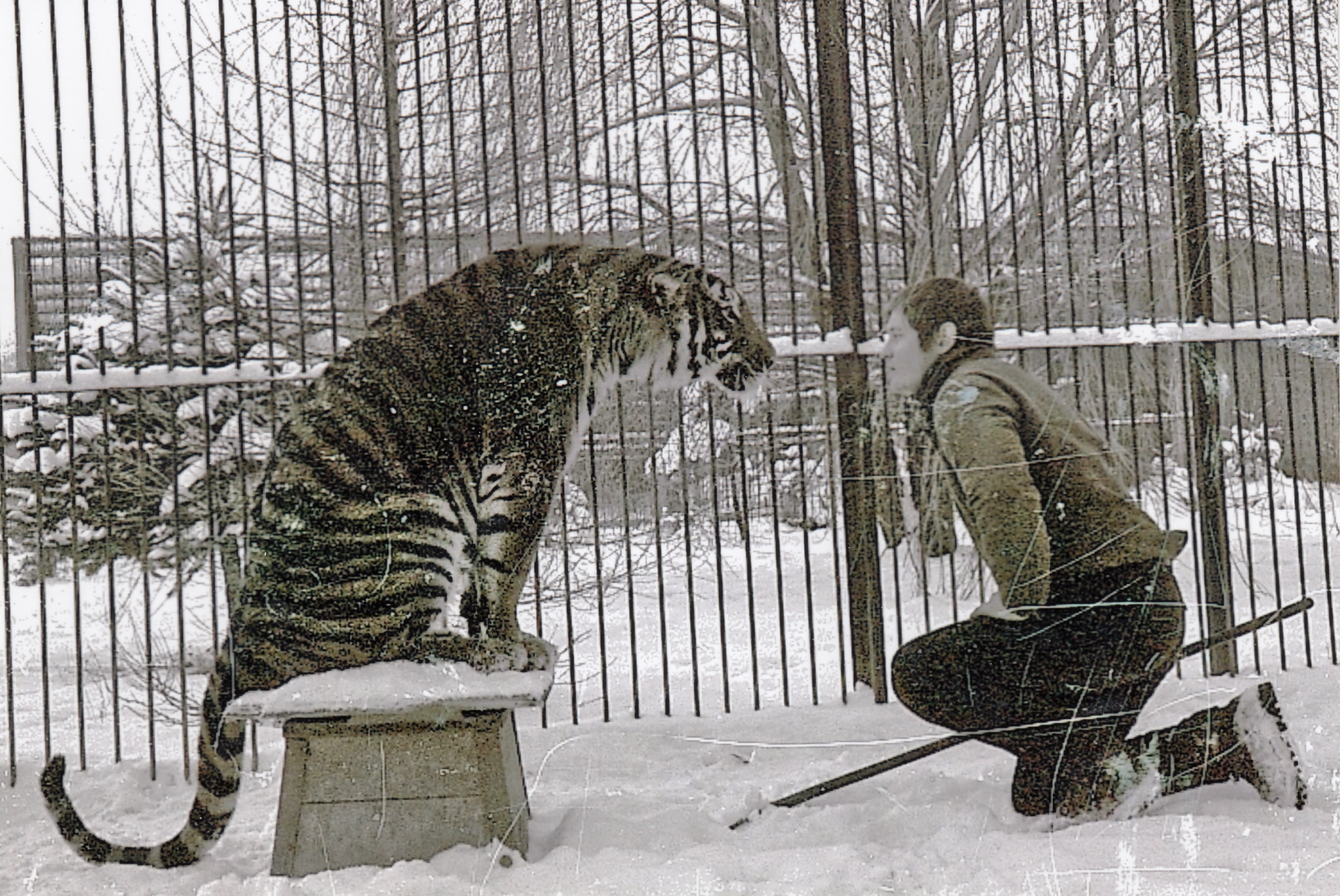
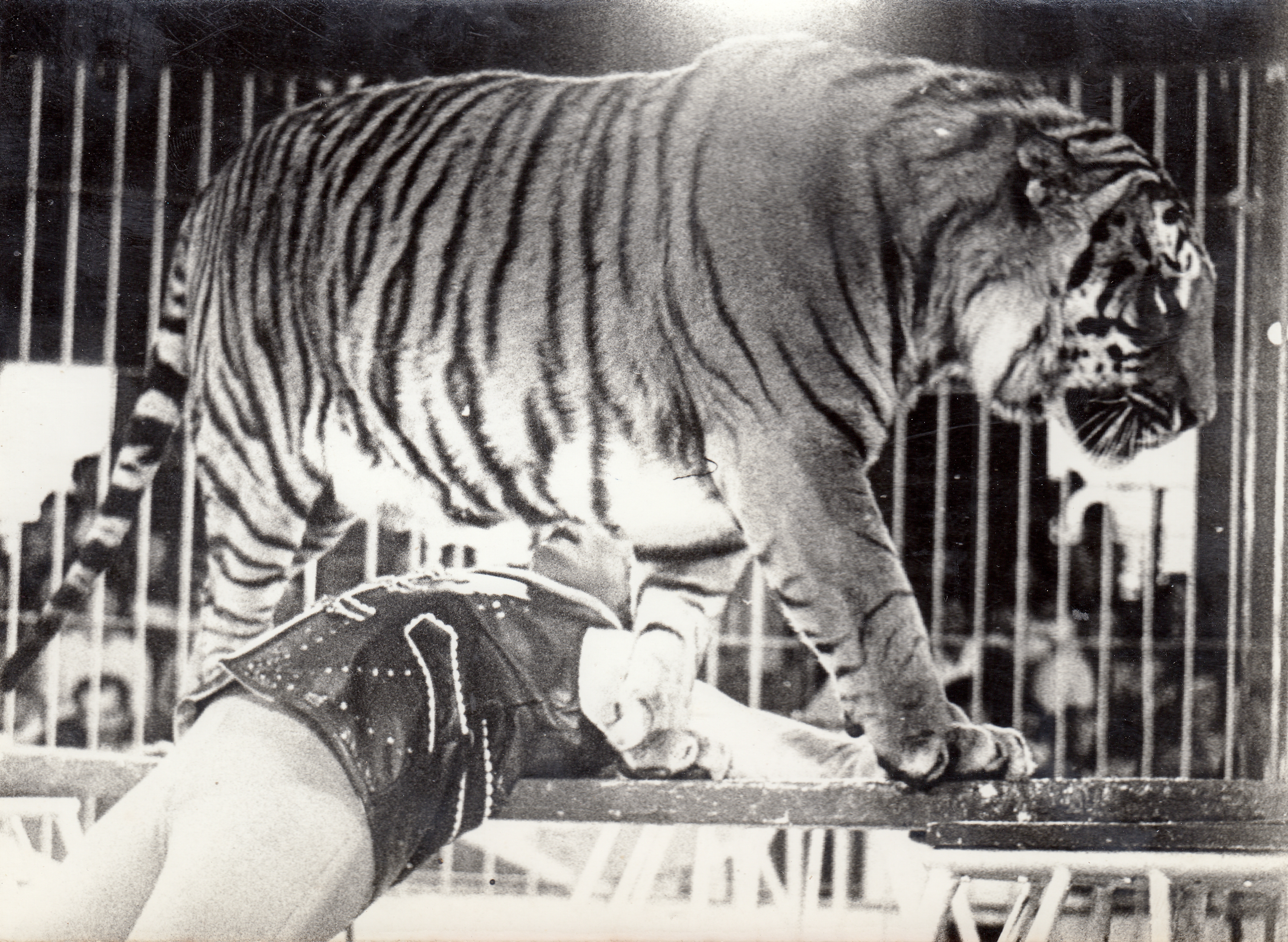
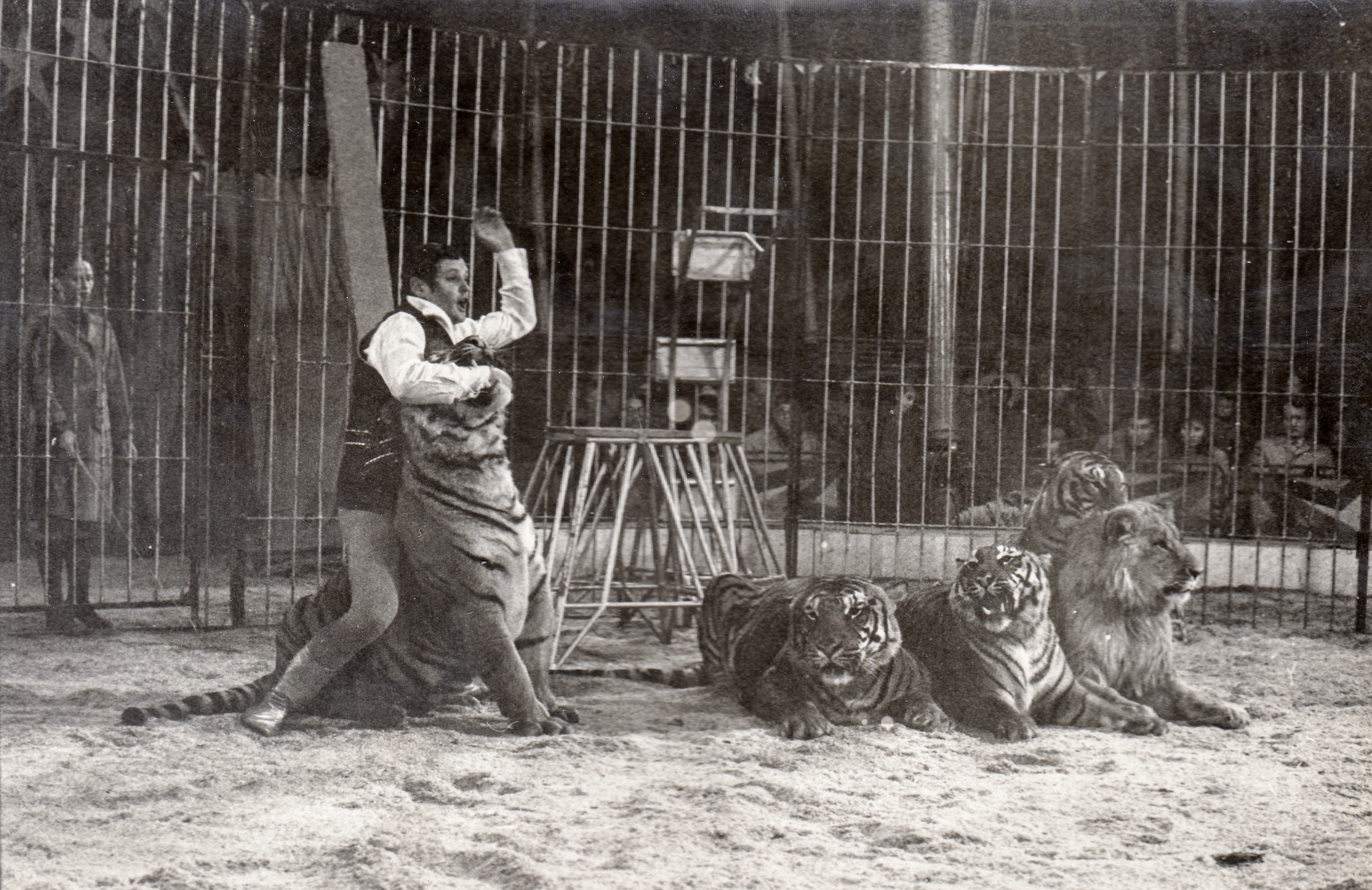
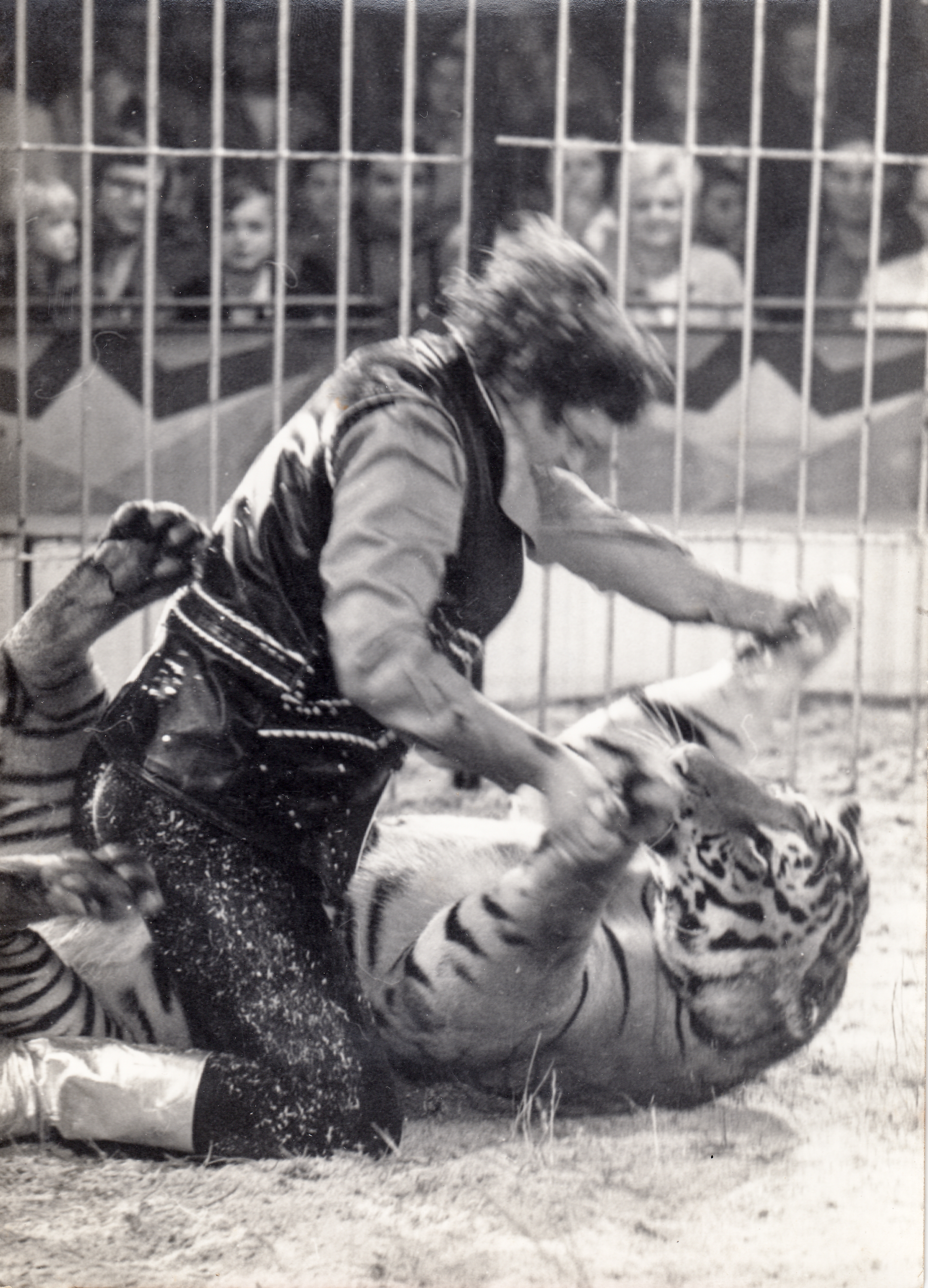
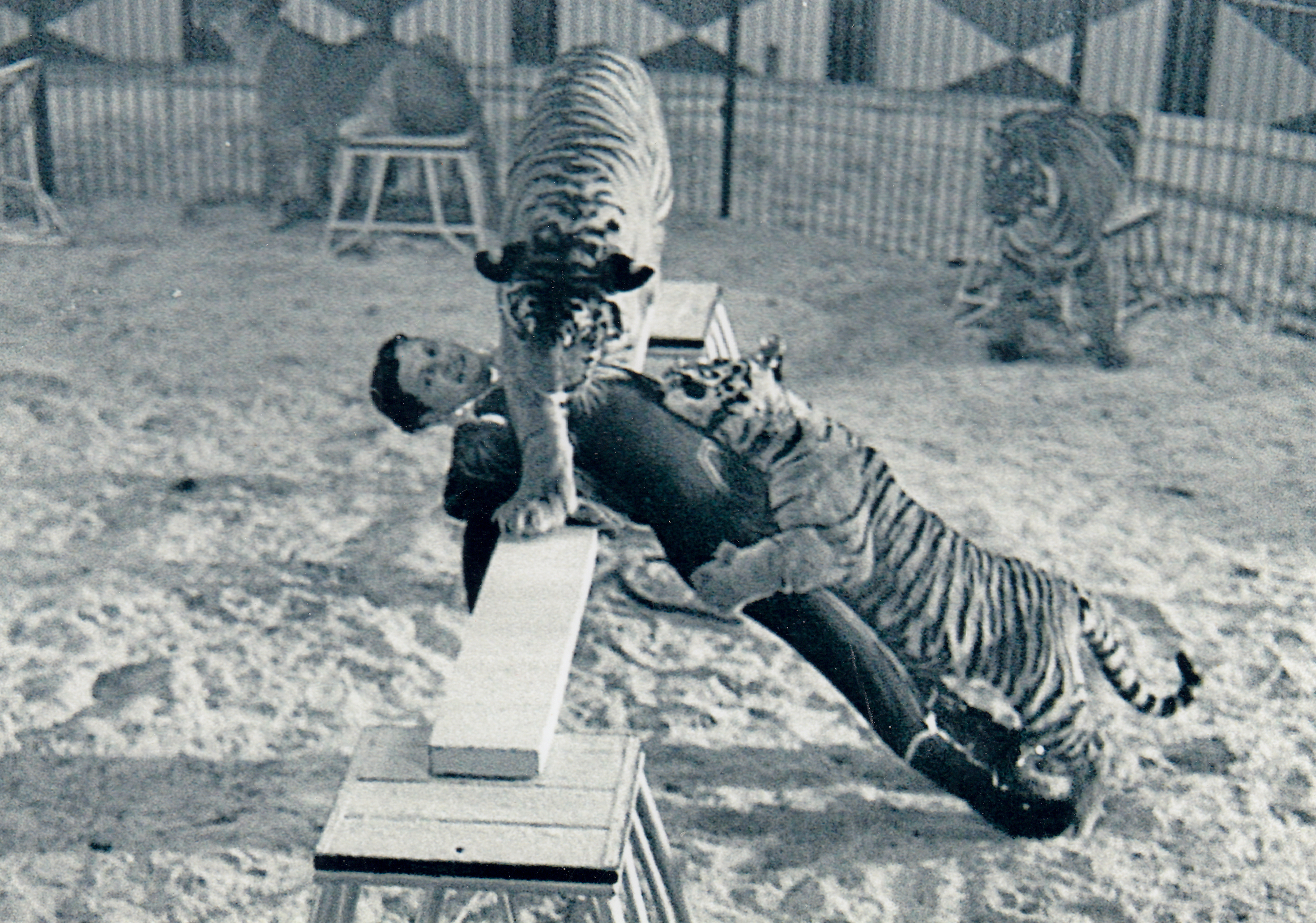
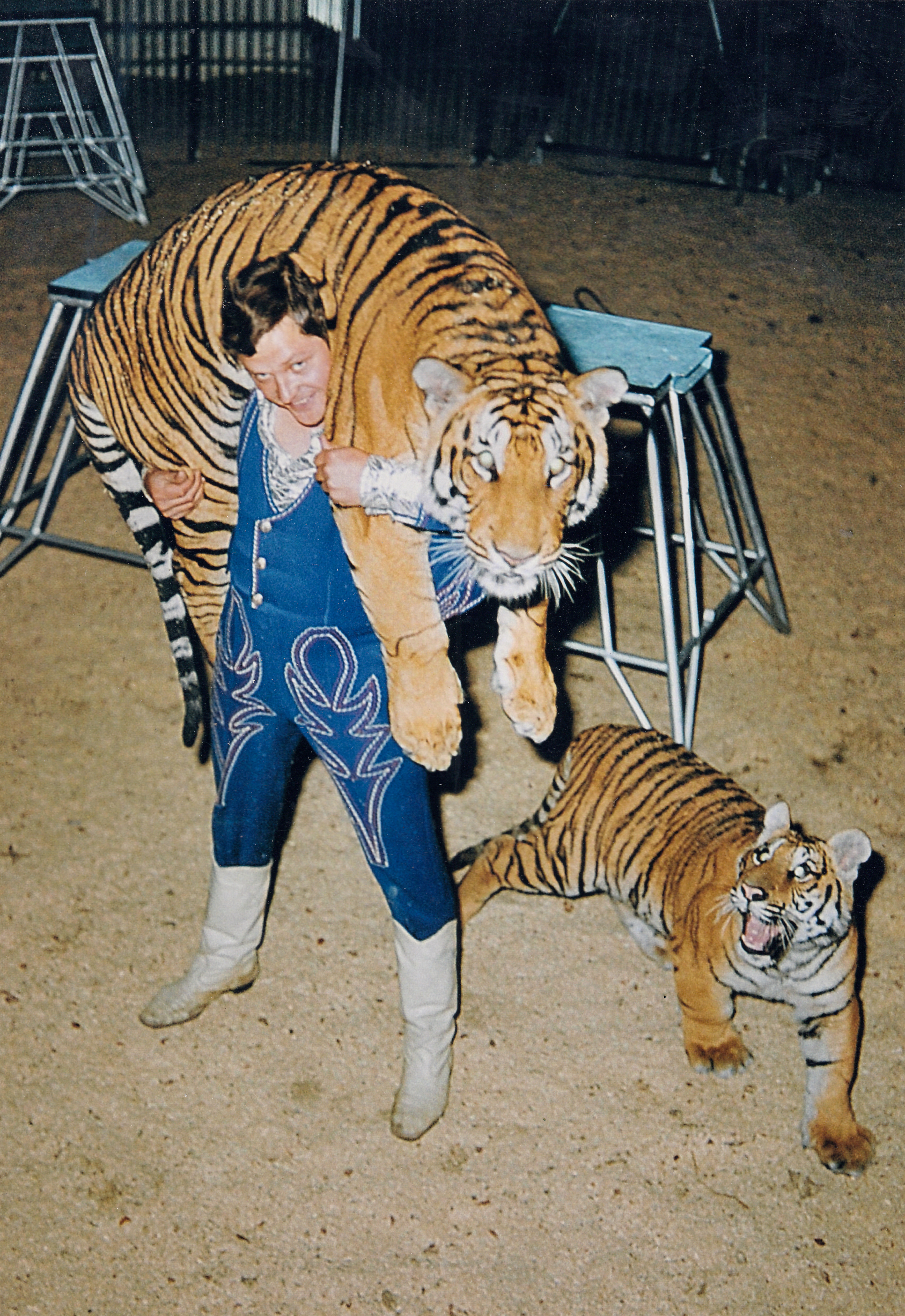
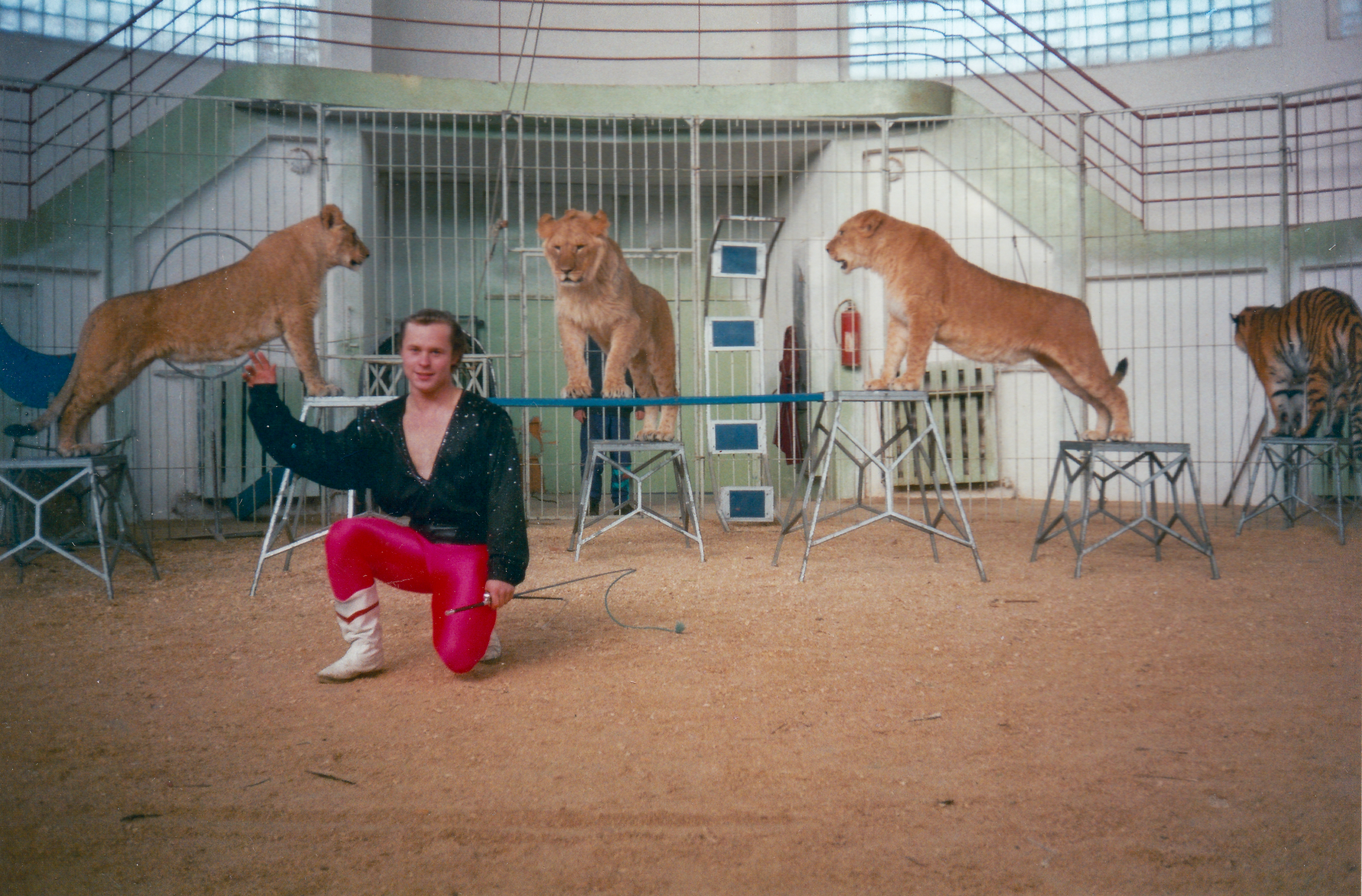
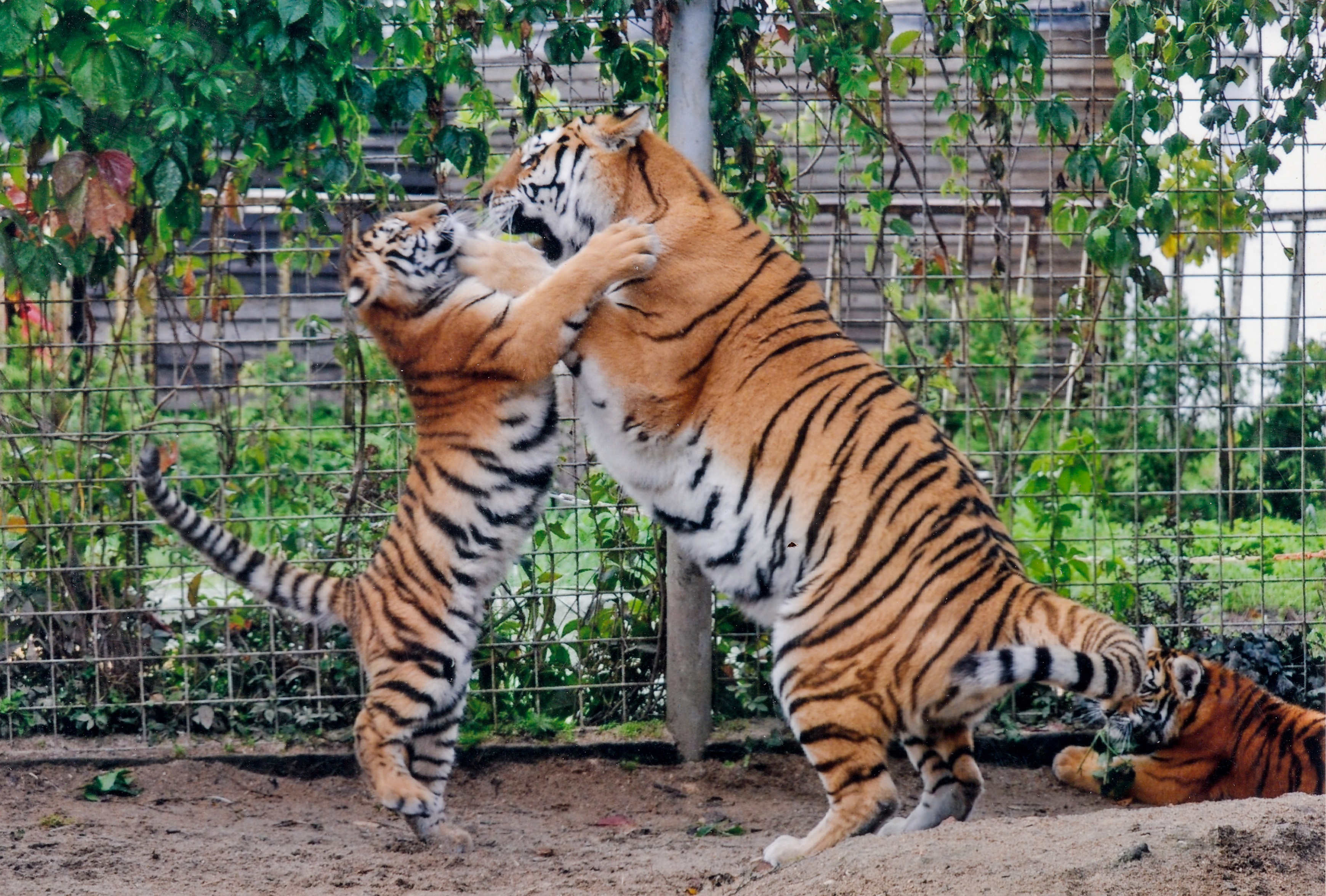
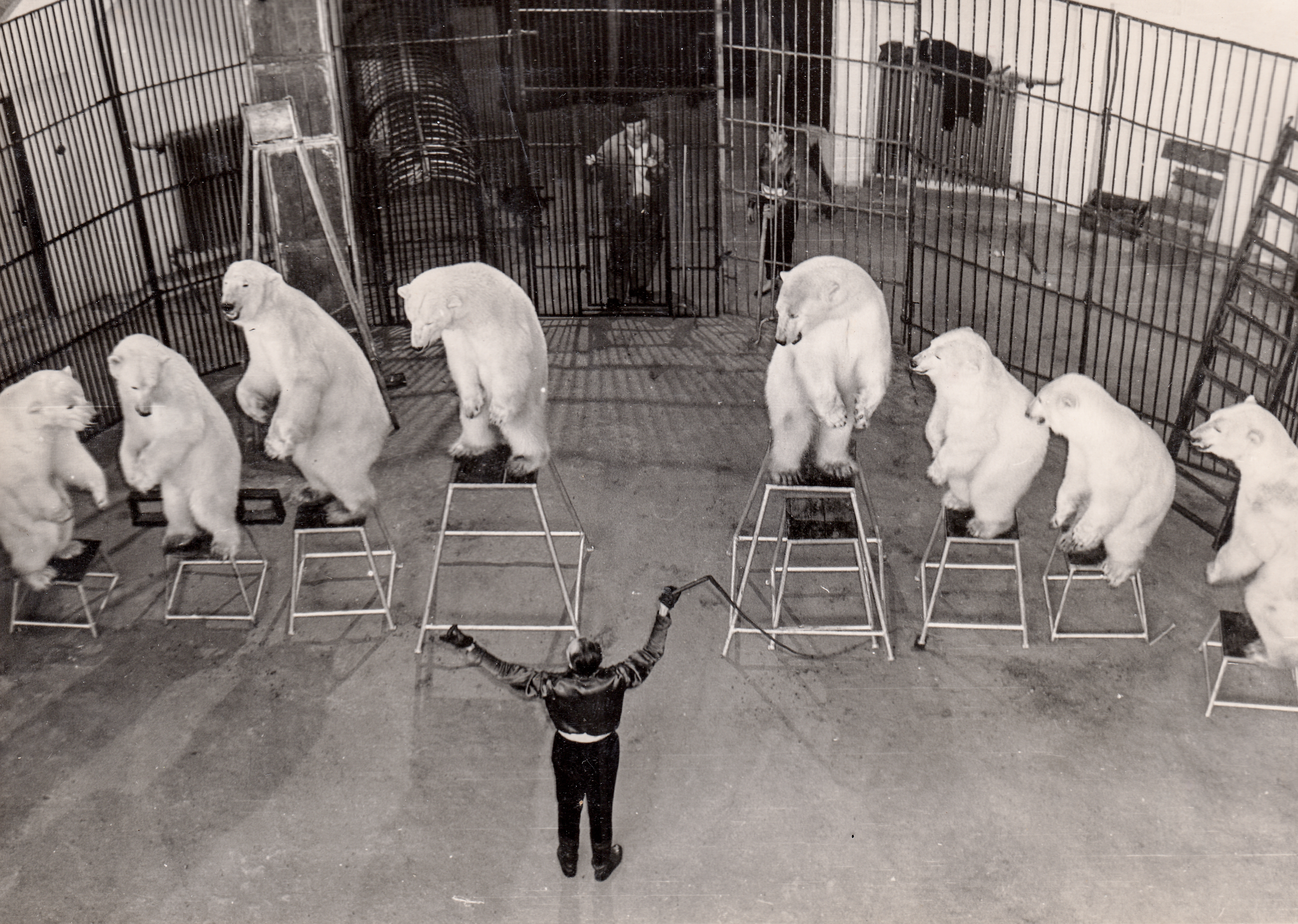
  • "I had two postaments, and I had a balance beam. If you leave it in the middle, you can't get it in. That's nonsense. He's going to keep dodging and stuff, he's just not going to go there. He might not understand that this guy wants this from me. So I put it against the wall. And somehow, you're driving the animal, so it has to get in there and climb over it. It's in the way, more or less. And he can't jump over you because there's a wall, you've got it against the wall. So he can't jump through. He goes over it, you stop him, you turn him around, and he goes back again. All right. All slow. You talk it all down. You have to talk to him as much as possible. Raising your voice is very important there. If you just talk like that, then all you have to do is raise your voice, and the animal feels guilty. There's no violence, there's no violence. If there's any violence, the animal will naturally give up on you. That's nonsense. People are stoning us like this for abuse, but that's nonsense. That's nonsense. Look, a three-foot tiger won't be abused. He'll make you so sick that you won't come out. (...) He's such a beast that if you hurt him, he'll pay you back with interest. You can count on that. When people say they're abused and stuff, you can't abuse an animal like that. Now, imagine you've got eight or ten of them. You're not gonna abuse that. They're not gonna stand for it. Watch out! You have to handle them with kid gloves. That's a great job! You sit up all night doing it. And you're thinking, how would you get there, how would you do it, how would you get him to that place? (...) They must not go there out of compulsion. I was the one who let them out, and maybe all afternoon, all night, I had them in the wintering area, and they were running back and forth. They mustn't go there out of compulsion, they must go there to play. They fly in and play. That's the point. You can't drive them in there with irons. That's nonsense. Then, the work is worthless. The animal is stressed and scared, and that's nonsense. It's gonna come at you when it's stressed. That's nonsense. So they go in there thinking they're playing. And people don't understand that."

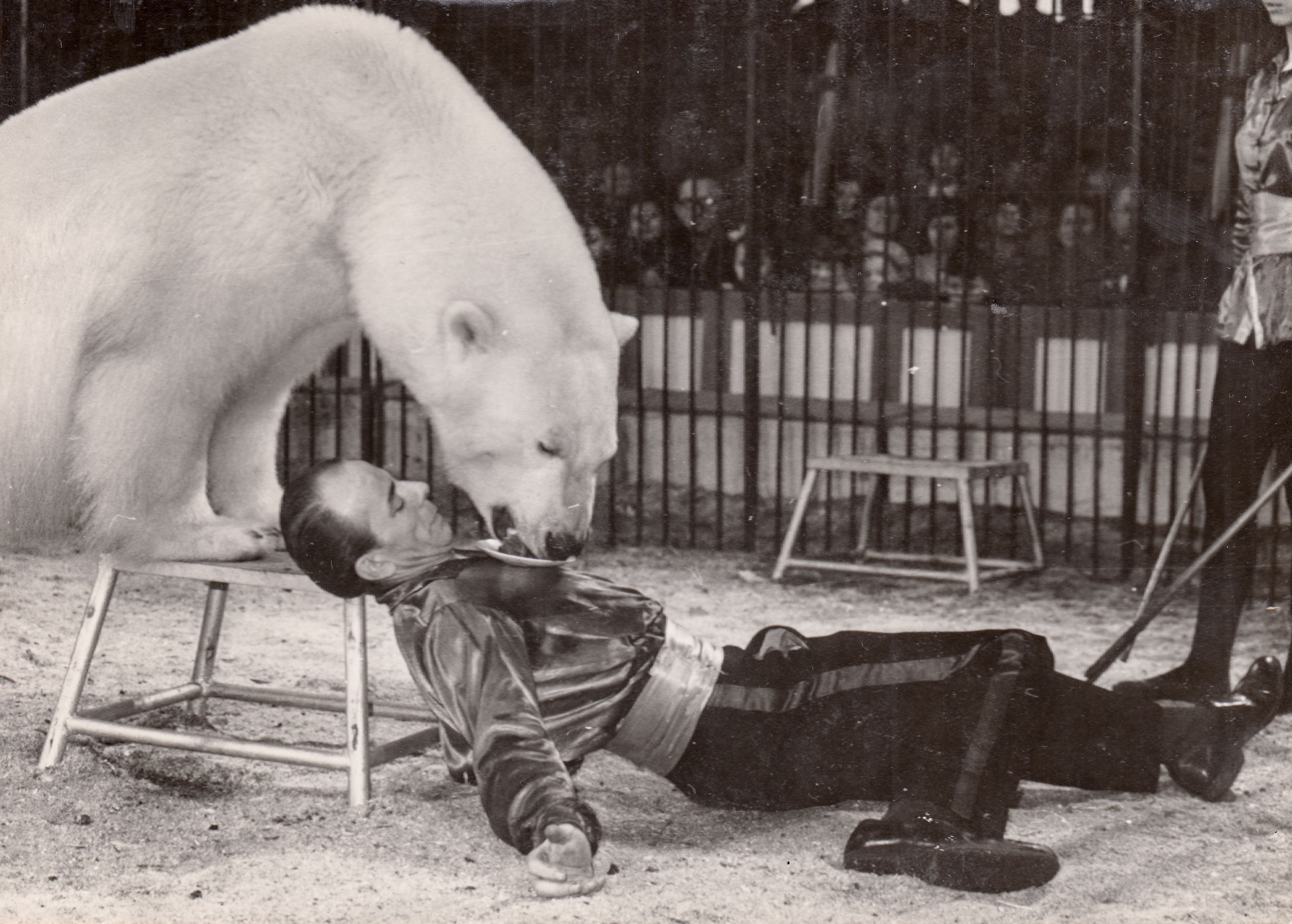
  • "I've also been in areas where there was no meat. I was in Romania, and they were buying horses from all these gypsies and stuff. But alive. We had it on a truck, and it was transported. My job was to kill it. I felt sorry for it. I had this beautiful white horse. I went in with an axe and a knife, and now he started screaming. Because I was feeding them, too, so they wouldn't die on me. So I packed up and left. So, I didn't feed for maybe four days. Because I felt sorry for them. Then I had a clown there that I always gave a bottle to, and he killed it. Then I can take the animal, the horse, apart. Yes, but I would never kill it. So I didn't feed for days, even though I did things like that. Head in the mouth and stuff like that."

  • "Before I went to Astrakhan, I was still in Donetsk. That's where the war is today. There was a beautiful circus, a big one! A tigress died there. All right, let's make a conspiracy. She was quite young, two years old, so why would she die? Then we'll do a consultation. So I thought we'd go to a hospital. No way! We arrived at a former, disused mine shaft. It was a huge hole, like 50 metres by 50 metres. Deep! There were dead animals in it, dogs and stuff. Let me explain. Every half hour, there was a car that would come in there, topped with shot dogs that were shot on the road. Cats, dogs, everything. They were still half alive. There was still blood coming out of the car. There were two people in there. It was a horror. An old woman who had one tooth and a leather apron and a man. There was a rubber belt. They threw it all on the belt. The animals were falling into the hole. It was smouldering. What a smell! But before they threw it on the belt, they pulled the fur off. They were cutting off the hams. It was all sold there. Dog meat. A lot of it was puppies and stuff. They had two dogs, big dogs. They'd always pounce on the puppies and eat everything. What a horror! If I filmed that, it would drive people crazy here in Europe."

  • "You go in as a winner, and you have to leave as a winner. That means they feel everything. As soon as you're angry or you're sick, you have a fever, it all comes at them that morning, and they see you as prey. It all has to come off of you, and you have to go there sovereignly. I didn't even want to talk to anybody an hour before the show. So I wouldn't get excited. I always went to see how people reacted when the show started. See if there isn't a woman knitting or a guy snoring. That's when you adjust. A huge problem was when we did [performances] for the disabled. Some in wheelchairs, some in recliners. The tigers were going crazy. In nature, all that goes away."

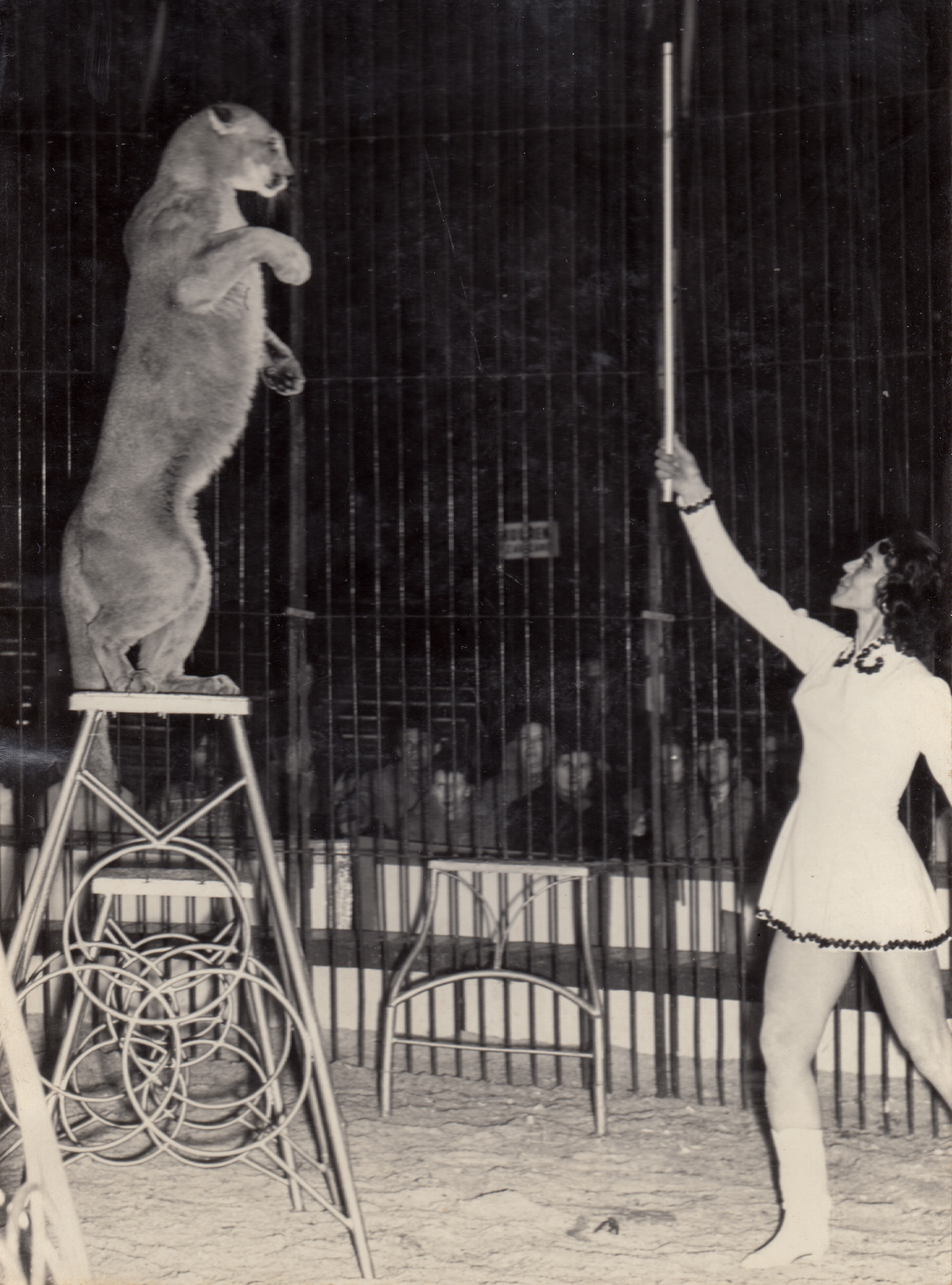
  • "Then there was another snag, that the fence opening was different there. I let them in, and now one lioness sniffed it out and came through. She ran among the people. What about now, right? As I said, every permanent circus is connected to a hotel. She was flying around the hotel. All over the place. She flew among the horses. The horse trainer would fly in with a knife and cut them off so they wouldn't strangle themselves. She was flying under their bellies, how scared she was. Before she knows it, the animal is terrified like that. Coincidentally, a nurse was shaving himself. The horse trainer also had a Great Dane, coloured like a lion. The lioness was sniffing his ass, and as he was shaving, the dog's name was Agbar, and he shouted, 'Get lost!' He kept on shaving, and now he was curious because she kept sniffing his bottom, so he looked back - and it was a lion. There was a pile of hay, he jumped into it and burrowed all the way to the bottom. It was grotesque! But what about people? They were climbing all over the roofs, pulling ladders behind them. It looked like a Chaplin slapstick to me. What a bummer! The band played on like when the Titanic sank. The bandleader, after we caught her... There was a little cubbyhole for the director who'd just had a wee in the loo. When she came inside it, we shut it down. He had all kinds of boxes and amps and stuff. She smashed it up. Then we tunnelled back out. I had to keep going. I couldn't give up. She still wanted to stretch. So I was holding the door with all my strength, and she kept tripping me and trying to stretch. And then the bandleader asked me if I was going to do it every day, that it looked very good. This show."

  • Full recordings
  • 1

    Hradec Králové, 16.01.2023

    (audio)
    duration: 06:01:53
    media recorded in project Příběhy regionu - HRK REG ED
Full recordings are available only for logged users.

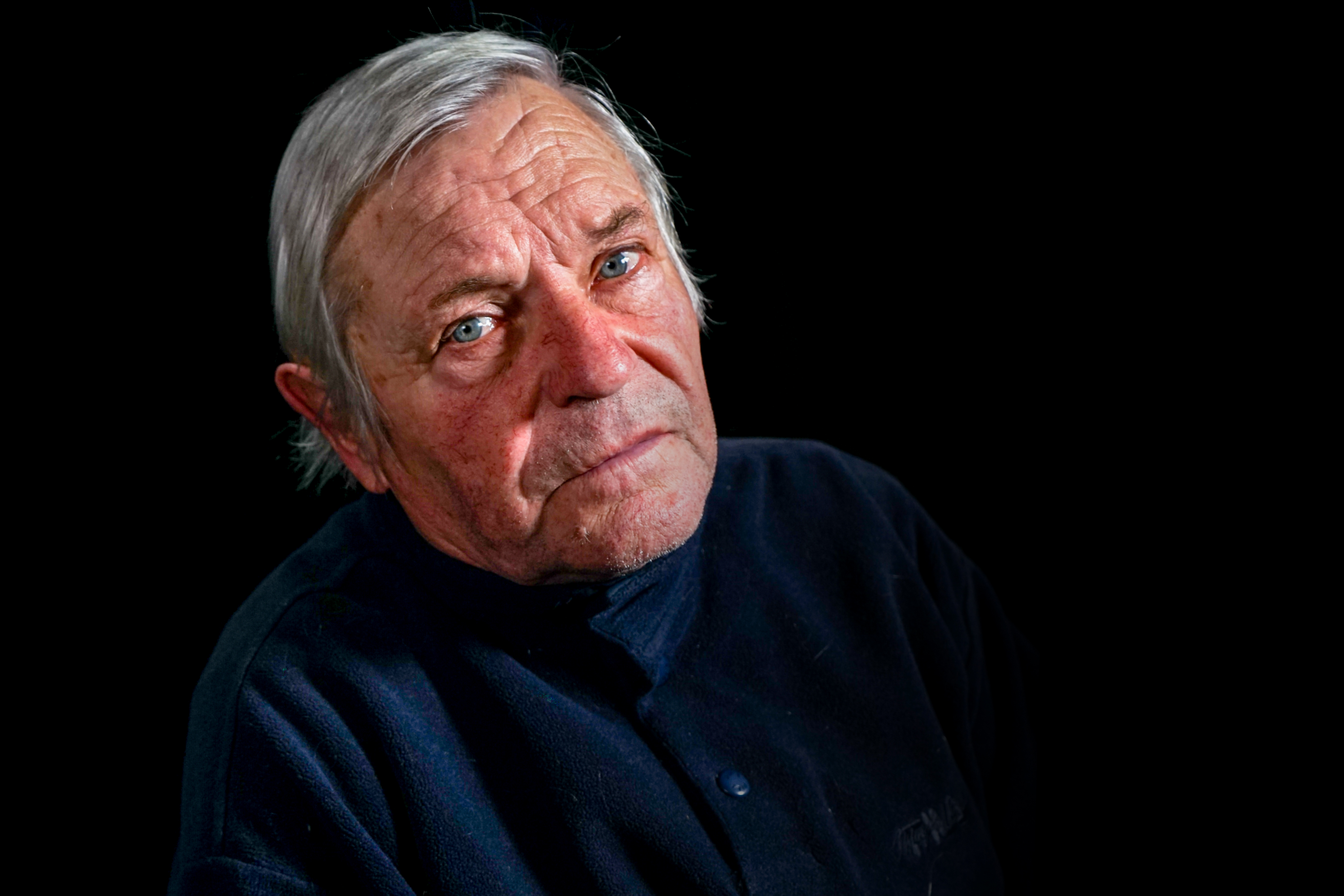
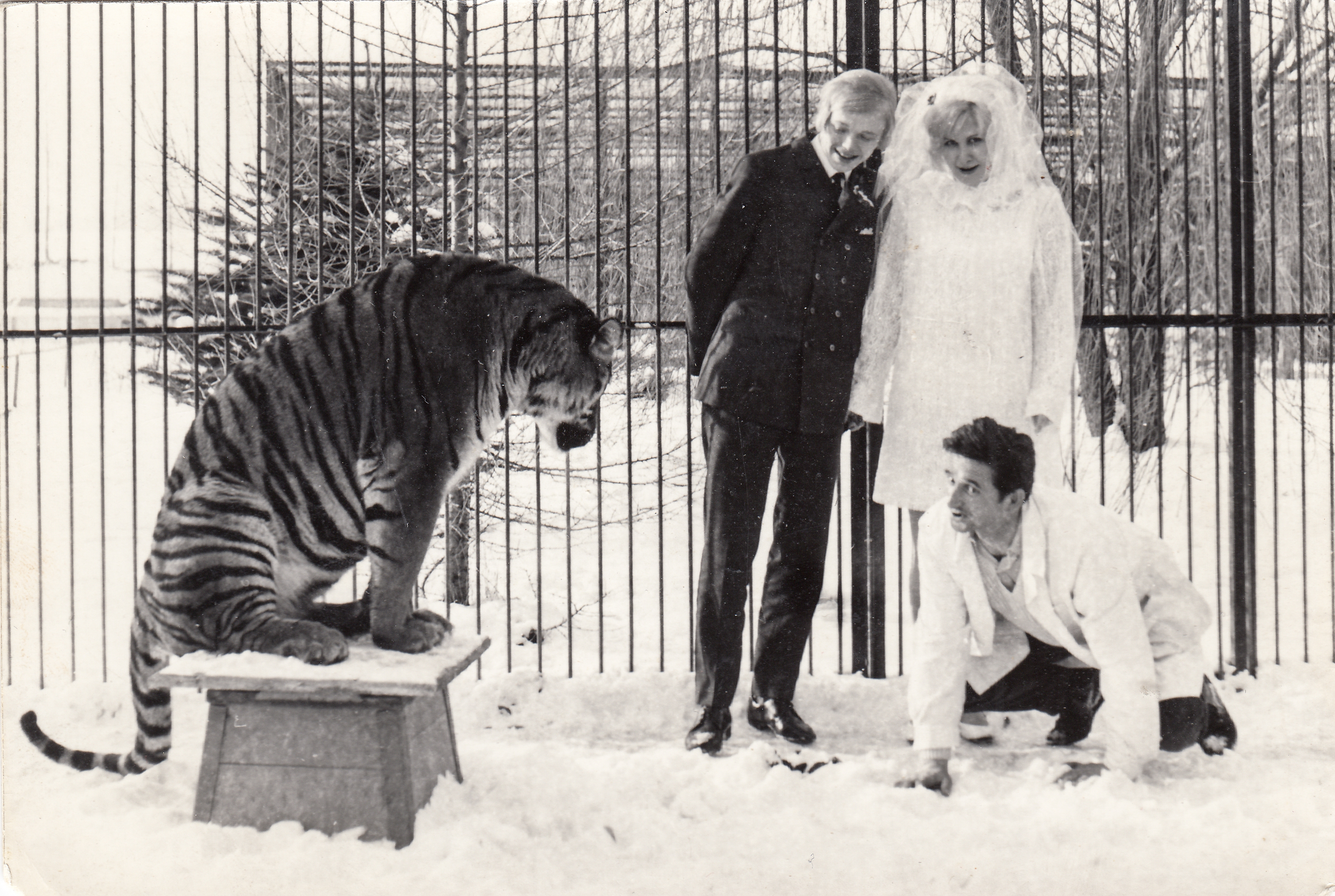
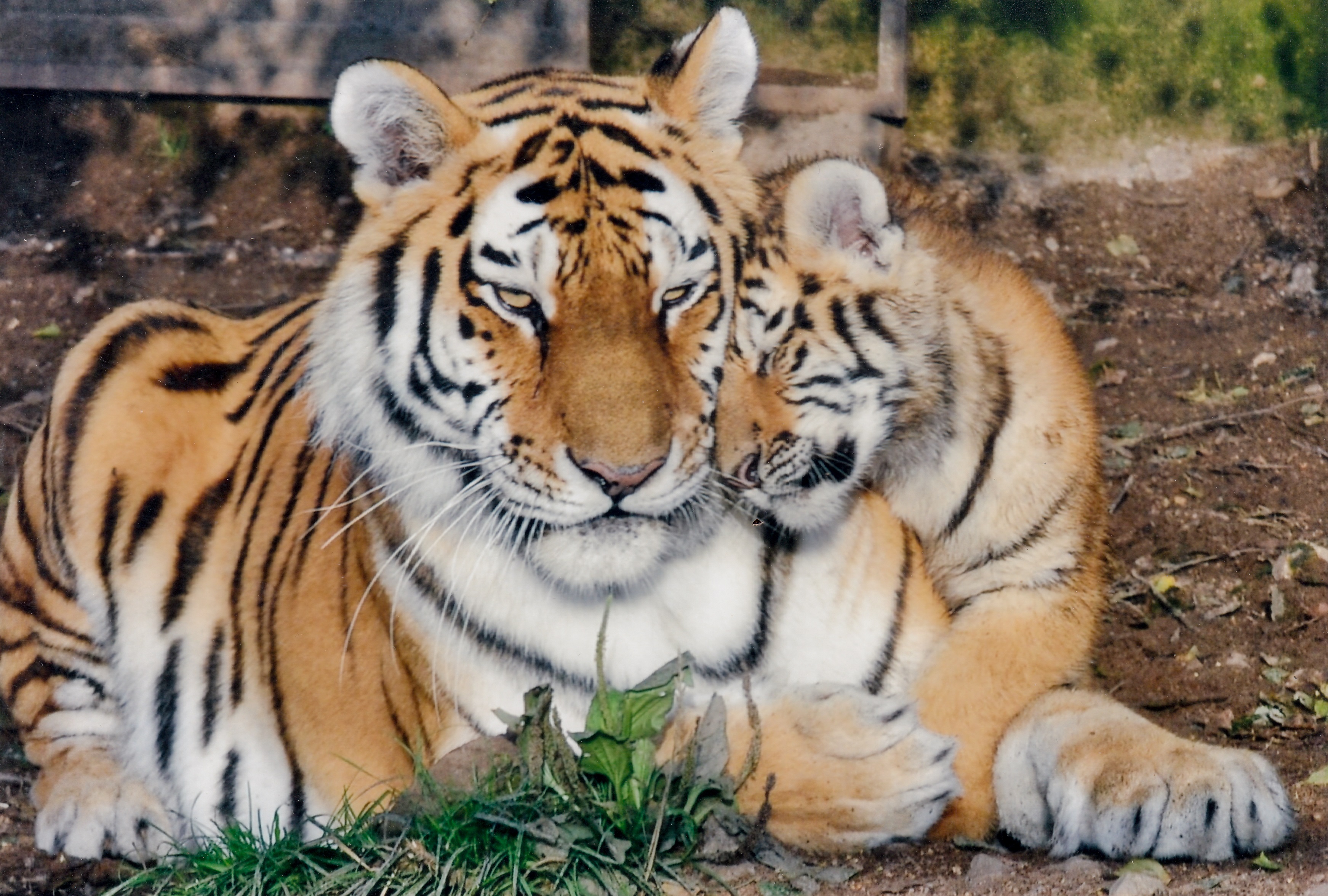
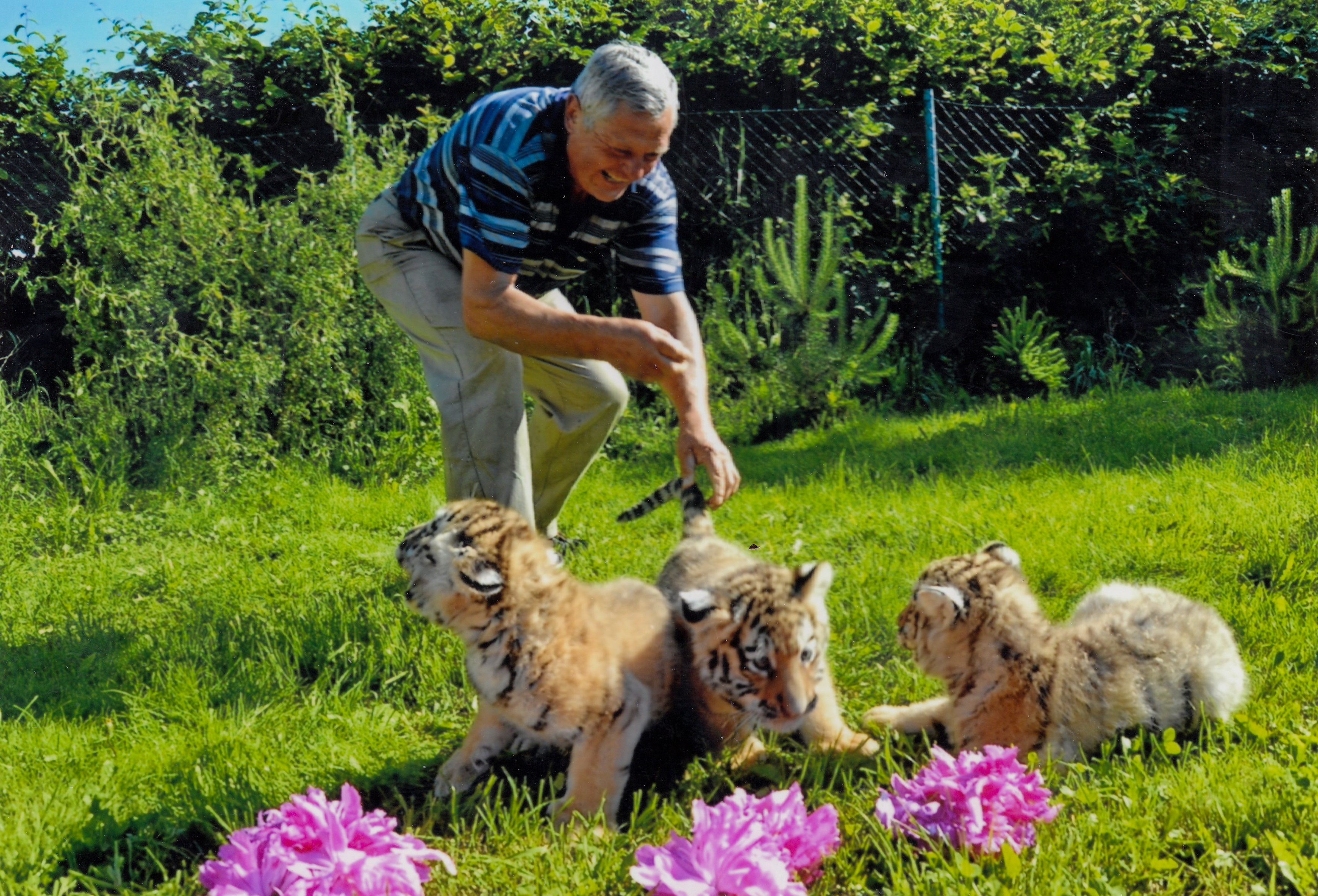
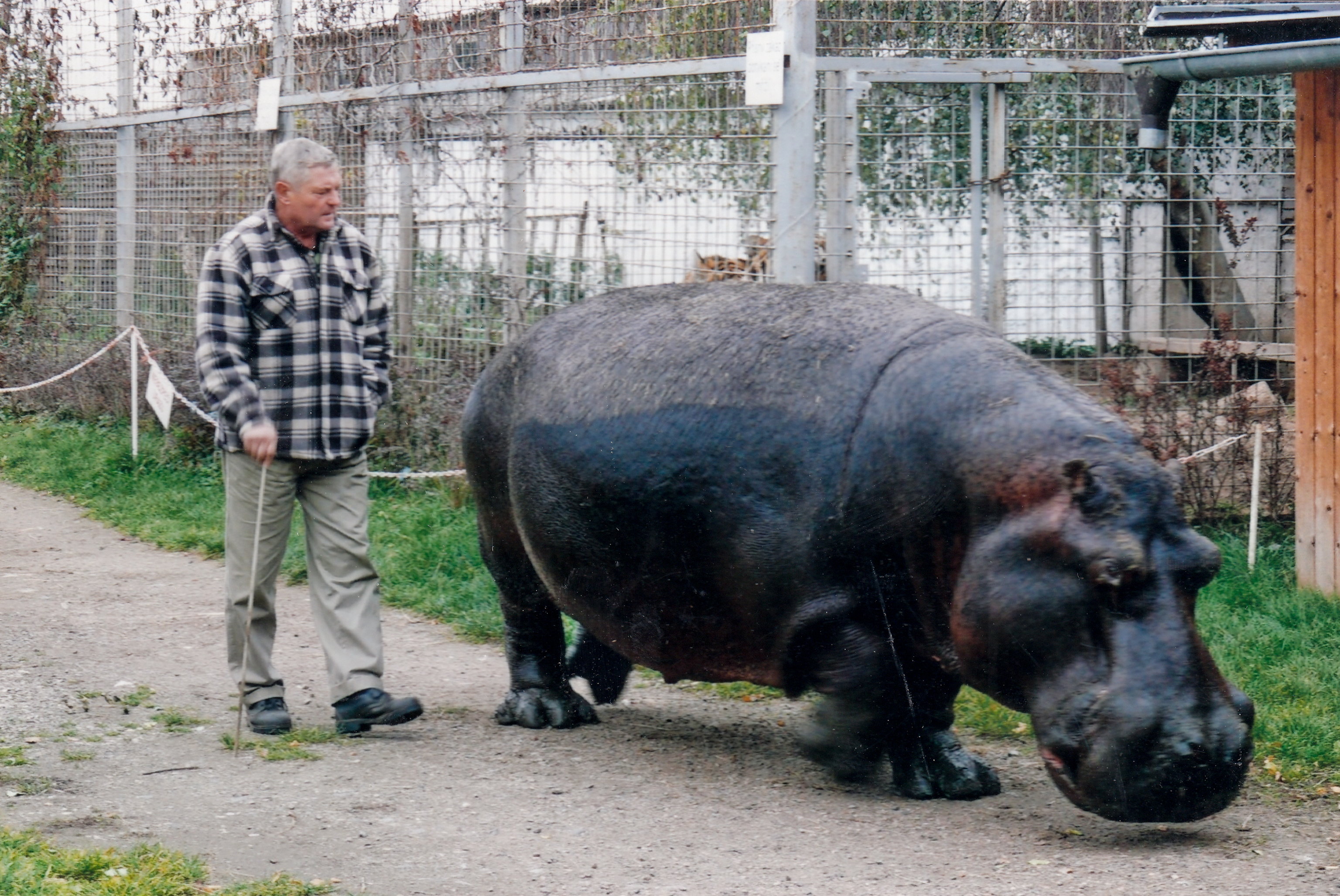
Alongside his beloved tigers, he experienced the splendour and misery of the Soviet Union
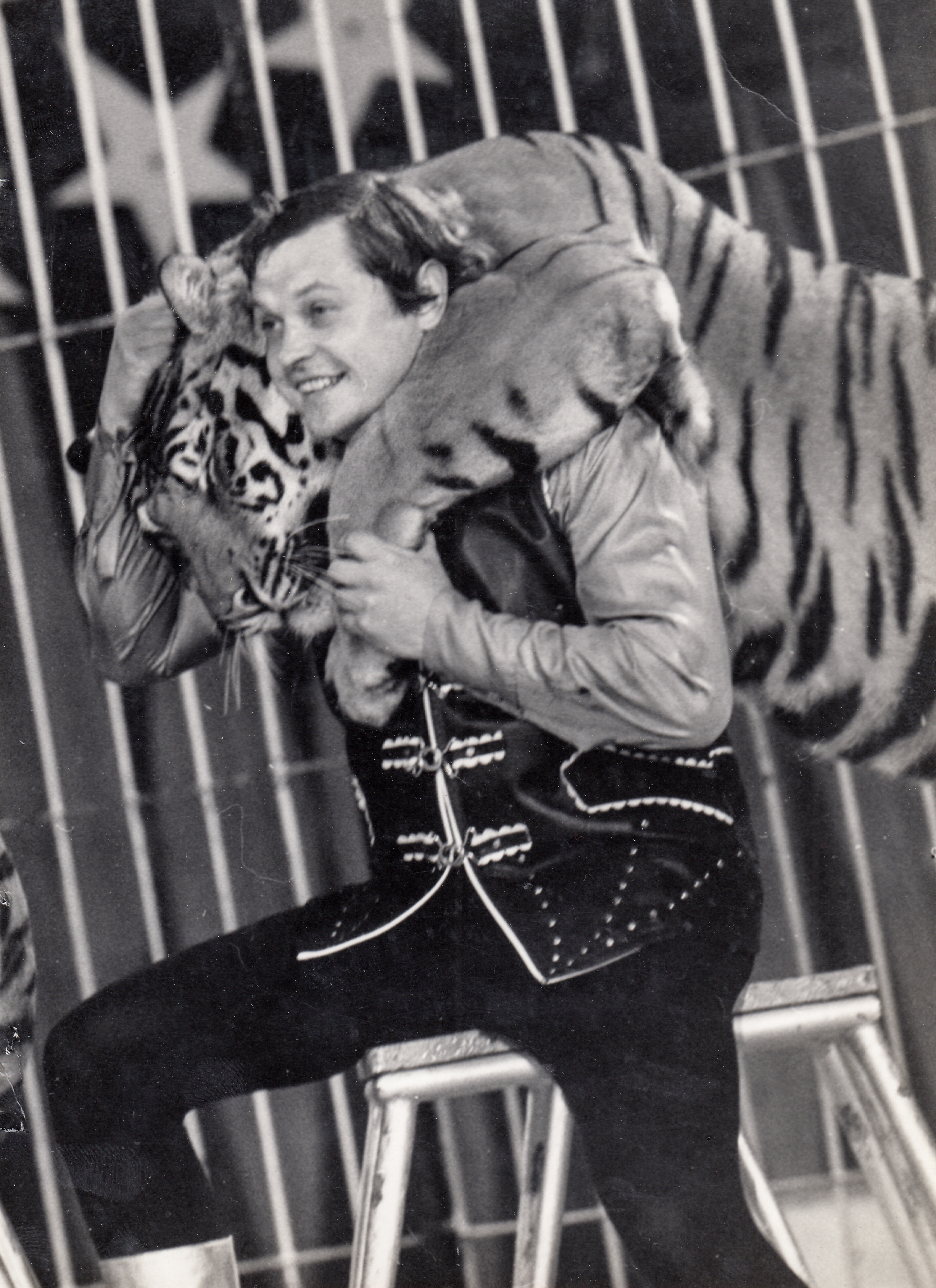
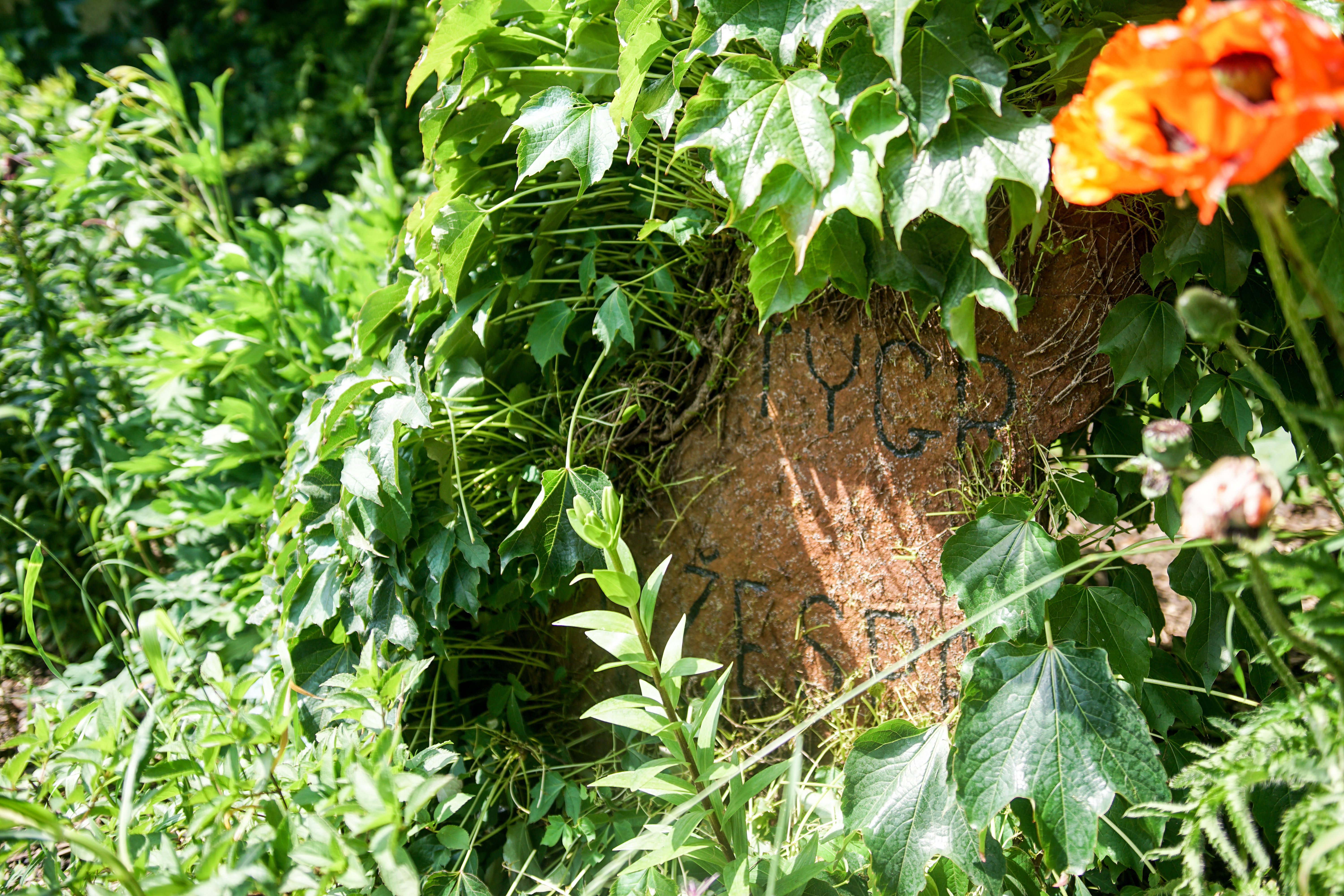
Ivan Ringel with tiger Džespa
photo: Witness archive

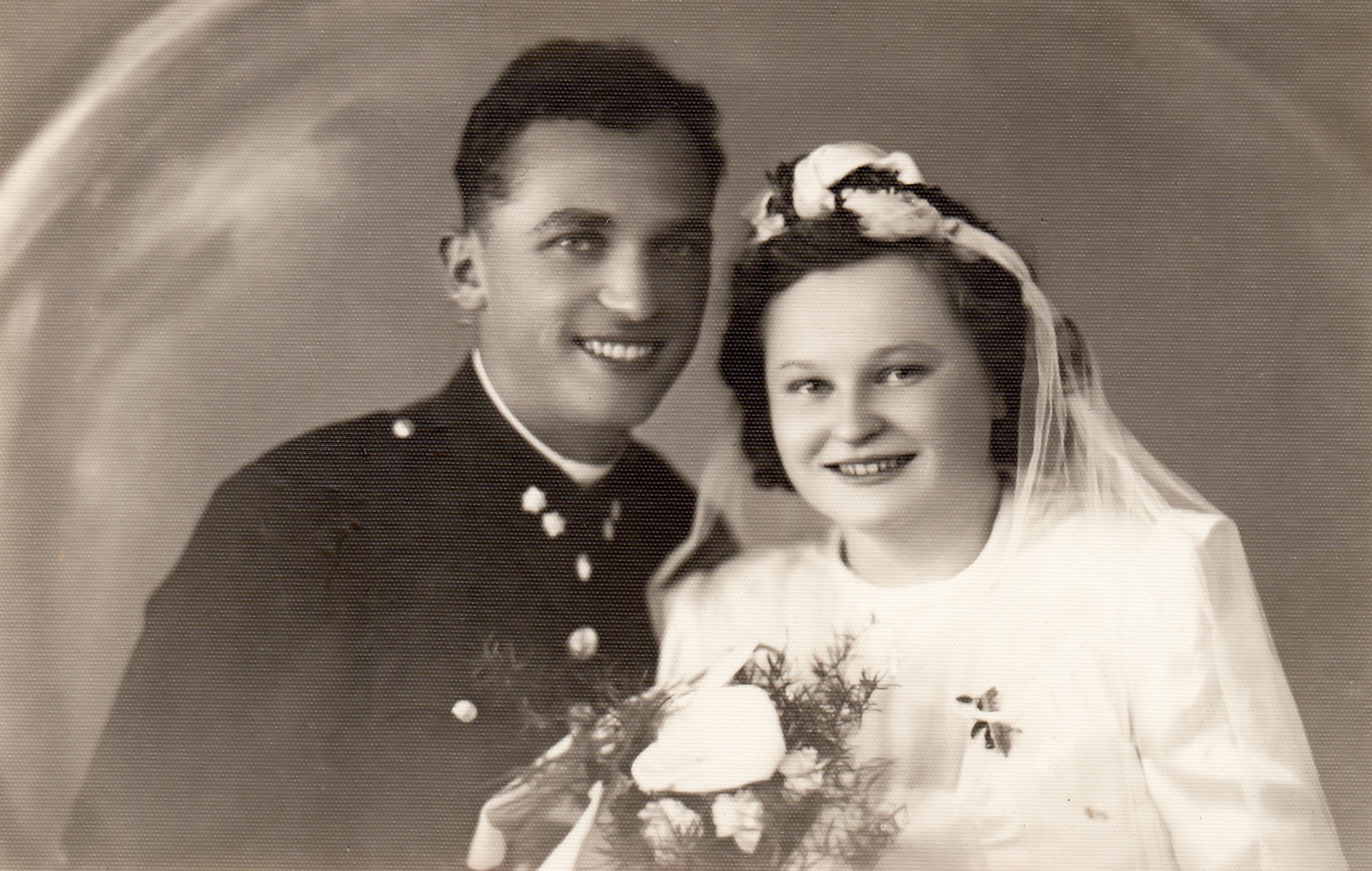
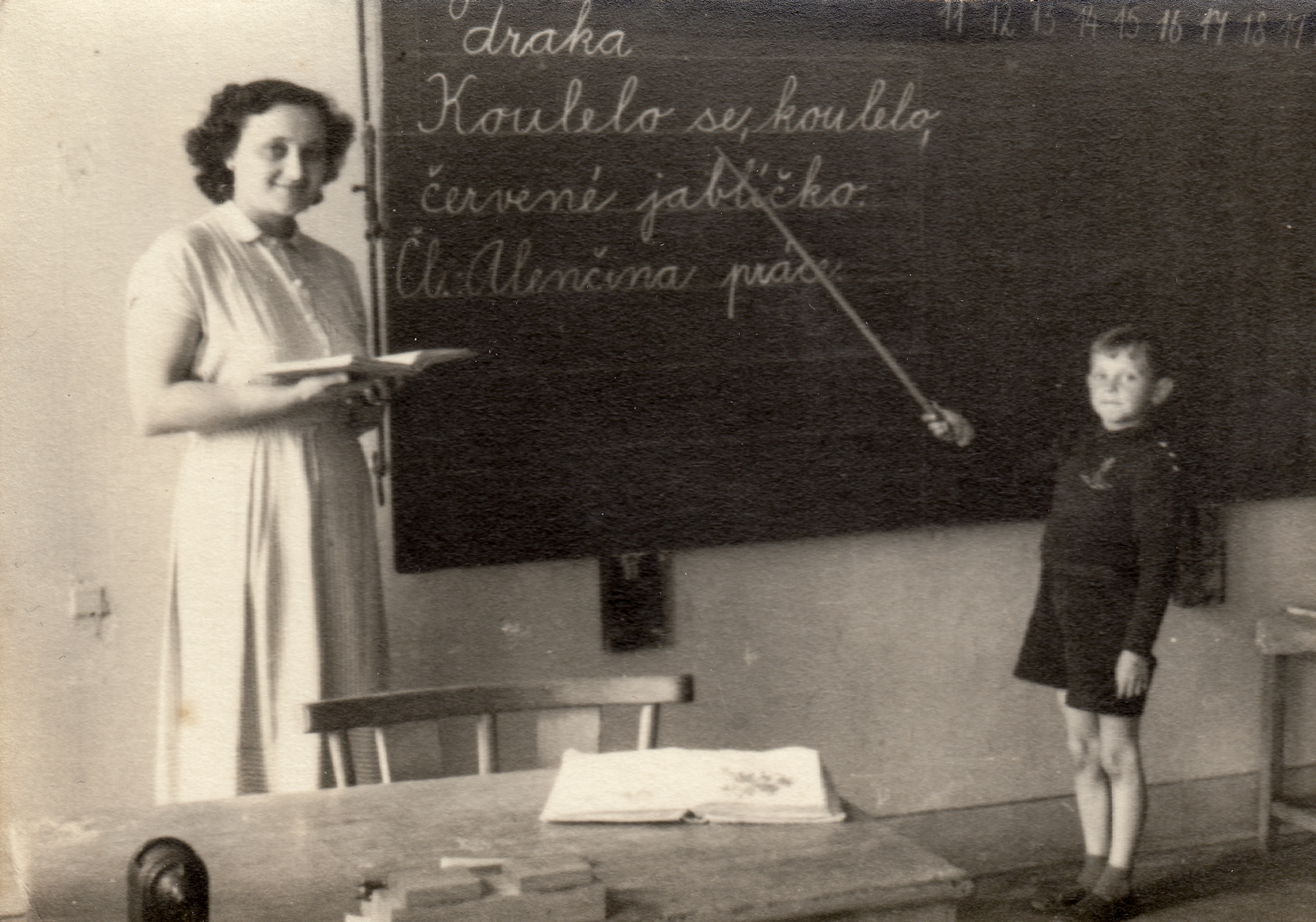
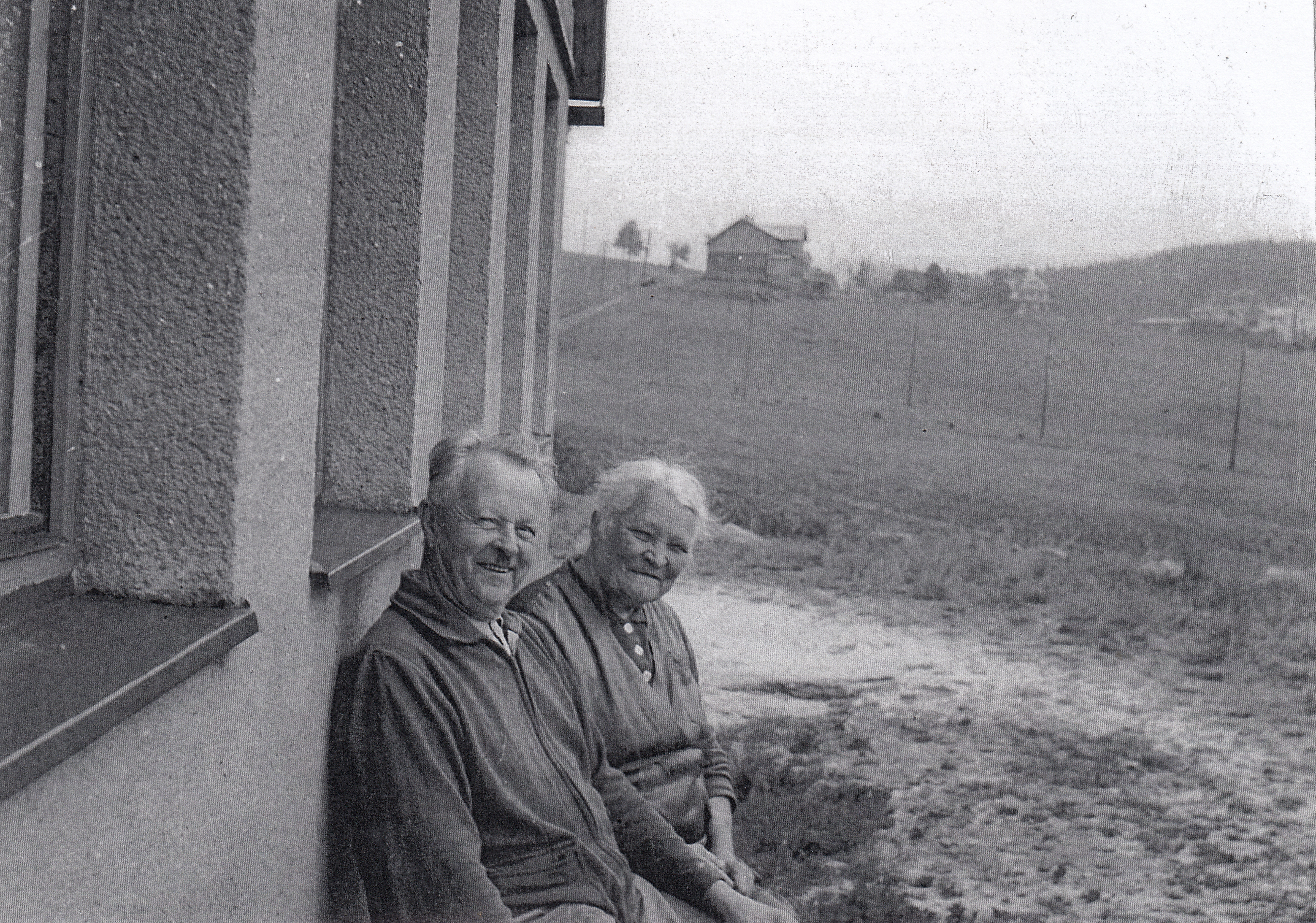
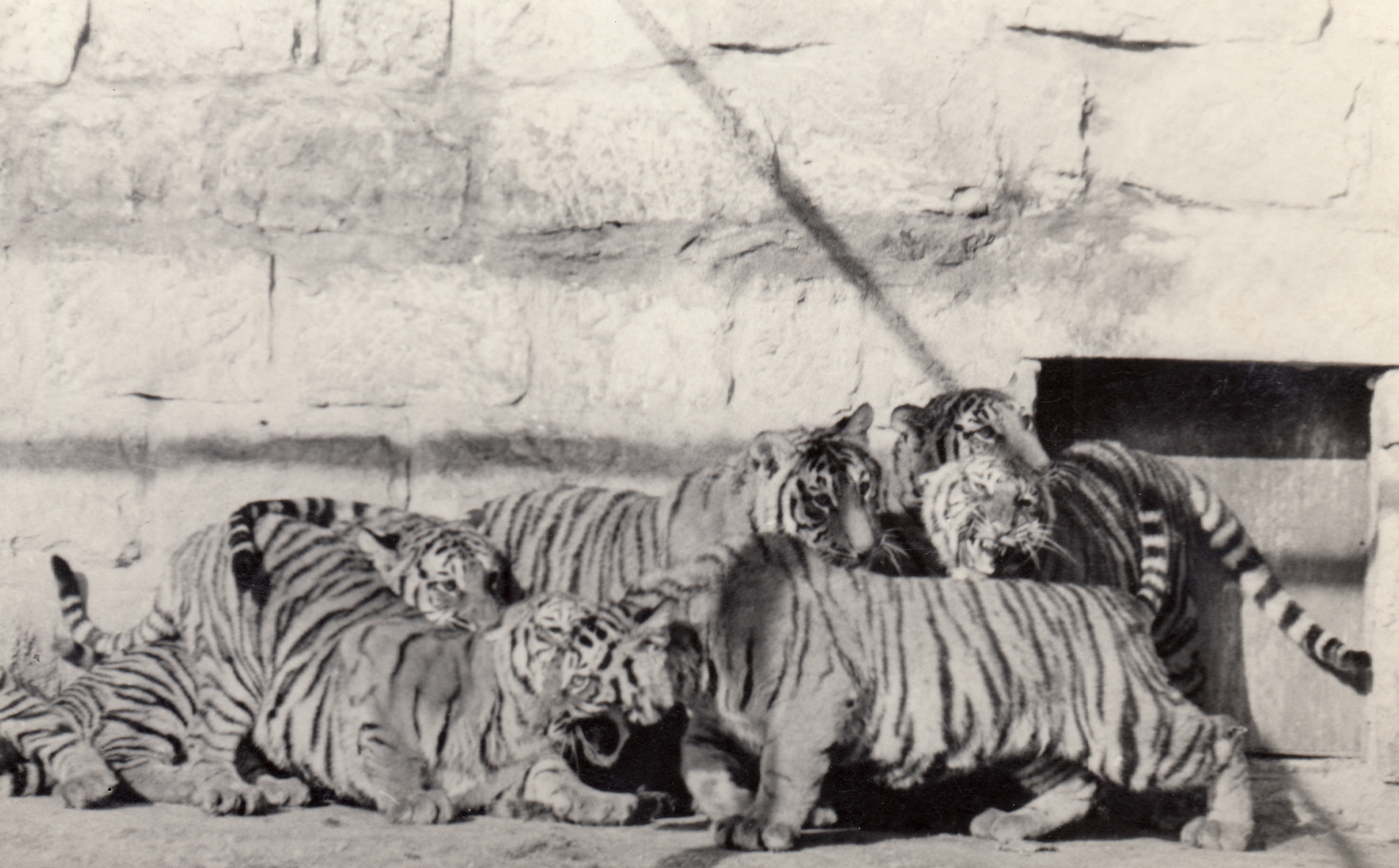
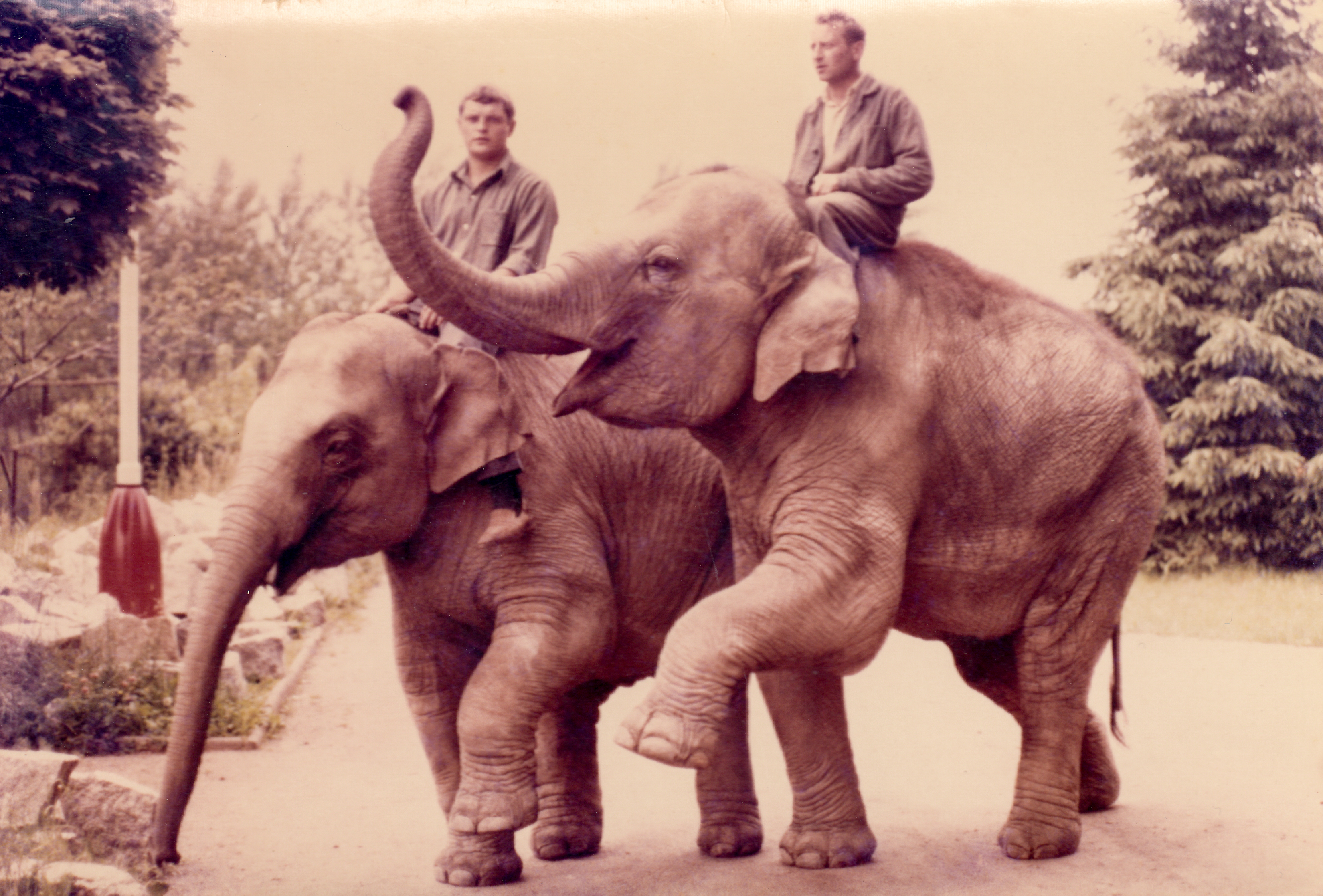
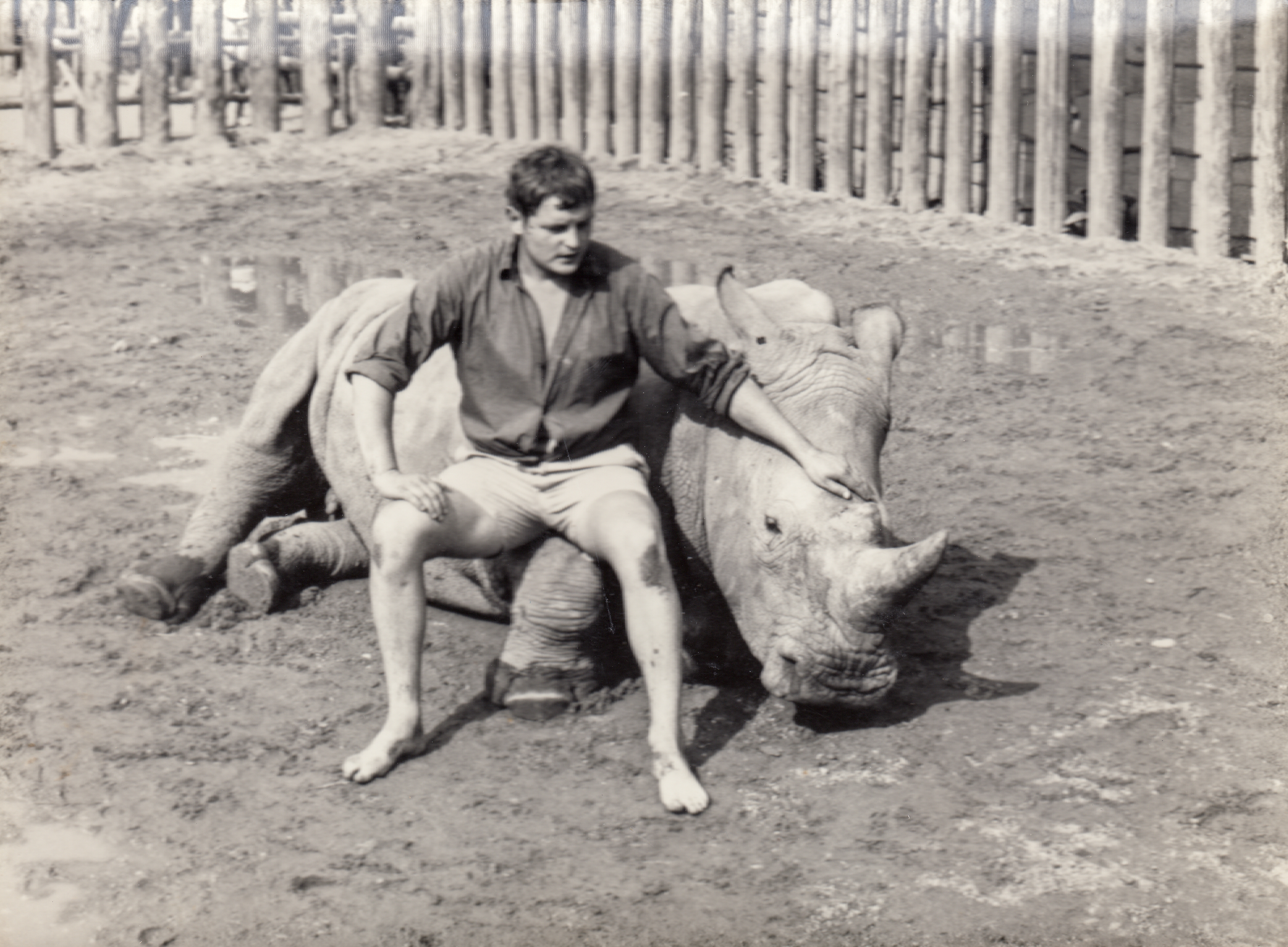
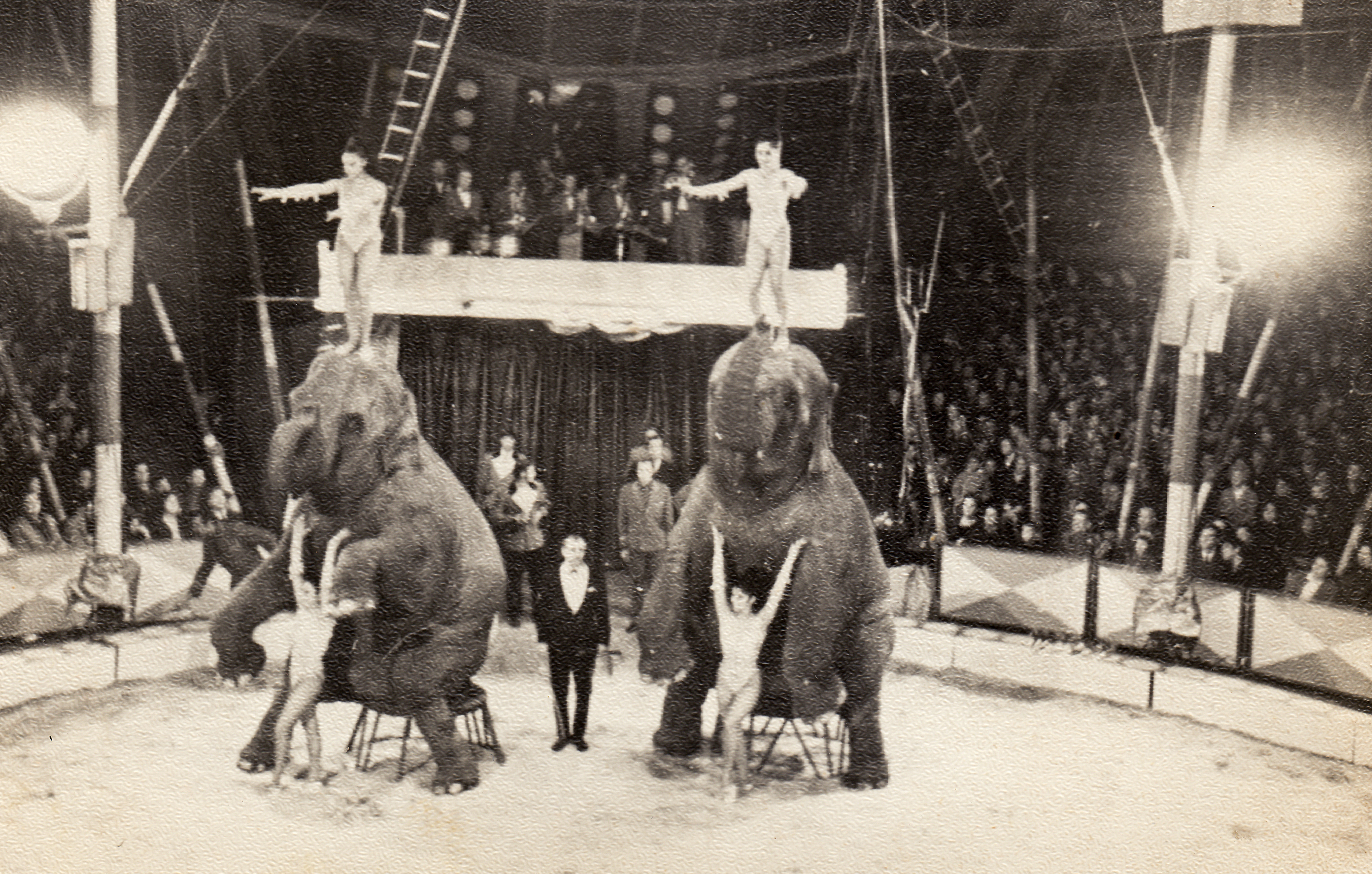
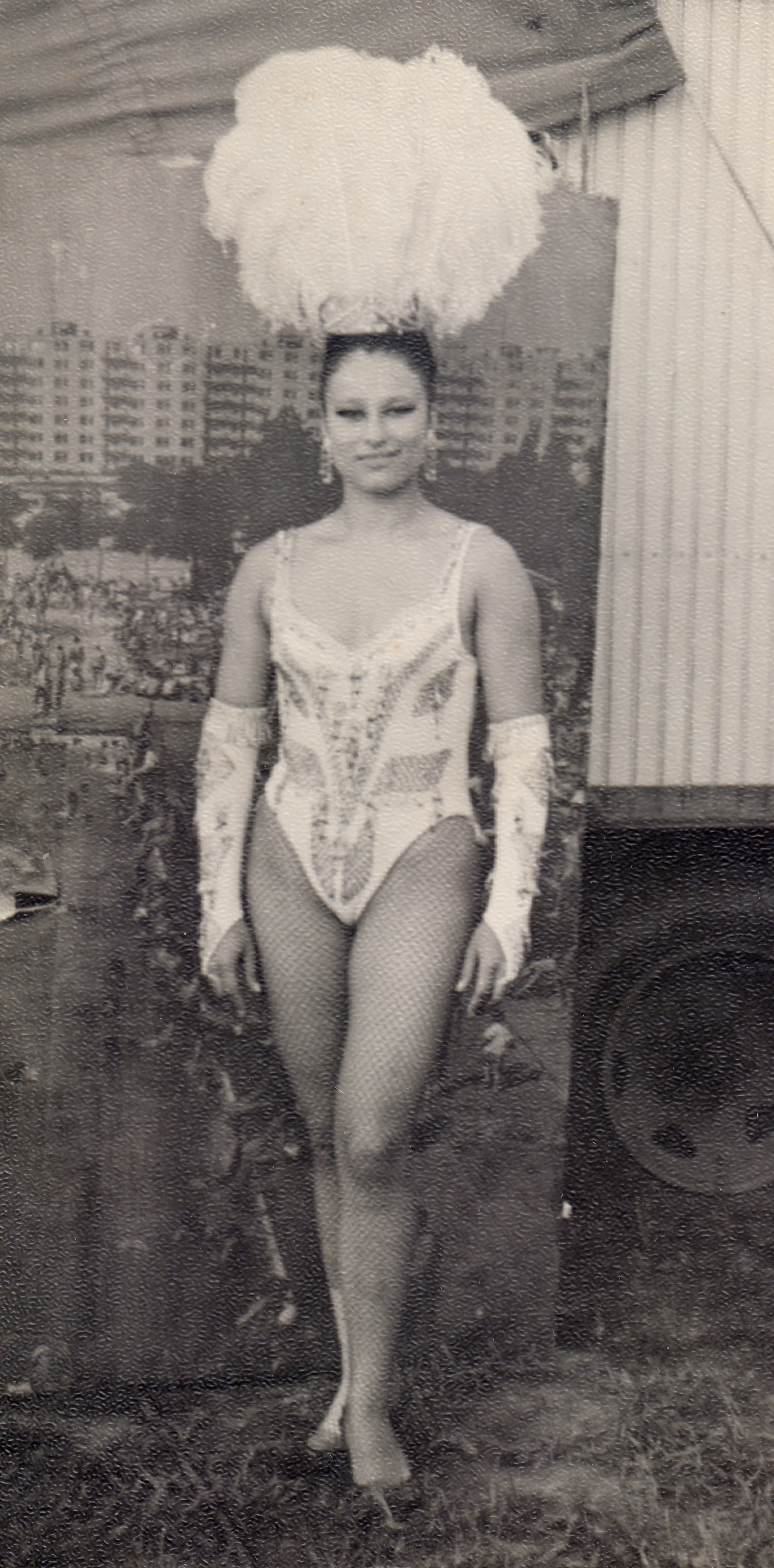
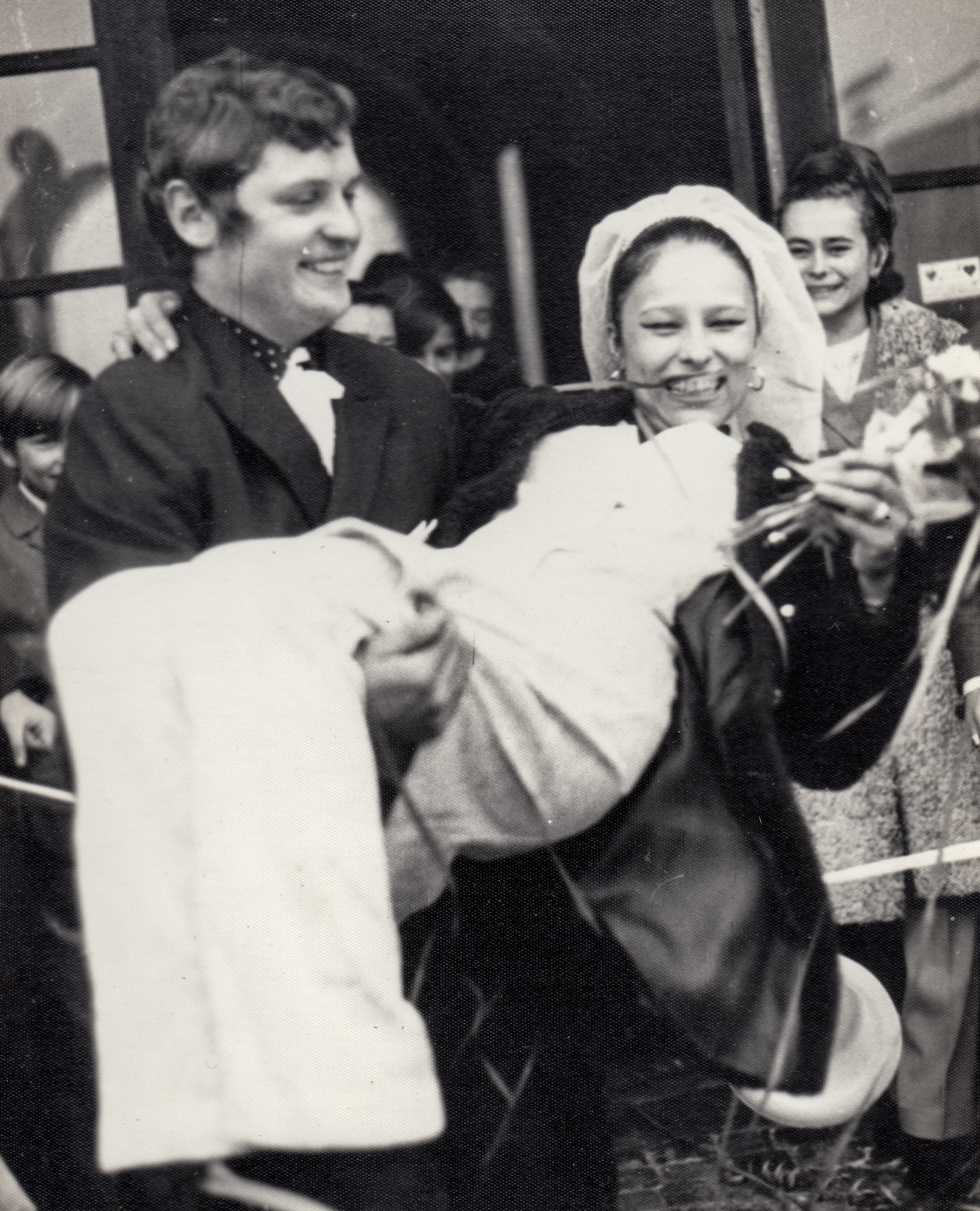
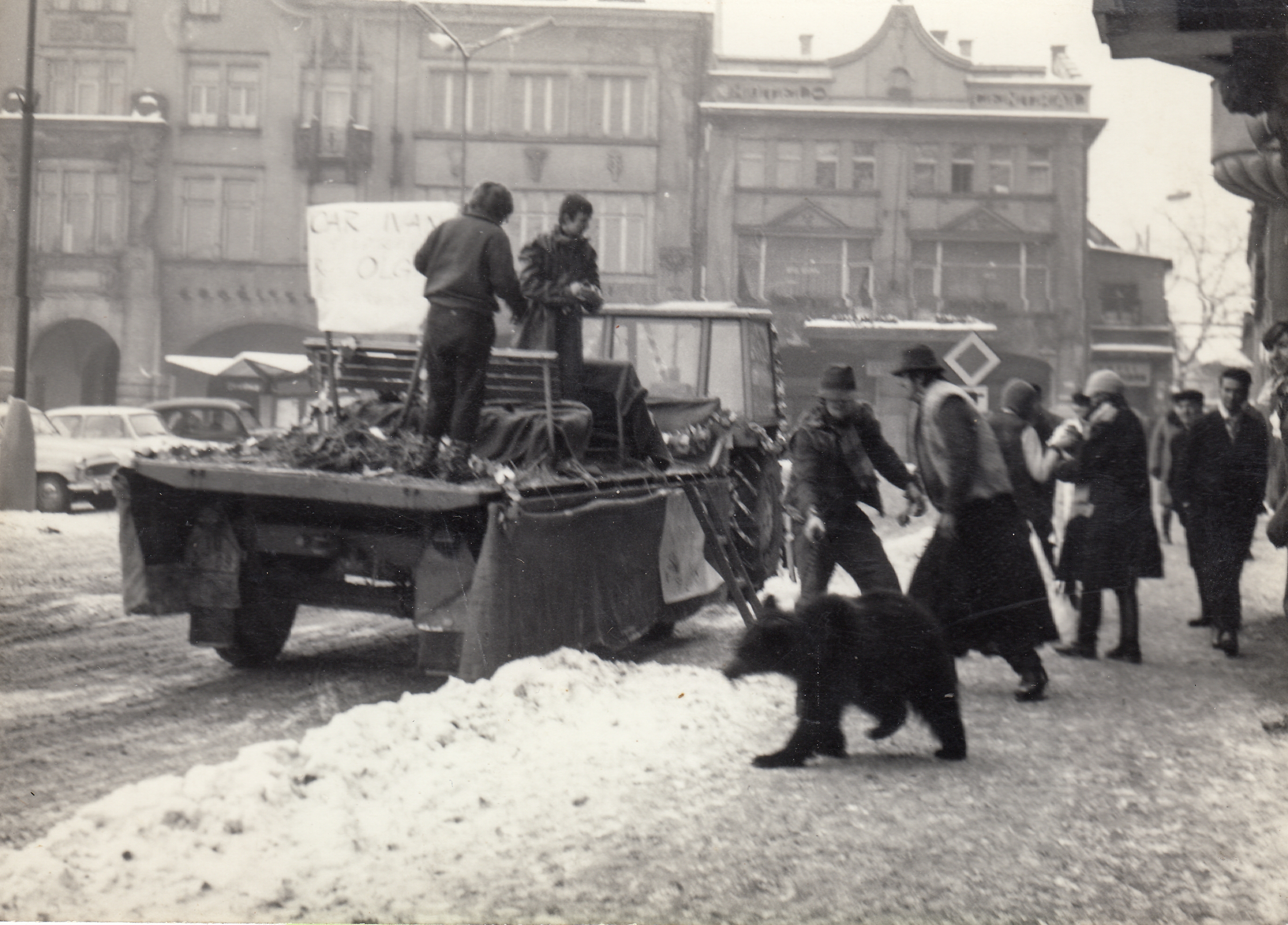
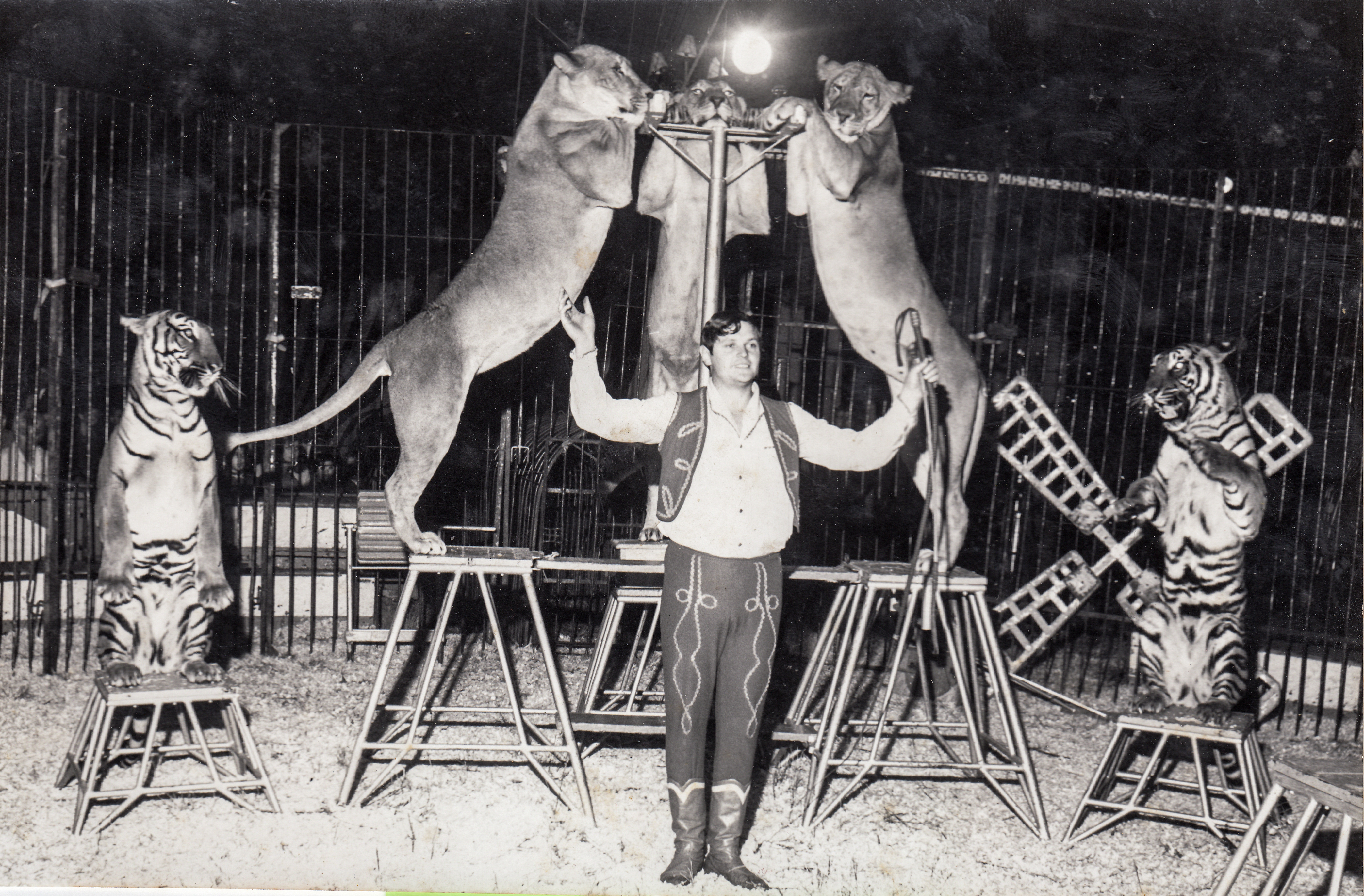
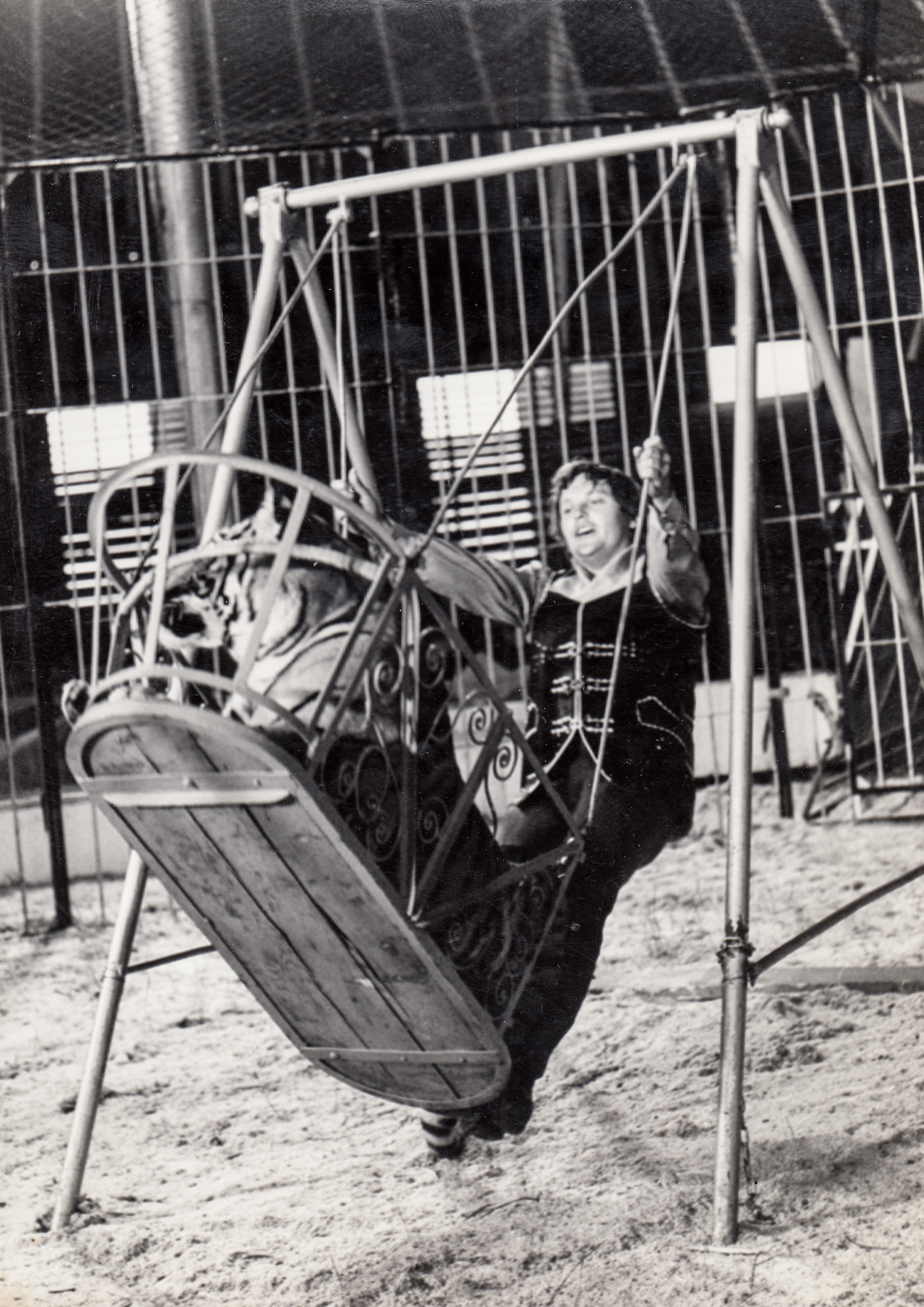
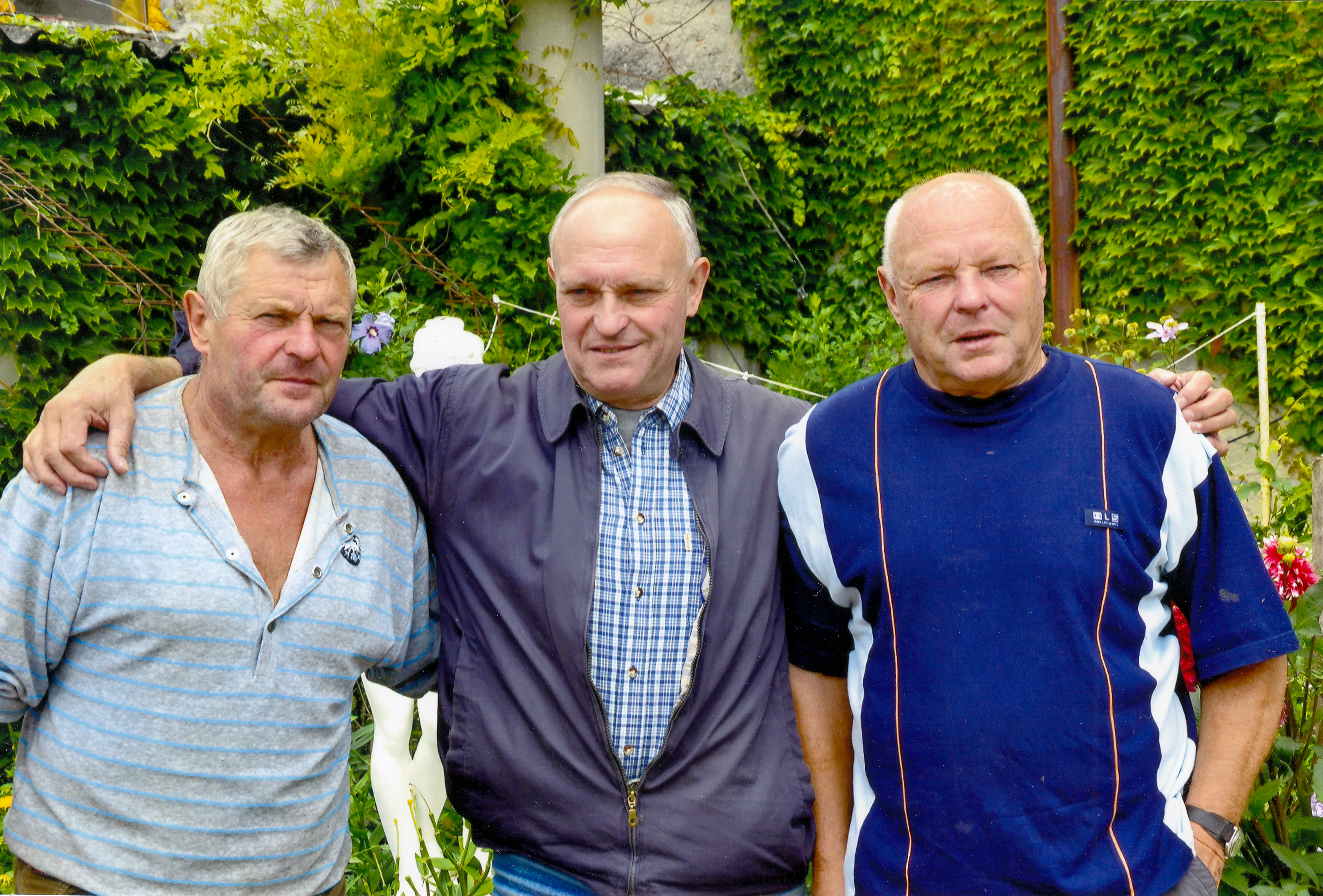
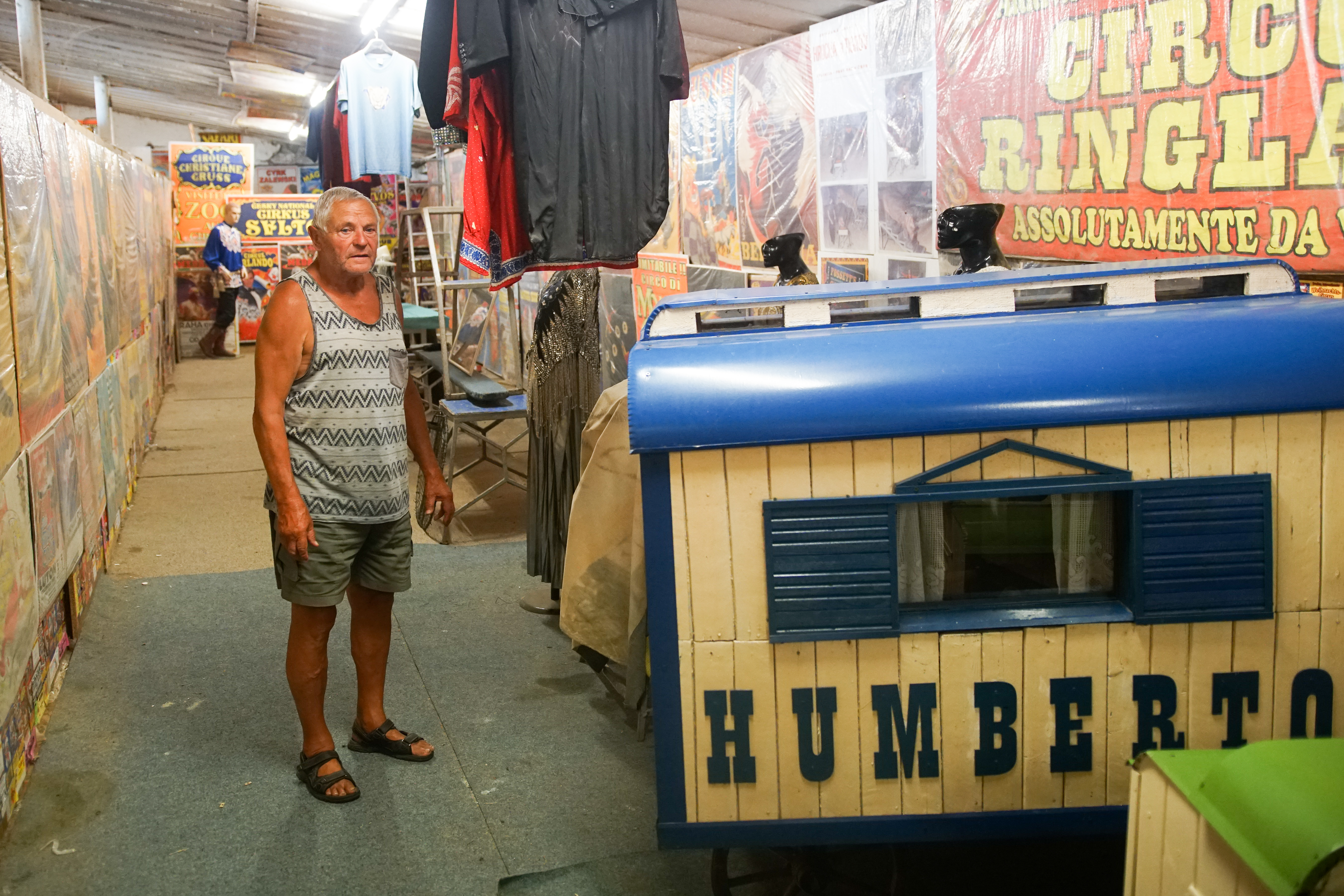
Ivan Ringel was born on 20 August 1947 in Aš as the third son of Vlasta and Karel Ringel. Already in pre-school age, he effectively lost both parents. His mother, for reasons still unknown to him, was sent to prison by the court. His father divorced her and left the family. Ivan and his two brothers were then cared for by their grandparents, Božena and František Skýb. The mother returned from prison broken and was very strict with the children. Ivan’s grandfather was his support and encouraged him in his choice to become a breeder of foreign animals. After his apprenticeship and military service, Ivan Ringel worked as a caretaker at the Dvůr Králové Zoo. His destiny, however, became the circus. First, he had the opportunity to work for the circus as a tiger and bear keeper. It was during this stage that he met his lifelong partner Olga Kecová. His career as a feline trainer was launched in 1972 by Emil Sameš - an ageing trainer who decided to hand over his act to Ivan Ringel. Then, followed his own dressage and his own style of work. He did not use a whip or other tools and was in constant contact with the animals. He travelled through the Eastern Bloc countries and the Soviet Union, giving him a rare insight into the workings of other communist countries. But the Velvet Revolution ended the circus as he loved it. Ivan Ringel rotated through various engagements in the Czech Republic and abroad before settling permanently in Ringelland, a former agricultural property he originally bought as a wintering ground.