Jitka Režná

* 1954

  • "Let's say, from the fifth grade on, you could already perceive that those teachers who were convinced comrades, so I felt a slight disrespect there. But I must say that nobody treated me in such a way that I felt that something was wrong. And I have a feeling that it was also because they knew my mother's parents from that town of Louny, for years they actually had known my mother, what she was like, how she studied, what kind of people they were. Those people knew that my dad was a westerner, what happened, so whoever had that mind set like well, they knew that there couldn't be anything wrong - more like, it's not good to be friends with me, yeah, it could have been, 'Jesus, she's friends with that one and she's got a dad who...' But again, I have to say, at that early age, I didn't see it."

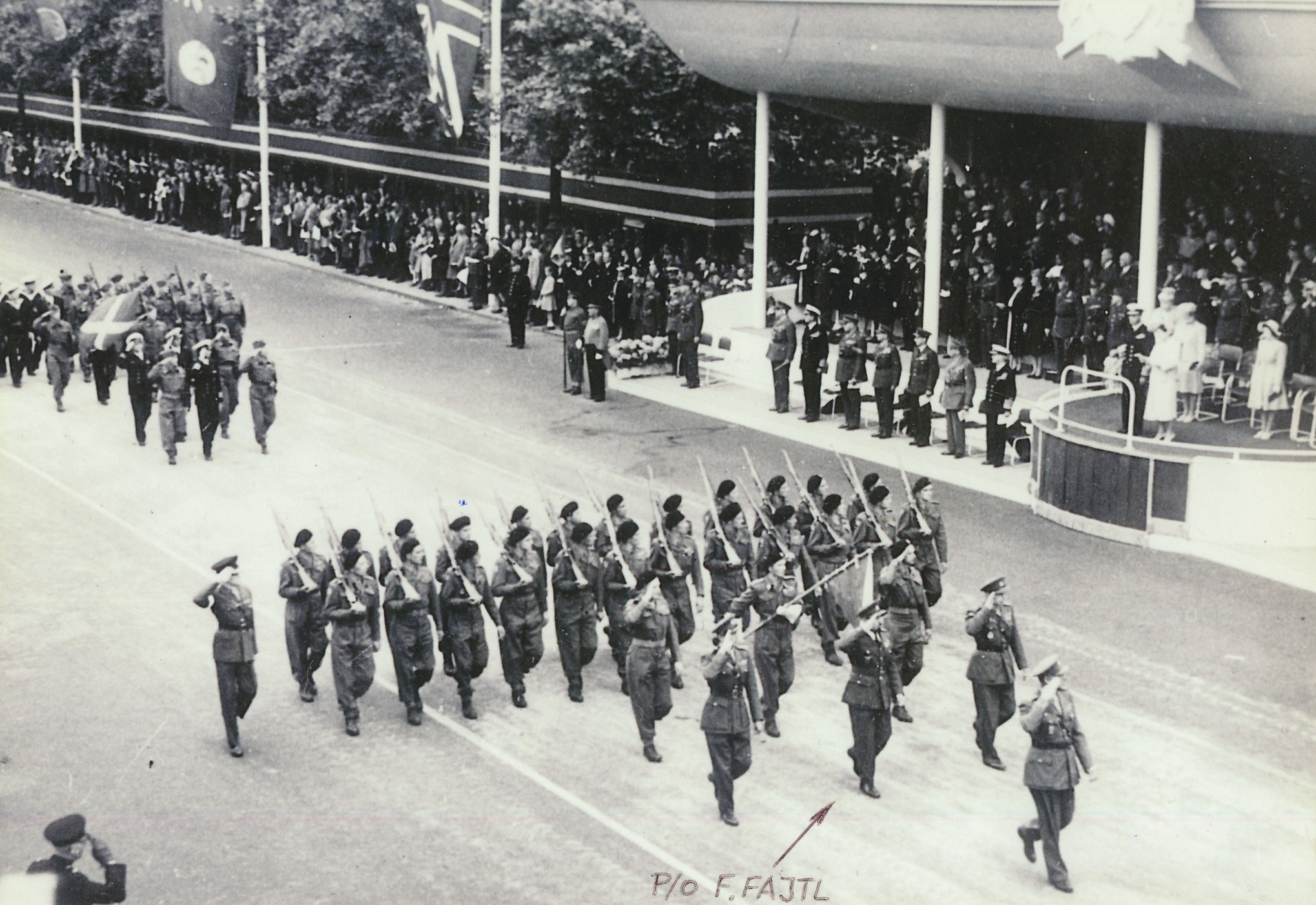
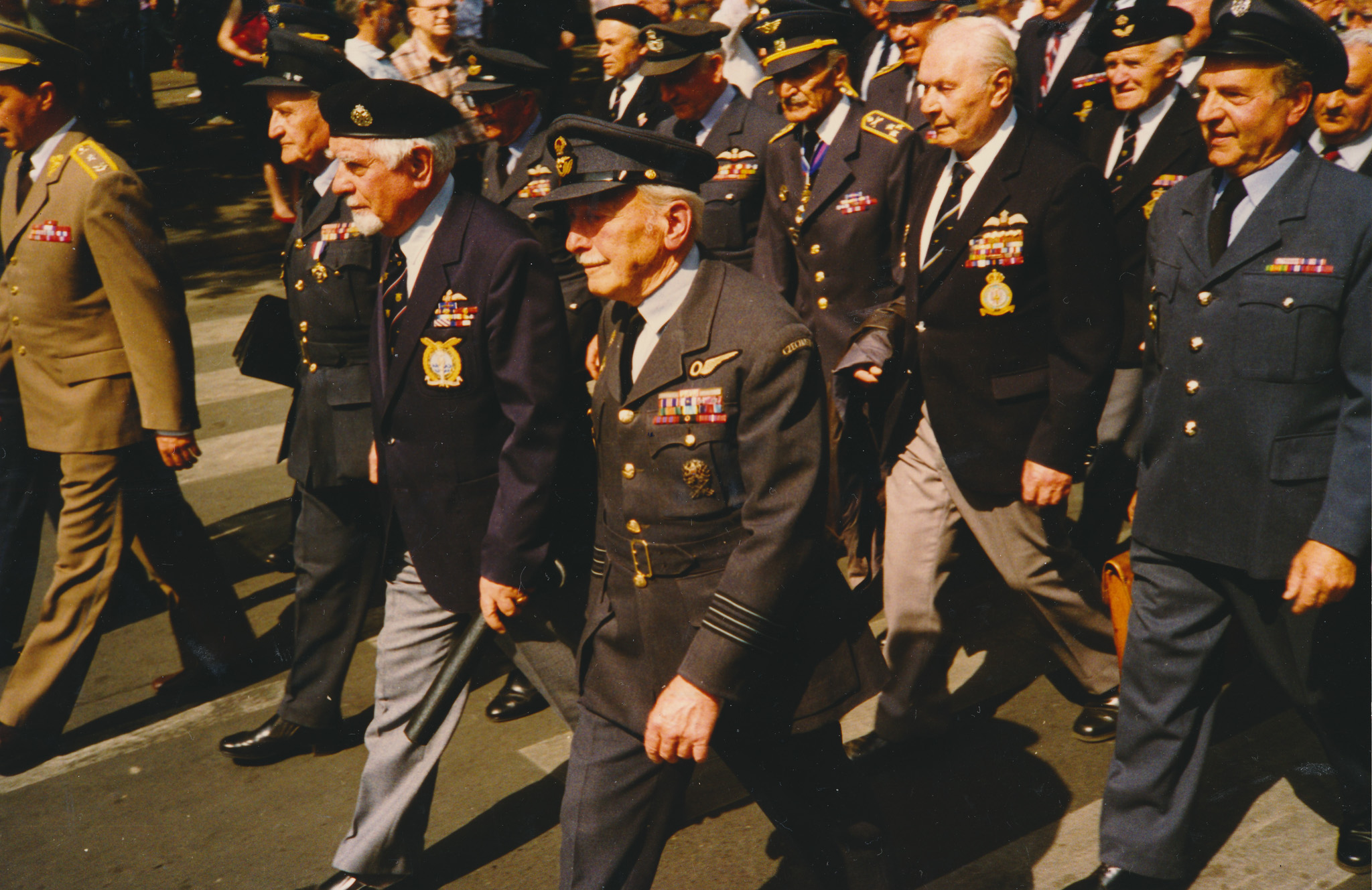
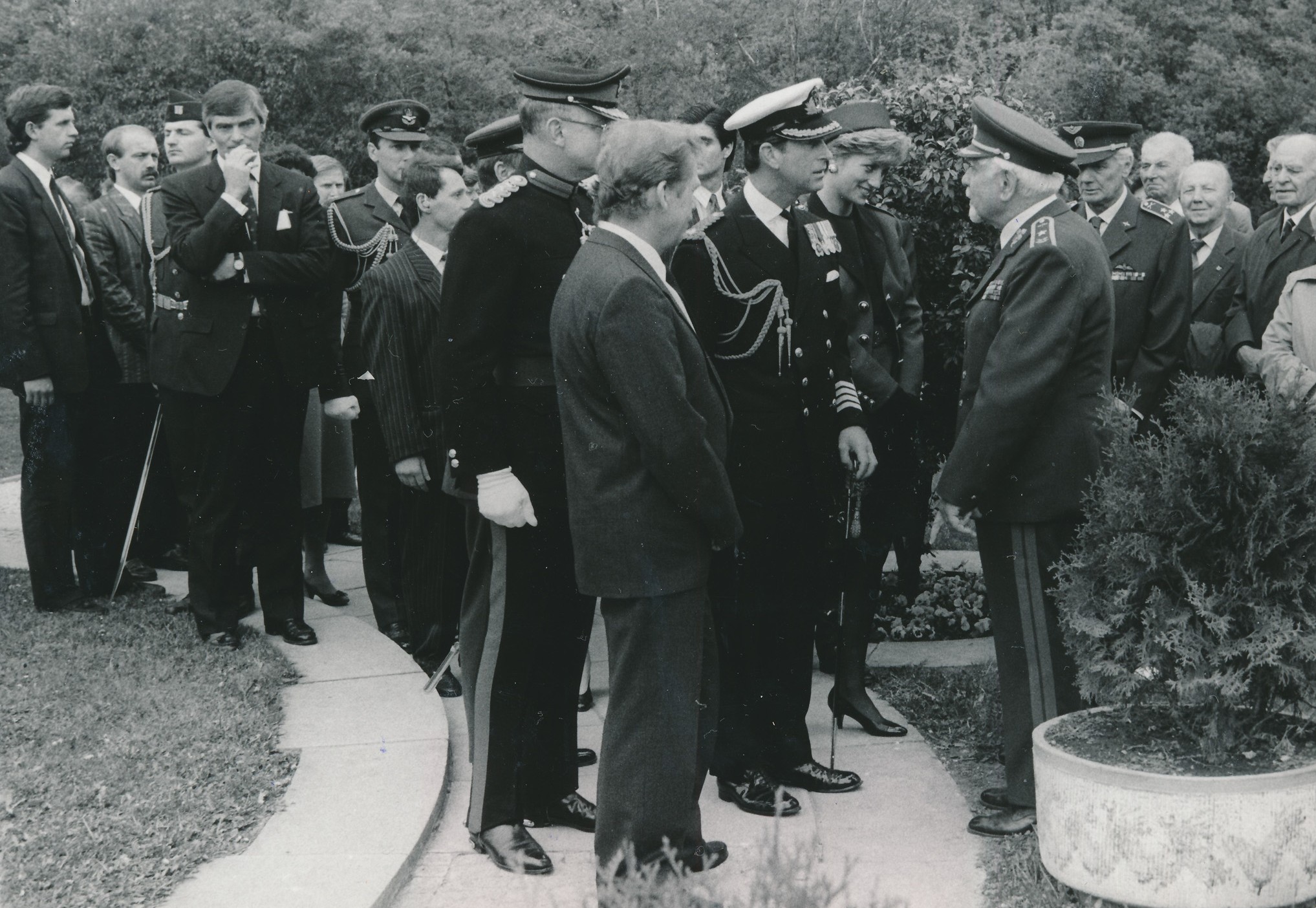
  • "What happened was that actually after the forty-eighth it was clear that that tightened, I would say, the noose. Around the airmen who fought on the Western Front, of course, but my dad was quite specific in that he fought on the Eastern Front as well. However, they didn't escape the persecution of the communist regime either, because first he wasn't allowed to be at the war school, so he was an archivist at the technical museum, and then he wasn't allowed to be there either. It was Christmas 1948 [actually it was the beginning of1950] and our mother went to Louny after Christmas Eve somehow between the holidays with the idea that my father would come to see her, but nothing, so they sent my grandfather Čeněk to go to Prague to see what was going on, what was keeping František. Grandpa found their flat absolutely messy, so it was clear that something had happened there. It was also interesting that there were cigarette butts in the ashtray and Dad hadn't smoked. And the interesting thing was that their friends, the Němec family, actually lived in the house. Well, and the night that Dad disappeared, he was supposed to go watch Boreček for them, because they were going to the theatre, and Dad didn't come, so they rang the bell and nothing. My grandfather came back, told my mum this, and my mum went to Prague, scared, because nobody knew anything. Well, she already found a summons in her mailbox from a ministerial official from the Ministry of National Defence. No, no, no. From the official in charge of housing. So she went to the office, I mean, the housing department, where they were supposed to run it. She came in with this letter saying that she was illegally occupying a three-bedroom, or I don't know, four-bedroom flat with her young daughter, and that she would have to vacate it by then. So my mum went in there with it, like, to the clerk. 'Please, there's a misunderstanding. I don't live there alone, I live there with my husband. That's what I wanted to sort out - I haven't known where he is for two days now.' Well, the clerk said, 'Look, what does your husband do?' And when she told him that he was a soldier, he said, 'Well, that doesn't belong to us. And look, I was supposed to take care of your housing issue, so I did. Goodbye.' So my mother went out of there fast, crying, because she really didn't know anything."

  • "How my parents met is almost, I would say, a fairy tale story. My mum's dad was a teacher and my dad was his very famous student. I must preface that my parents are separated by 14 years, or were separated by 14 years of age, and my dad, being a very famous pilot, a charismatic pilot, when he came back from the war, his first steps led to his favorite teacher, Mr. Čeněk Chládek, in other words, my mum's dad, my grandfather. My mother came home from school then - I know that was the story in our family - and now there was a cap on the rack, an airplane cap, and she thought it smelled foreign. Then, actually, she was chosen because my father's home village had organized such a ceremony for its distinguished native, and my mother was chosen to say a poem there in national costume. And my dad started watching her. Then they got together at the Sokol festivities, and, well, before long my mother got a letter asking if she could go to the opera Aida with him, so it was a charismatic opera for us. But that doesn't really answer your question, because the first time they saw each other was when Dad was rocking his future wife in a pram. That was because my grandfather, the teacher, Čeněk Chládek, ran a photography club at their home, and my dad attended that photography club. Well, they were somehow in that dark room, or whatever it was, and suddenly my dad says, 'Teacher, something is crying in there.' And my grandfather says, 'Jesus, František, that's our Hanka in the stroller, go rock her.'"

  • Full recordings
  • 1

    Praha, 09.11.2023

    (audio)
    duration: 01:39:37
    media recorded in project Stories of the 20th Century TV
Full recordings are available only for logged users.

My parents had a hard time, yet they provided my sister and I with a wonderful childhood
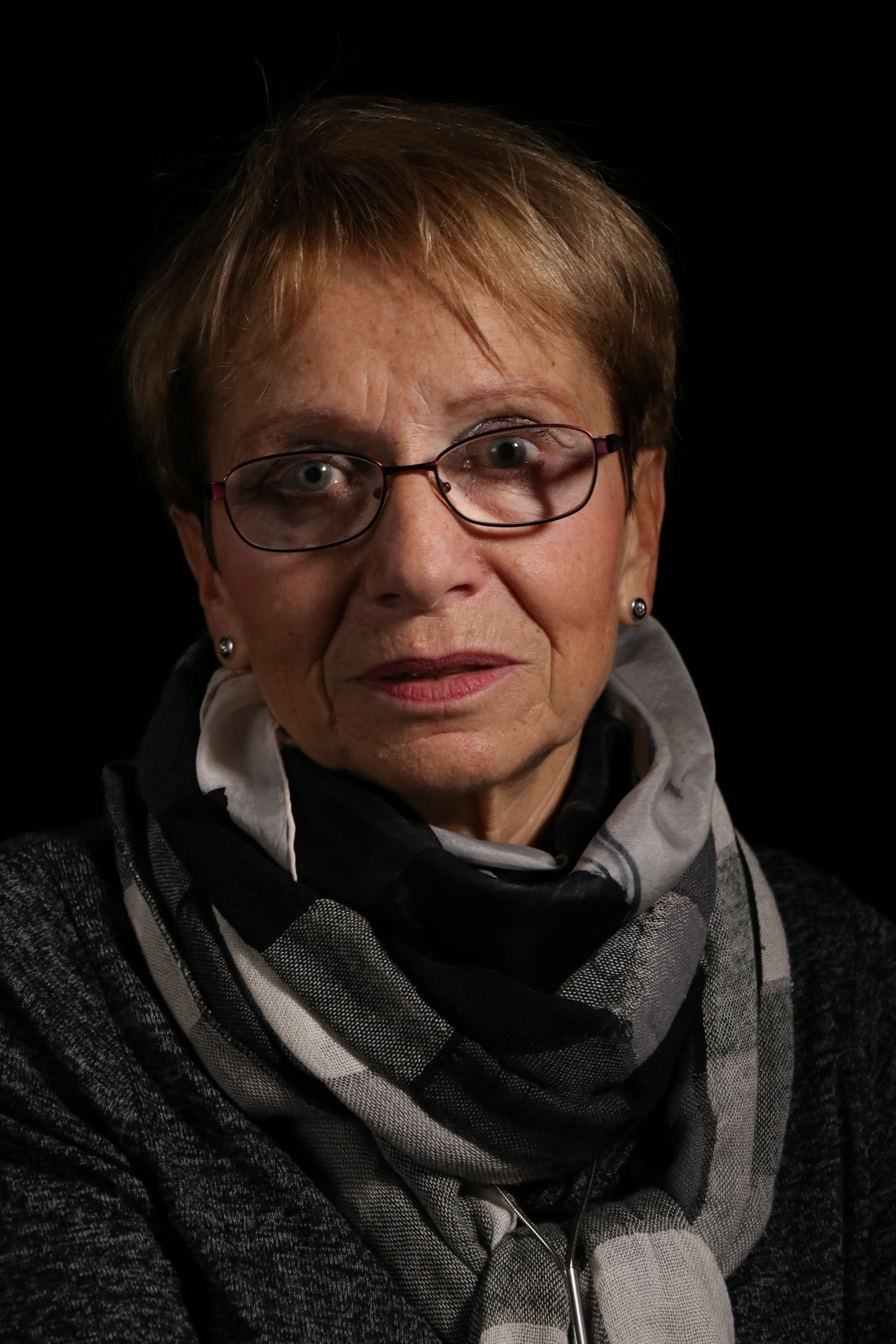
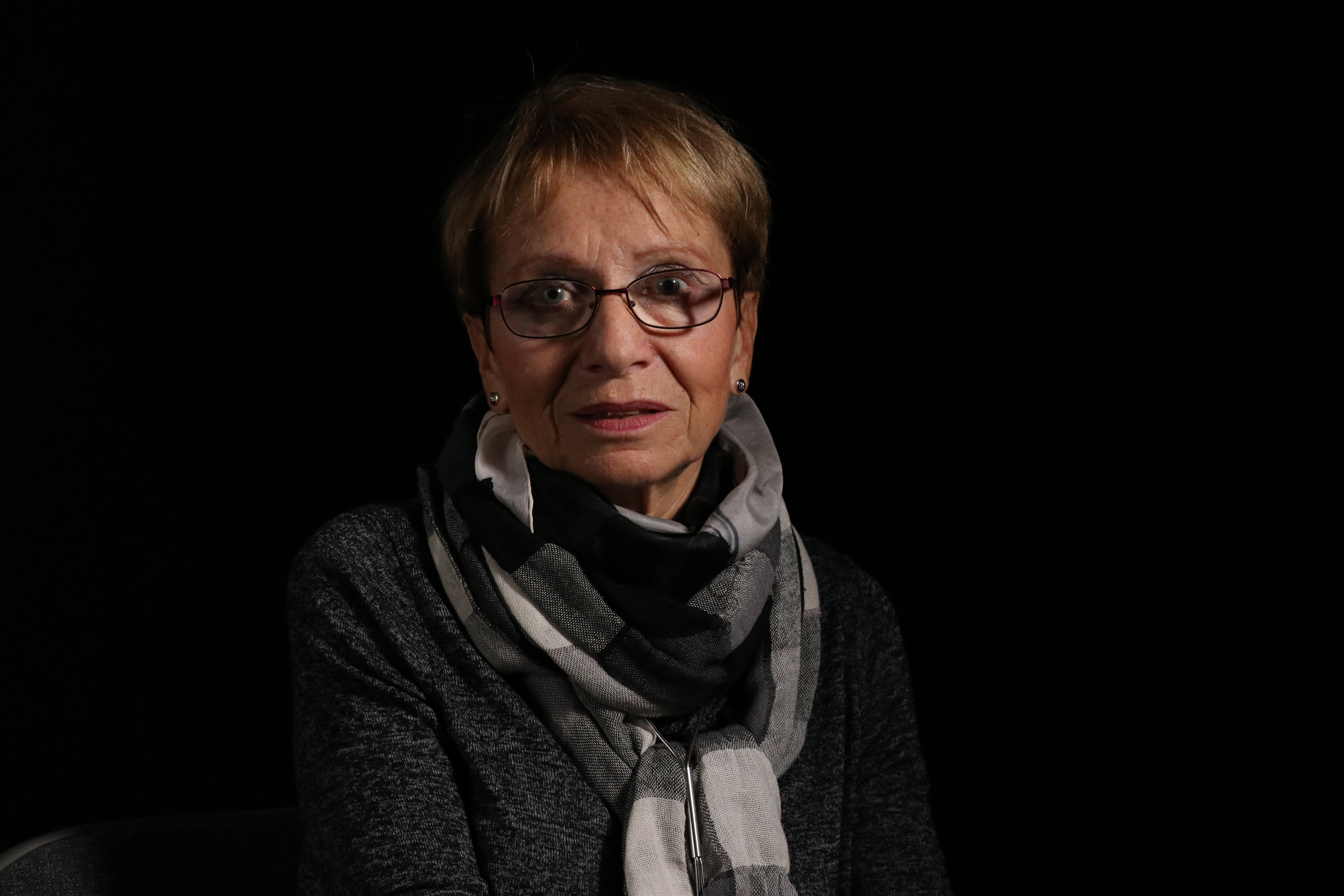
Jitka Režná, Prague, 2023
photo: Post Bellum

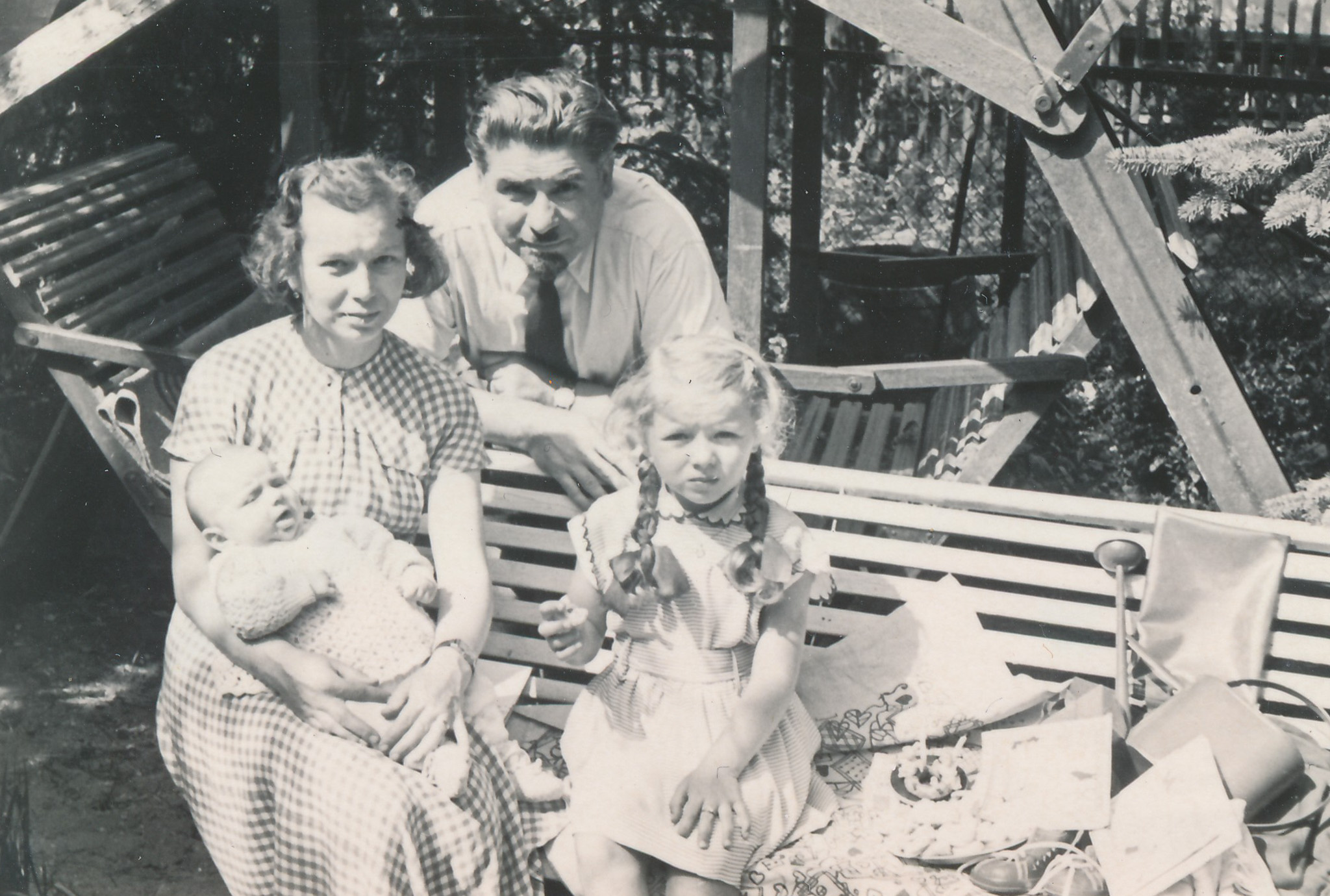
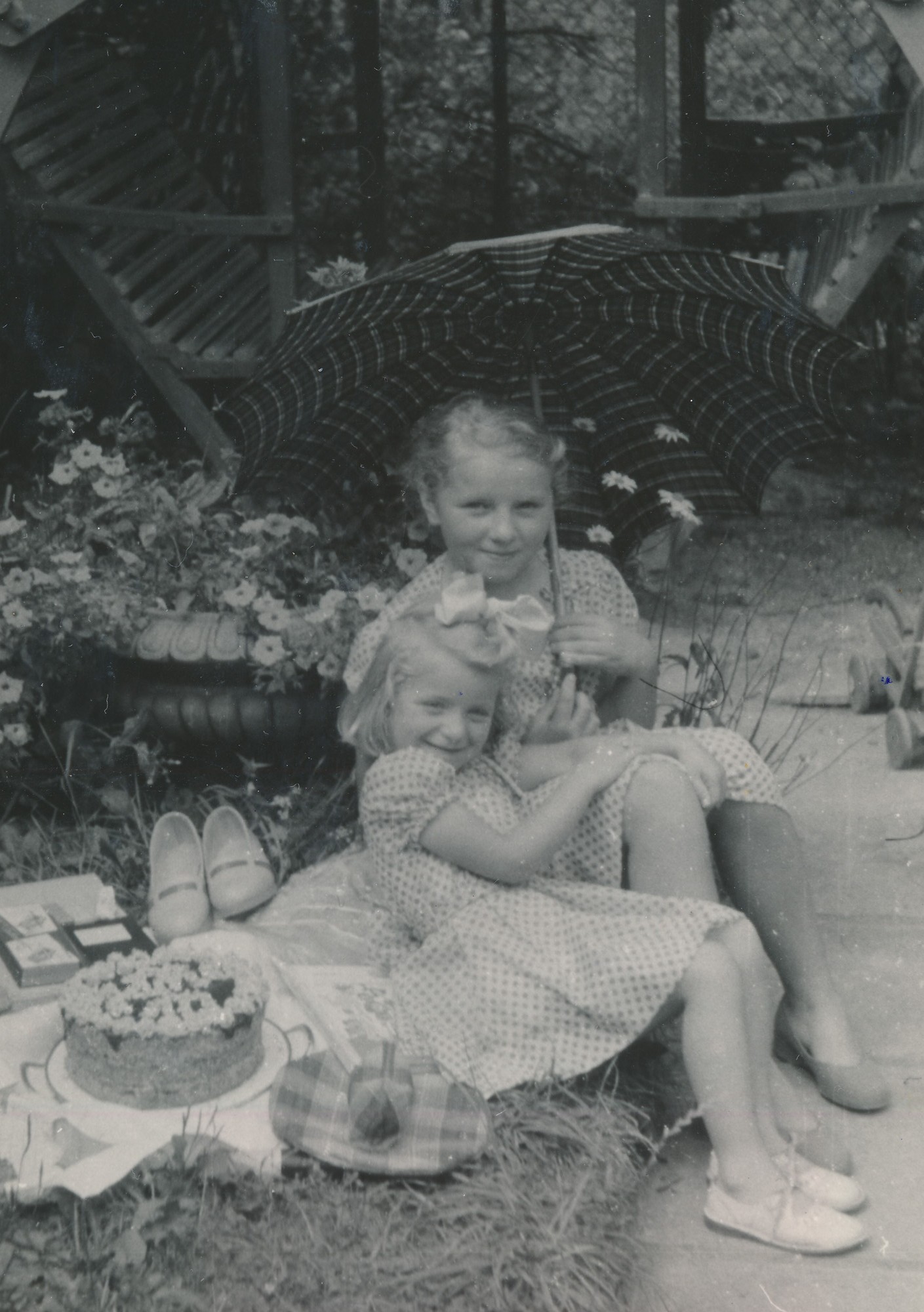
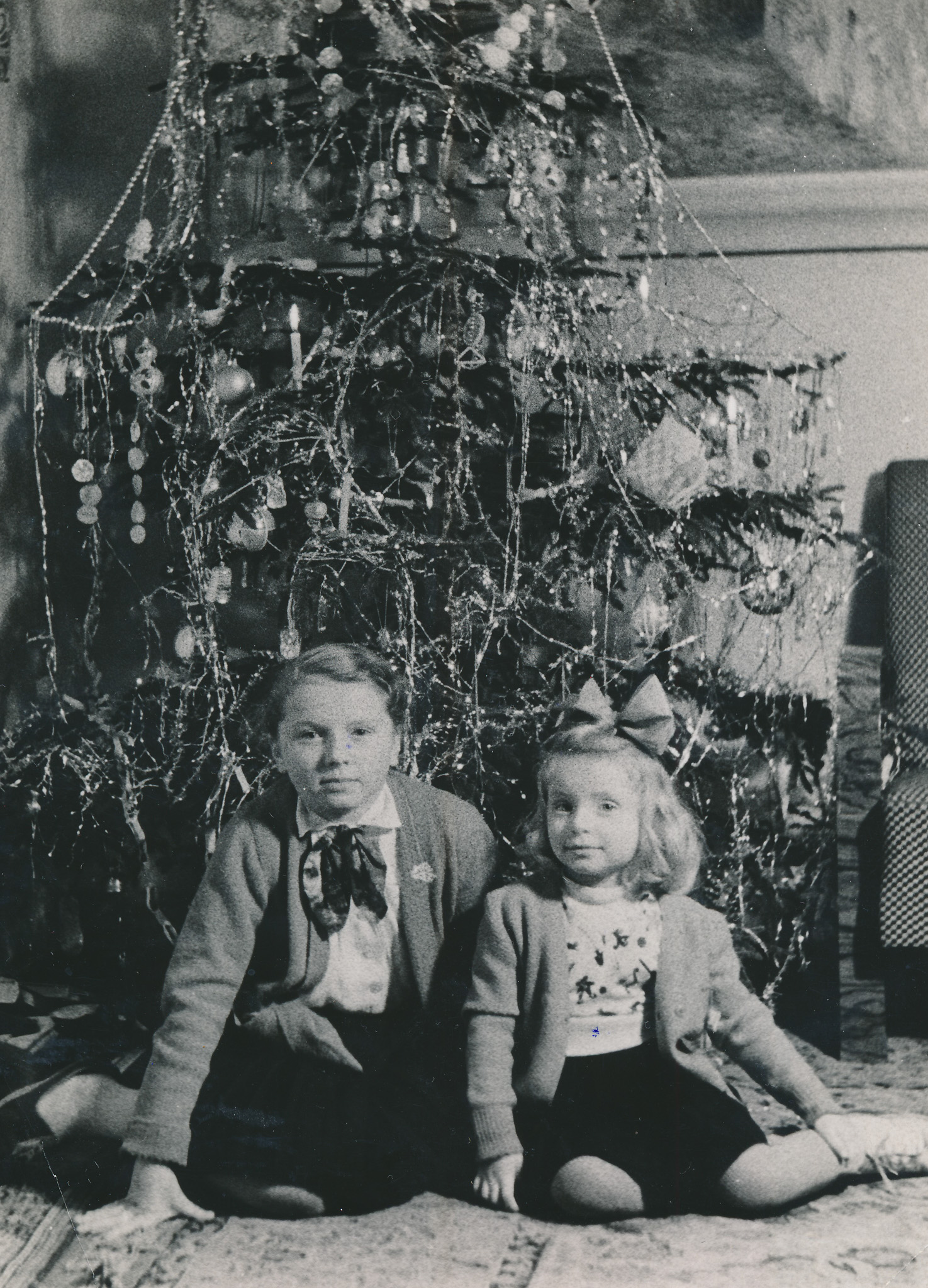
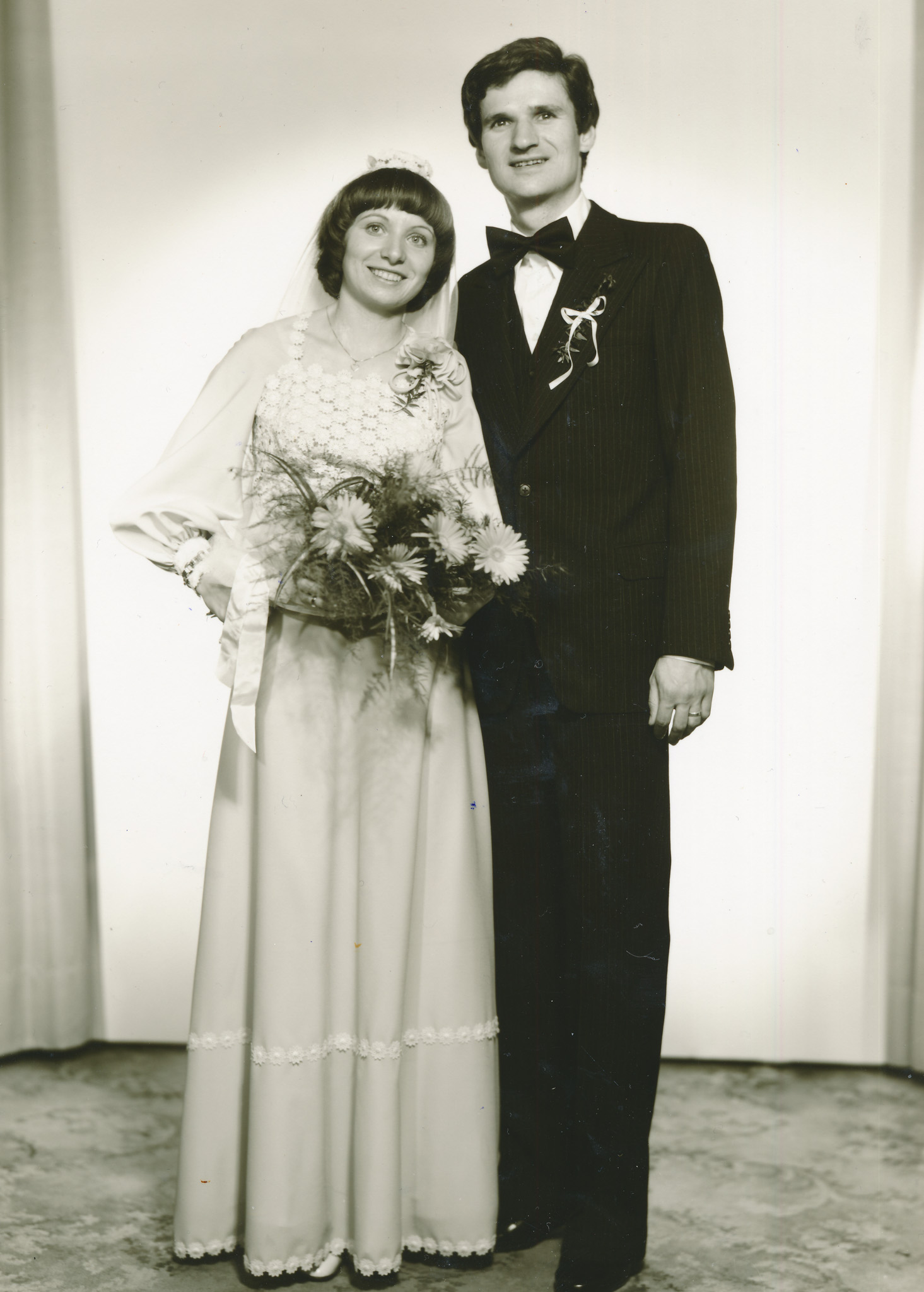
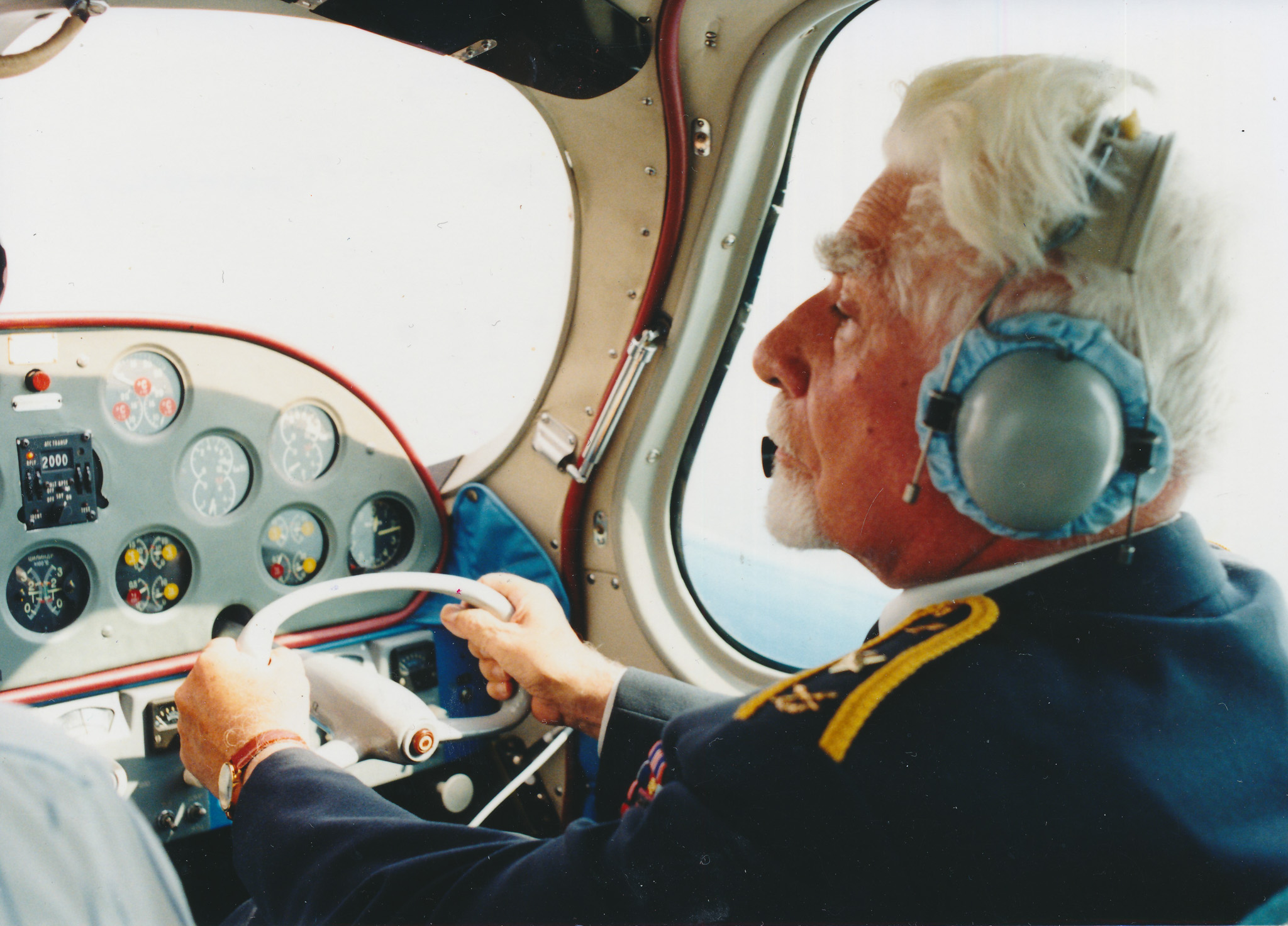
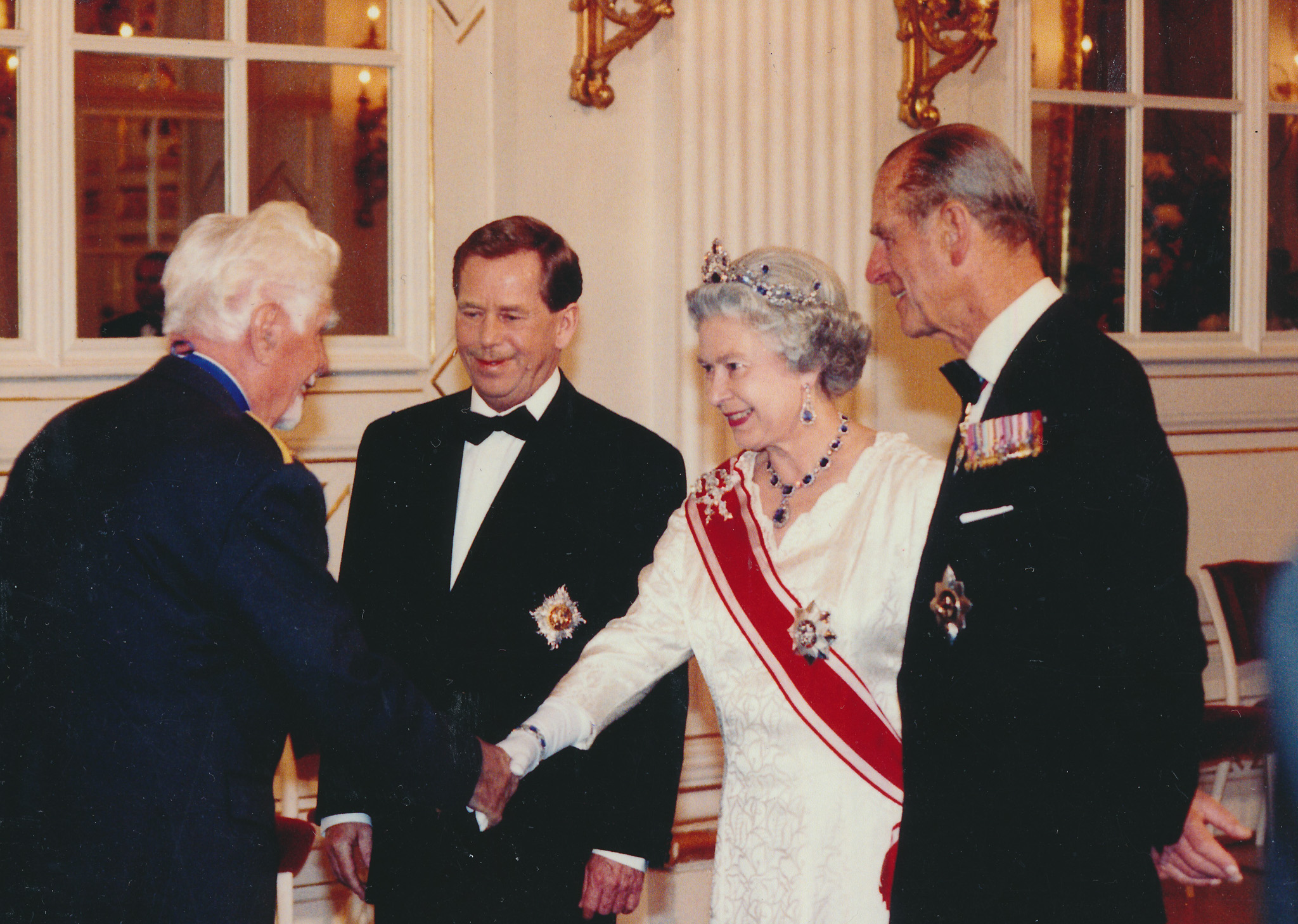
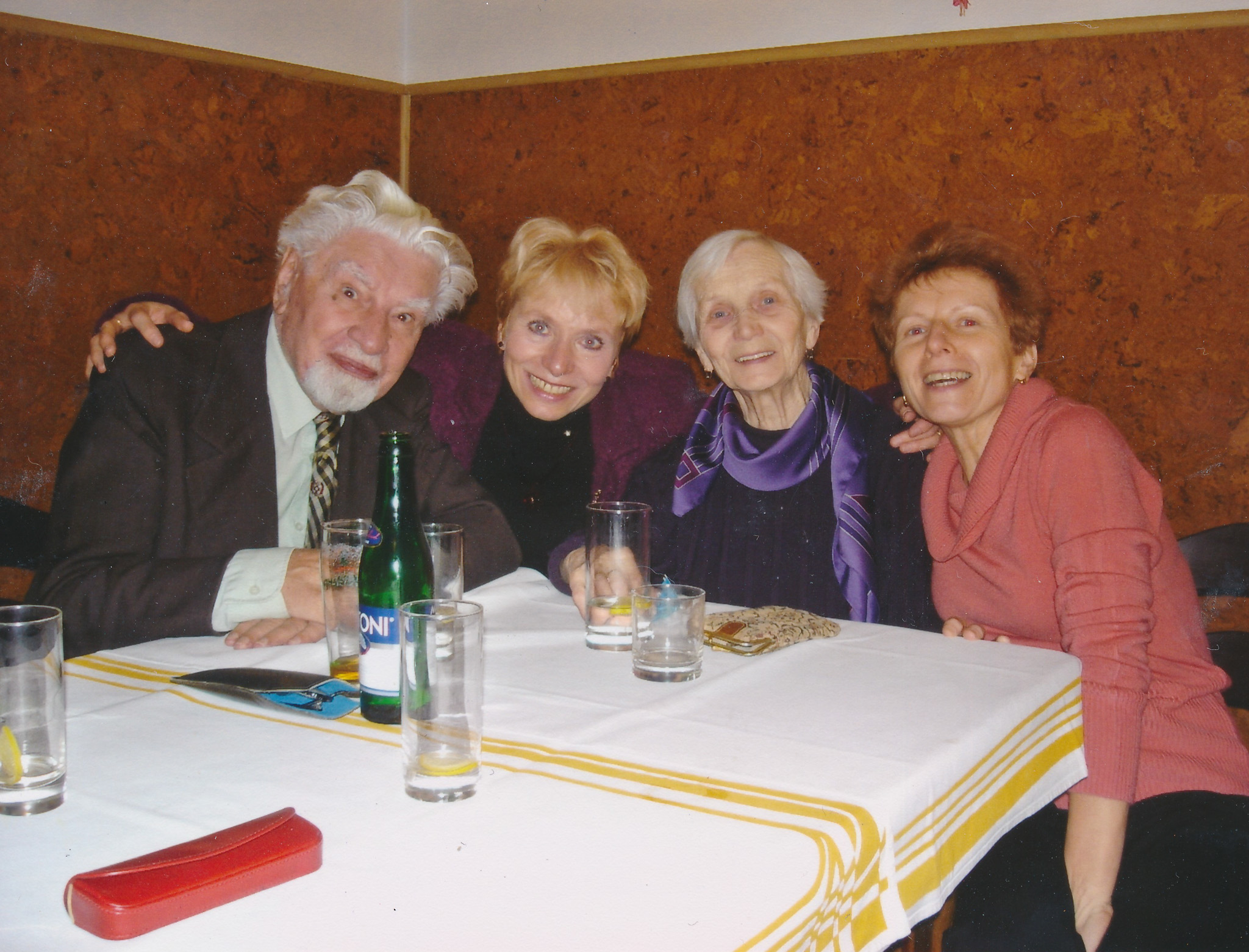
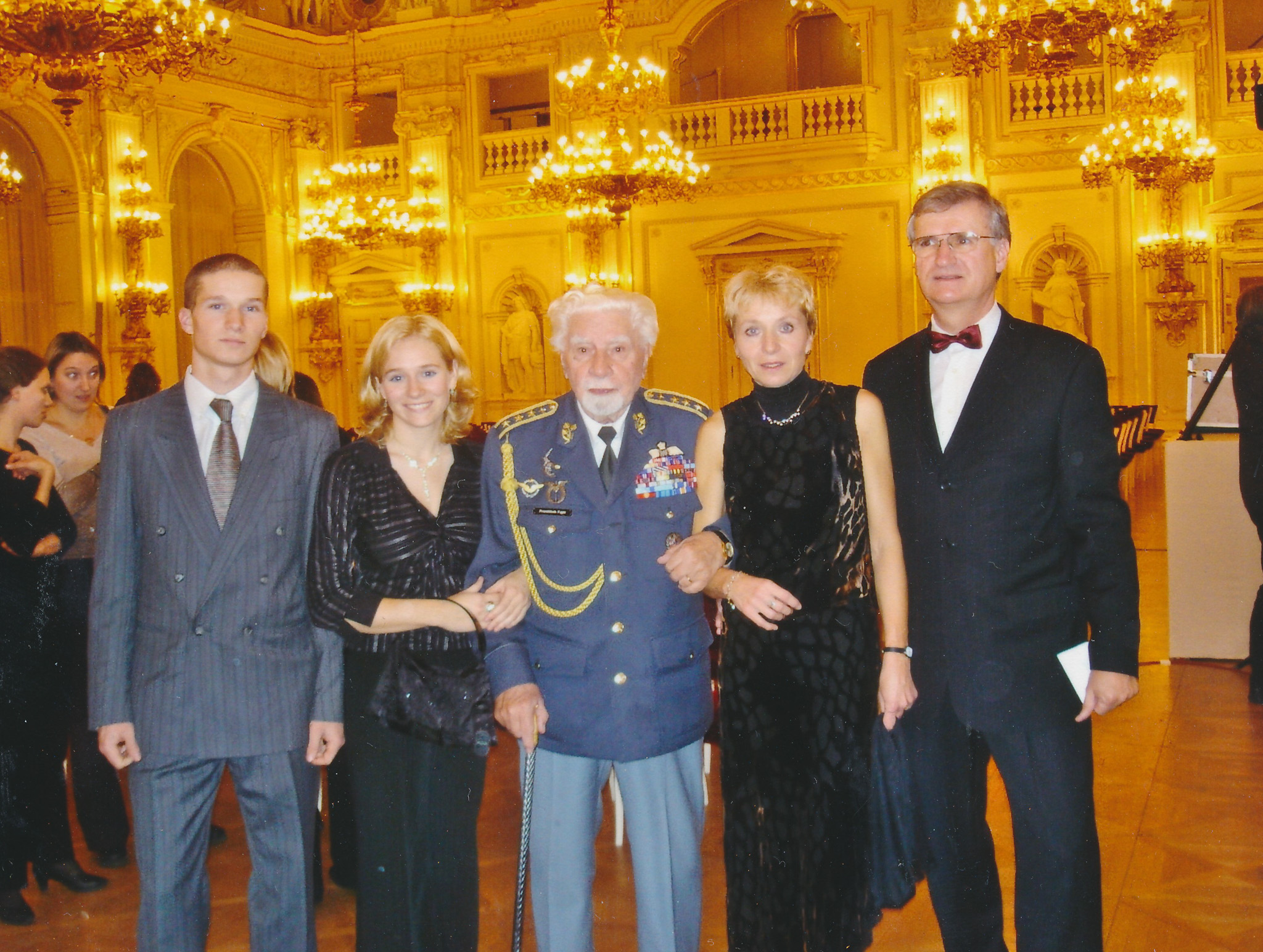
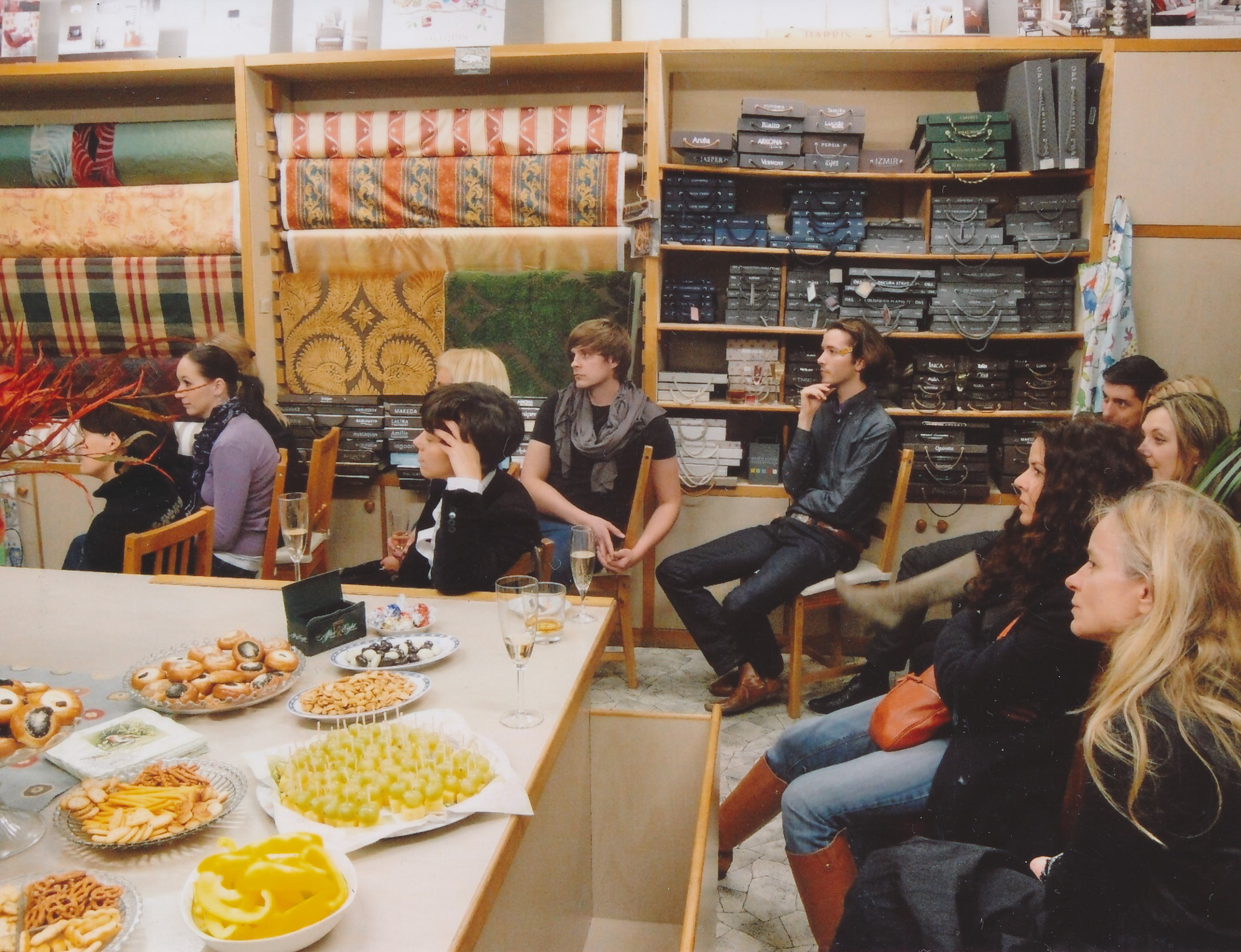
Jitka Režná, née Fajtlová, was born on 2 June 1954 in Louny to Hana and František Fajtl. Although her parents experienced a difficult time during the communist regime, they gave their daughters a beautiful childhood. During her schooling, some teachers treated her as the daughter of a Royal Air Force (RAF) pilot in a reserved way and some children preferred not to talk to her. In August 1968, she spent a holiday with her parents in Romania. Sister Jana stayed in Czechoslovakia. On the morning of 21 August, she went with her father on a trip to Bulgaria, where she heard about the invasion of the Warsaw Pact troops. They managed to return to Romania to see their mother, and after two weeks they left for Prague by a special train. During the subsequent normalisation, the family was no longer oppressed as before. She graduated from grammar school with extended language classes and then studied foreign trade. At university she was offered to join the Communist Party of Czechoslovakia (KSČ), which she refused, saying that the Communists had hurt her father. In 1978 she married Radim Režný, with whom she raised two children. After the Velvet Revolution she ran a textile company for over twenty years. In 2023, she was living in Prague and still dedicated herself to remembering her father’s legacy.