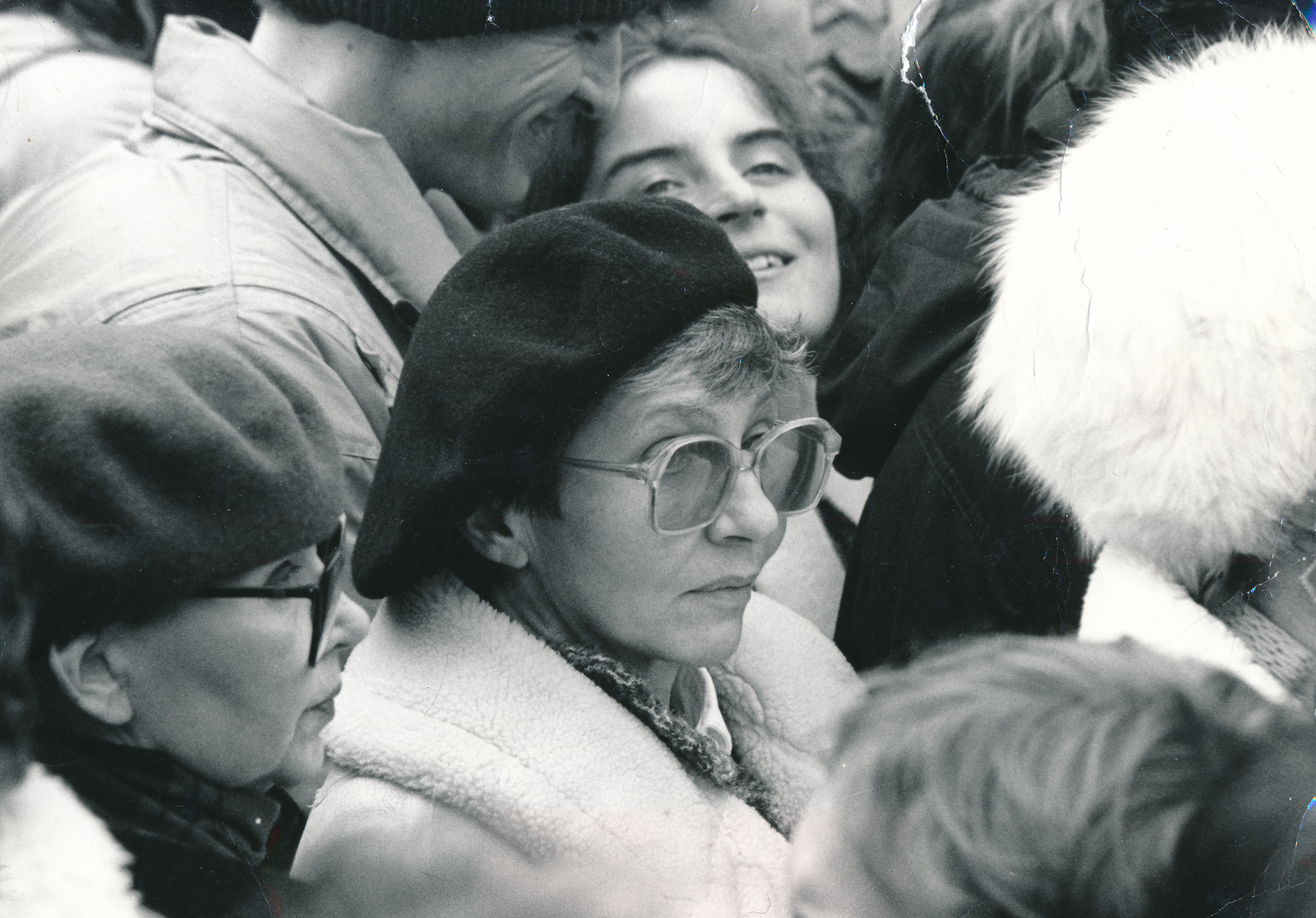
Lubomíra Racková

* 1938

  • "We lived on the embankment, it was Engels' embankment then, but we called it Rašín's embankment because we remembered it from the old days. So on that Engels embankment there were suddenly these tanks and a guy with a machine gun was walking around. At that moment we all moved there, because he actually hit some houses there too." - "There was shooting." - "Well, there was shooting, then there were these holes in the facades. So we just moved to our brother-in-law Jarek's, who lived in Vinohrady. And we actually lived in that two-room or three-room, maybe not - two rooms plus a kitchen it was - we lived there, there were four of us, my father-in-law and mother-in-law, that's six, and four of them. There were up to ten people staying there during that time."

  • "I remember the air raids because we lived in a sort of suburban neighborhood. Across the stream, which is no longer there today, it's underground. In those days, there was a stream behind our - I call it our garden, but it was Dr. Schneeweis' garden - so there was a stream behind the garden, and behind that stream there was a grammar school as well, but when the Nazis occupied that Těšín, there was some kind of office, I don't know what it was, but it was, the grammar school didn't work. And there was a siren on that office, announcing air raids. And I know that there were many times when - and I remember this too - when the siren was wailing and we had to go to the cellar. But my mother didn't want to go to the cellar because she obviously didn't feel comfortable there, so she hid us in the duvets."

  • "Daddy had his office in that Tysmenycja, and because he was quite far-sighted, he thought that the front would pass through Tysmenycja several times, and he was right, the front did pass. So he sent his family first to Bohemia to stay with mother's relatives, and then he sold the farm we were living in and kept the... Again, he thought he was very provident, he only kept the fields and like plots of land."

  • Full recordings
  • 1

    Praha, 18.03.2025

    (audio)
    duration: 01:33:09
    media recorded in project Stories of the 20th Century TV
  • 2

    Praha, 19.05.2025

    (audio)
    duration: 01:30:01
    media recorded in project Stories of the 20th Century TV
Full recordings are available only for logged users.

I felt like I’d been running away my whole life
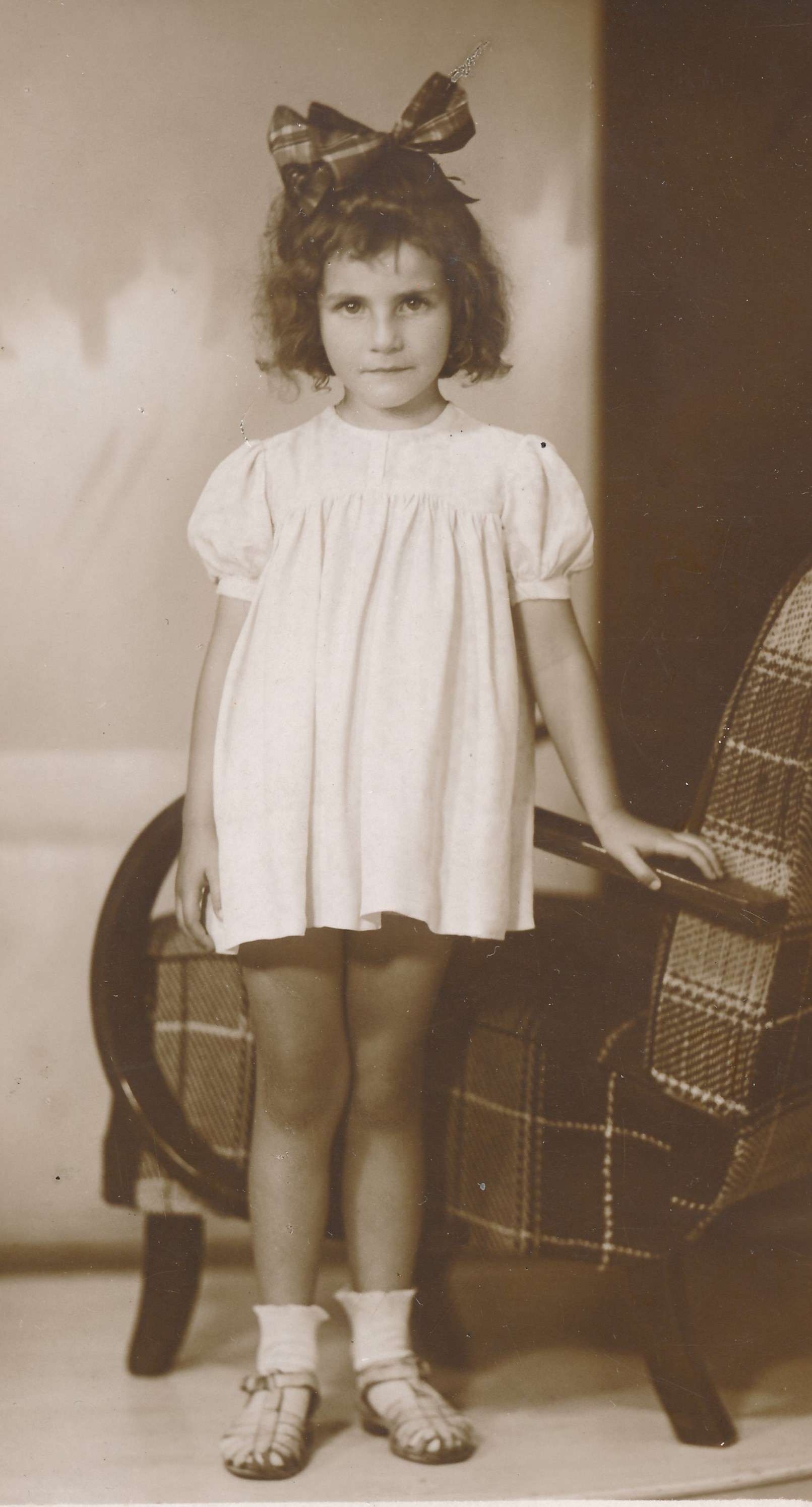
Lubomíra Racková, 1942
photo: Witness´s archive

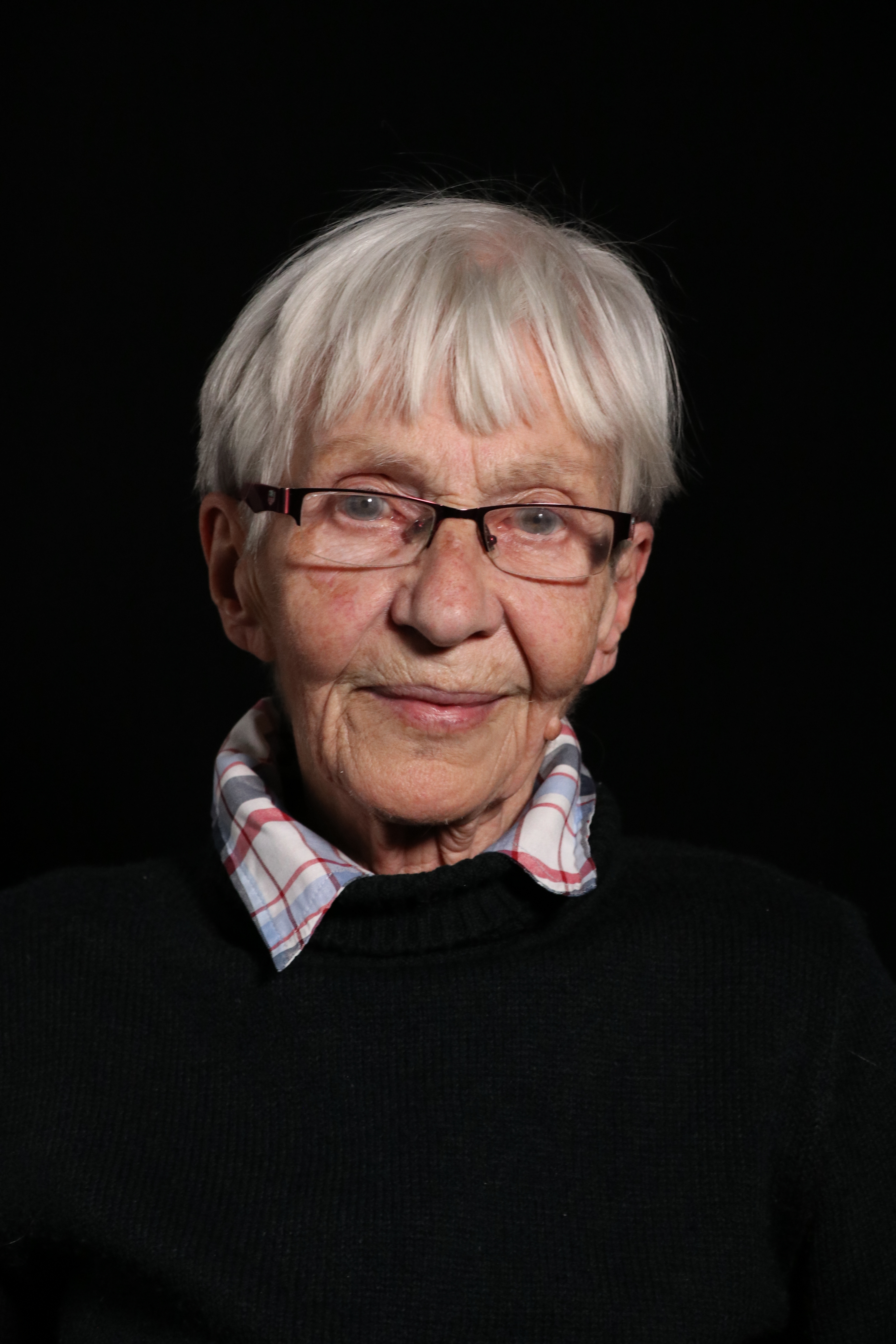
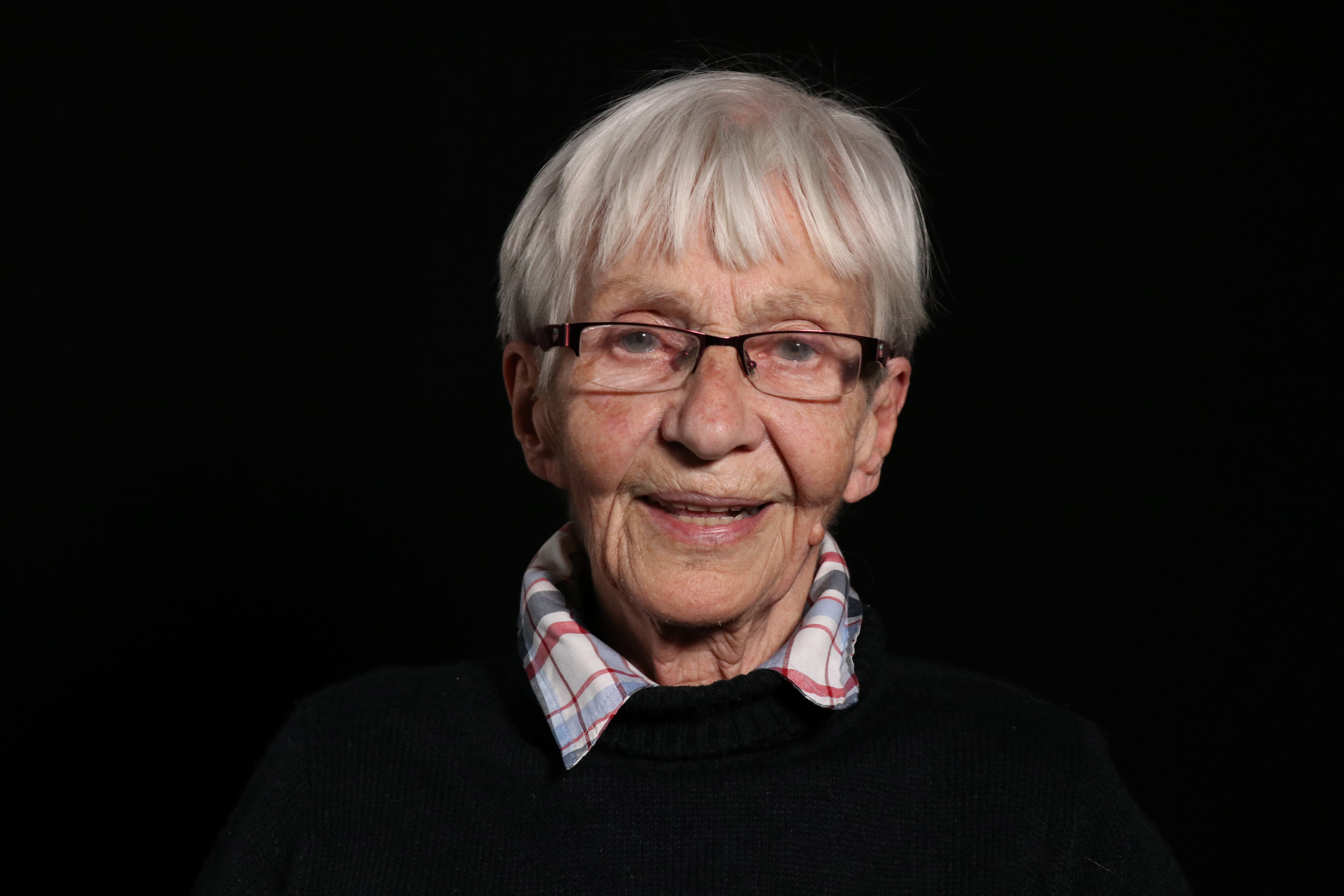
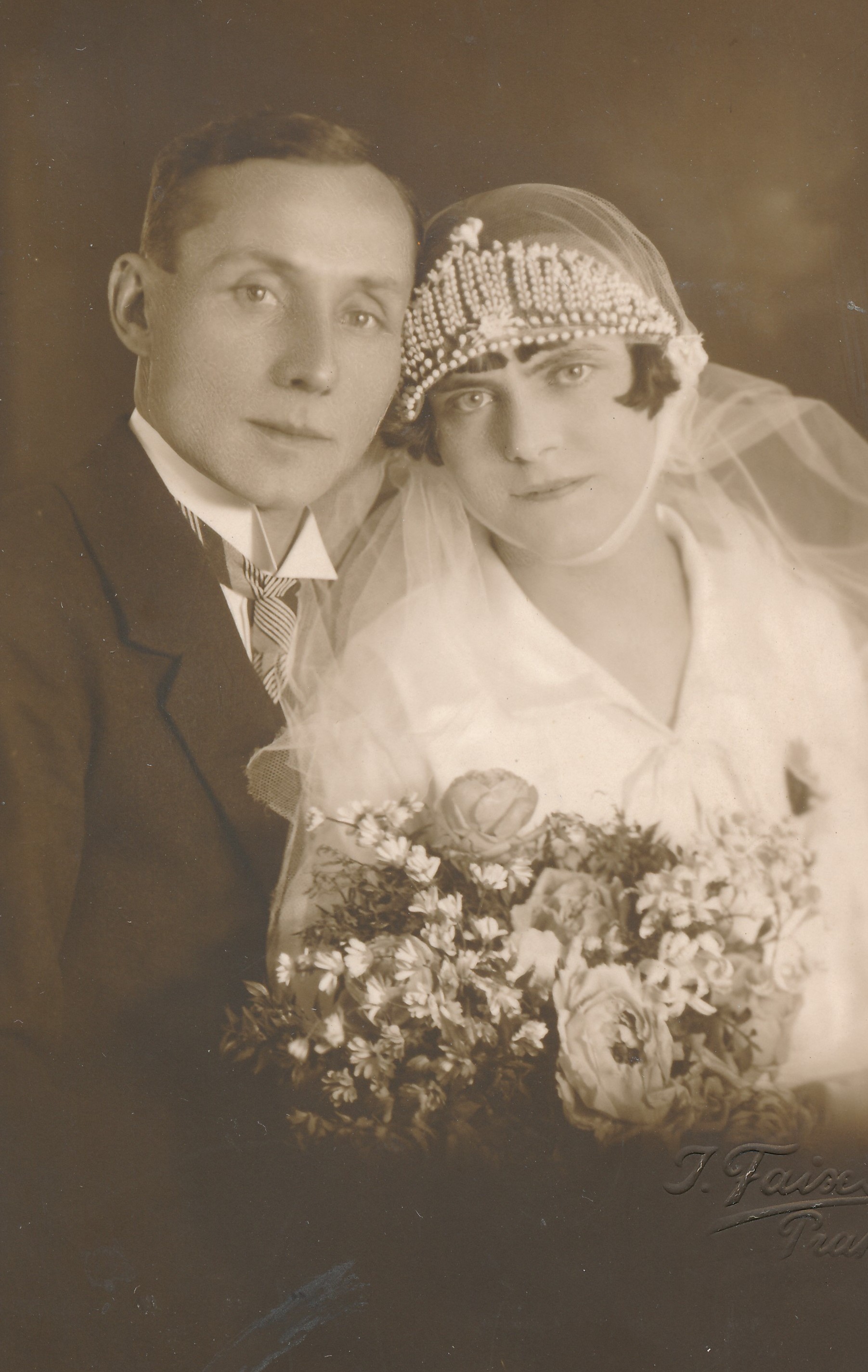
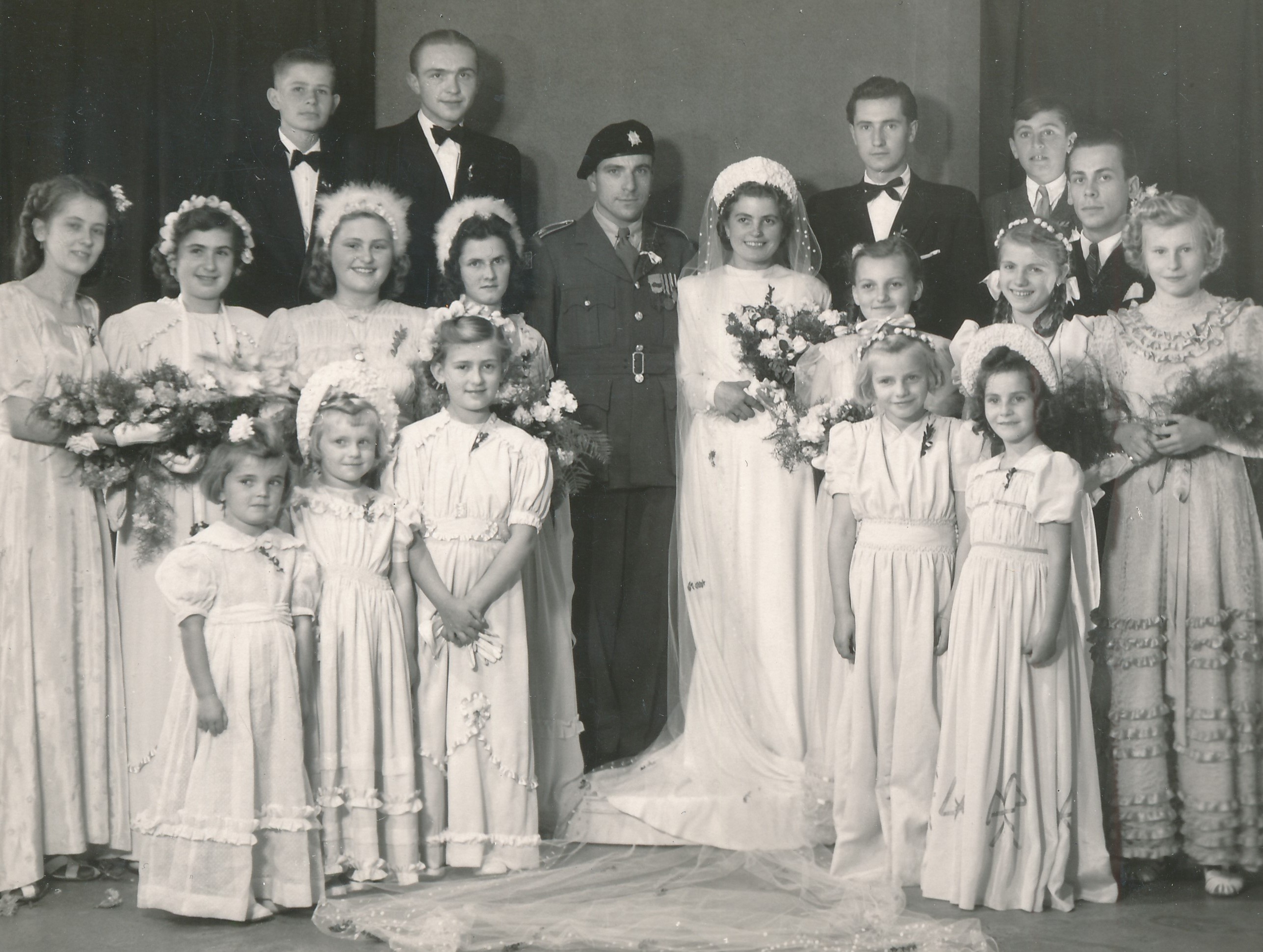
Lubomíra Racková, née Szypitková, was born on 18 May 1938 in the village of Tysmenycja in Poland (today’s western Ukraine) to Anna and Theodor Szypitko. Her mother was Czech, her father Ukrainian. Her parents met in Czechoslovakia, where her father studied law at Charles University during the First Republic. Lubomíra Racková spent the first year of her life in her native village. Then the family fled from the Soviets to the Protectorate. They spent a large part of the World War II in Český Těšín, where the father was totally deployed. In 1944 they returned to Hořelice, their mother’s home village, where they lived through the liberation. Neither of her parents was a member of the Communist Party of Czechoslovakia (KSČ). Lubomíra Racková attended primary school in Rudná, after which she entered an eleven-year secondary school in Prague (specifically the present-day Vančura Grammar School). She graduated from the Faculty of Civil Engineering of the Czech Technical University. During her studies, she married Jindřich Racek, with whom she raised two children - a daughter, Lucie (*1964), and a son, Jindřich (*1966). She spent most of her working career at the State Institute for the Reconstruction of Historic Towns and Buildings. During the normalisation period she met sociologist Jiřina Šiklová, whom she later helped to distribute various printed materials. In the second half of the 1980s she participated in anti-regime demonstrations. After the fall of the regime, she worked as a freelancer. In 2025 she was living in Prague.