Memory of Nations

Menu
Witnesses
  • Magazine
  • Witnesses
  • About Project
  • Support Us
  • More…
  • Ještě jsme ve válce
  • Příběhy našich sousedů
  • Klub přátel Paměti národa
  • Příběhy 20. století
  • My jsme to nevzdali
  • Běh pro Paměť národa
  • Kolegium Paměti národa
  • Místa Paměti národa
  • Den veteránů
  • E-shop Paměti národa
  • Ceny Paměti národa
  • Workshopy
It's easy to forget. That's why we record and share testimonies that mustn't fade away.
  • Alphabetical index
  • Epics and anniversaries
  • Topics and categories
  • Partners
  • Services
  • e-archive
    Forgotten password?
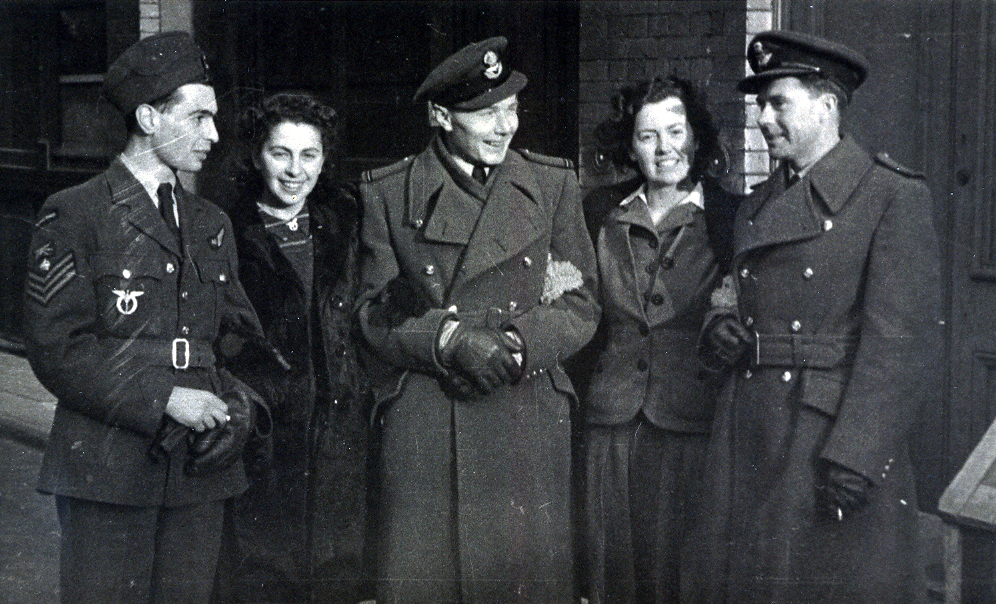
  • Change was in the air and everyone felt that the totalitarian regime is about to collapse. A piece of proof was the first legal debate with our airmen [who served in the Western countries] in September 1989. It was organised by ROH [Revolutionary Union Movement, the trade unions with an exalted name] which happened in the Dlabačov hotel (after the Revolution, it was renamed Hotel Pyramida), although the meeting happened only in th small meeting room, just in case. The room was stuffed to the brim, though. Iveta took a bit of risk and she took this rare photograph. From the left: Jindřich Polák (director of the film Nebeští jezdci [Riders in the Sky]) and next to him the future three generals of the Riders if  the Sky – Jan Irving, Alois Šiška and František Fajtl.
    Change was in the air and everyone felt that the totalitarian regime is about to collapse. A piece of proof was the first legal debate with our airmen [who served in the Western countries] in September 1989. It was organised by ROH [Revolutionary Union Movement, the trade unions with an exalted name] which happened in the Dlabačov hotel (after the Revolution, it was renamed Hotel Pyramida), although the meeting happened only in th small meeting room, just in case. The room was stuffed to the brim, though. Iveta took a bit of risk and she took this rare photograph. From the left: Jindřich Polák (director of the film Nebeští jezdci [Riders in the Sky]) and next to him the future three generals of the Riders if the Sky – Jan Irving, Alois Šiška and František Fajtl.
    Change was in the air and everyone felt that the totalitarian regime is about to collapse. A piece of proof was the first legal debate with our airmen [who served in the Western countries] in September 1989. It was organised by ROH [Revolutionary Union Movement, the trade unions with an exalted name] which happened in the Dlabačov hotel (after the Revolution, it was renamed Hotel Pyramida), although the meeting happened only in th small meeting room, just in case. The room was stuffed to the brim, though. Iveta took a bit of risk and she took this rare photograph. From the left: Jindřich Polák (director of the film Nebeští jezdci [Riders in the Sky]) and next to him the future three generals of the Riders if the Sky – Jan Irving, Alois Šiška and František Fajtl.
    Iveta Irvingová
    photo: Archiv pamětnice
    Download image
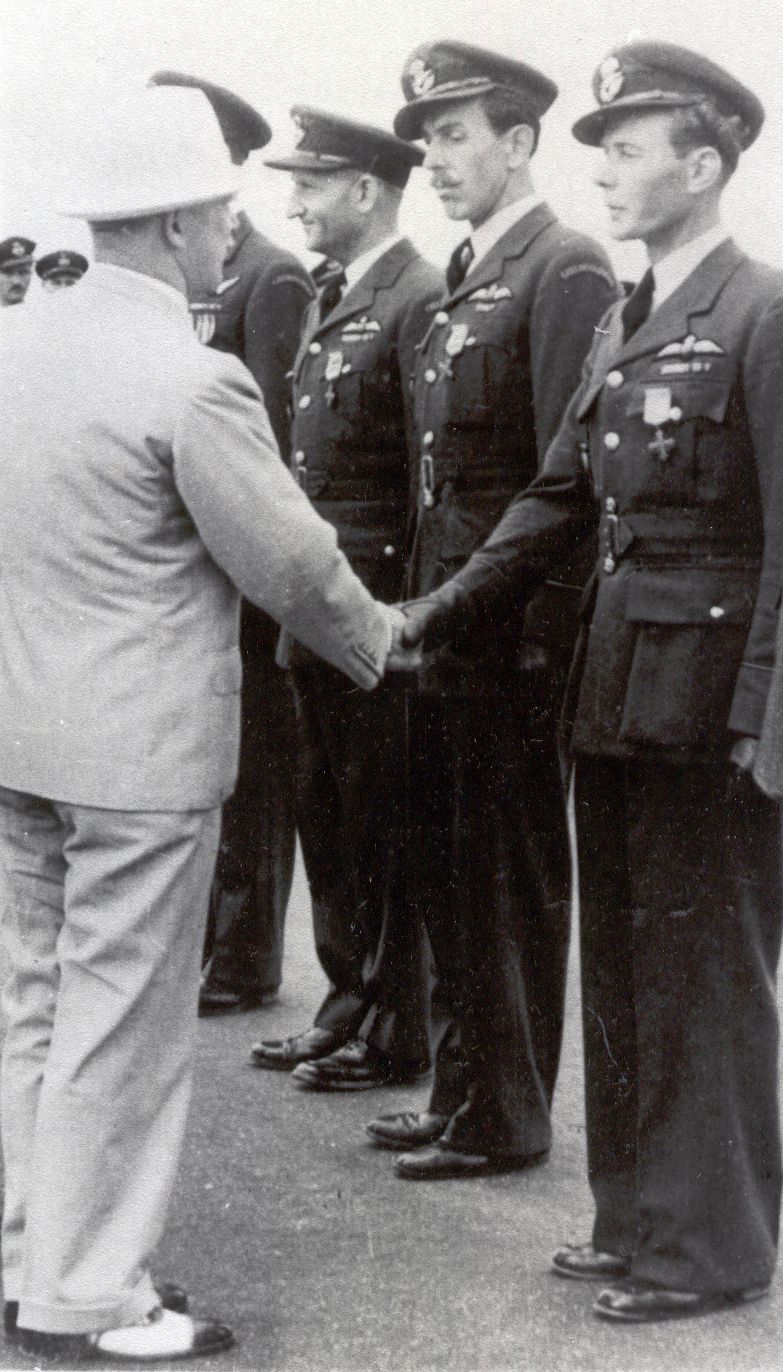
  • A rare photograph granted by the President's office after the President, Václav Havel, and Minister of Defense Luděk Dobrovský promoted major Jan Irving to the rank of colonel in 1990.
    A rare photograph granted by the President's office after the President, Václav Havel, and Minister of Defense Luděk Dobrovský promoted major Jan Irving to the rank of colonel in 1990.
    A rare photograph granted by the President's office after the President, Václav Havel, and Minister of Defense Luděk Dobrovský promoted major Jan Irving to the rank of colonel in 1990.
    Iveta Irvingová
    photo: Archiv pamětnice
    Download image
  • When Ivana took this photograph of church and graveyard in East Wreathan, she already knew it from the stories told by her father and his friends, and from old photographs. Now, she saw it in person for the first time. By this time, she knew enough about aerial warfare so she understood why her dad and other bombers from the 311th squad started to cry and so did she and her mother.
    When Ivana took this photograph of church and graveyard in East Wreathan, she already knew it from the stories told by her father and his friends, and from old photographs. Now, she saw it in person for the first time. By this time, she knew enough about aerial warfare so she understood why her dad and other bombers from the 311th squad started to cry and so did she and her mother.
    When Ivana took this photograph of church and graveyard in East Wreathan, she already knew it from the stories told by her father and his friends, and from old photographs. Now, she saw it in person for the first time. By this time, she knew enough about aerial warfare so she understood why her dad and other bombers from the 311th squad started to cry and so did she and her mother.
    Iveta Irvingová
    photo: Archiv pamětnice
    Download image
  • By this time, Ivana knew enough about aerial warfare so she understood why her dad and other bombers from the 311th squad started to cry and so did she and her mother. She immediately recalled one photograph from 1942. At that time, her father served in Wretham and accompanied those friends who did not return alive from combats with enemy on their last journey. 
Jan Irving, fourth from right in the front row, carrying one of the coffins.
    By this time, Ivana knew enough about aerial warfare so she understood why her dad and other bombers from the 311th squad started to cry and so did she and her mother. She immediately recalled one photograph from 1942. At that time, her father served in Wretham and accompanied those friends who did not return alive from combats with enemy on their last journey. Jan Irving, fourth from right in the front row, carrying one of the coffins.
    By this time, Ivana knew enough about aerial warfare so she understood why her dad and other bombers from the 311th squad started to cry and so did she and her mother. She immediately recalled one photograph from 1942. At that time, her father served in Wretham and accompanied those friends who did not return alive from combats with enemy on their last journey. Jan Irving, fourth from right in the front row, carrying one of the coffins.
    Iveta Irvingová
    photo: Archiv pamětnice
    Download image
  • Another of Iveta's photographs of all the Czechoslovak airmen from the Czechoslovak Socialistic Republuc at the same place. Her father is the 12th from the left, in a white shirt, with a tie moved to side by a slight wind. It was awfully hot and many airmen put the  army manners aside preferring their own health.
    Another of Iveta's photographs of all the Czechoslovak airmen from the Czechoslovak Socialistic Republuc at the same place. Her father is the 12th from the left, in a white shirt, with a tie moved to side by a slight wind. It was awfully hot and many airmen put the army manners aside preferring their own health.
    Another of Iveta's photographs of all the Czechoslovak airmen from the Czechoslovak Socialistic Republuc at the same place. Her father is the 12th from the left, in a white shirt, with a tie moved to side by a slight wind. It was awfully hot and many airmen put the army manners aside preferring their own health.
    Iveta Irvingová
    photo: Archiv pamětnice
    Download image
  • And here we have another photograph from the memorial book shows the memorial service at the graves of the Czechoslovak airmen. The quality of the photograph shot on foreign-made film is apparent at the first sight compared with Ivana’s shots. Well, this was Kodak and at that time, the Czechoslovaks were happy if they managed to get, through friends of friends, the East German, socialist, Orwo brand. Even in this year, in 1990. Iveta is well visible on the photograph, with her back towards the viewer, dressed in white.
    And here we have another photograph from the memorial book shows the memorial service at the graves of the Czechoslovak airmen. The quality of the photograph shot on foreign-made film is apparent at the first sight compared with Ivana’s shots. Well, this was Kodak and at that time, the Czechoslovaks were happy if they managed to get, through friends of friends, the East German, socialist, Orwo brand. Even in this year, in 1990. Iveta is well visible on the photograph, with her back towards the viewer, dressed in white.
    And here we have another photograph from the memorial book shows the memorial service at the graves of the Czechoslovak airmen. The quality of the photograph shot on foreign-made film is apparent at the first sight compared with Ivana’s shots. Well, this was Kodak and at that time, the Czechoslovaks were happy if they managed to get, through friends of friends, the East German, socialist, Orwo brand. Even in this year, in 1990. Iveta is well visible on the photograph, with her back towards the viewer, dressed in white.
    Iveta Irvingová
    photo: Archiv pamětnice
    Download image
  • Another photograph from the memorial book, this time taken in the man hall of the villa in West Lane where the Czechoslovak National House was. Shown are Jan Irving and his friend and co-fighter from the 311th who lived in the Moravian town of Napajedla, colonel Stanislav Mikula. Behind them, engaged in a vively discussion, Mrs. Ljuba Knapová, wife of František Knap from the 311th Squadron and facing her, Blanka Irvingová.
    Another photograph from the memorial book, this time taken in the man hall of the villa in West Lane where the Czechoslovak National House was. Shown are Jan Irving and his friend and co-fighter from the 311th who lived in the Moravian town of Napajedla, colonel Stanislav Mikula. Behind them, engaged in a vively discussion, Mrs. Ljuba Knapová, wife of František Knap from the 311th Squadron and facing her, Blanka Irvingová.
    Another photograph from the memorial book, this time taken in the man hall of the villa in West Lane where the Czechoslovak National House was. Shown are Jan Irving and his friend and co-fighter from the 311th who lived in the Moravian town of Napajedla, colonel Stanislav Mikula. Behind them, engaged in a vively discussion, Mrs. Ljuba Knapová, wife of František Knap from the 311th Squadron and facing her, Blanka Irvingová.
    Iveta Irvingová
    photo: Archiv pamětnice
    Download image
  • Another very emotional event, a festive Mass for the airmen in the RAF church in London. For air fans of the whole world, let us say that each marble tile shows the emblem of an RAF squadron, from the whole world. The whole floor is covered with them even though some are obscured by the church pews which stand there. The flag bearer is Alois Konopický, armourer of the 311th squadron.
    Another very emotional event, a festive Mass for the airmen in the RAF church in London. For air fans of the whole world, let us say that each marble tile shows the emblem of an RAF squadron, from the whole world. The whole floor is covered with them even though some are obscured by the church pews which stand there. The flag bearer is Alois Konopický, armourer of the 311th squadron.
    Another very emotional event, a festive Mass for the airmen in the RAF church in London. For air fans of the whole world, let us say that each marble tile shows the emblem of an RAF squadron, from the whole world. The whole floor is covered with them even though some are obscured by the church pews which stand there. The flag bearer is Alois Konopický, armourer of the 311th squadron.
    Iveta Irvingová
    photo: Archiv pamětnice
    Download image
  • Colonel Irving was awarded the National Order of Merit [Ordre national du Mérite], in the grade of Knight, by the French military attaché, in May 1995 in the Legie Hotel in Prague. Colonel suffered from ill health, having been through two major surgeries including a heart bypass. The wounds caused by surgical incisions on his chest were healing badly and caused major pains so his caring wife Blanka had to support him.
    Colonel Irving was awarded the National Order of Merit [Ordre national du Mérite], in the grade of Knight, by the French military attaché, in May 1995 in the Legie Hotel in Prague. Colonel suffered from ill health, having been through two major surgeries including a heart bypass. The wounds caused by surgical incisions on his chest were healing badly and caused major pains so his caring wife Blanka had to support him.
    Colonel Irving was awarded the National Order of Merit [Ordre national du Mérite], in the grade of Knight, by the French military attaché, in May 1995 in the Legie Hotel in Prague. Colonel suffered from ill health, having been through two major surgeries including a heart bypass. The wounds caused by surgical incisions on his chest were healing badly and caused major pains so his caring wife Blanka had to support him.
    Iveta Irvingová
    photo: Archiv pamětnice
    Download image
  • Colonel Irving was awarded the National Order of Merit [Ordre national du Mérite], in the grade of Knight, by the French military attaché, in May 1995 in the Legie Hotel in Prague. This was a great occasion to toast with champagne. Jan Horal, owner of Duo hotel paid for the wine and serving staff. He never forgot  the effort and personal risk of Jan Irving who regularly removed heaps of secret police‘s surveillance equipment from his room in the Alcron hotel.
(Jan Horal and Jan Irving feature in the documentary by V. Venclík, filmed in 1997 as Report on two Destinies. Those two demonstrate the differences of freedom in emigration and persecution in totalitarian regime. The document should be available from the archive of the Czech Television.)
    Colonel Irving was awarded the National Order of Merit [Ordre national du Mérite], in the grade of Knight, by the French military attaché, in May 1995 in the Legie Hotel in Prague. This was a great occasion to toast with champagne. Jan Horal, owner of Duo hotel paid for the wine and serving staff. He never forgot the effort and personal risk of Jan Irving who regularly removed heaps of secret police‘s surveillance equipment from his room in the Alcron hotel. (Jan Horal and Jan Irving feature in the documentary by V. Venclík, filmed in 1997 as Report on two Destinies. Those two demonstrate the differences of freedom in emigration and persecution in totalitarian regime. The document should be available from the archive of the Czech Television.)
    Colonel Irving was awarded the National Order of Merit [Ordre national du Mérite], in the grade of Knight, by the French military attaché, in May 1995 in the Legie Hotel in Prague. This was a great occasion to toast with champagne. Jan Horal, owner of Duo hotel paid for the wine and serving staff. He never forgot the effort and personal risk of Jan Irving who regularly removed heaps of secret police‘s surveillance equipment from his room in the Alcron hotel. (Jan Horal and Jan Irving feature in the documentary by V. Venclík, filmed in 1997 as Report on two Destinies. Those two demonstrate the differences of freedom in emigration and persecution in totalitarian regime. The document should be available from the archive of the Czech Television.)
    Iveta Irvingová
    photo: Archiv pamětnice
    Download image
  • A close-up of the beautiful blue order on the uniform.
    A close-up of the beautiful blue order on the uniform.
    A close-up of the beautiful blue order on the uniform.
    Iveta Irvingová
    photo: Archiv pamětnice
    Download image
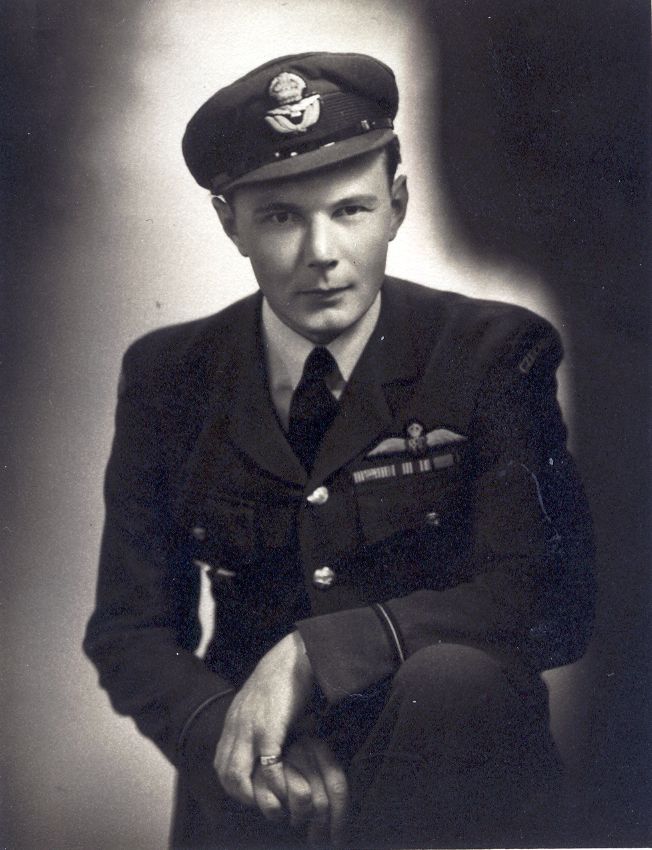
  • The last formal photograph of Jan Irving taken shortly after he was promoted to the rank of general in May 1995.
    The last formal photograph of Jan Irving taken shortly after he was promoted to the rank of general in May 1995.
    The last formal photograph of Jan Irving taken shortly after he was promoted to the rank of general in May 1995.
    Iveta Irvingová
    photo: Archiv pamětnice
    Download image
  • Jan Horal threw another memorable party for his friend, this time in the restaurant in his hotel at Prosek. Many esteemed guests and politicians met there. The photograph shows general Irving in a lively debate with then the Minister of Finances (and future President of Czech Republic), Ing. Václav Klaus.
    Jan Horal threw another memorable party for his friend, this time in the restaurant in his hotel at Prosek. Many esteemed guests and politicians met there. The photograph shows general Irving in a lively debate with then the Minister of Finances (and future President of Czech Republic), Ing. Václav Klaus.
    Jan Horal threw another memorable party for his friend, this time in the restaurant in his hotel at Prosek. Many esteemed guests and politicians met there. The photograph shows general Irving in a lively debate with then the Minister of Finances (and future President of Czech Republic), Ing. Václav Klaus.
    Iveta Irvingová
    photo: Archiv pamětnice
    Download image
  • One of the earliest debates in the Palace of Culture at Pankrác in Prague, (today's Congress Centre). The public debates repeated every month for about a year and half and the themes changed. This photograph was taken on the 16th of September 1990 and this evening was dedicated to the No. 311 (Czechoslovak) Squadron RAF. Sitting, from the left:  Arnošt Polák (wireless operator from Jan's crew who had lived in Britain since 1948), with the microphone, Vladimír Nedvěd (one of the commanders of the No. 311 (Czechoslovak) Squadron RAF in 1943 - 1944, after having emigrated in 1948, he lived in Australia), Alois Martinovský (repairman, No. 311 squadron), the hosts of the debate,  Zdeněk Tulis and Tomáš Sláma, Vladimír Slánský (pilot and wireless operator, No. 311 squadron), jan Irving, and Alois Konopický (armourer, No. 311 squadron). Not all airmen had their uniforms so until about half of 1991, they wore dark blue blazers and light gray trousers to such public events instead.
    One of the earliest debates in the Palace of Culture at Pankrác in Prague, (today's Congress Centre). The public debates repeated every month for about a year and half and the themes changed. This photograph was taken on the 16th of September 1990 and this evening was dedicated to the No. 311 (Czechoslovak) Squadron RAF. Sitting, from the left: Arnošt Polák (wireless operator from Jan's crew who had lived in Britain since 1948), with the microphone, Vladimír Nedvěd (one of the commanders of the No. 311 (Czechoslovak) Squadron RAF in 1943 - 1944, after having emigrated in 1948, he lived in Australia), Alois Martinovský (repairman, No. 311 squadron), the hosts of the debate, Zdeněk Tulis and Tomáš Sláma, Vladimír Slánský (pilot and wireless operator, No. 311 squadron), jan Irving, and Alois Konopický (armourer, No. 311 squadron). Not all airmen had their uniforms so until about half of 1991, they wore dark blue blazers and light gray trousers to such public events instead.
    One of the earliest debates in the Palace of Culture at Pankrác in Prague, (today's Congress Centre). The public debates repeated every month for about a year and half and the themes changed. This photograph was taken on the 16th of September 1990 and this evening was dedicated to the No. 311 (Czechoslovak) Squadron RAF. Sitting, from the left: Arnošt Polák (wireless operator from Jan's crew who had lived in Britain since 1948), with the microphone, Vladimír Nedvěd (one of the commanders of the No. 311 (Czechoslovak) Squadron RAF in 1943 - 1944, after having emigrated in 1948, he lived in Australia), Alois Martinovský (repairman, No. 311 squadron), the hosts of the debate, Zdeněk Tulis and Tomáš Sláma, Vladimír Slánský (pilot and wireless operator, No. 311 squadron), jan Irving, and Alois Konopický (armourer, No. 311 squadron). Not all airmen had their uniforms so until about half of 1991, they wore dark blue blazers and light gray trousers to such public events instead.
    Iveta Irvingová
    photo: Archiv pamětnice
    Download image
  • After every such event, bigger or smaller, usually, a book signing followed. The airmen signed all sorts of books which were published after the Revolution or which people kept in their bookshelves for decades. There is over 1000 seats in the Congress Hall and these evenings were packed during those “evenings with arimen, people who were looking forward to hearing their stories were sitting on the floor or standing pressed against the walls so there was well over fifteen hundred persons. Each such book signing was very demanding for the airmen, as it was for those who accompanied them. Iveta often acted as a bodyguard for her dad and she would slow down or stop the endless crowds of enthusiasts with books because she saw how demanding it was for her father. He never complained, though, he was nice with everyone, he kept on signing but at the moment when the Irving family along with the others left the building and went to the metro station, he was close to collapsing.
    After every such event, bigger or smaller, usually, a book signing followed. The airmen signed all sorts of books which were published after the Revolution or which people kept in their bookshelves for decades. There is over 1000 seats in the Congress Hall and these evenings were packed during those “evenings with arimen, people who were looking forward to hearing their stories were sitting on the floor or standing pressed against the walls so there was well over fifteen hundred persons. Each such book signing was very demanding for the airmen, as it was for those who accompanied them. Iveta often acted as a bodyguard for her dad and she would slow down or stop the endless crowds of enthusiasts with books because she saw how demanding it was for her father. He never complained, though, he was nice with everyone, he kept on signing but at the moment when the Irving family along with the others left the building and went to the metro station, he was close to collapsing.
    After every such event, bigger or smaller, usually, a book signing followed. The airmen signed all sorts of books which were published after the Revolution or which people kept in their bookshelves for decades. There is over 1000 seats in the Congress Hall and these evenings were packed during those “evenings with arimen, people who were looking forward to hearing their stories were sitting on the floor or standing pressed against the walls so there was well over fifteen hundred persons. Each such book signing was very demanding for the airmen, as it was for those who accompanied them. Iveta often acted as a bodyguard for her dad and she would slow down or stop the endless crowds of enthusiasts with books because she saw how demanding it was for her father. He never complained, though, he was nice with everyone, he kept on signing but at the moment when the Irving family along with the others left the building and went to the metro station, he was close to collapsing.
    Iveta Irvingová
    photo: Archiv pamětnice
    Download image
  • An official visit of Prince and Princess of Wales to Czechoslovakia in 1991. There was a large memorial assembly with participation of the invited airmen and their companions at the army section of the Olšany graveyards, in a plot dedicated to the fallen RAF airmen.
    An official visit of Prince and Princess of Wales to Czechoslovakia in 1991. There was a large memorial assembly with participation of the invited airmen and their companions at the army section of the Olšany graveyards, in a plot dedicated to the fallen RAF airmen.
    An official visit of Prince and Princess of Wales to Czechoslovakia in 1991. There was a large memorial assembly with participation of the invited airmen and their companions at the army section of the Olšany graveyards, in a plot dedicated to the fallen RAF airmen.
    Iveta Irvingová
    photo: Archiv pamětnice
    Download image
  • “No wonder that Iveta’s hands shook when she took the photograph of the angelic being which was shaking hands with her father standing next to her. And when she shook hands with Iveta, she was left speechless. Years later, she says this about the encounter. “I just started trembling, so much that I cursed myself. When she shook my hand and I looked in her eyes, my knees gave way and I made a deep bow although I had not planned that. It was as if Virgin Mary herself shook my hand, and I saw her all blurred through the tears in my eyes. The Princess emanated immense kindness and care and as she was much taller than I am – which is well visible on the photograph – there was an air of authority as well. Those who did not have this sort of experience cannot understand it. Her travails after her divorce with the Prince of Wales hurt us all and her death totally depressed us. I cried for several days. I watched the funeral live on TV in Úherce where I was staying with my mom, recovering from my divorce. Only then I understood how such a sensitive person must  have felt after her divorce. Compared to her, I was much more outspoken and I did not get many things related to the divorce to get to my skin...”
    “No wonder that Iveta’s hands shook when she took the photograph of the angelic being which was shaking hands with her father standing next to her. And when she shook hands with Iveta, she was left speechless. Years later, she says this about the encounter. “I just started trembling, so much that I cursed myself. When she shook my hand and I looked in her eyes, my knees gave way and I made a deep bow although I had not planned that. It was as if Virgin Mary herself shook my hand, and I saw her all blurred through the tears in my eyes. The Princess emanated immense kindness and care and as she was much taller than I am – which is well visible on the photograph – there was an air of authority as well. Those who did not have this sort of experience cannot understand it. Her travails after her divorce with the Prince of Wales hurt us all and her death totally depressed us. I cried for several days. I watched the funeral live on TV in Úherce where I was staying with my mom, recovering from my divorce. Only then I understood how such a sensitive person must have felt after her divorce. Compared to her, I was much more outspoken and I did not get many things related to the divorce to get to my skin...”
    “No wonder that Iveta’s hands shook when she took the photograph of the angelic being which was shaking hands with her father standing next to her. And when she shook hands with Iveta, she was left speechless. Years later, she says this about the encounter. “I just started trembling, so much that I cursed myself. When she shook my hand and I looked in her eyes, my knees gave way and I made a deep bow although I had not planned that. It was as if Virgin Mary herself shook my hand, and I saw her all blurred through the tears in my eyes. The Princess emanated immense kindness and care and as she was much taller than I am – which is well visible on the photograph – there was an air of authority as well. Those who did not have this sort of experience cannot understand it. Her travails after her divorce with the Prince of Wales hurt us all and her death totally depressed us. I cried for several days. I watched the funeral live on TV in Úherce where I was staying with my mom, recovering from my divorce. Only then I understood how such a sensitive person must have felt after her divorce. Compared to her, I was much more outspoken and I did not get many things related to the divorce to get to my skin...”
    Iveta Irvingová
    photo: Archiv pamětnice
    Download image
  • Another beautiful snapshot from a memorial ceremony at the Olšany cemetery. Behind Prince of Wales's back, a part of Jiří Maňák's face is showing, Jan Irving is smiling at one of his best friends, "tough guy" Bohumil Jaroš aka "Suchar" [~dry wit], at whose left, with a coat over his hands, colonel Malý is standing; on his right, wearing a beret, colonel Petr Uruba. Along with Zdeněk Škarvada, Vilda Bufka and others, they were imprisoned at the Sagan camp and later, they were moved to the famous German castle where officers were imprisoned, Coldwitz, and they shared the cells there.
    Another beautiful snapshot from a memorial ceremony at the Olšany cemetery. Behind Prince of Wales's back, a part of Jiří Maňák's face is showing, Jan Irving is smiling at one of his best friends, "tough guy" Bohumil Jaroš aka "Suchar" [~dry wit], at whose left, with a coat over his hands, colonel Malý is standing; on his right, wearing a beret, colonel Petr Uruba. Along with Zdeněk Škarvada, Vilda Bufka and others, they were imprisoned at the Sagan camp and later, they were moved to the famous German castle where officers were imprisoned, Coldwitz, and they shared the cells there.
    Another beautiful snapshot from a memorial ceremony at the Olšany cemetery. Behind Prince of Wales's back, a part of Jiří Maňák's face is showing, Jan Irving is smiling at one of his best friends, "tough guy" Bohumil Jaroš aka "Suchar" [~dry wit], at whose left, with a coat over his hands, colonel Malý is standing; on his right, wearing a beret, colonel Petr Uruba. Along with Zdeněk Škarvada, Vilda Bufka and others, they were imprisoned at the Sagan camp and later, they were moved to the famous German castle where officers were imprisoned, Coldwitz, and they shared the cells there.
    Iveta Irvingová
    photo: Archiv pamětnice
    Download image
  • A beautiful group photo from the very first Memorial Air Show in Roudnice nad Labem on the 23th September, 1991. It was a wonderful event for our airmen and the founder and airport director, Vlasta Dvořák, put his heart into organising this event not only that year but for many years after. The event got called "Second Britain", even. The truth is, for the air fans, the event is made rarer by happening only every other year.
Iveta cannot remember all the names after so many years. After the parked Hurricane from The Netherlands, she recognised her dad (second from right) and his colleague from the B-24, Ivan Schwarz (United Kingdom), at her dad's right, colonel Petr (United Kingdom), further from him, Viktor Kent (United Kingdom), colonel Antonín Vendl, and in the RAF uniform, colonel Dvorský. In the centre under the propeller, colonel František Fajtl with his indispensable goatee. From the left, Iveta can identify colonel Krézek (second from left), colonel J. Hofrichter (fourth from left), in grey suit next to him, another pilot legend, colonel Karel Šeda. From those sitting, she can recall colonel J. Vyhnis (who was born in Stod) and fourth from left, František Knap.
    A beautiful group photo from the very first Memorial Air Show in Roudnice nad Labem on the 23th September, 1991. It was a wonderful event for our airmen and the founder and airport director, Vlasta Dvořák, put his heart into organising this event not only that year but for many years after. The event got called "Second Britain", even. The truth is, for the air fans, the event is made rarer by happening only every other year. Iveta cannot remember all the names after so many years. After the parked Hurricane from The Netherlands, she recognised her dad (second from right) and his colleague from the B-24, Ivan Schwarz (United Kingdom), at her dad's right, colonel Petr (United Kingdom), further from him, Viktor Kent (United Kingdom), colonel Antonín Vendl, and in the RAF uniform, colonel Dvorský. In the centre under the propeller, colonel František Fajtl with his indispensable goatee. From the left, Iveta can identify colonel Krézek (second from left), colonel J. Hofrichter (fourth from left), in grey suit next to him, another pilot legend, colonel Karel Šeda. From those sitting, she can recall colonel J. Vyhnis (who was born in Stod) and fourth from left, František Knap.
    A beautiful group photo from the very first Memorial Air Show in Roudnice nad Labem on the 23th September, 1991. It was a wonderful event for our airmen and the founder and airport director, Vlasta Dvořák, put his heart into organising this event not only that year but for many years after. The event got called "Second Britain", even. The truth is, for the air fans, the event is made rarer by happening only every other year. Iveta cannot remember all the names after so many years. After the parked Hurricane from The Netherlands, she recognised her dad (second from right) and his colleague from the B-24, Ivan Schwarz (United Kingdom), at her dad's right, colonel Petr (United Kingdom), further from him, Viktor Kent (United Kingdom), colonel Antonín Vendl, and in the RAF uniform, colonel Dvorský. In the centre under the propeller, colonel František Fajtl with his indispensable goatee. From the left, Iveta can identify colonel Krézek (second from left), colonel J. Hofrichter (fourth from left), in grey suit next to him, another pilot legend, colonel Karel Šeda. From those sitting, she can recall colonel J. Vyhnis (who was born in Stod) and fourth from left, František Knap.
    Iveta Irvingová
    photo: Archiv pamětnice (fotografii pořídil František Srp, rodinný přítel Irvingových)
    Download image
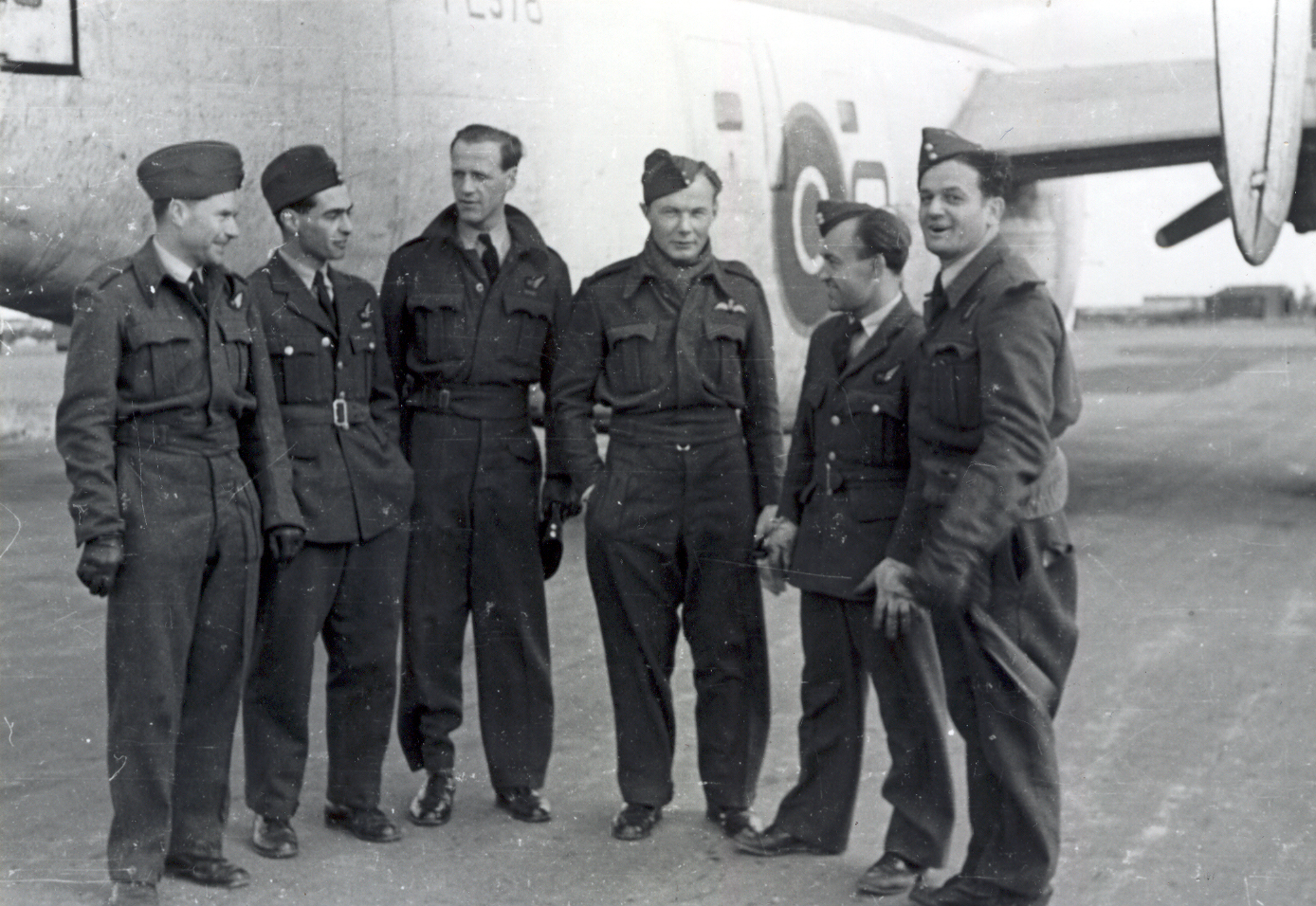
  • The first army air show in a free country in the modern history of Czechosolovakia at the Kbely airport on the 13th September, 1991. For the photograph, men from one crew assembled. From the left: Arnošt Polák, Rudolf Nedoma, Jan Irving, Ing. G. Shaw a Ivan Schwarz.
    The first army air show in a free country in the modern history of Czechosolovakia at the Kbely airport on the 13th September, 1991. For the photograph, men from one crew assembled. From the left: Arnošt Polák, Rudolf Nedoma, Jan Irving, Ing. G. Shaw a Ivan Schwarz.
    The first army air show in a free country in the modern history of Czechosolovakia at the Kbely airport on the 13th September, 1991. For the photograph, men from one crew assembled. From the left: Arnošt Polák, Rudolf Nedoma, Jan Irving, Ing. G. Shaw a Ivan Schwarz.
    Iveta Irvingová
    photo: Archiv pamětnice
    Download image
  • The first army air show in a free country in the modern history of Czechosolovakia at the Kbely airport on the 13th September, 1991. The airmen kept looking towards the sky where one airplane after another whizzed by. In the row behind colonel Irving, colonel Jirousek is standing. They knew each other from their studies and training in the army school in Prostějov.
    The first army air show in a free country in the modern history of Czechosolovakia at the Kbely airport on the 13th September, 1991. The airmen kept looking towards the sky where one airplane after another whizzed by. In the row behind colonel Irving, colonel Jirousek is standing. They knew each other from their studies and training in the army school in Prostějov.
    The first army air show in a free country in the modern history of Czechosolovakia at the Kbely airport on the 13th September, 1991. The airmen kept looking towards the sky where one airplane after another whizzed by. In the row behind colonel Irving, colonel Jirousek is standing. They knew each other from their studies and training in the army school in Prostějov.
    Iveta Irvingová
    photo: Archiv pamětnice
    Download image
  • The photograph shows colonel Josef Šnajdr (United Kingdom), one of the former commanders of the No. 311. Squadron, in a lively debate with colonel Irving. He was a strict but fair commander who was respected by everyone. Now, after that many years, they chatted like old friend regardless of the former rank.
    The photograph shows colonel Josef Šnajdr (United Kingdom), one of the former commanders of the No. 311. Squadron, in a lively debate with colonel Irving. He was a strict but fair commander who was respected by everyone. Now, after that many years, they chatted like old friend regardless of the former rank.
    The photograph shows colonel Josef Šnajdr (United Kingdom), one of the former commanders of the No. 311. Squadron, in a lively debate with colonel Irving. He was a strict but fair commander who was respected by everyone. Now, after that many years, they chatted like old friend regardless of the former rank.
    Iveta Irvingová
    photo: Archiv pamětnice
    Download image
  • Contemporary photograph of commander Šnajdr from the war years; he appears pensive here - or wondering whether his boys will return alive from the action. His face shows constant tension and great responsibility.
    Contemporary photograph of commander Šnajdr from the war years; he appears pensive here - or wondering whether his boys will return alive from the action. His face shows constant tension and great responsibility.
    Contemporary photograph of commander Šnajdr from the war years; he appears pensive here - or wondering whether his boys will return alive from the action. His face shows constant tension and great responsibility.
    Iveta Irvingová
    photo: Archiv pamětnice
    Download image
  • Photograph of another commander of the 311th, colonel Vladimír Nedvěd. Hardly anyone would guess that such a puny gentleman held this high a rank. He was an exact opposite of colonel Šnajdr who was almost 190 centimetres tall. They had one thing in common, though, all airmen liked them and respected them.
    Photograph of another commander of the 311th, colonel Vladimír Nedvěd. Hardly anyone would guess that such a puny gentleman held this high a rank. He was an exact opposite of colonel Šnajdr who was almost 190 centimetres tall. They had one thing in common, though, all airmen liked them and respected them.
    Photograph of another commander of the 311th, colonel Vladimír Nedvěd. Hardly anyone would guess that such a puny gentleman held this high a rank. He was an exact opposite of colonel Šnajdr who was almost 190 centimetres tall. They had one thing in common, though, all airmen liked them and respected them.
    Iveta Irvingová
    photo: Archiv pamětnice
    Download image
  • The air show brought many airmen from the UK and other corners of the world. There was the air show itself, meetings both formal and informal and quite a handful of other events. One of them was a celebratory mass, Te Deum, in the St. Vitus cathedral at the Prague Castle. Another strong experience. The Irving family is sitting in the first row. Next to Blanka, Jan's wireless operator, Arnošt Polák, is seated and at his right, Viktor Kent whose wartime nickname was „Vydrář“ [~otter catcher]
    The air show brought many airmen from the UK and other corners of the world. There was the air show itself, meetings both formal and informal and quite a handful of other events. One of them was a celebratory mass, Te Deum, in the St. Vitus cathedral at the Prague Castle. Another strong experience. The Irving family is sitting in the first row. Next to Blanka, Jan's wireless operator, Arnošt Polák, is seated and at his right, Viktor Kent whose wartime nickname was „Vydrář“ [~otter catcher]
    The air show brought many airmen from the UK and other corners of the world. There was the air show itself, meetings both formal and informal and quite a handful of other events. One of them was a celebratory mass, Te Deum, in the St. Vitus cathedral at the Prague Castle. Another strong experience. The Irving family is sitting in the first row. Next to Blanka, Jan's wireless operator, Arnošt Polák, is seated and at his right, Viktor Kent whose wartime nickname was „Vydrář“ [~otter catcher]
    Iveta Irvingová
    photo: Archiv pamětnice
    Download image
  • Previous page ‹ Previous
  • First page 1
  • …
  • Page 1960
  • Page 1961
  • Page 1962
  • Current page 1963
  • Page 1964
  • Page 1965
  • Page 1966
  • …
  • Last page 6098
  • Next page Next ›
 
Tichá hrdinství

Search Resources

  • All

    (236486)
  • Institutions

    (118)
  • Witnesses

    (11680)
  • Photos

    (152428)
  • Clips

    (45292)
  • Links

    (26968)
  • Articles

Statistics
20798 Witnesses the Database
11708 Witness Stories
21405 Registered Researchers
173955 Photos
69180 Clips
Memory of Nations
Archive
Magazine
About project
Support us
e-archive
Founding institutions
Follow us
Facebook
Twitter
Youtube
Instagram
Memory of Nations
USTR

Mapa stránek

© 2008-2025 Memory of Nations

Správu a provoz webu zajišťuje společnost Macron Software.