Memory of Nations

Menu
Witnesses
  • Magazine
  • Witnesses
  • About Project
  • Support Us
  • More…
  • Ještě jsme ve válce
  • Příběhy našich sousedů
  • Klub přátel Paměti národa
  • Příběhy 20. století
  • My jsme to nevzdali
  • Běh pro Paměť národa
  • Kolegium Paměti národa
  • Místa Paměti národa
  • Den veteránů
  • E-shop Paměti národa
  • Ceny Paměti národa
  • Workshopy
It's easy to forget. That's why we record and share testimonies that mustn't fade away.
  • Alphabetical index
  • Epics and anniversaries
  • Topics and categories
  • Partners
  • Services
  • e-archive
    Forgotten password?
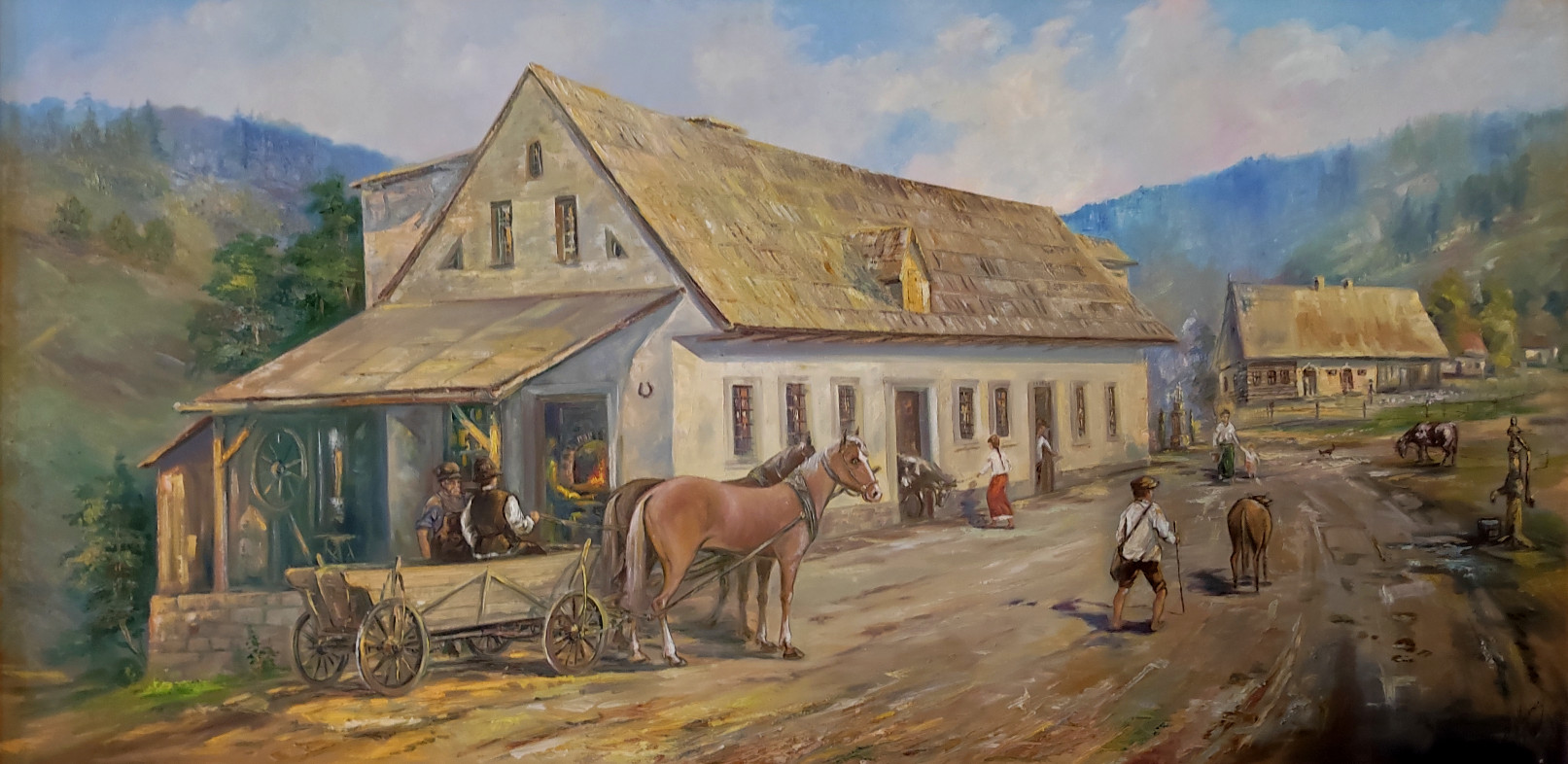
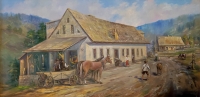
  • Pstrążna in the days when it belonged to Germany and was called Straußeney in a painting by Ukrainian painter Ivan Maliński, commissioned for the museum by Bronislaw Kamiński when he was its director
    Pstrążna in the days when it belonged to Germany and was called Straußeney in a painting by Ukrainian painter Ivan Maliński, commissioned for the museum by Bronislaw Kamiński when he was its director
    Pstrążna in the days when it belonged to Germany and was called Straußeney in a painting by Ukrainian painter Ivan Maliński, commissioned for the museum by Bronislaw Kamiński when he was its director
    Bronisław Kamiński (* 1936)
    photo: Markéta Bernatt-Reszczyńská
    Download image
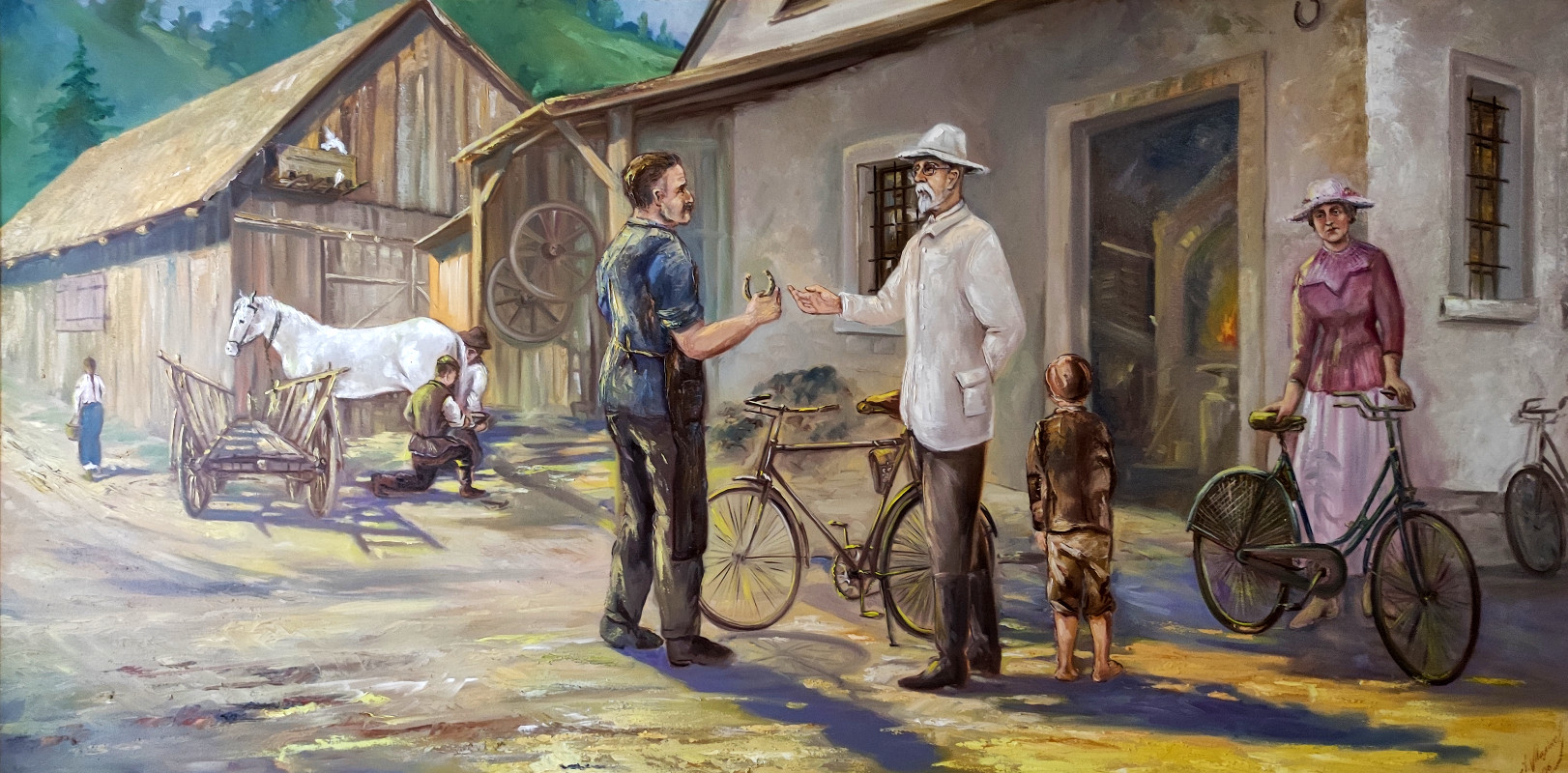
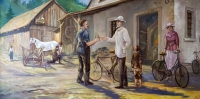
  • The arrival of Tomáš Garrigue Masaryk in Pstrążná (Straußeney in German, Strouzné in Czech) in 1903 with his wife Charlotte in a picture painted by the Ukrainian painter Ivan Maliński at the request of the director Bronislaw Kamiński
    The arrival of Tomáš Garrigue Masaryk in Pstrążná (Straußeney in German, Strouzné in Czech) in 1903 with his wife Charlotte in a picture painted by the Ukrainian painter Ivan Maliński at the request of the director Bronislaw Kamiński
    The arrival of Tomáš Garrigue Masaryk in Pstrążná (Straußeney in German, Strouzné in Czech) in 1903 with his wife Charlotte in a picture painted by the Ukrainian painter Ivan Maliński at the request of the director Bronislaw Kamiński
    Bronisław Kamiński (* 1936)
    photo: Markéta Bernatt-Reszczyńská
    Download image
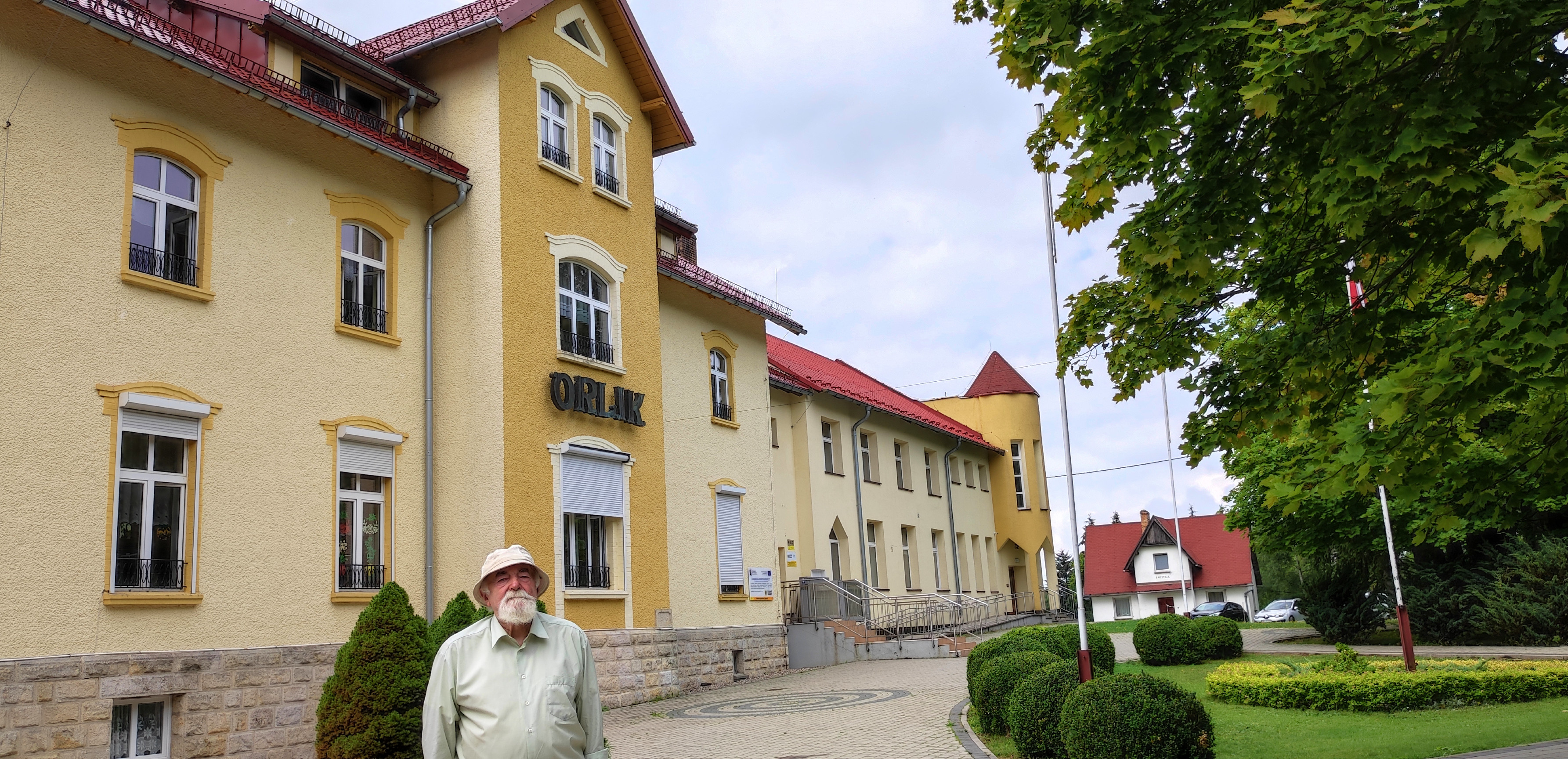
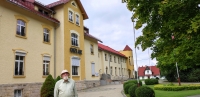
  • Bronislaw Kamiński in front of the rehabilitation hospital Orlik in Bukowina, which he managed in the years 1986-2005
    Bronislaw Kamiński in front of the rehabilitation hospital Orlik in Bukowina, which he managed in the years 1986-2005
    Bronislaw Kamiński in front of the rehabilitation hospital Orlik in Bukowina, which he managed in the years 1986-2005
    Bronisław Kamiński (* 1936)
    photo: Markéta Bernatt-Reszczyńská
    Download image
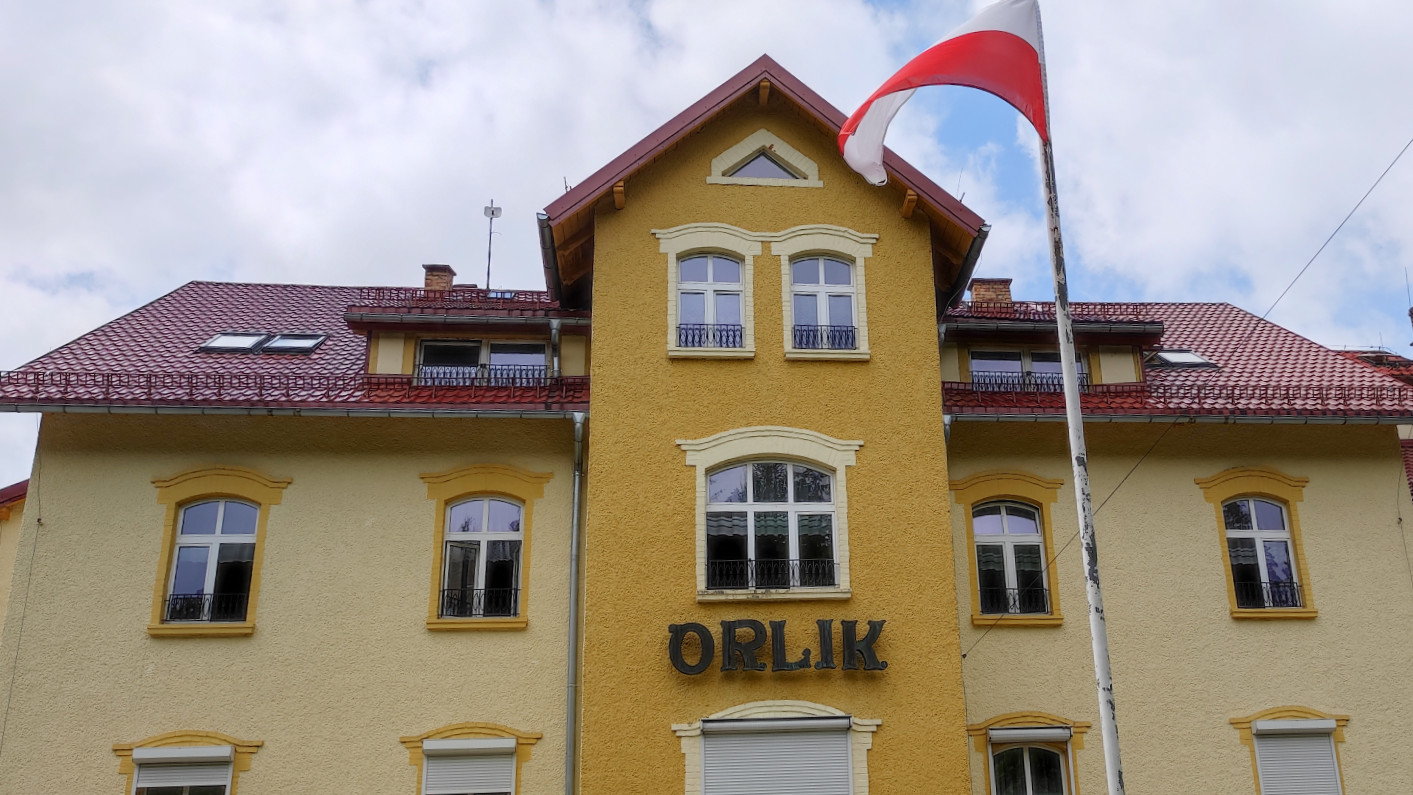
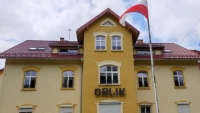
  • Orlik Rehabilitation Hospital for Children with Hematological Diseases in Bukovina in 2022
    Orlik Rehabilitation Hospital for Children with Hematological Diseases in Bukovina in 2022
    Orlik Rehabilitation Hospital for Children with Hematological Diseases in Bukovina in 2022
    Bronisław Kamiński (* 1936)
    photo: Markéta Bernatt-Reszczyńská
    Download image
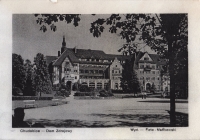
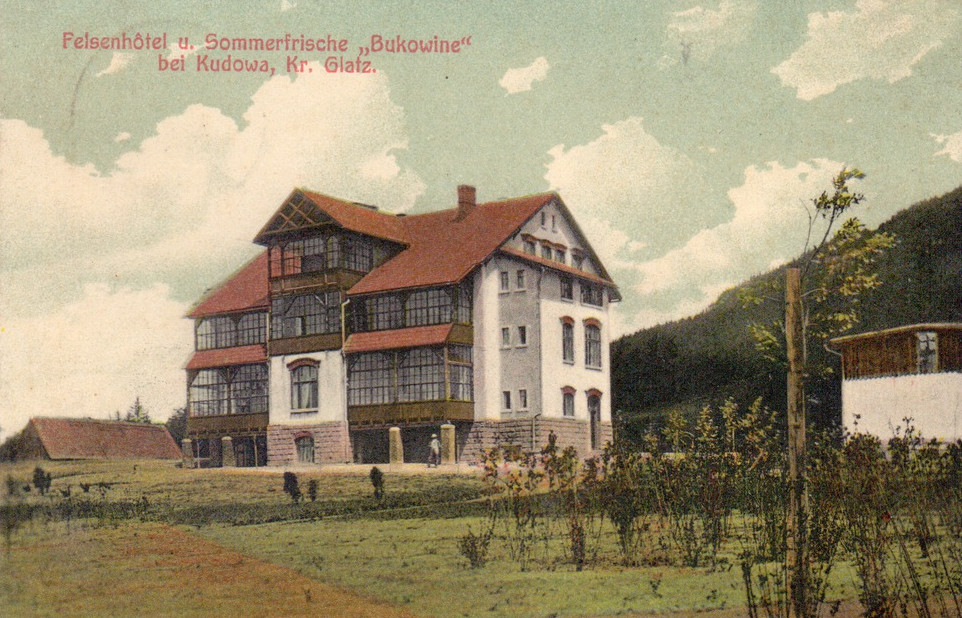
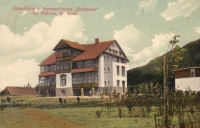
  • The hospital building in Bukowina near the Kudowa spa before the war, when there was a hotel and inn run by Czechs from Kladsko
    The hospital building in Bukowina near the Kudowa spa before the war, when there was a hotel and inn run by Czechs from Kladsko
    The hospital building in Bukowina near the Kudowa spa before the war, when there was a hotel and inn run by Czechs from Kladsko
    Bronisław Kamiński (* 1936)
    photo: archive of the witness
    Download image
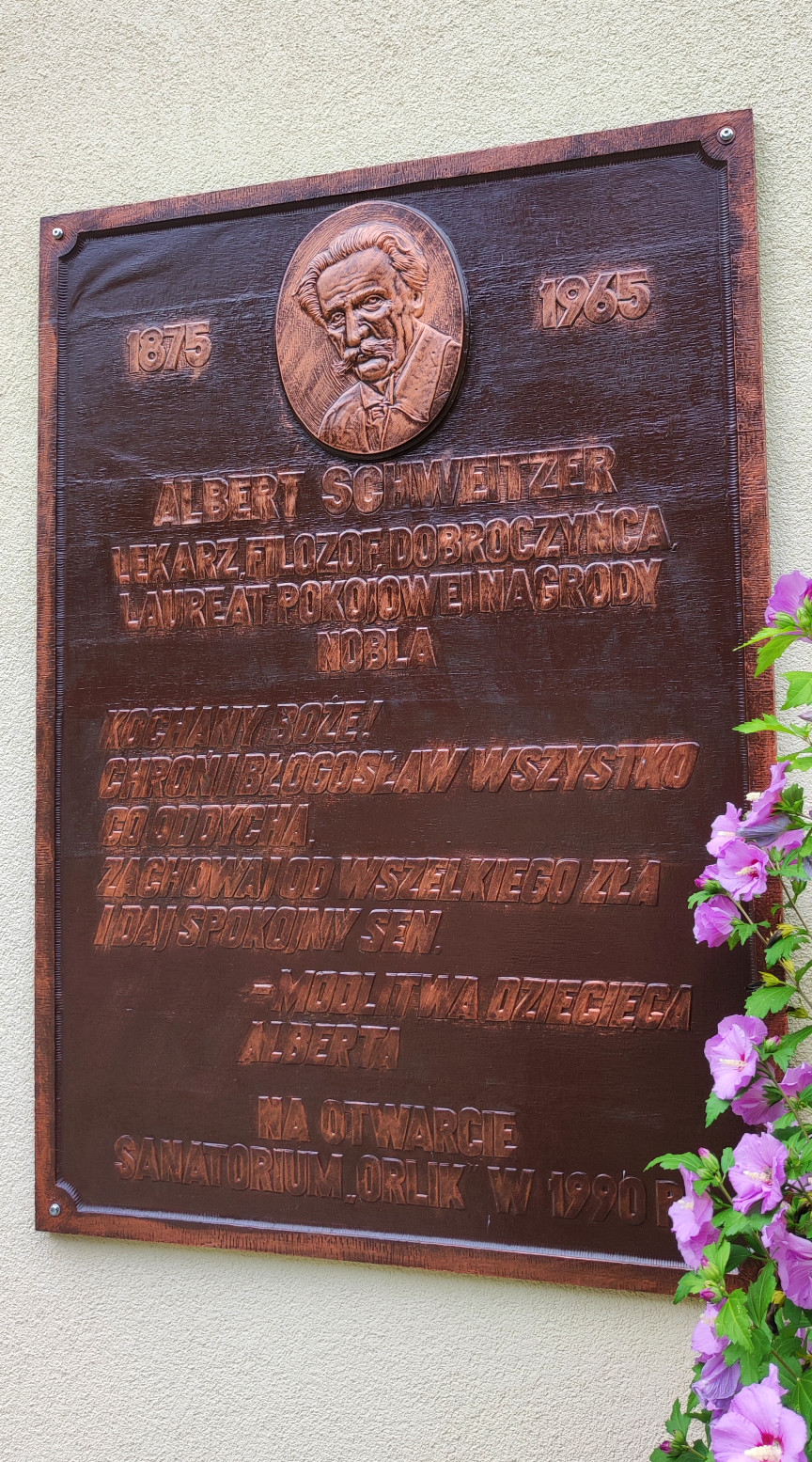
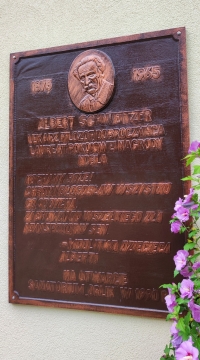
  • Memorial plaque to Albert Schweitzer, unveiled by Bronislaw Kamiński at the opening of the reconstructed hospital for children. The French Protestant missionary and doctor inspired the witness with his idea of brotherhood between people and nations, for which Albert Schweitzer received the Nobel Peace Prize in 1952. Albert Schweitzer's prayer for children is on the plaque
    Memorial plaque to Albert Schweitzer, unveiled by Bronislaw Kamiński at the opening of the reconstructed hospital for children. The French Protestant missionary and doctor inspired the witness with his idea of brotherhood between people and nations, for which Albert Schweitzer received the Nobel Peace Prize in 1952. Albert Schweitzer's prayer for children is on the plaque
    Memorial plaque to Albert Schweitzer, unveiled by Bronislaw Kamiński at the opening of the reconstructed hospital for children. The French Protestant missionary and doctor inspired the witness with his idea of brotherhood between people and nations, for which Albert Schweitzer received the Nobel Peace Prize in 1952. Albert Schweitzer's prayer for children is on the plaque
    Bronisław Kamiński (* 1936)
    photo: Markéta Bernatt-Reszczyńská
    Download image
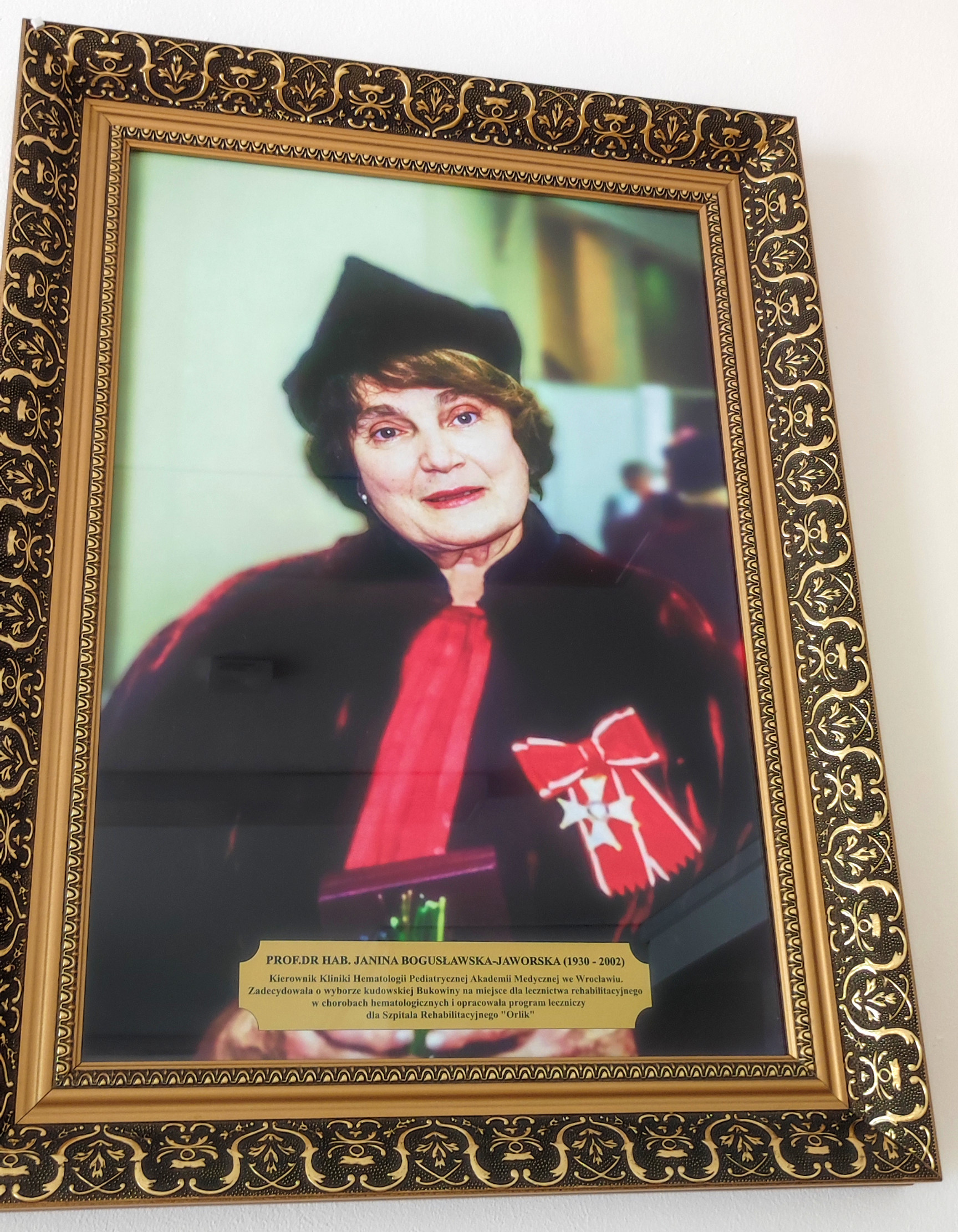
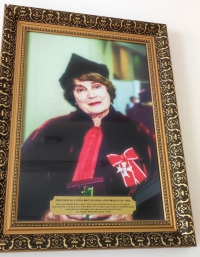
  • Head of the Wrocław Clinic of Pediatric Hematology Prof. Dr. Janina Bogusławska-Jaworska (1930-2002), who developed a treatment program for the future rehabilitation clinic, is commemorated by a portrait in the building of the Orlik hospital
    Head of the Wrocław Clinic of Pediatric Hematology Prof. Dr. Janina Bogusławska-Jaworska (1930-2002), who developed a treatment program for the future rehabilitation clinic, is commemorated by a portrait in the building of the Orlik hospital
    Head of the Wrocław Clinic of Pediatric Hematology Prof. Dr. Janina Bogusławska-Jaworska (1930-2002), who developed a treatment program for the future rehabilitation clinic, is commemorated by a portrait in the building of the Orlik hospital
    Bronisław Kamiński (* 1936)
    photo: archive of the witness
    Download image
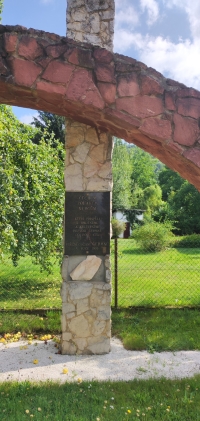
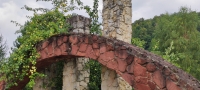
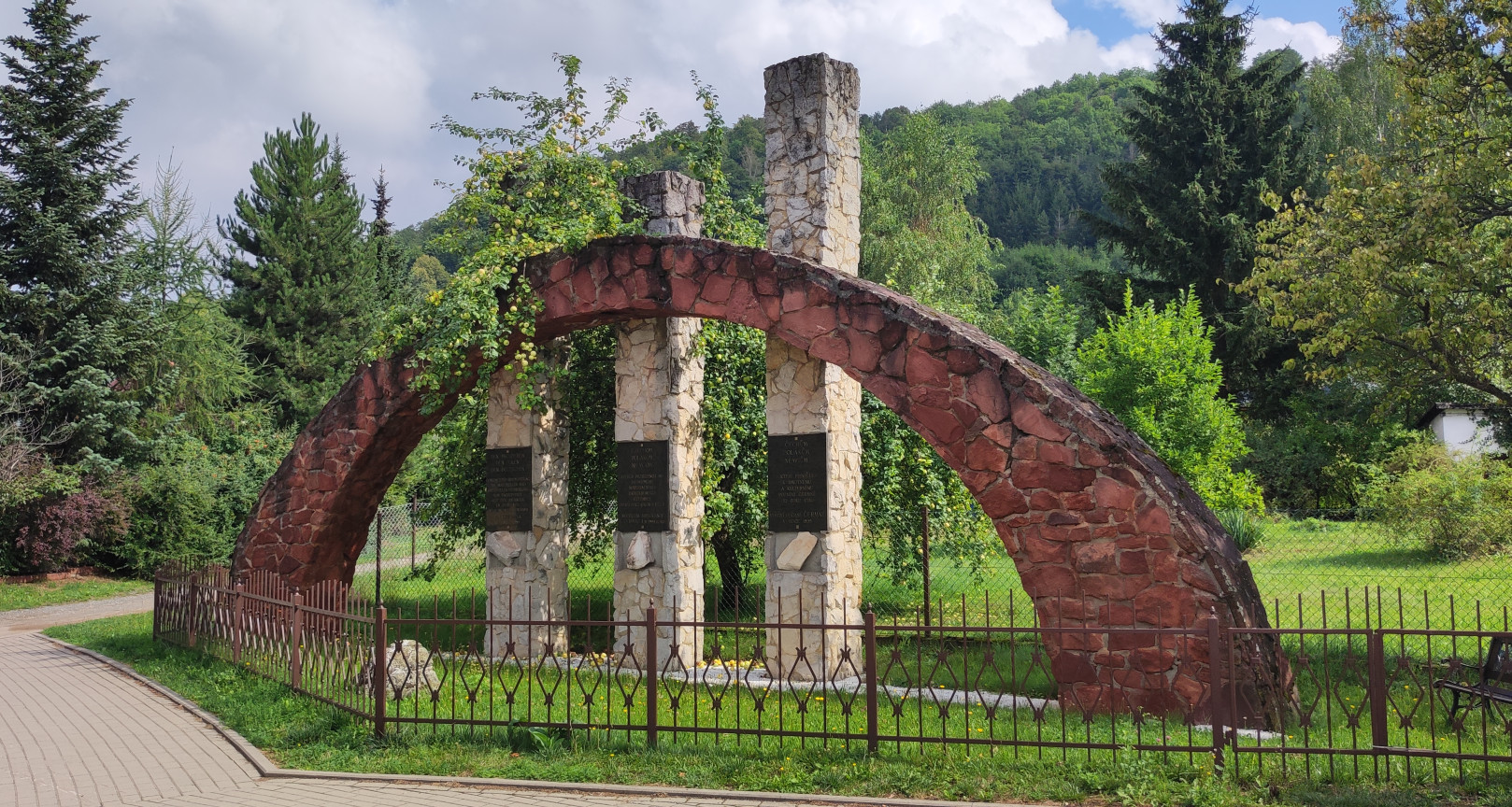
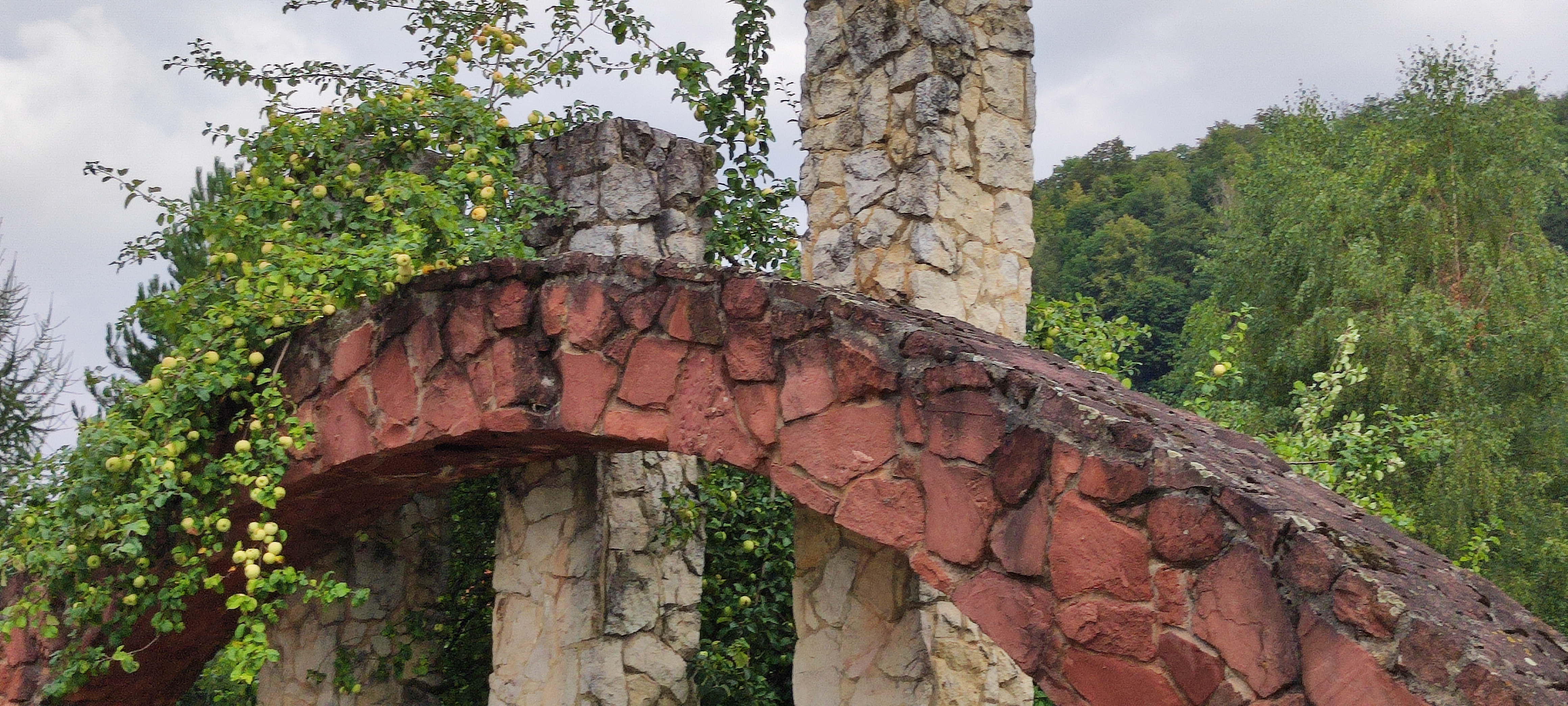
  • Three Cultures Monument (Pomnik Trzech Kultur) in Czermna, the oldest part of Kudowa (near the ossuary, on the way to Pstrążne), the highest column is Czech, because the Czechs lived in Kladsko the longest, Poles the middle and the Germans the shortest, there are stones in  Czech, Polish and German under the memorial plaques - from Prague Hradčany, Wawel Castle in Krakow and Aachen, the ancient capital of Germany
    Three Cultures Monument (Pomnik Trzech Kultur) in Czermna, the oldest part of Kudowa (near the ossuary, on the way to Pstrążne), the highest column is Czech, because the Czechs lived in Kladsko the longest, Poles the middle and the Germans the shortest, there are stones in Czech, Polish and German under the memorial plaques - from Prague Hradčany, Wawel Castle in Krakow and Aachen, the ancient capital of Germany
    Three Cultures Monument (Pomnik Trzech Kultur) in Czermna, the oldest part of Kudowa (near the ossuary, on the way to Pstrążne), the highest column is Czech, because the Czechs lived in Kladsko the longest, Poles the middle and the Germans the shortest, there are stones in Czech, Polish and German under the memorial plaques - from Prague Hradčany, Wawel Castle in Krakow and Aachen, the ancient capital of Germany
    Bronisław Kamiński (* 1936)
    photo: Markéta Bernatt-Reszczyńská
    Download image
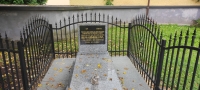
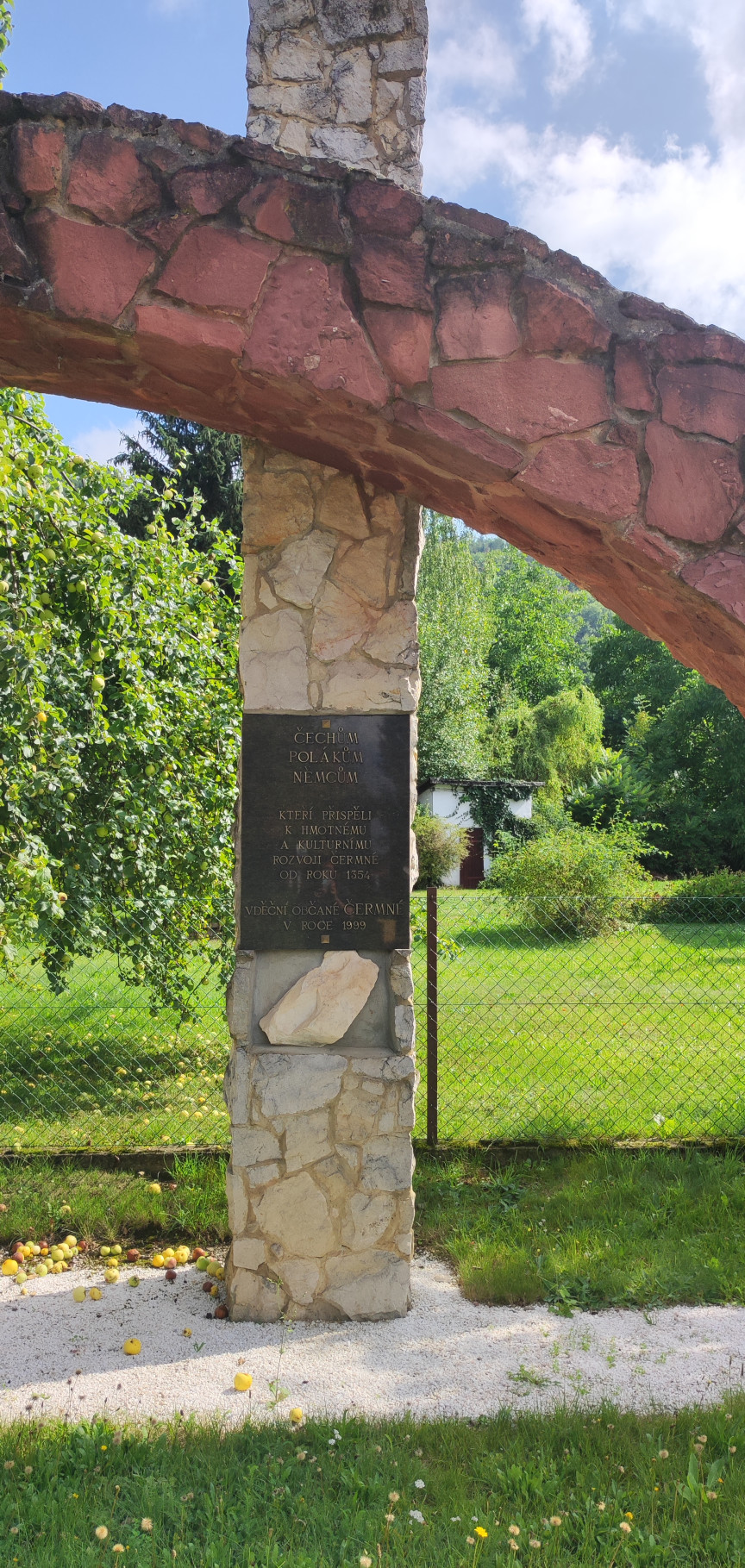
  • A column dedicated to the Czechs with the inscription TO CZECHS POLES GERMANS // WHO CONTRIBUTED TO THE MATERIAL AND CULTURAL DEVELOPMENT OF CZERMNA SINCE 1354 // GRATEFUL CITIZENS OF CZERMNA IN 1999
    A column dedicated to the Czechs with the inscription TO CZECHS POLES GERMANS // WHO CONTRIBUTED TO THE MATERIAL AND CULTURAL DEVELOPMENT OF CZERMNA SINCE 1354 // GRATEFUL CITIZENS OF CZERMNA IN 1999
    A column dedicated to the Czechs with the inscription TO CZECHS POLES GERMANS // WHO CONTRIBUTED TO THE MATERIAL AND CULTURAL DEVELOPMENT OF CZERMNA SINCE 1354 // GRATEFUL CITIZENS OF CZERMNA IN 1999
    Bronisław Kamiński (* 1936)
    photo: Markéta Bernatt-Reszczyńská
    Download image
  • The Three Cultures Monument (Pomnik Trzech Kultur) was unveiled with a large turnout of guests on August 17, 1999, it was financed by contributions from individuals who donated 30,000 zlotys for its construction
    The Three Cultures Monument (Pomnik Trzech Kultur) was unveiled with a large turnout of guests on August 17, 1999, it was financed by contributions from individuals who donated 30,000 zlotys for its construction
    The Three Cultures Monument (Pomnik Trzech Kultur) was unveiled with a large turnout of guests on August 17, 1999, it was financed by contributions from individuals who donated 30,000 zlotys for its construction
    Bronisław Kamiński (* 1936)
    photo: Markéta Bernatt-Reszczyńská
    Download image
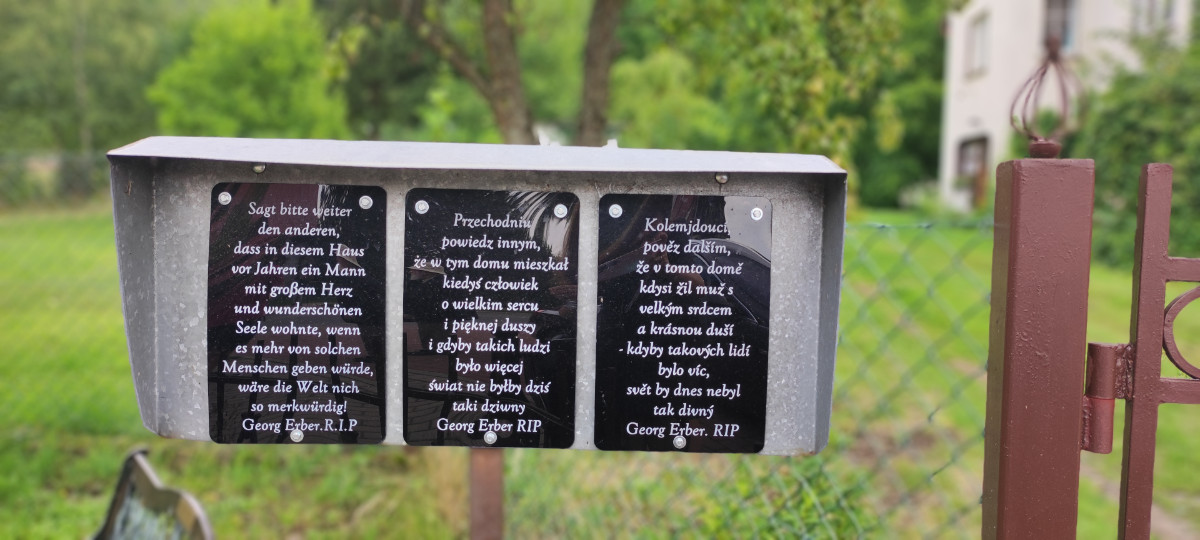
  • The Three Cultures Monument (Pomnik Trzech Kultur) stands on the plot of Mrs. Zosia's garden, who donated part of it for the construction of the monument. She herself installed plaques next to it with the memory of the German residents of the house in which she lives
    The Three Cultures Monument (Pomnik Trzech Kultur) stands on the plot of Mrs. Zosia's garden, who donated part of it for the construction of the monument. She herself installed plaques next to it with the memory of the German residents of the house in which she lives
    The Three Cultures Monument (Pomnik Trzech Kultur) stands on the plot of Mrs. Zosia's garden, who donated part of it for the construction of the monument. She herself installed plaques next to it with the memory of the German residents of the house in which she lives
    Bronisław Kamiński (* 1936)
    photo: Markéta Bernatt-Reszczyńská
    Download image
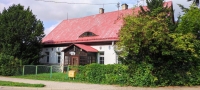
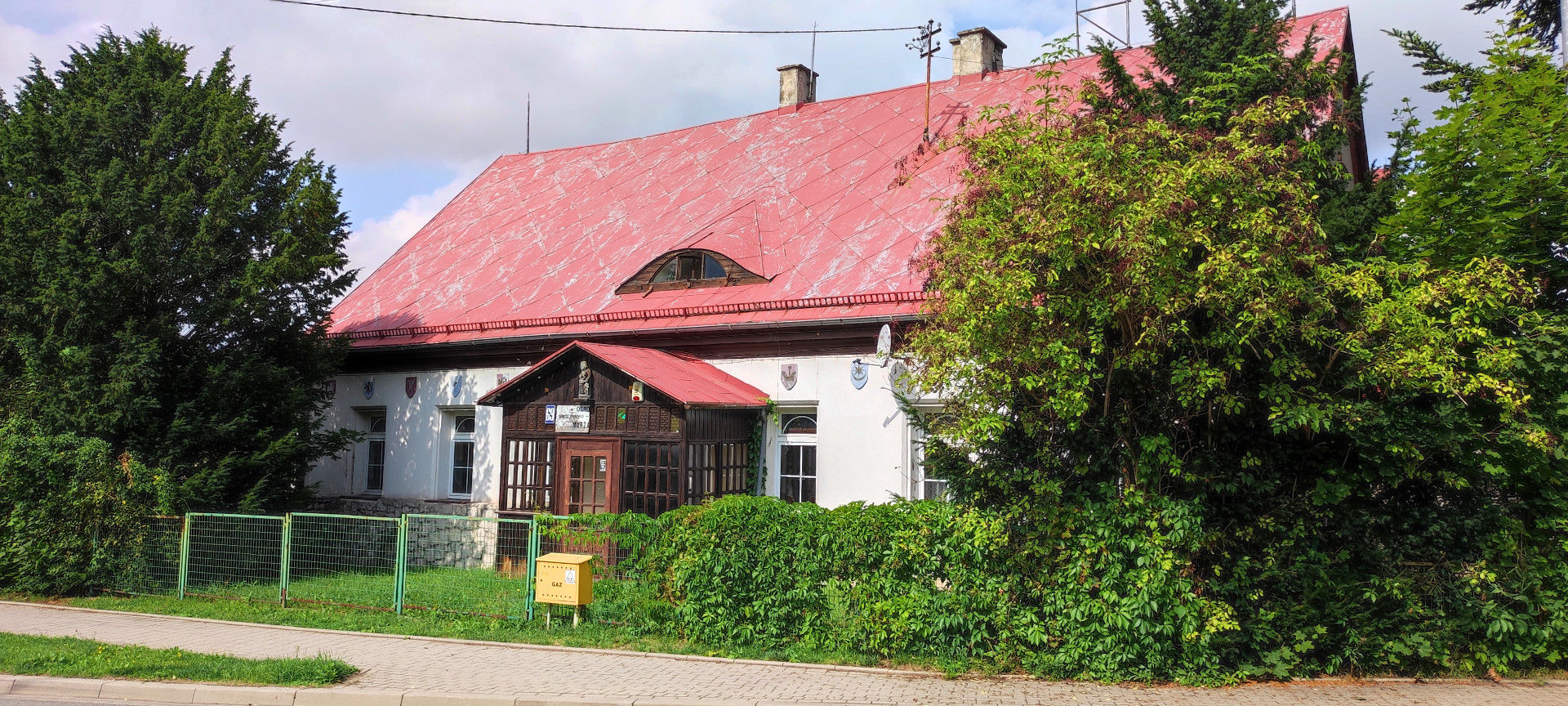
  • The first sanatorium in Kudówa-Czermná, which the witness ran, is no longer in operation (it is located opposite the Three Cultures Monument)
    The first sanatorium in Kudówa-Czermná, which the witness ran, is no longer in operation (it is located opposite the Three Cultures Monument)
    The first sanatorium in Kudówa-Czermná, which the witness ran, is no longer in operation (it is located opposite the Three Cultures Monument)
    Bronisław Kamiński (* 1936)
    photo: Markéta Bernatt-Reszczyńská
    Download image
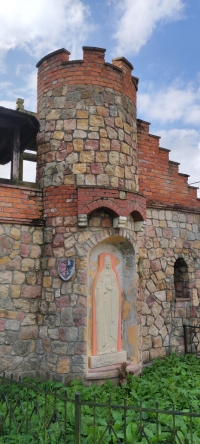
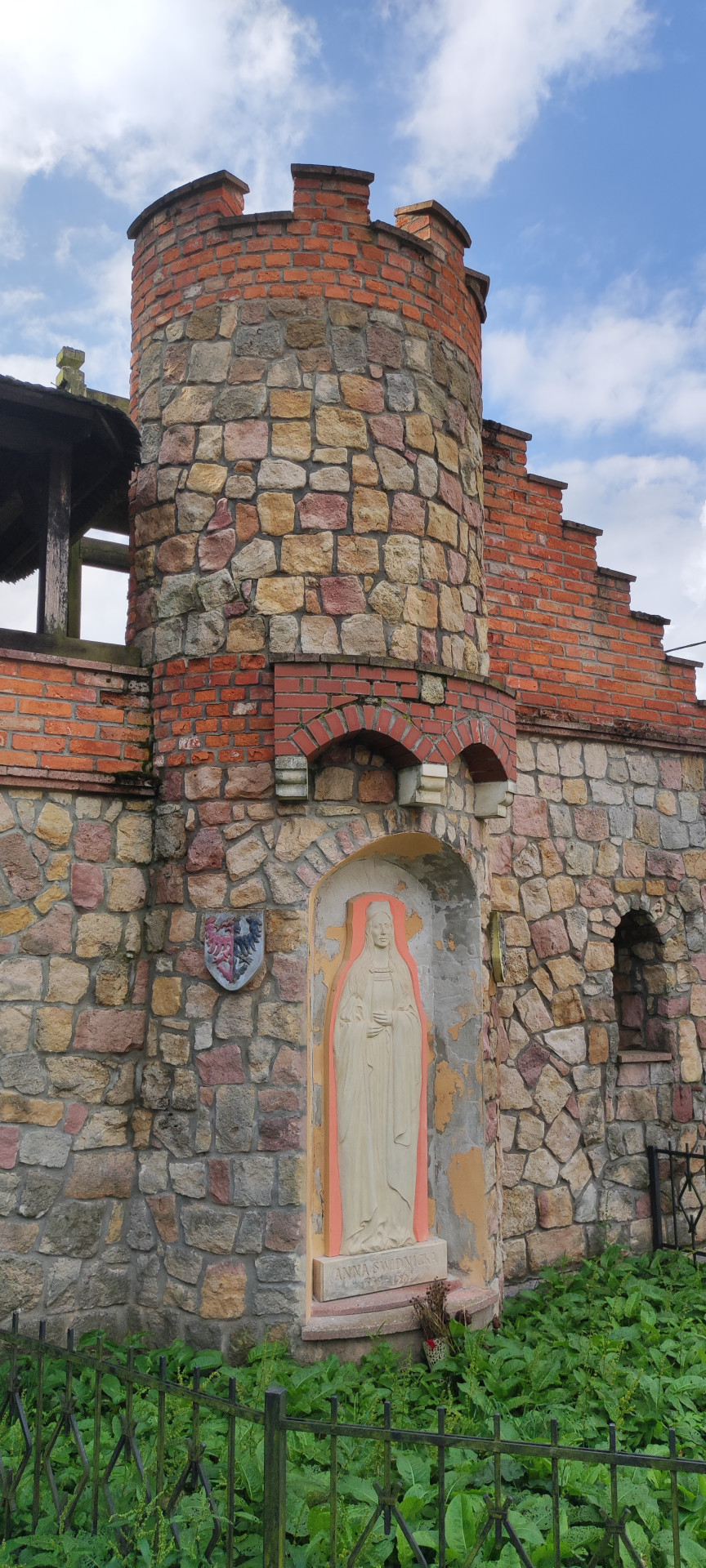
  • Queen Anna of Schweidnitz monument, which was created on the initiative of a witness in 2004 opposite the Three Cultures Monument in Kudówa-Czermná
    Queen Anna of Schweidnitz monument, which was created on the initiative of a witness in 2004 opposite the Three Cultures Monument in Kudówa-Czermná
    Queen Anna of Schweidnitz monument, which was created on the initiative of a witness in 2004 opposite the Three Cultures Monument in Kudówa-Czermná
    Bronisław Kamiński (* 1936)
    photo: Markéta Bernatt-Reszczyńská
    Download image
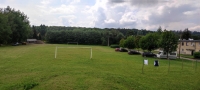
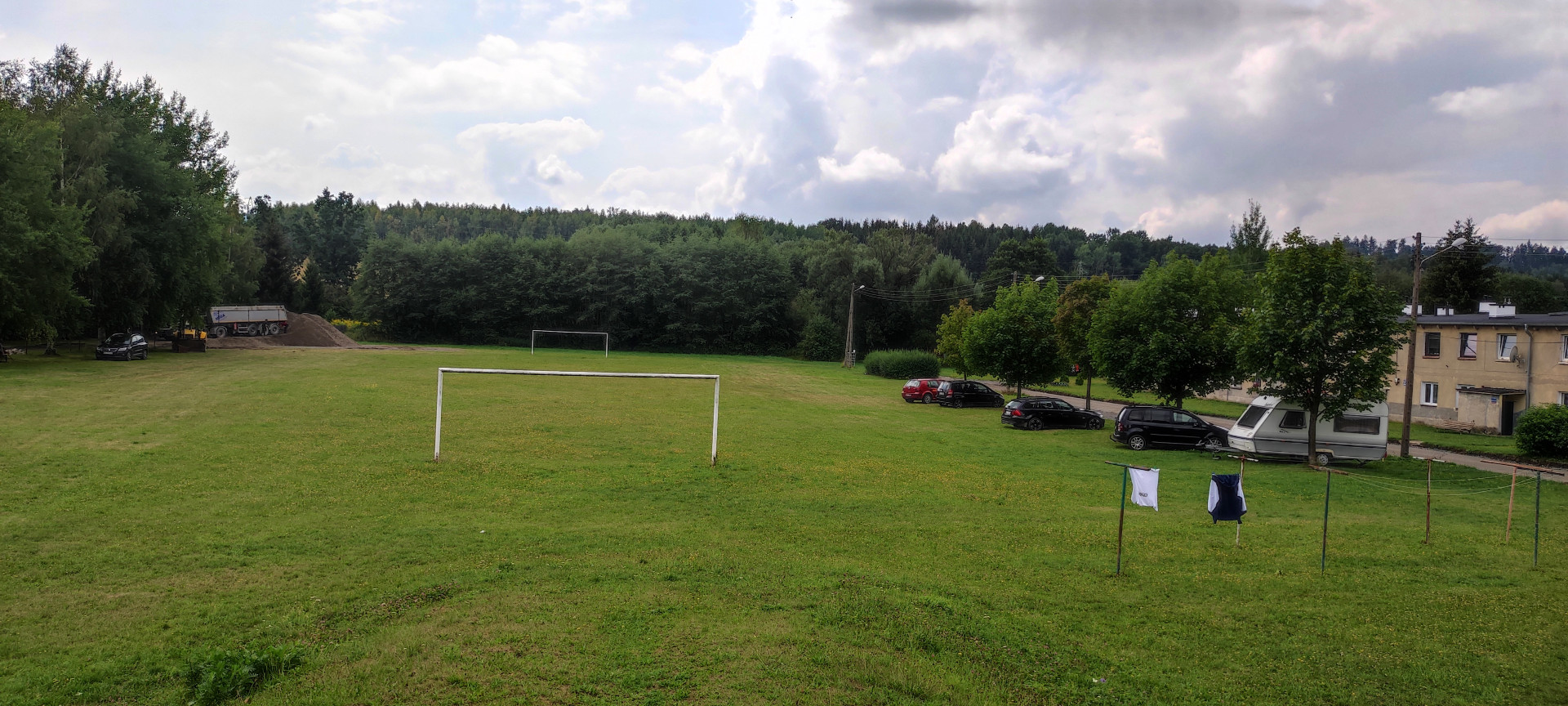
  • The place where the subsidiary labor camp of the Gross Rosen Nazi camp stood in Kudowa (Sackisch, today part of Zakrze) - 4,000 prisoners worked there, according to Mr. Kaminski - local people do not want a monument at this place
    The place where the subsidiary labor camp of the Gross Rosen Nazi camp stood in Kudowa (Sackisch, today part of Zakrze) - 4,000 prisoners worked there, according to Mr. Kaminski - local people do not want a monument at this place
    The place where the subsidiary labor camp of the Gross Rosen Nazi camp stood in Kudowa (Sackisch, today part of Zakrze) - 4,000 prisoners worked there, according to Mr. Kaminski - local people do not want a monument at this place
    Bronisław Kamiński (* 1936)
    photo: Markéta Bernatt-Reszczyńská
    Download image
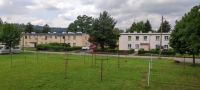
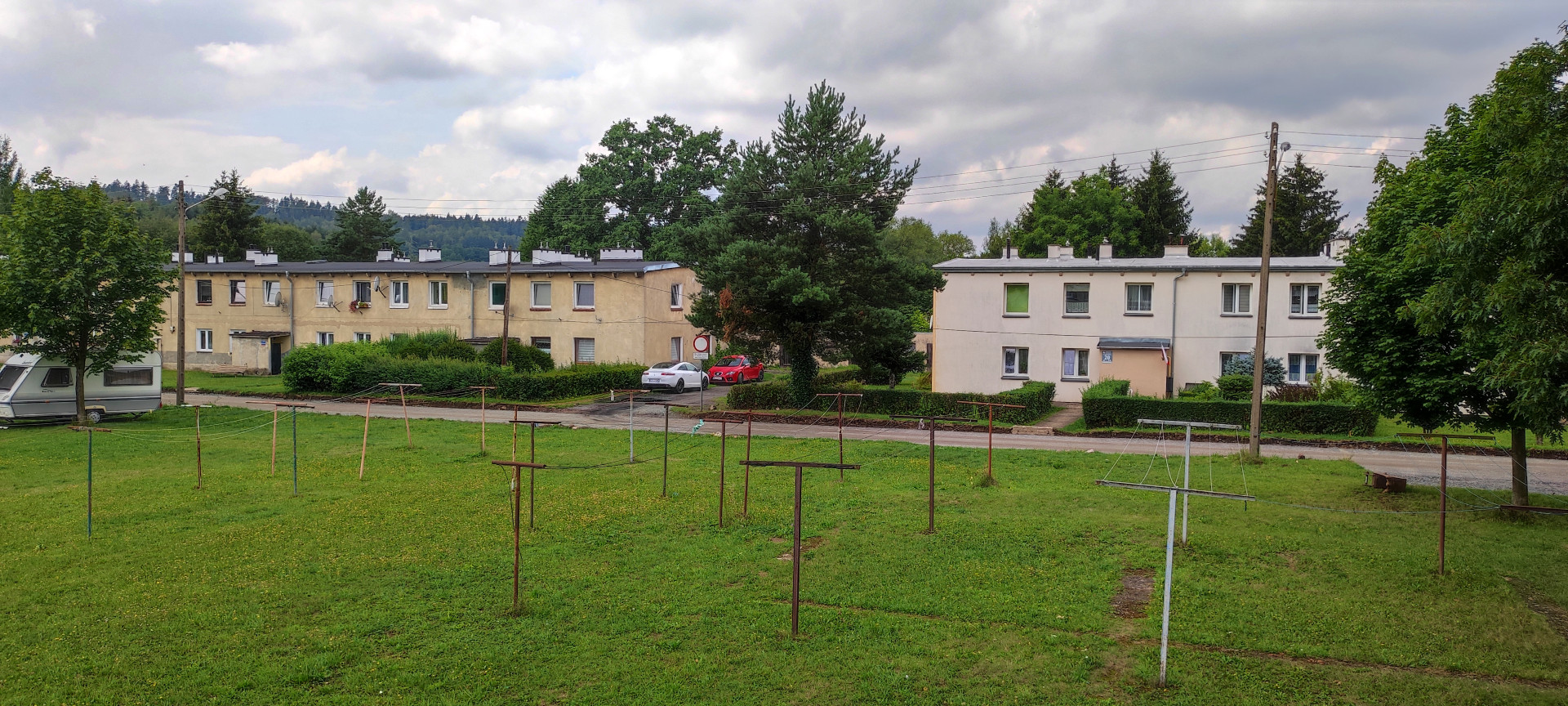
  • The place where the subsidiary labor camp of the Gross Rosen Nazi camp stood in Kudowa (Sackisch, today part of Zakrze) - 4,000 prisoners worked there, hostels resembling of camp buildings were built in its place
    The place where the subsidiary labor camp of the Gross Rosen Nazi camp stood in Kudowa (Sackisch, today part of Zakrze) - 4,000 prisoners worked there, hostels resembling of camp buildings were built in its place
    The place where the subsidiary labor camp of the Gross Rosen Nazi camp stood in Kudowa (Sackisch, today part of Zakrze) - 4,000 prisoners worked there, hostels resembling of camp buildings were built in its place
    Bronisław Kamiński (* 1936)
    photo: Markéta Bernatt-Reszczyńská
    Download image
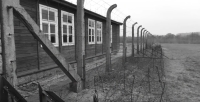
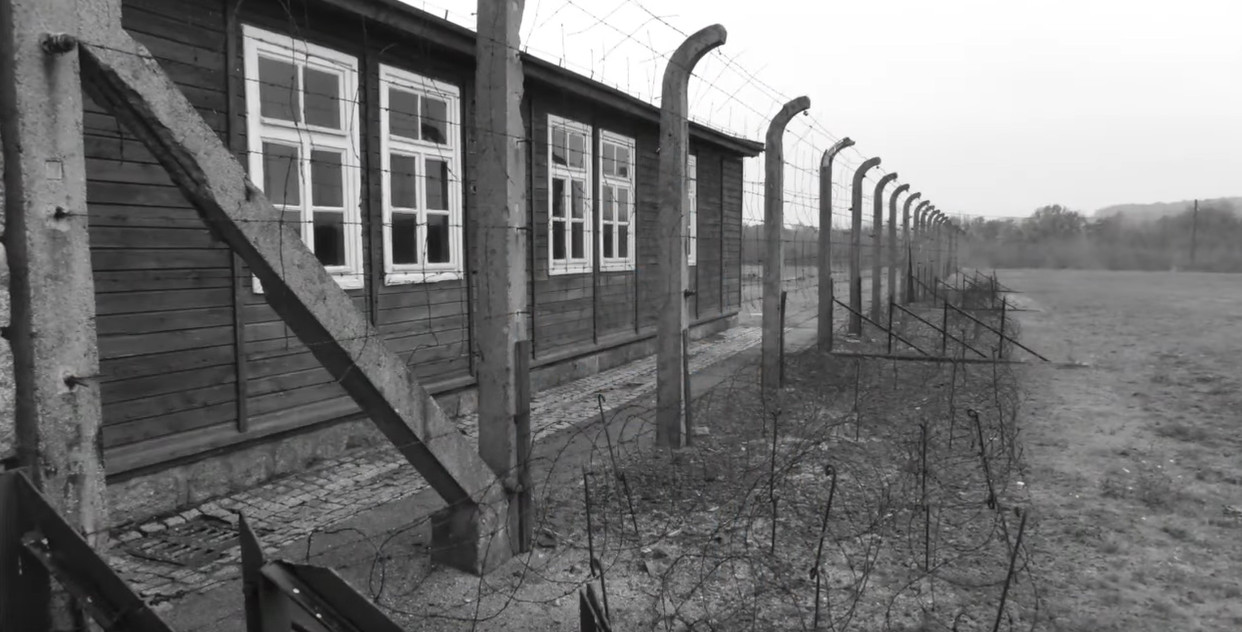
  • The houseof the labor camp in Kudowa-Sackisch, in which 4,000 male and female prisoners from all over Europe worked, one of them was Italian Luigi Baldan, who helped Jewish female prisoners, escaped a few weeks before the end of the war and found refuge with a Czech family in Dvůr Králové
    The houseof the labor camp in Kudowa-Sackisch, in which 4,000 male and female prisoners from all over Europe worked, one of them was Italian Luigi Baldan, who helped Jewish female prisoners, escaped a few weeks before the end of the war and found refuge with a Czech family in Dvůr Králové
    The houseof the labor camp in Kudowa-Sackisch, in which 4,000 male and female prisoners from all over Europe worked, one of them was Italian Luigi Baldan, who helped Jewish female prisoners, escaped a few weeks before the end of the war and found refuge with a Czech family in Dvůr Králové
    Bronisław Kamiński (* 1936)
    photo: A shot from a film by Italian students about the Italian prisoner Luigi Baldani
    Download image
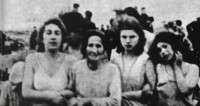
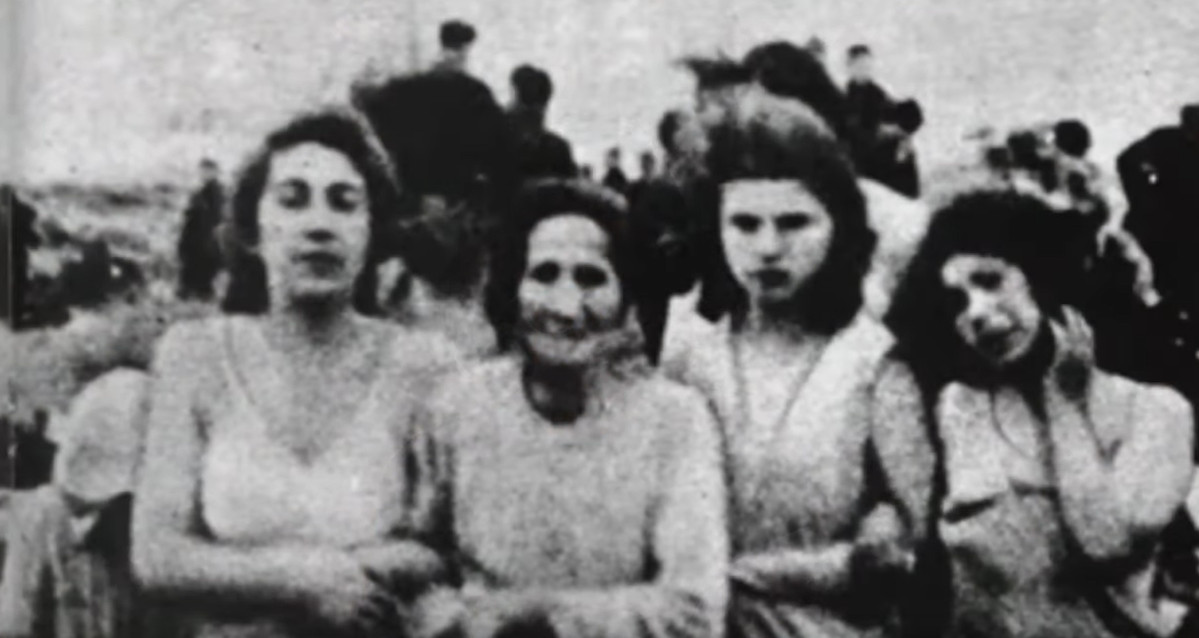
  • Female prisoners of the labor camp in Kudowa-Sackisch
    Female prisoners of the labor camp in Kudowa-Sackisch
    Female prisoners of the labor camp in Kudowa-Sackisch
    Bronisław Kamiński (* 1936)
    photo: A shot from a film by Italian students about the Italian prisoner Luigi Baldan (Per non dimenticare Luigi Baldan un uomo semplice e giusto)
    Download image
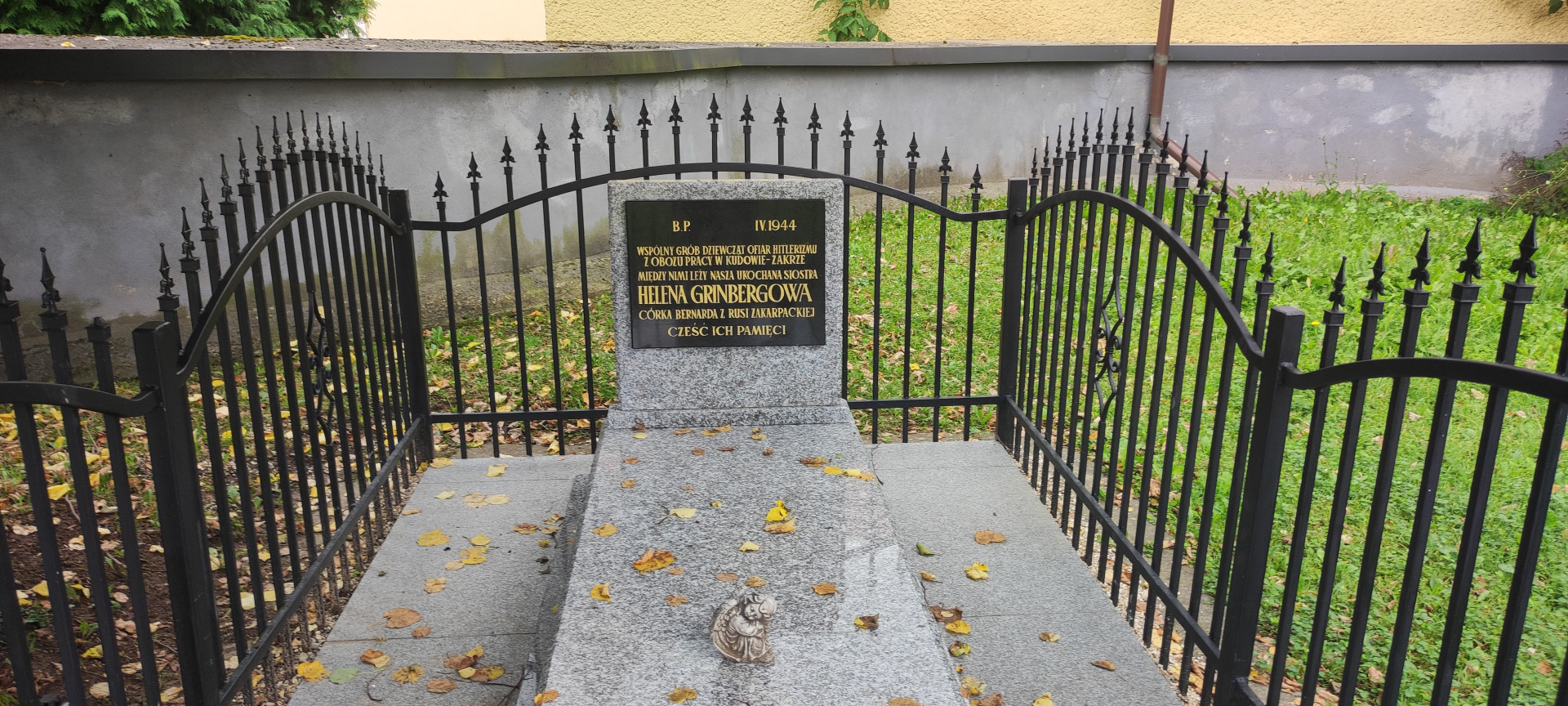
  • The grave of the victims of the labor camp in Kudowa (female prisoners), among whom was Helena Grinbergerová
    The grave of the victims of the labor camp in Kudowa (female prisoners), among whom was Helena Grinbergerová
    The grave of the victims of the labor camp in Kudowa (female prisoners), among whom was Helena Grinbergerová
    Bronisław Kamiński (* 1936)
    photo: Markéta Bernatt-Reszczyńská
    Download image
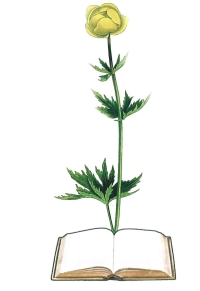
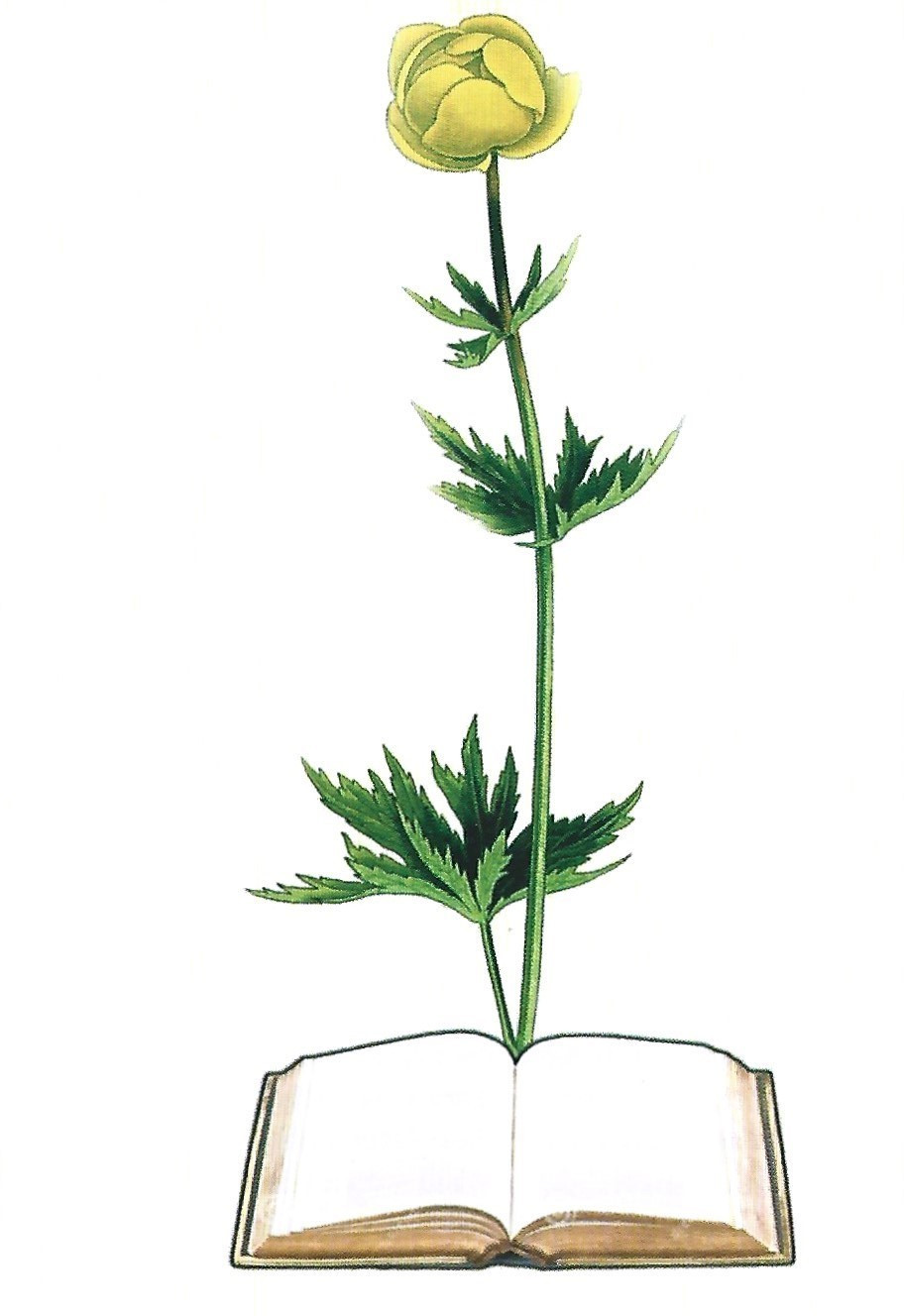
  • The Kladská rose on a book - a proposal for a monument commemorating the prisoners of the labor camp in Kudowa, the creation of which the witness strives
    The Kladská rose on a book - a proposal for a monument commemorating the prisoners of the labor camp in Kudowa, the creation of which the witness strives
    The Kladská rose on a book - a proposal for a monument commemorating the prisoners of the labor camp in Kudowa, the creation of which the witness strives
    Bronisław Kamiński (* 1936)
    photo: archive of the witness
    Download image
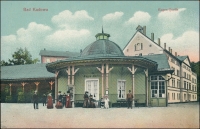
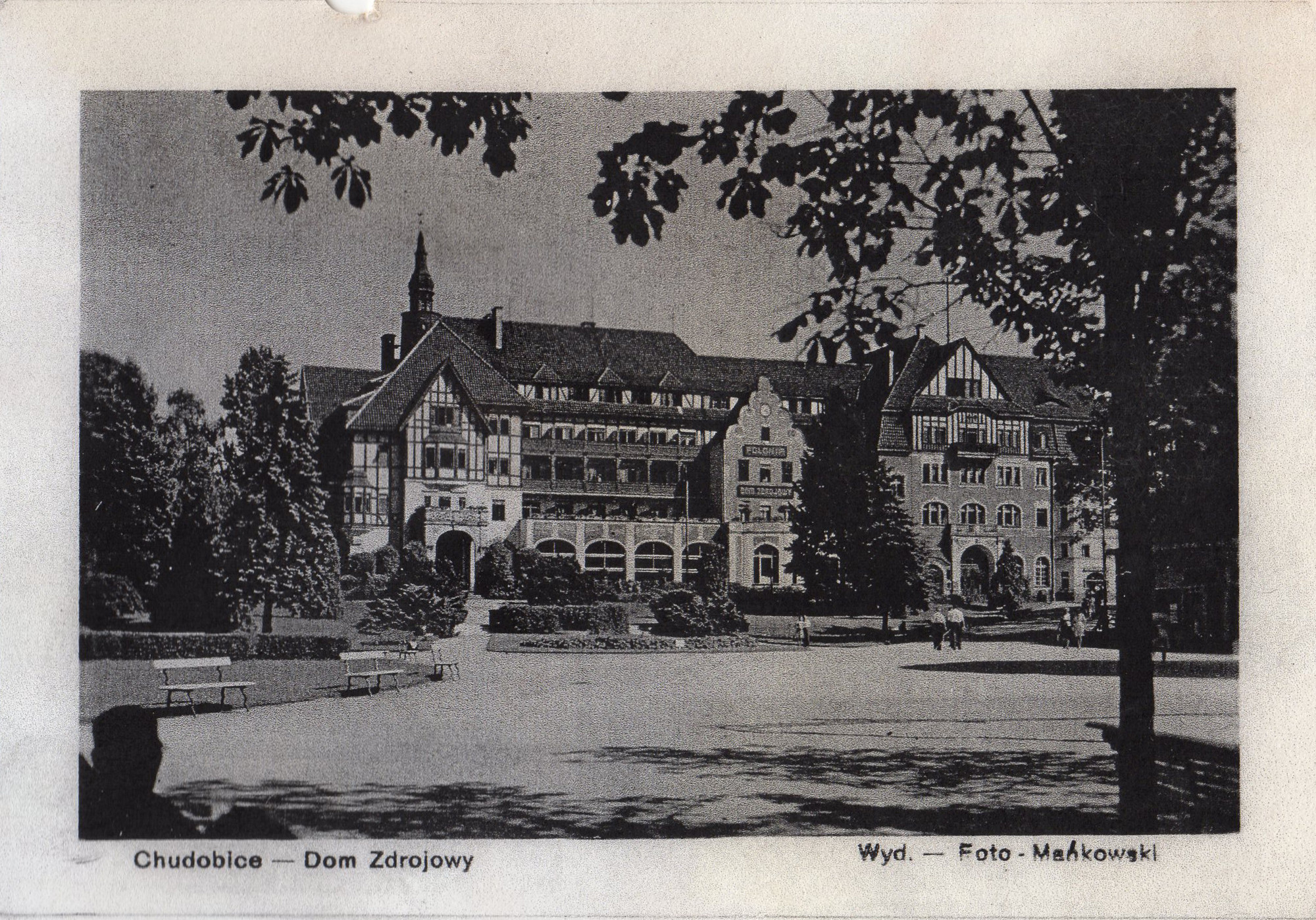
  • The spa house in Kudowa, which after the war the Poles briefly called Chudobice after the Czech name - later they changed it back to Kudowa
    The spa house in Kudowa, which after the war the Poles briefly called Chudobice after the Czech name - later they changed it back to Kudowa
    The spa house in Kudowa, which after the war the Poles briefly called Chudobice after the Czech name - later they changed it back to Kudowa
    Bronisław Kamiński (* 1936)
    photo: archive of the witness
    Download image
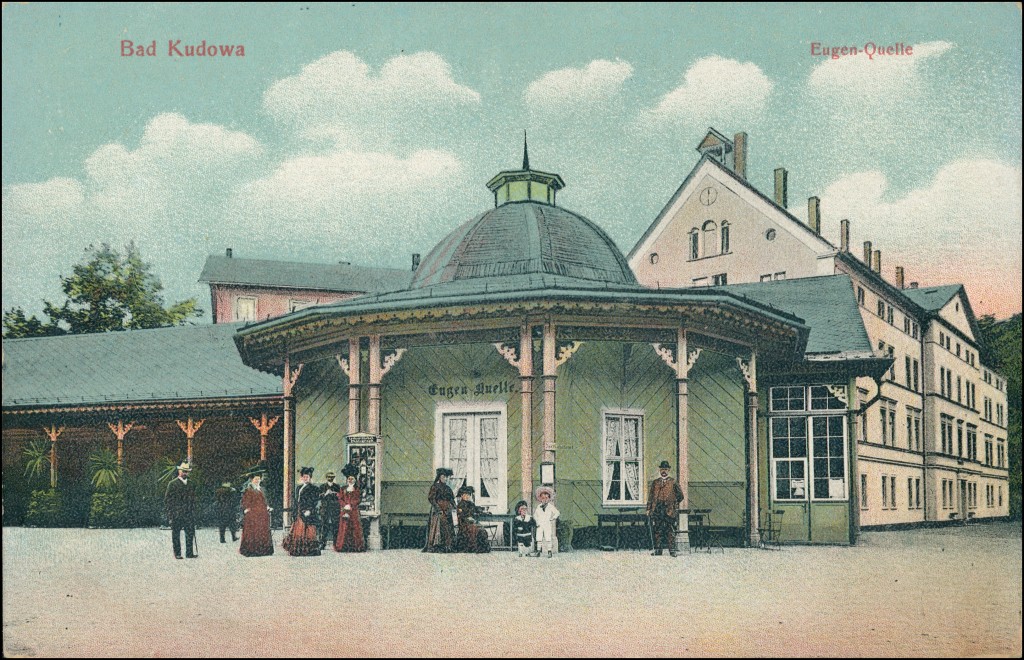
  • Pre-war postcard from Kudowa with the German name Bad Kudowa
    Pre-war postcard from Kudowa with the German name Bad Kudowa
    Pre-war postcard from Kudowa with the German name Bad Kudowa
    Bronisław Kamiński (* 1936)
    photo: archive of the witness
    Download image
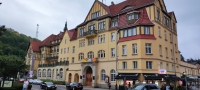
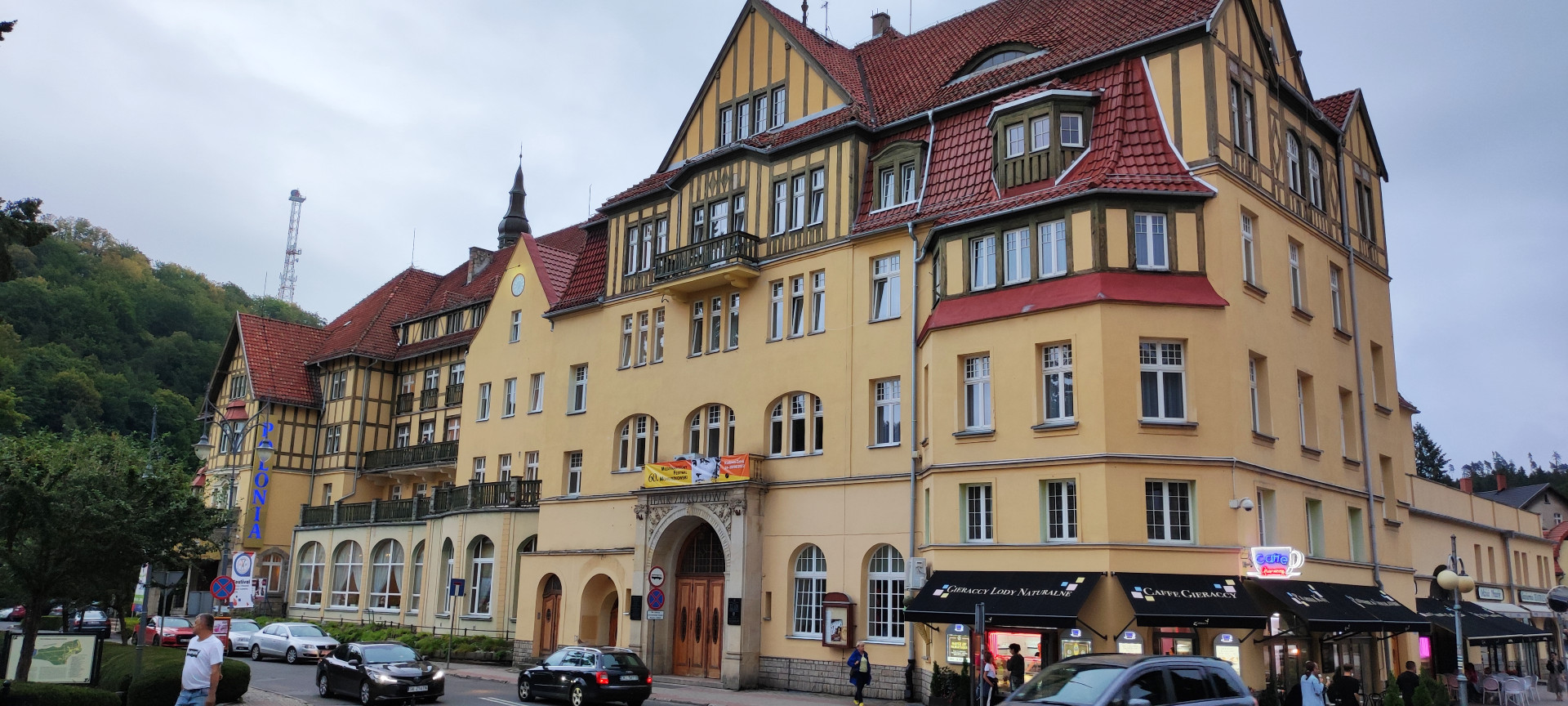
  • Spa house in Kudówa in 2022 (named Polonia)
    Spa house in Kudówa in 2022 (named Polonia)
    Spa house in Kudówa in 2022 (named Polonia)
    Bronisław Kamiński (* 1936)
    photo: Markéta Bernatt-Reszczyńská
    Download image
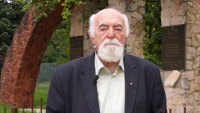
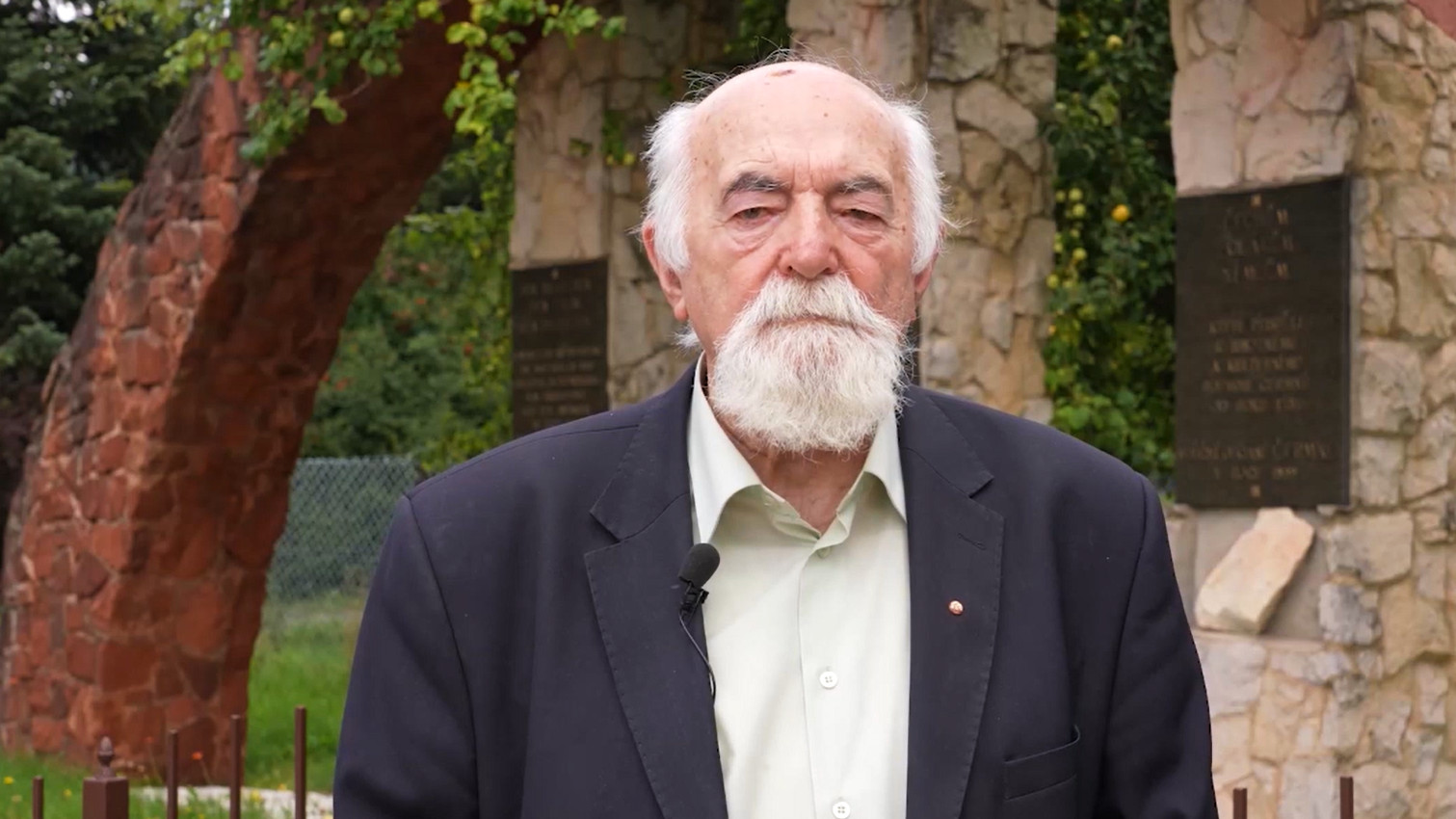
  • Bronislaw Kamiński in front of the Monument of Three Cultures in Kudowa, August 2022
    Bronislaw Kamiński in front of the Monument of Three Cultures in Kudowa, August 2022
    Bronislaw Kamiński in front of the Monument of Three Cultures in Kudowa, August 2022
    Bronisław Kamiński (* 1936)
    photo: Markéta Bernatt-Reszczyńská
    Download image
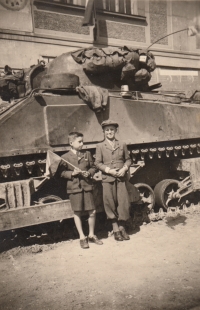
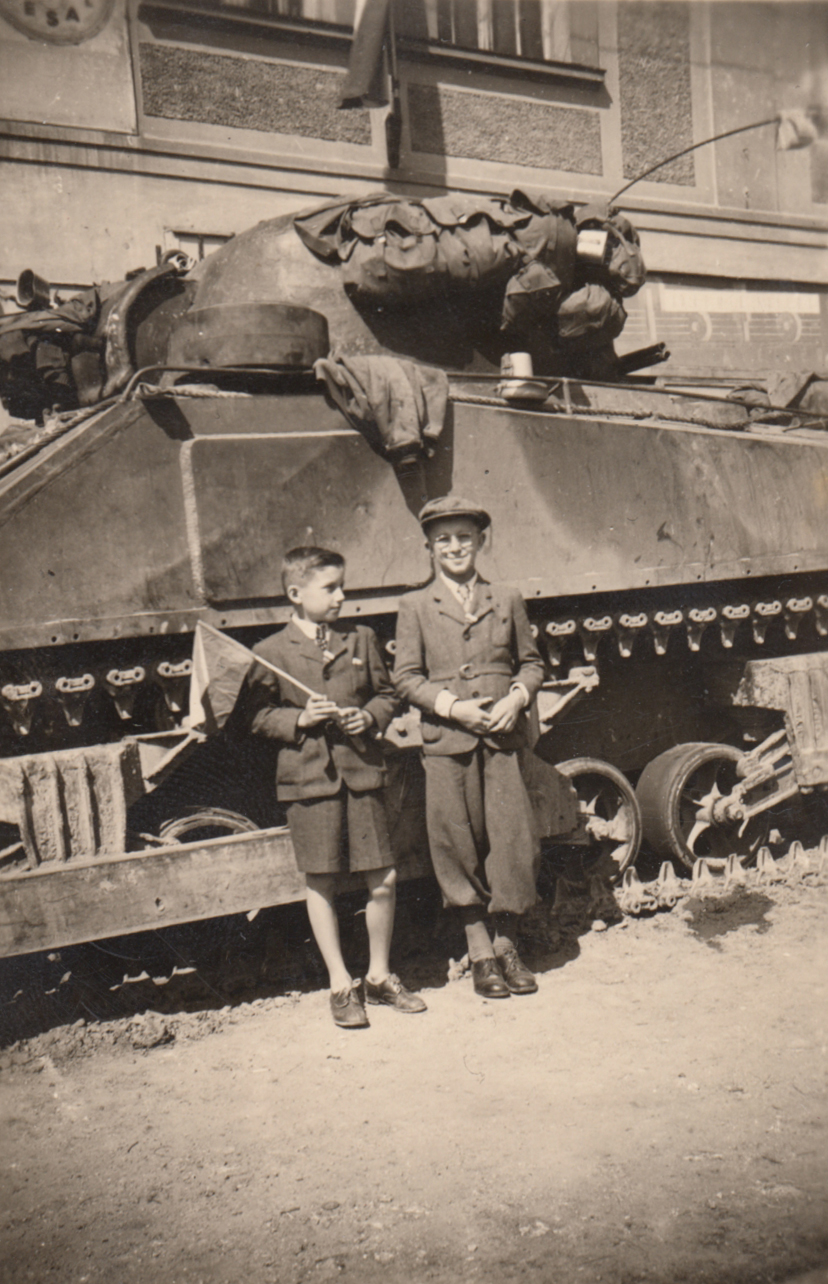
  • Jaroslav Kraus in front of the American M4 Sherman tank in May 1945 in Starý Plzenec
    Jaroslav Kraus in front of the American M4 Sherman tank in May 1945 in Starý Plzenec
    Jaroslav Kraus in front of the American M4 Sherman tank in May 1945 in Starý Plzenec
    Jaroslav Kraus (* 1935)
    photo: Archiv pamětníka
    Download image
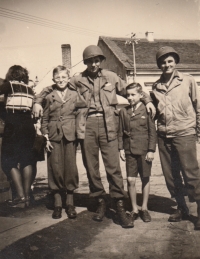
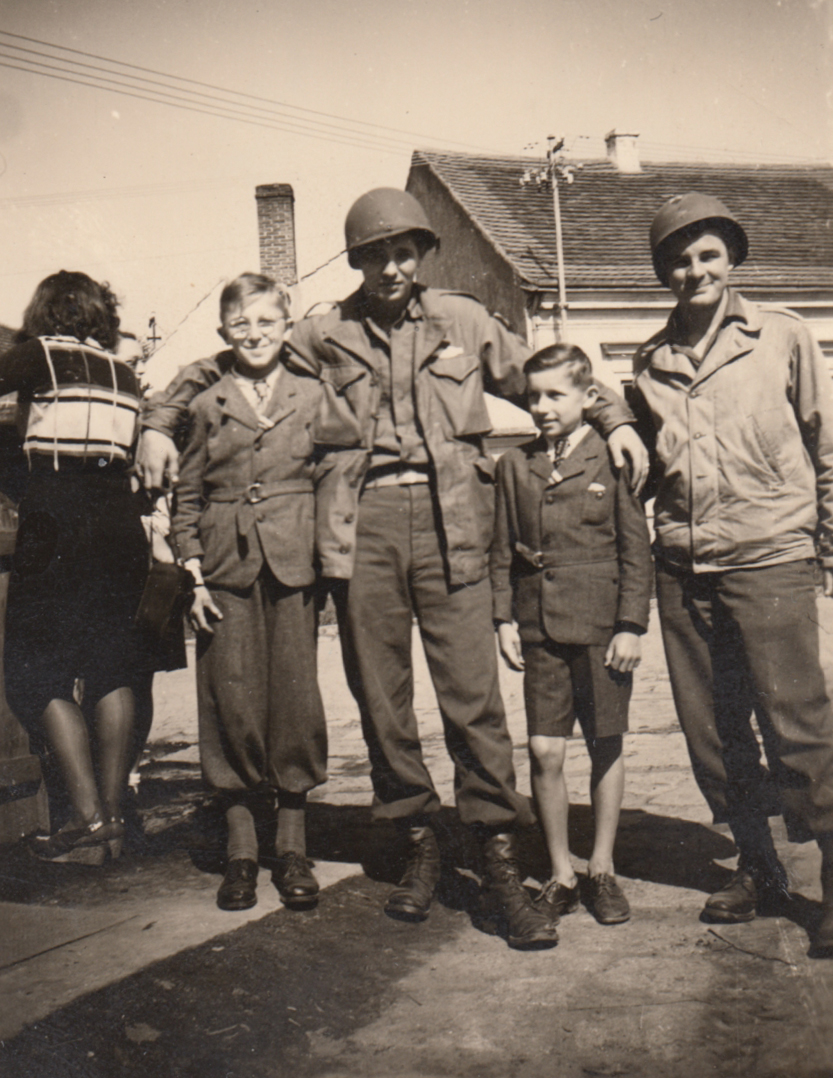
  • Jaroslav Kraus with American soldiers in Old Pilsen in May, 1945
    Jaroslav Kraus with American soldiers in Old Pilsen in May, 1945
    Jaroslav Kraus with American soldiers in Old Pilsen in May, 1945
    Jaroslav Kraus (* 1935)
    photo: Archiv pamětníka
    Download image
  • Previous page ‹ Previous
  • First page 1
  • …
  • Page 3526
  • Page 3527
  • Page 3528
  • Current page 3529
  • Page 3530
  • Page 3531
  • Page 3532
  • …
  • Last page 6297
  • Next page Next ›
 
Tichá hrdinství

Search Resources

  • All

    (243890)
  • Institutions

    (120)
  • Witnesses

    (12053)
  • Photos

    (157422)
  • Clips

    (46422)
  • Links

    (27873)
  • Articles

Statistics
21315 Witnesses the Database
12026 Witness Stories
21944 Registered Researchers
178973 Photos
70730 Clips
Memory of Nations
Archive
Magazine
About project
Support us
e-archive
Founding institutions
Follow us
Facebook
Twitter
Youtube
Instagram
Memory of Nations
USTR

Mapa stránek

© 2008-2026 Memory of Nations

Správu a provoz webu zajišťuje společnost Macron Software.