Memory of Nations

Menu
Witnesses
  • Magazine
  • Witnesses
  • About Project
  • Support Us
  • More…
  • Ještě jsme ve válce
  • Příběhy našich sousedů
  • Klub přátel Paměti národa
  • Příběhy 20. století
  • My jsme to nevzdali
  • Běh pro Paměť národa
  • Kolegium Paměti národa
  • Místa Paměti národa
  • Den veteránů
  • E-shop Paměti národa
  • Ceny Paměti národa
  • Workshopy
It's easy to forget. That's why we record and share testimonies that mustn't fade away.
  • Alphabetical index
  • Epics and anniversaries
  • Topics and categories
  • Partners
  • Services
  • e-archive
    Forgotten password?
  • The pilot's duty did not involve just flying. It included getting engaged with the passengers as well. Here, captain Irving is explaining something apparently very interesting.
    The pilot's duty did not involve just flying. It included getting engaged with the passengers as well. Here, captain Irving is explaining something apparently very interesting.
    The pilot's duty did not involve just flying. It included getting engaged with the passengers as well. Here, captain Irving is explaining something apparently very interesting.
    Iveta Irvingová
    photo: Archiv pamětnice
    Download image
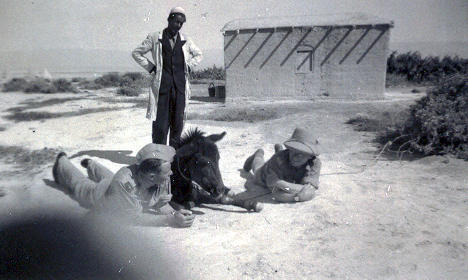
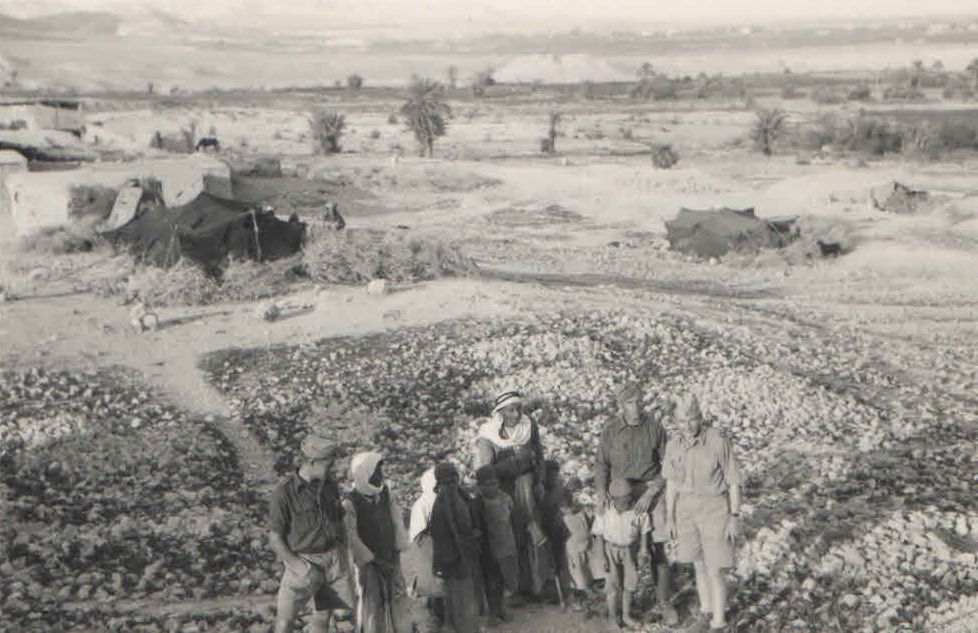
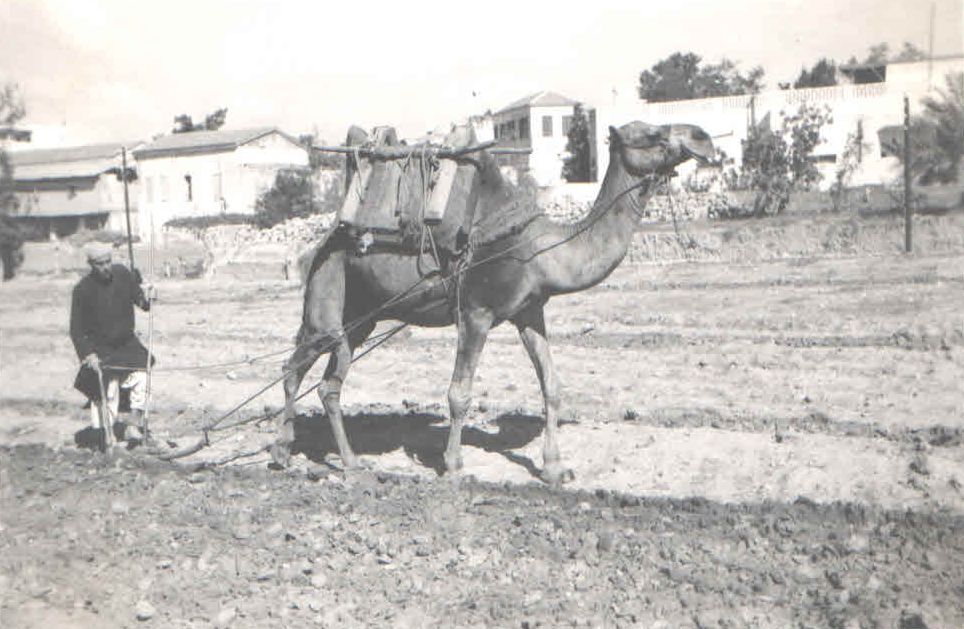
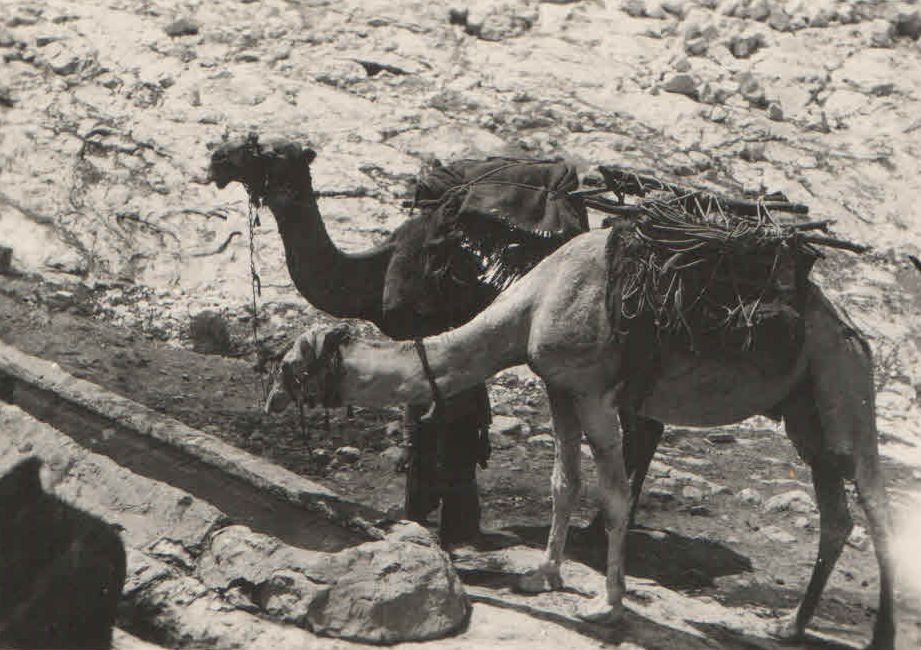
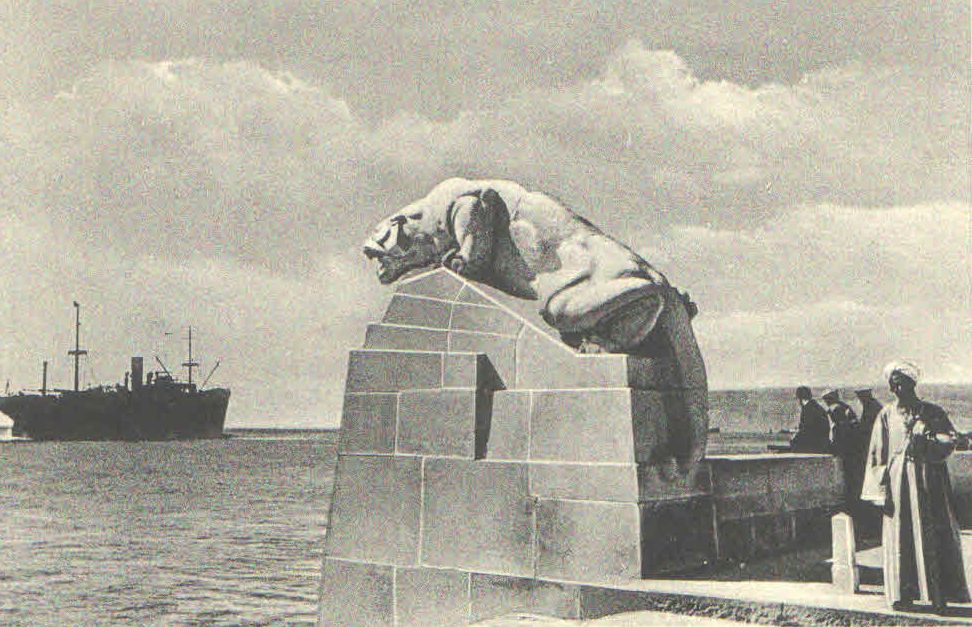
  • Jan is supervising camels loading - or boarding? and he stopped to pet his "old friends", possibly remembering the hard times in the sun-scorched Palestine..
    Jan is supervising camels loading - or boarding? and he stopped to pet his "old friends", possibly remembering the hard times in the sun-scorched Palestine..
    Jan is supervising camels loading - or boarding? and he stopped to pet his "old friends", possibly remembering the hard times in the sun-scorched Palestine..
    Iveta Irvingová
    photo: Archiv pamětnice
    Download image
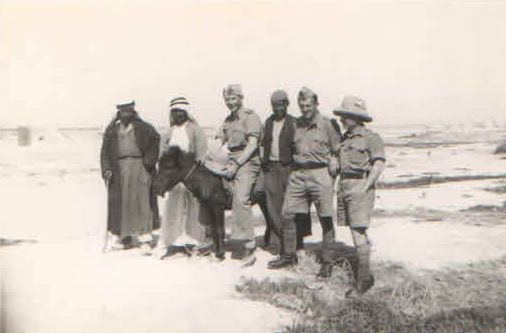
  • Loading the camels was certainly no easy task.
One of the stories Jan used to tell: Once, he was flying a rather large amount of some small monkeys in cages, probably for one of the Czechoslovak zoos recovering from their war loses. One of the monkeys was probably quite bored during the flight because it played with the door latch until it opened the cage door. The monkey gladly ran out of the cage, enjoyed her newly discovered freedom and went on to liberate its simian buddies. The crew did not notice anything until they landed and opened the cargo space. Instead of their well-deserved rest, the airplane crew, along with the airport staff, spent several hours running around on the runway until they managed to catch all the monkeys. 
On some other occasion, they flied a cargo of Olomouc cheese famous for its strong flavour, for the French connoisseurs to enjoy. It was in summer and after having landed in Paris, the staff opened the cargo space and the crew as well as the airport staff almost fainted, suffocated by the stench.
One could go on and on, Jan had a plenty of such stories. Some other stories of captain Irving and his colleagues were described in Josef Zacharda's wonderful book,  Světla a stíny leteckého povolání [Highlights and shadows of the pilot's job], unfortunately long out of print.
    Loading the camels was certainly no easy task. One of the stories Jan used to tell: Once, he was flying a rather large amount of some small monkeys in cages, probably for one of the Czechoslovak zoos recovering from their war loses. One of the monkeys was probably quite bored during the flight because it played with the door latch until it opened the cage door. The monkey gladly ran out of the cage, enjoyed her newly discovered freedom and went on to liberate its simian buddies. The crew did not notice anything until they landed and opened the cargo space. Instead of their well-deserved rest, the airplane crew, along with the airport staff, spent several hours running around on the runway until they managed to catch all the monkeys. On some other occasion, they flied a cargo of Olomouc cheese famous for its strong flavour, for the French connoisseurs to enjoy. It was in summer and after having landed in Paris, the staff opened the cargo space and the crew as well as the airport staff almost fainted, suffocated by the stench. One could go on and on, Jan had a plenty of such stories. Some other stories of captain Irving and his colleagues were described in Josef Zacharda's wonderful book, Světla a stíny leteckého povolání [Highlights and shadows of the pilot's job], unfortunately long out of print.
    Loading the camels was certainly no easy task. One of the stories Jan used to tell: Once, he was flying a rather large amount of some small monkeys in cages, probably for one of the Czechoslovak zoos recovering from their war loses. One of the monkeys was probably quite bored during the flight because it played with the door latch until it opened the cage door. The monkey gladly ran out of the cage, enjoyed her newly discovered freedom and went on to liberate its simian buddies. The crew did not notice anything until they landed and opened the cargo space. Instead of their well-deserved rest, the airplane crew, along with the airport staff, spent several hours running around on the runway until they managed to catch all the monkeys. On some other occasion, they flied a cargo of Olomouc cheese famous for its strong flavour, for the French connoisseurs to enjoy. It was in summer and after having landed in Paris, the staff opened the cargo space and the crew as well as the airport staff almost fainted, suffocated by the stench. One could go on and on, Jan had a plenty of such stories. Some other stories of captain Irving and his colleagues were described in Josef Zacharda's wonderful book, Světla a stíny leteckého povolání [Highlights and shadows of the pilot's job], unfortunately long out of print.
    Iveta Irvingová
    photo: Archiv pamětnice
    Download image
  • Inside the cocpkit of DC-4, the adapted version used by Swissair in 1946
    Inside the cocpkit of DC-4, the adapted version used by Swissair in 1946
    Inside the cocpkit of DC-4, the adapted version used by Swissair in 1946
    Iveta Irvingová
    photo: Archiv pamětnice
    Download image
  • Portrait in 2019
    Portrait in 2019
    Portrait in 2019
    Alois Jaroš (* 1951)
    photo: autoři natáčení
    Download image
  • Portrait in 2019
    Portrait in 2019
    Portrait in 2019
    Alois Jaroš (* 1951)
    photo: autoři natáčení
    Download image
  • Portrait in 2019
    Portrait in 2019
    Portrait in 2019
    Alois Jaroš (* 1951)
    photo: autoři natáčení
    Download image
  • A rare photograph of one of the airline employee parties. Jan is in the centre, partly hidden behind a vase of flowers. At that time, nobody was really aware of the dangers of the upcoming political changes which were, so far only inconspicuously, peeking at them from the sign behind their backs. One says, in Slovak, "More flour and bread for the state - further steps towards socialism"
    A rare photograph of one of the airline employee parties. Jan is in the centre, partly hidden behind a vase of flowers. At that time, nobody was really aware of the dangers of the upcoming political changes which were, so far only inconspicuously, peeking at them from the sign behind their backs. One says, in Slovak, "More flour and bread for the state - further steps towards socialism"
    A rare photograph of one of the airline employee parties. Jan is in the centre, partly hidden behind a vase of flowers. At that time, nobody was really aware of the dangers of the upcoming political changes which were, so far only inconspicuously, peeking at them from the sign behind their backs. One says, in Slovak, "More flour and bread for the state - further steps towards socialism"
    Iveta Irvingová
    photo: Archiv pamětnice
    Download image
  • The only photograph from the ominous 11th September of 1946, when the Douglas DC-3/C-47A-80-DL (OK, cn 19535, sn 43-15069) of the Czechoslovak Airlines needed to perform an emergency landing at 1746. Captain Irving took off at 1205 from Amsterdam and there were 13 passengers and 5 crew on board. At 1546, the plane flew over the radar at the Praha Ruzyně airport and flew a hold above the clouds at 1700 metres. At 1625, in very inclement weather, the aircraft started to descend. After four unsuccesfull attempts at landing, the aircraft kept flying a hold around the airport. At the same time, a PanAm Lockheed Constellation with full fuel tanks was attempting to land so captain Irving's DC-3 had to keep waiting. The PanAm's Constellation decided to continue to Brussels. The DC-3, after running out of fuel, had to land at a field near Dobrovíz. Captain Irving and the wireless operator Šulc were injured but there were no casualties.
    The only photograph from the ominous 11th September of 1946, when the Douglas DC-3/C-47A-80-DL (OK, cn 19535, sn 43-15069) of the Czechoslovak Airlines needed to perform an emergency landing at 1746. Captain Irving took off at 1205 from Amsterdam and there were 13 passengers and 5 crew on board. At 1546, the plane flew over the radar at the Praha Ruzyně airport and flew a hold above the clouds at 1700 metres. At 1625, in very inclement weather, the aircraft started to descend. After four unsuccesfull attempts at landing, the aircraft kept flying a hold around the airport. At the same time, a PanAm Lockheed Constellation with full fuel tanks was attempting to land so captain Irving's DC-3 had to keep waiting. The PanAm's Constellation decided to continue to Brussels. The DC-3, after running out of fuel, had to land at a field near Dobrovíz. Captain Irving and the wireless operator Šulc were injured but there were no casualties.
    The only photograph from the ominous 11th September of 1946, when the Douglas DC-3/C-47A-80-DL (OK, cn 19535, sn 43-15069) of the Czechoslovak Airlines needed to perform an emergency landing at 1746. Captain Irving took off at 1205 from Amsterdam and there were 13 passengers and 5 crew on board. At 1546, the plane flew over the radar at the Praha Ruzyně airport and flew a hold above the clouds at 1700 metres. At 1625, in very inclement weather, the aircraft started to descend. After four unsuccesfull attempts at landing, the aircraft kept flying a hold around the airport. At the same time, a PanAm Lockheed Constellation with full fuel tanks was attempting to land so captain Irving's DC-3 had to keep waiting. The PanAm's Constellation decided to continue to Brussels. The DC-3, after running out of fuel, had to land at a field near Dobrovíz. Captain Irving and the wireless operator Šulc were injured but there were no casualties.
    Iveta Irvingová
    photo: Archiv pamětnice
    Download image
  • The Irving house with the next-door house that had belonged to a Mrs. Kozáková, which Jan had bought for his parents so that they would not need to squeeze into one room. The gardens then were joined. In the first half of the 1950’s, the secret police forced Jan to sell the house so that it would not be forcibly confiscated without any claim to compensation because he had his own place to live and as a class enemy, he was not allowed to own a property. So, it was bought by the family of a Mr. Čech, whose daughter later married Vlastimil Petržílek and who lived there until her death in 2015. Together, they raised another generation there.
    The Irving house with the next-door house that had belonged to a Mrs. Kozáková, which Jan had bought for his parents so that they would not need to squeeze into one room. The gardens then were joined. In the first half of the 1950’s, the secret police forced Jan to sell the house so that it would not be forcibly confiscated without any claim to compensation because he had his own place to live and as a class enemy, he was not allowed to own a property. So, it was bought by the family of a Mr. Čech, whose daughter later married Vlastimil Petržílek and who lived there until her death in 2015. Together, they raised another generation there.
    The Irving house with the next-door house that had belonged to a Mrs. Kozáková, which Jan had bought for his parents so that they would not need to squeeze into one room. The gardens then were joined. In the first half of the 1950’s, the secret police forced Jan to sell the house so that it would not be forcibly confiscated without any claim to compensation because he had his own place to live and as a class enemy, he was not allowed to own a property. So, it was bought by the family of a Mr. Čech, whose daughter later married Vlastimil Petržílek and who lived there until her death in 2015. Together, they raised another generation there.
    Iveta Irvingová
    photo: Archiv pamětnice
    Download image
  • A unique photograph of one of the barracks of the German women’s camp. Jan bought it after the war for the use of the Scout group whose member he had been before the war. Now he was their leader and continued the tradition. These barracks were located on a meadow in front of their house. Nowadays, there are two blocks of flats and two family houses whose construction buried an undeground air-raid shelter which could be entered well into the 1990’s.
    A unique photograph of one of the barracks of the German women’s camp. Jan bought it after the war for the use of the Scout group whose member he had been before the war. Now he was their leader and continued the tradition. These barracks were located on a meadow in front of their house. Nowadays, there are two blocks of flats and two family houses whose construction buried an undeground air-raid shelter which could be entered well into the 1990’s.
    A unique photograph of one of the barracks of the German women’s camp. Jan bought it after the war for the use of the Scout group whose member he had been before the war. Now he was their leader and continued the tradition. These barracks were located on a meadow in front of their house. Nowadays, there are two blocks of flats and two family houses whose construction buried an undeground air-raid shelter which could be entered well into the 1990’s.
    Iveta Irvingová
    photo: Archiv pamětnice
    Download image
  • Nobody wants to have such a photograph in their album, even less so such a charakter as was Jan Irving! His face says it all. Anger and helplessness filled anyone whom the destructive regime tried to trample and break. Not everyone could endure this evil, though...
    Nobody wants to have such a photograph in their album, even less so such a charakter as was Jan Irving! His face says it all. Anger and helplessness filled anyone whom the destructive regime tried to trample and break. Not everyone could endure this evil, though...
    Nobody wants to have such a photograph in their album, even less so such a charakter as was Jan Irving! His face says it all. Anger and helplessness filled anyone whom the destructive regime tried to trample and break. Not everyone could endure this evil, though...
    Iveta Irvingová
    photo: Archiv pamětnice
    Download image
  • Bike ride in the fields. Jan with his firstborn daughter Adriana
    Bike ride in the fields. Jan with his firstborn daughter Adriana
    Bike ride in the fields. Jan with his firstborn daughter Adriana
    Iveta Irvingová
    photo: Archiv pamětnice
    Download image
  • On the village square with his son Jan. The difficult times show in dad‘s looks. The listless thin face says it all.
    On the village square with his son Jan. The difficult times show in dad‘s looks. The listless thin face says it all.
    On the village square with his son Jan. The difficult times show in dad‘s looks. The listless thin face says it all.
    Iveta Irvingová
    photo: Archiv pamětnice
    Download image
  • It took a long time before Jan’s eyes started to shine and a gentle smile returned to his face. It was the result of partial rehabilitation in the early 1960’s and consequently, the possibility to return to the love that never betrayed and never left him – to flying, even if only as the first officer as shown on this photograph.
    It took a long time before Jan’s eyes started to shine and a gentle smile returned to his face. It was the result of partial rehabilitation in the early 1960’s and consequently, the possibility to return to the love that never betrayed and never left him – to flying, even if only as the first officer as shown on this photograph.
    It took a long time before Jan’s eyes started to shine and a gentle smile returned to his face. It was the result of partial rehabilitation in the early 1960’s and consequently, the possibility to return to the love that never betrayed and never left him – to flying, even if only as the first officer as shown on this photograph.
    Iveta Irvingová
    photo: Archiv pamětnice
    Download image
  • Advising a pretty female traveller. One can see the changes in the airmen’s attire. The dark blue uniforms of the after-war period changed into the light blue colour of summer sky and although Jan has only three bars on the sleeves of his jacket (as a first officer, the captain would wear four)
    Advising a pretty female traveller. One can see the changes in the airmen’s attire. The dark blue uniforms of the after-war period changed into the light blue colour of summer sky and although Jan has only three bars on the sleeves of his jacket (as a first officer, the captain would wear four)
    Advising a pretty female traveller. One can see the changes in the airmen’s attire. The dark blue uniforms of the after-war period changed into the light blue colour of summer sky and although Jan has only three bars on the sleeves of his jacket (as a first officer, the captain would wear four)
    Iveta Irvingová
    photo: Archiv pamětnice
    Download image
  • Blanka Bufková (née Lédlová) when still single and living with her parents where Iveta would live after the death of her grandparents, as a relative on the maternal side, until she moved to Plzen. Blanka, she was a gifted pianist but the times were bad and due to the political and social situation, she had to become a clerk. The photograph was taken in 1953 when she was 20.
    Blanka Bufková (née Lédlová) when still single and living with her parents where Iveta would live after the death of her grandparents, as a relative on the maternal side, until she moved to Plzen. Blanka, she was a gifted pianist but the times were bad and due to the political and social situation, she had to become a clerk. The photograph was taken in 1953 when she was 20.
    Blanka Bufková (née Lédlová) when still single and living with her parents where Iveta would live after the death of her grandparents, as a relative on the maternal side, until she moved to Plzen. Blanka, she was a gifted pianist but the times were bad and due to the political and social situation, she had to become a clerk. The photograph was taken in 1953 when she was 20.
    Iveta Irvingová
    photo: Archiv pamětnice
    Download image
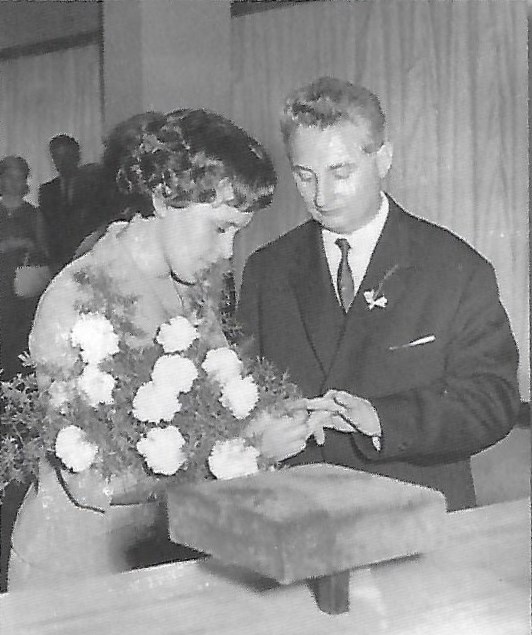
  • Wedding photograph of Blanka and Jan Irving, 30th January, 1970
    Wedding photograph of Blanka and Jan Irving, 30th January, 1970
    Wedding photograph of Blanka and Jan Irving, 30th January, 1970
    Iveta Irvingová
    photo: Archiv pamětnice
    Download image
  • Jan found a safe harbour of peace and love with his beloved wife. He would take her along to his flights. Here, they are at the Poprad airport in the summer of 1970.
    Jan found a safe harbour of peace and love with his beloved wife. He would take her along to his flights. Here, they are at the Poprad airport in the summer of 1970.
    Jan found a safe harbour of peace and love with his beloved wife. He would take her along to his flights. Here, they are at the Poprad airport in the summer of 1970.
    Iveta Irvingová
    photo: Archiv pamětnice
    Download image
  • Vilém Bufka on an ID photograph when serving in the RAF during WWII
    Vilém Bufka on an ID photograph when serving in the RAF during WWII
    Vilém Bufka on an ID photograph when serving in the RAF during WWII
    Iveta Irvingová
    photo: Archiv pamětnice
    Download image
  • Sagan - a memorial at the entrance to the tunnel. Mgr. Ivana Škavradová from Ostrava, widow of the general-major Zdeněk Škavrada, a faithful comrade in fight to Jan and then a fellow sufferer of Vilda Bufek when they were captured. No wonder that these tribulations reinforced friendships and the families would often visit each other. (Ivana tries to continue the tradition and "Aunt Ivanka" is always there, although mostly on the phone due to the distances.)
    Sagan - a memorial at the entrance to the tunnel. Mgr. Ivana Škavradová from Ostrava, widow of the general-major Zdeněk Škavrada, a faithful comrade in fight to Jan and then a fellow sufferer of Vilda Bufek when they were captured. No wonder that these tribulations reinforced friendships and the families would often visit each other. (Ivana tries to continue the tradition and "Aunt Ivanka" is always there, although mostly on the phone due to the distances.)
    Sagan - a memorial at the entrance to the tunnel. Mgr. Ivana Škavradová from Ostrava, widow of the general-major Zdeněk Škavrada, a faithful comrade in fight to Jan and then a fellow sufferer of Vilda Bufek when they were captured. No wonder that these tribulations reinforced friendships and the families would often visit each other. (Ivana tries to continue the tradition and "Aunt Ivanka" is always there, although mostly on the phone due to the distances.)
    Iveta Irvingová
    photo: Archiv pamětnice
    Download image
  • Sagan - detail of the memorial plaque at the entrance to the Tunnel Harry
    Sagan - detail of the memorial plaque at the entrance to the Tunnel Harry
    Sagan - detail of the memorial plaque at the entrance to the Tunnel Harry
    Iveta Irvingová
    photo: Archiv pamětnice
    Download image
  • This place has immense, almost mystical power. Who has ever stood here, got permanent goosebumps on their back. The exact route of the tunnel is marked above on the ground where the barrack no. 104 stood. The granite blocks are inscribed with names of those who tried to escape to freedom. The width of the tunnel is exactly copied so the big guys, such as Vilda Bufek or Zdeněk Škavrada, did not even try to escape. The more they helped their friends on the surface.
    This place has immense, almost mystical power. Who has ever stood here, got permanent goosebumps on their back. The exact route of the tunnel is marked above on the ground where the barrack no. 104 stood. The granite blocks are inscribed with names of those who tried to escape to freedom. The width of the tunnel is exactly copied so the big guys, such as Vilda Bufek or Zdeněk Škavrada, did not even try to escape. The more they helped their friends on the surface.
    This place has immense, almost mystical power. Who has ever stood here, got permanent goosebumps on their back. The exact route of the tunnel is marked above on the ground where the barrack no. 104 stood. The granite blocks are inscribed with names of those who tried to escape to freedom. The width of the tunnel is exactly copied so the big guys, such as Vilda Bufek or Zdeněk Škavrada, did not even try to escape. The more they helped their friends on the surface.
    Iveta Irvingová
    photo: Archiv pamětnice
    Download image
  • Here we see one of the memorial plaques with a list which includes the Czechoslovak airmen. Those who survived are written in blue. Ivo Tonder was one of the three lucky ones who went through an adventurous journey back to Britain and resumed flying. B. Dvořák was not so lucky but he survived. He was caught in the Protectorate, somewhere near Klatovy, and then deported back to the Sagan camp. As a "deserter from Protectorate, he had helluva luck. According to German laws, such army staff was not protected under the Geneva Conventions.
    Here we see one of the memorial plaques with a list which includes the Czechoslovak airmen. Those who survived are written in blue. Ivo Tonder was one of the three lucky ones who went through an adventurous journey back to Britain and resumed flying. B. Dvořák was not so lucky but he survived. He was caught in the Protectorate, somewhere near Klatovy, and then deported back to the Sagan camp. As a "deserter from Protectorate, he had helluva luck. According to German laws, such army staff was not protected under the Geneva Conventions.
    Here we see one of the memorial plaques with a list which includes the Czechoslovak airmen. Those who survived are written in blue. Ivo Tonder was one of the three lucky ones who went through an adventurous journey back to Britain and resumed flying. B. Dvořák was not so lucky but he survived. He was caught in the Protectorate, somewhere near Klatovy, and then deported back to the Sagan camp. As a "deserter from Protectorate, he had helluva luck. According to German laws, such army staff was not protected under the Geneva Conventions.
    Iveta Irvingová
    photo: Archiv pamětnice
    Download image
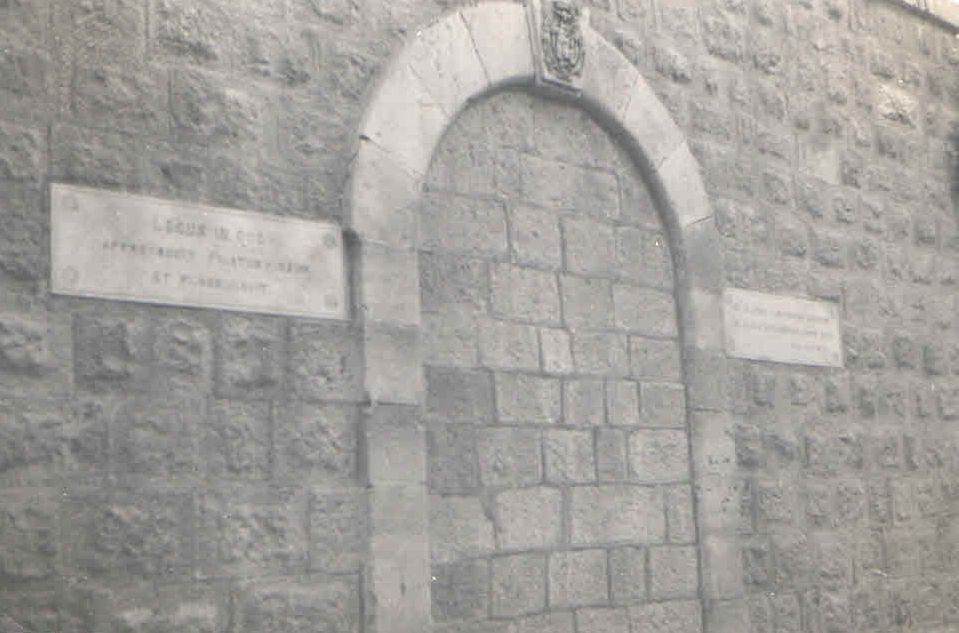
  • Sagan - another memorial plaque about three metres from the tunnel exit
    Sagan - another memorial plaque about three metres from the tunnel exit
    Sagan - another memorial plaque about three metres from the tunnel exit
    Iveta Irvingová
    photo: Archiv pamětnice
    Download image
  • Previous page ‹ Previous
  • First page 1
  • …
  • Page 1958
  • Page 1959
  • Page 1960
  • Current page 1961
  • Page 1962
  • Page 1963
  • Page 1964
  • …
  • Last page 6094
  • Next page Next ›
 
Tichá hrdinství

Search Resources

  • All

    (236368)
  • Institutions

    (118)
  • Witnesses

    (11673)
  • Photos

    (152341)
  • Clips

    (45273)
  • Links

    (26963)
  • Articles

Statistics
20785 Witnesses the Database
11702 Witness Stories
21381 Registered Researchers
173698 Photos
69102 Clips
Memory of Nations
Archive
Magazine
About project
Support us
e-archive
Founding institutions
Follow us
Facebook
Twitter
Youtube
Instagram
Memory of Nations
USTR

Mapa stránek

© 2008-2025 Memory of Nations

Správu a provoz webu zajišťuje společnost Macron Software.