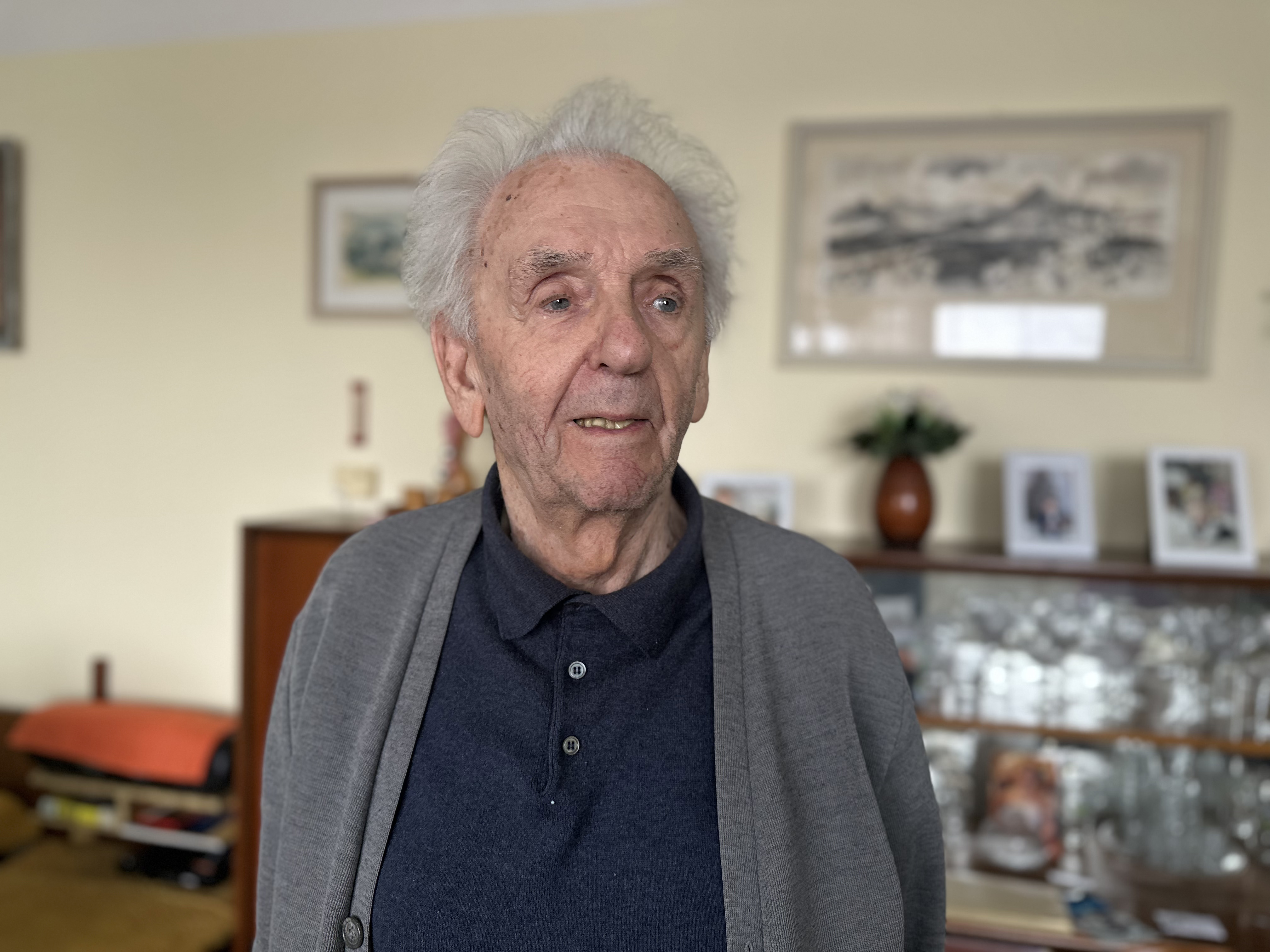
Josef Pavlík

* 1927

  • "Then there were background checks and there's this showman [Herčík] sitting there as chairman of the commission with a bunch of people. I go in there and I say, 'Please, what are you doing here?' [And he said:] 'Well, comrade, how can you dare?! Well, it´s a check. What is your opinion?' I said: 'Look, Herčík, it's peacetime, isn't it? Is it peacetime? It is. So any occupation of foreign troops on the territory is an occupation. So they're normally occupiers. Here they [are] occupiers.' He says, 'Comrade, you can't take it like that...' Yeah, and it was going on. So I was sentenced to three months of manual labour. With the understanding that I would drive bulldozers."

  • "So I was in a house that maybe didn't have a window. There were no washrooms, they were robbed, like gutter ones. So we ran, one and a half kilometers to the woods in the creek to wash, one and a half kilometers back. So I finally put a blanket in the window. Autumn came, sleeting, and I woke up with a snowdrift on me. I got awful tionsilitis. They took me to Pilsen to the hospital, where I felt like dying for a week. He said, 'Boy, what have you been doing?'

  • "Simply harassment, restricting walks, holidays. A girl came to visit me after two months. The gatehouse, the gate was like 150 meters from the quarters. The warden came and said I had a visitor at the gatehouse. But the commandant didn't give me permission to go there and shake hands. So she left the packages at the gatehouse and went home."

  • "We had a staff captain there, I won't name him. His was, 'America, America,' ... he was mispronouncing R..., 'but you'd like to eat Eastern bread, you bunch [of people]. We'll pave the courtyard with your skulls.' Literally. The unimaginable bullying, the atmosphere, you can't tell. A man without price, just an anti-state element. A worthless man who has no claim to anything. He has no chance of getting anywhere because he is politically unreliable, he tends to be Western, which is a harmful element for 'our' party."

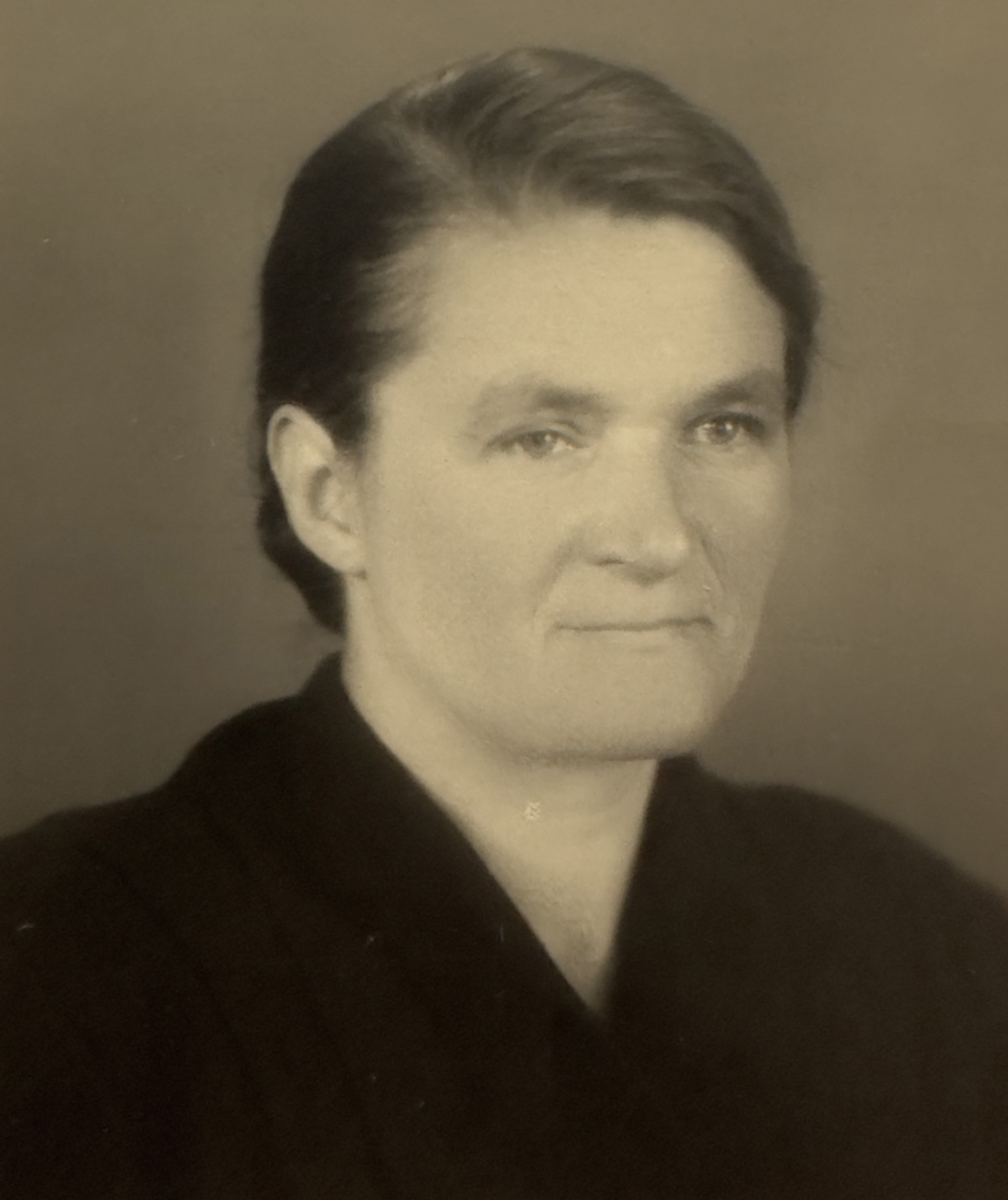
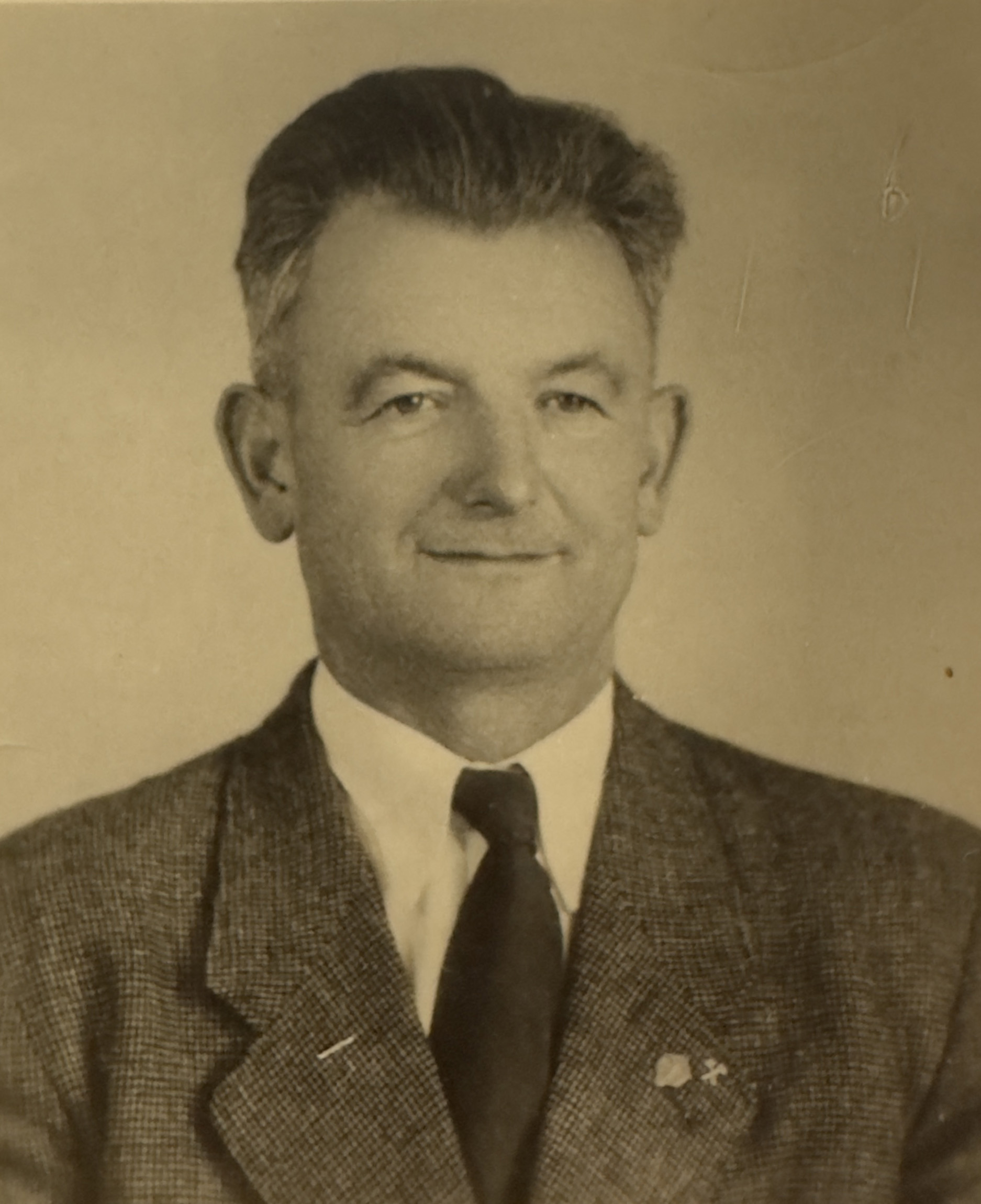
  • "My dad was an administrator of the court, in the morning he assigned work to people - you will work there, you will work there and so on. And my mother worked with the cattle, fed the cows, milked the cows, and did the care and hand washing for four children. There was no washing machine, there was no electricity. The water was in the yard, it had to be pumped there, taken home in buckets, put in pots to heat and for other uses. So no big deal." - "It was a hard life. And you as children, how did you experience your childhood?" - "How did we live it? We lived it in a bunch of kids. We went to school together. When it snowed, they would take us on a sleigh, or they would hitch oxen for the journey, because the horses wouldn't do it, in the high snow, but the oxen, they would pull a roller behind them and roll the road, the snow. There were no ploughs. And the snow was there till May, you know. There were hills, woods, so in the winter, sledding, sleighing. In the summertime, there were fruit trees planted all around, big cherry trees all over those meadows, all kinds of fields. There were apples, everything..."

  • Full recordings
  • 1

    Brandýs n/L.-Stará Boleslav, 22.01.2026

    (audio)
    duration: 03:11:15
    media recorded in project Stories of 20th Century
Full recordings are available only for logged users.

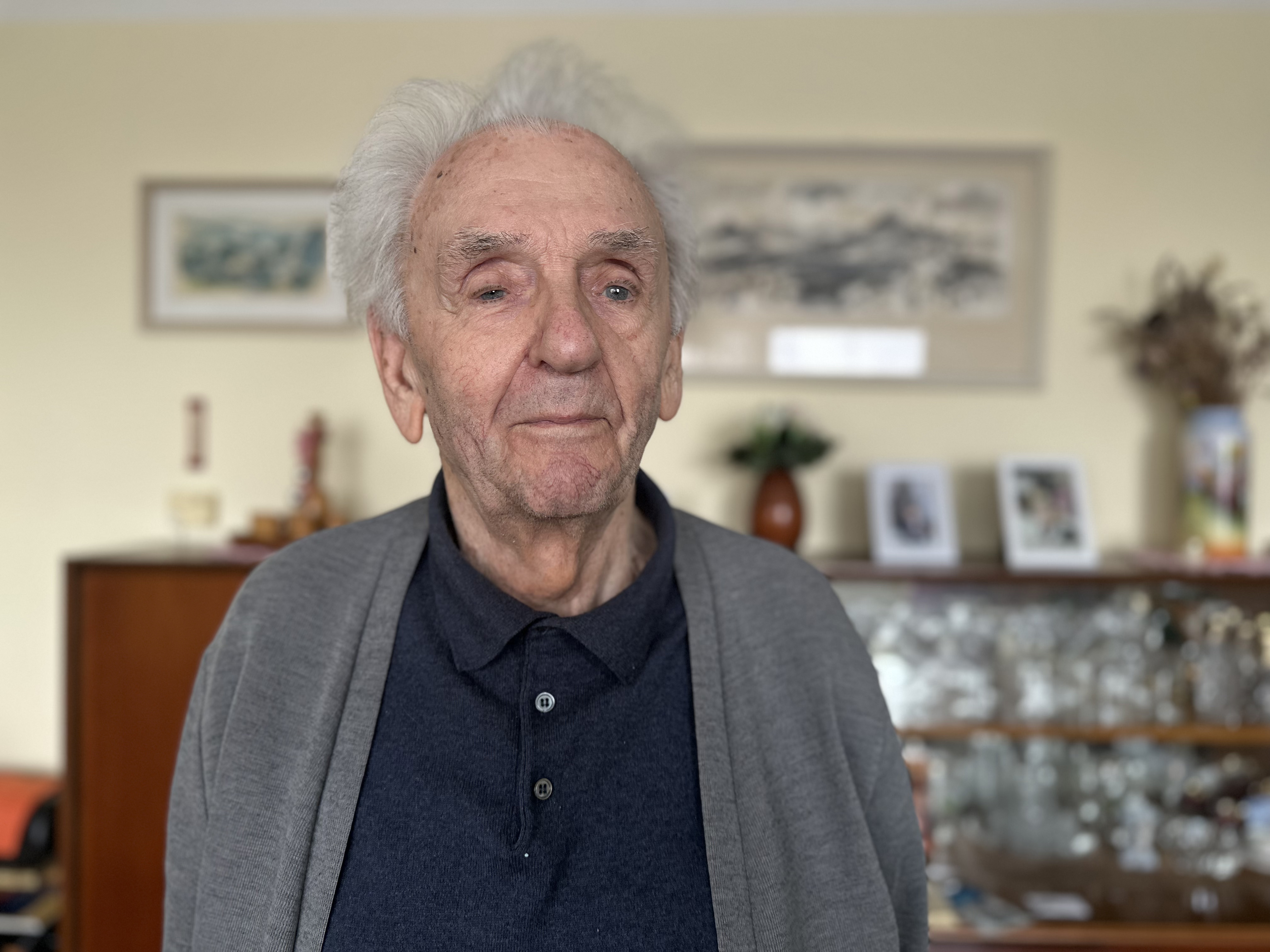
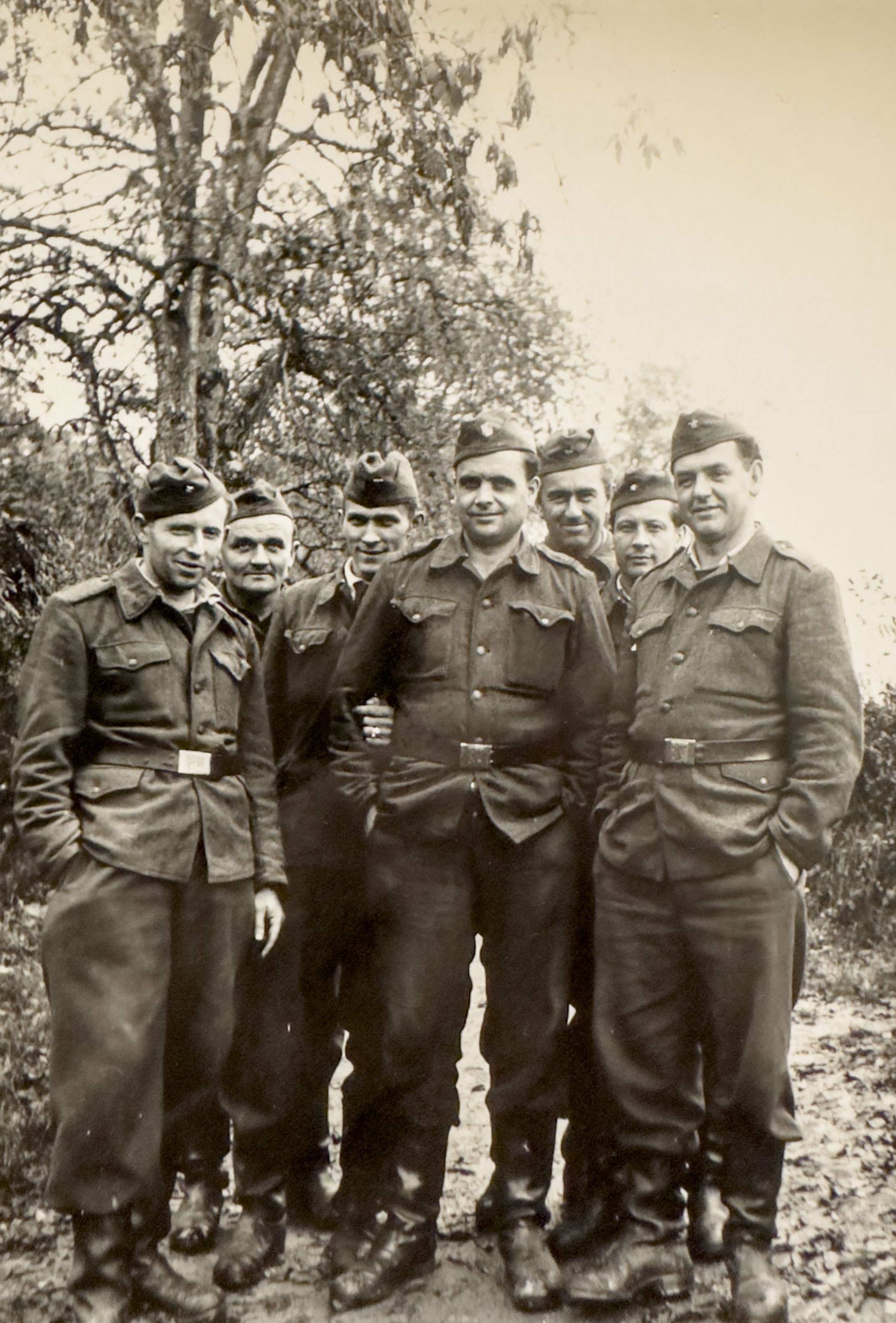
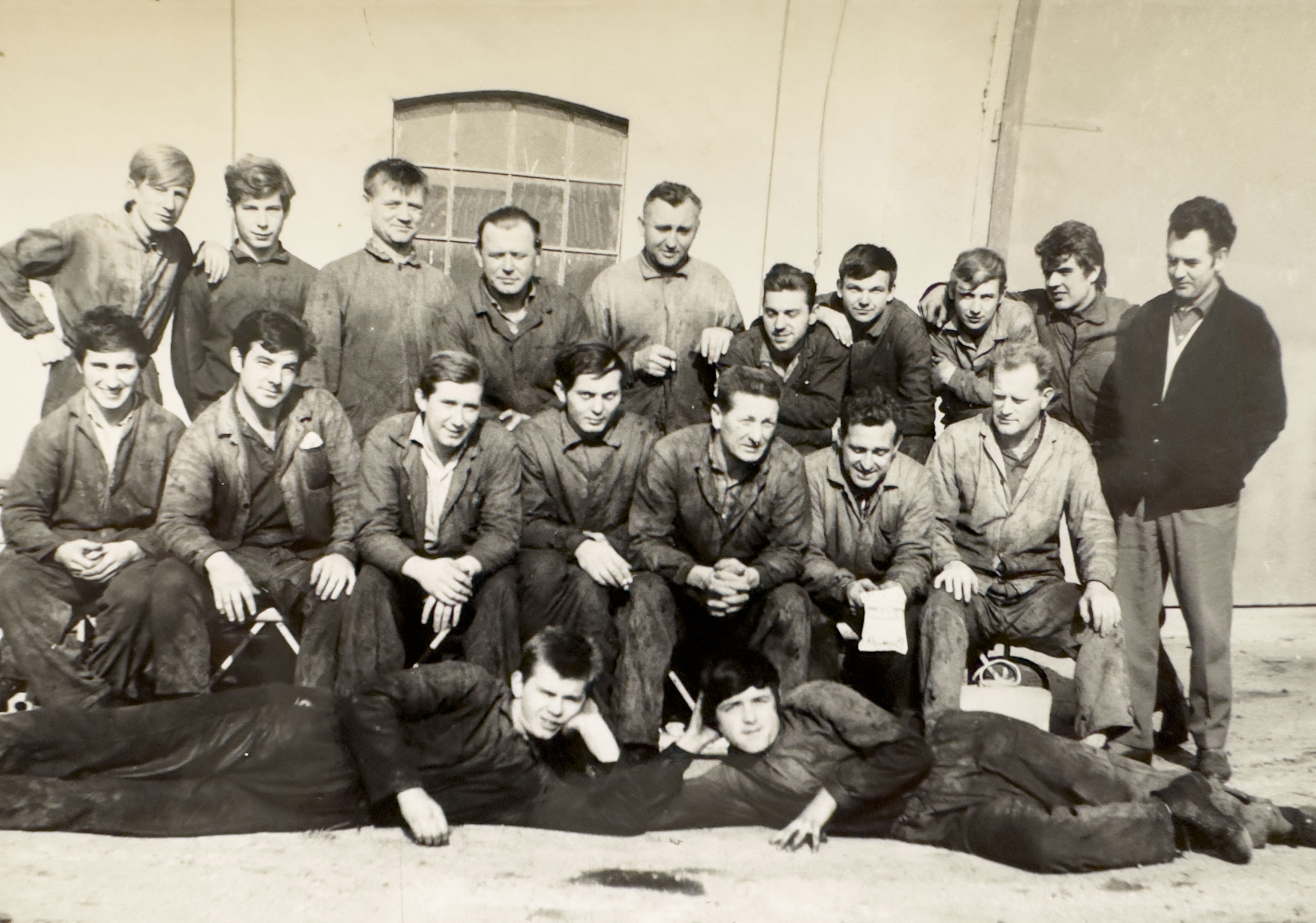
They said I was an “American” and so I was punished by the miltary service at the Auxiliary Engineering Corps
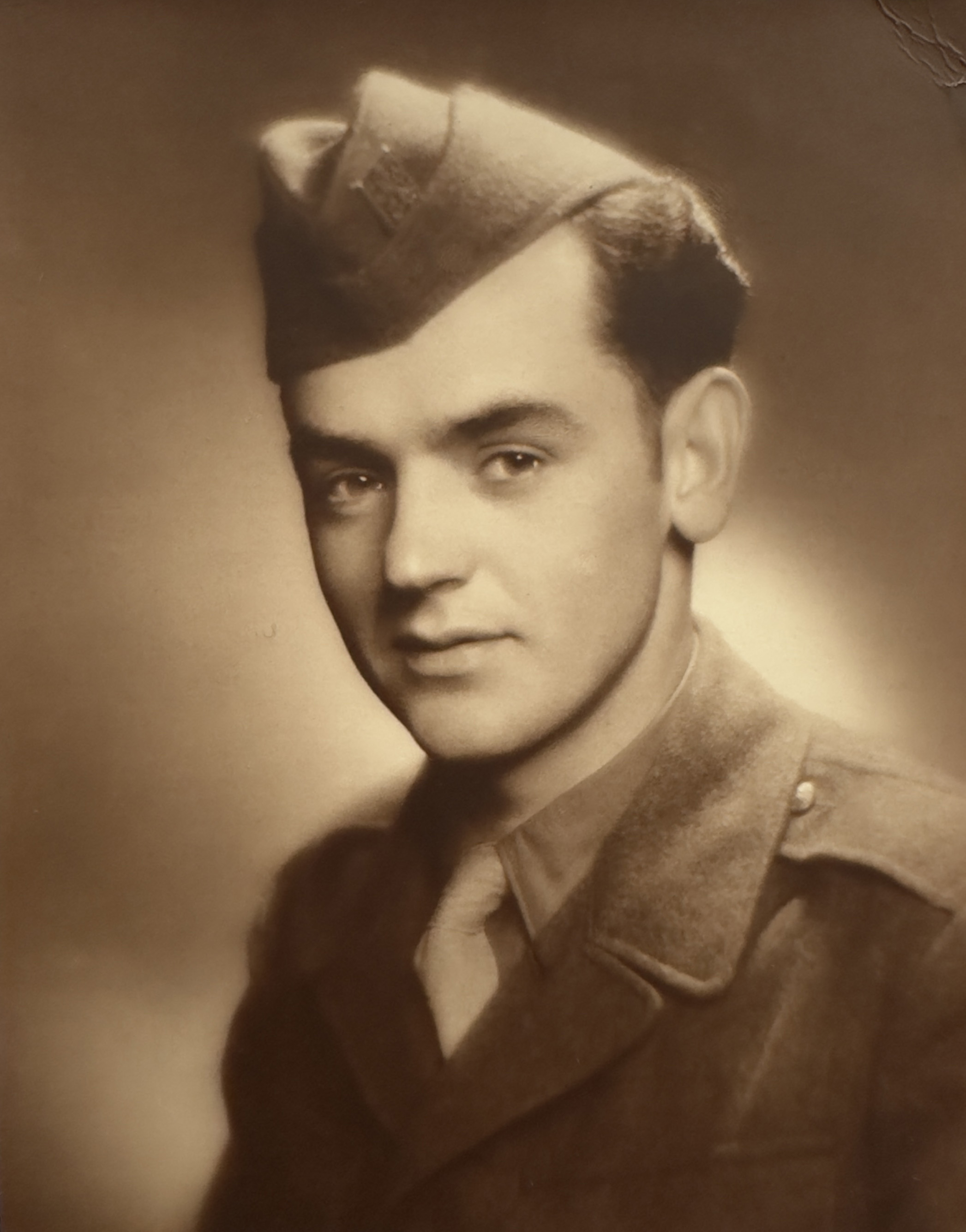
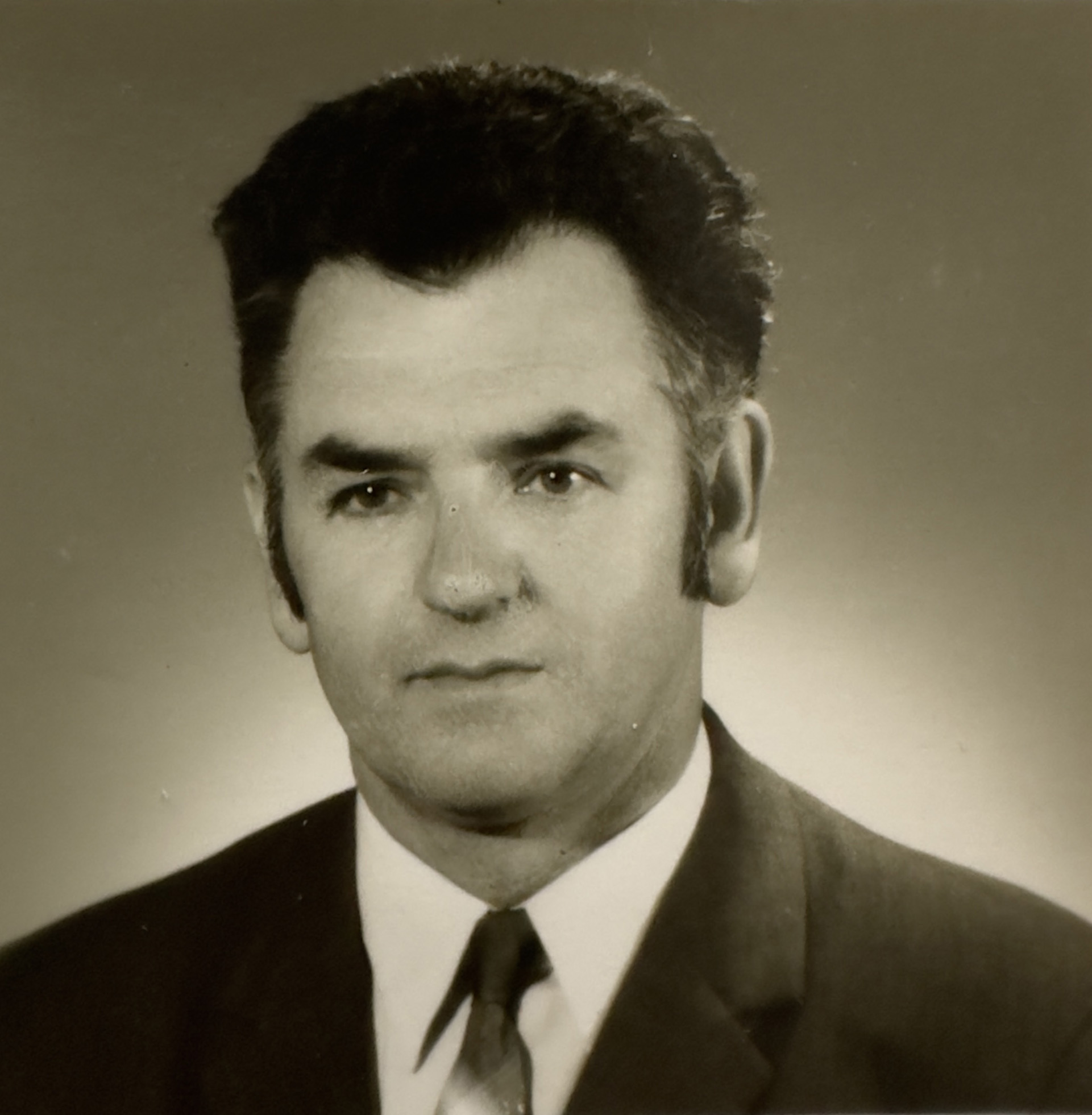
Josef Pavlik, soldier at Auxiliary Engineering Corps (1949-1951)
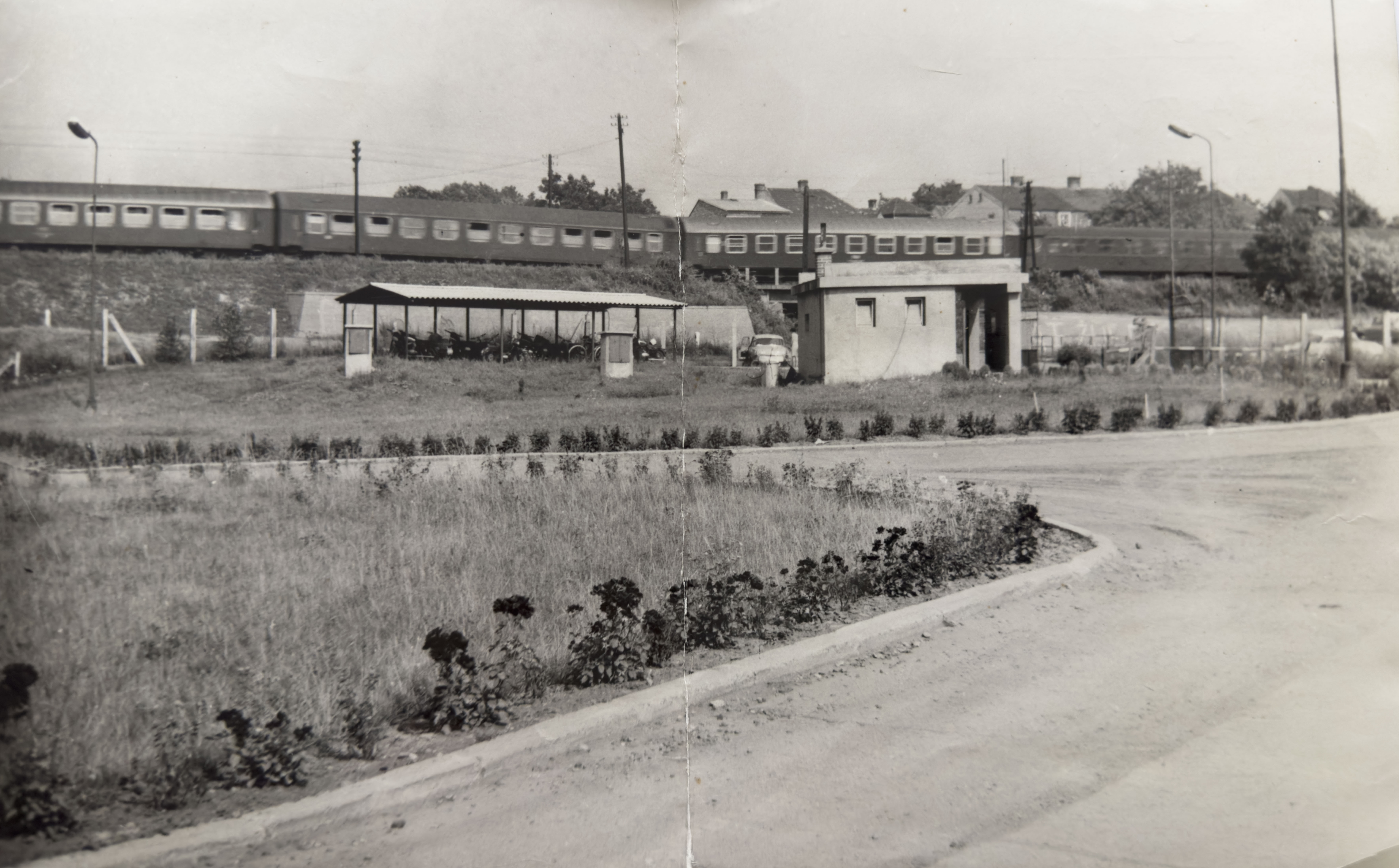
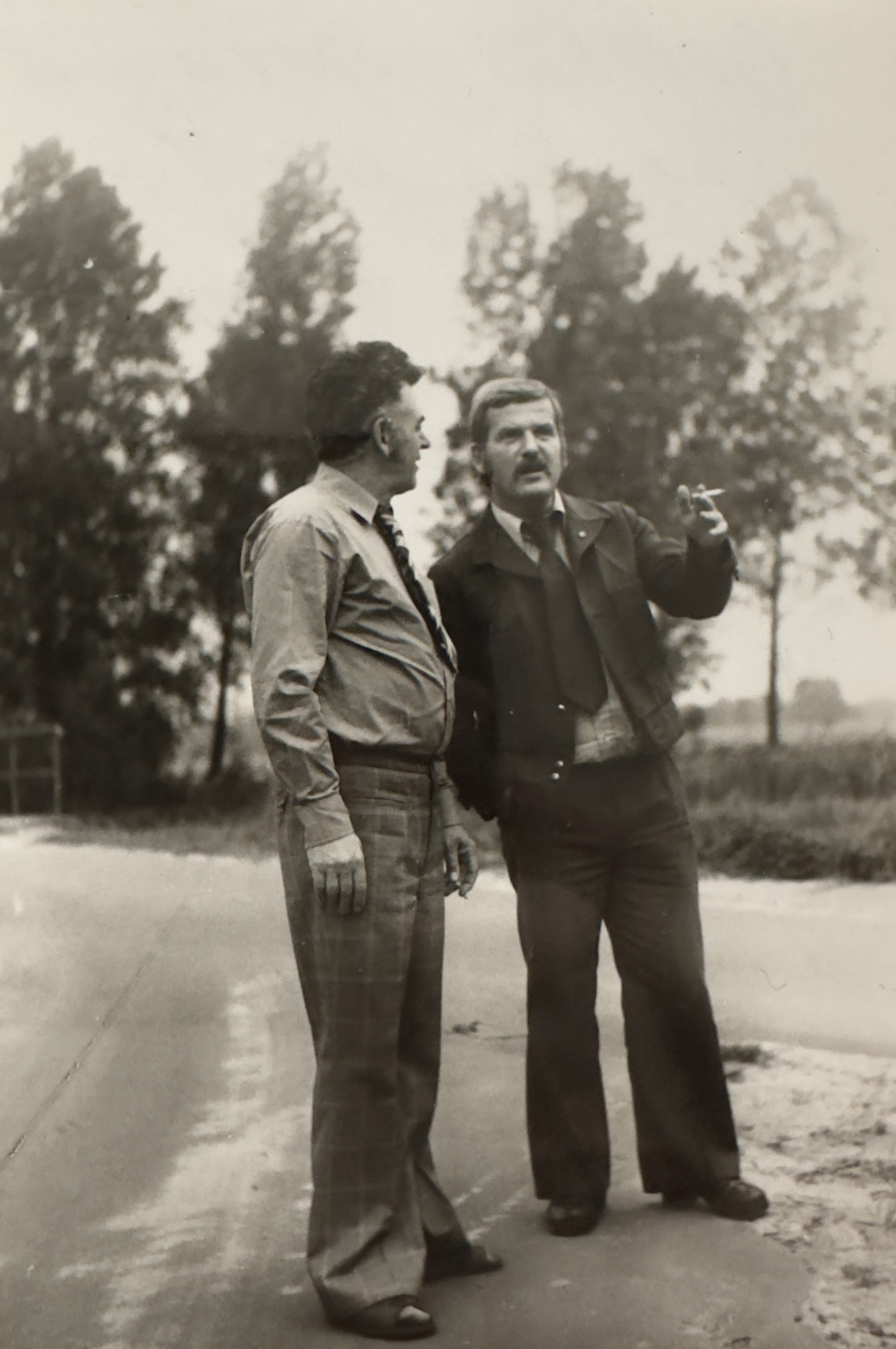
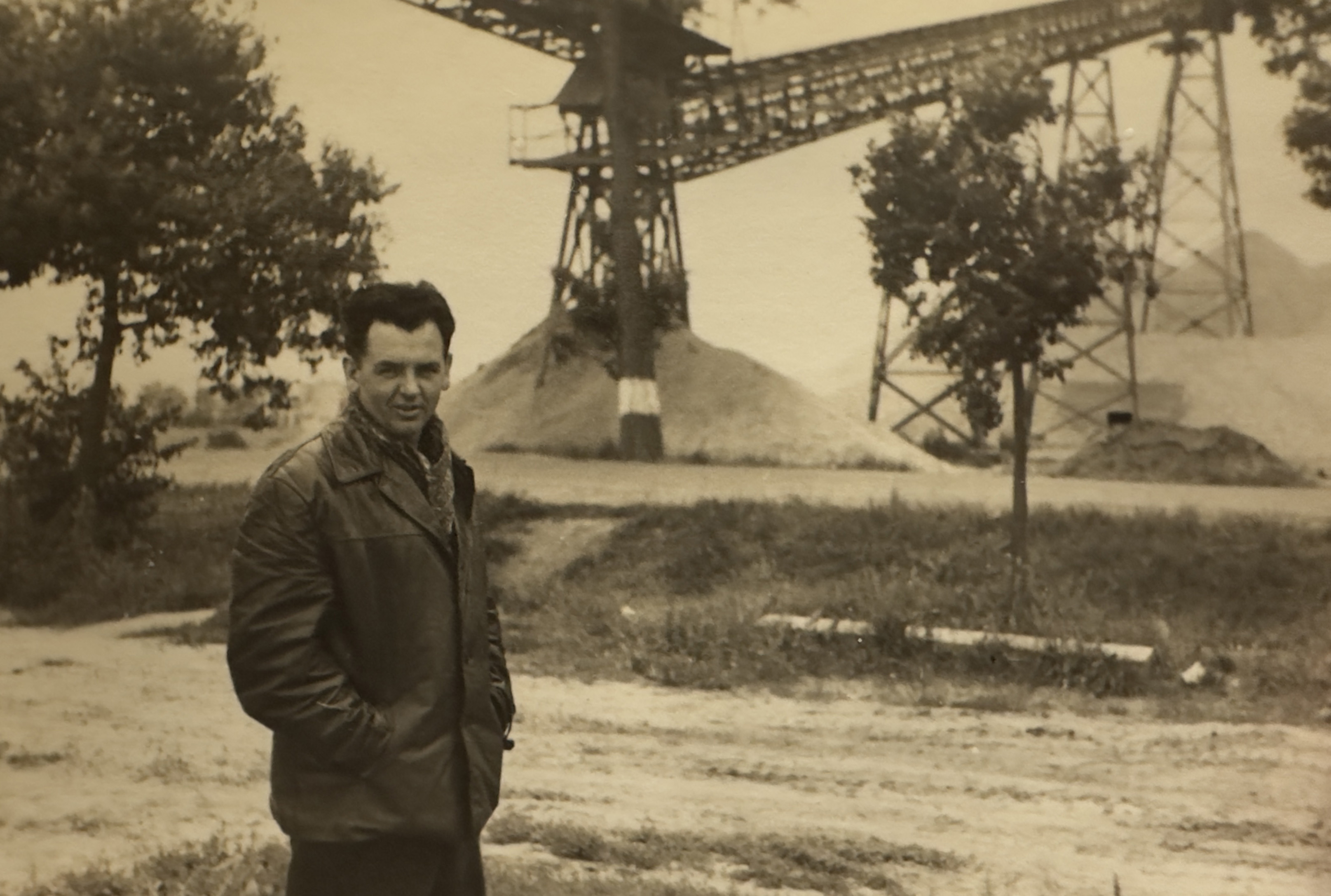
photo: witness´s archive

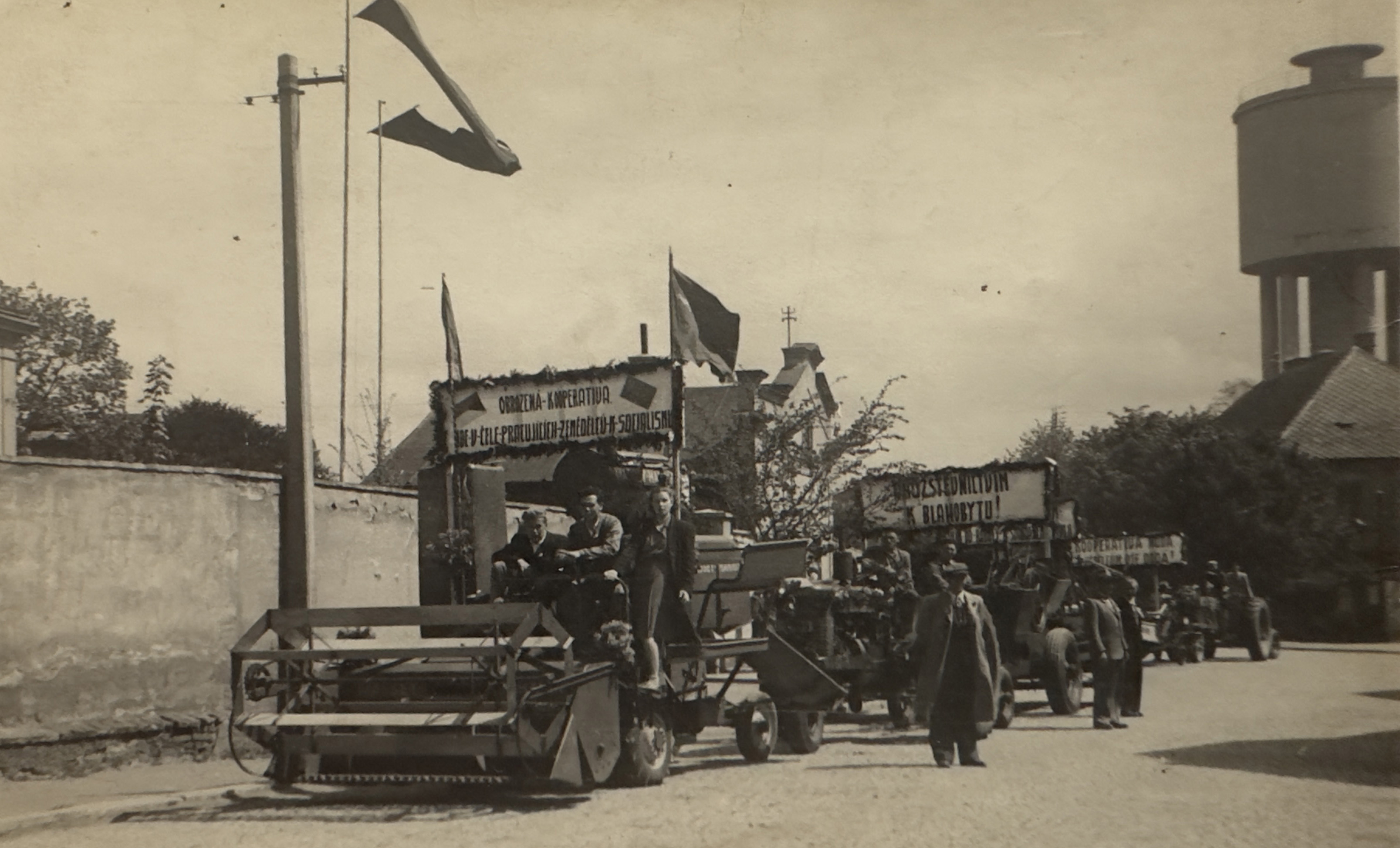
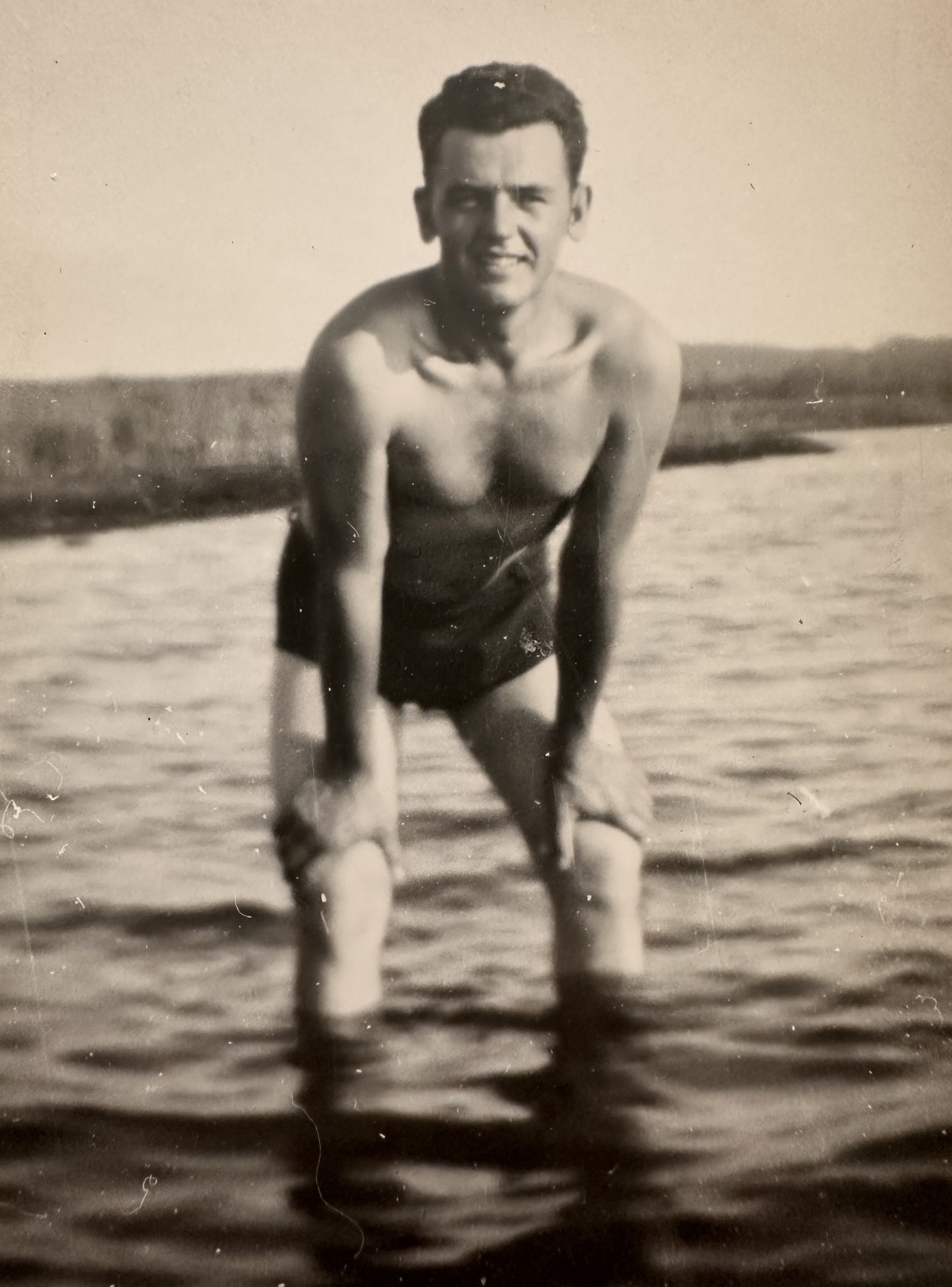
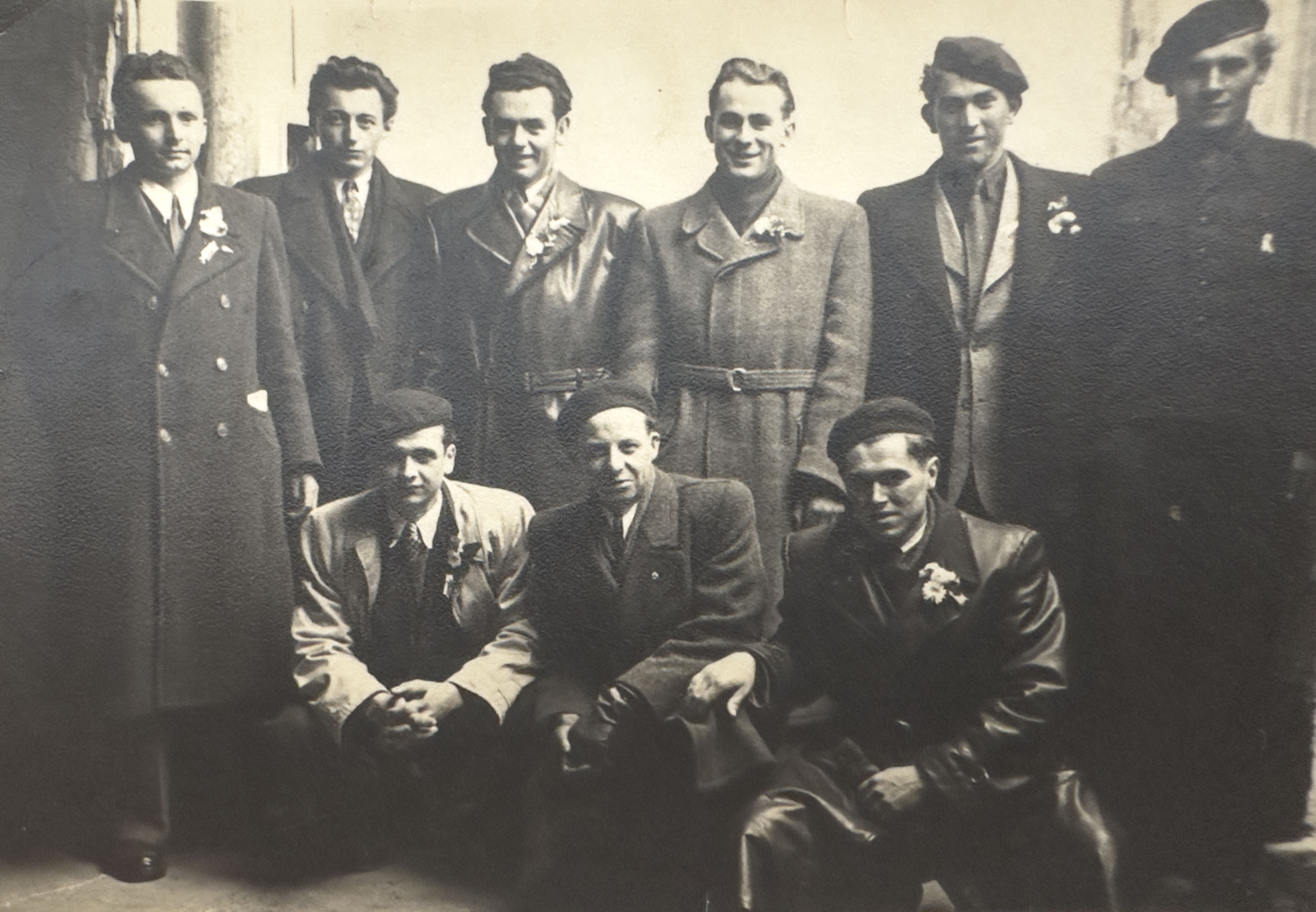
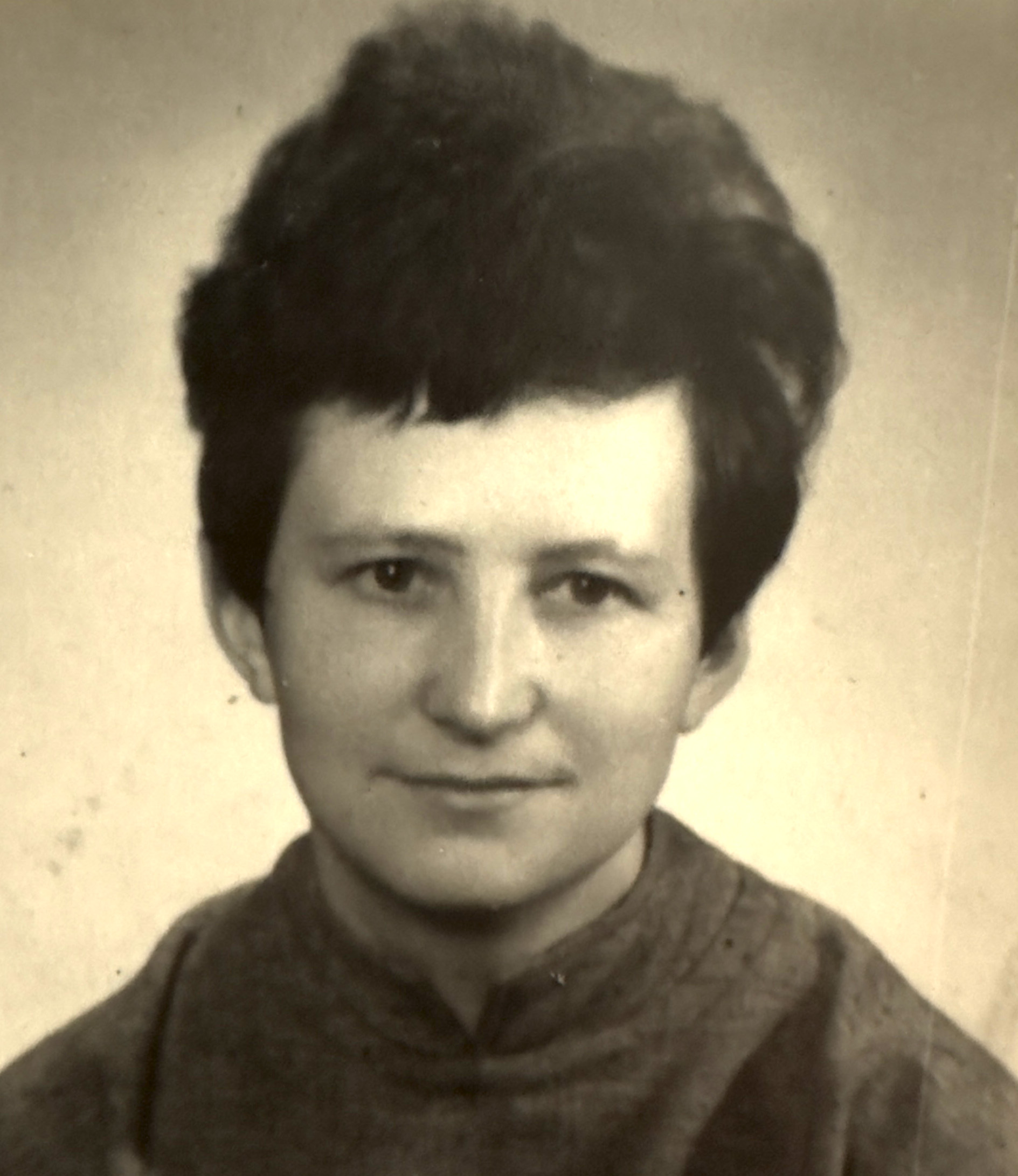
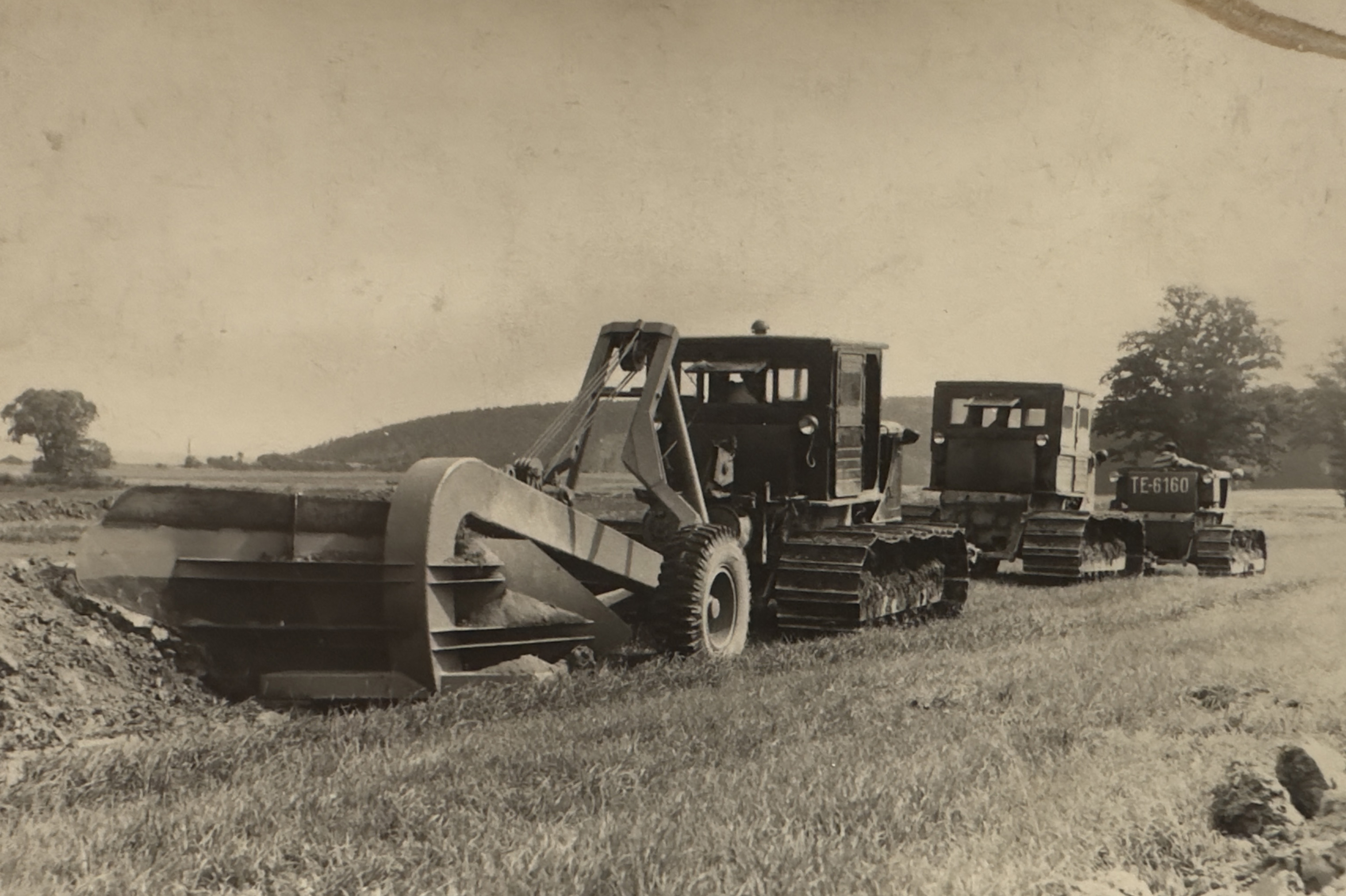
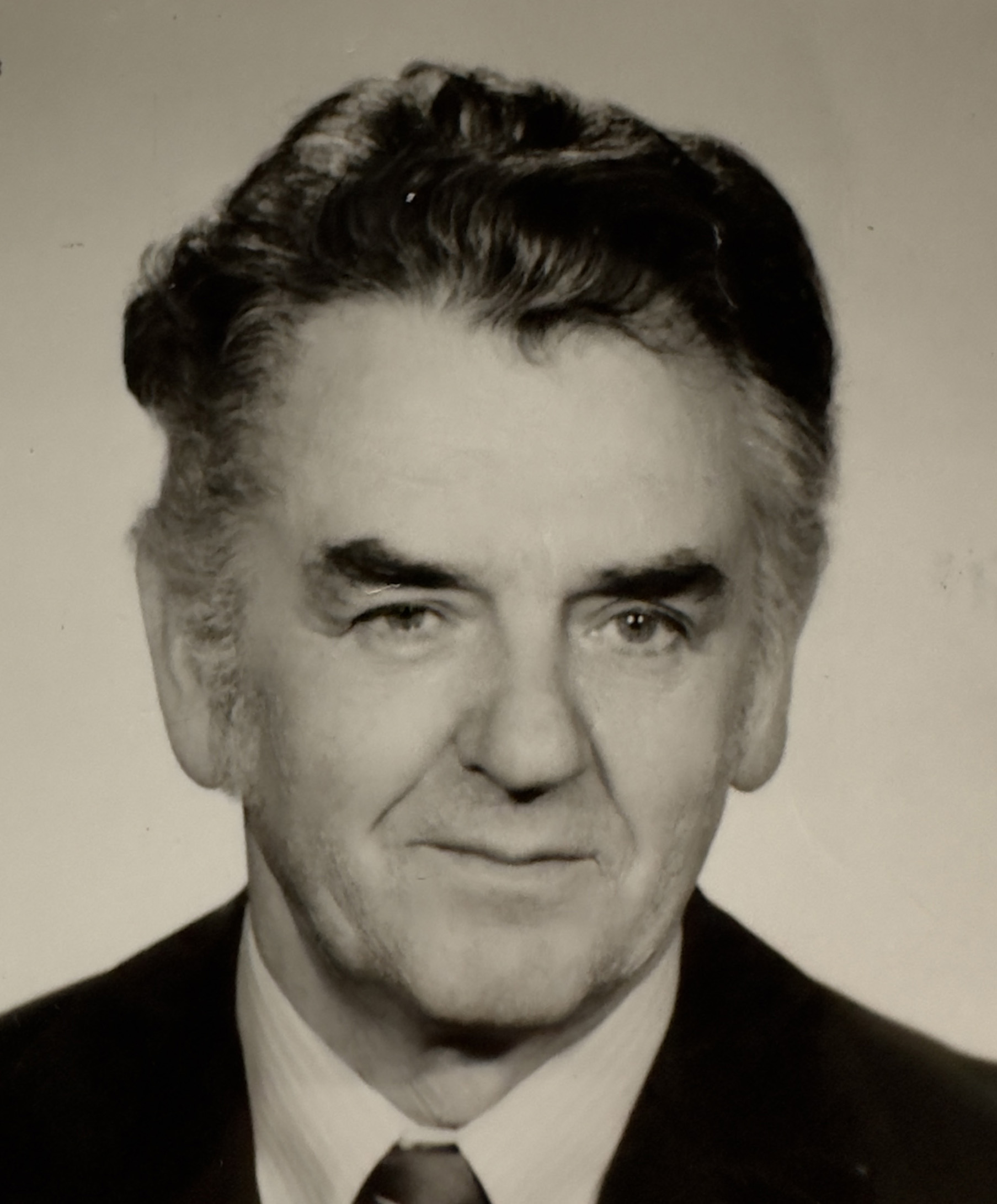
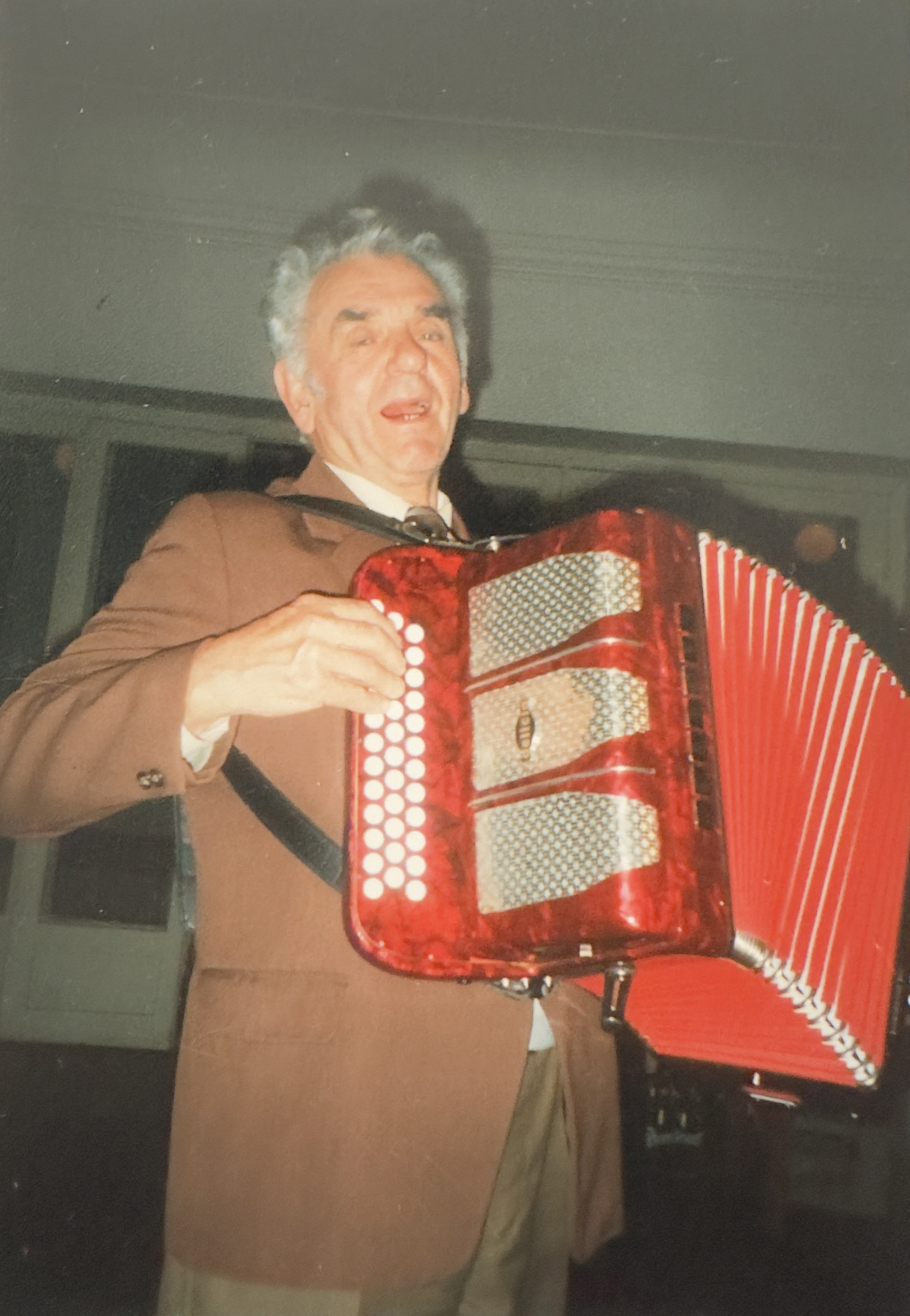
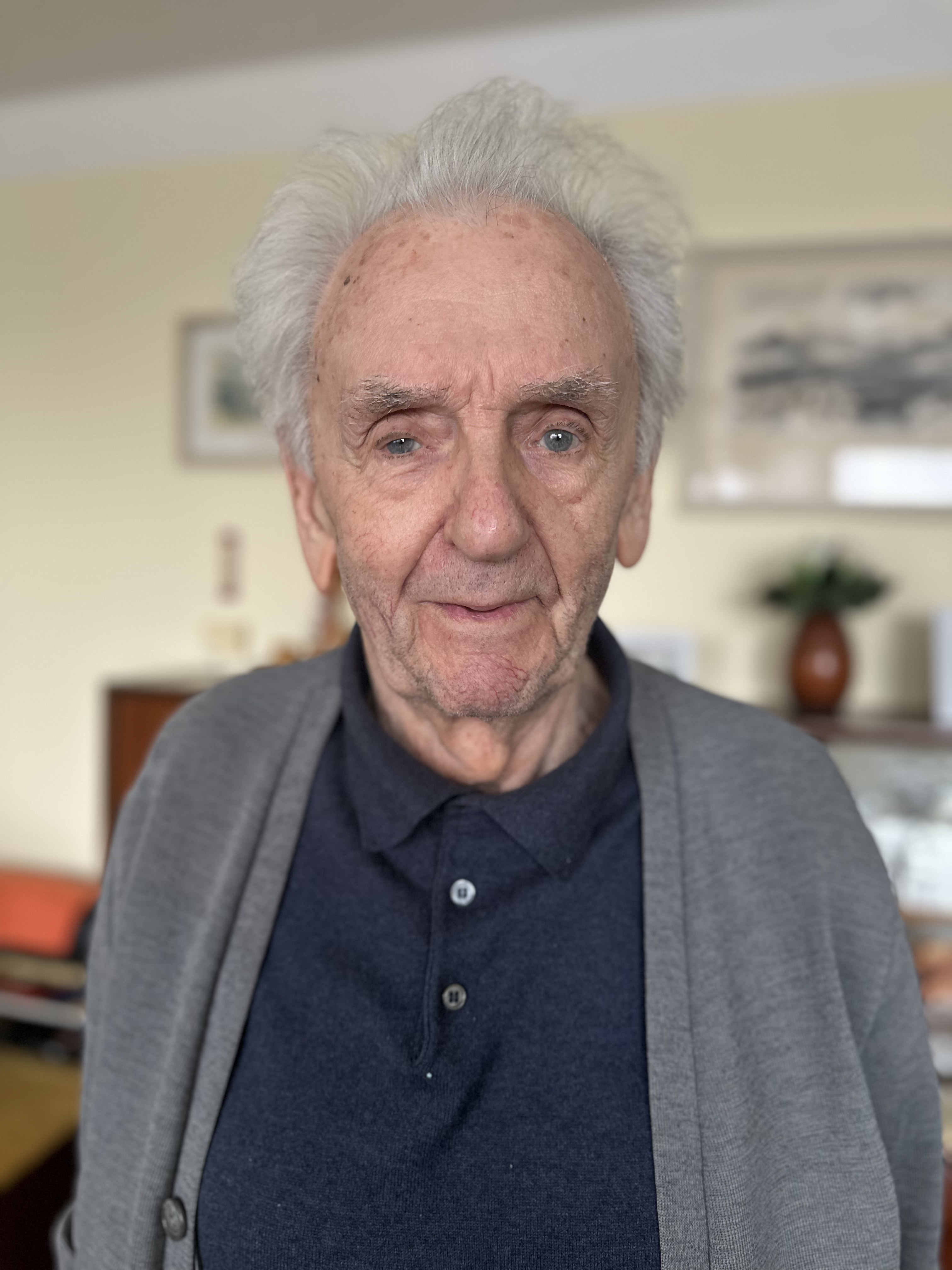
Josef Pavlík was born on 1 August 1927 in Chlumany, Prachatice. His parents, Josef Pavlík and Marie Pavlíková, were employed at the Schwarzenberg court near Netolice, where his father worked as a court administrator. He spent his childhood up to the age of six with relatives in Protivec near Strunkovice nad Blanicí, then he grew up with his parents. In 1936, the family moved to the farm of the Ministry of Defence in Boží Dar near Milovice, which was part of the military training area. After 15 March 1939 the farm was taken over by the German army and was used for war production. The family stayed there until the end of the war. In 1944, Josef Pavlík trained as a locksmith in the automobile factories in Mladá Boleslav. Although he was admitted to a secondary technical school, he was sent to forced labour in Germany in the spring of 1944. He worked in the Essen (Ruhr) area in a coal-gasoline factory and experienced intense air raids. He escaped from Germany in the spring of 1945 and took refuge until the end of the war in Protivec, where he experienced liberation by the American army. After the war, he joined UNRRA’s post-war relief work in Bělá pod Bezdězem, where he assembled American agricultural equipment. He then worked for Kooperativa Praha in Pečky. He joined the army on 1 October 1949 and was assigned to the Auxiliary Engineering Corps (PTP). He served in the unit in Svatá Dobrotivá near Zaječov, later in Padrť and Litoměřice. He worked there in the construction industry. After the war he worked in the field of agricultural land consolidation and technical landscaping. In 1951 he married and from 1957 he lived with his family in Lovosice, where he was involved in building the Regional Agricultural and Forestry Technical Melioration Enterprise. During the normalisation period, he passed the background checking process, although he was never a member of the Communist Party, and he remained in the leading position thanks to his expertise. In 1969, his first wife Marie died. In the 1970s he remarried - to Vlasta Mikšovská. In 1976 they moved to Stará Boleslav. He retired in 1997. At the time of recording (2026) Josef Pavlík lived in Brandýs nad Labem-Staré Boleslav.