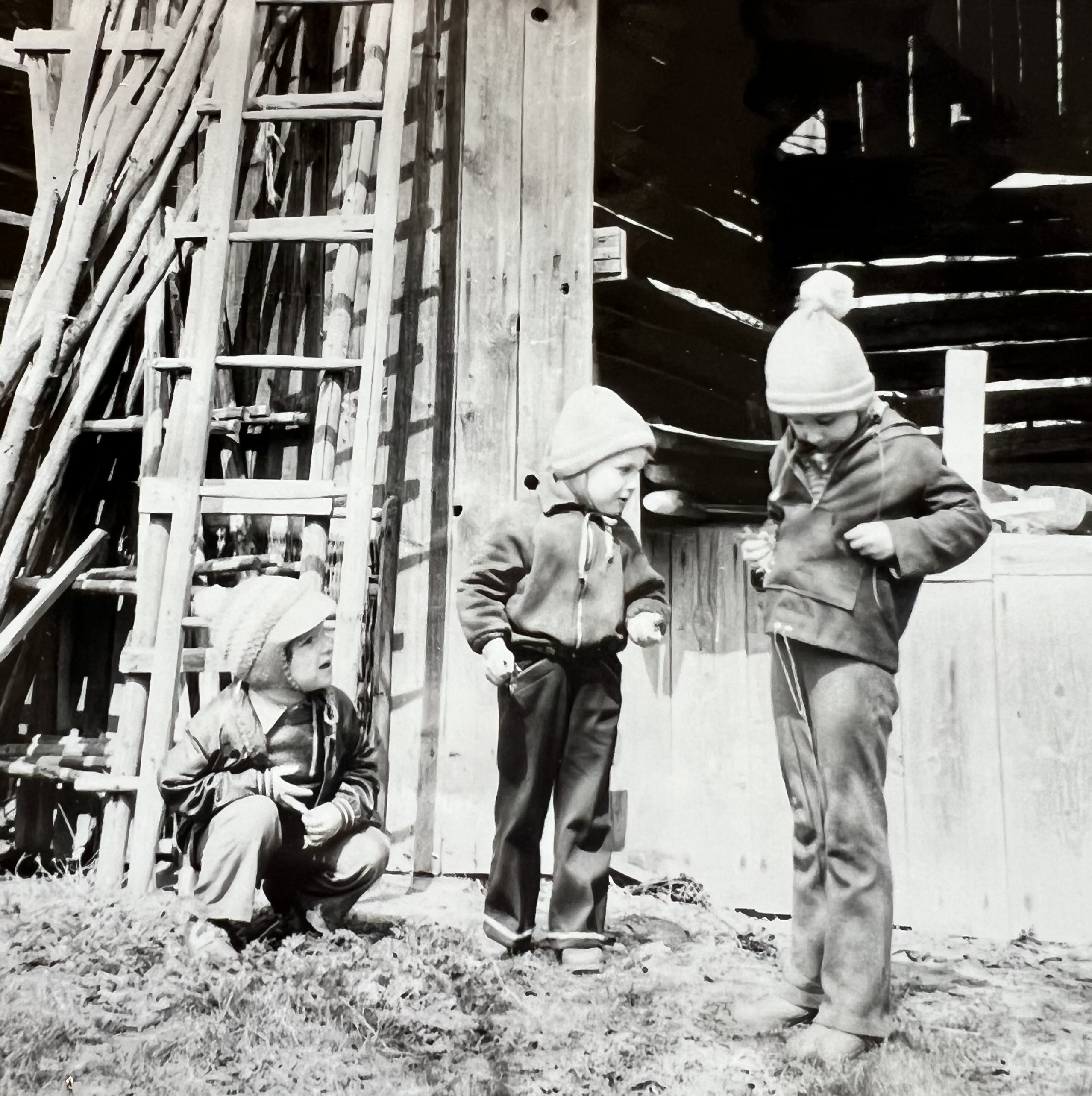
"I got in big trouble at school when they were levelling strip boundaries and destroying farms in an unprecedented way. Imagine a slope with terraces along the contours, so rainwater won't wash away the soil. They levelled the terraces. Then the topsoil went away. They killed blooming cherry trees with a bulldozer and so on. At school, we were asked to paint a festive poster to mark the plowing of the baulks. I took a piece of paper the size a half of this table and painted a bulldozer in a field, destroying all the cherry trees, with a red star on top of it and our flag pinned on top, and there was a sign at the bottom. I can't tell you exactly now what it said but it was something like 'For the future and progress.' It was a big problem because they didn't notice until they posted it on the fence outside. What a bust. It said it all. I wasn't allowed to join Pioneer and so on. Then I had to join the ČSM because if you weren't a member you couldn't go to high school. So I signed in. And when I was admitted to high school, they immediately cancelled my ČSM membership. That just makes you incredulous."
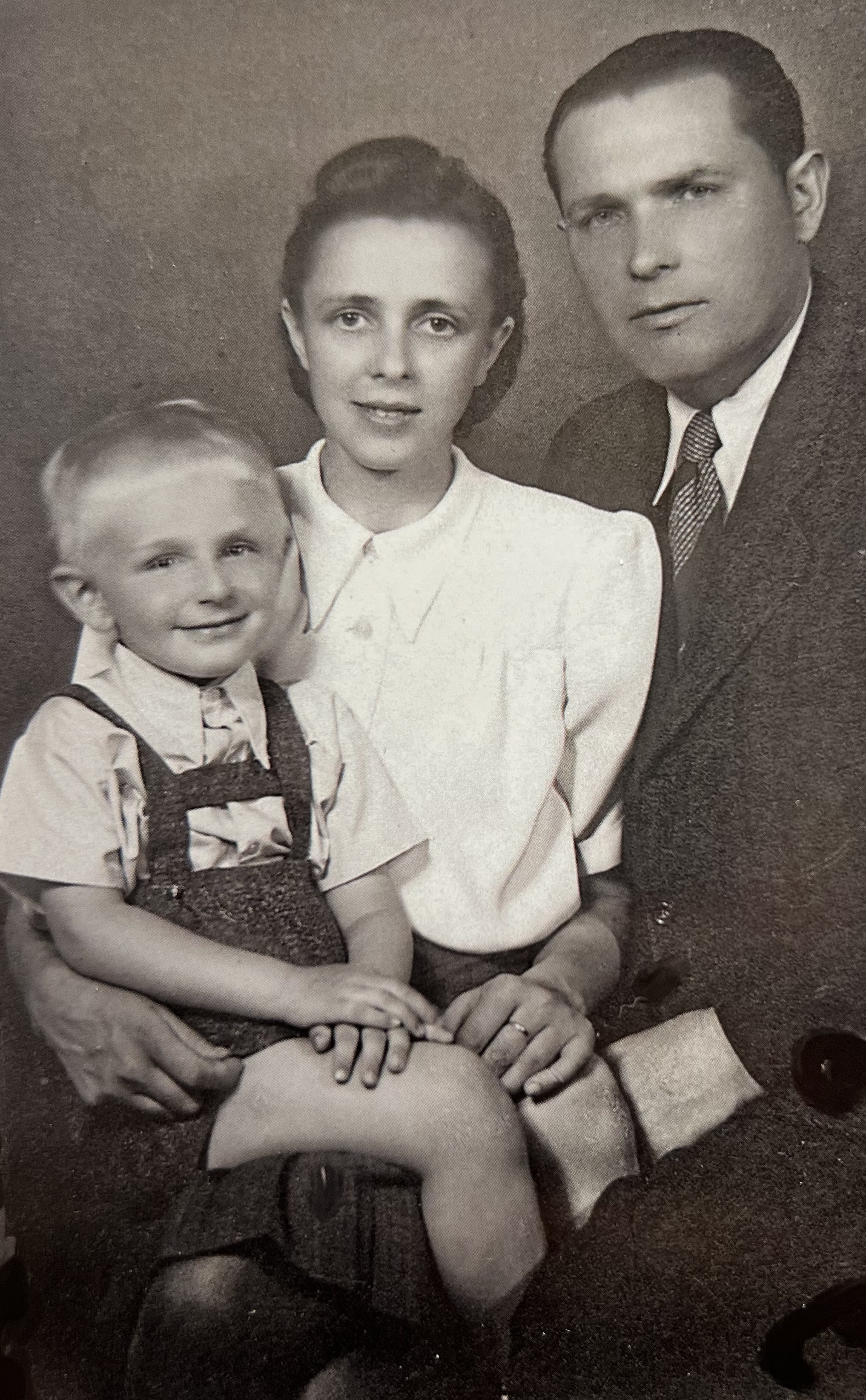
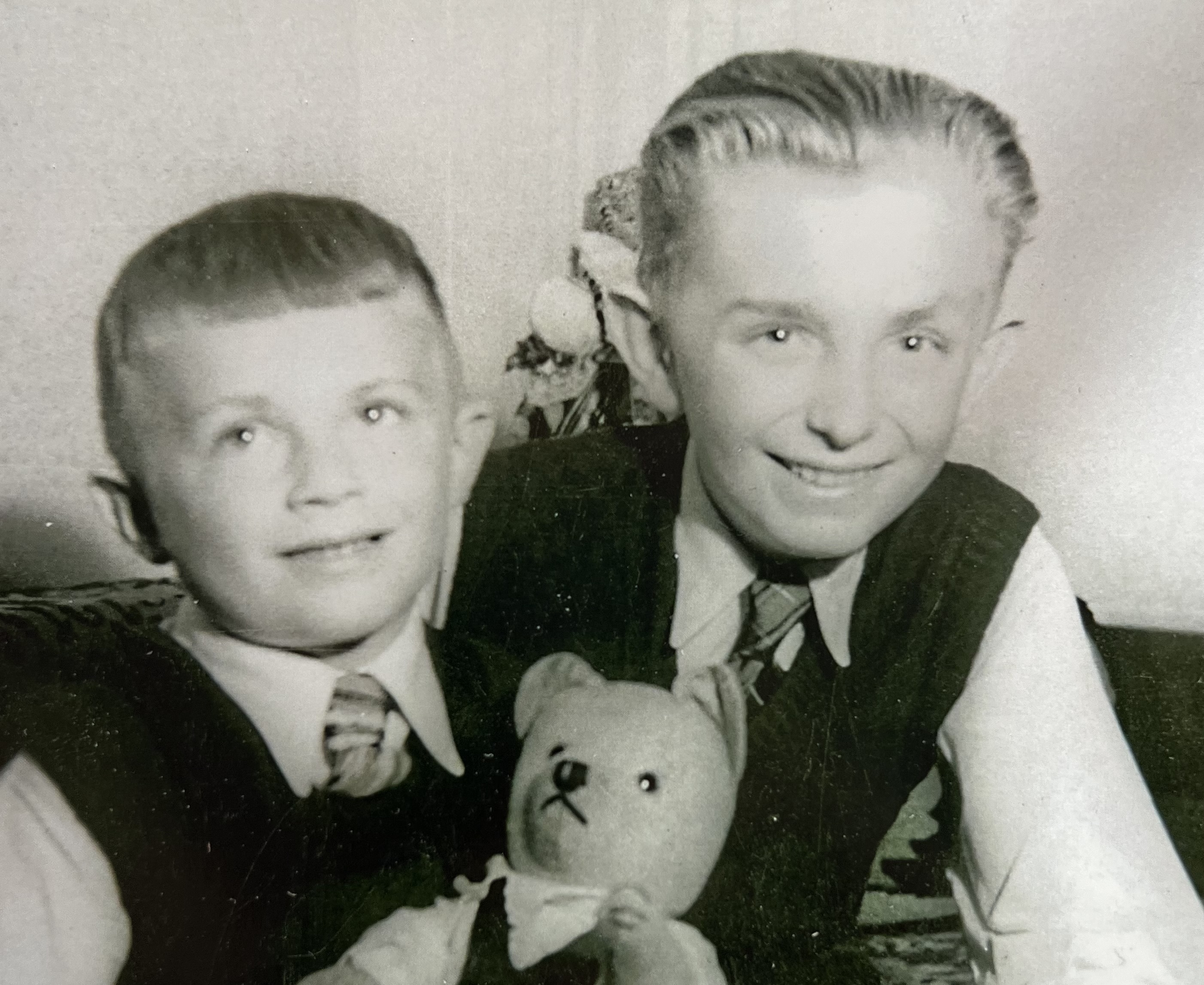
"I had a nasty accident at the end of the war when I got run over by our soldiers. If I were to describe it to you - I was a corpse. They say I was unconscious for a month, though I don't know. I was riding a horse with a cart, and I jumped off my horse near our house and ran across the road. A fast military car was coming down the road from the top. They hit me, I hit a maple tree across the road, and I bounced off it under the wheels of the car. A totally broken face. If you could see it... I'd look a lot different if you look at my childhood picture. My neck was bruised, my collarbones were basically non-existent; mine are shrunken, shorter. Chest all broken, so weirdly shaped because of the bruises. Spine bruised, pelvis broken into four pieces, left leg torn off, left arm torn off. Broken and severed. And bruised legs. That's enough."
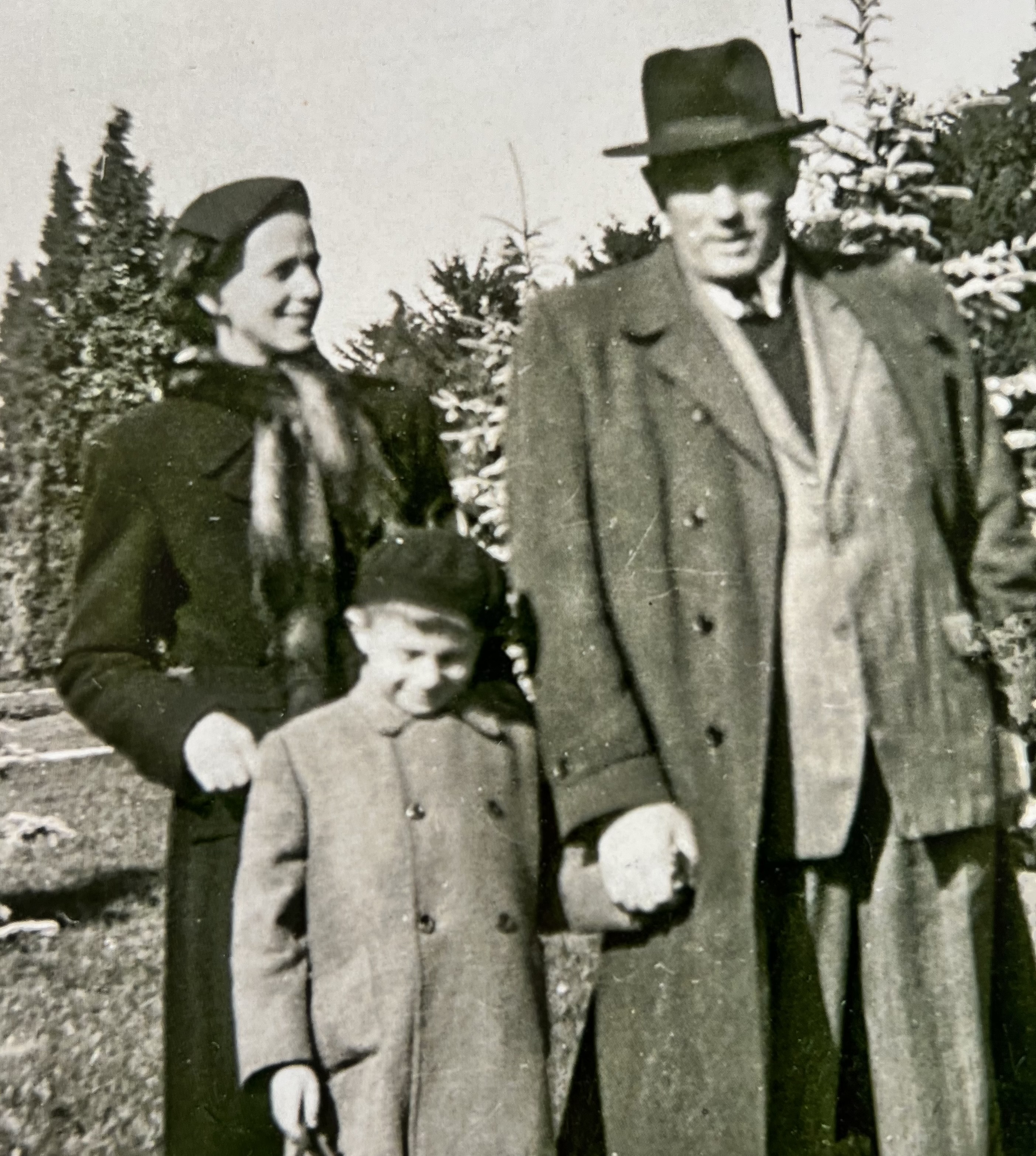
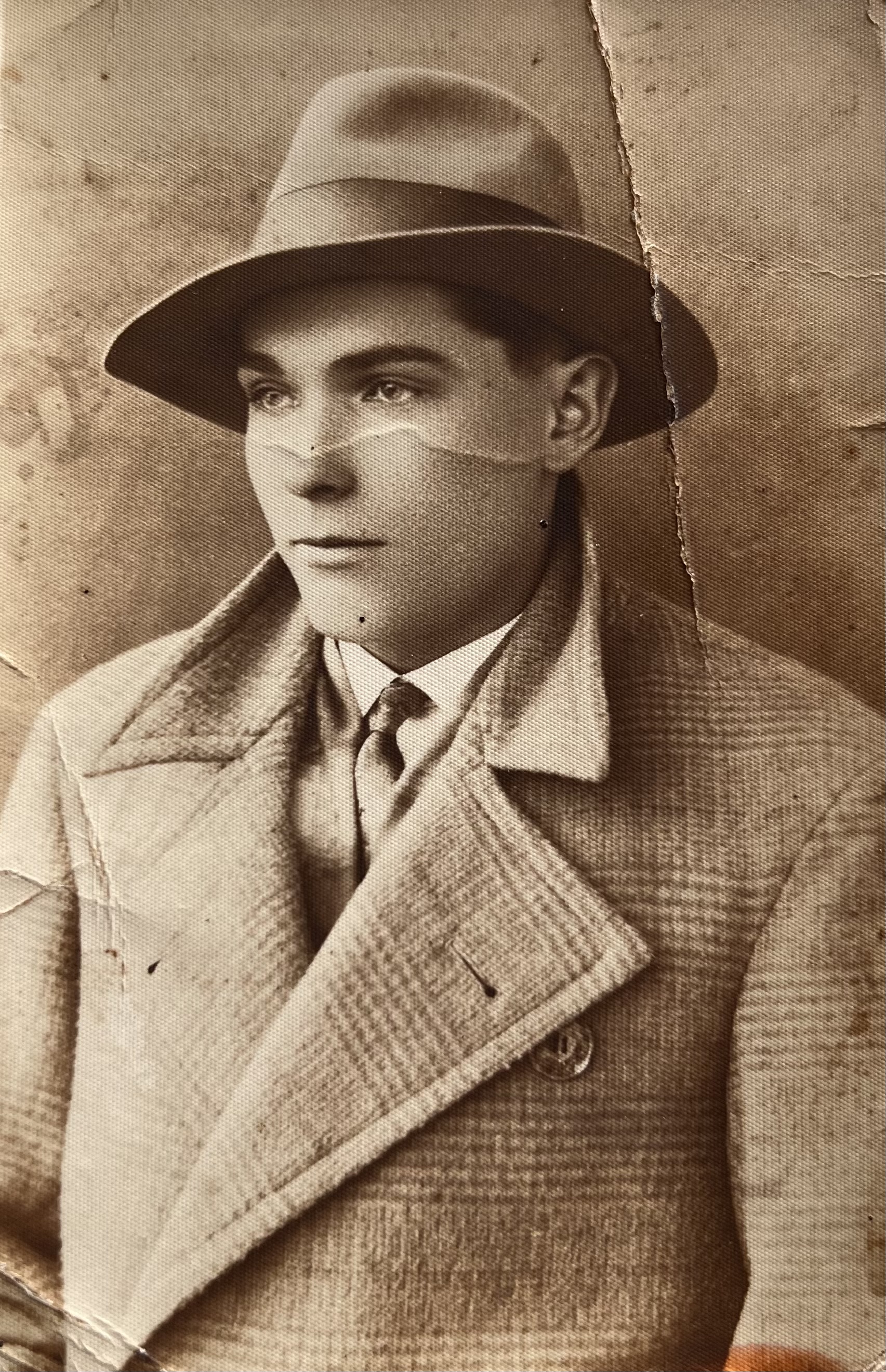
"My father applied for a trade license, but he had already arranged with a local entrepreneur who was in the construction business and was unable to handle everything organisationally and technically. He knew my father had a kind of a sixth sense like his father did; a kind of geological sense of the landscape if you will: there's water there, that slope will slide, this soil is solid, there are rocks just below the surface and so on. My father would come and look, and unless it had been tampered with, he could tell exactly what was going on including the water. This was very valuable to Karel Víška. Dad didn't want to be listed as a co-owner of the company; he was a silent partner. This means he had an ownership interest but didn't make any public appearances. He was there to do an agreed activity. That was geological surveys, everything on site that was all made out of wood, and decoration."
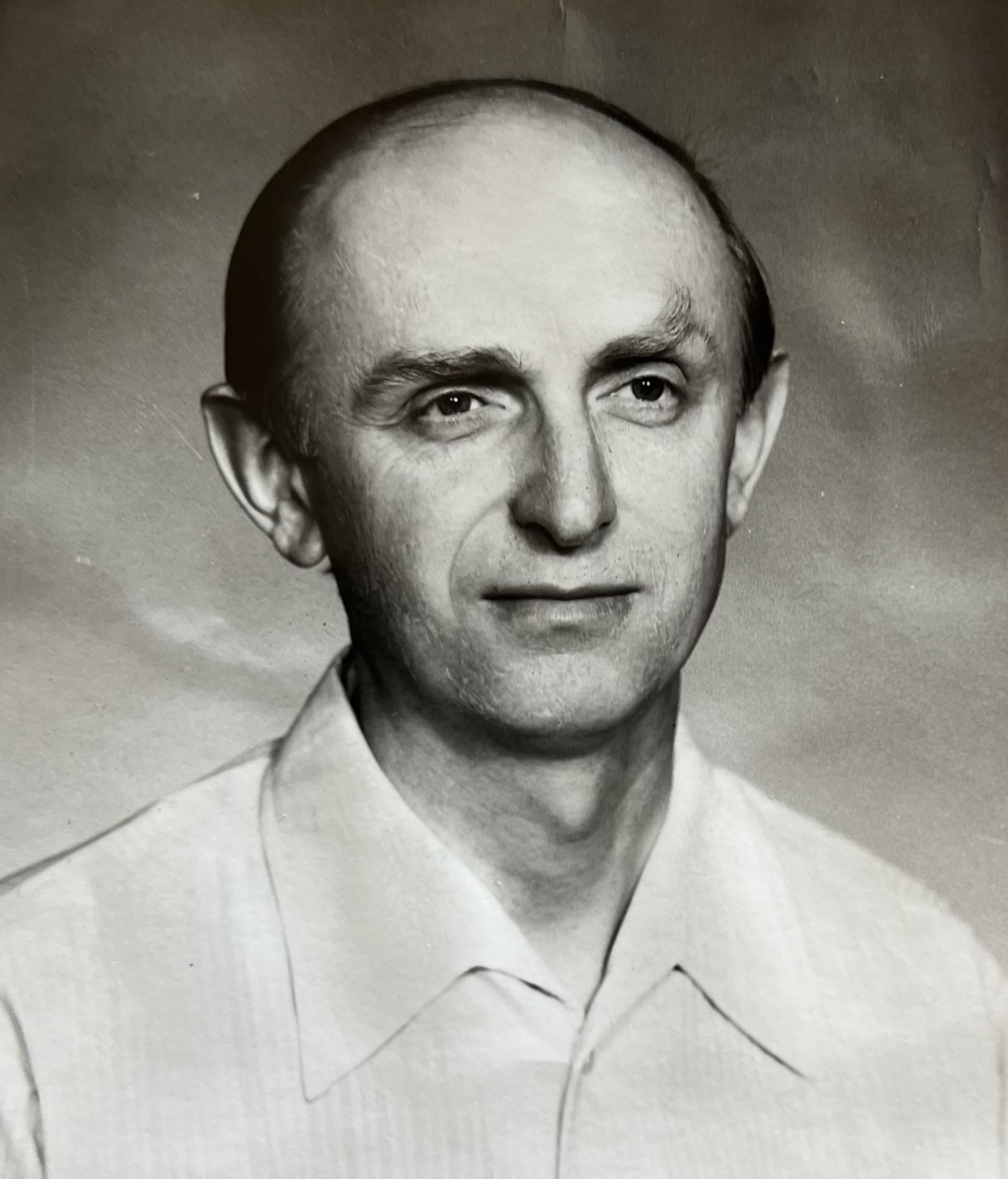
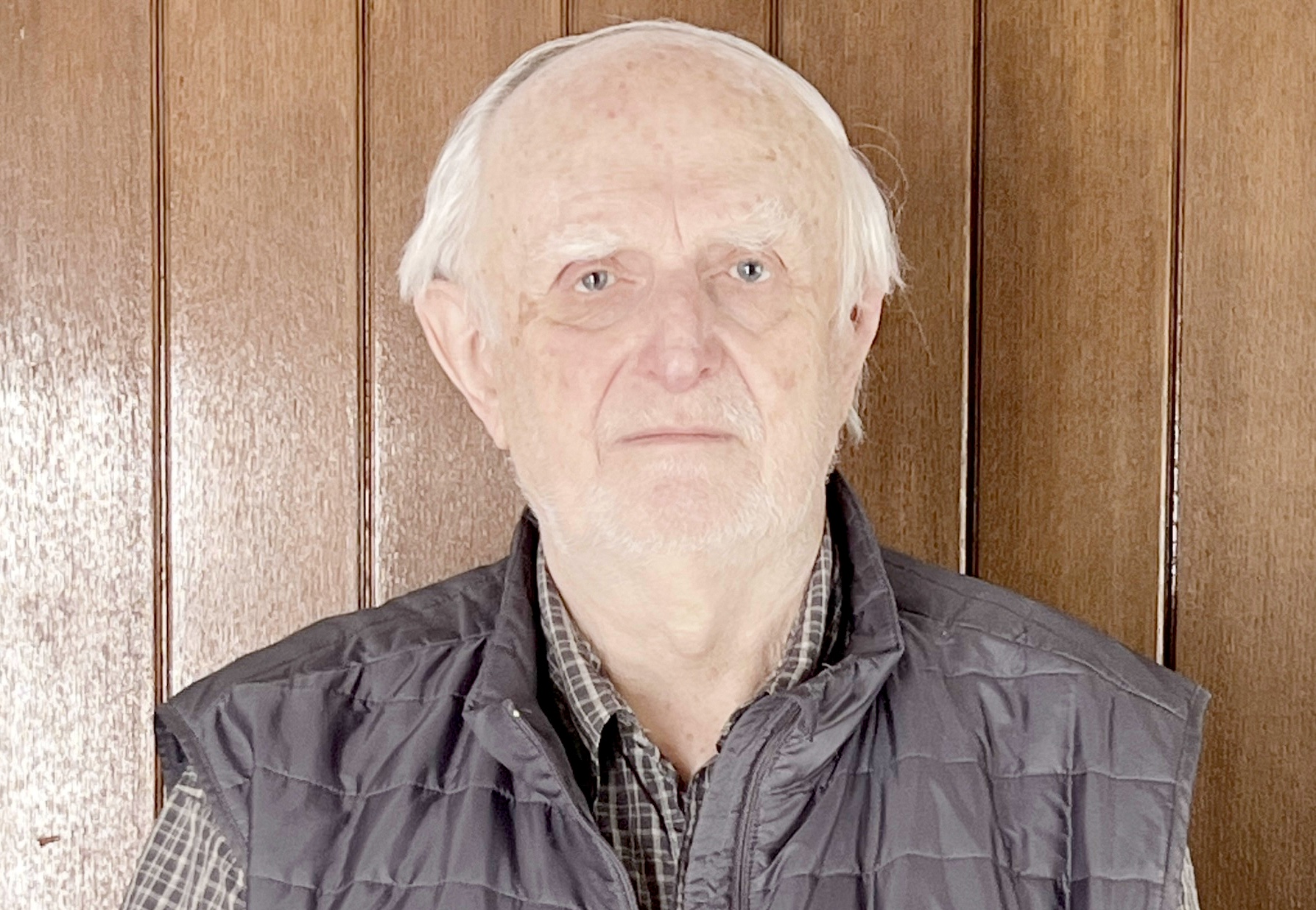
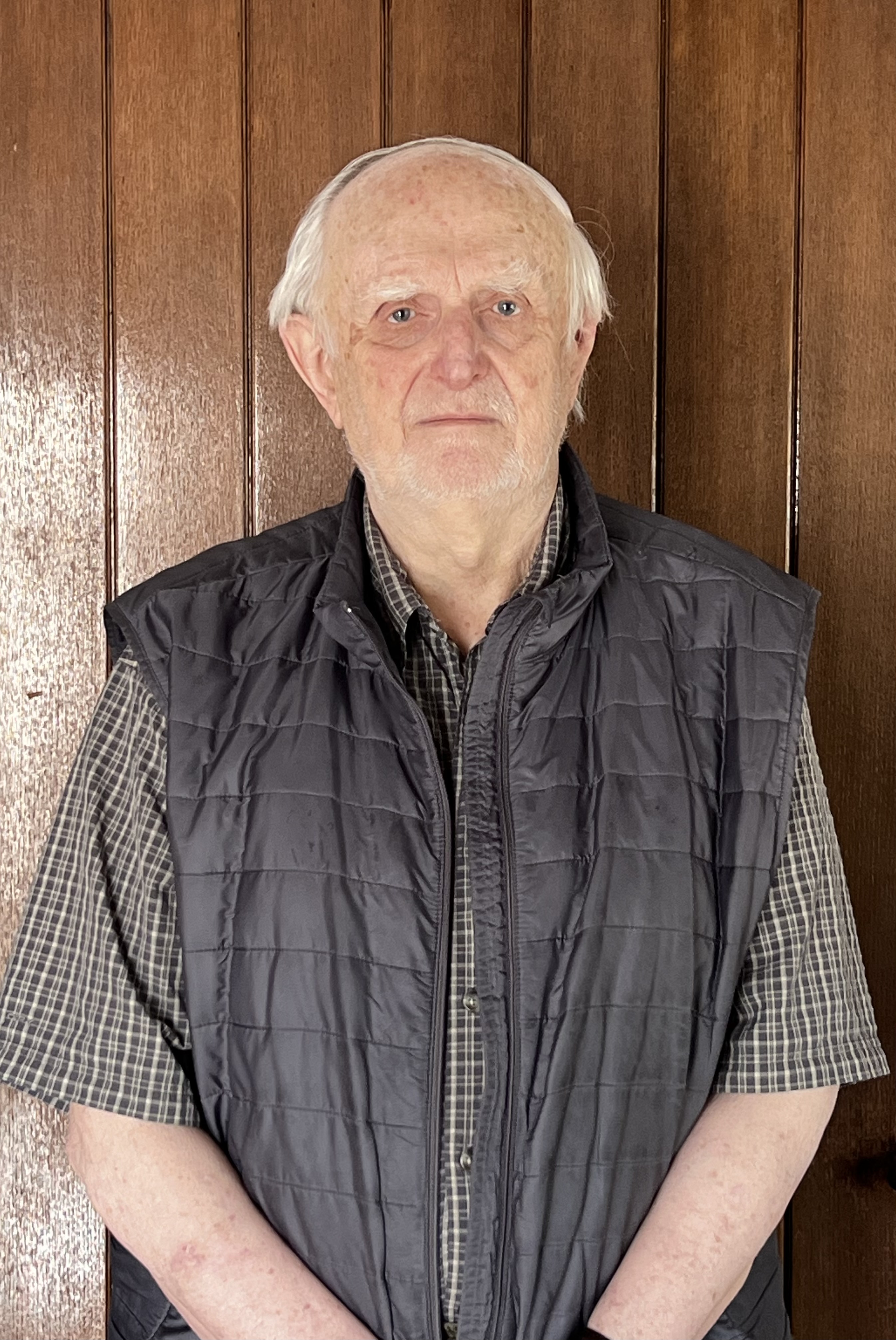
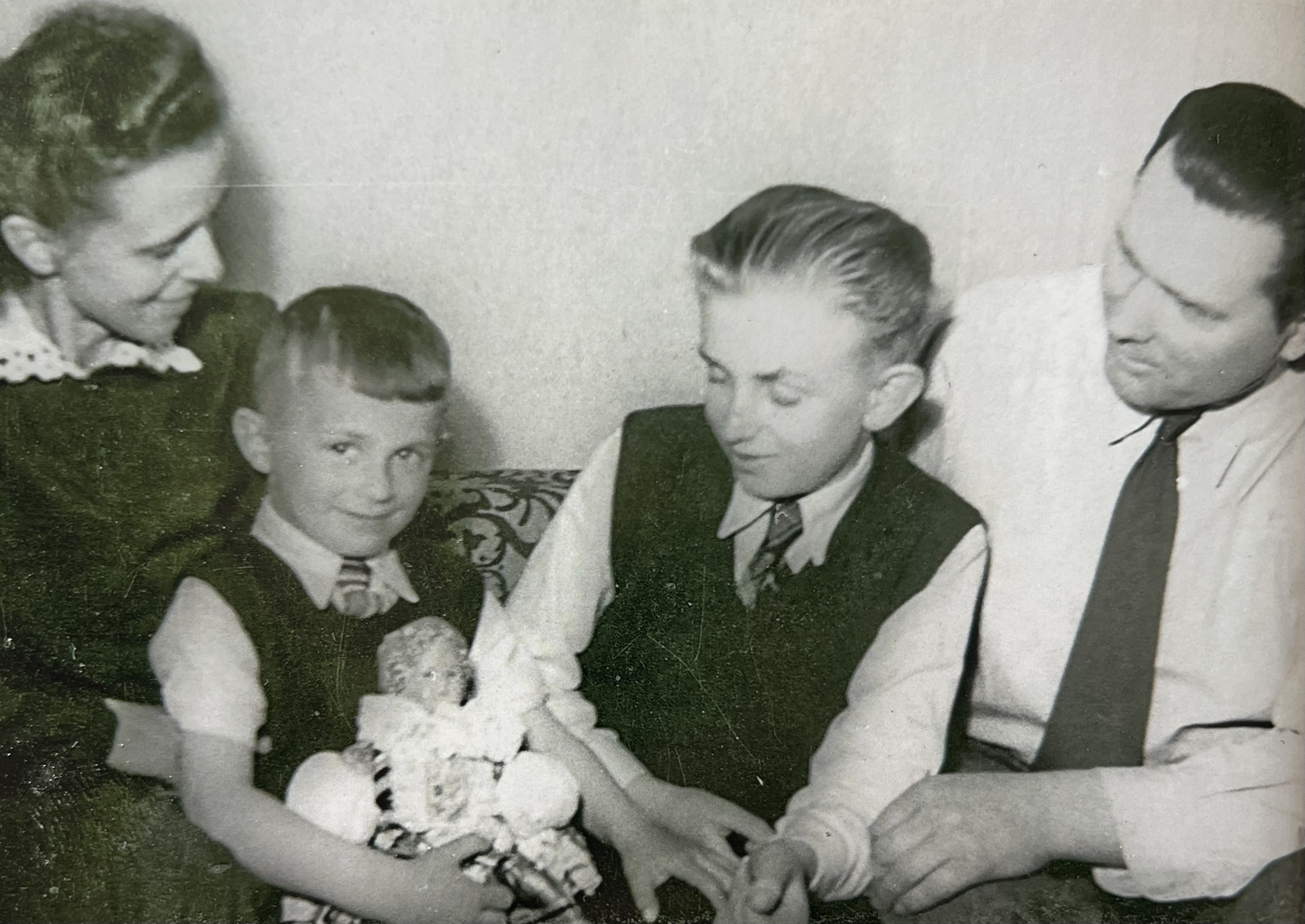
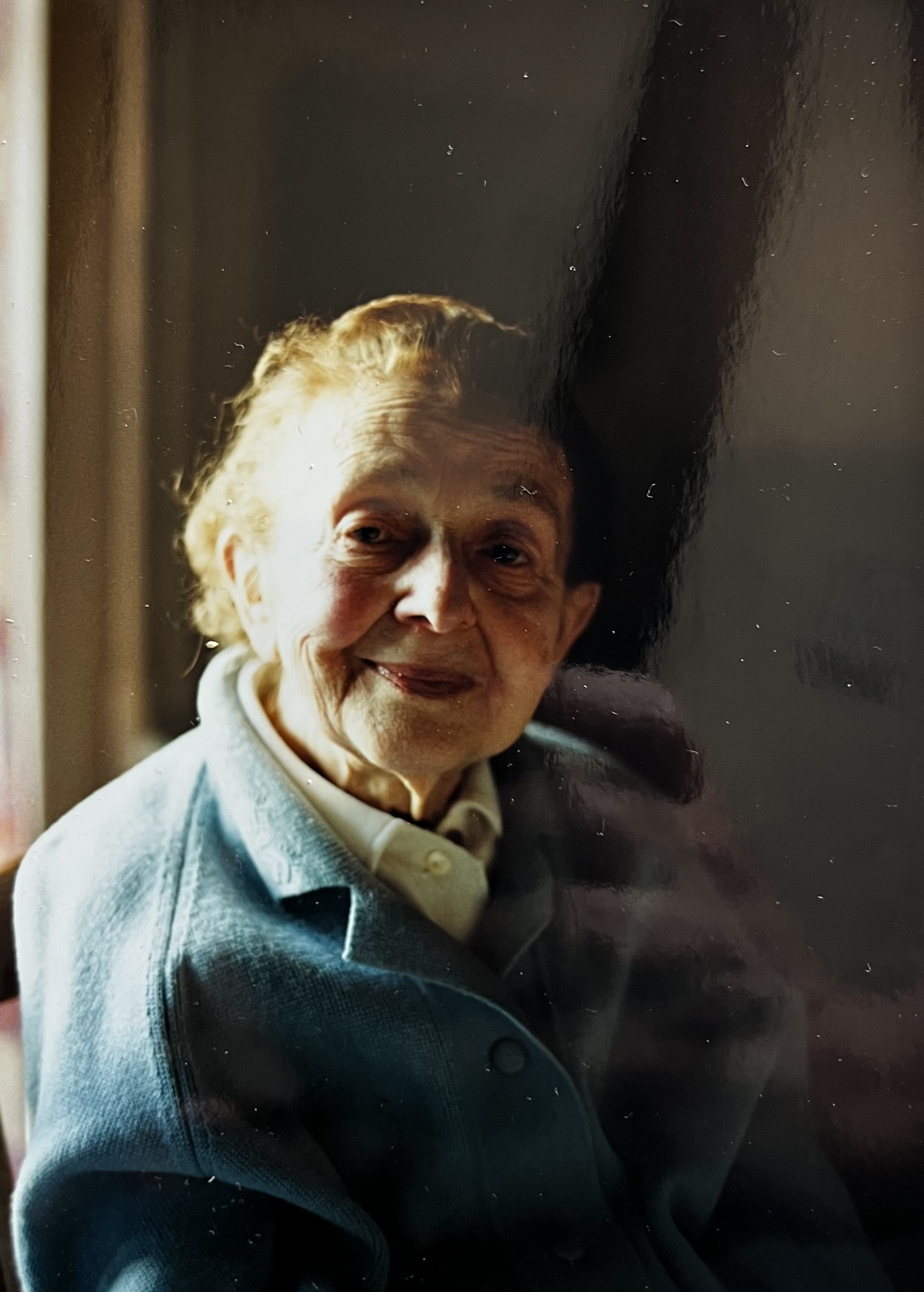
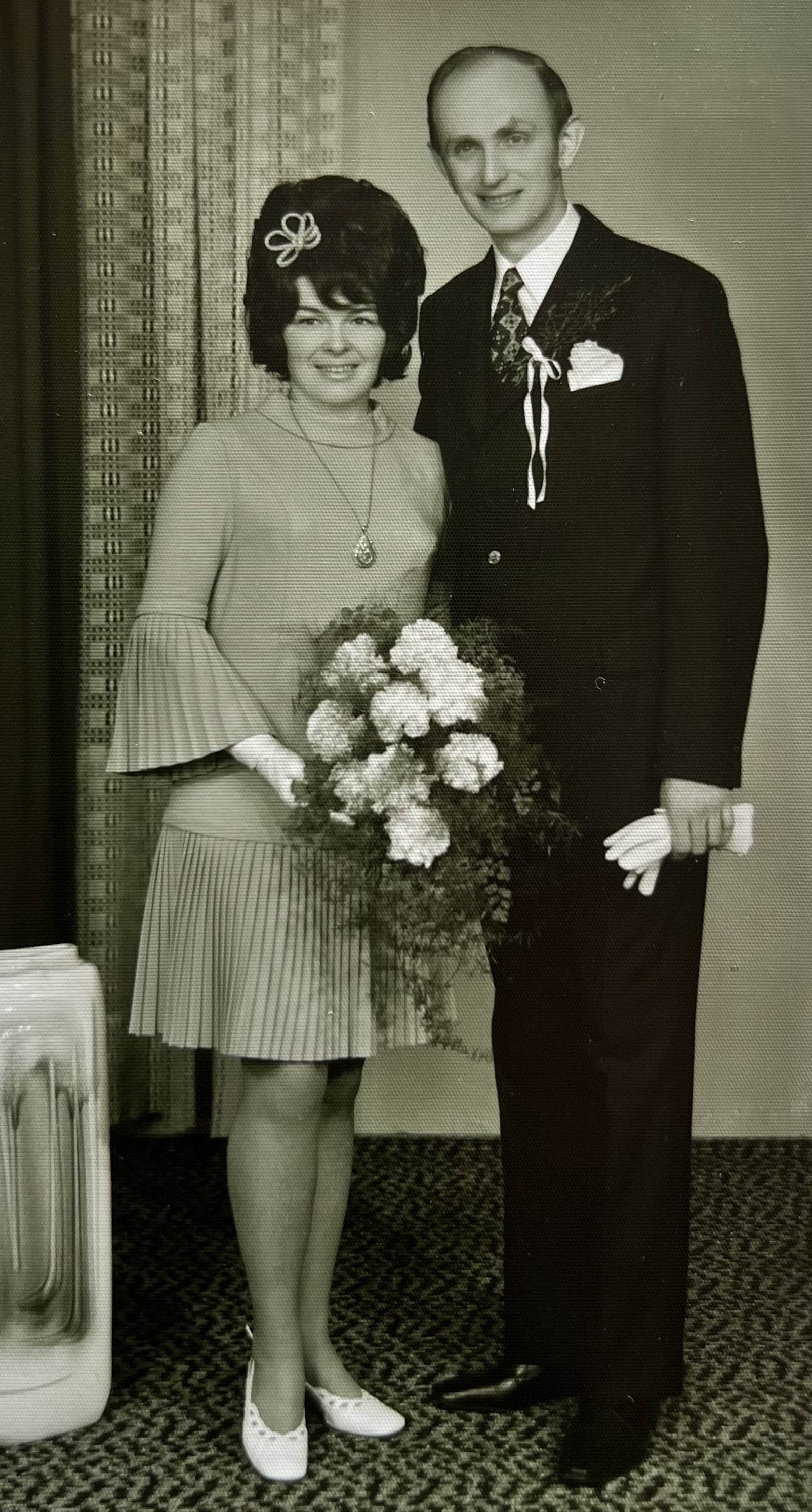
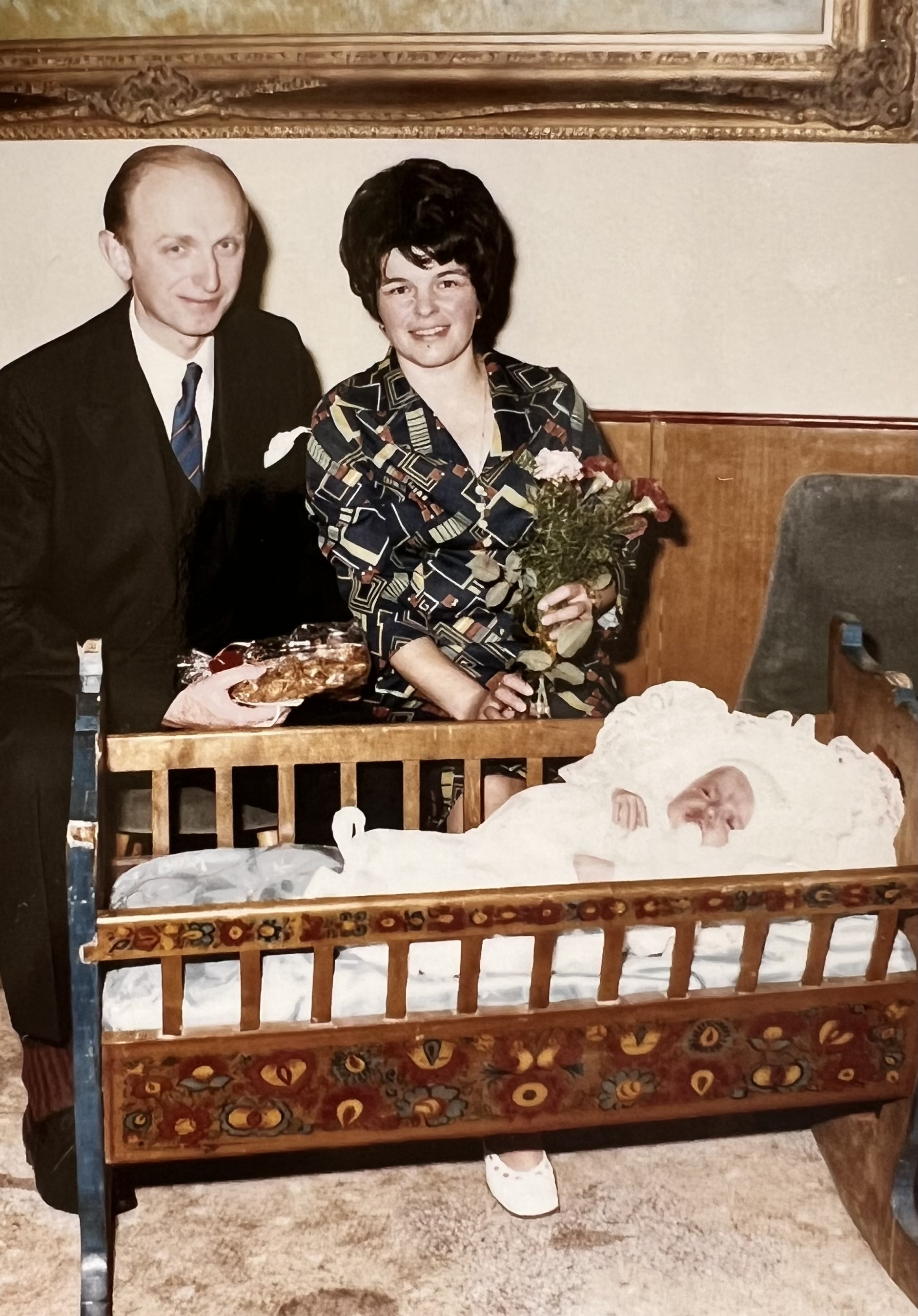
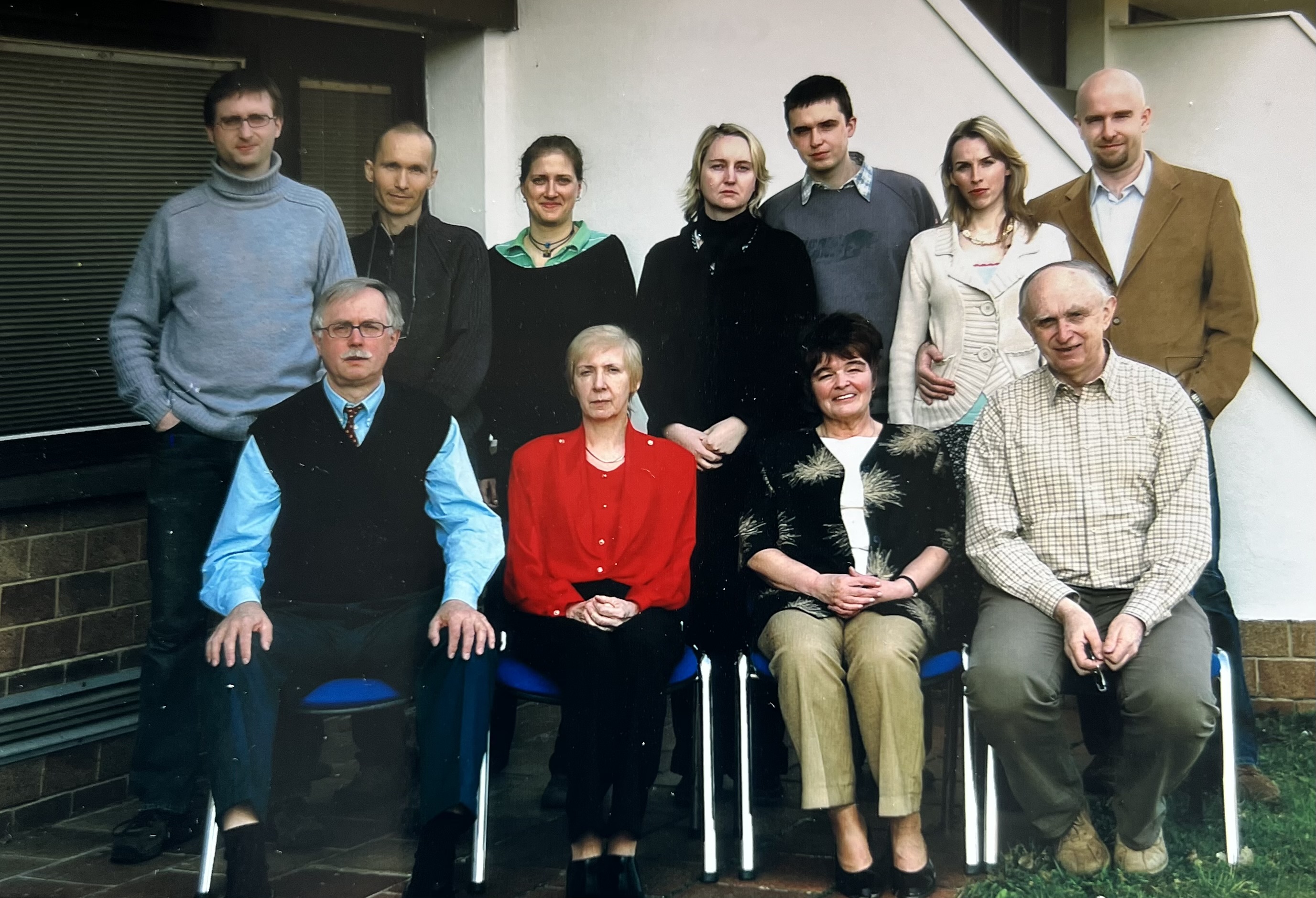
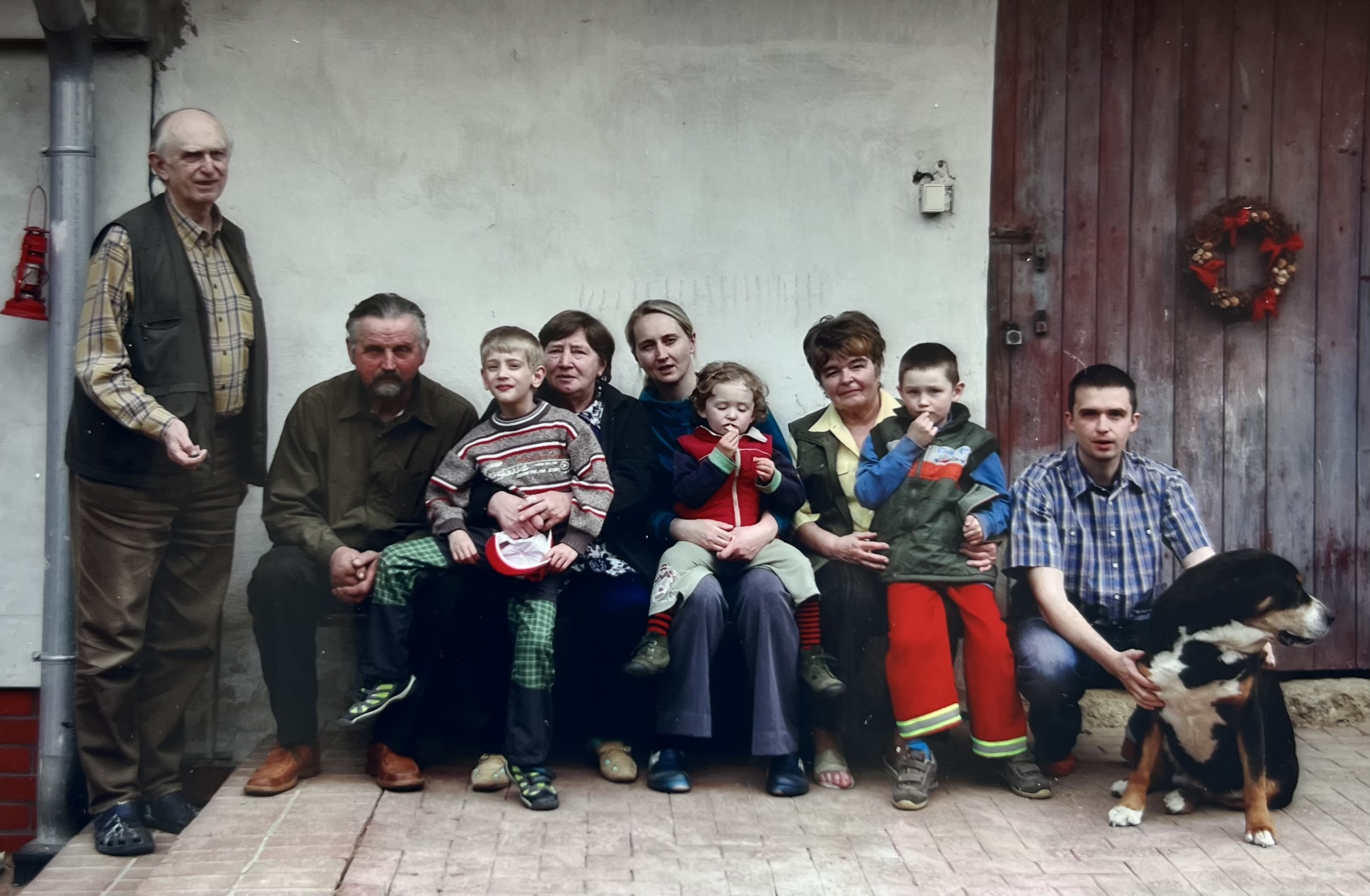
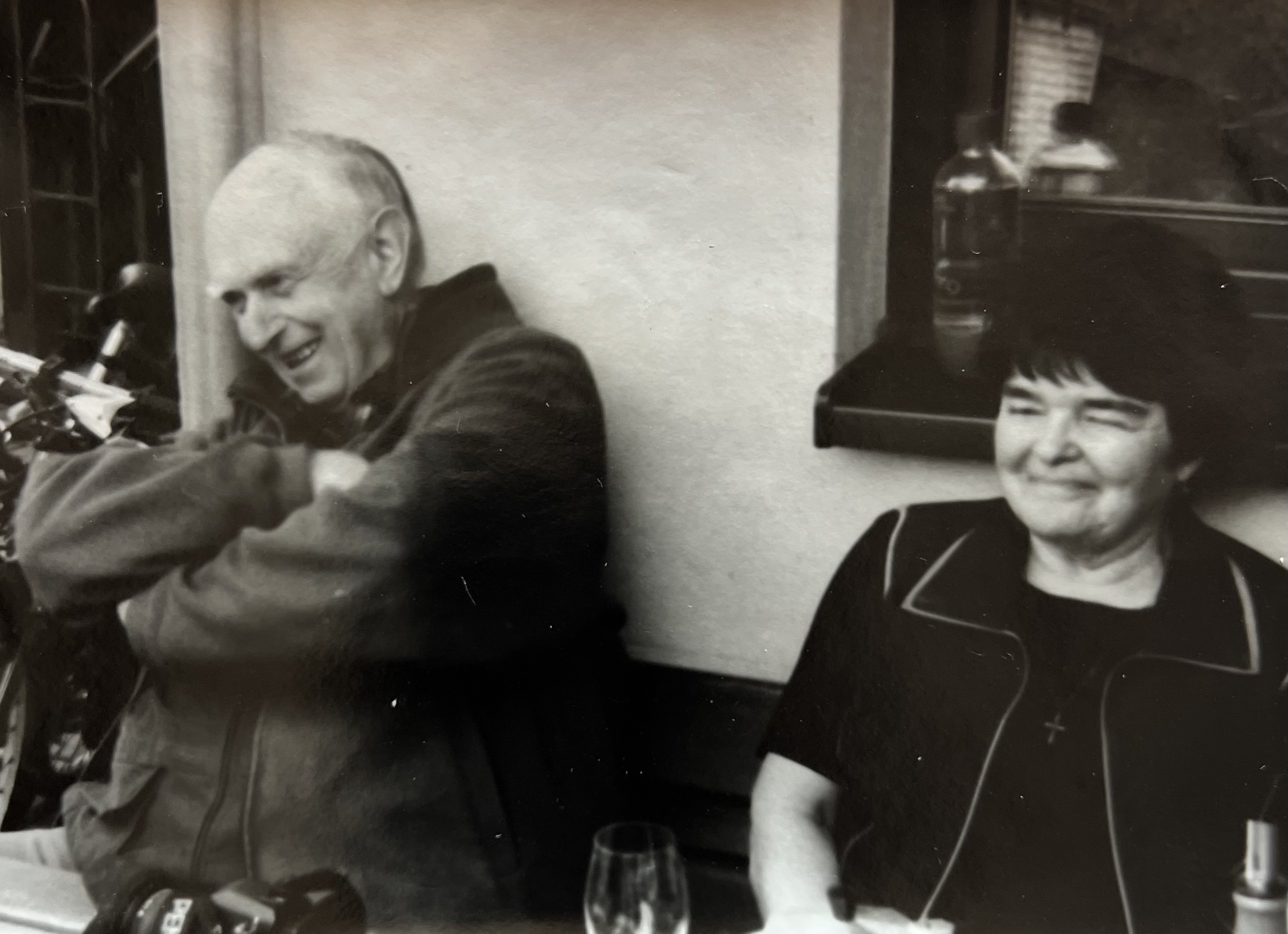
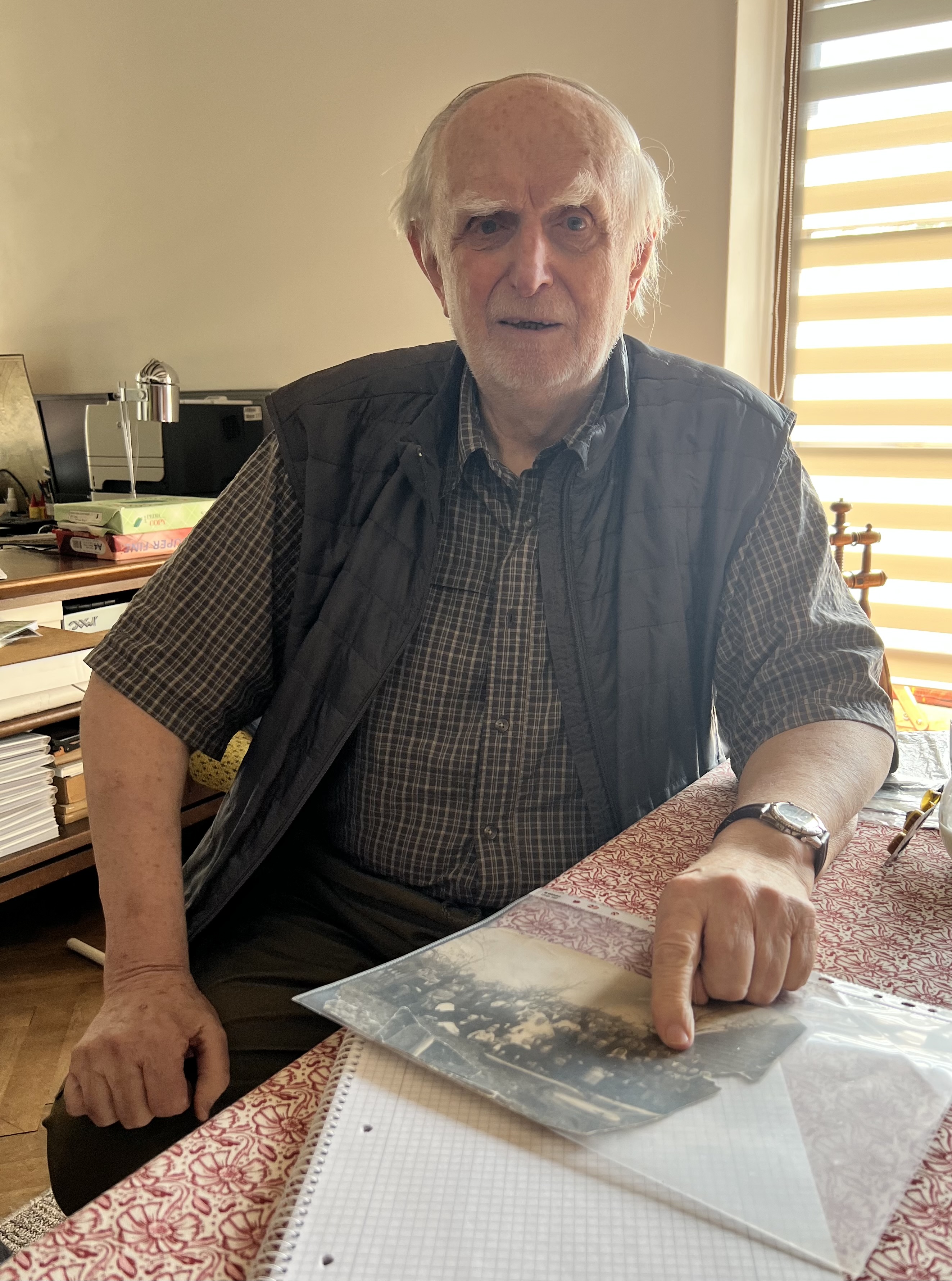
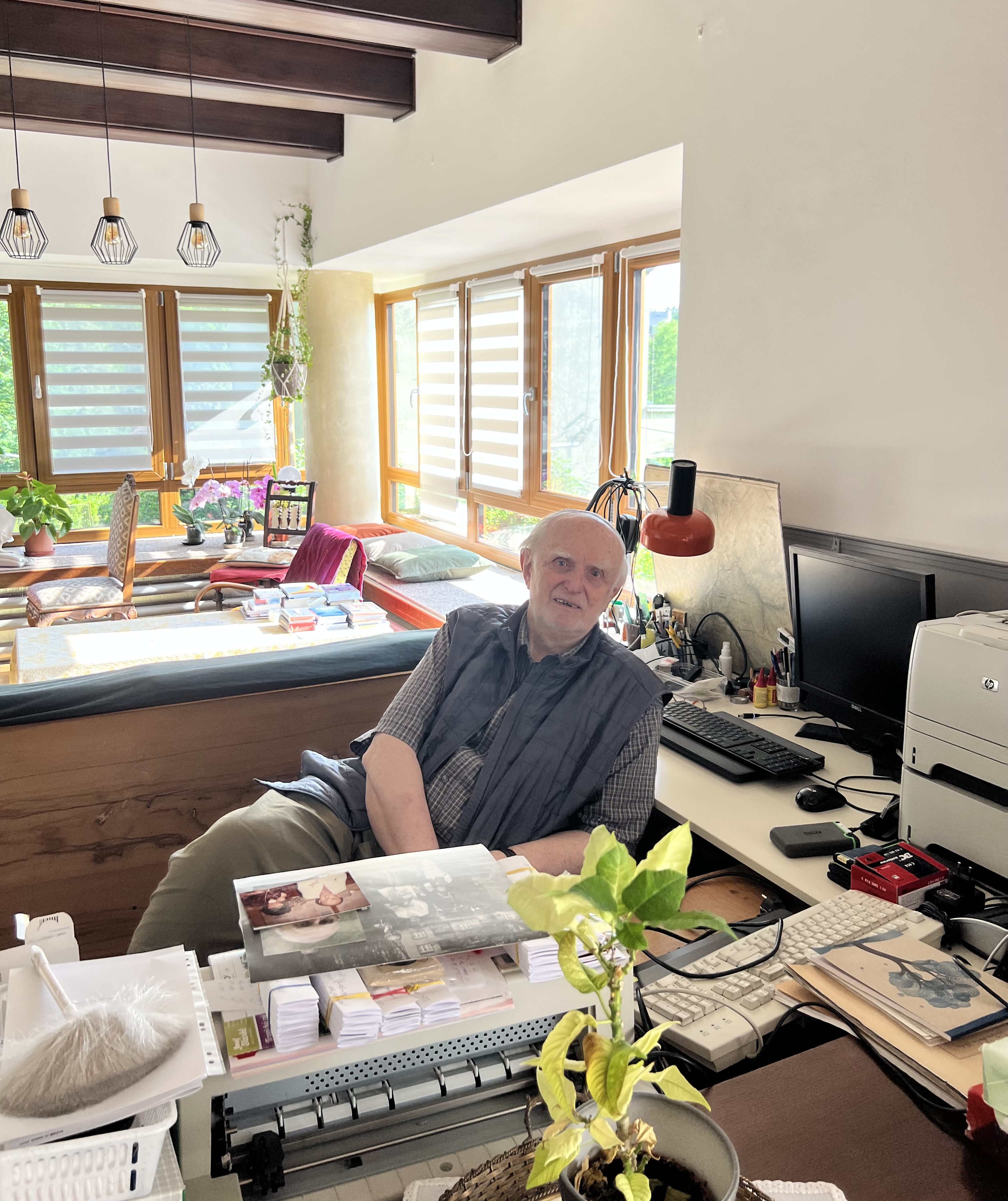
Jaroslav Pančocha is a physicist, educator and witness of the persecution of the totalitarian regime. He was born into an educated craftspersons’ family on 27 April 1942. His father Alois was a silent partner in Karel Víška’s construction company, an interior designer and a professional teacher, his mother Jarmila a highly qualified seamstress with her own salon. The family was hit hard after 1948. The father was sent to a labour camp, the mother had her machines confiscated and was assigned to manual labour under supervision. Yet both parents retained their professionalism and dignity, and their values shaped Jaroslav’s life. Despite a childhood accident with permanent consequences and a ban on studying in certain fields, he studied physics, medical physics and psychoanalysis. He was not allowed to teach in secondary schools during the normalisation period, yet he worked as a regional physics methodologist with great influence on the education system. He taught physics and mathematics at a Luhačovice primary school. After 1989, he and wife Zdenka introduced science education for talented children. Jaroslav Pančocha is convinced that freedom begins with thinking and that education is not about degrees but the ability to understand. His life testifies that faith in reason, morality and inner strength can stand even in the most difficult times. Jaroslav Pančocha was living with his wife in a house in Luhačovice at the time of filming in June 2025.