Ladislav Otruba

* 1951

  • "Some of the posters were in the national flag colours. There were words such as democracy, freedom and similar slogans. When the first protest took place in Prostějov on the Tuesday following 17 November, I also made a poster. It was the only banner there and everyone was afraid to hold it. In the end, my brother and one of my co-workers took it. The poster said - democracy, solidarity and maybe free elections, but I don't remember exactly. I made those at work at the time even though there was nothing going on at work at the time. People told me, 'Don't be crazy, someone will notice.' So I asked one lady to bring me a bed sheet, but she didn't want to go. I said, 'Please, madam,' and she said, 'Ladislav, I'm going to get arrested.' So I always made posters at work.

  • "He was released on amnesty in 1965. But his health was ruined and we had no money. Nobody would employ my mother. It was difficult. We could hardly afford food because there was no one to support us. My grandparents had 300 crowns of pension, so their sons supported them. For example, I didn't have shoes in the winter and walked in sneakers, or if there was snow, I used to wear galoshes and buckle slippers. Everybody made fun of me. My brother hated it; it didn't bother me. I have to tell you this. A gentleman died in our house, former prosecutor Dr. Duža, and his wife came to us and said: 'I have a basket full of Zdenek's beautiful trousers, shirts and shoes.' She brought us two baskets of clothes. My mother made them to fit me and I started wearing them. White trousers, leather boots, kind of plaited, and shirts. So I was looking cool, everybody was looking at me, but my brother didn't want to wear it; he found it stupid. White trousers, white shirts - you didn't wear that, you wore sweatpants. I went to play football and I came in wearing that. We had a lot of those clothes."

  • "We had crazy problems with faith. My father was actually arrested because of it. Sometime in 1960 or 1961 there was a communist congress and they made a commitment that there would be no churchwardens, altar boys or organists in our church. My sister started playing the organ when she was in the seventh grade, even though they forbade it. My brother and I were ten years old and we were churchwardens, so they failed. They wanted no classes on religion, but my mom worked around those people and even more signed up, so of course the woman who was the secretary - she only had completed five grades by the way, and was primitive and stupid - was completely over it. So there was an effort to shut my father up. In the end he was more or less locked up because of religion. They wanted to get rid of us before, so they offered my father a job as a stone mason plant in Mikulovice near Jeseník. We were supposed to get a green house with a view of the mountains, it was wonderful. I still remember it. We came back and my mother said, 'I'm not going anywhere, I'm not going to be blackmailed.' So they sought a reason to imprison dad. They were wondering what they should arrest him for. When women went to the beet field, he would sharpen their hoes, so they left him some a pack of cigarettes. They couldn't arrest him for that. Or he got five kilos of cement for someone, but that was not enough to lock him up either. Then they found a rock that was not recorded, but that was not enough. They finally arrested him because of two big rocks of Swedish granite in front of his house that he allegedly did not post in records. They were out by the road and people would walk around them. So they arrested him for that."

  • Full recordings
  • 1

    Plumlov, 13.06.2025

    (audio)
    duration: 35:05
    media recorded in project Stories of 20th Century
  • 2

    Olomouc, 16.07.2025

    (audio)
    duration: 01:46:54
    media recorded in project Stories of the region - Central Moravia
Full recordings are available only for logged users.

They all knew I was somewhere else; I wasn’t with them.
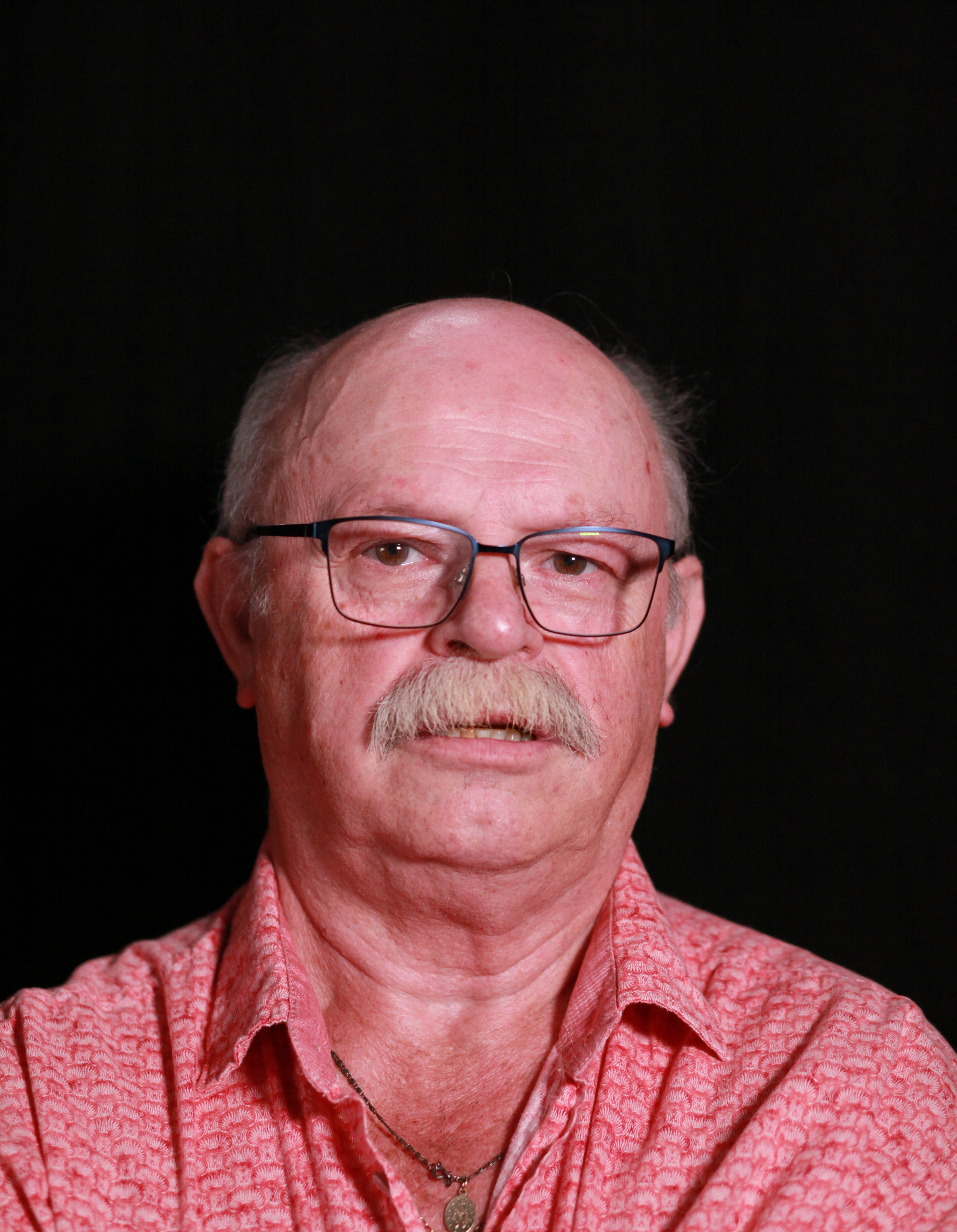
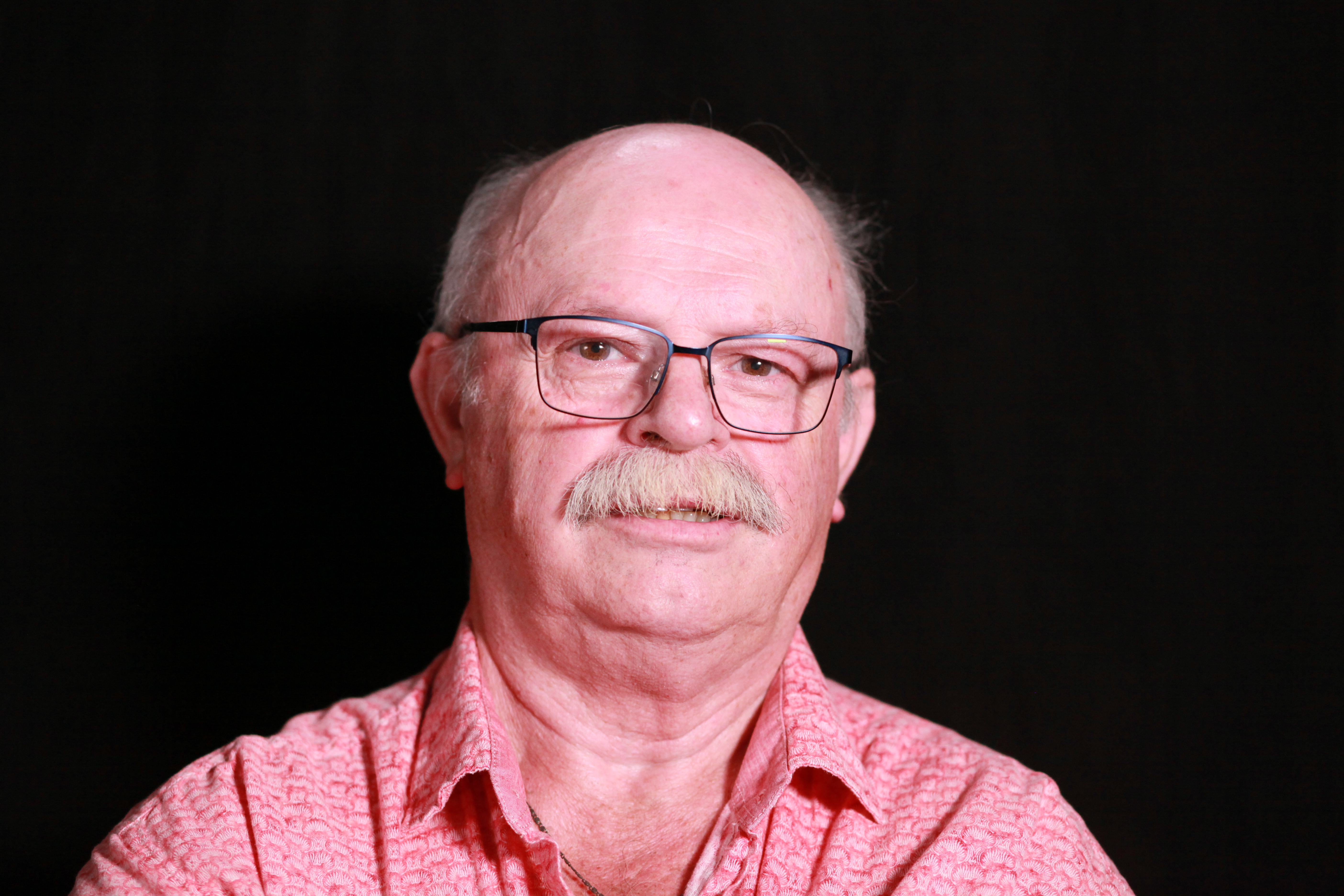
Ladislav Otruba in 2025
photo: Post Bellum

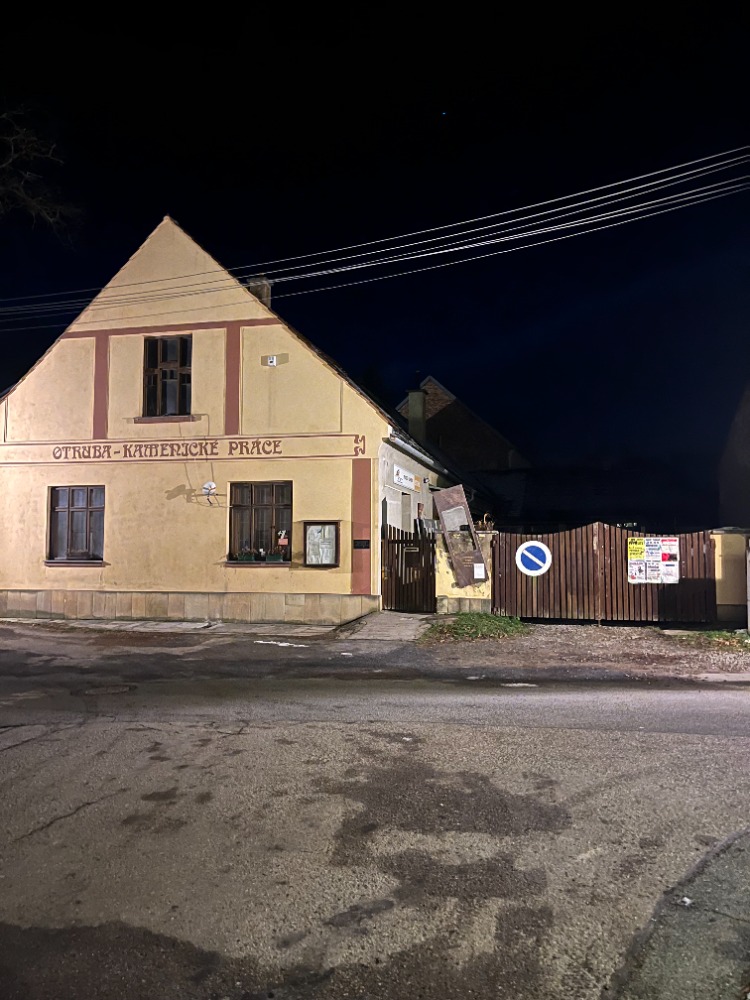
Ladislav Otruba was born on 26 May 1951 in Plumlov where his father Karel ran a stone carving shop. The communist regime nationalised the shop after 1948 and the father was kept as the head of the workshop, managed by the district services company. Mother Jana Otrubová was a devout Christian, and she and her husband were members of the Czechoslovak People’s Party. In 1957, she is said to have made a speech at a party meeting in Olomouc, openly criticising the suppression of religious freedom, for which she was interrogated by the State Security. The family faced persecution and the father was imprisoned in Kuřim for two years on false charges. He was released on amnesty in 1965. Ladislav Otruba completed a masonry school. Following his military service, he worked at a stonemasonry in Kostelec na Hané. He openly criticised the regime, secretly repairing sacral monuments. In 1977, he joined the Czechoslovak People’s Party to be able to legally help the faithful. In 1985 he took part in the National Pilgrimage to Velehrad. In the latter 1980s he created banners for anti-regime demonstrations and signed, distributed and organized anti-communist petitions. In November 1989 he was in Rome for the canonization of Agnes of Bohemia. Immediately after the brutal crackdown on protesters in Národní třída, he and his son made a banner drawing attention to it and hung it in the centre of Plumlov. During a public meeting of the Plumlov Municipal Council, he founded a Civic Forum in the town. In 1990, he became the last chairman of the Plumlov MNV. He served as the mayor of Plumlov from 1998 to 2006. The family was given back the confiscated building with the stone workshop, but it was dilapidated it cost them a lot of money and effort to repair and restore the shop. Production took off and the company employed up to sixteen people. Since 2004, the witness’s son Karel has been in charge of the business, one of the fourth generation of stonemasons. In 2024, the Otruba Stoneworks celebrated its centenary. At the time of filming in 2025, Ladislav Otruba and his wife Milada were still living in Plumlov.