Marie Obrusníková

* 1936

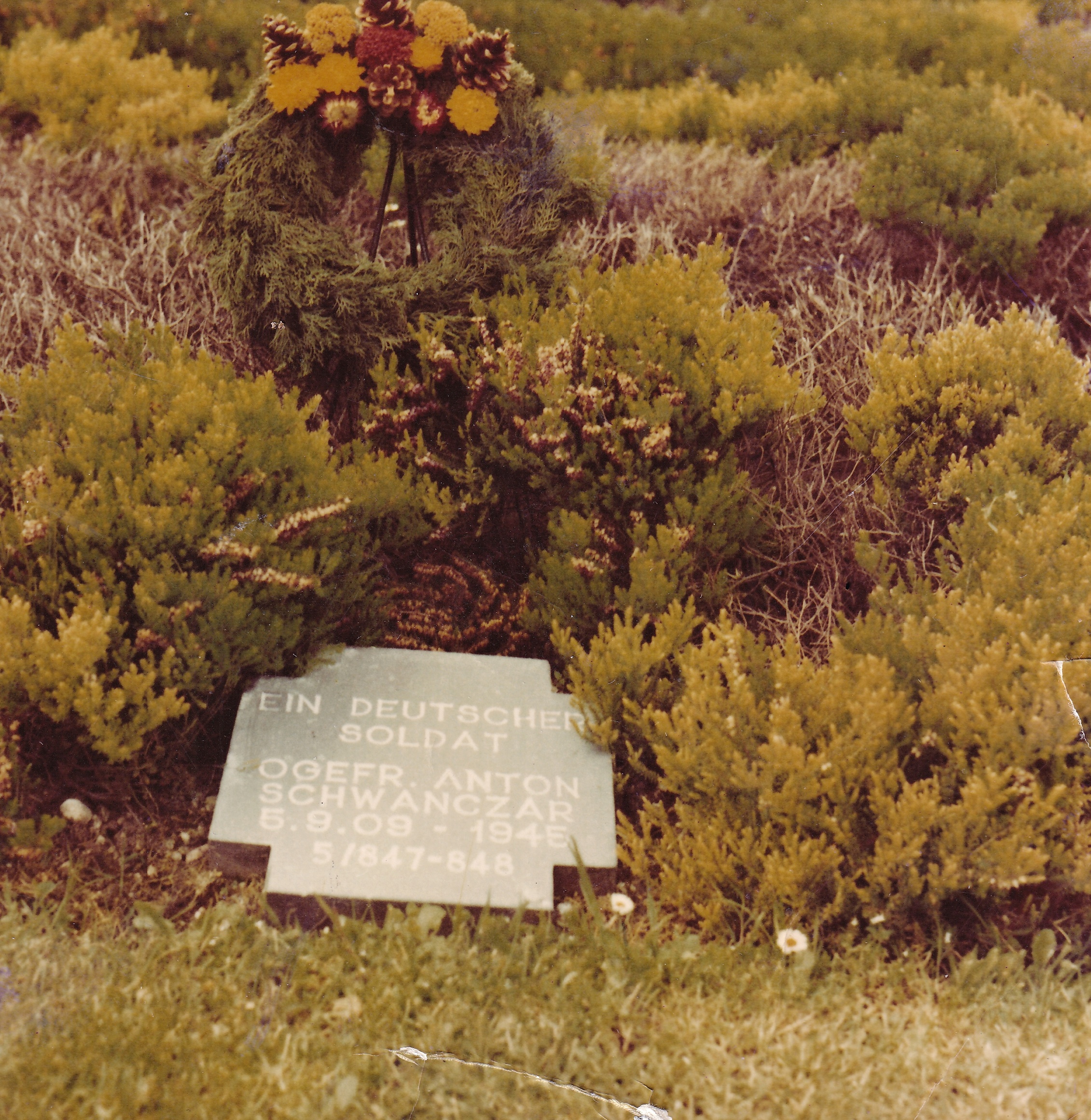
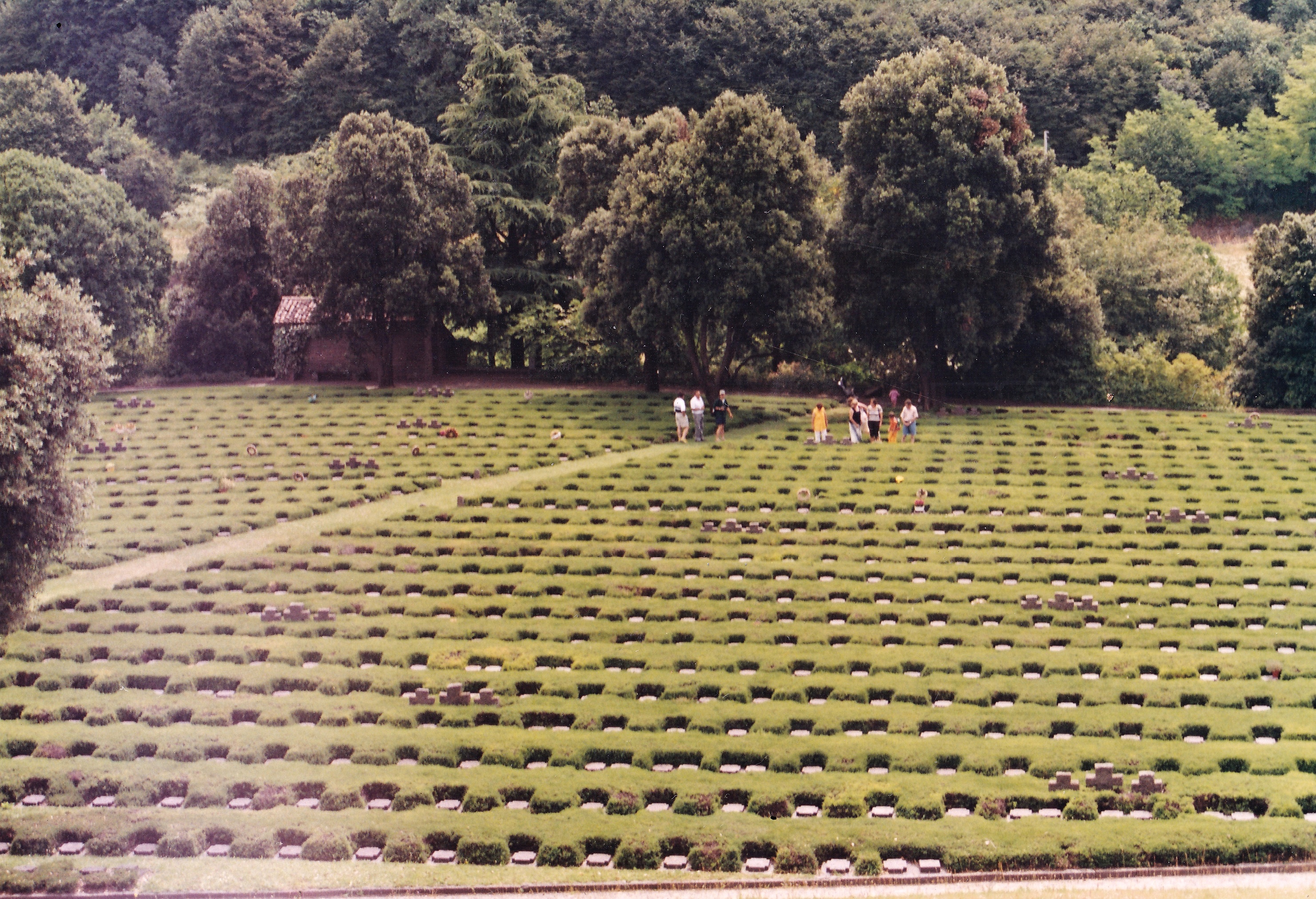
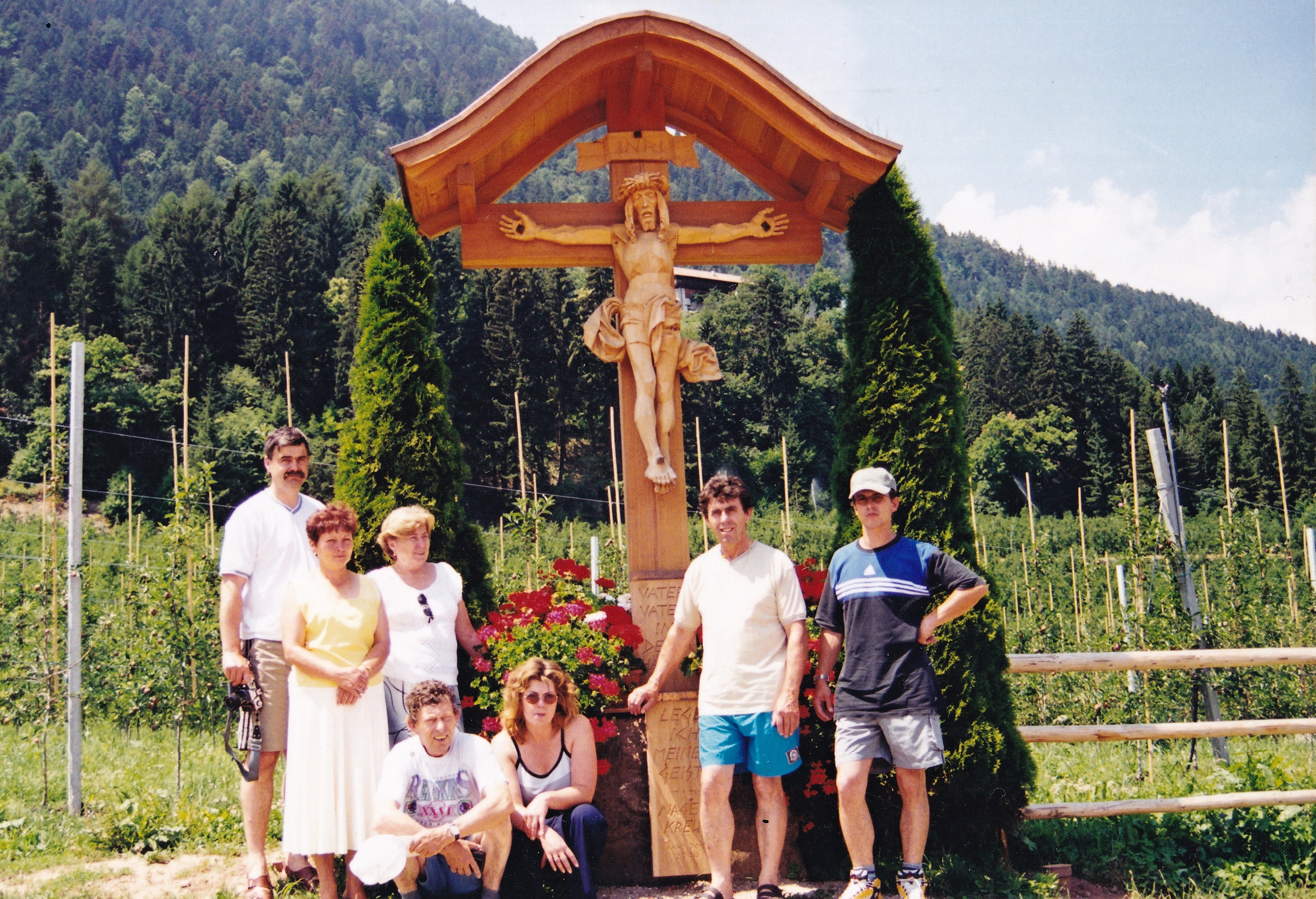
  • "Please tell us what it was like looking for dad's plaque and then seeing it." - "I don't even want to remember it. It reminded me of everything... It was painful... painful and joyful to find him. We put candles and flowers there and I was sorry that my mom couldn't see it. She couldn't make the trip anymore. It was too far for her. She wouldn't make it. But we told her all about it. My son had a camera and he filmed it all." - "Did you think about your dad, what it was like for him, that during your lifetime? Did you ever imagine it in any way?" - "Oh, sure! So often. As a child, I sometimes felt so inferior because everybody had a daddy except me. I felt so sorry for that. I know that."

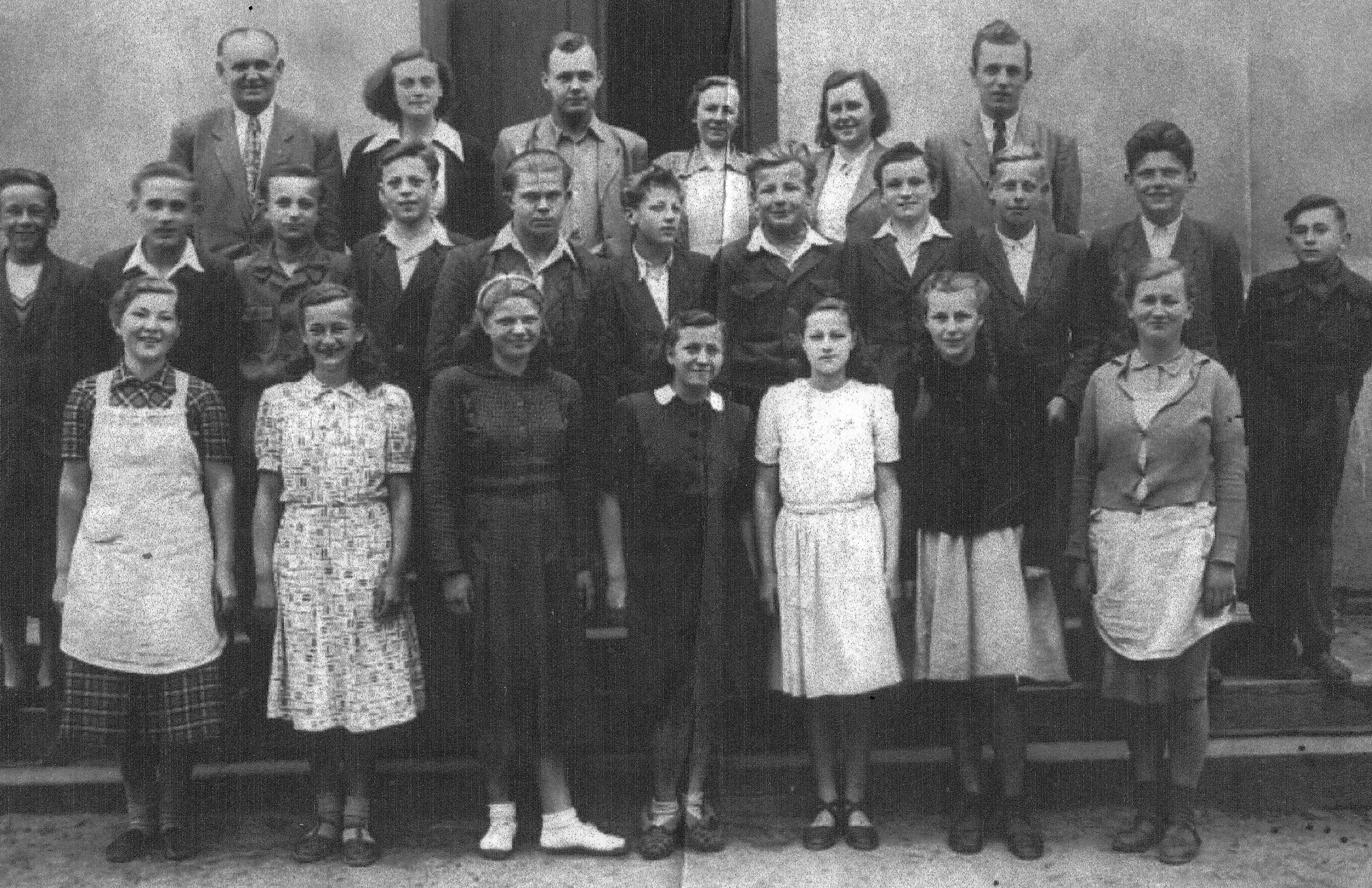
  • "The headmaster was this funny little Czech. We couldn't learn Czech fast. I still don't speak Czech well. I speak more 'po naszymu' [a local dialect]. He took us for Germans, but it wasn't our fault being German. I don't know. He was hard on us for being German. I don't really know what he meant. He was tough on me for being German, but we all spoke po naszymu. I couldn't learn Czech that fast. Even now I can't speak Czech properly. This is Hlučín. We were all in the same situation after the war."

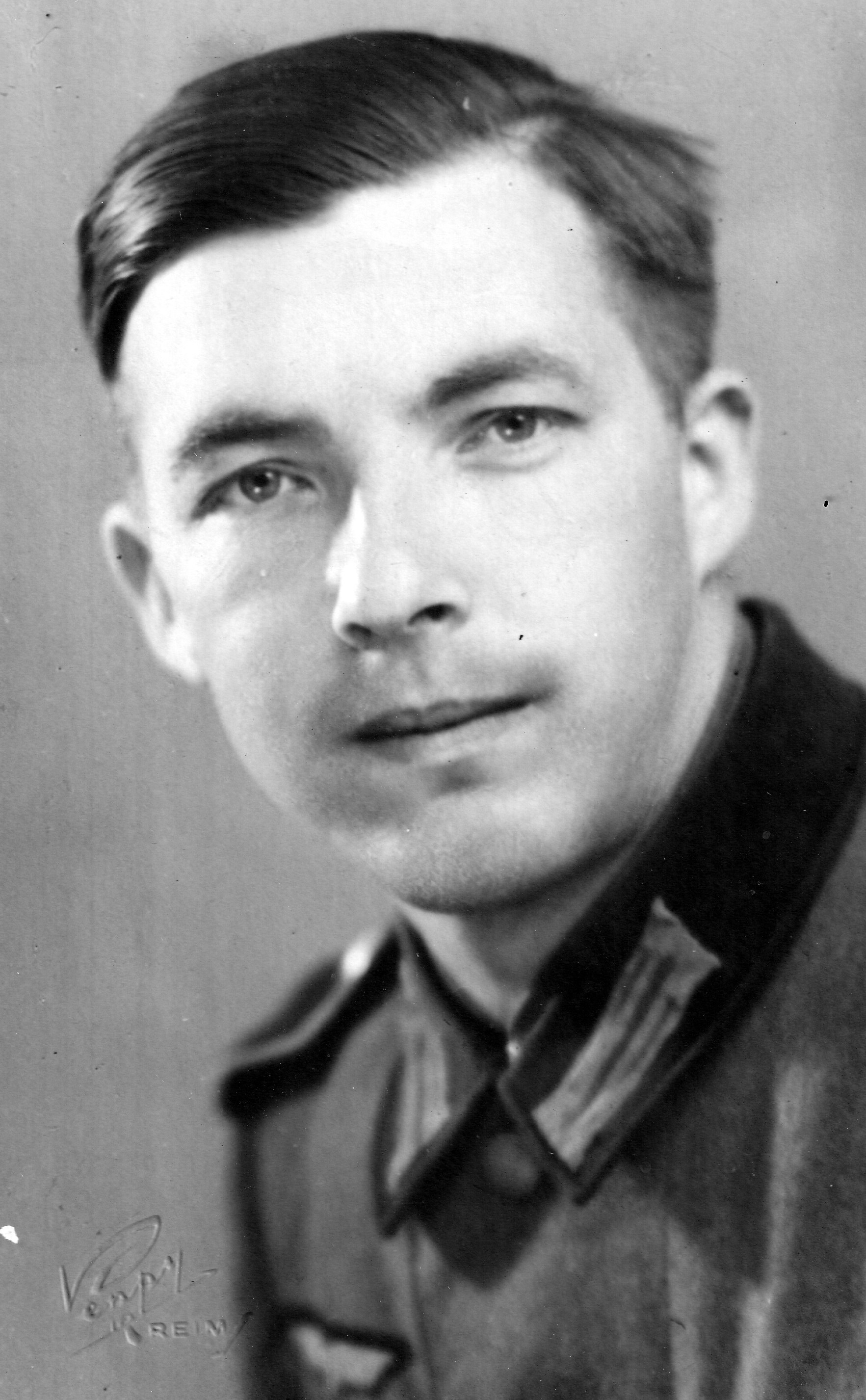
  • "Dad was in the war at Stalingrad and was badly wounded. He stayed in hospitals and then came to Opava for treatment. Then he got medical leave from Opava. In the meantime, my mother gave birth to the youngest. Dad saw him for one day and had to go to war again. Because Mummy was in bed, so I went to see dad off to the railway station in Bolatice. A farmer in Bolatice took the soldiers who were on leave to the station in Bolatice. I went with Daddy. And that was the last time I saw him. It was in December 1944. After that, my mother got more letters saying that was going by train to Italy, and then he was killed in Italy. That's where he is buried. A cousin from Germany searched through the Red Cross and found his grave. Then we went there to visit him."

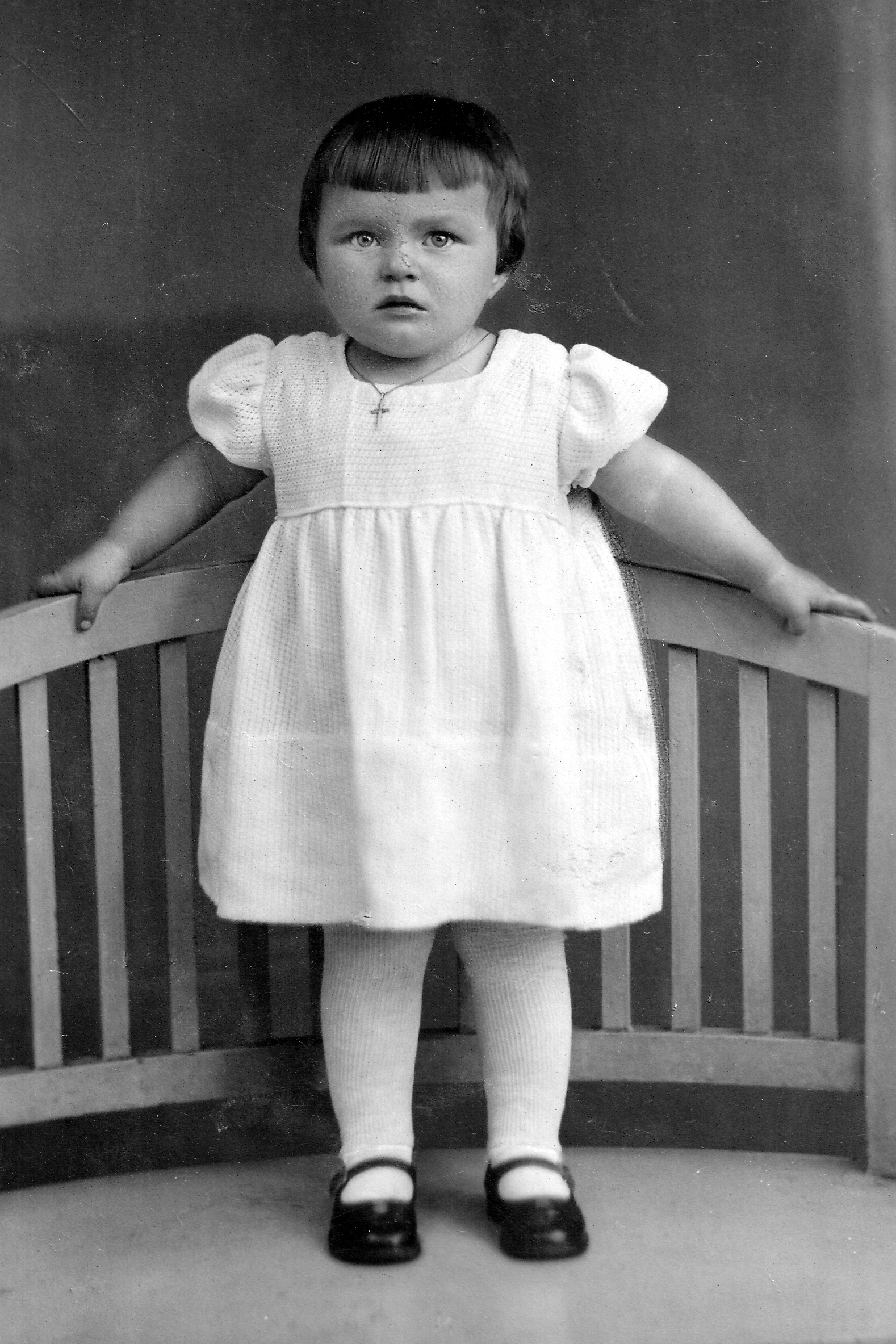
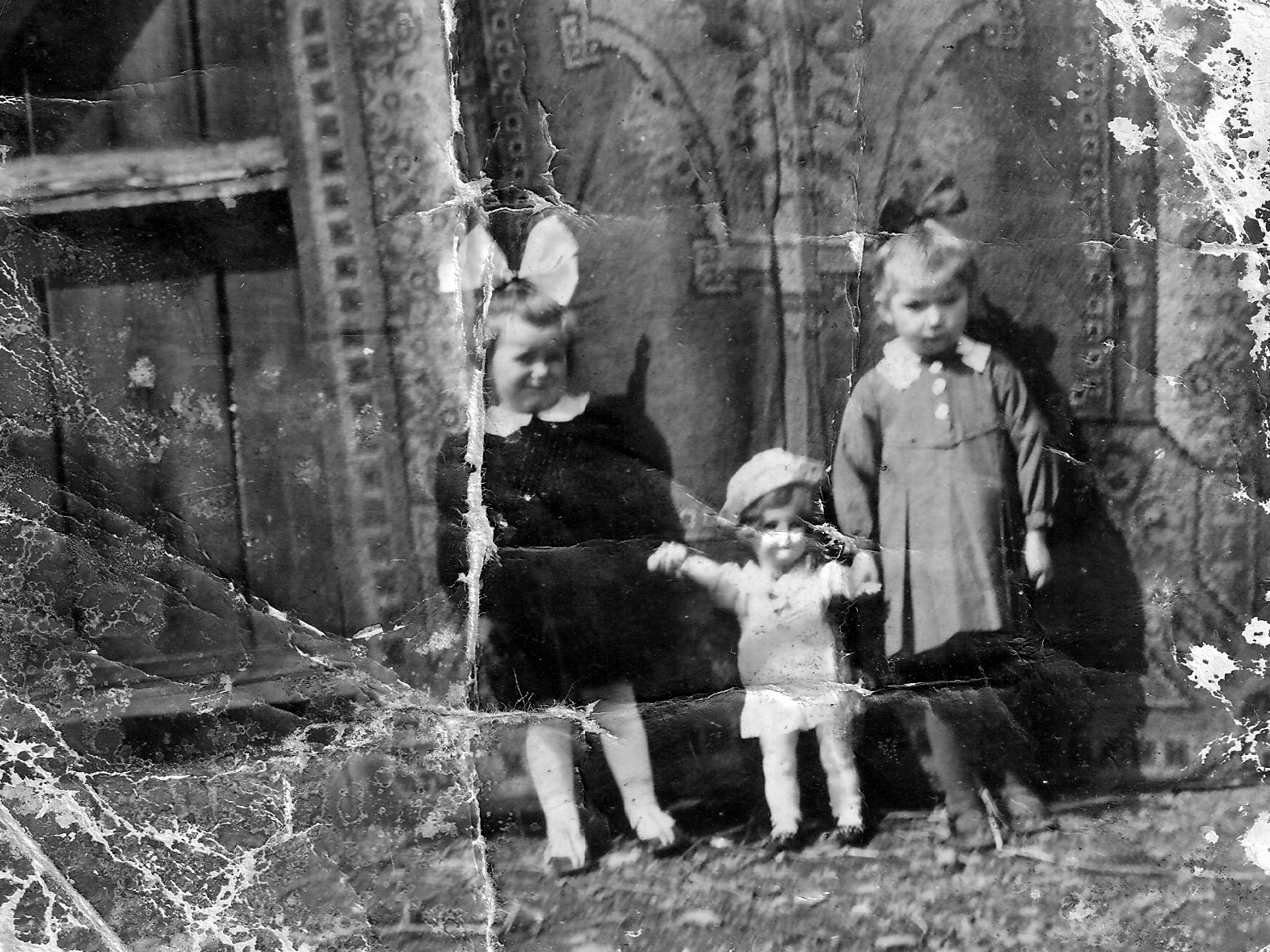
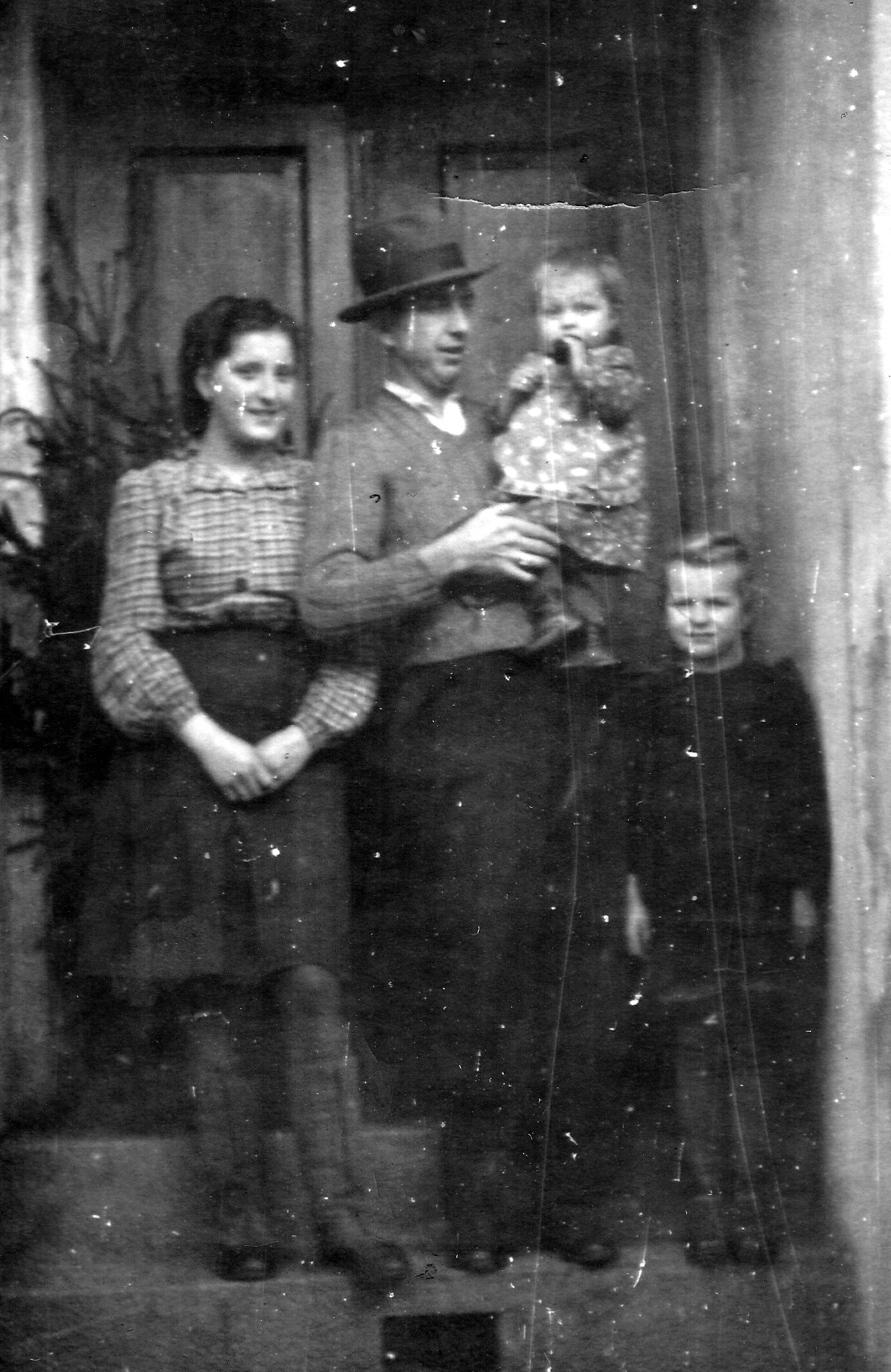
  • "The doll I am pictured with, a Ruthenian [Soviet soldier] took it from me later on. I remember that. When leaving, she took the doll. I ran after their car and cried I wanted the doll. She threw it out of the car because I was crying and screaming so much. The doll's head fell off. Then an uncle had it repaired for me in Opava, long after the war. They fixed the doll for me, I remember. My mother had a sewing machine, and there were these Red Army girls, there were many girls, and they came to my mother and my mother sewed bras for them. They brought some linen, I don't know where they picked it up, and mum measured them and made them bras. Aunt Šímová had a machine for putting put earrings in ears. She'd had it for a long time. They found it because she hadn't hidden it, and she had to give the Russian women the earrings they brought. I don't know where they picked them up. They saw that we all had earrings, so my aunt pinned them on those Russian women."

  • Full recordings
  • 1

    Ostrava, 17.06.2024

    (audio)
    duration: 02:11:47
  • 2

    Ostrava, 28.06.2024

    (audio)
    duration: 01:30:28
Full recordings are available only for logged users.

It wasn’t our fault they made us Germans
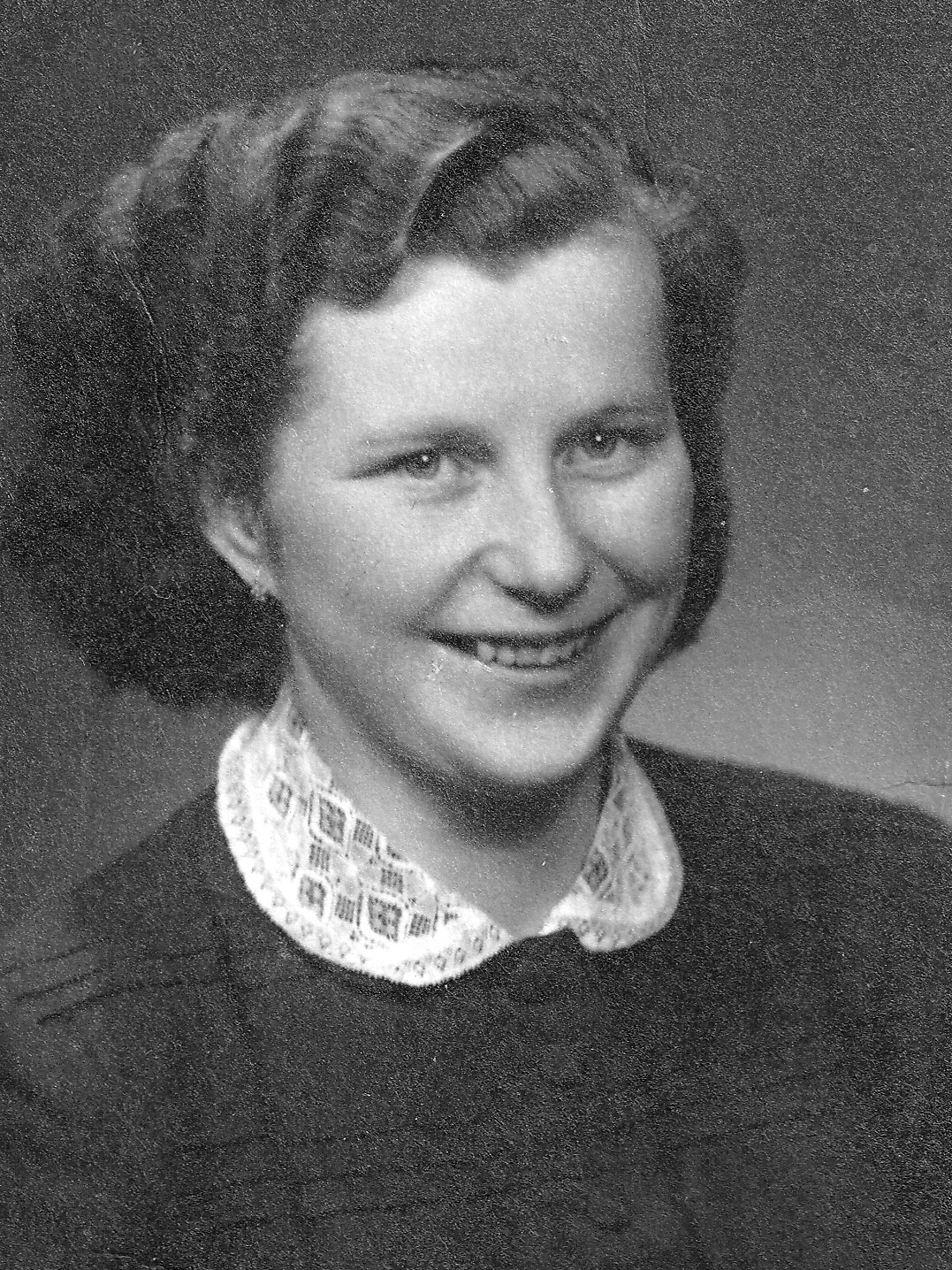
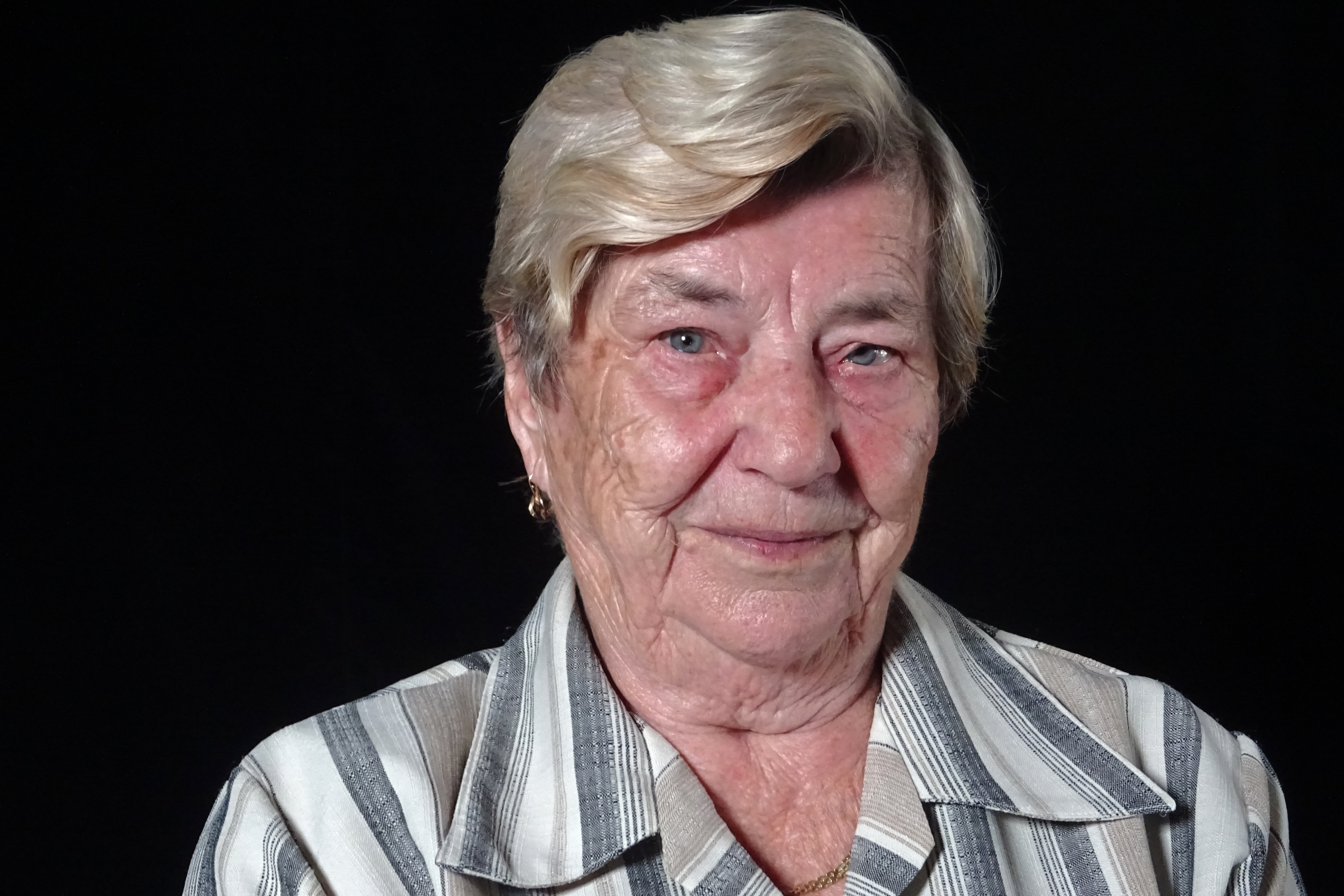
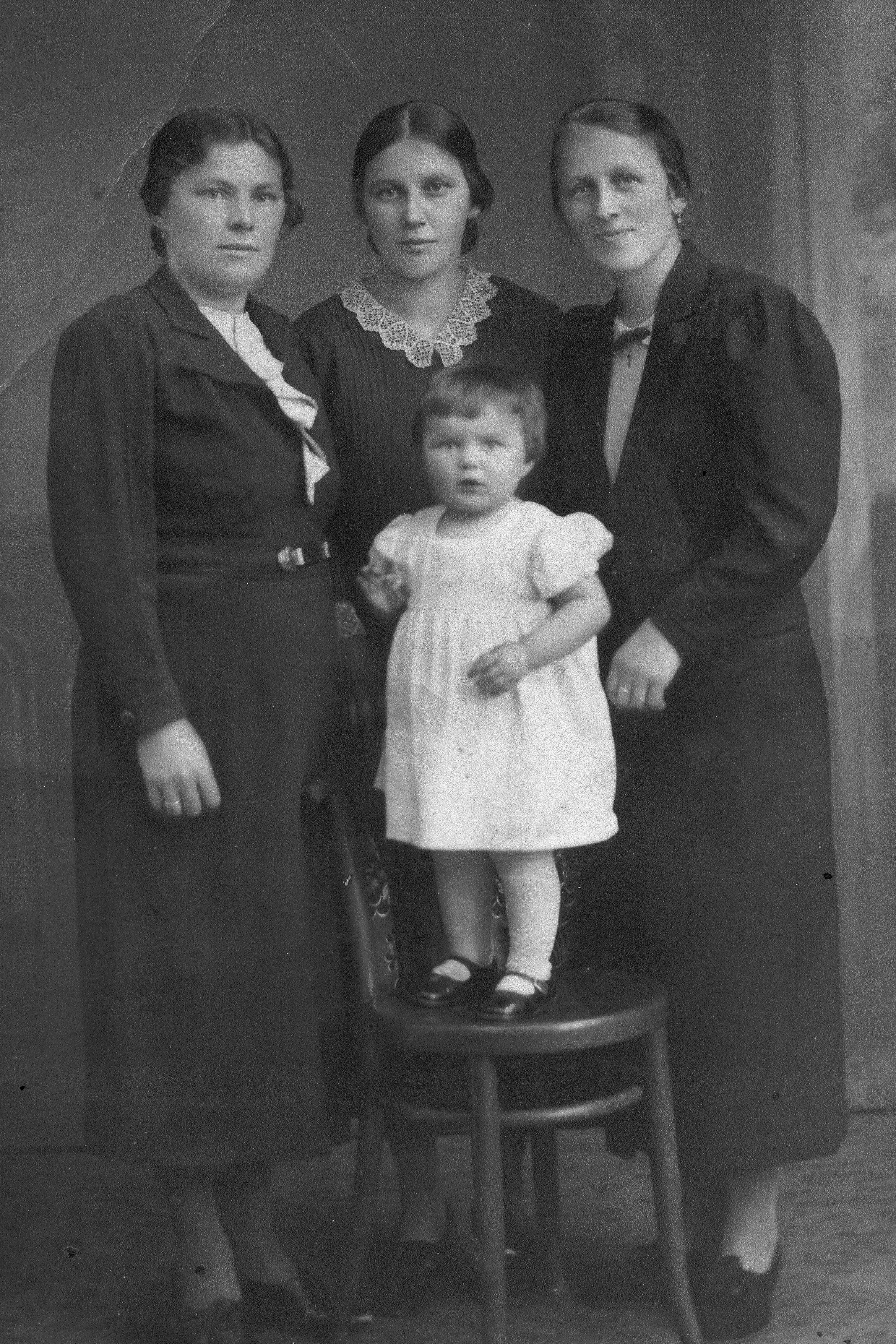
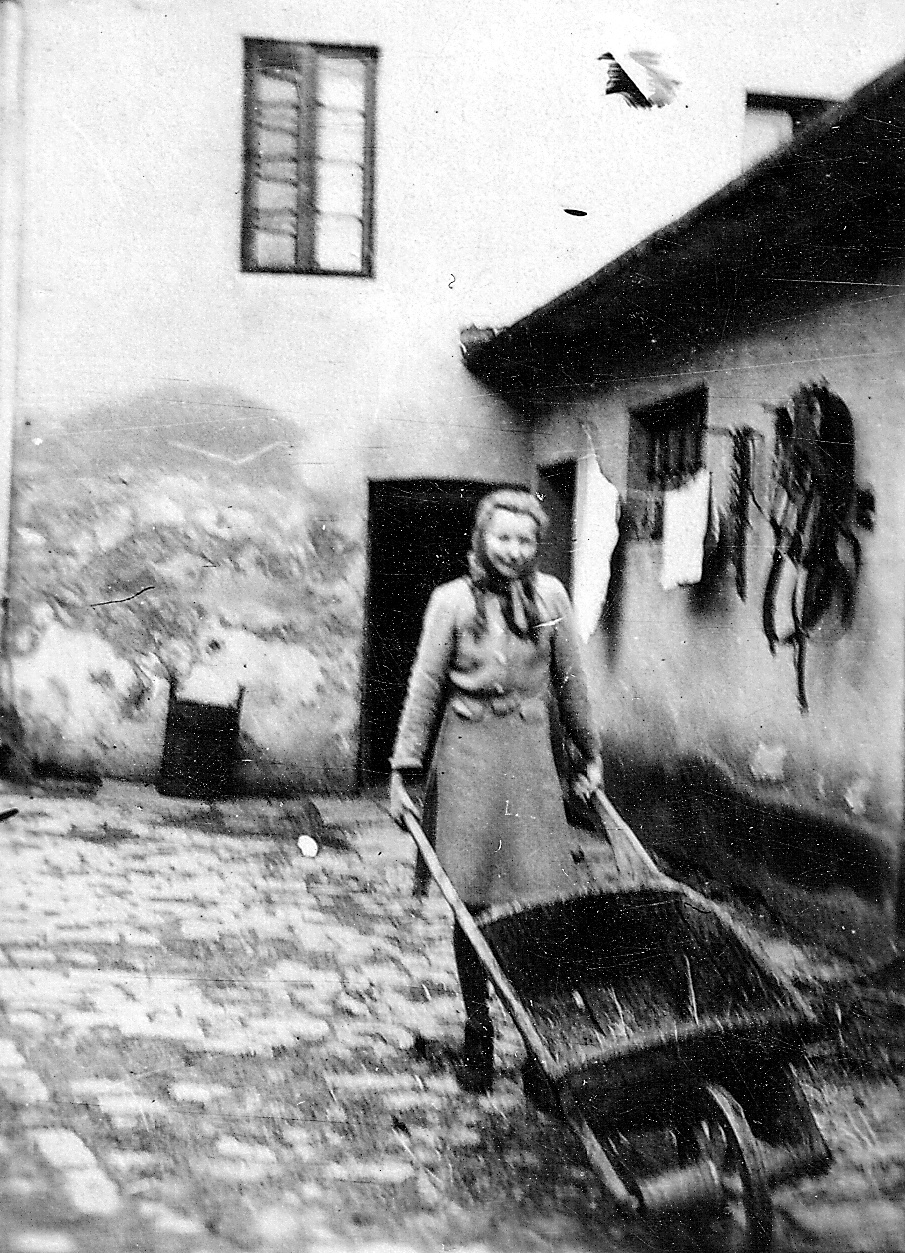
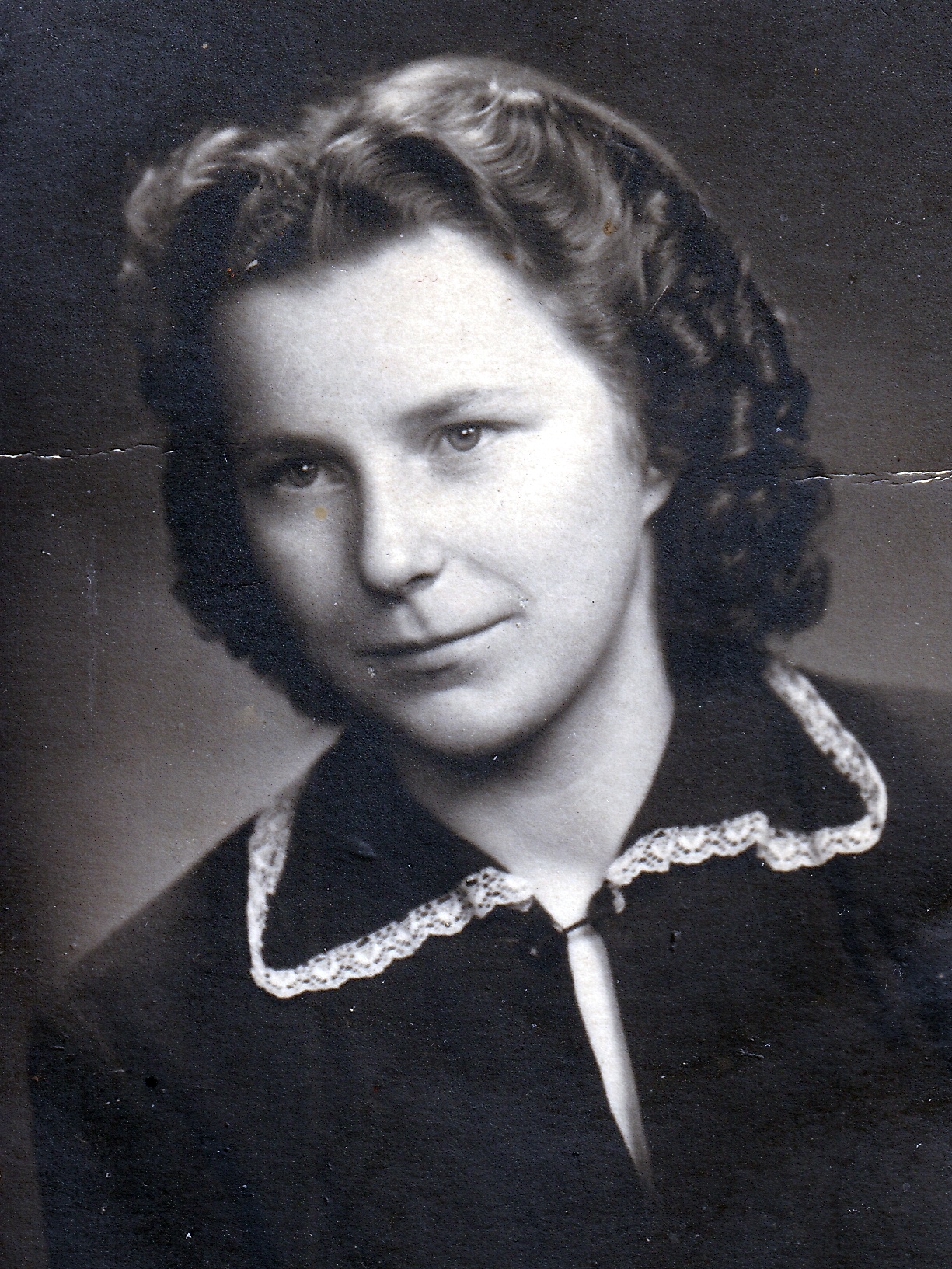
Marie Obrusníková, likely in 1954
photo: Witness's archive

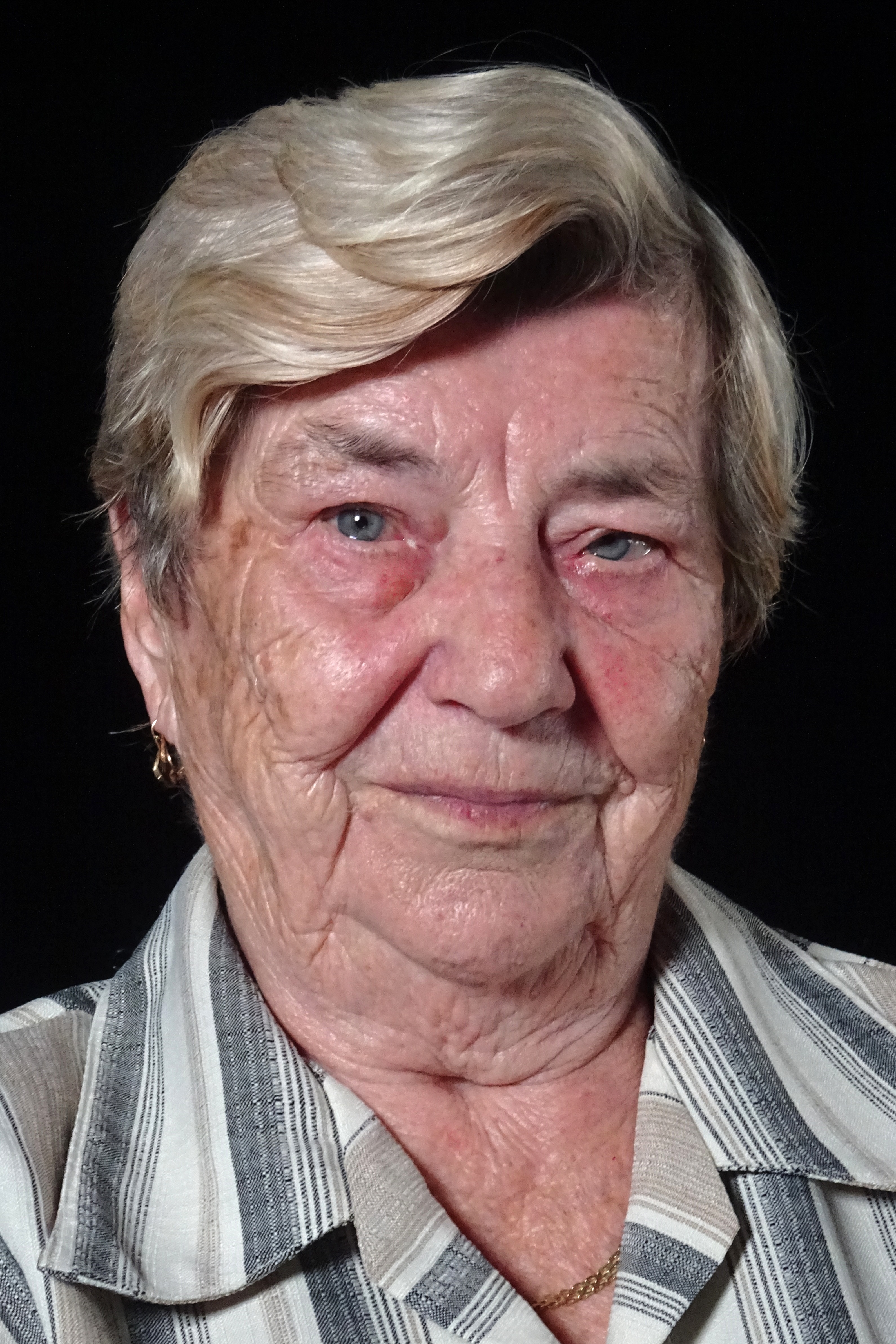
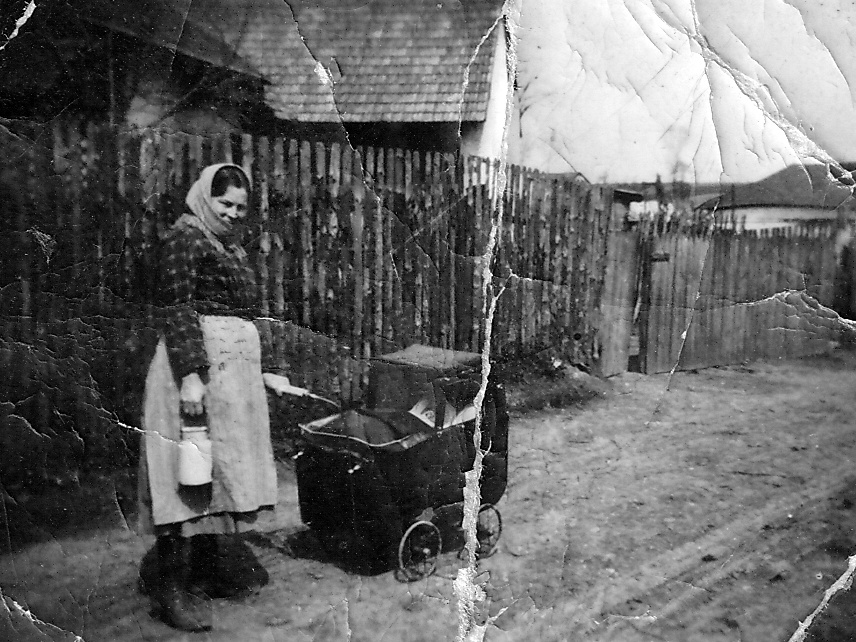
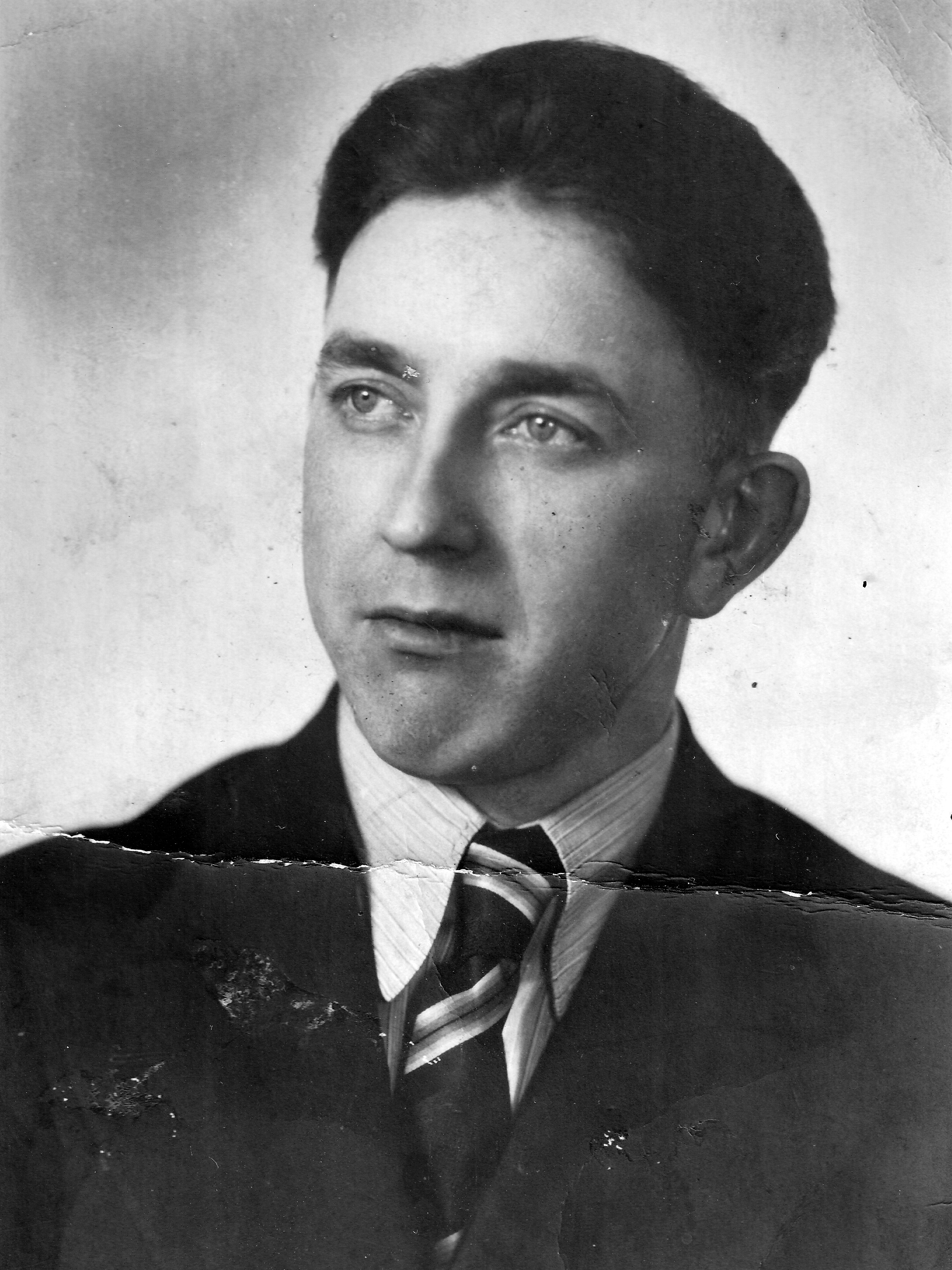
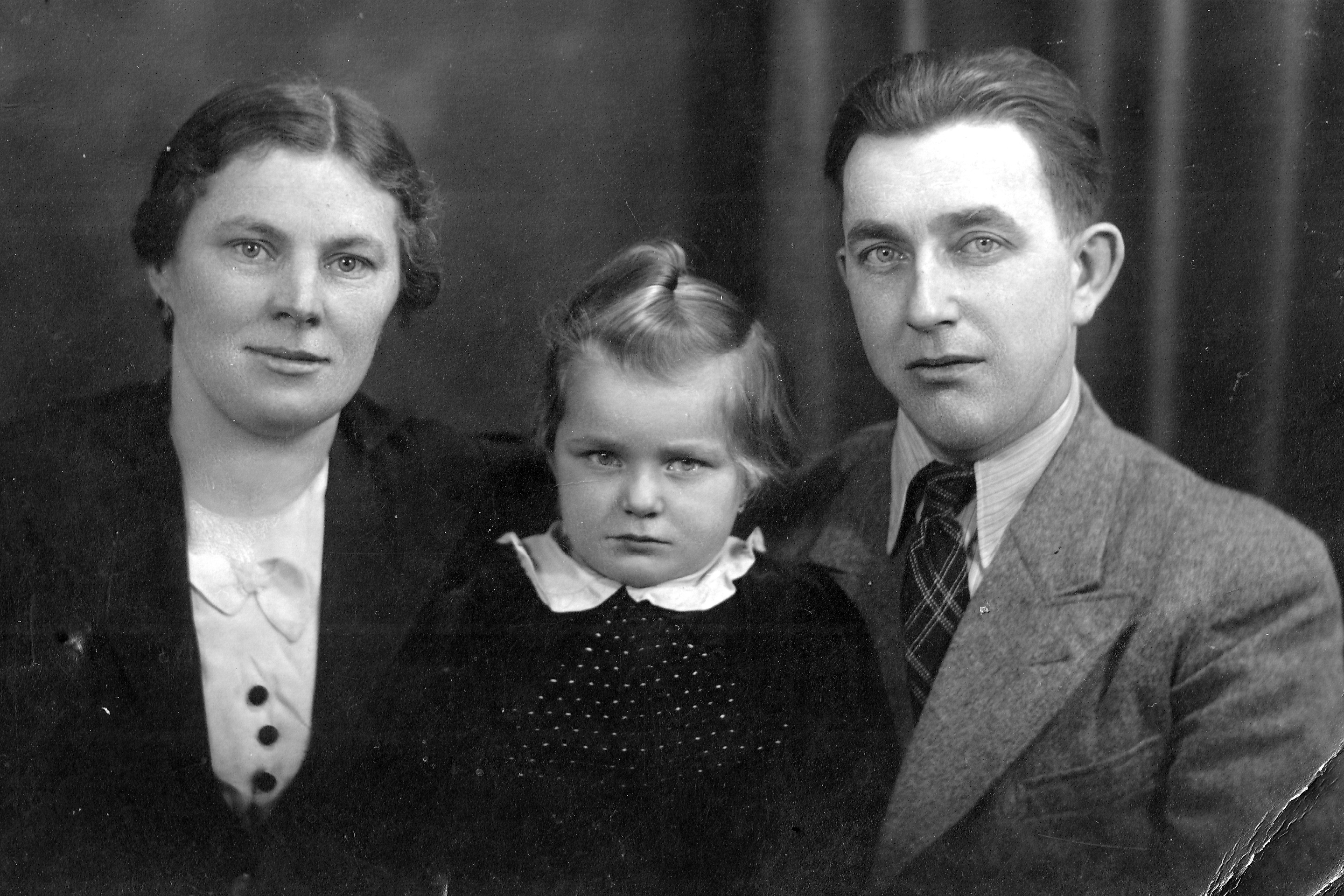
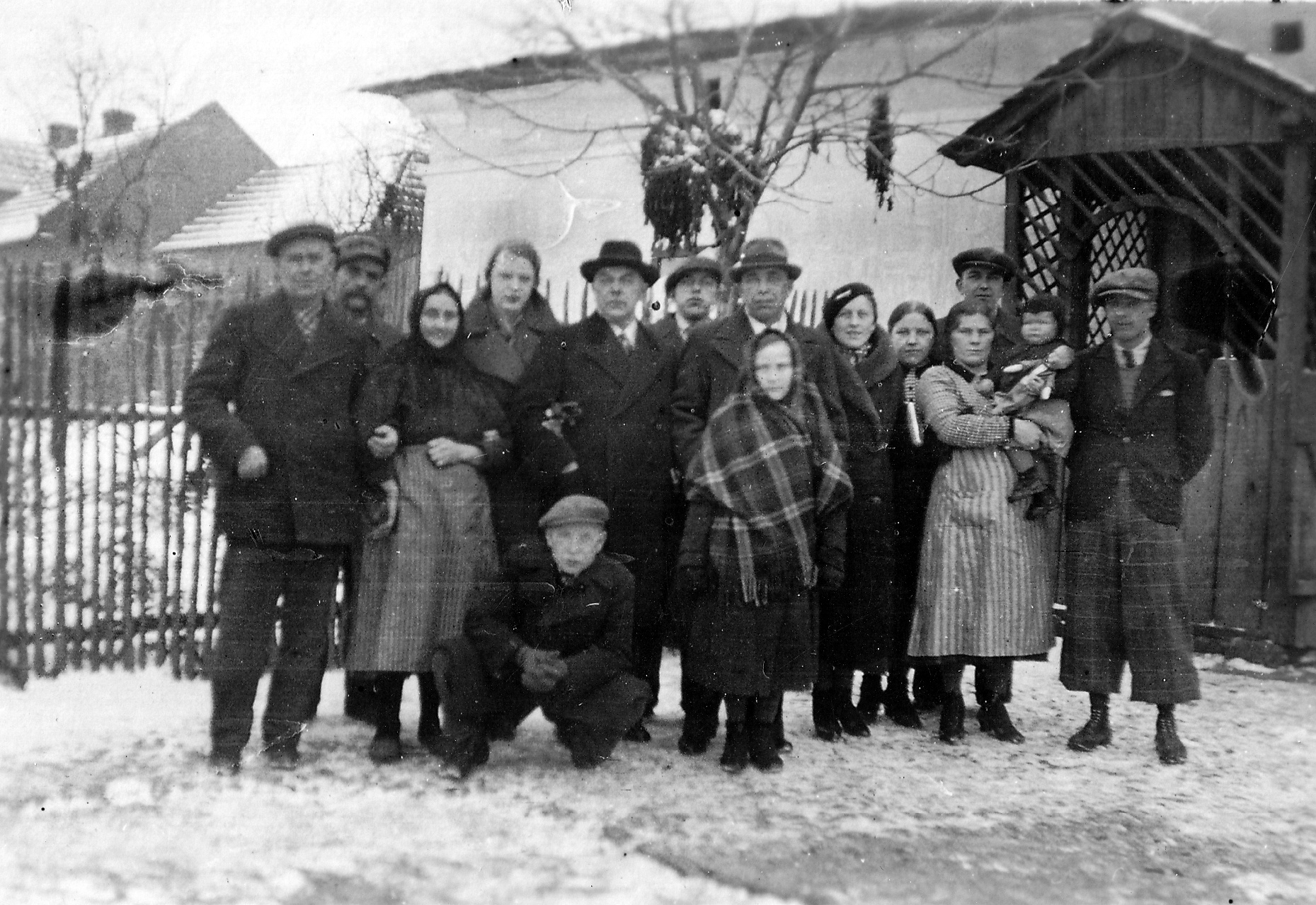
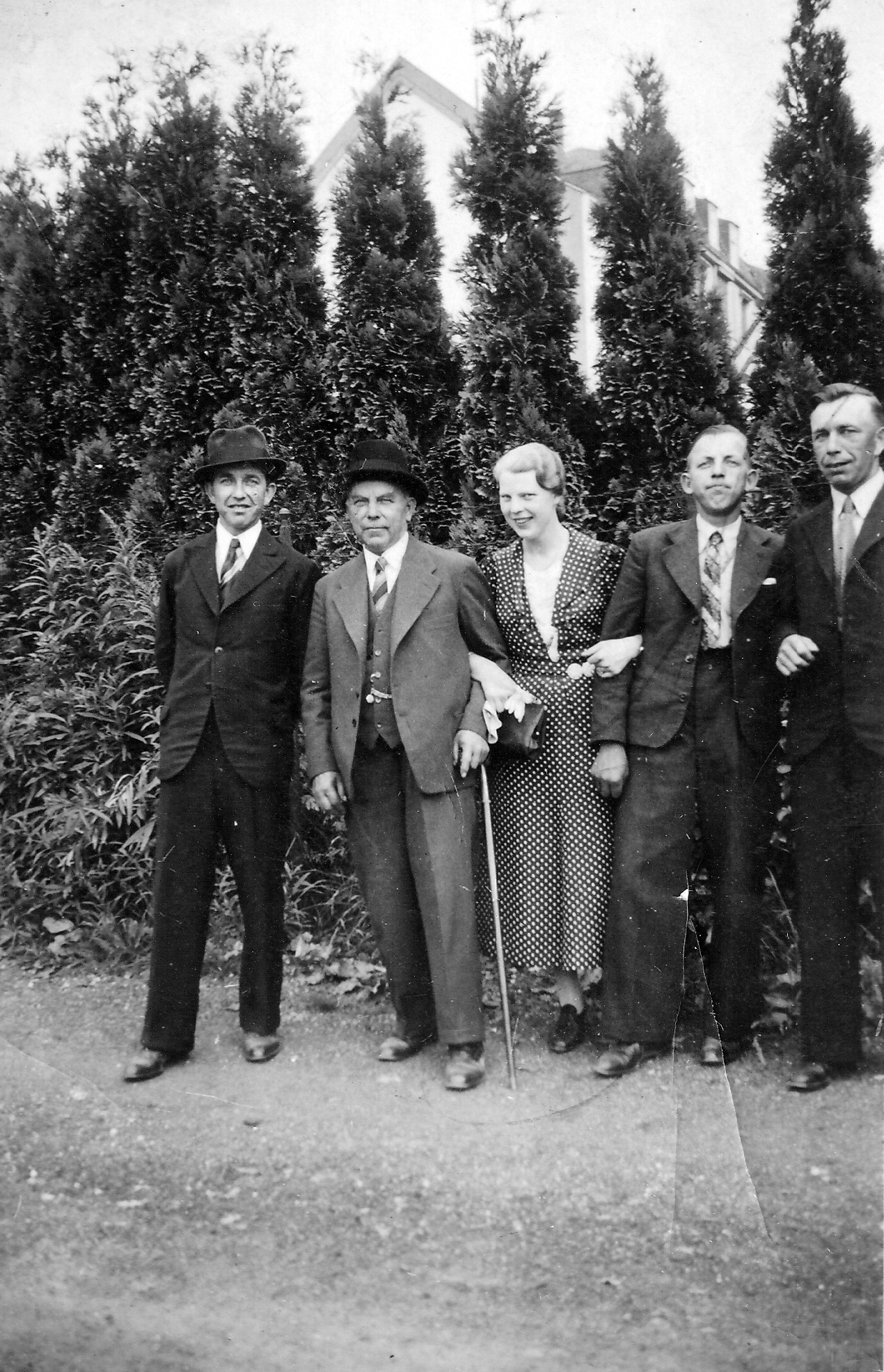
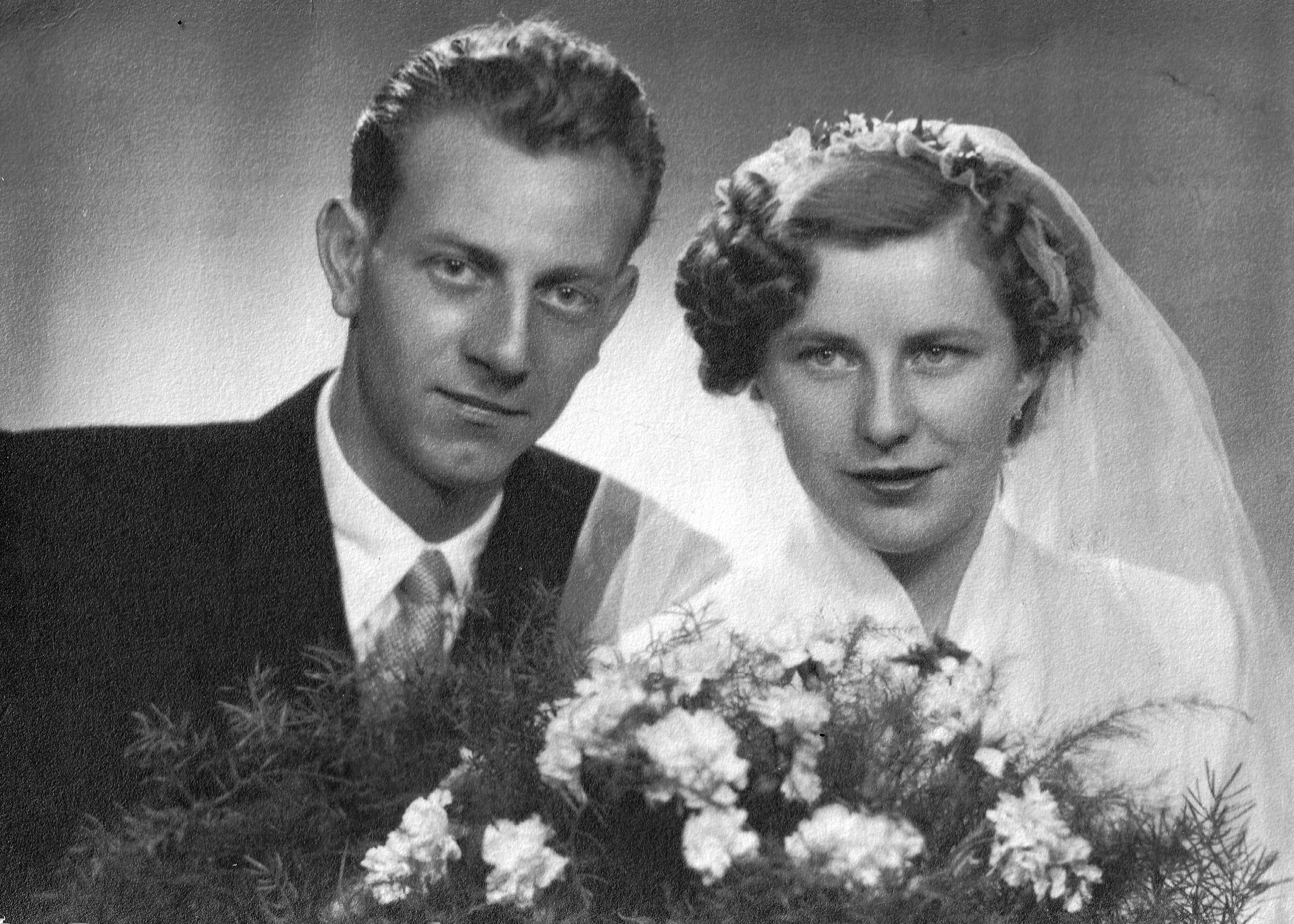
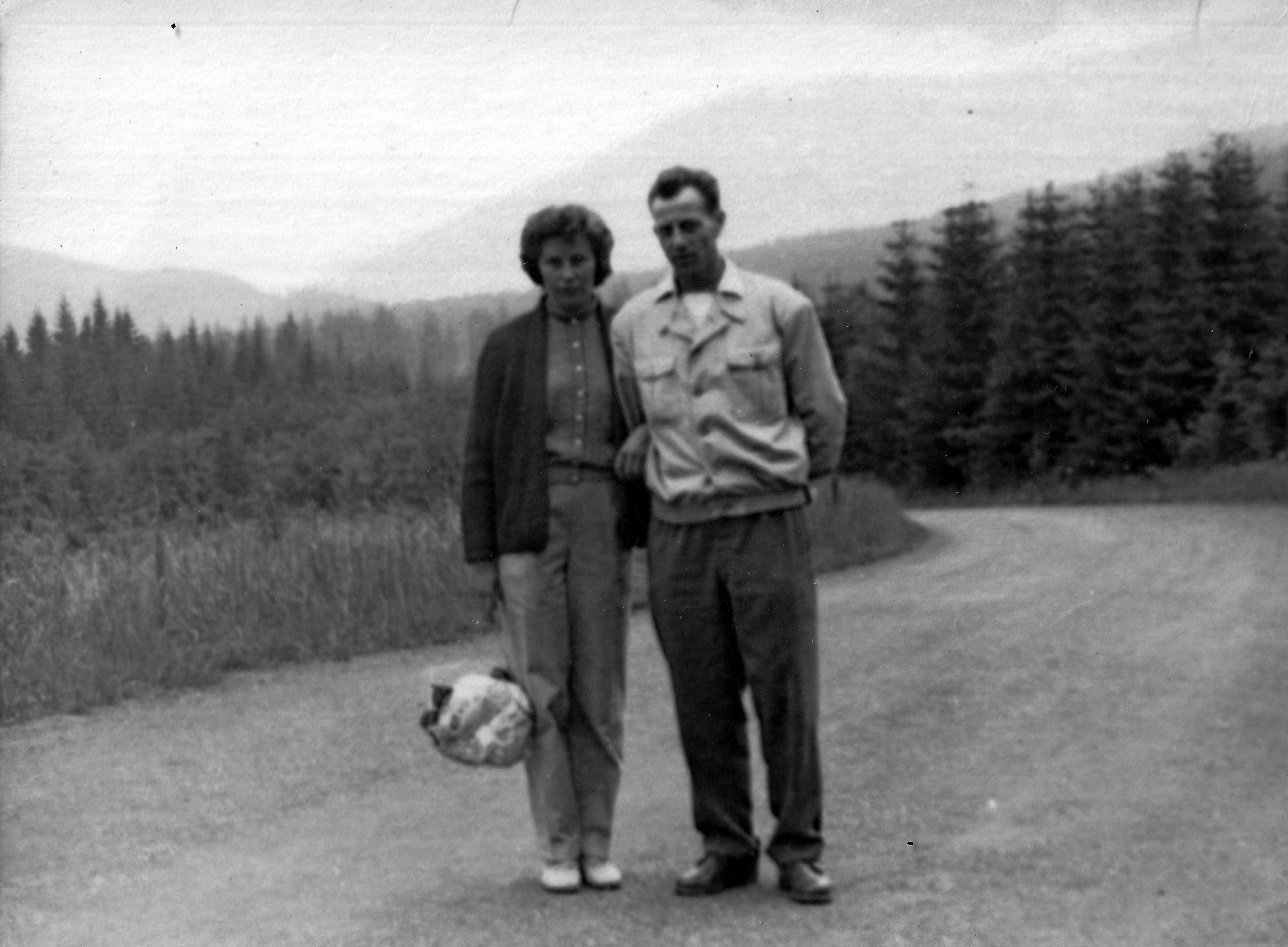
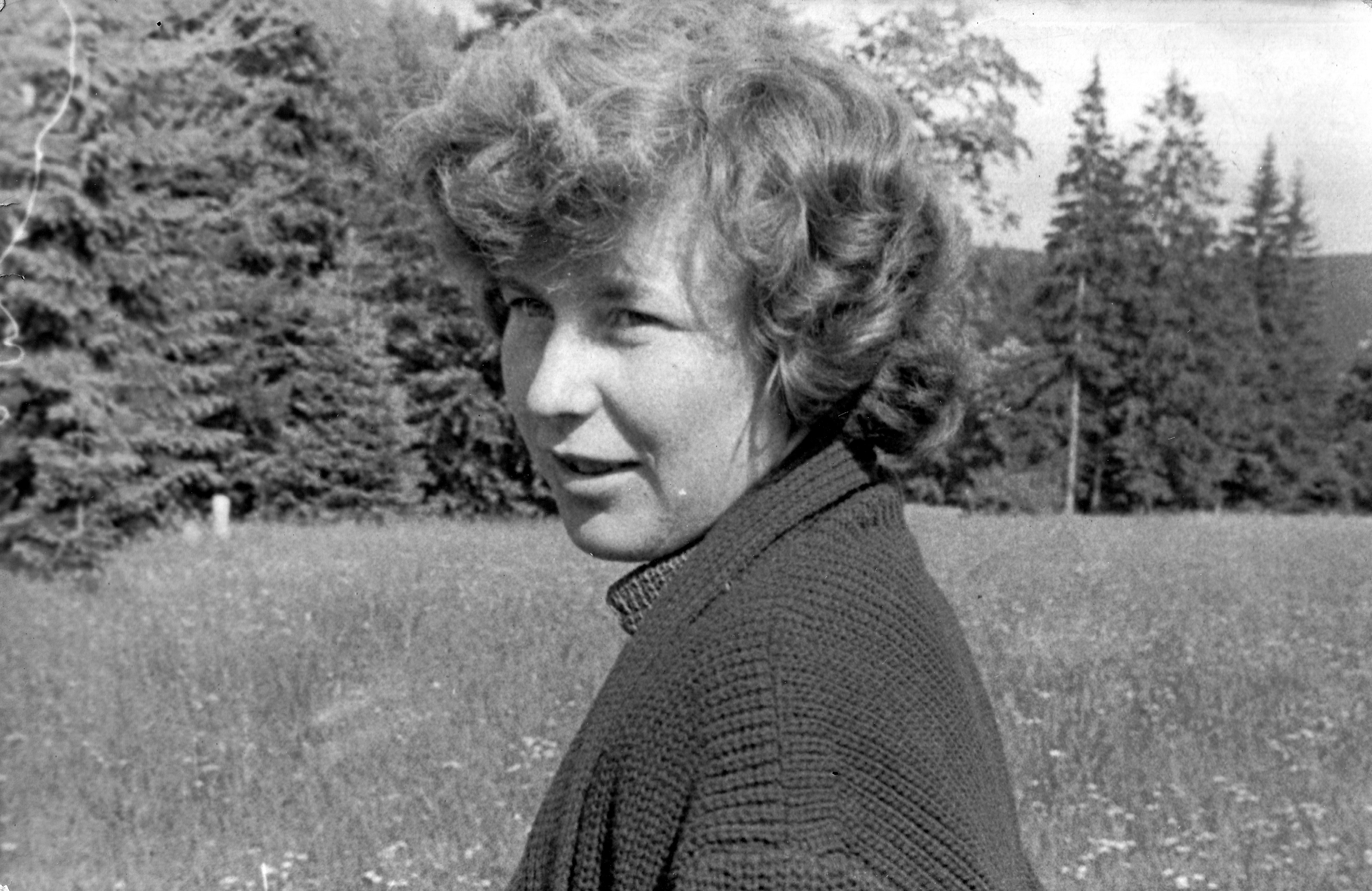
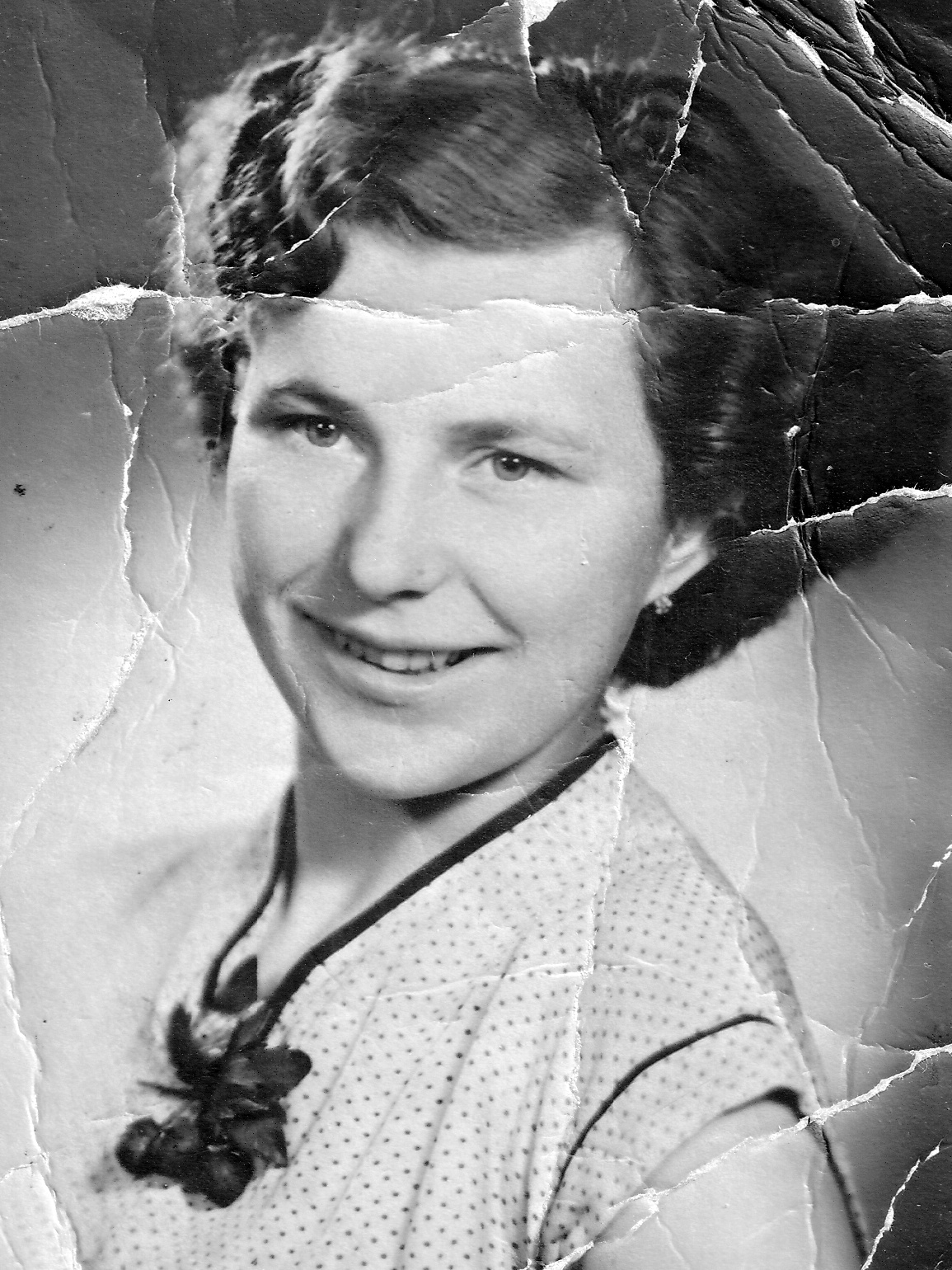
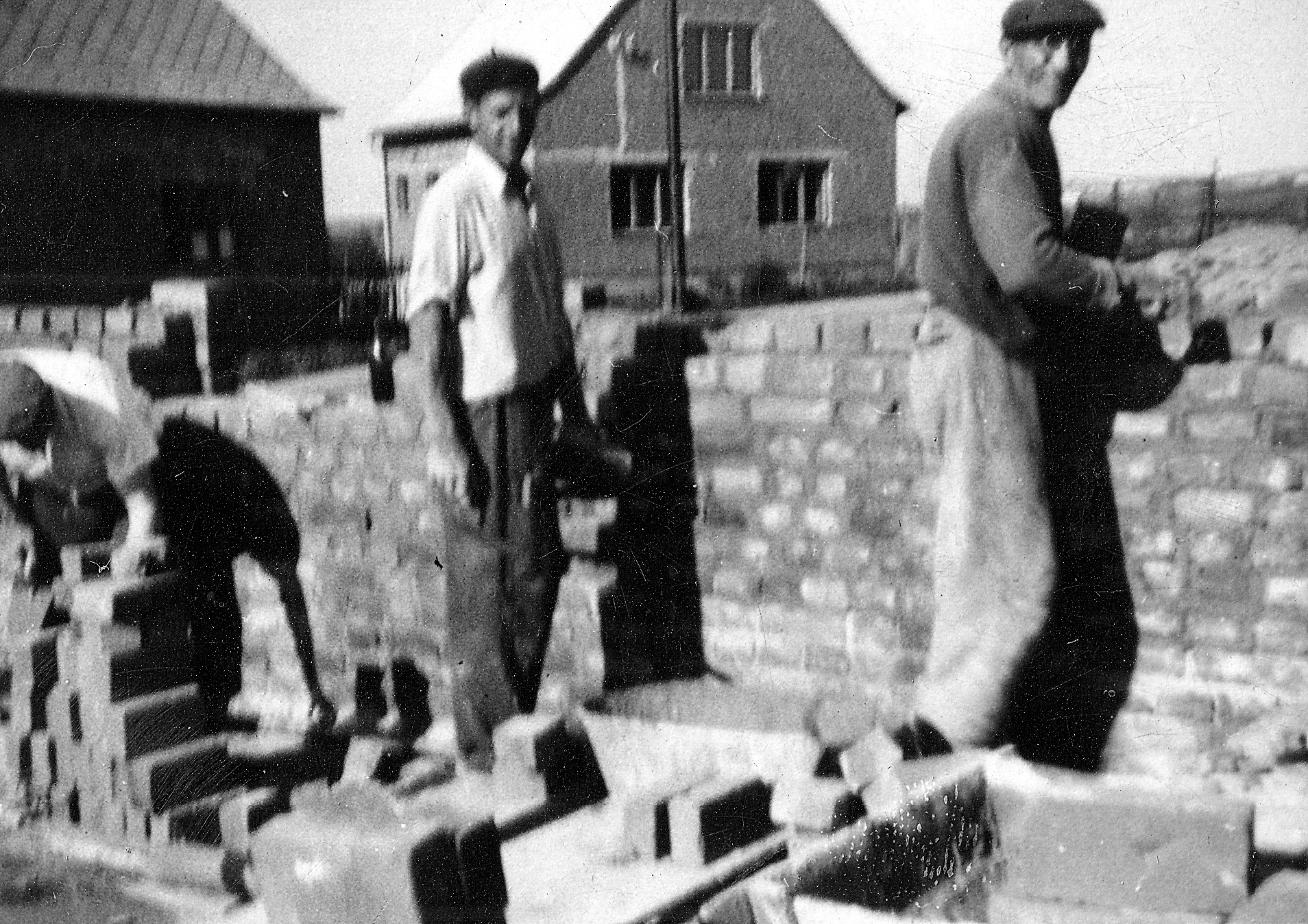
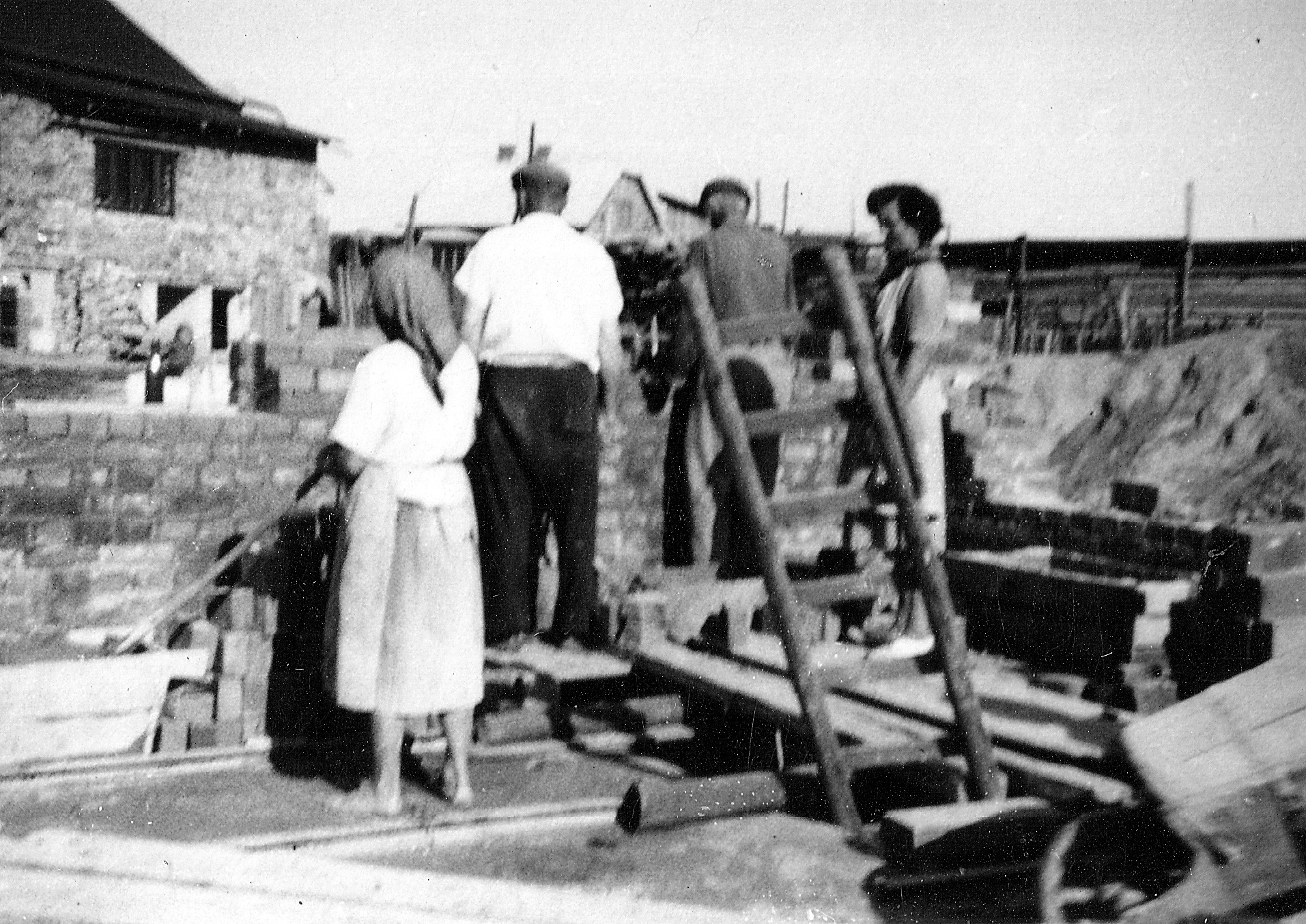
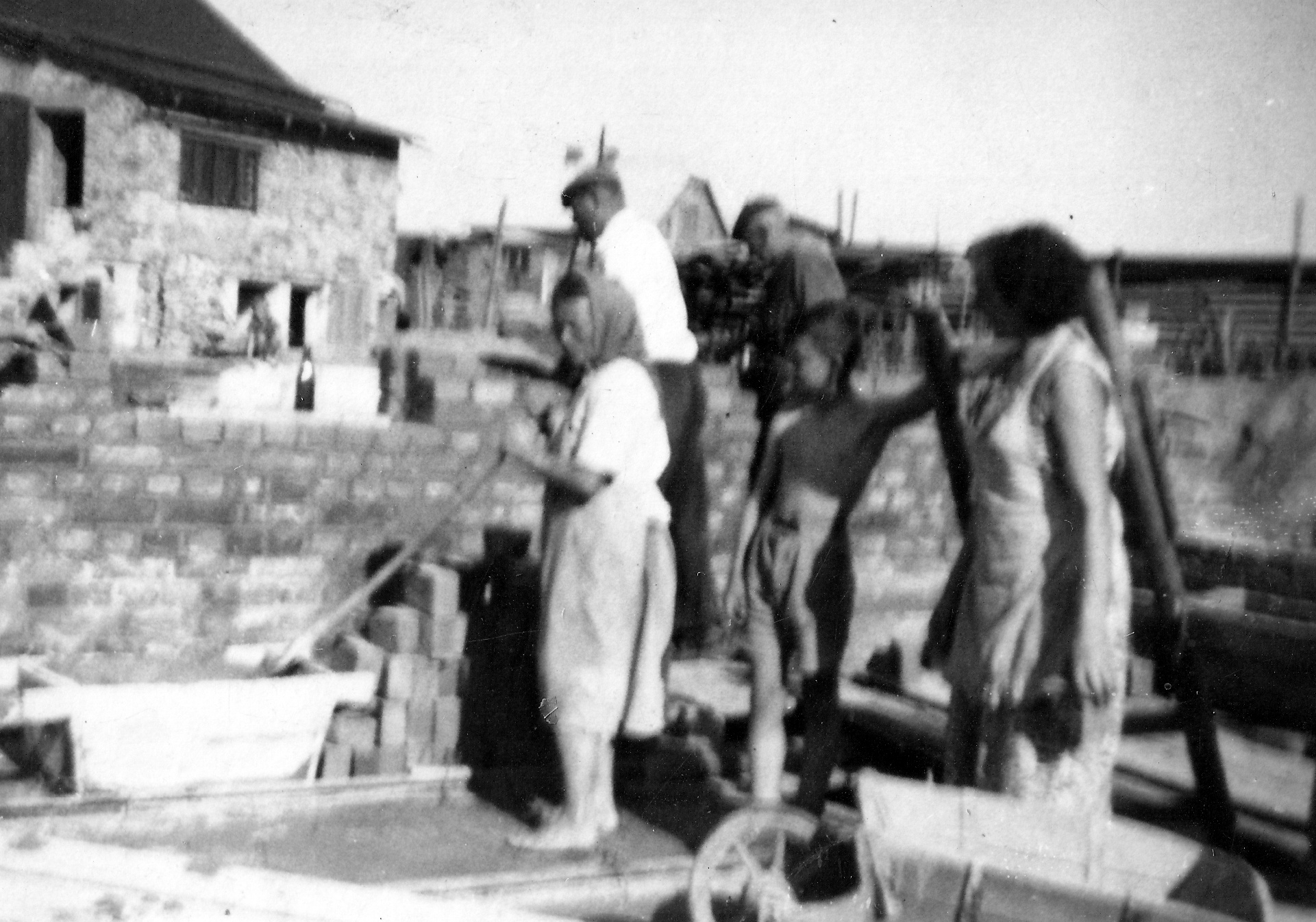
Marie Obrusníková, née Schwanczarová, was born in Kobeřice in the Hlučín area on 10 September 1936. Her father Antonín Schwanczar was a bricklayer and used to work in Germany before the war. After the annexation of Hlučín to the Nazi Third Reich in 1938, he had to enlist in the Wehrmacht. He survived the Battle of Stalingrad, fought on the Italian front and was listed as missing for a long time. Long after the war, the German part of the family discovered, through the Red Cross, that his military dog tag had been found in Italy. Marie Obrusníková with her mother and brothers witnessed the frontline passing through Kobeřice in the spring of 1945. She remembers Soviet soldiers staying there for a long time. After the war, she had to learn Czech quickly because she had spoken mainly German prior to that. After elementary school and six months of apprenticeship, she took a worker job in the new materials plant in Chuchelná. She married at age 19 and built a house with her husband. Three children were born to her. She also worked as a bricklayers’ helper in the Kobeřice gypsum quarry. She visited her father’s grave in northern Italy for the first time in the 1980s. She retired from her job as a cook’s helper in a tavern. She was living in her home in Kobeřice in 2024.