"And I left there [from my temporary job in Frankfurt] a few days early for Geneva, where I visited my uncle for the first time in my life. There I met my parents, who had come there too, and then we returned to Mimoň on 20 August. My former teacher, a professor of Czech, and her husband, a professor of Latin, came to visit us and we told them, as a big thing, on that 20th of August, how we were in Switzerland and what it was all about and what it was like there. They went home at about 11 o'clock, we went to bed, and at about two o'clock we were awakened by a terrible noise. Mum and Dad had a bedroom at the back of the house and we had a kids' room as well at the back and Dad said, `Please go and see what's going on.' And I went to the front and I looked out the window, it was on the main street, and now I see the tanks coming, so I calmly went back and I said, 'Dad, there's some military exercise, there's some tanks coming.' 'All right, let's go to sleep.' And at four o'clock there was still a rumble. So my dad says, 'Please, go and have a look. So I went to have a look again, I said, 'There are tanks going on, what would our army have so many tanks, it's impossible. And we suddenly saw that it was getting light, that they had the war paint on, and now they were aiming at our windows. Now these armored personnel carriers like German vehicles with these tracks in the back and wheels in the front, well, and these soldiers were sitting in them and pointing machine guns at our windows. So we turned on the radio and found out what was going on."
"As part of his law studies, [uncle Oldřich Černý] got into the leadership of the Všehrd association, which was close to the Czech National Social Party - he was very strongly involved there. So when February forty-eight came, he was expelled from the law school. In the year forty-nine he had to take up a part-time job helping with the hay. As part of that job, he somehow could check it out, probably [tried] twice somewhere in the area of Cheb, with the help of an evangelical pastor - I think his name was Kučera, I'm not sure - he managed to cross the border into West Germany on his second attempt" - "So near Cheb somewhere?" - "Somewhere near Cheb."
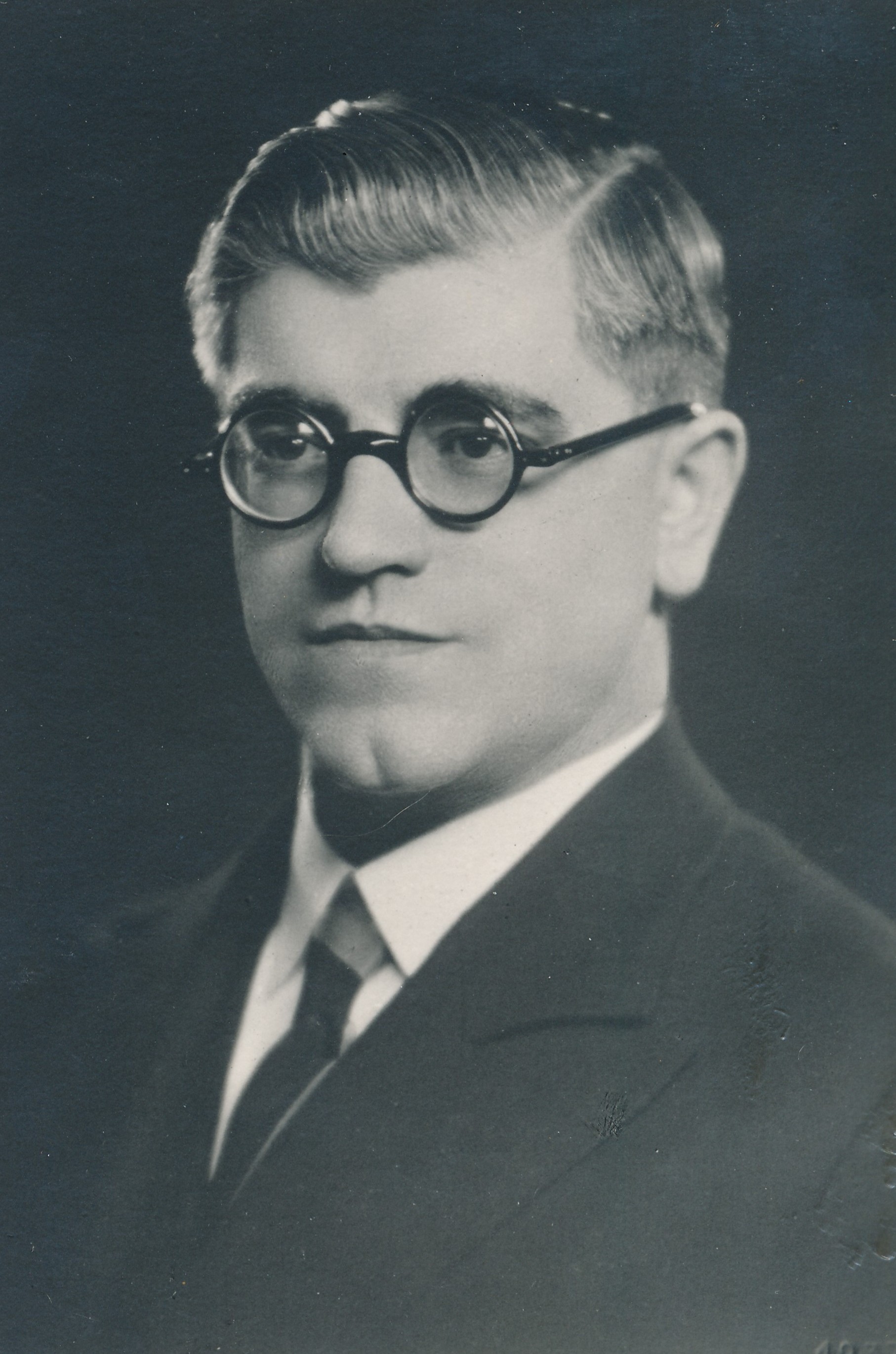
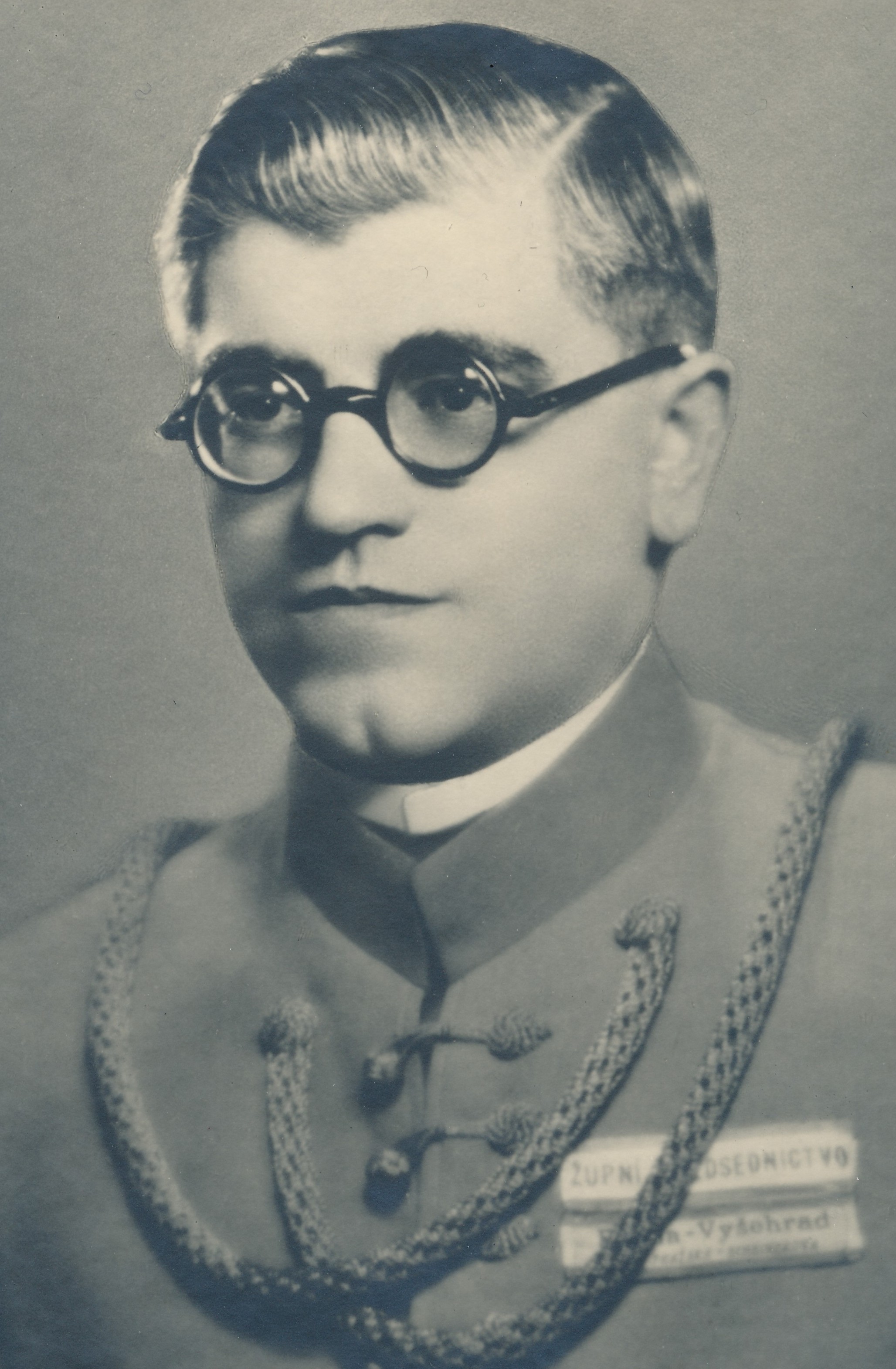
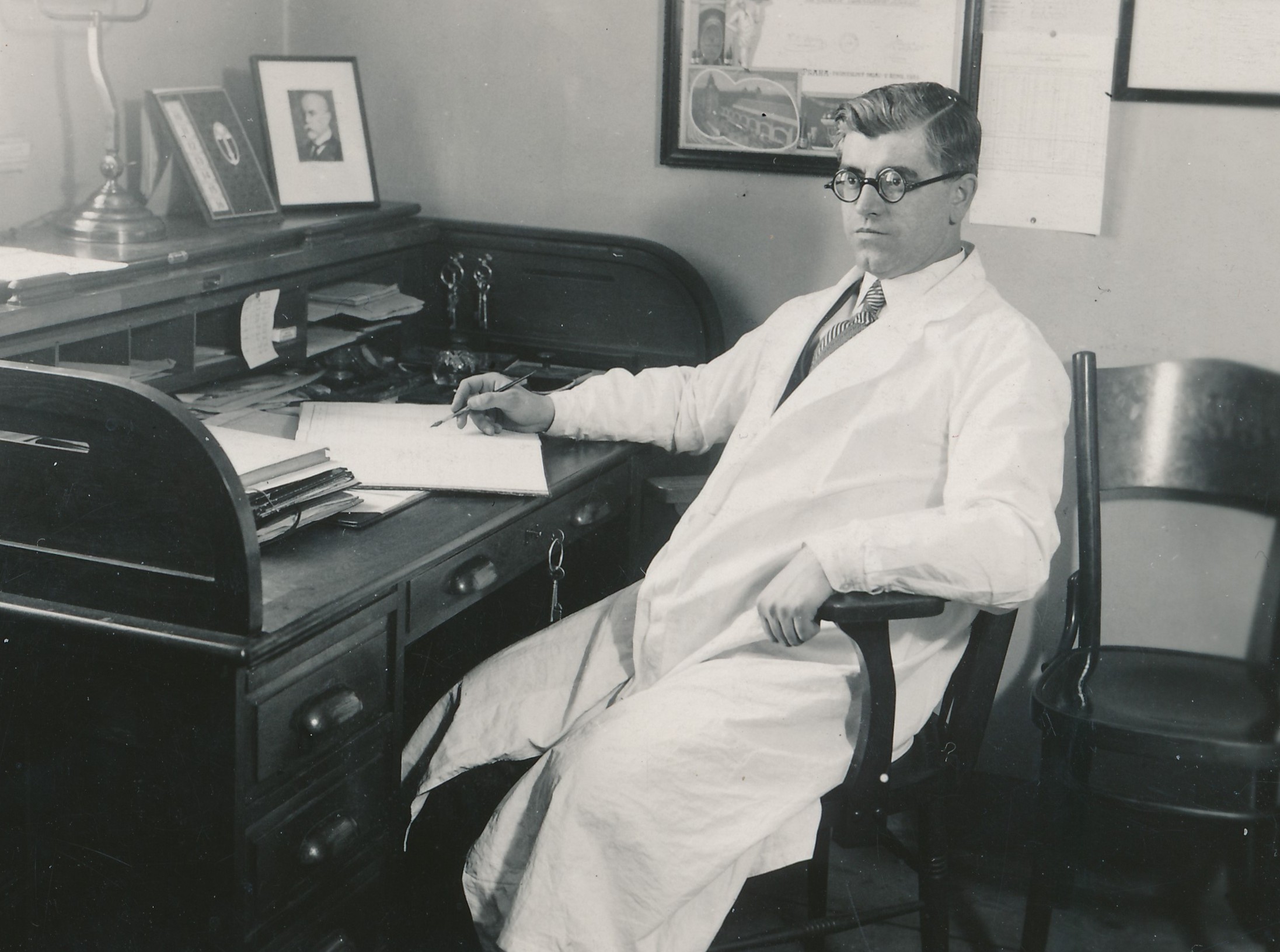
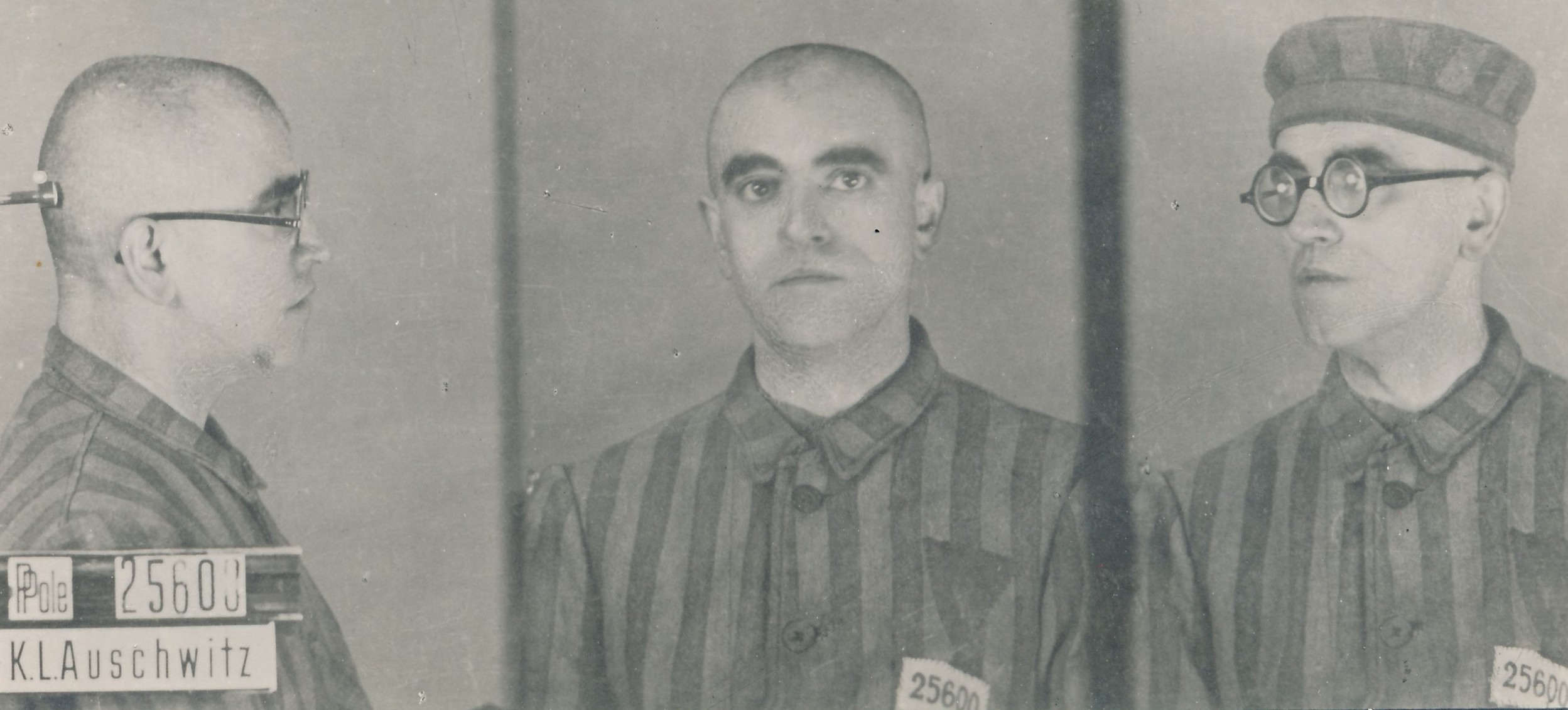
"During the occupation, it was just - today it is celebrated as a Sokol Day. Now don't take my word for it, it's in October, I think, October 10. I didn't bring material with me to say it exactly. I think it's the 10th of October. (Sokol Day is celebrated on October 8, editor's note.) And that's the day when the Germans took all the leaders of the Sokol, I think there were 64 of them, at night. (In total, on the night of October 7-8, 1941, 1500 officials were arrested, ed. note). They were taken to the Small Fortress in Terezín, where they stayed for some time, and then they were transported to Auschwitz, and I think six of them returned." - "And your grandfather came back?" - "My grandfather [Otakar Černý] didn't come back, he died there. So it was very difficult for that family during the war, they had a limited ration of those ration cards as relatives of my grandfather who was in a concentration camp. My grandmother was a very brave woman, and when my grandfather was still in the Small Fortress in Terezín, she went to see him illegally, she actually crossed the border between the Protectorate and the German Reich in Litoměřice or near Litoměřice. In Litoměřice she waited on the bridge because they were taking the prisoners out to work, and to see him, so that was one such brave act that she did."
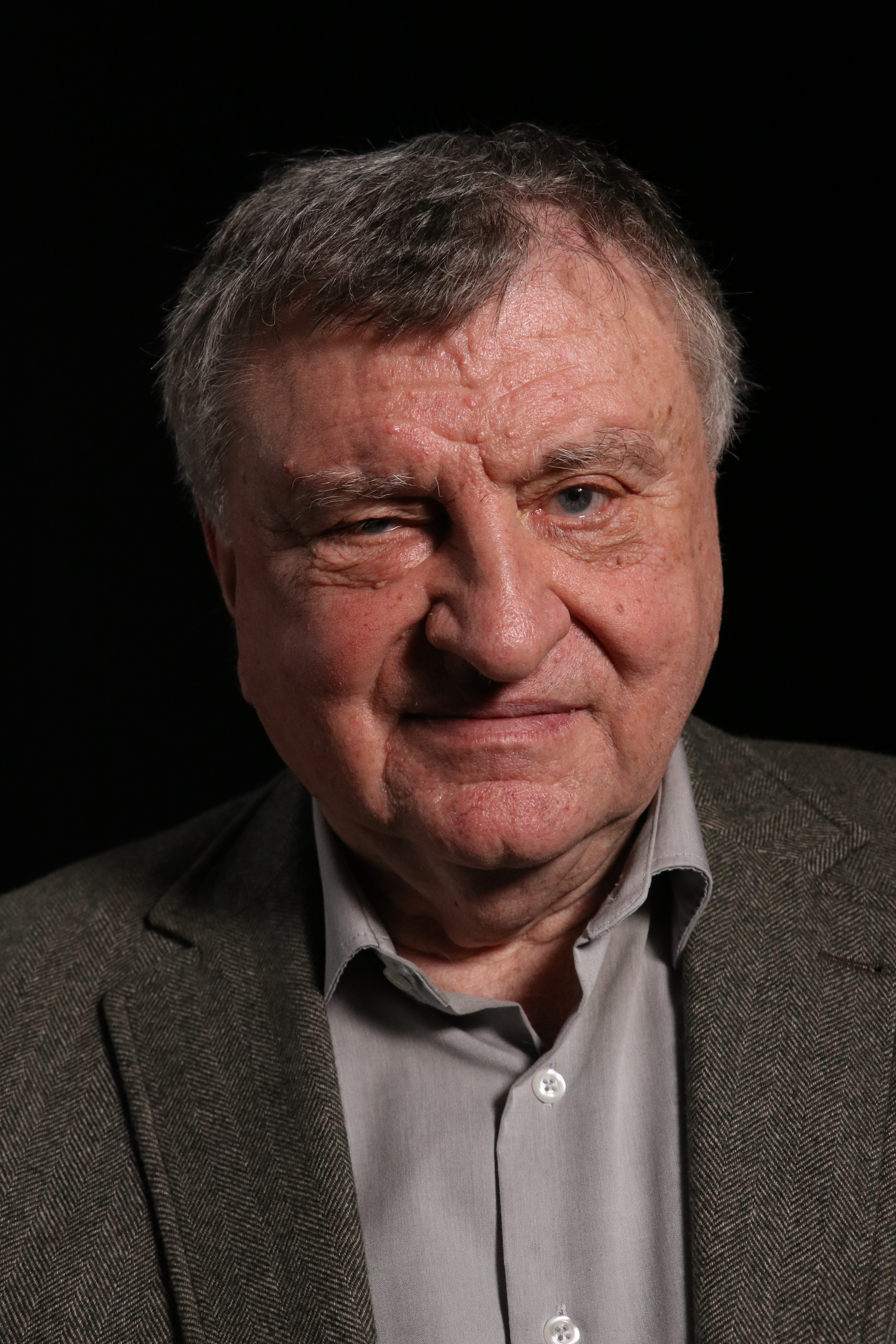
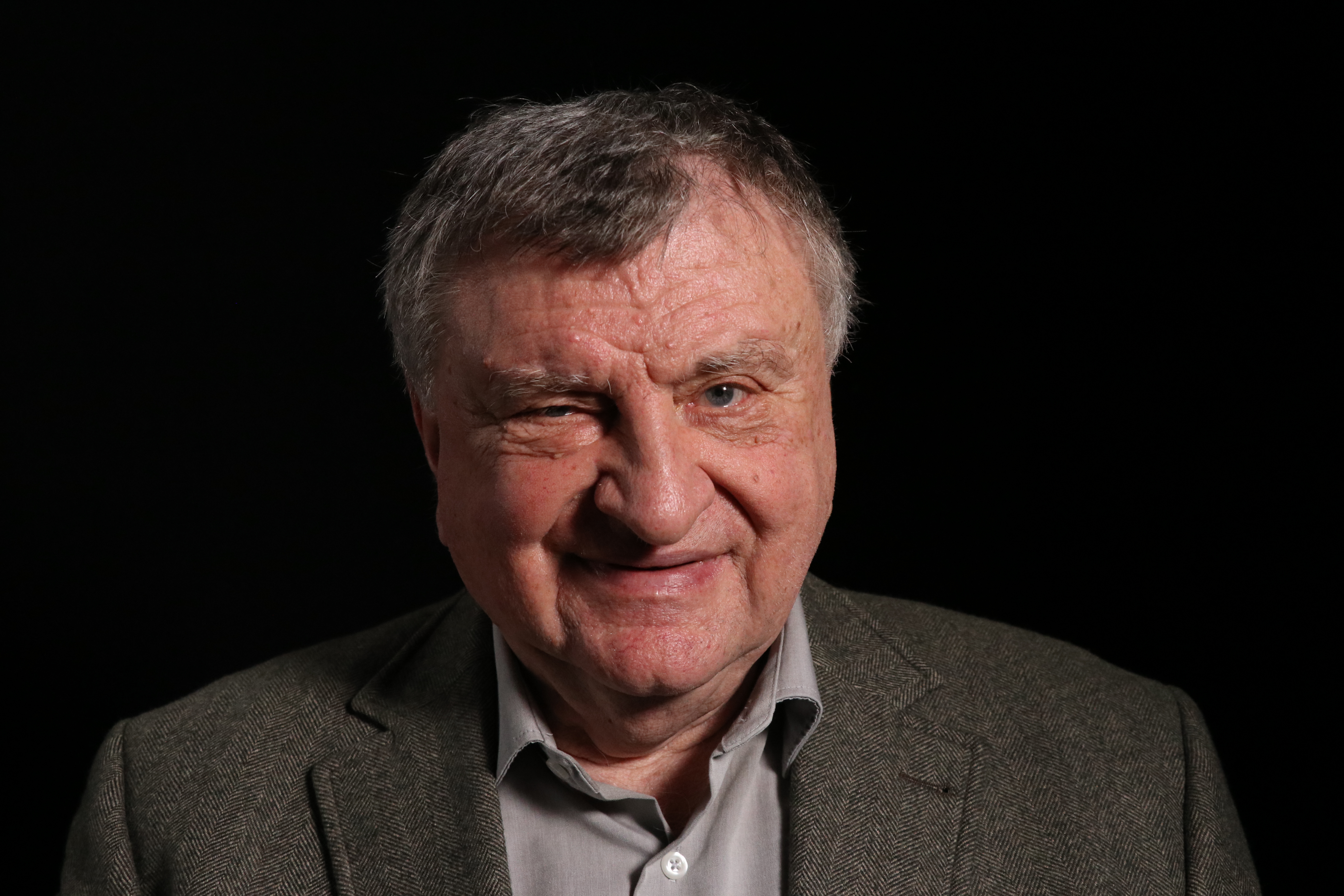
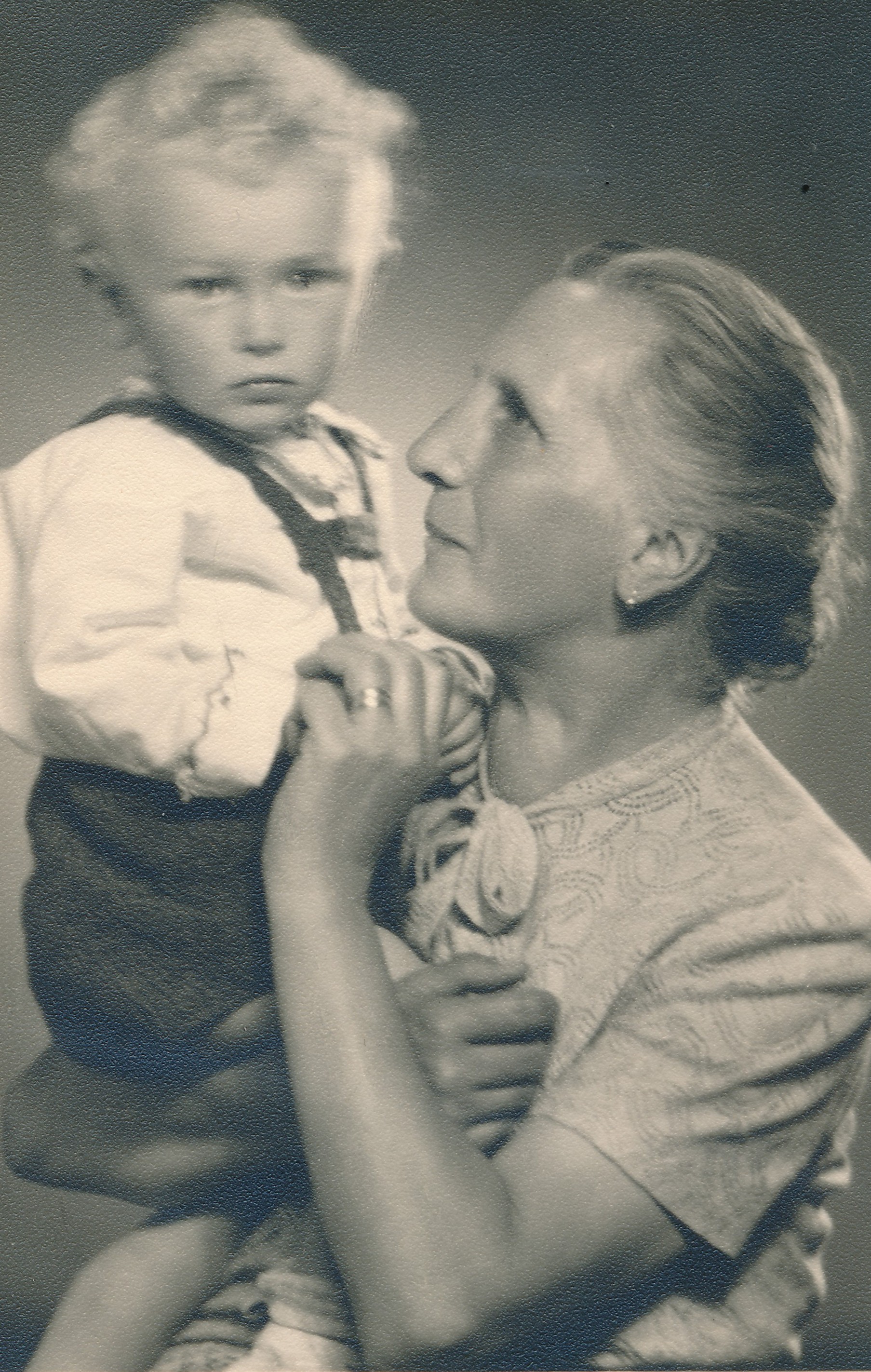
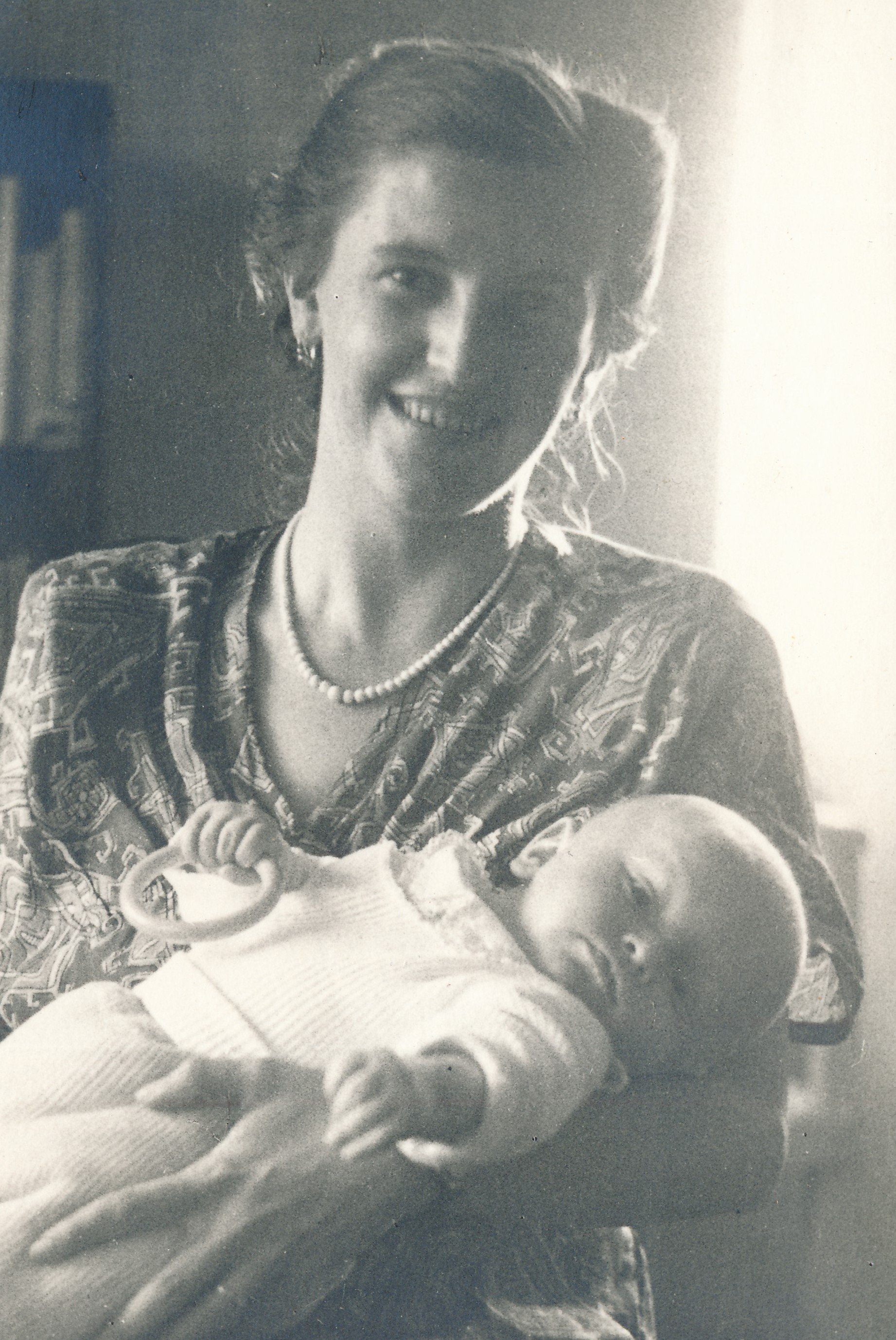
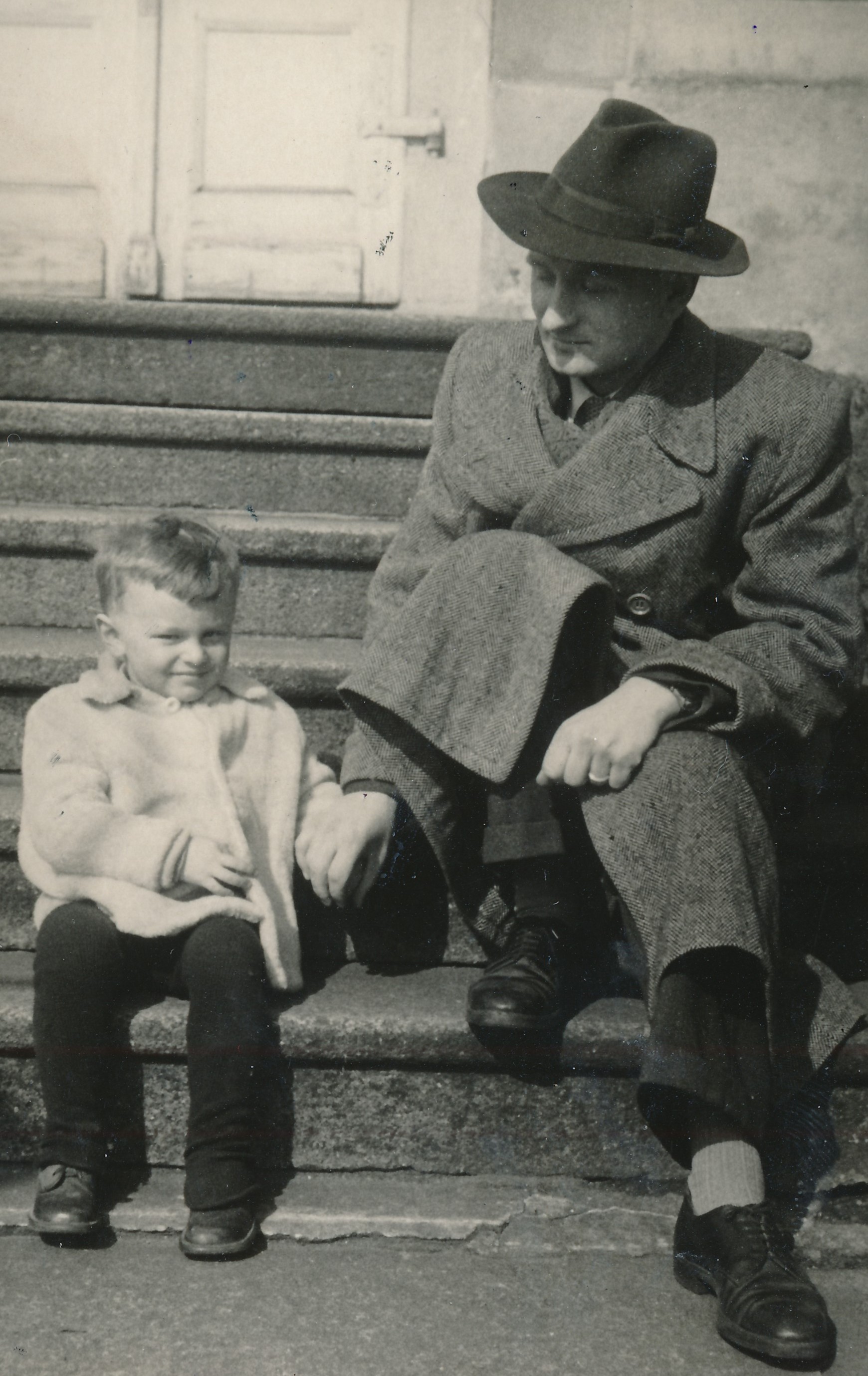
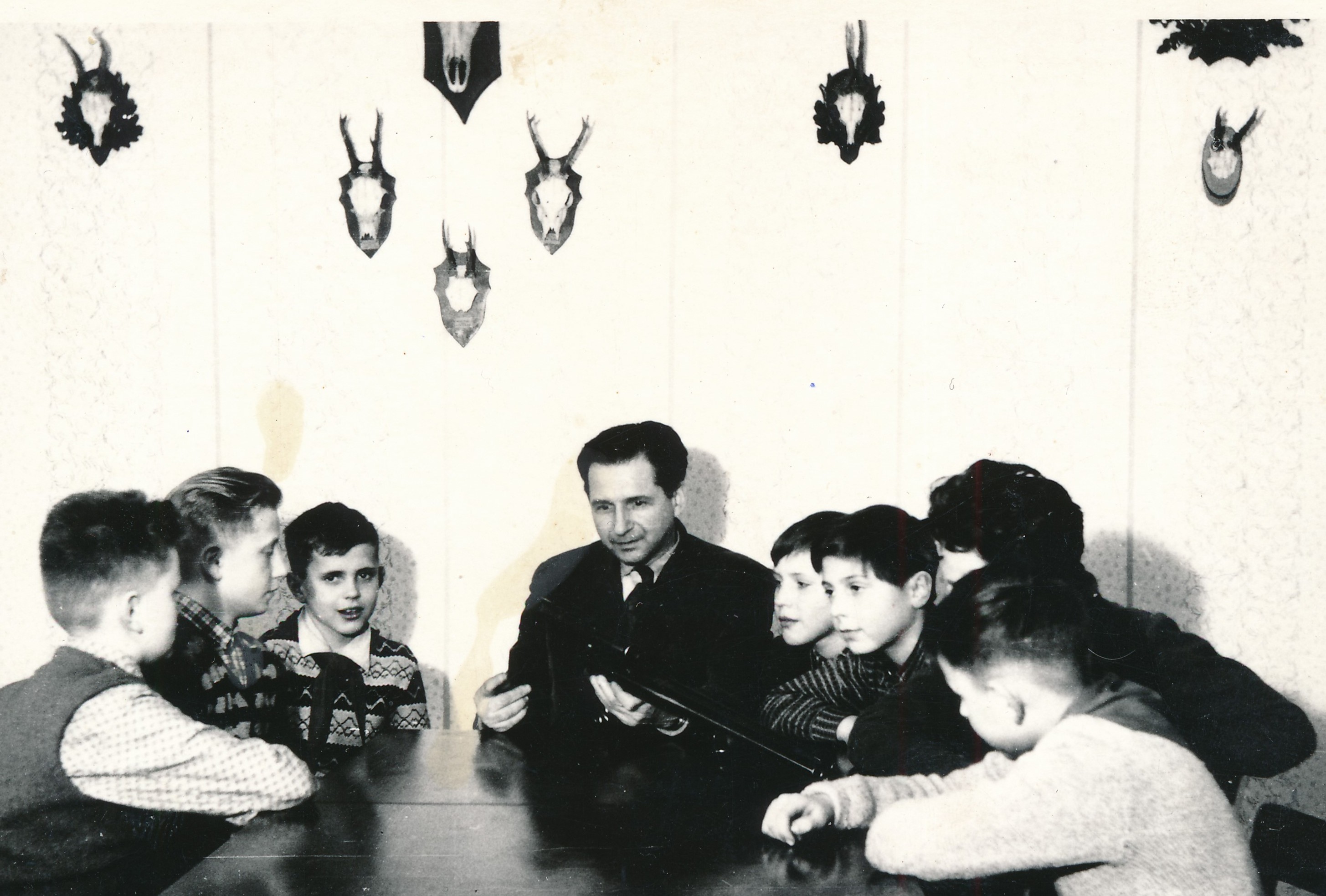
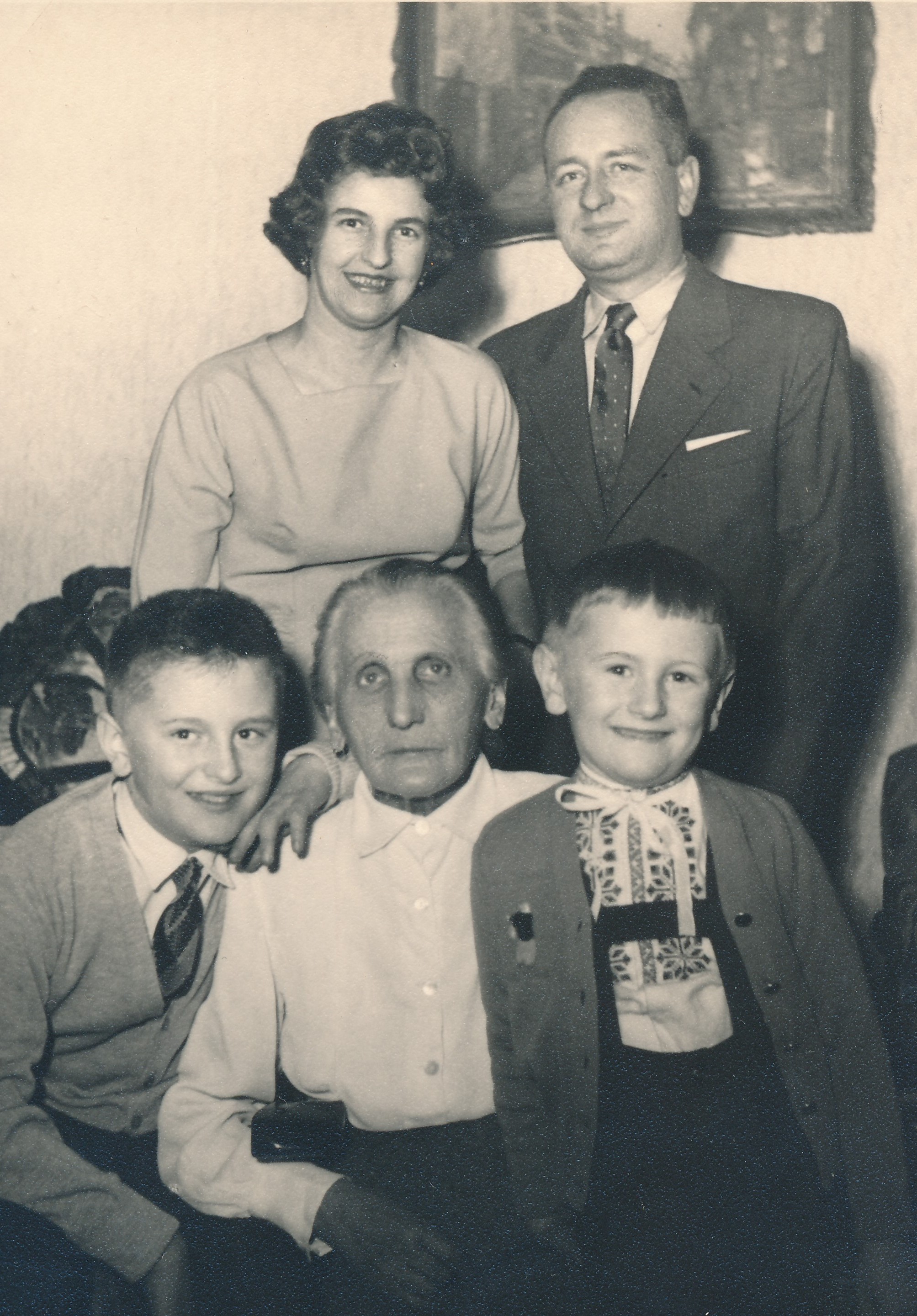
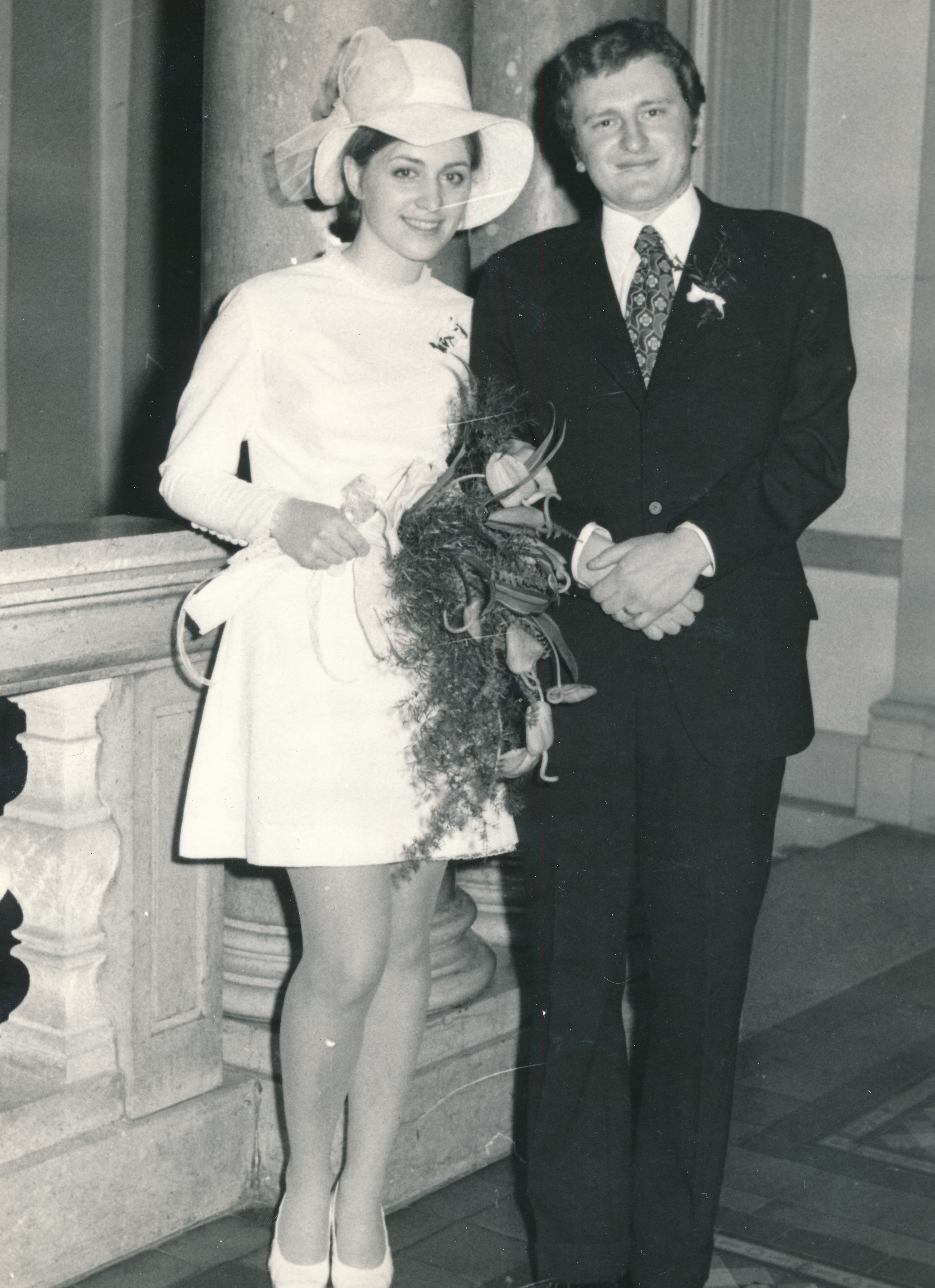
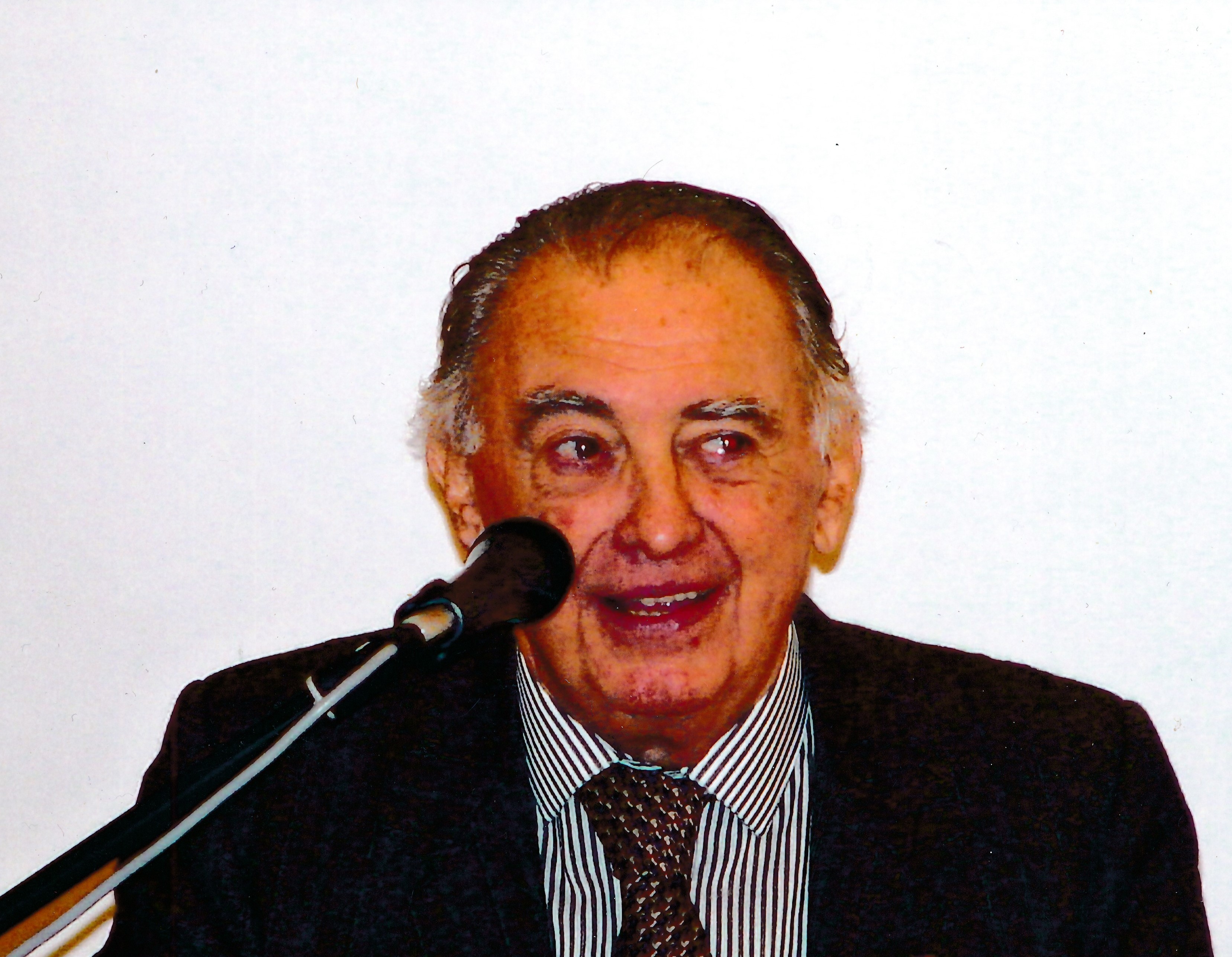
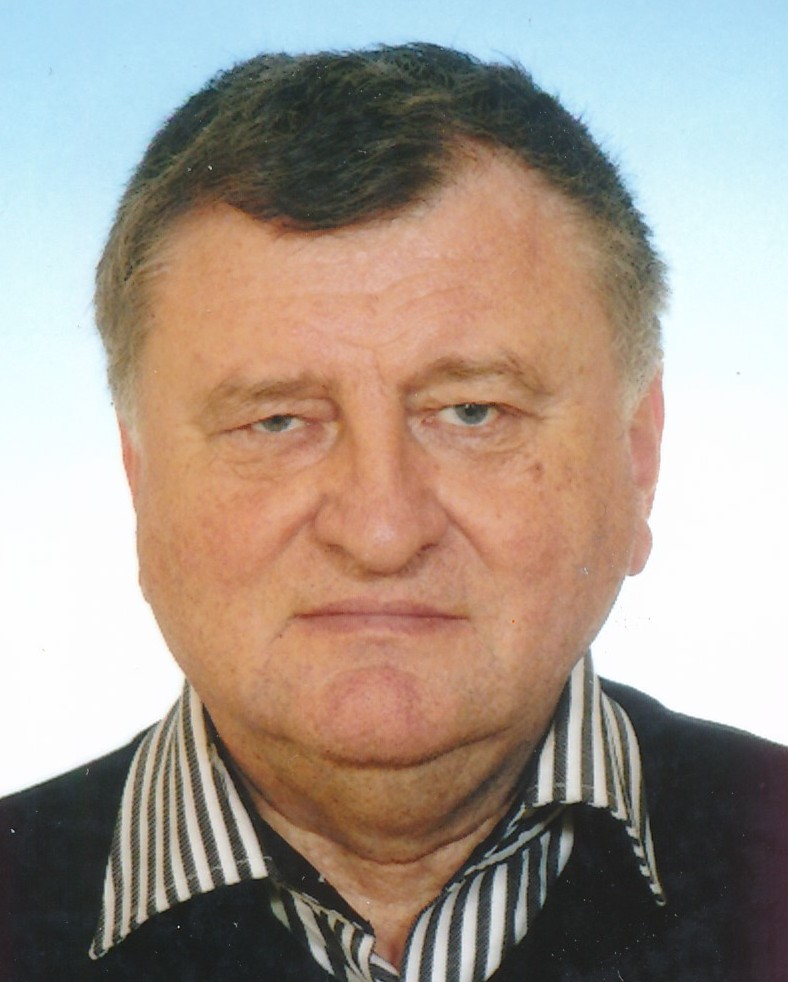
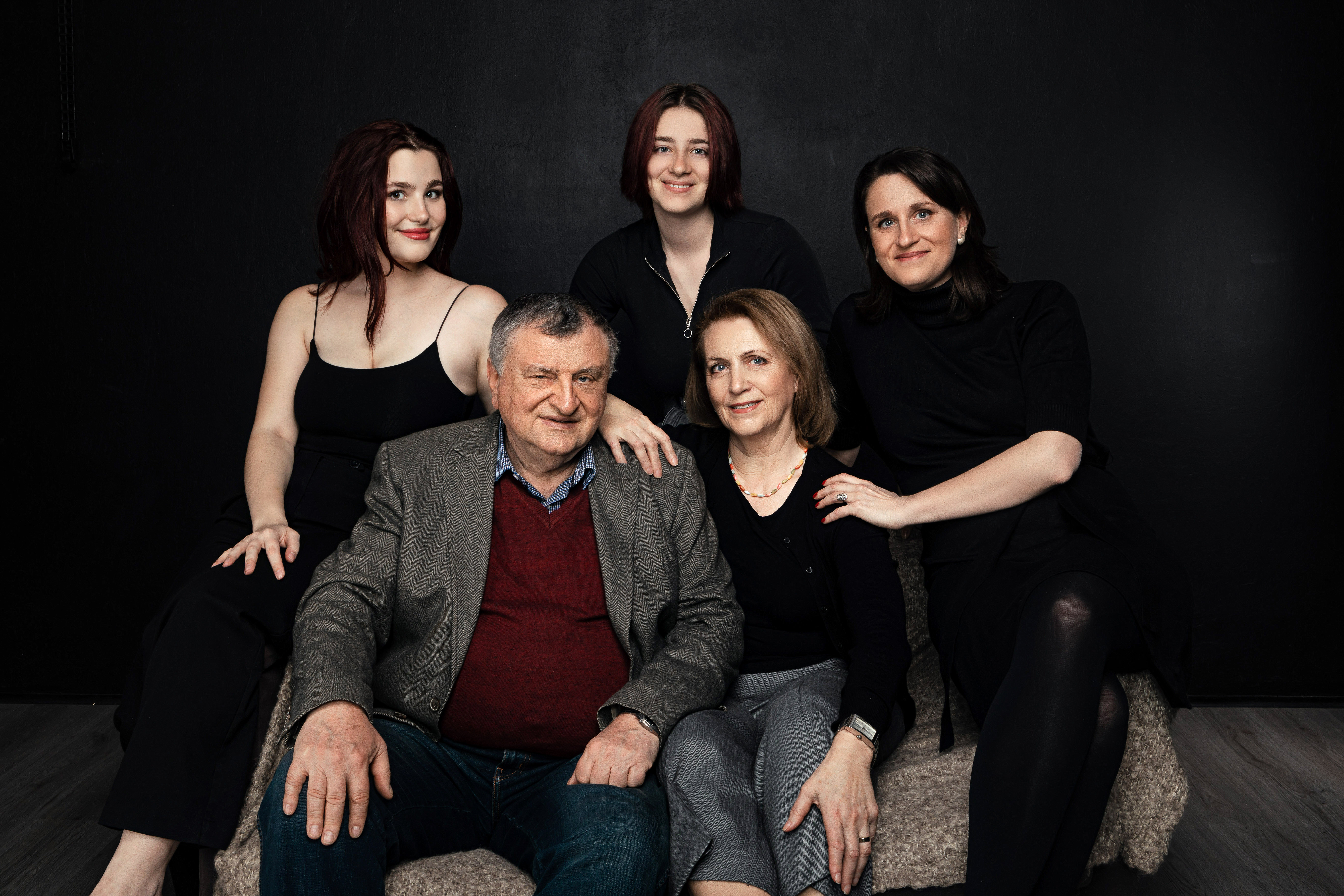
Jaromír Neumann was born on 16 May 1950 in Varnsdorf to Věra and Jaromír Neumann. His mother’s father Otakar Černý was involved in the Czechoslovak Sokol community, was arrested in October 1941, transported to the Small Fortress in Terezín and from there to Auschwitz, where he died in June 1942. His mother’s brother, Oldřich Černý, was involved in the Czech National Social Party, emigrated in 1949 and joined exile activities with the aim of restoring democracy in his native country. Jaromír Neumann lived in Mimoň from 1953. From 1964 to 1968 he studied at the local grammar school. In the summer of 1968 he went to Frankfurt am Main for an exchange visit with evangelical youth. Then he visited his uncle in Geneva for the first time. He returned home with his parents on the eve of the invasion by Warsaw Pact troops. In the autumn of 1968 he entered the Faculty of Mathematics and Physics (Matfyz) of Charles University in Prague. In the following years he participated in philosophical debates with students of the Comenius Evangelical Divinity Faculty. After school he found employment at the State Research Institute for the Protection of Materials, where he worked until 1990. During the normalisation period, he participated in the Bible classes of the pastor Jaroslav Vetter in Střešovice, where, thanks to Martin Fendrych, he came into contact with dissent and helped with the distribution of banned printed materials. He took part in the demonstration on 17 November 1989 and escaped the intervention of the riot police. At work, he co-founded the Civic Forum and became its spokesman. In 1990, he became involved in the activities of the Civic Democratic Alliance (ODA). In 1992, he was elected chairman of the central congress and vice-chairman of the party. However, he soon left politics. In 2025 he lived in Prague.