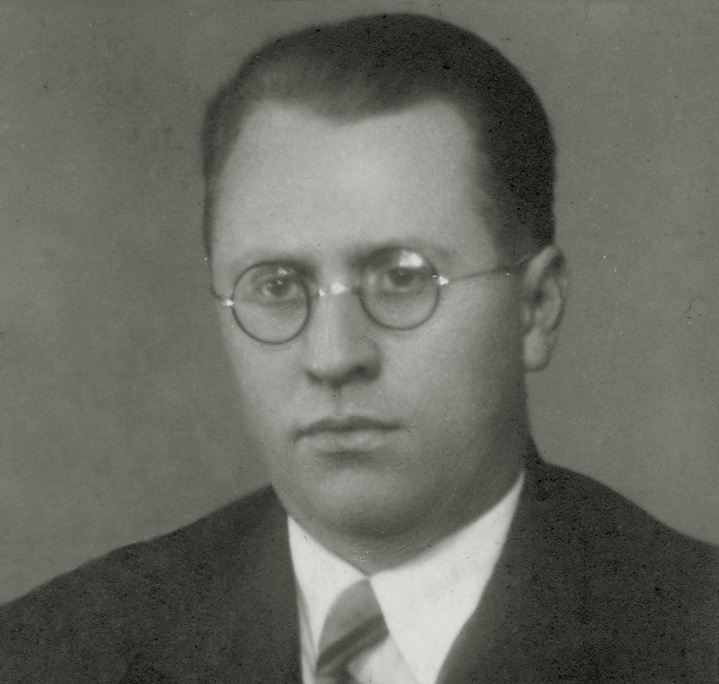
Jaromír Matouš

* 1943

  • "I joined the engineers in Litoměřice in October 1962. The advantage was that - although there were different elements - there was an excellent group. Some colleges didn't have a military department - that was the engineers or the Mining College in Ostrava. Those engineers, de facto four or five years older than us, went to the army with us for two years. So I have fond memories of that. We even kept in touch until 1968. After 1968, we dispersed and never met again."

  • "On the night of November thirteenth, in 53' at night, a commando of six State Security officers burst in. De facto, my cousin, who was still living with us, was studying at the university. The day before, on Thursday, there had been a concert by the Czech Philharmonic Orchestra, where my uncle's wife, the composer Jaroslav Řídký, had played his piano concerto. So his pupil from the music school in Příbram was still staying with us. So there was a problem. Suddenly, when they broke in, they found out that - because before, people had to sign in when they stayed there - they didn't sign in who was staying there. After the concert, they didn't come in until late at night, when there was no way to check in with the concierge that they had come."

  • "After the war, the Foreign Ministry was partly occupied by ambassadors. Then there were airmen from England who came back. So the children... Some came and had English women, but also Czech women. We were very friendly with their children. It was a real shock to us when they suddenly disappeared overnight in 1949. One day, we were playing and talking, and the next day they were gone."

  • "Nobody wanted to employ him. Despite the great nepotism of Dr. Šustr, who was a lawyer in the Wholesale Maintenance Department, they took him on as a maintenance man. He was a bricklayer for two years. They said they had the smartest helper - with two college degrees. He said they wouldn't have one of those anymore. He worked there until he had a massive heart attack in 1963."

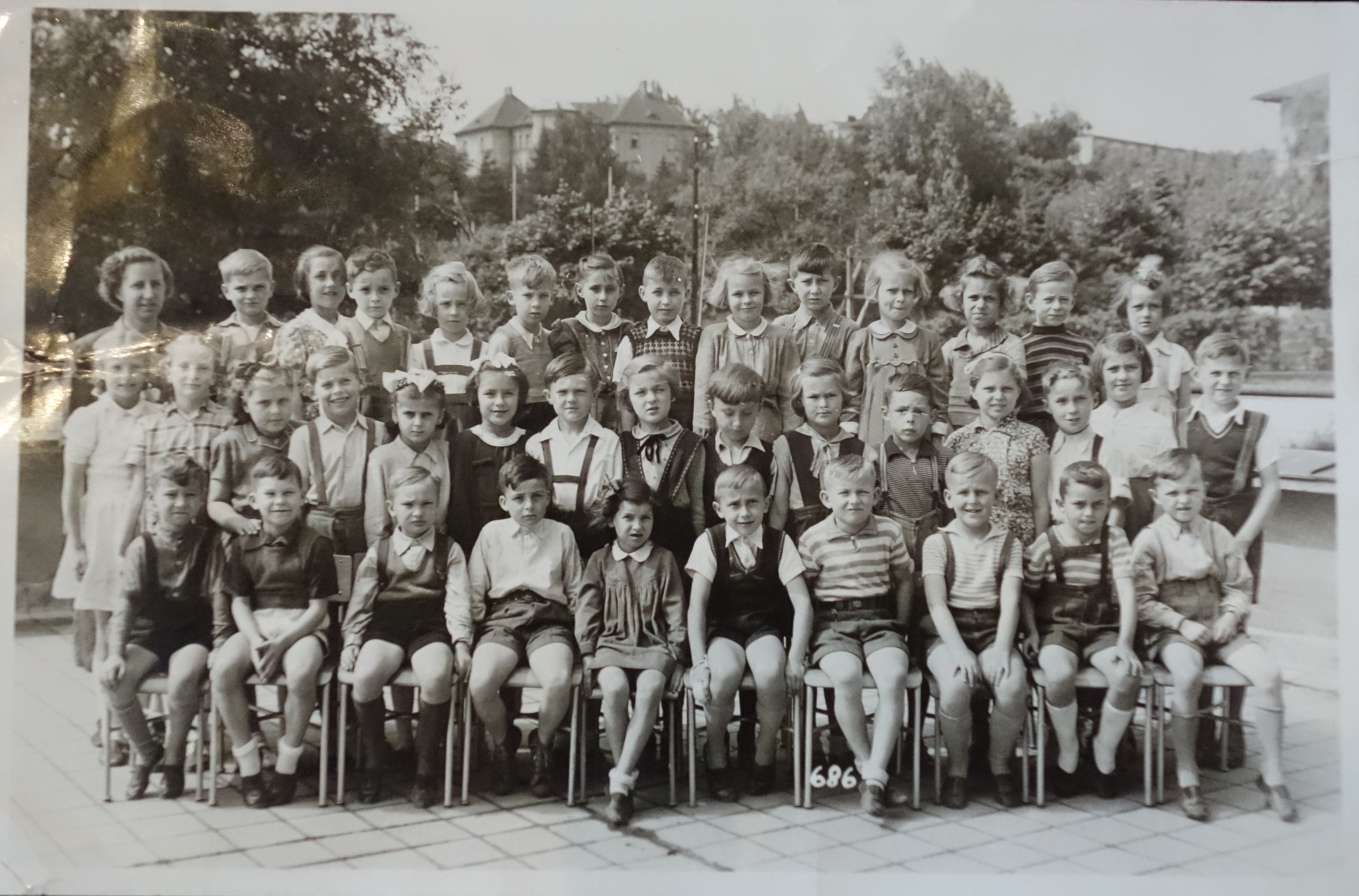
  • "My father decided that I went to a French kindergarten when I was four years old. I trained there for two years. I have the yearbook where I'm listed. Petr Pithart went three years higher, his name is there. It was closed down in 1949. There were French girls there, they didn't know a word of Czech. The school was from eight to twelve. We brought our own snacks, we had little bags that we handed in at the beginning, and you had to ask for a snack in French. If you didn't ask, you didn't get. You didn't eat. It was assumed that one of the parents had to know French. We were given typed lyrics and songs that our parents had to practice with us. When I was in first grade, a French girl married a Czech, she was Kadlecová, they lived in Bubeneč. So we used to go to her about five children, she used to invite us for lessons. At the age of three I spoke French well, today I can't put much together."

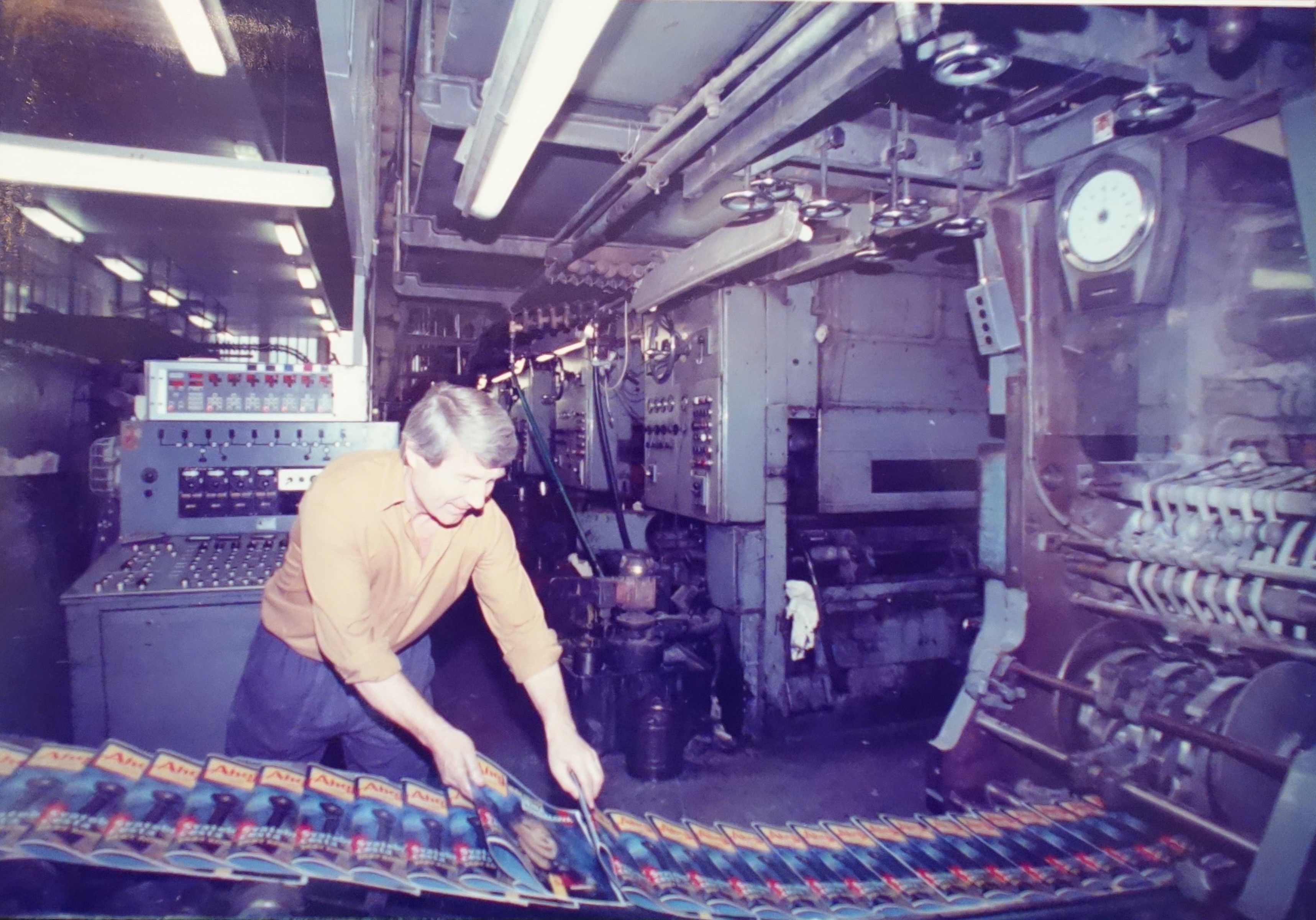
  • "In 1953 he was arrested and convicted, so we were damaged. And the headmaster of the school, a German, was a Bolshevik to the ground and persecuted us severely. There were three of us from that school. There were one thousand two hundred pupils and three of us were disabled, which he did not recommend on cadre grounds for further study. The only place we could go in Prague 6 was to the mines of the Kladno smelter. So, through a lot of nepotism, through acquaintances, the Deputy Minister of Local Economy helped me to visit the printing plant in May. And he said that the only way was to the printing plant. I applied, there were twenty-one of us and only three of us were accepted. I still have it tucked away that I was admitted on the basis of very good results in school. I rewarded them by being voted the best apprentice at the apprenticeship the very first year I was there."

  • Full recordings
  • 1

    Praha, 08.12.2021

    (audio)
    duration: 04:02:39
    media recorded in project The Stories of Our Neigbours
  • 2

    Praha, 22.03.2023

    (audio)
    duration: 01:13:20
    media recorded in project Stories of the 20th Century TV
  • 3

    Praha, 24.05.2023

    (audio)
    duration: 02:16:06
    media recorded in project Stories of the 20th Century TV
  • 4

    Praha, 14.06.2023

    (audio)
    duration: 02:15:13
    media recorded in project Stories of the 20th Century TV
Full recordings are available only for logged users.

We should have eliminated the Communist Party

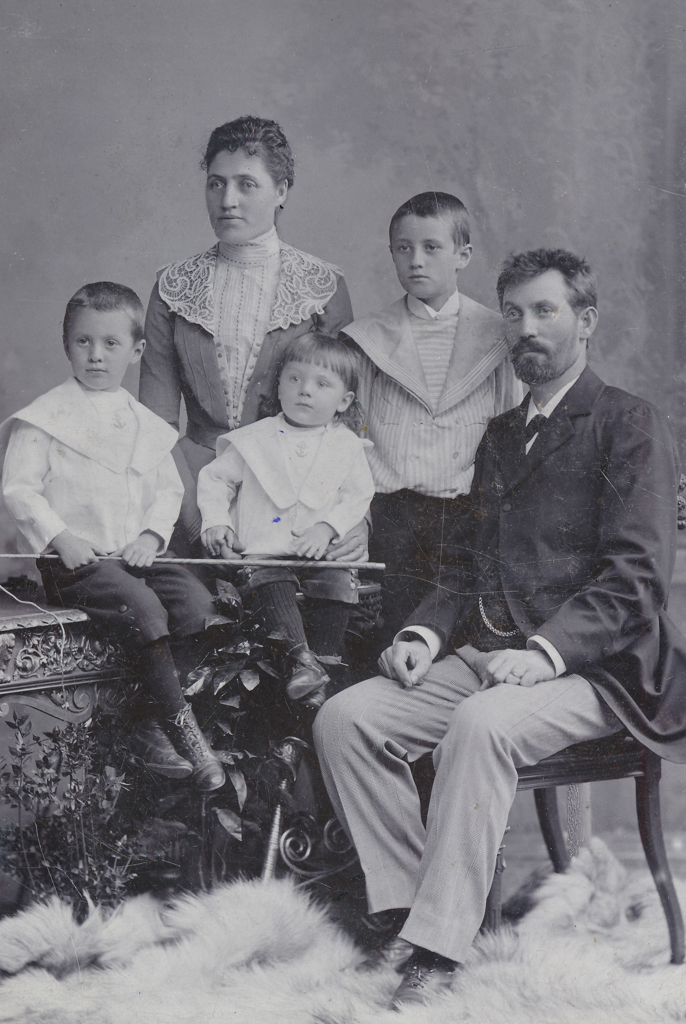
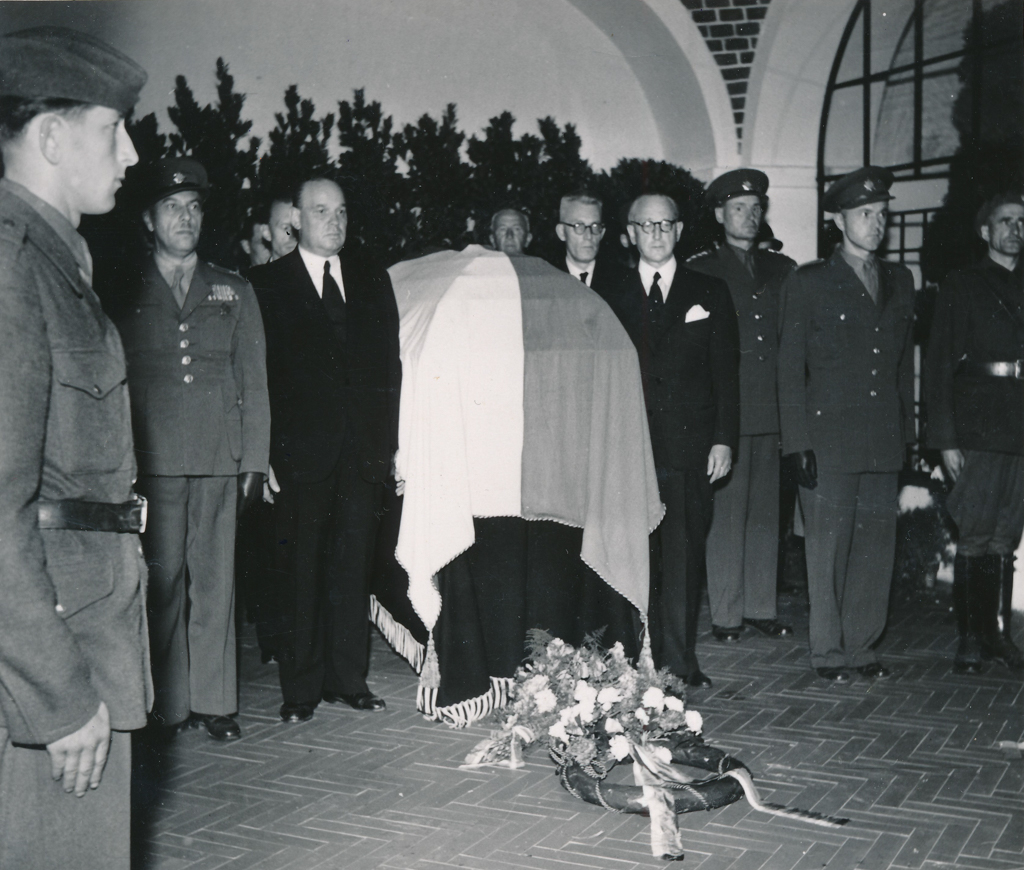
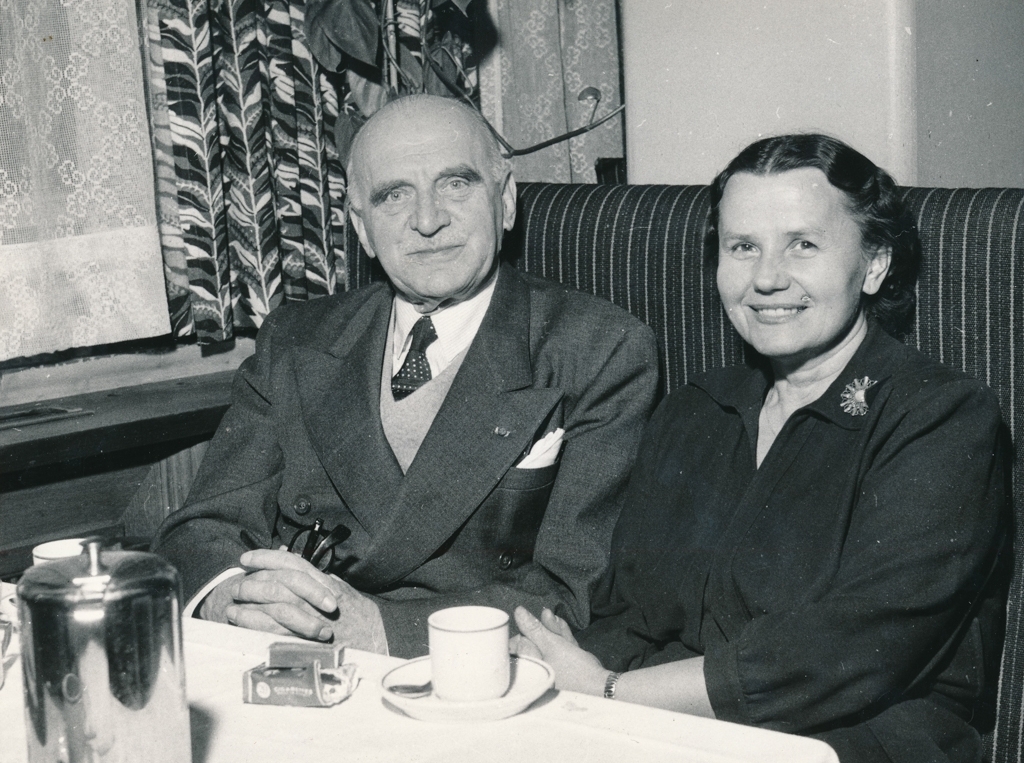
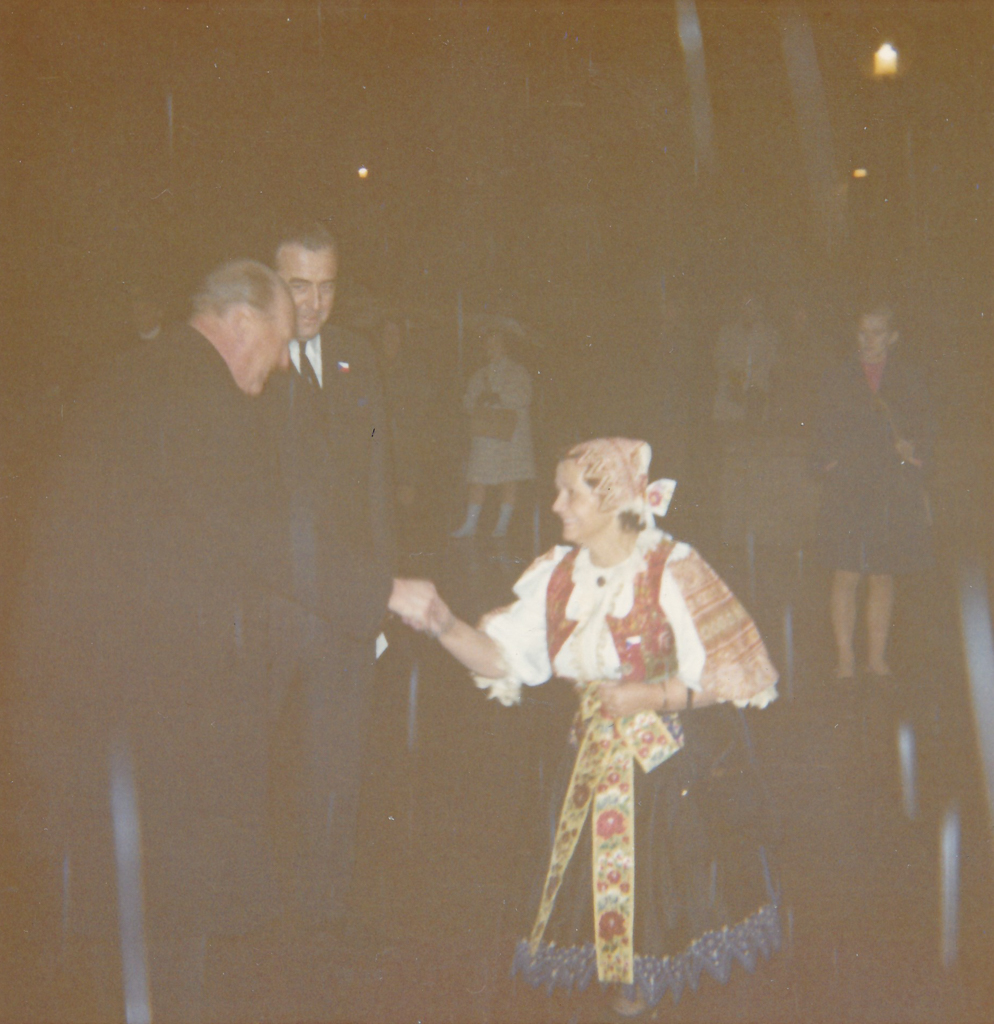
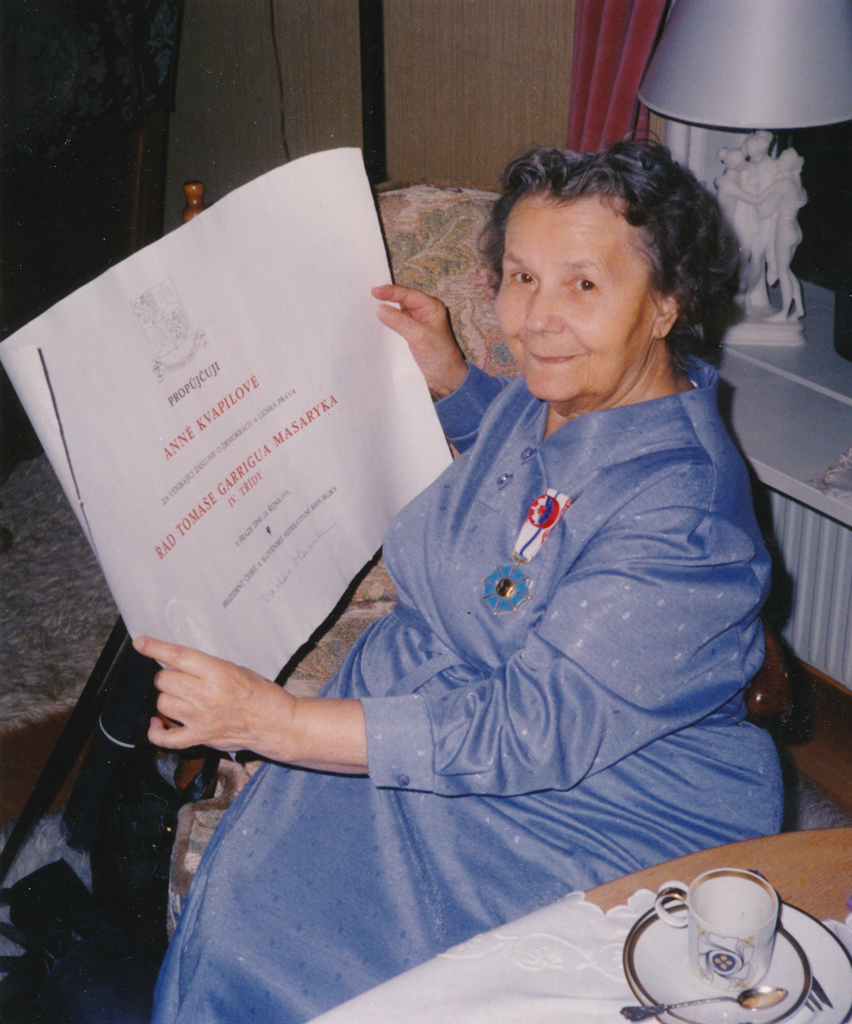
Jaromír Matouš, 2023
photo: Post Bellum

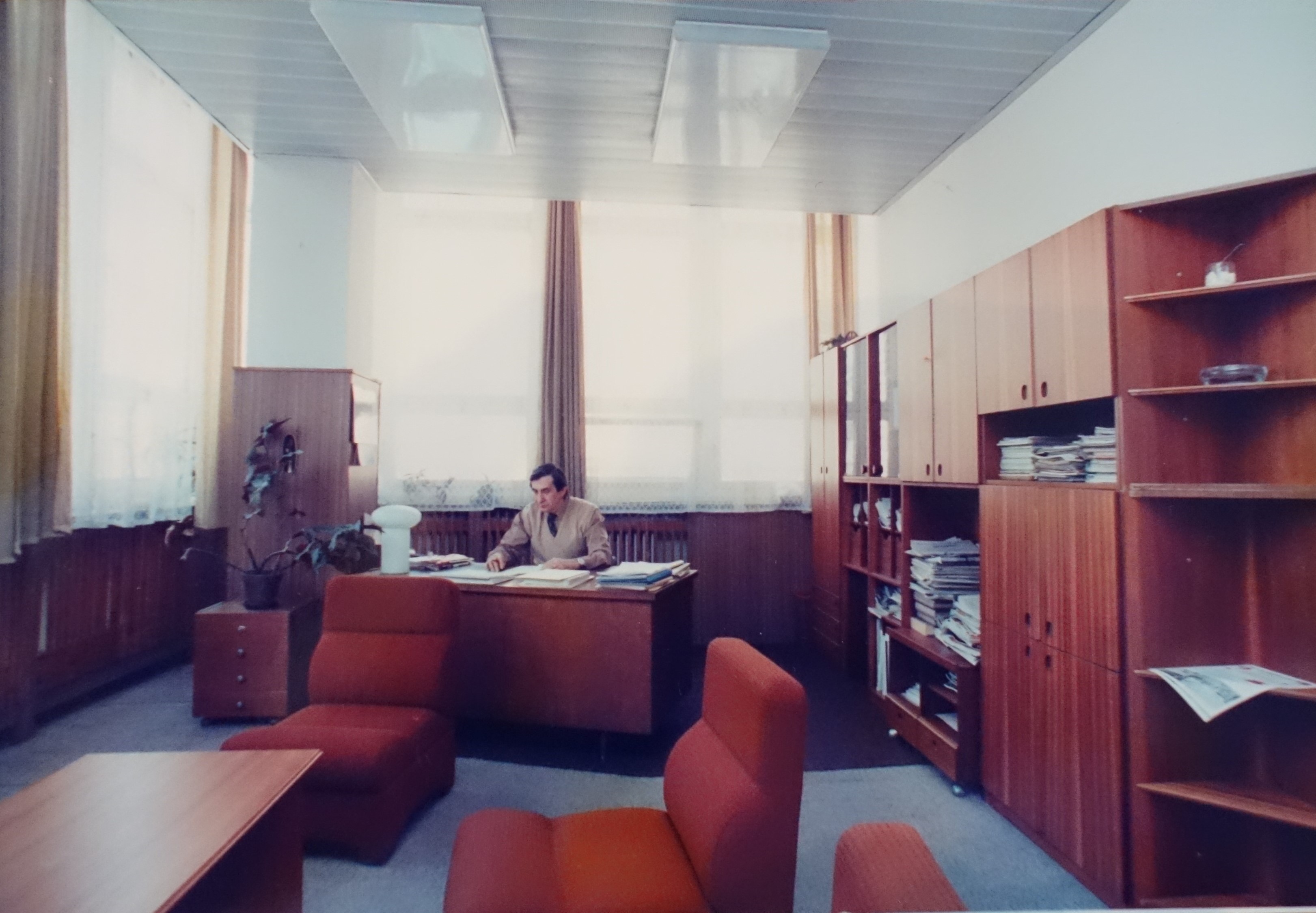
Jaromír Matouš was born on 4 March 1943 in Prague. After the war, his father, Bohuslav Matouš, became the head of the political archive in the office of Edvard Beneš. He also assisted the President in writing his memoirs. The Matouš family was in close contact with the Beneš family. After 1948, his mother’s sister, Anna Kvapilová, emigrated to Norway. After the death of Edvard Beneš, Bohuslav Matouš worked at the J. A. Comenius Pedagogical Library and the Historical Institute of the Czechoslovak Academy of Sciences. In 1953, his father was arrested by the State Security Service (StB). He was sentenced to eight years imprisonment for treason. He was released early in 1959. After completing his primary education, Jaromír Matouš wanted to enrol in a grammar school, which the regime did not allow him to do. Eventually, in 1960, he took an apprenticeship at the national enterprise Printer Works Svoboda [Freedom - transl.]. In 1962-1964, he served his basic military service in Litoměřice. In 1965-1977, he studied at the Higher School of Graphic Arts. During socialism, he was friends with Hana Benešová, Prokop Drtina and Antonia Kleinerová. During the Velvet Revolution, he participated in demonstrations and founded the Civic Forum (OF) in the printing house where he worked. In 2023, he lived in Prague.