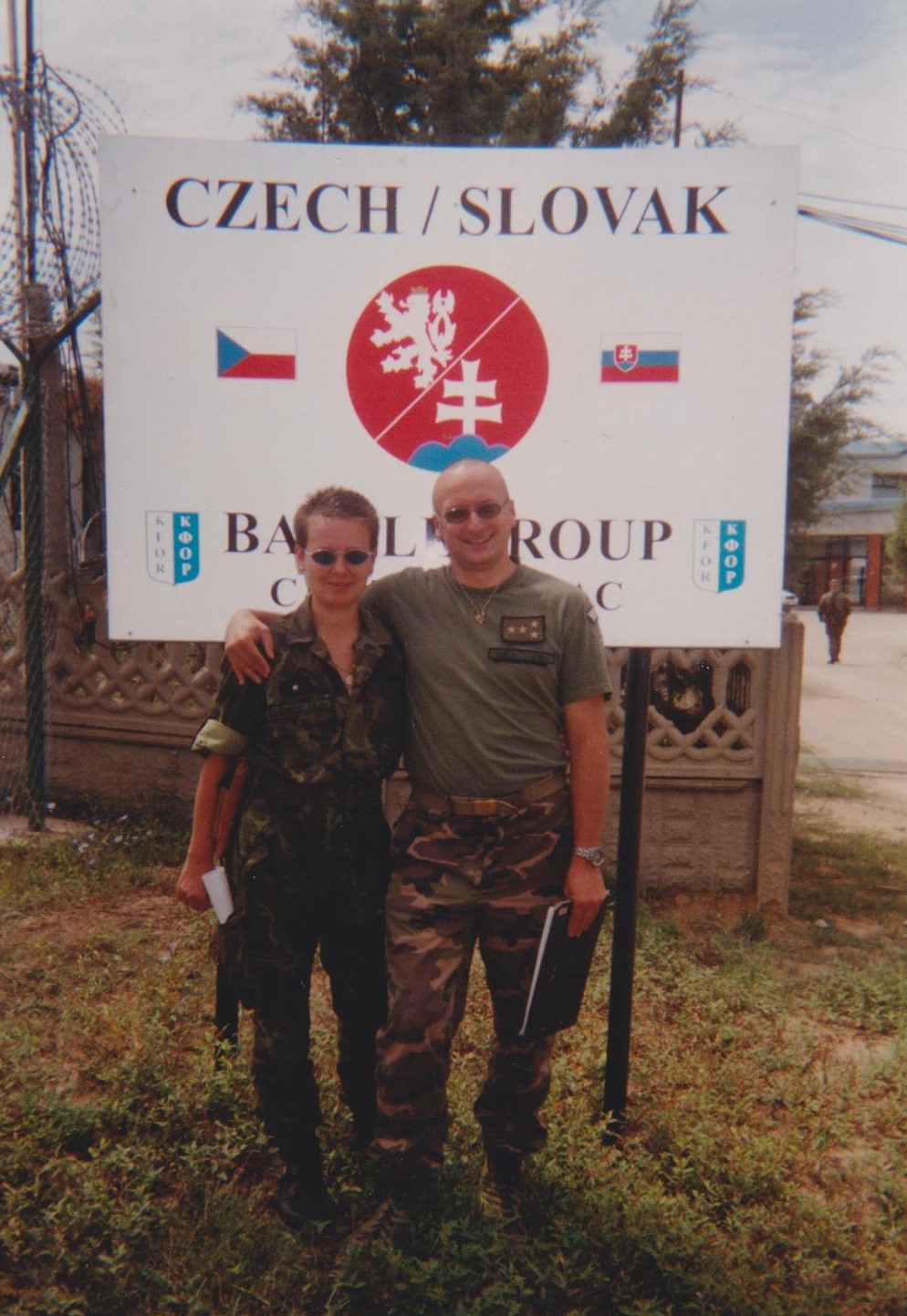
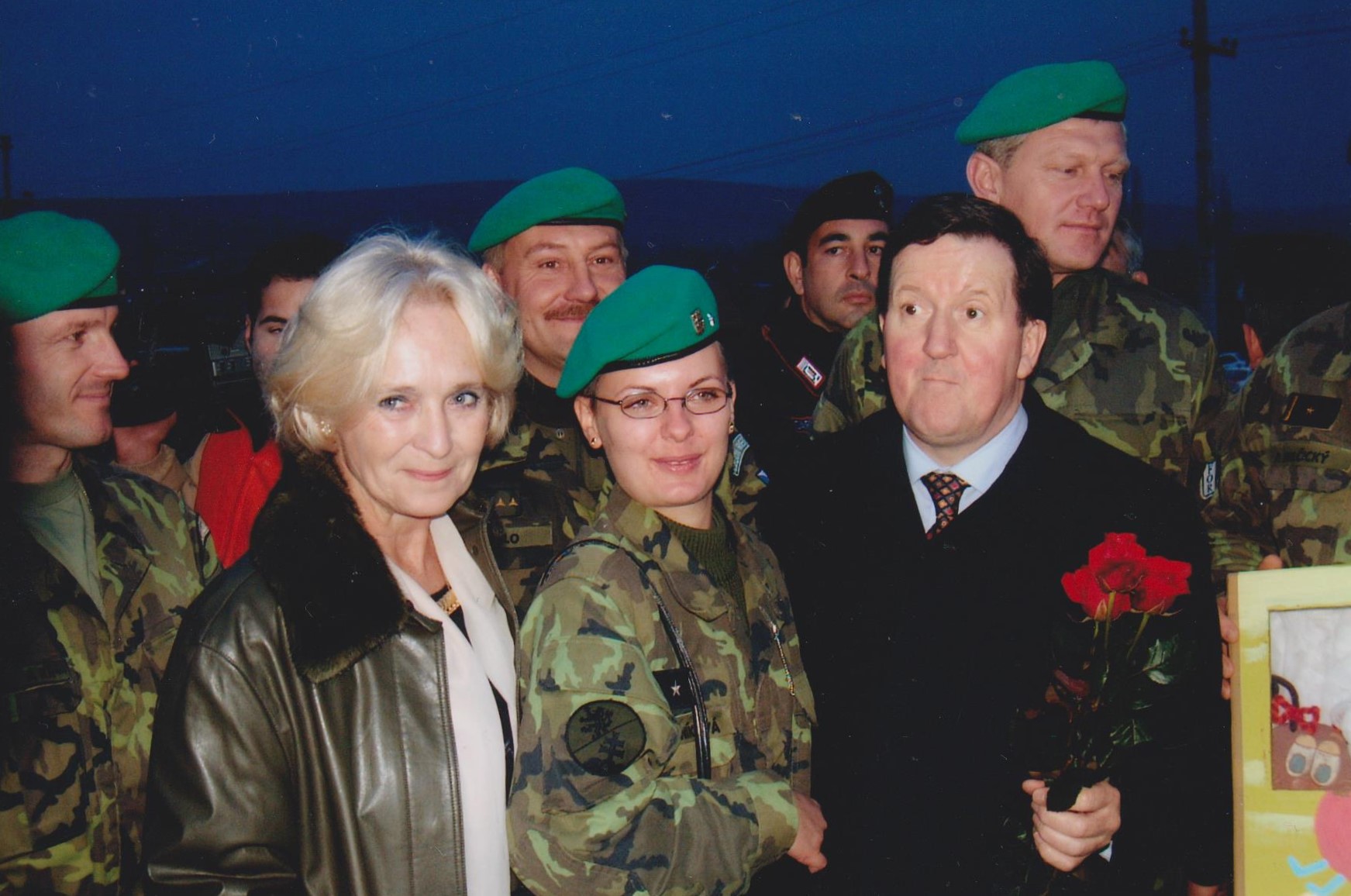
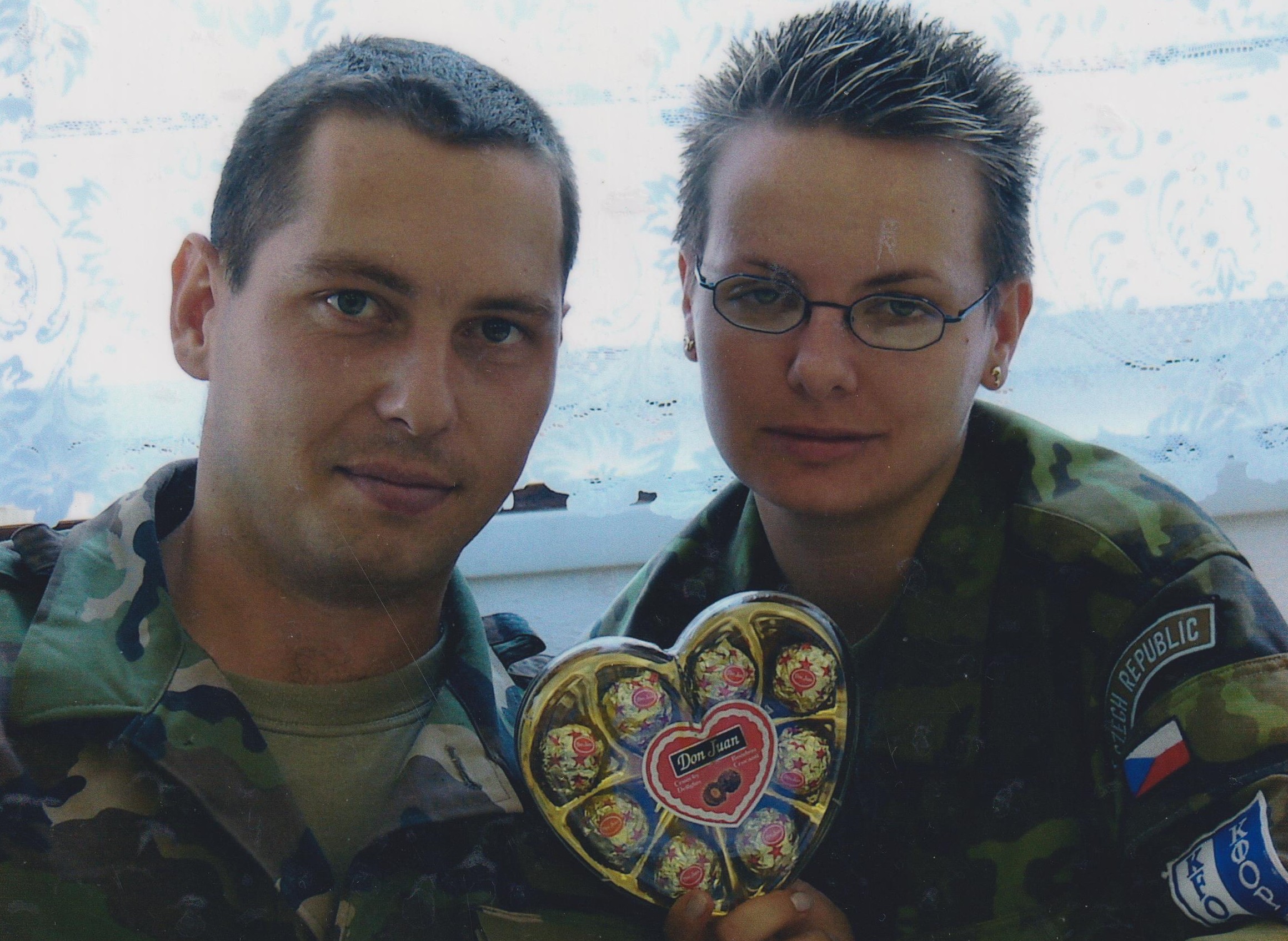
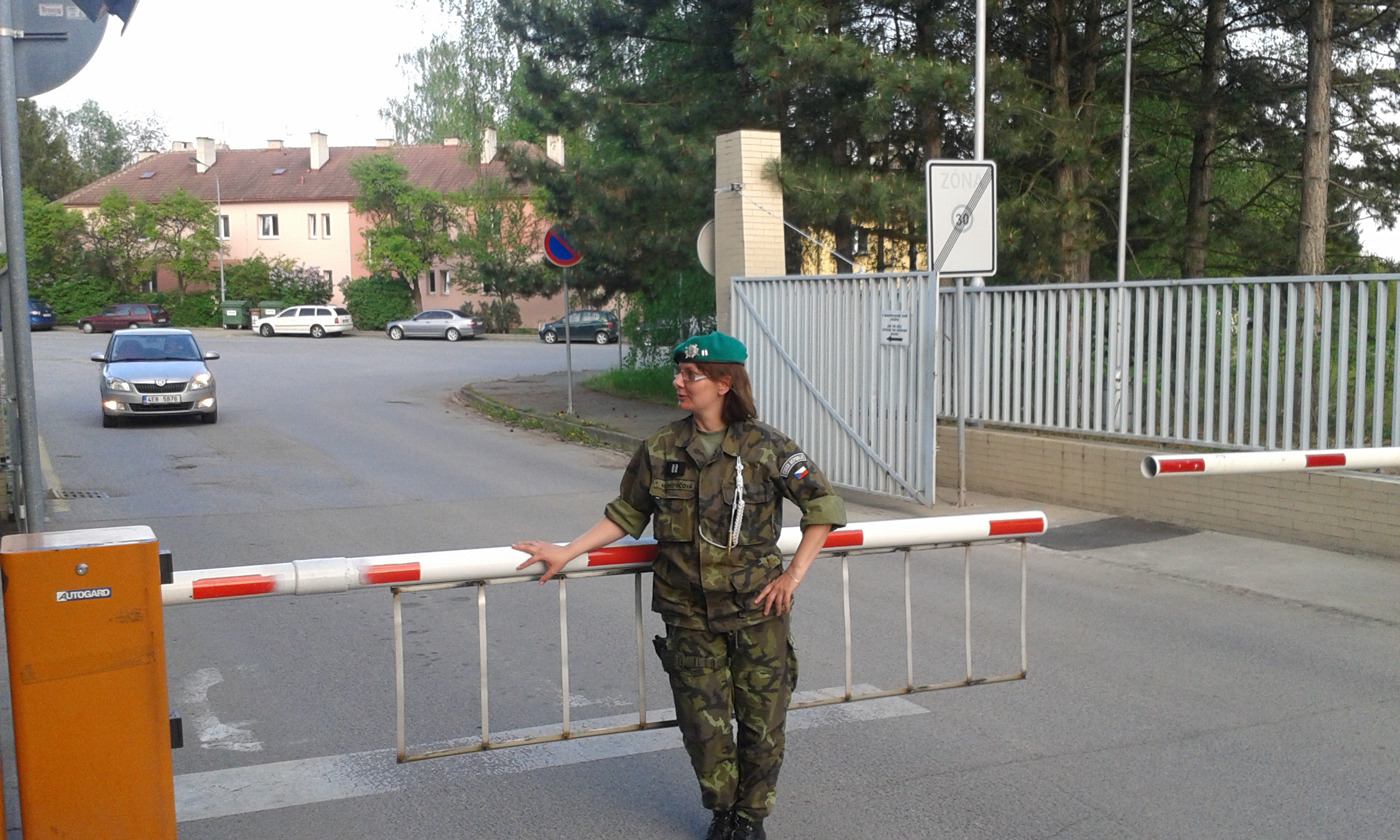
"Within the 4th Czechoslovak Battalion, when there were riots there in 2004, Podujevo was upside down, we had a military alert and we were given machine guns. There are already four magazines there and we had live ammunition too. So I had a 58 submachine gun hanging on my bed. They extended it [the mission] for us, so the whole seven months that gun was hanging there. Plus we had the pistols. And you don't notice that, you don't notice that, you're just riding on that train. When I tell it now, it's horrible, it's crazy, you didn't even realize it. No, you don't see it. We had an emergency, Kosovo was upside down and the guys, all the colleagues went to the area. There were real riots, the whole Kosovo was shaking, and at that time we as women - there were about twenty of us from the whole battalion. All of a sudden the bandage spot wasn't working, nothing was working. Except for the cooks, they stayed. But all of us women went into the field for a month and they put us at the main entrance of the KFOR headquarters in Pristina. And we secured the main entrance. And that was a big deal."
"I don't think so. That you're really kind of taking it that way. I think some of the men were more scared than us women. No one there admitted fear. We took it that way - just putting your head down somewhere, in a sleeping bag, that was the most important thing to us."
"At the beginning of the mission within the First Czechoslovak Battalion, you will be given a personal weapon and two magazines of live ammunition, which you must carry with you at all times. We used to keep it under the bed at night. Before we left the base we had to reload, but have it secured. And then when you arrive, you have to unload from the chamber and store it all again. But you have live ammunition, we had to carry gas masks and we had to have bulletproof vests and helmets. Those were just flak jackets, and we got those with our weapons at the beginning of the mission. You don't manipulate it in any way during the overnight mission, you put it under the bed. Or we had lockers. And you'd come in, you'd throw it in the locker or under the bed, and you'd go do your separate stuff. But you don't even notice. You don't even notice the gun."
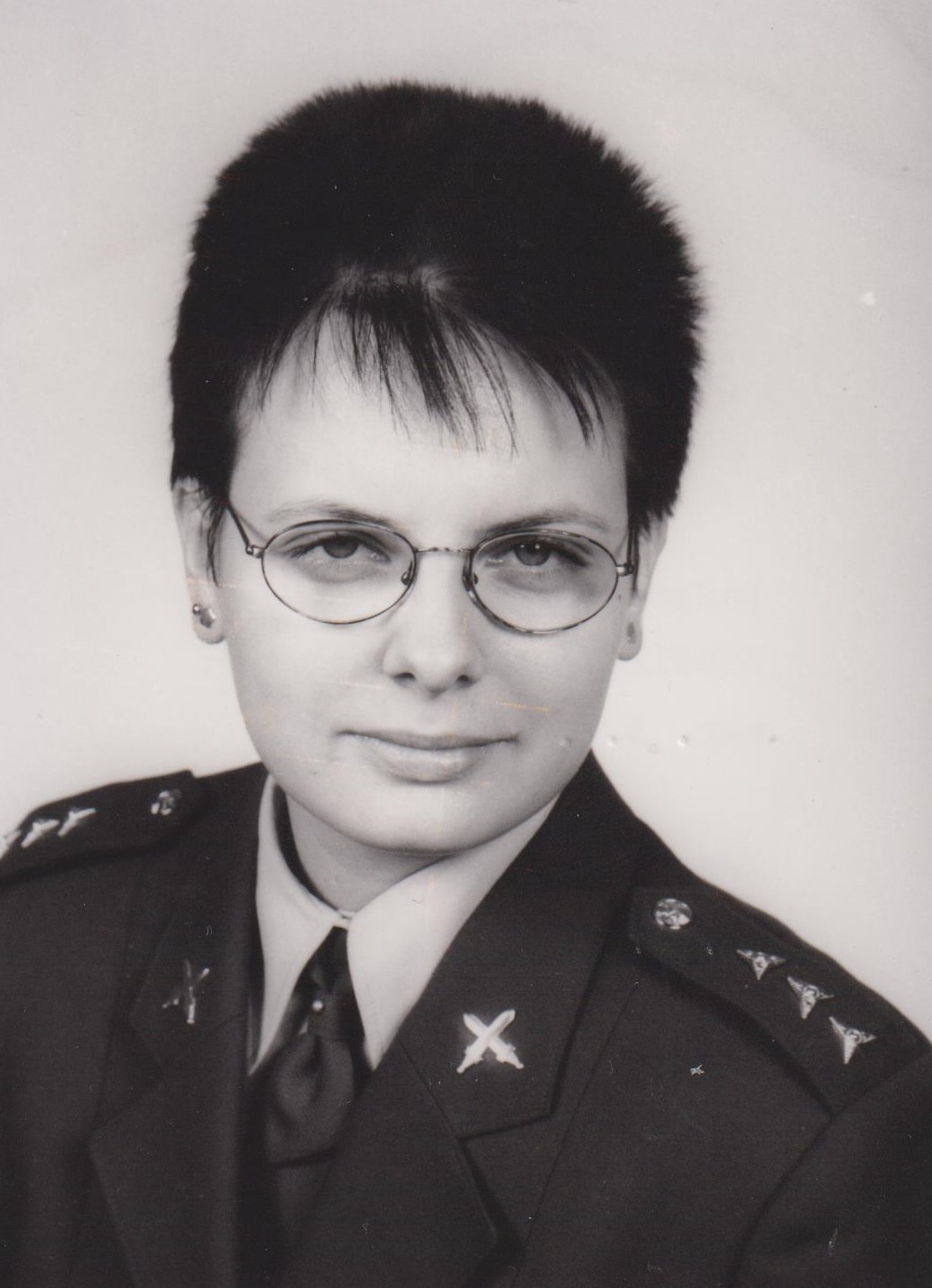
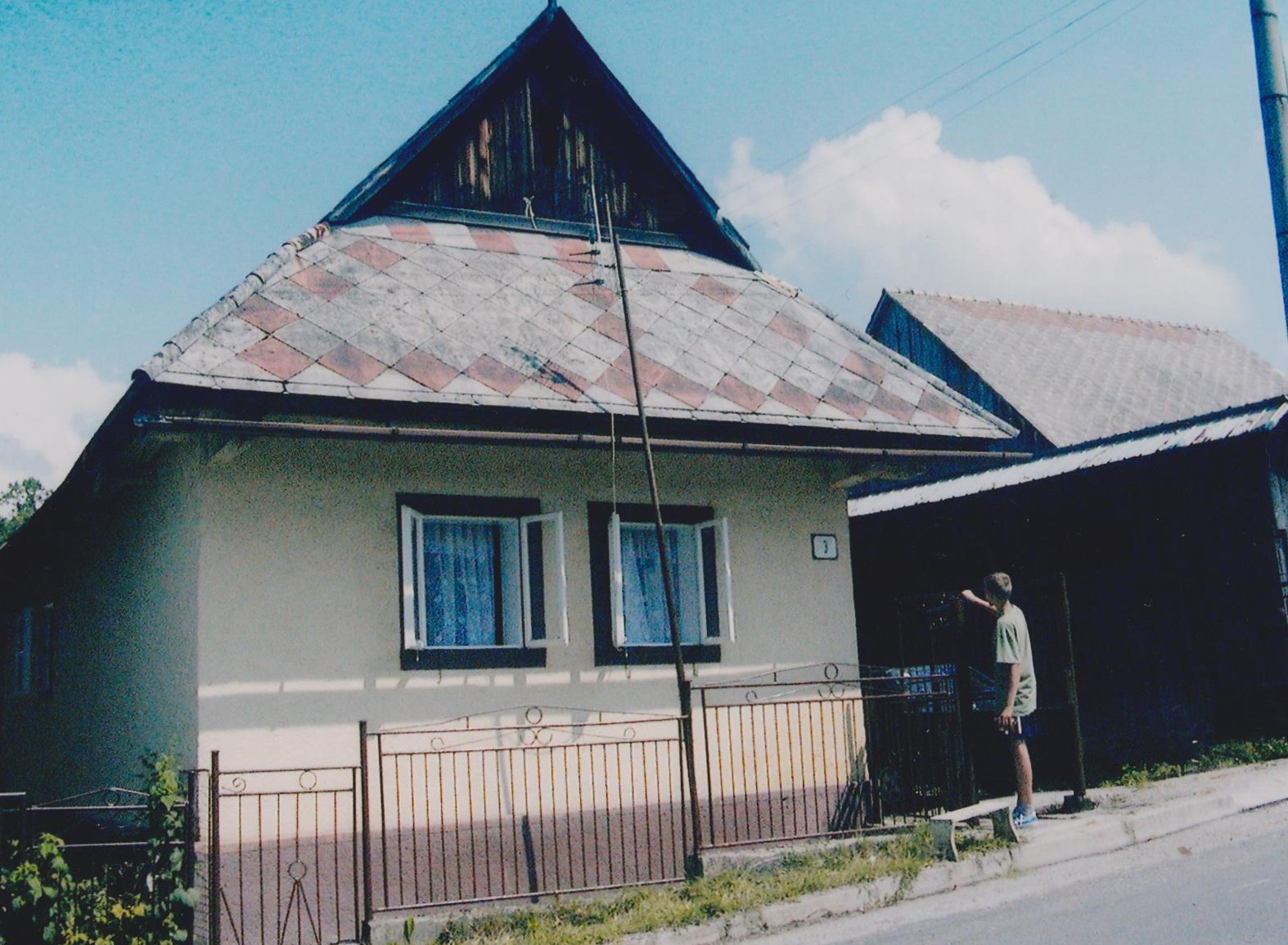
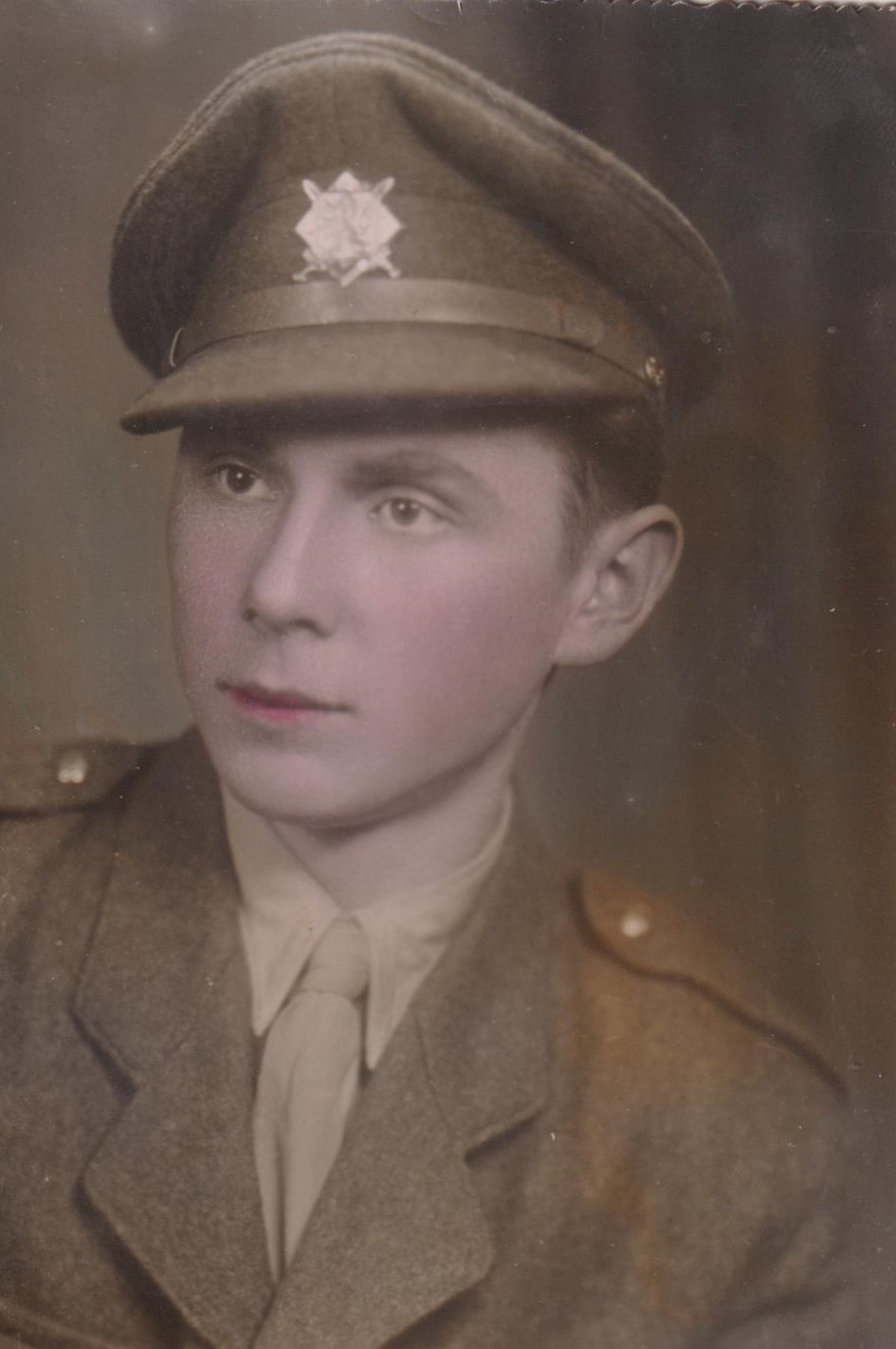
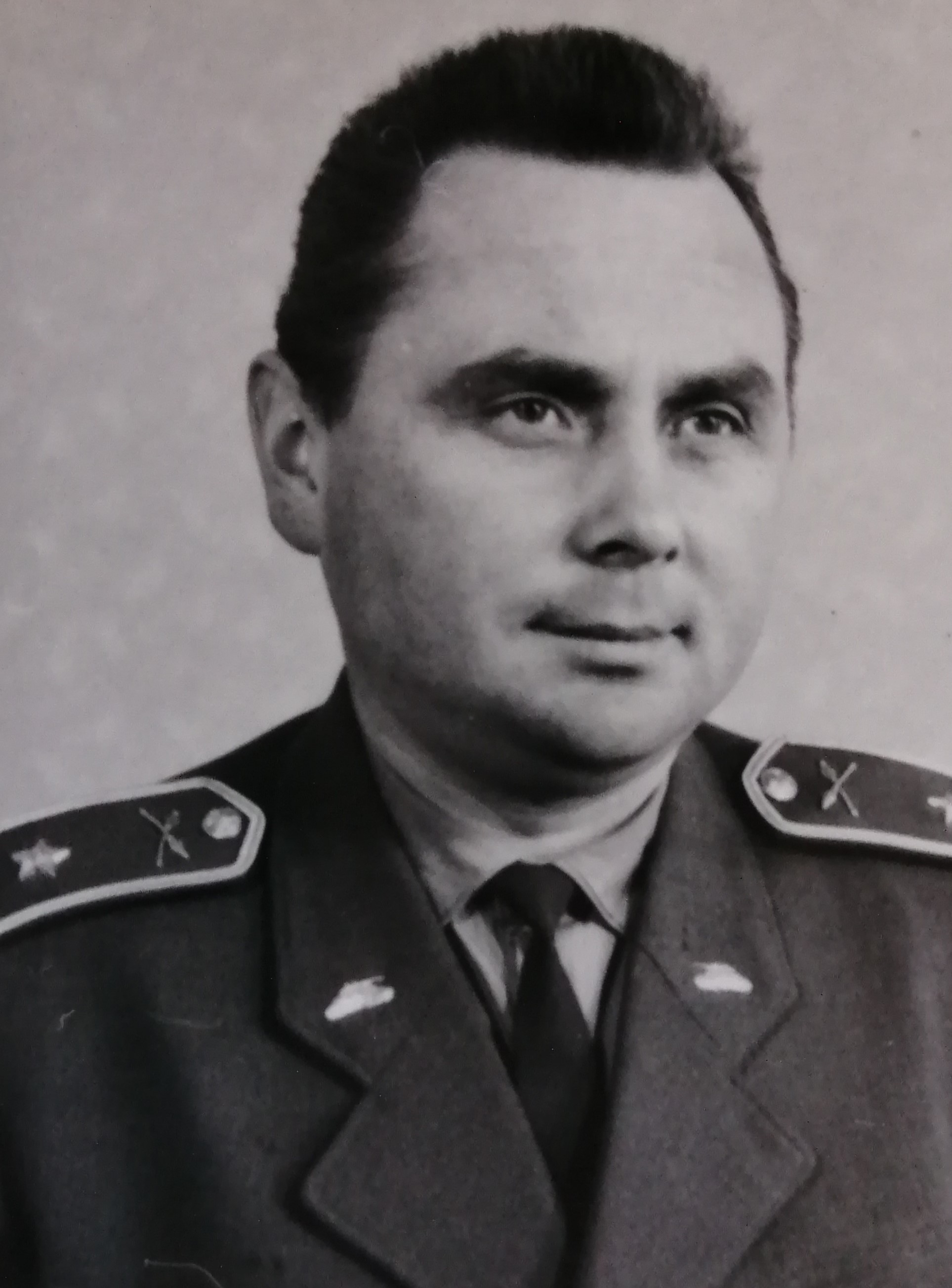
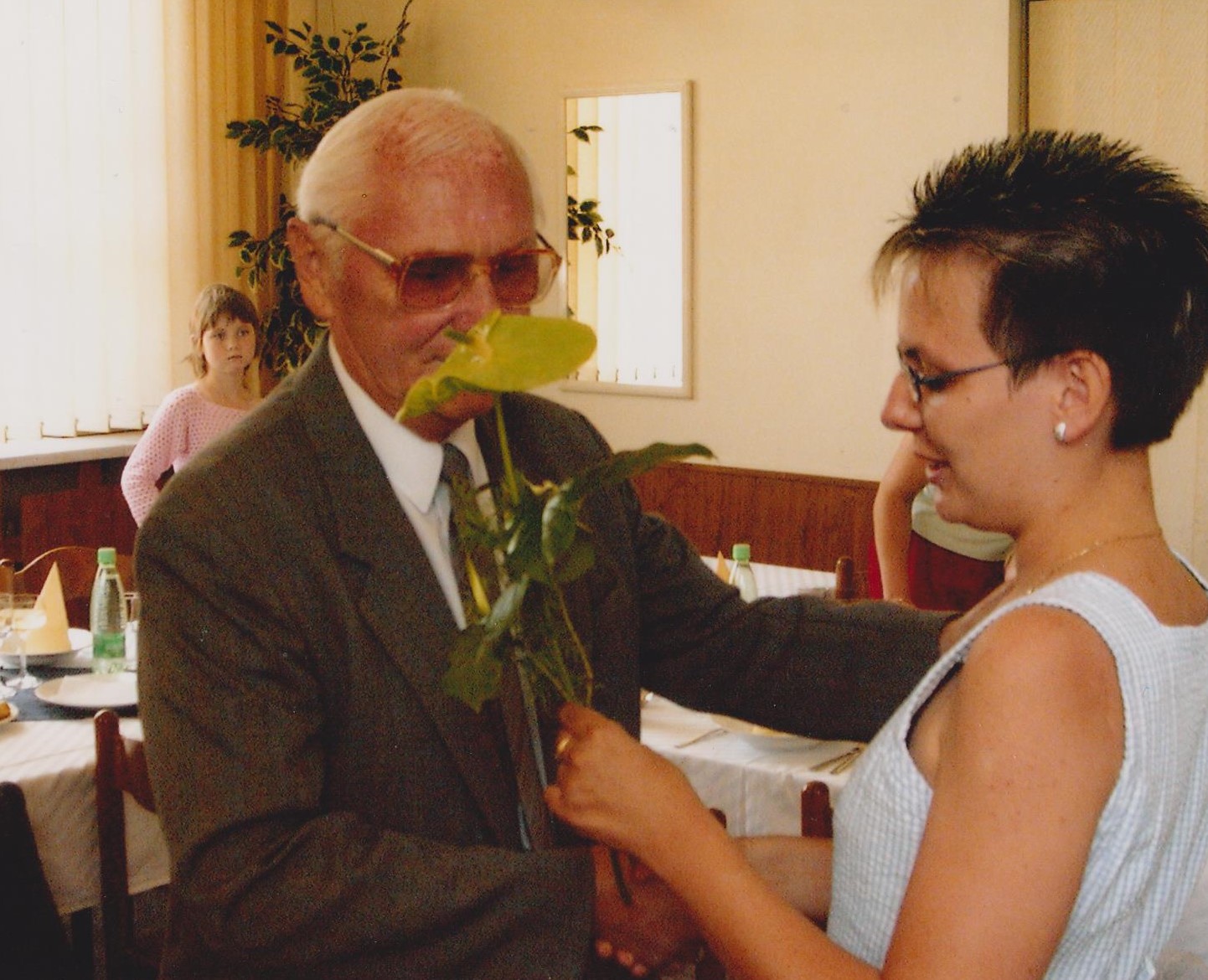
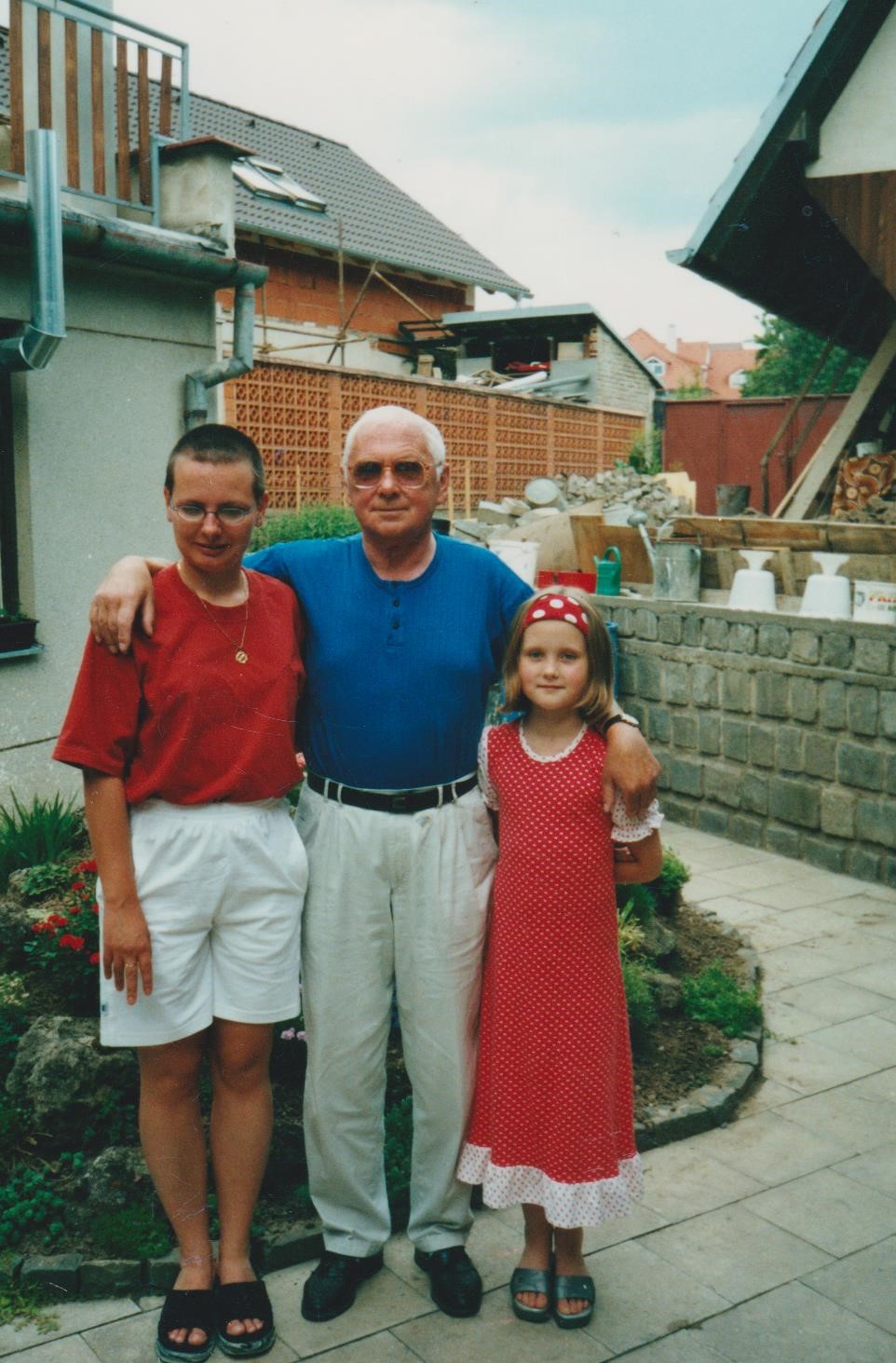
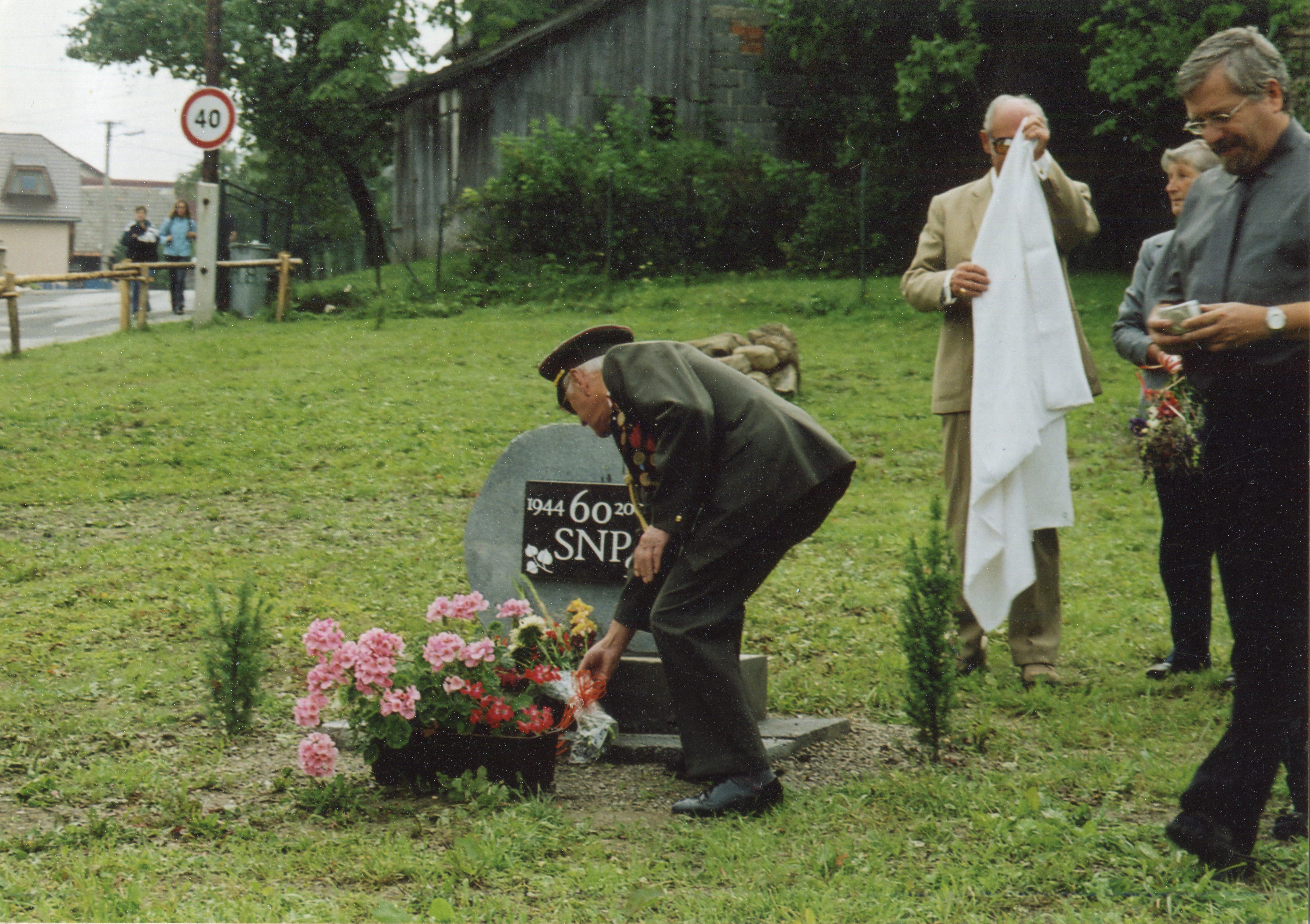
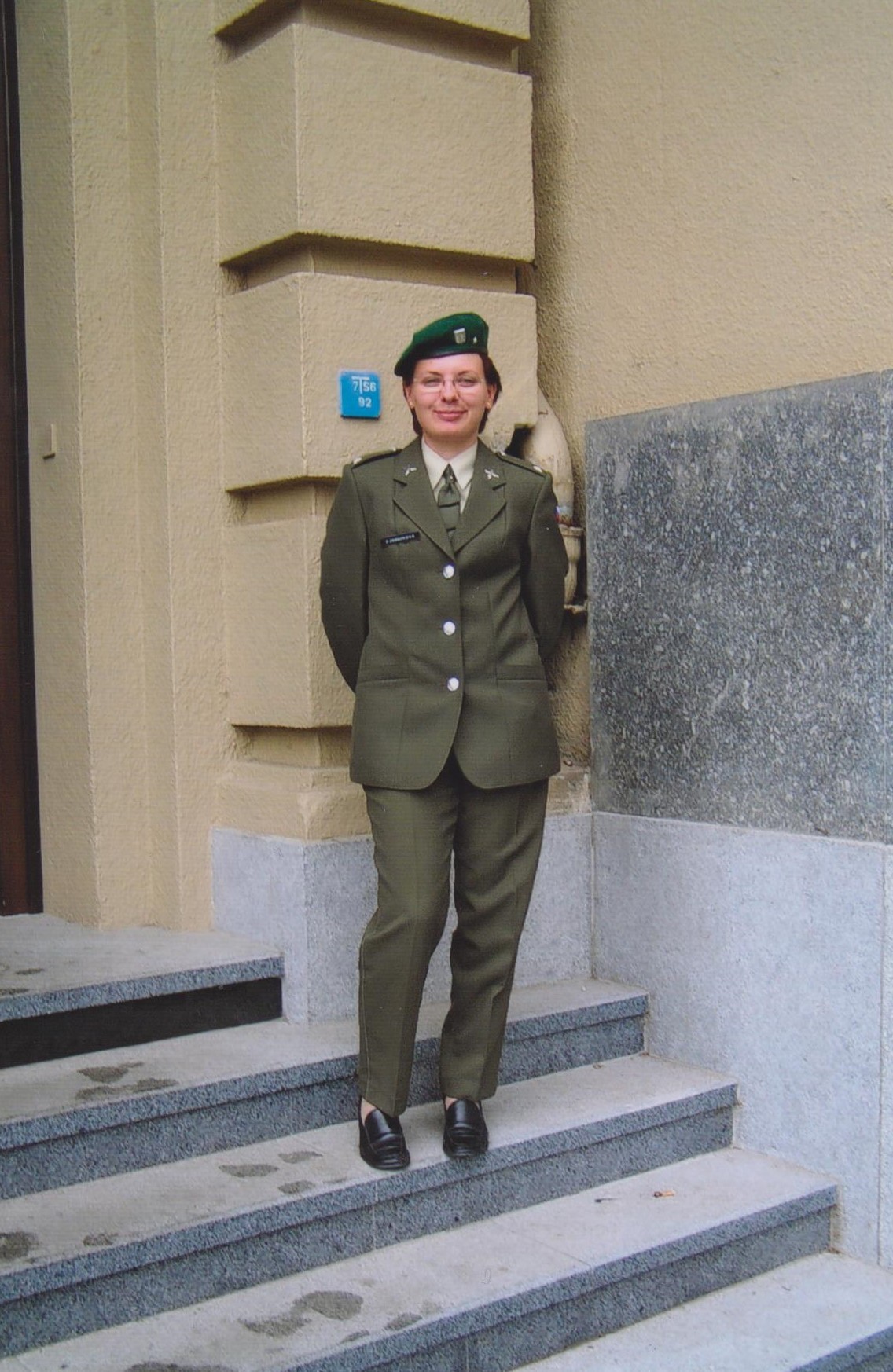
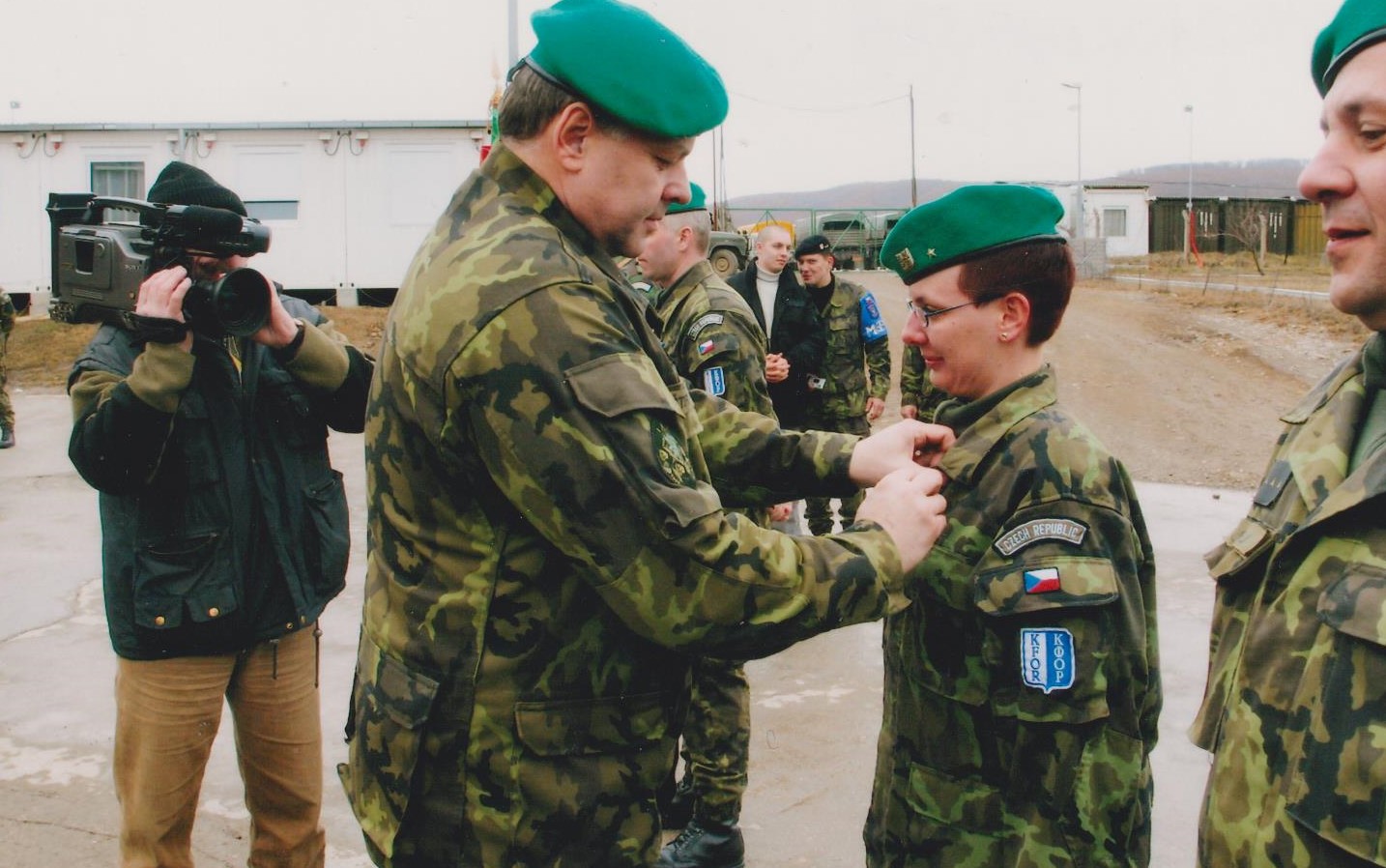
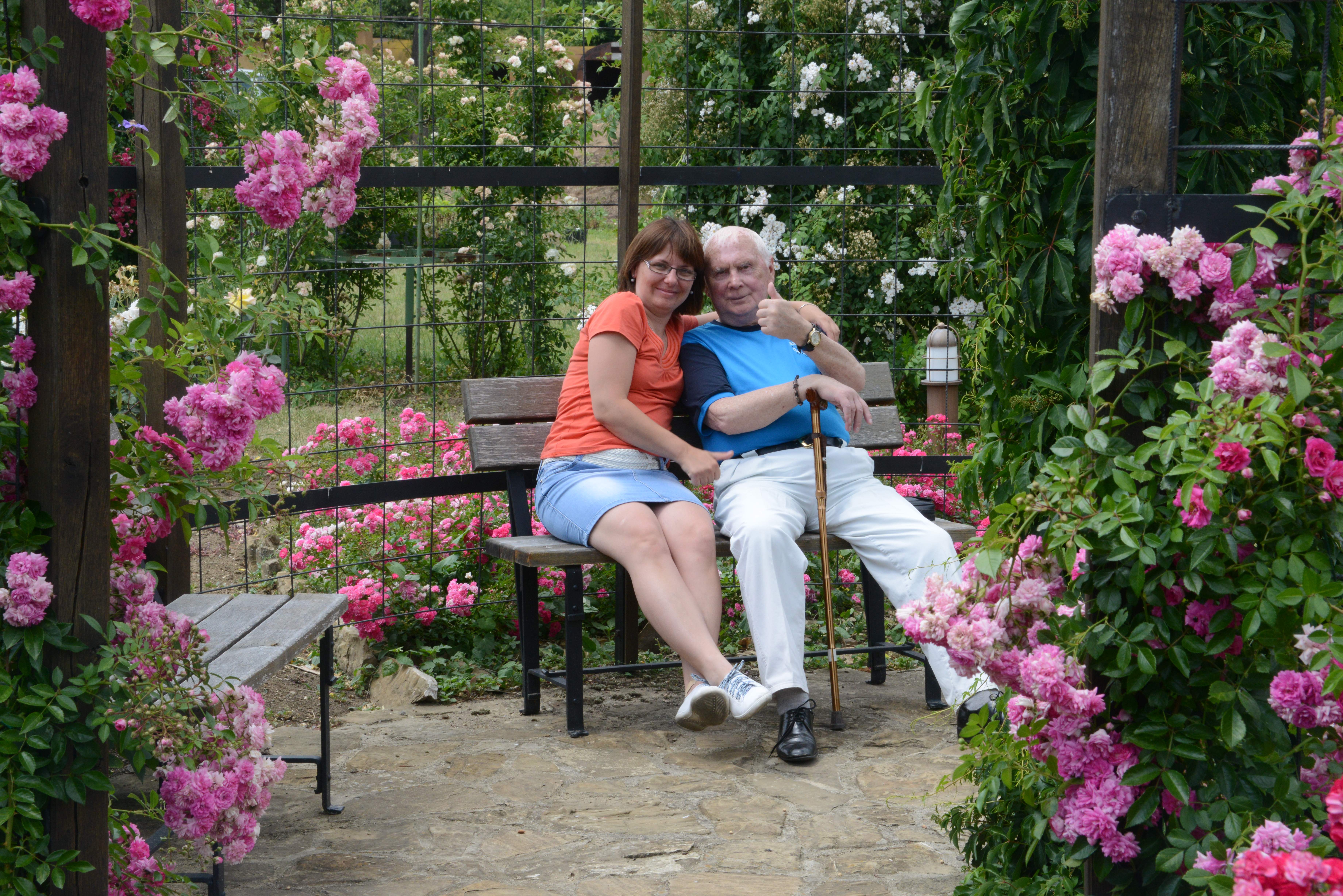
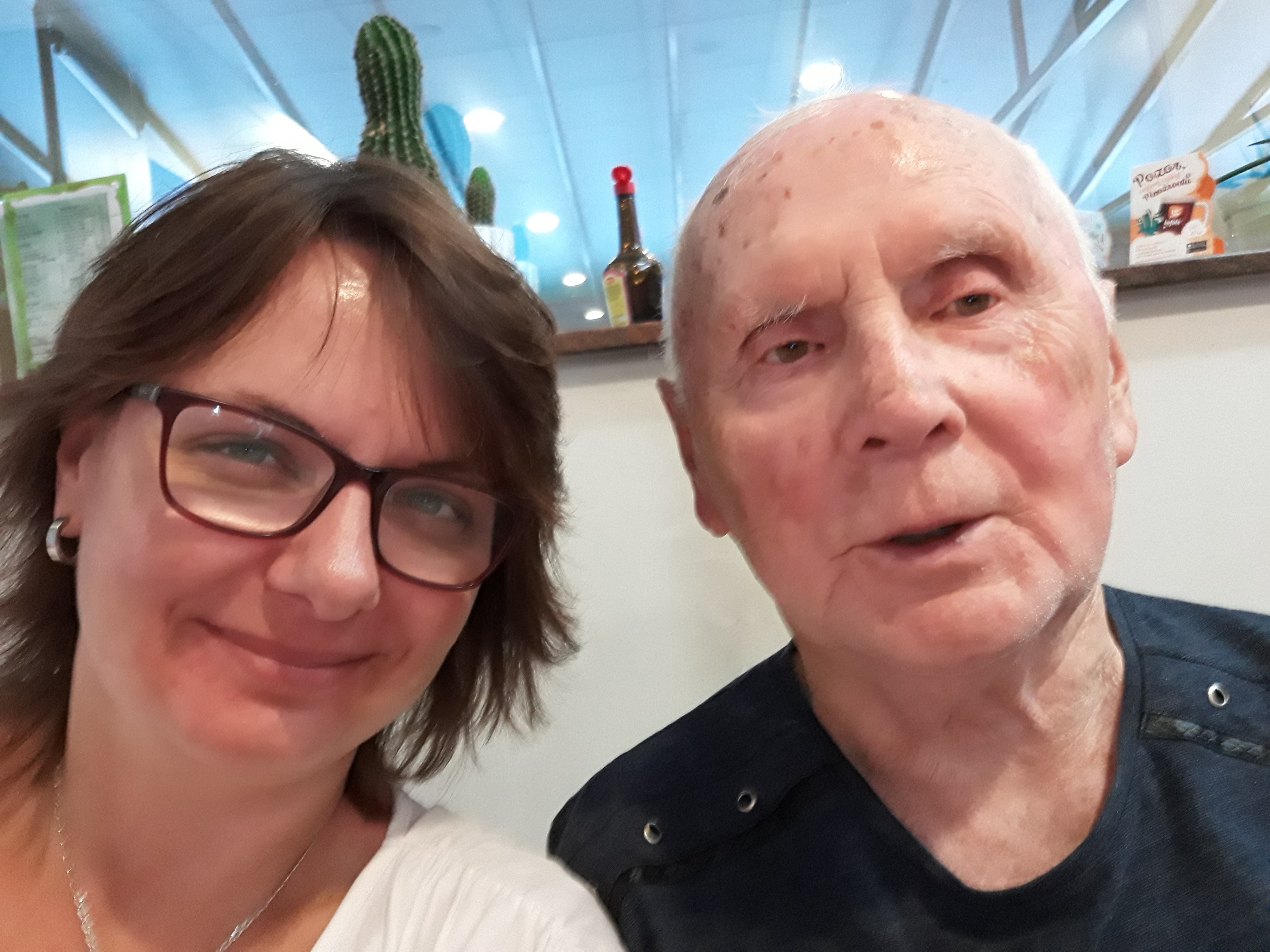
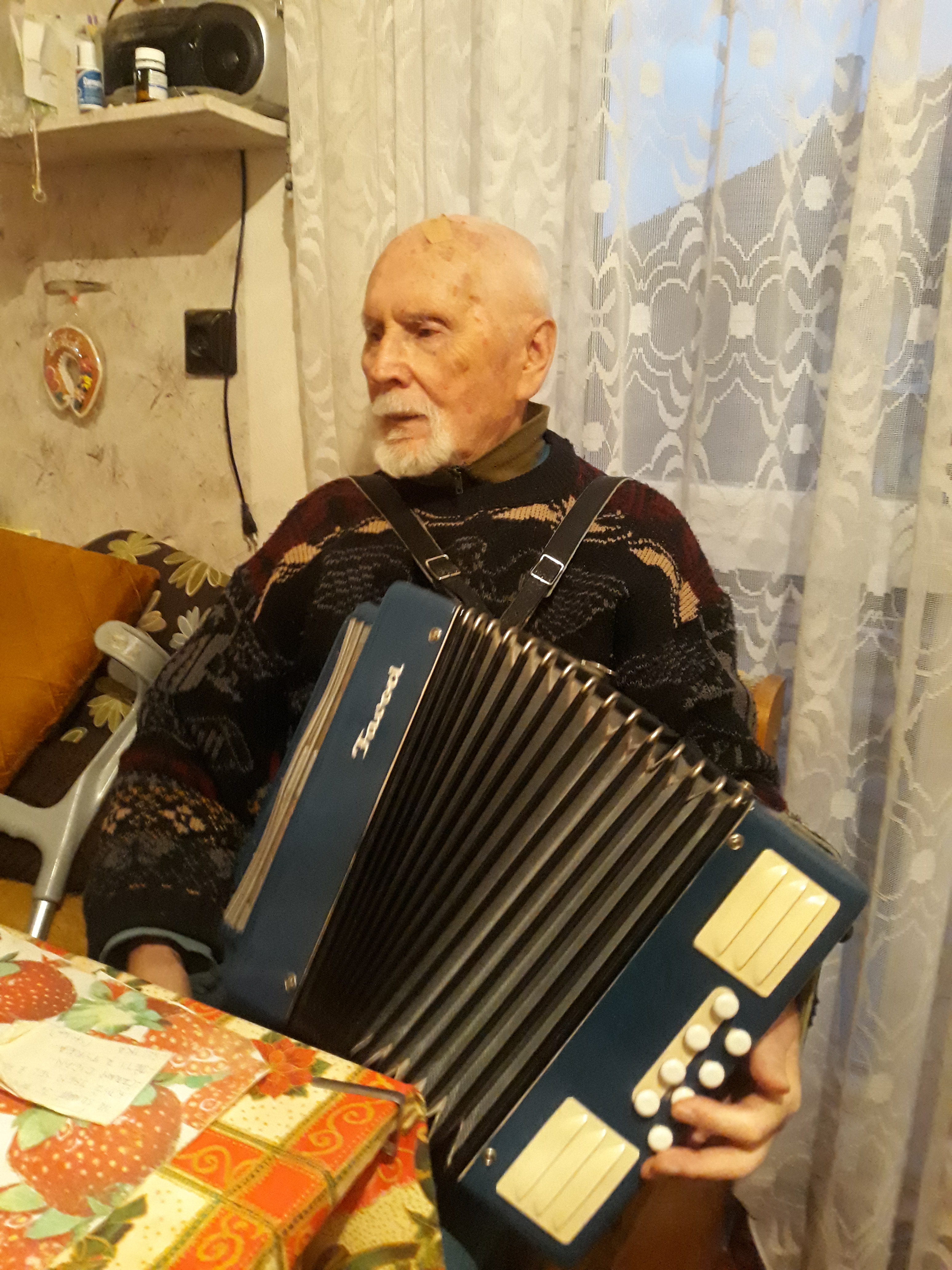
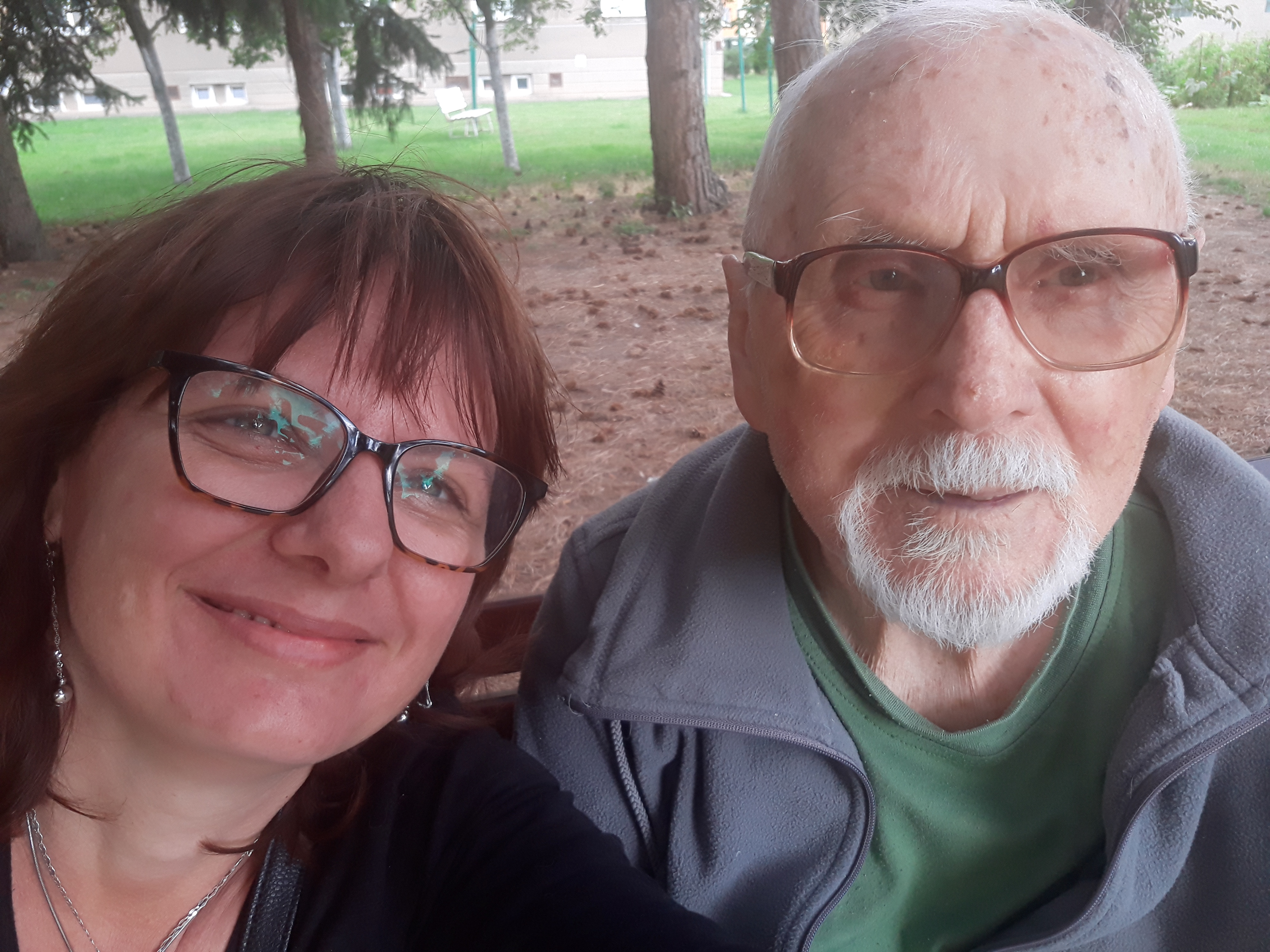
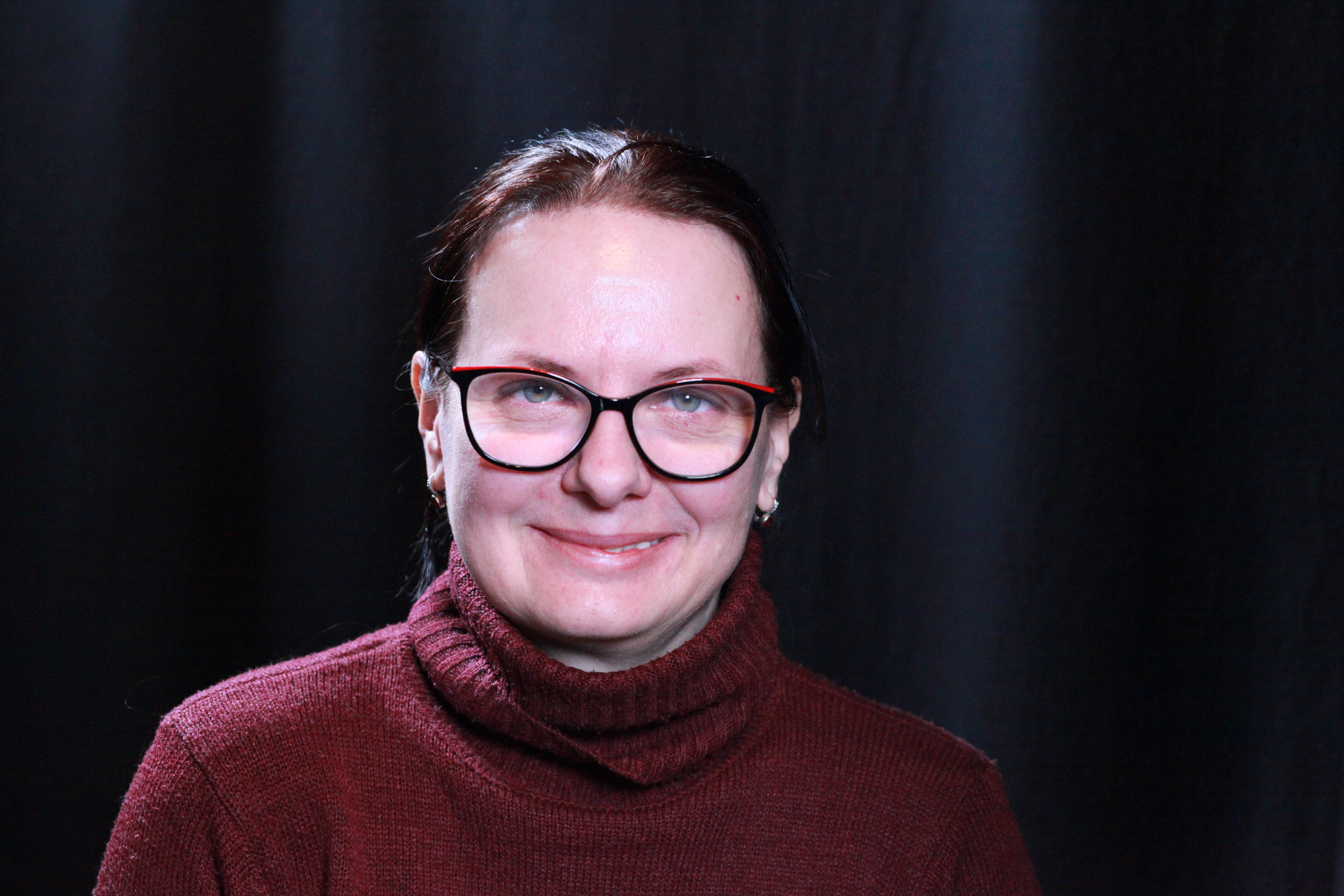
Zdeňka Markovičová was born on 3 July 1978 in Vyškov. Her father Vojtěch worked in the brewery in Vyškov, after 1989 he ran a motorbike and car repair business. Her mother Zdeňka worked in the barracks and later in the hospital as an orderly. The marriage did not last and Zdeňka’s mother married Vladimír Markovič, a professional soldier. Zdeňka’s grandfather Michal Fajčík came from Slovakia and during the war he joined the anti-Nazi resistance. In his native village of Osádka he cooperated with the partisan group Signal - he passed on messages and helped with supplies. For his resistance activities he received a certificate of a participant in the national struggle for liberation and a certificate of a war veteran. After the war he joined the army and over the years rose to the rank of lieutenant colonel. Zdeňka Markovičová graduated from the secondary technical school in Vyškov. After graduation - in 1997 - she joined the army. In 2002 and then at the turn of 2003-2004 she participated in the KFOR (Kosovo Force) mission in Kosovo. In 2013, she graduated from the University of Defence, and a year later she decided to leave the army environment - then at the rank of master sergeant. In 2025 she was living in her hometown Vyškov and earned a living as a private English and mathematics teacher.