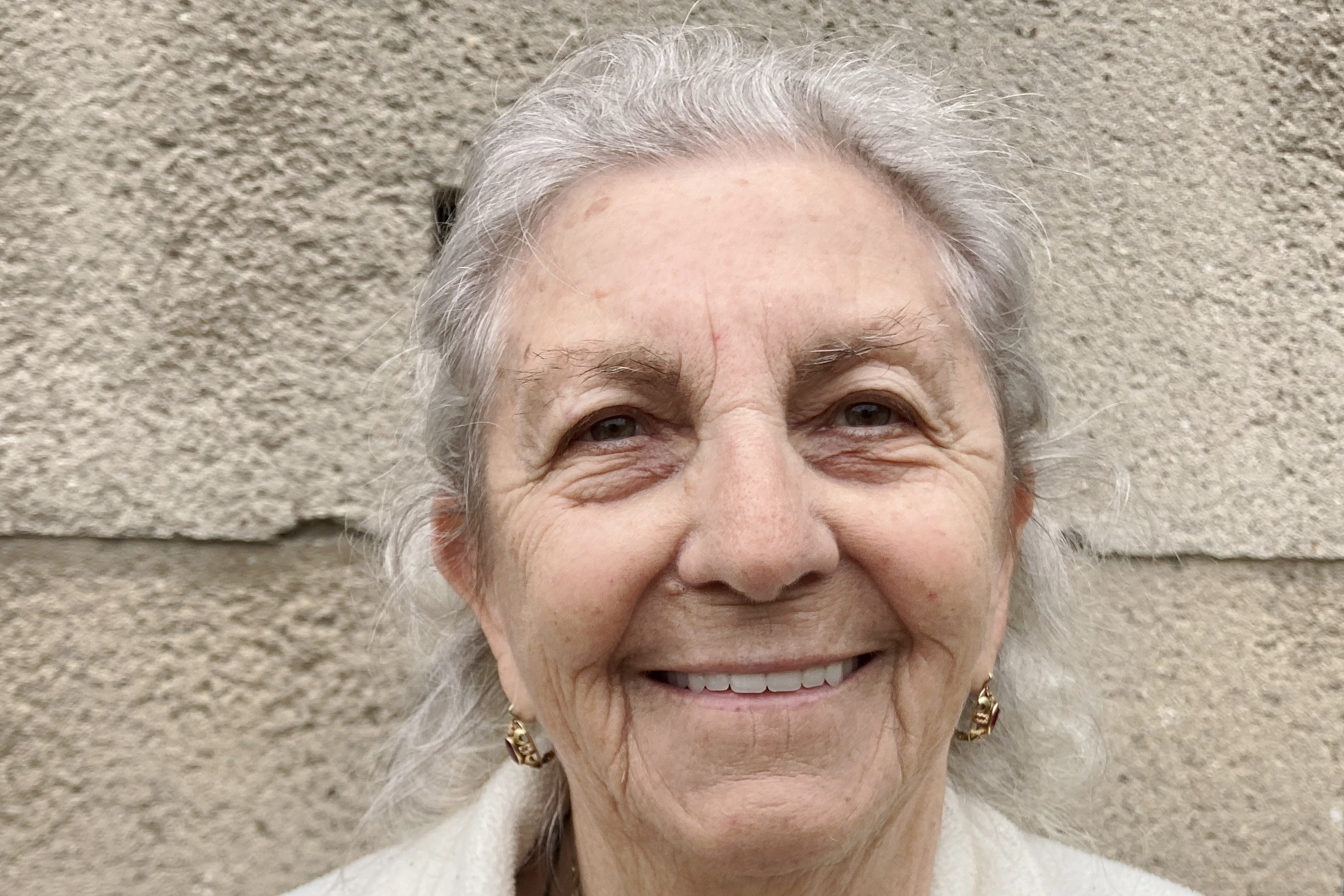
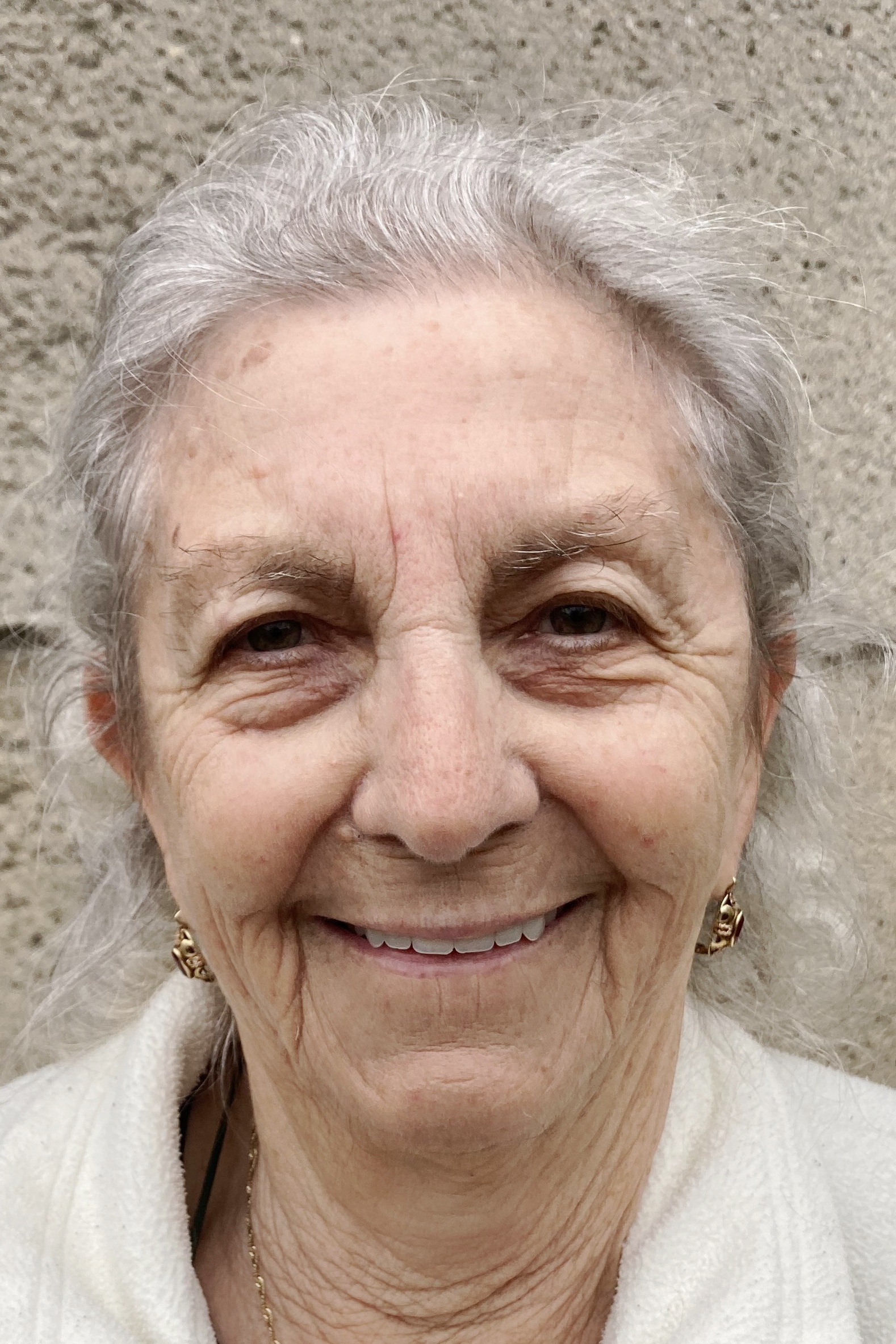
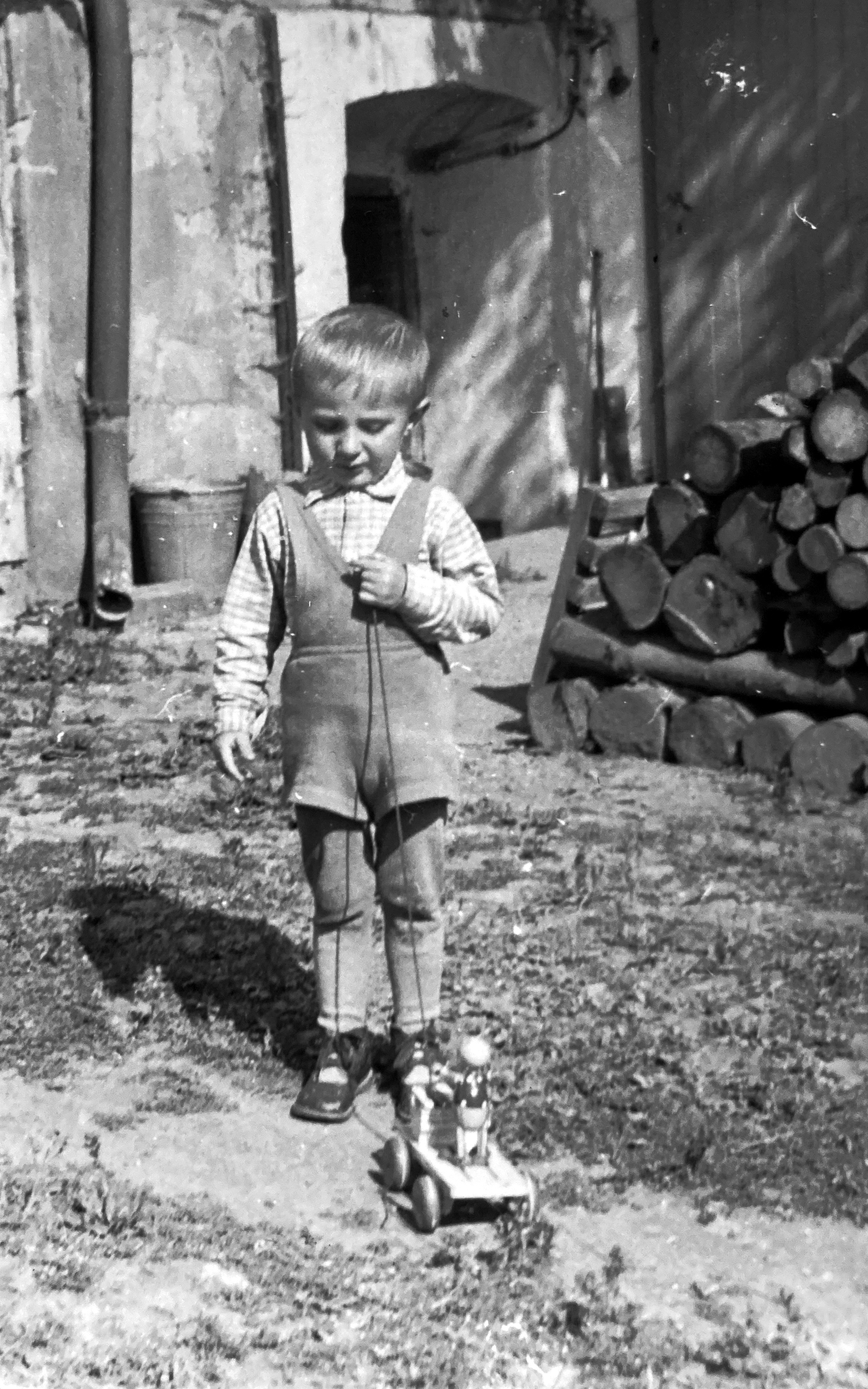
Anna Marková

* 1940

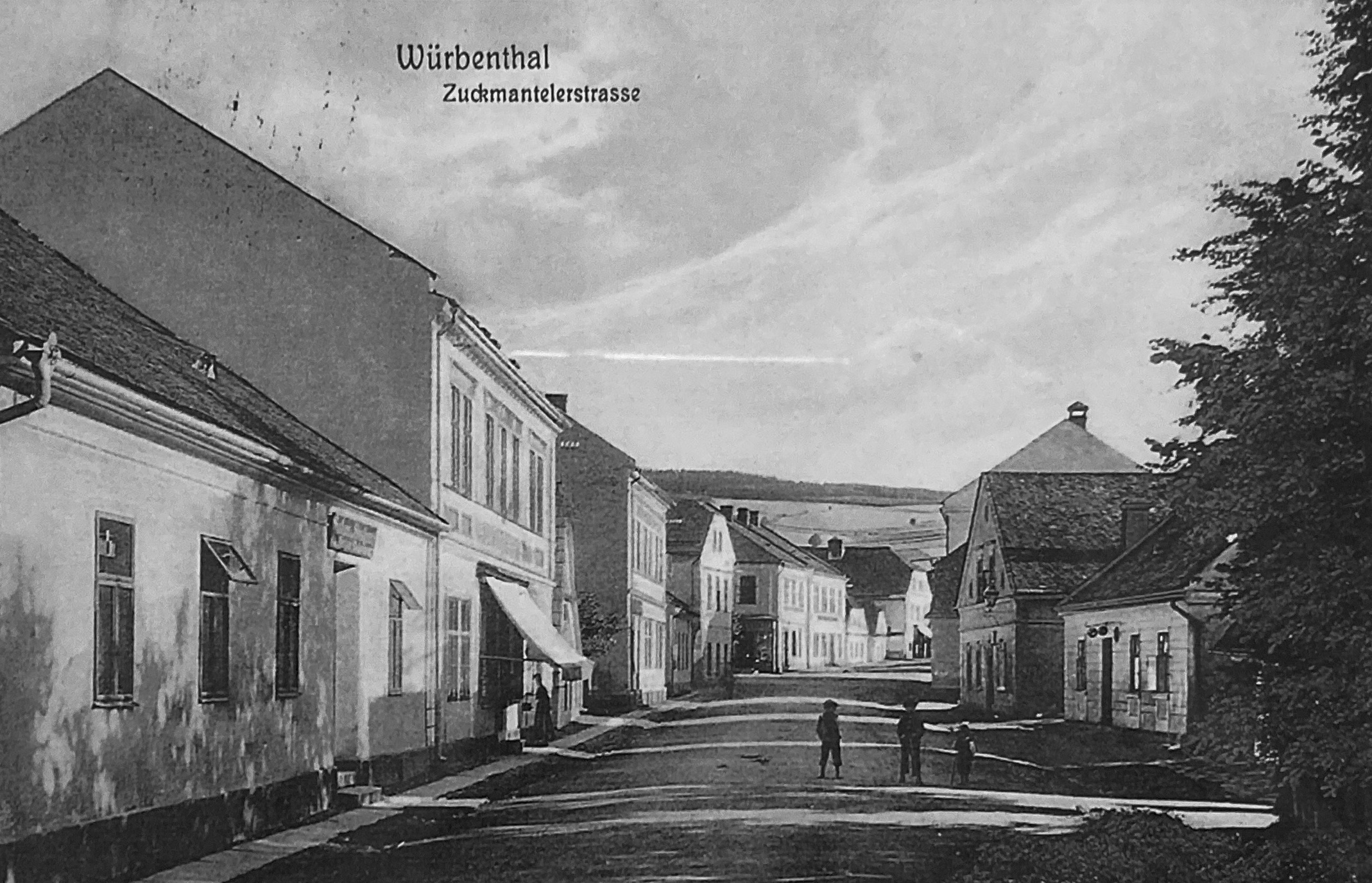
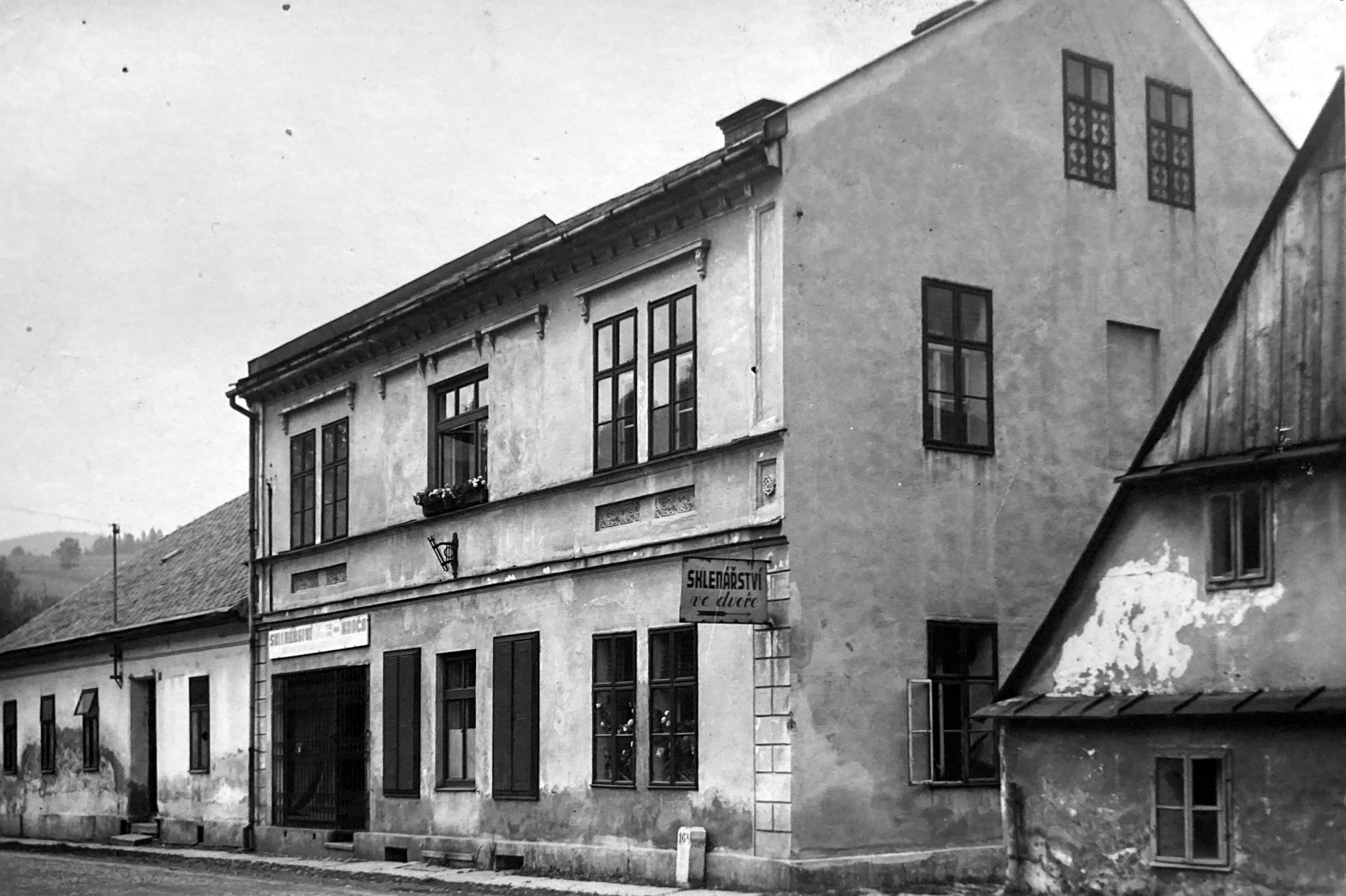
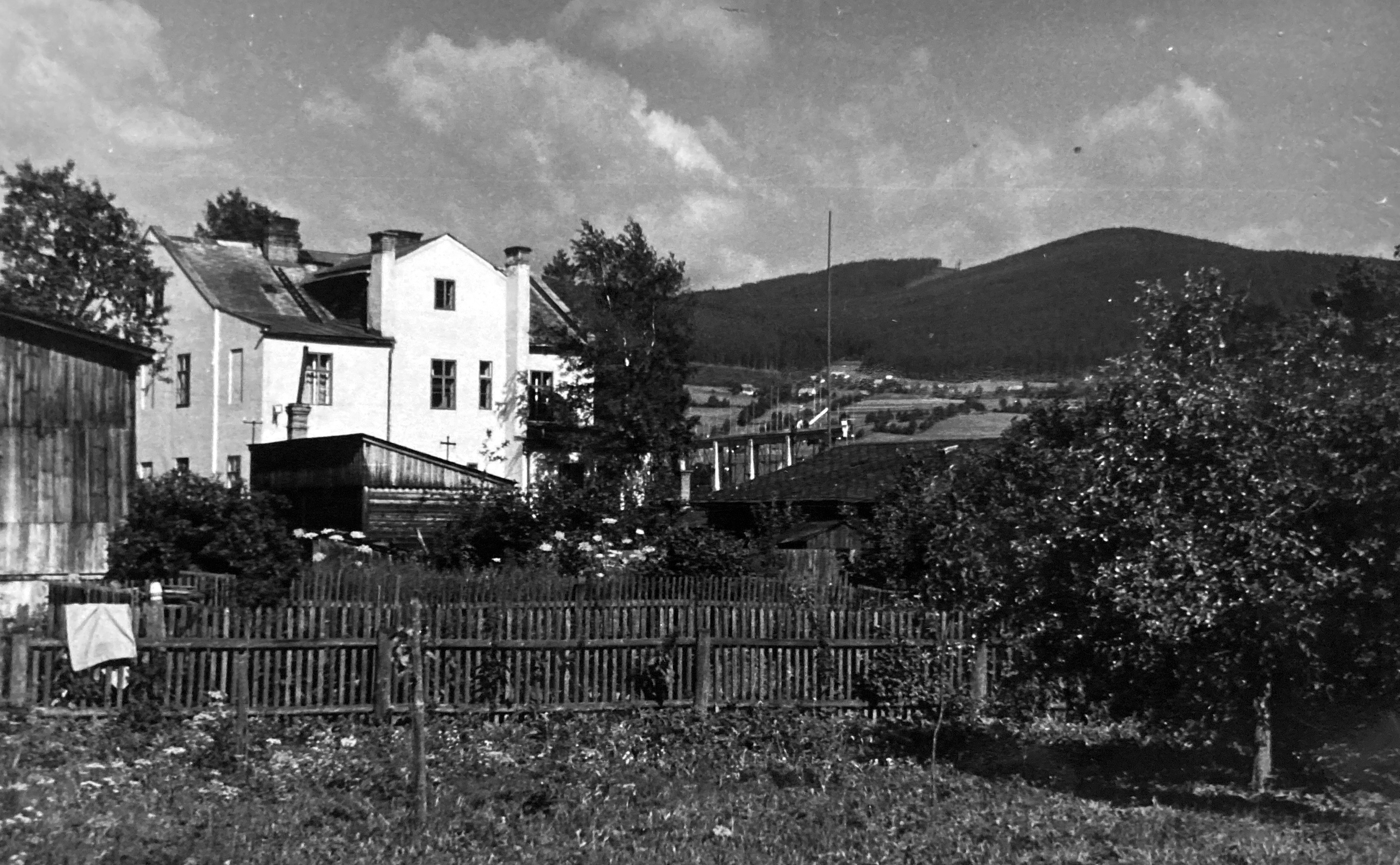
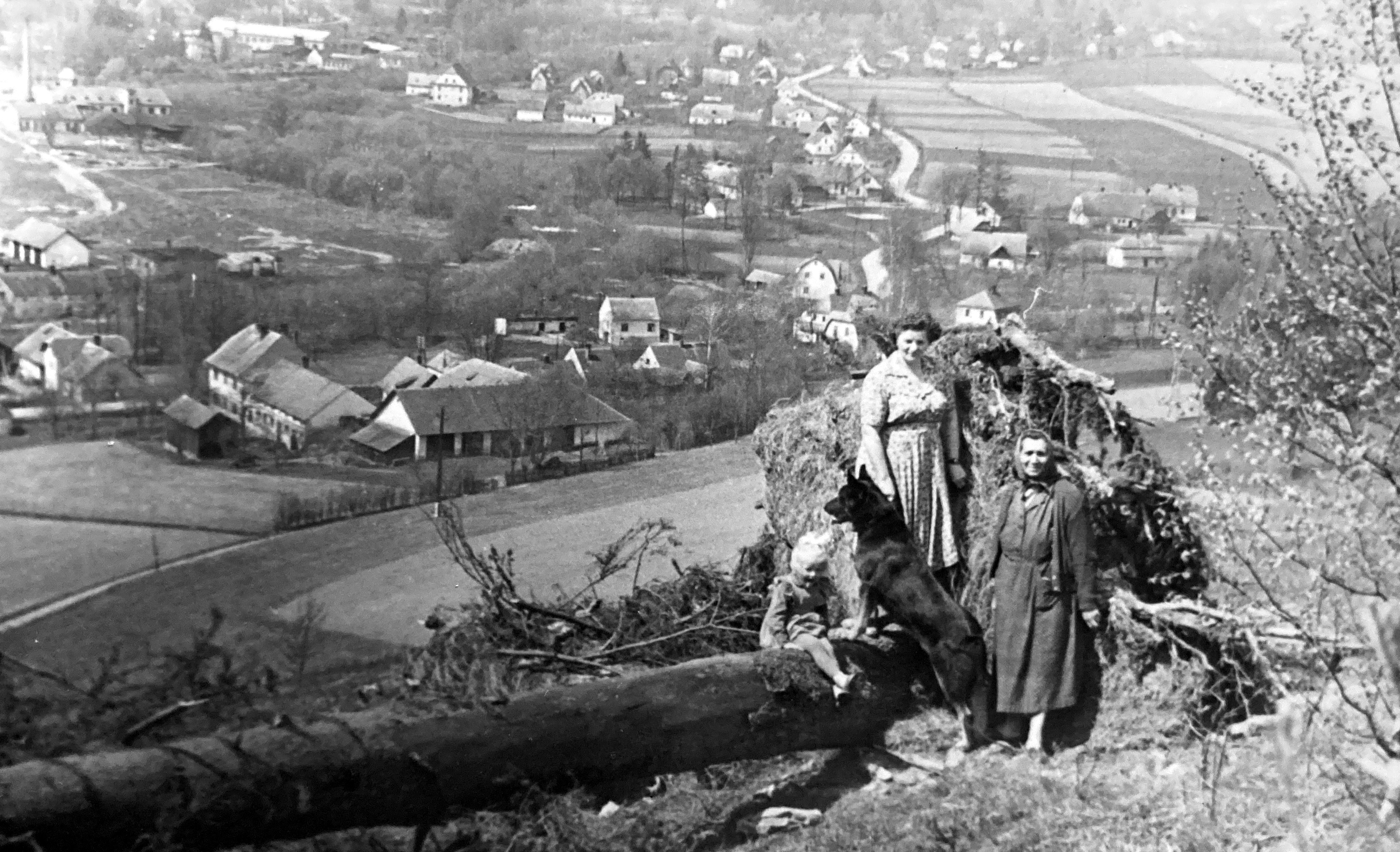
  • "Did you ever find out later how your parents found out that it was a good idea to move to Vrbno pod Pradědem?" - "Grandpa and Dad arranged that. Maybe someone had somehow indicated to them where what was. I don't know. But I do know that they went and came to Bruntál. There they found out that there was a railway to Vrbno and that buses also ran... So Grandpa was such an adventurer. He didn't care... I don't know how long they looked for it. They just came to Vrbno, they liked the house. And they found out that it was a glass factory, after the Germans. So they liked it and stayed there. They came back. They did what they needed to do and moved." - "You remember the move?" - "I don't remember. All I know is that we came by freight train, as was the custom then, and Grandpa said we'd be fine here because the train and bus came here. And it was."

  • "My grandmother told me about it. I used to walk with her around the houses and she would say, 'He came here, took what he could and moved out. He came with nothing, but he left with a wagon.' They just took what was left in the houses they came to. They moved in, took what they could, ordered a wagon and moved back to where they came from. And there were more of them. Only the ones that wanted to stay here because we came to a beautiful country, we stayed here. But the ones who just wanted to make a buck, they made a buck and left. And my grandmother always said that's still the case. She's always digging. She always comes in with nothing, but she leaves with the wagons."

  • "There were more people like that here. They needed craftsmen for the factory so that the factory could start up again. They needed glassmakers to train new ones. There was still a cork factory here before the combine was established. I don't remember what was made there, but I know it was called a cork factory. There was a Koh-i-noor factory where they worked. There were Germans there too. In every factory they needed certain people who they knew were really skilled and they didn't hurt anybody during the war. That was the main thing. They couldn't be die-hard Germans. They would have been sent away, but there were plenty of them left. I remember the characters, the likenesses, but I don't remember the names. It was really a bunch of names." - "And could you tell they were Germans? Maybe by their clothes?" - "No. They dressed normally. They wore their clothes all the time, but not that they were somehow showing that they were German. They walked like normal, ordinary people... And my grandmother always told me that I had to be polite to them, because they were polite people... Just as I taught my grandchildren to greet older people, my grandmother also told us this. She used to stop and talk to them, and she used to drill it into our heads that we shouldn't patronize them because they were normal people like us."

  • Full recordings
  • 1

    Vrbno pod Pradědem, 23.03.2025

    (audio)
    duration: 02:01:18
  • 2

    Vrbno pod Pradědem, 24.03.2025

    (audio)
    duration: 01:30:25
Full recordings are available only for logged users.

From Slovácko to the former Sudetenland or Gottwald in porcelain
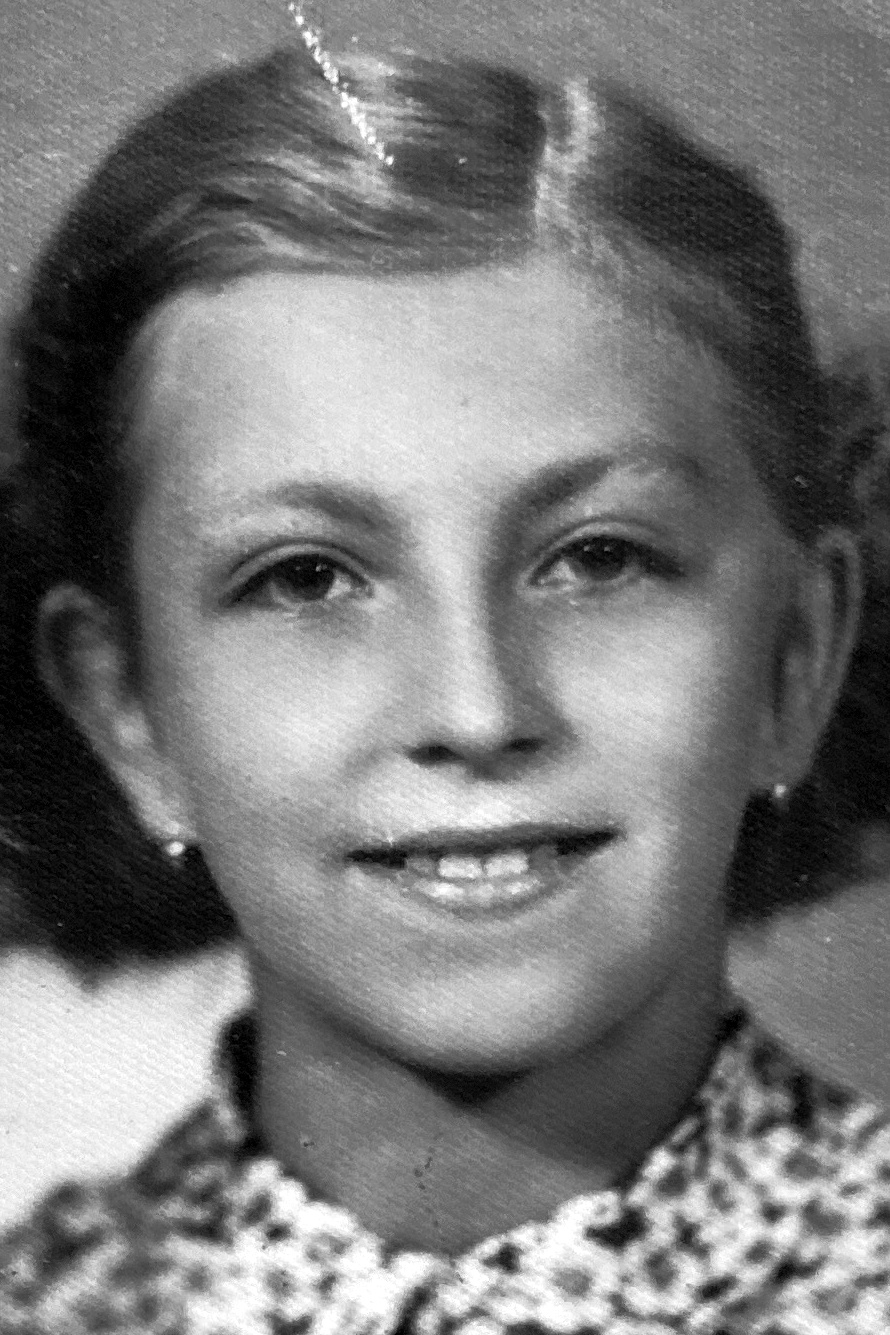
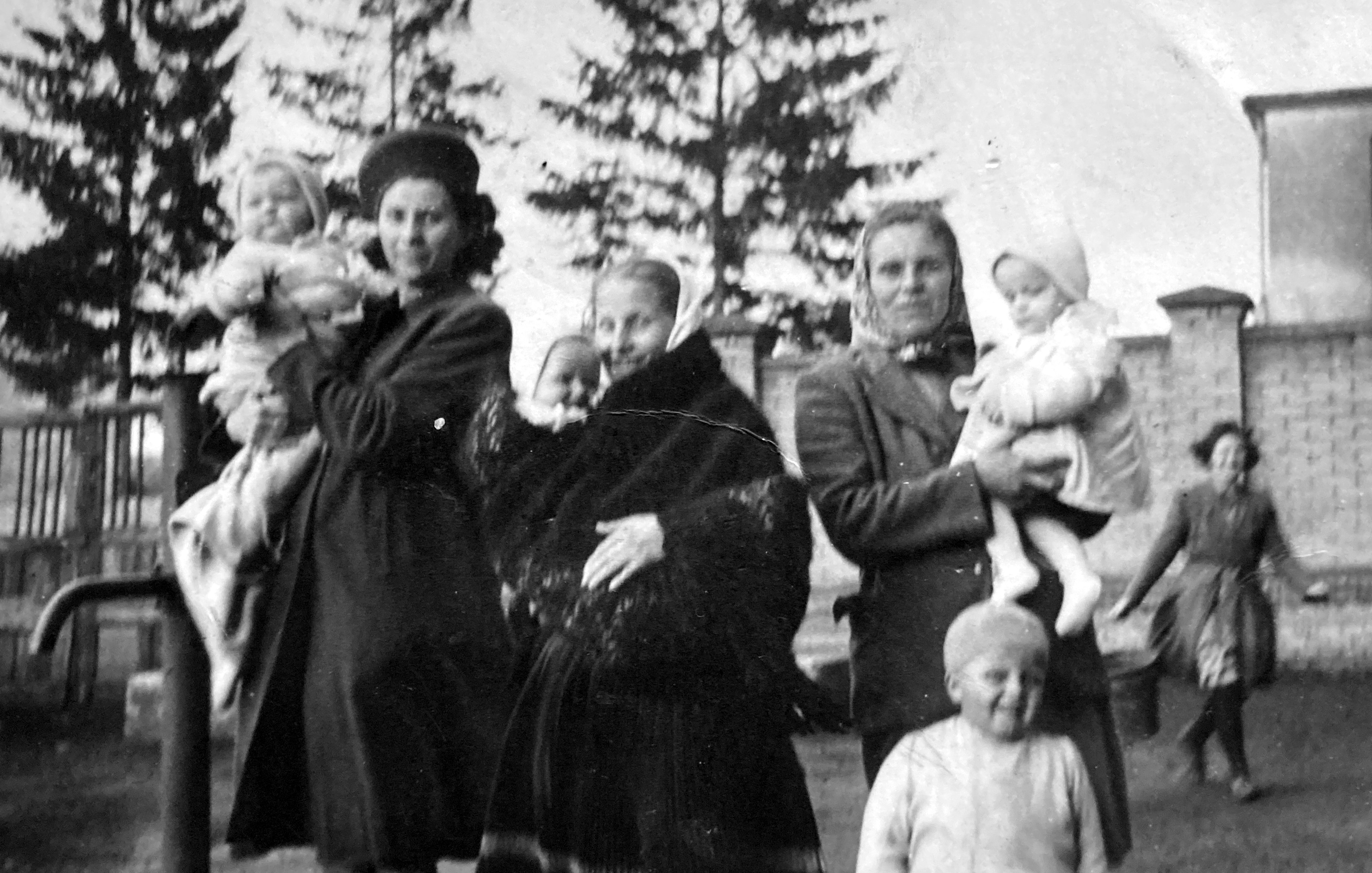
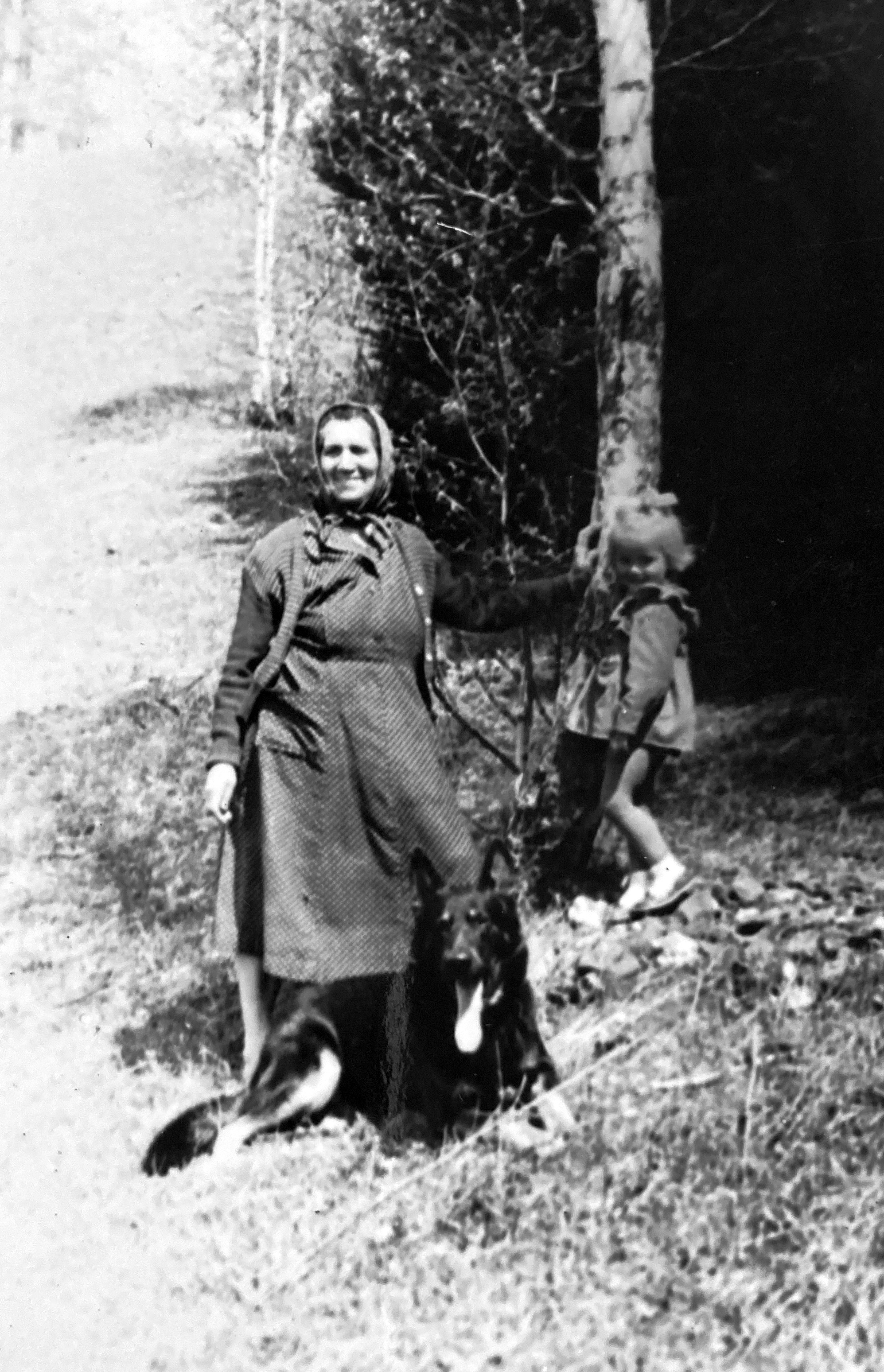
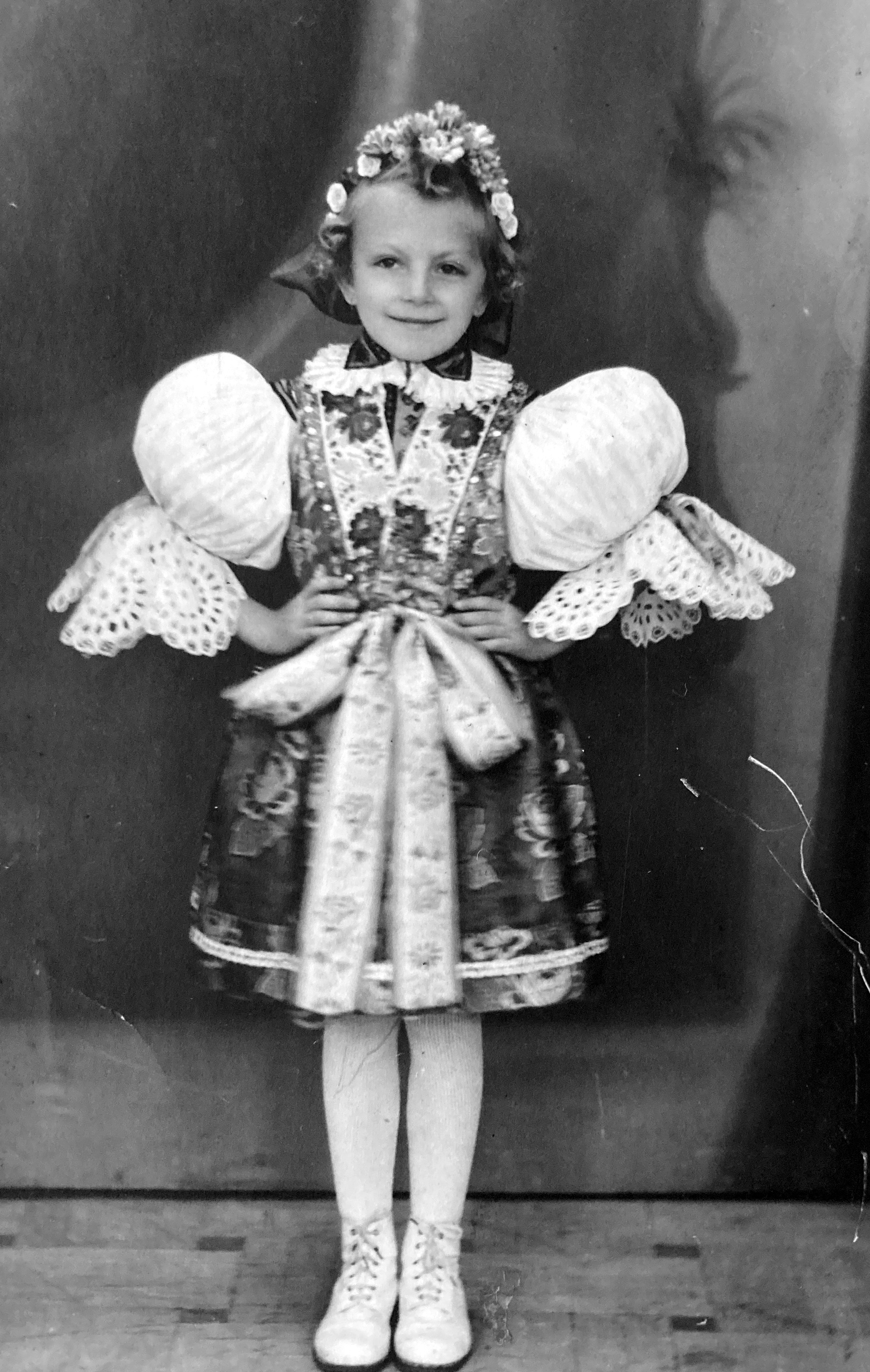
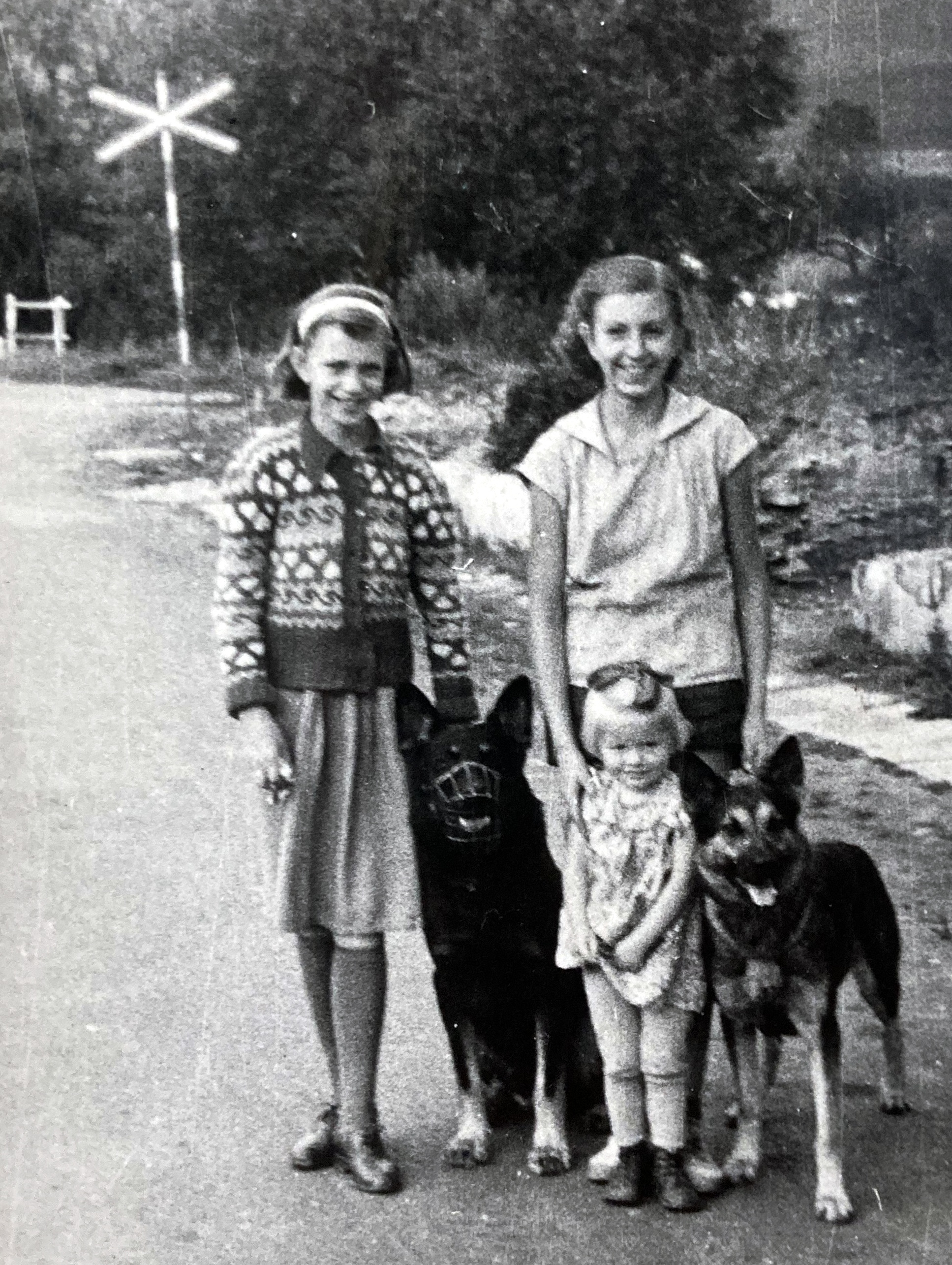
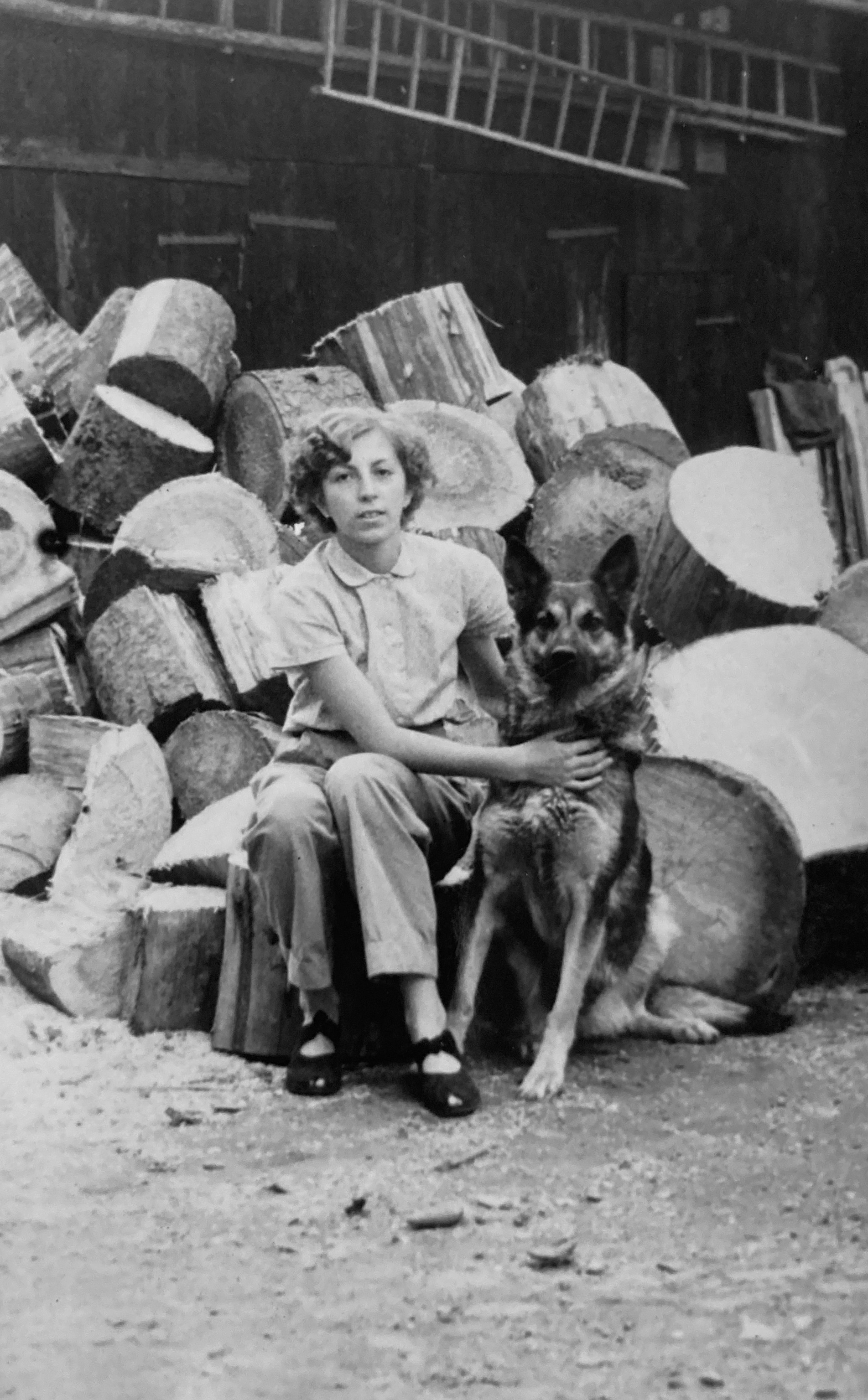
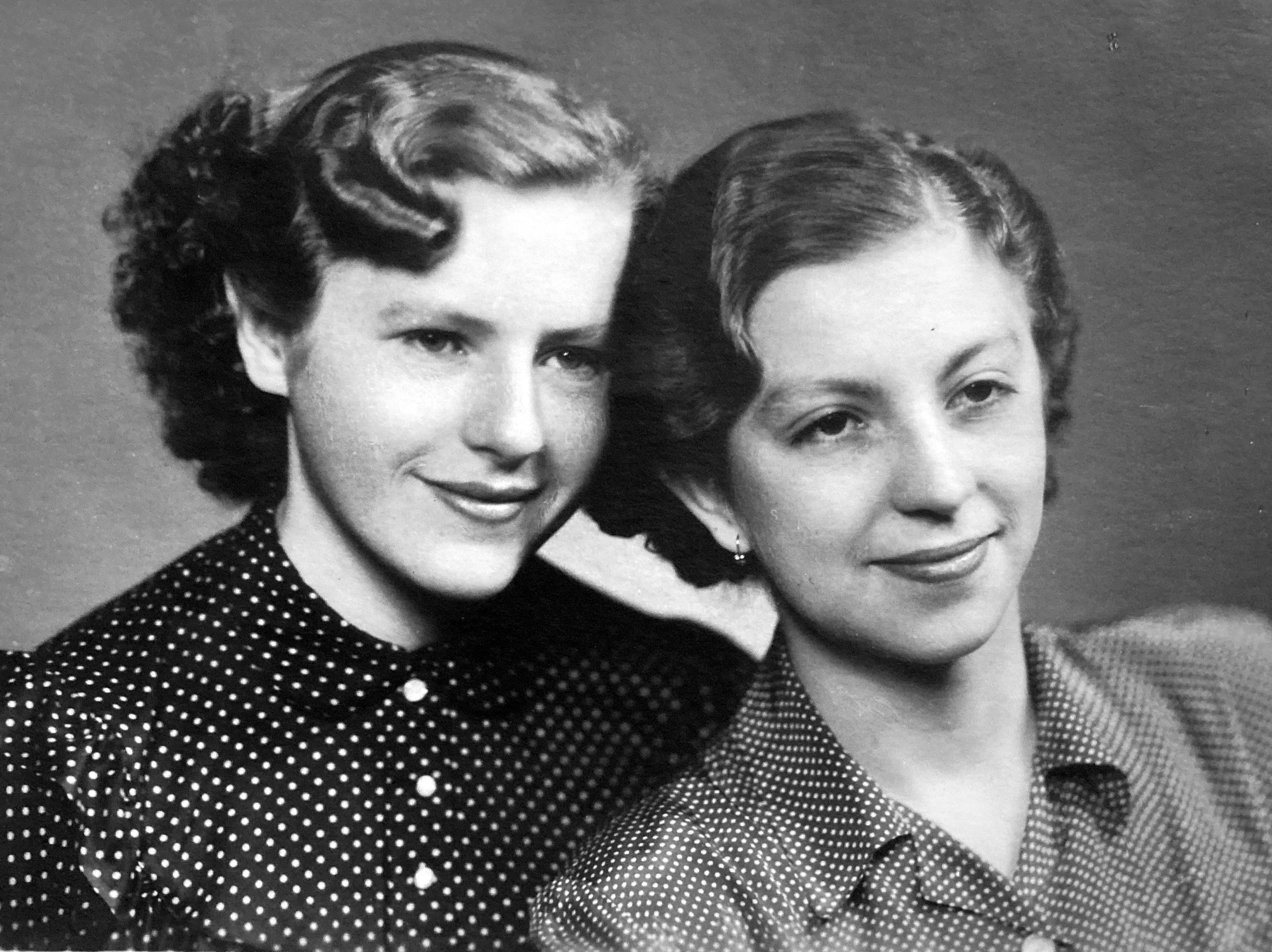
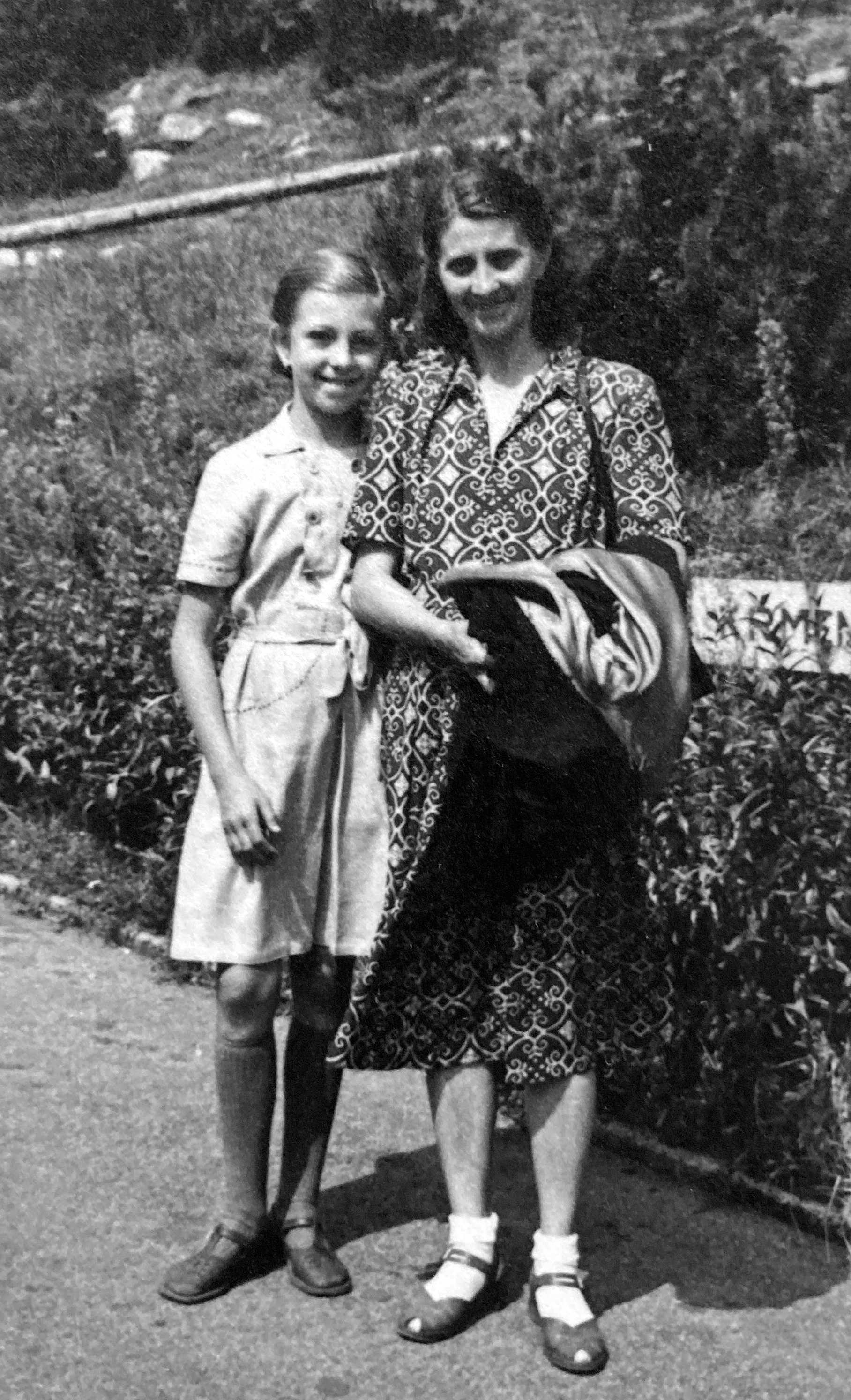
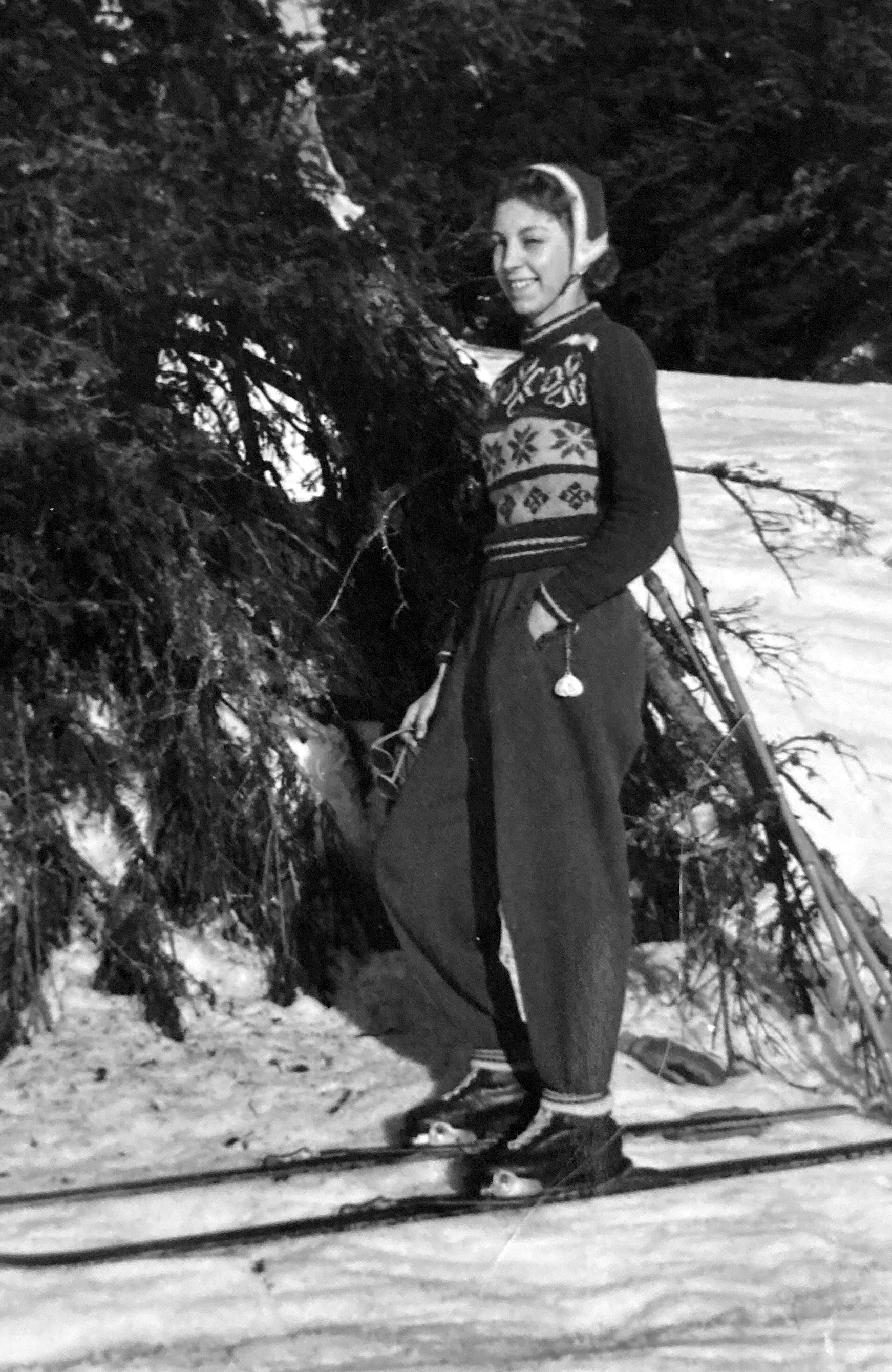
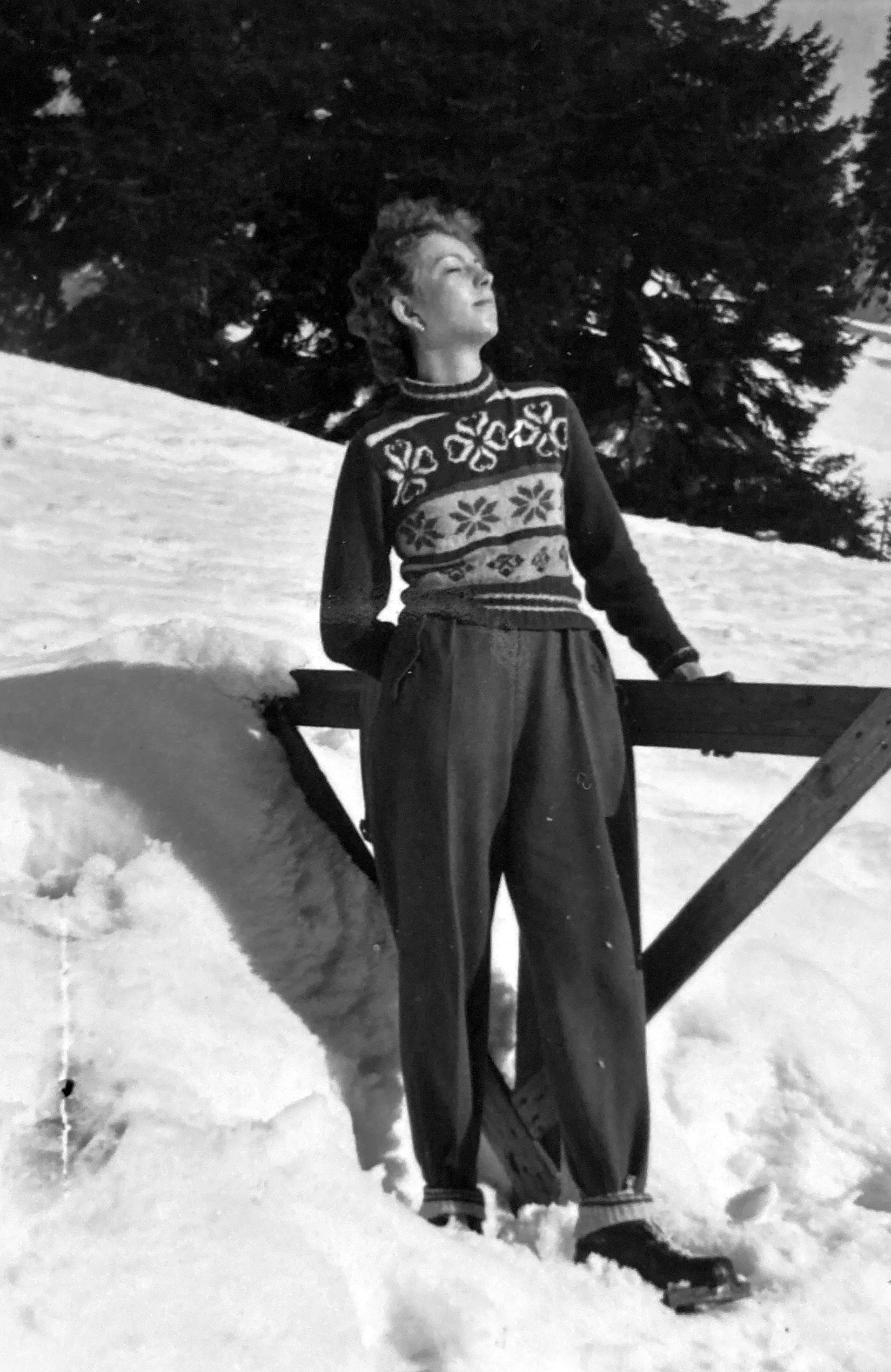
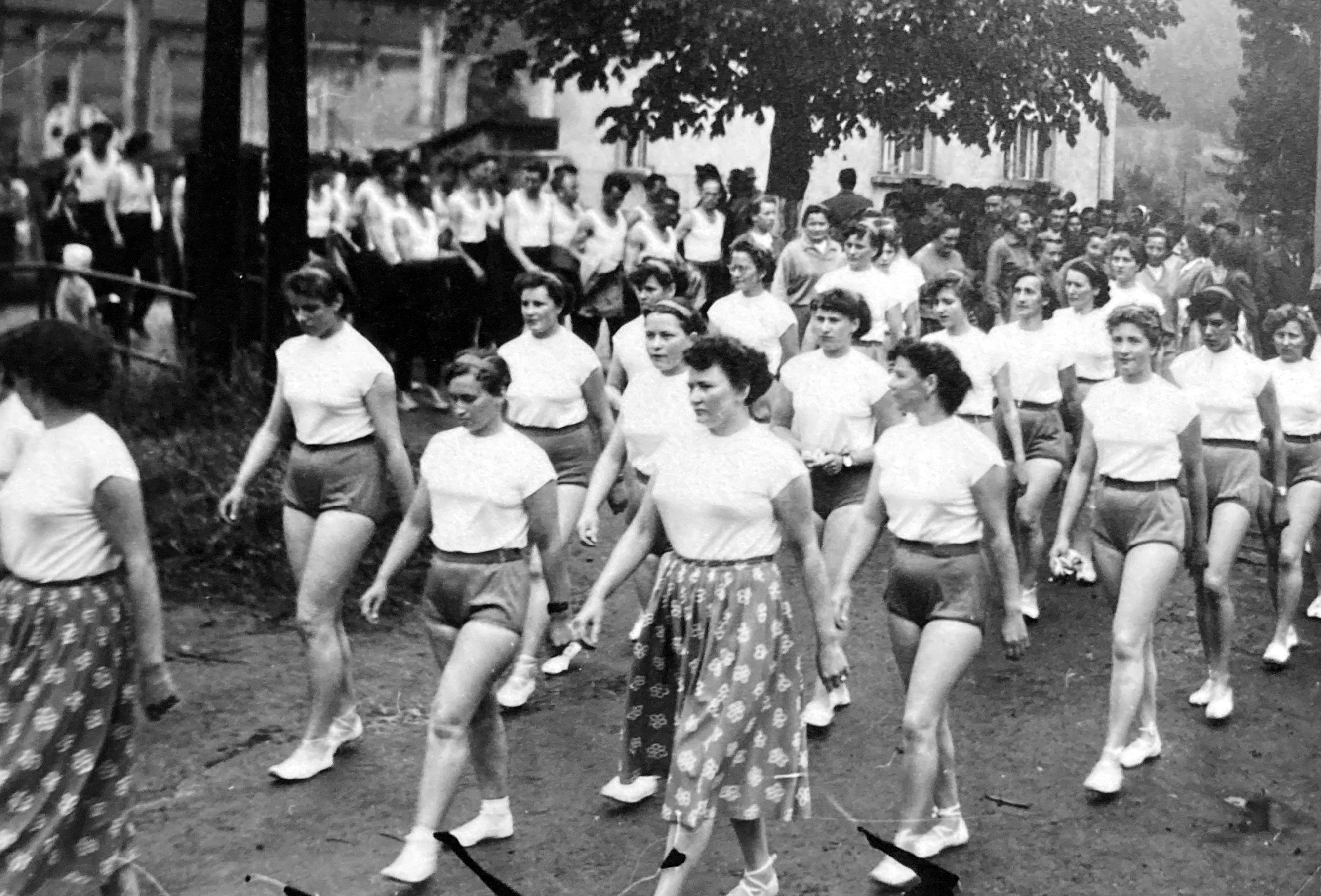
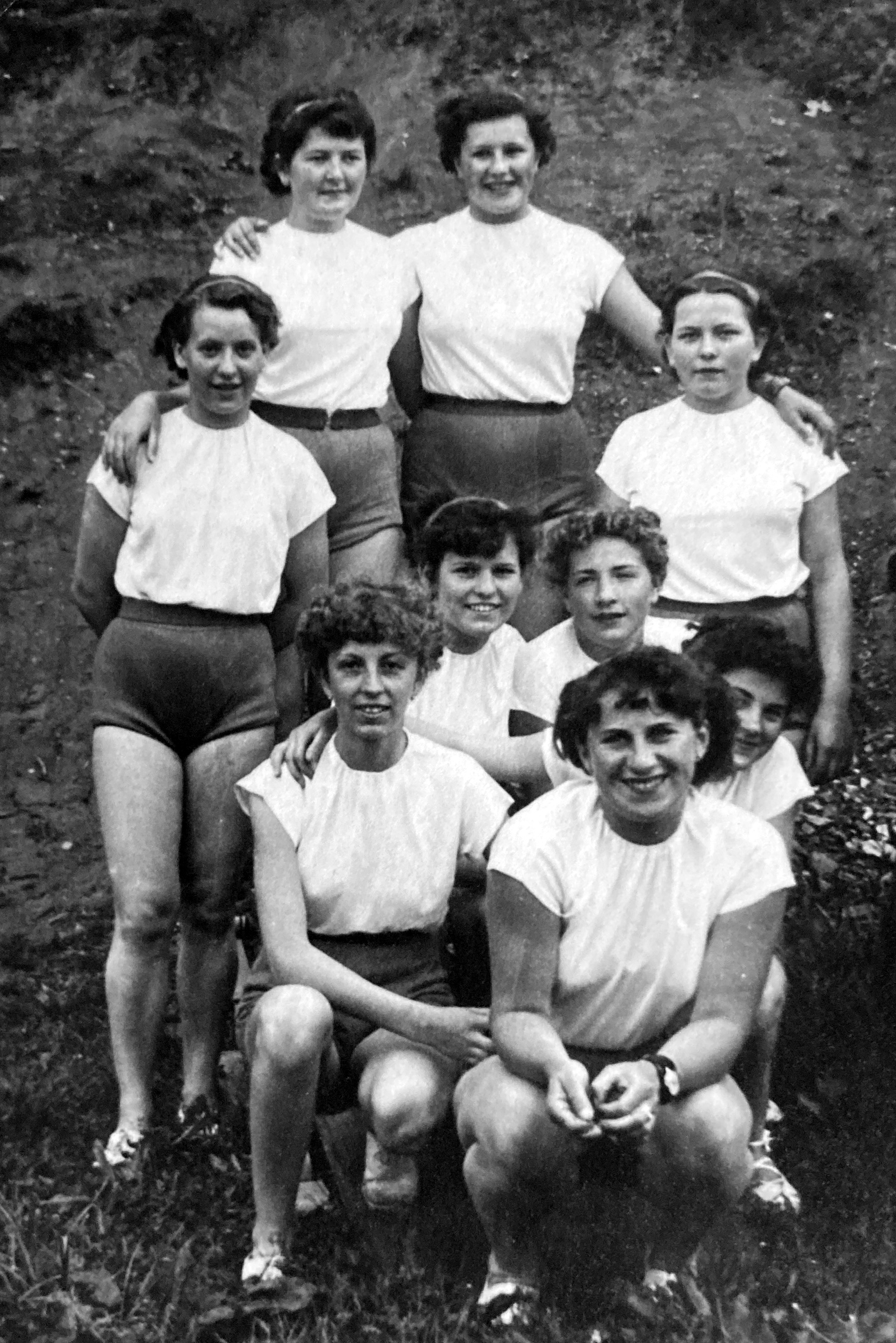
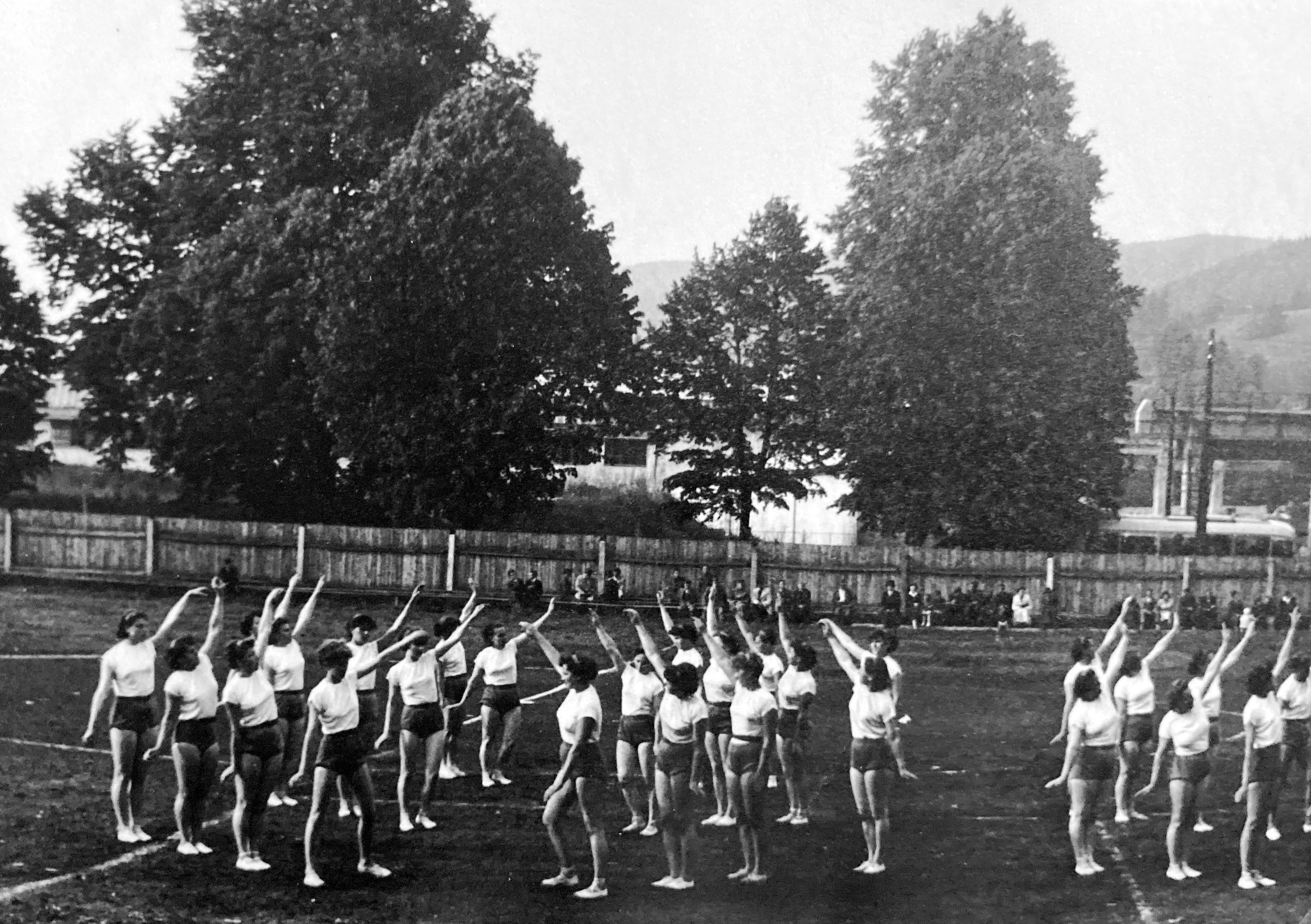
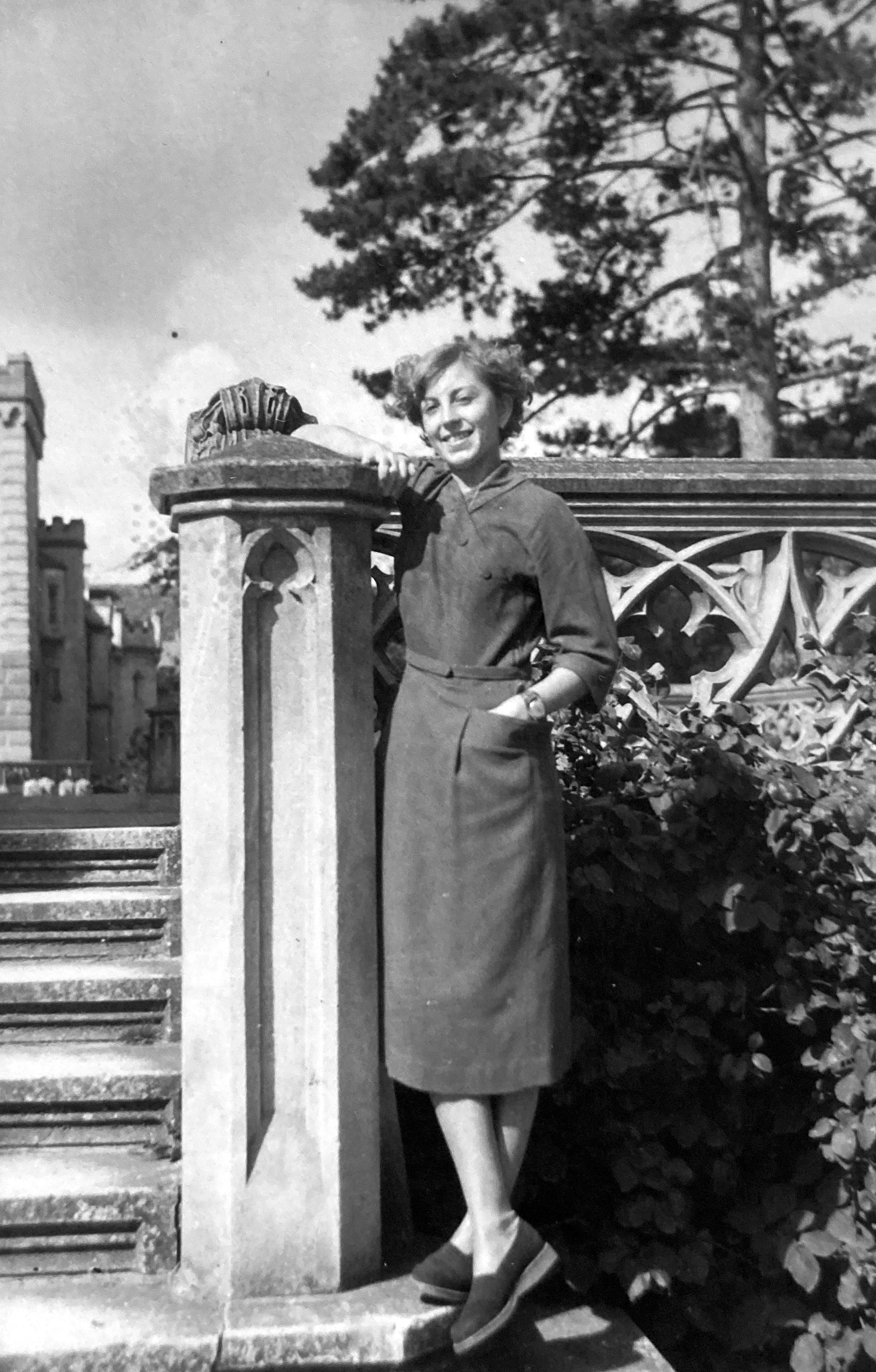
Anna Marková, mid 1950s
photo: archive of Anna Marková

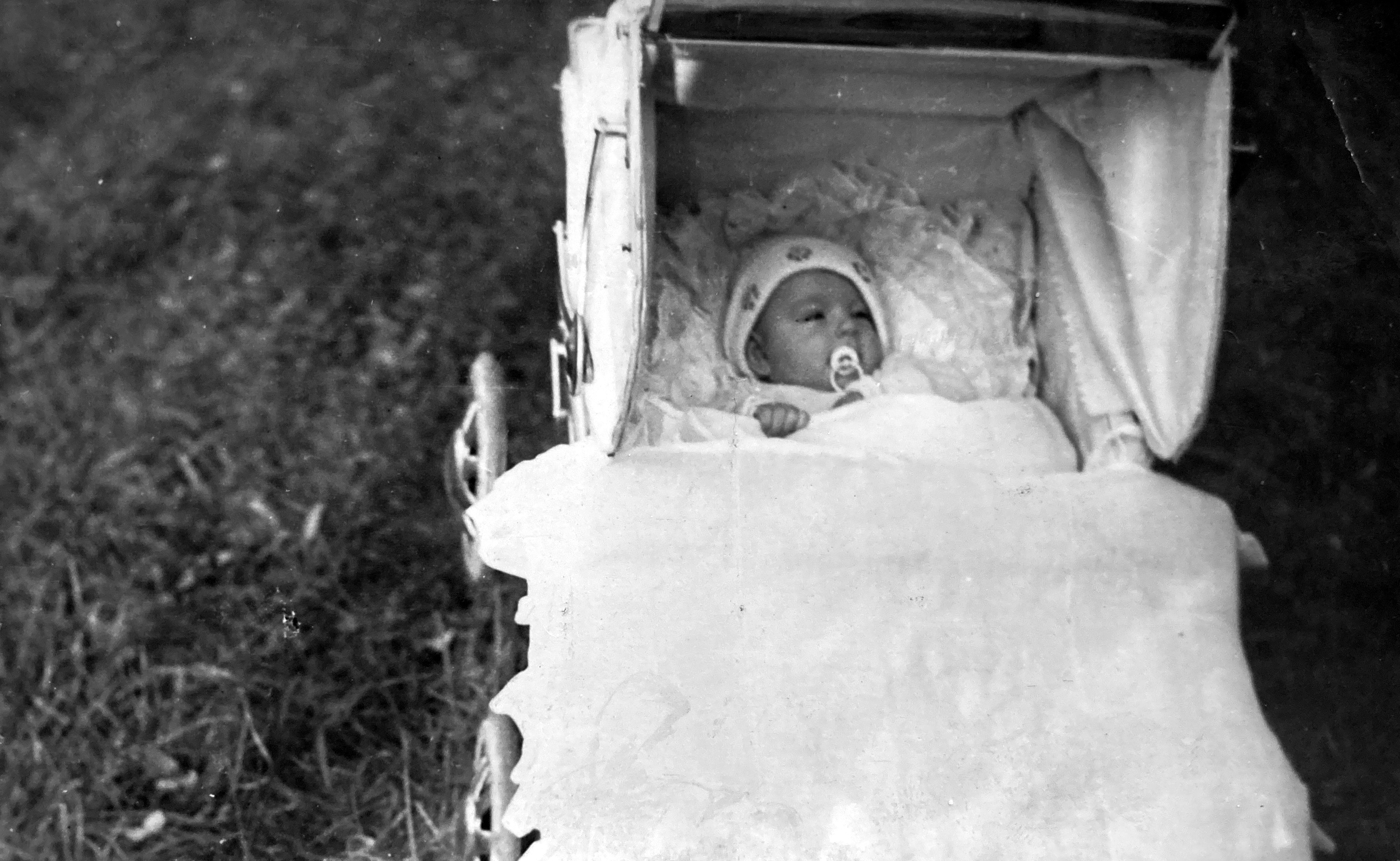
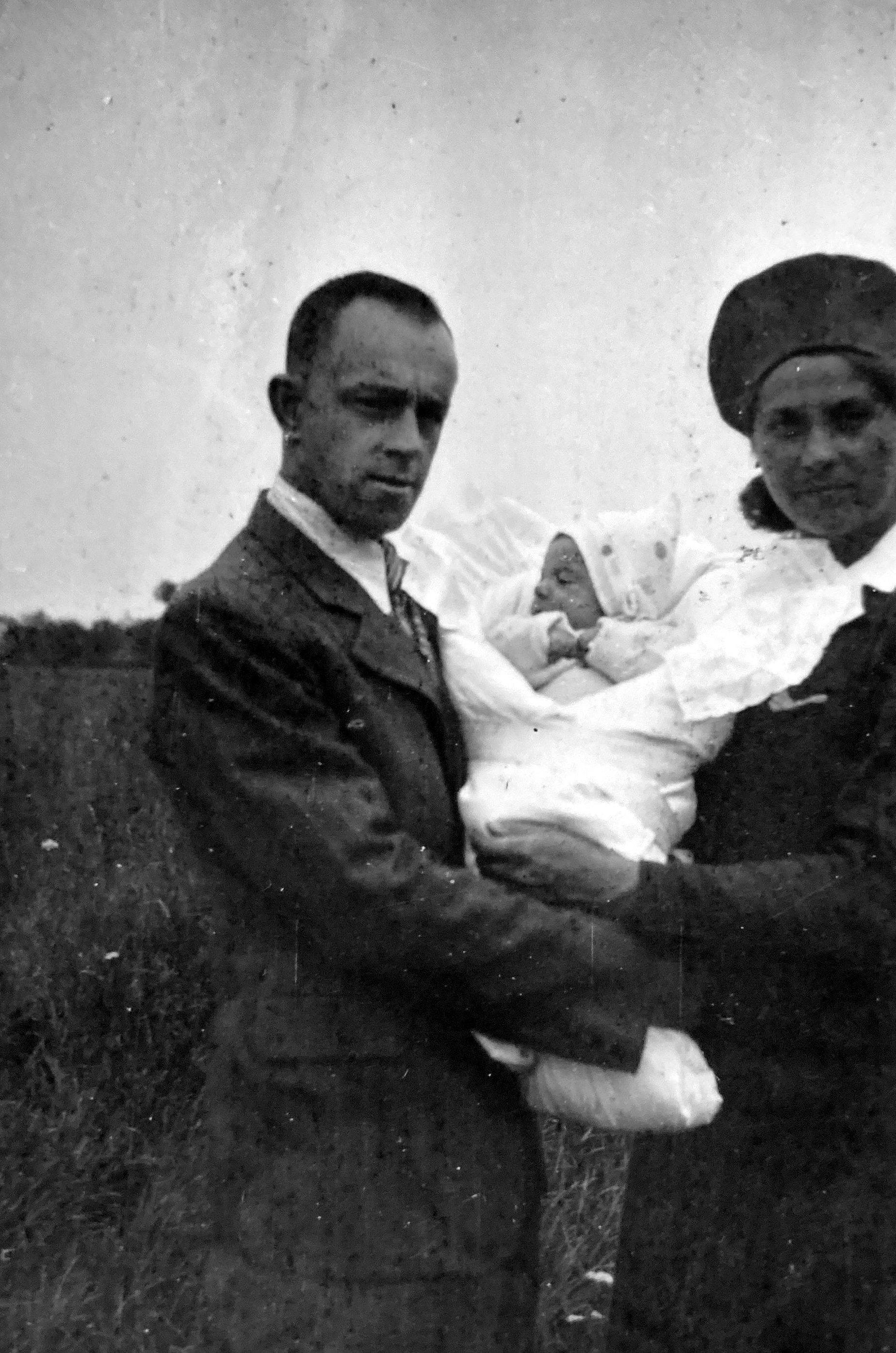
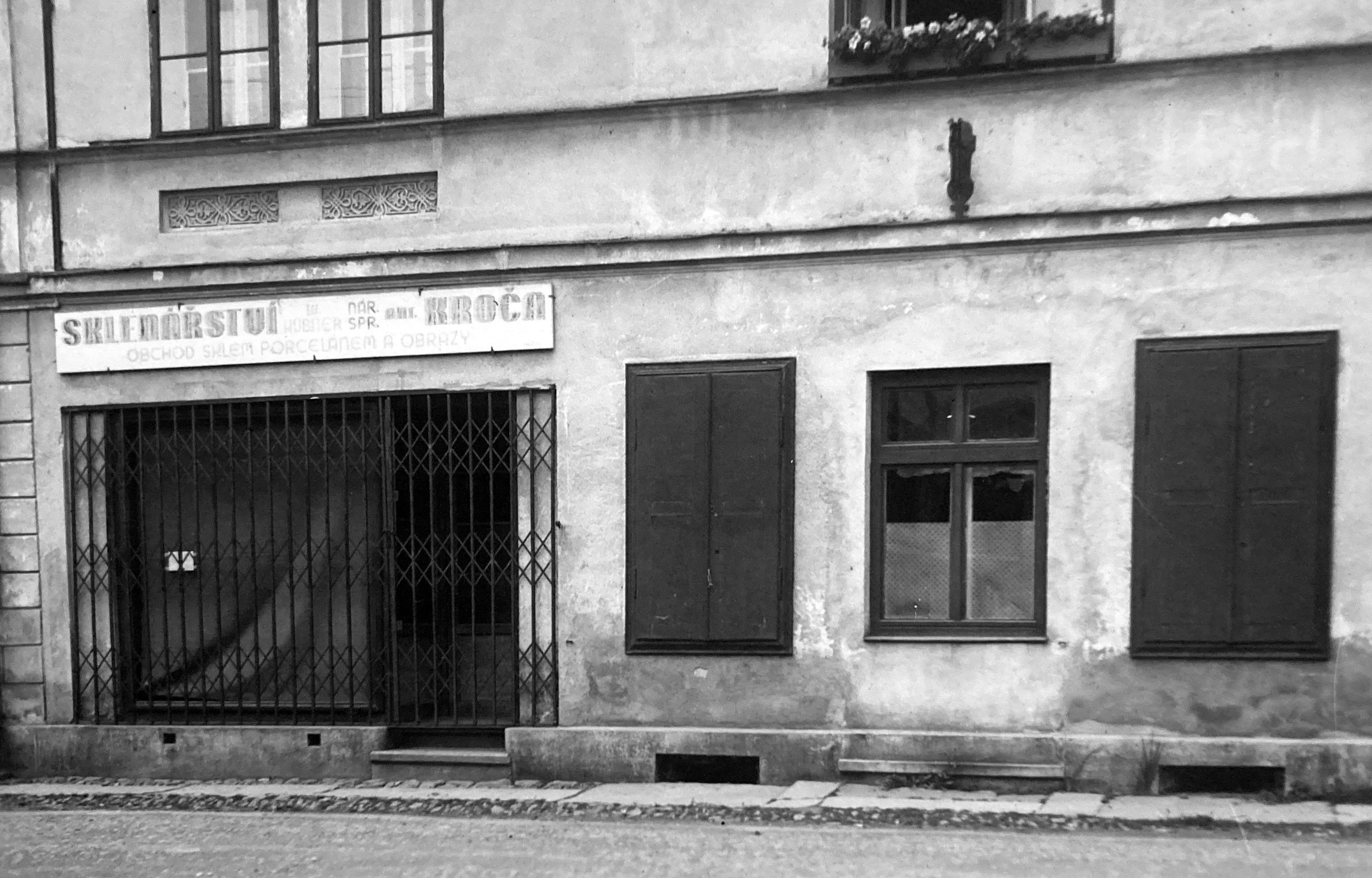
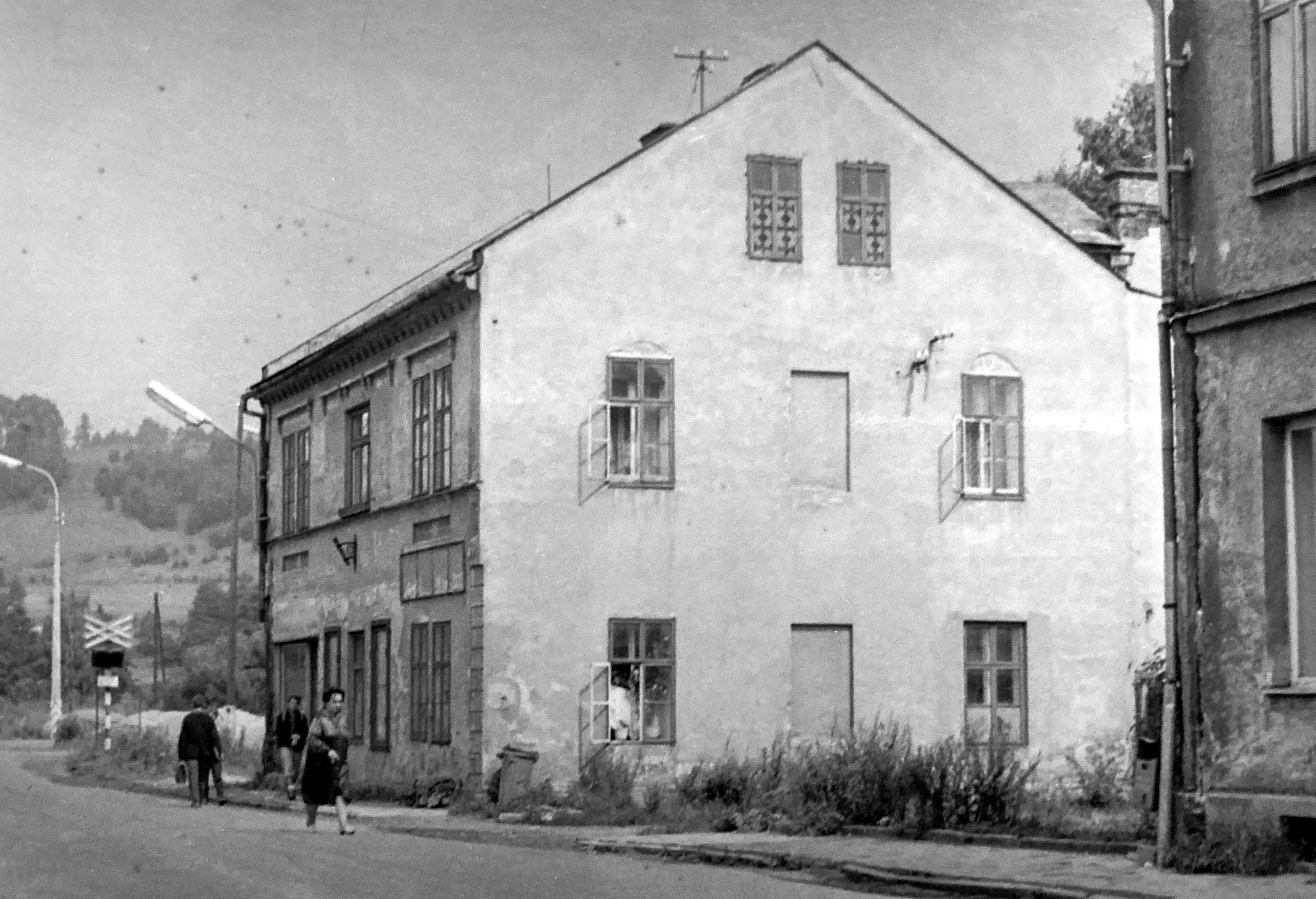
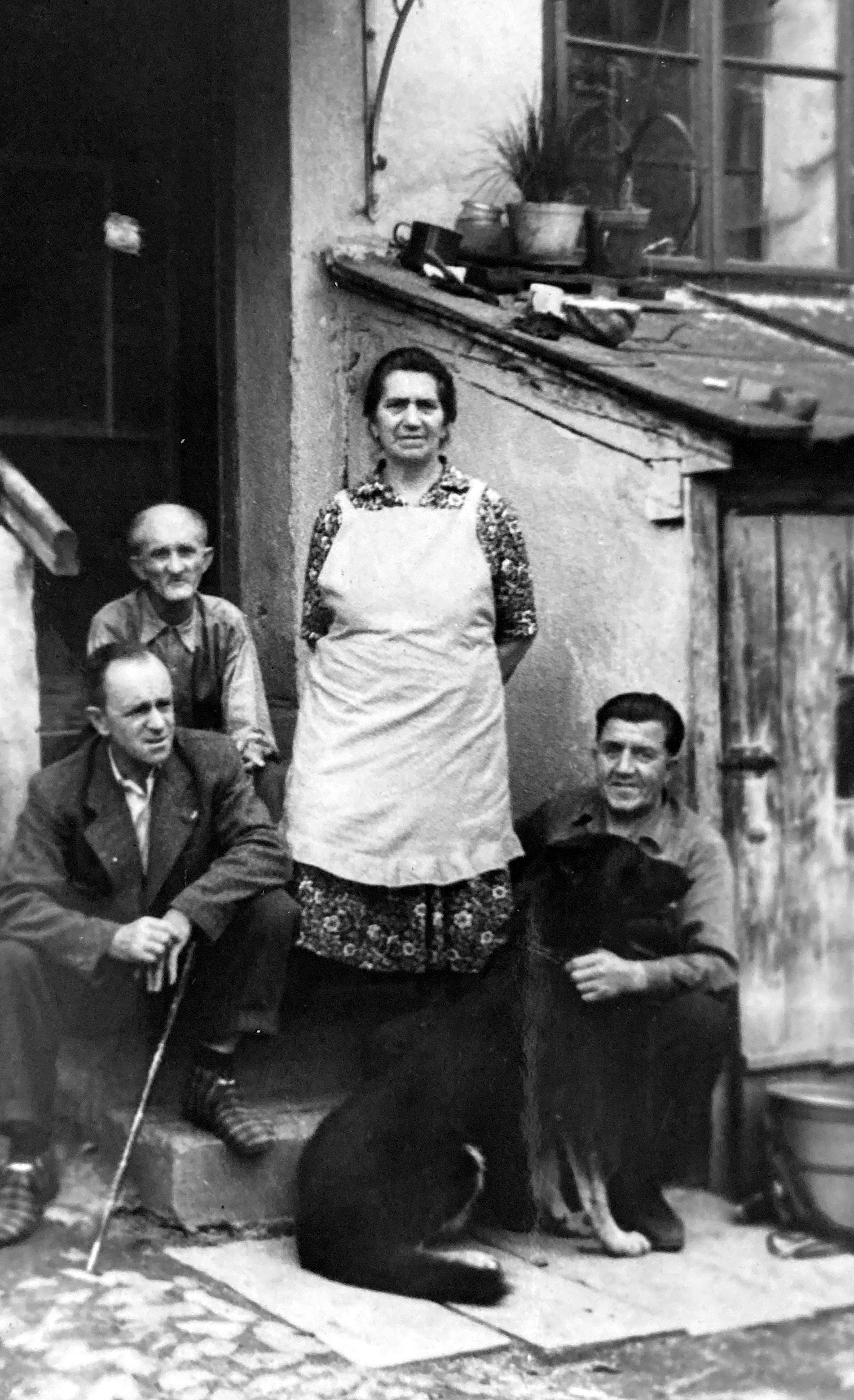
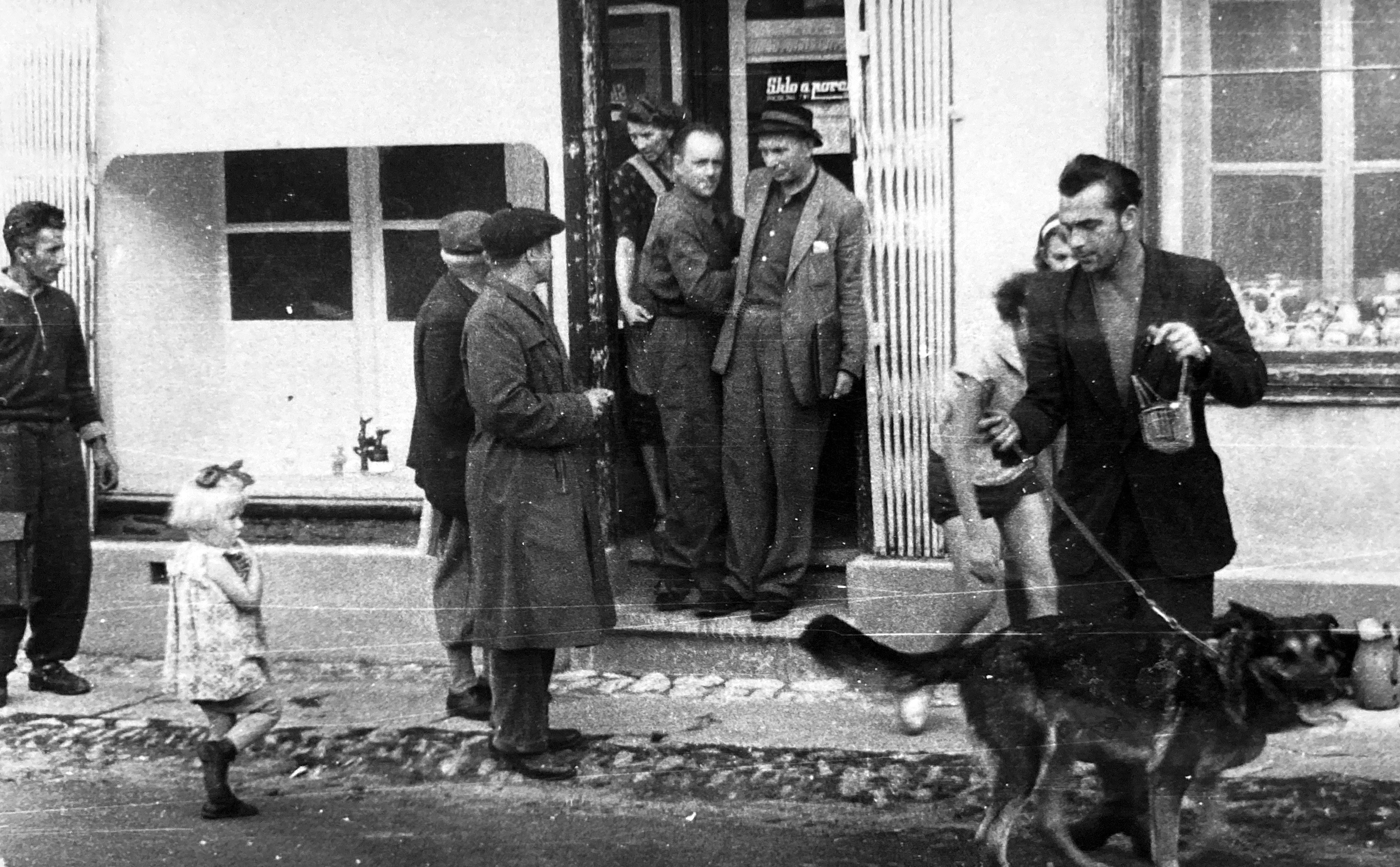
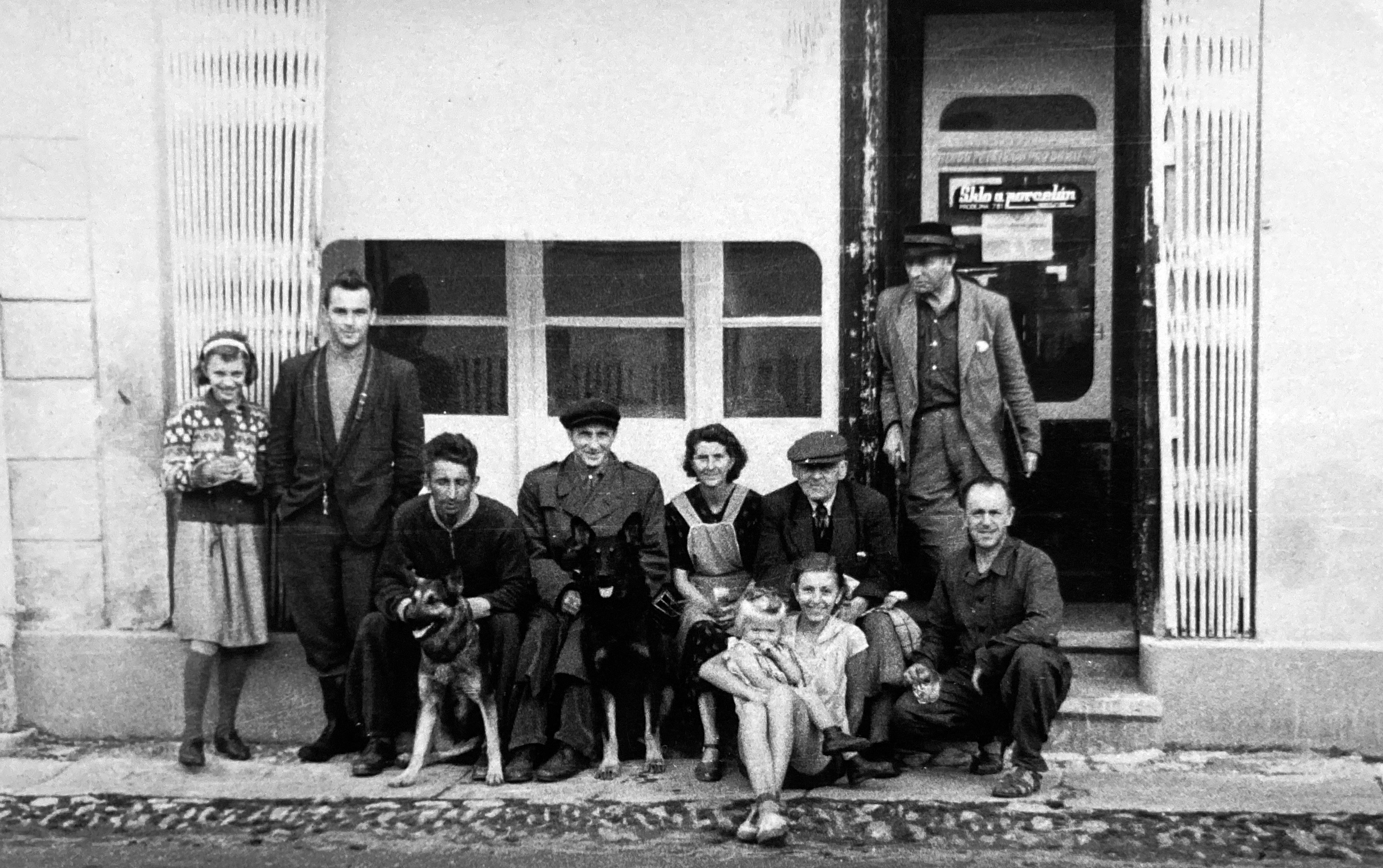
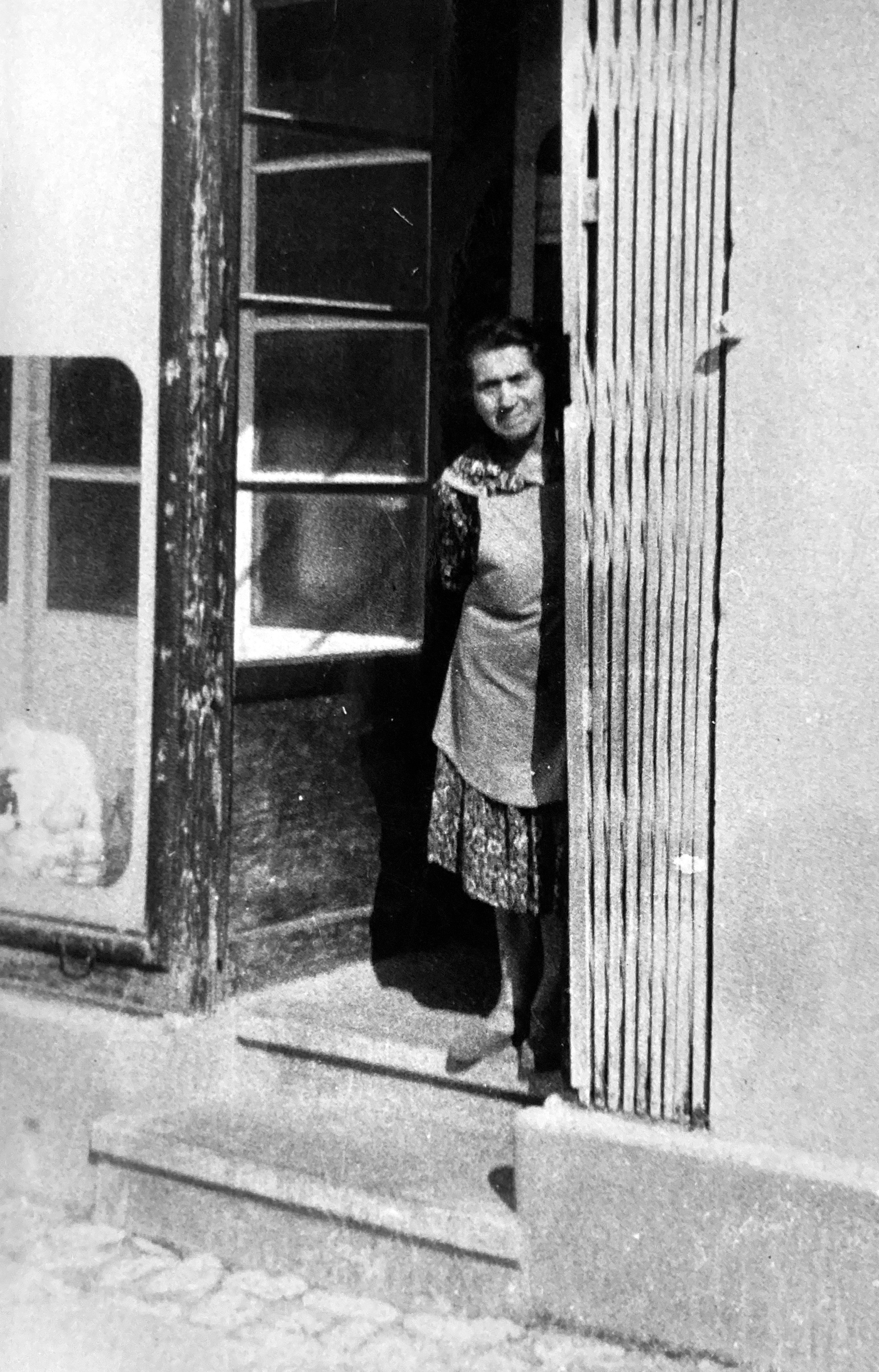
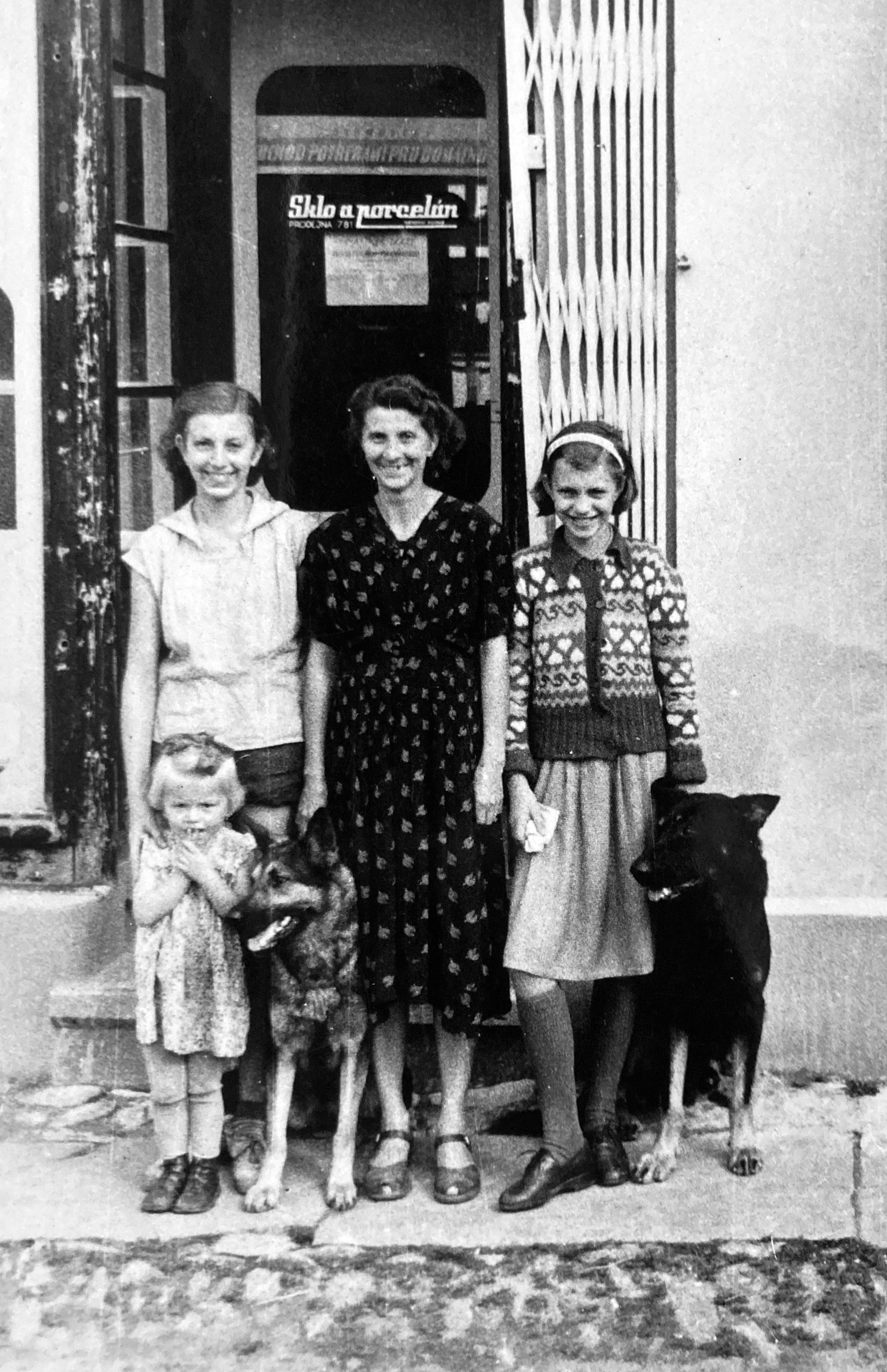
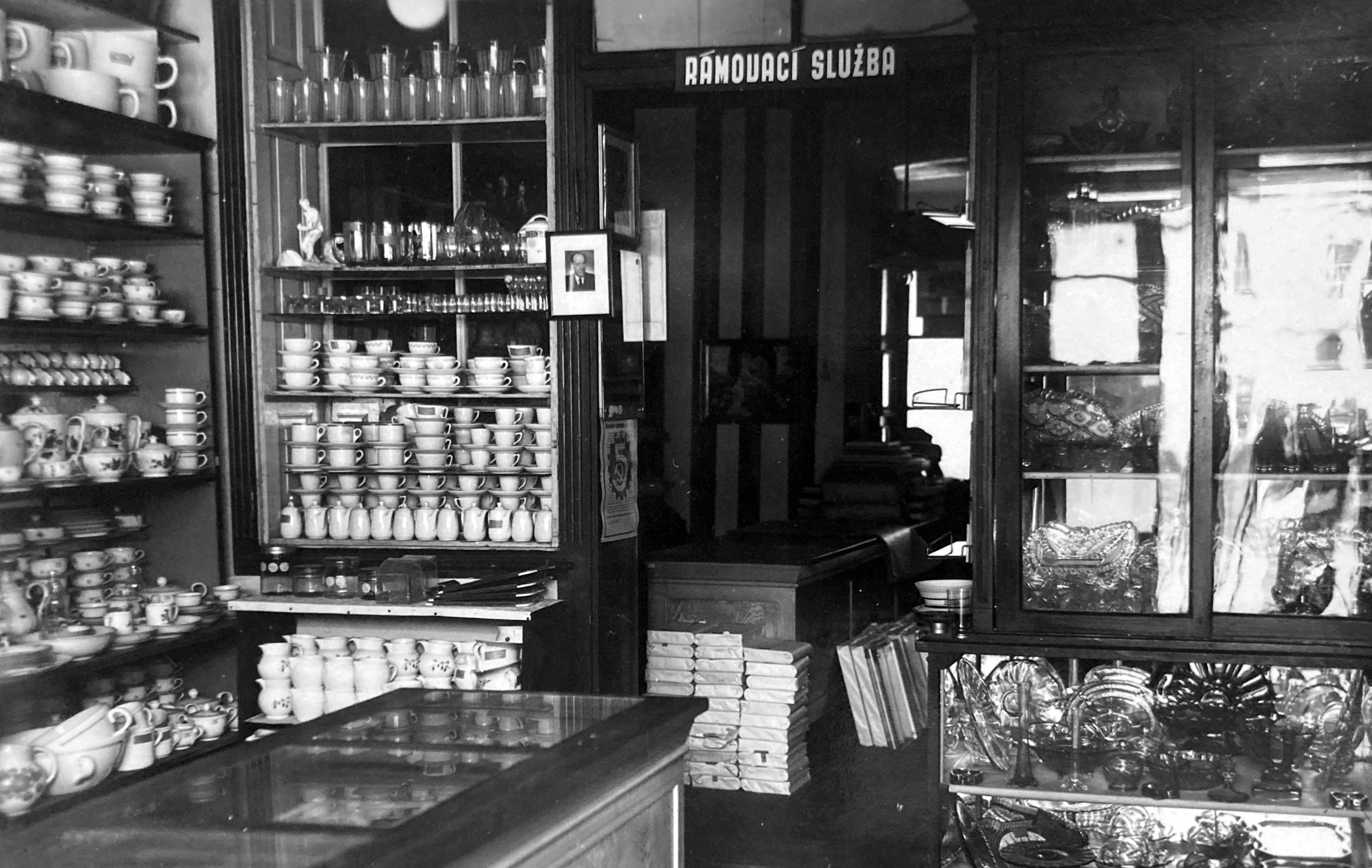
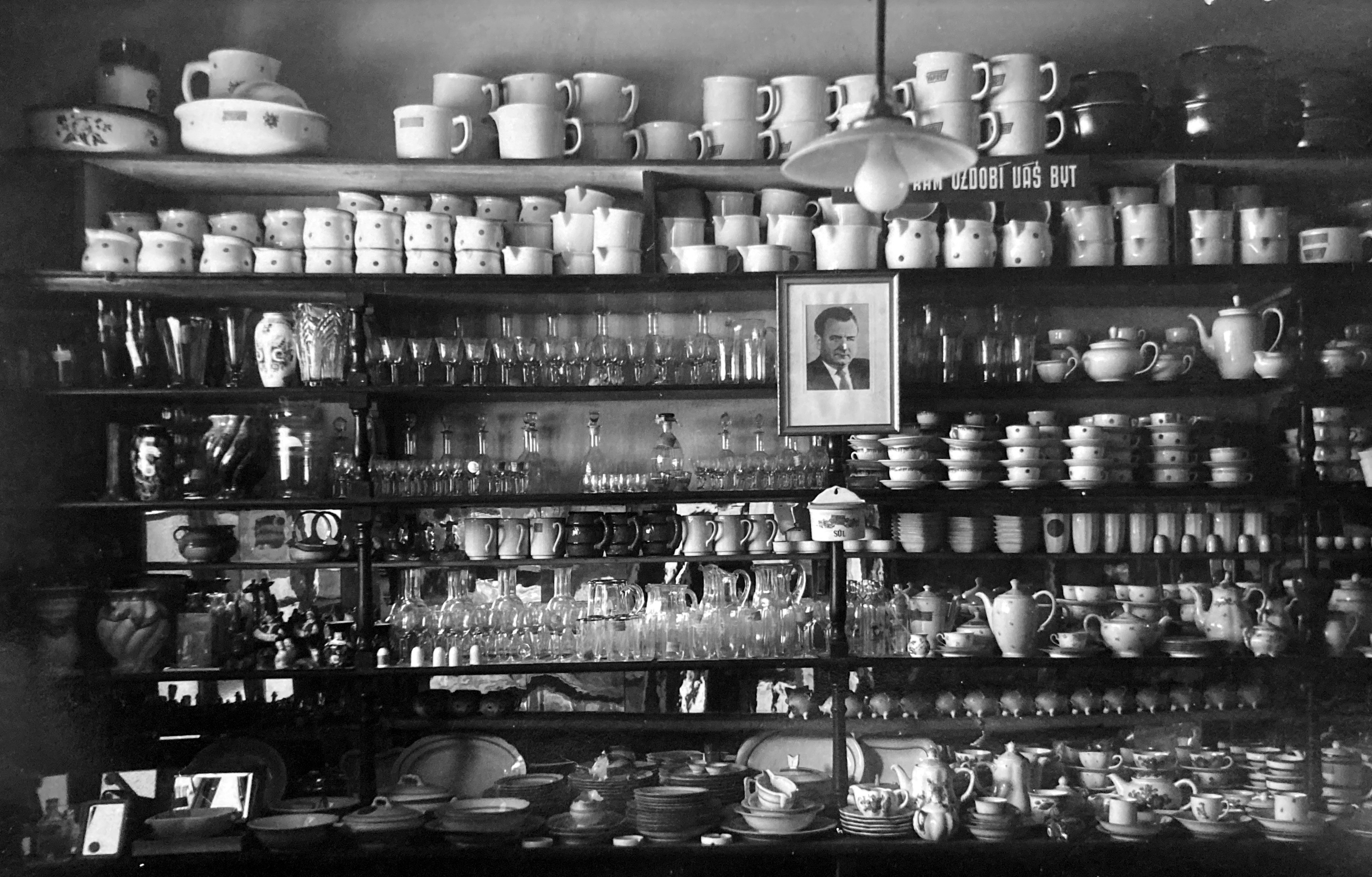
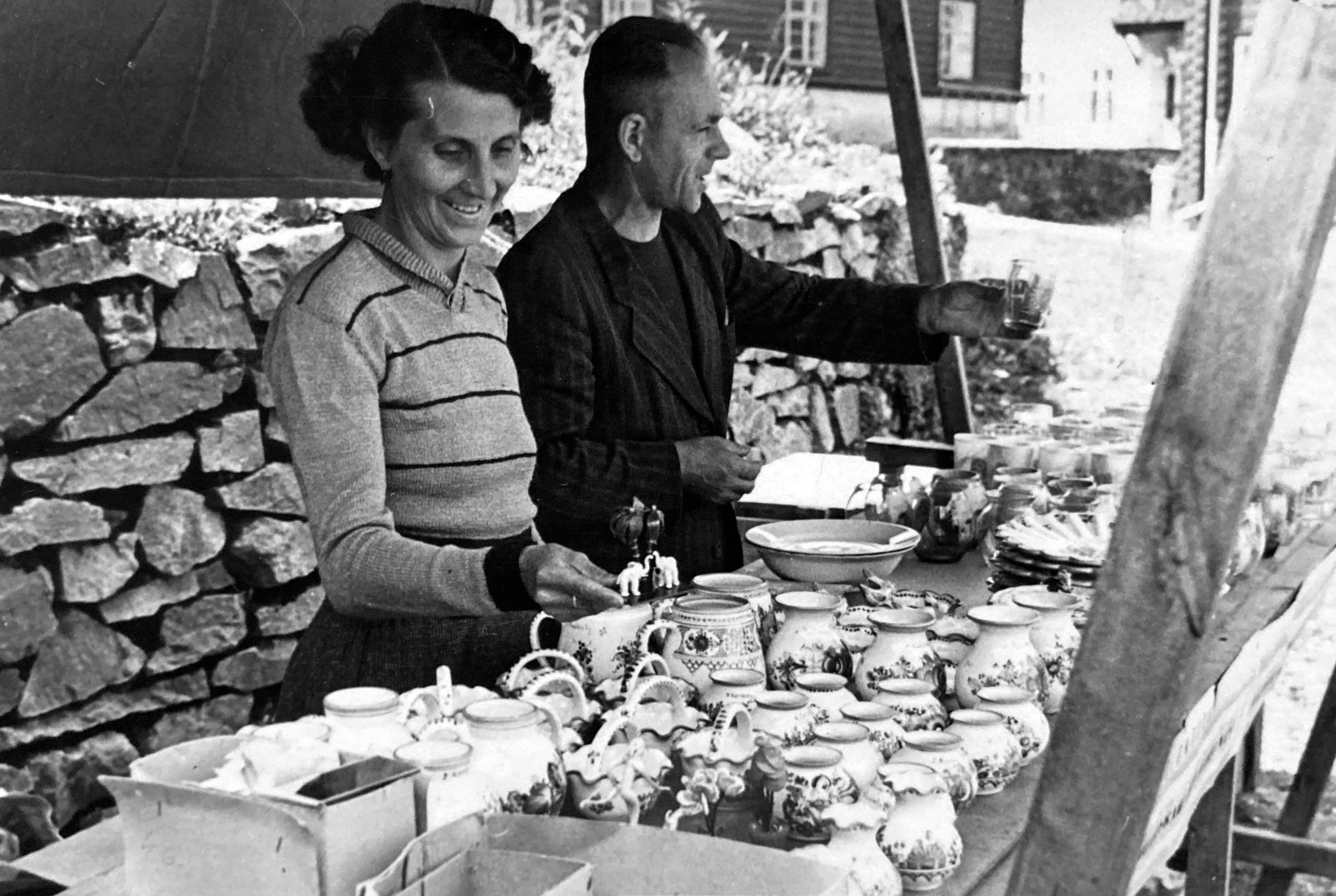
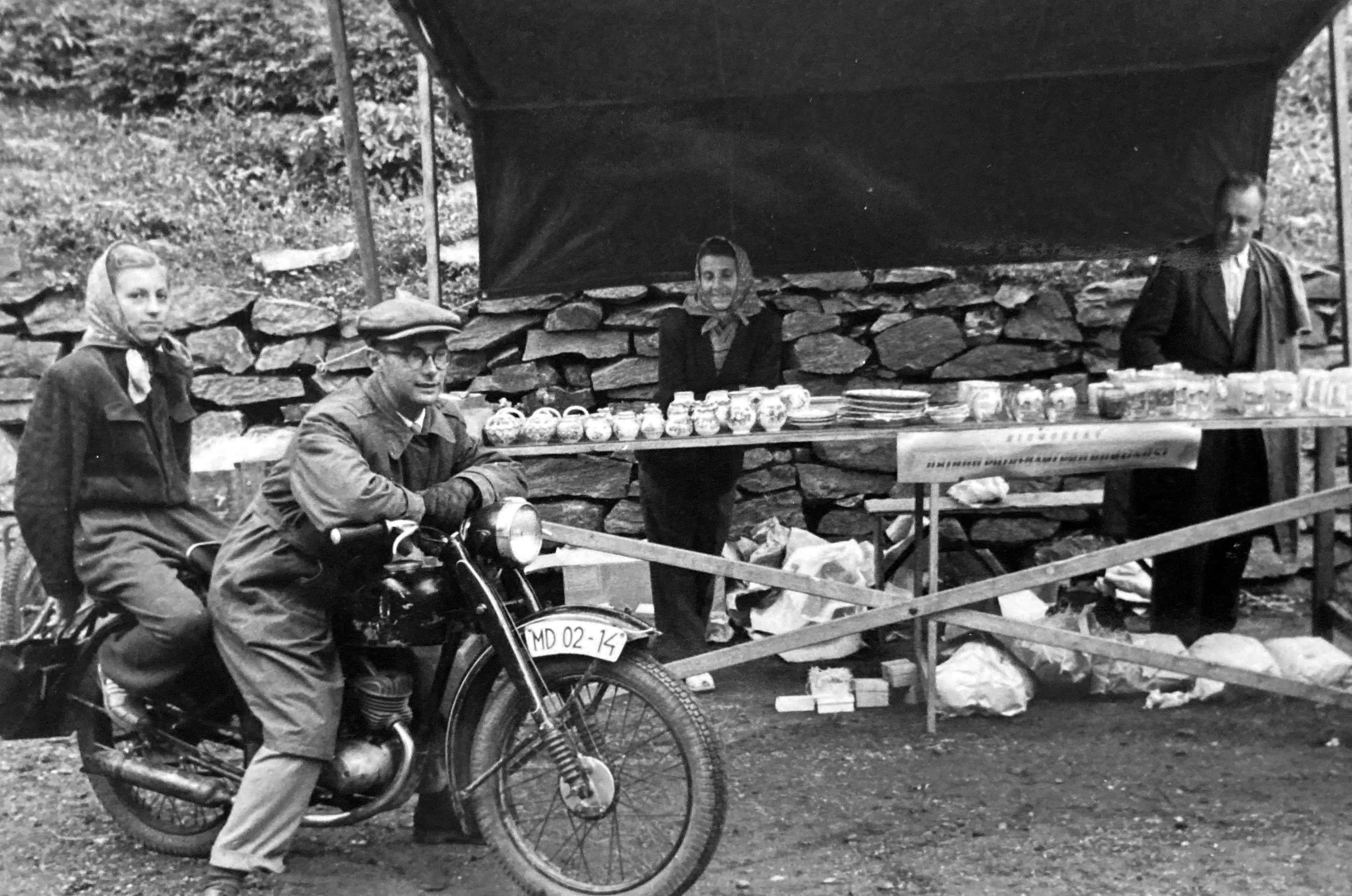
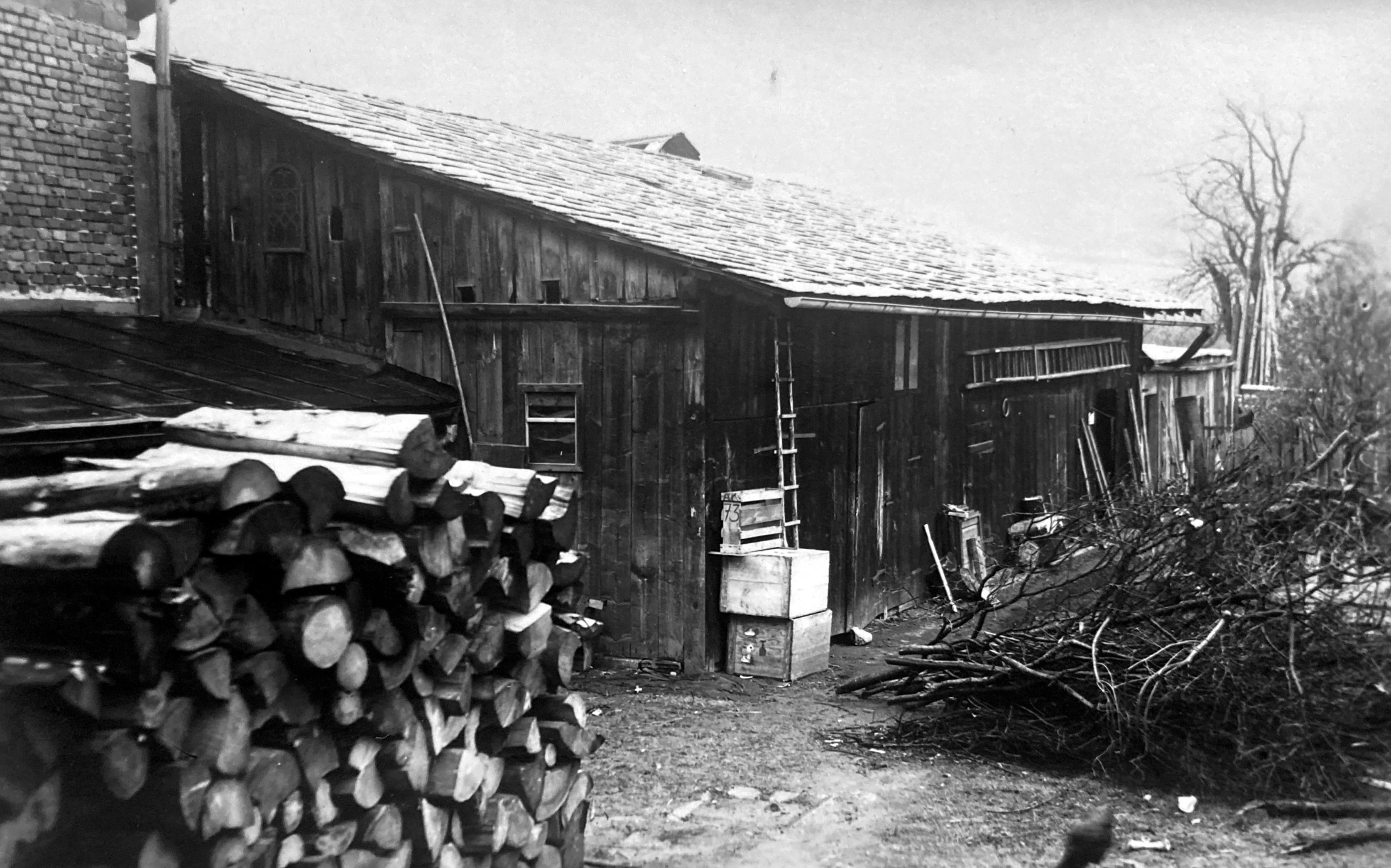
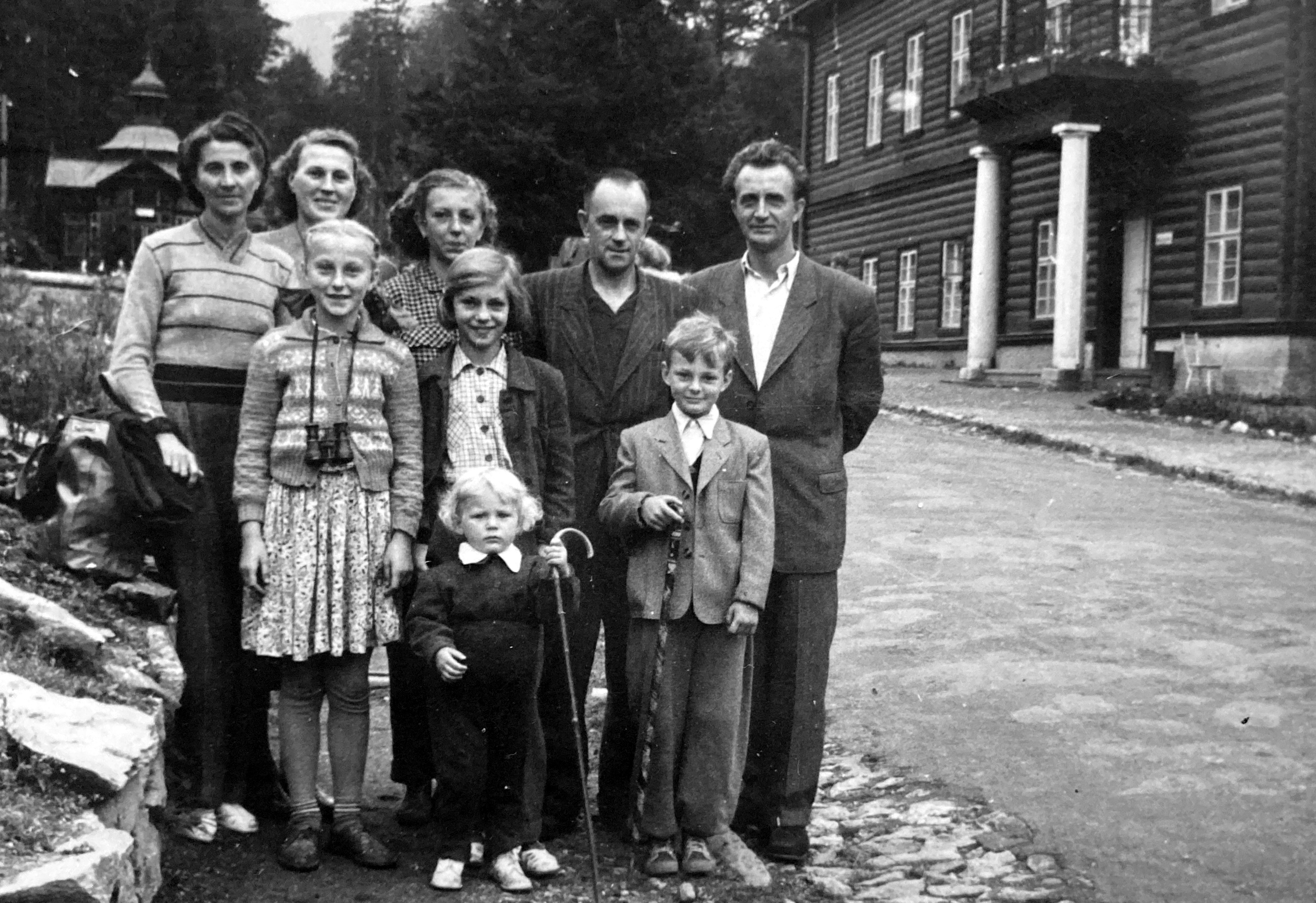
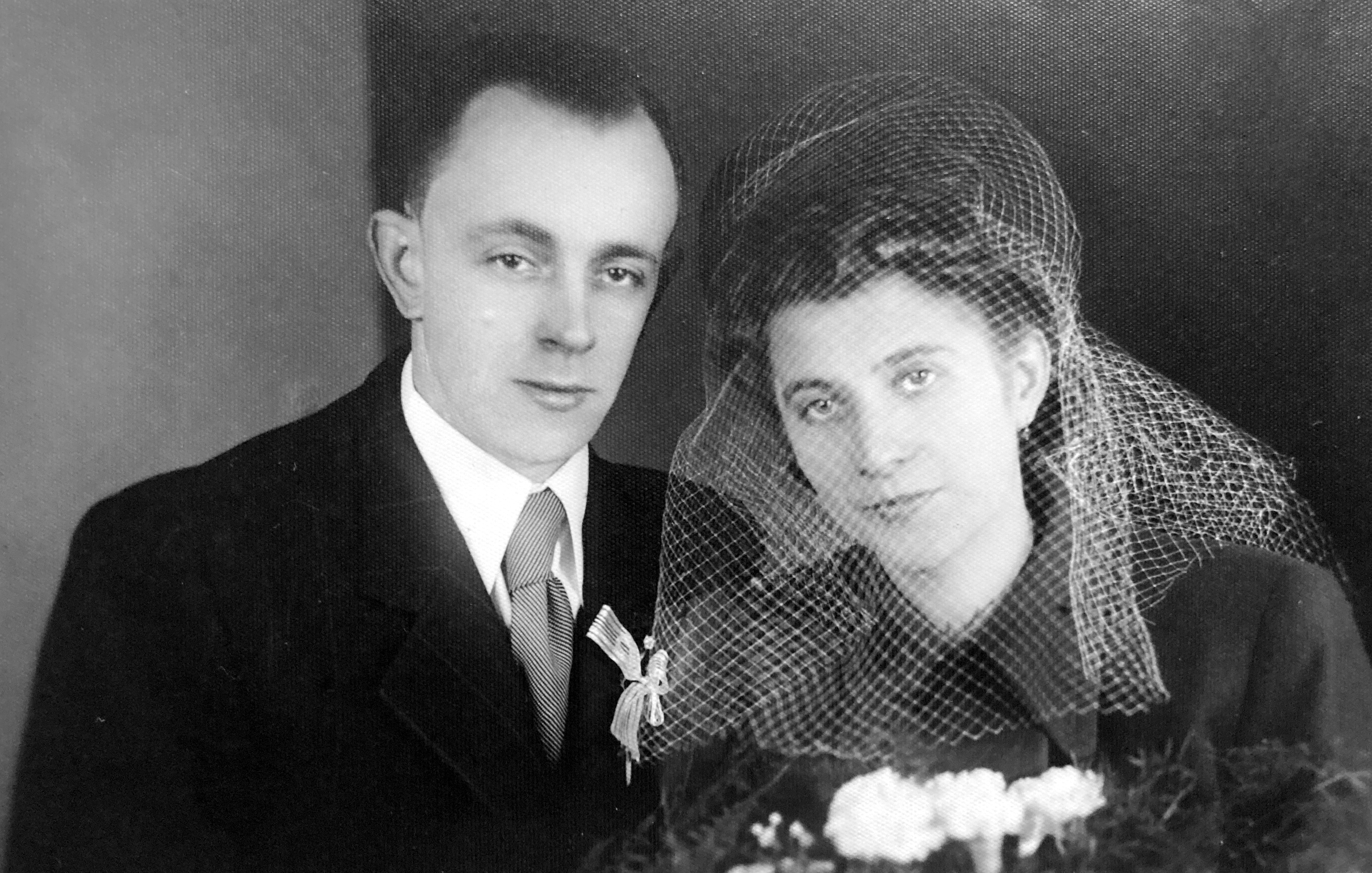
Anna Marková, née Kročová, was born on June 28, 1940 in Staré Město near Uherské Hradiště. Her father Antonín Kroča worked as a worker, probably in one of Baťa’s factories. At the end of the war she was an indirect witness of the execution of five men from Staré Město, shot by the Germans in a place called Potmělúčka. She also experienced the Soviet bombing of the sugar factory, in which thirty civilians were killed. In the autumn of 1945, the family moved to Vrbno pod Pradědem and were among the new settlers of the border region after the expulsion of the Germans. The father became the national administrator of the company confiscated from the displaced Germans. The family lived in a spacious house with a glass shop, a glass workshop and a large garden. After February 1948, the Communists confiscated the shop and the company, and the father spent two years in prison. Anna Marková married, worked in the Koh-i-Noor company and after maternity leave worked in the glassworks until her retirement. At the time of filming, in March 2025, she lived in Vrbno pod Pradědem.