Věra Lukášová

* 1929

  • "How did you perceive his act as people of faith?" - "Just as something that grows out of faith and that has a huge impact and weight. I went for years afterwards to the Olšany Cemetery, to the place where he was originally buried and where it was known that he was buried. I used to bring flowers there. Always a few flowers - also for my relatives in Zlín and for my aunt Heda in Podivín, because I knew that they cared as much as I did. And besides, the parish priest Trojan, who buried him, was actually a friend of Jenda's."

  • "The union organized some atheist talk after two o'clock in the afternoon. A speaker came who was totally unprepared and uneducated. He didn't know anything at all - about the Bible, about religion, about the Church, just platitudes and cheap phrases. Attendance was compulsory, so we all sat there. Many of the people who worked there were Catholics, but they didn't announce it anywhere. But everybody knew that my husband was a parish priest. And when it was beyond all measure, I joined the debate, I won the debate, and then I dissolved the debate because I had to go get my kids, my get my son in preschool. The consequence was that the headmaster didn't want me there anymore and he dismissed me very quickly. And as the stories go, I've never had strep throat in my life, but that time in that protection period I got a festering strep throat, so the headmaster had to pay me even longer than the agreed period of temporary work. But the result was that I absolutely couldn't find a job anymore."

  • "There were services at nine o'clock in the morning. Jenda had a dark suit and a suitcase with a gown and I walked two steps behind him because he walked fast and I was always trailing behind him. And now we were walking, and the streets were deserted, just these arrows and no names. We walked into this desolate landscape and suddenly it was like a Greek fable. All of a sudden, figures started popping out of the ground - it was the Russian army that had a sort of encampment there, and as we advanced in the road, they appeared in front of us. I froze in terror, but my husband went on, step by step, until we came to a little church and there were three or four ladies standing there. Jenda was saying to them, 'Don't be afraid,' and they said, 'Why, we are going to church!' There was this chapel across the street and in front of it was a Russian soldier with a rifle. So we went into the church and left the door open. It was perhaps the first Protestant service that he 'saw' with his ears."

  • “One day Mr Novotný [the director Jaroslav Novotný - ed.] told me: ‘Věrka, come with me, we have to go to the labs [in the Zlín film studios - ed.]. They phoned to say they have something there they don’t know what to do about.’ So we went there and saw the travelogue. Then we came back and Mr Novotný dictated a letter for me to write. It was addressed to Jiří Hanzelka and Miroslav Zikmund. What we saw were the very first travelogues they had shot. They were completely untrained, they could just about take pictures, but they hadn’t a clue about film cameras. They’d gotten the camera because they had an agreement with the Ministry of Education that if they’d be travelling the world, the might as well shoot films that could be used for lessons at school. Let me note that Hanzelka and Zikmund prepared for their journey in autumn 1947, so they left while Czechoslovakia was still a free country. But the whole of their journey took place after the Communist coup. So we sat there, and Mr Novotný dictated that letter, which I’ll never forget. He wrote: ‘You have an amazing opportunity. But please, you really can’t do things like that. You have to choose one topic, you can’t just shoot everything you come across. You have to start slowly and then perhaps capture some motion. You have to record the overall scene and then go into detail. You can’t keep flashing the camera here and there, you also have to stop for a bit and let the viewers see what you’re showing them.’ We sent the letter and were very curious as to the answer. If they had been snobbish and proud, they’d have said: ‘Don’t tell us how to do things!’ But they were very wise, and they wrote: ‘Thank you, and please write to us and spare us not.’”

  • “But then one afternoon [at the bank - ed.] they announced an atheistic propaganda [workshop]. It was mandatory, we all had to go there. And the person who came to lecture - nothing against him being an atheist - but he should have been educated and prepared. But all he knew were some shallow phrases, nothing else. We got into a debate. Everyone knew I was a parson’s wifem I couldn’t stay silent. Kroměříž is a Catholic city, the summer residence of the archbishop, a Catholic power house. So I spoke up in the debate, and of course I won the debate. Then I ended [the workshop - ed.], I said: ‘I can’t discuss any longer, I have to pick the children up from nursery school.’ [After this - ed.] they didn’t extend my temporary contract, of course, they fired me. And I couldn’t find any job at all. But I really needed work because pastors earned six hundred crowns a month back then. Every cleaning lady earned more than that. But low wages, that was a tactic of the Communist party, to dissuade people from studying theology. You won’t go study theology when it’ll earn you six hundred crowns. That was borderline poverty.”

  • “The world started anew once again because they invited my husband to accept the post of parson here in Jarov. And he said yes. So we moved. Everything is complicated for me. What I say is: ‘Stories happen and I bump into them.’ I married three weeks after the currency reform. We had no money. When we moved, it was 21 August 1968. Our moving van drove to Prague along with the Soviet tanks. With two children, with everything we had, which were mostly books, we moved to Prague.’”

  • Full recordings
  • 1

    Praha, 31.10.2016

    (audio)
    duration: 01:48:27
    media recorded in project The Stories of Our Neigbours
  • 2

    Praha ED, 10.06.2020

    (audio)
    duration: 01:39:17
    media recorded in project Stories of the 20th Century TV
  • 3

    Praha ED, 17.06.2020

    (audio)
    duration: 01:26:13
    media recorded in project Stories of the 20th Century TV
Full recordings are available only for logged users.

The parson’s wife

Portrait
Portrait
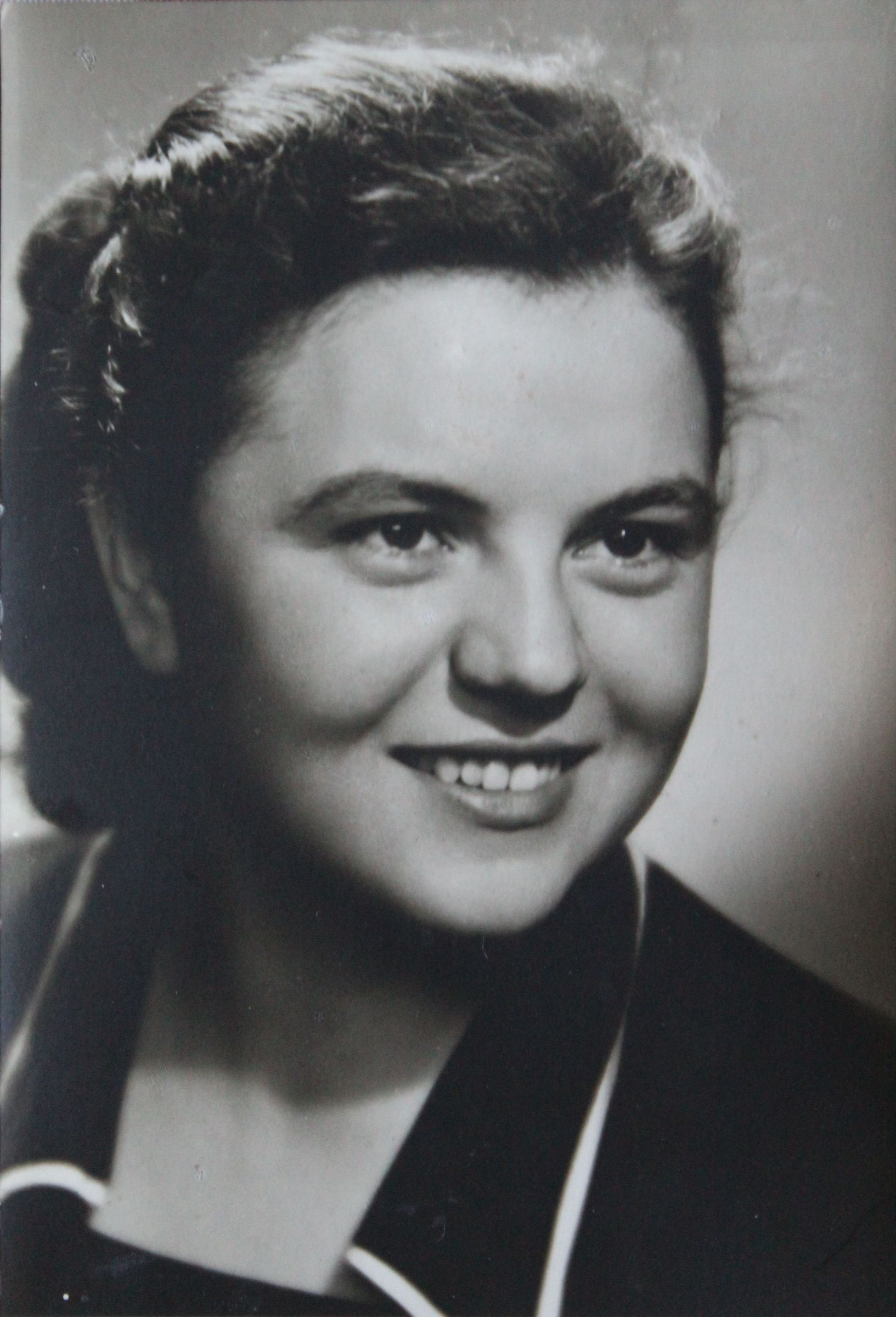
photo: archiv pamětnice

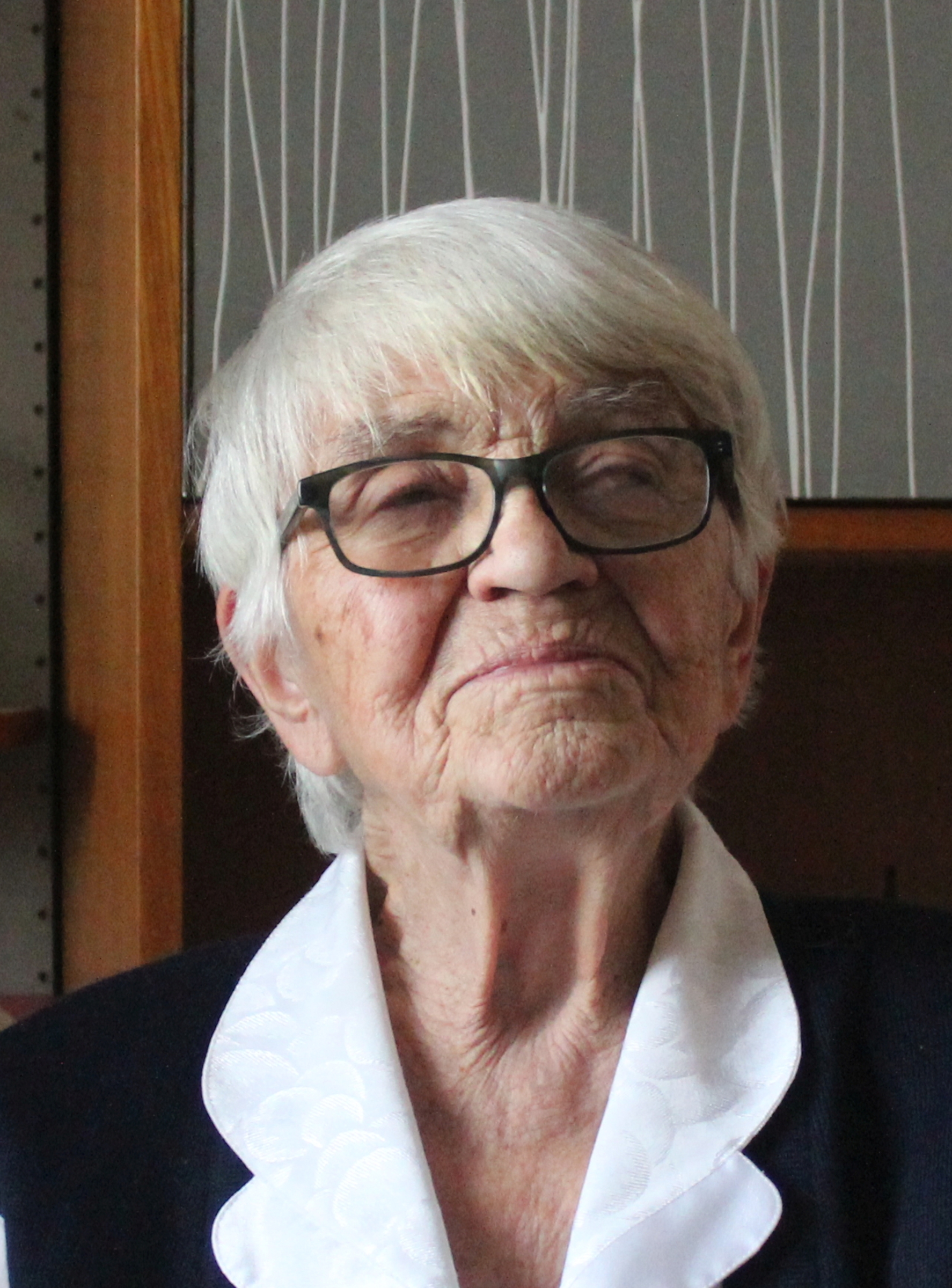
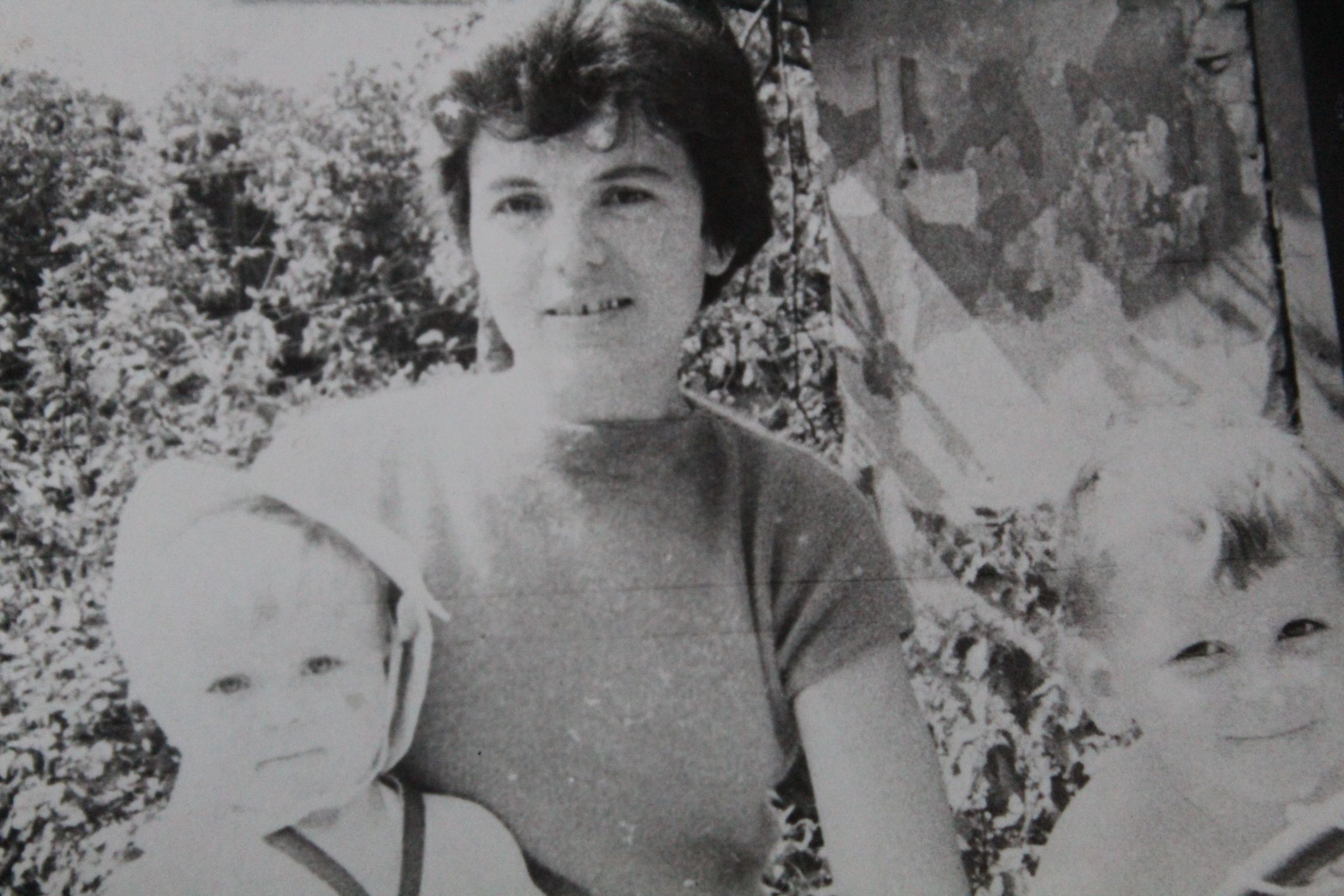
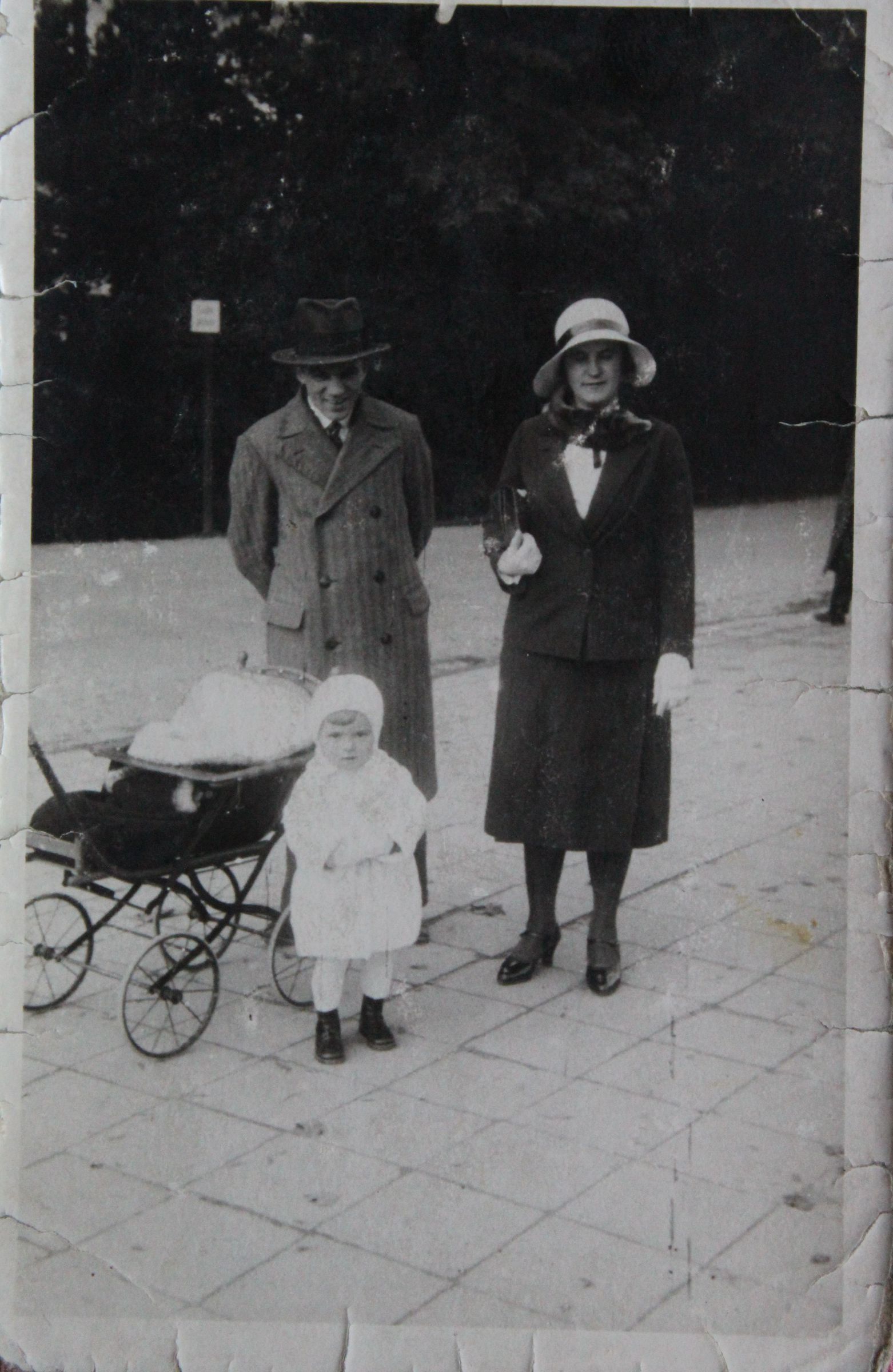
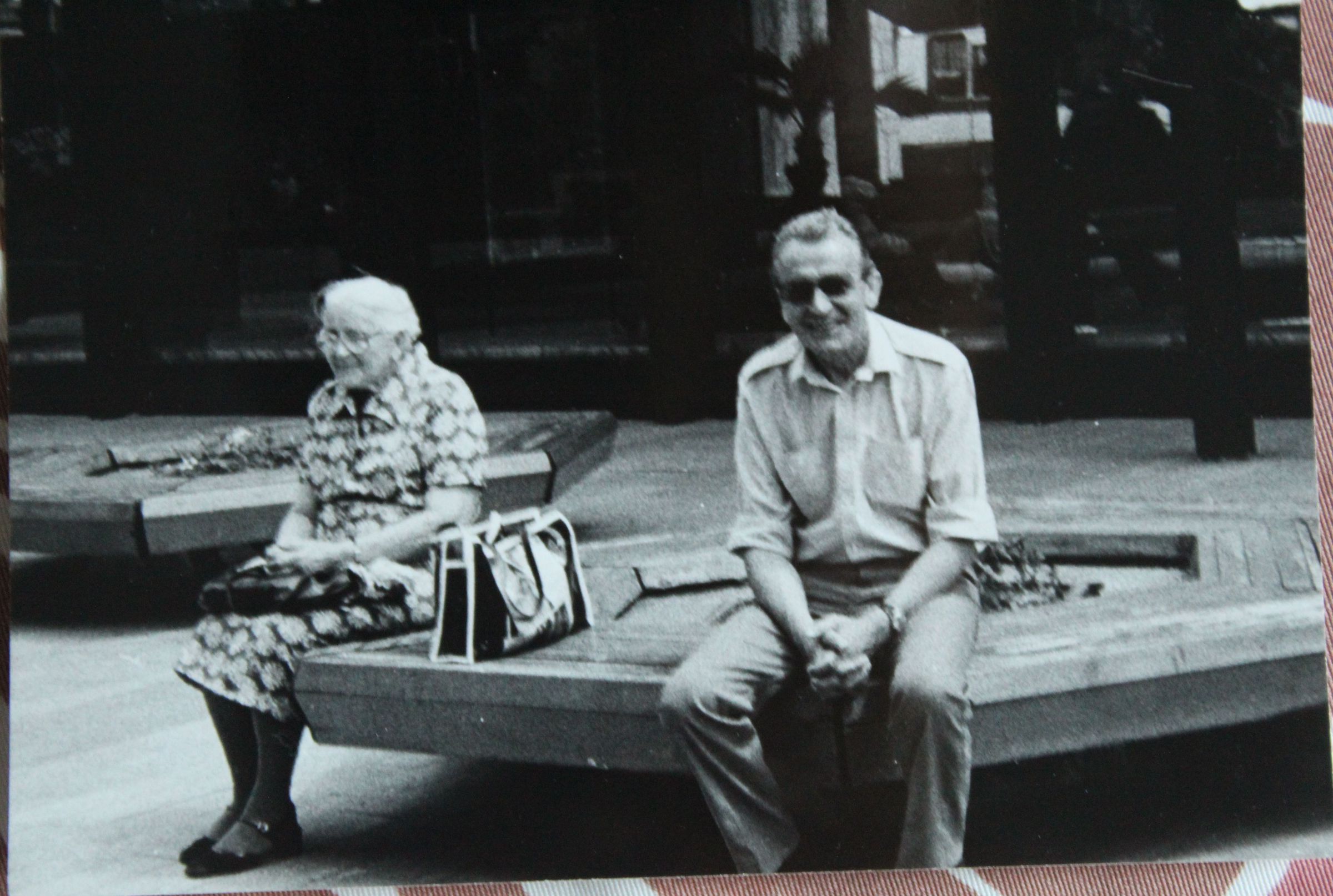
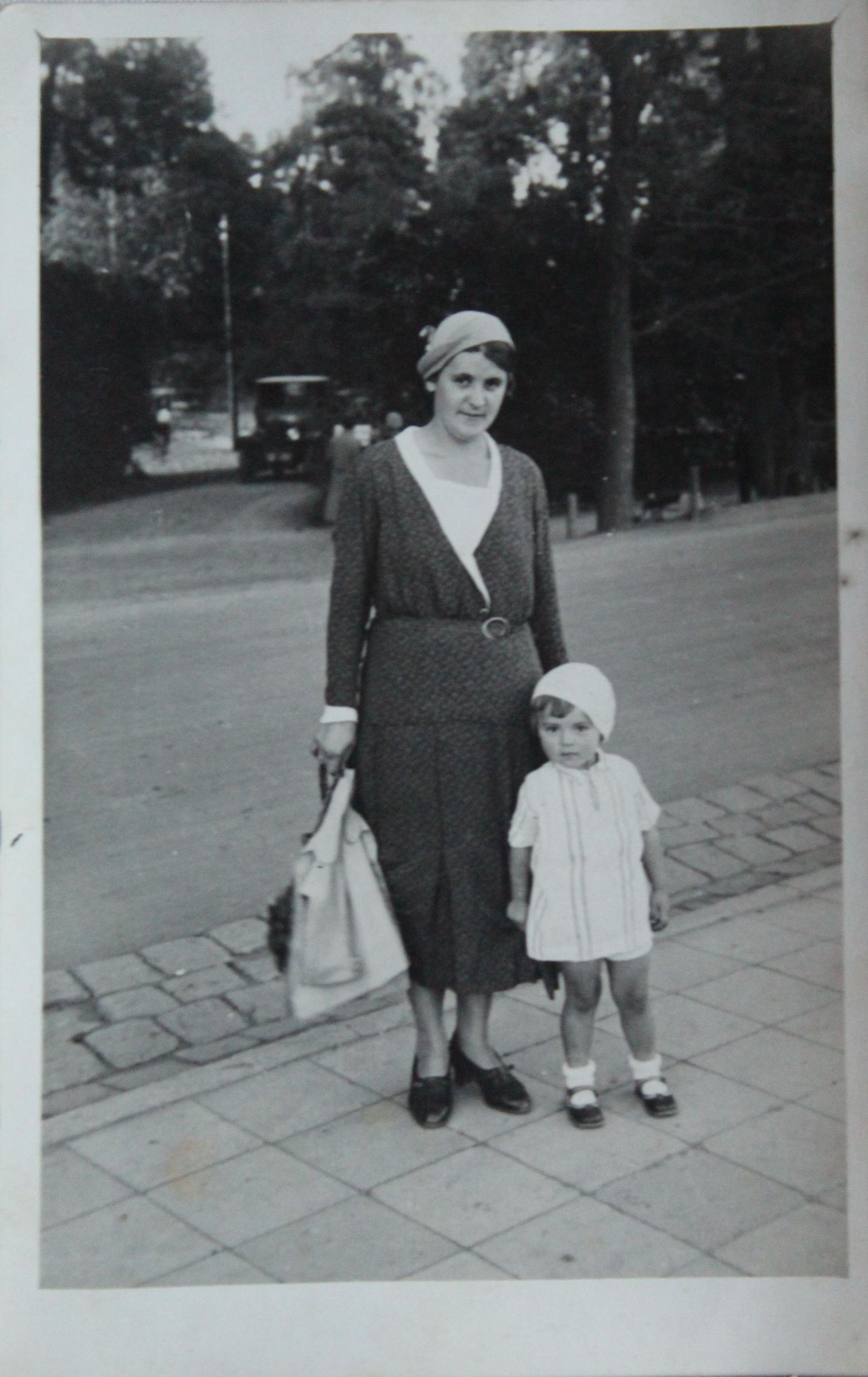
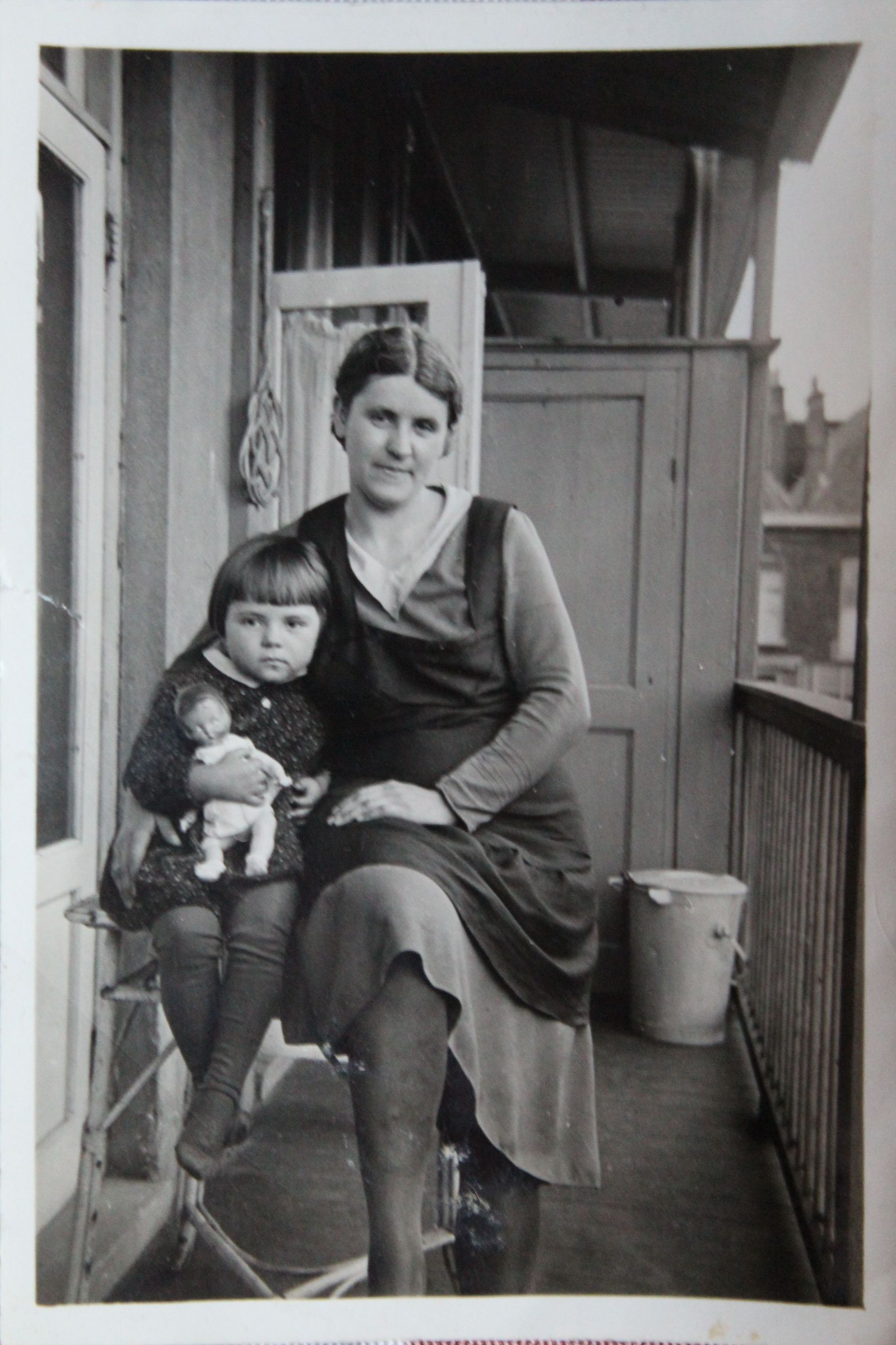
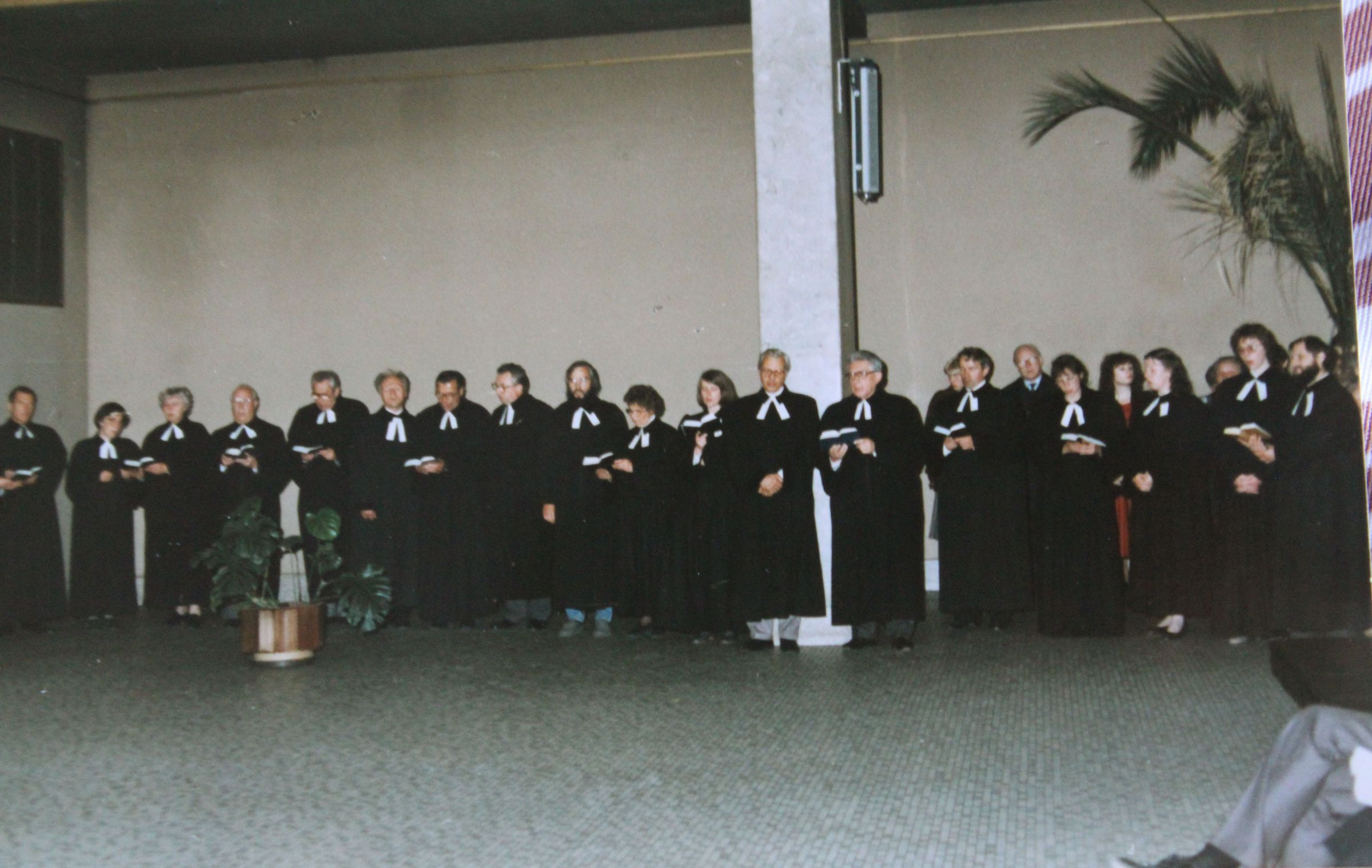
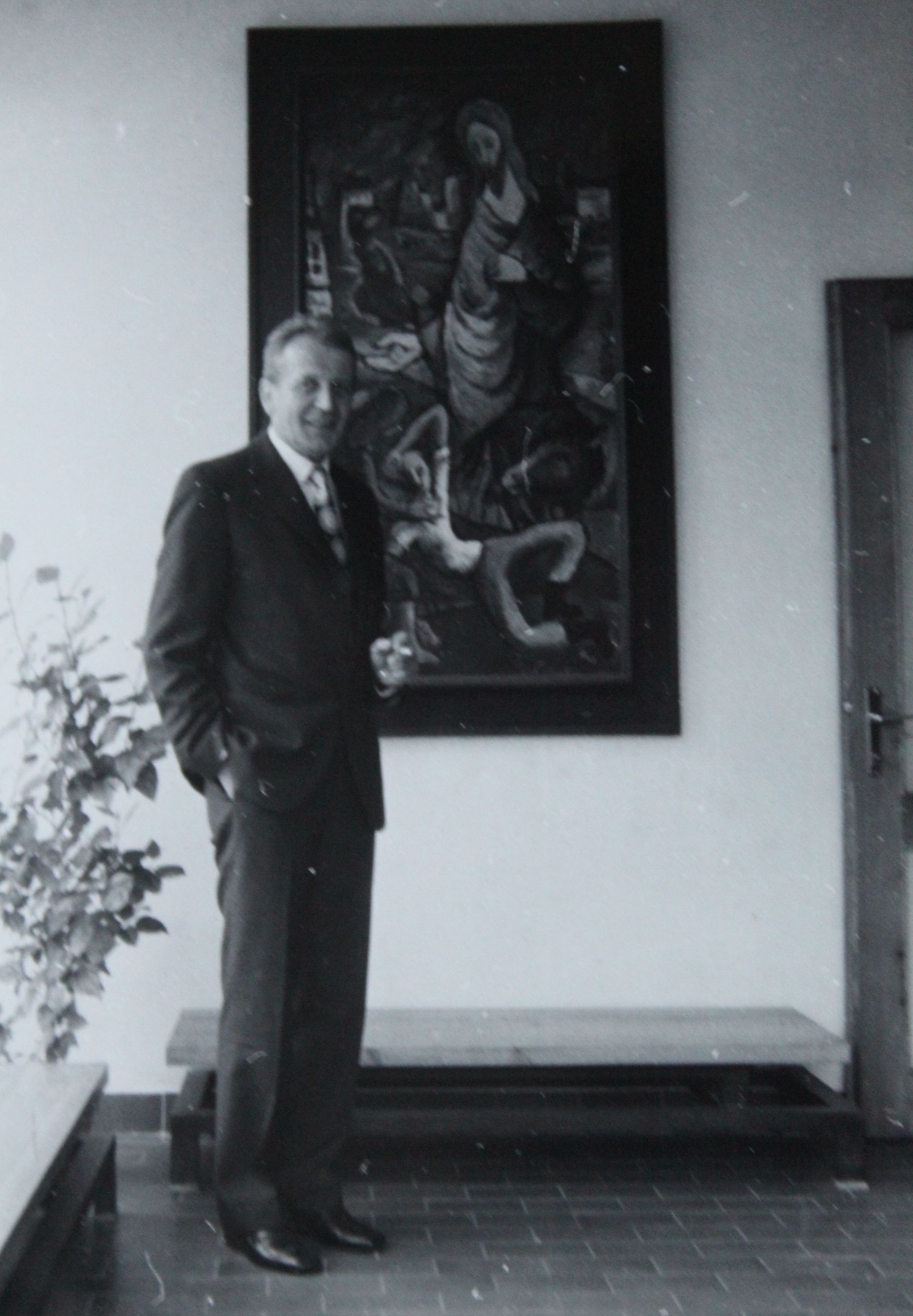
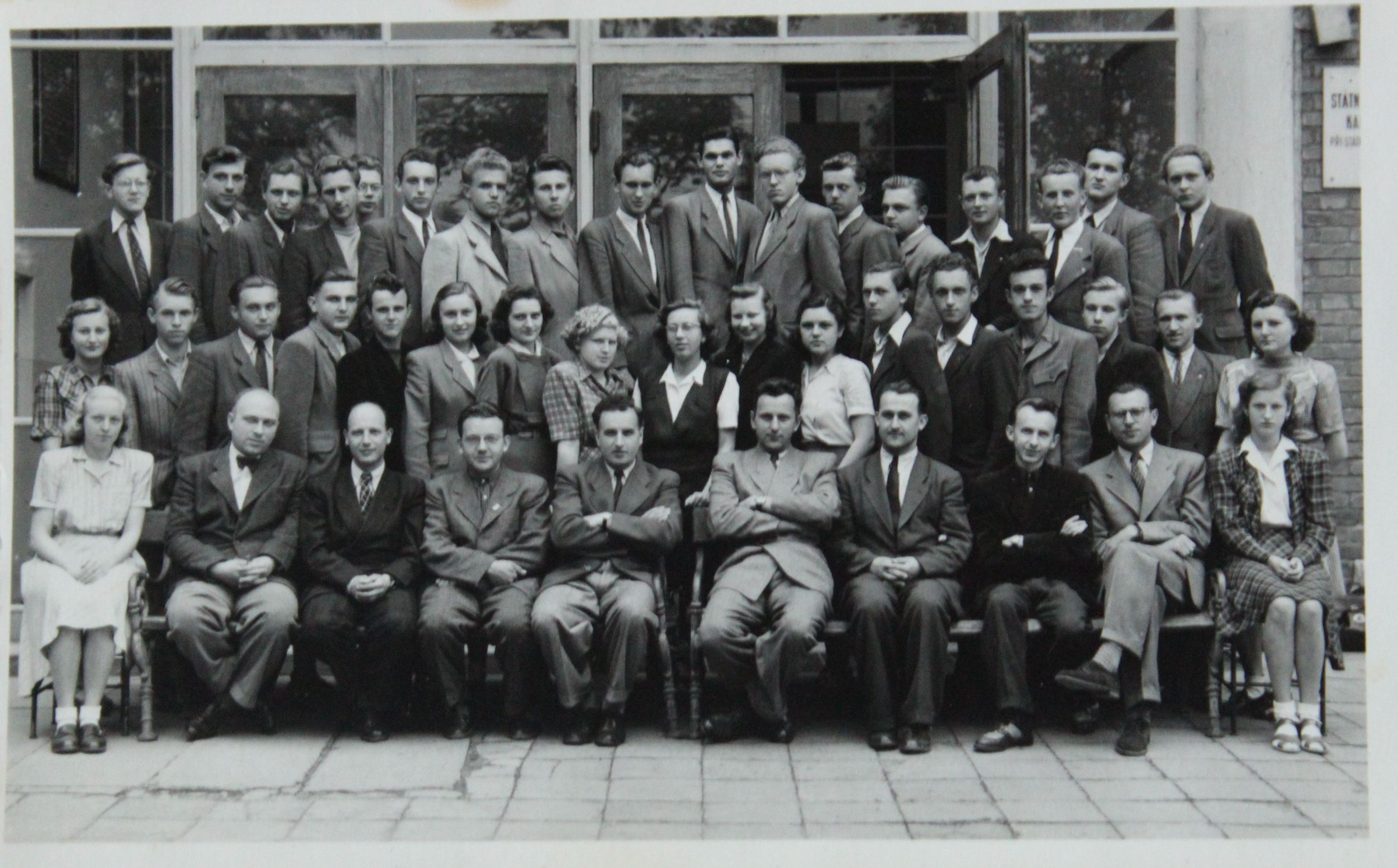
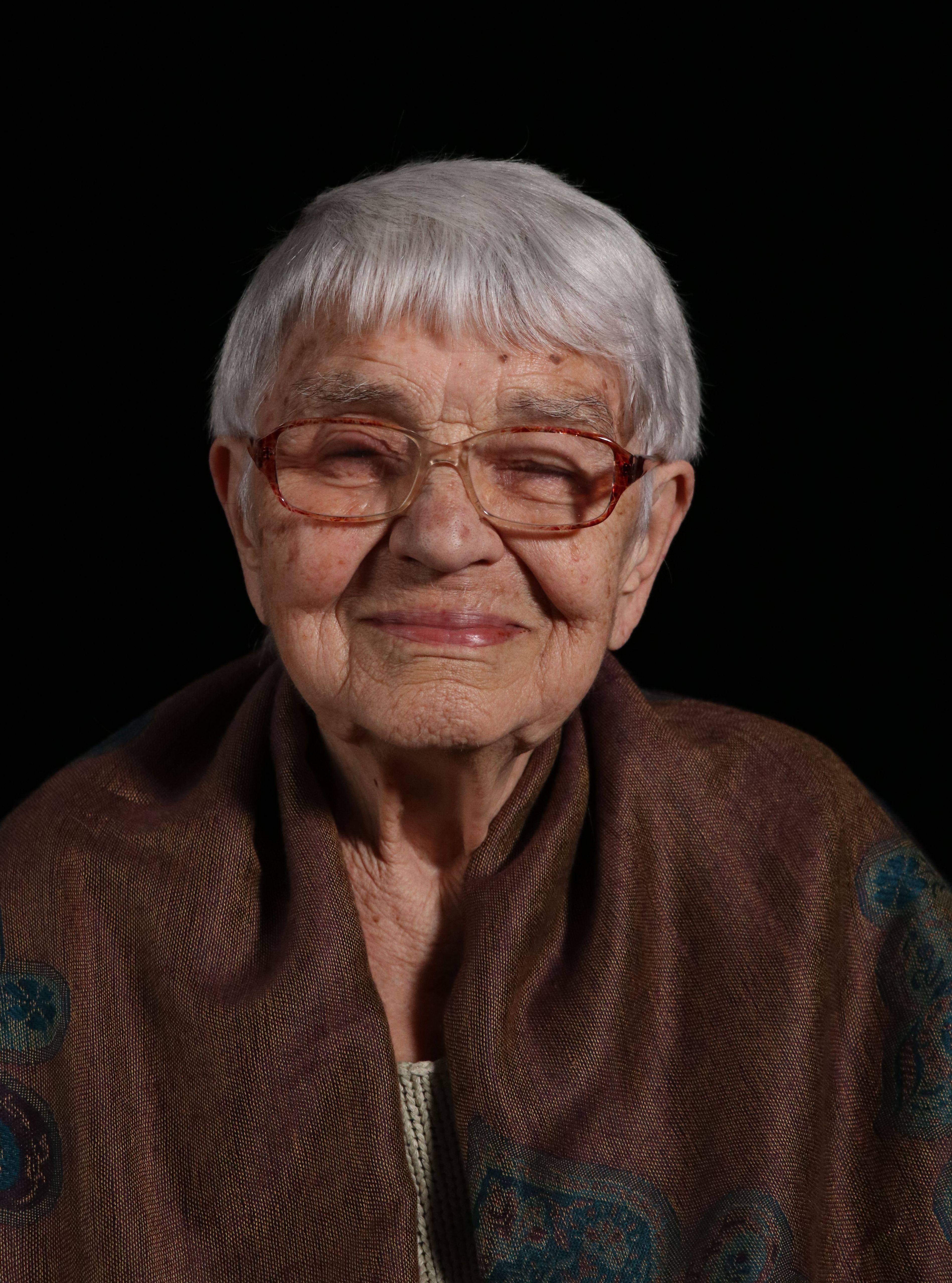
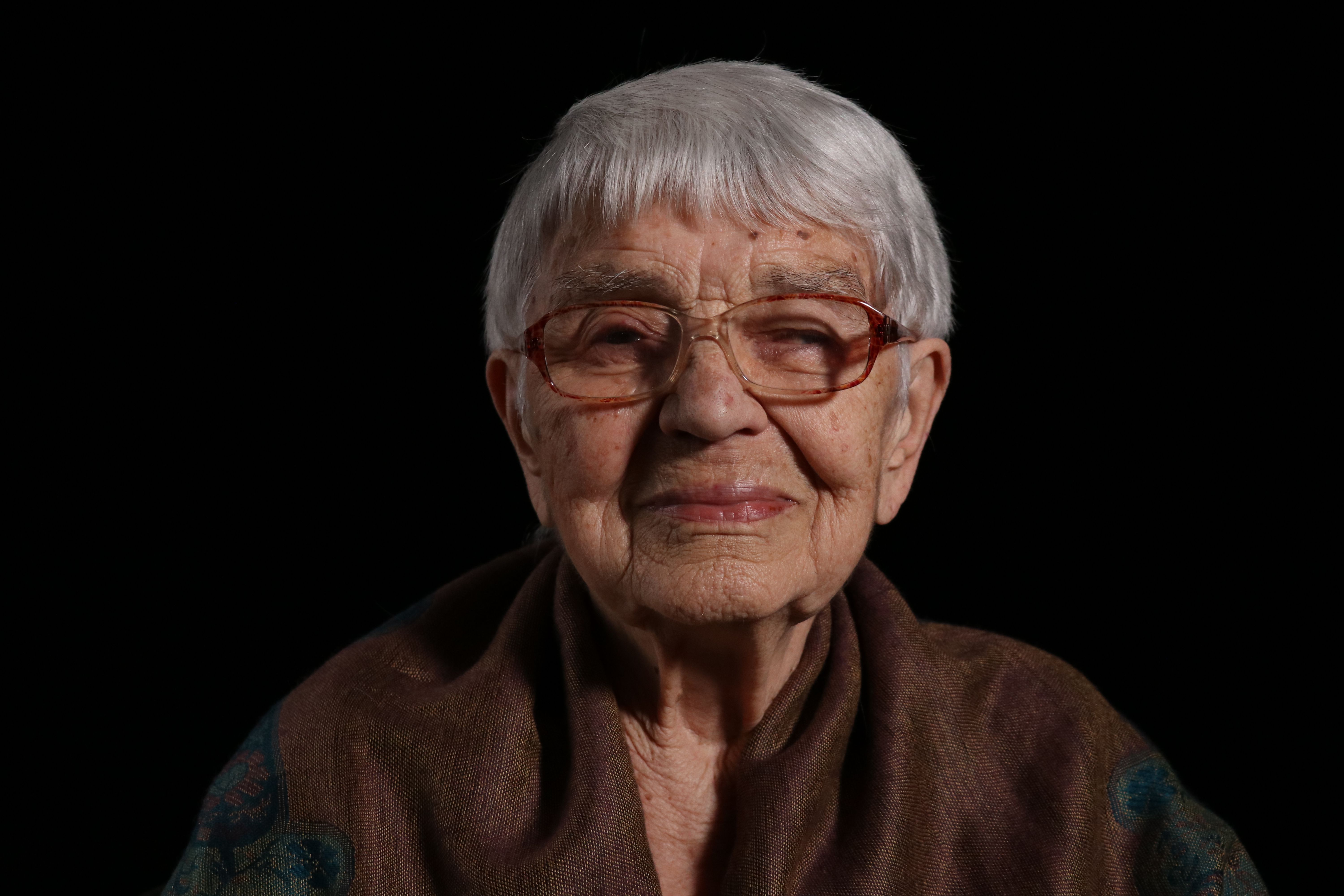
Věra Lukášová, née Hutáková, was born on 30 October 1929 in Zlín. Her father worked at Baťa. He was also employed in the Netherlands for three years during the construction of a new factory, and his family lived there with him. After spending another year in Cheb, the Hutáks returned to Zlín. Věra studied the Tomáš Baťa Business Academy. After graduating in 1948 she was banned from continuing her studies due to her class background. She found a job at the Zlín film studios, where she worked as a secretary and later as a producer. She took part in the production of the travel films of famous Czech duo Jiří Hanzelka and Miroslav Zikmund. In 1953 she married the Evangelical pastor Jan Lukáš and moved with him to Kroměříž, where he was elected parson by the local congregation of the Evangelical Church of Czech Brethren. Věra went through several jobs, she worked at ZPS Hulín, at a bank, at the Czechoslovak Car Repair Shops, at Kroměříž Community Services, and at a machine-computing station. In August 1968 Jan Lukáš was elected parson of the congregation in Prague 3-Jarov, and the Lukášes moved to the Czech capital . Věra began working in the production team of the Barrandov Film Studios. She soon became deputy production manager for economic matters, a post which she retained until 1988. In that year her husband died, and the council of elders in Prague-Jarov asked her to administer the congregation on a provisional basis. Věra passed the required exams and became a deacon. She lead the congregation until 1995, when she went into retirement.