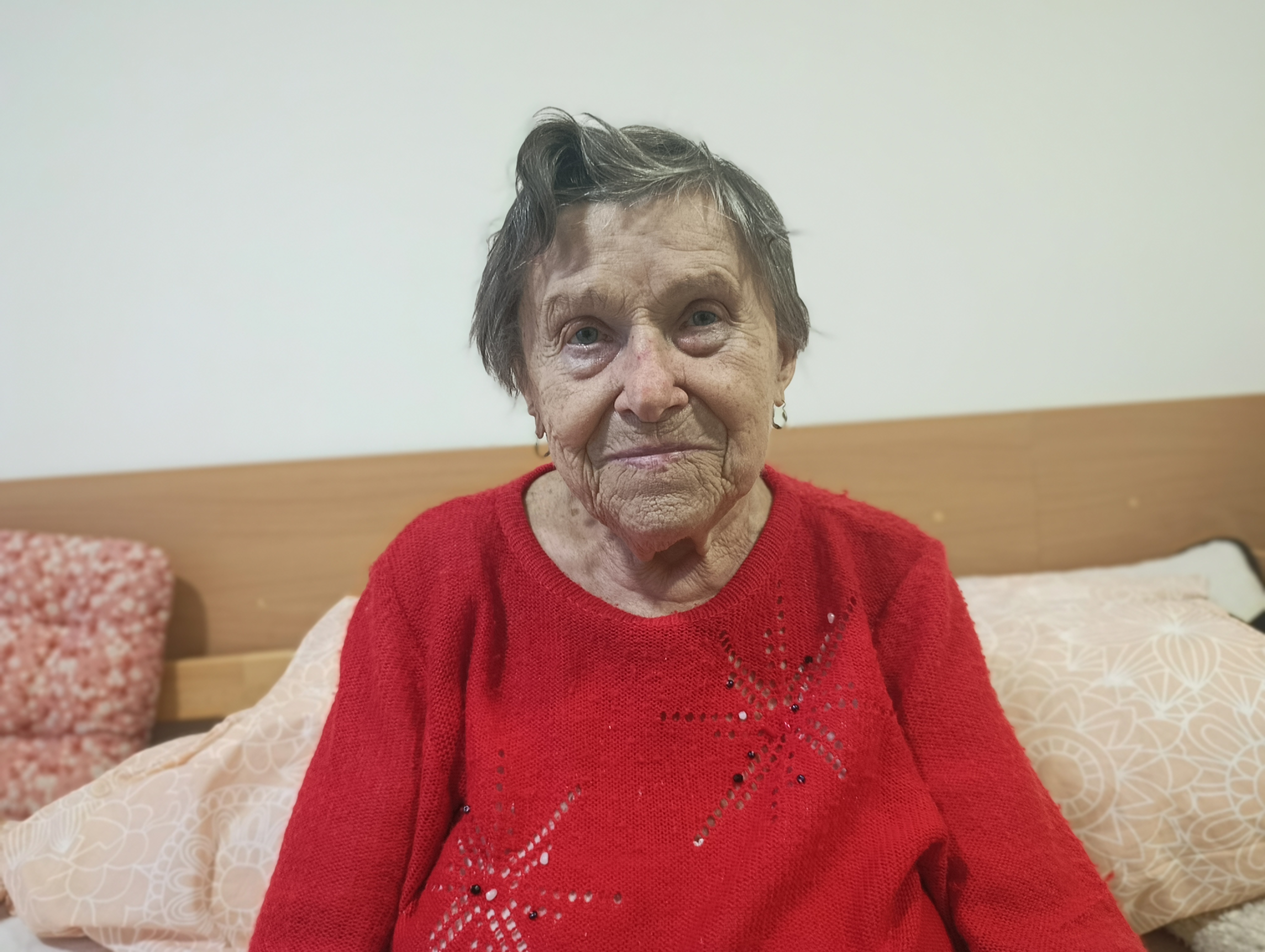
Lenka Kulišťáková

* 1936

  • "We moved to my aunt's at the end of the war, and I can still see those columns and such, as they went on. Behind our cottage, when our cow sty was empty, there were many cows coming down the road. They drove them over to our place. The cows were grazing there, and they even killed some. I wasn't there but my mother had to make soup for them afterwards."

  • "There was a corridor in the middle of the house. We lived in one half and in the other there was a big room where some old people lived. We didn't know them, though I don't remember exactly. Then there was an entrance to the cellar and also an entrance to the attic. There were Germans living in the other half. When they came, they had to move wherever they could, and the Germans stayed with us for a long time. The house had a large yard and some outbuildings behind that. They practiced shooting or just fired in the yard. I remember sleeping in our big kitchen, and their commanders woke them up, but they didn't want to get up. They started shooting in the room and in the corridor. Fortunately, they didn't shoot anyone, they just shot at the ceiling, which was shot through. When they left, they were still shooting in the yard, but I don't know about them actually killing anyone. The Germans were, I would say, quite careful."

  • "The girls wore these colorful skirts, you could see that, and sweaters over that. In the winter, they wore these nice fur coats - or warm like something. We had none of that. We used to knit sweaters at home out of crude sheep wool. Those were warm, too. At least we learned to knit."

  • Full recordings
  • 1

    Rožnov pod Radhoštěm, 28.11.2025

    (audio)
    duration: 01:20:58
    media recorded in project Stories of the region - Central Moravia
Full recordings are available only for logged users.

Germans in the kitchen, guerrillas in the cellar
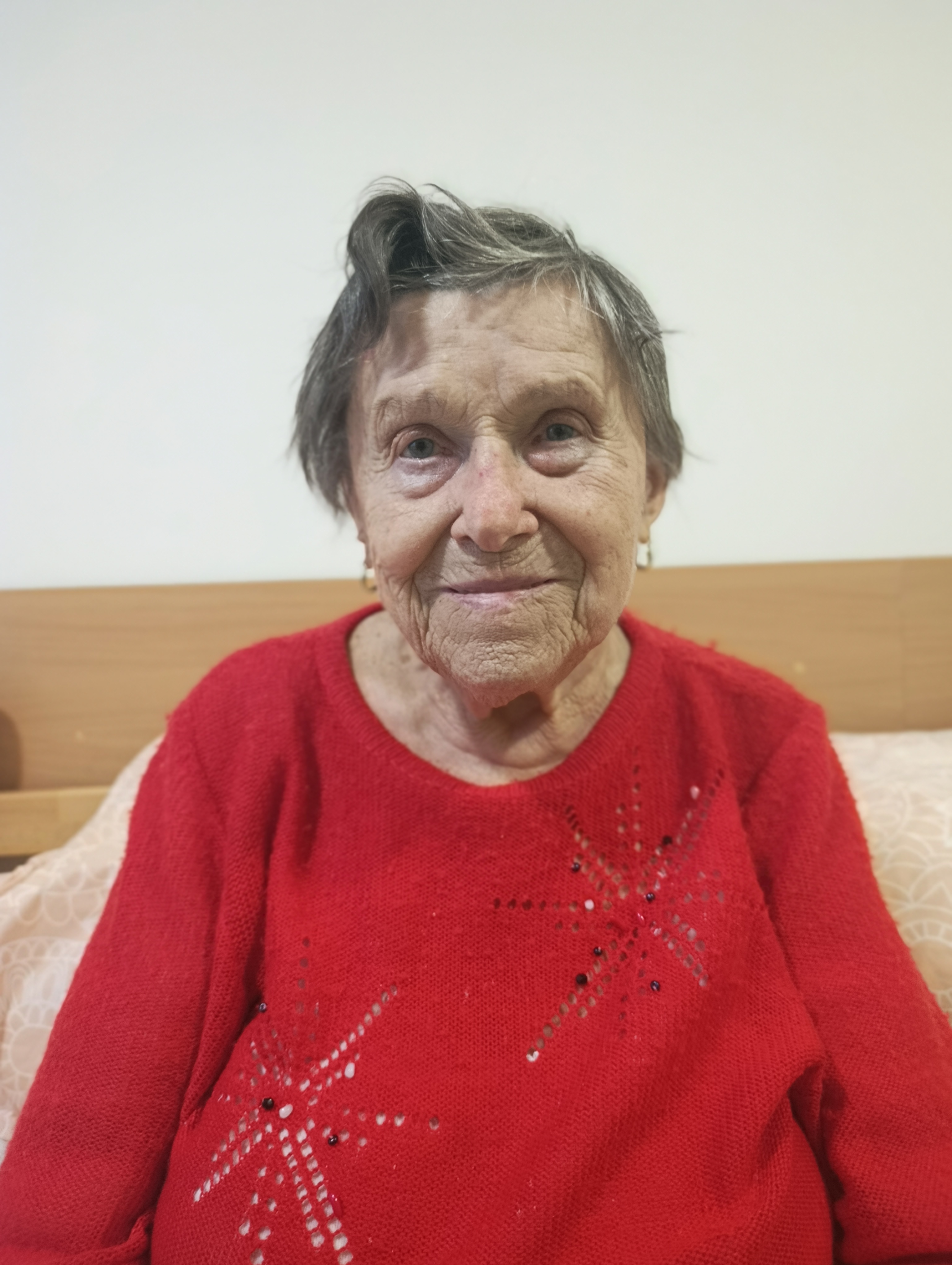
Lenka Kulišt'áková in 2025
photo: the photo was taken during filming in 2025

Lenka Kulišt’áková (née Malínová) was born on 1 February 1936 in Horní Bečva as the eldest of three children to Jan Malín and Alžběta Malínová. The family lived modestly. Her father made living as a painter. Lenka had to work on the farm owned by their landlords from early childhood. The arrival of the guerrillas and the formation of the largest anti-Nazi group in the Protectorate, the 1st Jan Žižka Czechoslovak Brigade was a major turning point in the region. Many locals joined the resistance by providing the partisans with accommodation, food and shelter. So did the Malín family, and virtually the entire Horní Bečva and other areas of the Beskydy Mountains. When the biggest anti-guerrilla strike, Operation Grouse broke out in November 1944, more than 13,000 soldiers opposed the resistance fighters in the tightly sealed mountain area. The house where the Malíns lived was a shelter for people fleeing the Gestapo at the time. This was not divulged only thanks to an early warning. In addition, Wehrmacht soldiers were staying in the house and Lenka observed them through the keyhole. Her father Jan Malín was arrested and imprisoned for several days in November 1944 because he refused to repaint a German sign on the local town hall. During the liberation, Soviet soldiers were stationed in the house and mother Alžběta had to hide because she was a woman. Lenka Kulišt’áková finished primary school as a debutante - she was admitted to secondary school in Holešov. Due to family and financial reasons, however, she only studied there for one year before joining Tesla Rožnov at age 16 and continuing working there for more than 30 years.