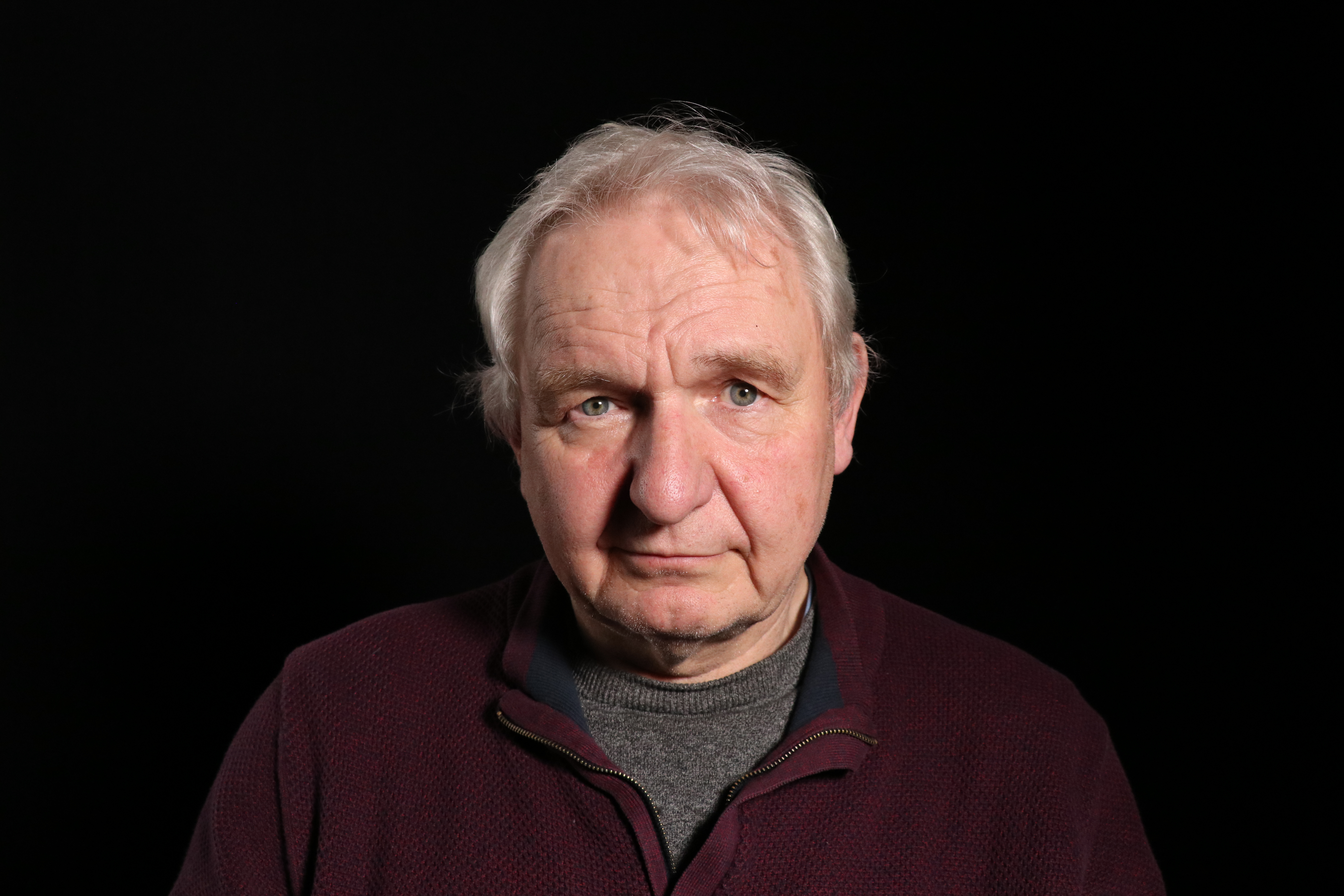
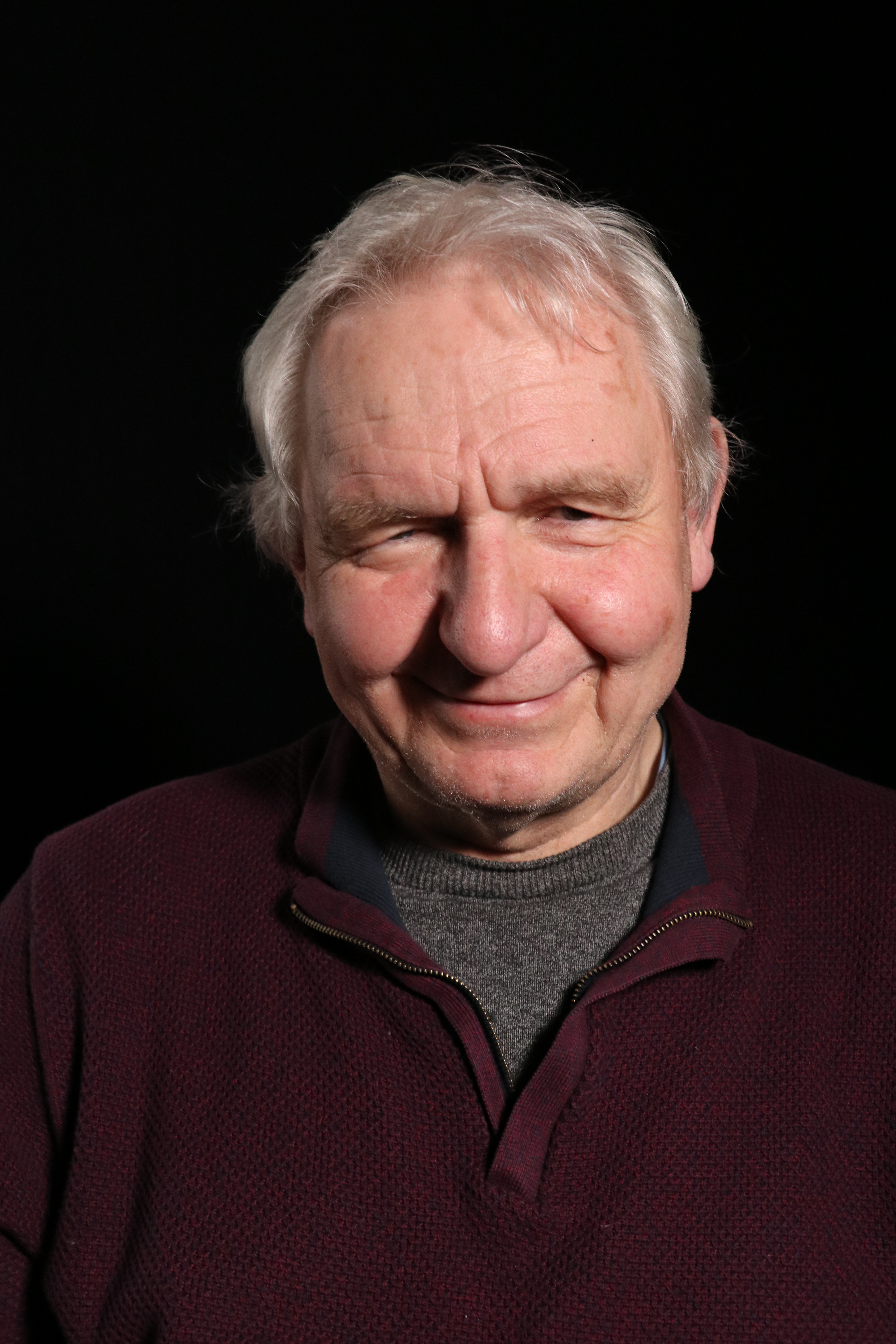
Dr. Ing. Alois Křišťan , Th.D.

* 1956

  • "Overall, to my formation and to our Salesian pastoral ministry. I found it interesting that when I was in Germany, there was a Salesian General Chapter where they came to the conclusion that the Salesians could no longer do everything on their own and that it was necessary to involve lay people, formal Salesian collaborators, and other friends. They took this as a discovery and started telling us how to collaborate with lay people in our work... I looked at them puzzled and thought, 'What is this?' Because they were talking about things that I had already been doing. Only later did I realize that we were quite ahead of them in this respect. We couldn't have studied without those lay people; we met in their apartments and together with them; it wasn't like we only had a religious group. When we Salesians did some of our formation and so on, we met again in the apartments of the Salesians, but also in the homes of some friendly families. When we did some pastoral work in cottages and retreats for students and things like that, it was always in cottages, in the cabins of people who risked it. We were dependent on that. So I lived with the idea that this was completely normal, that this was how we lived here, we were priests here, they did something else here, some of them participated in the studies, some of them prepared retreats, some of them had the cottages. So I lived thinking that it was completely normal that we lived like this here, we were priests here, they did something else here, some of them participated in the study too, some of them were preparing for renewal, some of them had a cottage here... but in short, it was something they had only just discovered there. If I am expressing myself clearly. And this strikes me as something I can't reflect on, but that we as a church don't fully reflect on, that under totalitarianism we were actually further ahead in some ways."

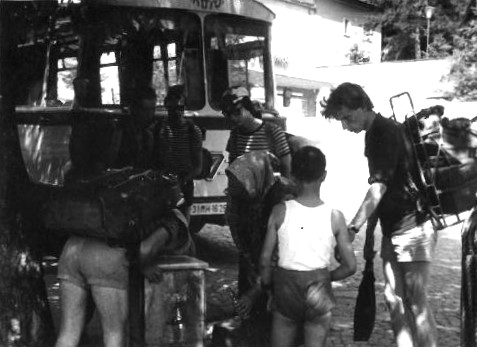
  • “Then we somehow got to Salzburg, and Pavel Kadlečík kept insisting that we should have Mass somewhere. And I was like, ‘Where and how…?’ And he said, ‘In some church.’ And he wanted it quite vehemently. My sister and brother-in-law were there too, and a few people knew that we were priests. And I said, 'Well, if we have to, then in a church.' And he was so excited, he said, 'Let's go somewhere and say we're secret priests.' And I said, 'Here in a foreign country, I'm going to tell someone I'm a secret priest...? They'll lock us up!‘ So I was quite afraid, but then he convinced me. I knew a little more German than he did, so I said, ‘Okay, but let's go to a religious church, one of those orders that also has secret members in our country, they'll understand. So we found some Franciscans in Salzburg. So we went to the Franciscans and said we wanted to have a Mass for a few people at a side altar, not even for those from the bus, just for a few people. And now, who are we...? We said, 'We're coming from a pilgrimage, we're religious, but we're not public priests, we're Salesians.' And now he was like, okay, but he wanted to see some papers, otherwise he wouldn't let us in. Well, we didn't have any papers. A passport? I said, 'I'm not showing my passport.' So he was stunned. I said we wanted to go in, but I wouldn't show anyone my passport. So he left and went to see some superior. The superior came and asked some questions. He probably understood how things worked in Czechoslovakia, so he said, ‘Of course you can, and so on...’ But not in a side chapel, but at the main altar. And that we should come at five. So we came at five, both of us, in our robes... So we went there. I said, 'This is going to get us in trouble.' I was shaking. So we started the Mass at the main altar, and I saw from the main altar that the doors opened and people from another bus came in, but I knew them from Vršovice. They stood there and I was thinking, ‘There’s Pavel Boháč, Dr. Zdeněk Boháč is there too, and these guys too...’ people who knew me. I tried to hide under my stole, but it was useless. So I thought to myself, 'Now everyone will find out that I'm a secret priest.' Well, that was another experience from Anežka.“

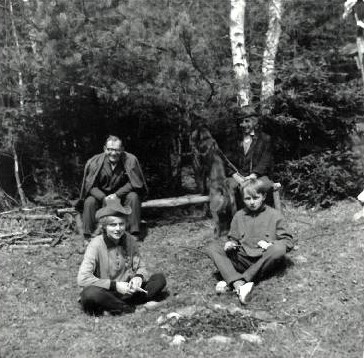
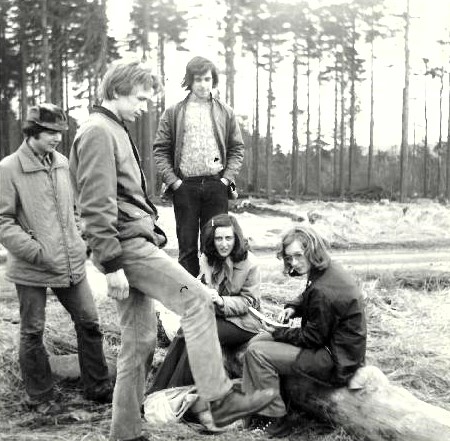
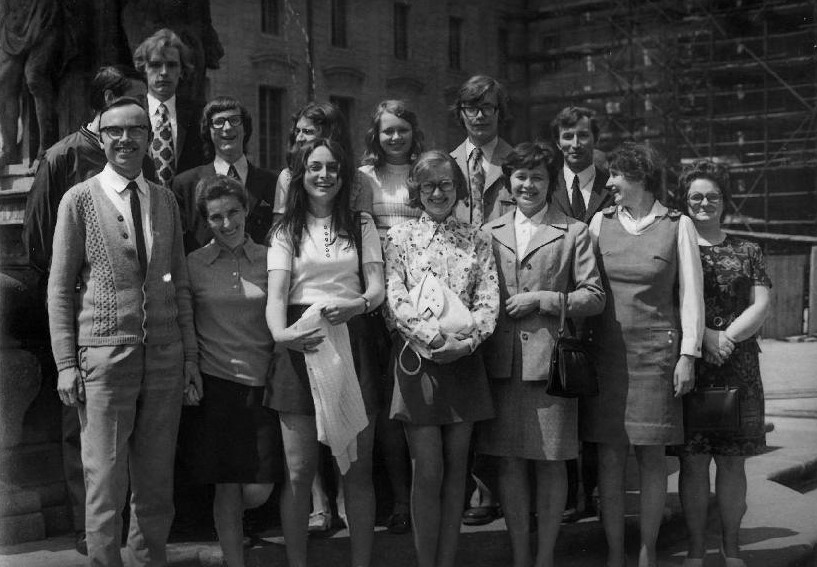
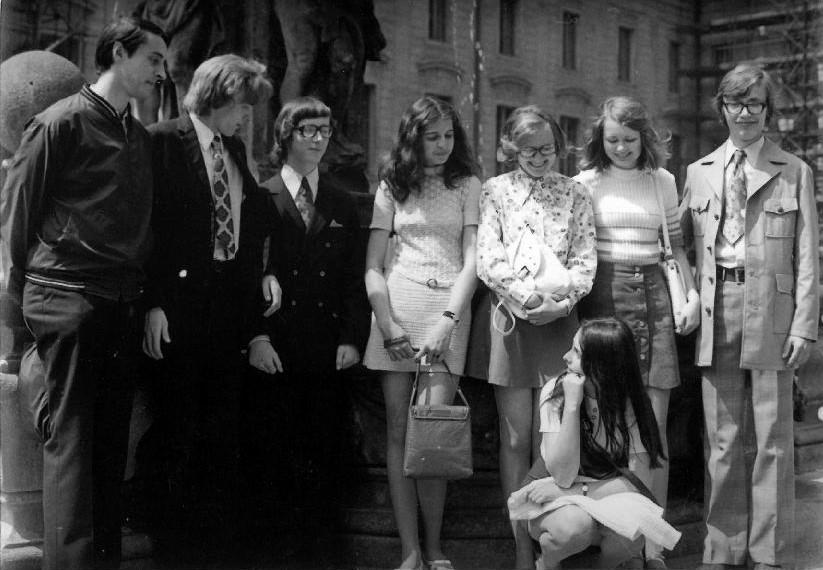
  • “There was a Catholic scout group, which was banned in the 1950s. The guy who ran it, Jan Janoušek, was sent to prison for it, and in 1968 they revived it. Jan Janoušek, known as 'Janek', revived the Catholic scout group there. I didn't get involved in it yet, I wasn't that close to it yet, we had to go to our family estates in Milotice, in Vysočina. And then, when they saw that the scouts were going to be shut down by the communists in 1971, I don't know the exact year, they founded a hiking club, headed by Lída Reichlová, who is still alive. She was the leader of the club, and the kids, as I found out later, had double registration without even knowing it. In the scout troop and here at the same time. And then they banned the scouts. So the scouts were banned, Janek officially left everything, and Lída Reichlová officially continued with her hiking club under the guise of hiking, and basically carried on as the former scout troop. And I met these kids, who had gone through the cubs and were now at the level of junior scouts, at religion class, and they went on various events and trips, so I joined them and joined the hiking club. And that was also important for me – even for my Christian life."

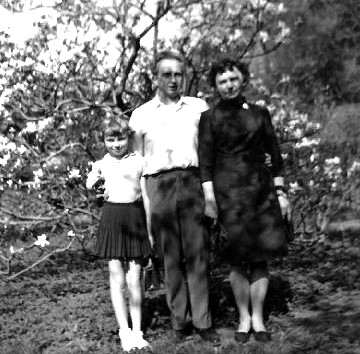
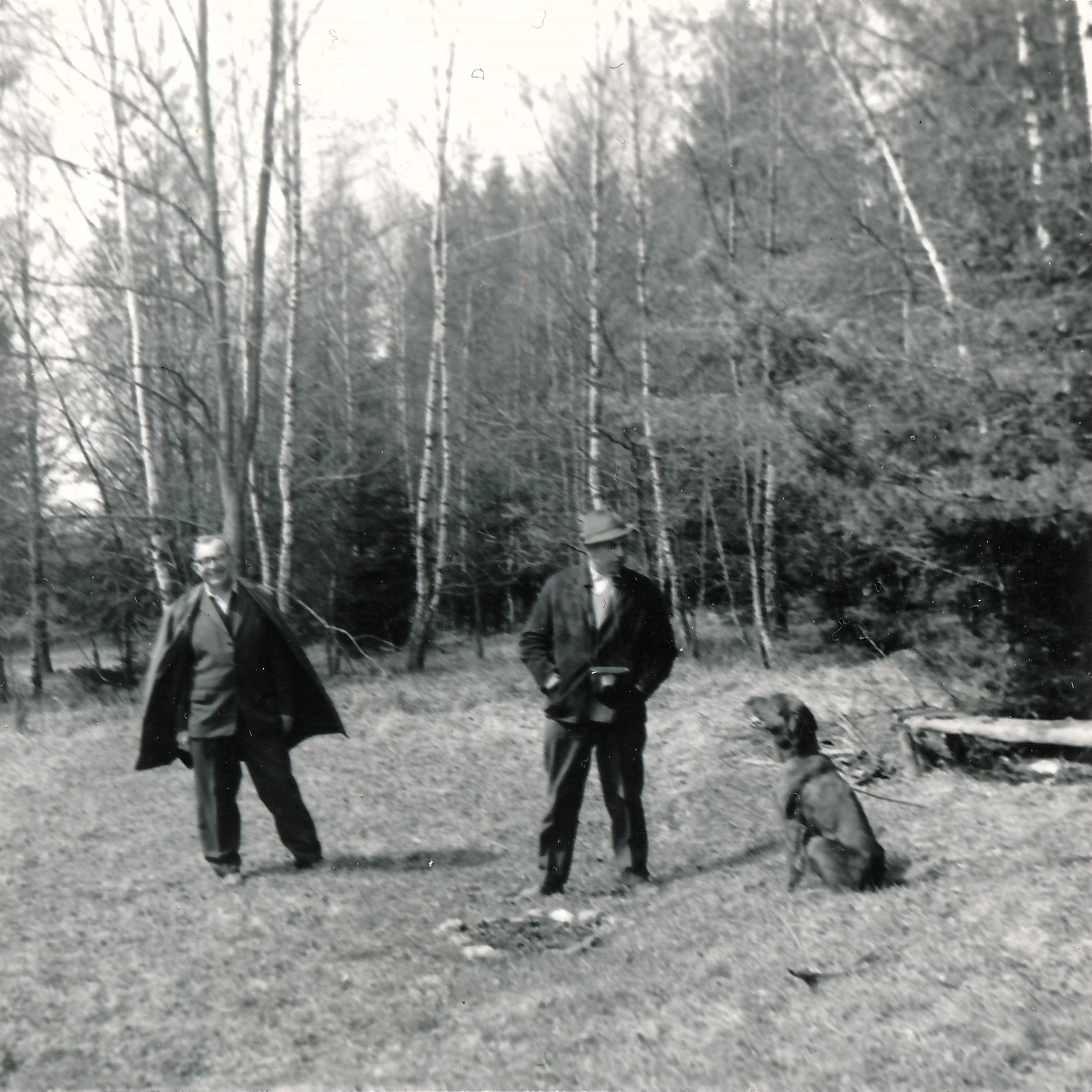
  • "Grandfather, my father's father in Milotičky, was labeled the biggest kulak in the village, so when they needed to destroy it there, they confiscated his farm. The others didn't have to, they just had to hand it over and were allowed to stay there, but my grandfather had to move out. However, he was able to stay in the village because the people there knew each other and liked each other, so no one held anything against him. So he had to move out of the farm. I was born in 1956, so I didn't experience it, but there was some trauma in the family. Because, at least according to what our parents said, an offer came: 'Give it to the collective farm,' but of course Grandpa didn't give it away, why would he? So then they were forced to supply some things for deliveries, they were only allowed to thresh at night, they weren't allowed to employ anyone... So, in order to keep the farm, our relatives from Prague would come and visit, and they all tried their best, and it's so drastic that they actually thought that if they tried hard enough, they could keep it. And the communists had that screw, so they tightened it a little bit, and they tried again, sweating blood, and they tightened it again a little, until they forced them to hand it over. So I guess that affected me too, like this family narrative, as they say today, towards communism and the socialist system."

  • Full recordings
  • 1

    Praha, 05.03.2025

    (audio)
    duration: 01:35:21
    media recorded in project Stories of the 20th Century TV
  • 2

    Praha, 16.04.2025

    (audio)
    duration: 01:52:58
    media recorded in project Stories of the 20th Century TV
Full recordings are available only for logged users.

Only later did I realize that we were quite advanced in some respects here
Alois Křišťan, graduation, 1980
photo: Witness archive

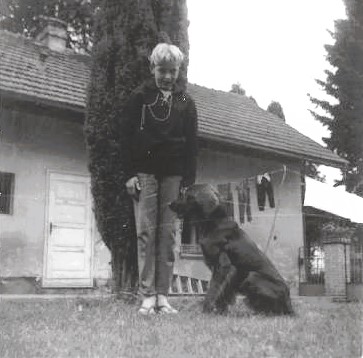
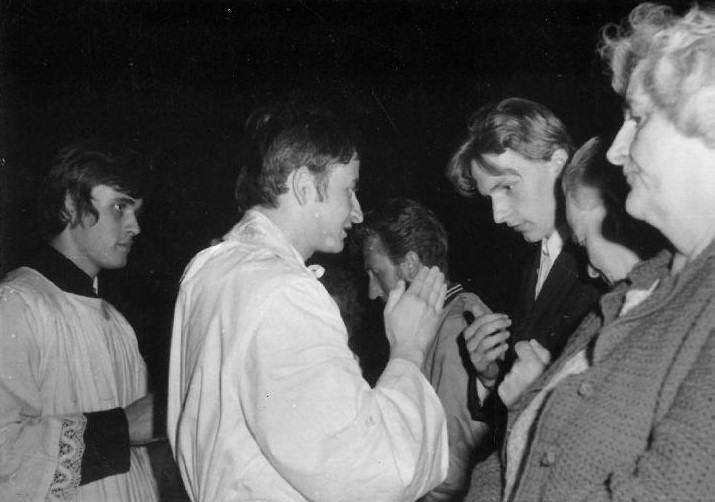
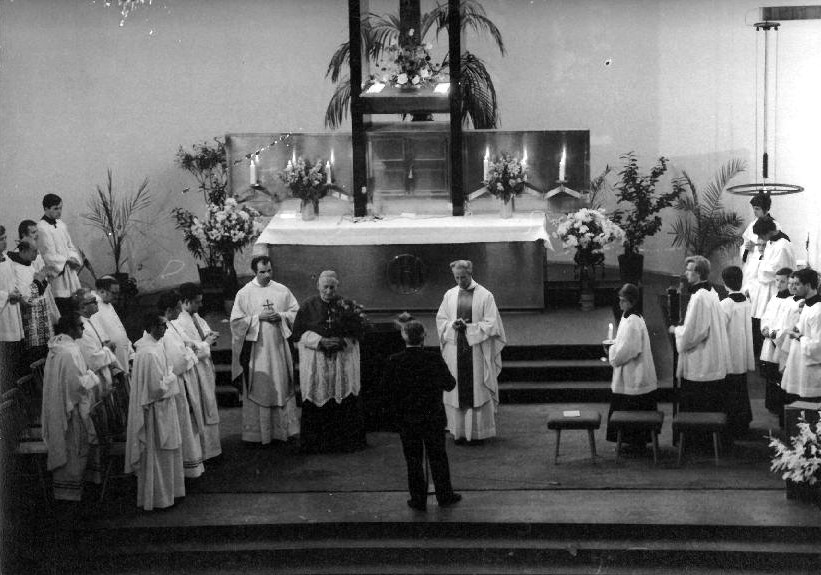
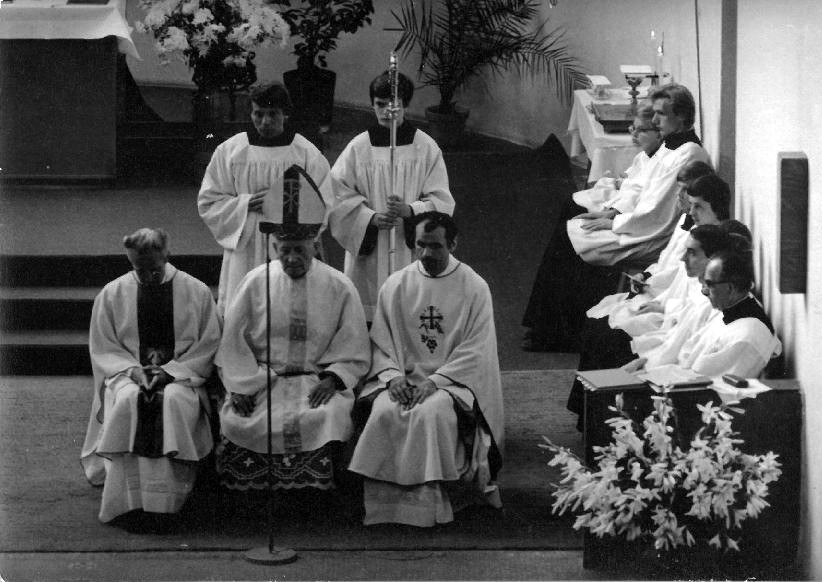
Alois Křišťan was born on August 6, 1956, in Prague into a family with deep roots in the Vysočina region, which was severely affected by communist collectivization. He spent his childhood in Prague’s Vršovice district, where he was shaped by the local Roman Catholic parish and a tourist club inspired by Scouting ideals. After graduating from high school on Přípotoční Street, he enrolled at the Faculty of Civil Engineering at the Czech Technical University. During his university studies, he joined the Salesian congregation and at the same time began studying theology illegally. Throughout the 1980s, he worked as a technician in the development and technical development department of the Armabeton company, but the focus of his life was on the spiritual community and activities of the Salesian order. In 1988, he was secretly ordained a priest, and a yearlater, he took part in a pilgrimage to Rome on the occasion of the canonization of St. Agnes of Bohemia. After the Velvet Revolution, he was appointed editor-in-chief of the newly established Christian magazine Anno Domini. In 1992, he began studying pastoral theology in Benediktbeuern, Germany. After completing his studies, he worked at the Faculty of Theology in České Budějovice, and from 2014, he taught at the Jabok College of Social Pedagogy and Theology. In 2025, he lived and worked in Prague.