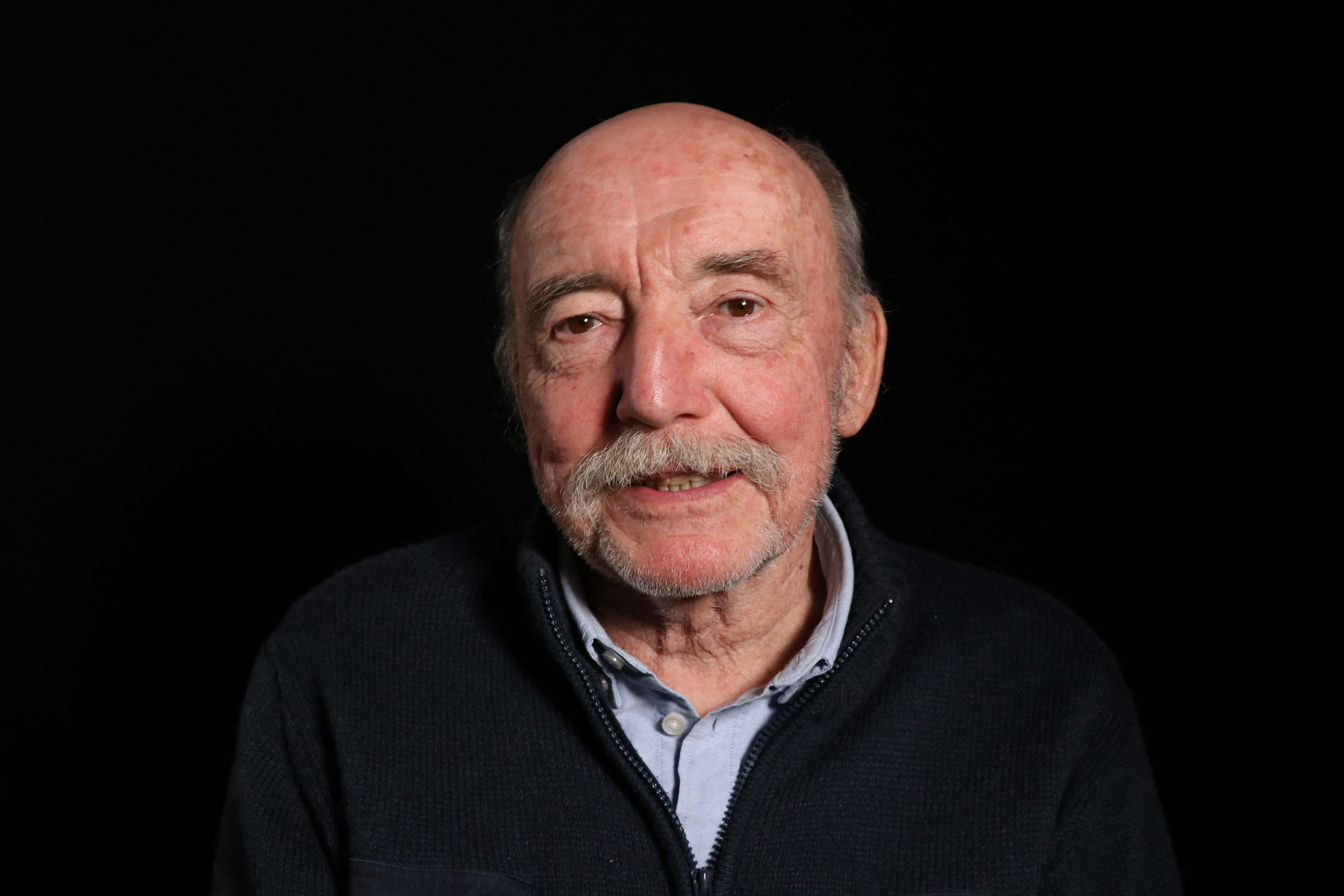
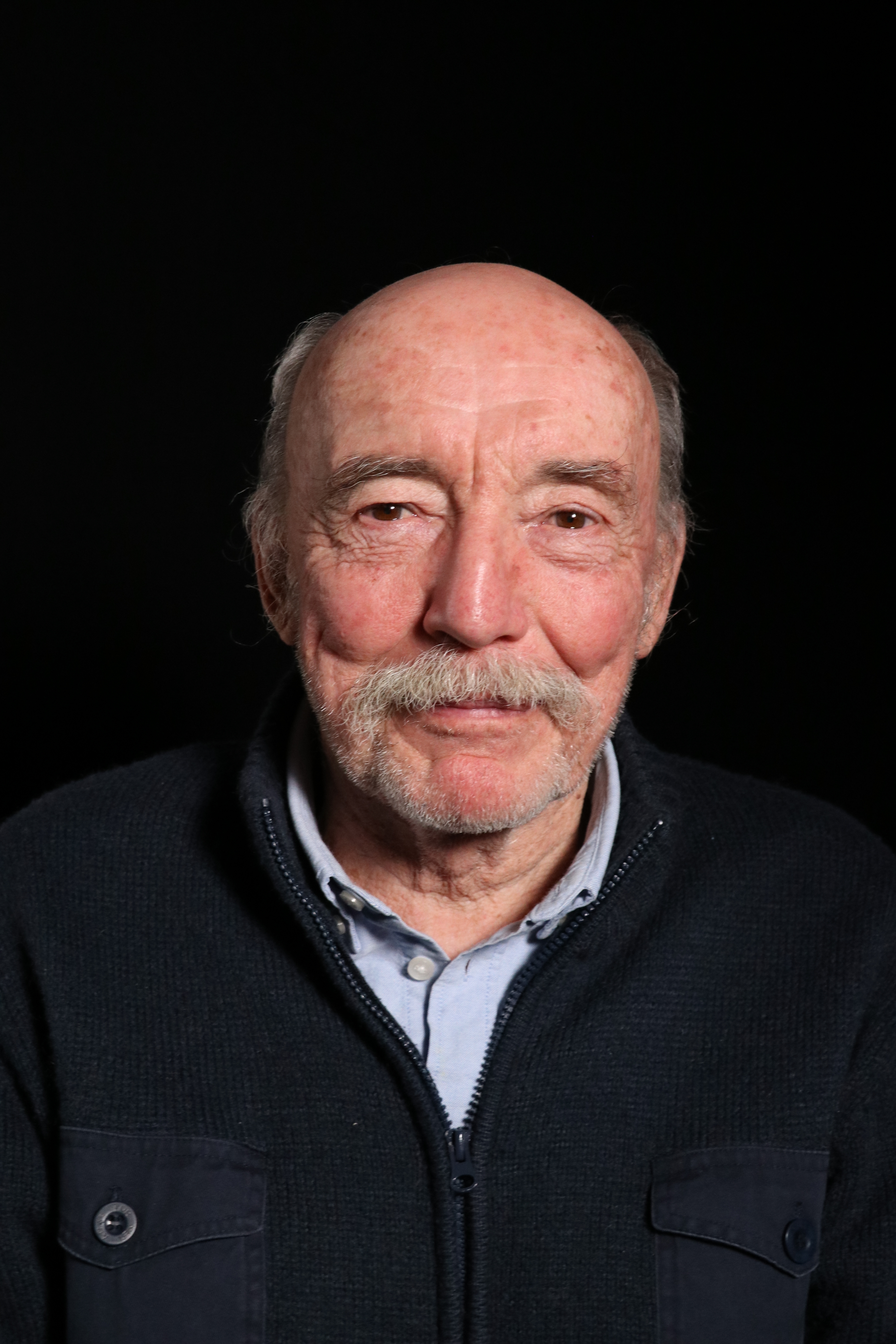
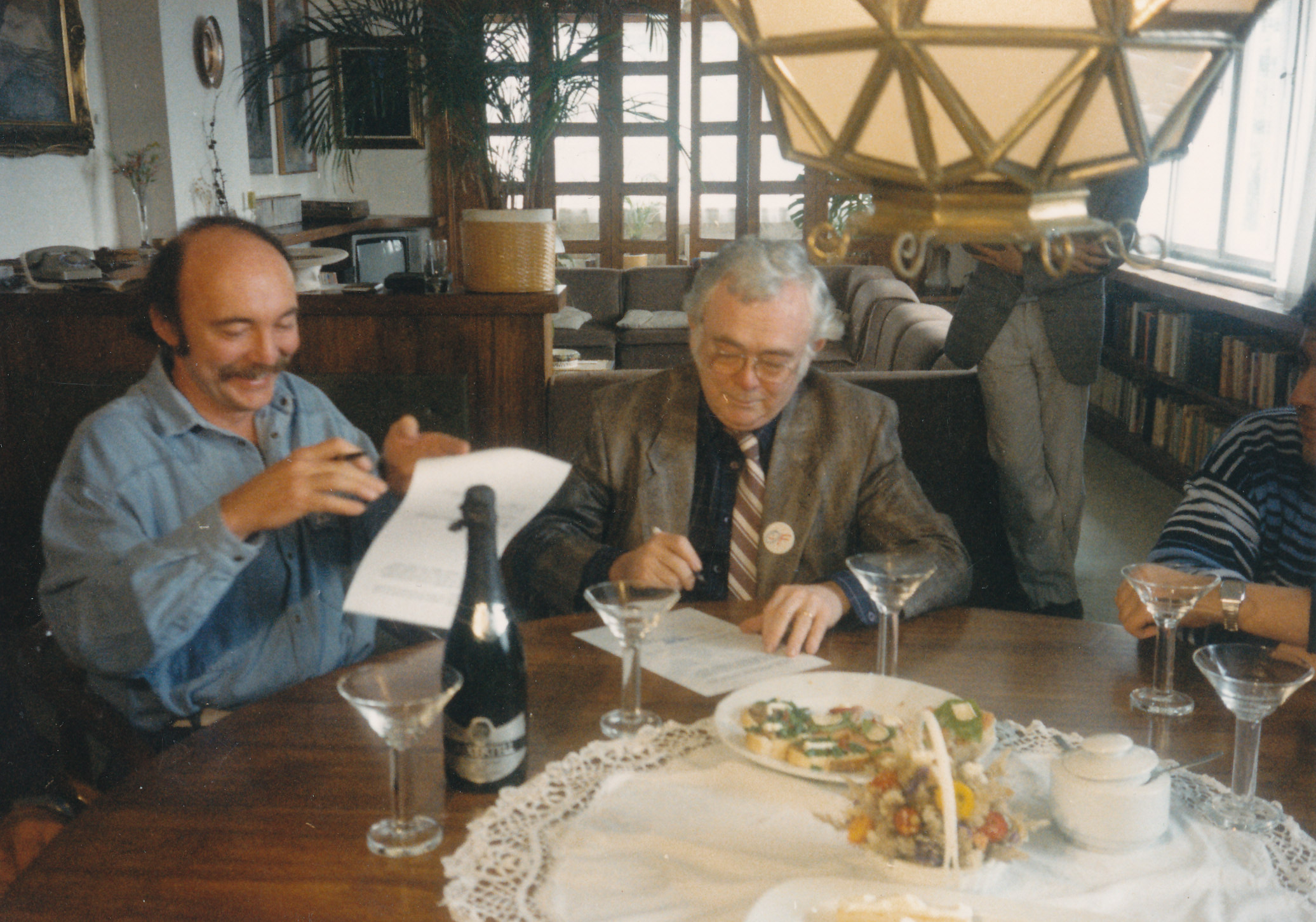
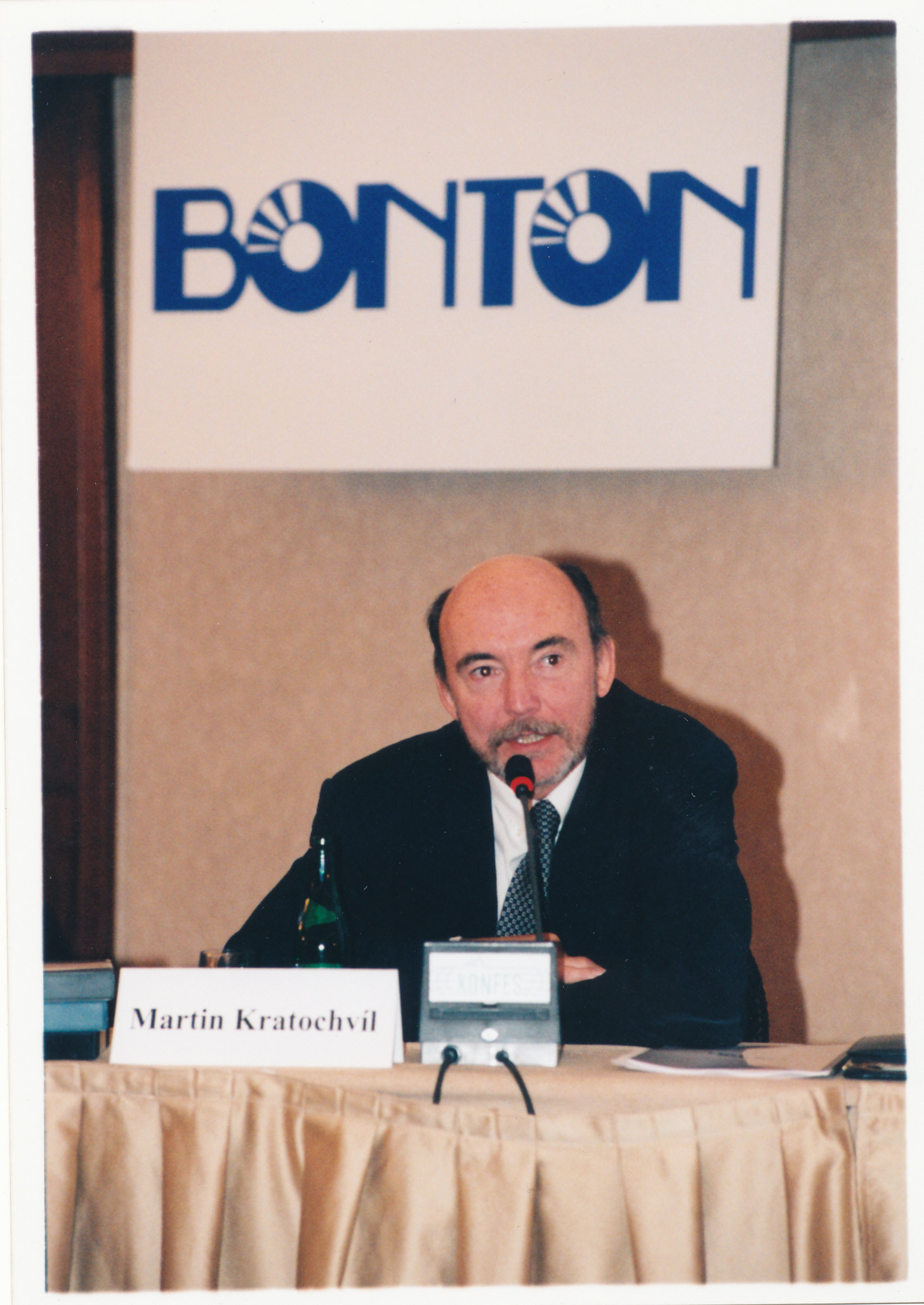
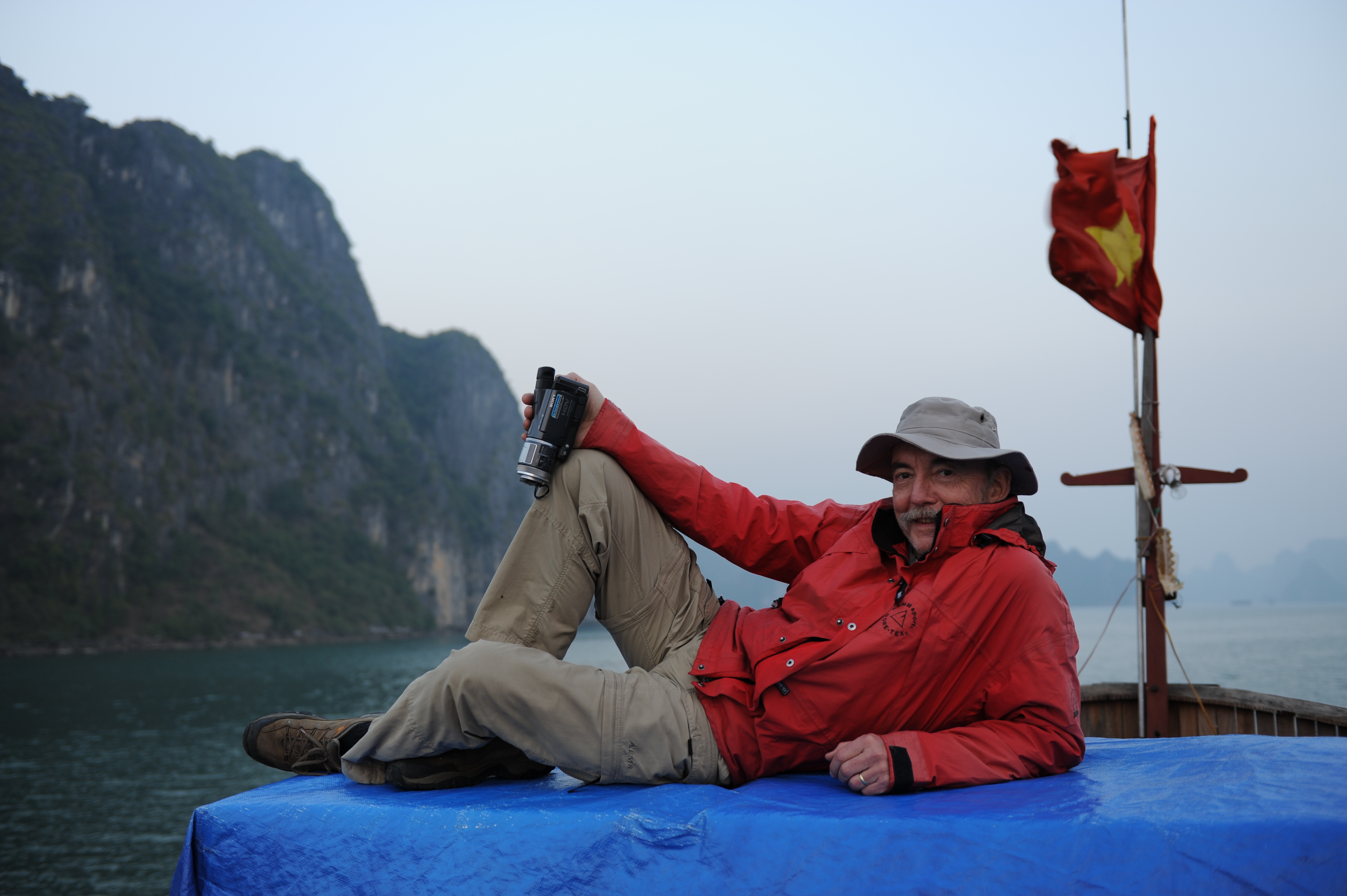
PhDr. Martin Kratochvíl

* 1946

  • "I think we have helped erode the regime in a big way. I can't forgive myself for not saying that, because we brought to that nation... Unlike others who were banned or more censored, we had that language, I would say, more untied, so we could afford more. Not too much, because it always jumped to interrogations at State Security, where I often went too, as is clearly documented in those files of mine that you have access to. So that was the first thing: we felt like we were bringing common sense. But the main thing was the music, because music is the very phenomenon that allows for the opening of minds. Thought and music has an amazing power. Few people realize what everything can do. It has a hell of a power to unite people. You don't even have to sing anything. All you have to do is get it playing and get it going. Rock'n'roll is freedom. Those are the very symbols of freedom. That's probably what we were to those people. Or more likely, we were certainly. So they'd go to see it and sometimes read between the lines and hear what was in the music. The awesome power of that freedom. The music came from religion and from myth and from movement too. It's rooted there somewhere, I have a beautiful series about it, I haven't made it yet. God knows if I'll get to it, but I have it documented and beautifully written. So that's where the wind blows from, from the pre-music rituals. Before the logos, before the language, there was actually something like music, rhythm, dance, religion. And these are all things that... Stalin once asked how many divisions the Pope had. He measured it all by where you can get by force. But there are some things you just can't get to by force. And music is one of them that has a huge impact. So that's kind of my credo that I've spat out here, of course."

  • "I had one more activity, the Doctor Q Clinic, regular discussions in Malostranská beseda on various topics. But besides that, and this is important... I was in America legally and I brought back a lot of material from there. And when you asked what was going on among the people, I felt very strongly that people needed to hear first-hand what it was like in that America. Because they didn't know, on the one hand there was [anti-American] propaganda, on the other hand there was too much adoration of the US. So I was always angry when I went somewhere - at that time I was just showing pictures from the projector, there were no videos yet - and I was angry and a little bit moody that more people came there than came to the concert. Which made me feel sorry, I thought I was saying everything with the music. It was such an erosion of the system. People were just asking questions and I was answering them truthfully. I think in a lot of situations, it was almost disillusioning for some people. Because of course I saw America from all sides, from below, from the bottom, from above. And I wasn't just an undoubtful admirer. I've seen the bad, too, though it's mostly been good. I am convinced to this day that things will eventually turn out well when Trump leaves. But I've also seen the ghettos in America, and that's horrible. That's human despair. The material poverty in India or Nepal doesn't compare to this mental despair. It's crazy."

  • "I got an offer to go there. I went to the Ministry of Culture and said I wanted to go there to study. They said, 'That's difficult, there was a guy called [Jan] Hammer who went there and stayed, and Jiří Mráz who stayed. It´s not possible.' I asked what I needed to do. 'Well, you need all these applications and the approval of these institutions.' There were, I think, six of them. The street committee of the party, the study department at the faculty where I was studying, the city party committee, the Czechoslovak Youth Union, some cultural institution, the Ministry of Culture, and I'm sure I've forgotten half of them, the political ones. 'And they all have to write to you that they agree that you will go to America to study for a year, for two, for three, for four.' I always joked that I was more of a typewriter than a piano typist then. And I started. Failure. Nobody wanted to sign off on it. No one. Until I came across one man, his name was Mácha, in the Ministry of Culture. And I have to say, God bless him, he broke it all through. He wrote something that no one could imagine a bigger alibi. He wrote that he basically didn't know what was going on, that he didn't know the man, that I was certainly a decent person and that nothing could happen, and that he might not agree with it outright, but that he would have nothing against it. That's the kind of crazy alibis in five paragraphs. And he signed his name to it. Boom, I took the paper and I went to the municipal party committee and I said, 'Look, the Ministry of Culture agrees with this, don't you?' They read it, they said, 'Well, that's not bad, boom.' And now comes the main moment, it's really like a detective story, what's come now. My dad said, watch out. It was just before I left, the semestre was starting in September. He said, "State Security will come to you, they'll want you to cooperate. There's just no way they won't come. It's just the way it is here.' It was 14 days before I left and still nothing, so I thought, would I get through without this horror? And suddenly I got a phone call from the Ministry of Culture, telling me to come in for an interview. So I showed up for the interview. Outside office hours. The man had the surrounding offices cleared out, it was in the Valdštejnský Palace. Looking back, I'm beginning to understand what was going on there, but I didn't get it for a long time. There I sat down opposite him and he said to me: 'Comrade, we have decided that we will give you our confidence, here is your passport, and that you will go and study and that you will then put it to good use in our socialist homeland. And I need to have this interview with you.' And now he said this: 'Are you aware, comrade, that in every drugstore...' - a drugstore is simply a shop where everything is sold, food, drugstore, all kinds of things, in Czech we would say grocer´s - 'Are you aware that in every drugstore you can face ideological diversion?' Dude, now I didn't know what was going on. I thought, I'm just dreaming, what do they want me to say? And so I was like shaking my head and he was like smiling a little bit out of the corners of his mouth. And I said, 'I think so,' and he got up from his chair and congratulated me and said, 'Have a safe trip, goodbye.'"

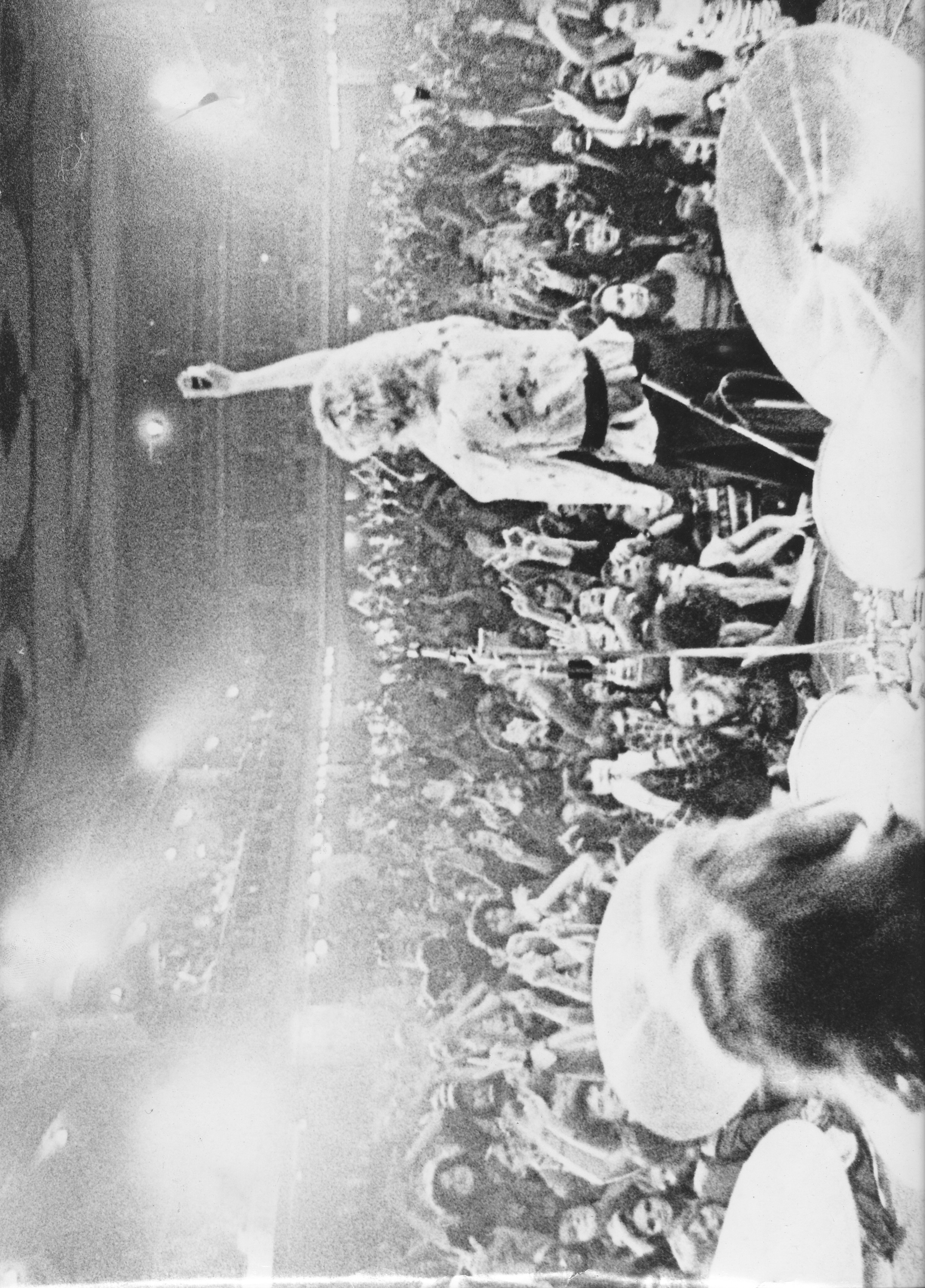
  • "I mean, we played very, very often. But not because the jazz rock that I wrote and played was so popular. But because it was a clear message that it was anti-establishment. That it was a culture that had a gravitational pull on all the dissatisfied. So the gigs were on the verge of being legal and being arrested. State Security was always around and at every concert something was broken, someone broke something and shouted, especially in Pilsen where it was disastrous." - "Did the music excite people that much?" - "Yes. You wouldn't believe it. If I played rock'n'roll, I understand that the music itself has a certain simplicity and directness and revolutionary charge to it, like the Rolling Stones or Dylan. But I was writing nineteen-eighths songs at the time that you couldn't dance to and were quite complicated. And anyway, the concerts in Lucerna were packed and anyway people were smashing chairs and anyway people were being stiffened by the crowd. I don't know if I didn't tell you about that last time, because what was going on in Lucerna, nobody wants to believe me today. It was mainly because there was a hunger [for Western music] and we were at a certain time of the purges, I'm almost going forward in time now... Everything was banned. Except jazz, because jazz was the music of the oppressed black working people in the eyes of the politicians, so it was not to be touched, yeah. Not in Russia, not anywhere else, not in the Comintern, anywhere in the world, it was just taboo. I mean, they banned Flamengo and all sorts of bands that were playing pretty much the same thing we were at the time. But they didn't touch Jazz Q because it had jazz in its name. And at the time my mum was like, 'Don't be naughty, or they'll cancel your jazz.' She wasn't just talking about our band, but if we'd written rock 'n' roll instead of jazz, we'd have been out of business in a heartbeat. We would have had a harder life."

  • "There was a kind of... There was still finishing what had been there before. There we would quickly notice if Patočka came in a week later and said something different. Nothing like that, I swear, happened on that faculty. There it worked so that a certain person was suddenly not there. They just fired them and that was the end of it. But none of them put ashes on their heads, none of them re-evaluated their views. And I don't think they even really found any renegades to do the dirty work. So I think the faculty came out of it okay. Although, when I stopped by the faculty a few years later as a non-student to say hello to my teachers, I met Milan Sobotka there. And he took me aside and said, 'But, colleague, you know, these students of mine denounce me for what I tell them at lectures.' But he lectured on Marxism; he lectured on the history of the labor movement and things like that. Of course it was a different Marxism than Leninism, it was German philosophy, really well worked out and very well explained. And yet students would come to denounce him for not speaking of the Soviet-Marxist-Leninist line. But still, the inertia of those wonderful years, the sixties, was still reverberating on the faculty before it was completely smothered by the masterful Russian way of slowly tightening and tightening and throwing people out until it just ended up all wrong."

  • Full recordings
  • 1

    Praha, 21.02.2025

    (audio)
    duration: 02:59:29
    media recorded in project Stories of the 20th Century TV
  • 2

    Praha , 16.07.2025

    (audio)
    duration: 01:59:59
    media recorded in project Stories of the 20th Century TV
  • 3

    Praha , 05.12.2025

    (audio)
    duration: 02:14:21
    media recorded in project Stories of the 20th Century TV
Full recordings are available only for logged users.

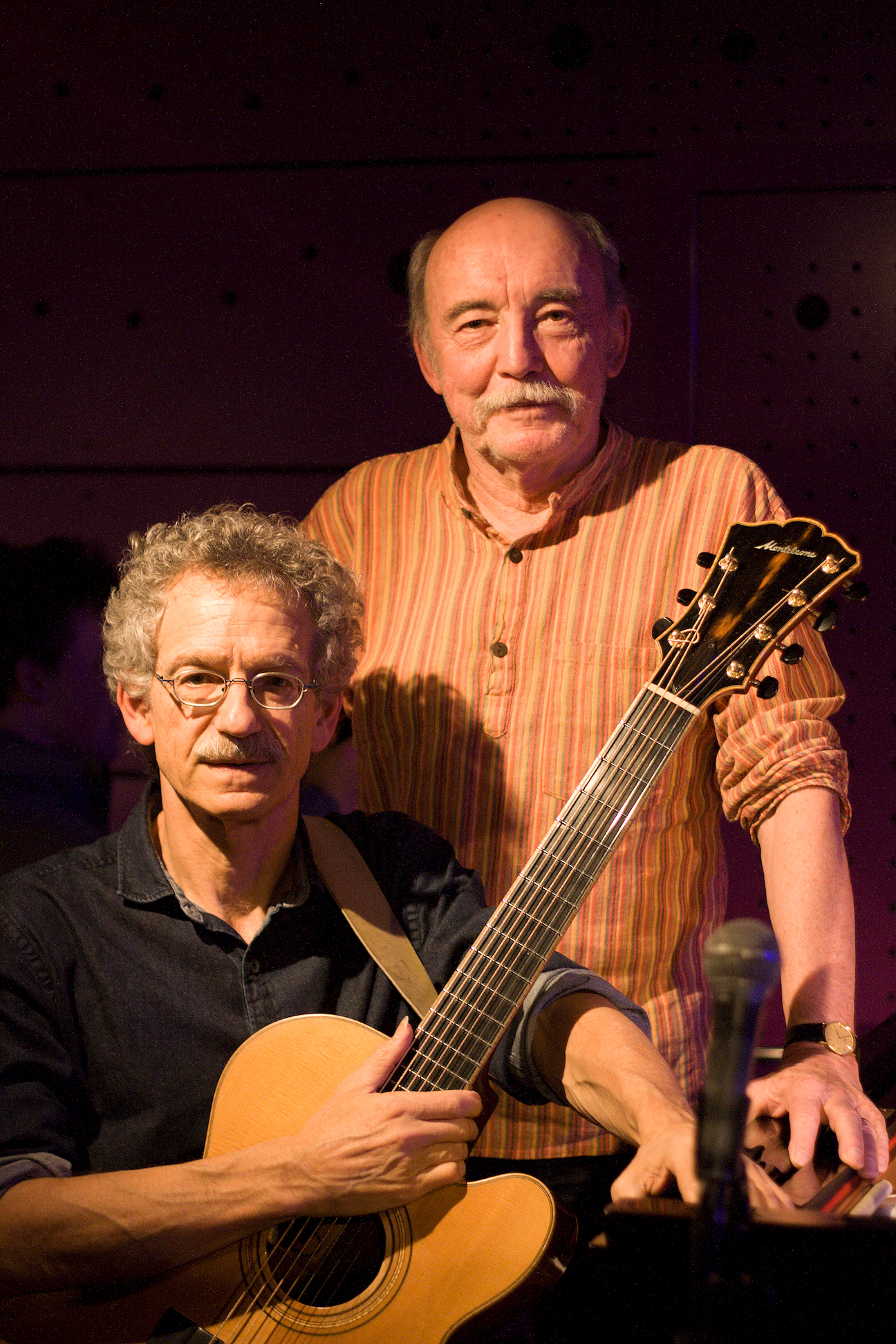
Our music was neither popular nor simple. Yet it helped erode the regime
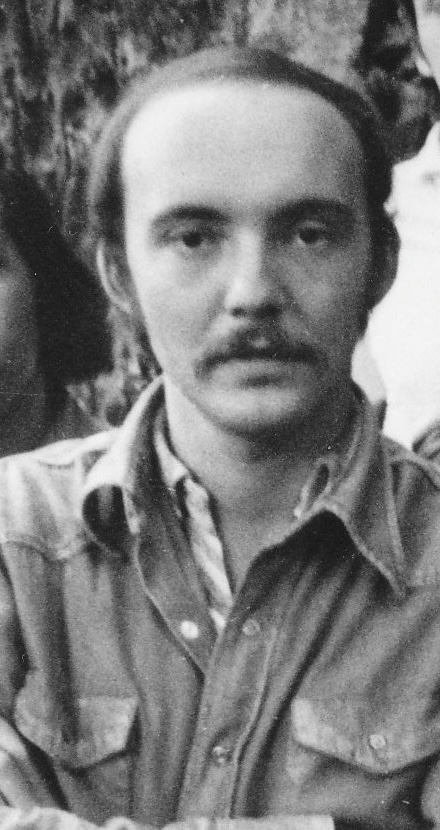
Martin Kratochvíl in 1975
photo: witness´s archive

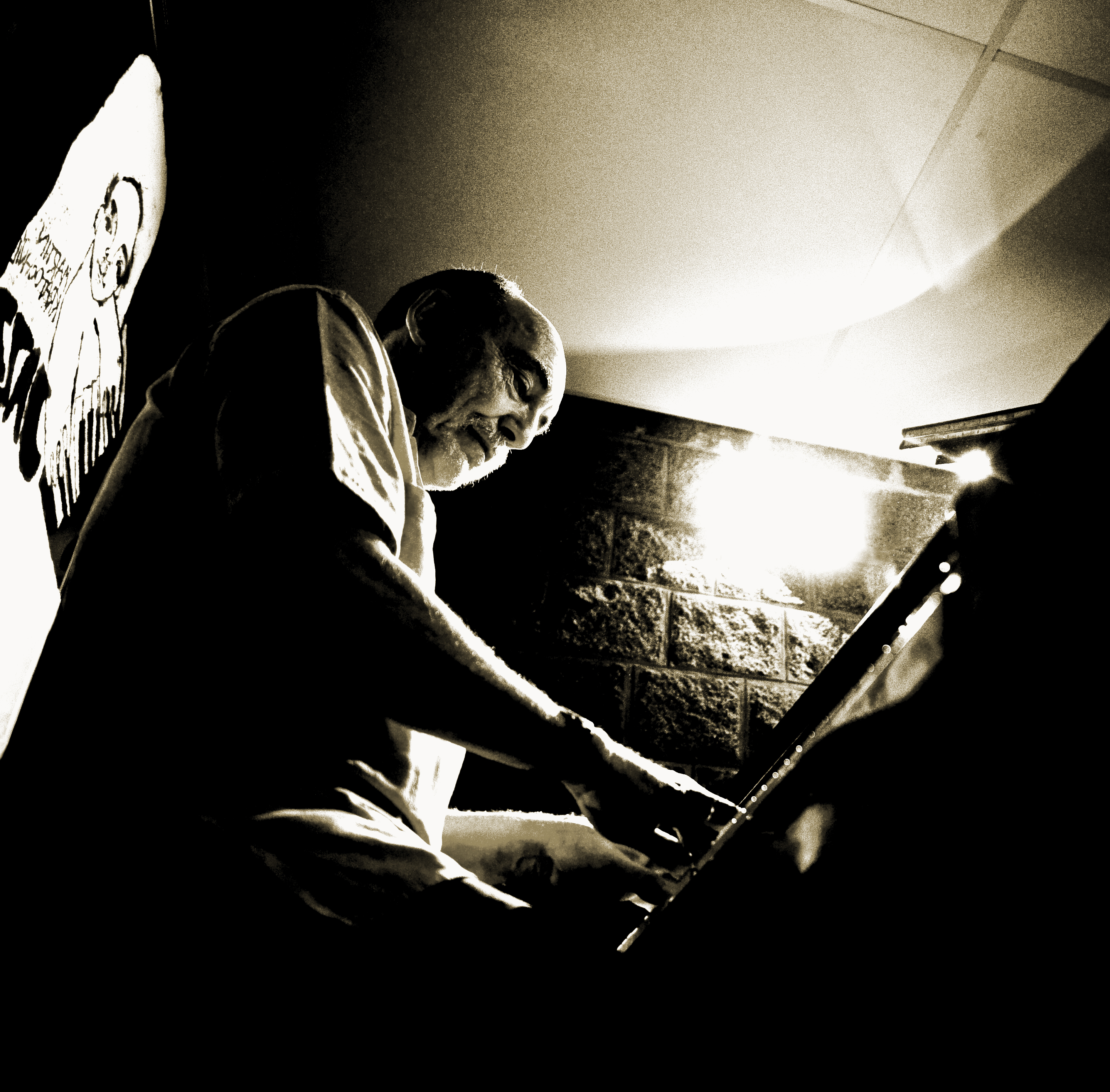
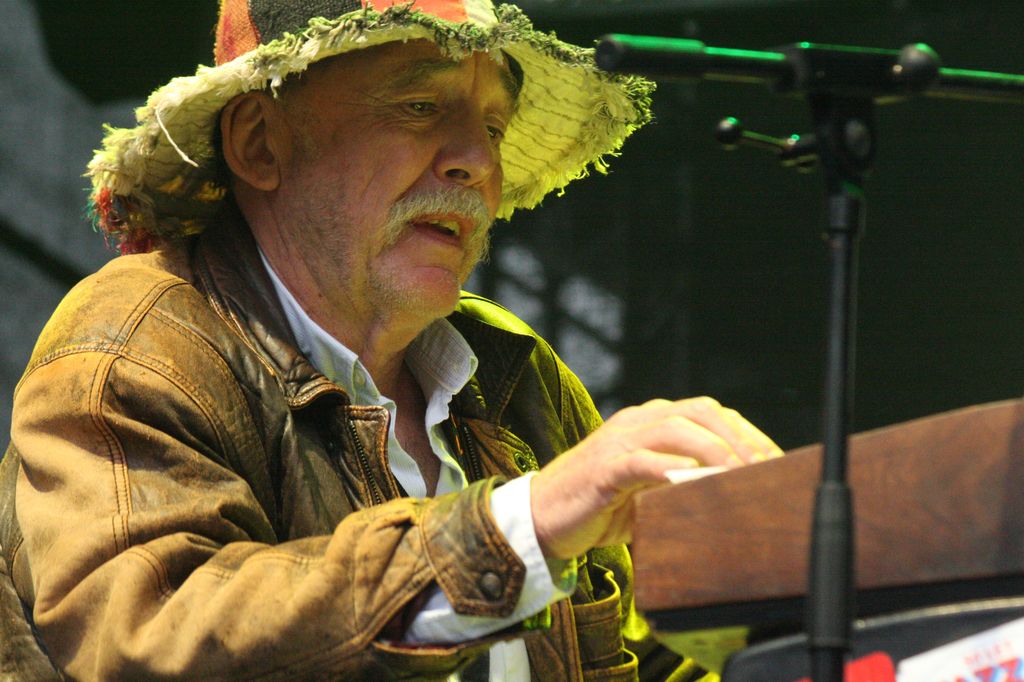
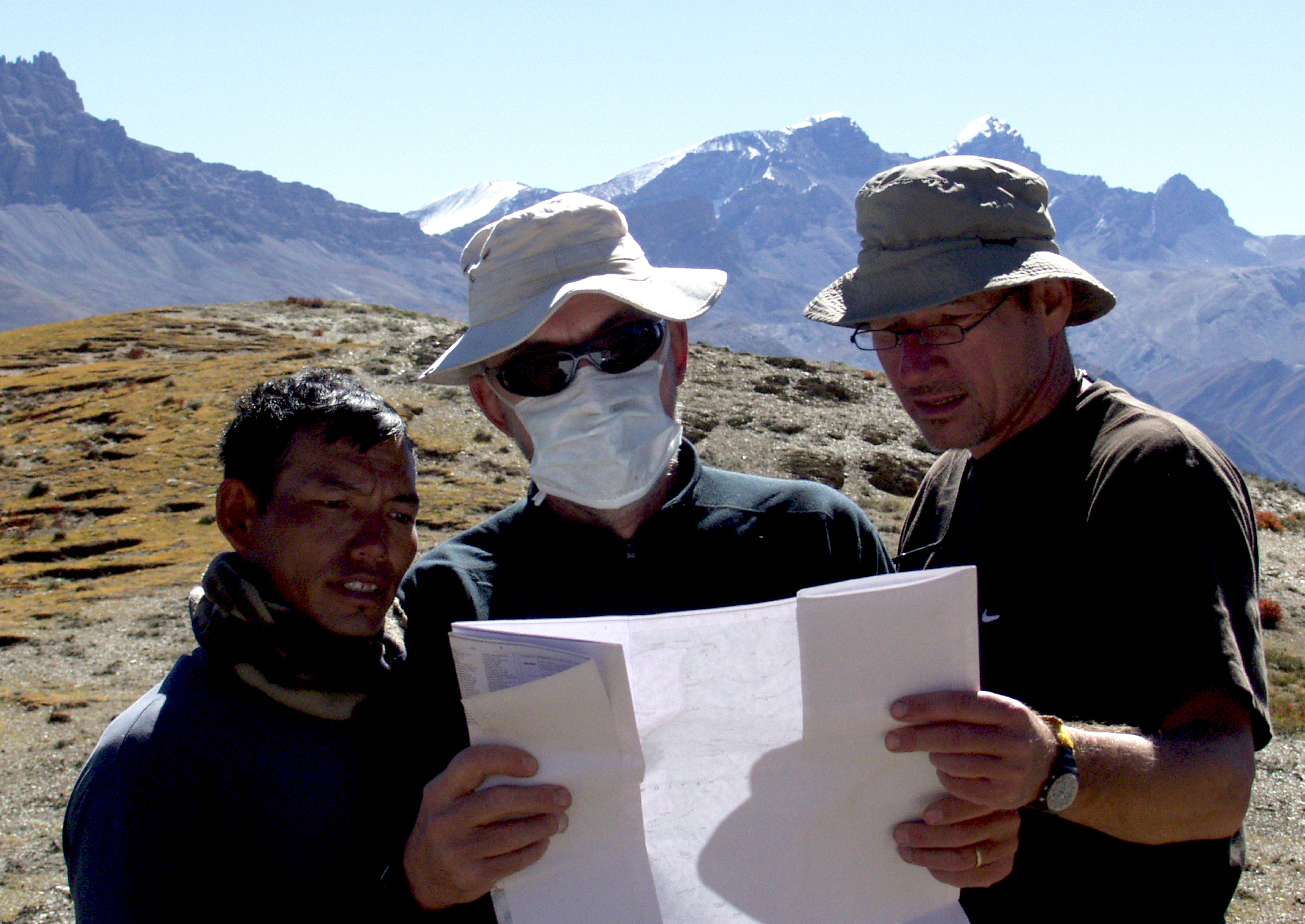
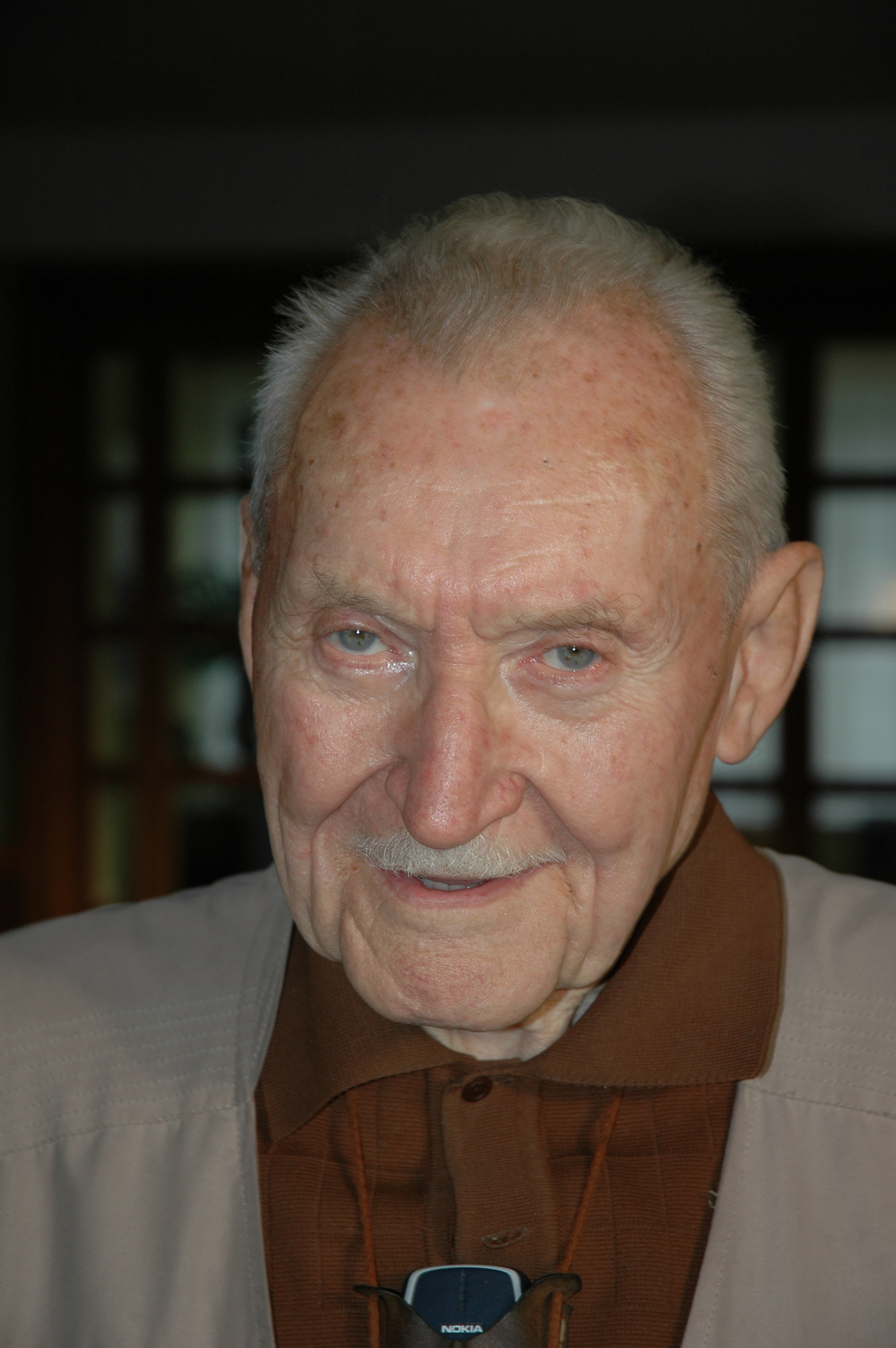
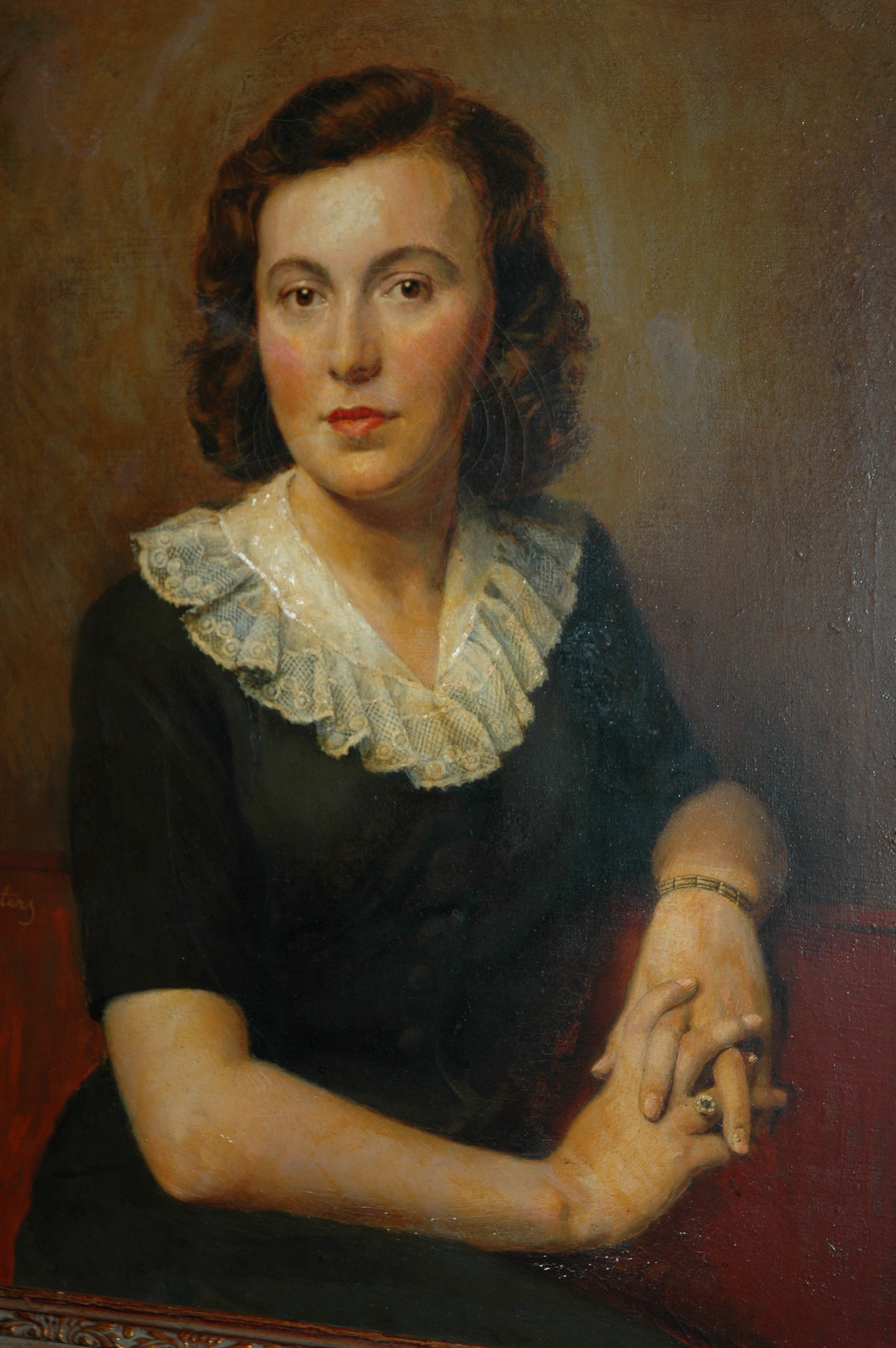
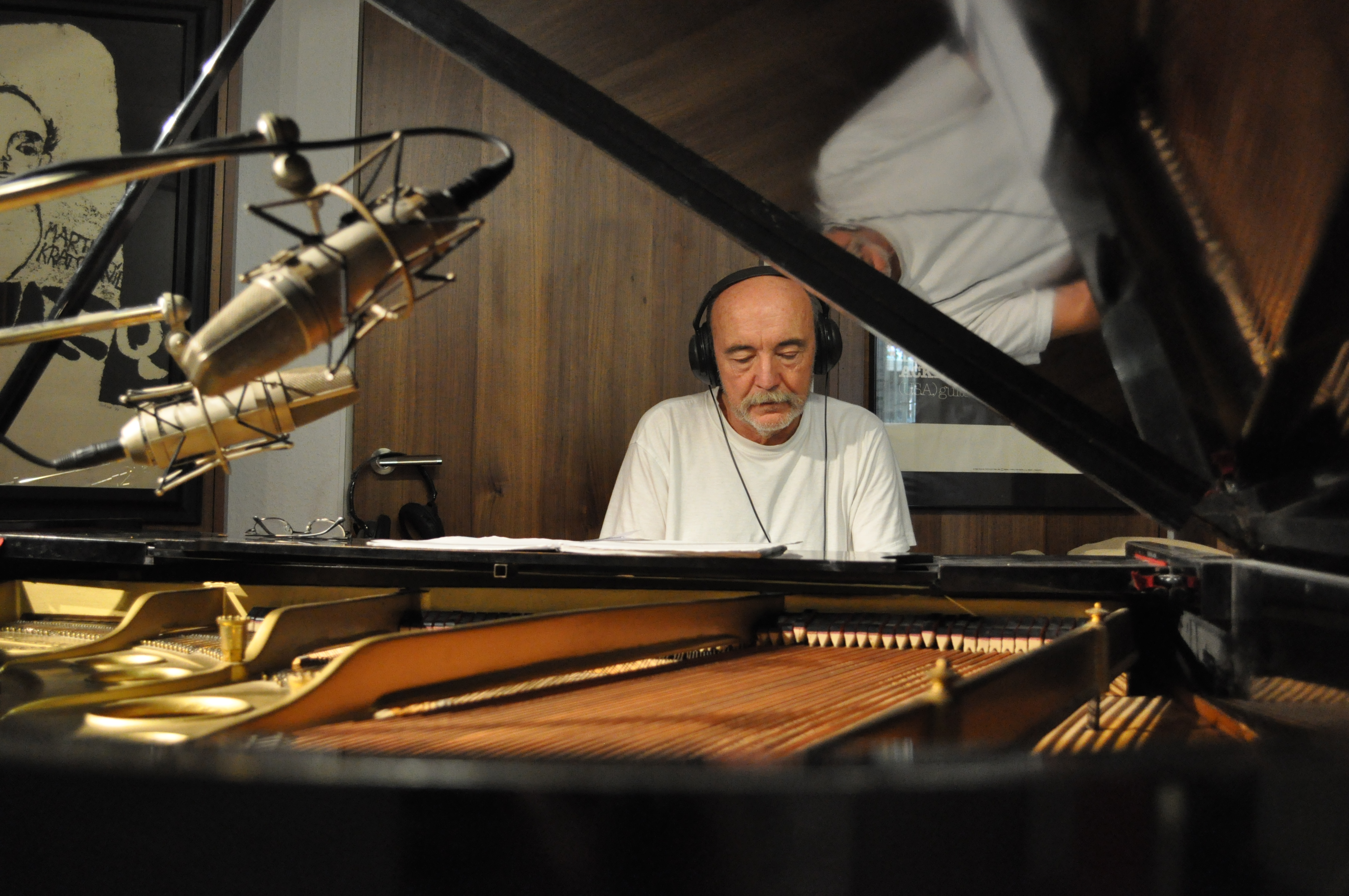
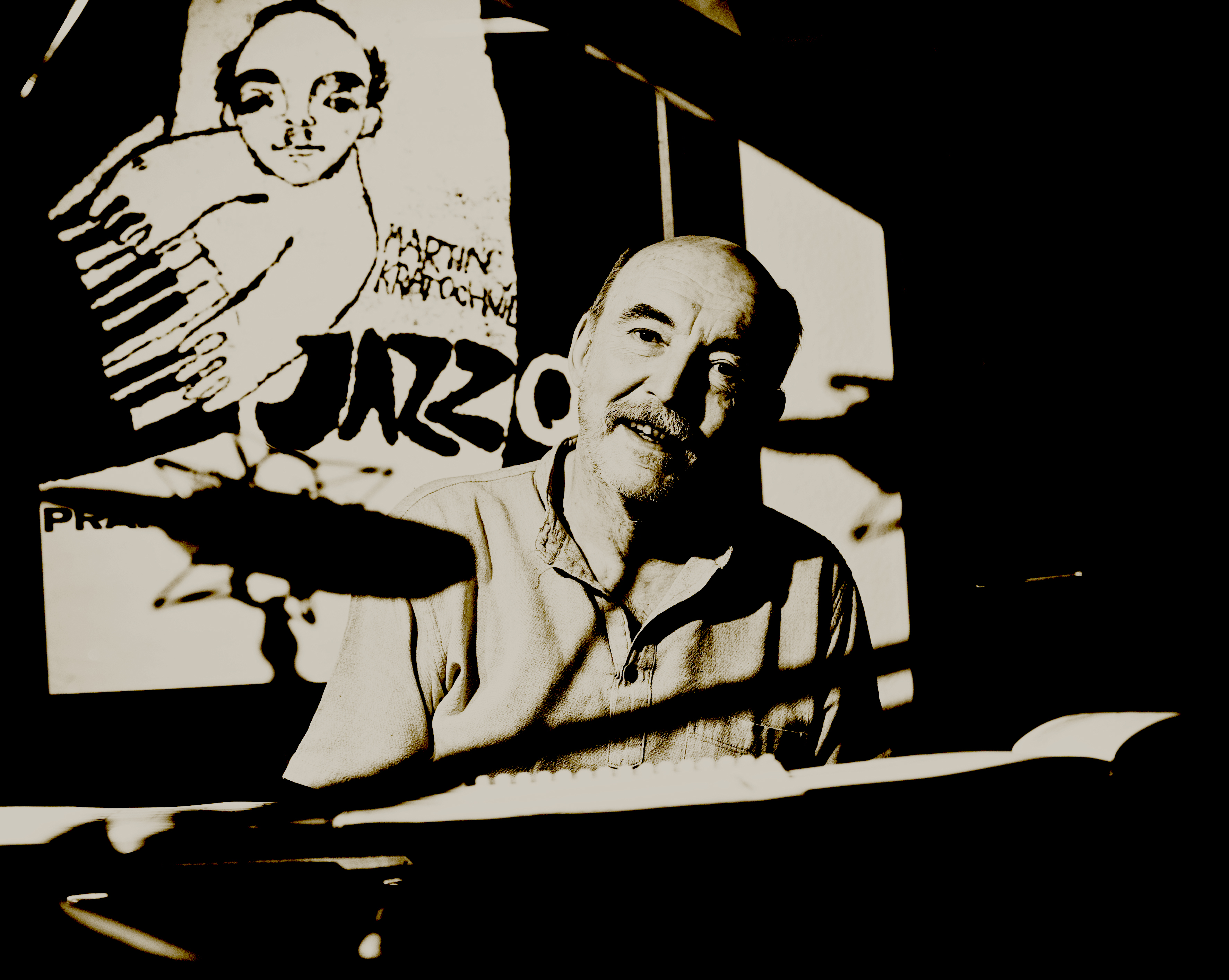
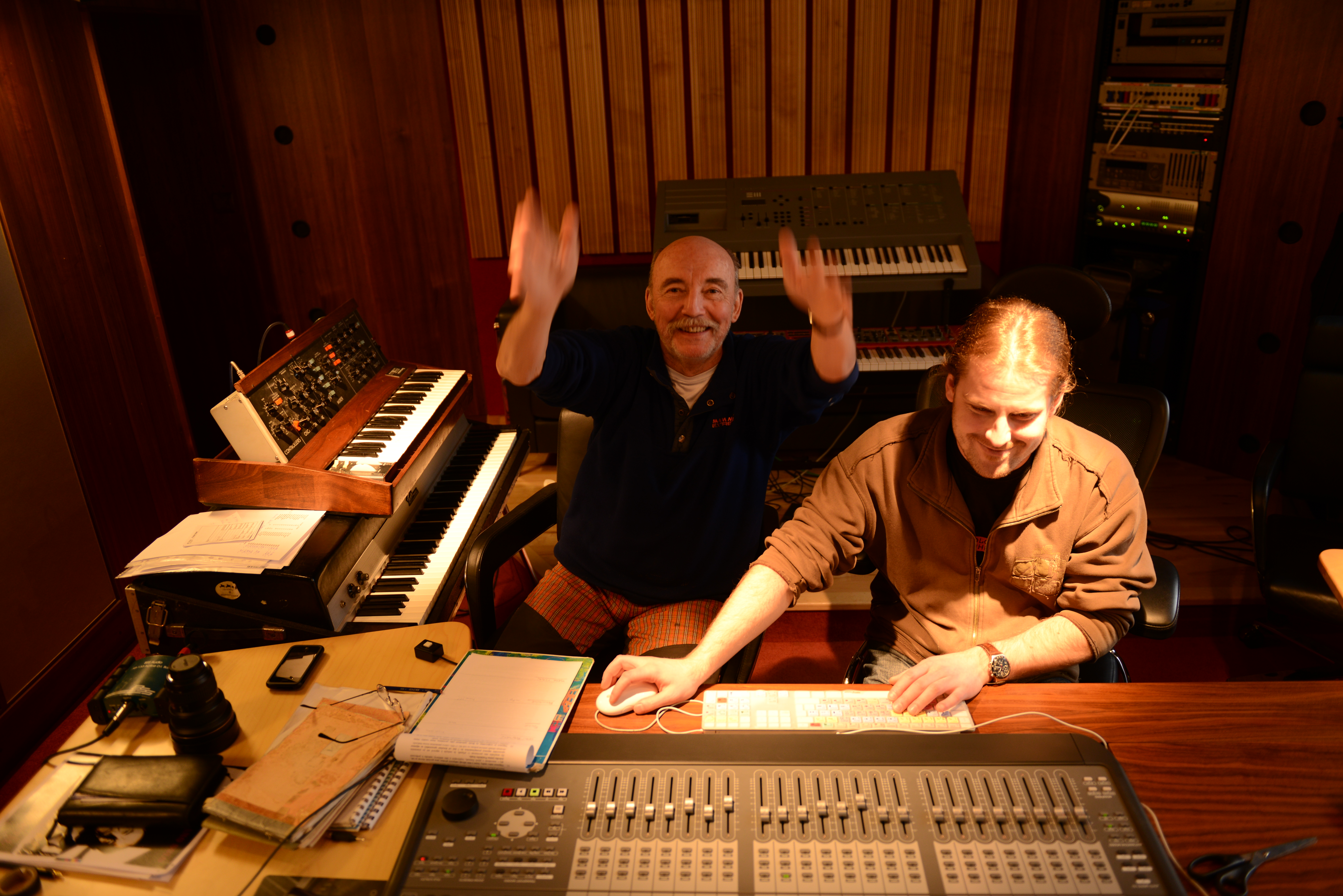
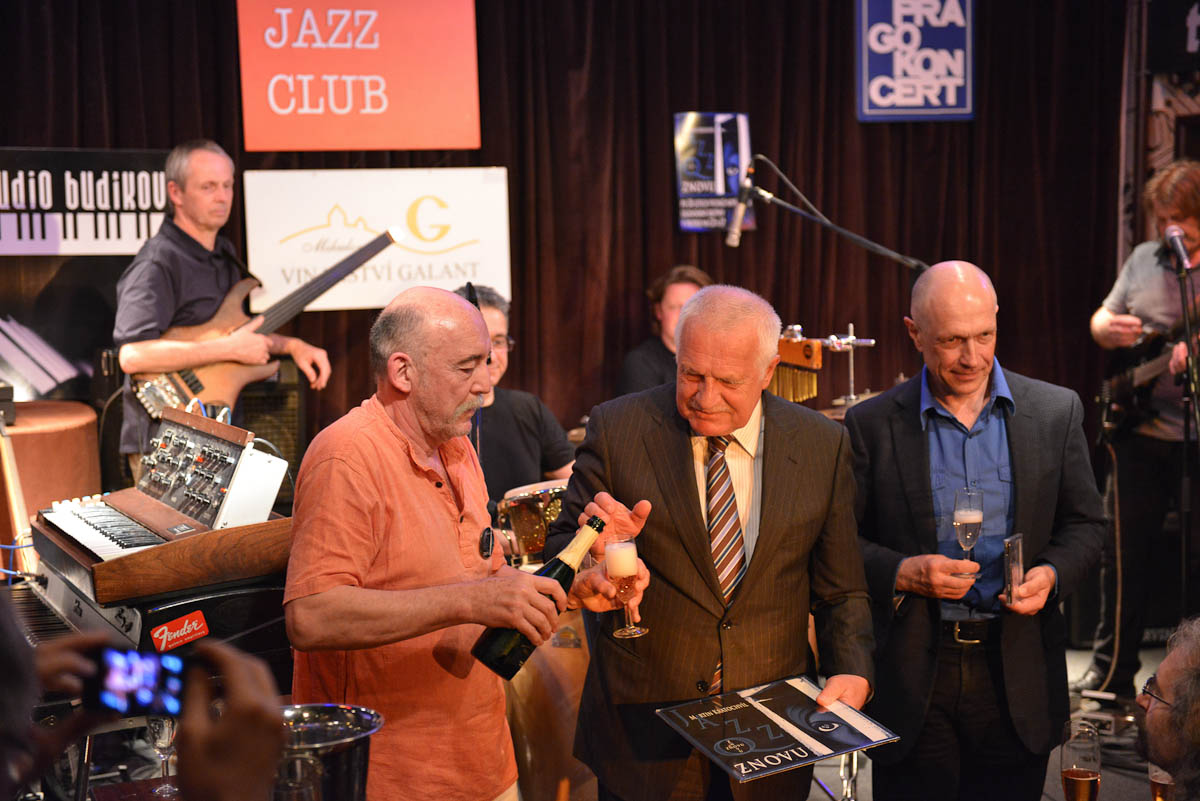
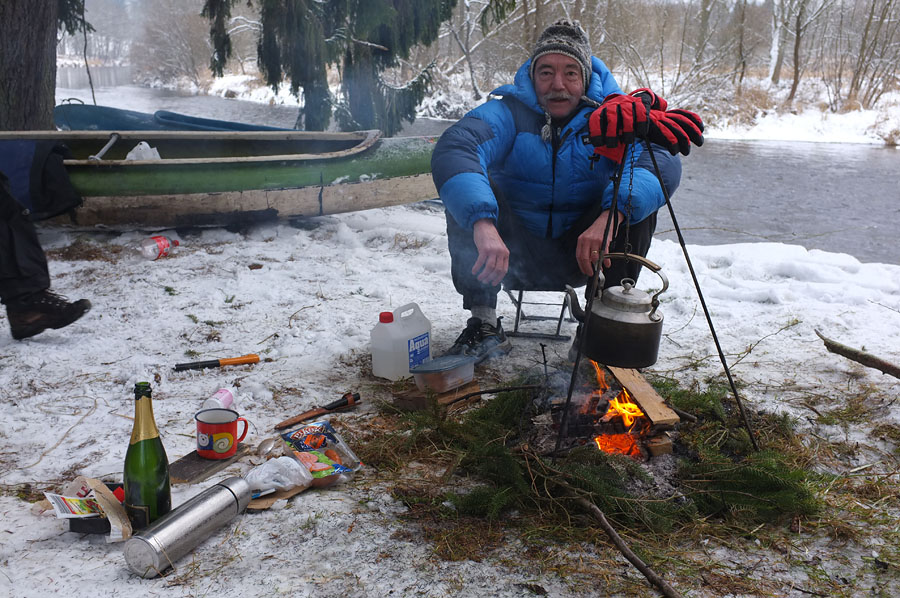
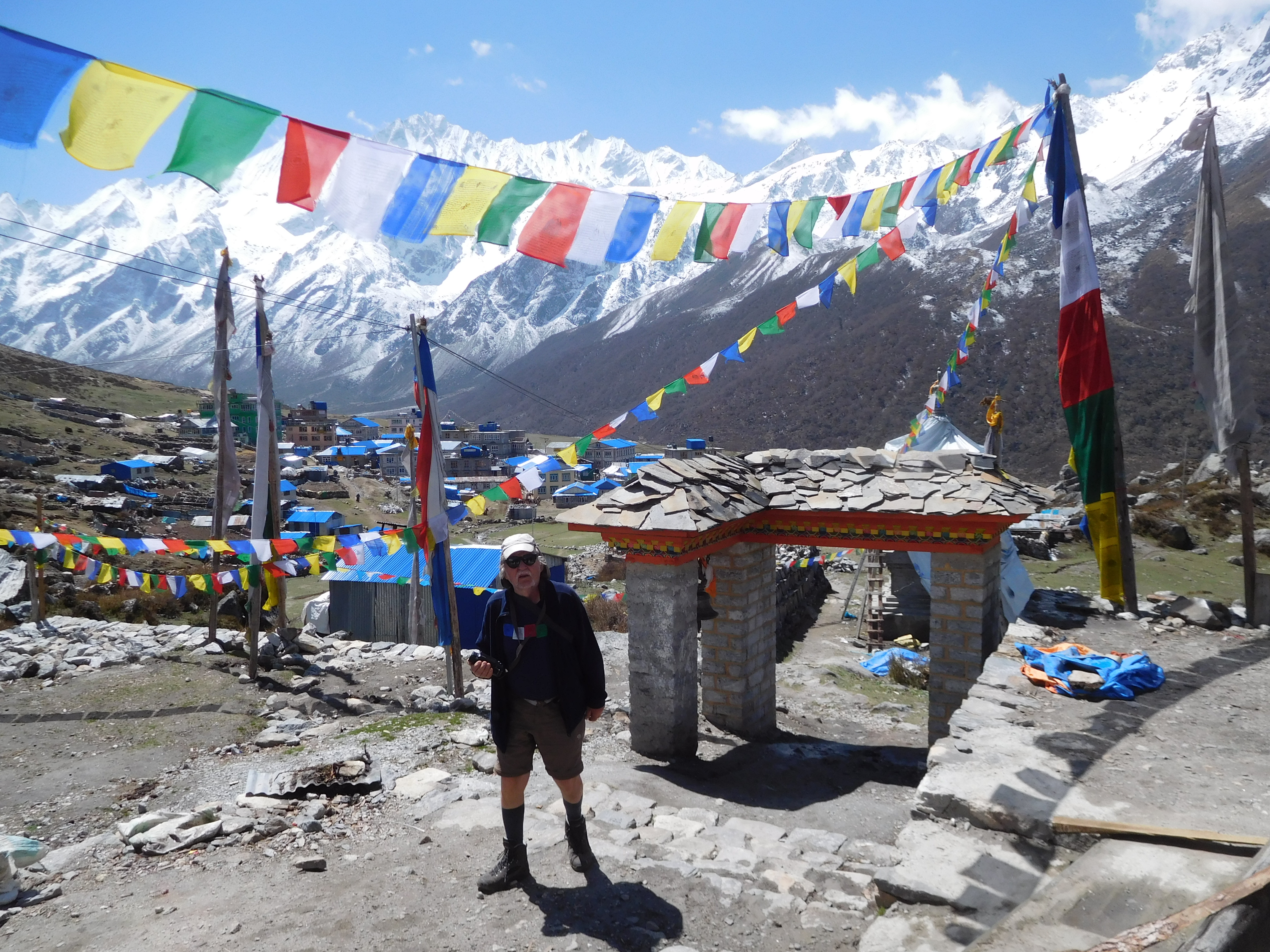
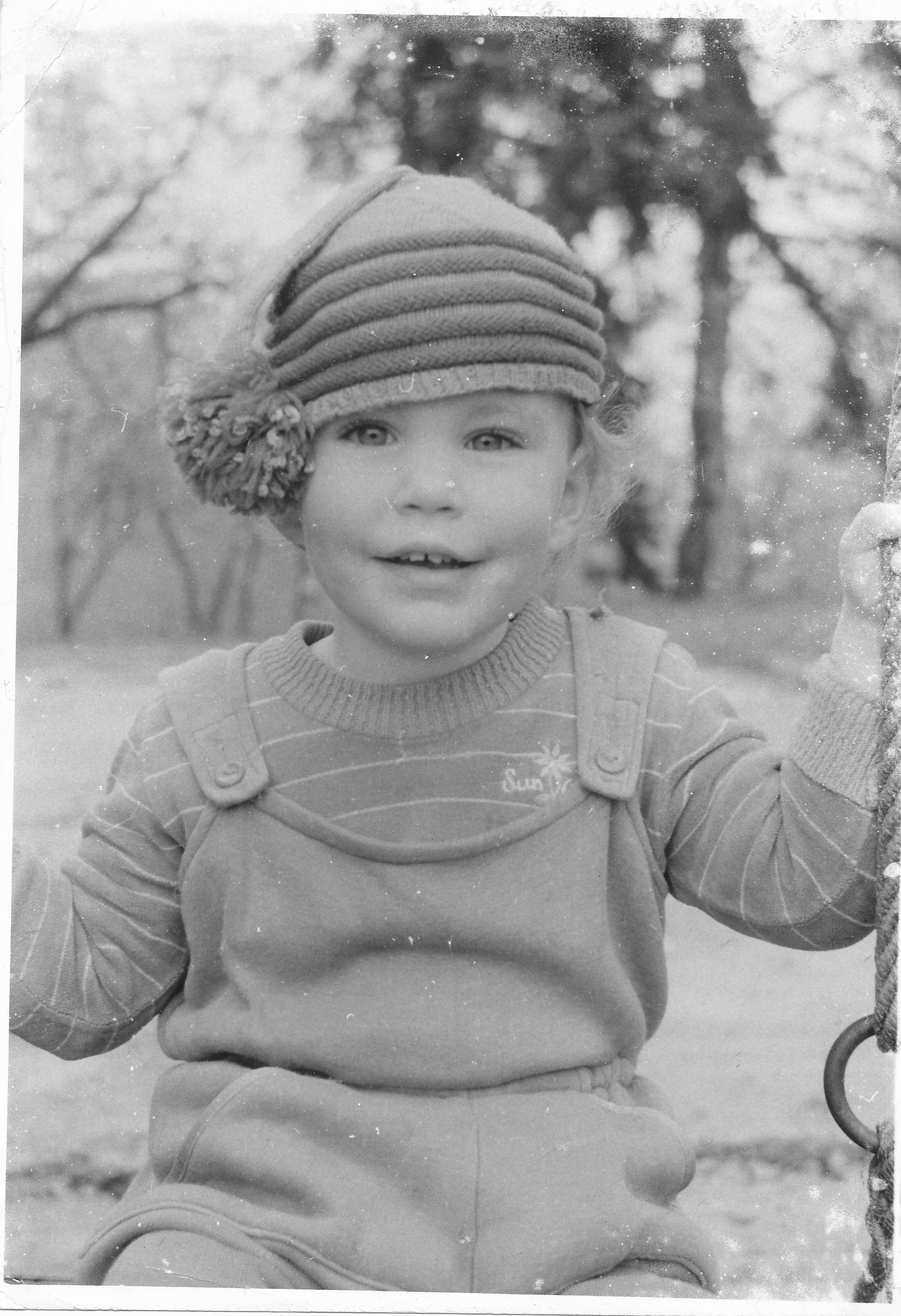
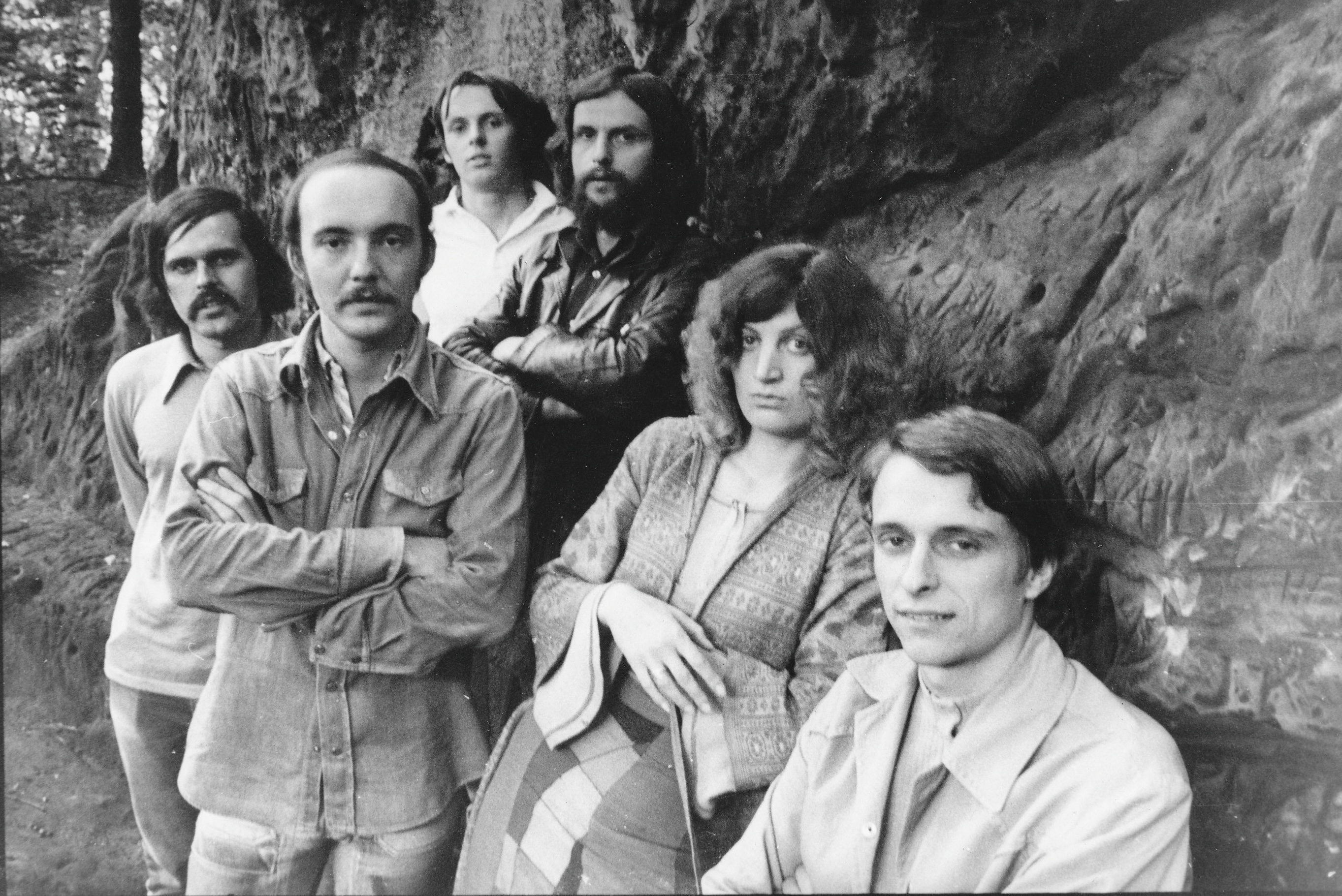
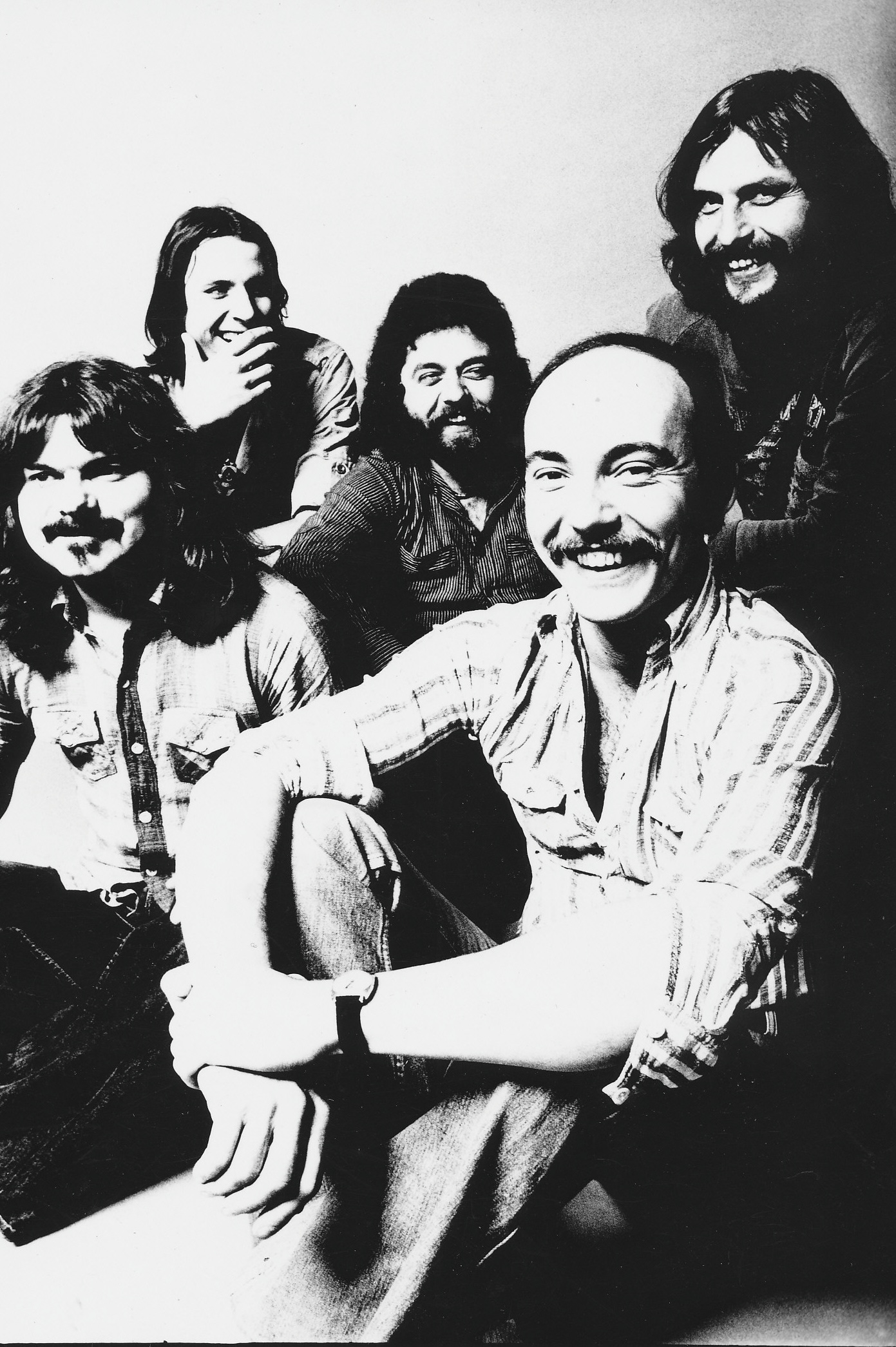
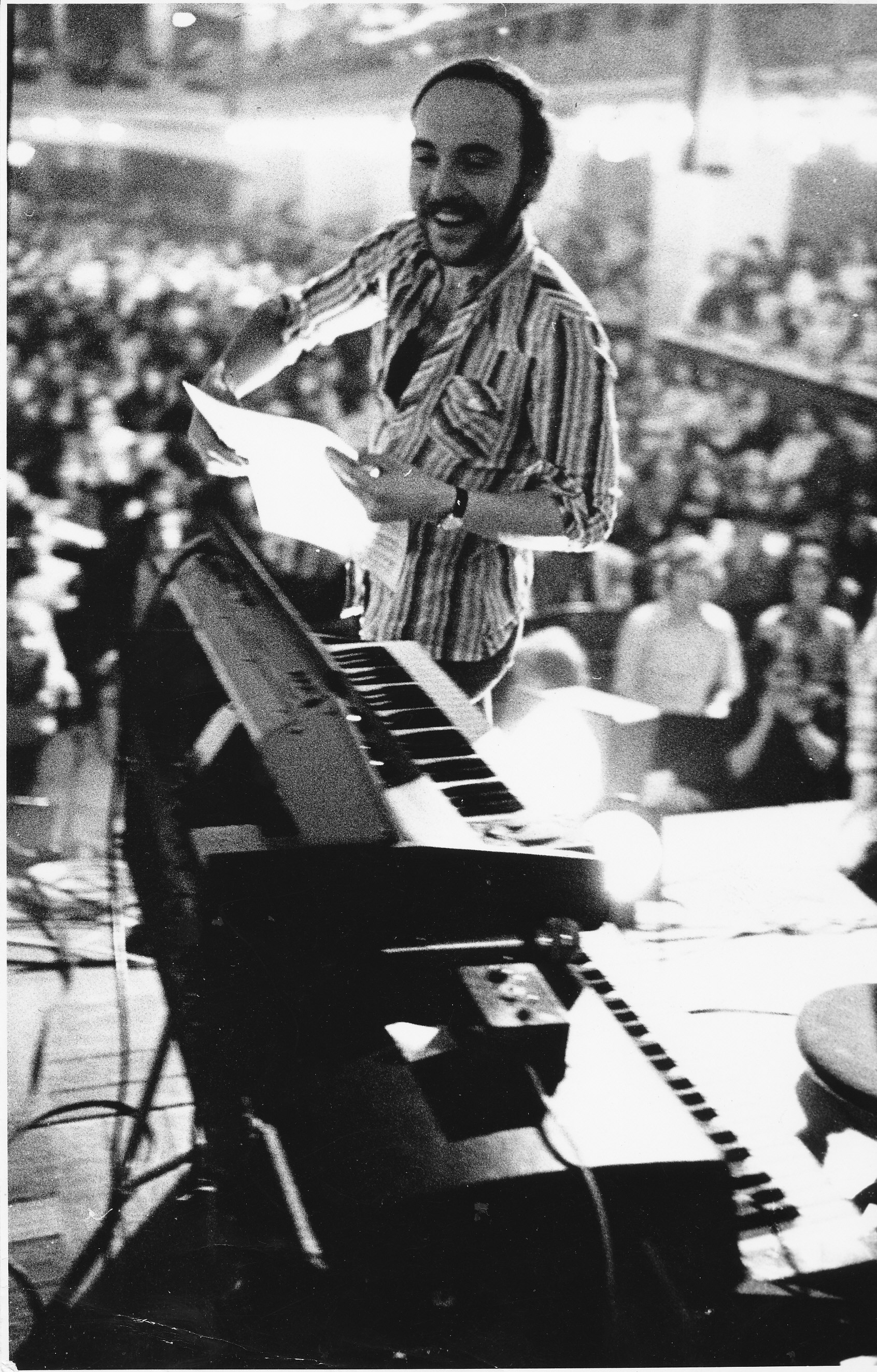
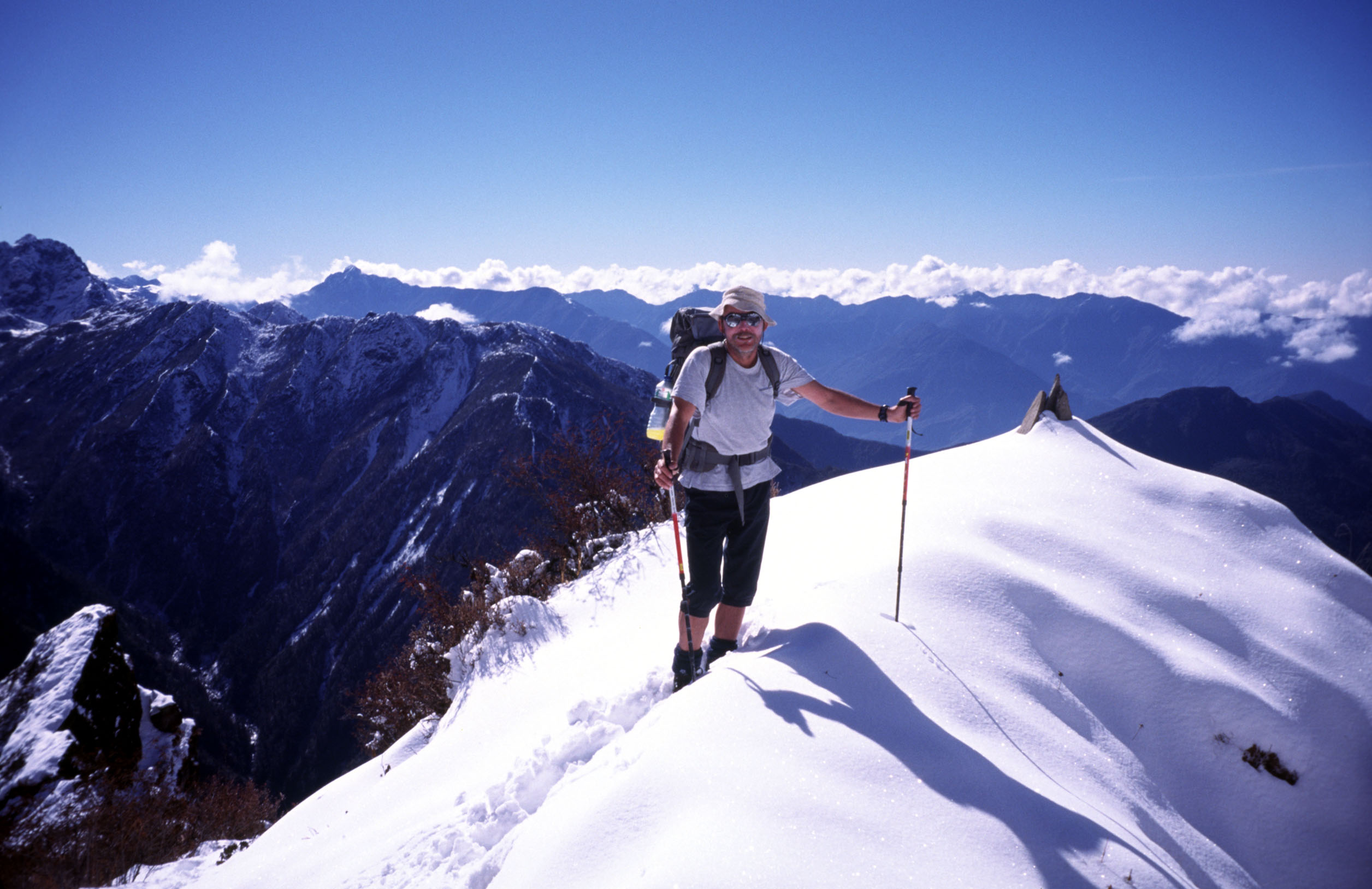
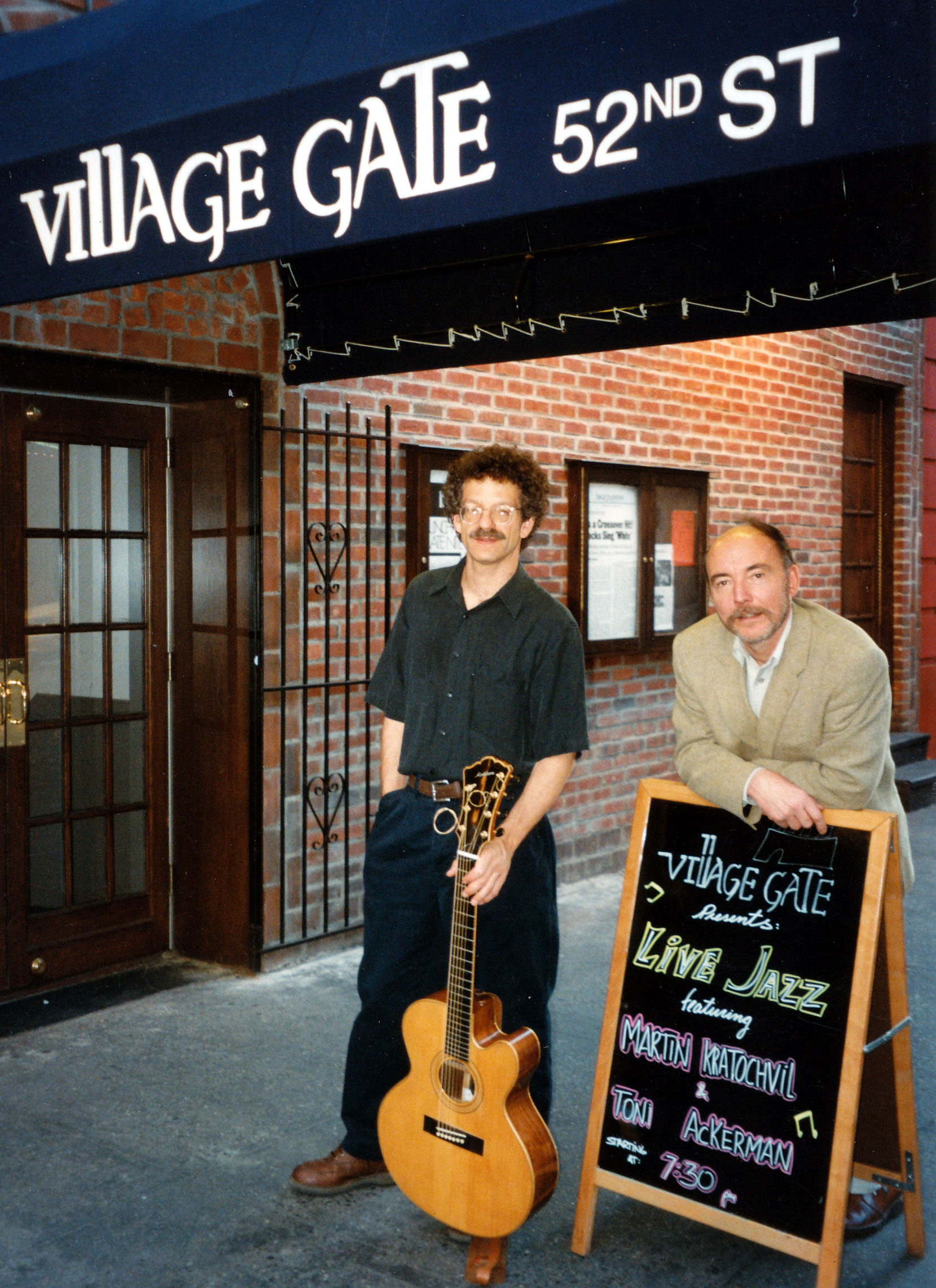
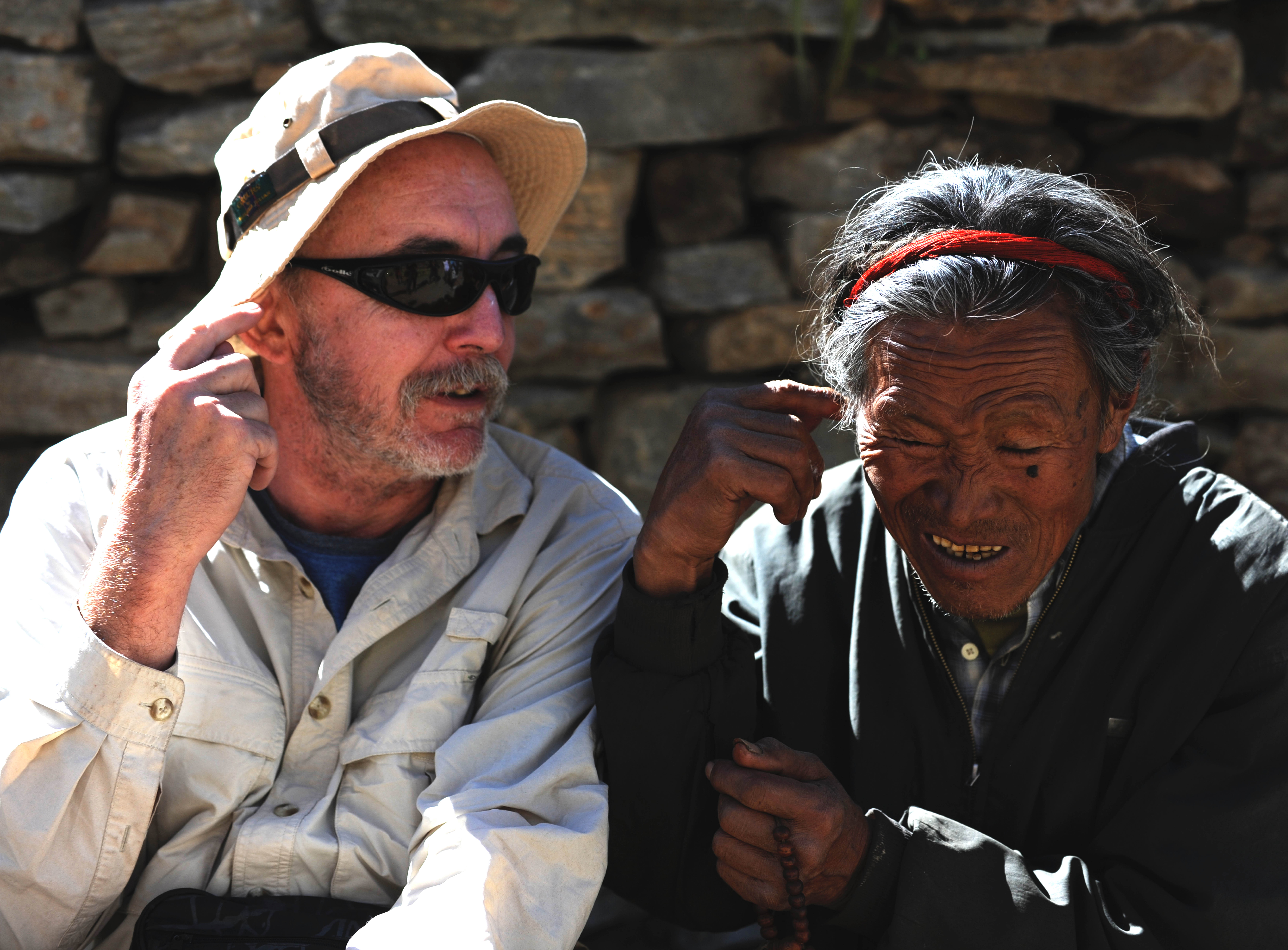
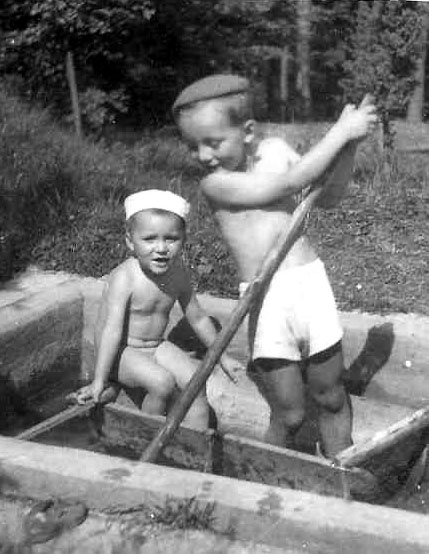
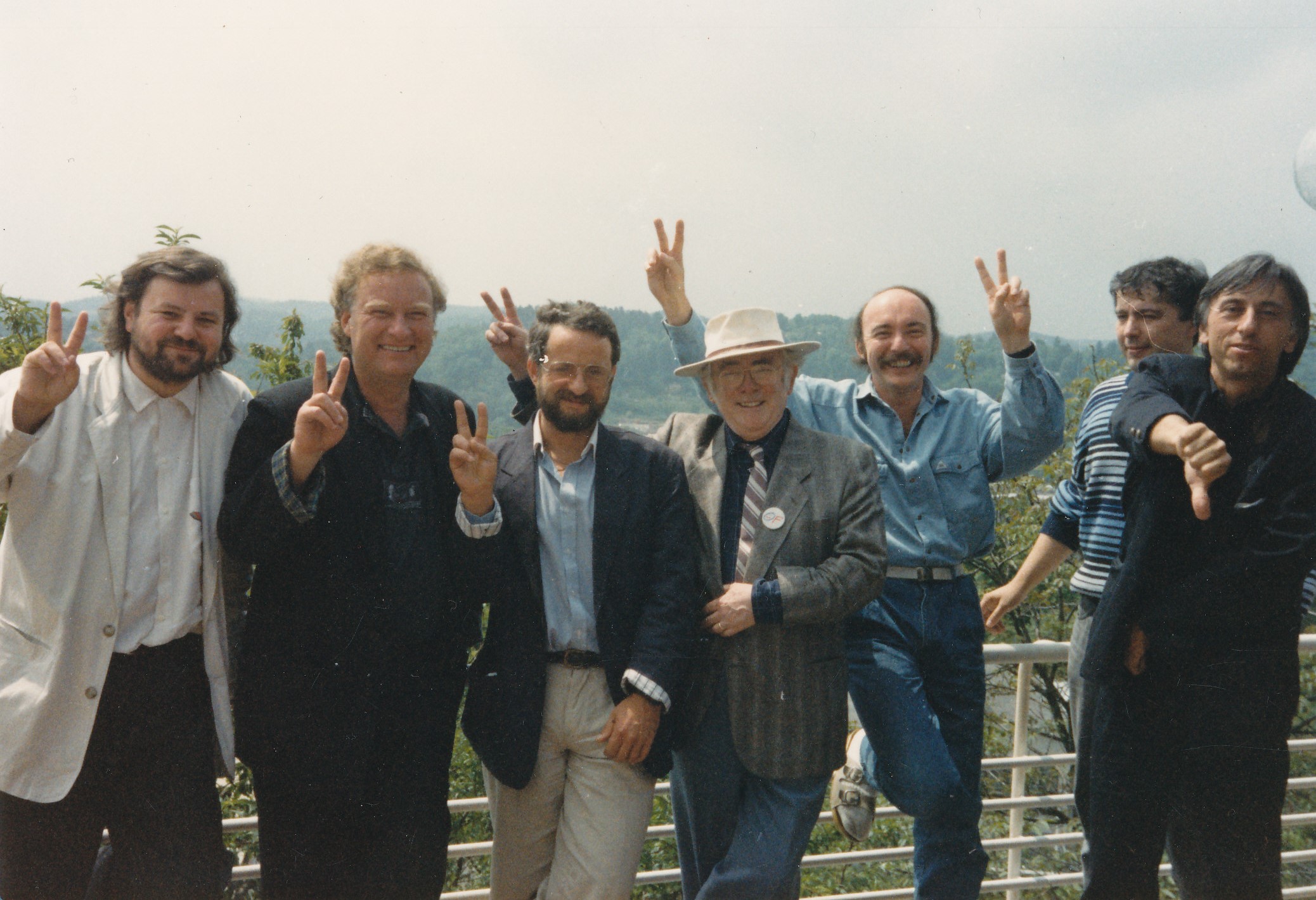
Martin Kratochvíl was born on 22 May 1946 in Prague into a family with a strong business and cultural tradition. After the communist coup, his relatives were also repressed - his maternal grandfather Karel Kaplan was imprisoned in the Jáchymov camps and his father Oldřich Kratochvíl had to leave his clerical job and work manually. However, his parents supported his education: they led their sons to English, music and independence. After graduating from secondary building technical school, he briefly studied at the Czech Technical University, then went on to the Faculty of Arts of Charles University, majoring in philosophy, where he studied in the extraordinary atmosphere of the 1960s being taught by such personalities as Jan Patočka and Václav Černý. August 1968 found him returning from a year in London; he decided to stay in Czechoslovakia and completed his studies with a doctorate in 1972. At the same time, he devoted himself fully to music. With the group Jazz Q he was one of the pioneers of modern jazz, performing at home and in the West, for example in 1969 the group won an award at the San Sebastian festival. Although jazz music was tolerated by the regime as the music of the “oppressed black people”, he believed that the concerts brought an atmosphere of freedom and, between the lines, anti-regime protest. The concerts were monitored by State Security and at times the band was on the verge of being banned. In 1976-1977, the witness studied at Berklee College of Music in the USA. Upon his return, State Security tried without success to get him to cooperate; he was registered as a candidate for secret cooperation under the code name “Primáš”. He had friends among the signatories of Charter 77, and married Magdalena Kocábová, daughter of the evangelical priest Alfréd Kocáb. They had two daughters, but the marriage ended in divorce. During the period of normalisation, he built the private Studio Budíkov in Mnichovice and devoted himself to film music. Before 1989, he co-founded the company Bonton, which became a major music and media publishing house after the fall of the regime. Besides music, he has long been involved in mountaineering and documentary filming, especially in the Himalayas. Martin Kratochvíl is the founder and chairman of the business and debating Golem Club.