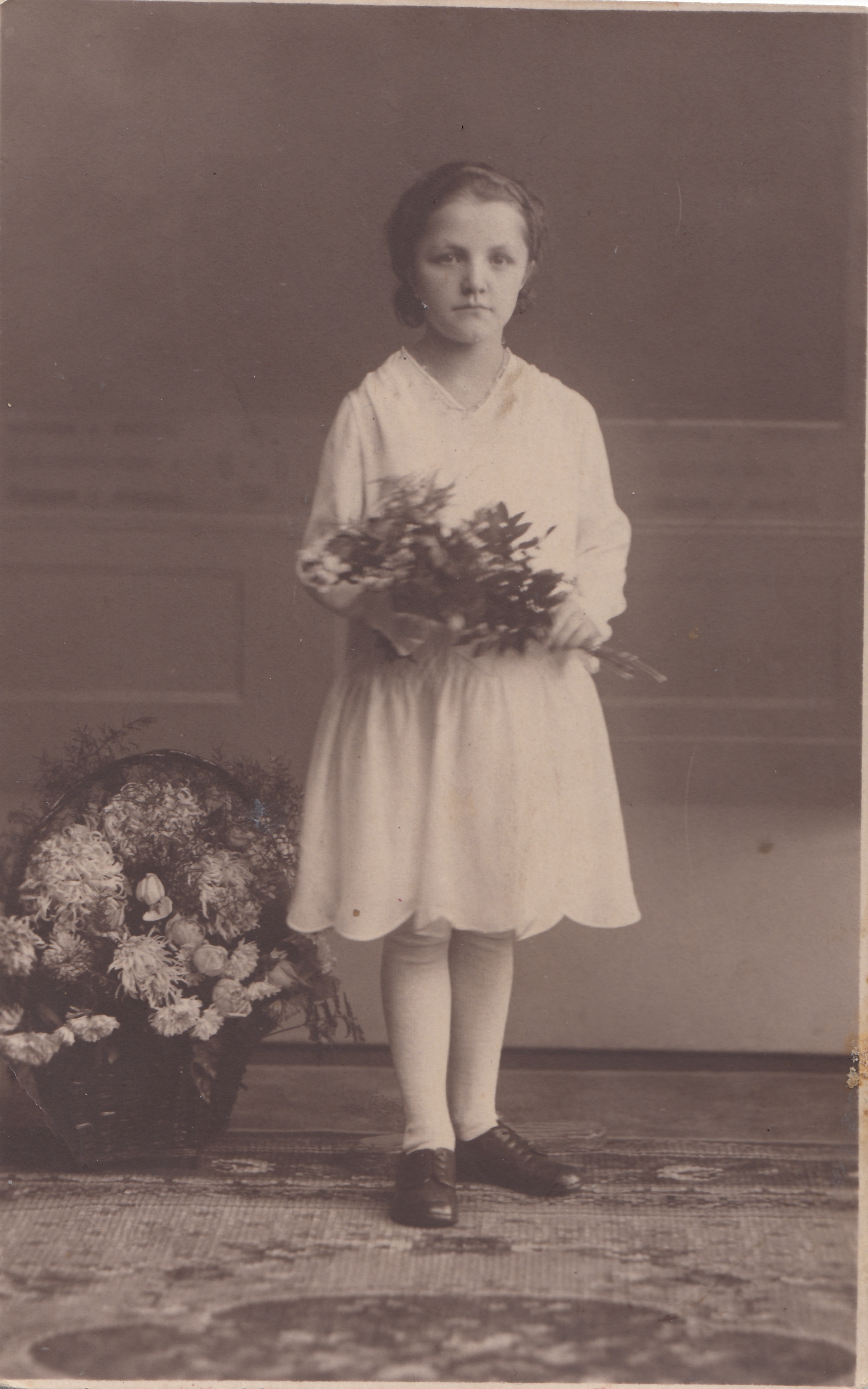
Hana Korcinová

* 1952

  • "I still remember that my husband and I went to Germany and my aunt bought us bed linen as a wedding present, which was quite scarce here in the 1970s. And at the border there was a customs and passport control. And customs said: But you can't take this, you can't take the linen. So I said: But we got it as a wedding present, we had a wedding last month. But they said: This just can't be done and we have to take it away. Give us the address of the aunt who gave it to you. So they sent the linen to the aunt. And then two months later, she came and brought it with her because she wrote that she was going to take it as her personal blanket linen when she was staying somewhere. It was always a time of that fear between those Dresdeners and Děčín in Bad Schandau, what they would and wouldn't like again, where you have this and you don't have that. Nowadays nobody can imagine that anymore."

  • "They came, they looked and I said, the only aunt who is still alive, she just said, 'I don't want to go (to Liberec) anymore, I've been there before.' It is the minimum of 10 years. She said: I've been through the whole thing, but I don't want to go there anymore, I've closed that chapter in myself. I've been living here (in Germany) for over sixty years, but I don't want to go there anymore because I don't have nice memories of it. Since '38 they shouted at us "Germans, Germans", the Czechs were aggressive towards us, but we did nothing, we were children. And in '45 again. I don't really feel like going there anymore. We went through it, we saw it. Life just set it up that way, we lived it that way, and I can't say that I lived badly. It is what it is."

  • "In 1975, something happened to my mother when she was in Jablonec on the main Komenský Avenue. And a man came up to her from behind and said to her: 'Excuse me, please, aren't you Hilda, maiden name Bürgerová?' She turned to him and said: 'Well, yes and who are you?' 'I´m your cousin Gert, when I was small, we were deported.' So he recognized her after almost 30 years and that´s how they met for the first time. And that's when we started seeing each other. Then my aunt, who is still alive today, came, and another cousin also came."

  • "I found a paper in the documents, the youngest was four years old. As they were limited by the kilos they could take, she asked, as she had a small child, if she could take a mattress to give the small child a place to sleep, and she was told there was no objection for her to take it."

  • "She was employed by Liebig and had an apartment at 7 Klicperova Street from the factory owner.She said: 'I went to work in the morning, came home from work at two o'clock and never got back to my apartment. A complete stranger answered the door and told me that I no longer lived in the flat. I was told to just take my personal things and I never got in. All my possessions and everything I had there, including savings books, insurance, everything was left there. Then they just gave me an inventory of what was there, and they moved me into this, nowadays we call it a bare apartment. And that was it."

  • Full recordings
  • 1

    Liberec, 20.10.2021

    (audio)
    duration: 01:30:57
Full recordings are available only for logged users.

Post-war love in Liberec. A Czech married a widow of a Wehrmacht soldier
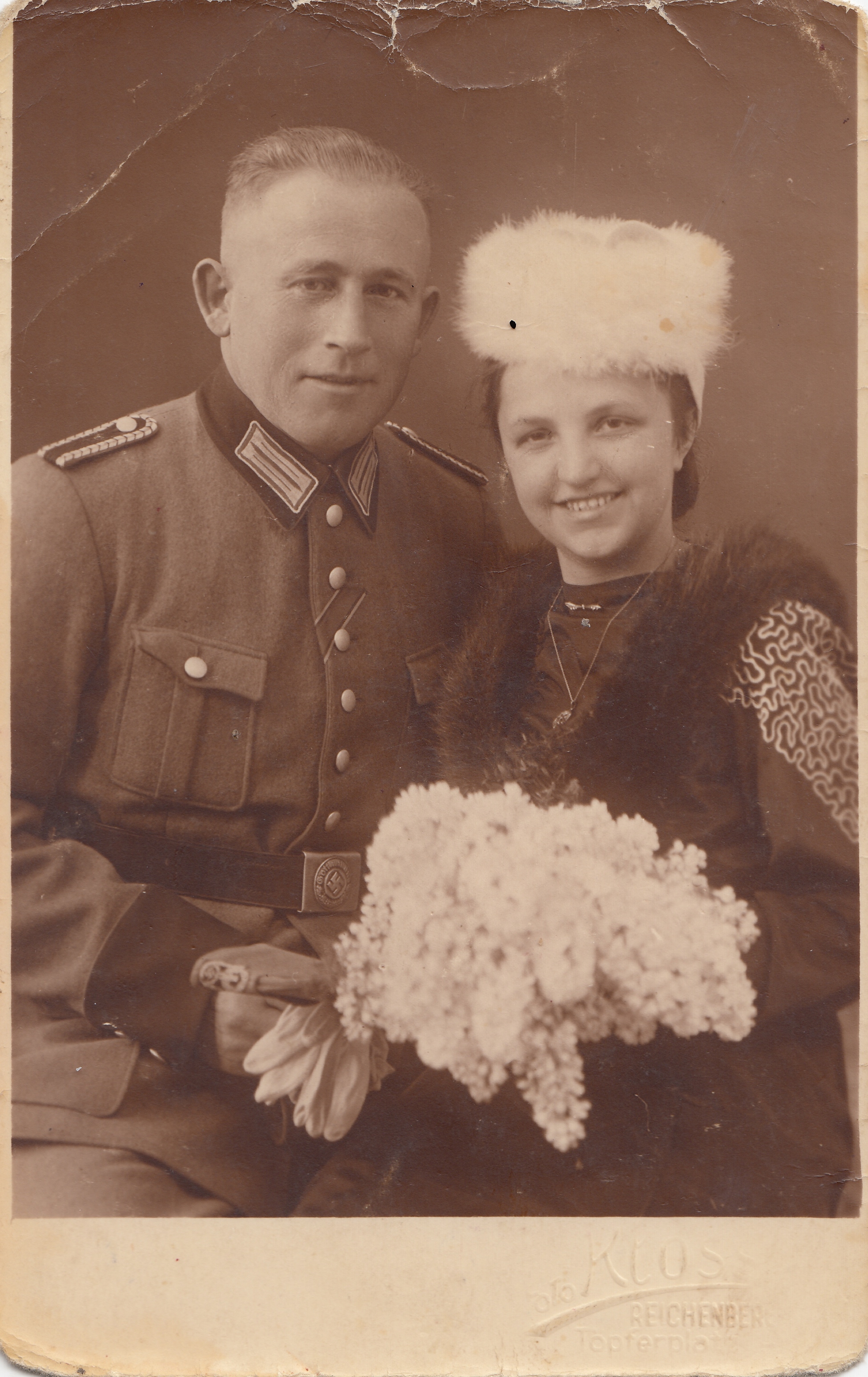
Wedding photo of Hana Korcinová´s mother Brunhilda with her first husband Robert Simon, a Wehrmacht soldier, from March 6, 1943
photo: Archive of the witness

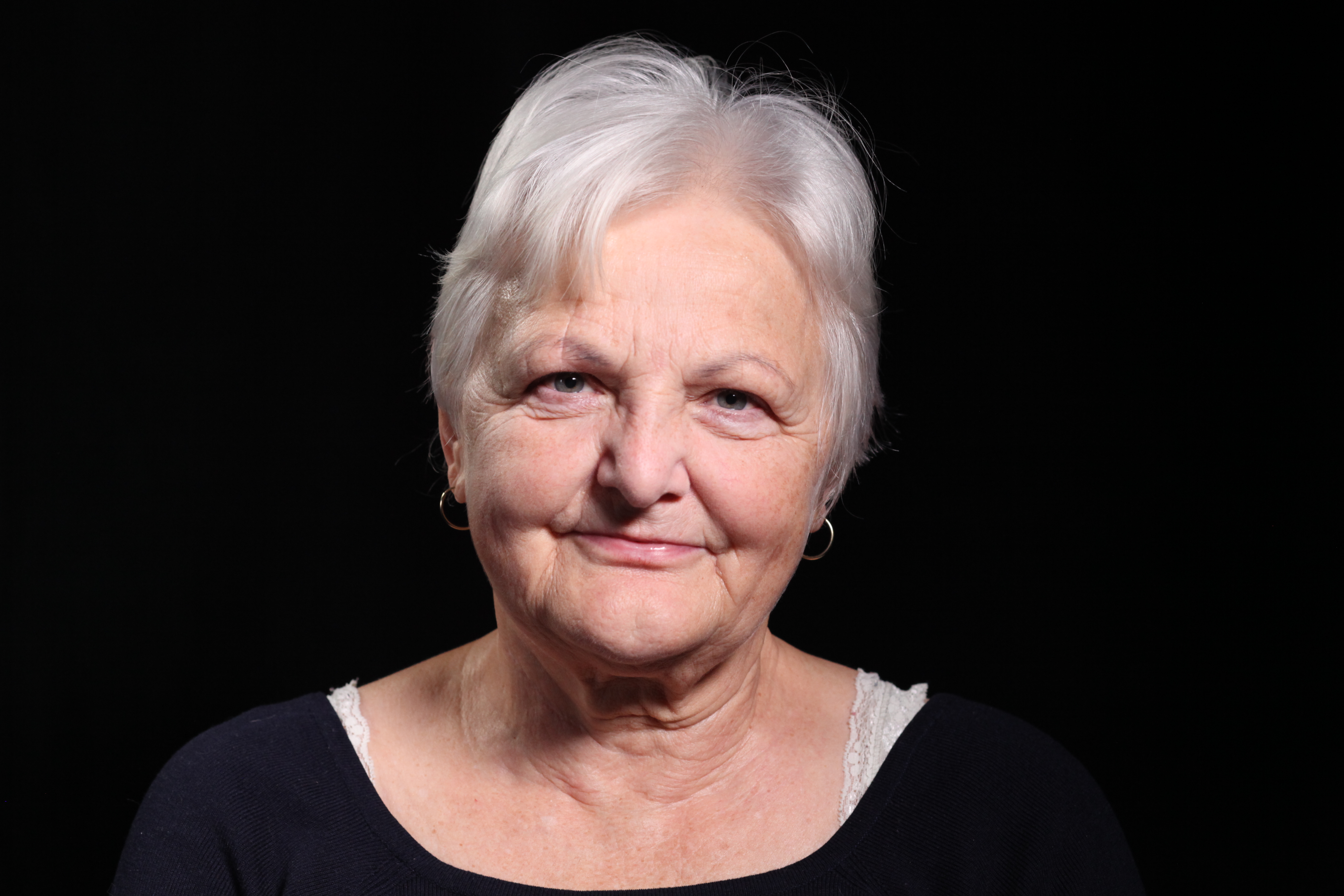
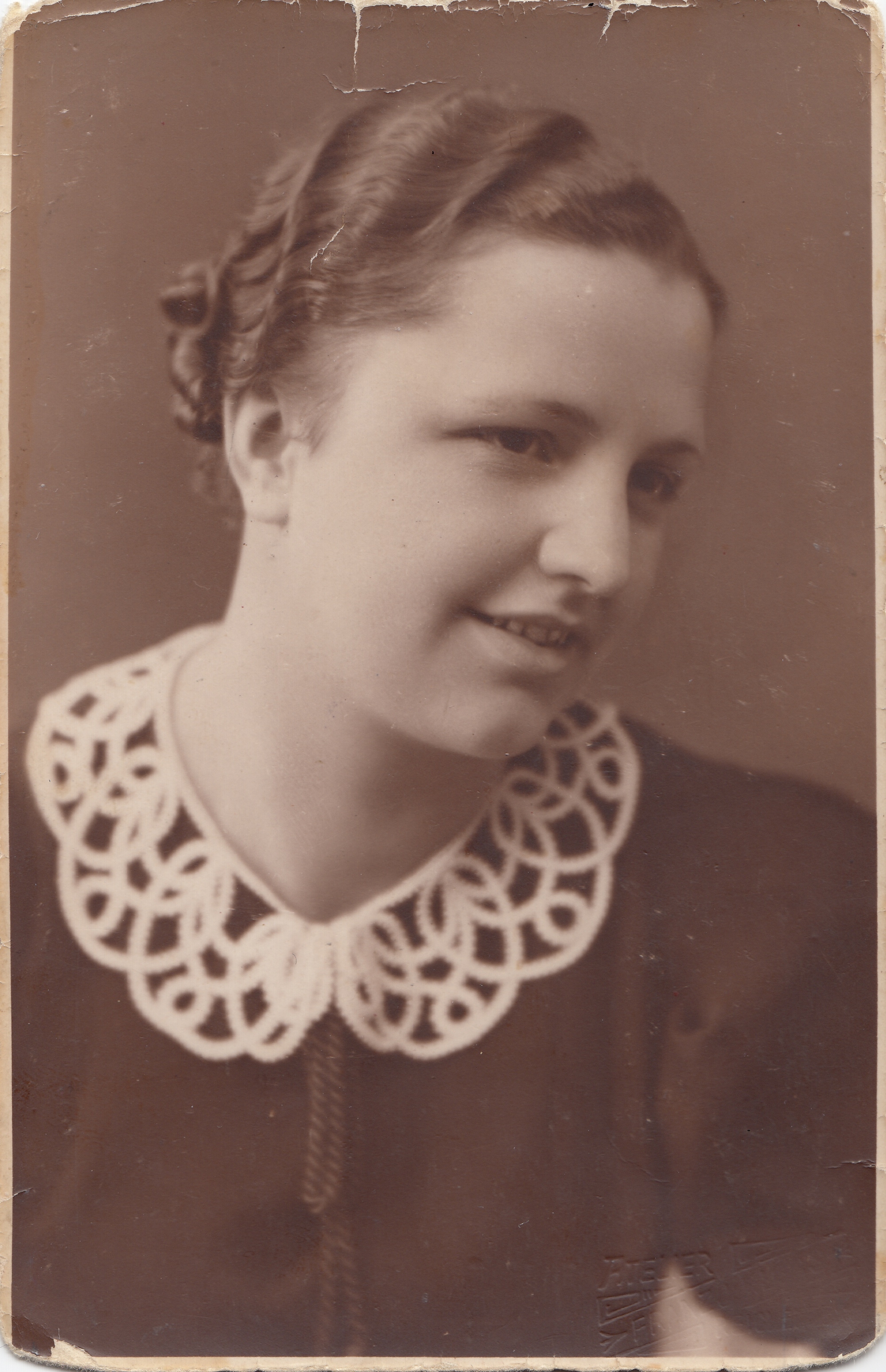
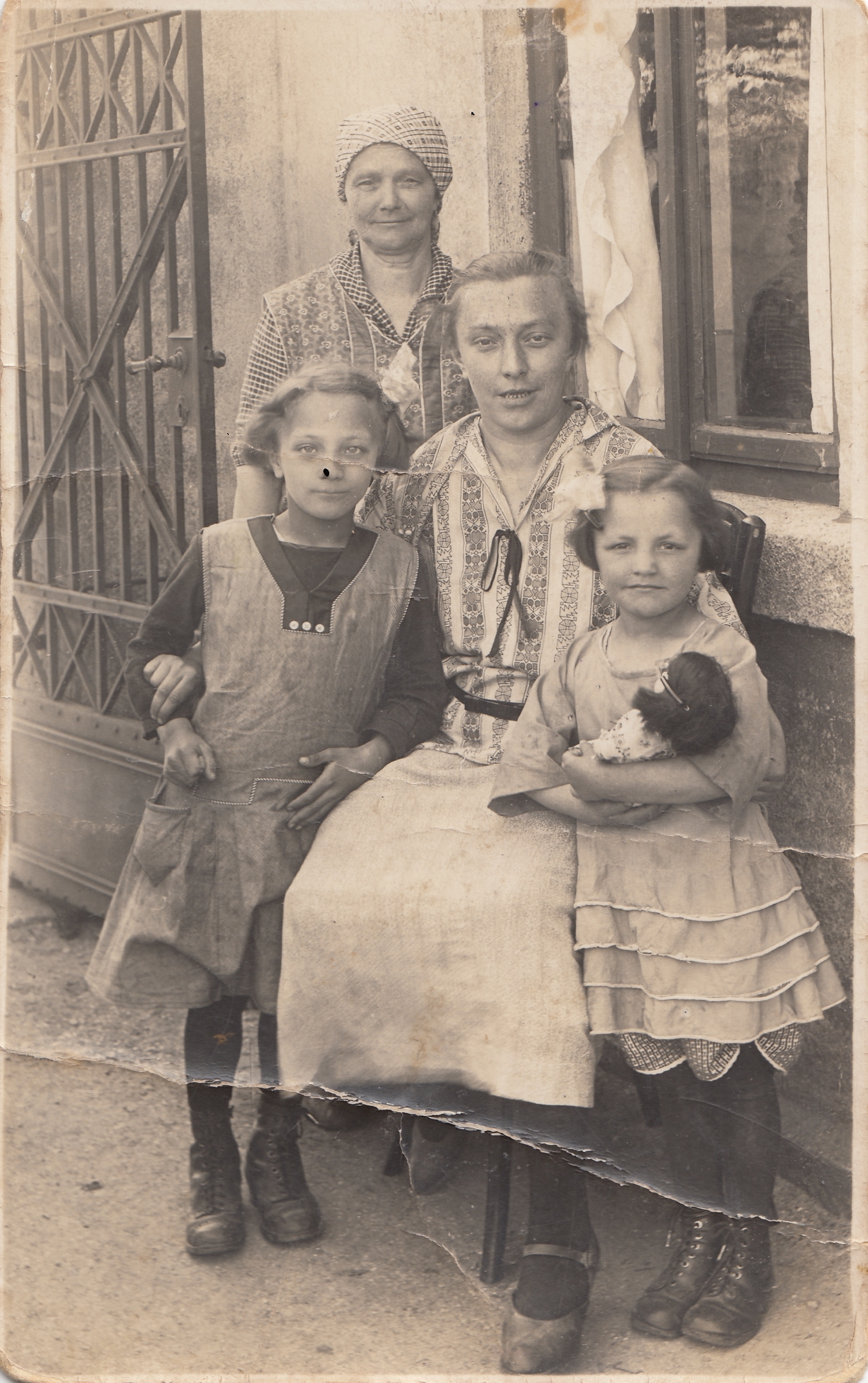
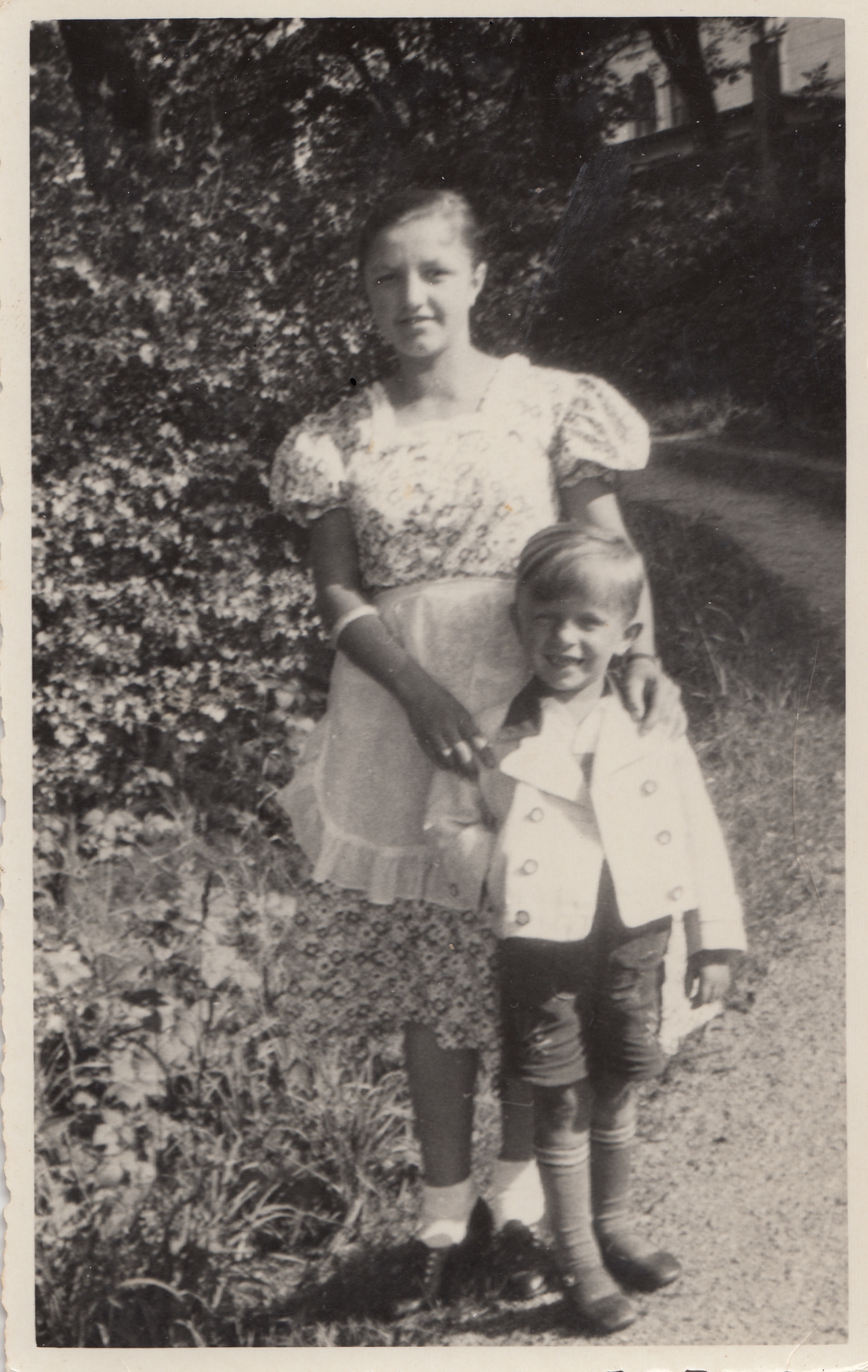
Hana Korcinová was born in Liberec on January 12, 1952 as Kyralová. She had a brother Jiří, four years older. Her mother was Brunhilda Bürgerová, who was born in Liberec on March 10, 1920 and was of German nationality. Her mother avoided deportation, although she married for the first time a German soldier, Simon, who was killed on the Eastern Front. Hana Korcinová’s father was Brunhilde’s second husband František Kyral, a Czech from Jablonné v Orlických horách, who worked in Germany as a totaled soldier during World War II. The authorities did not allow them to marry until 1950. In 1956, the family moved to Jablonec, where Hana Korcinová worked in Bytex or Jablonex. During the Cold War years she was in contact with German relatives, one part of whom moved from Liberec to Germany in 1942 and the other was deported in 1946. She has three children, two daughters and a son. After 1989, she began to research her family history and put together a family archive. In 2021, Hana Korcinová was living in Jablonec.