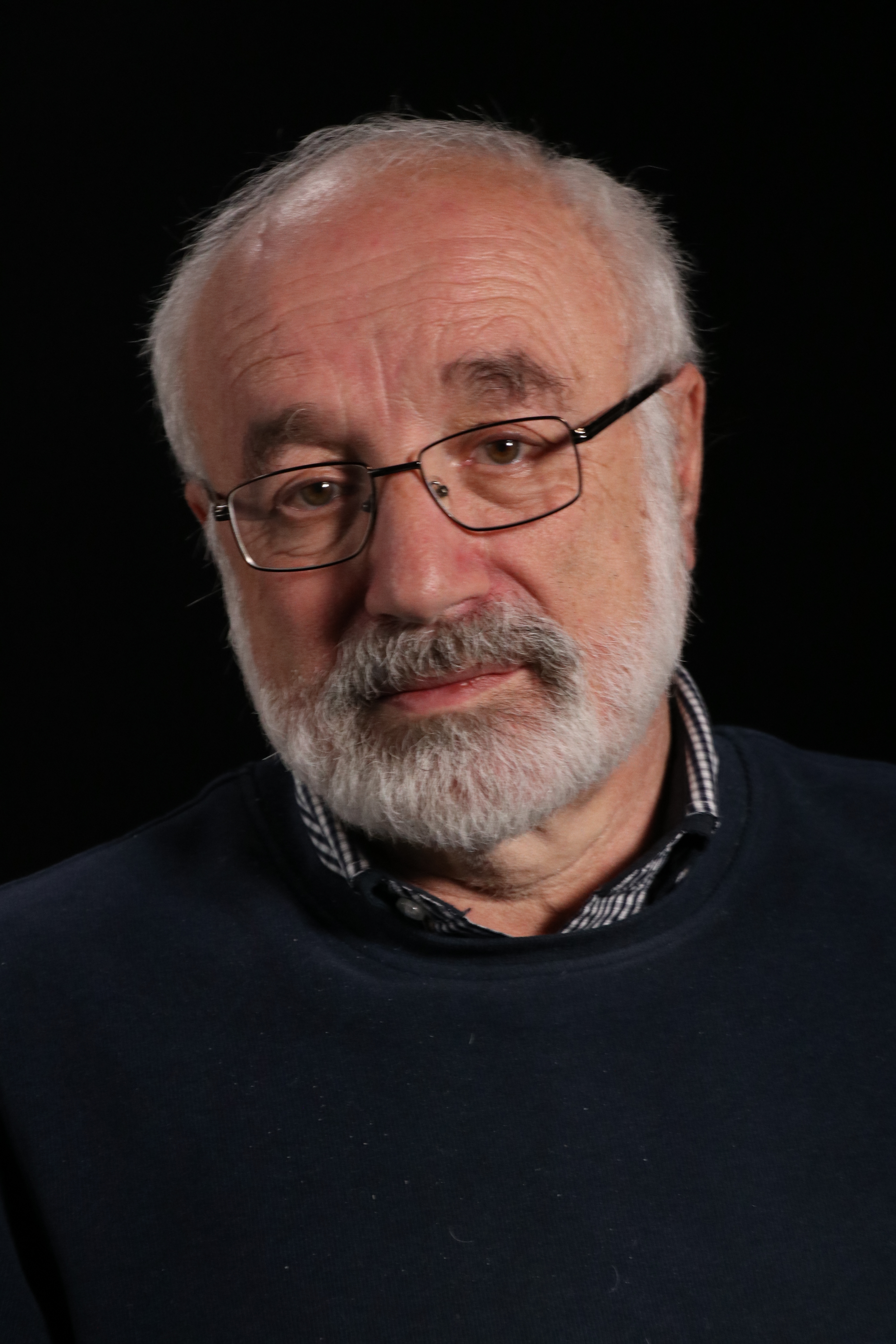
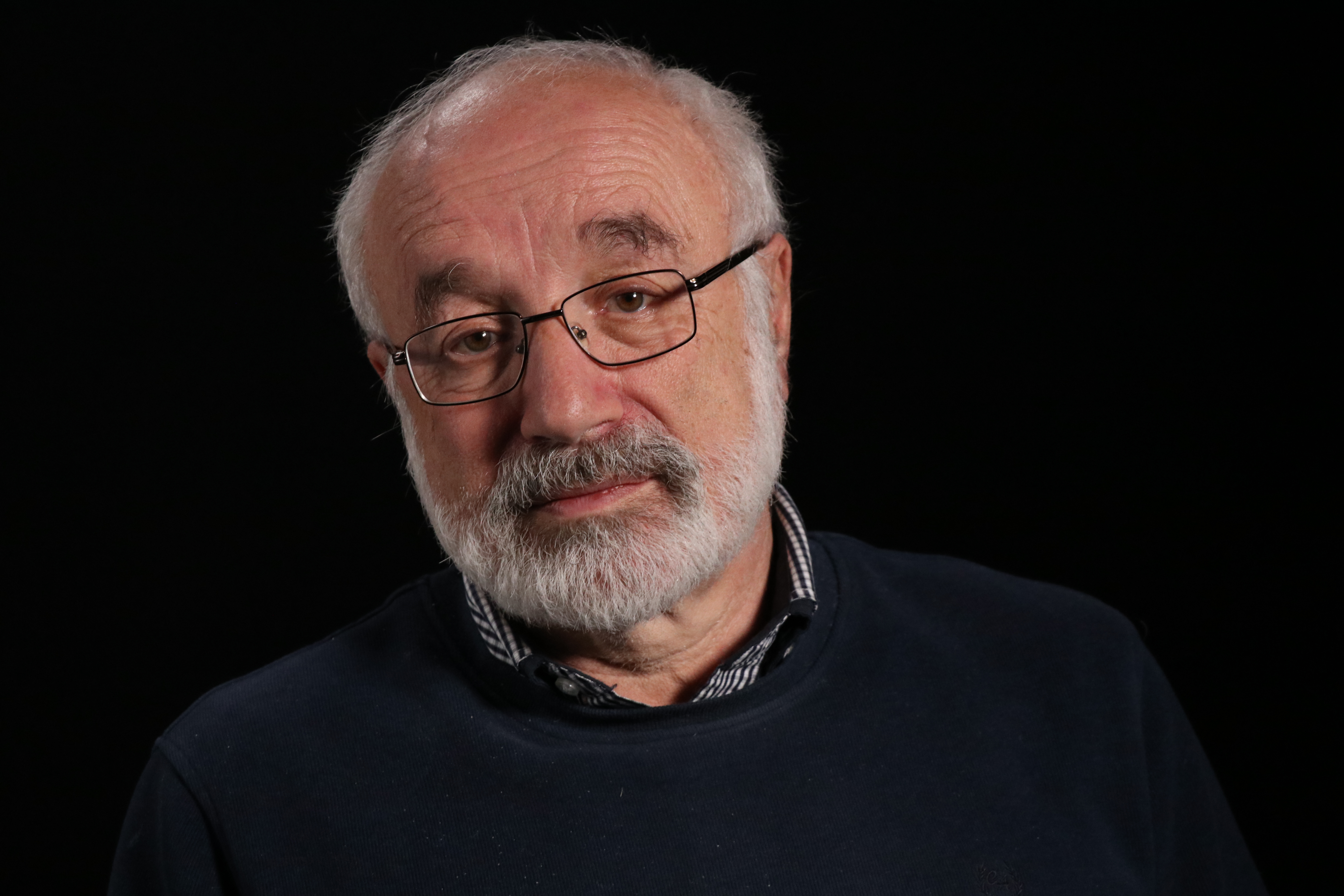
Milan Kodíček

* 1948

  • "Because I didn't really go to Wenceslas Square to demonstrate, I went - we live in Střešovice and I went to borrow scripts from a friend who lived in Strašnice. So I took the tram, and the tram was going up Národní třída and then up Wenceslas Square, well, and they stopped at Můstek and said that the tram wasn't going there, that something was happening on Wenceslas Square. So I thought I'd walk to Strašnice, up to Vinohrady. So I got off there, and there were people running everywhere, the smell of tear gas, policemen running around with batons. I still walked down the middle of the wide sidewalk to make it clear that I was behaving morally. Their task was quite clear, just to round up as many young people as possible. So they jumped on me, beat me up a little bit, and then at three o'clock at night they took us to Pankrác, where they packed us with people - it was also interesting how the policemen had to hand us over to the prison service, which were employees of the Ministry of Justice at the time, and they were actually really polite and professional. Whereas the cops were completely frantic... So we had to run through an alley to the first floor, they beat us up, and the guards took us in and put us in the cells."

  • "Dad's mother died in Prague in the forty-first [year] and my grandfather died in Terezín. Or, if I'm not mistaken, maybe in Lodz - but in any case in a concentration camp." - "Wasn't he executed? Did he die of hunger, typhus?" - "He certainly didn't die in the chambers, no, they weren't in Auschwitz. And of the six children, Joseph and Milan, that was the other [son], so they escaped in the thirty-eighth [year], they went to England. Then there were Milada and Marta, the Milada, that's a nice story. She had a husband - Josef Bek was his name, and he was perceived in the family as not very smart. And they were in this Terezín and he was very bored, so maybe he volunteered to clean the sewers. And then they always went to Auschwitz, but he was indispensable, so the two of them really survived the whole war in Terezin. They [my father's relatives] were the only ones I knew. Then there was this Marta, she was married, she had a son, and they died in Lodz. This Bedřich, he was the fifth one and he died of tuberculosis in the thirty-sixth [year]. And dad survived in the military service."

  • "In April of the thirty-ninth [year], [my father] escaped to Poland and joined the Czechoslovak Legion in Krakow as it was being formed, so he joined them and became their doctor. So then in that winter of 1939/1940 they were in a Soviet prison camp in the Ukraine, and he was sent to Moscow. They wanted him to negotiate there because it was a deep peace between Germany and the Soviet Union, and they wanted to fight. They wanted them to be moved to France, but that didn't happen. But dad still got by boat, he went from Odessa because they couldn't take the Mediterranean, so they took the Suez Canal, they went to India, which dad never really knew why, but they went around Cape Town to England. There he was a doctor to this Czechoslovakian military unit and in December... I have a feeling that he had this feeling all the time there that he was actually slacking off, that he should be at the front. In December of the forty-fourth [year], he achieved that, so that again, by the Mediterranean, by Tehran, by the Caspian Sea, he caught up with that Svoboda army somewhere in Slovakia. However, he came back with the Eastern Army, which of course did him good."

  • "In that institute of hematology, it was that we were, that we had a very good time there. There, everyone knew what anyone was thinking. We had such a board game that, we were friends, the four of us were basically the same age, no one was in that party. And we had a game like that, I wrote, the friend came, he tapped me on the shoulder and said, 'I'm Dr. Fiala,' he was the secretary of the Communist Party, 'we thought about you, comrade, and we thought it would be good if you joined the party. Then you could go to America, right, and so on. 'And we had to answer him right away, we had to have the excuse ready, yeah. So, I had prepared that it's very good what they do, but that I'm terribly undisciplined. That I can't really tell them in advance forever, that I will agree with them with everything, that it just wouldn't suit me, that it's not a position. And similar nonsense like that. But they never came."

  • "I went to borrow a script in Vinohrady, right. So, I sit in the tram here and I'm going, I'm going. At that time, the trams were still driving through Wenceslas Square, they were driving, the tram went through Národní třída to Můstek, and there I had to turn and go to Vinohrady through the Wenceslas Square. There they said that no, that they go on, that something was going on there, that there were no trams going there and so on. Well, I got out and walked to Vinohrady, right. It was through Wenceslas Square, so I went, where else I would go, right. And the tear gas stank and so on, and there were those idiots running with those bats and stuff. And I went on purpose in the middle of the sidewalk to show how exemplary I was and that I didn't do anything, and that I was going to borrow a script. But their task, it just turned out later, it was just the task, no, they just wanted to get as many people into the prison as possible. They needed it, it was just a phenomenon, they provoked it all to show that power, so that people would start to be afraid. So, three of them jumped on me, beat me with batons and I was already on the way."

  • "It's my decision if I stay here, so my brother left and I stayed here. As if I had to say why, on the one hand, I really liked the school, on the other hand, I had very close friends here, with whom I am friends until now, and on the other hand, if I left, the two rather older parents would be left alone. So, I just stayed. And it was not at all clear what the communists and the Russians would do to those university students. After all, they could close it, the universities, it wasn't at all ... it was such a crazy time, that August, September, and so on ... the 68th. That only adventurers could actually stay here. Those settled and sensible people left, didn't they?”

  • Full recordings
  • 1

    Praha, 08.11.2019

    (audio)
    duration: 01:09:42
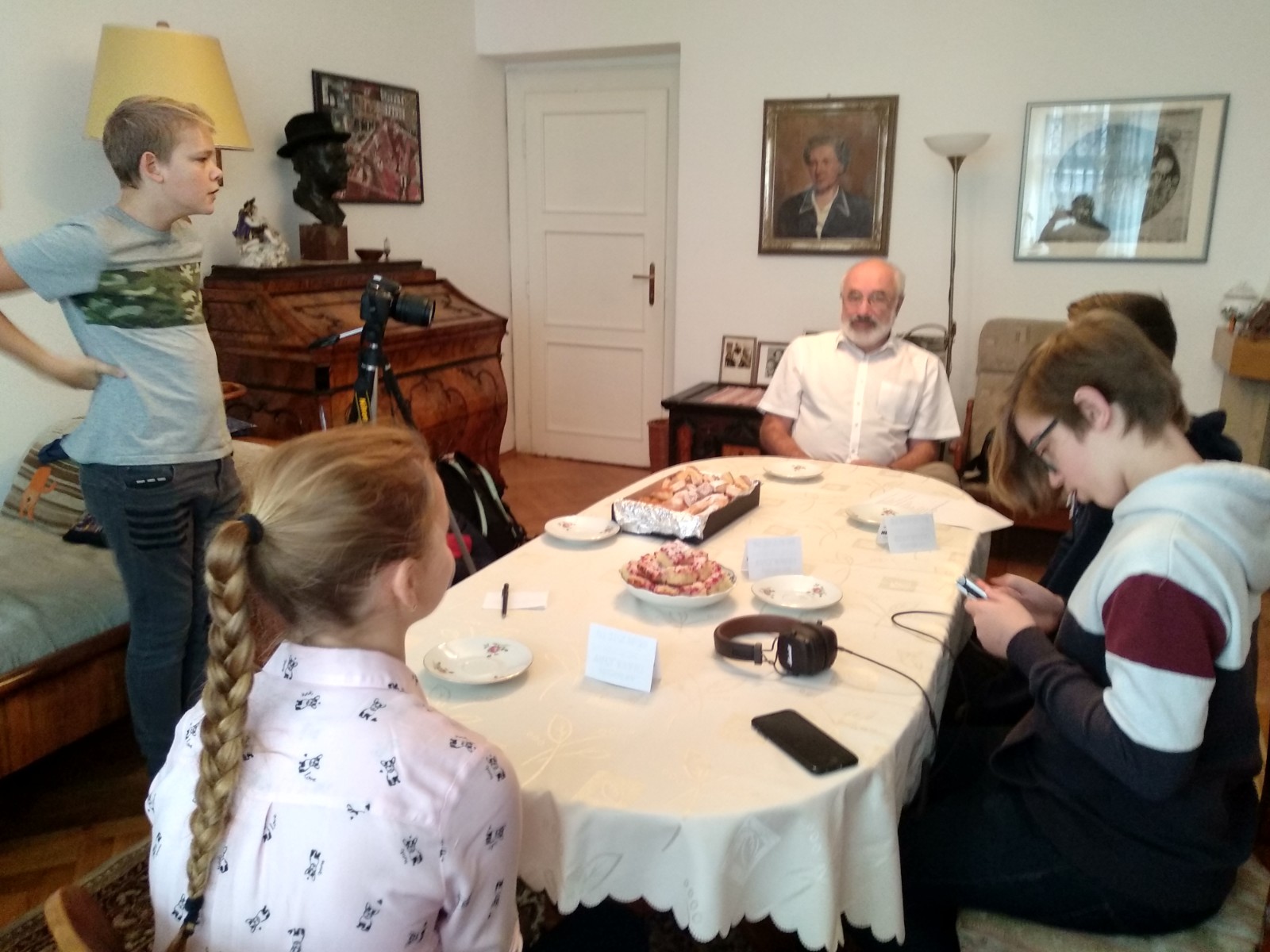
    media recorded in project The Stories of Our Neigbours
  • 2

    Praha, 11.12.2024

    (audio)
    duration: 02:00:02
    media recorded in project Stories of the 20th Century TV
  • 3

    Praha, 15.01.2025

    (audio)
    duration: 02:19:49
    media recorded in project Stories of the 20th Century TV
Full recordings are available only for logged users.

I went to get my scripts, the cops beat me up and took me to Pankrác
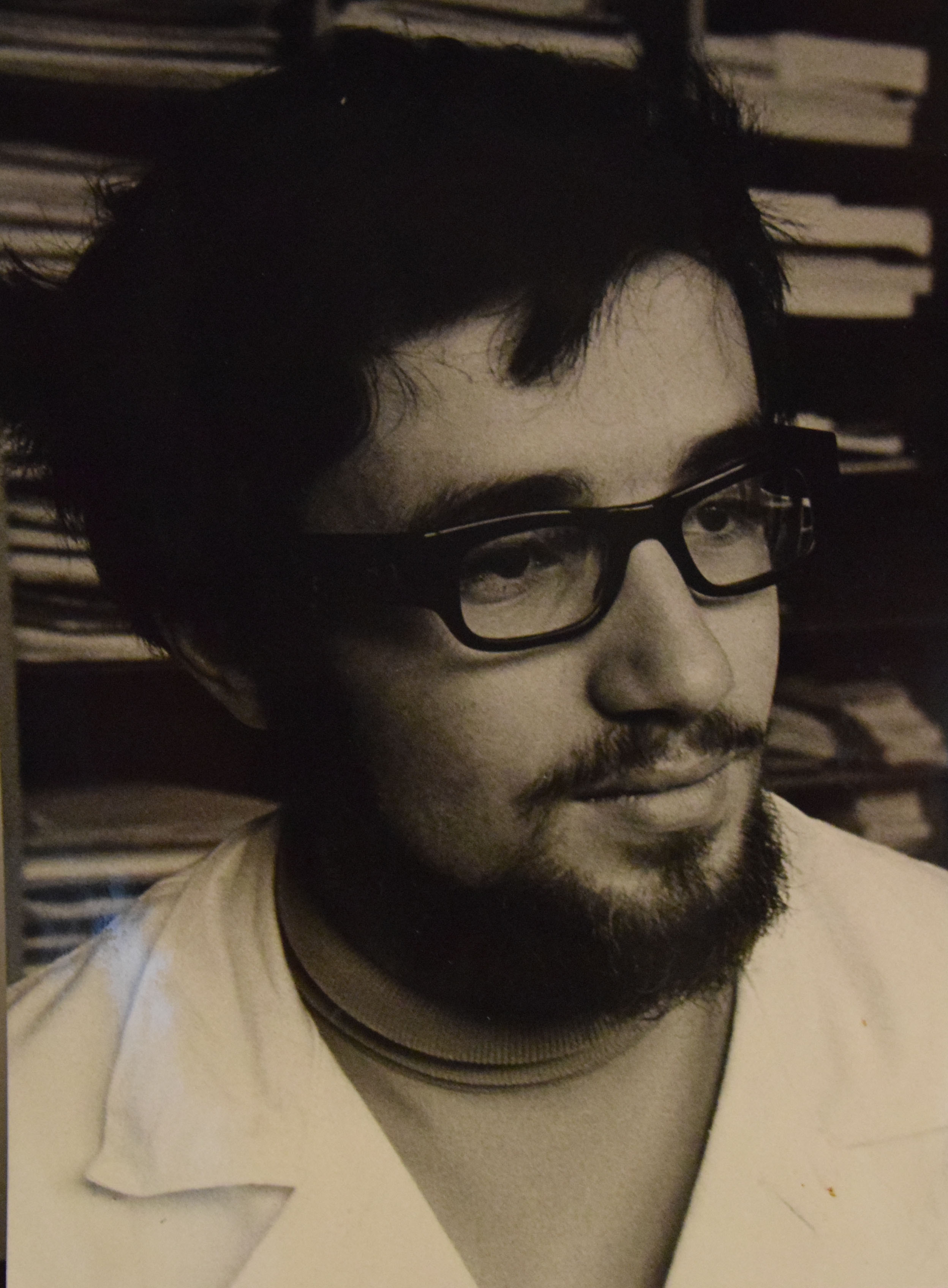
Milan Kodíček
Milan Kodíček
photo: archive of the witness

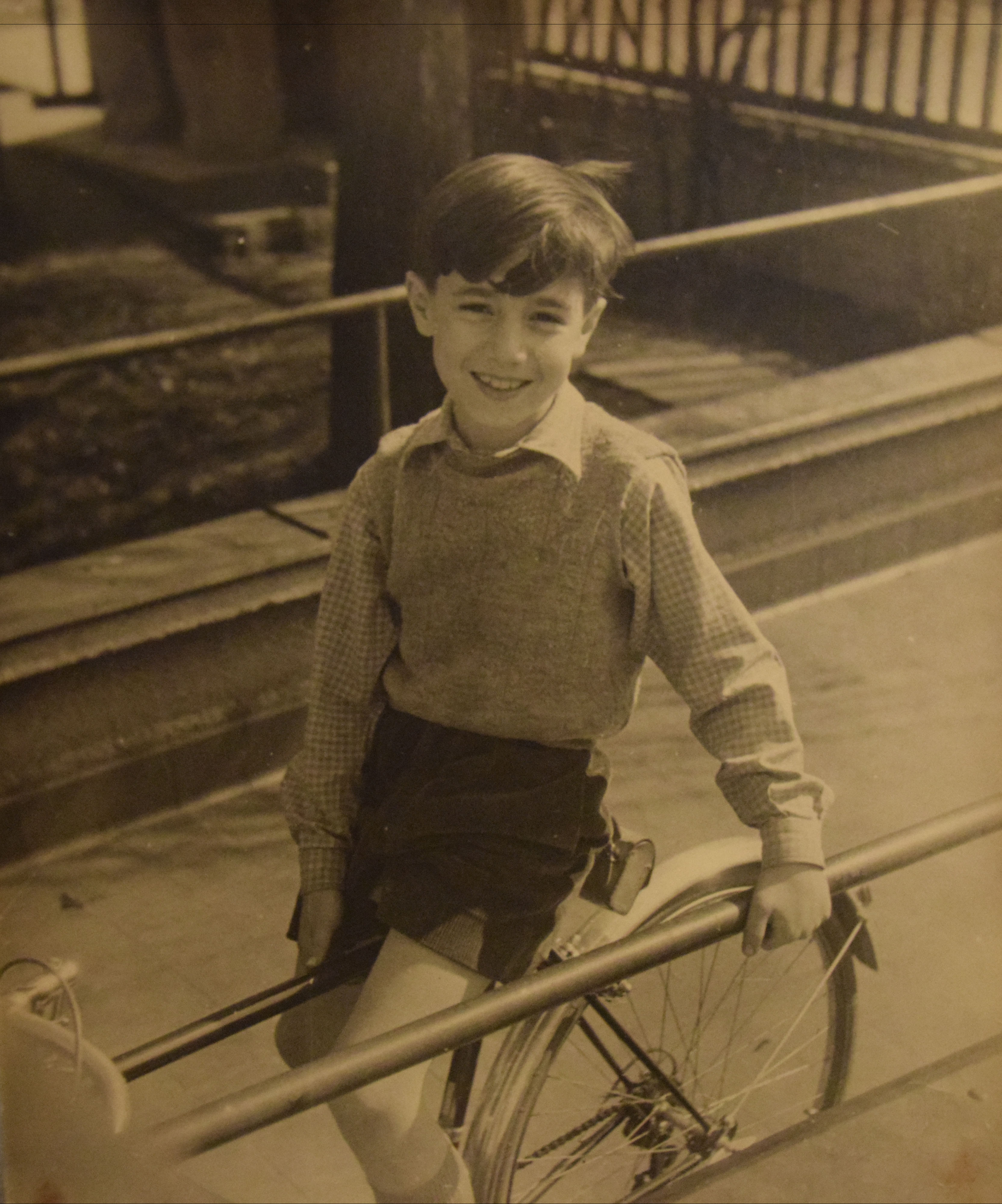
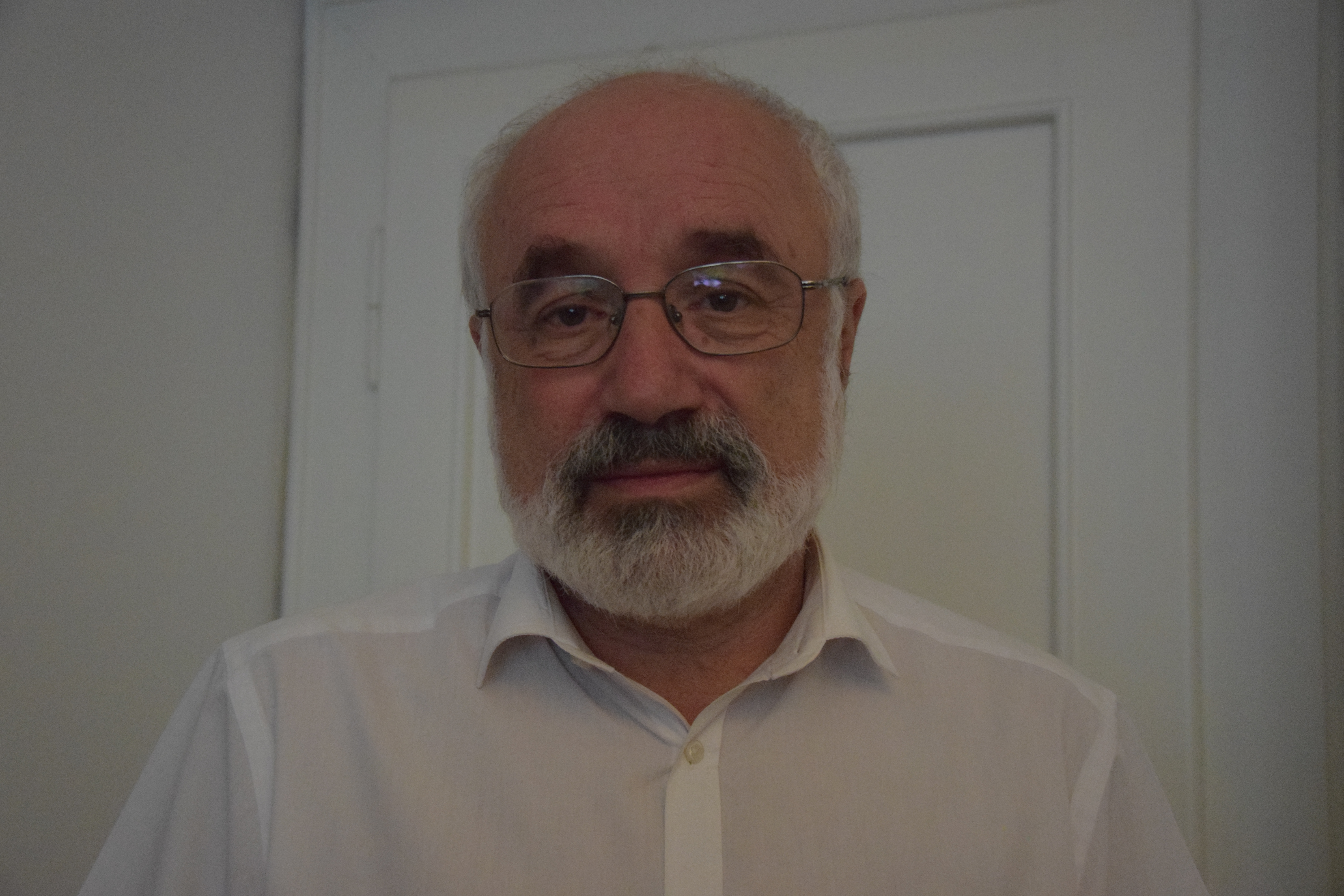
Milan Kodíček was born on February 12, 1948 in Prague to Zdeňka and Arnold Kodíček. Both his parents came from Jewish families. They met in Great Britain, where they went in 1939. His father worked as a military doctor, left England in 1944 and returned to Czechoslovakia with Svoboda’s army. After the war his mother went as a nurse to Terezín, which was then struggling with a typhus epidemic. A large part of both families did not survive the Second World War. His parents left the Jewish community after the war. Milan Kodíček studied chemistry at the Faculty of Science of Charles University in 1966-1971. During protests on the first anniversary of the Soviet occupation in August 1969, he was beaten and arrested on Wenceslas Square. He spent ten days in a cell, although he joined the demonstration by accident. From 1971 he worked at the Institute of Haematology and Blood Transfusion. Since 1985, he was kept by the State Security Service (StB) as a person under investigation (PO) in a file with archive number KR-831086 MV under the code name Brit. During the Velvet Revolution he was the chairman of the Civic Forum at the Institute of Hematology and Blood Transfusion. Since the 1990s, he has been teaching at the University of Chemical Technology (VŠCHT) and has contributed to several textbooks. In 2001 he was appointed professor. In 2024, he served as a member of the board of directors of the Journey Home organization, still teaching at the VŠCHT and living in Prague.