Vladimír Knob

* 1939

  • "There were three helpers and each had a job to do. The first was the smelter's helper. The smelter organized everything. The second helper was the skimmer. He worked on the other side of the furnace. He had to prepare the chute for the steel to flow through. It was opened after each run and the chute had to be greased and heated again. The fastest melts were five hours, but armour and crankshafts took eight hours. Some armour took even longer. Then there were the loaders - the crane men who loaded the troughs with iron and evened it out. The jiggers then put it in the furnace. Down there was the bulk material, coke and lime. The ore was in these hoppers. They dropped it into the troughs, then it was taken by a crane and it went to the loading bench in front of the furnace. Then the jigger took it and put in what was necessary for the smelting to run smoothly."

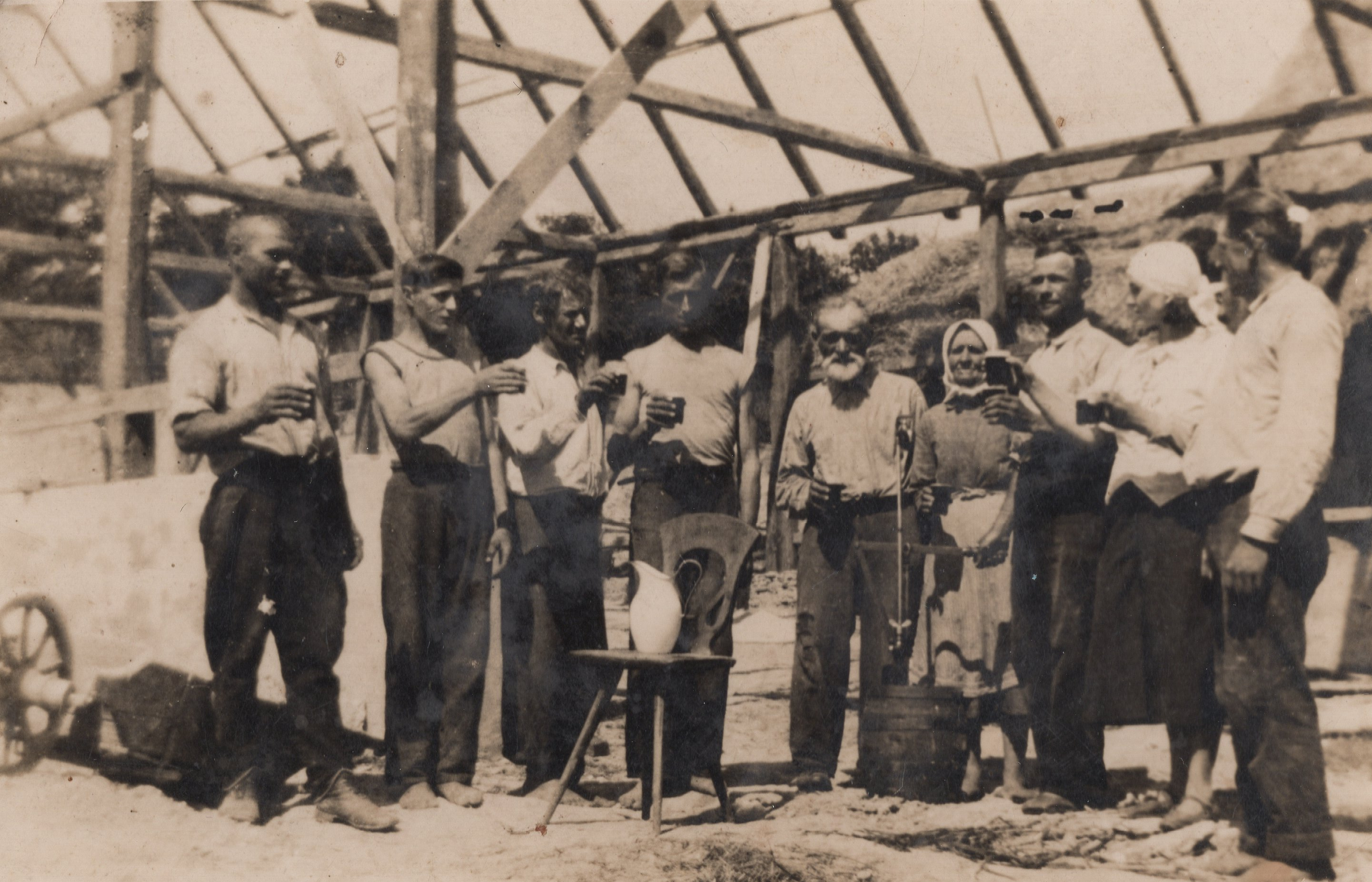
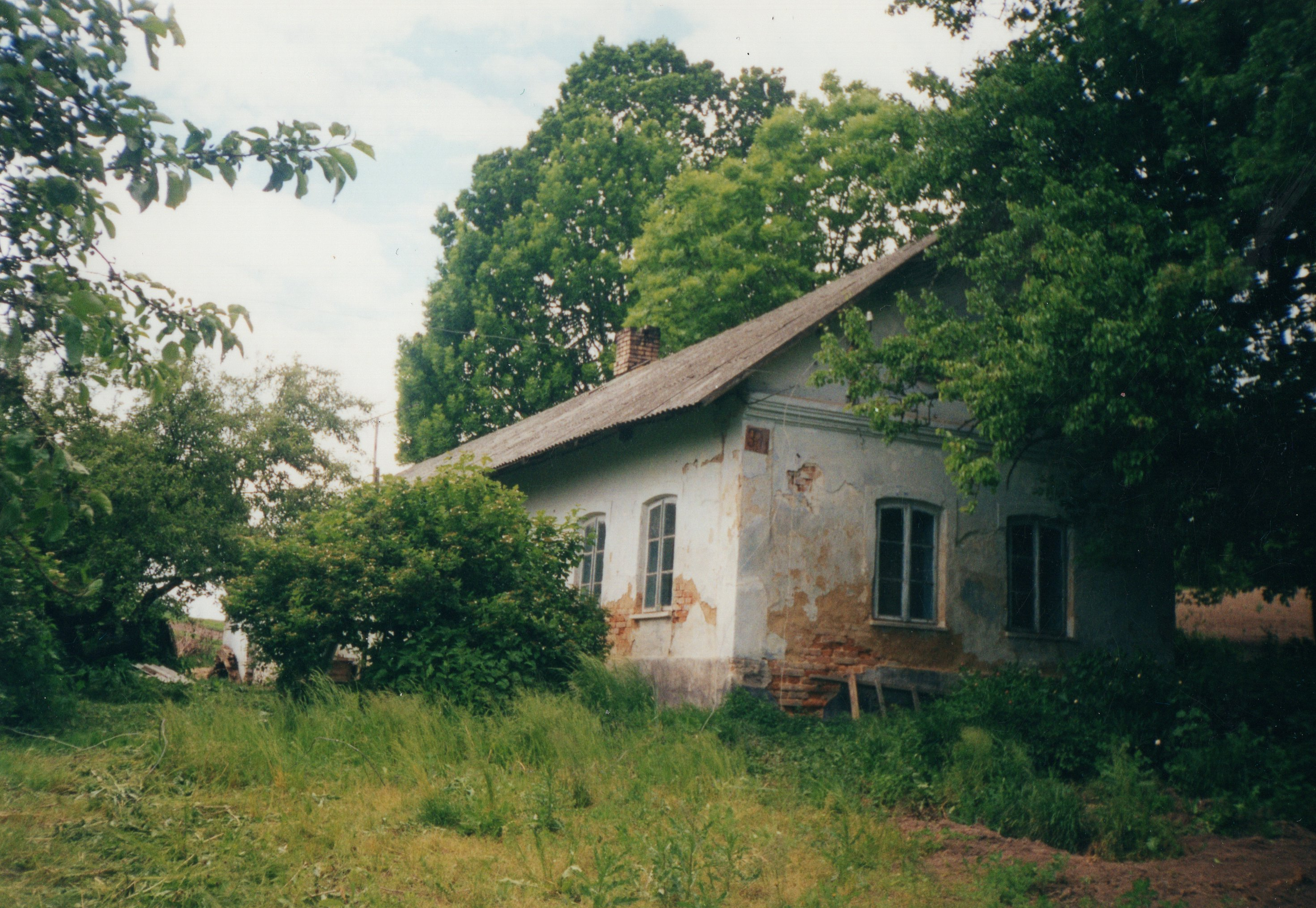
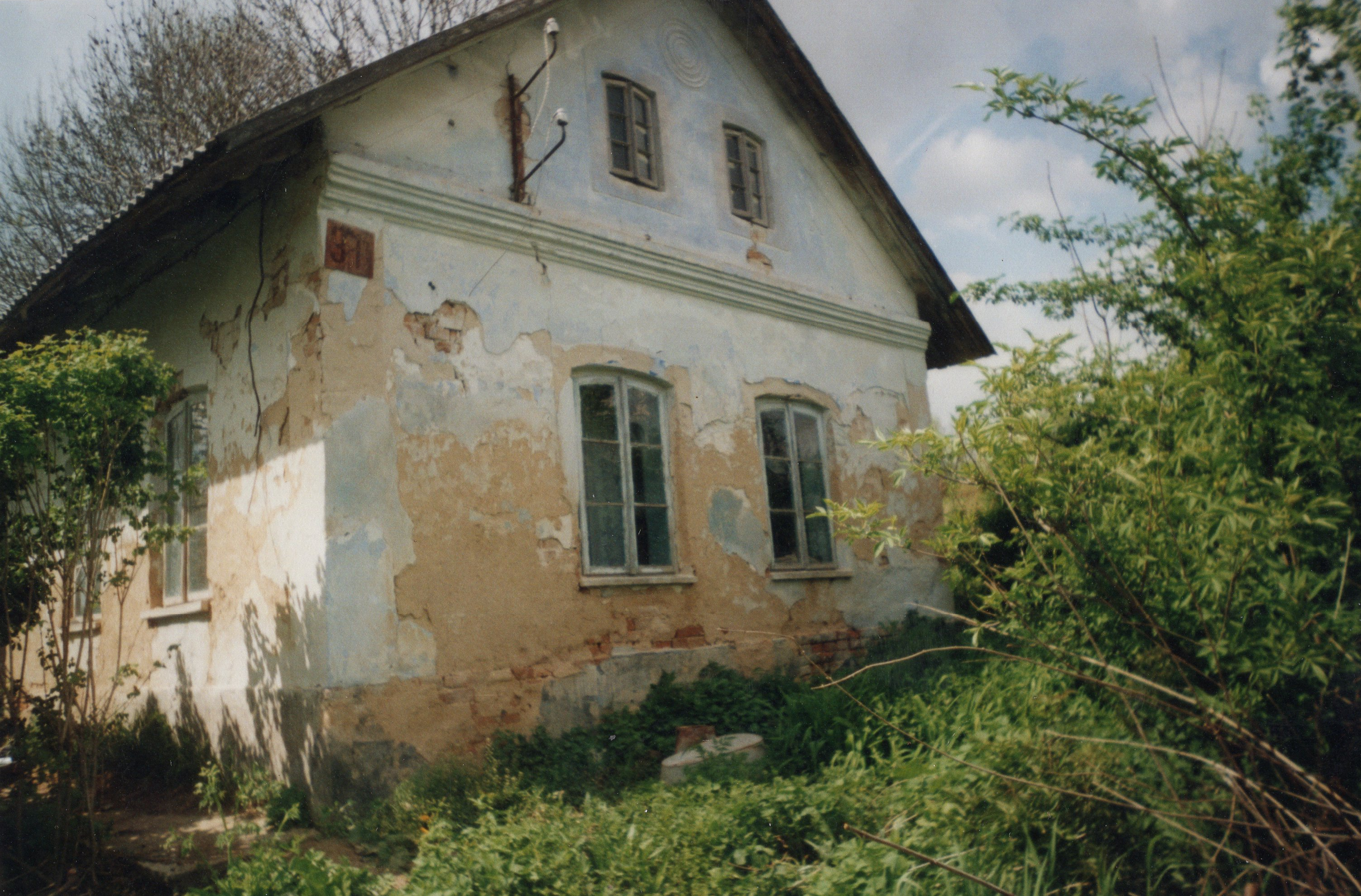
  • "The first impression was terrible because there were four cattle in the sty with nothing to feed them. The rooms were full of glass, the windows were broken. We sat down. My mother was afraid to enter the house, so we waited for my father to come with the horses. Only then did she enter the house. It had to be cleaned up and then she would ask the neighbors to help her feed the cattle. She had to help them out in the fields to get some feed for them before they started working."

  • "When two drunken Soviets came from the village and started harassing the women and saying they were going to sleep with them and what not, my aunt jumped into the garden through my grandfather's window and ran into the village. One of the two saw her running and started firing at her, but he missed; she was too far already. She brought like staff officers from the village and they stayed there for the night. In the morning the women had to feed them. Then they left up through our garden. One of them said to my mother, 'Remember, I'll be back!' He didn't come back. As they were going up, I followed them out into the garden, and they shot the two men right away for a warning."

  • Full recordings
  • 1

    Ostrava, 24.07.2025

    (audio)
    duration: 02:14:23
    media recorded in project Living Memory of the Borderlands
Full recordings are available only for logged users.

We had to black the windows out at night. When a dog barked, we were anxious at what was going to happen
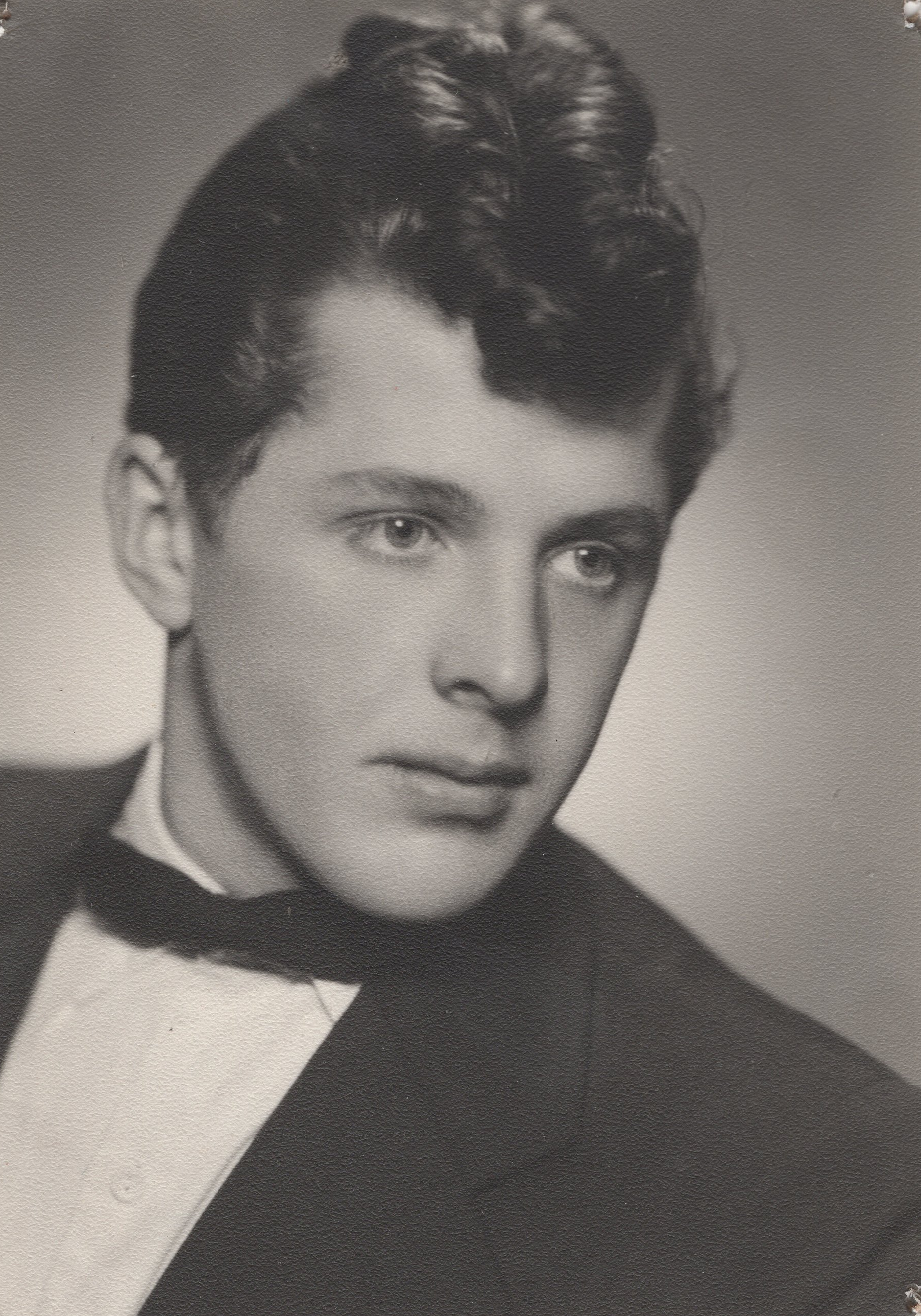
Vladimír Knob at the end of his high school studies, 1958
photo: Witness's archive

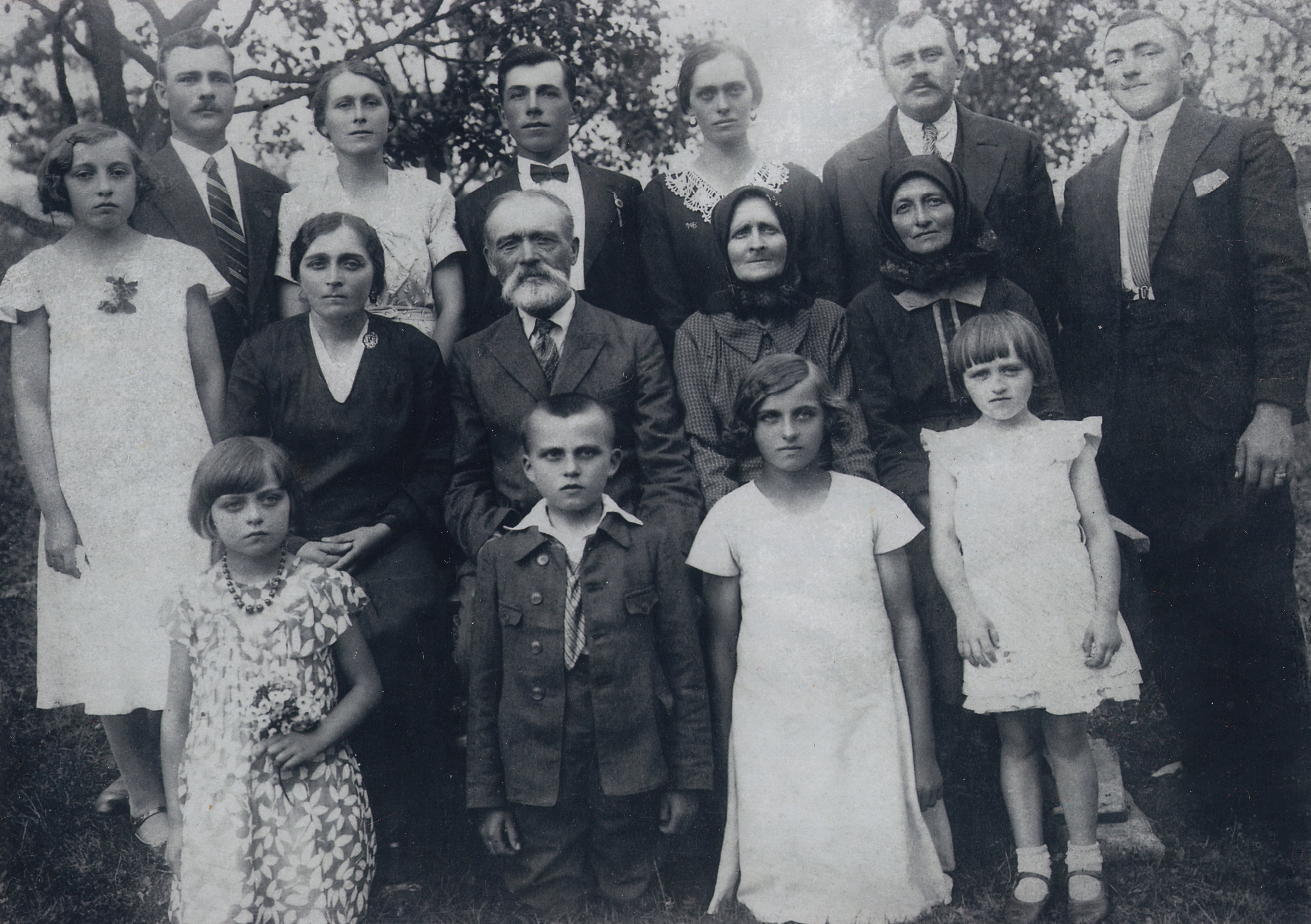
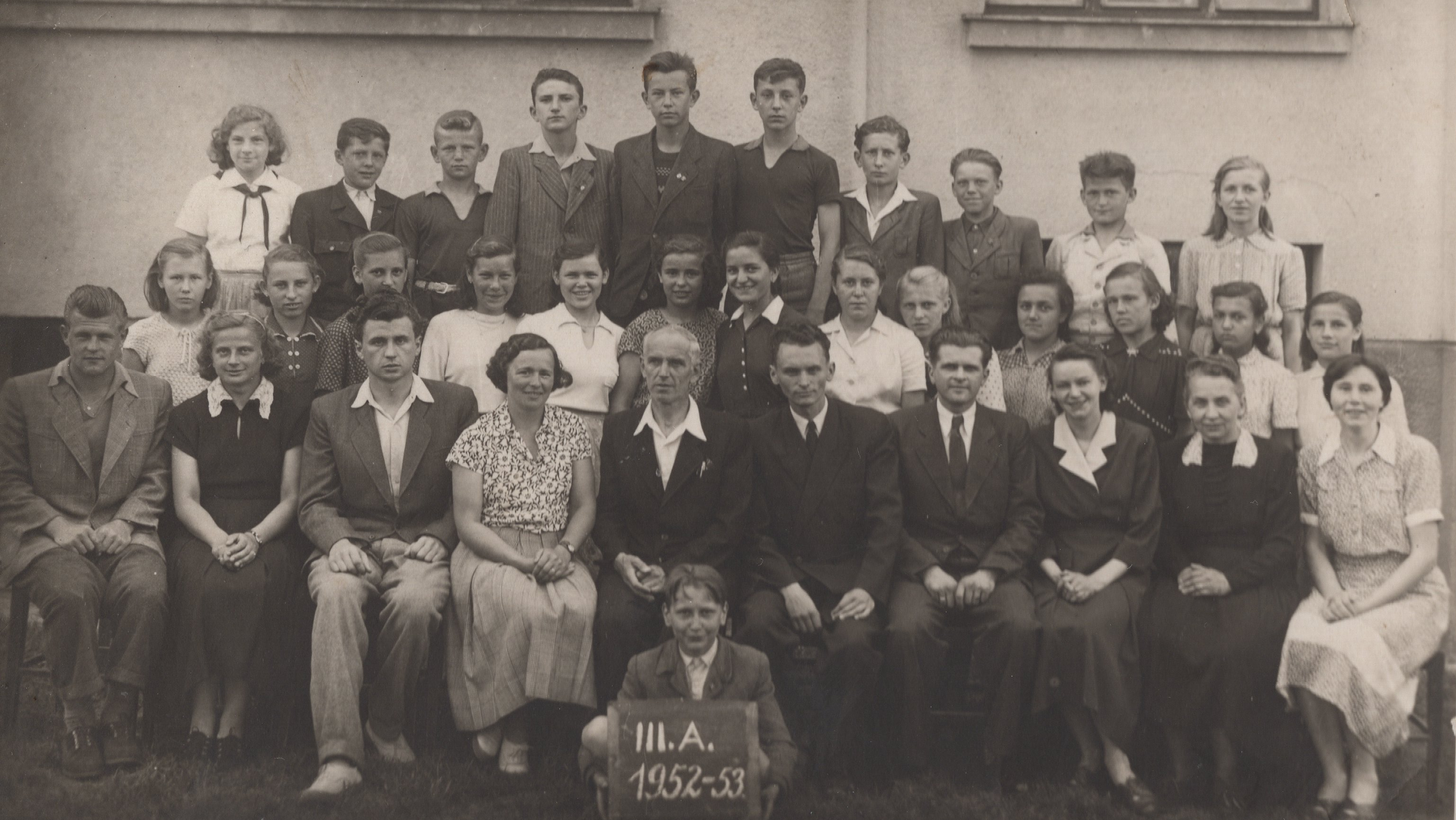
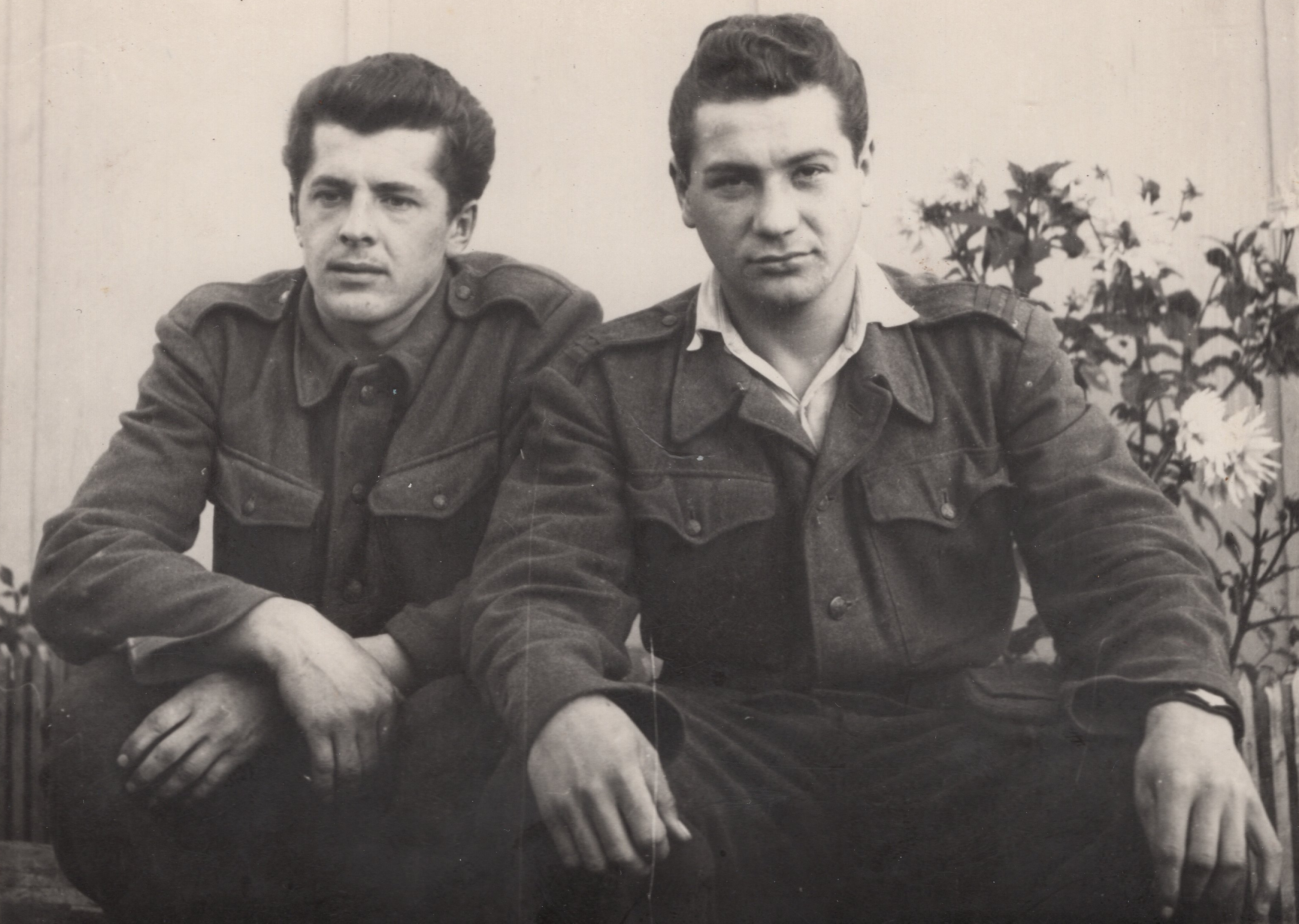
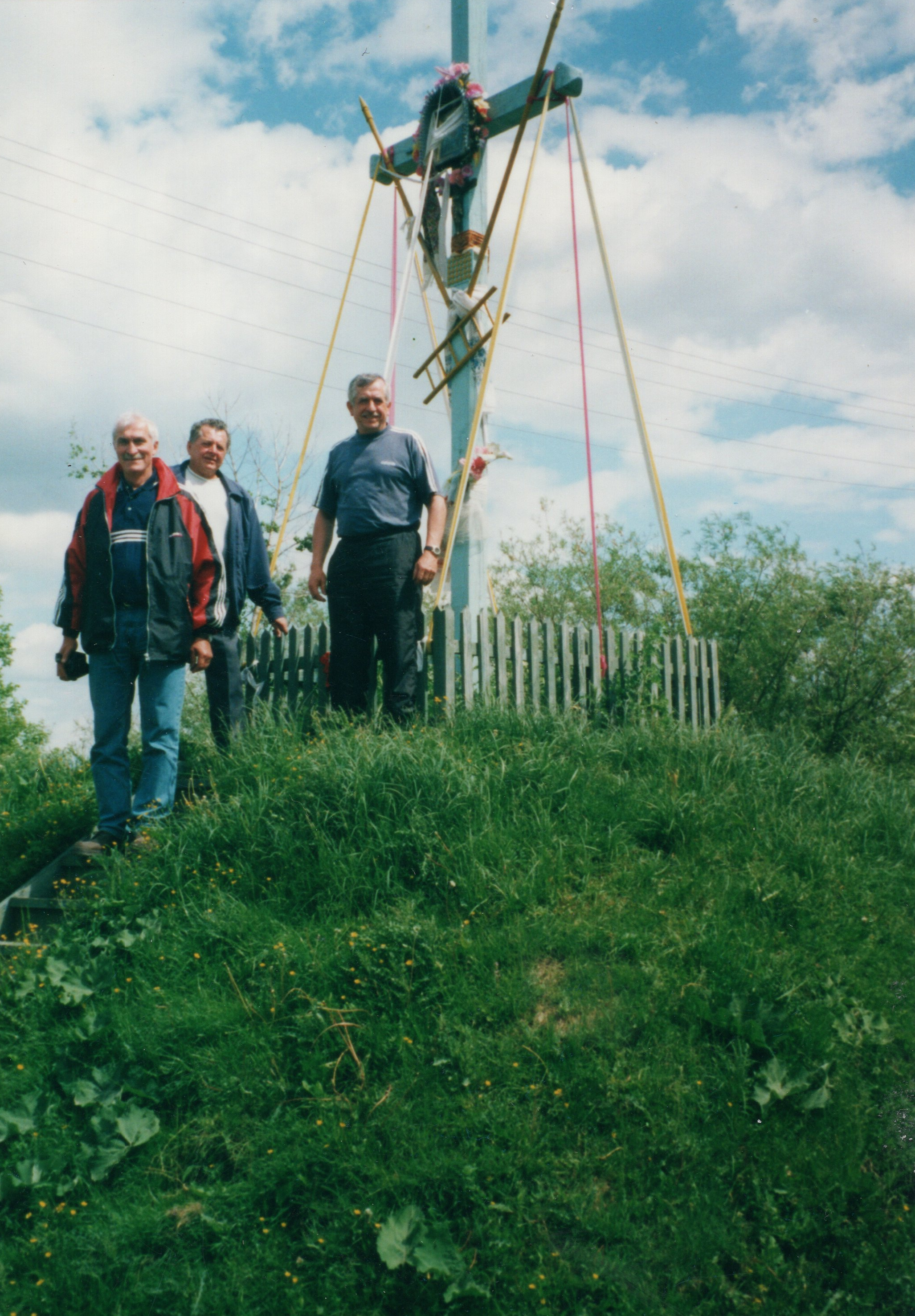
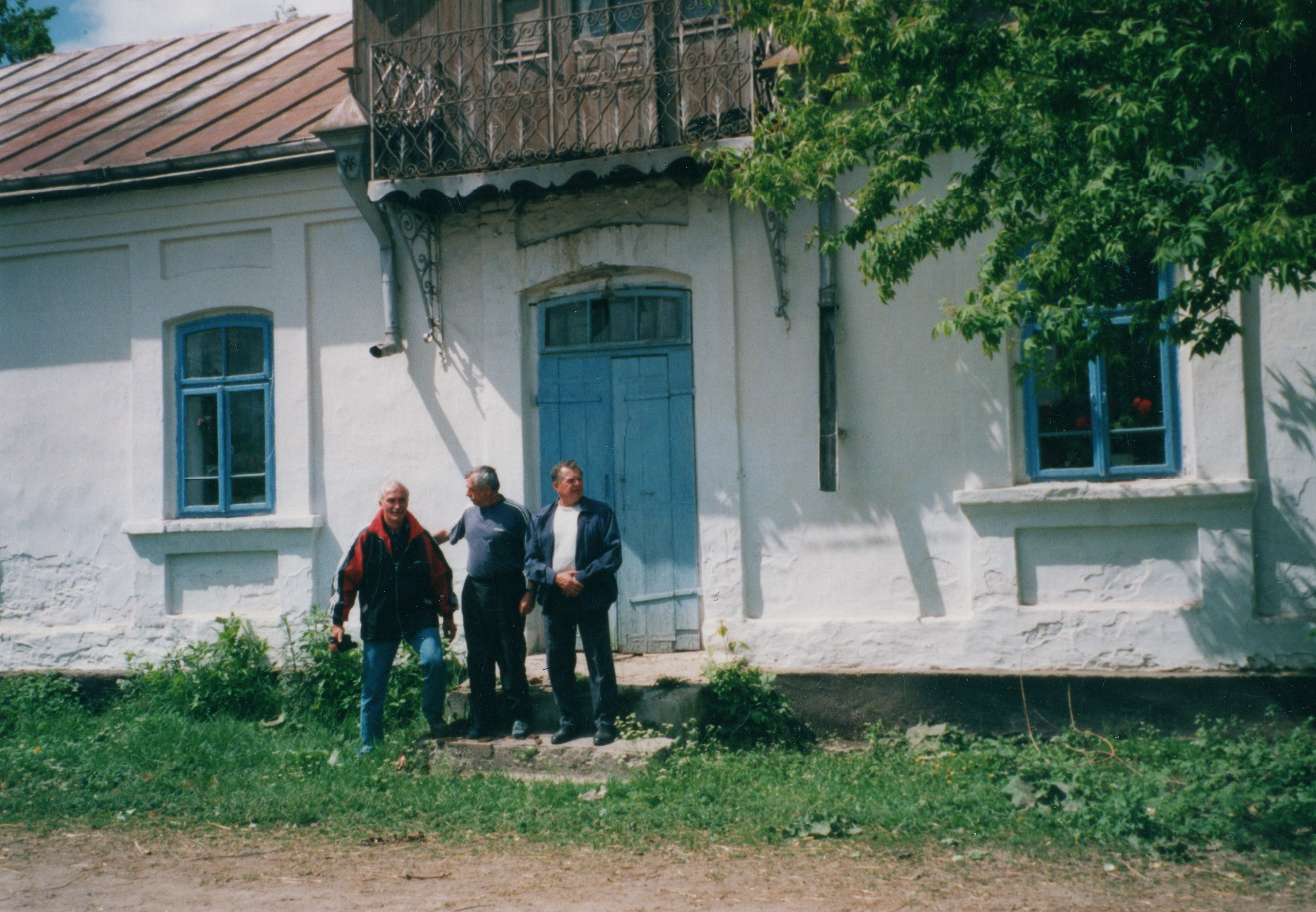
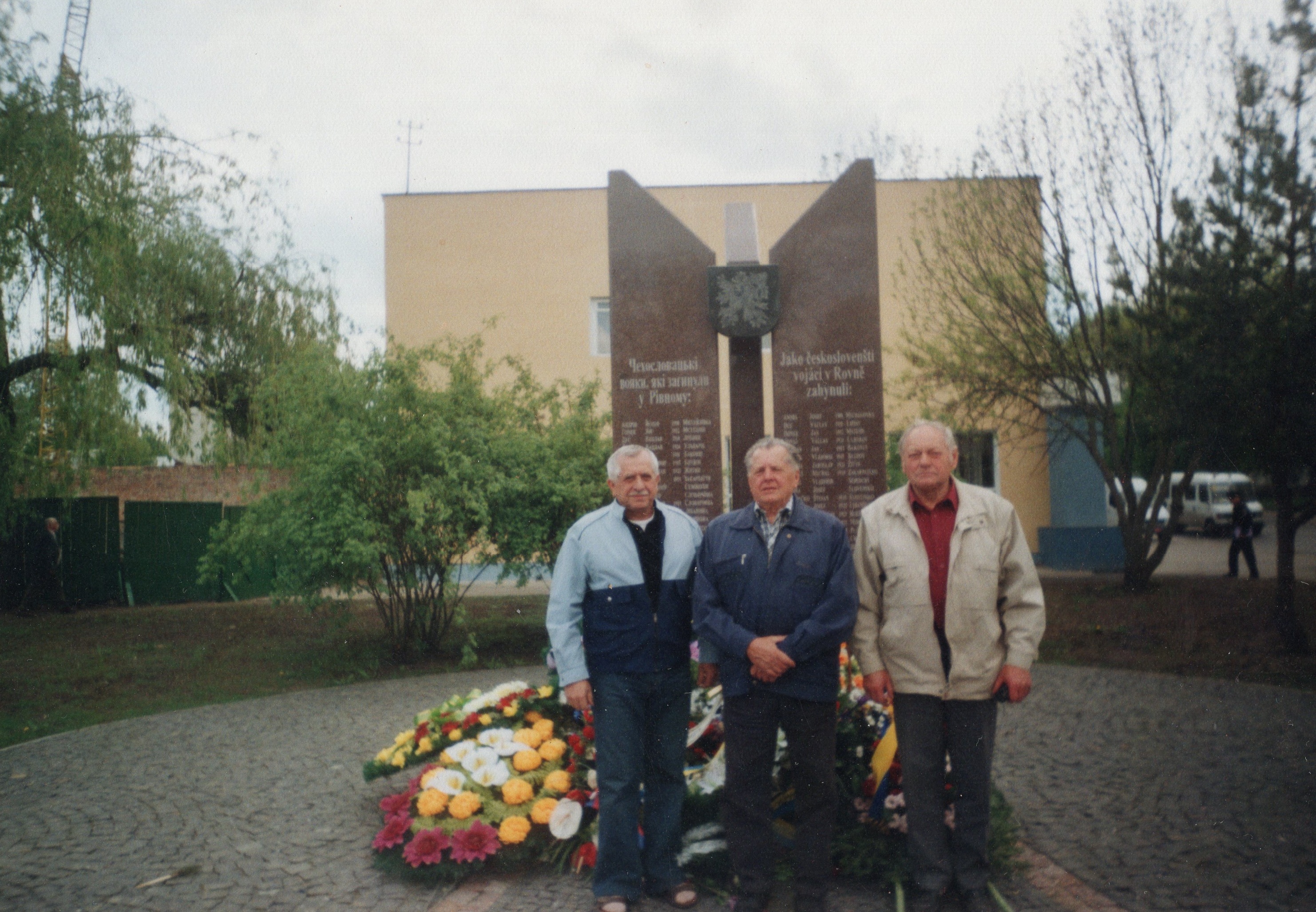
Vladimír Knob was born on 5 March 1939 in Ulbárov, one of the Czech villages in Volhynia where his family had been farming for three generations. He spent the early years of his life in a region where the front line passed through twice. He saw attacks on the Czech minority, looting, clashes between Ukrainians and the Red Army, and the execution of soldiers who tried to rape his relatives. After World War II, he and his parents left the Soviet Volhynia for their old homeland. They arrived in Moravice in the Opava region in April 1947, taking a dilapidated house and deserted fields left by deported Germans. The Knobs brought their Orthodox faith, a strong sense of belonging and hard work, and resistance to collectivisation, which still hit them in Czechoslovakia after February 1948. This was followed by the confiscation of farm machinery, swaps of land for more distant and less profitable plots, predatory pricing for their produce and finally forced entry into the coop. Vladimír Knob left his ancestors’ livelihood and went to study at the high technical school in Ostrava-Vítkovice. He did not get to graduate. Instead of resitting a final exam, he joined the army in 1958. Back in the civilian life, he joined the Vítkovice Ironworks, got married and started a family. He and his wife raised three daughters. He worked in the steel mill until retirement in 1994. Over time, he held various positions within the production process, working his way up to a foreman. After August 1968, he was expelled from the Communist Party of Czechoslovakia for opposing the invasion, but fortunately for him and his relatives, the normalisation regime did not persecute him despite accusations of spurring his colleagues to do the same. Retired, he moved to his wife’s native town of Fulnek where they both lived at the time of filming (2025). He never forgot Volhynia or his compatriots. Vladimír Knob keeps in close touch with them regularly through his association activities.