"Some of these interrogations were getting ugly. I remember this, some major Poč, he was a State Security guy from the fifties, such an old guy, he said, 'I'd like to smash your mouth in.' So I shrugged my shoulders and waited to get it, but nothing happened. Such a fierce guy. But he didn't get to know anything."
"Some of those teachers were very radical. They started talking about a theology of revolution." - "What was that, this theory?" - "It was the so-called Politische Theologie that came out of Germany, the Politische Nachgebert, these whole currents that basically influenced our faculty, I guess, and Liberation Theology was then. Josef Smolík was such a leading exponent, who then gave it up in '73. He even wrote a book about it."
"I had this character, I don't know, they said I was impossible to get along with, the teachers at that secondary school said. It's true I wasn't very obedient and I didn't enjoy it there either. I tried to avoid it sometimes, going to some exhibitions and stuff. And I listened to all kinds of music, and I started wearing my hair long, which annoyed those teachers. It's true that I started reading the Bible quite intensively. I was kind of into it. Some inner discontent, at home, that's what post-pubescent kids have. I was intrigued by the story of Moses, who picked himself up and left. So I thought, 'I ought to try that, too, to seek that way.' That's the way it was."
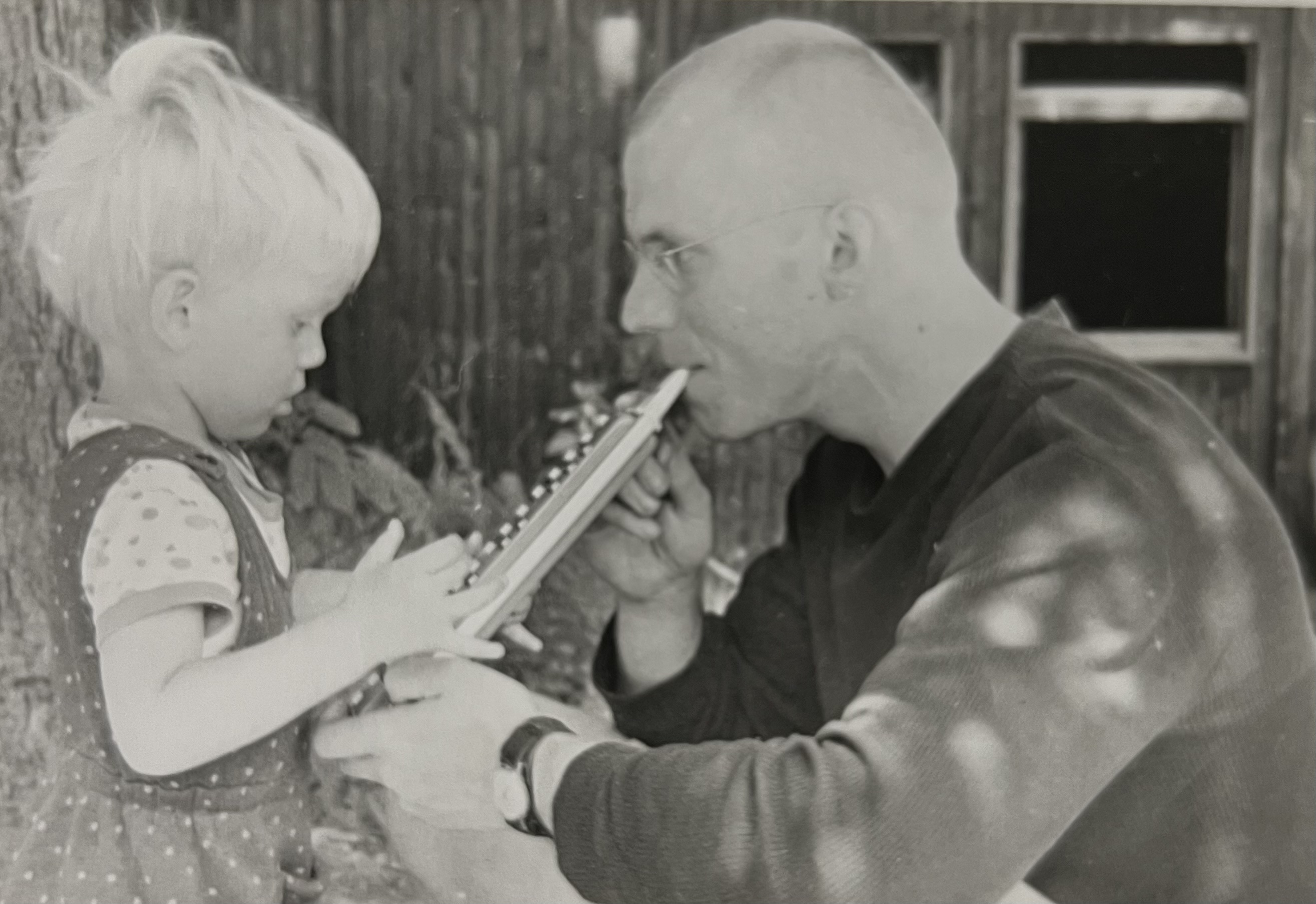
"My father was born [in] 1906 and graduated from secondary school and then did some schooling at the Ministry of Telegraphs and Telephones and ran the telegraph telephone station here in Brno. In 1939, he and some people from this very Brno telephone exchange were taken to Germany, to Neustrelitz, and spent time there until 1945. They were used for this telephone service. I don't know how much. He didn't like to talk about it very much. He said that it was an awful period of his life, and it was probably a kind of partial internment, not quite a concentration camp, but something like that, a kind of semi-prison where they were given food, they had outings, even out. He said they could go shopping sometimes, but they were pretty much guarded. I think they were making some of these joints, but they weren't allowed to install them, just to prepare it somehow."
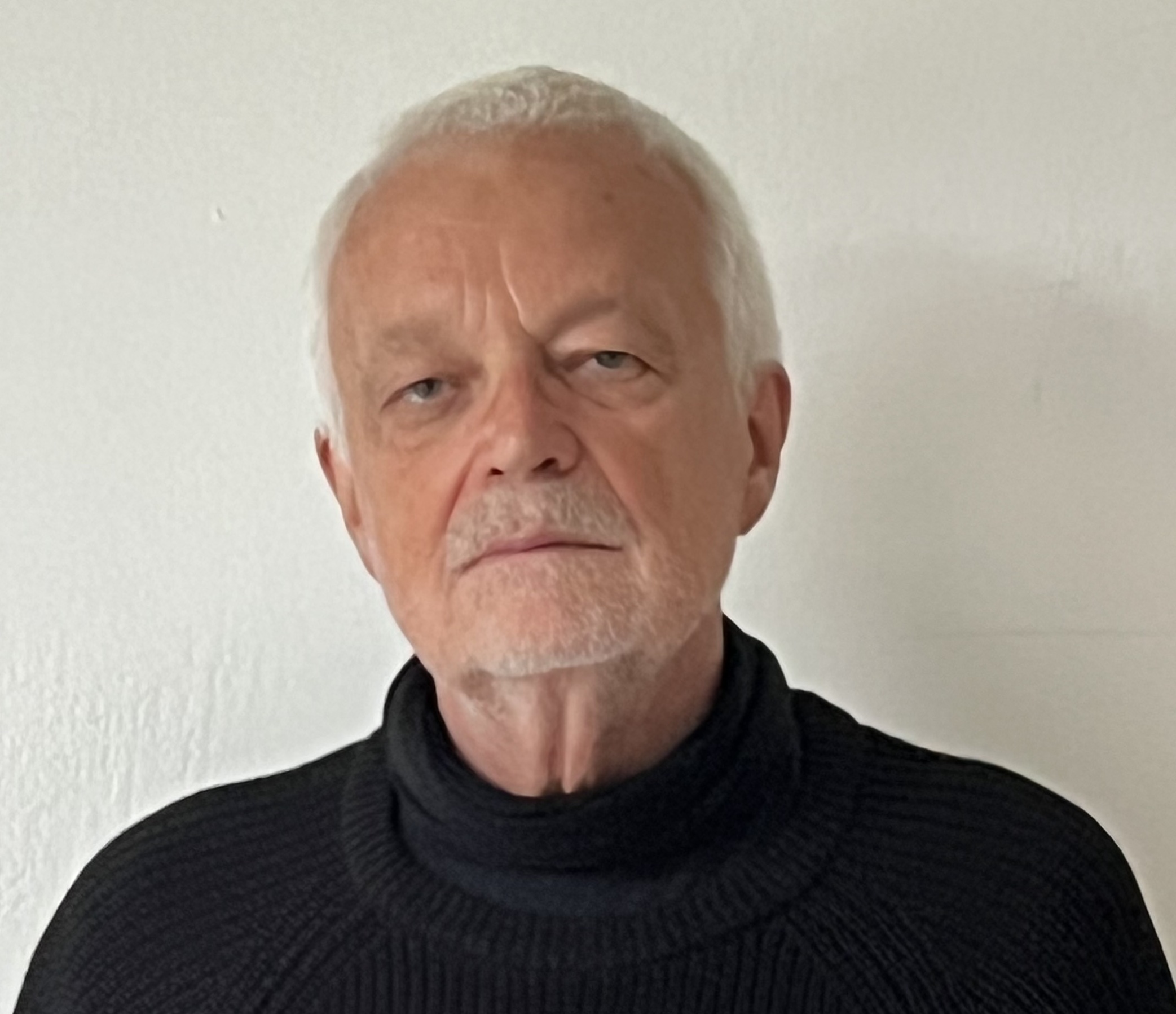
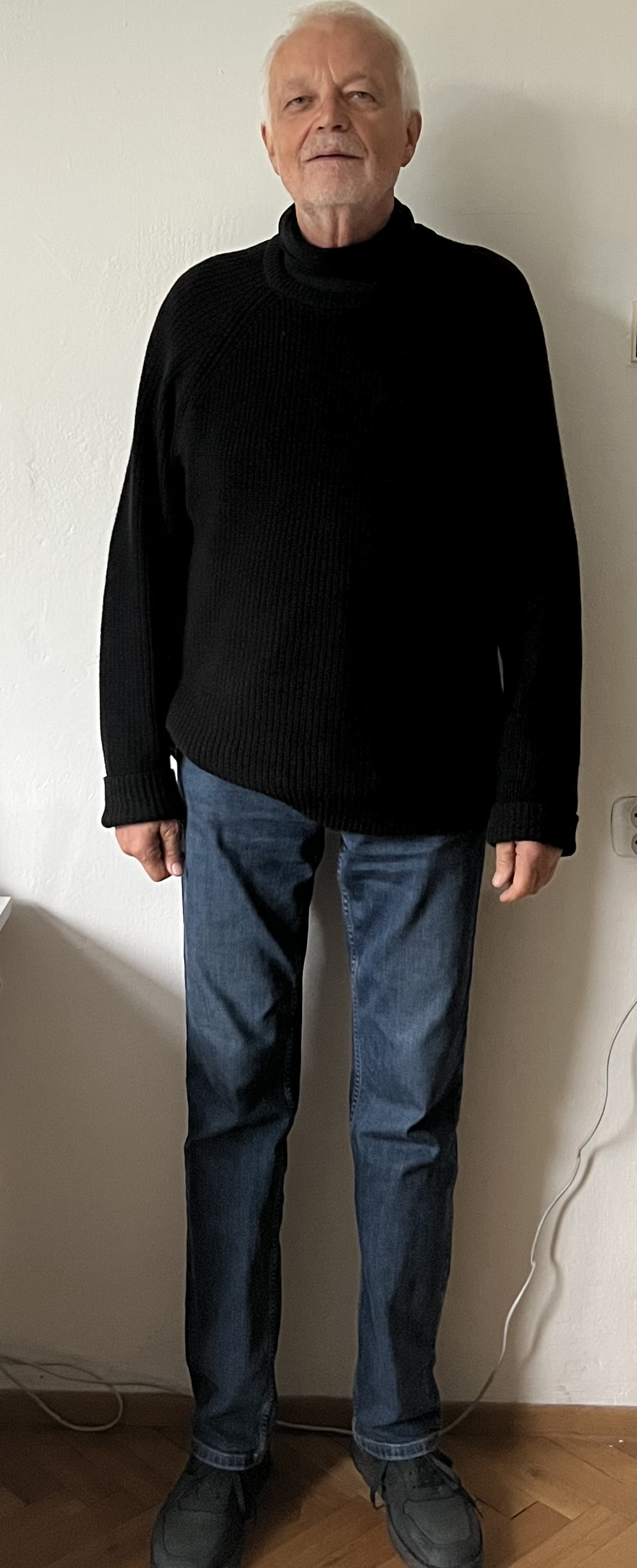
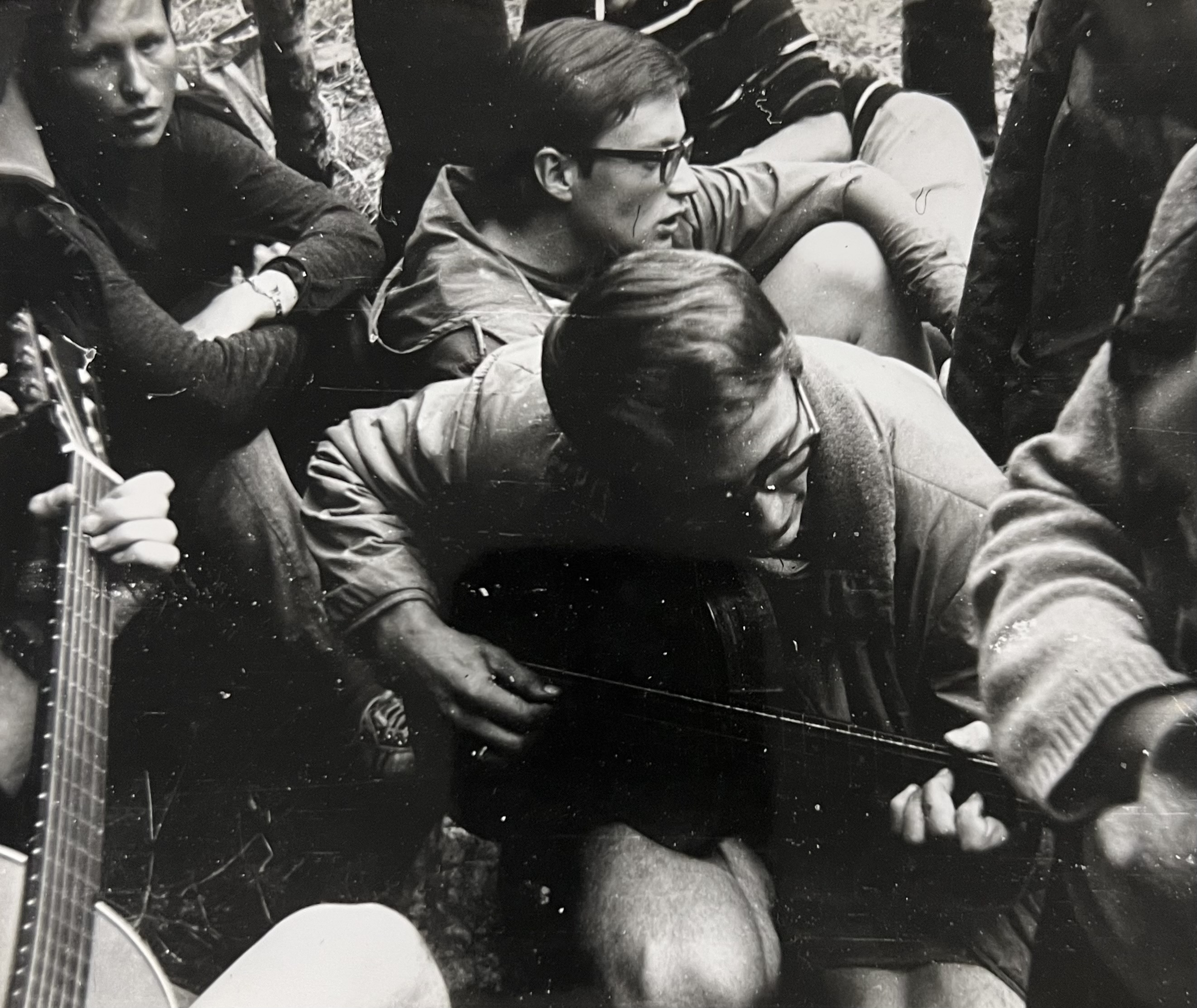
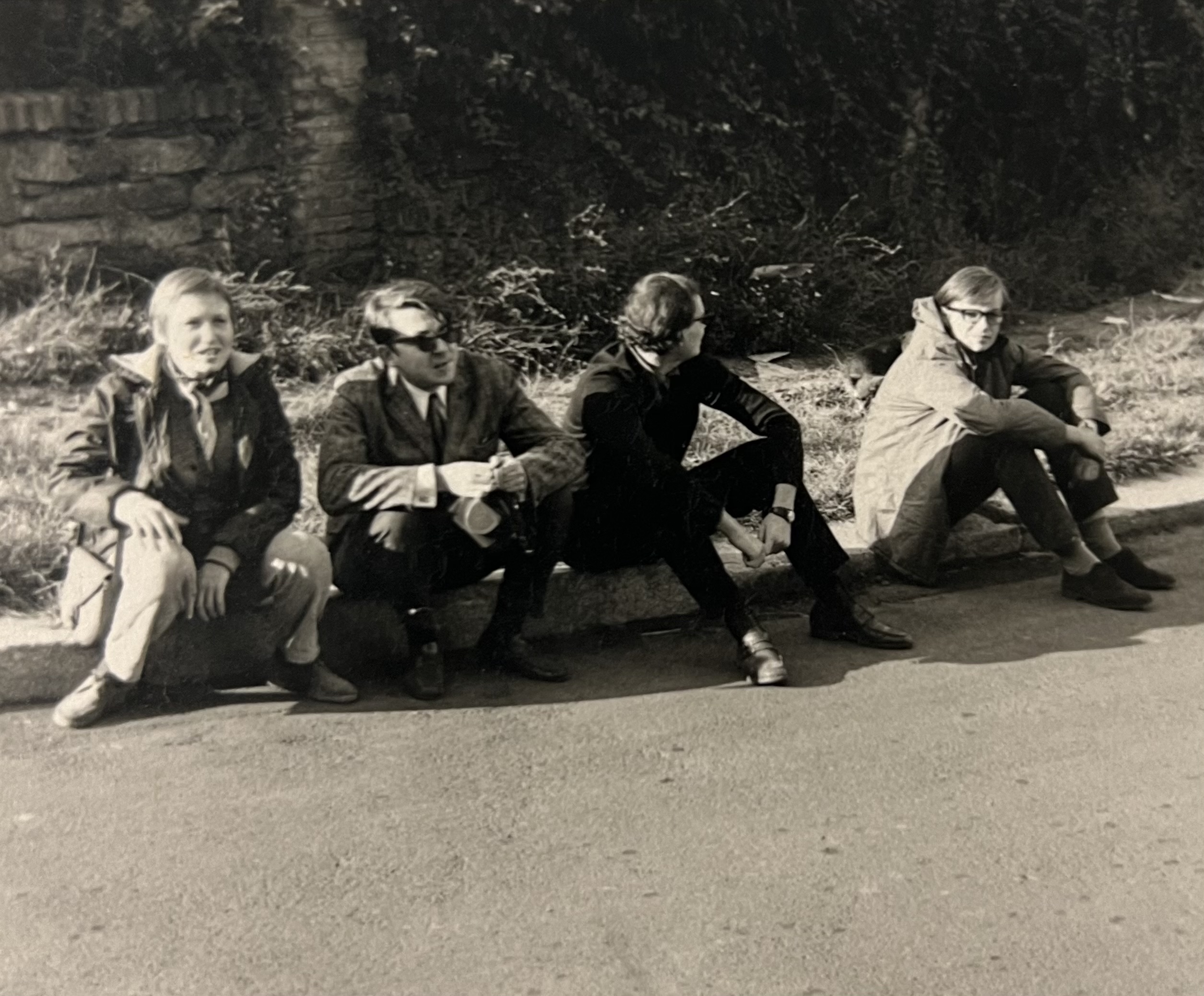
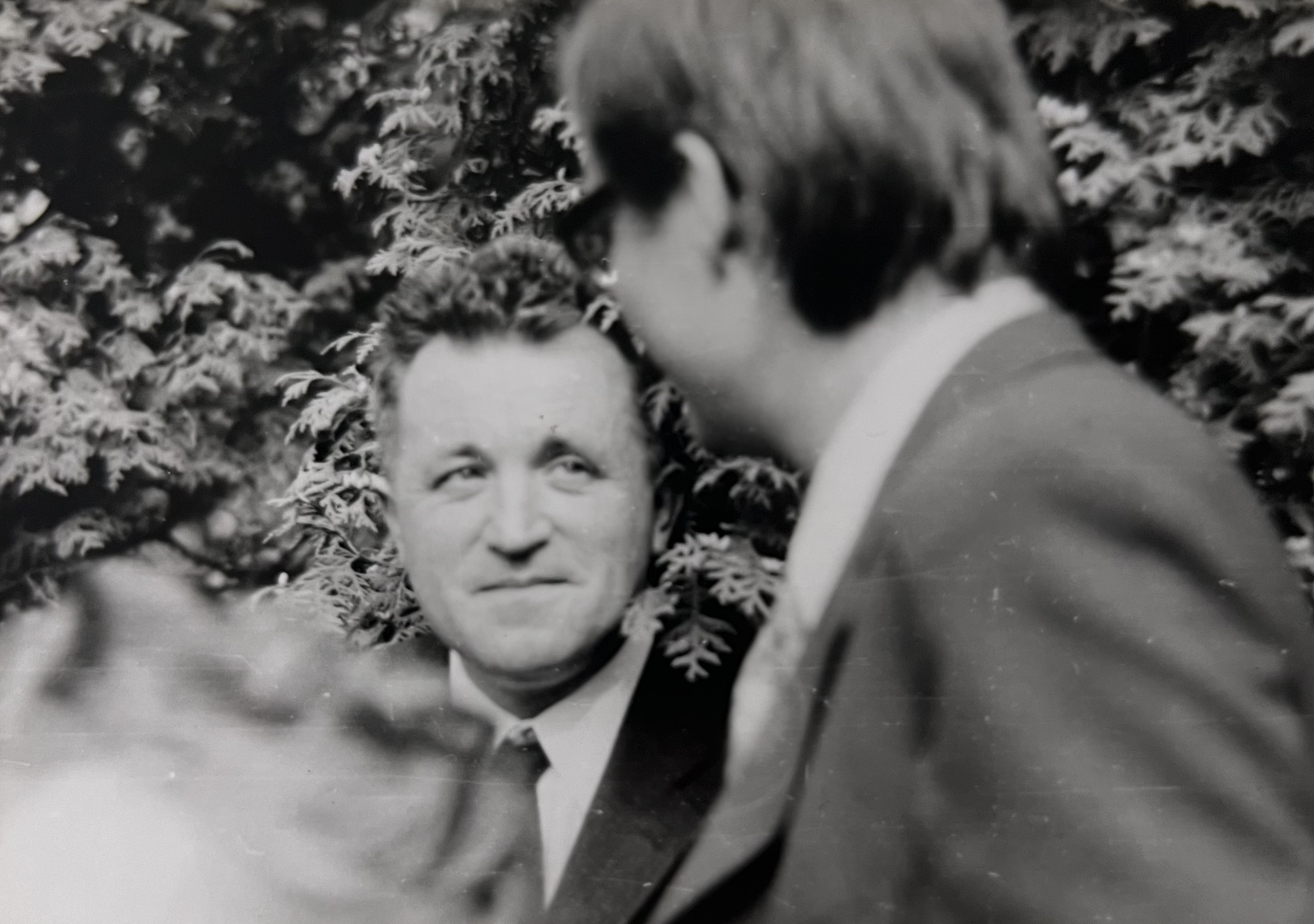
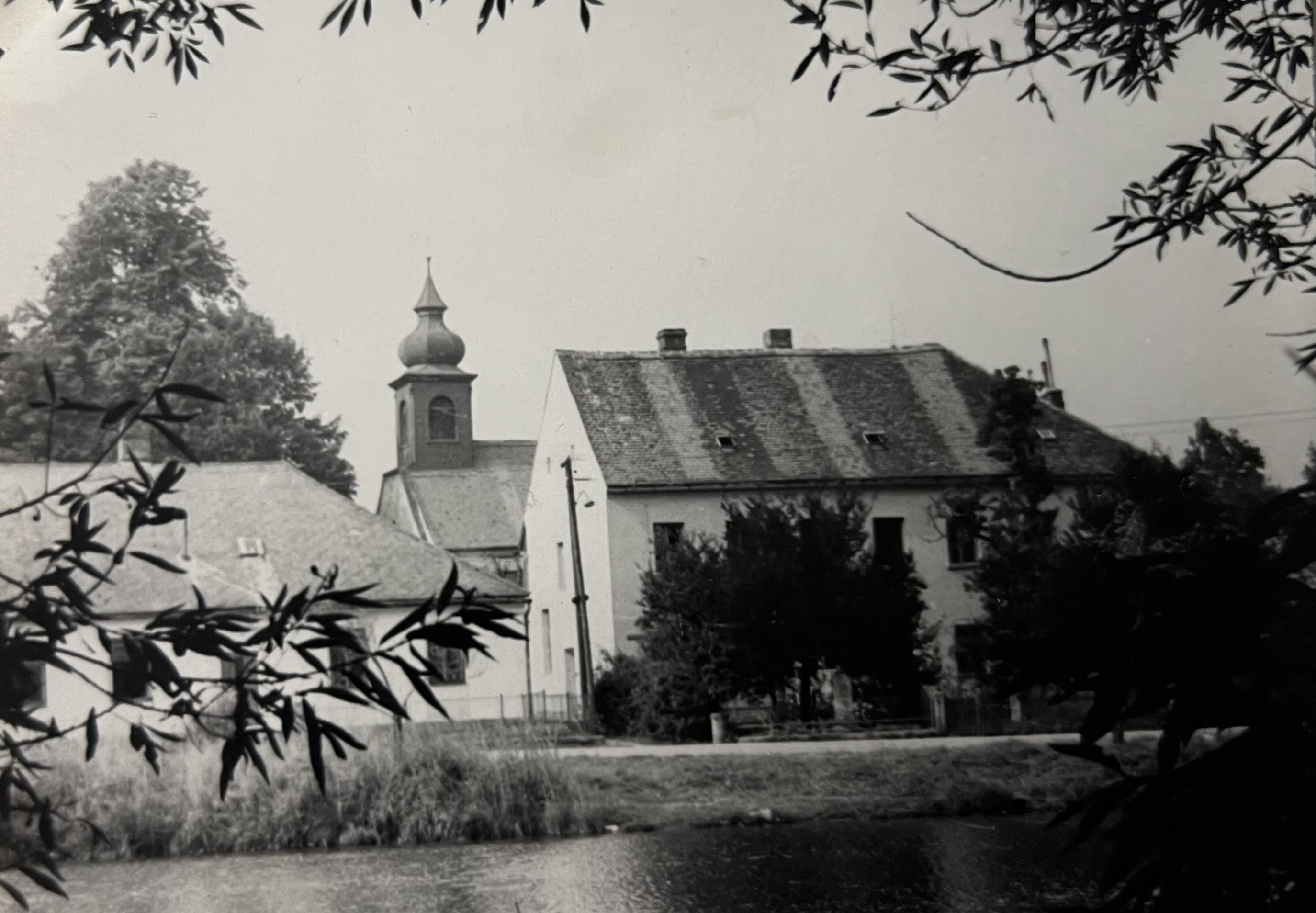
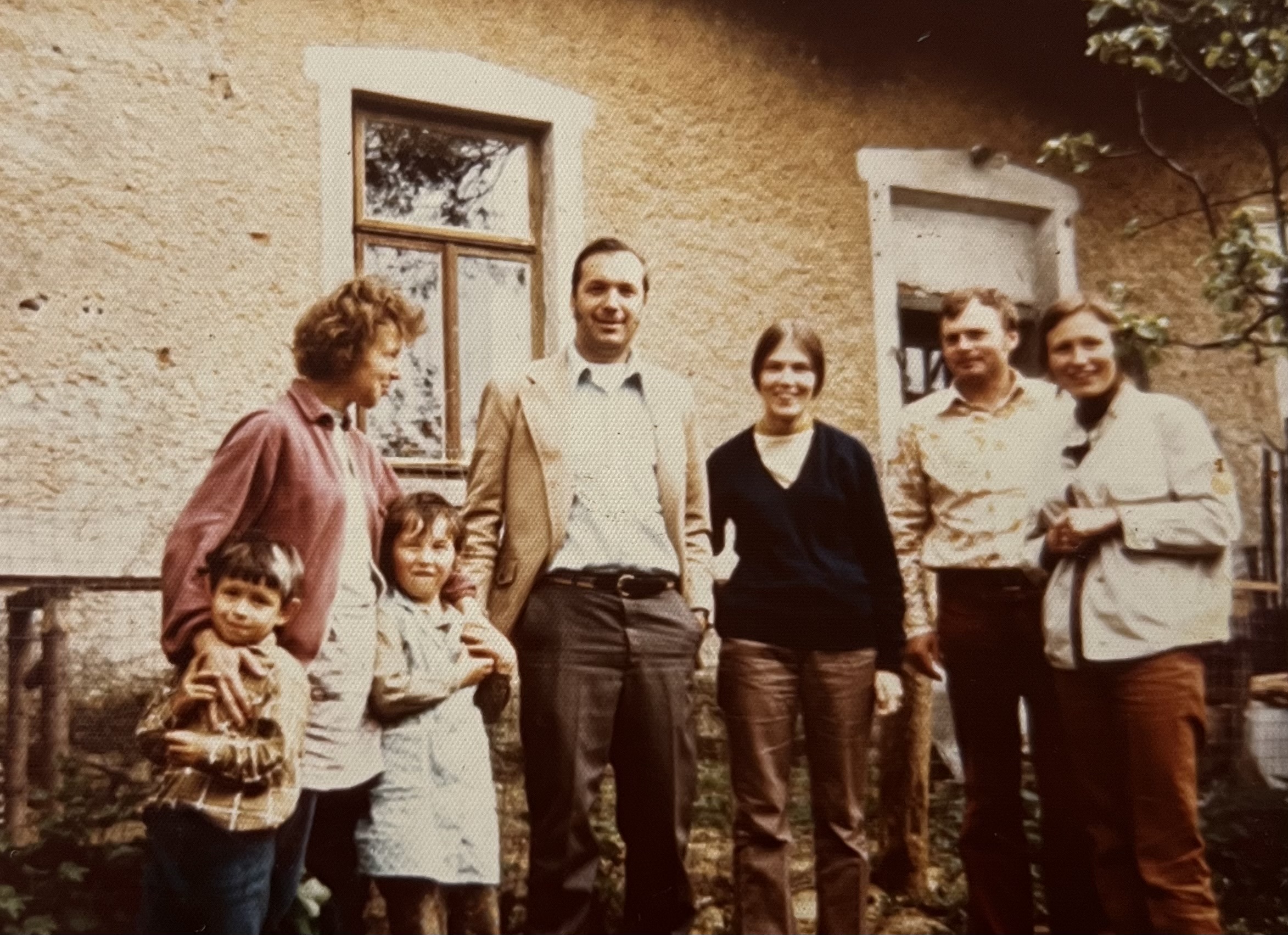
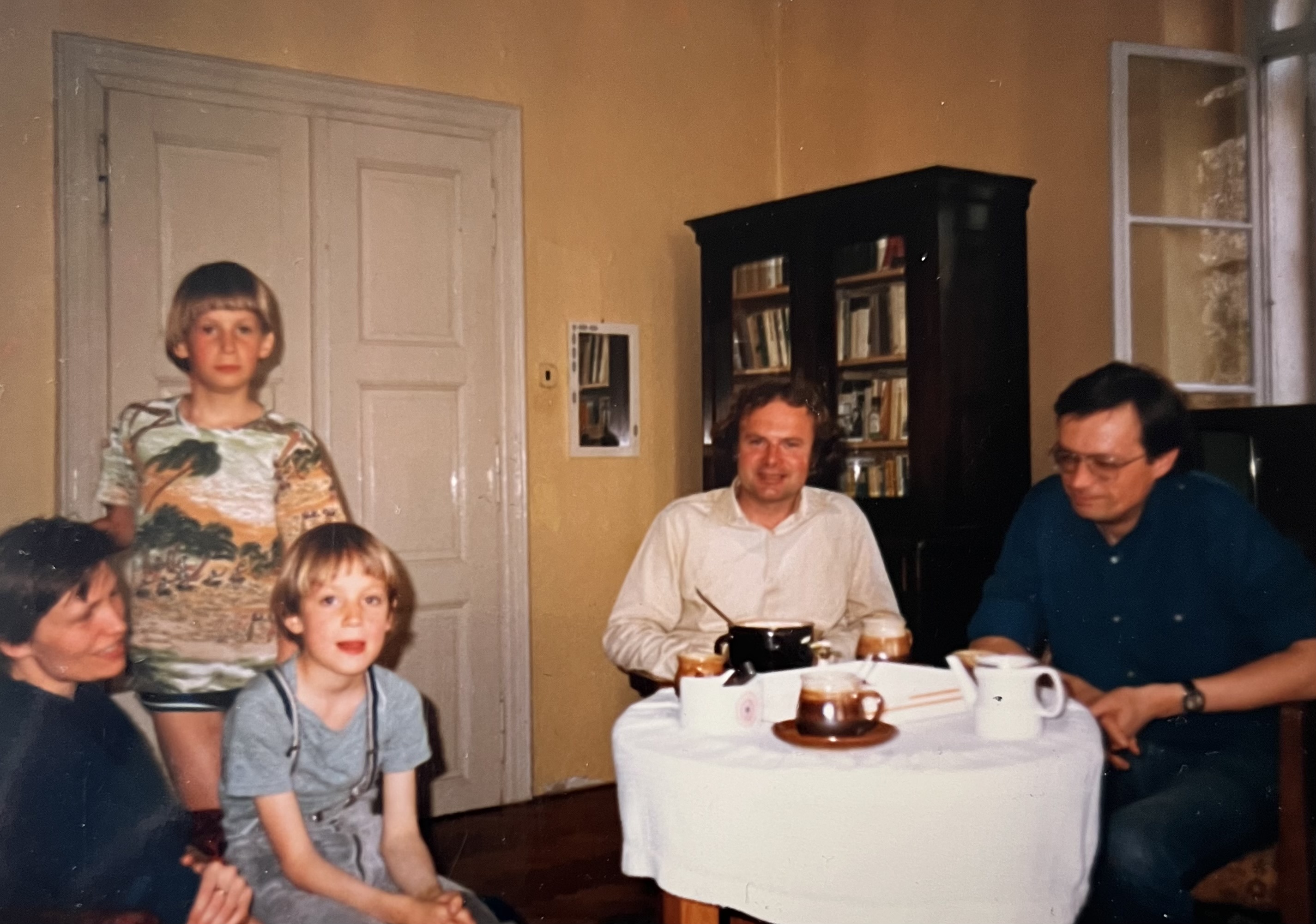
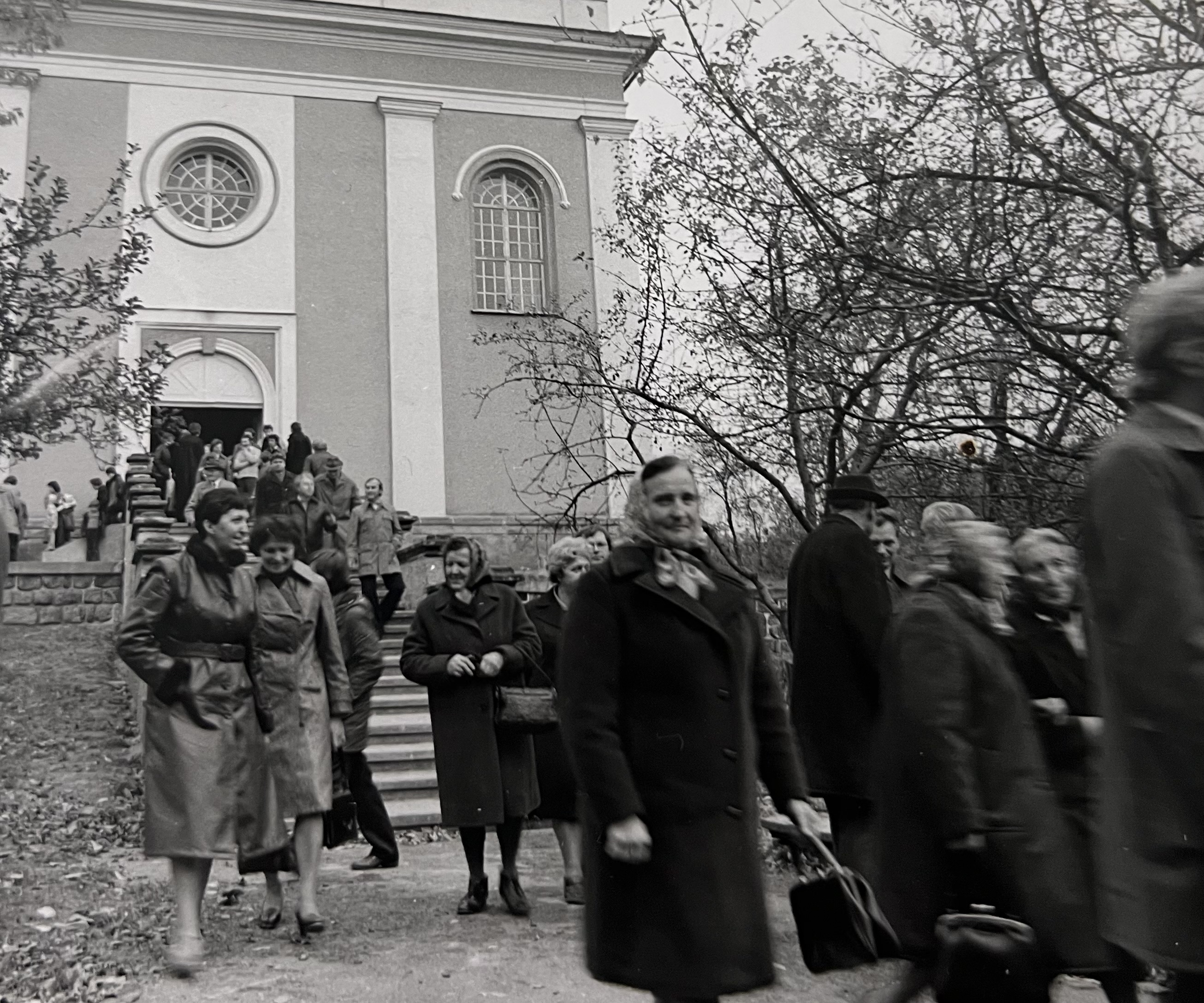
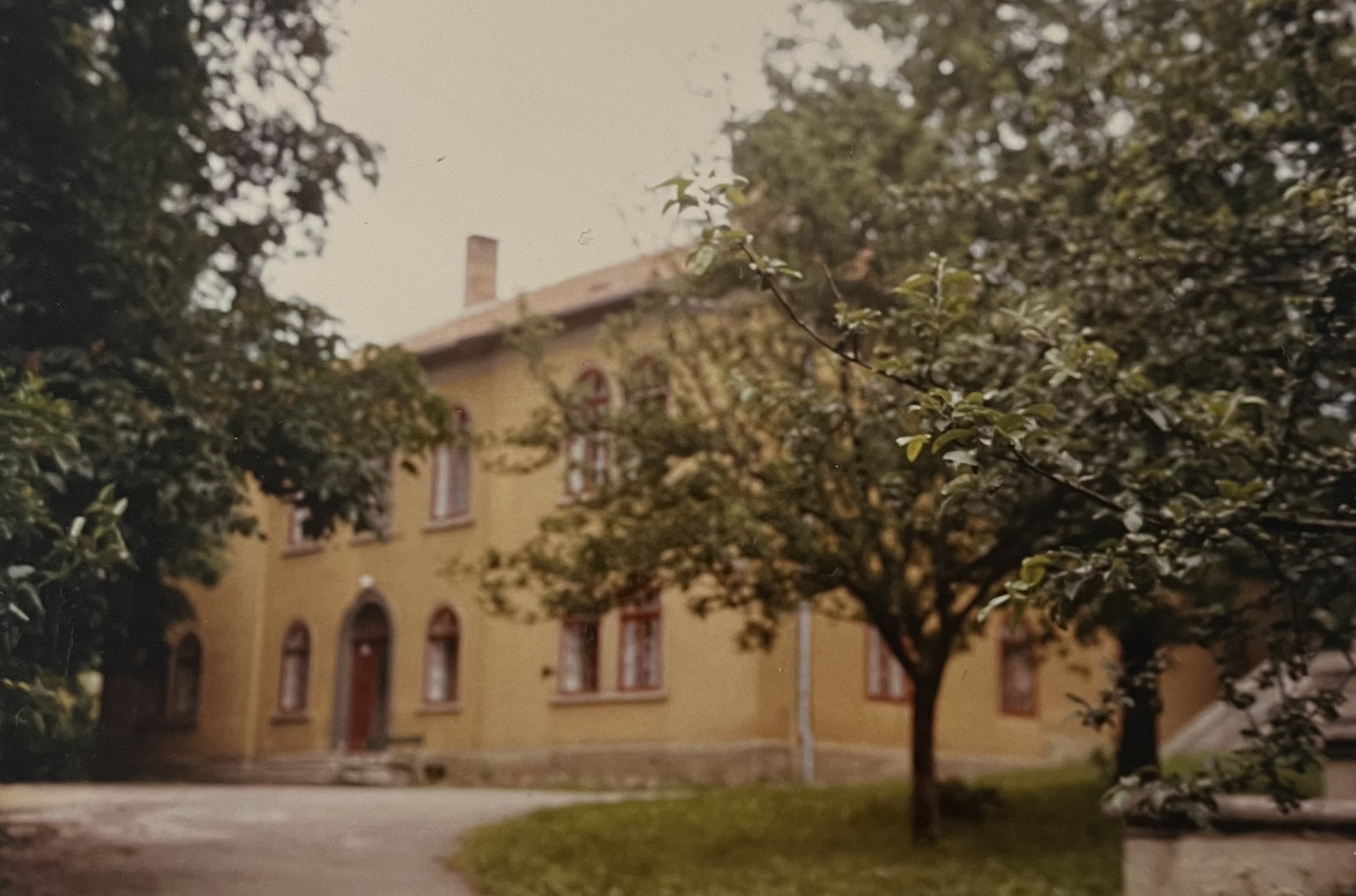
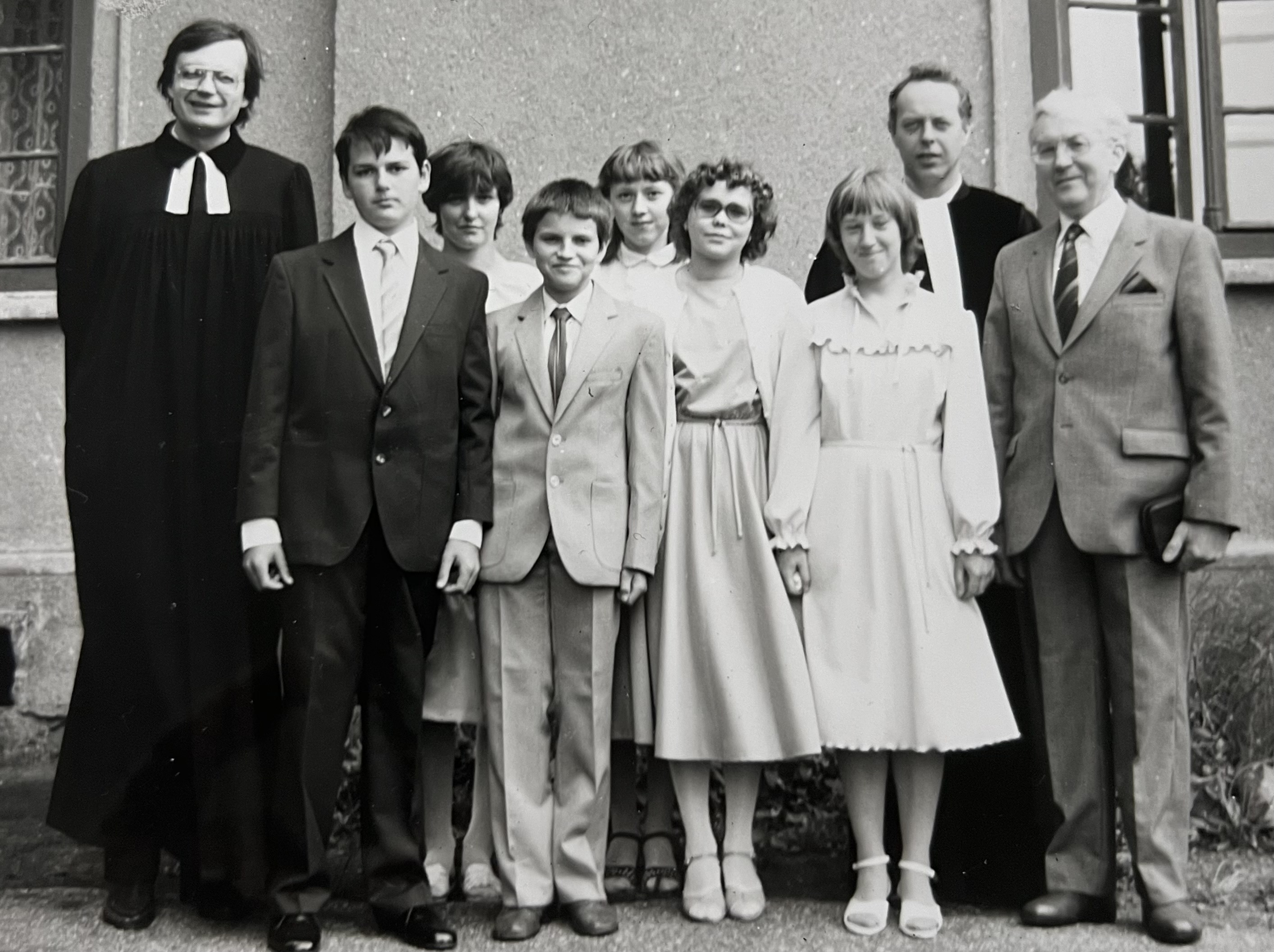
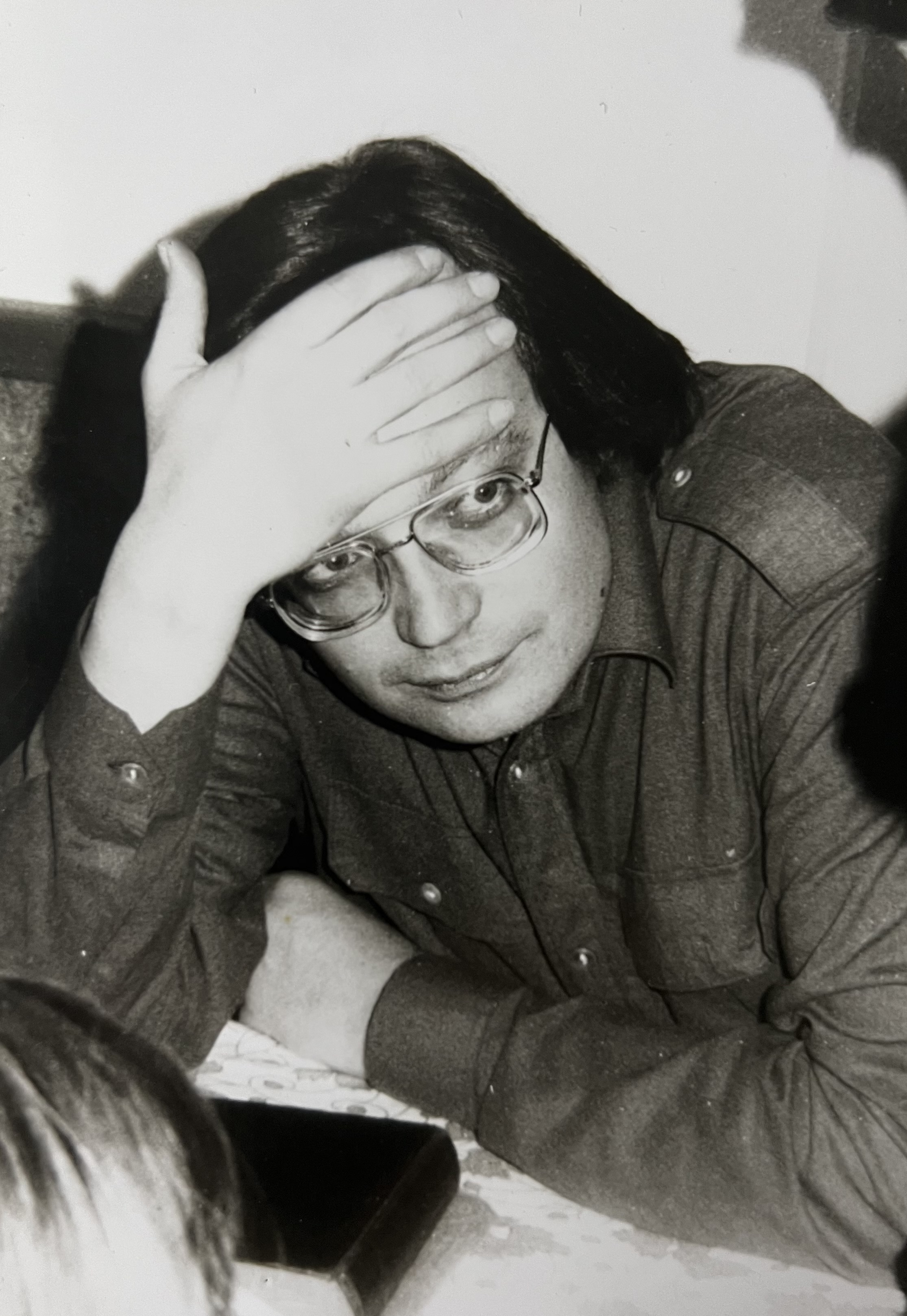
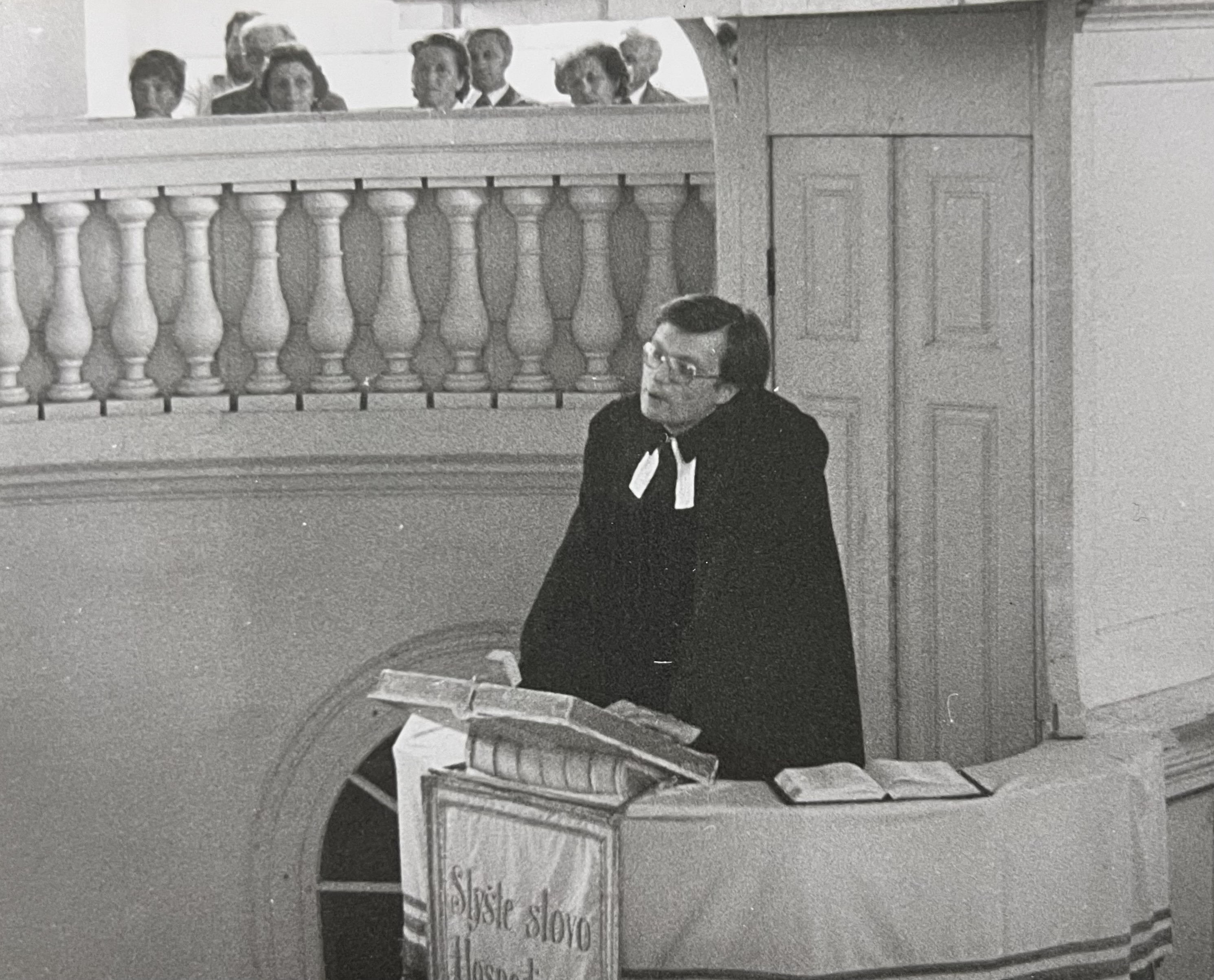
Pavel Kašpar was born on 2 March 1950 in Brno. He got to know the evangelical environment mainly thanks to his grandfather from Hrbov, the lay curator of the congregation in Velké Meziříčí. After graduating from the grammar school in Křenová Street in Brno, he studied at the Comenius Evangelical Theological Faculty in Prague. There, in 1971, he joined the so-called leaflet action together with his future wife Jana. A group of intellectuals around the historian Jan Tesař prepared texts - leaflets calling on citizens not to throw or cross out their ballots at the ballot box during the elections to the Federal Assembly. The leaflets were distributed in mail boxes. This was one of the first organised anti-regime actions after 1968. Some of the actors were exposed by the police and sentenced to unconditional sentences. Jan Tesař served five years in prison. In 1973, Pavel Kašpar was ordained and entered the ministry in Moravian parishes, where he focused on pastoral care and youth work. His activities were often monitored, especially weekend events with large numbers of participants. In 1975, he attended a meeting of pastorss at the rectory in Libštát, when the rectory was surrounded by the police, the regional secretary and members of the Public Security dispersed the meeting, and the pastors and other participants were then interrogated. Pavel Kašpar himself faced interrogation by State Security (StB) many times, was followed by the police, and the authorities also interfered in the activities of his wife Jana, an evangelical pastor, whose so-called state approval was withdrawn soon after her studies. Pavel Kašpar remained active in the congregation, finding support in pastoral meetings and actively participating in the work of the theological opinion stream New Orientation, which brought new views on the role of the church in the society of the time. After 1989 he became a senior of the Brno seniorate and deputy synod senior. At the time of the recording of the memories, in September 2025, Pavel Kašpar lived with his wife Jana in Bílovice nad Svitavou.