I was locked up but didn’t consider myself a dissident or a hero
Download image
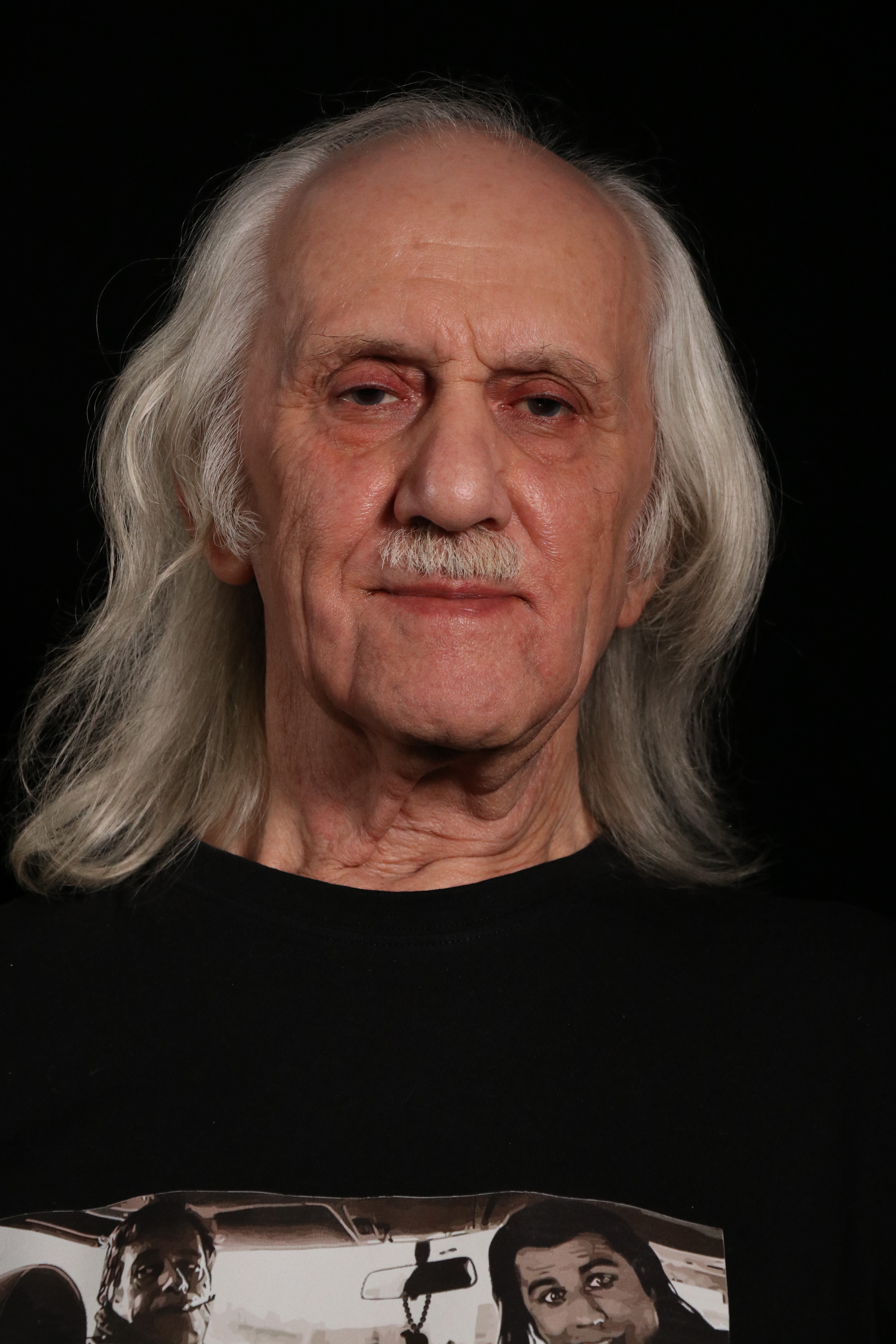
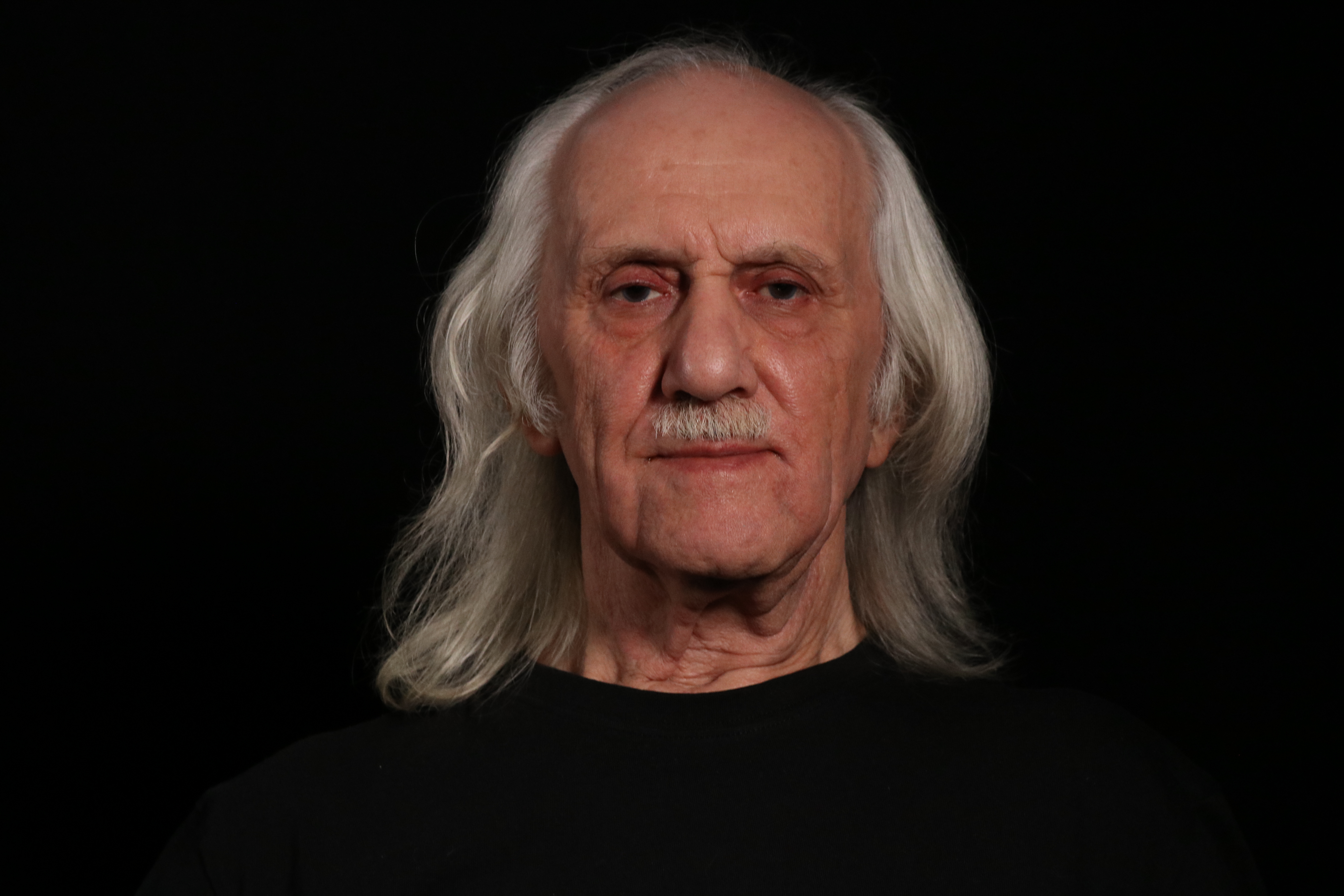
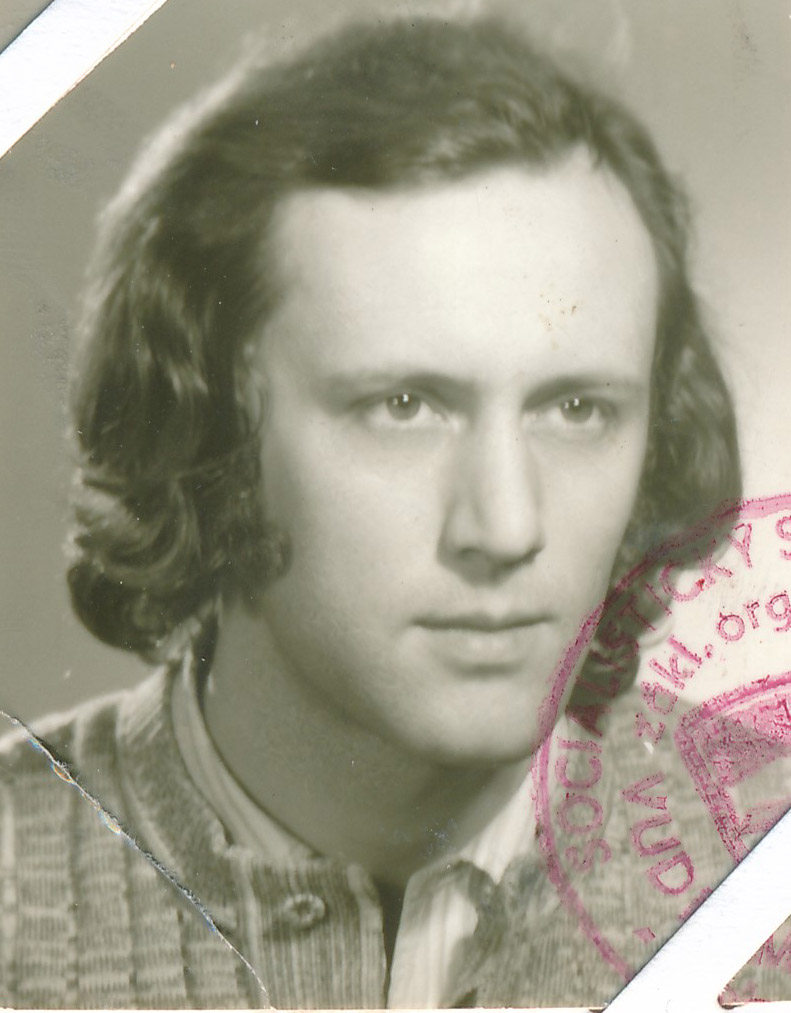
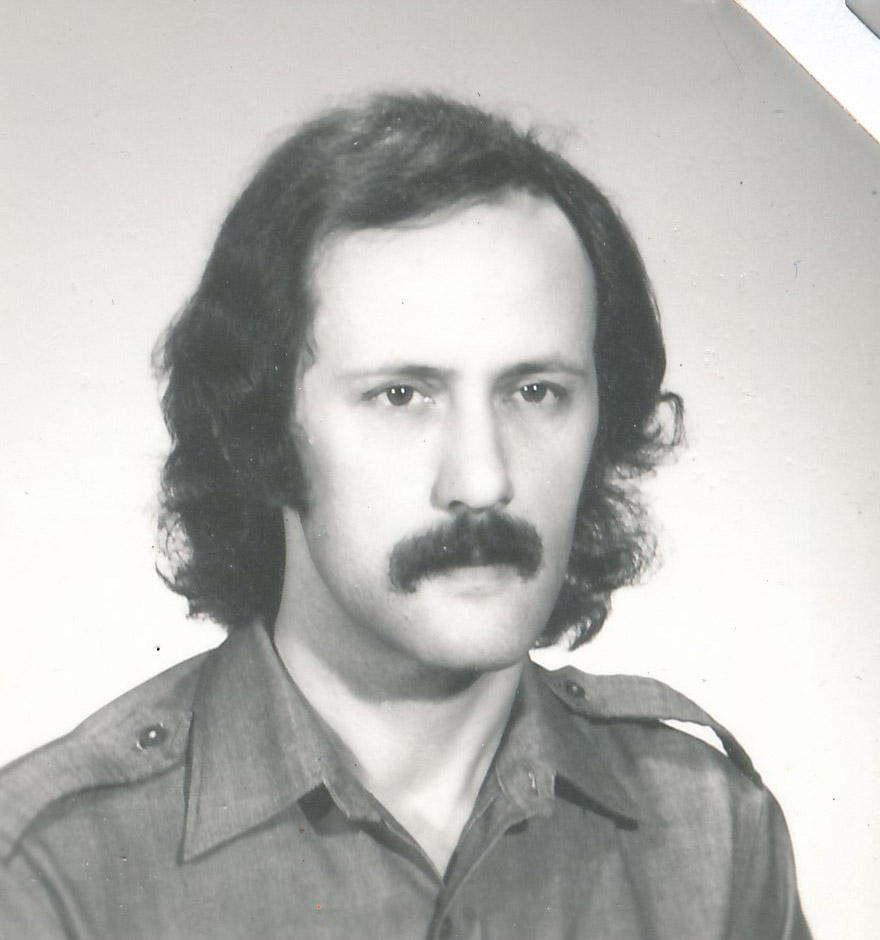
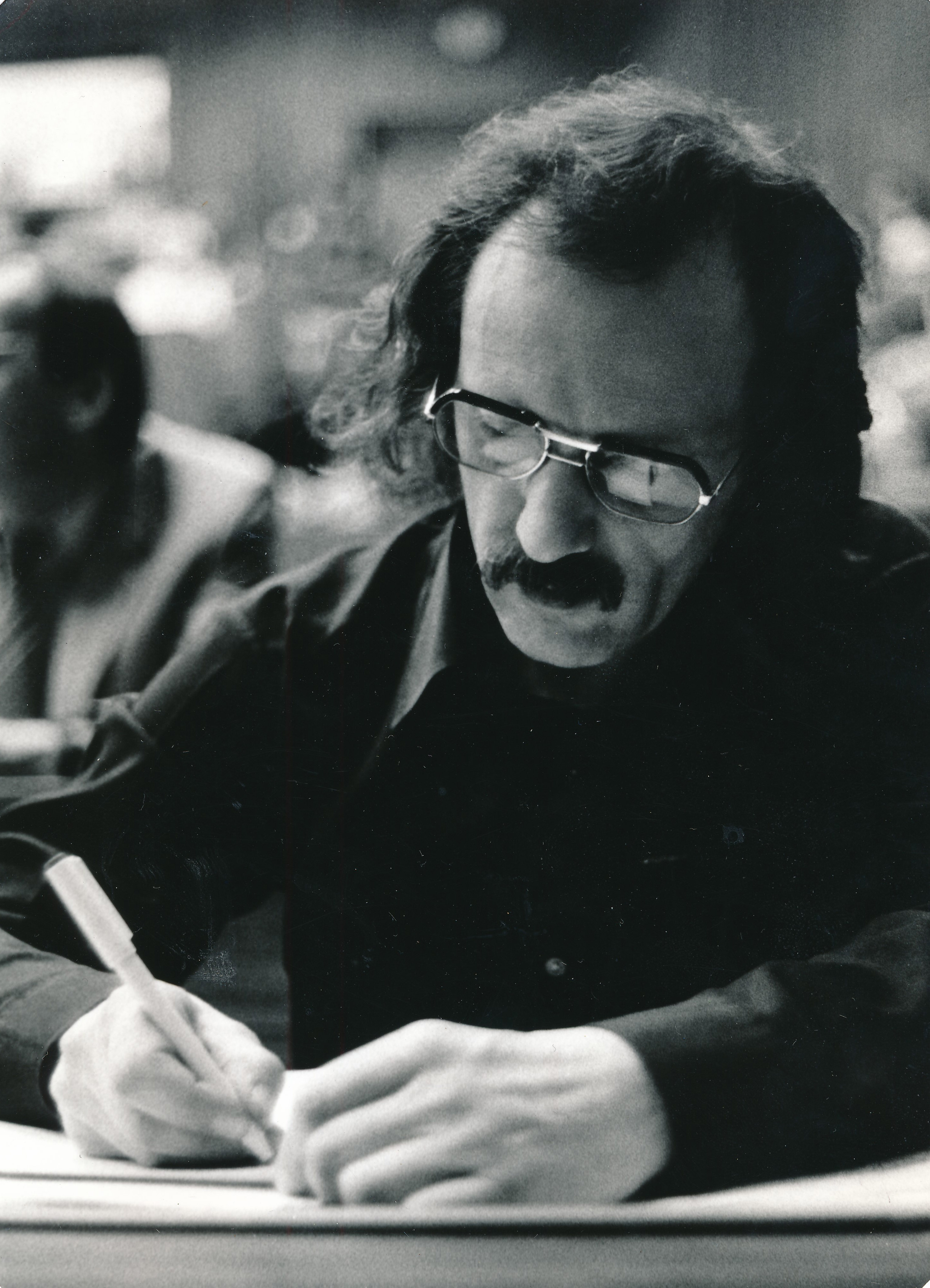
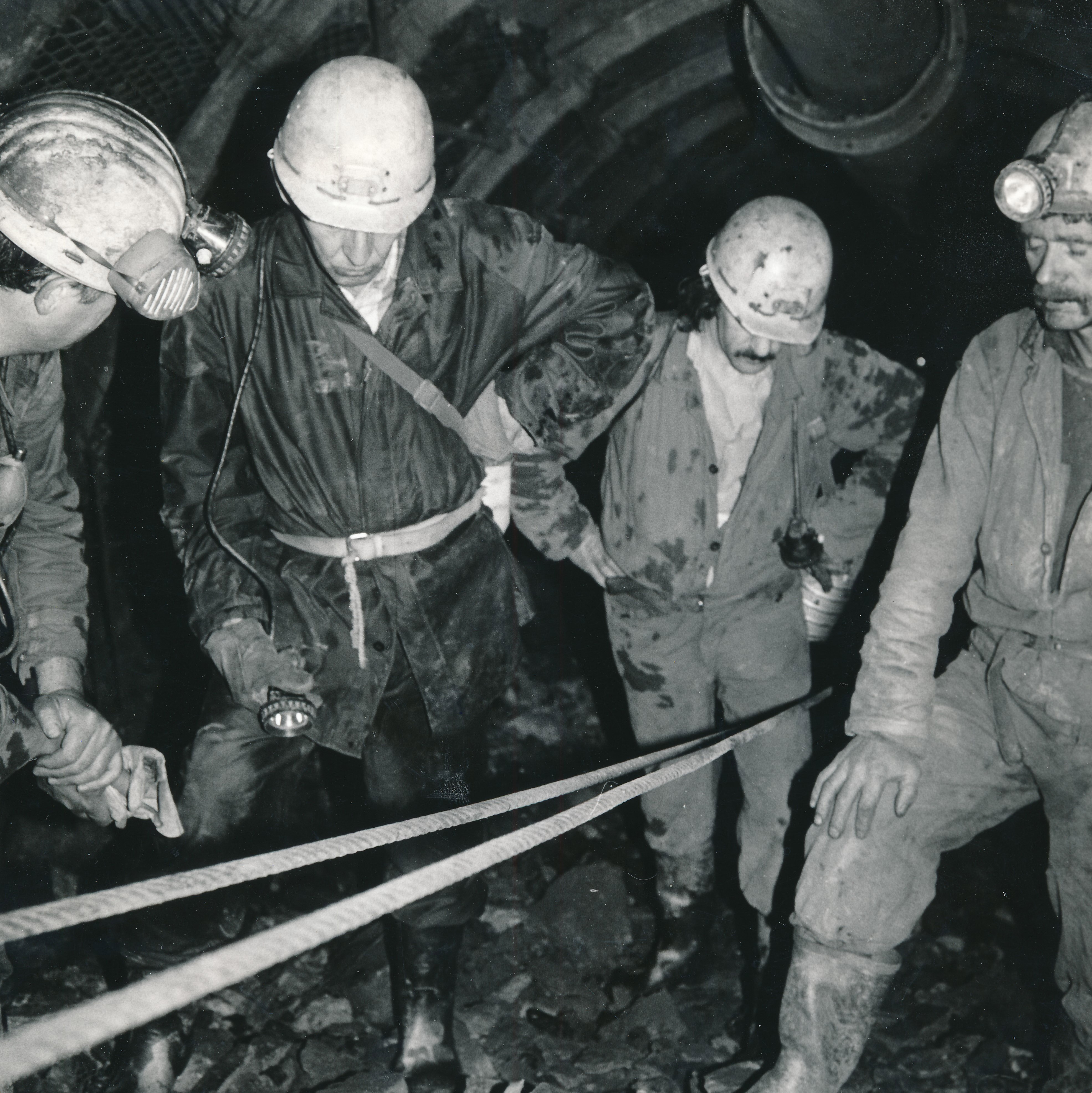
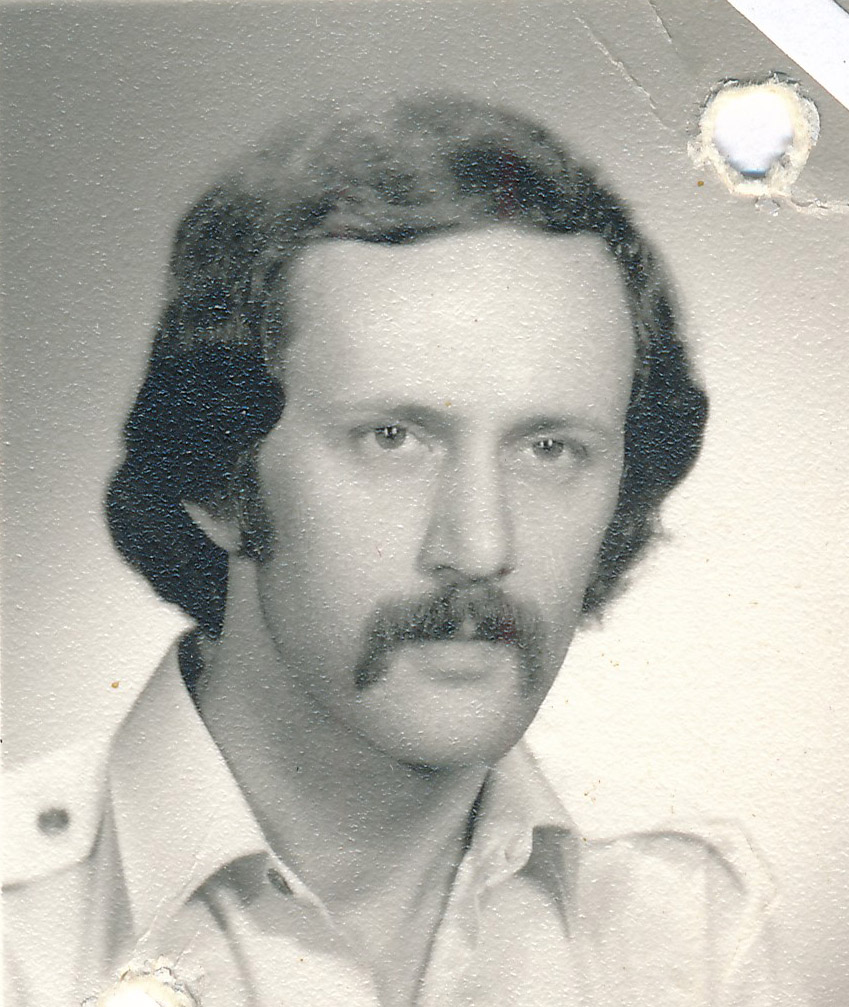
Vladimír Kaláb was born in Jičín on 14 March 1950. His mother Zdena came from the Hršálek family. Her ffather Ferdinand Hršálek owned a car repair shop and was deported to Buchenwald by the Nazis for his resistance activities, where he died. The family’s property was seized in 1948 and they were left without resources. Vladimír grew up with his mother, grandmother and a younger brother. His father was absent, and he adopted surname from his stepfather František Kaláb, whom Vladimír’s mother divorced shortly after marriage. The witness attended music school, playing violin, viola and drums. Before entering the Jičín Grammar School in 1965, he and his friends formed a beat band. He graduated during the Prague Spring in 1968. After the invasion of Czechoslovakia by the Warsaw Pact troops, he went to Trutnov to join band member Vlastislav Matoušek to continue their musical work. In 1969, he enlisted in Vimperk and witnessed the deployment of soldiers in Prague to suppress protests on the anniversary of the occupation. After his service, he studied at the University of Economics, worked in Východočeské doly mining business, played and composed with the band Rosa, occasionally met dissidents, and copied banned literature. His ironic texts and poems with anti-regime content, which circulated as samizdat, attracted the attention of the State Security (StB). On 2 July 1981, he was arrested and charged with sedition and damaging foreign currency economy. He spent six months in detention and was sentenced to 18 months in prison. He served in Plzeň-Bory Prison where he met other political prisoners such as Jiří Dienstbier and Václav Havel. After release in 1982, he returned to Trutnov. He was not allowed to finish school, worked in the mine and was repeatedly interrogated by the StB which offered collaboration but he refused. In the 1980s he began to write short stories, which were printed by Mladá fronta. After the Velvet Revolution, he joined the Civic Forum and worked as editor-in-chief of the newspaper Krkonošská pravda. After that, he and his wife and a colleague published an advertising newspaper for six years. In the 1990s, he moved to Prague and worked at Hospodářské noviny and then at Lidové noviny, which he left in 2013 when politician Andrej Babiš bought the paper. He returned to the Trutnov area where he lived at the time of the filming (2025). He has several children from two marriages.