Věra Johanidesová

* 1935

  • "I was on a German course in Halle in the GDR and I said that it was impossible that foreign armies would come to us like that, since we hadn't done anything to anyone... We immediately asked if they could arrange a bus for us, that we wanted to go home, that we didn't know what was happening to our families. We couldn't get a telephone connection, it was impossible. I remember when we arrived in Cheb - the station was miserable, as if one was not even at home, everything was so foreign and hostile and desperate. We already had - 1962 a daughter was born, 1965 a son - the children were small, we thought, what awaits us? What about the children? How is it possible that foreign armies are going to march in here and take orders. By what right?"

  • "Those were wonderful years of hope for us, that everything would go as it should, that we would not be locked in a cage, that we would be able to travel. We also went to Paris soon after the New Year, for example. One night there, we walked around during the day - we even went into the Louvre and saw the famous things. We were the only ones on the bus, the others said it wasn't worth paying to get in. It was worth it for us. We travelled fast - Bulgaria with the kids, then Greece, I love Holland, I don't know why... We wanted to show everything to the kids and also to see for ourselves the big world that had been forbidden to us. Yes, the sixties were a great time of happiness and joy for us."

  • "When the war that came hit Kolín very hard, I remember very clearly how we were standing by the church - we had rented a house by the church - and how the local neighbours were watching and someone said, 'Kolín is taking it!' In first [grade] I thought, how can the city take anything away? Because the notion of someone taking something away for something or doing something, etc., was not entirely familiar to me. But I saw, like everybody else, how it was smoking - it was five kilometres away - how it was awfully close. We had to leave the flat when the sirens were blaring, and we walked through the garden to the ravine - it was called Solkova Ravine - where we survived the Cologne bombing. I still remember clearly that the so-called low flying bombers flew there, it was really terrible how low they were flying. You could see the pilot's head and you didn't know if he was aiming at it either. It was also quite an unusual experience."

  • Full recordings
  • 1

    Sokolov, 29.11.2024

    (audio)
    duration: 02:37:15
Full recordings are available only for logged users.

No, not these ones! It kept happening again and again
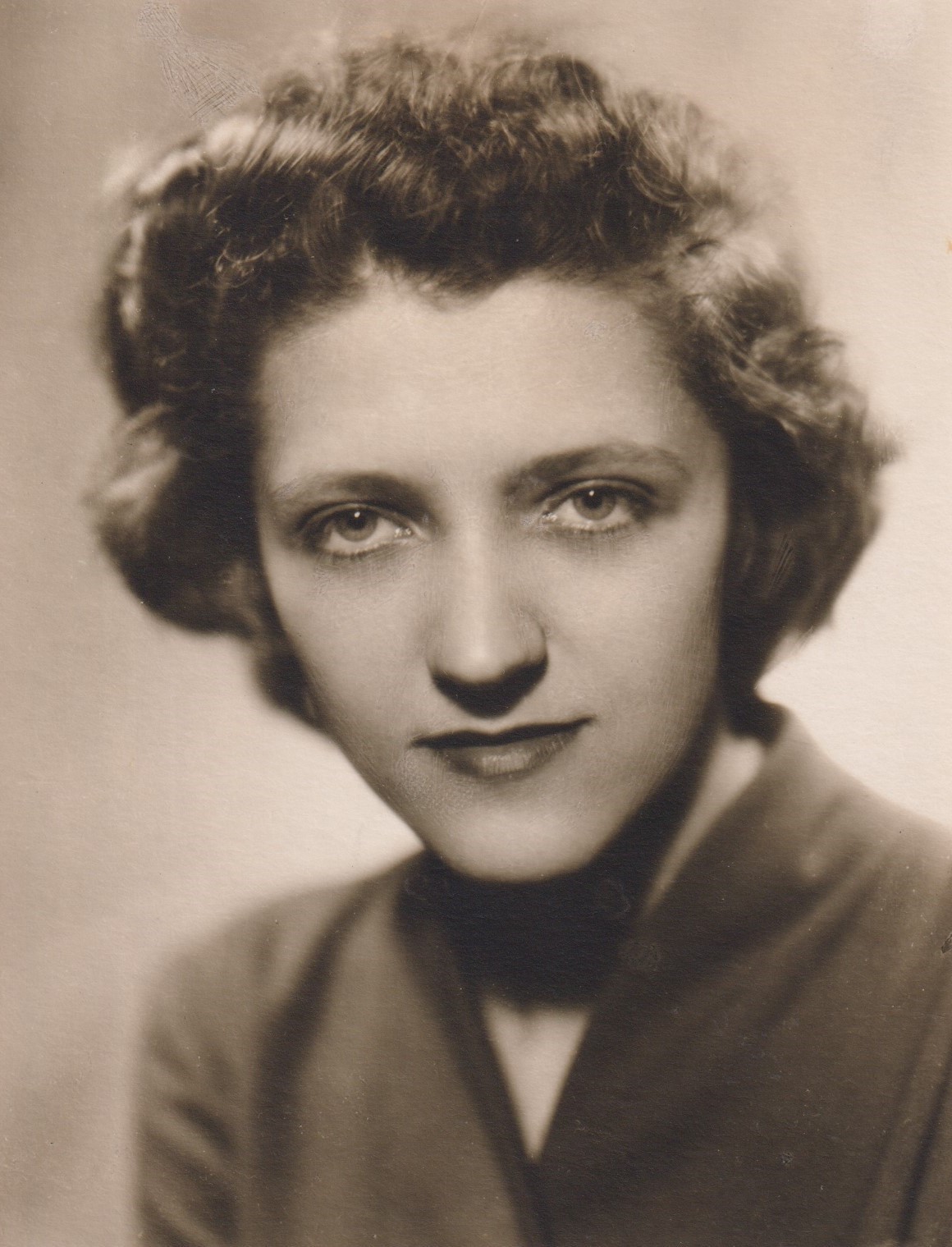
Věra Johanidesová on a photograph from the school photo board, grammar school Sokolov, undated
photo: witness´s archive

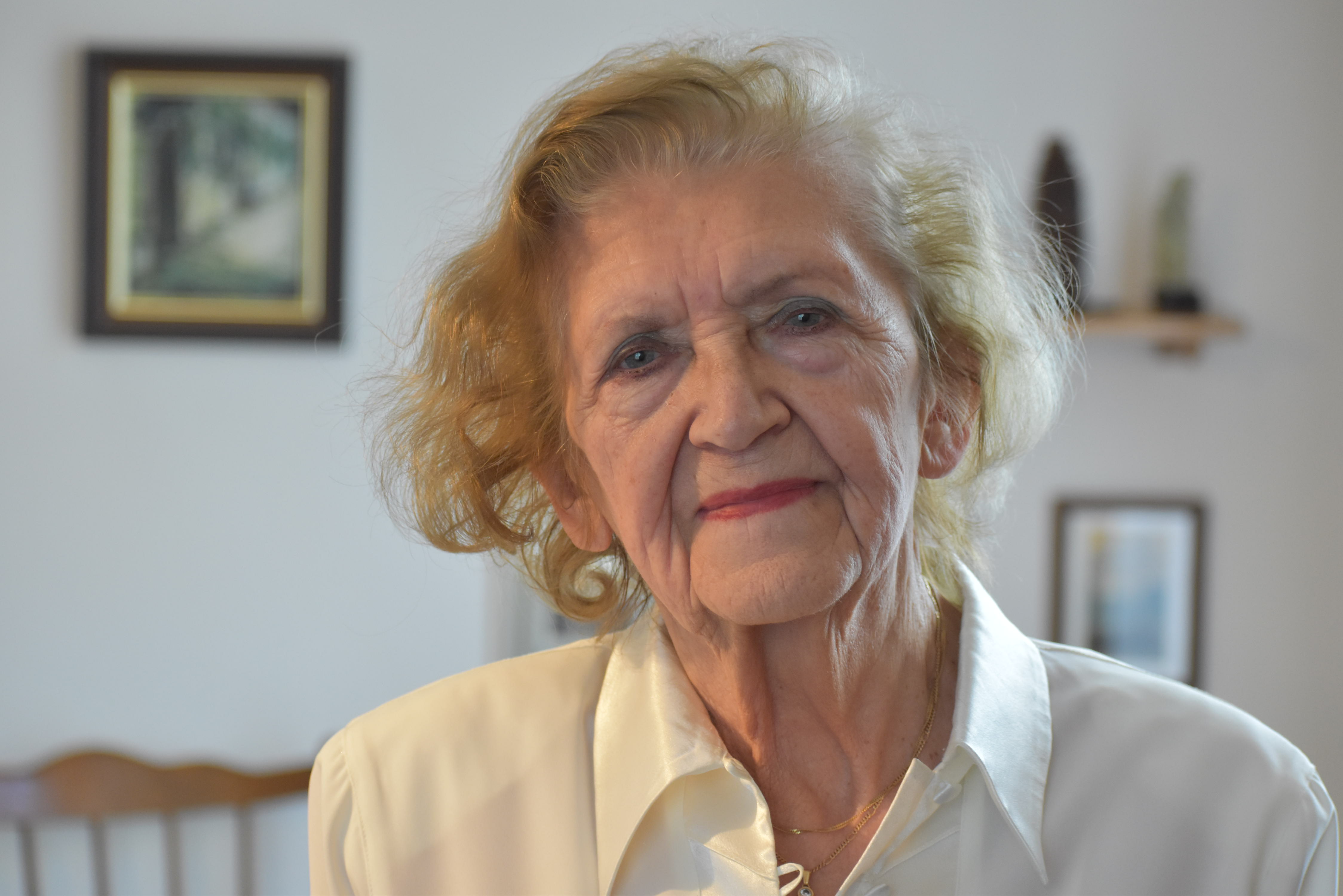
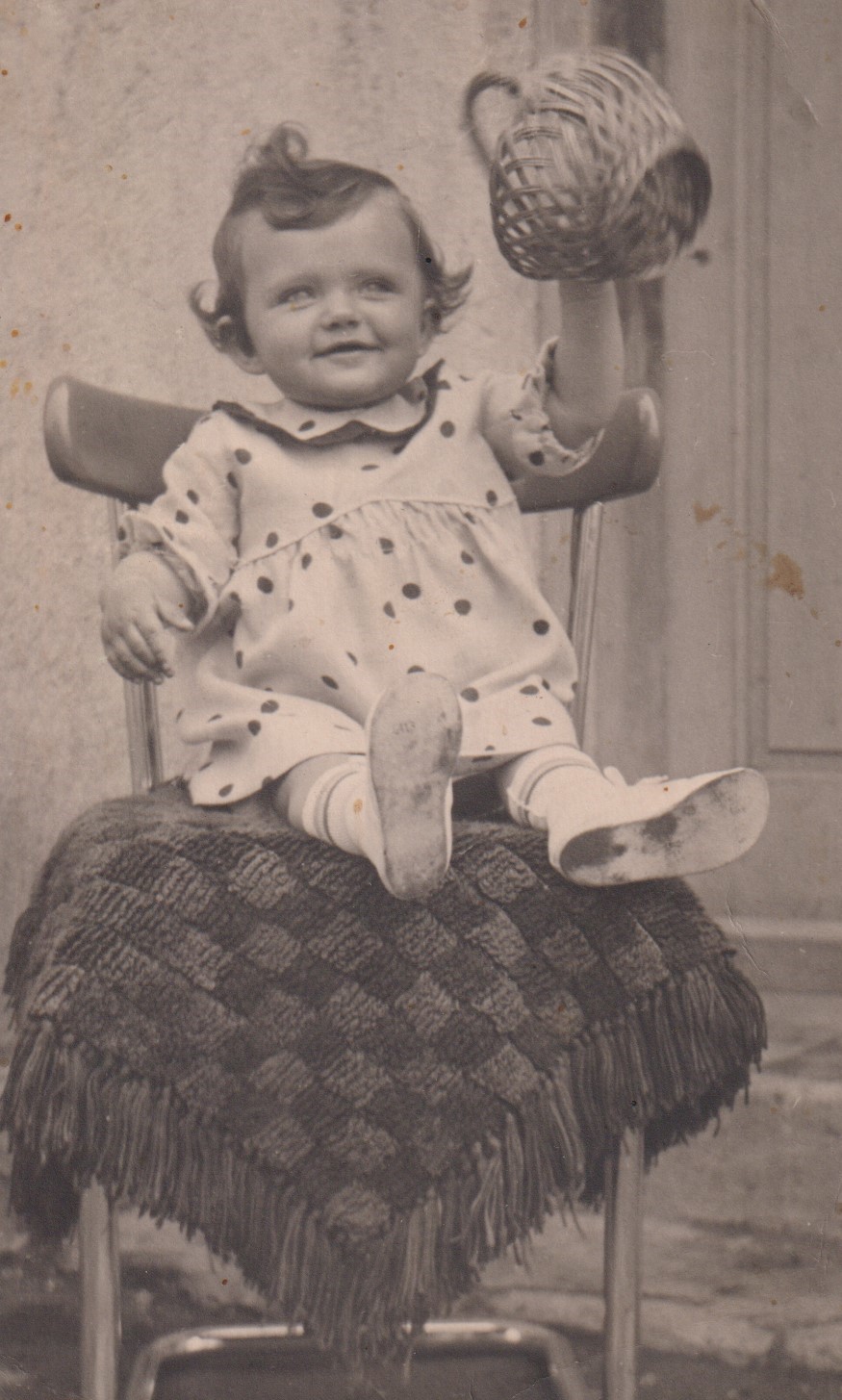
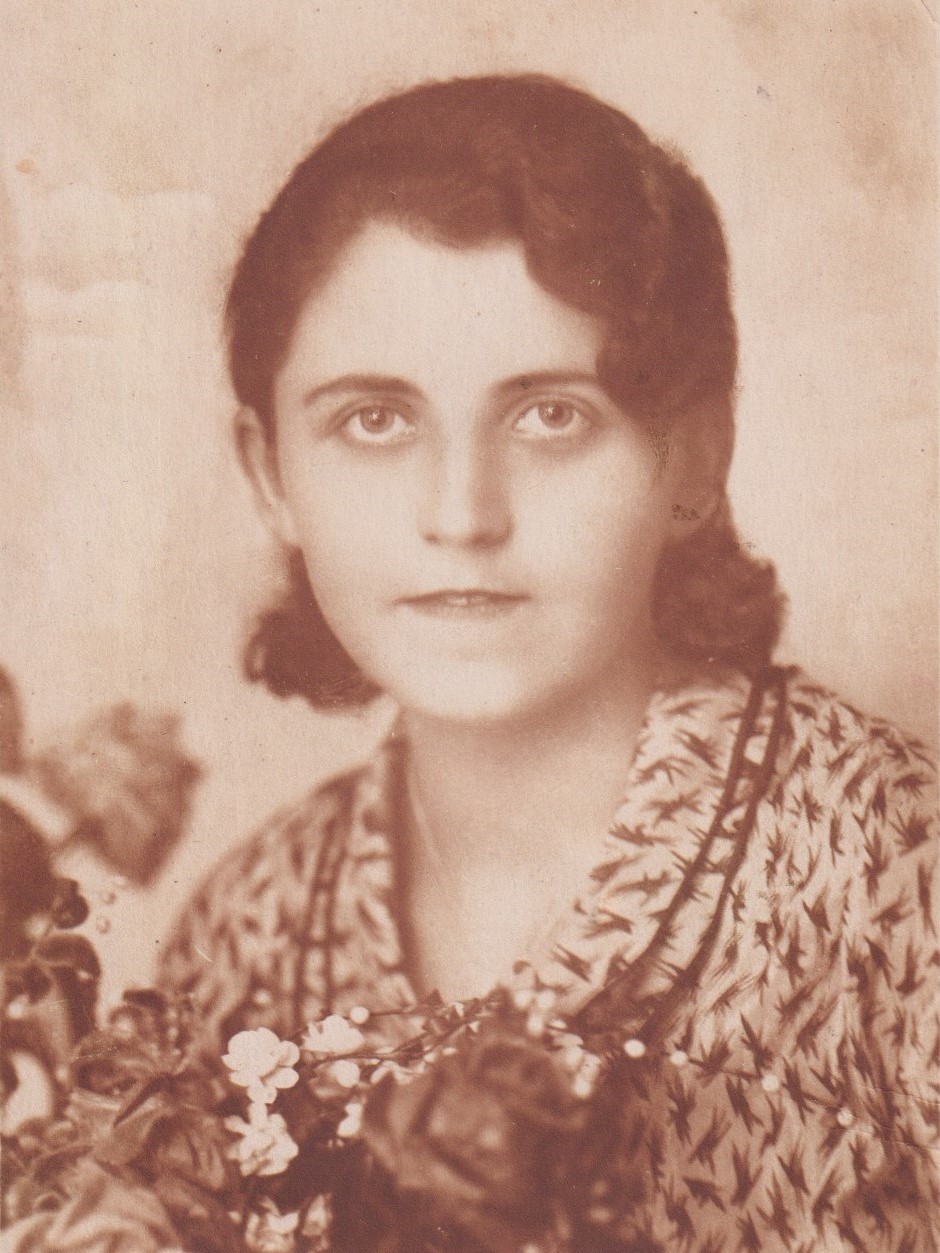
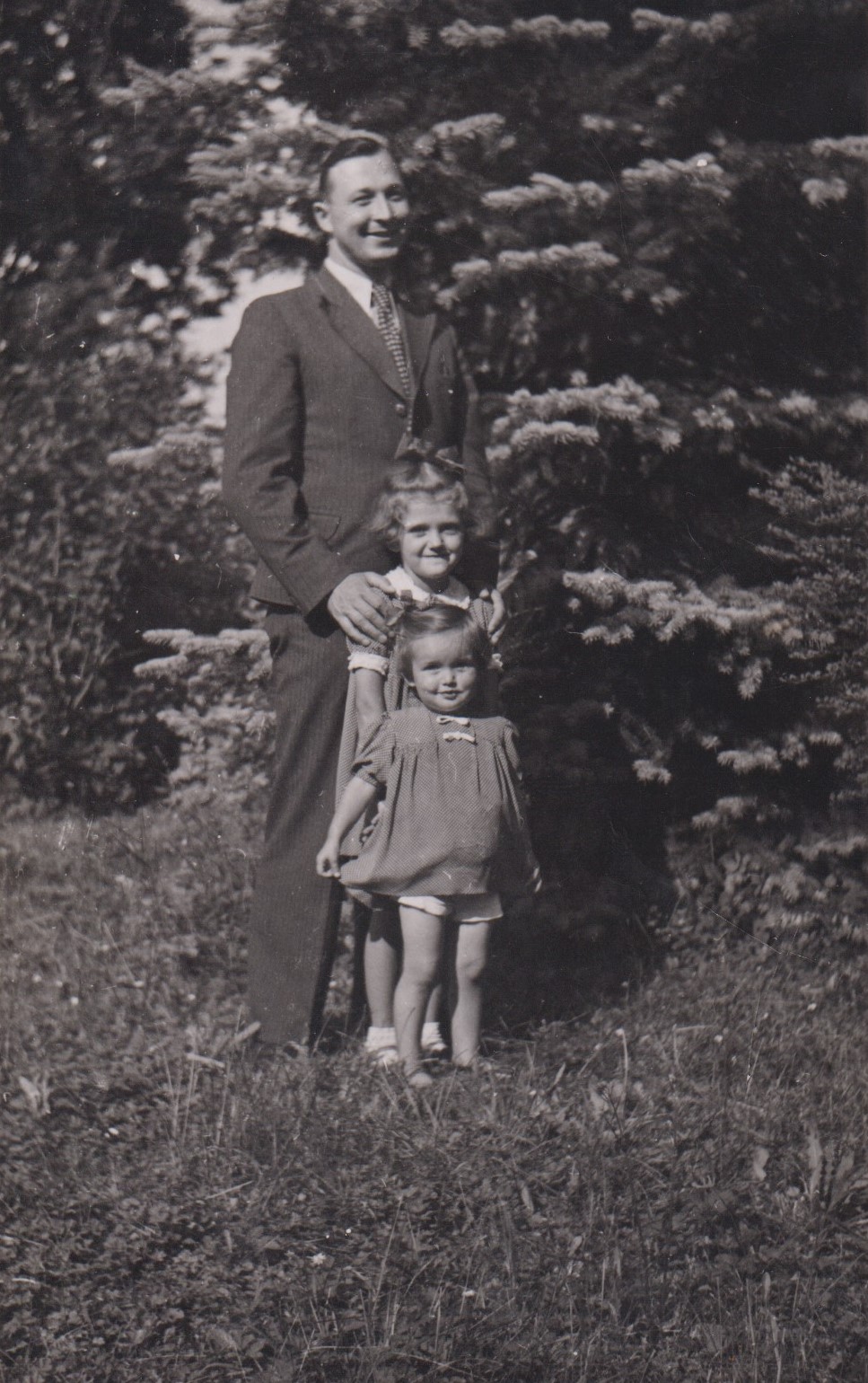
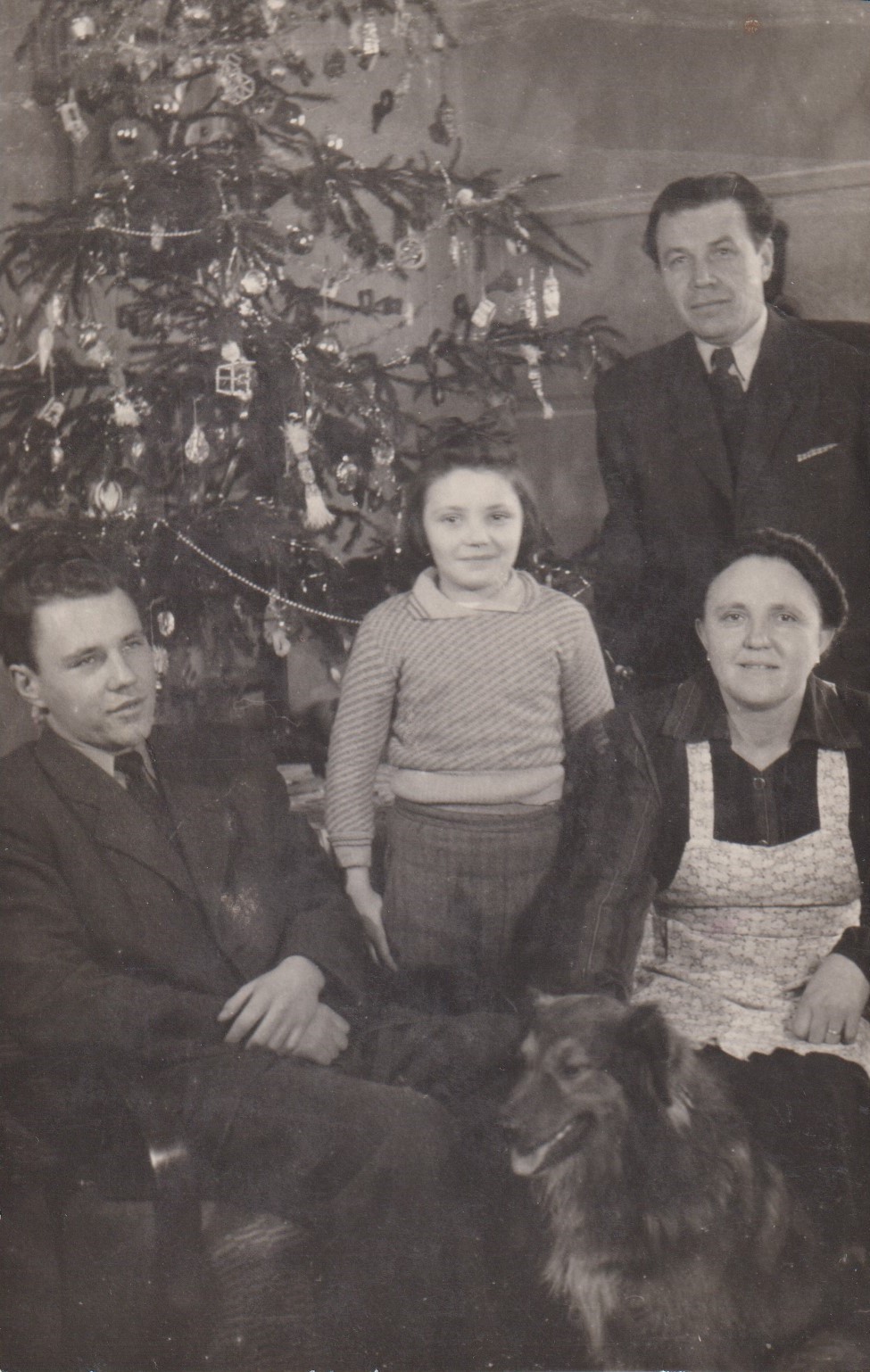
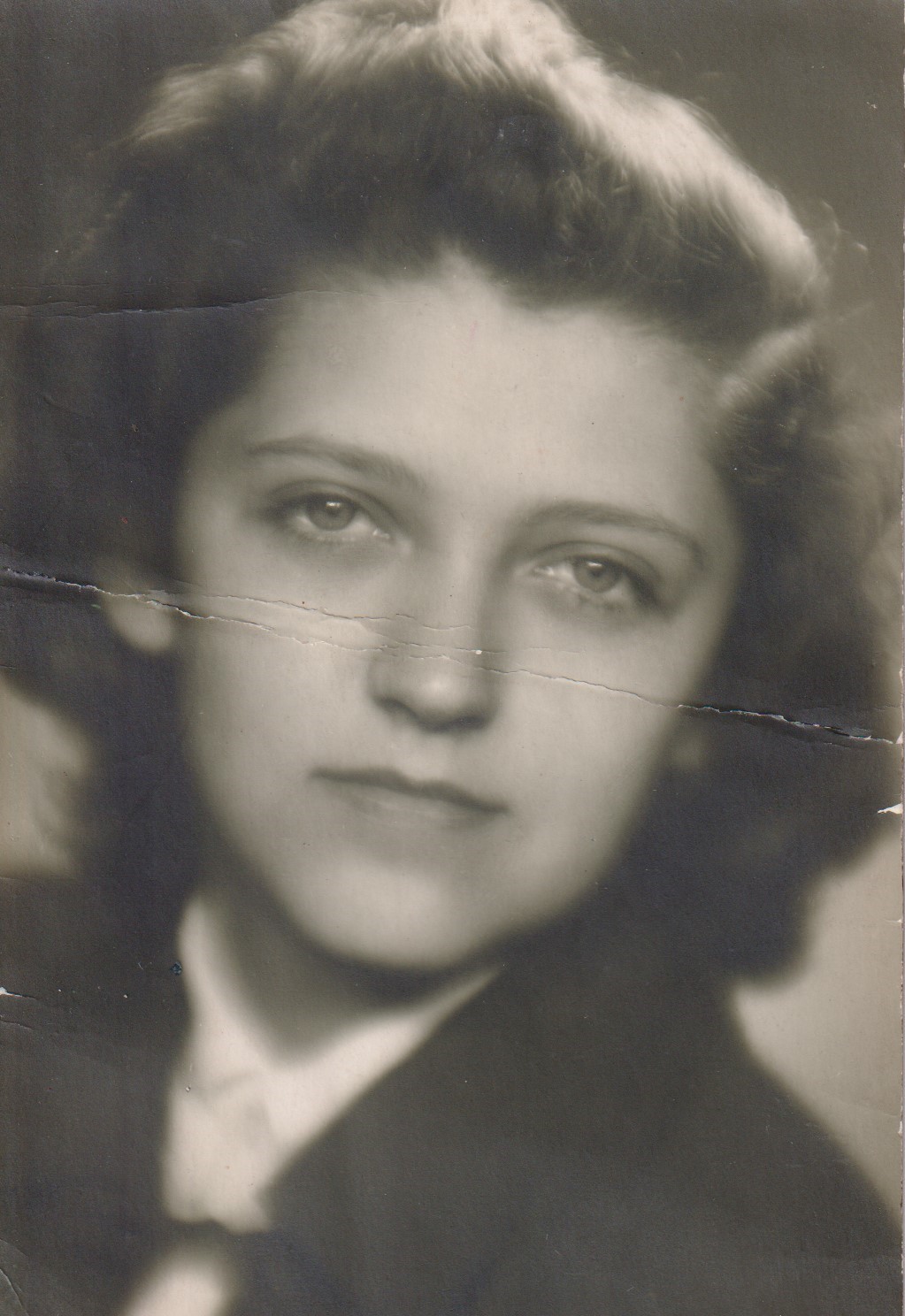
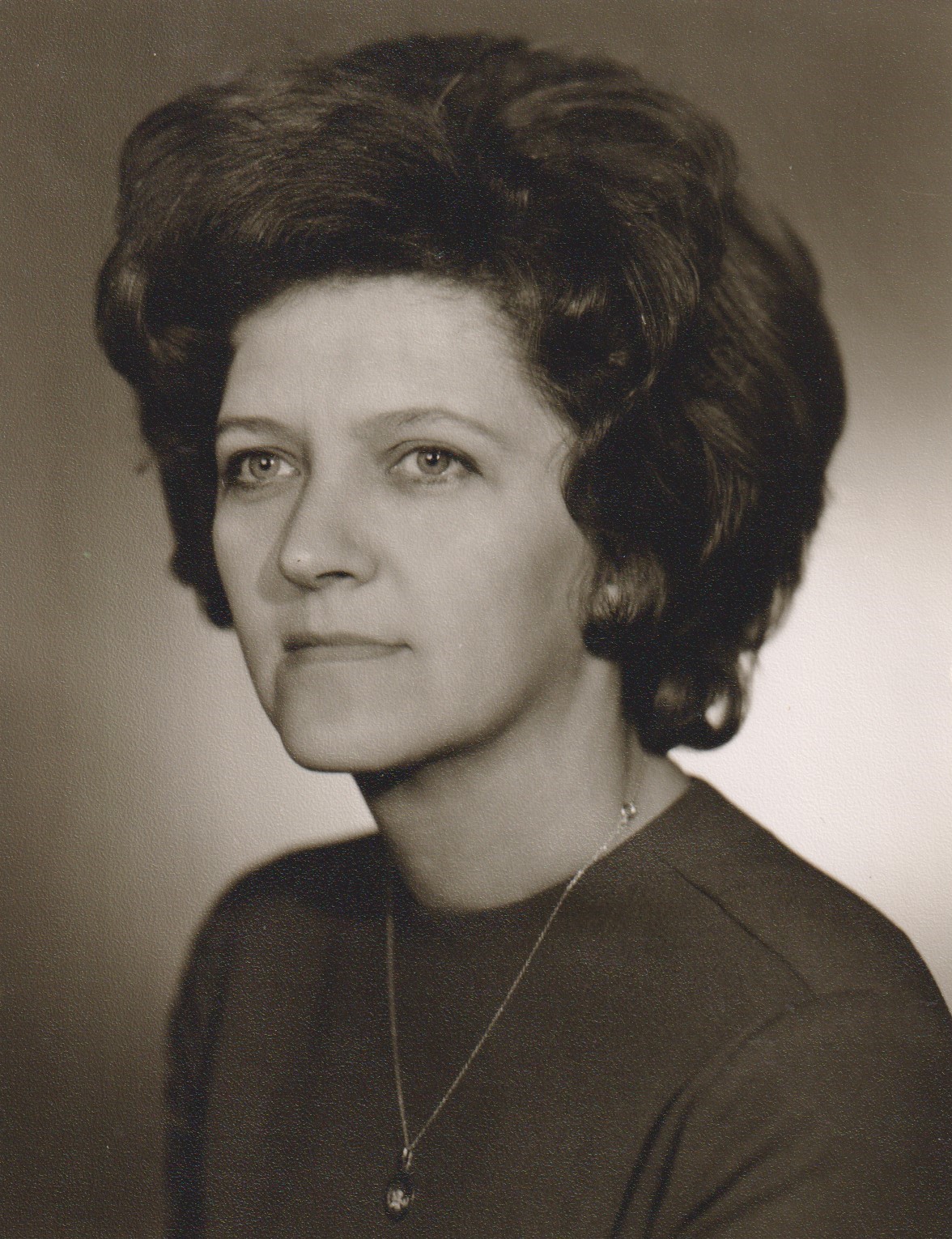
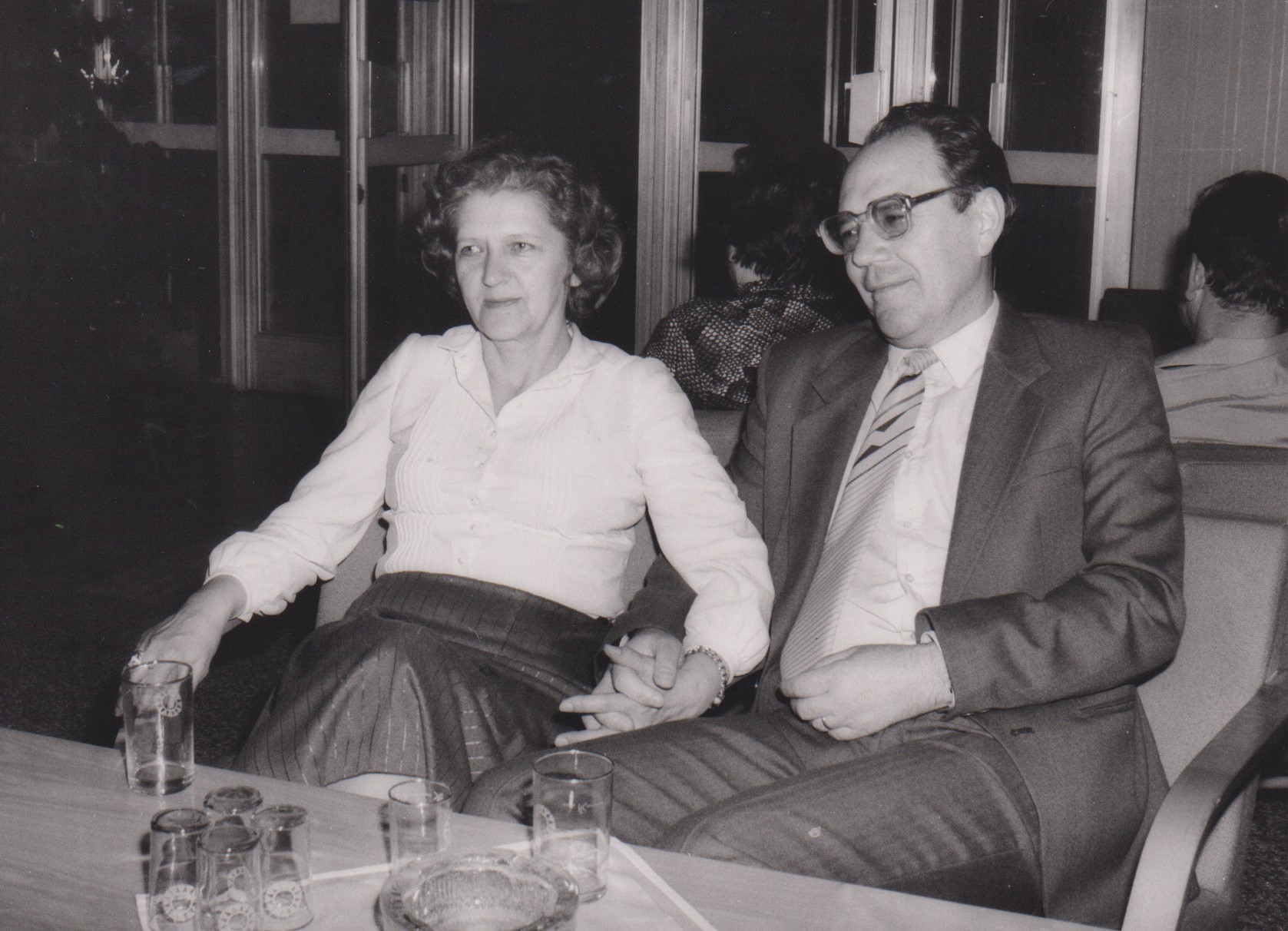
Věra Johanidesová was born on 16 July 1935 in Těrlicko in Silesia into a Czech family of the Beneš family. After the occupation of part of Těšín by Poland in 1938, the family was evicted and moved to Červené Pečky near Kolín, where her mother again built a shop. After the communist coup in February 1948, the shop was confiscated. Because of her poor cadre reference, the witness changed several schools, graduating in 1953 in Česká Třebová. She then studied Czech and German at the Faculty of Education of Palacký University in Olomouc. In 1957 she married Petr Johanides and accepted a teaching position in Sokolov. Both taught at the local grammar school, but after the events of 1968, when her husband publicly criticised the communist leadership, they were forced to leave the school. The witness worked in an office in Vřesová and was not able to return to school until after 1989. The totalitarian persecution also had an impact on her children. After 1989, she had hopes for a change in conditions, but was disappointed by the poor response in Sokolov. In 2024, Věra Johanidesová was still living in Sokolov.