Milada Jelínková

* 1937

  • "I remember my mother and I were hoeing strawberries in the garden and there were two planes that suddenly started shooting at each other. It was a German plane with an American plane. The German parachuted in. The American plane went down at Dobrá Voda. The American soldier was buried in Dobrá Voda near České Budějovice. That's what the people of Budějovice will remember, because I have the impression that his parents or some people from America were here after the war. He probably has a memorial in Dobrá Voda, but I'm not sure."

  • "My parents were at Rudolfov to welcome the Russians. It was the end of the war. I go out of the cottage at night and there were some people behind the fence. So I tell my sister that there are some people there. She understood German a little bit and she came home and she said that they were Germans, that they were somehow gathered in Linz at the school and they had escaped from there and they wanted to go to Austria and they asked if we would hide them. My sister didn't take them there until my parents came and they took them home. But we only had one room and one little room, so they were hidden in the big room. It was an old lady and probably her daughter and the daughter's little girl, about three years old."

  • "When the air raid on České Budějovice took place, I was attending the primary school in Zborov, a one-class school. There was a break, we were playing in the village, and a teacher came running and said, 'Children, go home, they are bombing Budějovice, it's war.' I still remember, it was just me and my mother, I think it was near the end of the war, that there were either Romanians who were fleeing the war or SS. I remember as a child that about twelve SS men came, they had grenades around their waists and they wanted water, they wanted to drink. All of us, including my mother and us three children, had to go to the well to drink water and then they took a drink and scooped up the water."

  • “That was in 1945, the SS were running away and the Germans were running away, because we lived in Zborov, which is quite close to Nové Hrady and there's a passage to Austria, so the Germans were running that way. I remember that, I asked my mum about that, about twelve SS members came and I remember that they had these black pouches here. My mum said they were grenades or something. And they wanted to drink some water so we had to go to the well, because the well was outside in the garden, there were no water pipes. So all of us, three children and our mum had to have a sip and only then they would drink the water.”

  • “It was a younger woman with two small kids, the child was really tiny, about two or three years old, an older child, and one old lady so that was one family. Our parents took them in, because we only had a cottage and just two or three rooms, so my mum and dad took them home. I don!t remember what followed since we had to go to bed I think so that we wouldn't see everything. And we woke up in the morning because there was a field and a garden next to us, and Russians were there. And those people were devastated, the Germans, they were terribly scared, so, we had coal, a shed to store coal that had some space, so they went to hide behind the coal and my dad created a sort of a barricade so they were hidden among the coal and there was a dog, a mean wolfdog. And, well the Russians went inside the house and everything belonged to them. But then what happened was that my father took those Germans and drove them to the train station in České Budějovice.”

  • “In 1964 we got visa thanks to our acquaintance who worked for the police, so my father, my mother, my husband, and I got visa. We were not allowed to take the children, that was forbidden, we could not take our children with us. Well, so we got going. We stayed in the car at the border and my father had to step outside and he had to get completely undressed at the customs and they searched him to check if he was smuggling gold, and so my mother got home in 1964, which is when she saw her siblings but her parents were already dead, she never got to see them again, and the cemetery was already locked down, so my mum stood there by the door and cried because her mother was buried there and she wasn't allowed to go because a new cemetery was under construction.”

  • Full recordings
  • 1

    dům pamětnice v Květnici, 18.05.2017

    (audio)
    duration: 26:35
    media recorded in project The Stories of Our Neigbours
Full recordings are available only for logged users.

SS officers were running away

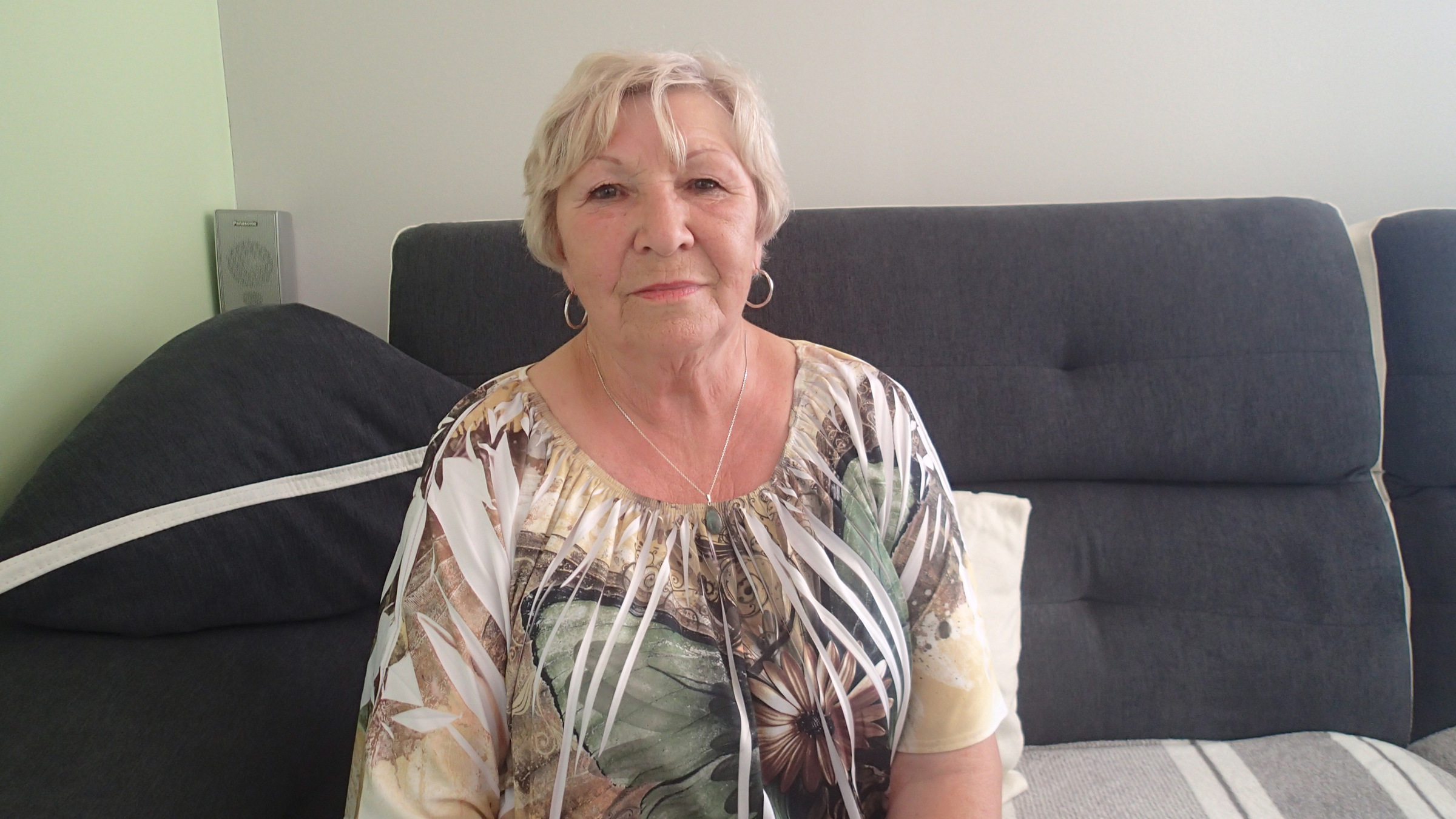
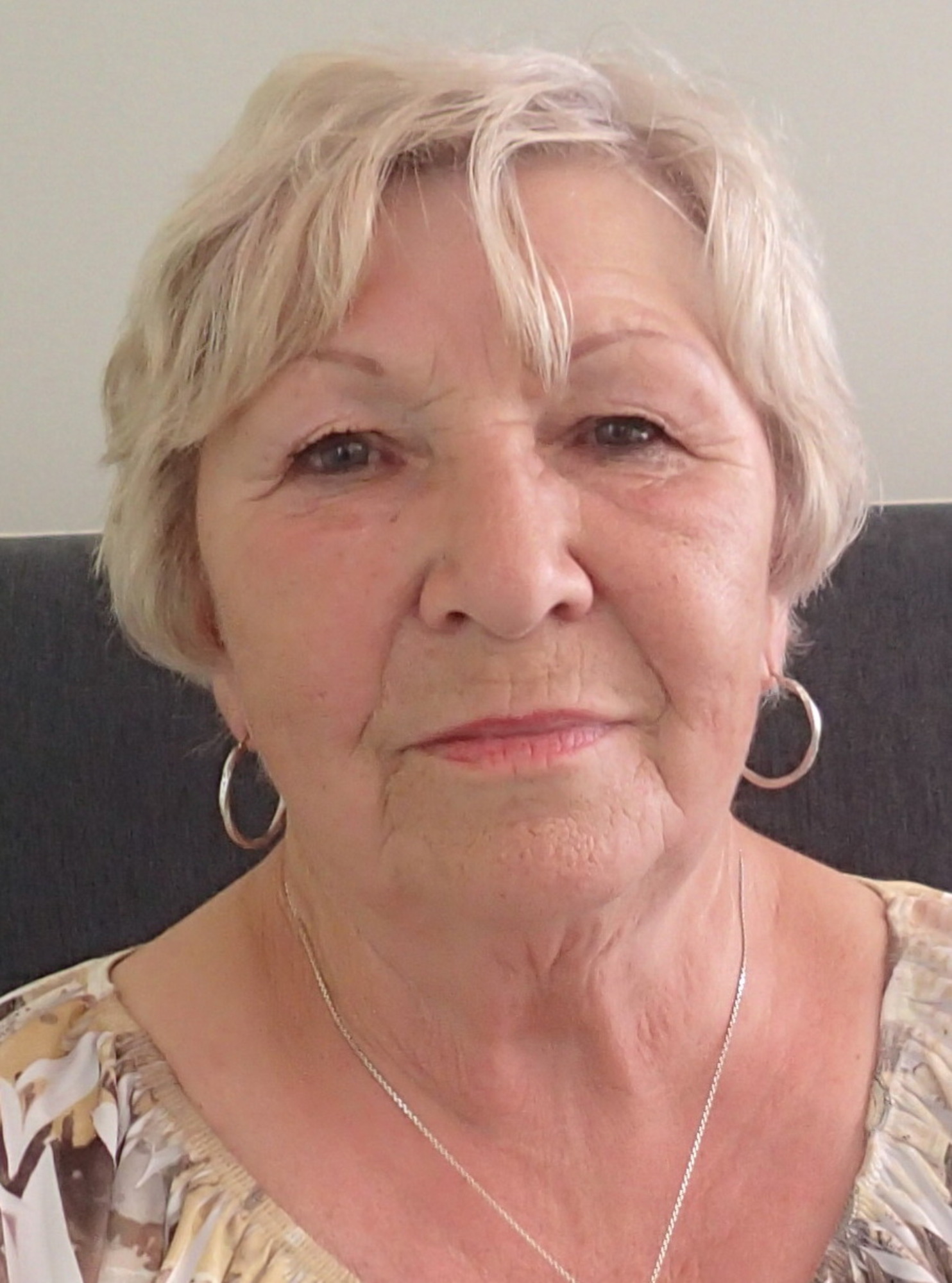
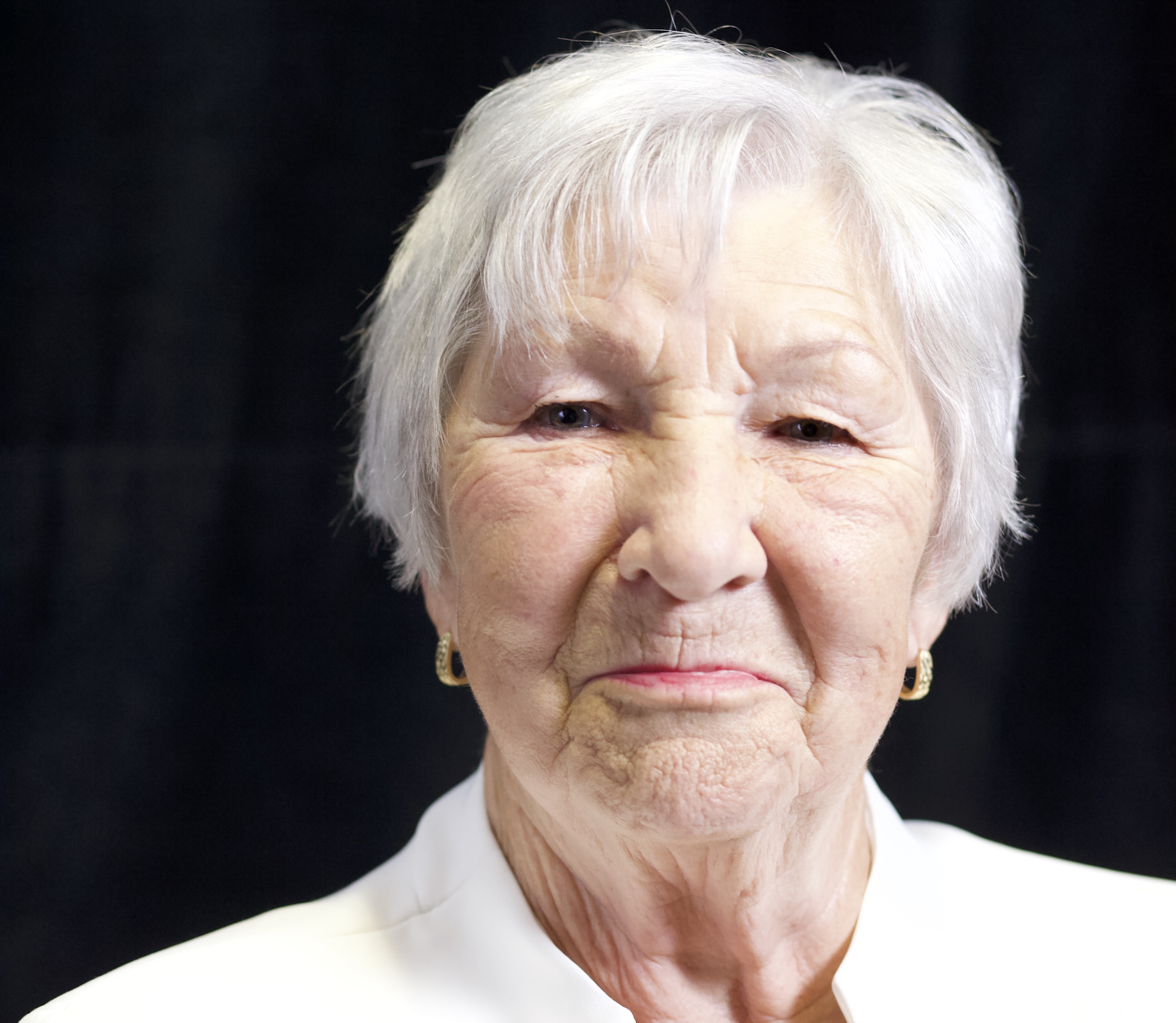
Milada Jelínková in 2023
photo: in the studio during filming

Milada Jelínková, née Maršíková, was born on the 28th of September 1937 in České Budějovice. Her father was Czech, her mother was French. During the war the family lived in the village of Zborov, near Nové Hrady. Her father was deployed to Germany and the mother stayed at home with three daughters. At the end of the war the mother hid a German national who escaped from forced deployment in her attic. During the 1945 liberation the Maršík family hid a German family at home and helped them run away to Austria. In 1964 the family managed to travel to France, which was the first time the mother got there since 1937. Milada worked at a butcher’s shop her whole life.