Radmila Janíčková

* 1930

  • "We did sudden and violent deaths, those were murders. My boss, he was glad he didn't have to dissect. I was in the autopsy room from morning till afternoon. I hated it. The 'axeman' who prepares the deceased for the table and then cleans up after you - we have to take the organs out, there are individual cuts for that. Another thing, from the table you have to... nowadays there are dictaphones, the one hanging, you see it in the film, hanging from the ceiling. The medical examiner has to immediately dictate what he sees into the dictaphone. Back then it wasn't, the secretary had a chair and a little table and she sat behind me with a desk, I dictated it to her, to the typewriter. I must say, I was there for an unnecessarily long time, almost six years. We did sudden and violent deaths. A military plane crashed, we had to put up a tent in the meadow behind the military hospital for the bodies. Within two days, we had to, the chief had to dissect that, we had to do reports, imagine seventeen or sixteen soldiers dead - officers. Of course, secrecy, we were not allowed to talk about it. Or my boss was interested in the crime lab. For example, I went to a murder in Liberec, and when I arrived there with the secretary, we had a car-chauffeur, this Franta with us, and we dissected in the local hospital. So we went to Liberec for a murder, we were observing the crime scene and suddenly one of the officers called me: 'Doctor, there is another corpse rolled up in the carpet!'"

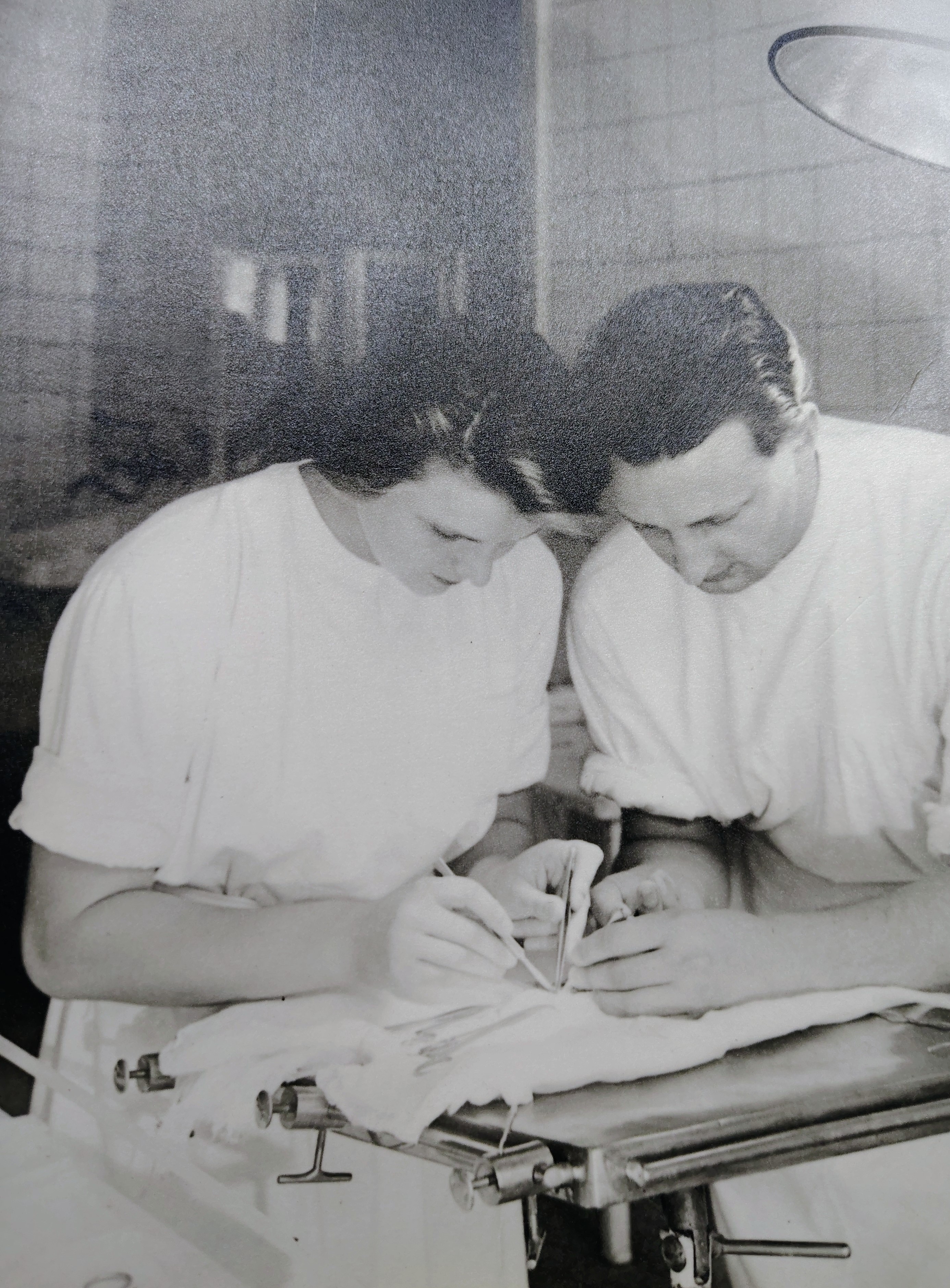
  • "I went to Skalice, where there were these opportunities, but because I wanted to do surgery, I suddenly realised that the obstetrics and gynaecology had this surgery... it was limited to the abdomen, plus babies, and I suddenly became interested in that field. And two years before graduation, I was already attending - and I'll tell you, it helped me a lot when I came to Prague - I started going to the Obilný trh maternity hospital in Brno, which is well-known. It's a pavilion - just maternity and gynaecology, where they have an internist and a surgeon if they need one. And for two years before graduation I was there all the time. They called us 'permanent medics' - four guys and me who were interested in that specialty. We also had a little room up in the attic where we could change into medical clothes, shirts, pants, gowns. And in any spare time, we were even getting out of lectures, they weren't as important in those last years. I was a diligent listener, we would go there and even serve overnight."

  • "Of course the money all went to hell. We only had enough money at home for food until the end of the month. The comrades put stickers on our furniture - 'confiscated', they lifted our mattresses because they were searching for money. We didn't have any at home because my father had it all in the bank. So family relatives and friends were helping us, bringing us food until it was sorted out somehow. My mother was looking for work. She had a very nice job - by being able to speak Czech, German, shorthand, typing like she was firing a machine gun. She got a job as a typist or a clerk in the Provincial Archives, where she was very happy because the philosopher-doctors came to her for advice on how to translate something. They had researched something, maybe it was in old German, so my mother was respected there, transcribing their work for them. That was interesting for her too, she was happy there. The pay wasn't much. It lasted maybe a year or so, they gave Daddy a pension of five hundred crowns, and Daddy lived on that for the next twenty years, until he died, he had five hundred crowns. Five hundred in those days, that was something. When I started working after I graduated, my net was nine hundred."

  • Full recordings
  • 1

    Praha - Kobylisy, 13.11.2024

    (audio)
    duration: 02:15:19
    media recorded in project The Stories of Our Neigbours
Full recordings are available only for logged users.

I had to earn every new position
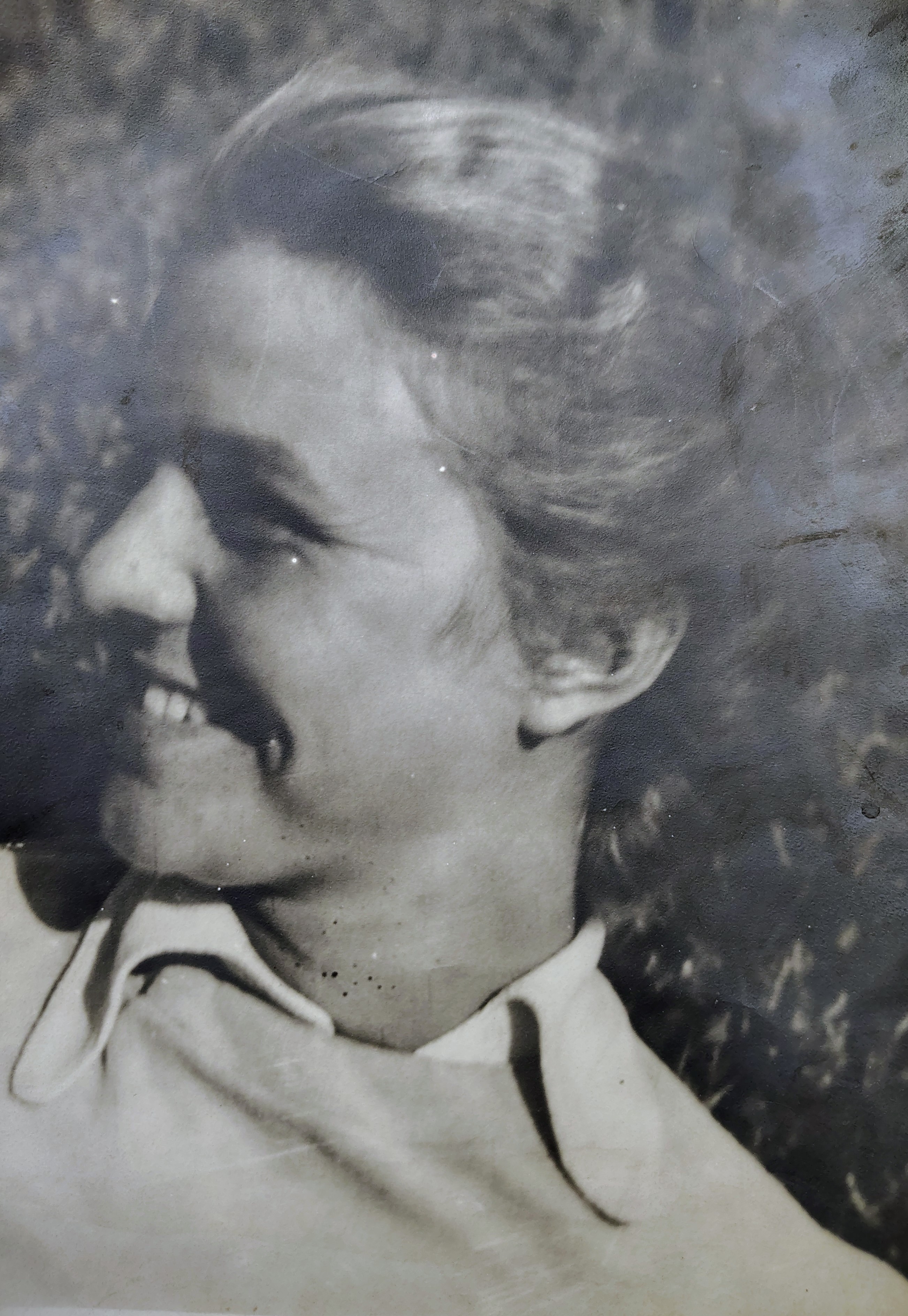
In her youth
In her youth
photo: witness archive

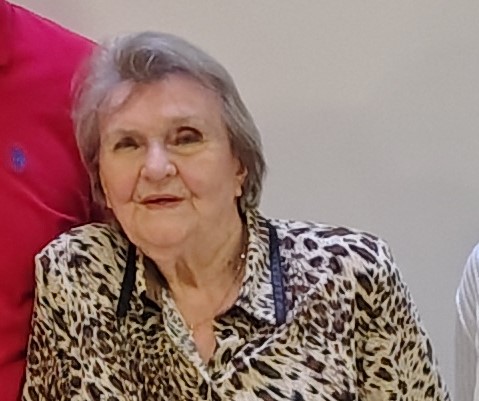
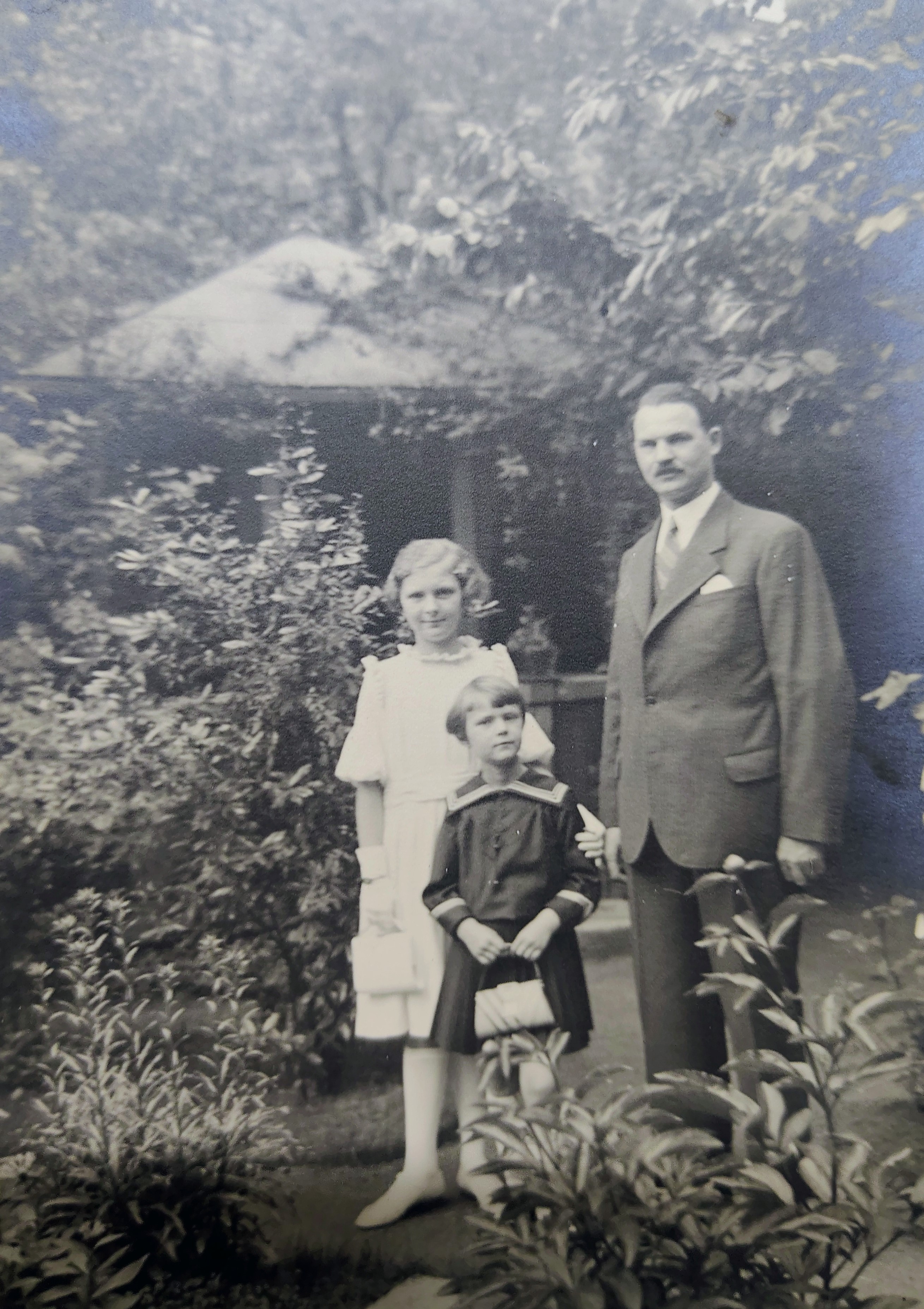
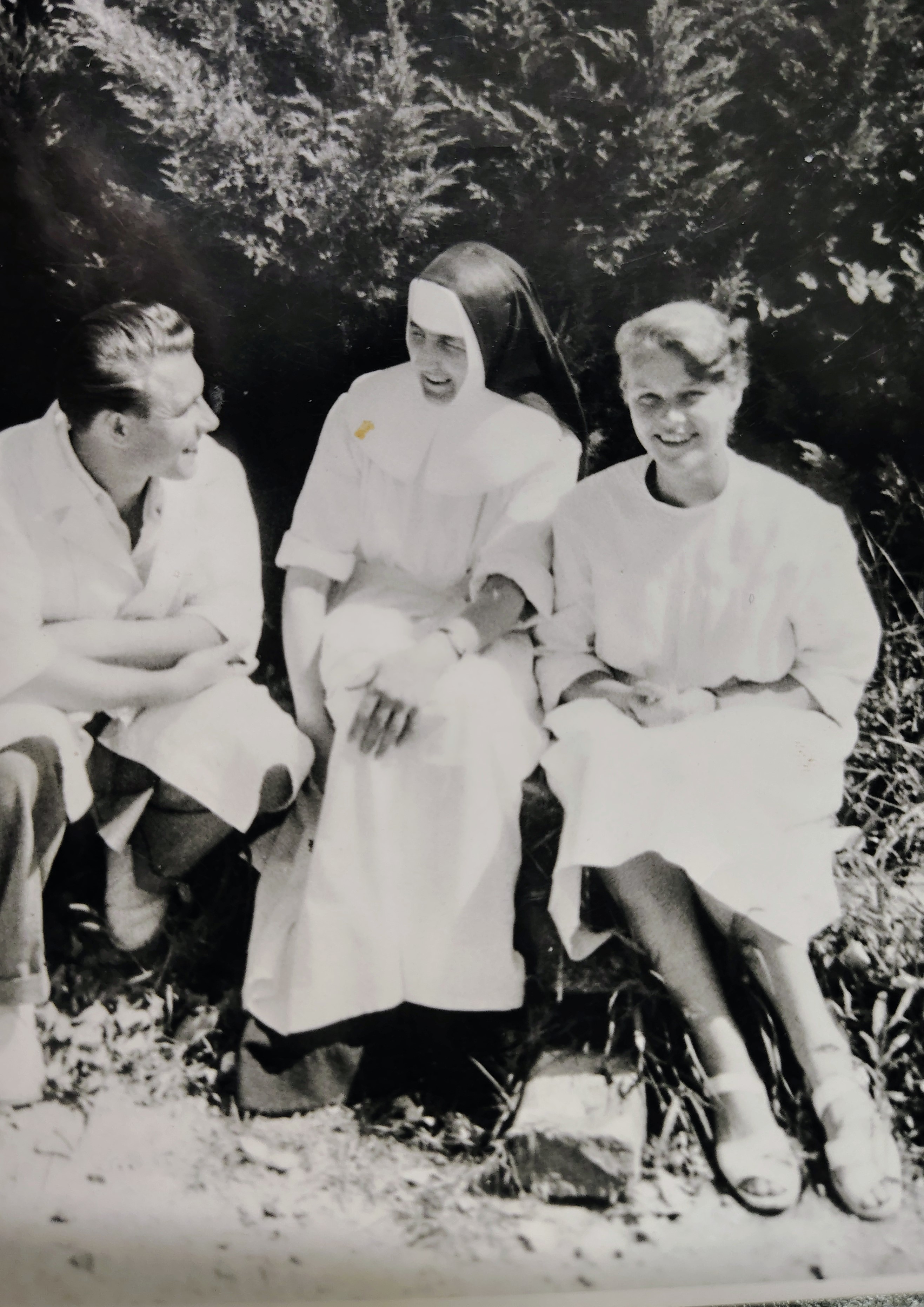
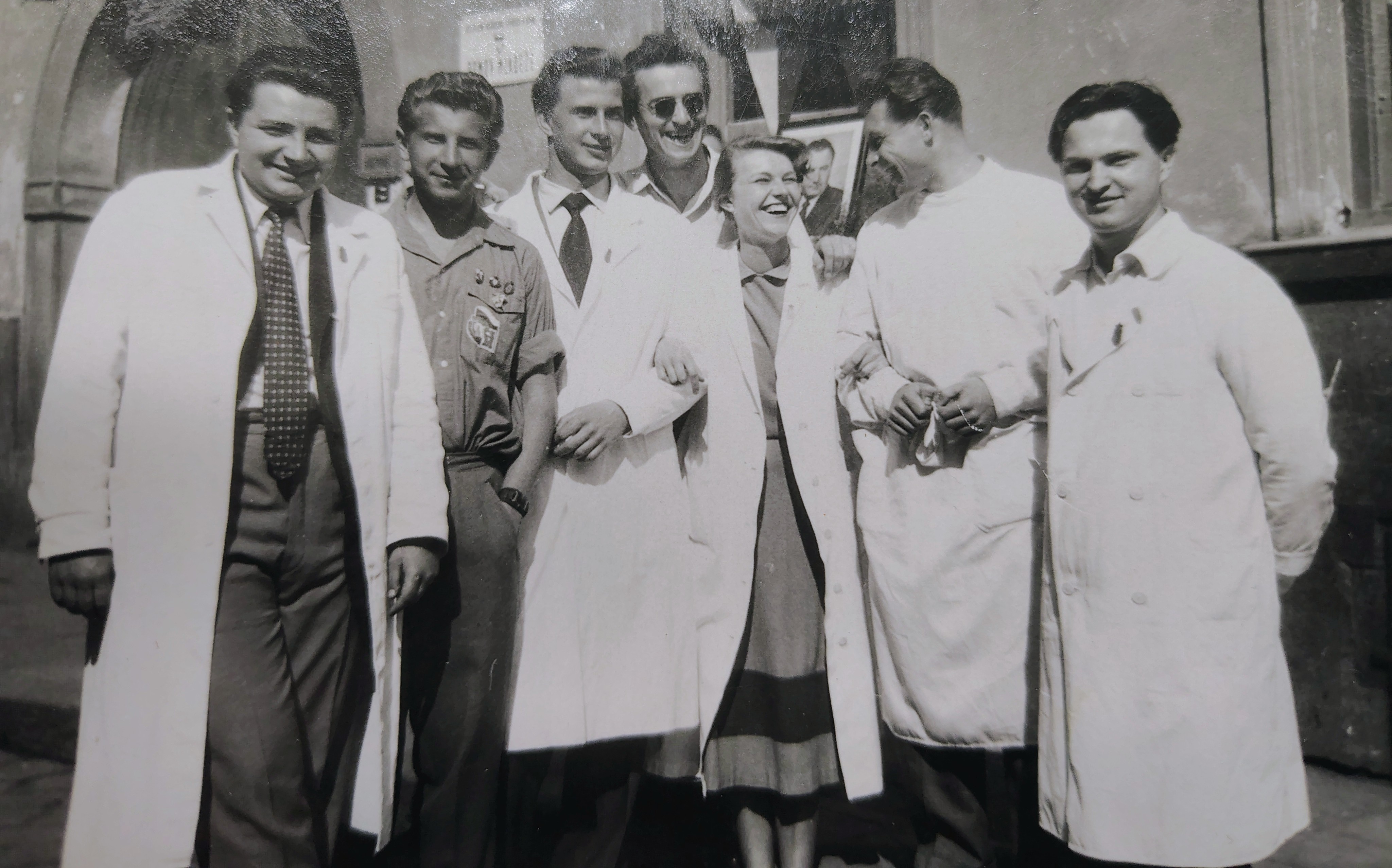
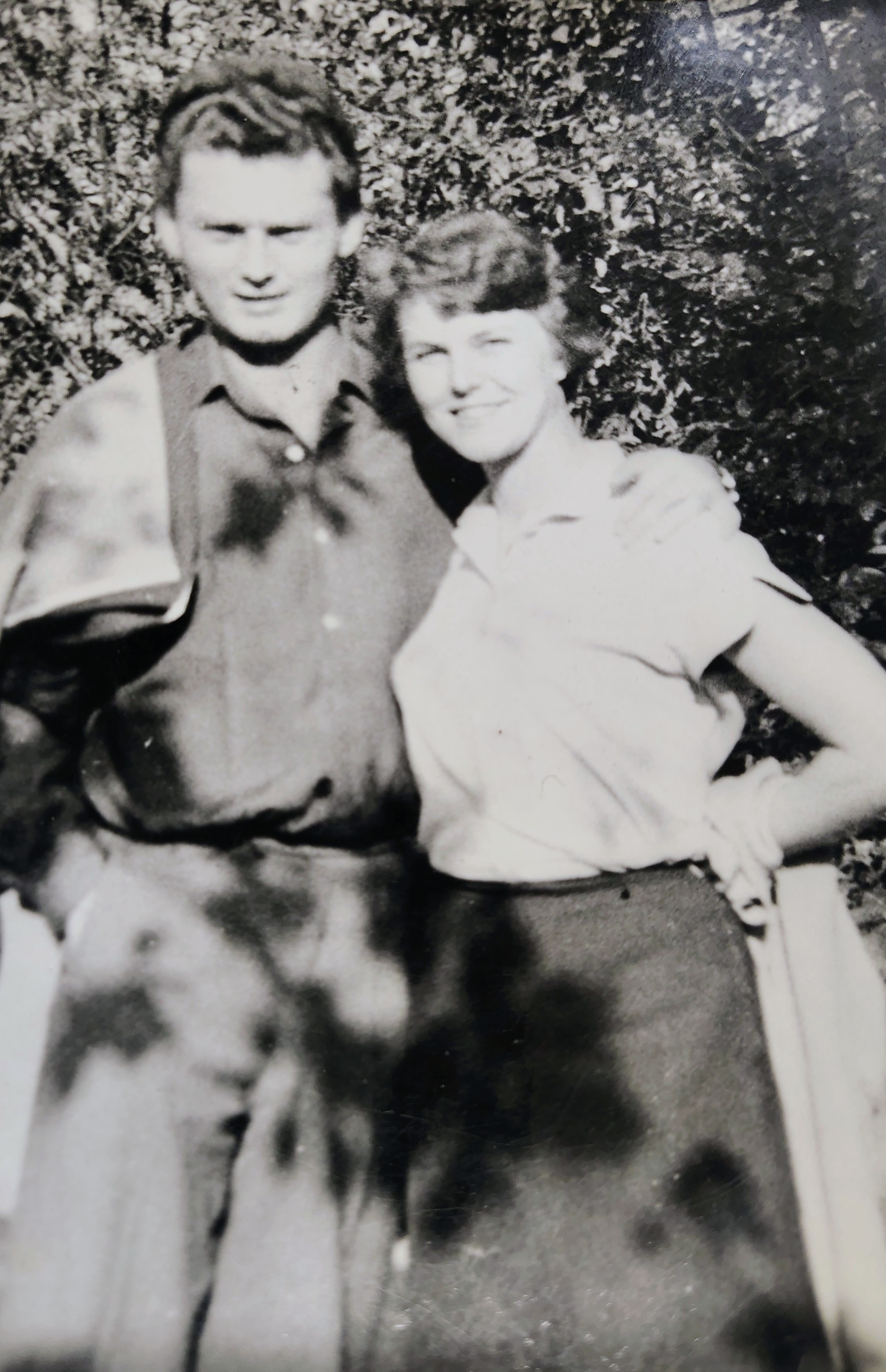
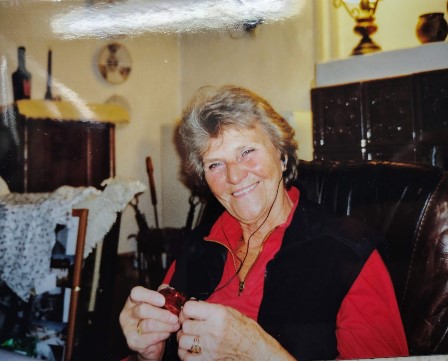
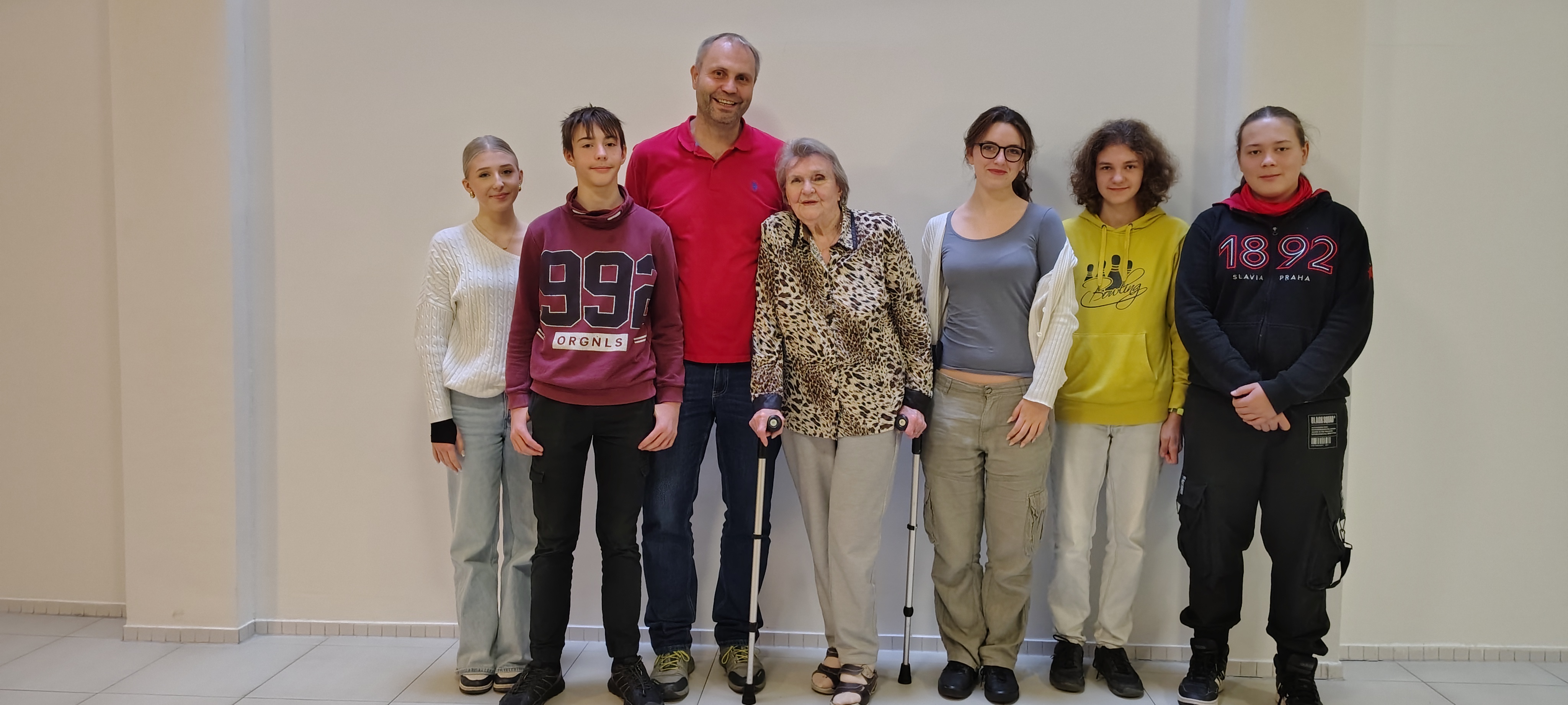
Radmila Janíčková, née Pavlíková, was born in 1930 in Brno into a wealthy family of the Brno businessman Pavlík. Her father was one of the founders of the successful Brno company Markofon. During the Second World War, she studied at an eight-year grammar school. She was determined to become a doctor from childhood. After the communists took power in 1948, the Markofon company was nationalised and the Pavlík family lost all their property. Despite her poor grades, she managed to get into medicine and graduate. Her first job placement was in Slovakia near the border and her native Brno. She started in the gynaecology and obstetrics department and stayed in the field for almost her entire professional career. After her marriage to Josef Janíček and the birth of her first daughter, she tried to find work in Brno. Through an acquaintance, she got a job in a nursing institute. Later, she and her husband moved to Prague. With the help of a professor from the university, she got an intercession with General František Engel and a job at the Central Military Hospital (ÚVN). At that time, there was also a gynaecological and obstetric ward for soldiers’ wives in the ÚVN. Later, she worked in the same field at the clinic on Štvanice Island and Bulovka. In the meantime, she involuntarily spent several years as a forensic doctor. She retired in 1990, but only briefly, and for the next 15 years, she worked in gynaecology at the Tanvald outpatient clinic. Radmila Janíčková lived in Prague in 2024, and even in her old age, she was very vital and still interested in the world around her, she also continued to educate herself.