Gejza Horváth

* 1948

  • "We had a radio and I was listening to some broadcast from abroad. My mum or grandma used to tell me: 'Turn the radio off, this is prohibited and we mustn't do that.' So, I encountered such things. On the other hand, my mum's father lived in close vicinity of the gadjos. There, they couldn't speak a word about it. We had to keep shut. When we spoke of things we didn't like, we whispered."

  • "I used to live in communism and began perceiving what was happening ever since fifteen or sixteen years of age. As a child, I hadn't sensed that." - "Have you been a Party member?" - "No but my parents and other Romani people were big fans of it all because they saw the progress as their own national revival. They began to build their own houses, go to work, have regular income, advance payment... Those people were saving money and began to stand on their own feet."

  • "I can say for myself that it was a great honor to see a gadjo couple take a Roma child, bring it to church and have it baptized. We were present in that church and saw the ceremony and that was great honor. This is how the relations were estalished as was Roma people's confidence. They saw it as great honor. And it also worked the other way around, when a Roma man was the one baptizing."

  • Full recordings
  • 1

    Brno, 24.04.2017

    ()
    duration: 
Full recordings are available only for logged users.

Thank God that my parents made me study music!
Gejzda Horváth
Gejzda Horváth
photo: internet

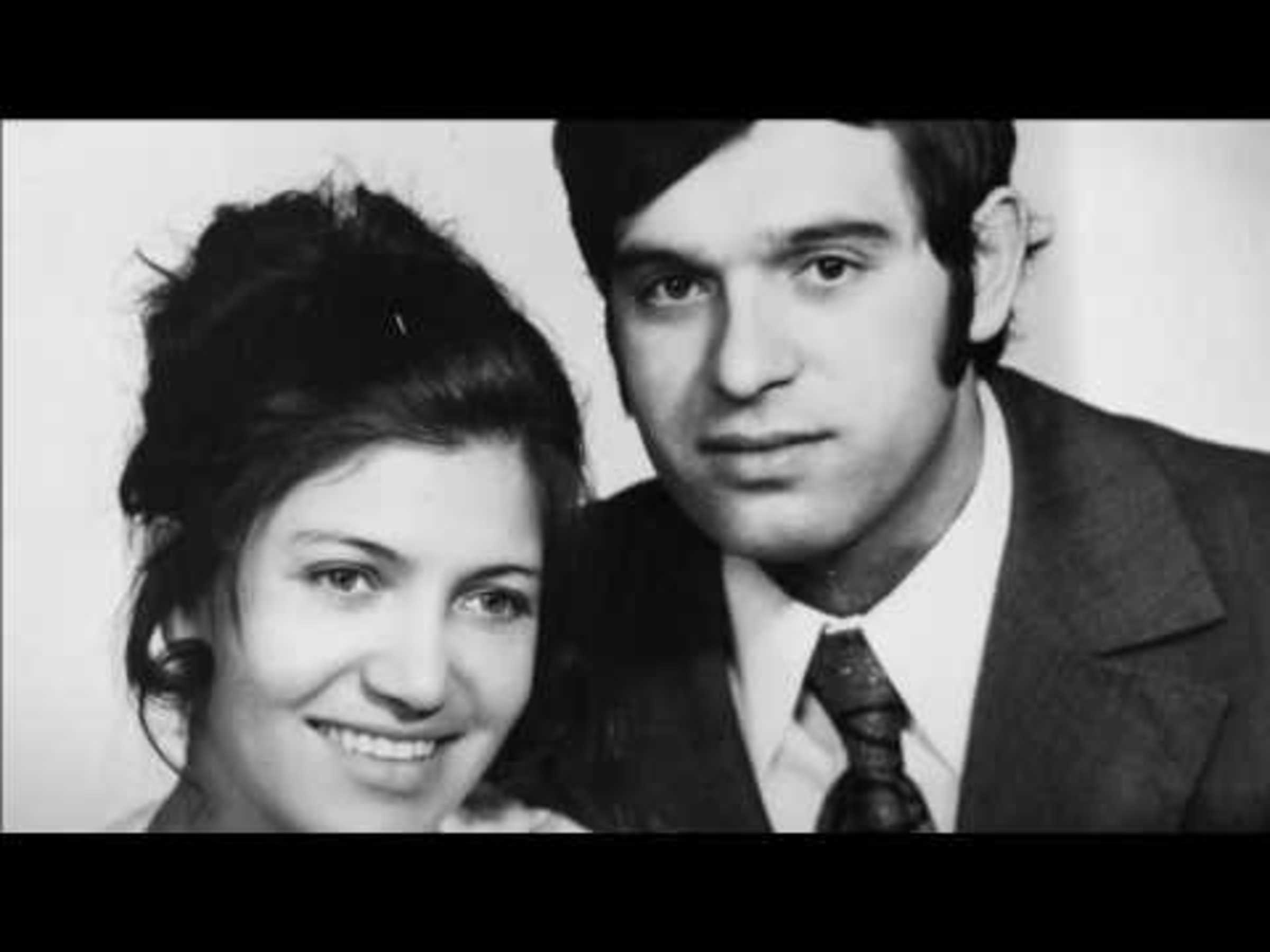
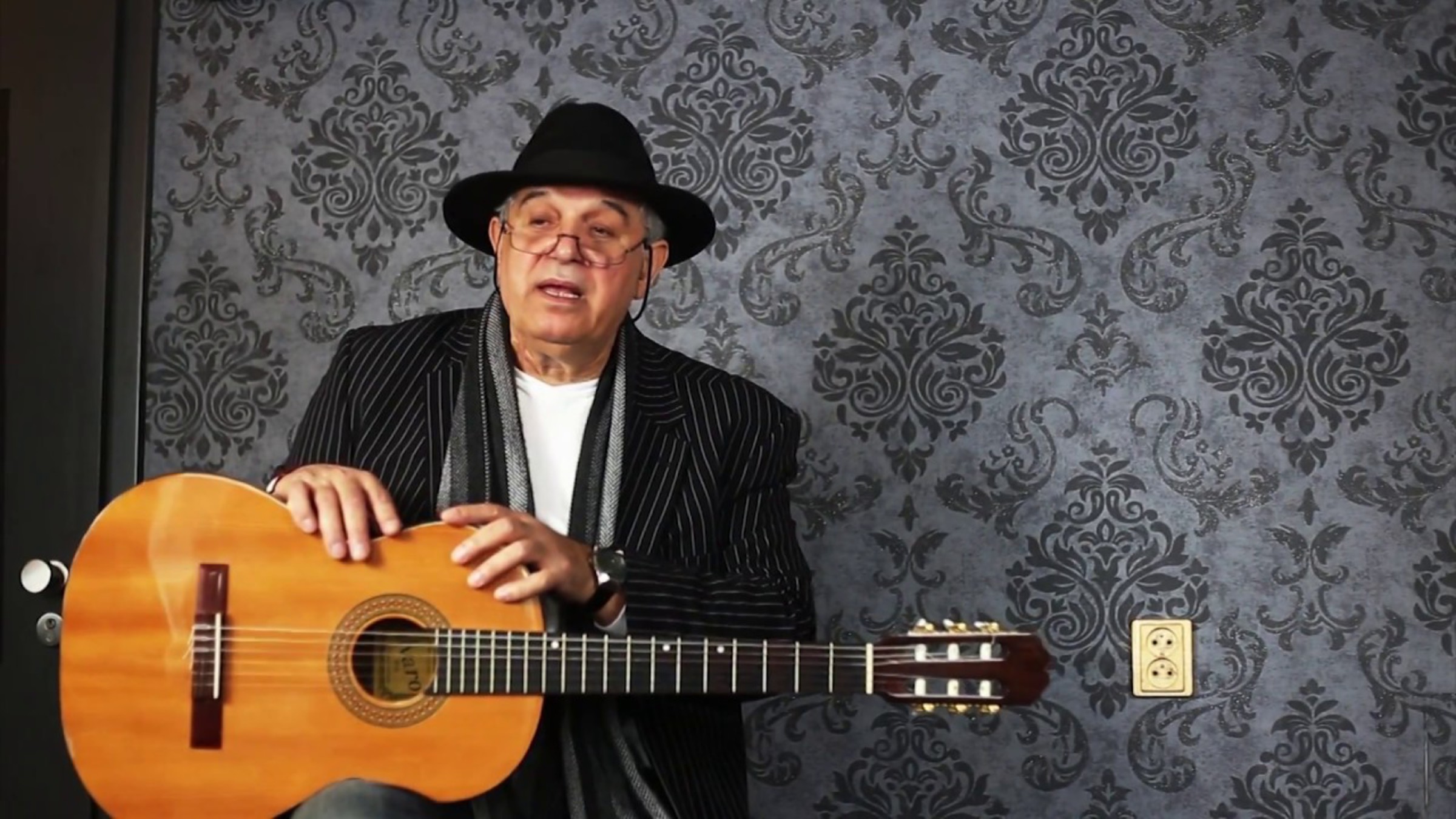
Gejza Horváth was born on 15 April 1948 in Písečné na Moravě. He had spent his early years in the Slovak Roma settlement of Kolinovce. His father was a joiner while his mother was a housewife. His parents supported his musical talents, teaching him to play the accordeon and sending him to a musical school. He played in a school orchestra and later in a professional one. He even applied for the conservatory in Košice but never enrolled there. Along with a friend, he decided to leave via Yugoslavia and look for better life abroad. In the end, only his friend emigrated since Gejza could not bear the idea of leaving his family. In 1967, he started his military service in Znojmo, serving on the company orchestra. He also witnessed the August 1968 invasion there. In the second year of his service, he was transferred to Slovakia where he worked in a factory dismantling military machinery. After that he moved to Brno and lived with his relatives. After a while, he found a job in Prague and got married. Ever since 1970s he has been living in Brno. He performed with many Roma bands. In 2000 he undertook a journalism course and became a founding member of the Romano hangos magazine. In 2006, his book of stories Trispras was published. He is also active on Facebook where he keeps publishing stories.