Ludmila Holcová

* 1935

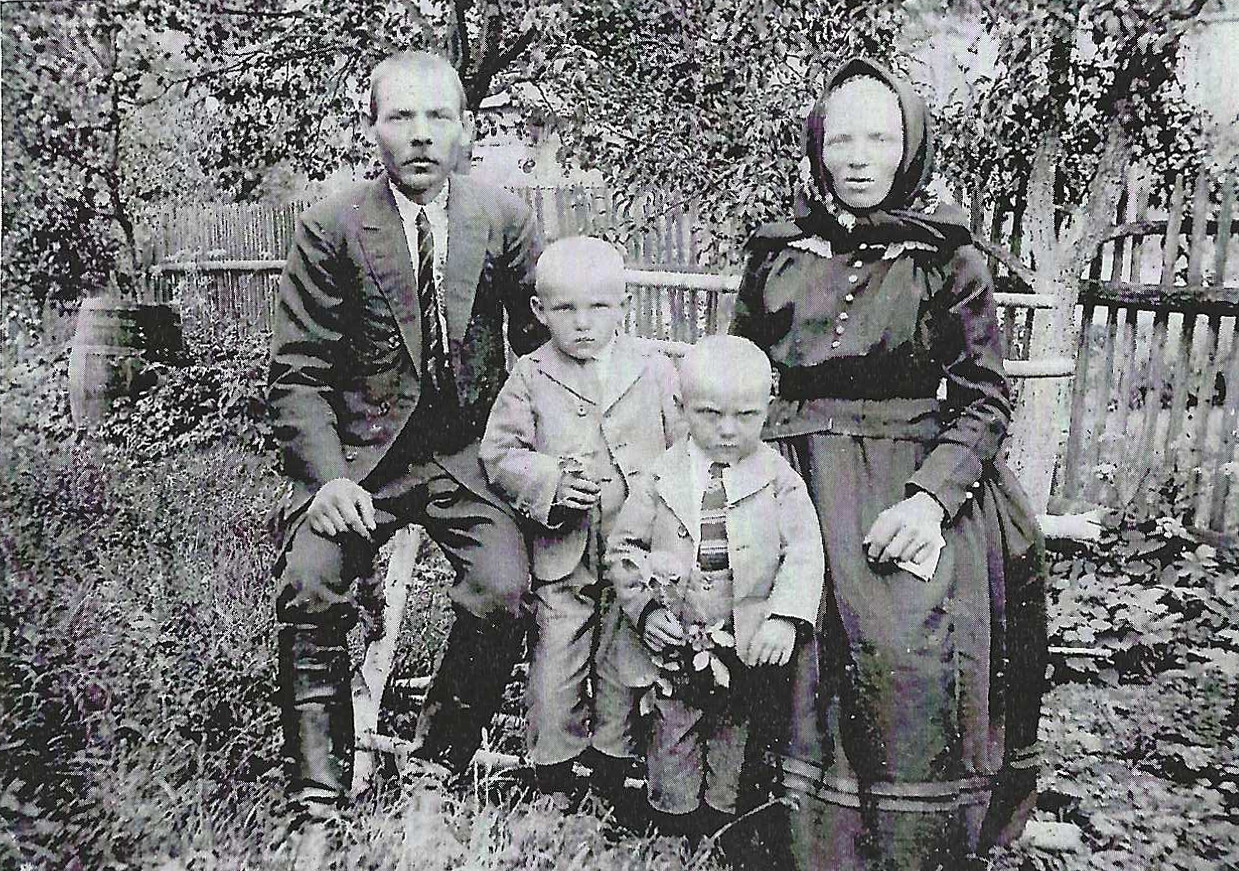
  • "It was Karel who was to stay at home on the property, and when he left, Alois, the eldest, stayed there. He was killed on a tractor in '57, so there was no one to run the farm and they forced people to join the co-op. Well, my parents wouldn't participate, not even Lojza, but my sister-in-law... What was she supposed to do? She had four children and now what. Finally she joined the cooperative. My father built everything there when he came home from the war as a deserter. He was no ordinary deserter, but there was a time when soldiers left the First World War and were wanted as deserters. And then we had a game as kids - the deserter game. But that was a game, not a life. My daddy didn't want it to end up in the coop because he would lose everything. He got about 200 crowns of pension and Mommy got nothing. Mommy livedc with him. Then he did various jobs. Although he was skilled at everything on the farm, he also helped out in Vsetín with various street jobs to earn extra money. When we had the horses and my sister-in-law gave them to the cooperative, my father wanted them to let him have one of the horses so that he could earn extra money with it. But no, they wouldn't allow it. He always remembered that when they rode by our house, the horse would always neigh at home. Daddy was a prisoner of war in Russia. Then he escaped from captivity and he and his friend walked home from Halych. He didn't join the legionaries, he was drawn to the farm. He didn't tell us much. I'm very proud of him, what he did in his life. And now he saw that everything he had built was gone and he had to cope with it somehow."

  • "After the liberation there was a change, communism started in our country. It ended badly. One of the members of the family was František [correctly Alois] Pohůnek, and they [State Security agents] kept beating him. Then they took him to Hradiště and there they beat him to death. Světlana-Makyta action just started and there were fears about how it would go on, how many more people they would kill. His funeral in Lideček became a demonstration. As a result, many young people from our area, including my brother, went abroad. They were afraid of what would happen, what times would be like. So a local family left, three Rosenzweig brothers, my brother and someone else from the neighbourhood. The eldest Rosenzweig had already been abroad once, so he made a route for them and pulled them out through Cheb. Then he ended up in the camps."

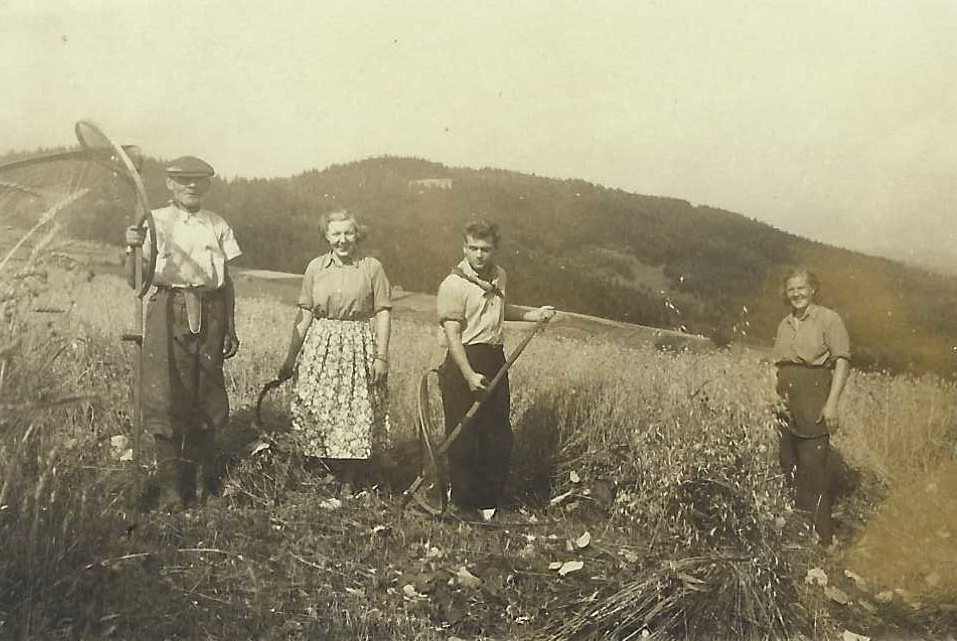
  • "He was probably some kind of senior officer there, because my brothers - they were about ten years older - were skiing. There were lot of people going across the border. And the German [who was staying with the witness's family] was keeping an eye on it so that our boys wouldn't get involved. Because what happened there was that one lady was later convicted for helping with the smuggling. My grandmother took her scythe and went like she would go to the field. But she was leading someone to the border. We lived right on the border, it was still during the wartime, but we didn't think it was a big deal as children."

  • Full recordings
  • 1

    Vsetín, 21.05.2025

    (audio)
    duration: 01:13:46
    media recorded in project Stories of 20th Century
Full recordings are available only for logged users.

Grandmother took her scythe and acted like she went to the field, but in fact she led someone to the border
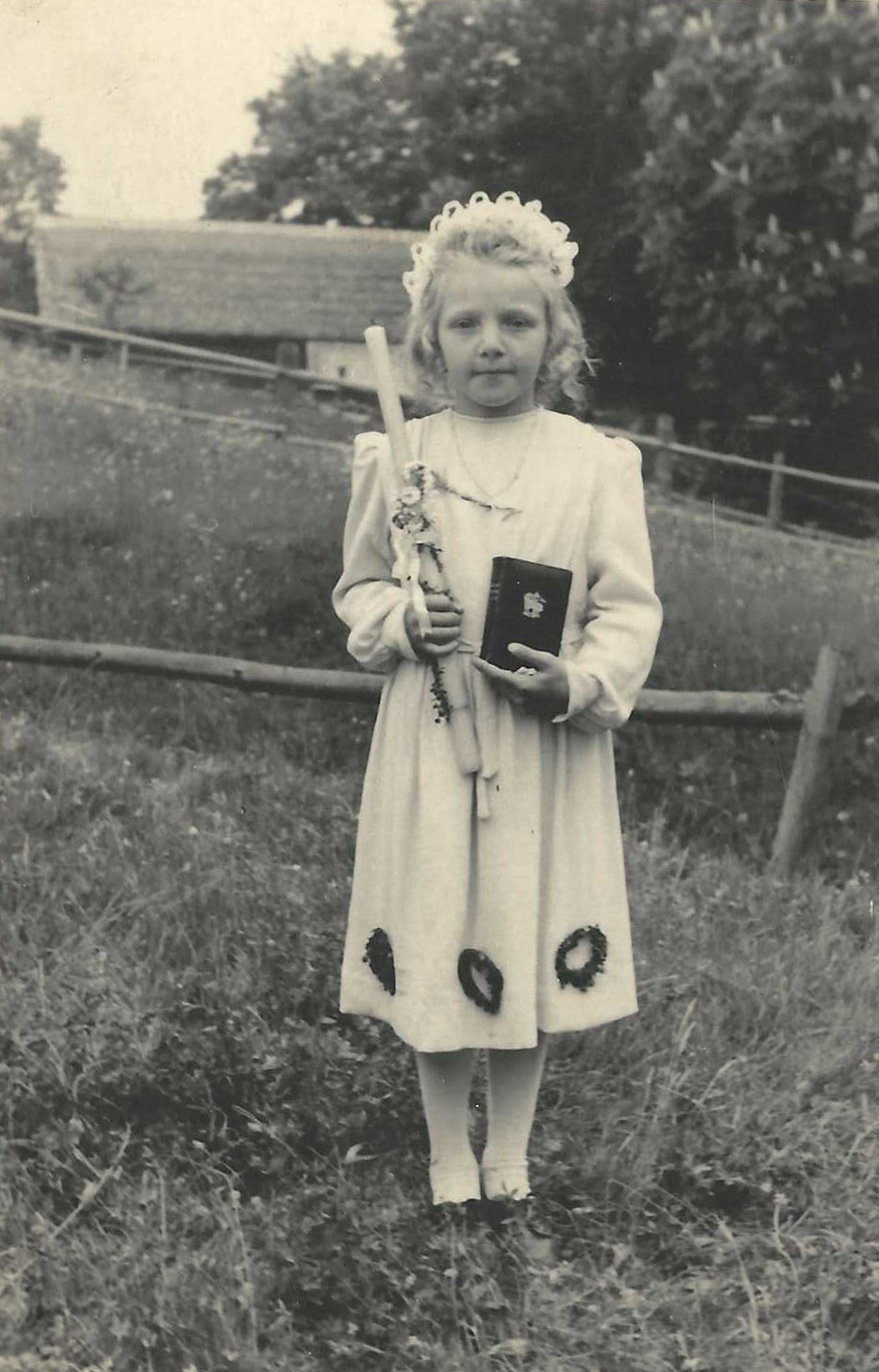
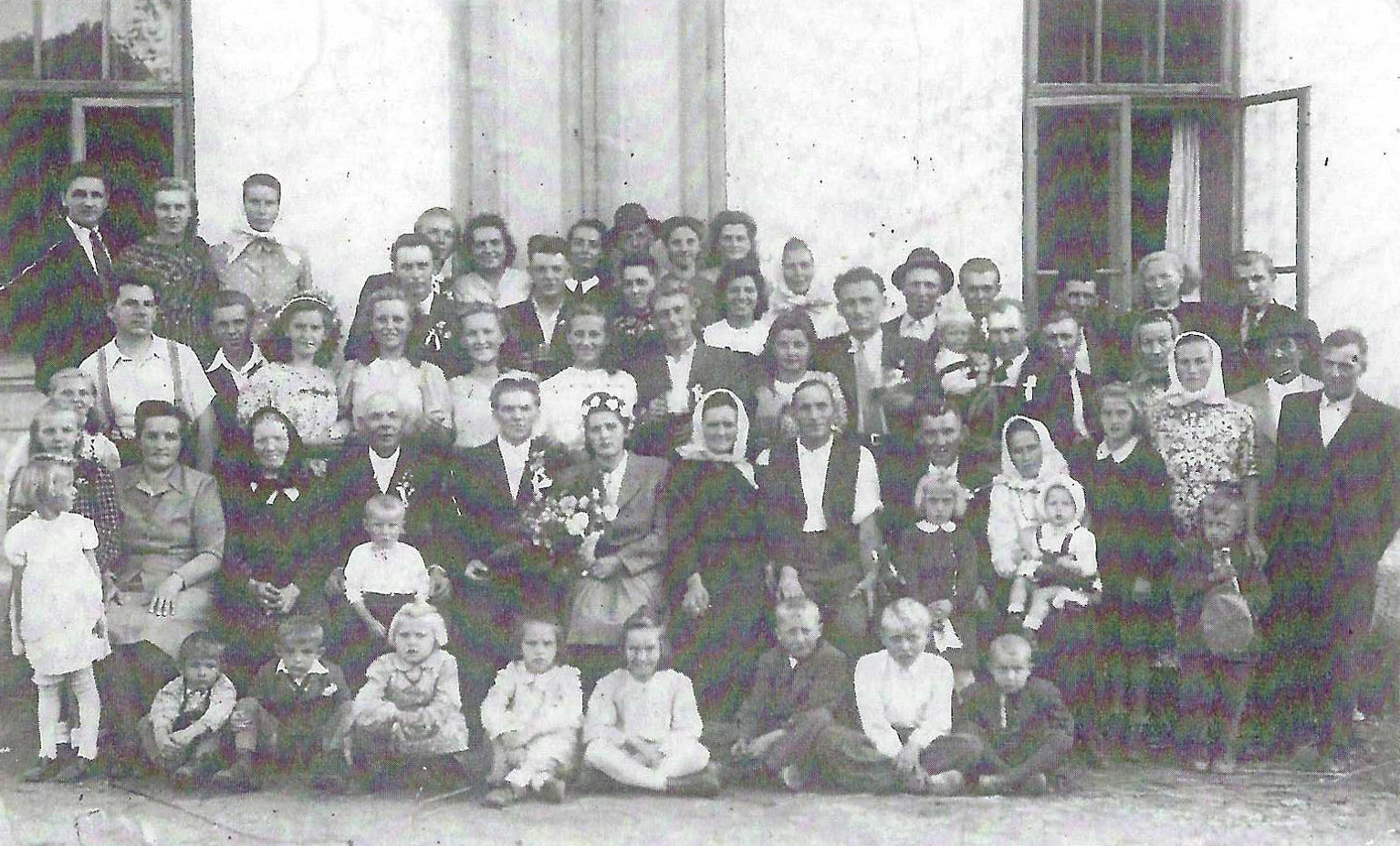
First Holy Communion (1944)
photo: archive of the witness

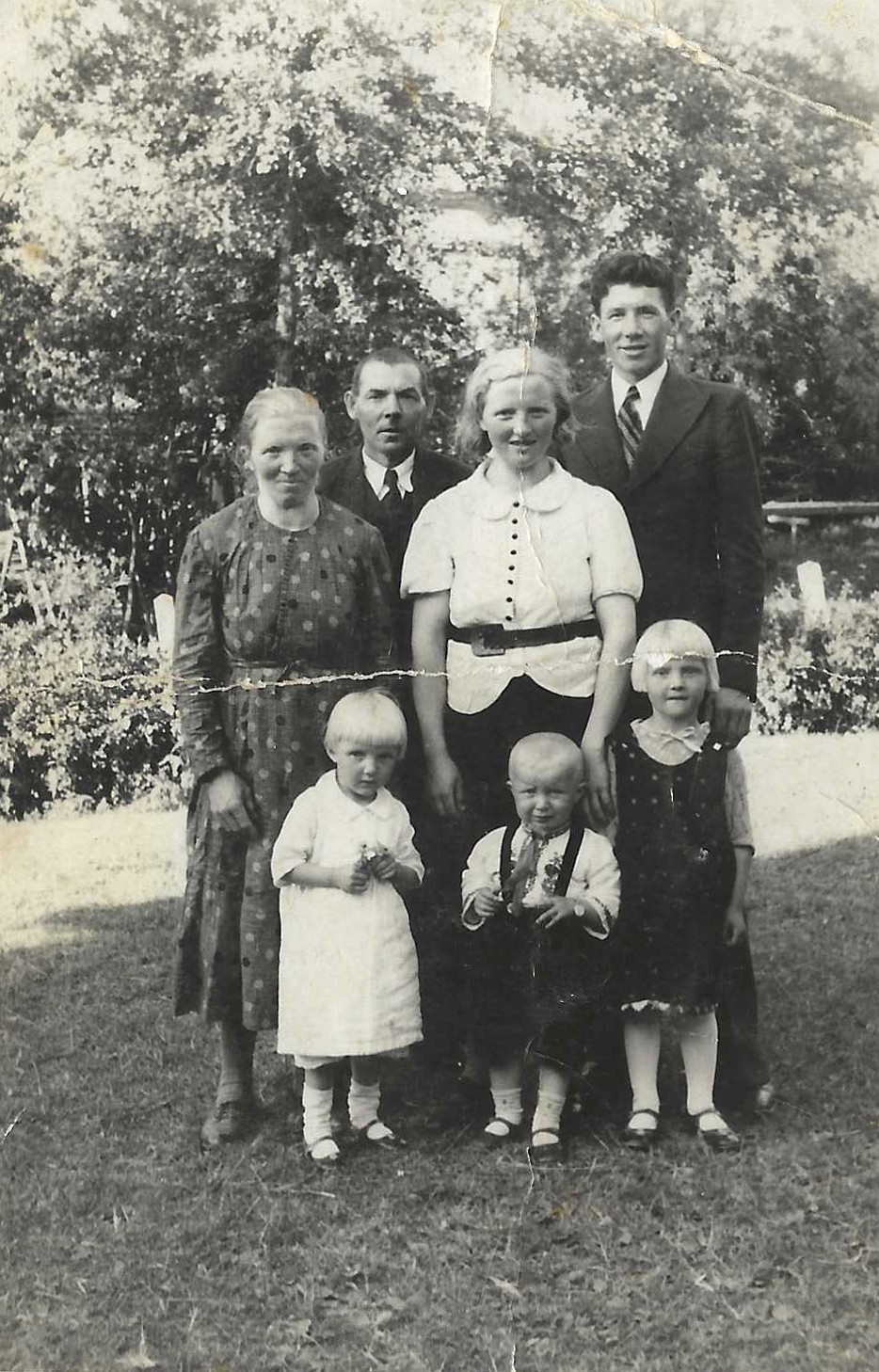
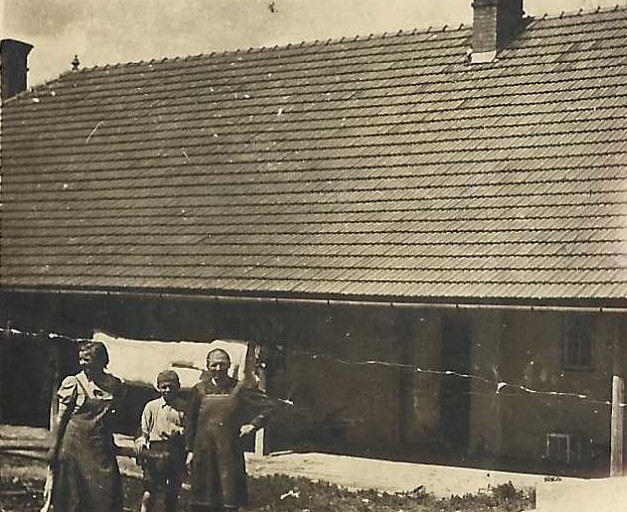
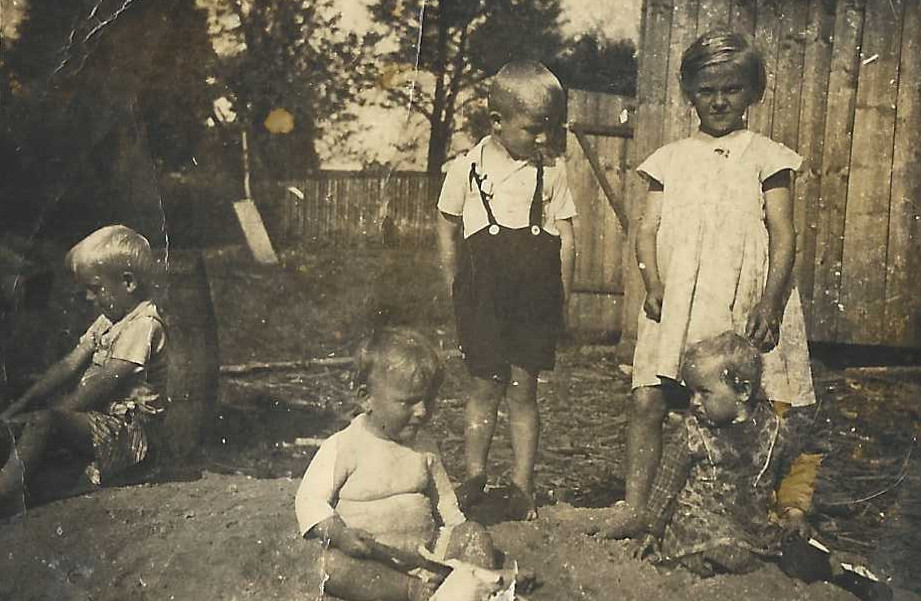
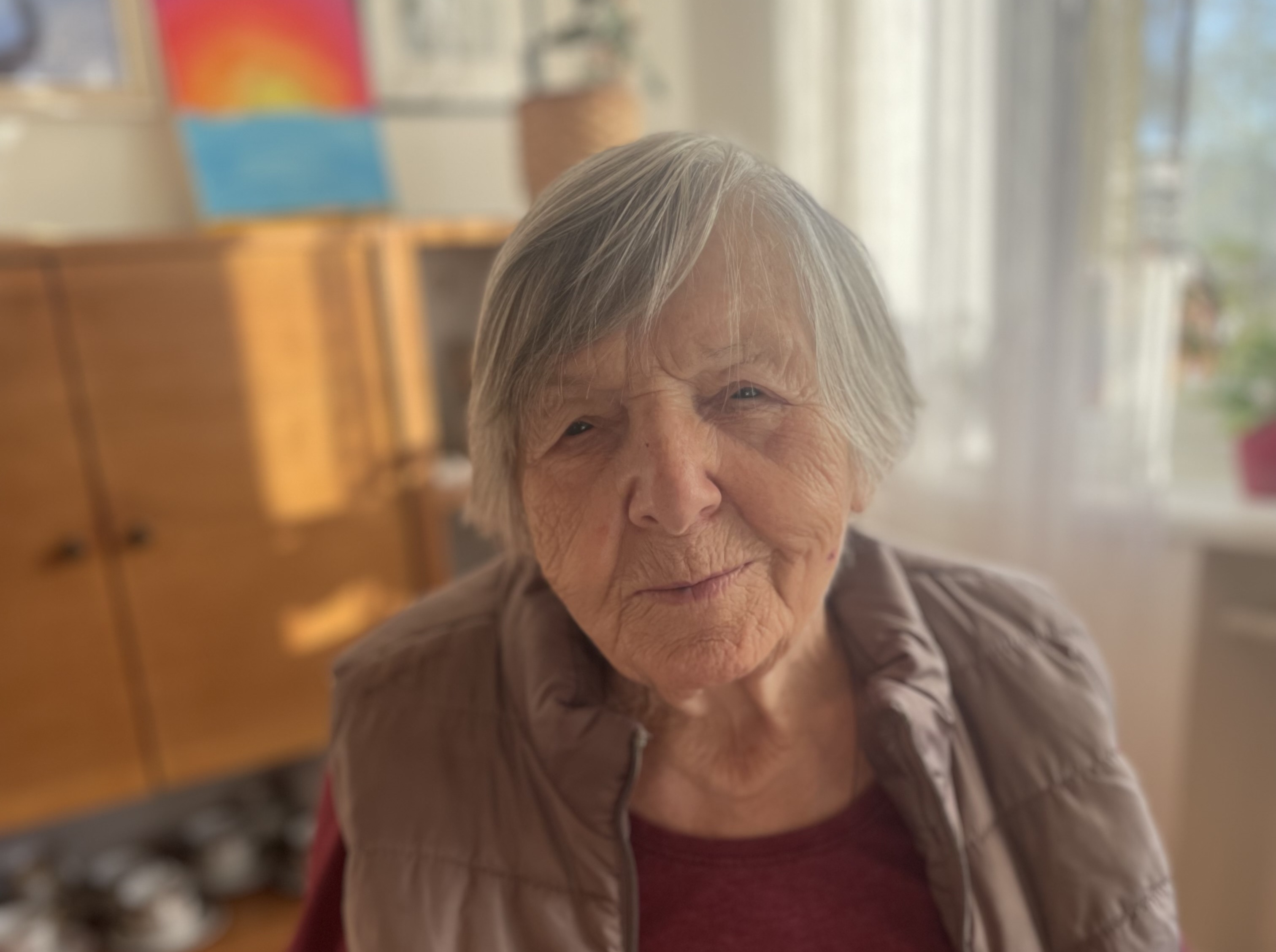
Ludmila Holcová, née Mužikovská, was born on 11 March 1935 in Střelná near Horní Lidec. Her parents had a farm with horses, cows and other animals that supported them. Her father, Alois Mužikovský, was a veteran of the First World War. He managed to escape from Russian captivity and walked from Halych to his home. During the Second World War, the family of a German officer stayed in their house for three years. The area around Střelná was guarded by Germans because of the proximity of the state border. Nevertheless, some of the inhabitants worked as smugglers. The witness knew Mrs. Františka Sívková, the sister of Josef Valčík, who was involved in the assassination of Heydrich. This lady was taken to Mauthausen, where she gave birth to her fourth child and then immediately went to the gas chamber. In 1949, one of the family members, Alois Pohůnek, was beaten to death by State Security officers as part of the Světlana action. The Mužikovský family attended the funeral, which became an anti-communist demonstration. One of the witness’s brothers, Karel Mužikovský, then emigrated to Australia. In 1957, the family was forced to join the United Agricultural Cooperative (JZD), but her father had a hard time accepting this. In 1958, the witness married and raised six children in the following years. In November 1989, together with her family, she attended the ceremony of the canonisation of Agnes of Bohemia in Rome. In 2025 Ludmila Holcová lived in Vsetín.