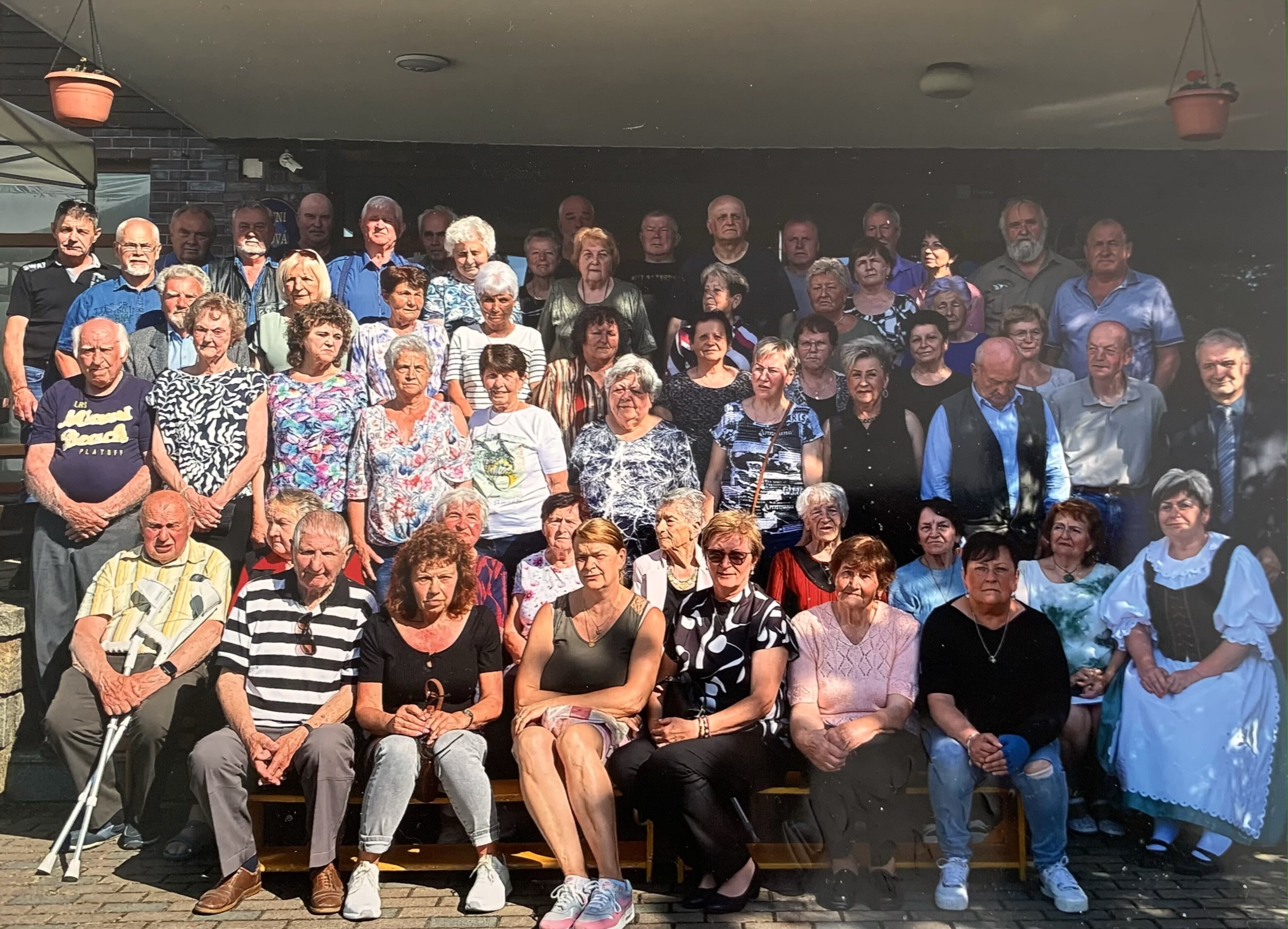
Jan Hes

* 1933

  • "The partisans brought prisoners to clear the roadblocks. They [the prisoners] went to the pub for lunch and cleared the roadblocks. The people Krahulčí also used to go for lunch, because they didn't cook at home. Because they were employed at the butcher´s, they went to the pub to eat. Mrs. Mácová cooked there. The Germans were also there for meals and they talked among themselves. One of them revealed that he had shot a partisan. Among the guests was Mrs. Vařilová, who spoke German. She heard it. She again made the partisans aware, they pulled him out and gave him a trial. They condemned him by a people's court and shot him in Krahulčí."

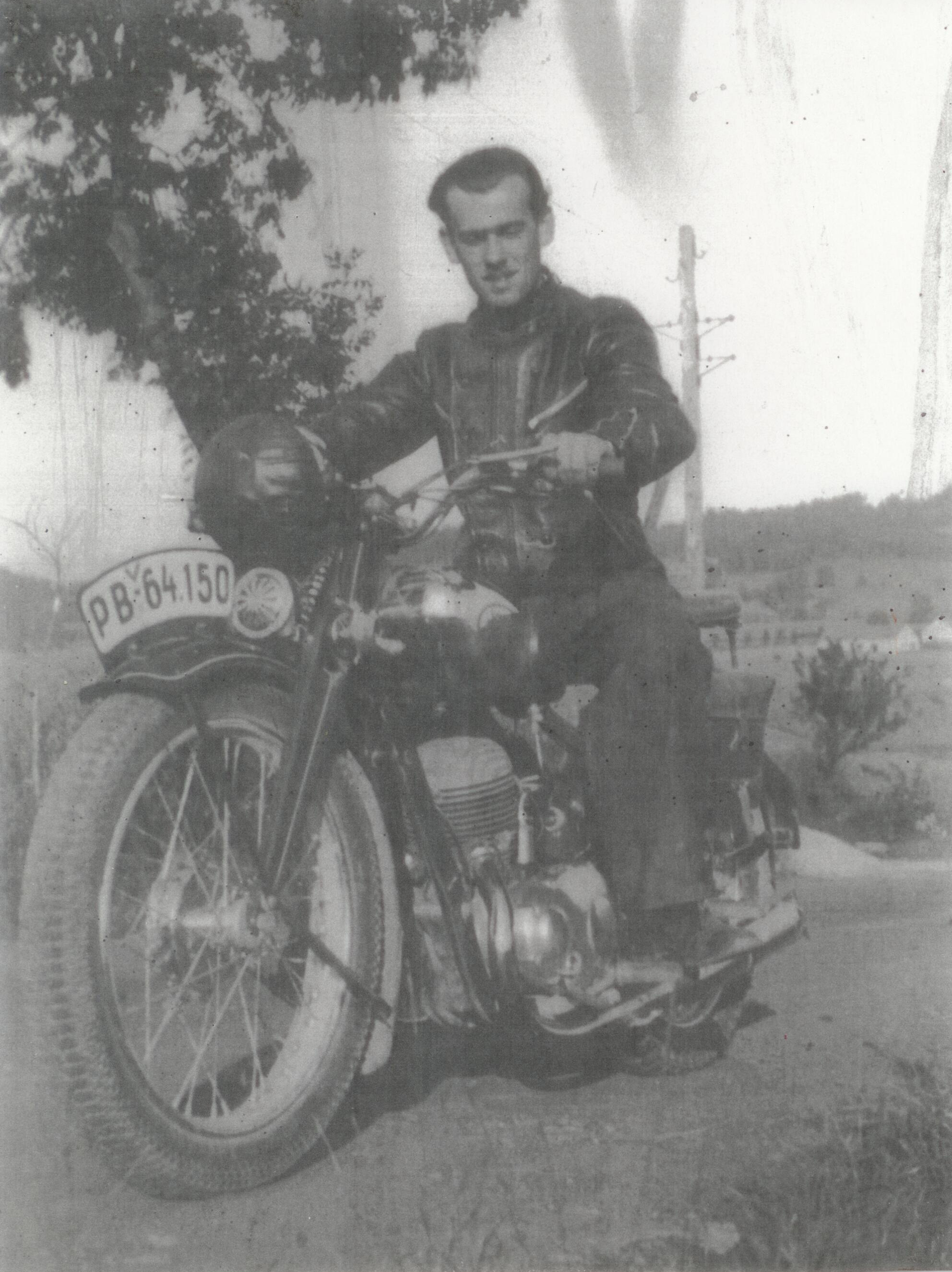
  • "When [the execution of Herta Kašparová] was in Třešt', some people went there to see it. I went there with my dad on a motorcycle. When we arrived at the castle, there was a high wall around the castle. They let my dad in and not me. I went around the wall and came back along the wall and hid and watched as they hung Kašparová. I was at the execution too, not by accident, on purpose. Dad went there to see."

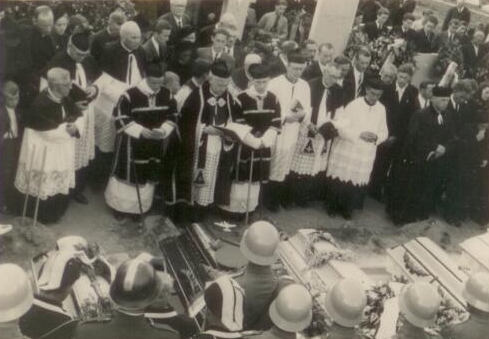
  • "They got into the fire truck, drove to Krahulčí and stopped at the school. There they argued about whether there were still any Germans [in the village]. In the meantime, a German car from Telč arrived with a soldier in it. They stopped him and took his weapons. Since they didn't know what was in the village, they let him go. But he [the driver of the car] drove down to the monument, opened the door - there the Germans were already hurrying to leave. They had horses, they had no cars. When he came to a curve, he opened the door and shouted, 'Rote auto partisan.' And he drove on. By then I was standing at the site of today's monument. Ten minutes later, a red car came. They [the Germans] put a machine gun on the pile of sand that the road workers had there. And when the [fire] truck arrived, they liquidated it. They shot the crew, two guys jumped out and they shot them. Two of them ran out of there and one of them went under the canal and they shot him in that pipe. I was watching it all."

  • Full recordings
  • 1

    Telč, 07.04.2026

    (audio)
    duration: 01:34:44
    media recorded in project Stories of 20th Century
Full recordings are available only for logged users.

At the end of the war he saw the slaughter of a Czech patrol
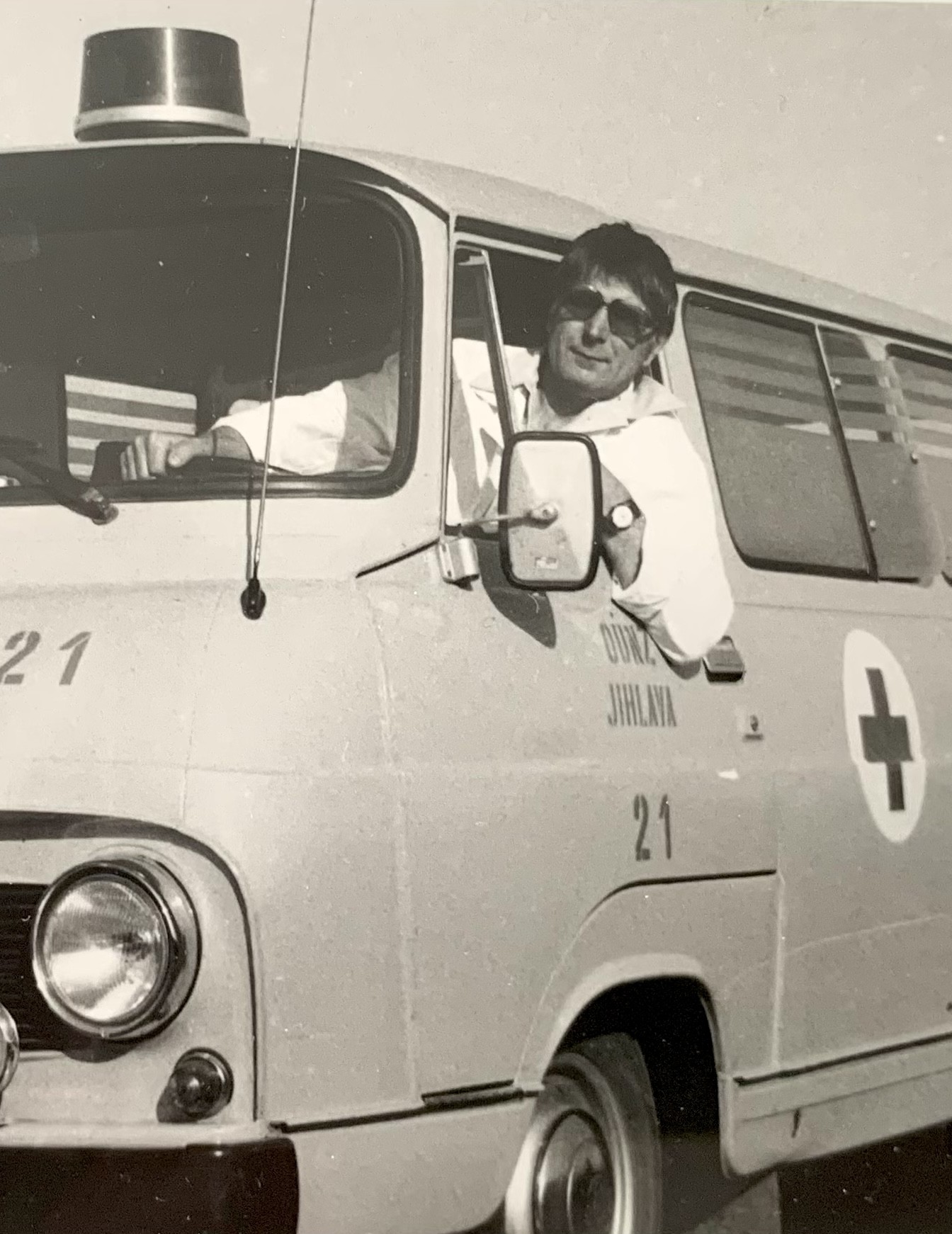
Jan Hes, 1980s
Jan Hes, 1980s
photo: Witness´s archive

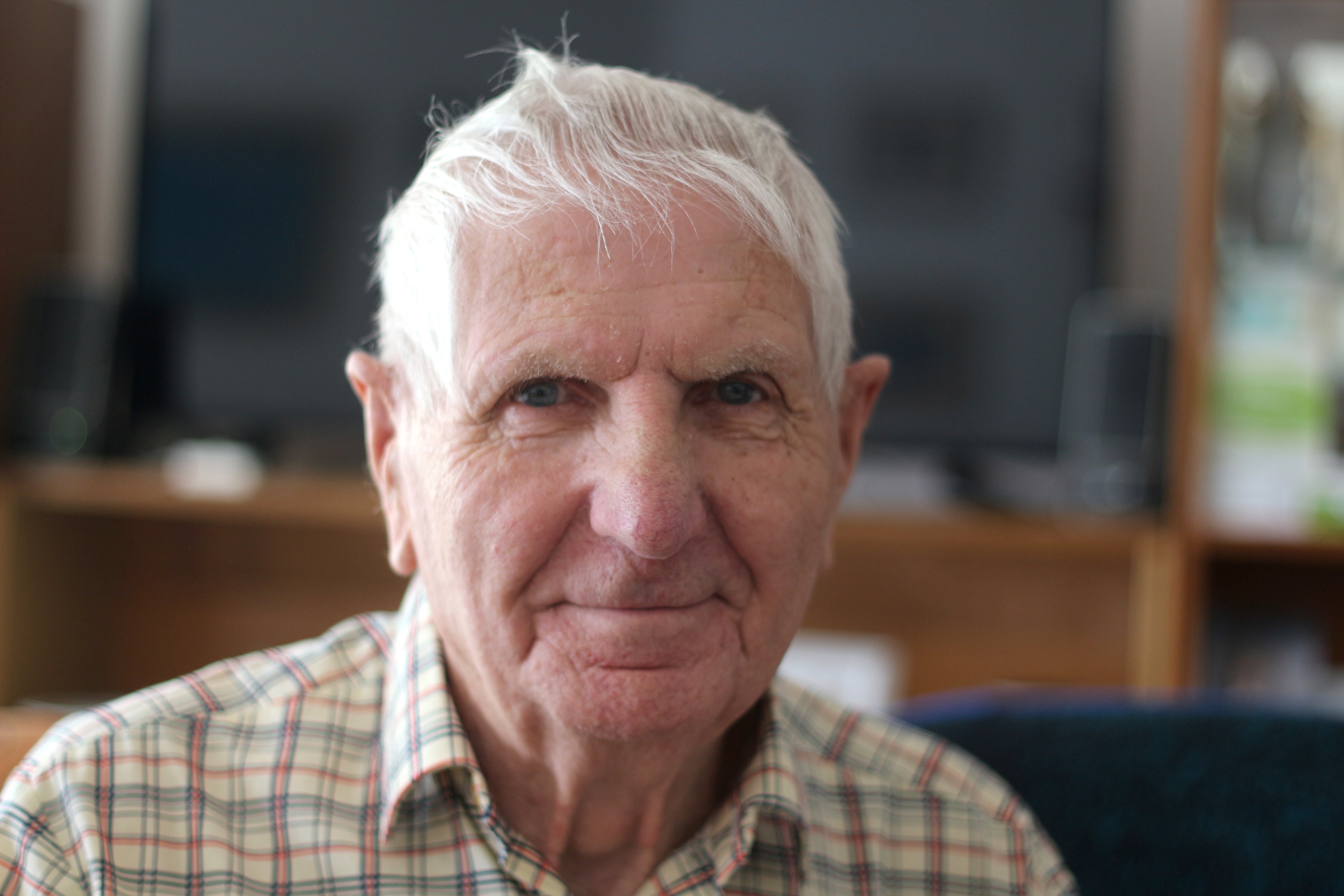
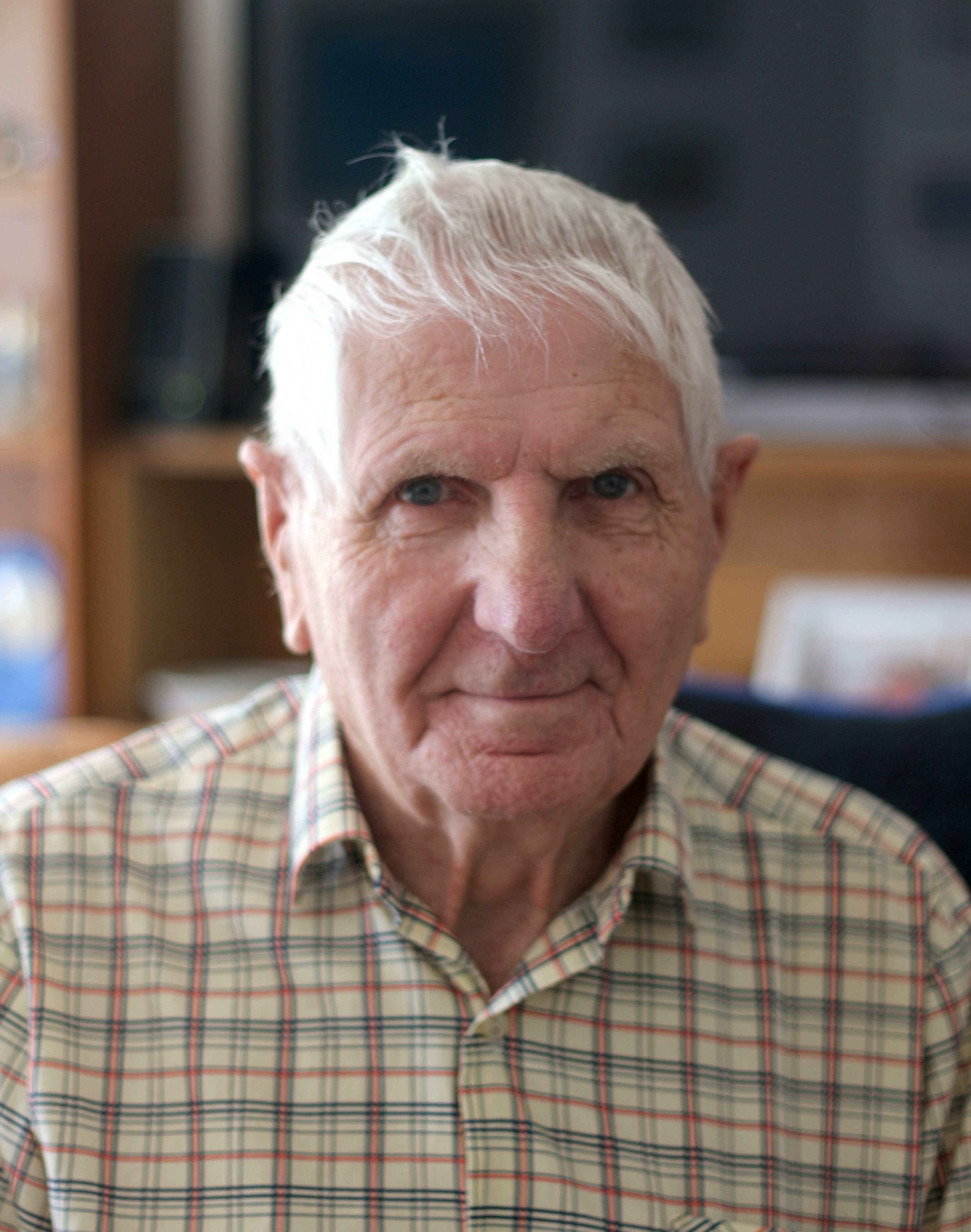
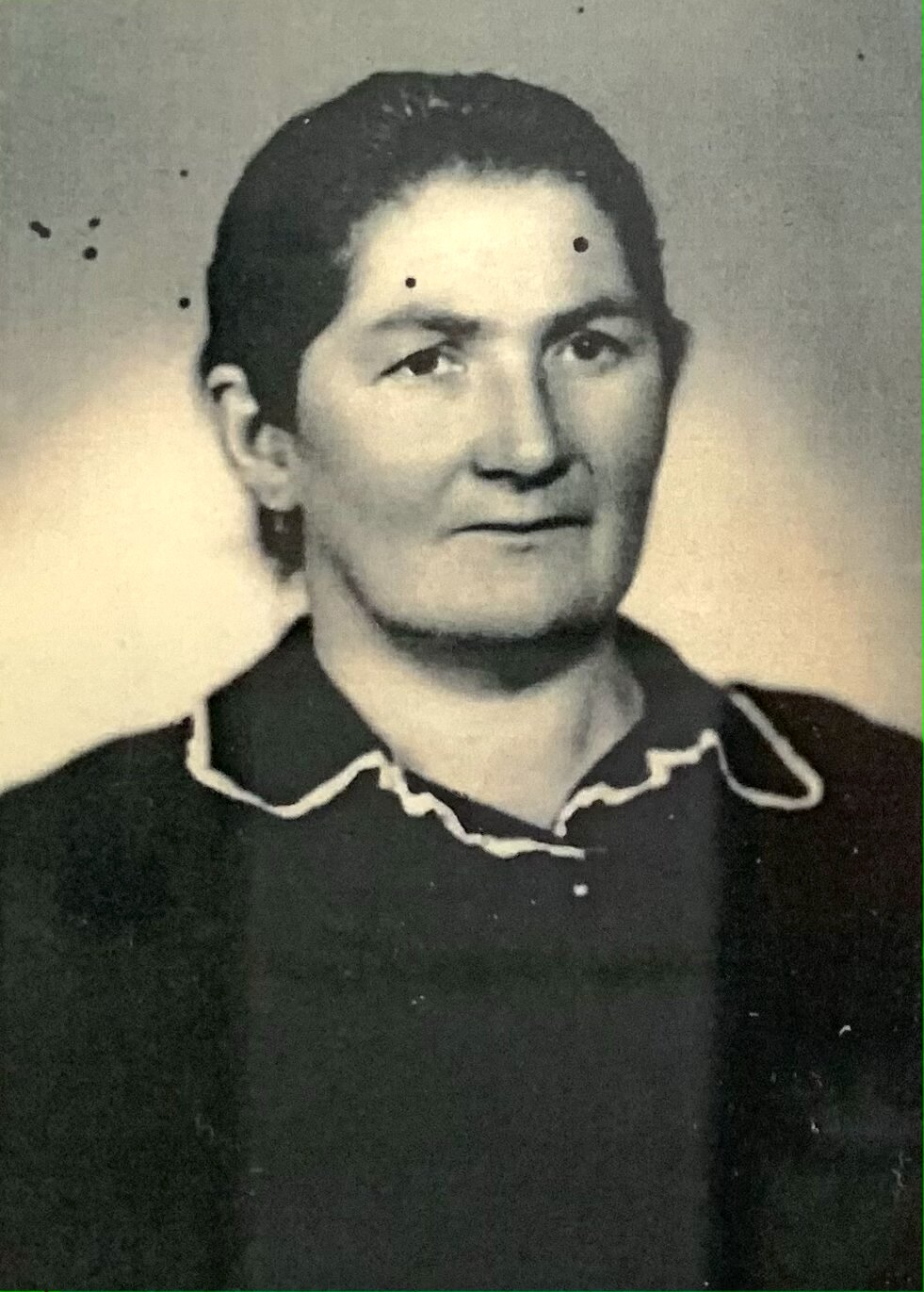
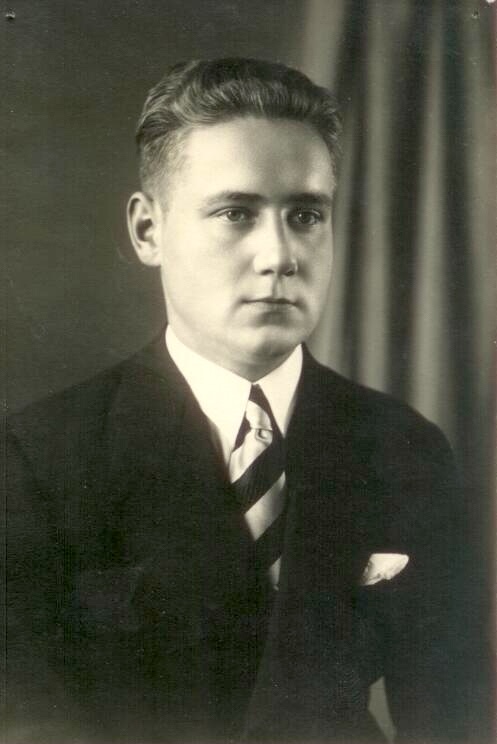
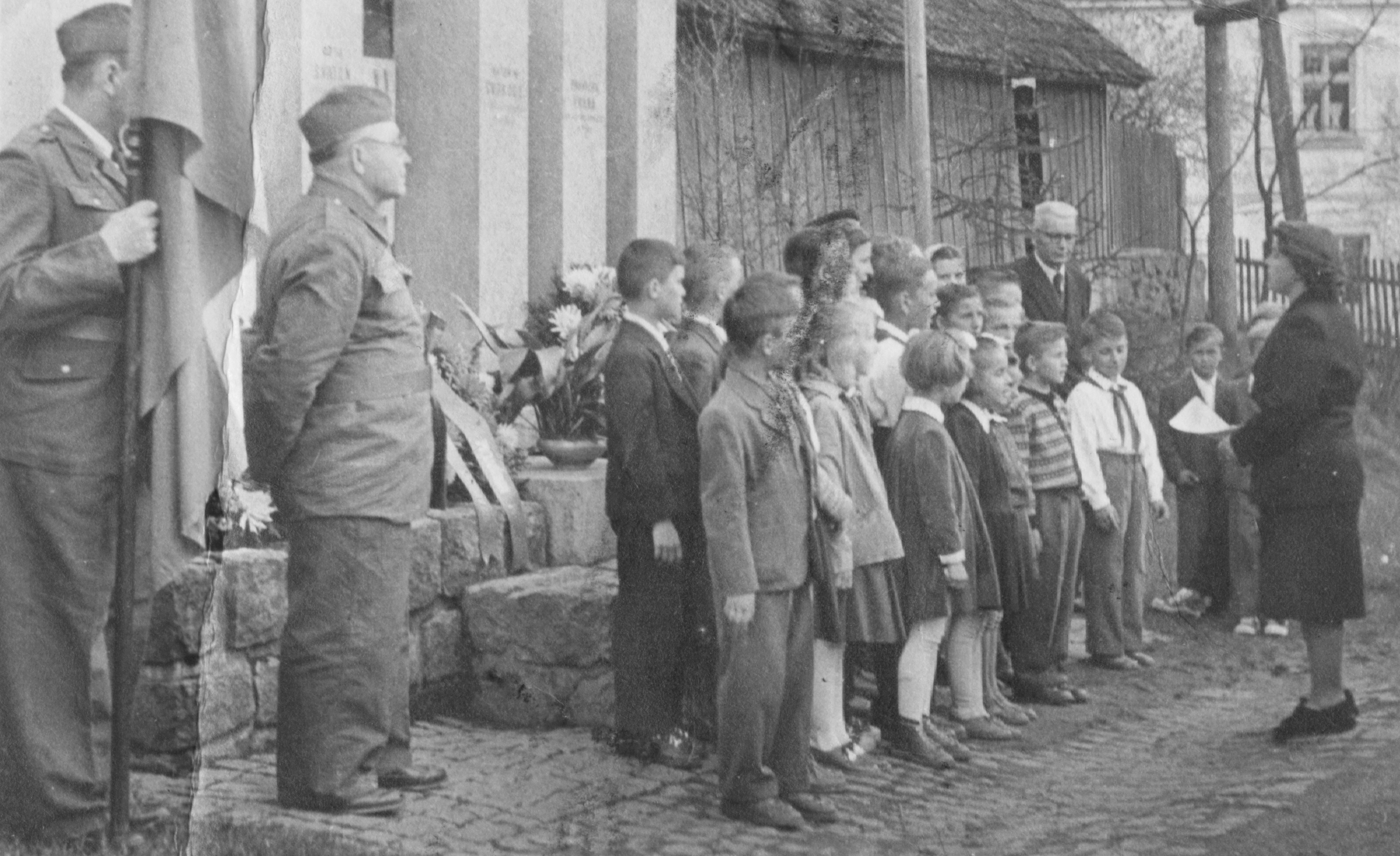
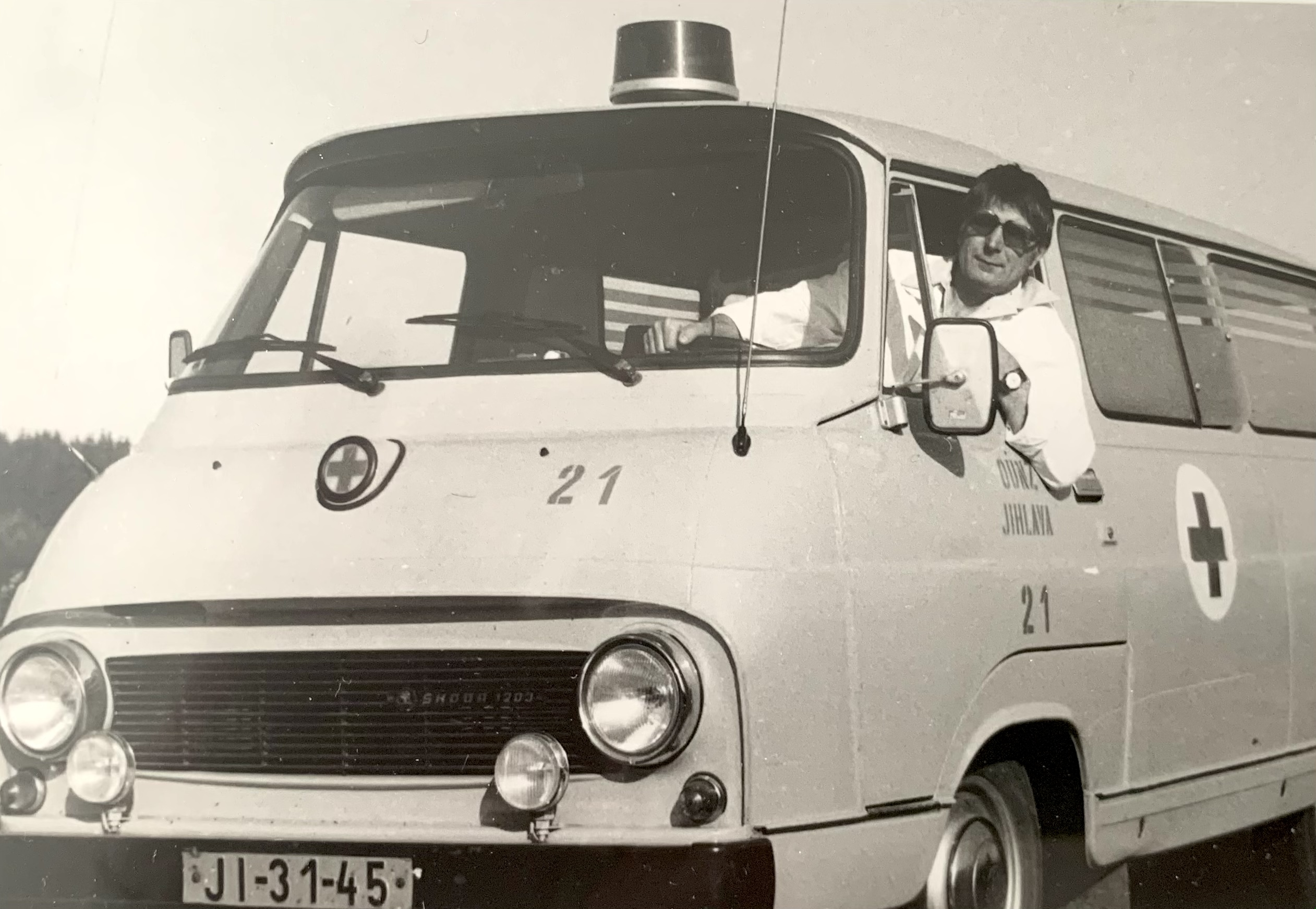
Jan Hes was born on 20 December 1933 in Studená in Vysočina into the family of Jan Hes Sr., a shoemaker, and Františka Hesová. He spent his childhood in Krahulčí near Telč, where the family built a family house. At the end of World War II in May 1945, as a twelve-year-old, he witnessed first-hand the tragedy when a German unit shot six men who had come to Krahulčí from Telč in a fire truck. After the war, he was also present at the execution of a German soldier in Krahulčí who was supposed to command the German garrison. On 13 September 1946, together with his father, he attended the public execution of Herta Kašparová in Třešt’. After completeing municipal school he apprenticed as a shoemaker in Zlín and after his return he worked in the national enterprise Obnova. As a young man, he went to the Ostrava region on the call of the labour recruitment, where he worked in heavy industry and helped to pay off the debt on the family house. After military service in Stará Boleslav, he married and started a family. He worked as a driver for many years, first in a buyout in Jihlava and then as an ambulance driver in Telč - until his retirement in 1996. In 2025 he was living in Telč and even in his old age he regularly participated in commemorative events recalling the events of May 1945 in Krahulčí.