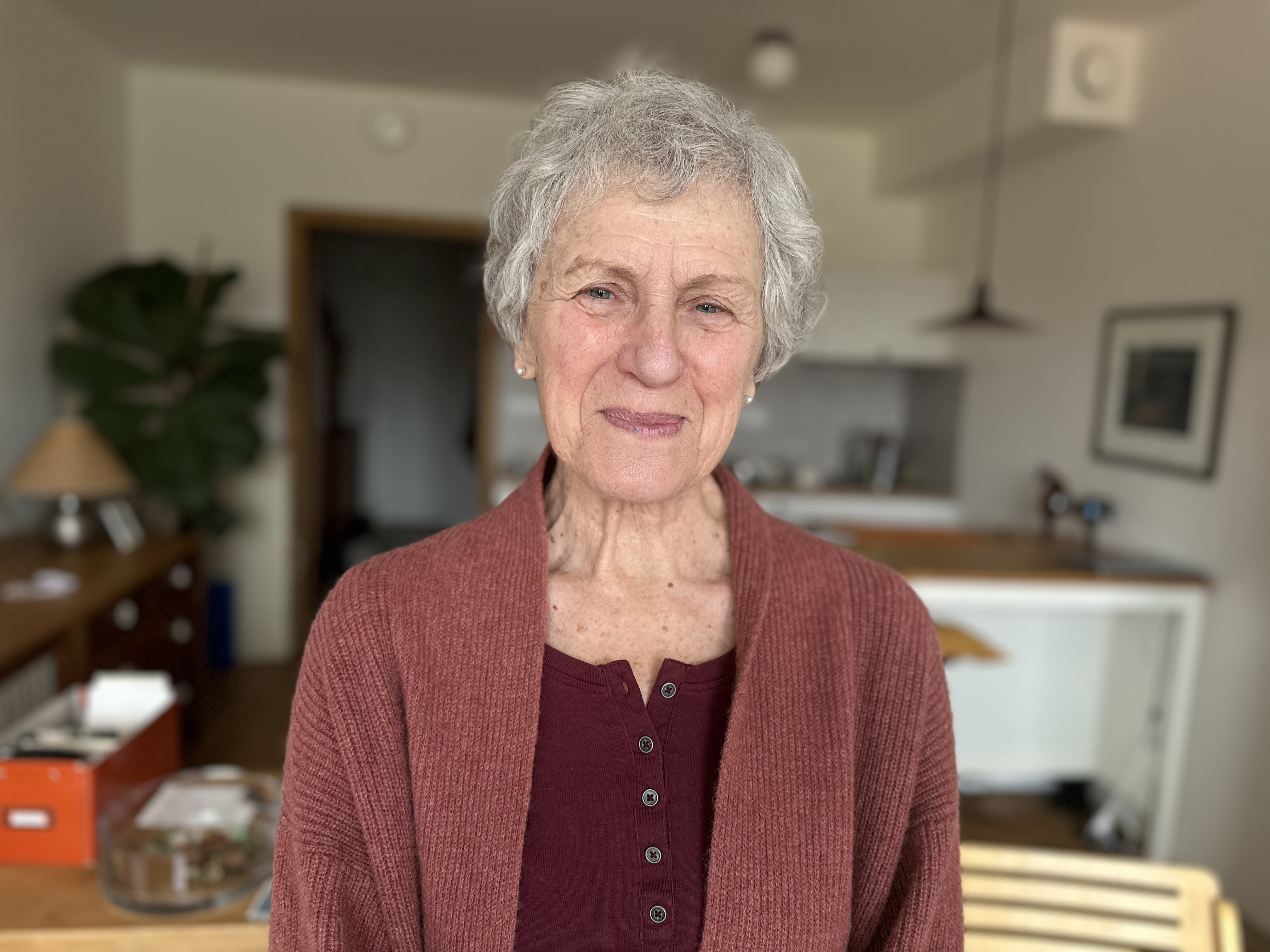
Ivanka Fišerová

* 1947

  • "And as we were in the underpass, I said, 'But you know what, we can see what's going on in there. We'll come out of the underpass here and head to the ramp at the National Museum; we'll have a great view from there.' So we came there and we saw the Food House - cops hiding, police vans, Mezibranská here - cops hiding, police vans and so on and so forth. And now people started coming out of the metro to demonstrate. And they ran out again, the policemen, and again with the batons on them. And it went like that a few times before I'm looking and thinking, what about this policeman here, he was kind of like older, fatter, I would say. And he was climbing up on the railing that was by the highway, he was climbing over the railing. And I was looking at them and I was wondering where he was climbing, what was he going to do. And he followed us! He crossed the highway to the fountain, and I was just starting to look around - we weren't there alone anymore! There were more of us. I looked around even more, and there were actually cops lined up on either side of that ramp, going up - in a line. And I said, well, we can't just show any fear. That would be the end of us. No. 'You can't run, no way,' I said to my daughter. 'We'll go slowly against them.‘ And when we got to them, we saw that they had schoolboys in the front row. So that got me all shocked - I thought to myself that they were being used... how do you say it. As a bumper. As a bumper, that's what I was going to say. And when they were followed by these fat ones, their teachers, I was like, 'You should be ashamed, you should be ashamed, you should be ashamed!' They pretended not to hear. But we went downstairs, so we passed normally..."

  • "The next day [after the demonstration on Národní Street] I took my daughter to the cinema to see Pražská pětka [a Czech film] and we took the metro from Dejvice, where the screening was taking place, home to Nusle. And I said, 'You know what, let's get off the metro at Můstek and walk around Wenceslas Square. Because before that there was a canonization, not canonization, yes, canonization of Agnes of Bohemia. I didn't even see it, these things are new. 'Come on, let's go around.' And we walked on the side where´s Baťa. And as we were walking, I hear something like keys jingling on the other side. And there's a group coming. I thought, maybe I'm dreaming. But we were already halfway down Wenceslas Square and they were still walking. And I said, 'Baru, maybe these are the students. They might want to go to Opletalova Street because they couldn't go there yesterday.' I told her what happened [the day before]. 'Come on, I'll show you, we're not going with them, but I'll show you the St. Agnes' because I didn't want to take any risks with the daughter. But we met them [the students] at that St. Wenceslas. I stopped following them, but we met them there anyway. And as we walked down that Wenceslas Square, we saw in every passage, in every side street: police vans, policemen in white helmets with batons, crouched down, ready to just run out. They really ran out when we got there. And that was a shock for me too, because I didn't pay attention to the other group, or the group [of students]. And there they just started chasing us. We all ran into the underpass. And they were throwing bangers after us. So it almost makes you deaf. You don't want to go back. You really don't want to go back..."

  • "This, the occupation, was preceded by [military] exercises. I gave birth at the end of June and I was in a high stage of pregnancy and I remember going to the Technical Museum to sign a petition to make the troops leave because they were doing exercises here and they weren't leaving. And they were still here and they were still... So the petition was started and I went to sign it. I know that some two days after that or something, I brought my first son into the world. And when the occupation was going on, I was here in Vojkov, in Sedlčany, where my parents used to go, and I happened to be there with them. Because it was the first grandchild in the family, and the house was kind of, let's say, humbly furnished, very modest - there was no water in the house and so on, so I needed some help. My husband was working, so he was in Prague. And I still can see our dad at the radio. He had an old radio, so there were some wavelengths that there were still those stations - I know he listened to Luxembourg, for example. And we got news from the Western world about what was going on here. My brother was at the military service in Bratislava at that time. And my sister, because it was the holidays, was with us. And I didn't... I'm thinking now, the 21st counts the evening, right, the invasion. So it was already the 22nd in the morning. It was maybe 4:30. And I was breastfeeding in an attic room. And my mother came in to tell me that a neighbour had come to tell us that we were occupied. And the shock of actually having a new life here that you're cradling in your arms and actually feeding it so it can live. And yet you hear this news... We didn't know at all what was going to happen, whether it was going to be war or what. We really didn't know. So that was a big shock."

  • Full recordings
  • 1

    Sedlčany, 11.02.2026

    (audio)
    duration: 02:49:11
    media recorded in project Stories of 20th Century
Full recordings are available only for logged users.

Freedom isn’t forever, it’s a long journey of personal choices
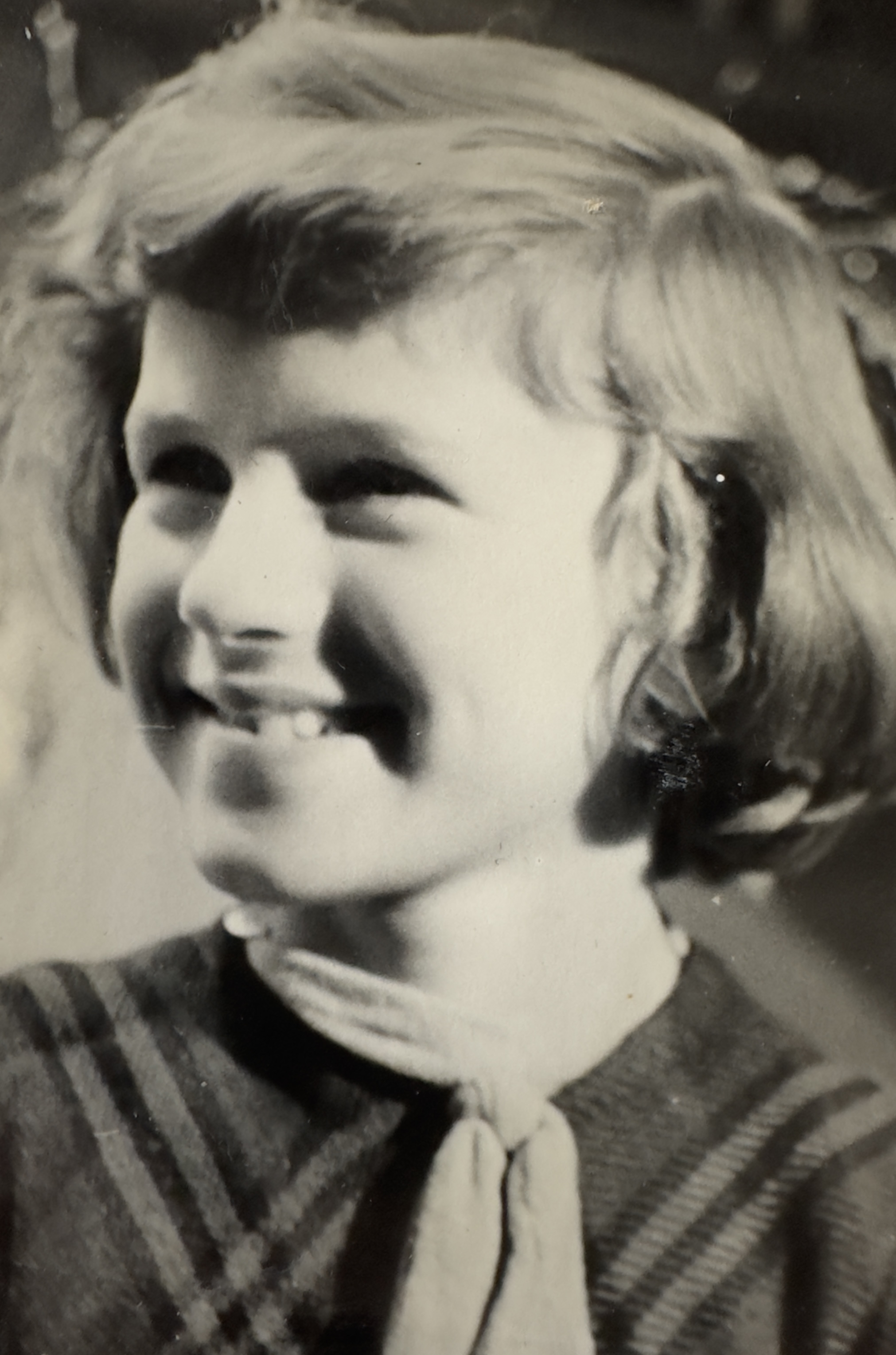
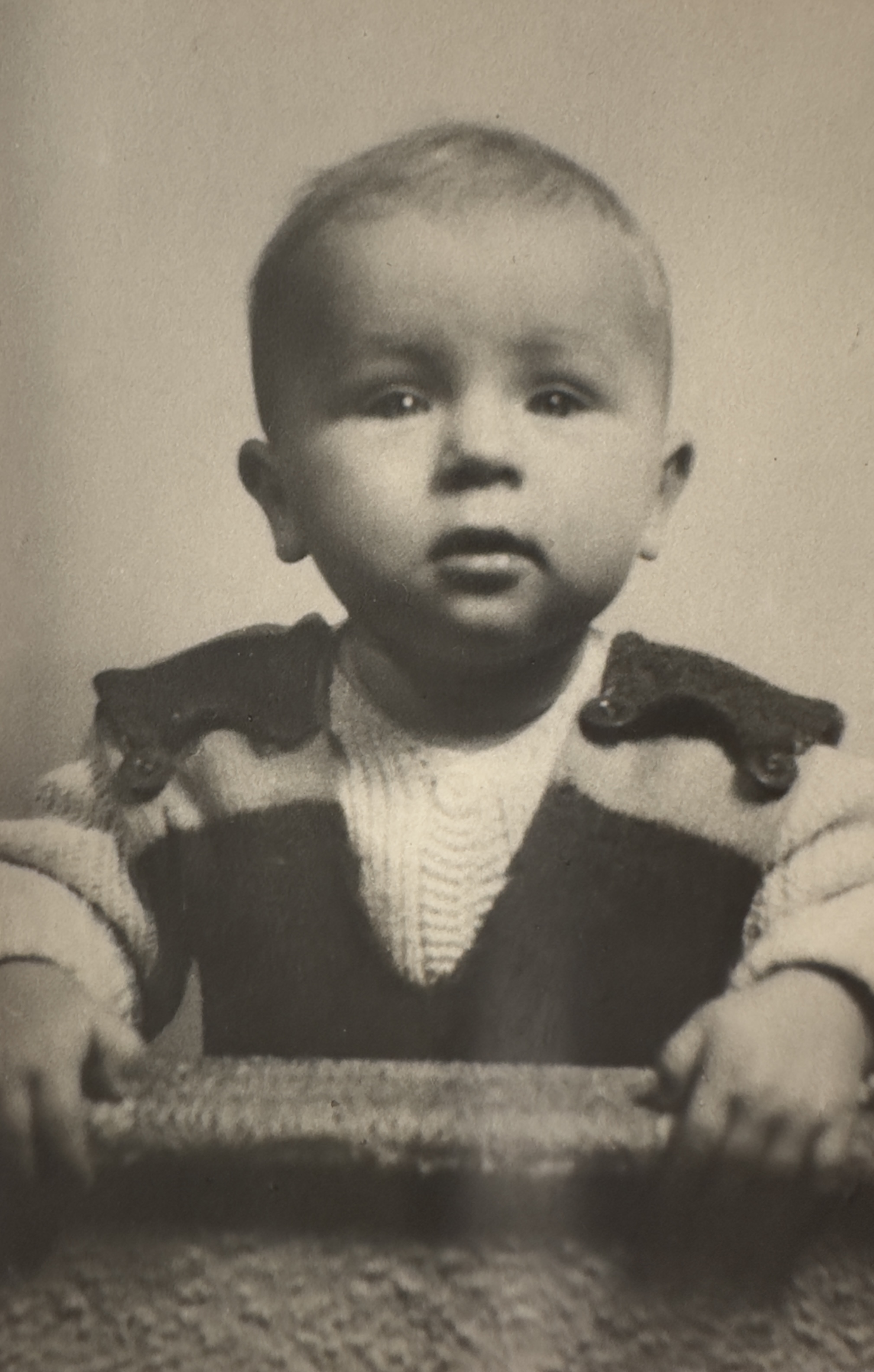
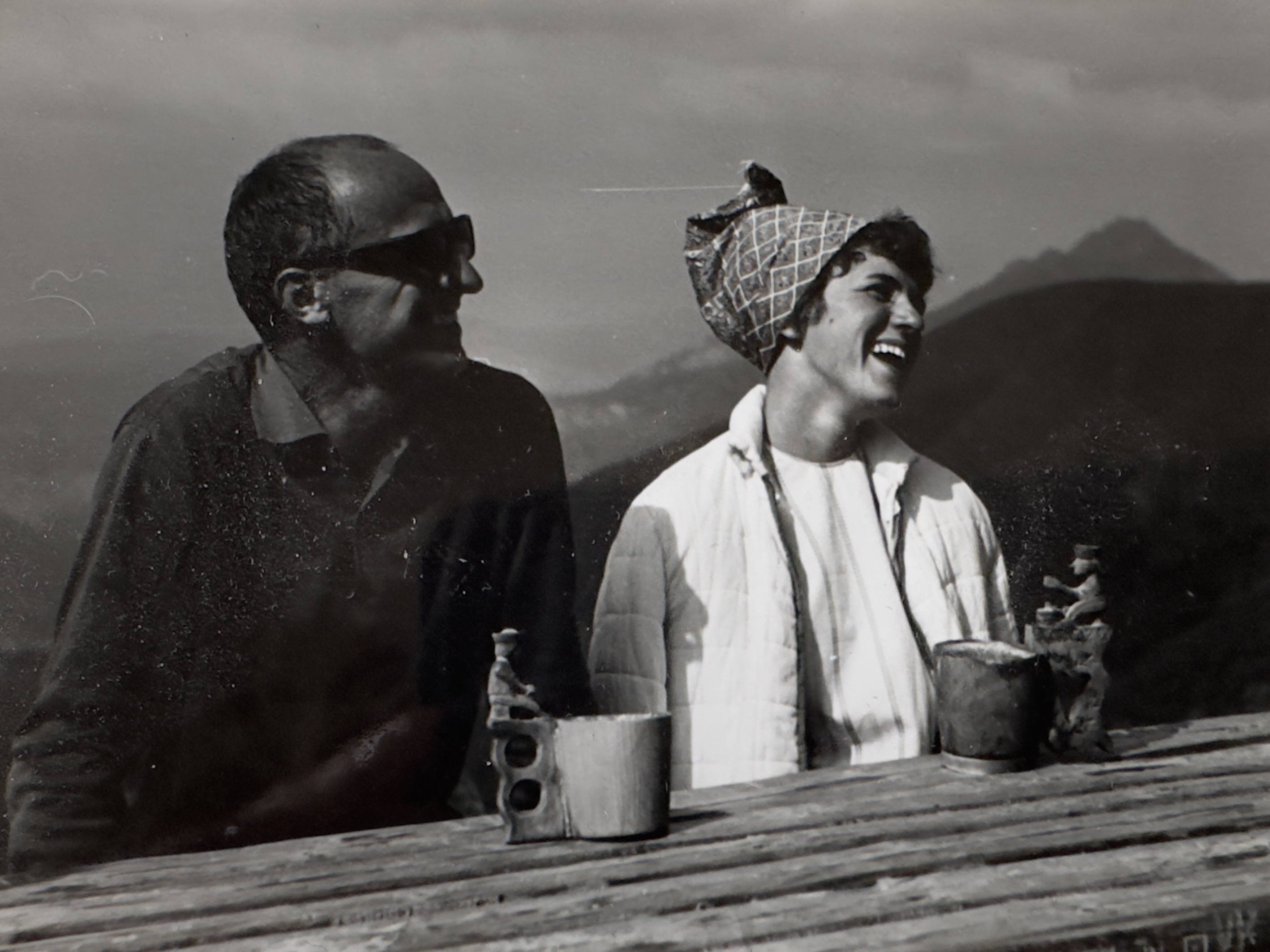
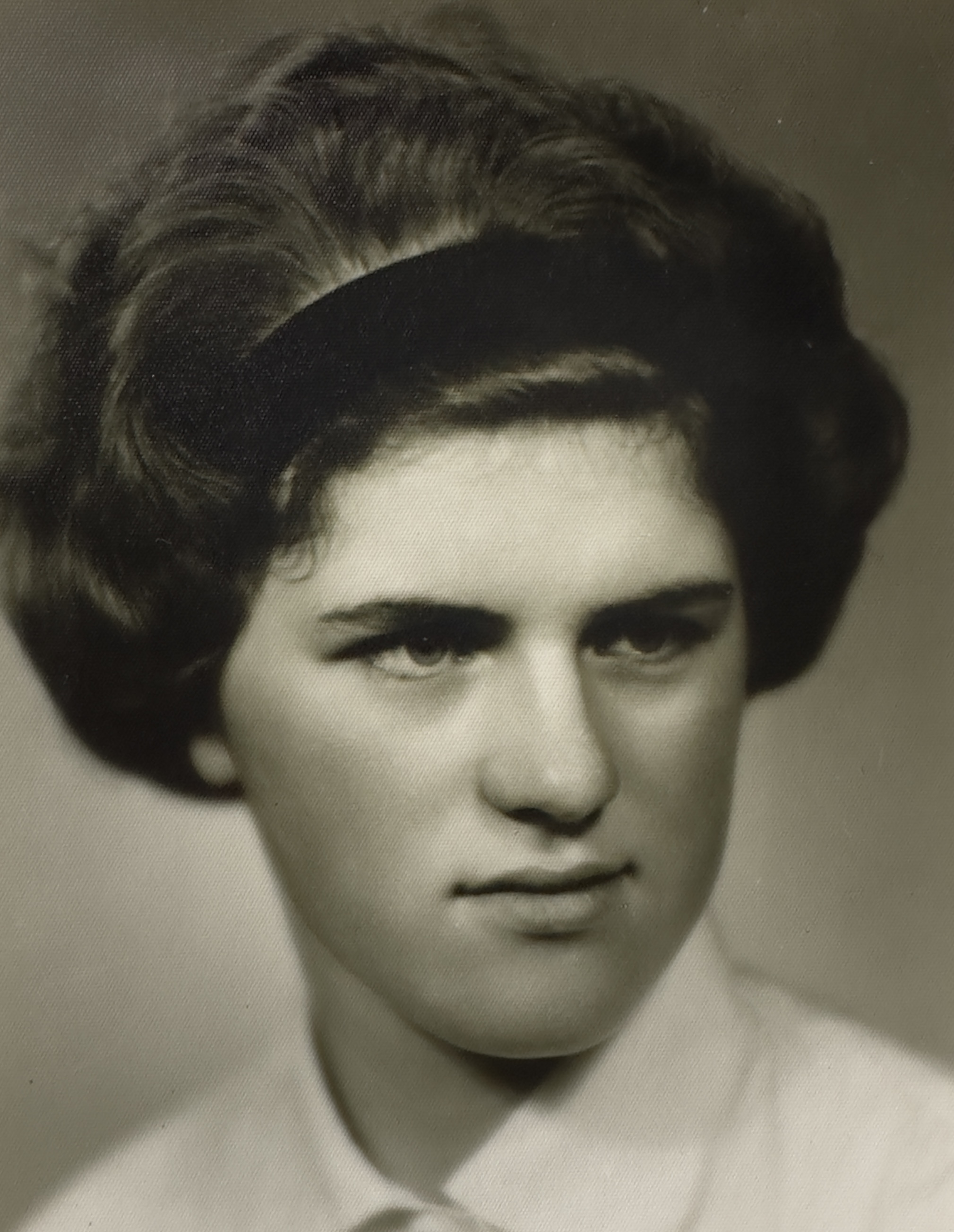
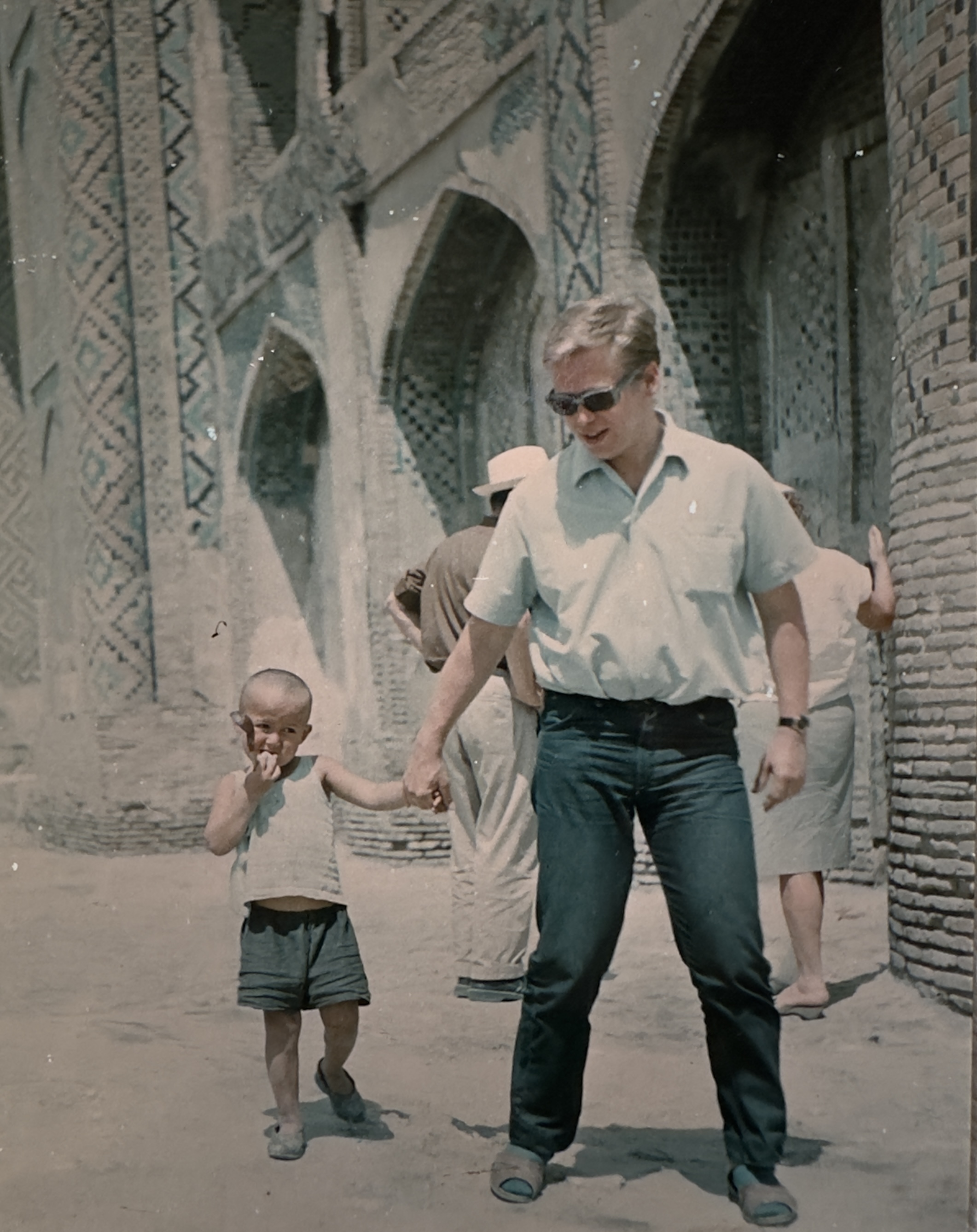
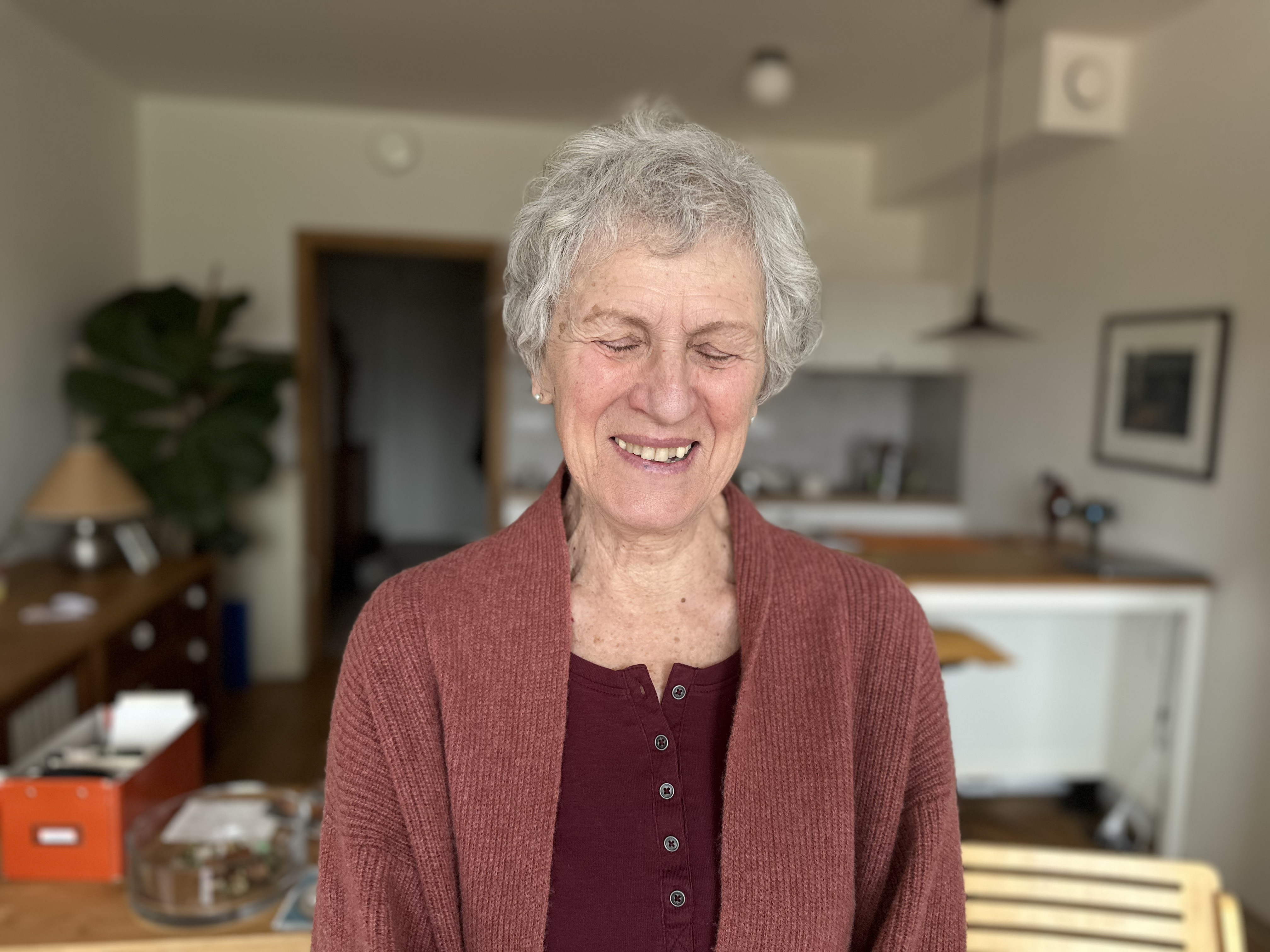
Ivanka Fišerová, 1954
photo: Witness´s archive

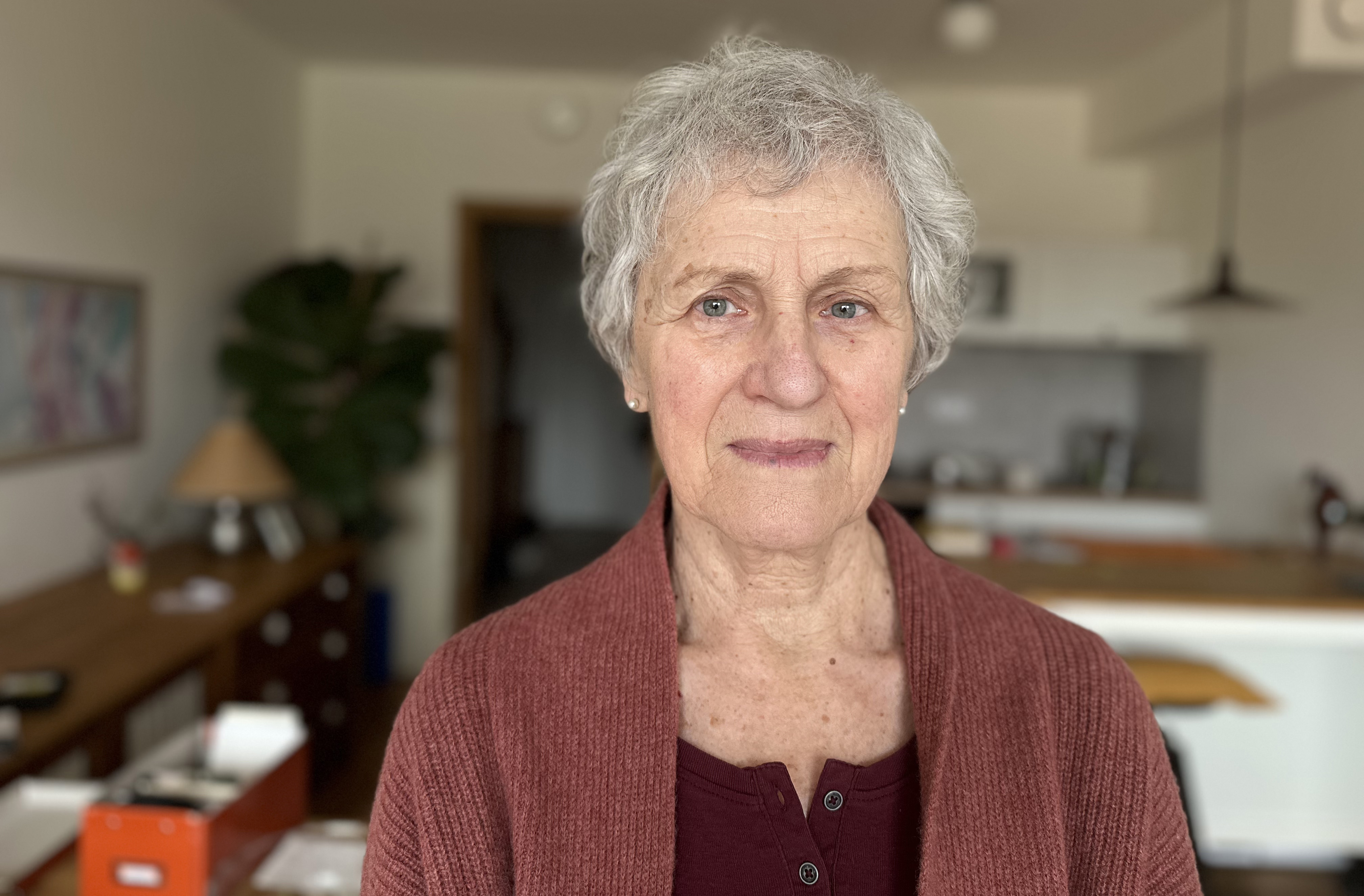
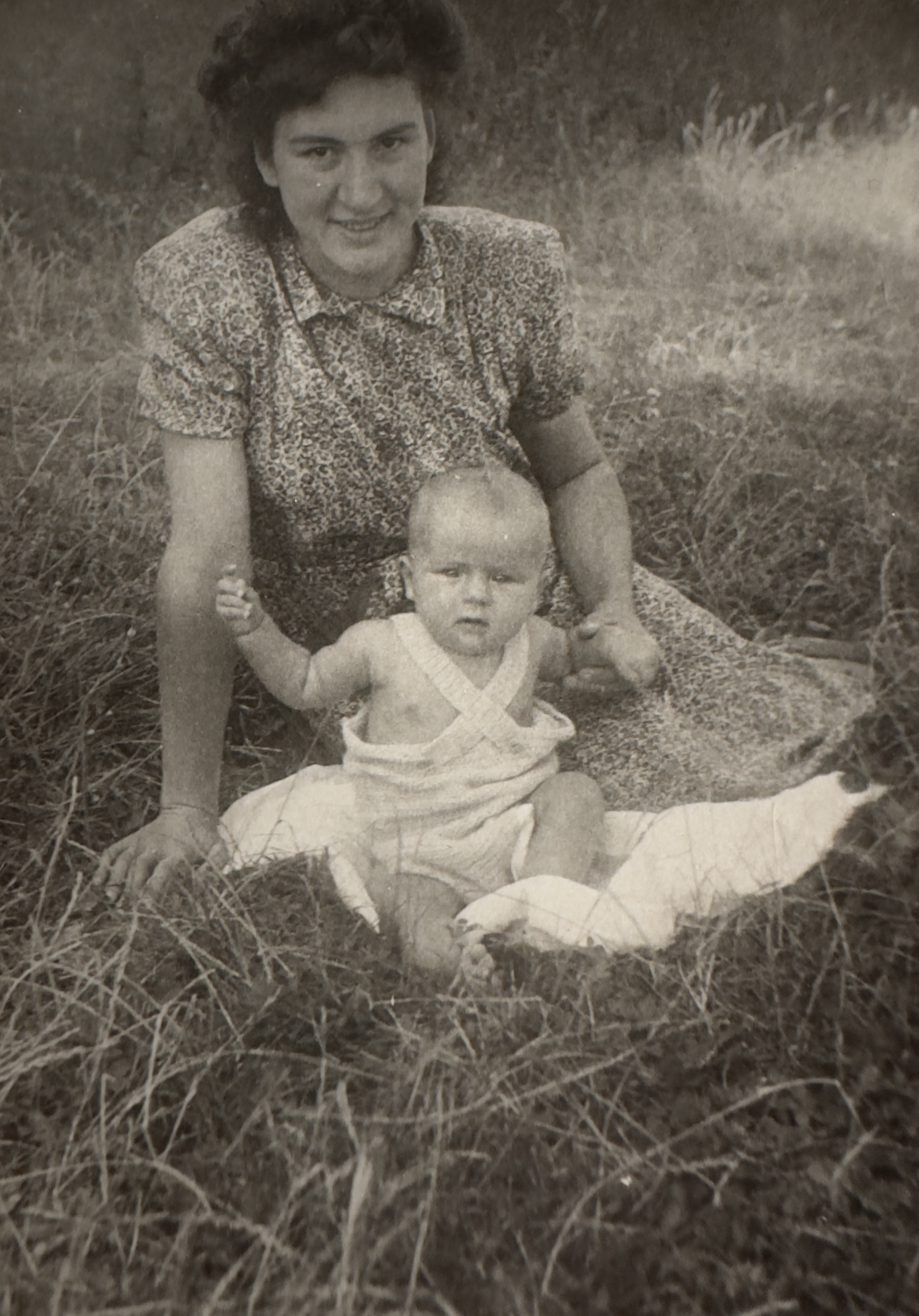
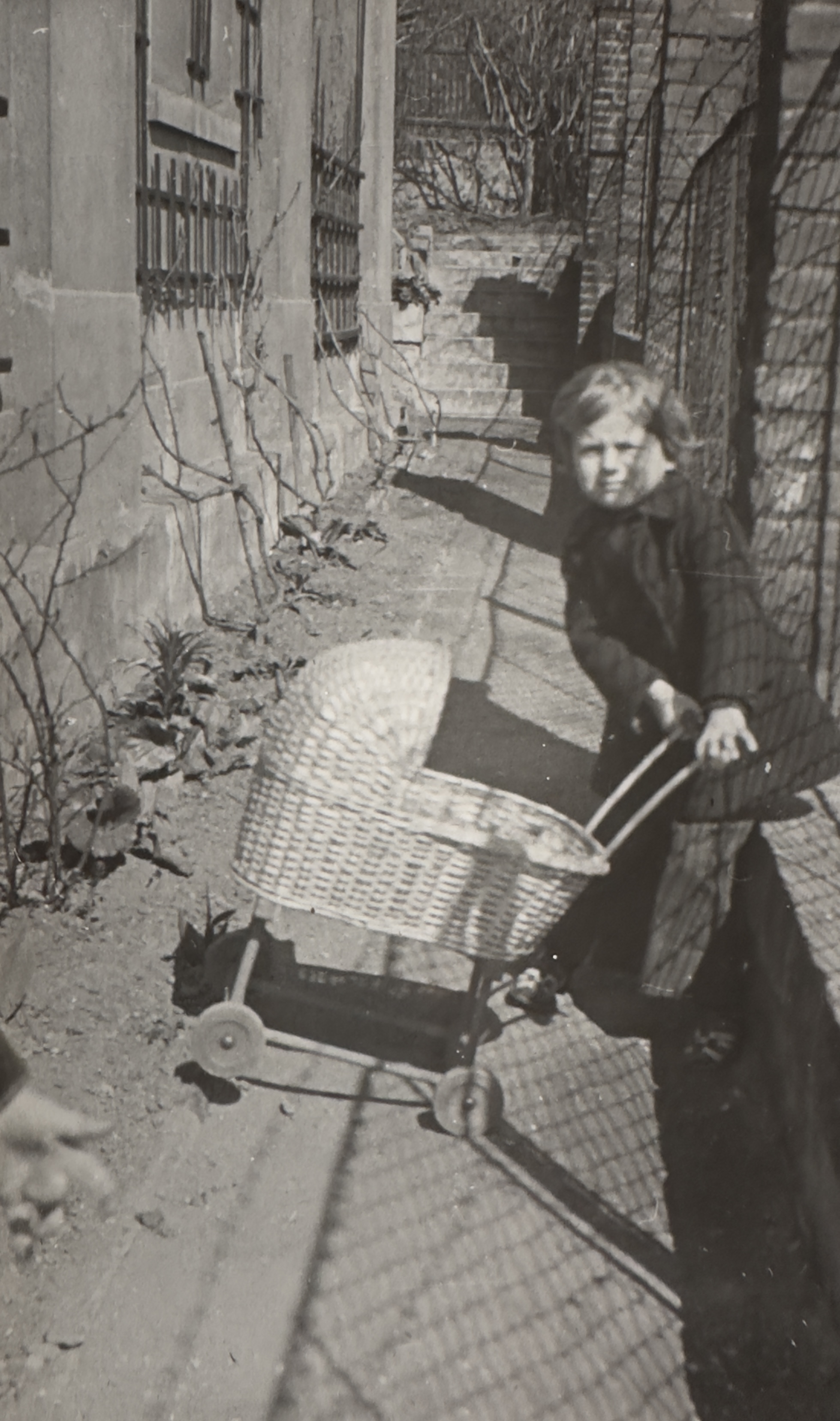
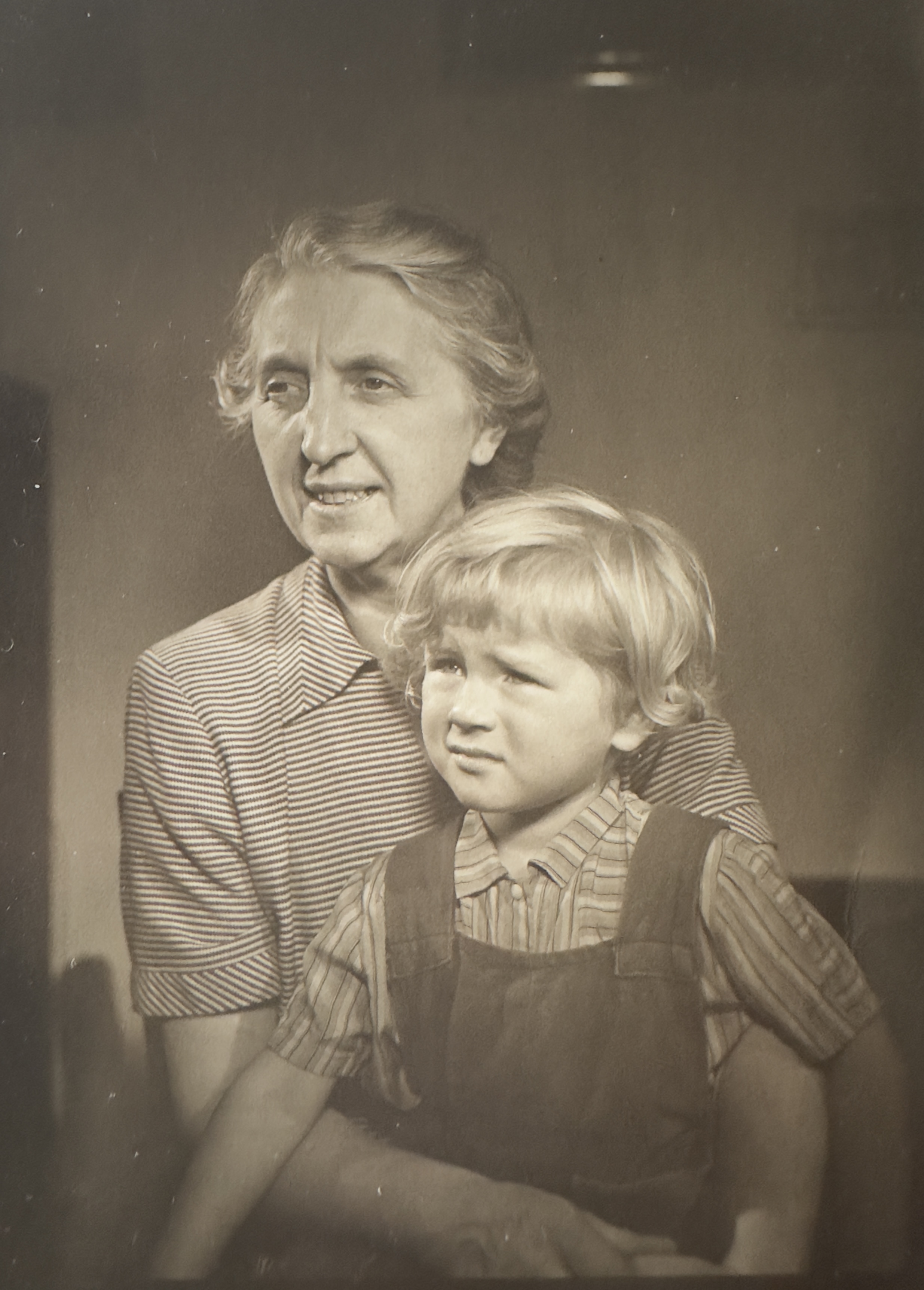
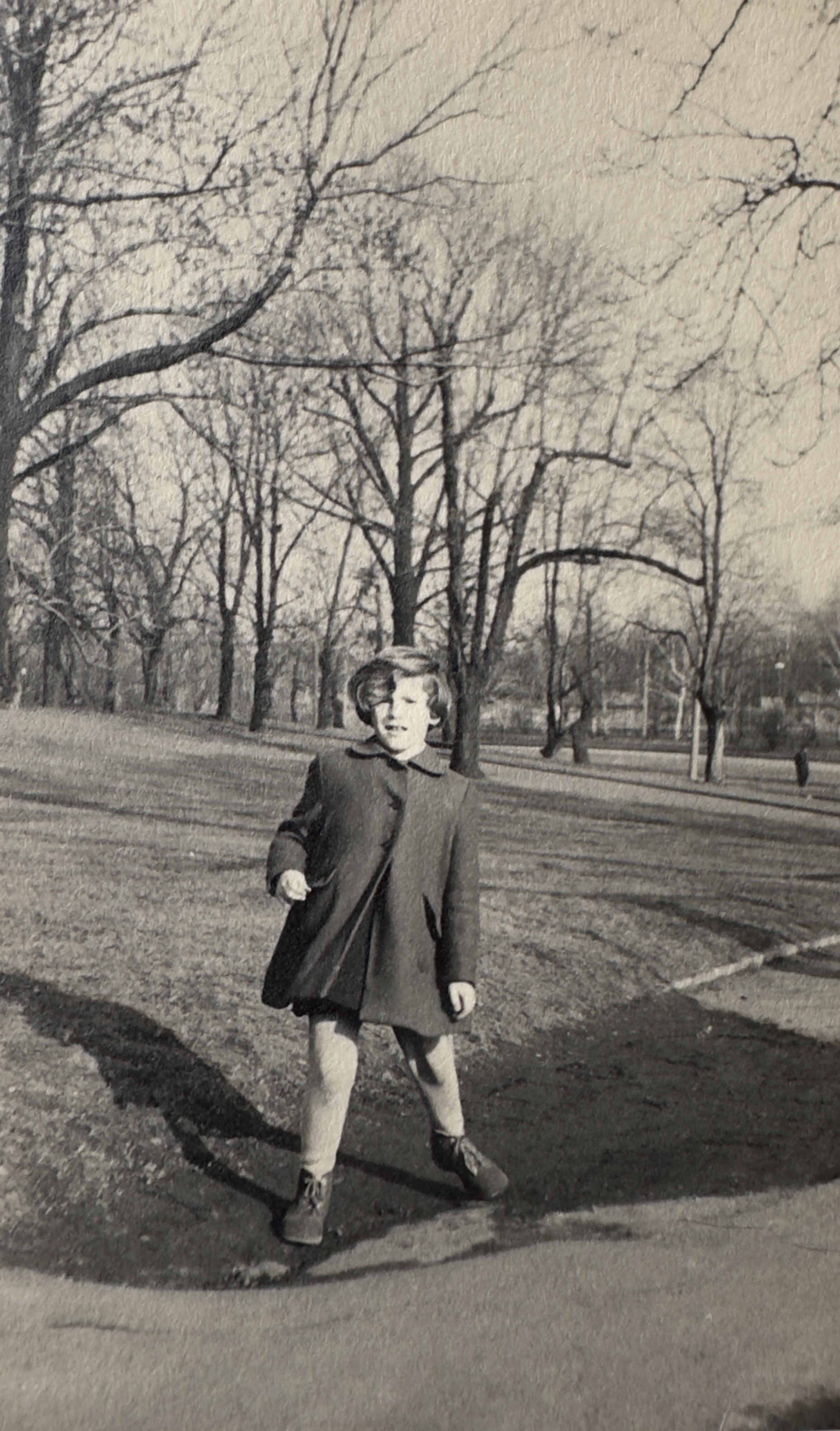
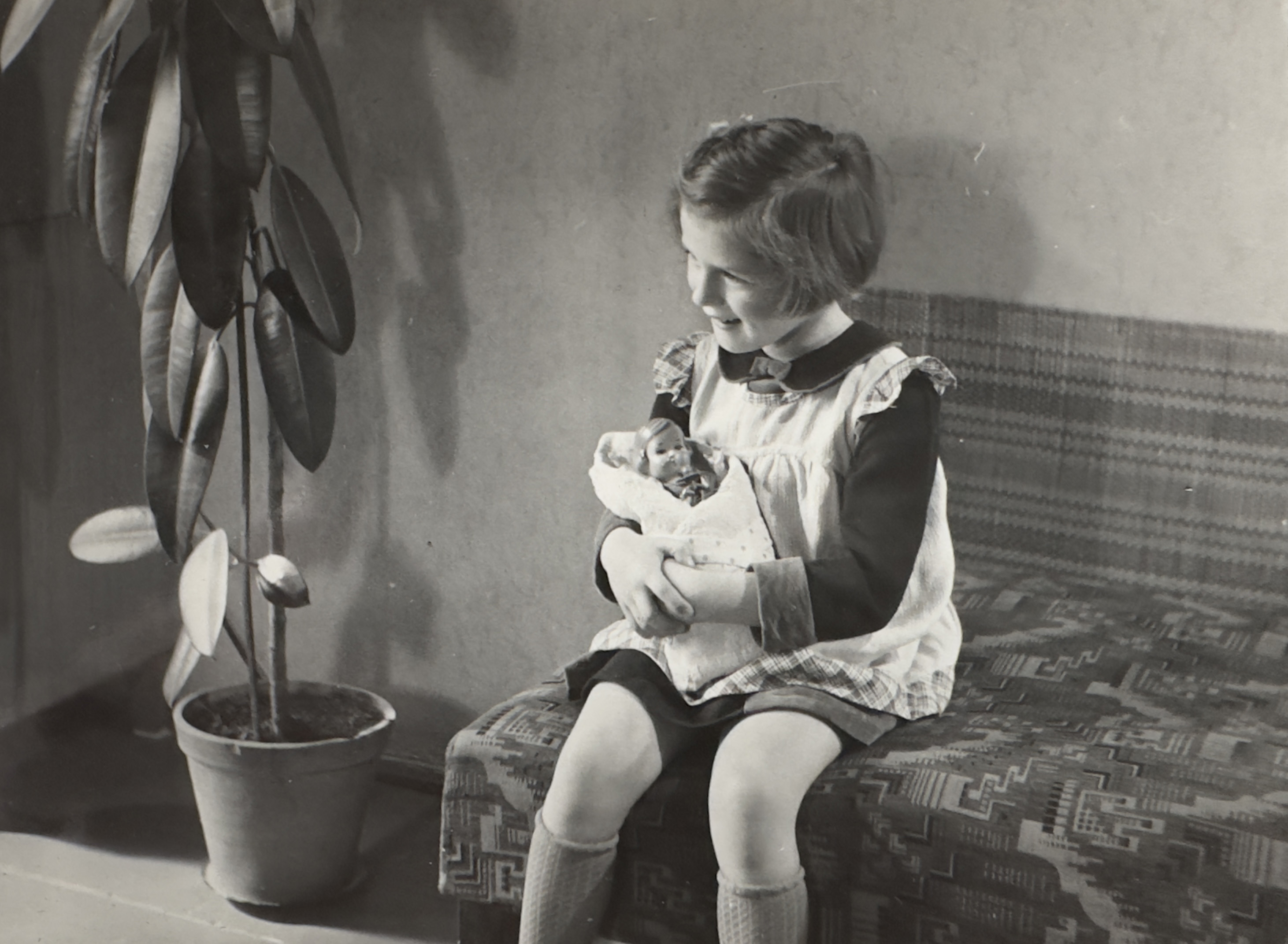
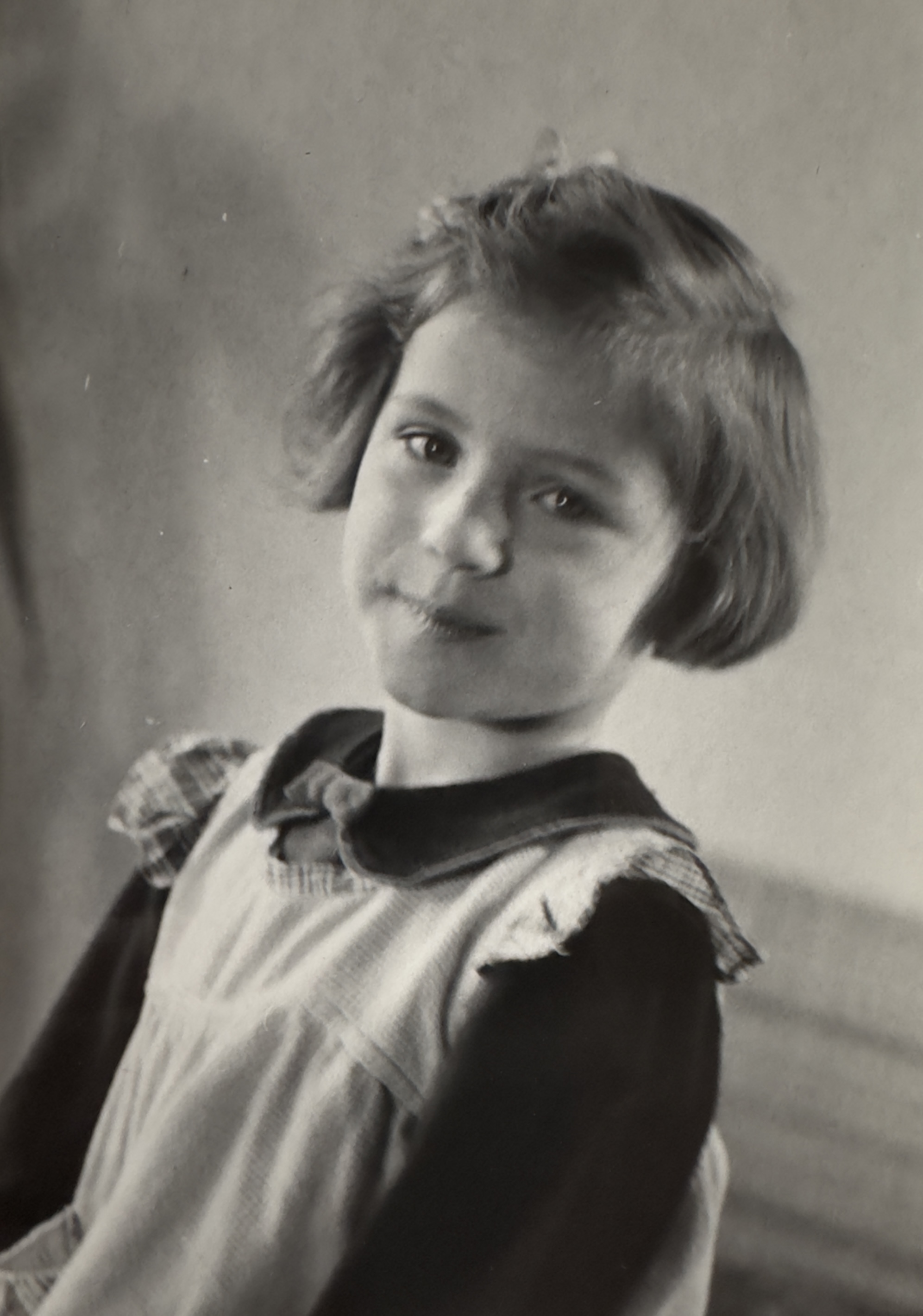
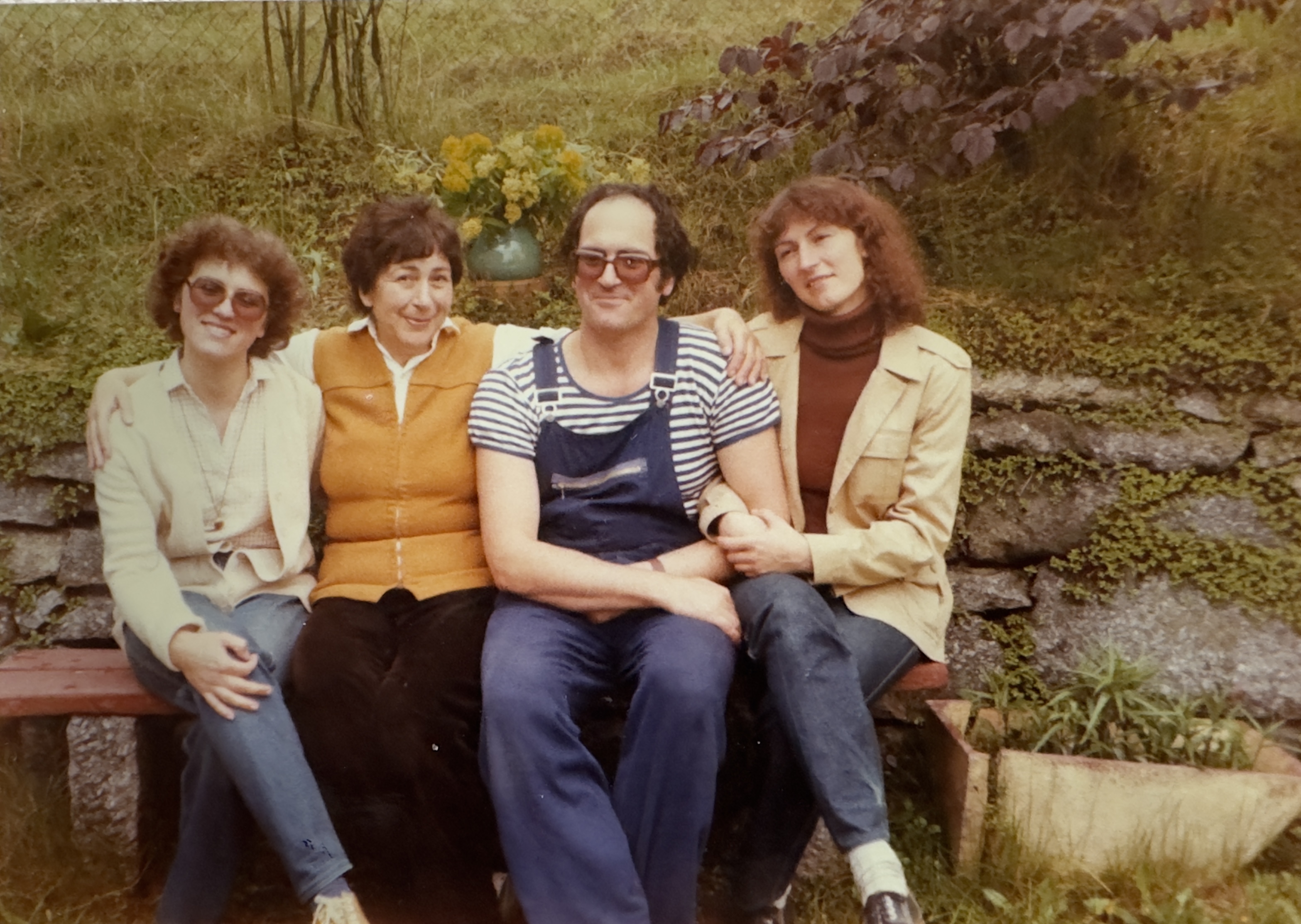
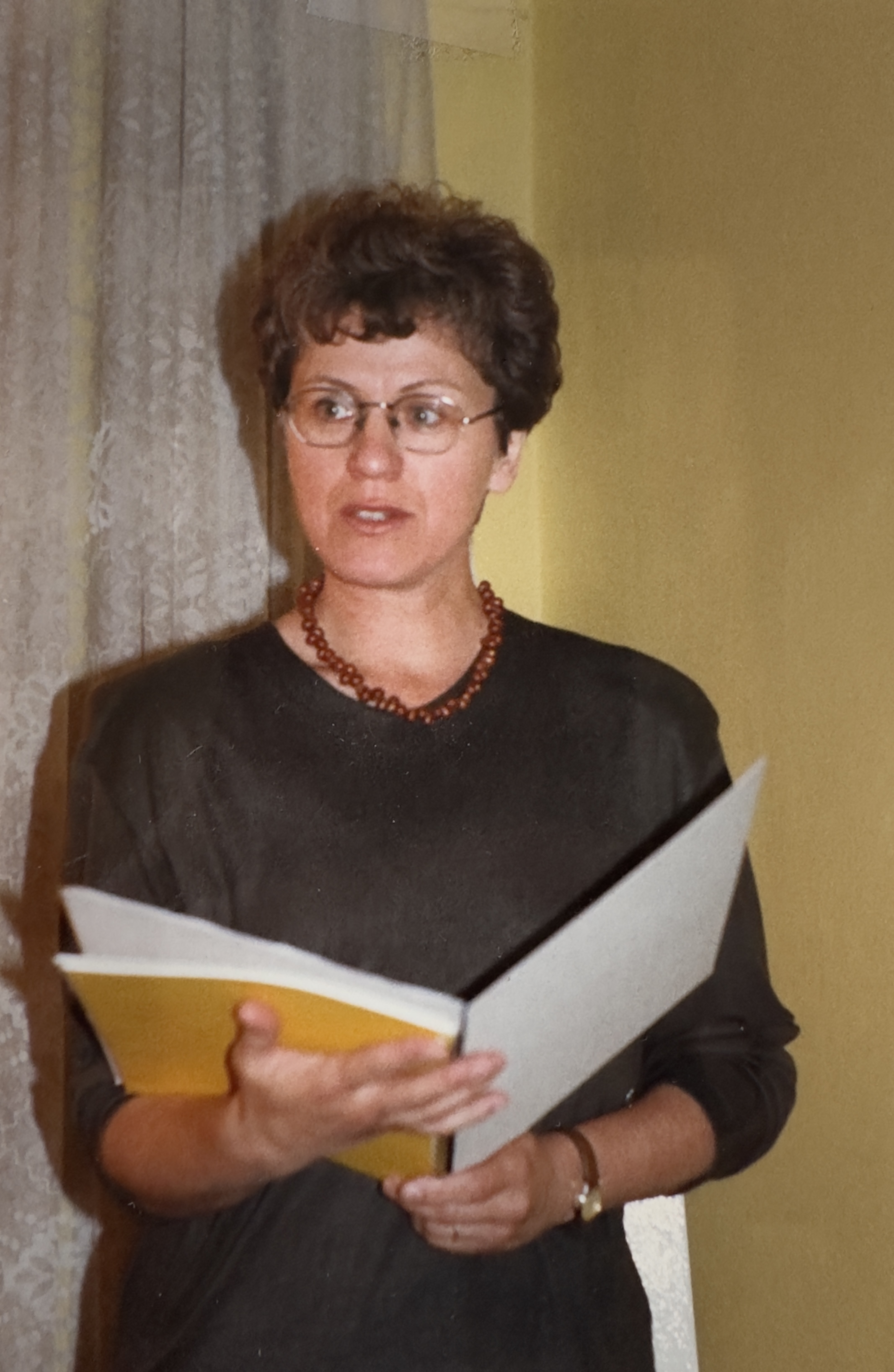
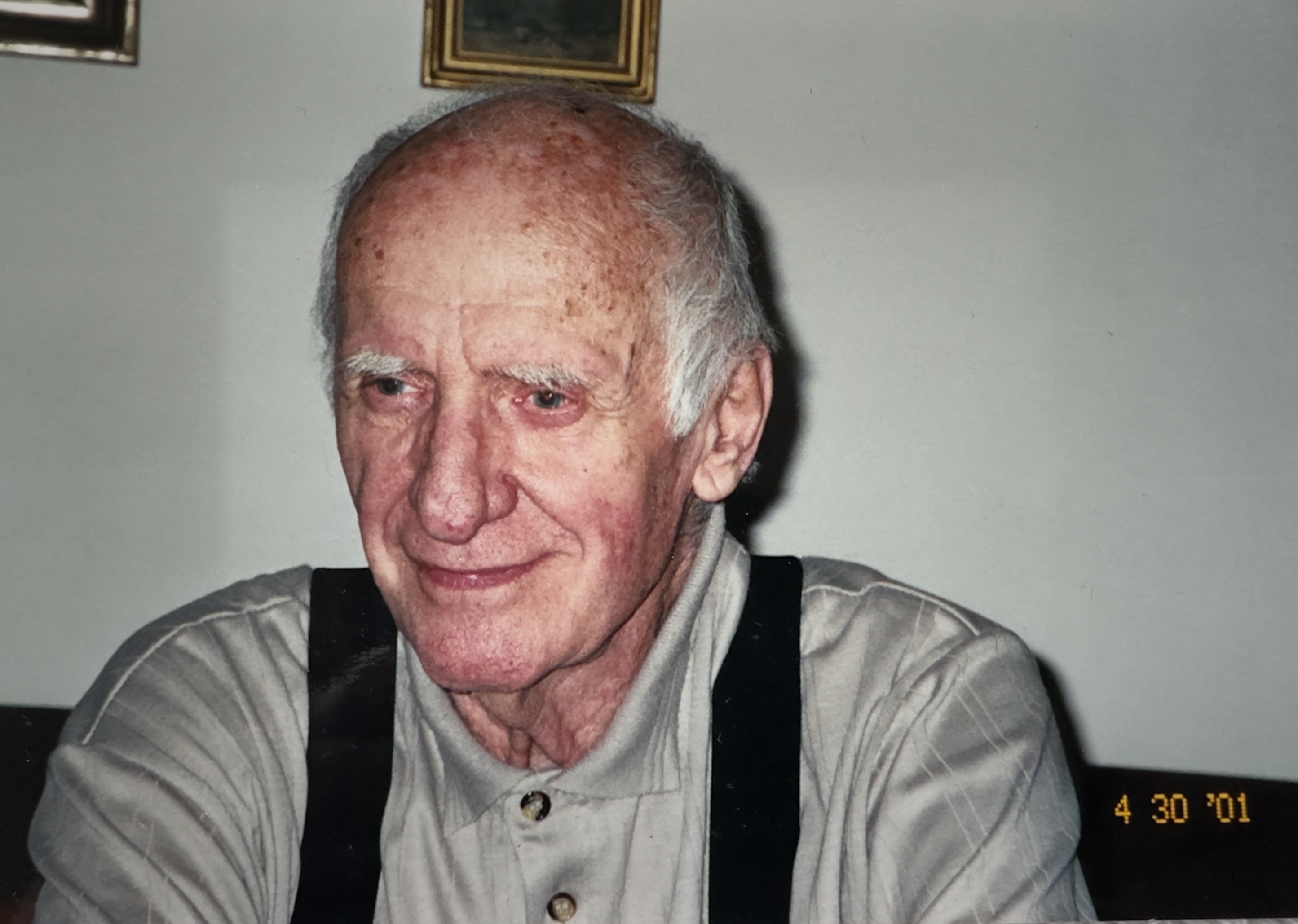
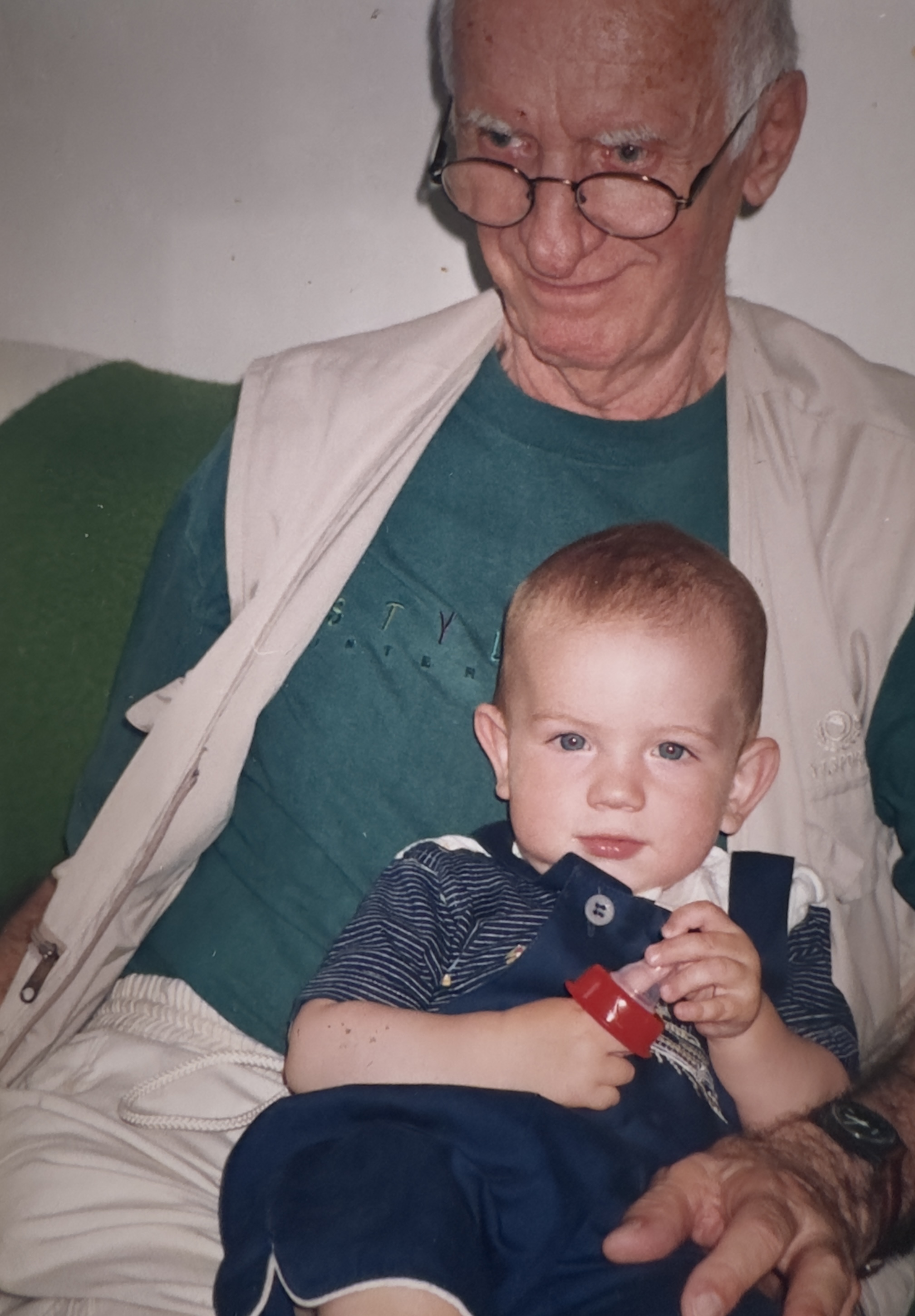
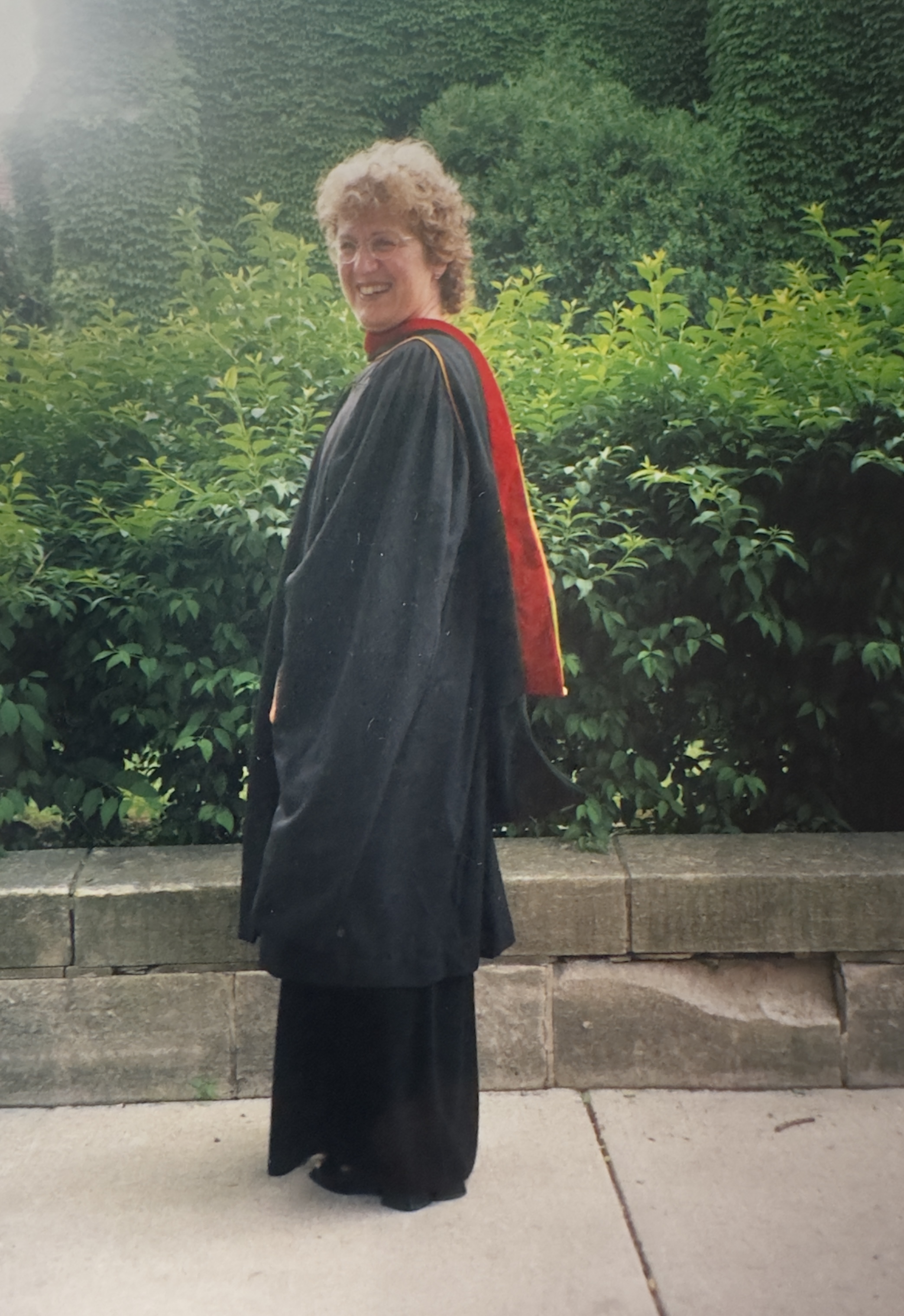
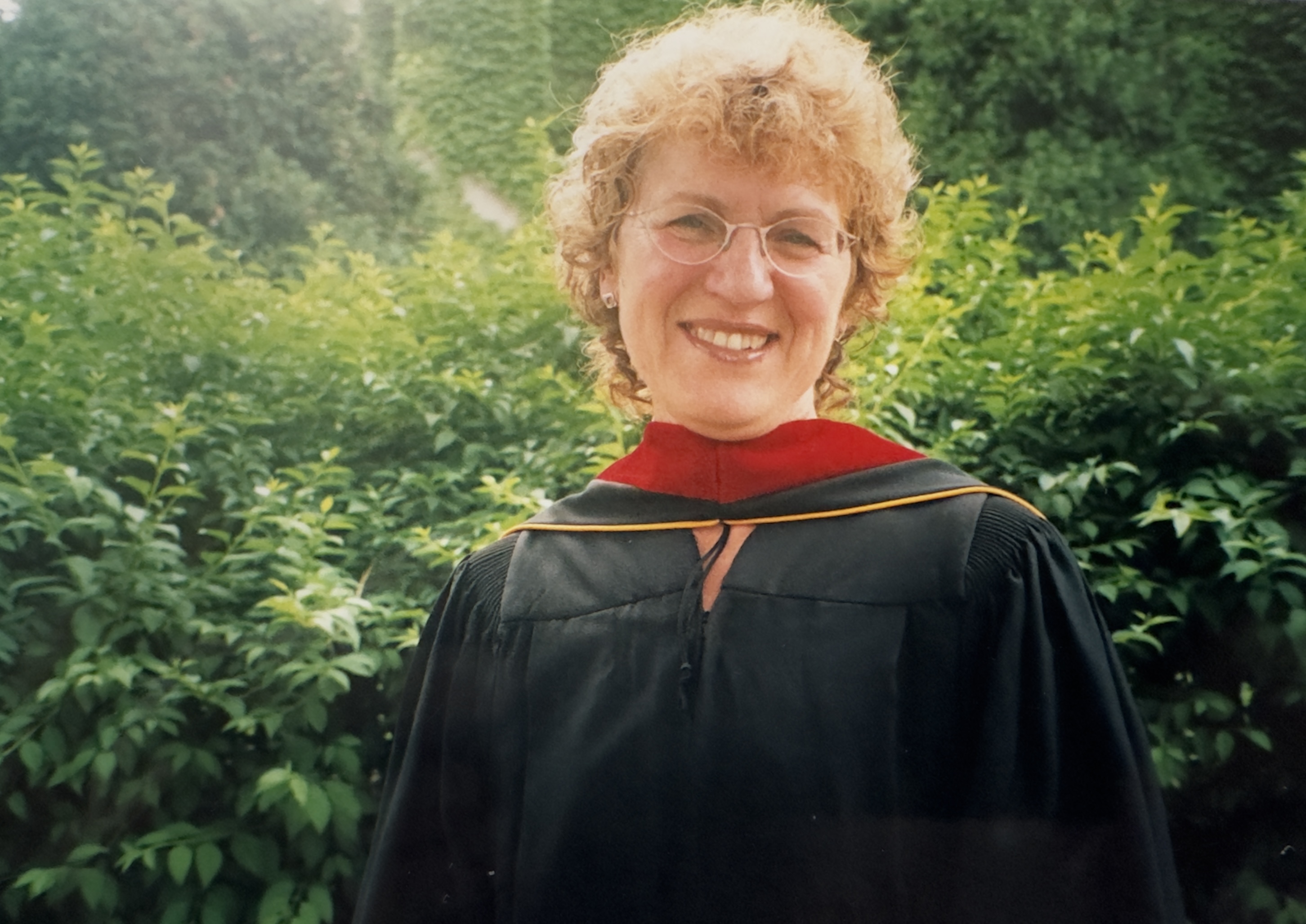
Ivanka Fišerová was born on 13 February 1947 in Prague. Her father was Jiří Fišer, an electrical engineer and radio mechanic, later a technician at Czechoslovak Television. Her mother was Vlasta Fišerová, a graduate of a horticultural school. She had two younger siblings. Her uncle Josef Chaloupka was executed in Prague-Kobylisy on 6 June 1942 for allegedly approving the assassination of Reinhard Heydrich. Her father was forced to work in Berlin, Vienna and Prague during the Nazi occupation. From the early days of Czechoslovak Television, he was involved in broadcasting as a technician. Ivanka Fischerová started primary school in Střešovice in 1953, then graduated from the Secondary General Education School (SVVŠ) - today’s Kepler Grammar School. After graduating in 1965, she entered the University of Chemical Technology in Prague, but did not complete her studies. She worked at Czechoslovak Television as a sound assistant. She married Jan Vopelák, a FAMU student, and gave birth to her first child two months before the occupation of Czechoslovakia by the Warsaw Pact troops in 1968. In the 1970s, she divorced and changed career direction. She worked as the director of the Antonín Dvořák Memorial in Vysoká near Příbram, and later as the administrator of the Hořovice Chateau. In 1982, she joined the monument care in the South Moravian Region. First at Bučovice Castle, then in Náměšt’ nad Oslavou as deputy administrator. She completed a two-year long-distance study at the State Institute of Heritage Care for castle managers. In April 1989 she returned to Prague and worked at the Institute of Housing and Clothing Culture as head of the secretariat. During November 1989 she was actively involved in supporting the Velvet Revolution, participating in demonstrations on Wenceslas Square and taking part in the adoption of a resolution in support of changes in her company. Since 1993, she has served as head of the Secretariat of the Religious Society of Czech Unitarians. In 2003-2005 she completed her Master of Theology studies in Chicago and after her return she worked as a clergyman. After 2022 she was involved in helping Ukrainian refugees in Sedlčany in connection with the war in Ukraine. She has been married twice and is the mother of three children. In 2026 she lived in Sedlčany.