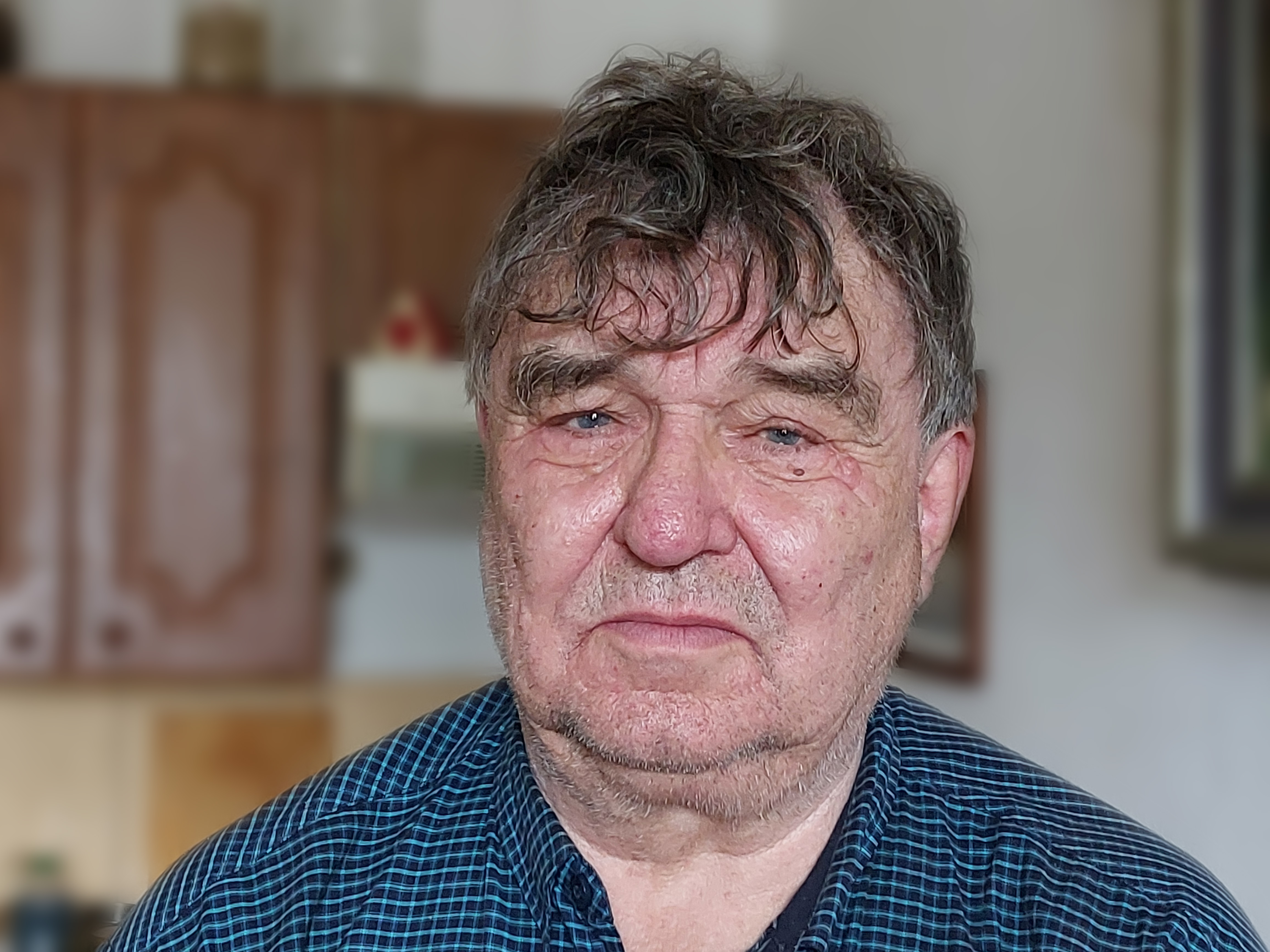
Ondřej Fibich

* 1954

  • "As far as the Charter is concerned, I came to it through Zdeněk Urbánek. He was running a newspaper with my dad after 1945, they were in the editorial office together. Zdeněk Urbánek was a great friend of Jiří Orten. Despite this, Zdeněk trusted me. I used to bring him samizdat from Jemnice. I used to bring him petitions and all these things in an interesting way. Then in Jemnice they [State Security] left me alone, only they were at my house about twice. Not that they did any searches, but to make me feel that they were always watching me. Because they couldn't do me much harm. I was working in a cowshed, unloading wagons of chemical fertilizers in the countryside, so I was kind of a complete nobody. And the stuff I was putting out, I tried to do it carefully so that nobody else got hurt. I had friends coming to see me, like Petr Pospíchal, an excellent dissident from Brno, here and there, but otherwise I was really lonely there. I used to visit Urbánek in Střešovice with these things, so that once upon a time they used to make backpacks that had a tubular construction. I used to insert it into those tubes and then I'd plug it up. Because sometimes they [State Security] would sit outside his door and identify visitors and look at them."

  • "We used to publish interesting things there [in a samizdat magazine at the grammar school] that were not common at that time. Miloslav Topinka was to publish a collection called Rat's Nest and my classmate, who happened to be the son of the Minister of Health, Jarda Prokopec... Sometimes these samizdat, not samizdat, banned things were circulated among the communist prominent leaders. They read it for fun, because The Rat's Nest sounded a bit decadent, so the printing copies circulated. So from those test copies that Jarinek brought us, we just rewrote the whole collection into that issue. Or a friend of ours was very good at English - Michal Ditrich, a big beat player and later bassist of Abraxas Michal Dittrich - he translated a lot of English and American stuff, so we had stuff about hippies and Bob Dylan lyrics."

  • "We then went into exile in Vienna for a few months, where we experienced such an hesitation whether to stay there or return. And when we came back, of course the cage fell down and my parents were out of work for a couple of years. It was quite difficult to find one, so they were constantly threatened with the paragraph [on social parasitism] because everybody had to have a stamp [work certificate] in their ID. I had the problem that I couldn't get into any grammar school at all. In the end it turned out in an interesting way, because at that time in Vysočany there was this last right-wing revisionist headmaster - before they nmanaged to replace him - who in 1969 accepted all these problematic kids who had some kind of a problem because of their parents. So there were various big-beat musicians and children of emigrants who went to school with me, like Martin Schulz, whose daddy was already reporting from Free Europe at that time. I think it was an excellent group because we stuck together there in a way that we didn't do compromises, which was amazing. And I think all those people were very inspiring, and of course I still associate with some of them to this day."

  • Full recordings
  • 1

    Kašperské Hory, 16.07.2025

    (audio)
    duration: 01:19:18
    media recorded in project Stories of 20th Century
Full recordings are available only for logged users.

I’m grateful to the communists for being able to deal with invisible things
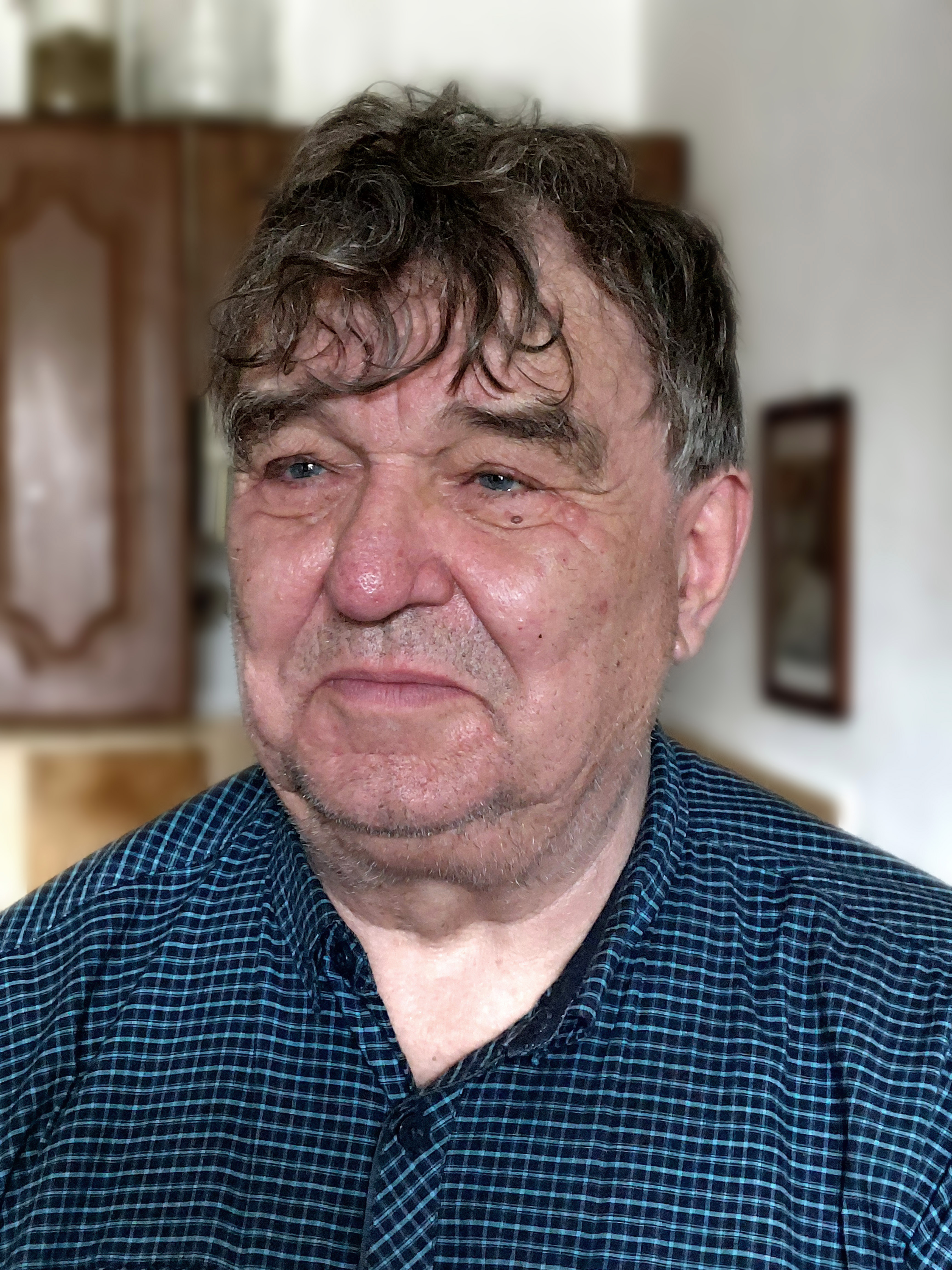
Ondřej Fibich in 2025
photo: Post Bellum

Ondřej Fibich was born on 27 January 1954 into the family of Jindřich Fibich, a sociologist and political scientist who was close to Alexander Dubček, so after August 1968 he accepted a position at the University of Vienna for a few months. The family eventually decided to return, but the parents could not find a job, and Ondřej Fibich could not get into a grammar school. Eventually he was accepted in Vysočany, where he studied with the children of other dissidents and emigrants, and published a samizdat magazine. After secondary school he continued to publish samizdat, he was repeatedly interrogated and pushed to leave the country. Therefore, he and his wife decided to take refuge in the small village of Jemnice in southern Bohemia, where he worked for ten years in a cowshed, unloading wagons of fertilisers. He continued to devote himself to his poetry, publishing samizdat and circulating petitions, for example in support of Václav Havel. After 1989, he established an antiquarian bookshop and continued to write and publish books. He holds a certificate as a participant in the resistance and resistance against communism.