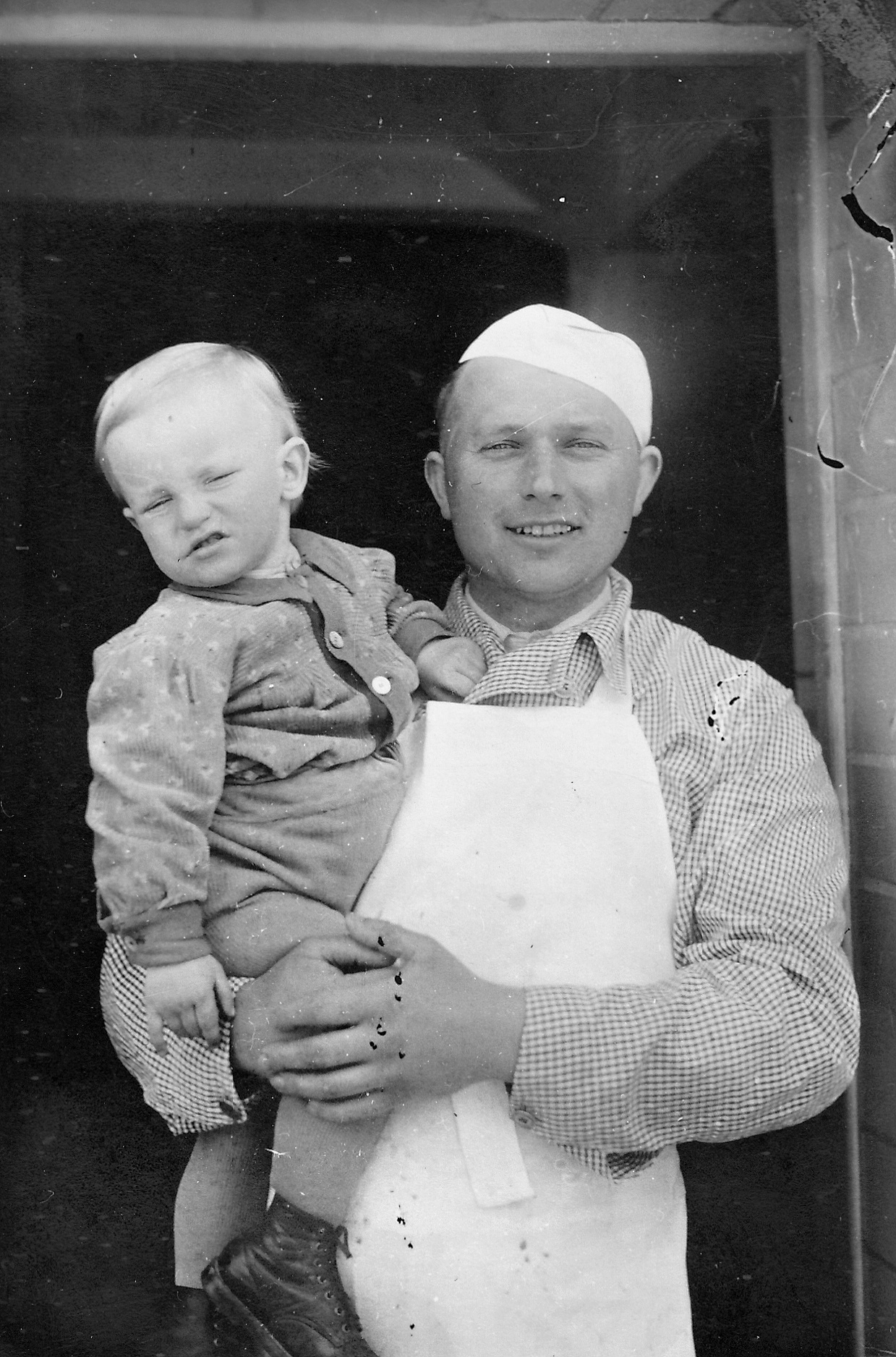
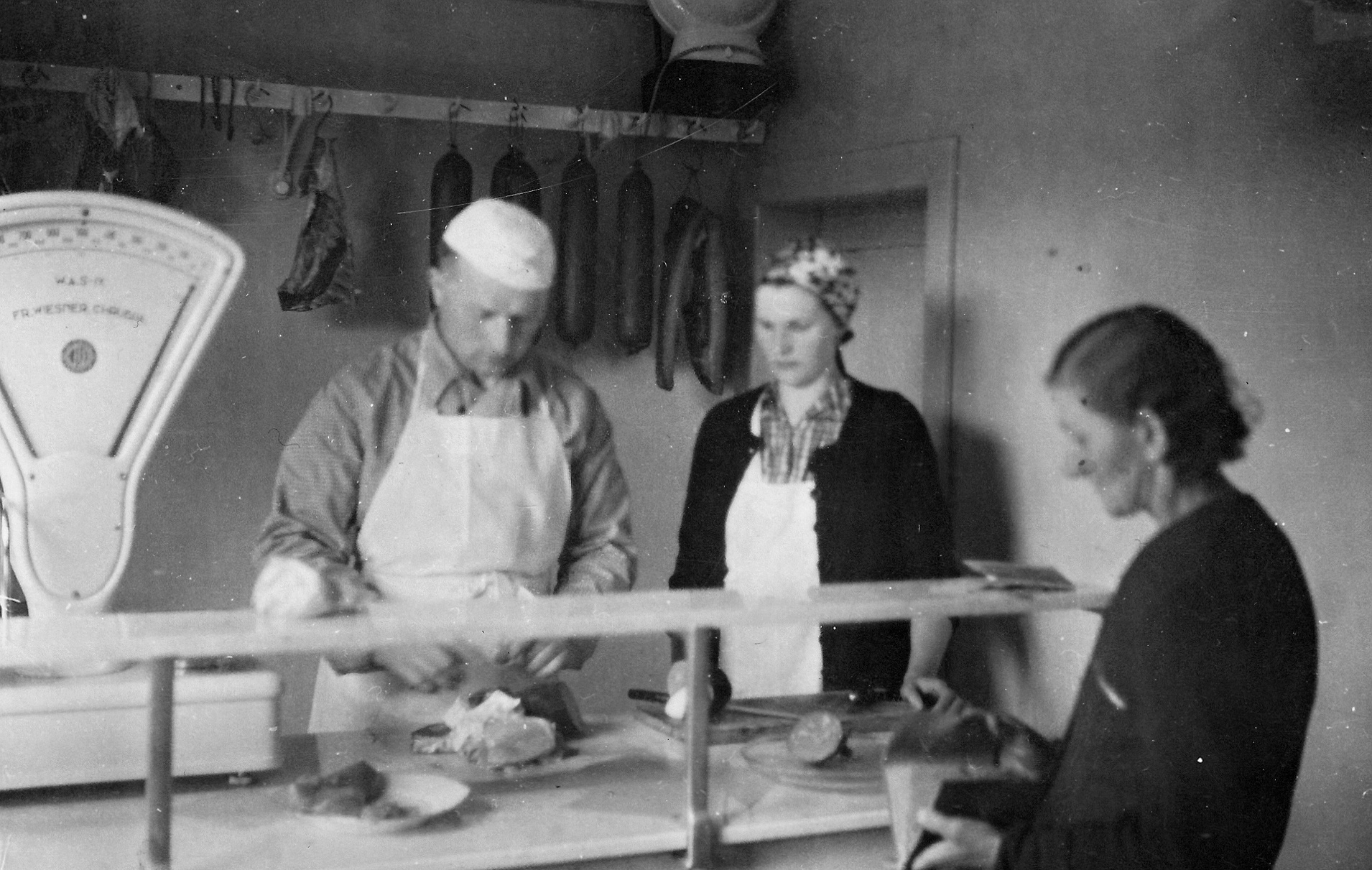
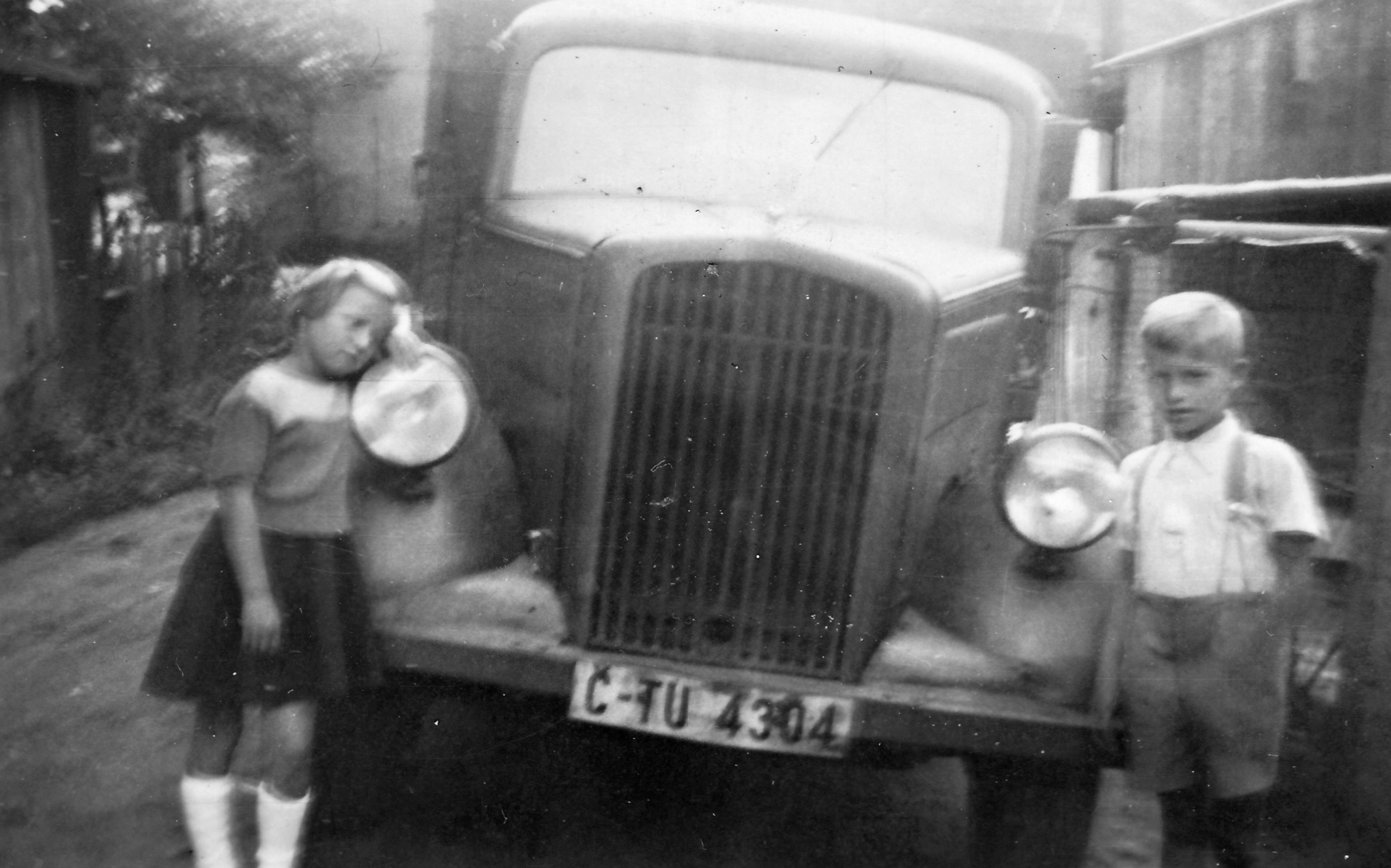
“I still remember when I was in first grade in ’47. My father built a new shop, put up two cold rooms — one of them with a freezer — and at the last sample fair in Prague he bought new equipment for the shop: a slicer, a scale. He bought new butcher’s machines from Kudláček in Choceň, and then came the ‘Victorious February’. The craft survived until 1951. After that, village butcher shops were taken over by Jednota. The machines were sealed so they could only be used to grind minced meat. The smokehouses were sealed too, so that even farmers couldn’t smoke their own meat from home slaughter. After that, nothing of the trade really remained. Jednota had a production plant in Turnov. There was a butcher’s shop there, and another Jednota shop up toward Ohrazenice. My father still delivered goods to these village shops with the Opel for about a year. Then someone — maybe someone from the village — felt it wasn’t right that he still had the car, so the vehicle had to ‘report for duty’, even though it was only a two‑ton truck. It had to be conscripted into ČSAD.”
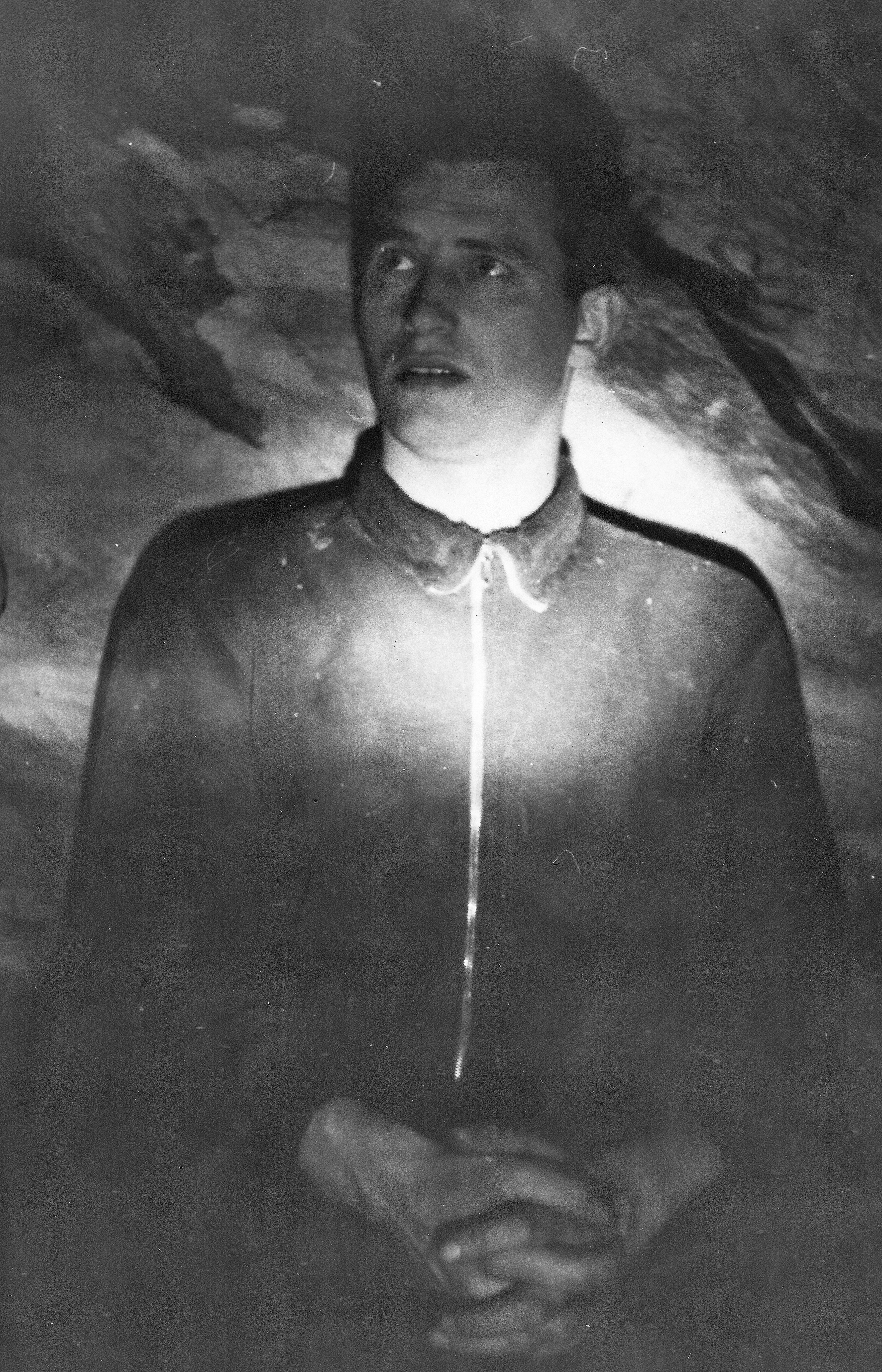
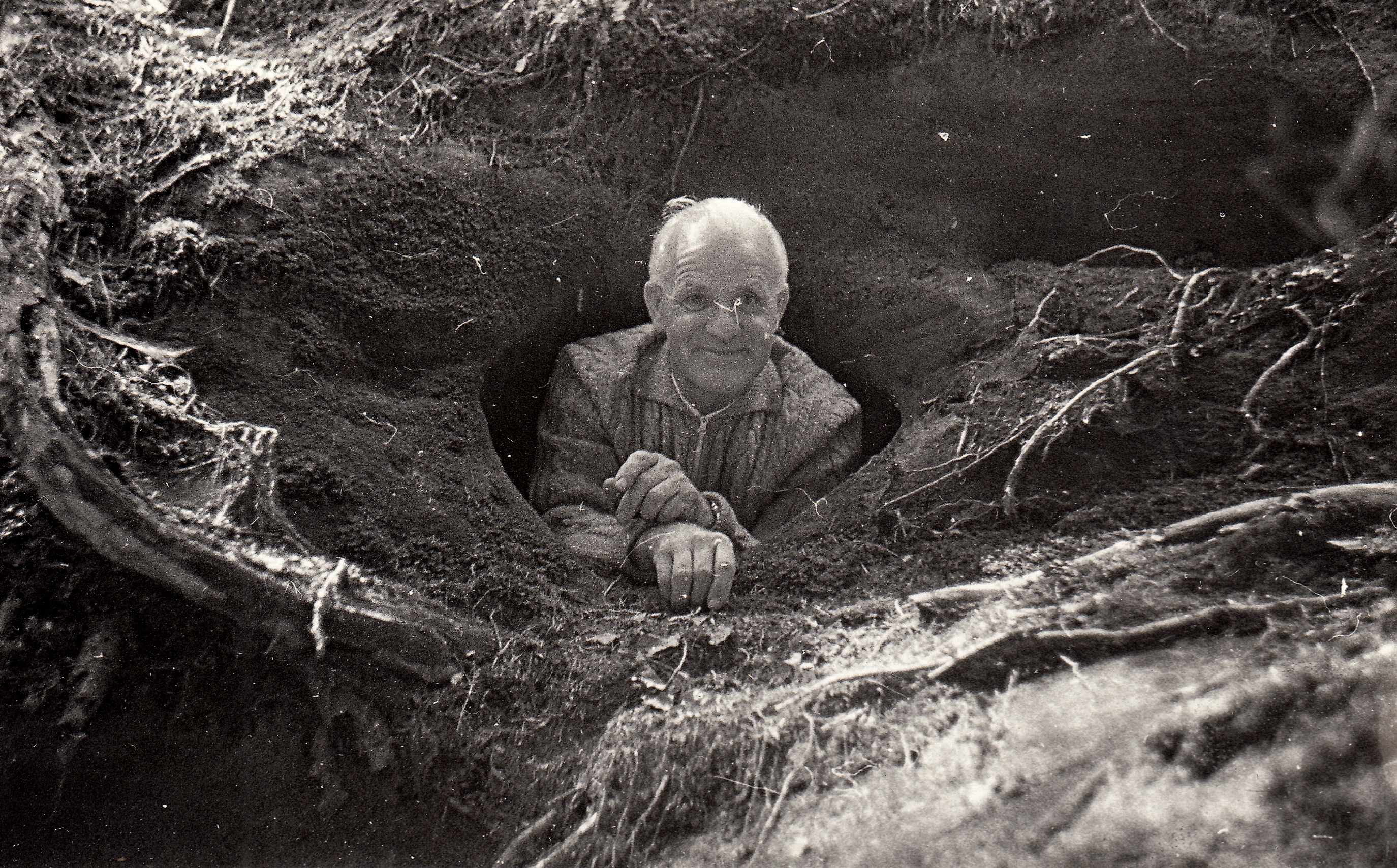
“When the war was ending and the camps in Poland were being dissolved, they were driven ahead of the front — and somewhere between Hrdeňovice and Mladějov, because they were marching on foot, they managed to escape into the forest. They walked all the way to Dlouhá Ves near Ktová and ended up at the Tumajer family’s house. The Tumajers had children in Doubravice, and Tumajer — and someone else, I don’t remember who — knew about the cave, because they were foresters, or rather poachers. They knew the area well, so they led them to that place. They gave them a straw mattress there. There was still a bit of it left later, before it was cleaned out.
The men who knew the place also knew that our family had a craft and there was always something to eat. There was broth, there was soup, they got bread. There probably wasn’t much meat. Maybe a potato or two — but they survived in good health and eventually made it home.”
“I remember, when the war was already coming to an end, the Vlasov soldiers were walking through the village. They were accommodated in the restaurant at Ťukal’s place. They lived in the hall. For us, it was a bit of excitement, because they marched in formation and sang. It was something unusual for us.” - “How did the soldiers treat you?” - “The soldiers came and went. They had some commander with them who led them around. Their task was to dig trenches along the road from Sedmihorky past Prokopár to Podskalí and up toward Hrubice. I can still show you the trenches there. I still remember it clearly.”
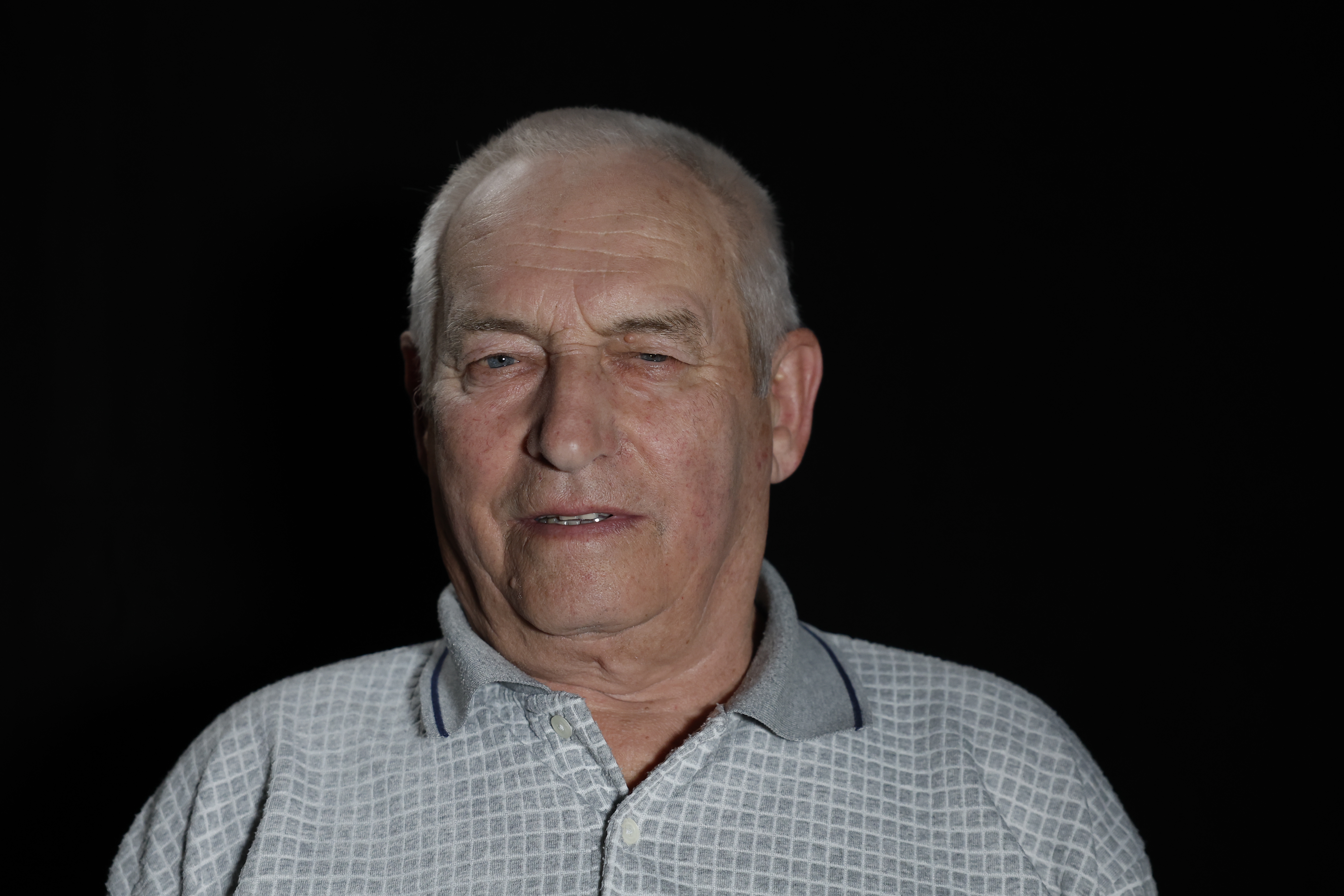
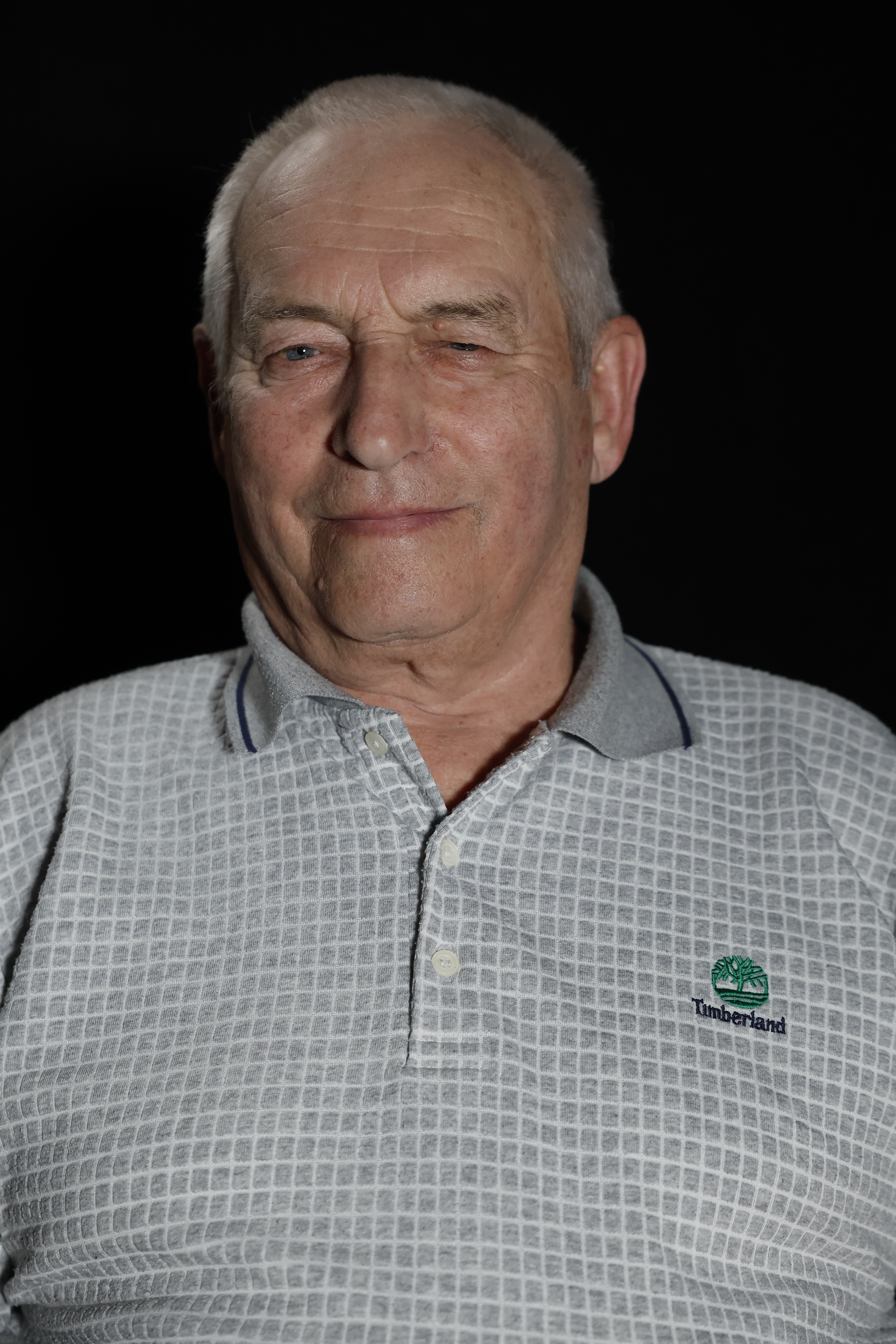
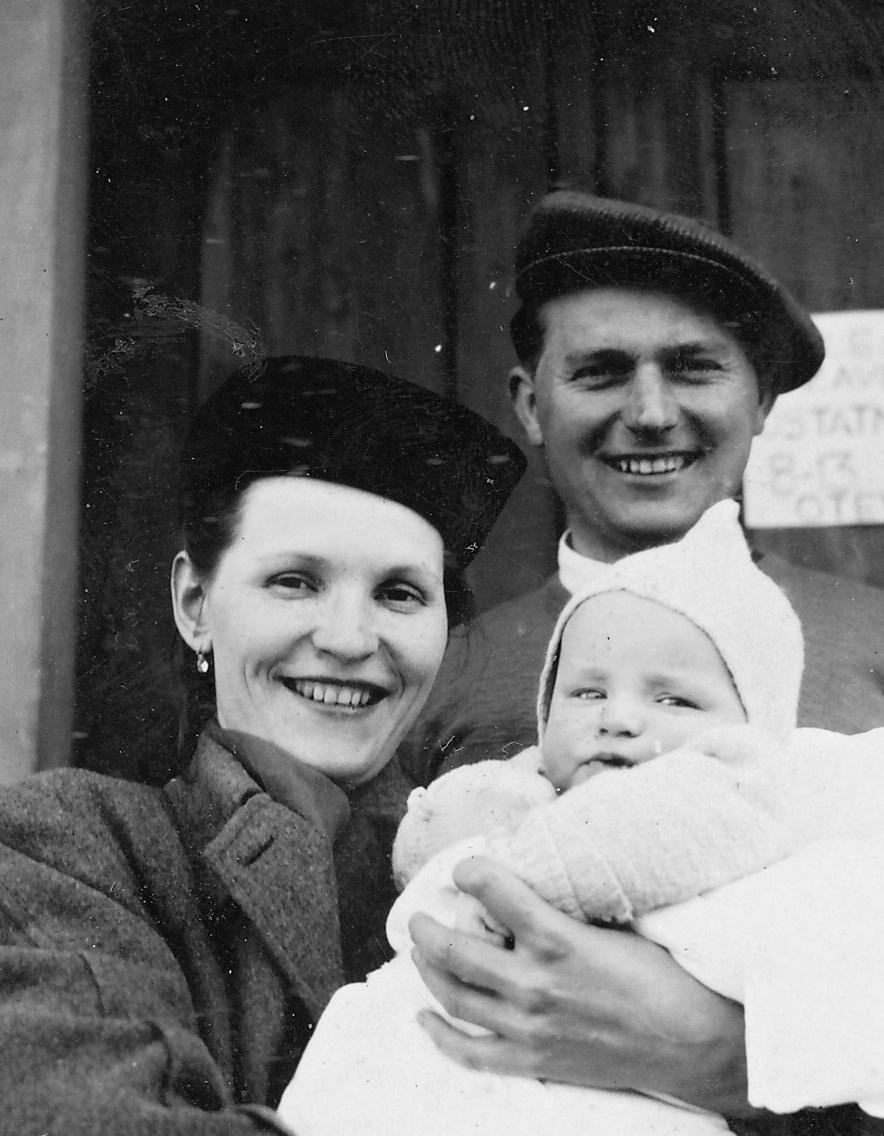
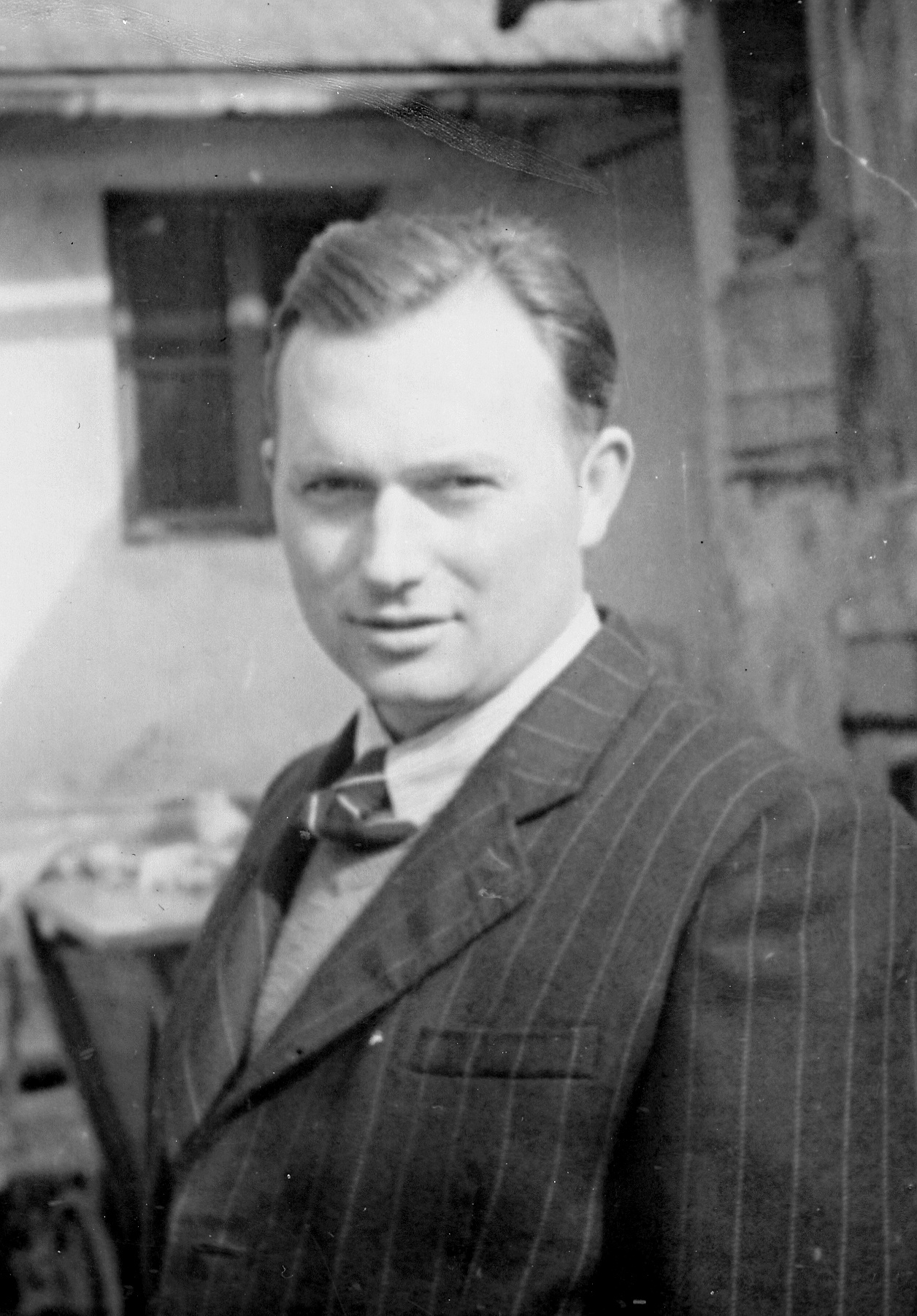
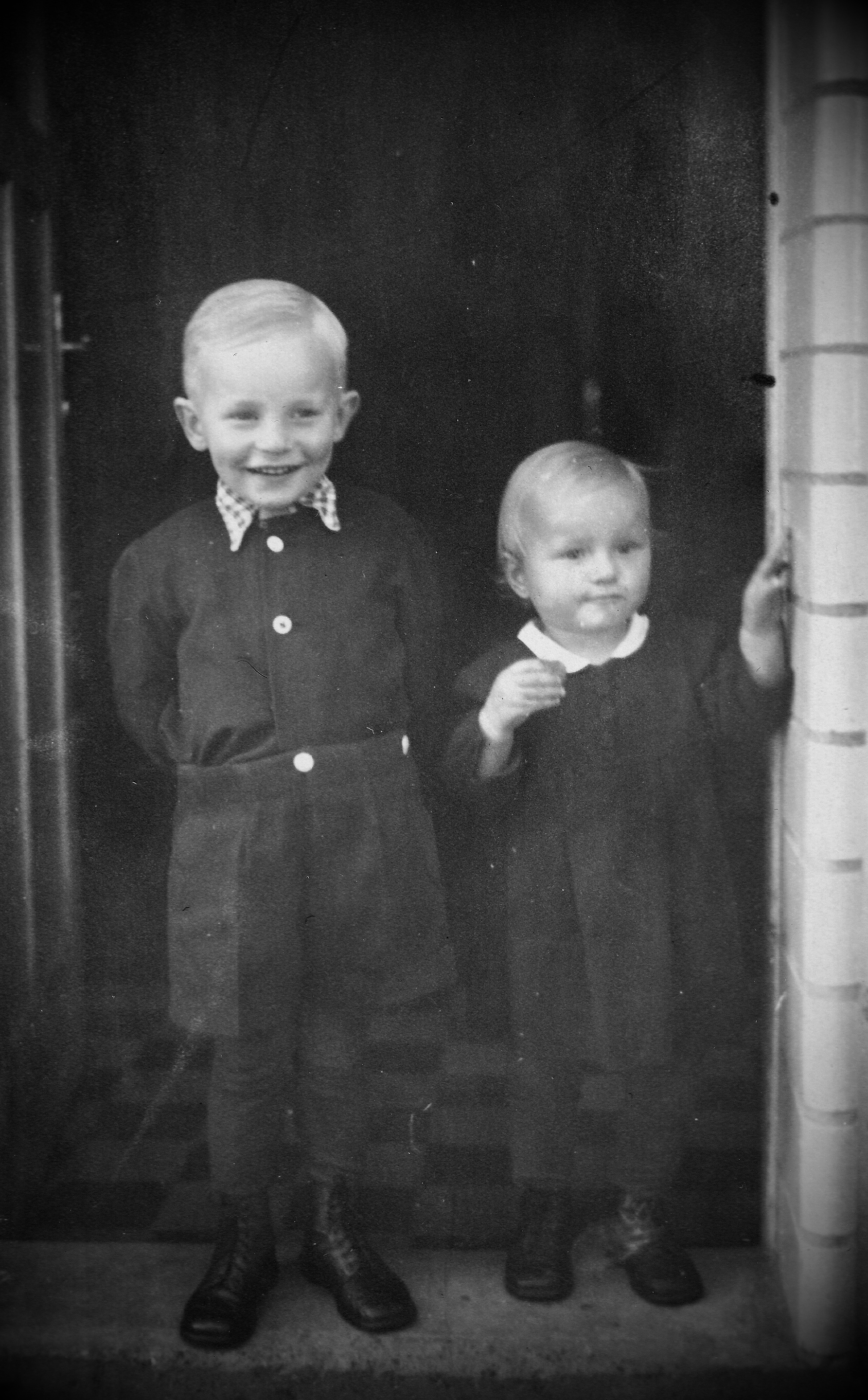
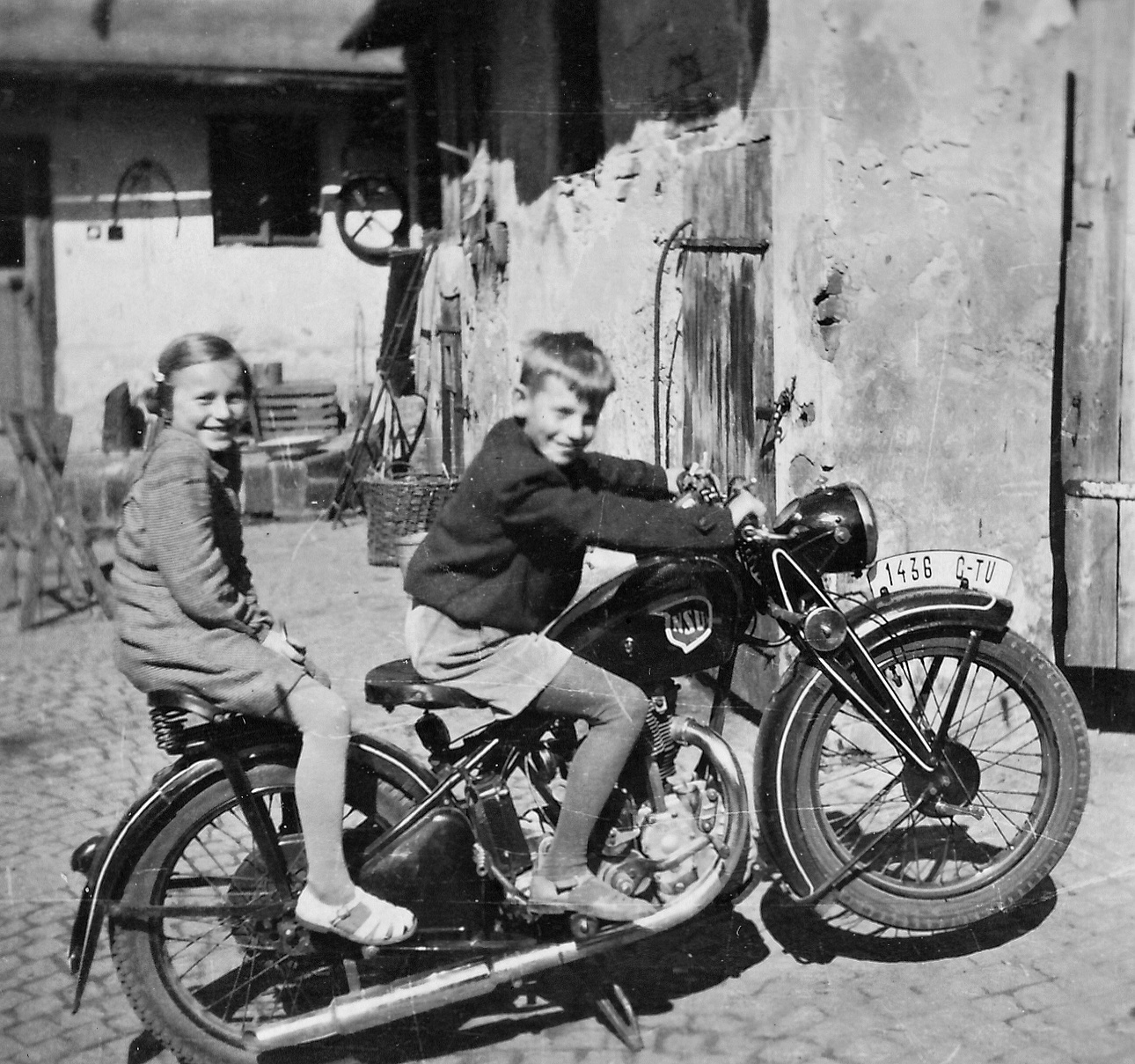
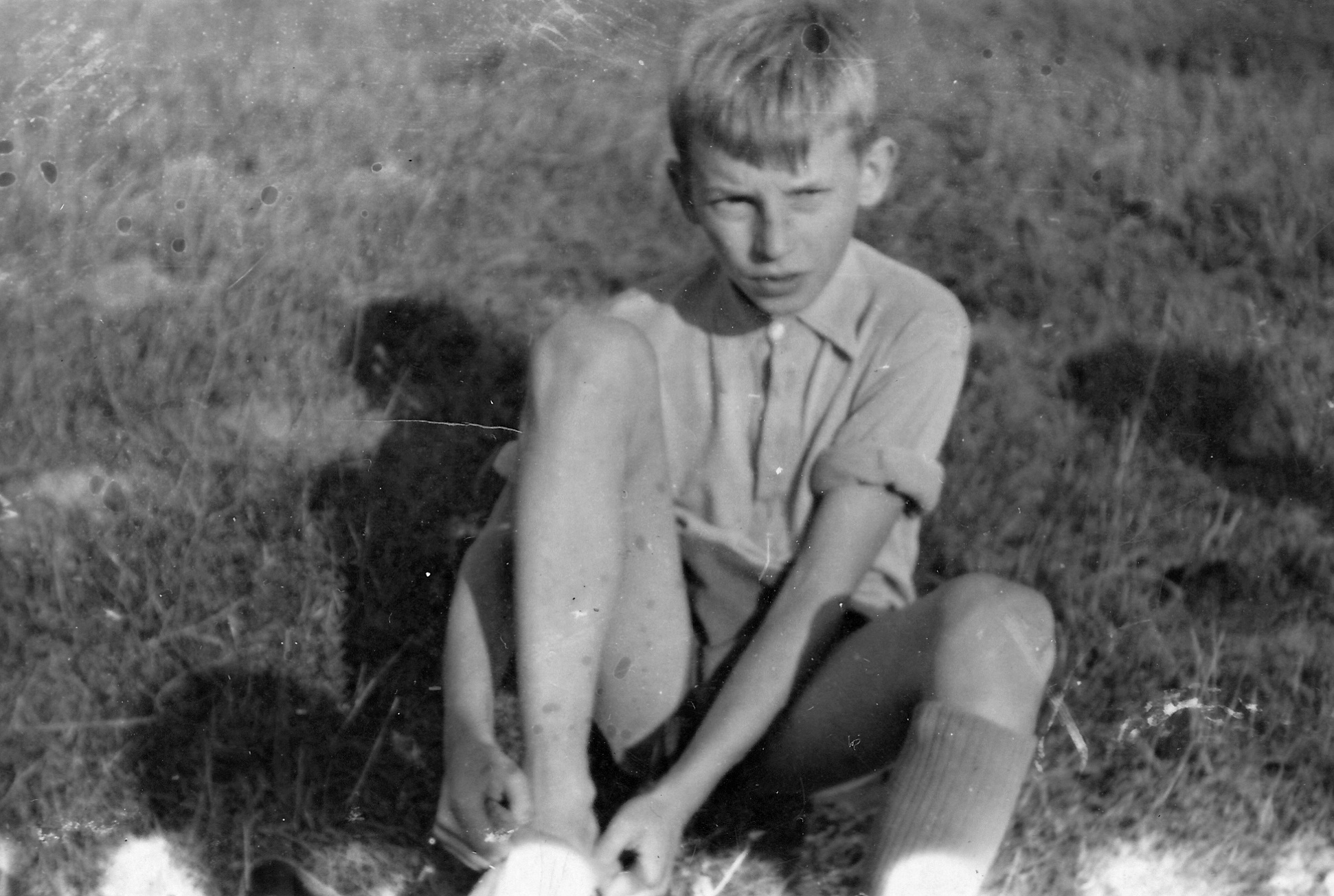
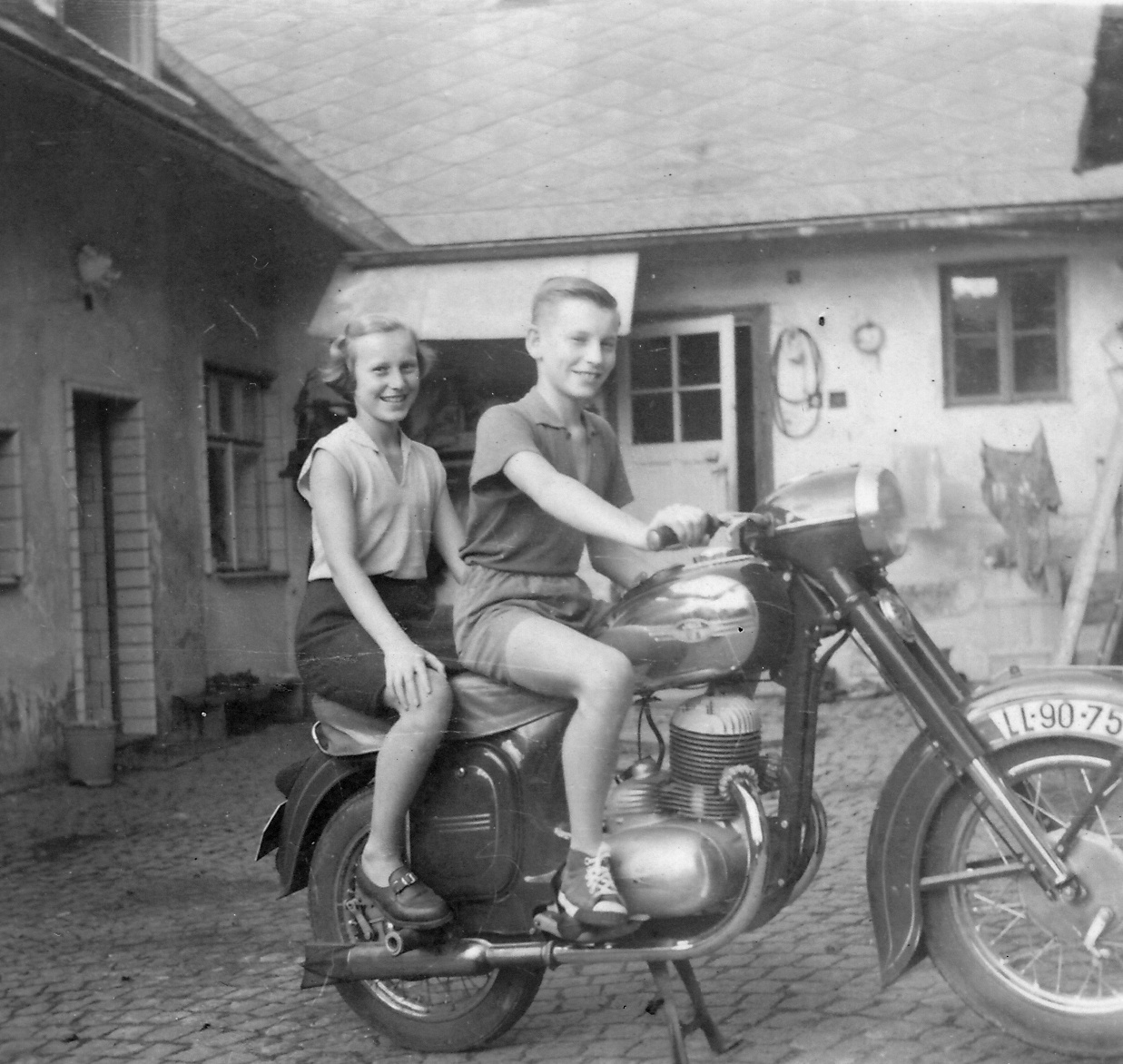
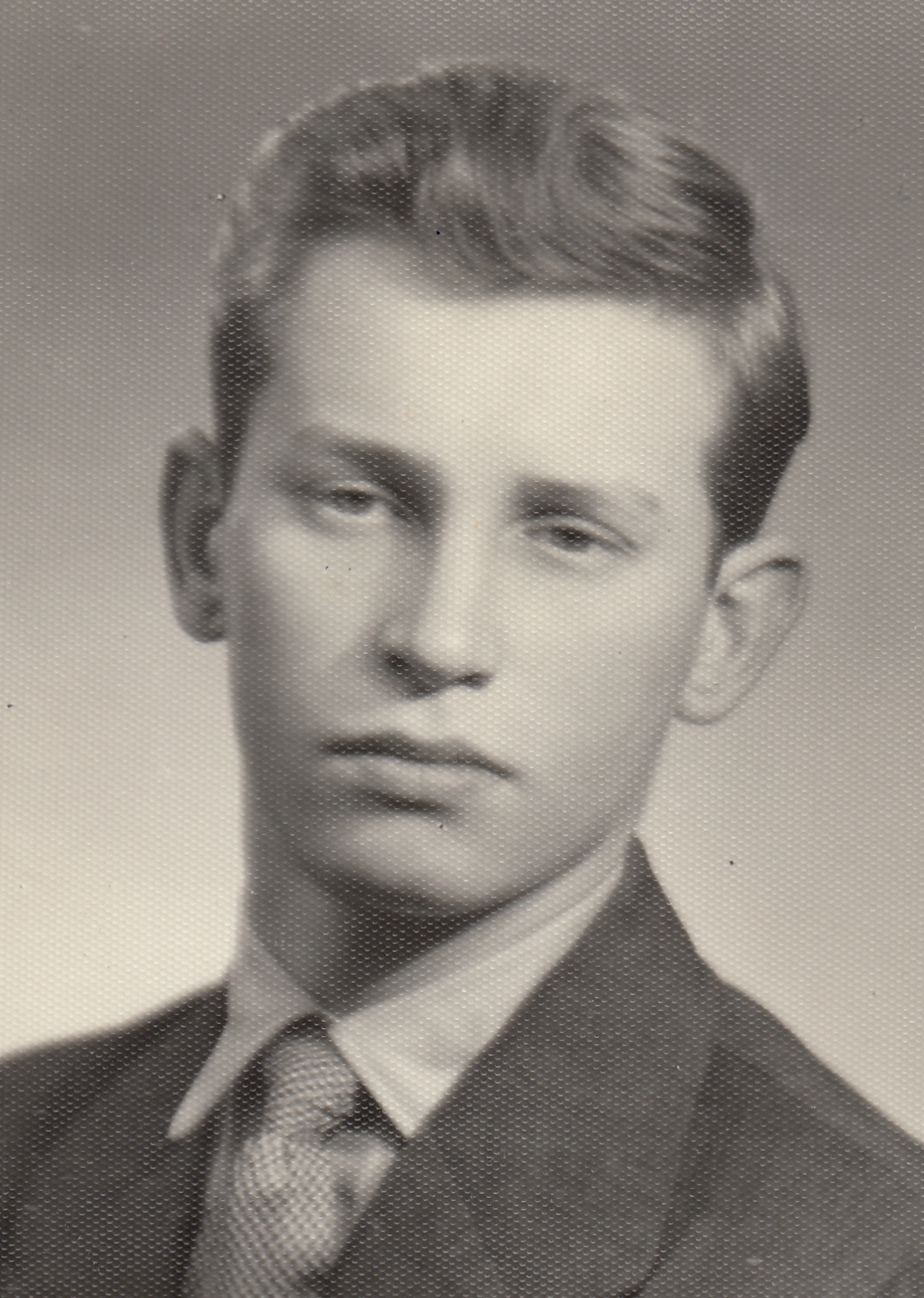
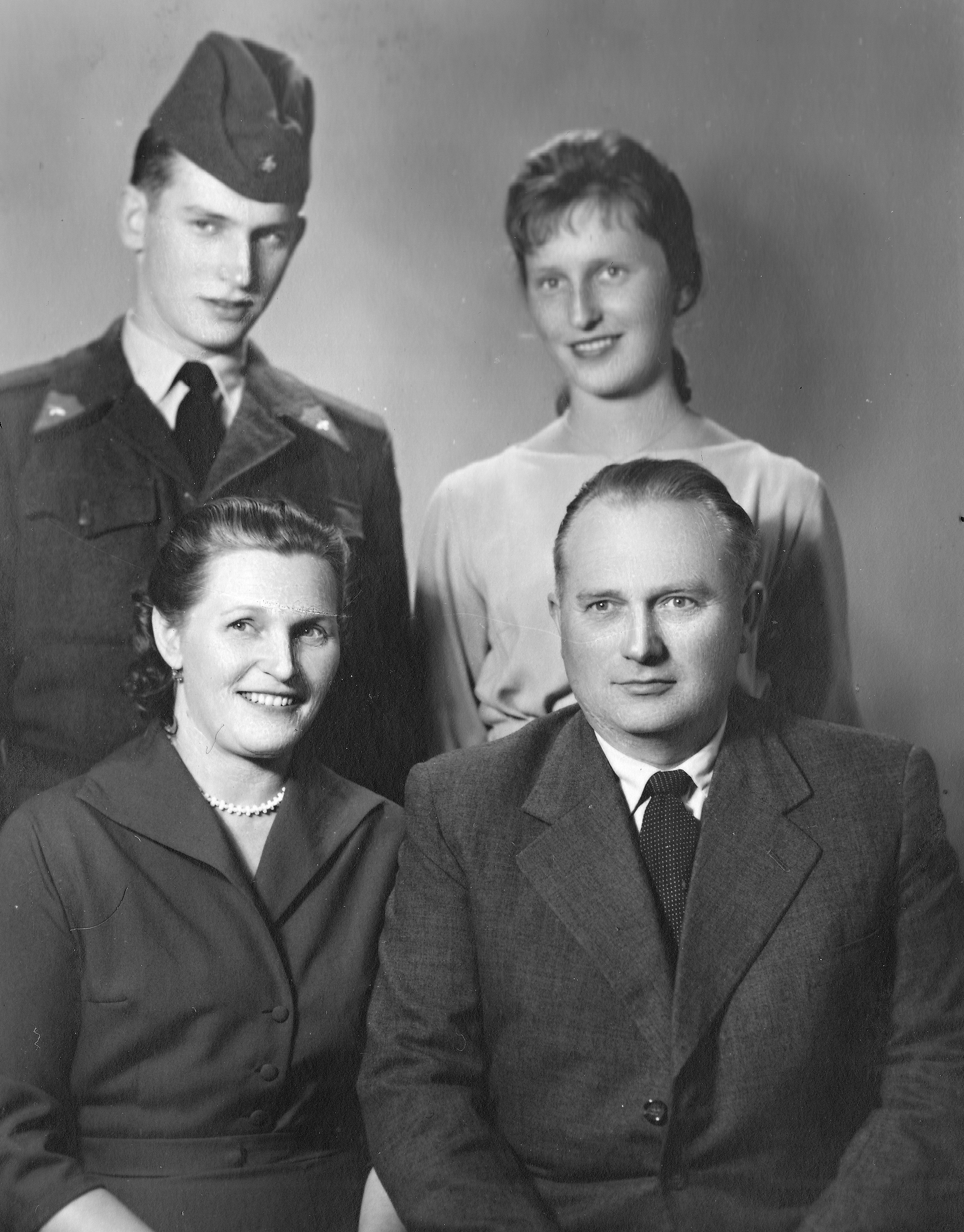
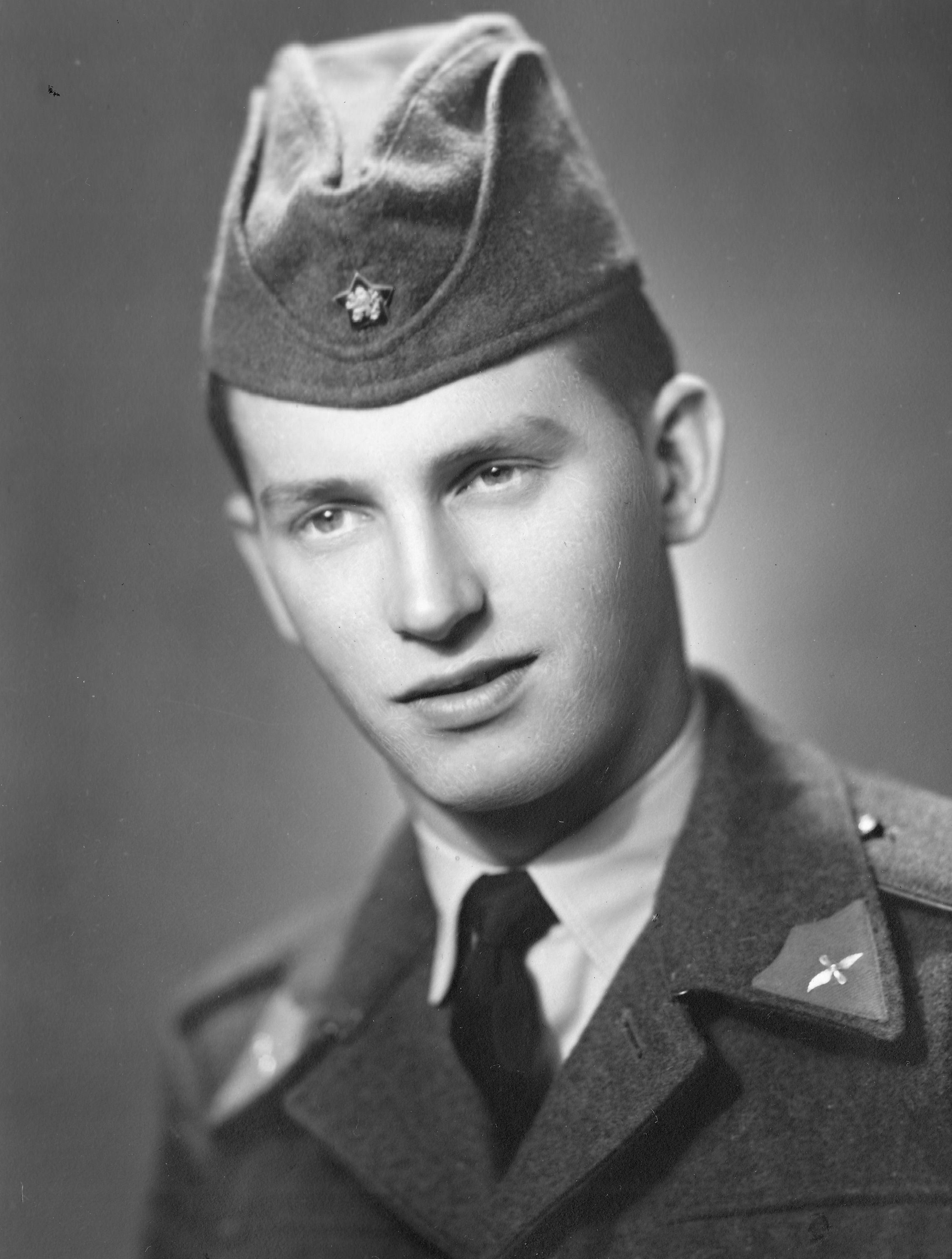
František Drbohlav was born on September 18, 1941. He grew up in Doubravice near Český Ráj, in a house built around 1990 by his great-grandfather František Drbohlav. His father František (born 1914) ran a butcher’s shop and his mother Marie née Pleštilová (born 1919) took care of the household and her two children František and two years younger Věra. Towards the end of the war, František Drbohlav’s father and his brother-in-law Walter Potoček helped two escaped soldiers of the Western armies. They supplied them with food and cigarettes, gave them information on how to navigate in the forest, and from mid-April 1945 they hid in František Drbohlav’s house. After the communist takeover in February 1948, František Drbohlav’s father lost his trade. He then worked in the Jednota cooperative. In 1956, František Drbohlav started his apprenticeship as a butcher - smoker. He worked in meat production until he left for basic military service with the air force in Přerov in 1960. He stayed in the army one month longer, 25 months in total, because of the Berlin Wall, which was being built from August 1961. The leaders of the communist countries were preparing for a possible military reaction to this construction, so the Czechoslovak People’s Army was being strengthened. In 1965, due to an injury at the slaughterhouse, he left his job and joined the Preciosa glassworks, where he worked as a driver and worker in the glass pressing plant until 1975. He then worked as a construction worker in the Geoindustrie state enterprise and from 1993 as a maintenance worker at Sychrov Castle, where he remained until his retirement in 1999. At the time of filming in 2025 he lived in Doubravice. Thanks to the support of the Liberec Region, we were able to film the witness.