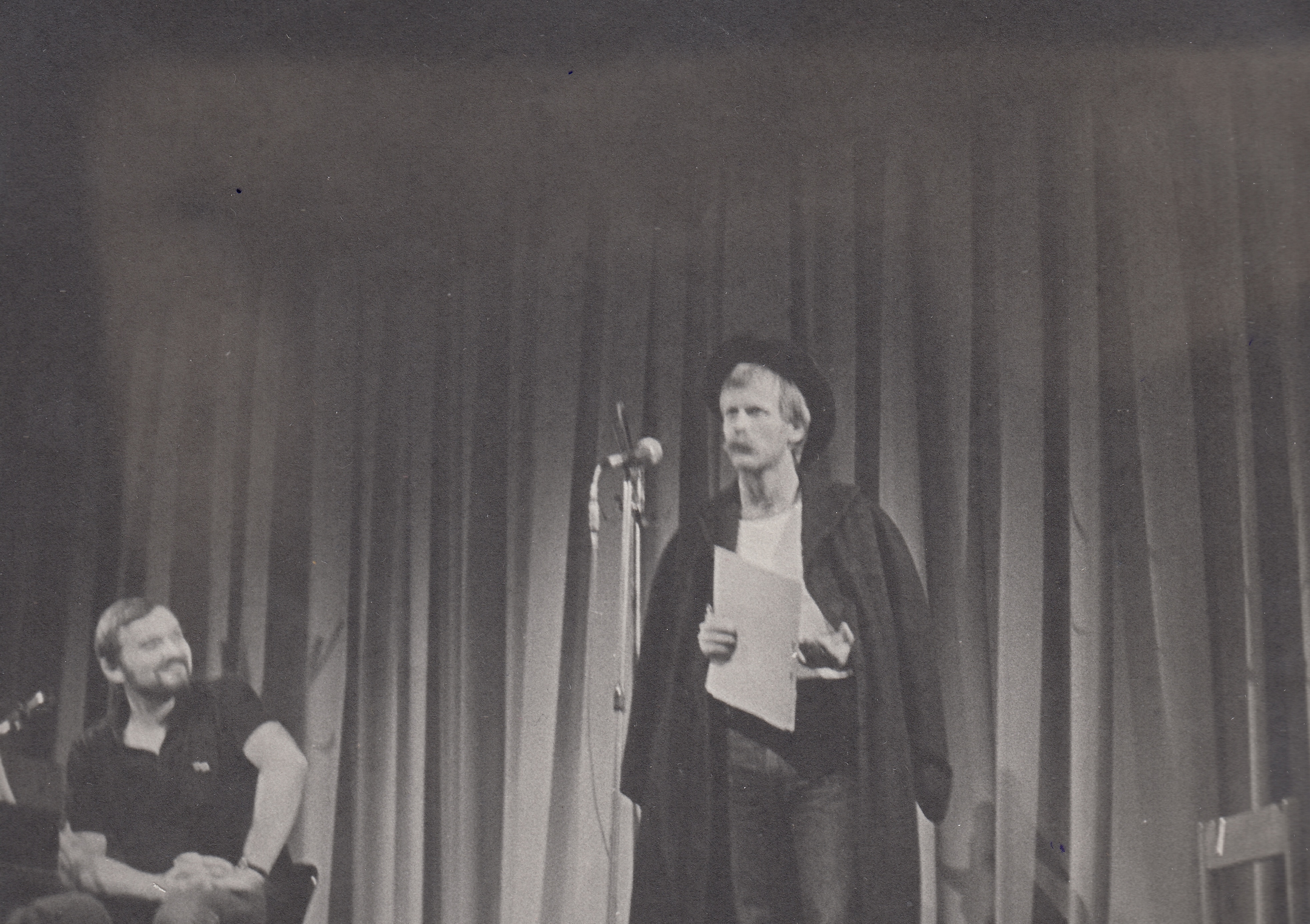
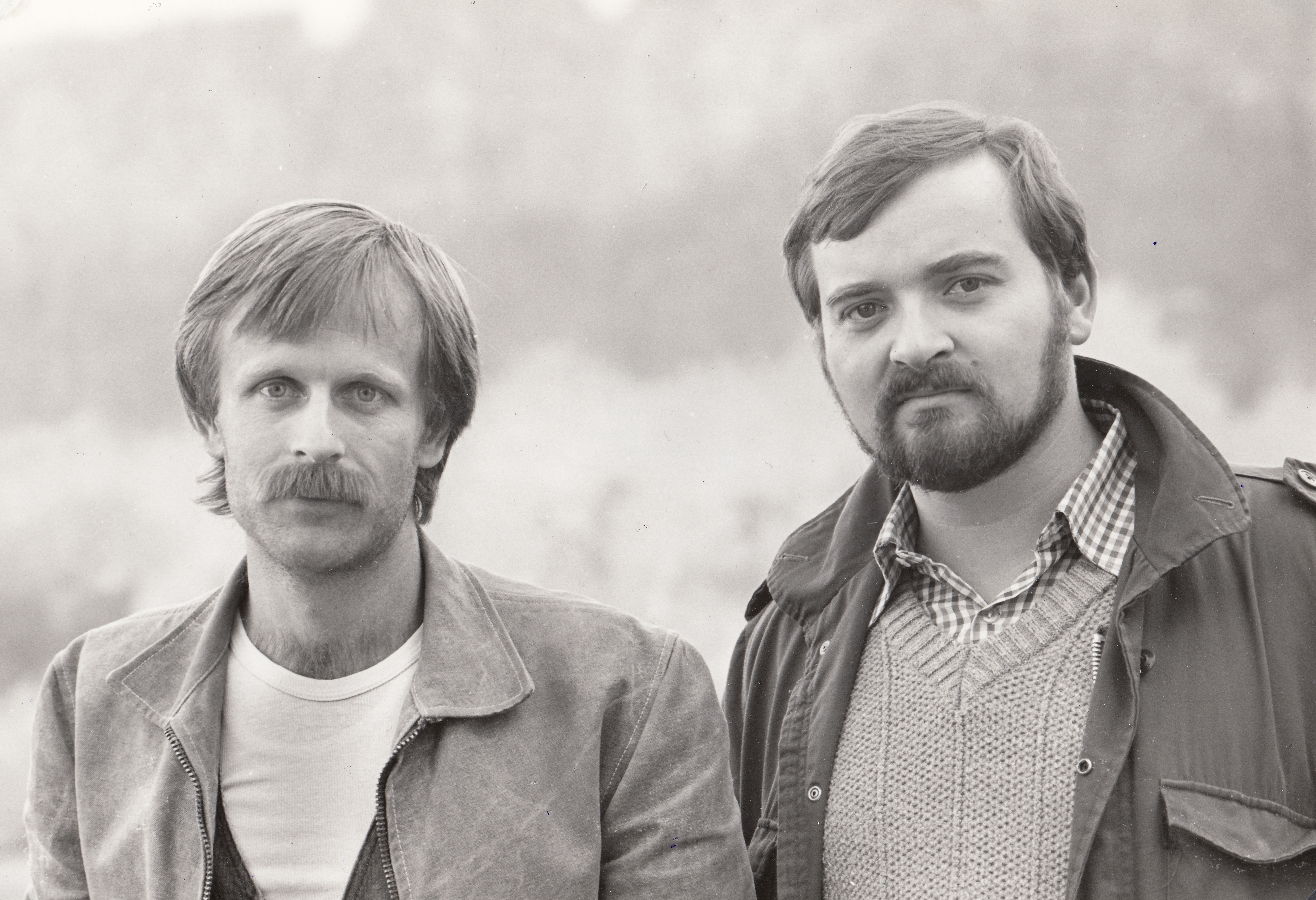
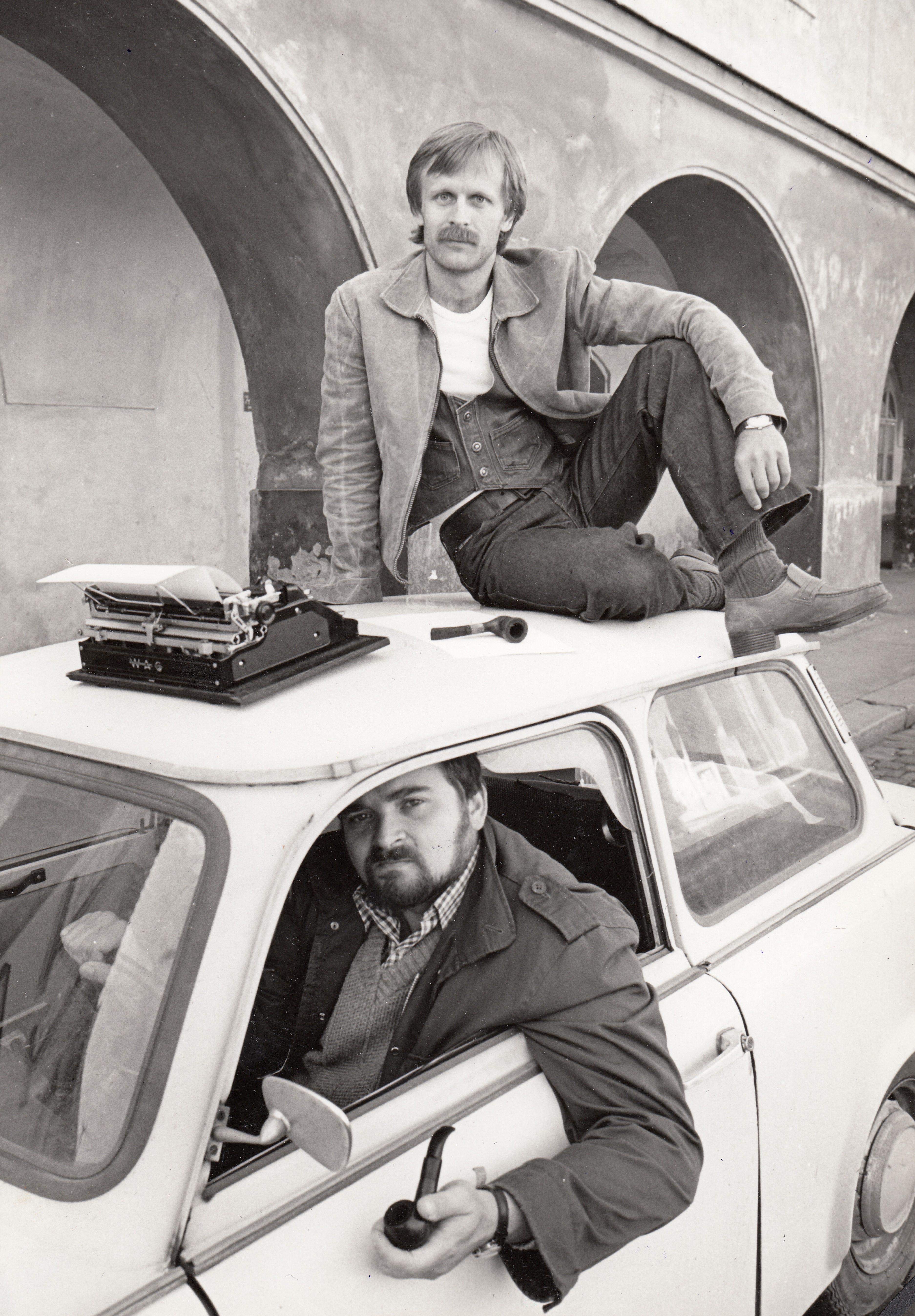
"And so we sort of fought until the eighties, when there was a hunger for that witty resistance word. I say deliberately witty, because of course there were people who came on stage and said, 'I'm fed up with these communists'. And they started playing, for example. But that wasn't our goal. Our goal was to hit around the target, which is much funnier and more fun for people who can guess themselves than to hit a ten directly. Then there's nothing more to add. And so we played, fooling around, travelling. I remember such moments when first a shudder and then a roaring laughter really ran through the hall. We even allowed the audience the opportunity to ask us questions in writing during the intermission. And in the year, perhaps even the month, when Waldemar Matuška emigrated, an audience member asked us: 'What do you think of people who leave our country?' Frozen silence. And I said, 'We have great respect for the cosmonauts.' Oh, hooray, and we all knew what the joke was, didn't we. And even though we didn't hit that ten straight, we gave that Bolshevik just as much of a beating. And we were happier about it than if we'd said, 'I don't blame Walda, you can't live in a fucking country like that'. Yeah, we could have done that. But that wasn't our model of existence. This was not how we imagined it."
"The approval performances existed, it was a lot of fun. Playing there, it was a test to see if you had what it takes. And for the musicians, for example, it was that they had to play something. That was pretty good. But we [Jan Burian and I] were run as a literary-musical duo, and so they actually wanted us to take a kind of history test, and secondly to hand in some finished scripts of our performances. And the history test, I remember that I was sitting in the aisle at Prague Culture Centre (PKS), Ivan Vyskočil was walking down the aisle, he was supervising us not to copy, and now they wrote on the board a question, what important things our republic would celebrate in 1971? And I was looking at it, I was thinking, what could we be celebrating that was significant? Vyskočil waswalking past me and always whispered, Communist Party, Communist Party. And I didn't know what he wanted or what was going on. He wanted to give me a hint that there was going to be some anniversary of the Communist Party. So it was always like a big fun. And then somebody would read the scripts and try to cut out things of them. We readily agreed, we crossed everything out, and then we played it normally, the way it was originally written, because nobody came to check it anymore."
"The seventies... You know, of course we knew that something terrible was going on and we met at various events and Mejla Hlavsa explained to me how to press G major correctly when we were at a party and I went to see the premiere of Audience in Horní Počernice. I perceived all this and I still thought it was a lot of fun, like behind the back of the Bolsheviks we can do so many nice things, but they are completely against them. And then suddenly, during the seventies, when we started touring a lot with [Jan] Burian, we started making a lot of money for that time, even though we had a beggar's fee, about a hundred crowns per show, plus the travel allowances. Well, yeah, but we were playing 35 times a month, so when you multiply that by a hundred, suddenly it was a lot of money, people didn't earn that much back then. Suddenly I realized that I was in such a trap as a socialist intellectual, that I was trying to undermine the regime that was paying me for it. Then I put it into a song: 'Not that I'm in any hurry to get into the state's pants, but what am I supposed to do when I'm being paid for it'. I've always vented all these feelings of mine, presented them and put them in my rhymes."
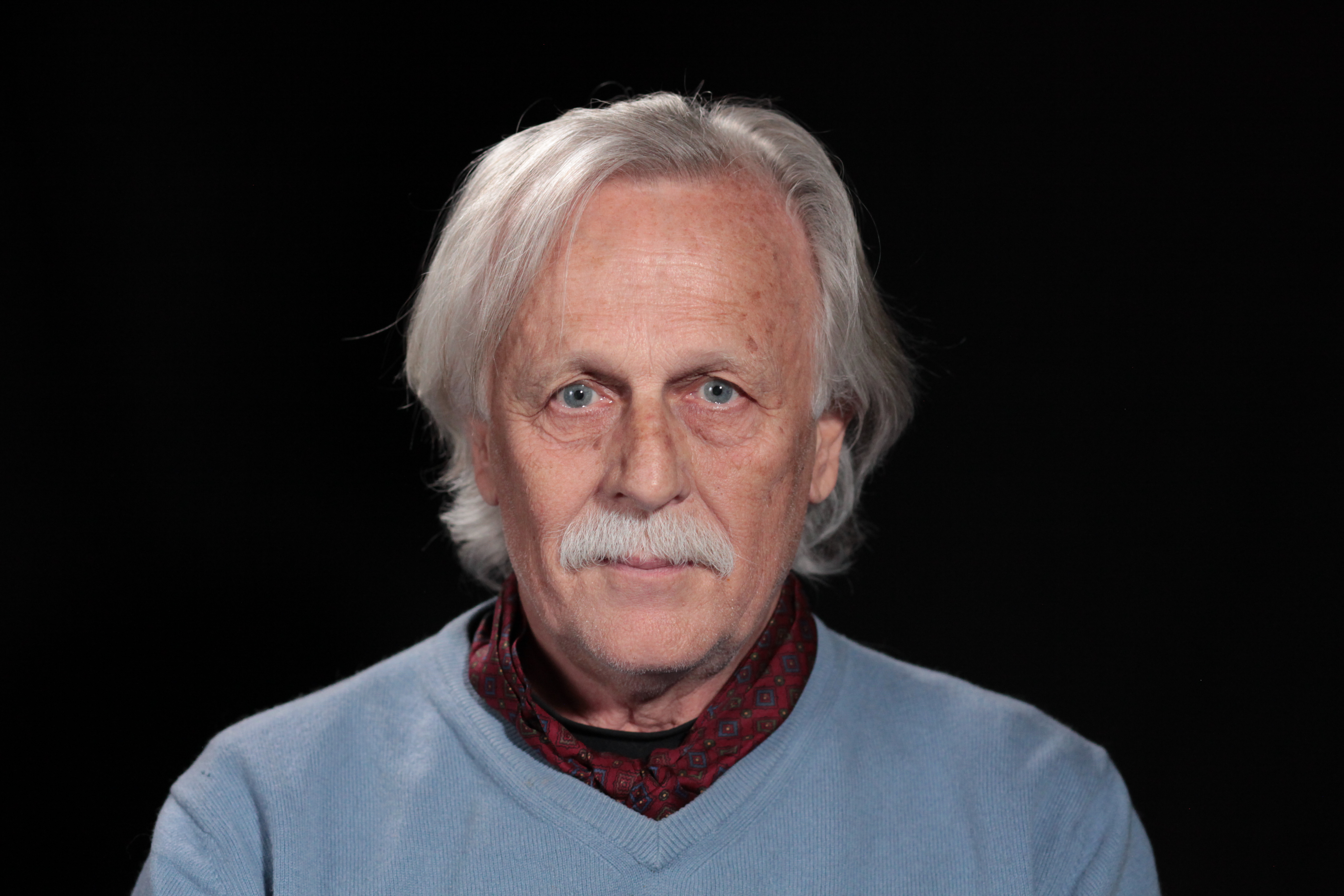
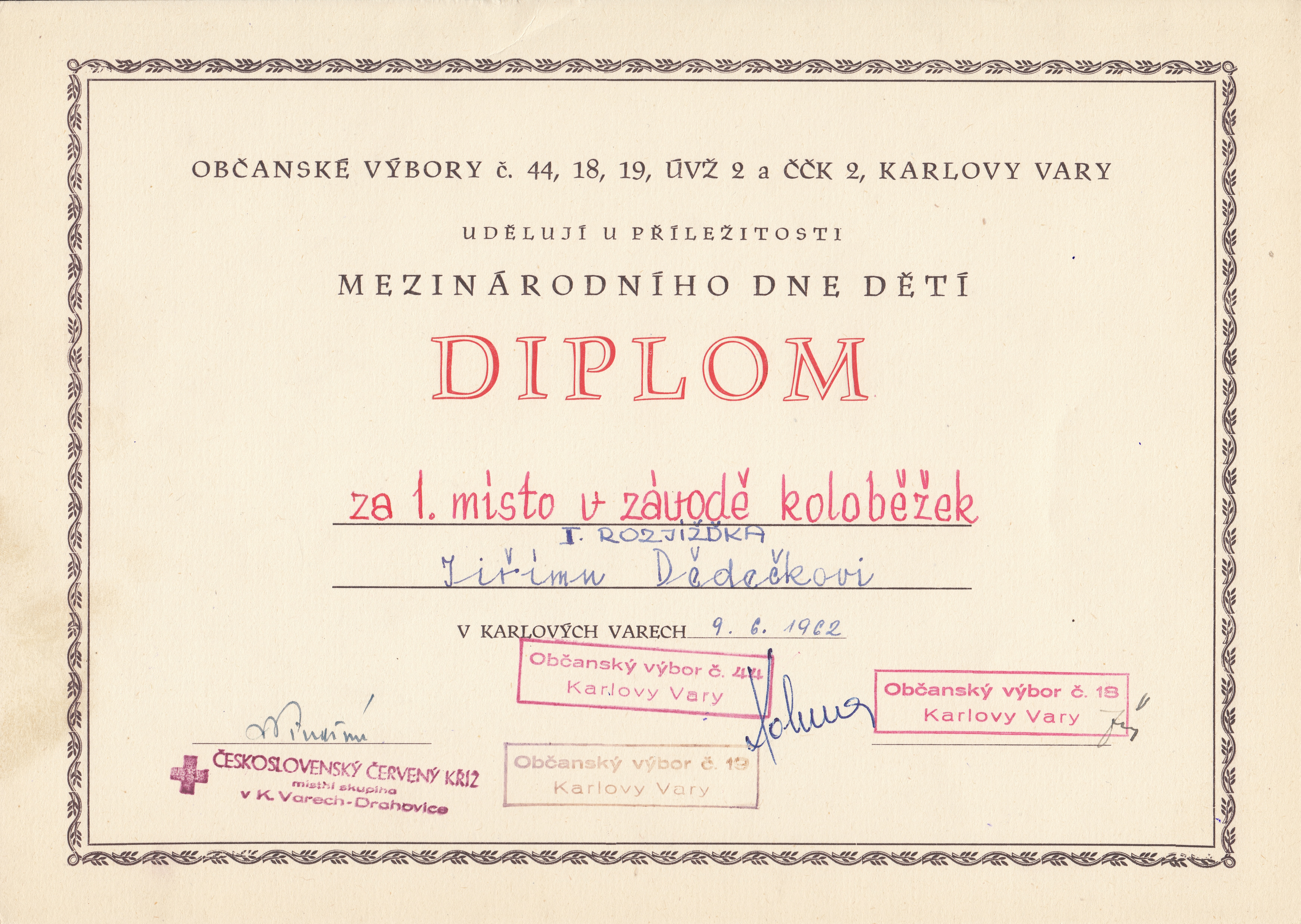
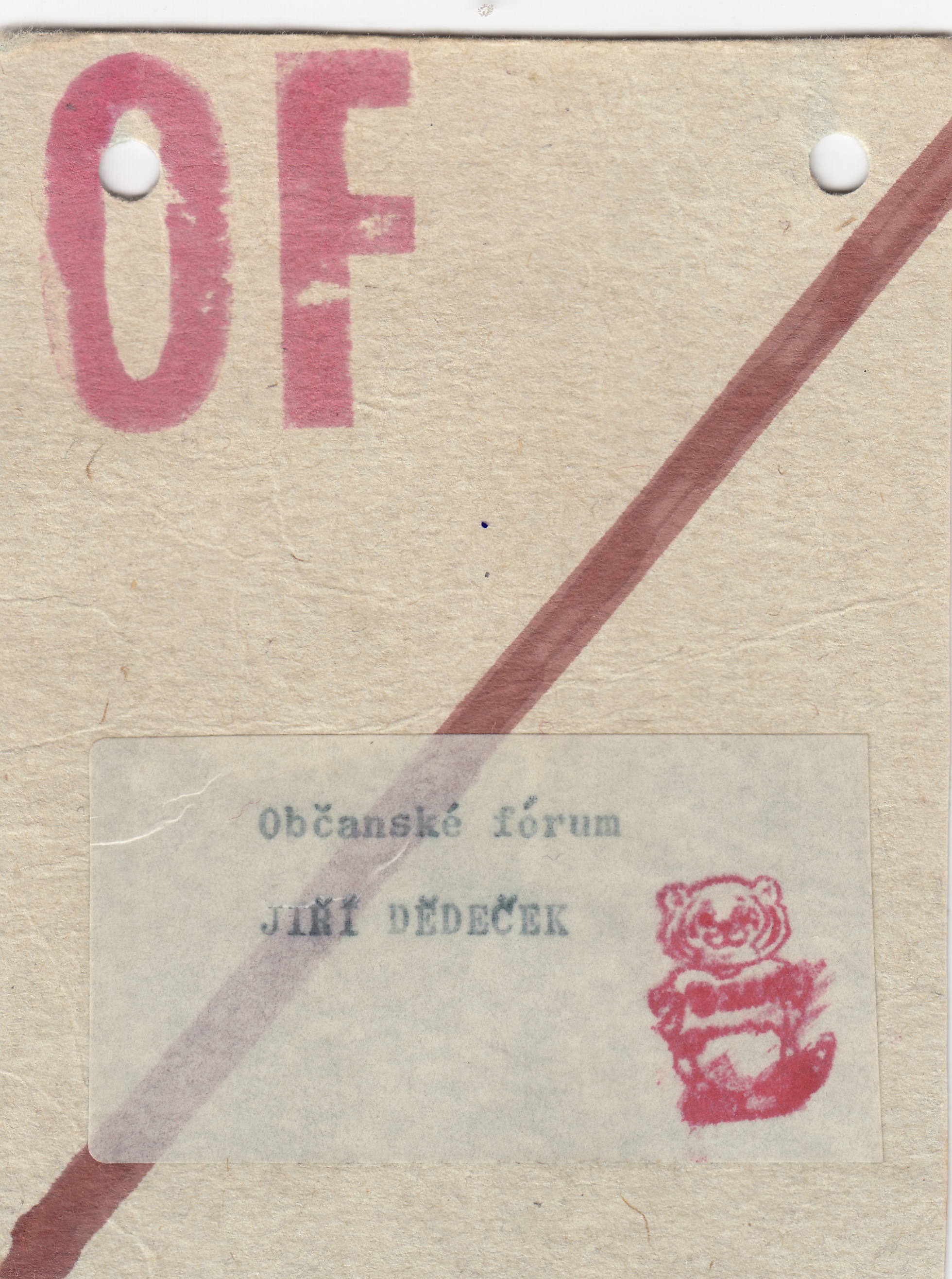
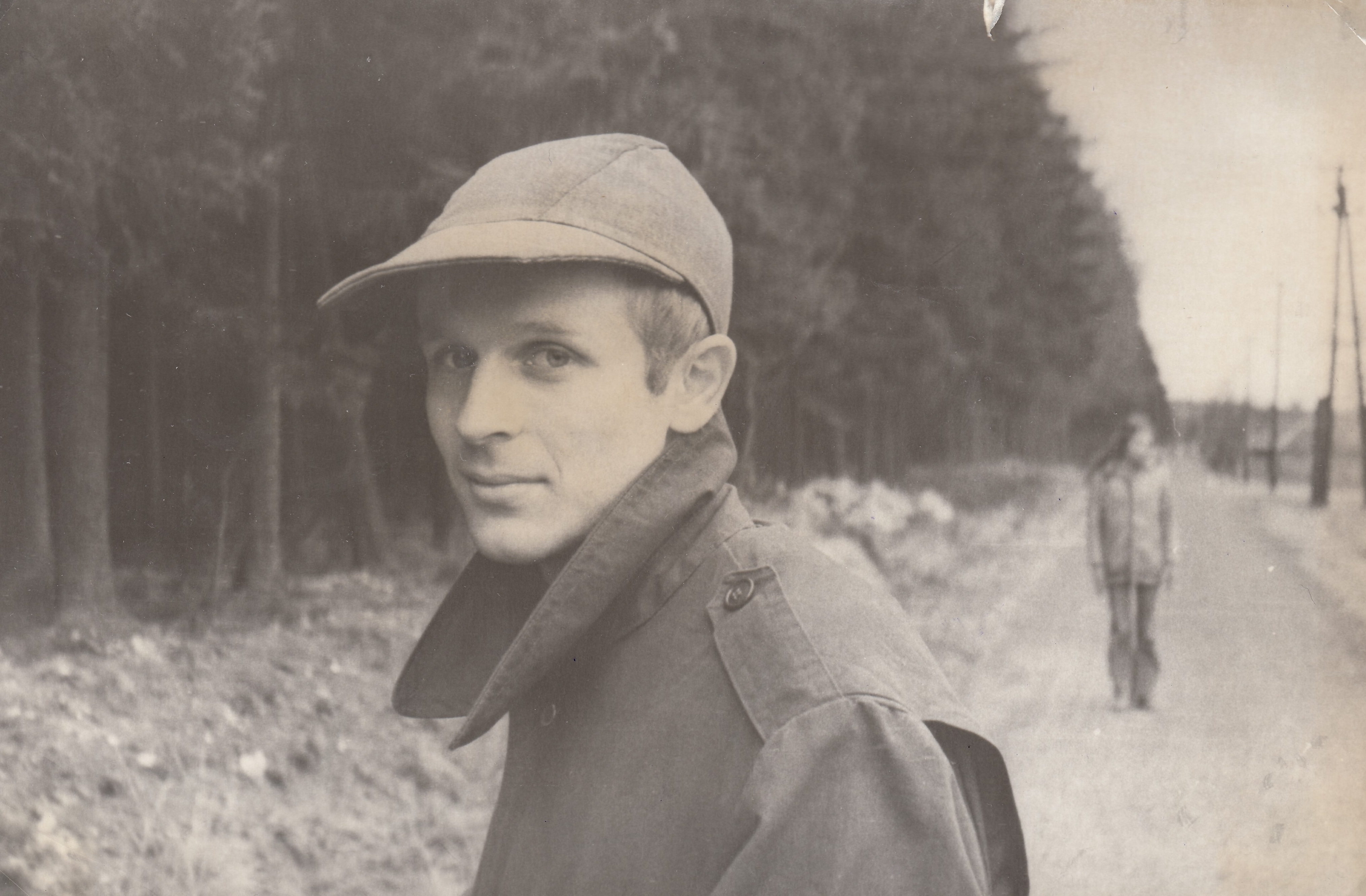
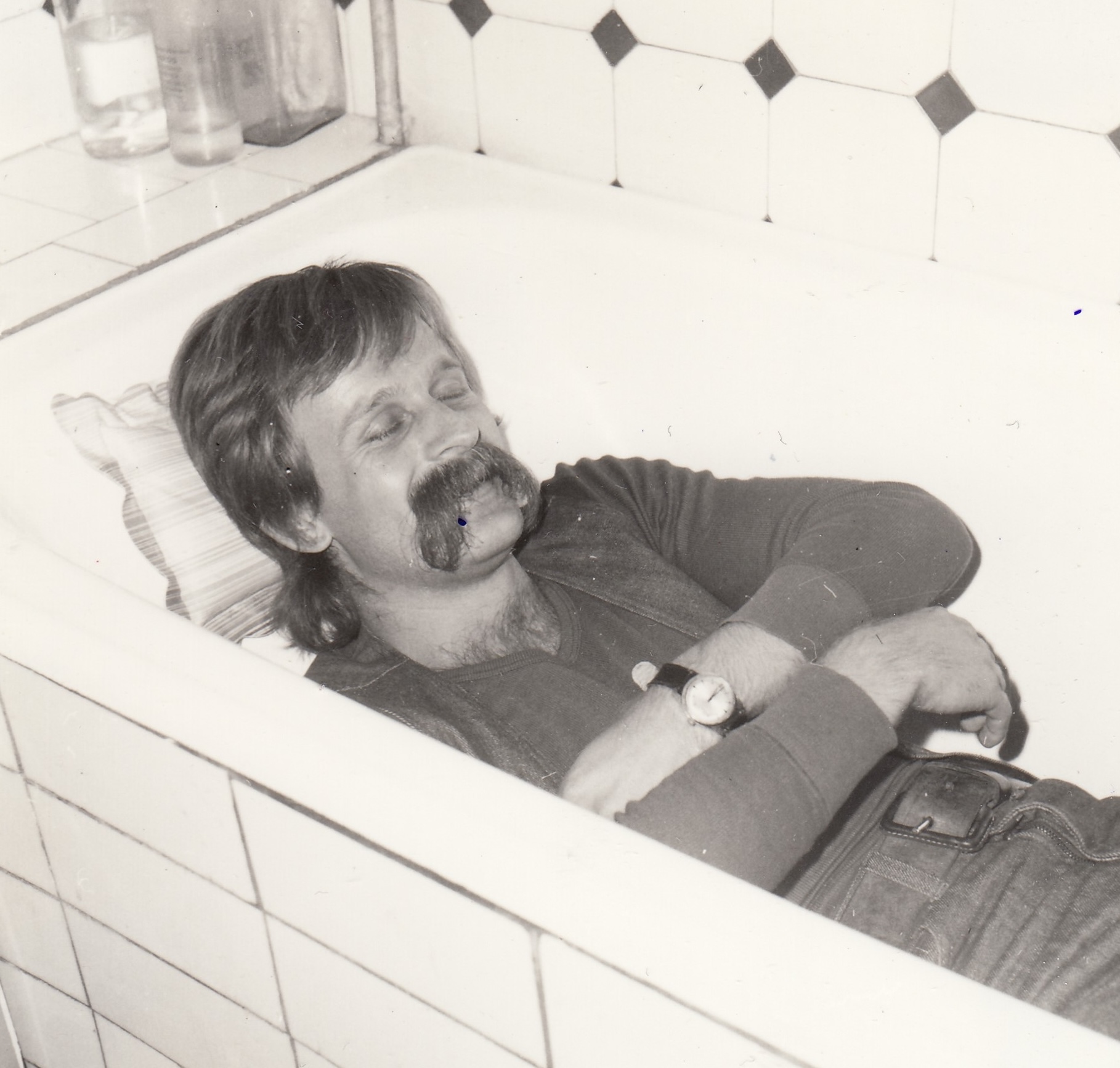
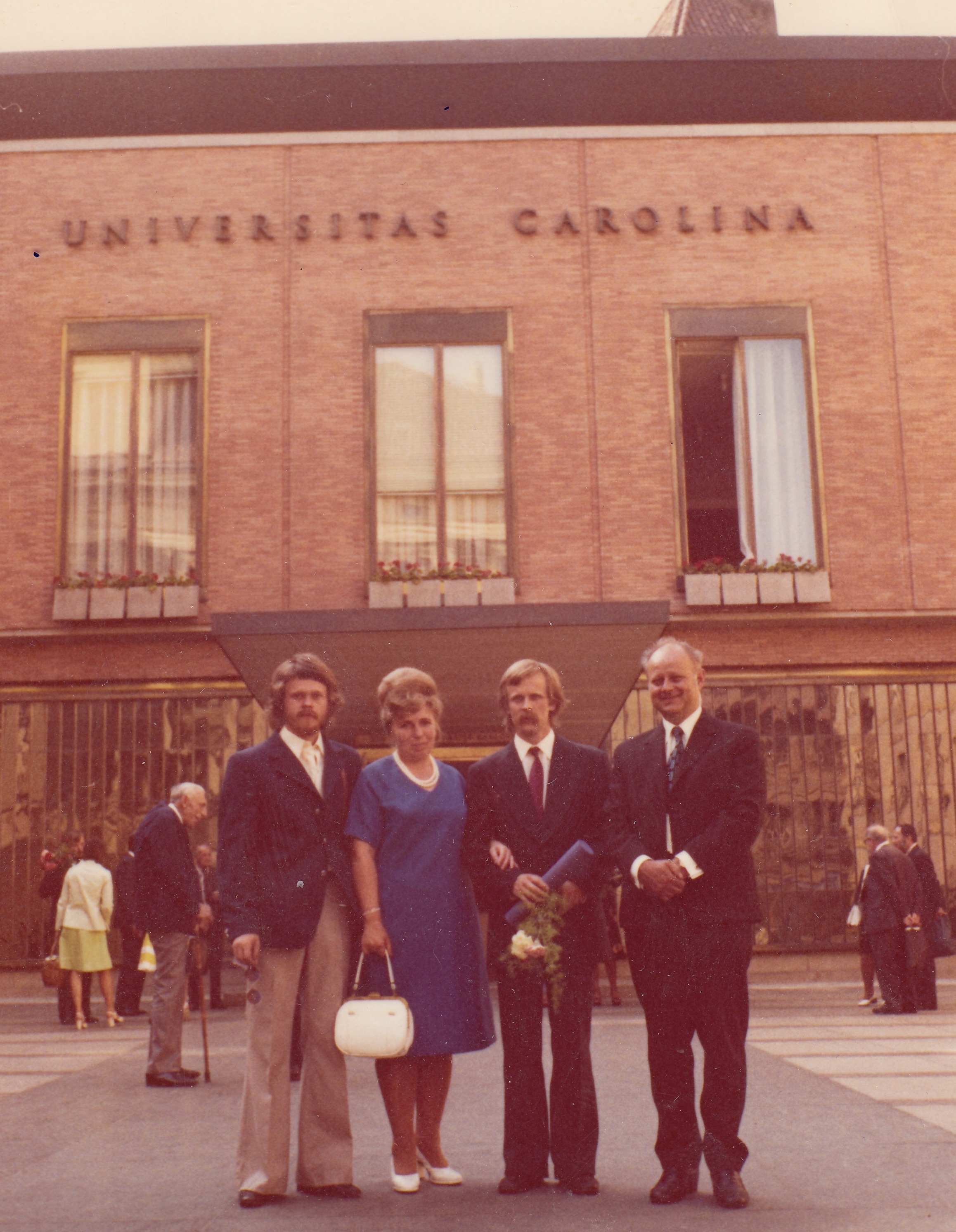
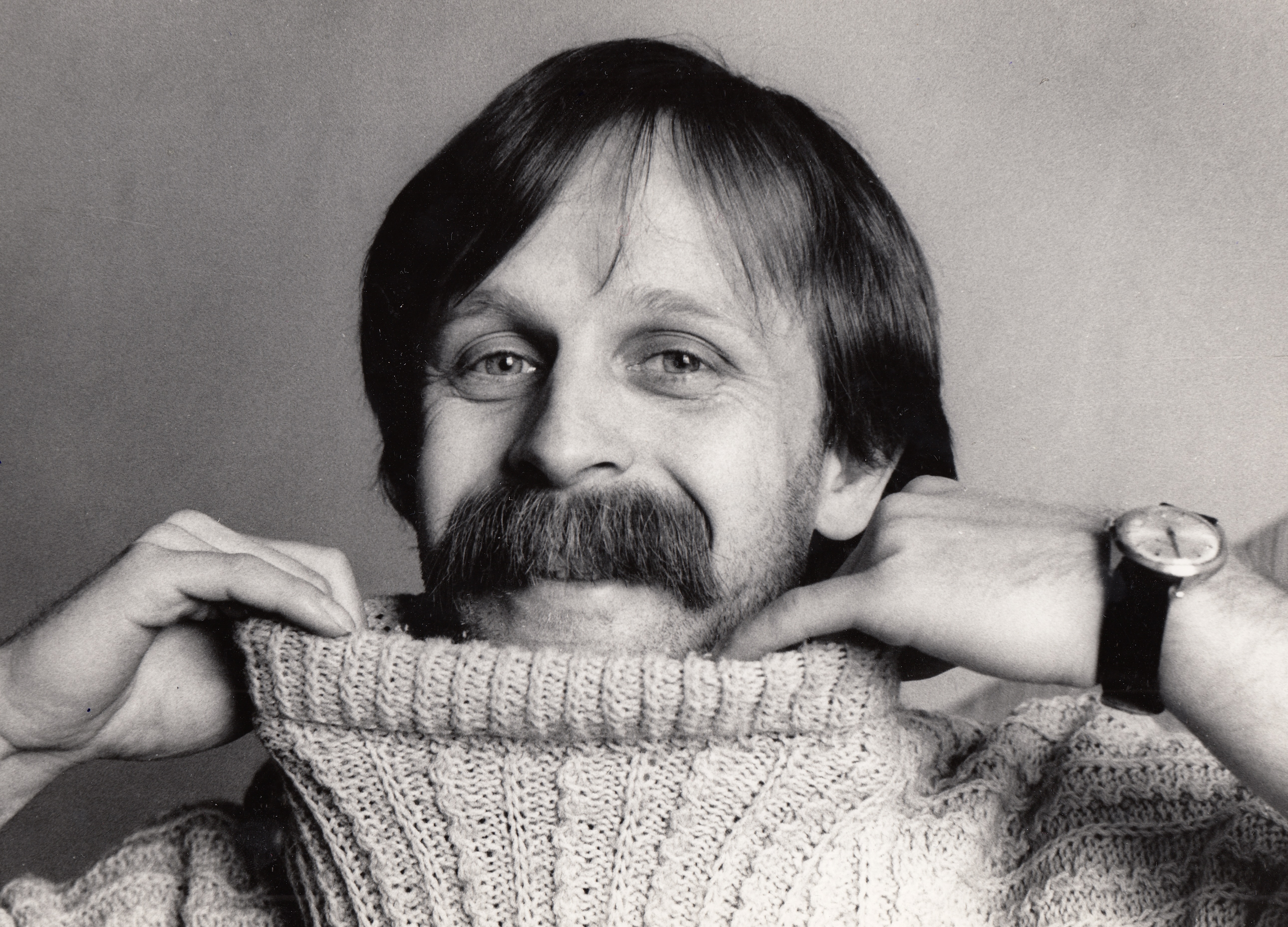
Singer-songwriter, poet, lyricist and translator Jiří Dědeček was born on 13 February 1953 in Karlovy Vary. His father František Dědeček worked as a cultural official of the regional national committee, his mother Jiřina, née Nováková, worked in a kindergarten. In 1964, the Dědeček family moved to Prague to take up their father’s new position at the Julius Fučík Park of Culture and Recreation. However, after the invasion of the Warsaw Pact troops and the subsequent background checks, František Dědeček was expelled from the Communist Party of Czechoslovakia and supported himself with manual labour. At that time (1968-1971) Jiří Dědeček was studying at the Jan Neruda Gymnázium (then the Secondary General Education School) in Hellichova Street. After graduation, he started to study journalism, but spent only two semesters there. Later he studied library science at the Faculty of Arts of Charles University (1972-1976) and screenwriting and dramaturgy at Film and TV School of Academy of Performing Arts in Prague (FAMU, 1983-1987). At the turn of the 1970s and 1980s he worked as a French interpreter for the Prague Information Service. In the second half of the 1970s, he began performing with Jan Burian as a pair of songwriters with a programme of songs, sketches and poems. Gradually they achieved considerable popularity and performed up to thirty-five times a month. Jiří Dědeček considered emigrating and signing the Charter 77, but eventually remained in Czechoslovakia on the border of the so-called grey zone. In 1985 he embarked on a solo career and in November 1989 he performed at a number of rallies and demonstrations of the Velvet Revolution. In the 1990s he founded the publishing house Limonádový Joe with his wife Tereza Brdečková, and from 2006 to 2023 he was president of the Czech PEN Club.