Růžena de Weij

* 1934

  • "I can only say good things about him. And I, when he was so devoted to me, I said to myself that when I get married, (my future husband) must have black hair. Yeah, I just, I (lived) with this image that he was a good guy. That one day I would marry him. That was like my role model. (note: soldier of the Red Army) Well, but I have to say, in other places, maybe they drank till dawn. I mean, my aunt was young too, but she was fine. She cooked for them and everything. But nobody bragged about it. I know it happened across the street. I was beginning to understand something of what was going on. And how many children were born (after the war). They said they were raped. They didn't have men at home. It was not nice. It's just like a military camp. Because there are so many soldiers, foreigners, all of a sudden. They could rest in that castle. And the village was full of soldiers."

  • "When I was there afterwards, the Red Cross was also looking for me because they wanted to know what was wrong with me, if I was even alive. Well, it was in German and I... The letter was (in German) and I couldn't answer because I didn't know how to. It was terrible. And I got... I guess I was always in trouble. When I went somewhere, I'd go and sit in the corner and listen. The joy that other young people had, I never had that. I was serious, I was smarter than them, I was more responsible because I was acting like an adult. But that childhood...I've lost that."

  • "But I was the black sheep there because I had a Czech father and I was an orphan. So anybody could have slapped me. I was on my knees forever. And I didn't study. Just not being noticed like that, it was terrible. I was stupid, I could study to know something. Then I had to catch up. But I got hard. And the worst were the ones in the church, what they call them, the priests. Jesus Christ, how could he pick me up out of my skirt and beat me. Cause all I had to do was turn around, say something. And I got mad and I said, "I'm not gonna get beat up all the time. He sent the whole class and they all could have beaten me up."

  • Full recordings
  • 1

    Praha, 18.12.2024

    (audio)
    duration: 01:32:33
    media recorded in project Stories of the 20th Century TV
  • 2

    Praha, 17.04.2025

    (audio)
    duration: 01:26:17
    media recorded in project Stories of the 20th Century TV
Full recordings are available only for logged users.

I was always the black sheep, I had a Czech dad and a German mom
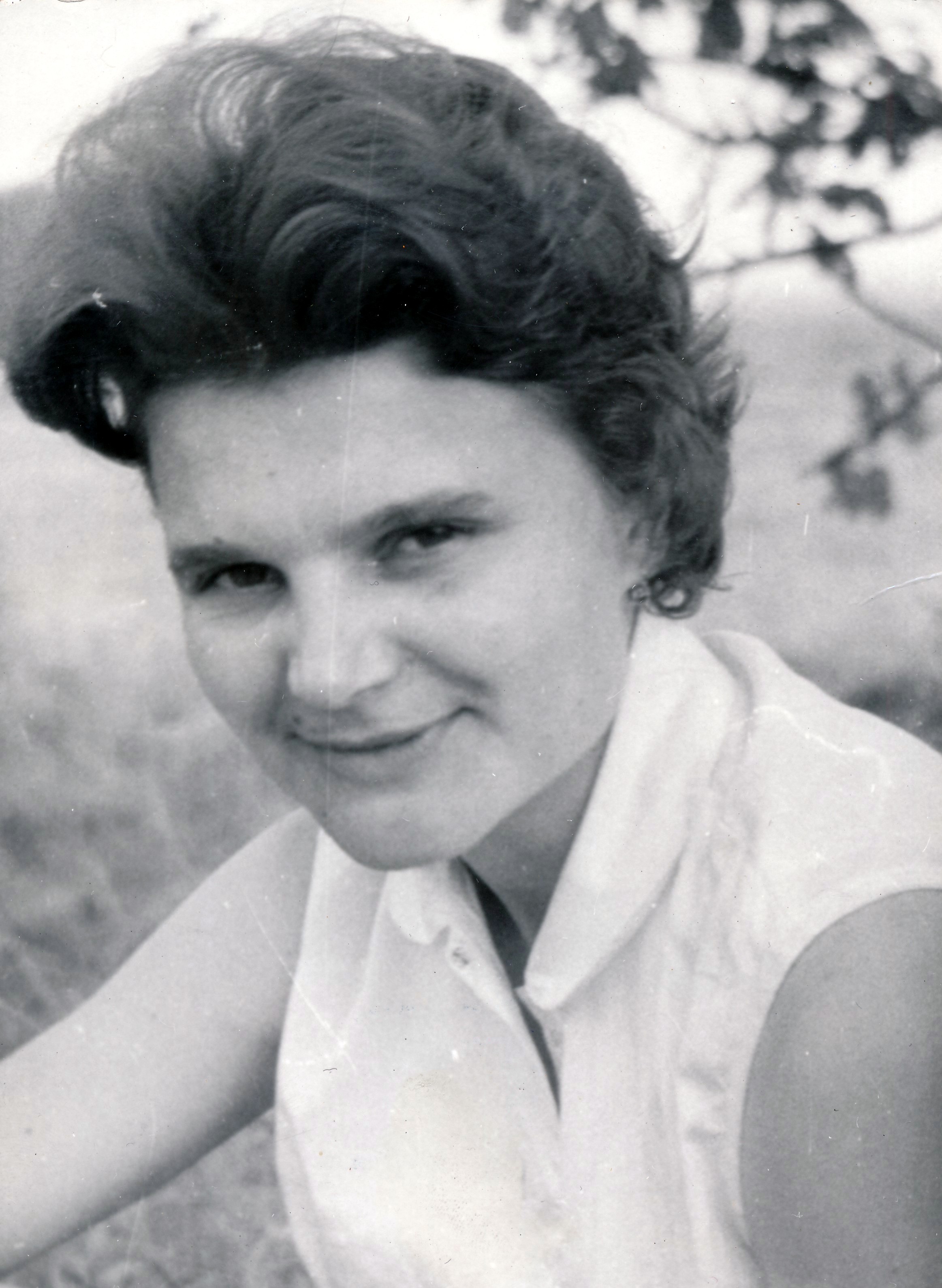
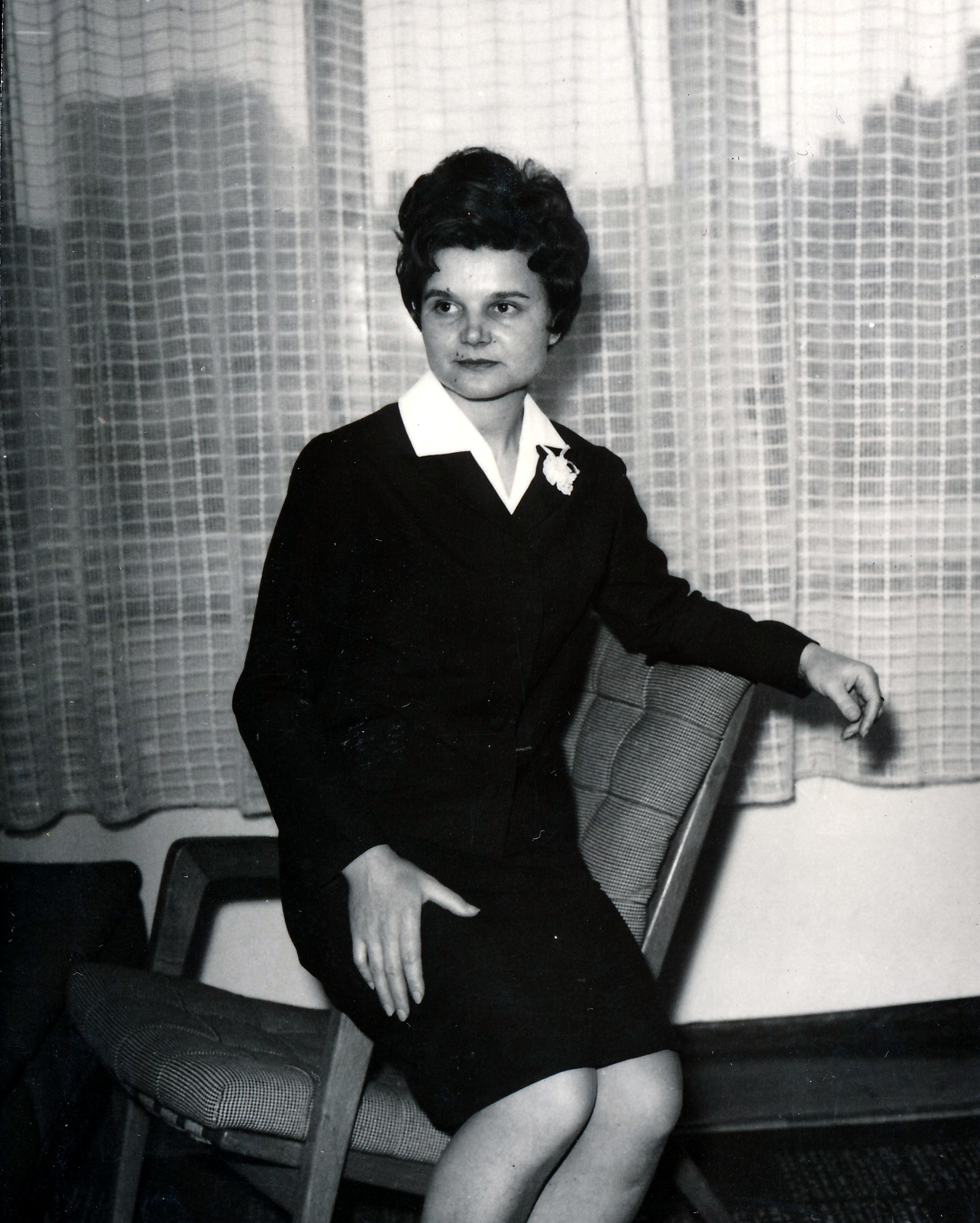
Růžena de Weij in 1965
photo: archive of the witness

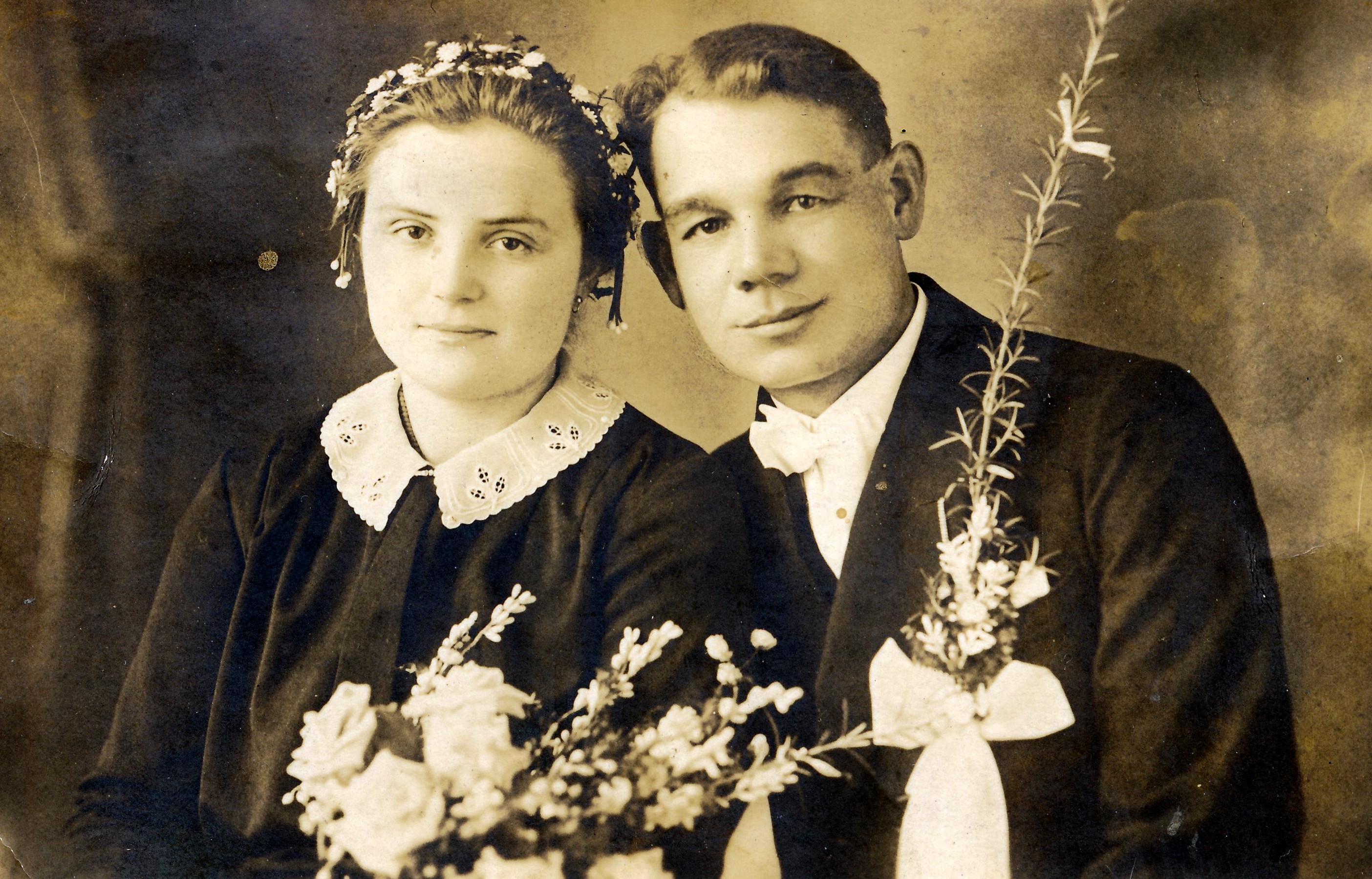
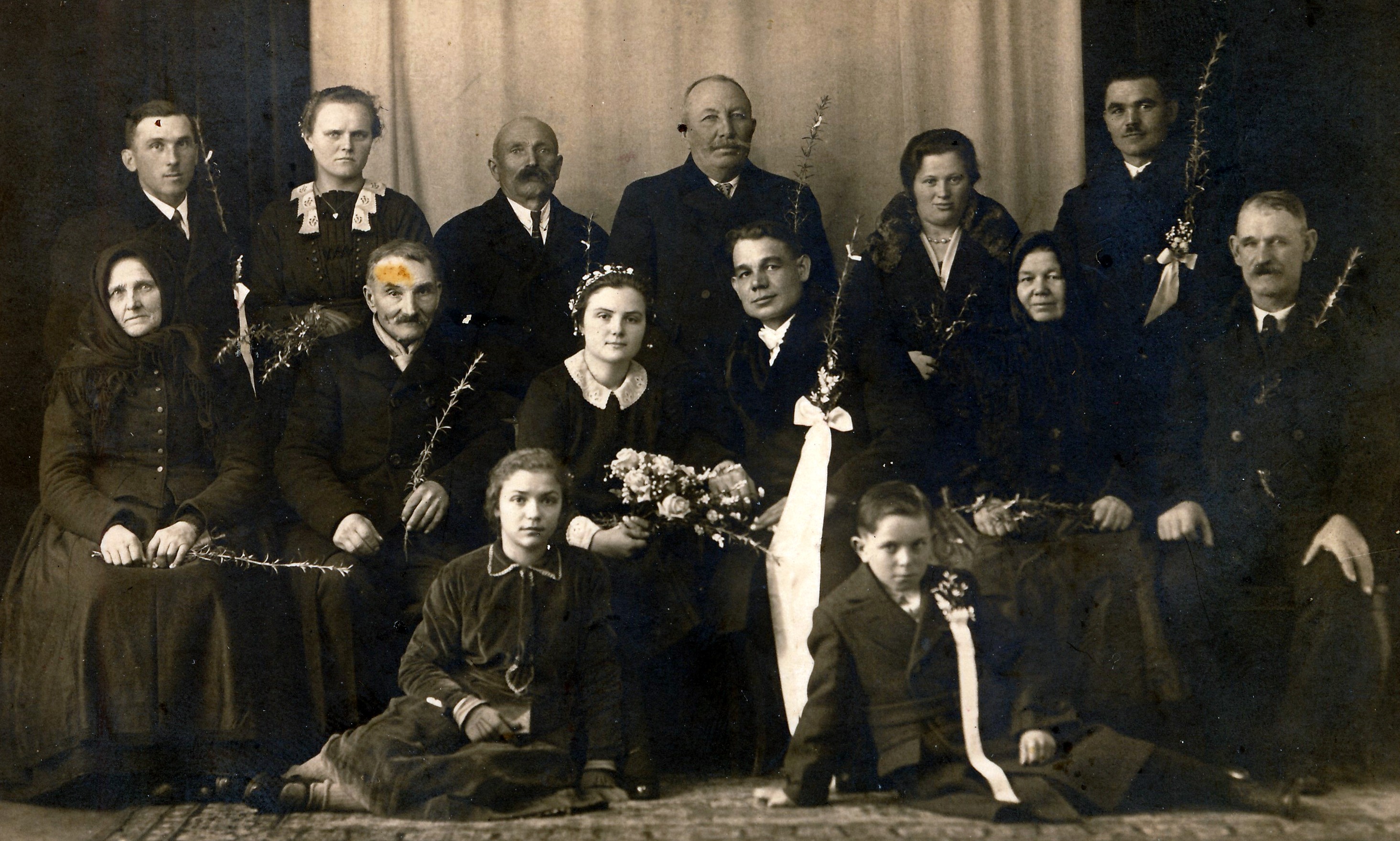
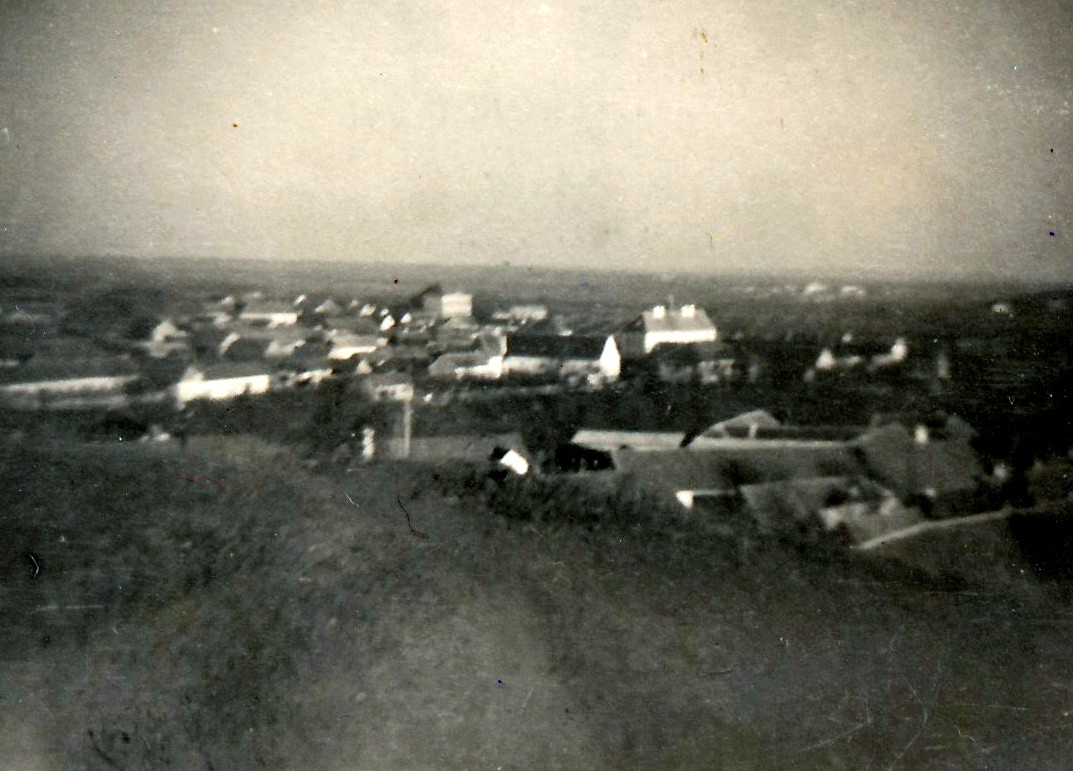
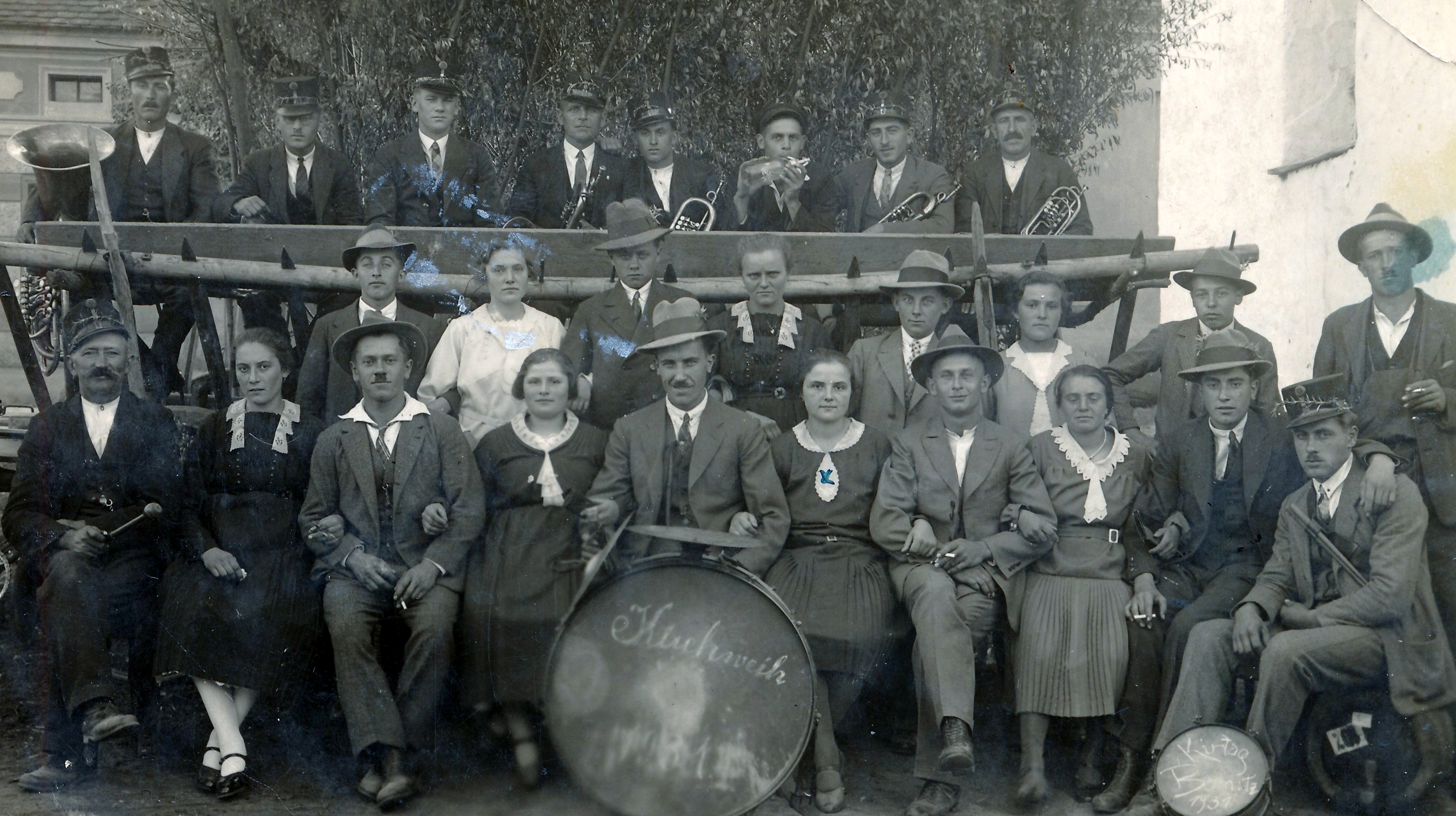
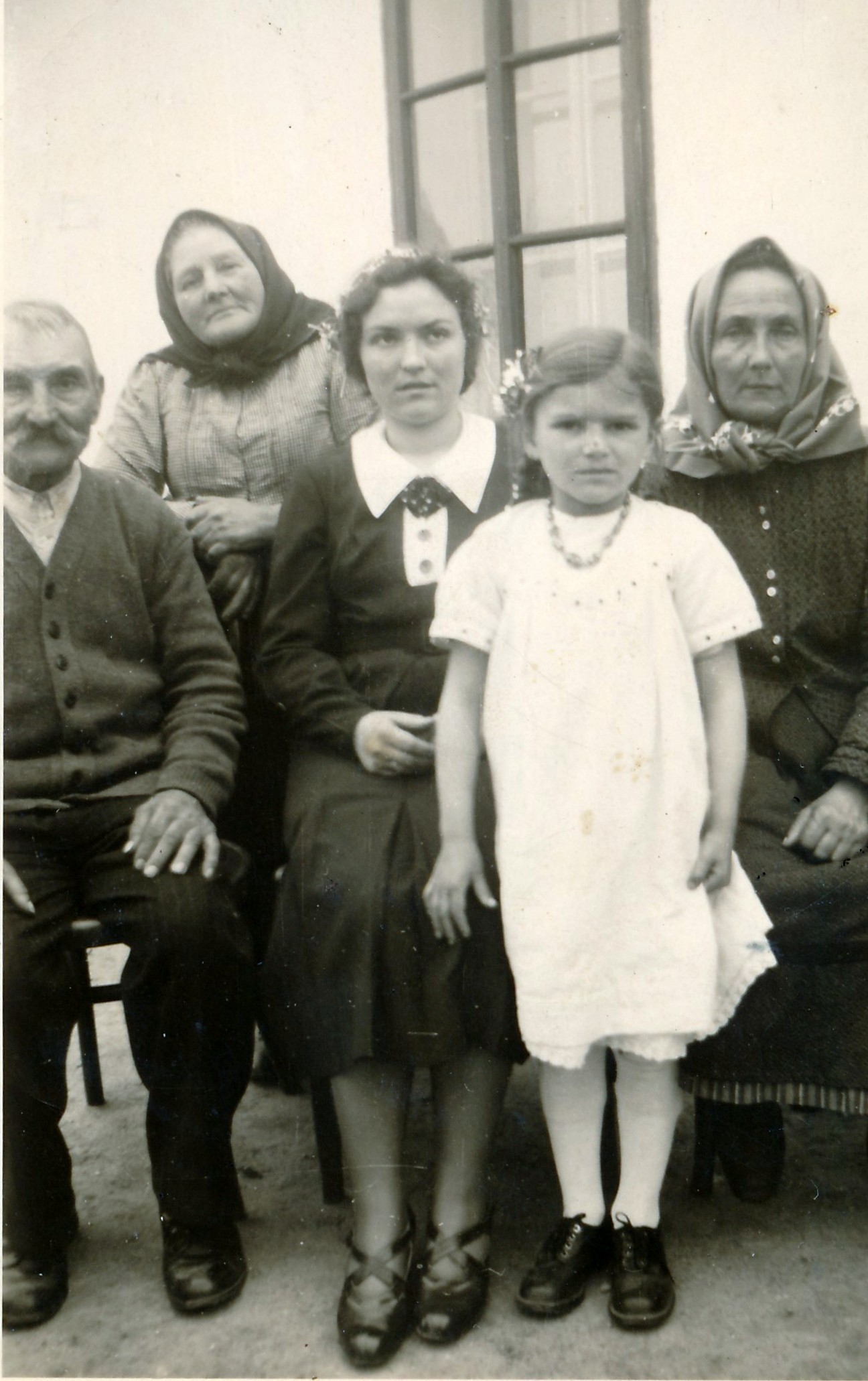
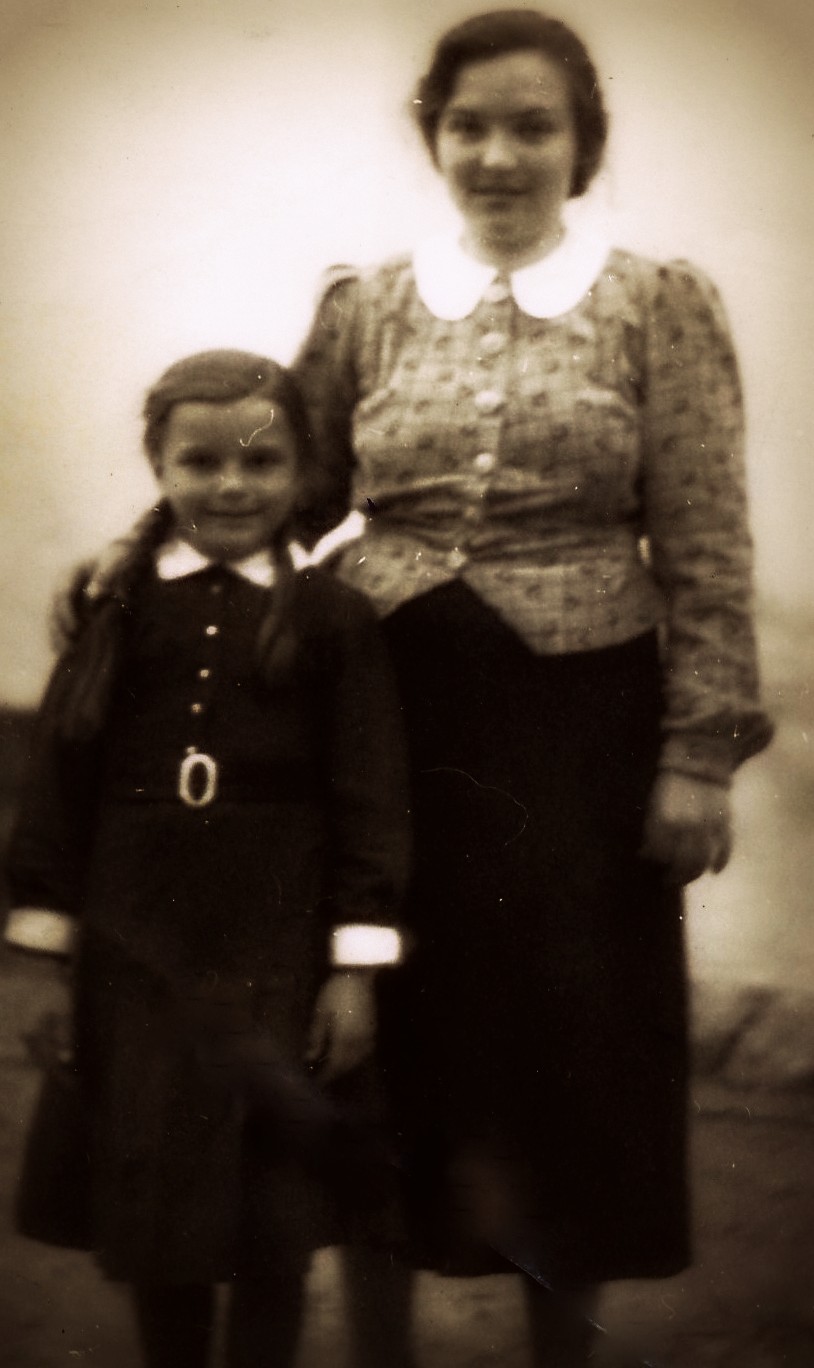
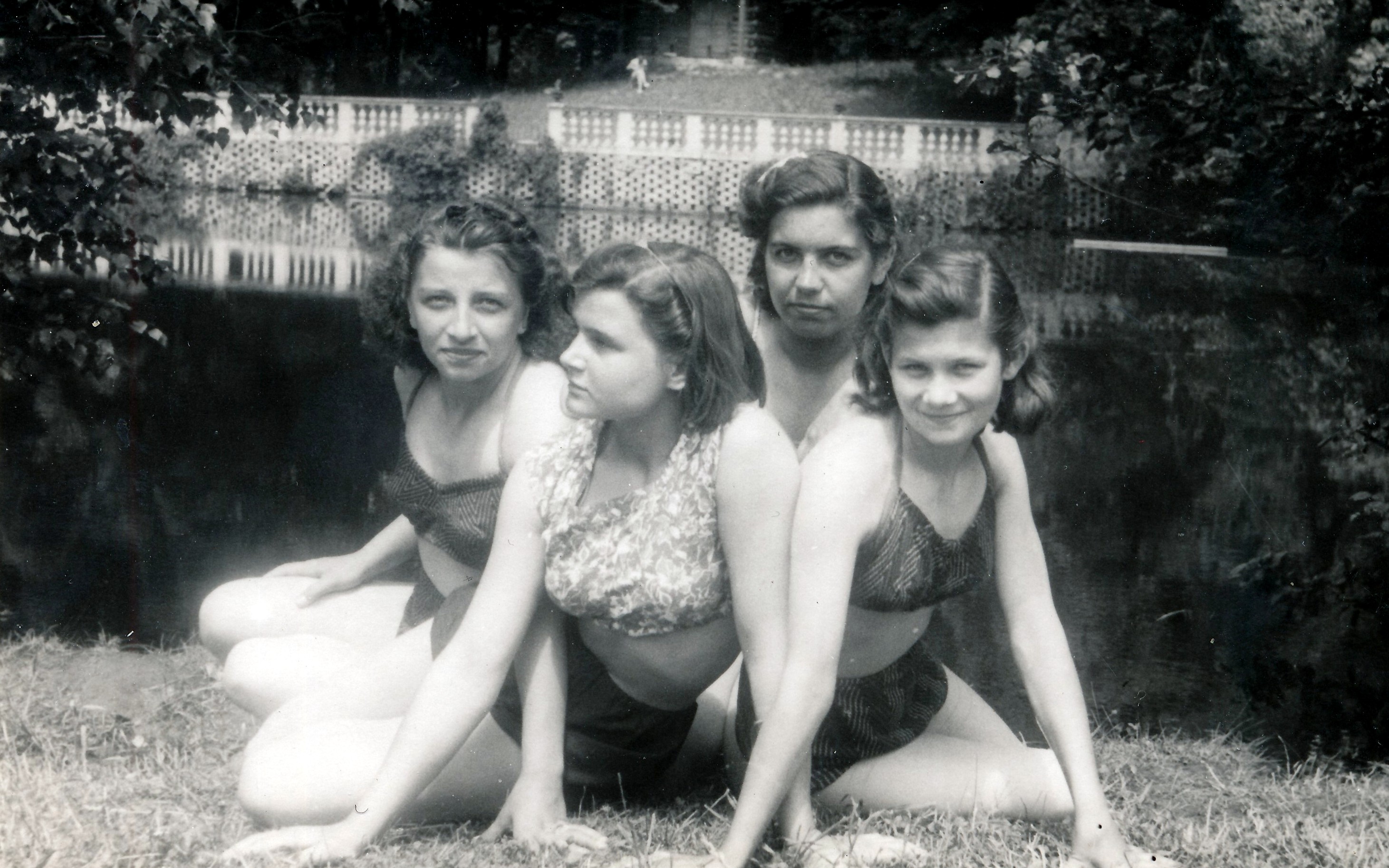
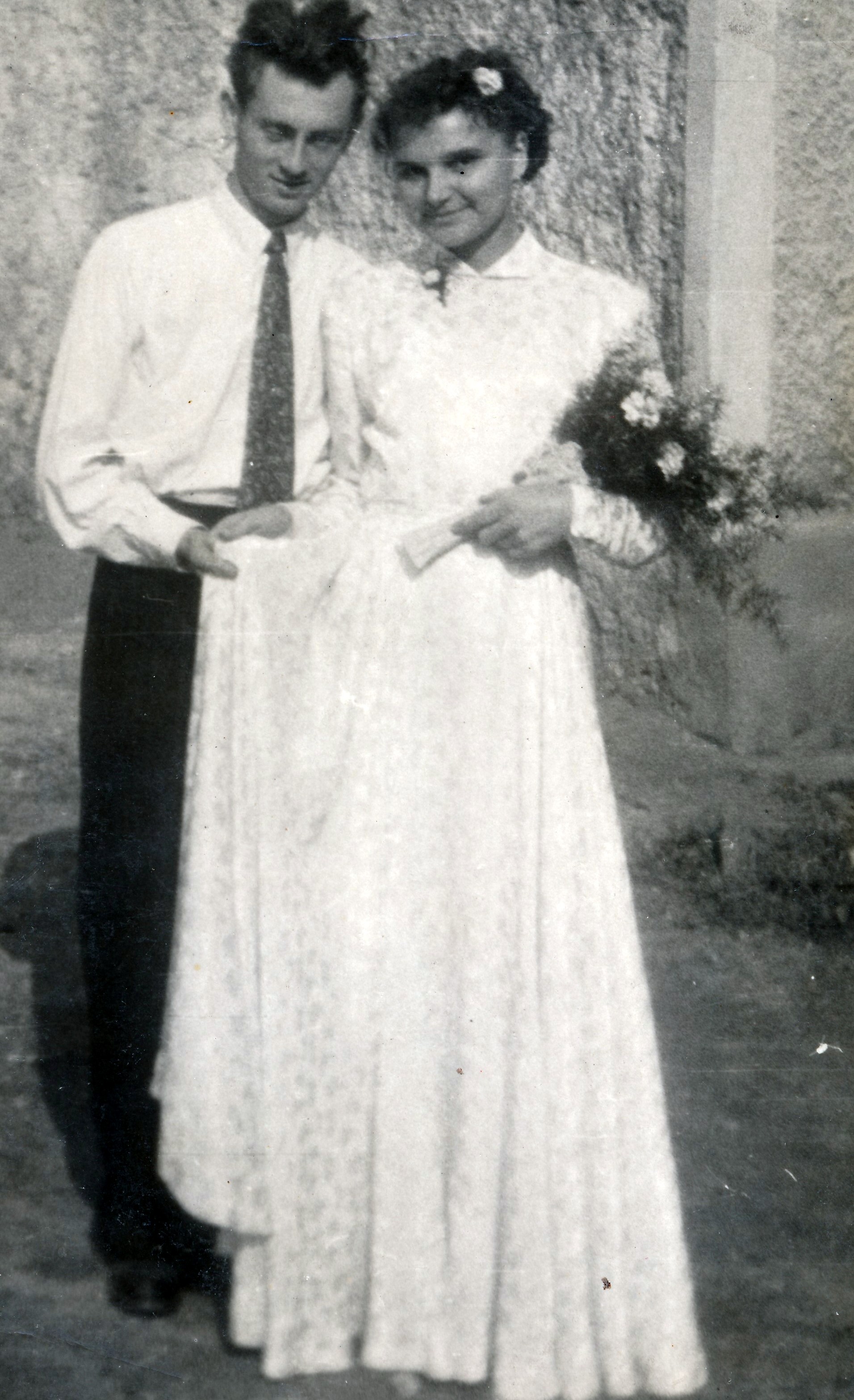
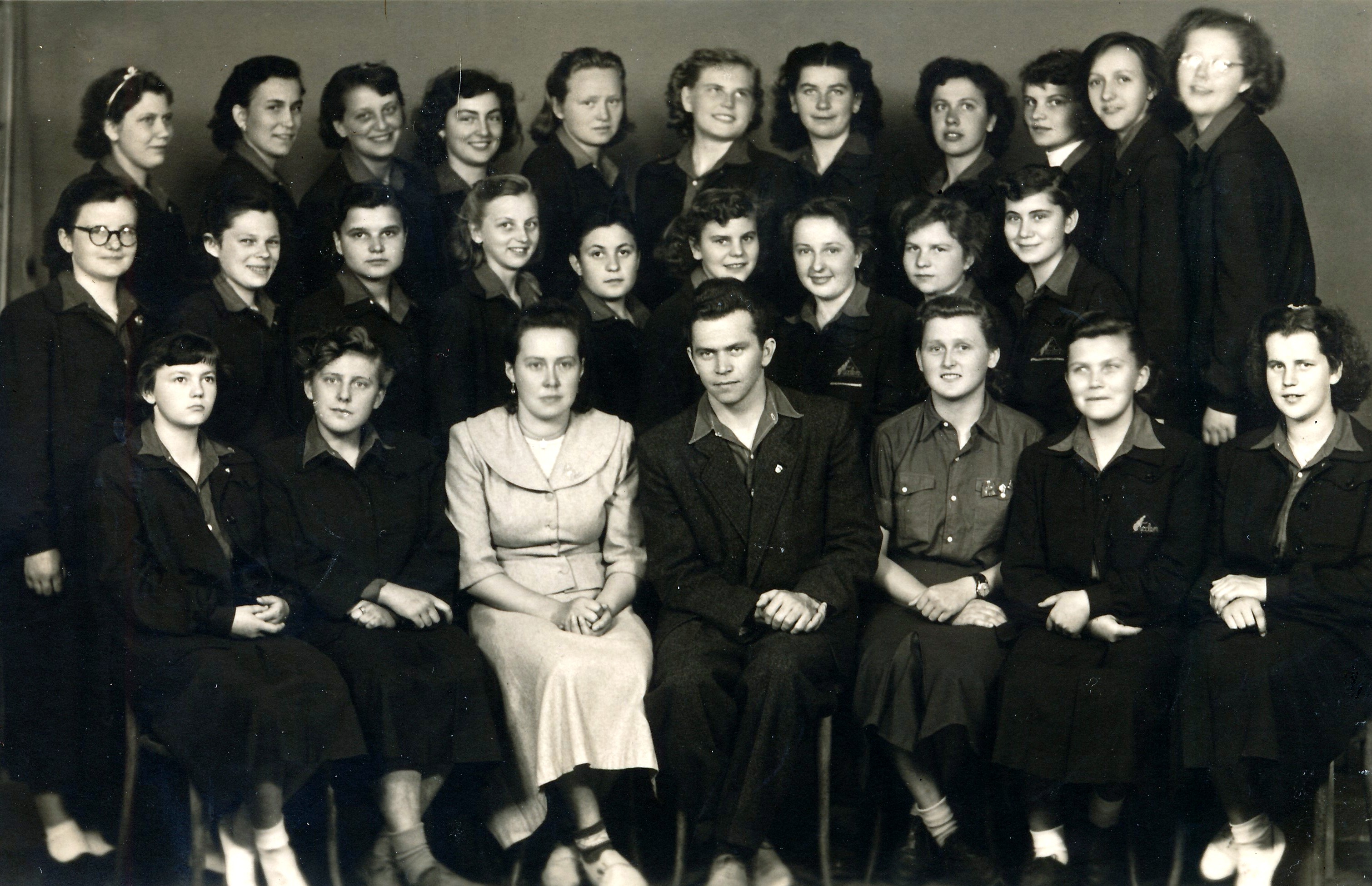
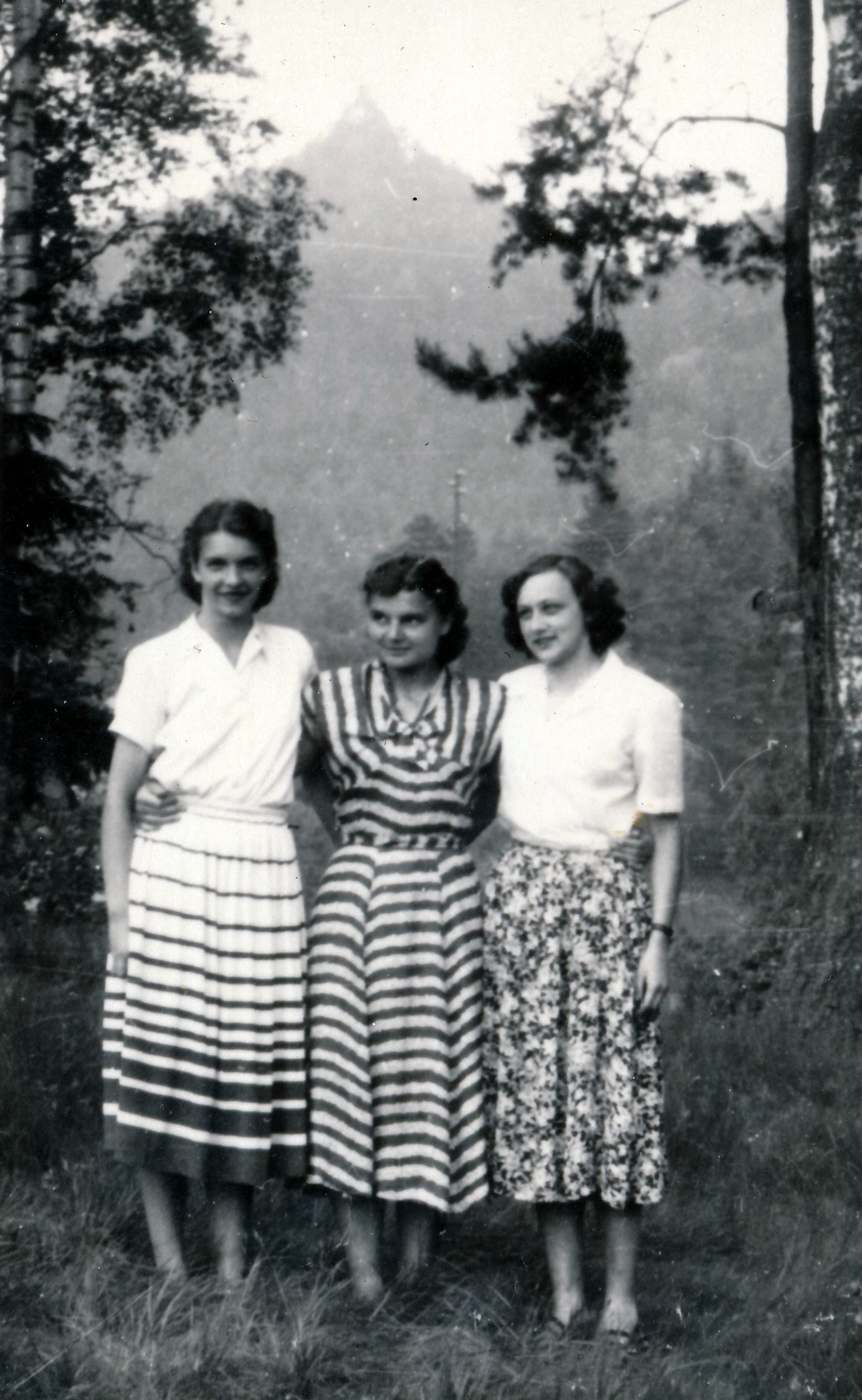
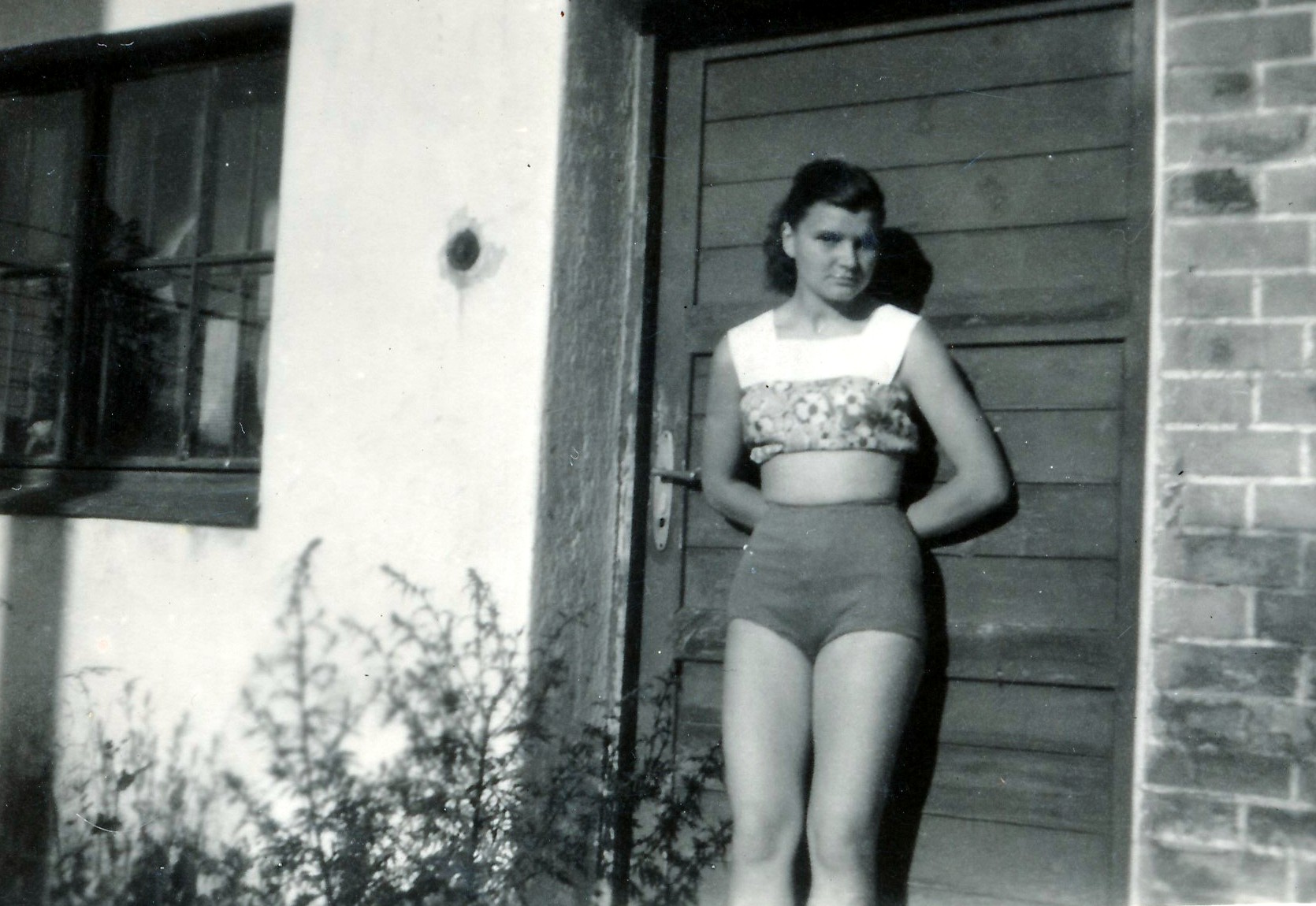
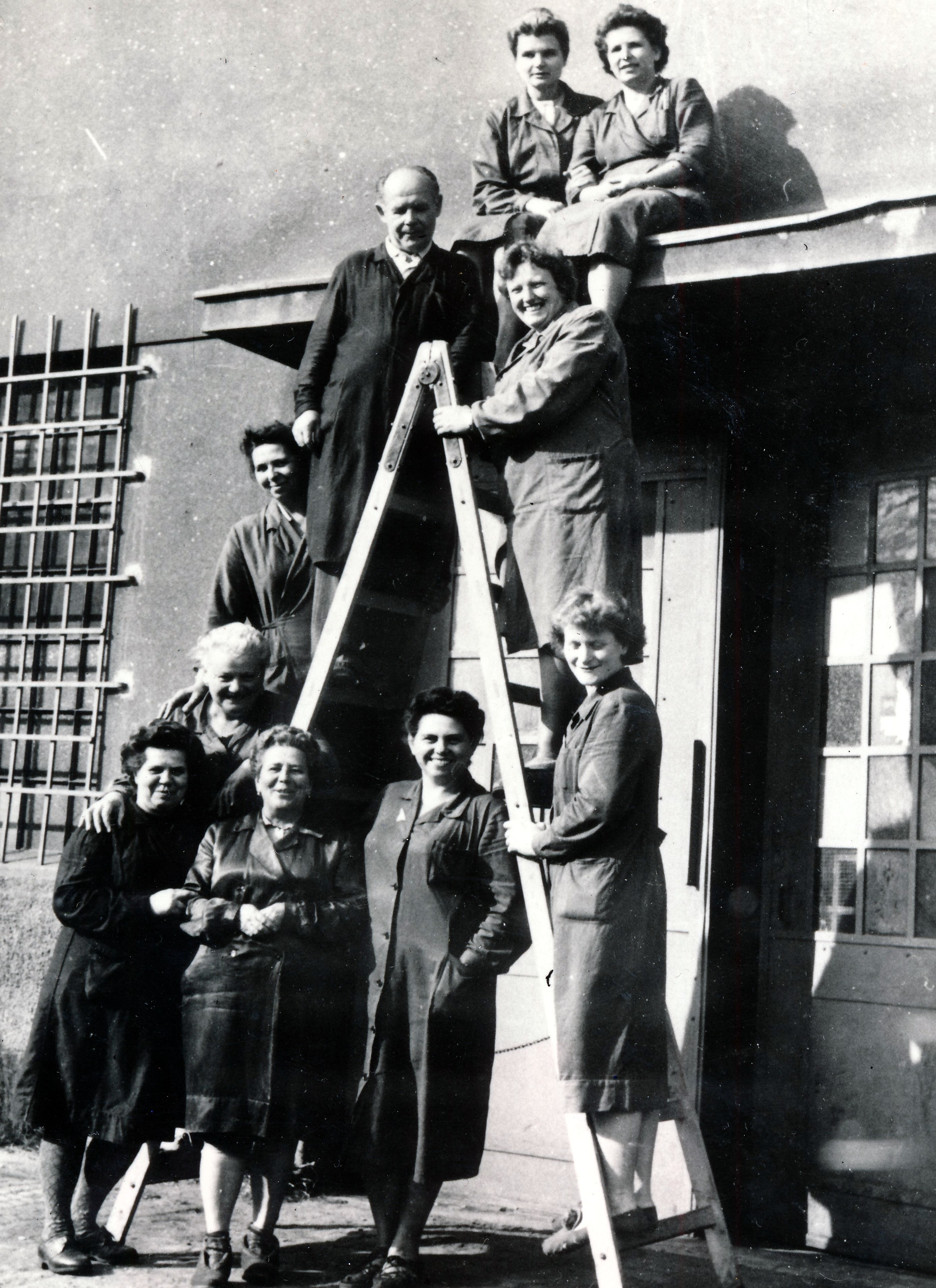
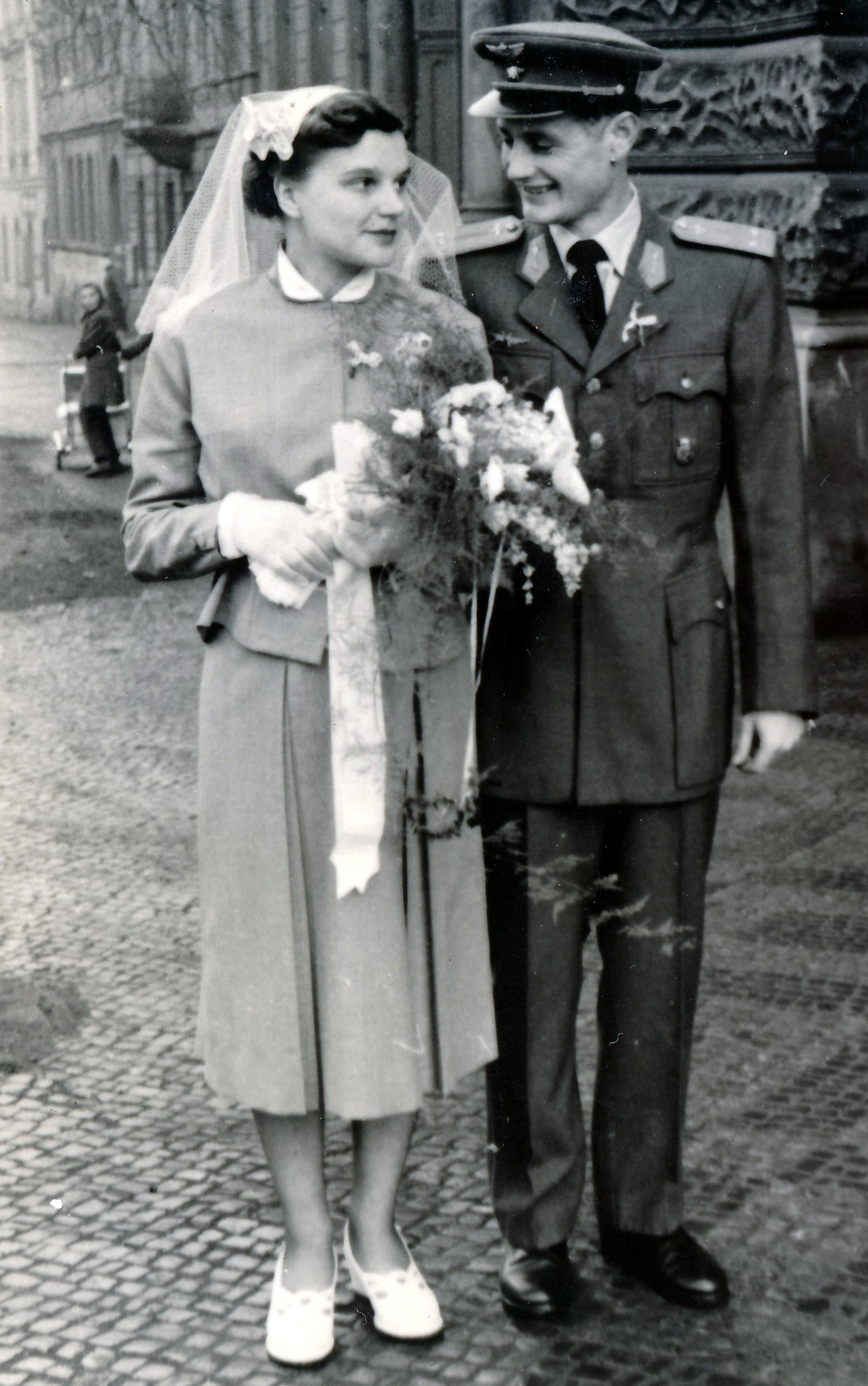
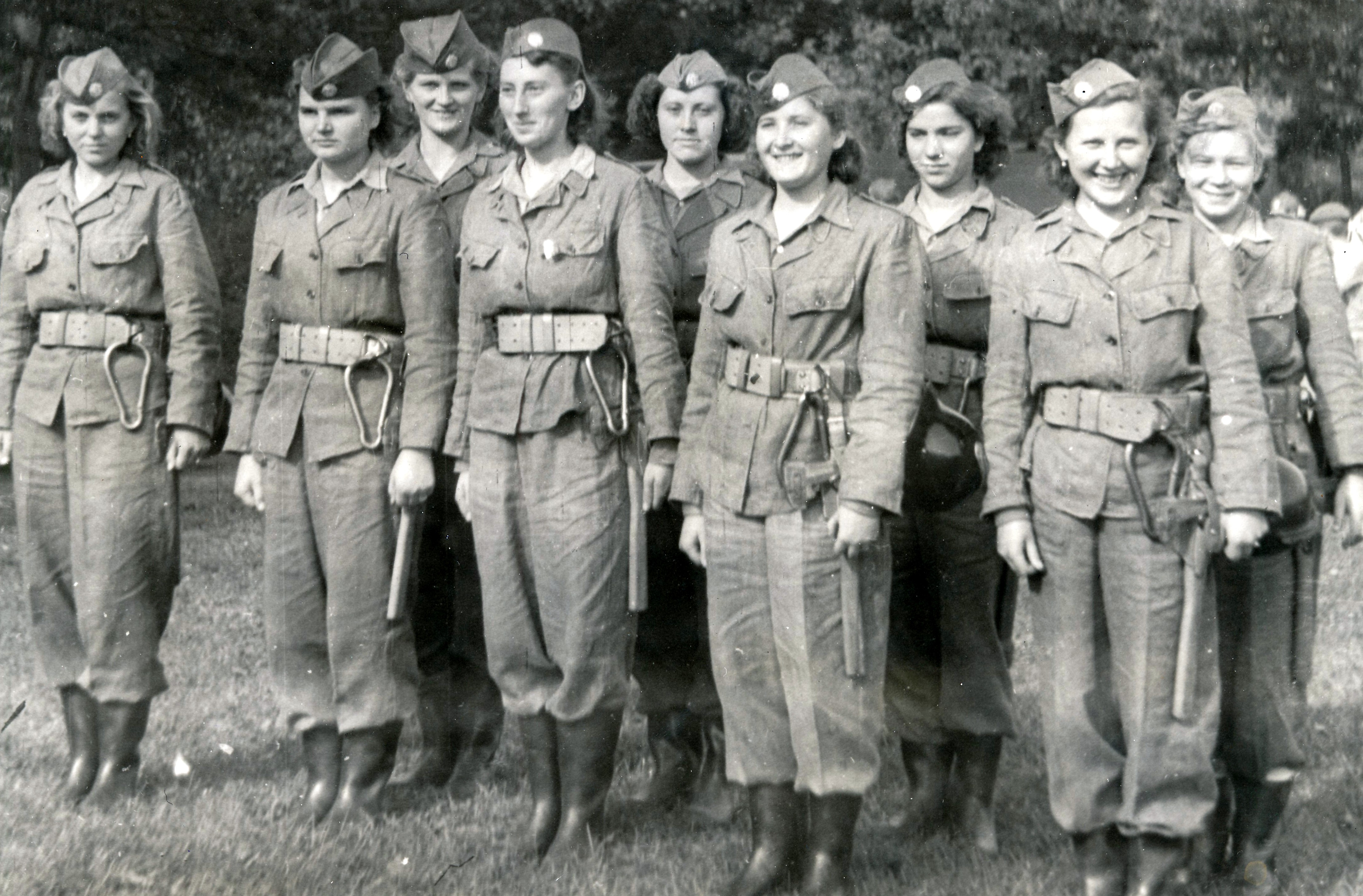
Růžena de Weij, born Kollnerová, was born on February 26, 1934 in the village of Tvořihráz in the Znojmo region. She came from a mixed Czech-German marriage, as a result of which she experienced many humiliations during a tense time. When she was only three years old, her mother died and she was entrusted to the care of her German relatives in nearby Prosiměřice. Her father had no interest in her. Her childhood was full of traumas, the greatest of which she experienced as a result of the post-war expulsion of Germans from Czechoslovakia. She herself was not subjected to the deportation, but almost all the inhabitants of the small town of Prosiměřice, including her relatives, were transported to the assembly camp in Znojmo. As a result, the then twelve-year-old Růžena suffered a severe psychological shock. She did not speak Czech at that time and was therefore unable to complete her primary education. For the next two years she survived in completely unsatisfactory conditions. She earned her living as a farm maid, and a little later the Czechoslovak authorities allowed her to learn to spin. Her first marriage to a pilot of the Czechoslovak People’s Army broke down, and she experienced further disappointment during a visit to her relatives in Germany. It took her twenty years to get permission to travel, and her original family treated her coldly. It was only after her marriage to Johann de Weij, whom she followed to the Netherlands in 1975, that she gained a foothold. She returned to the Czech Republic after thirty years and now (2025) lives in Prague.