He gave letters and packages from families to political prisoners
Download image
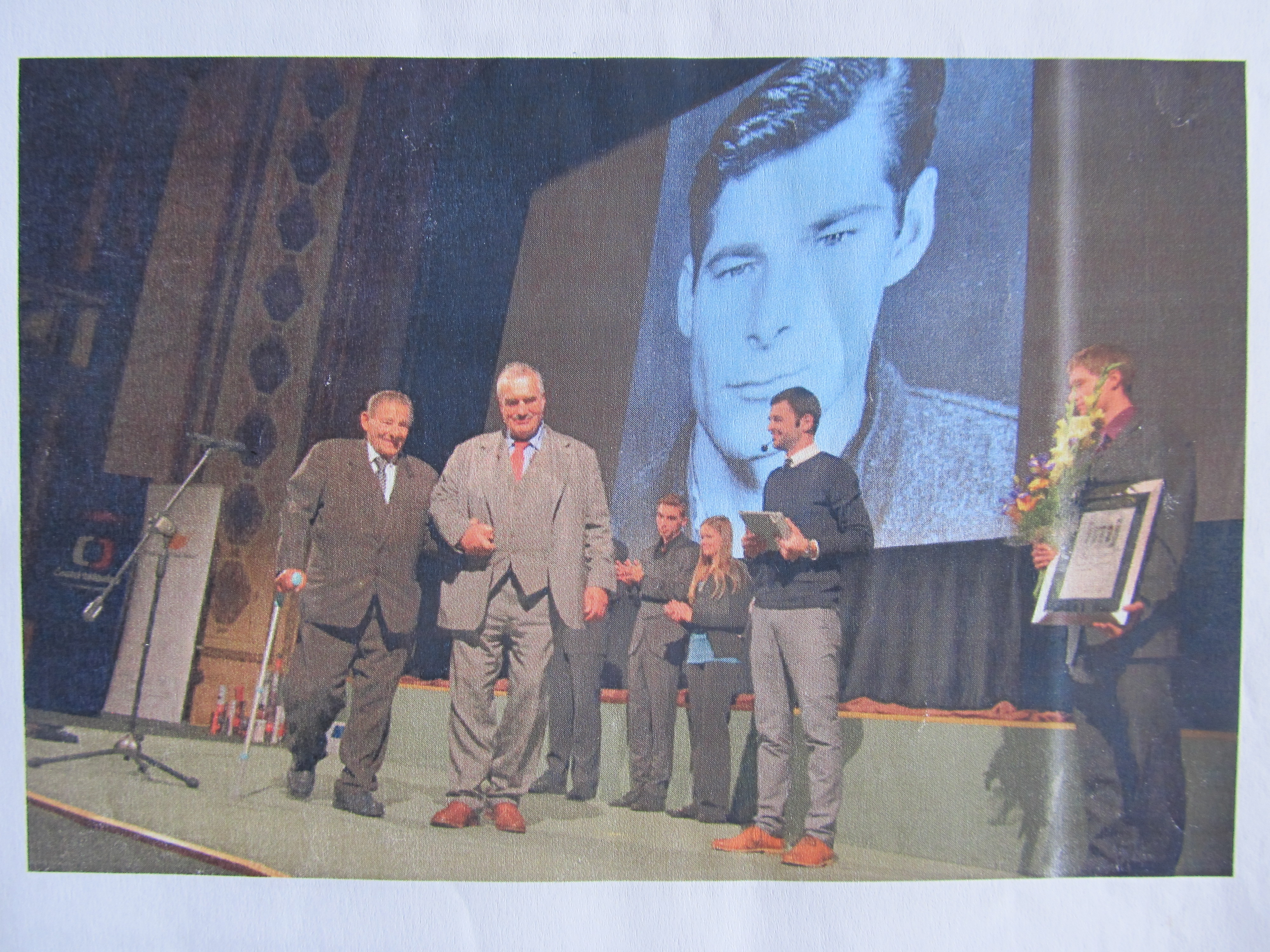
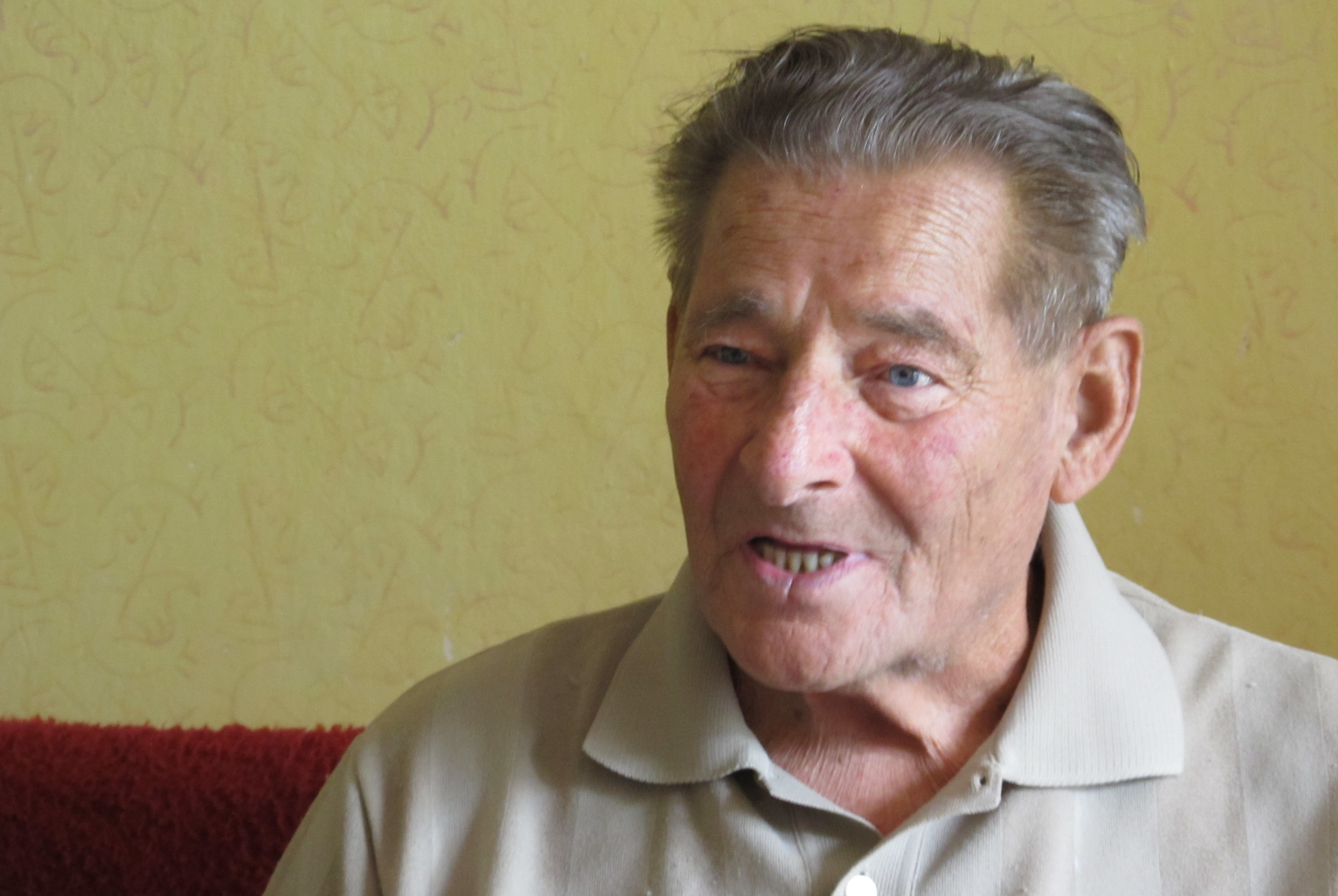
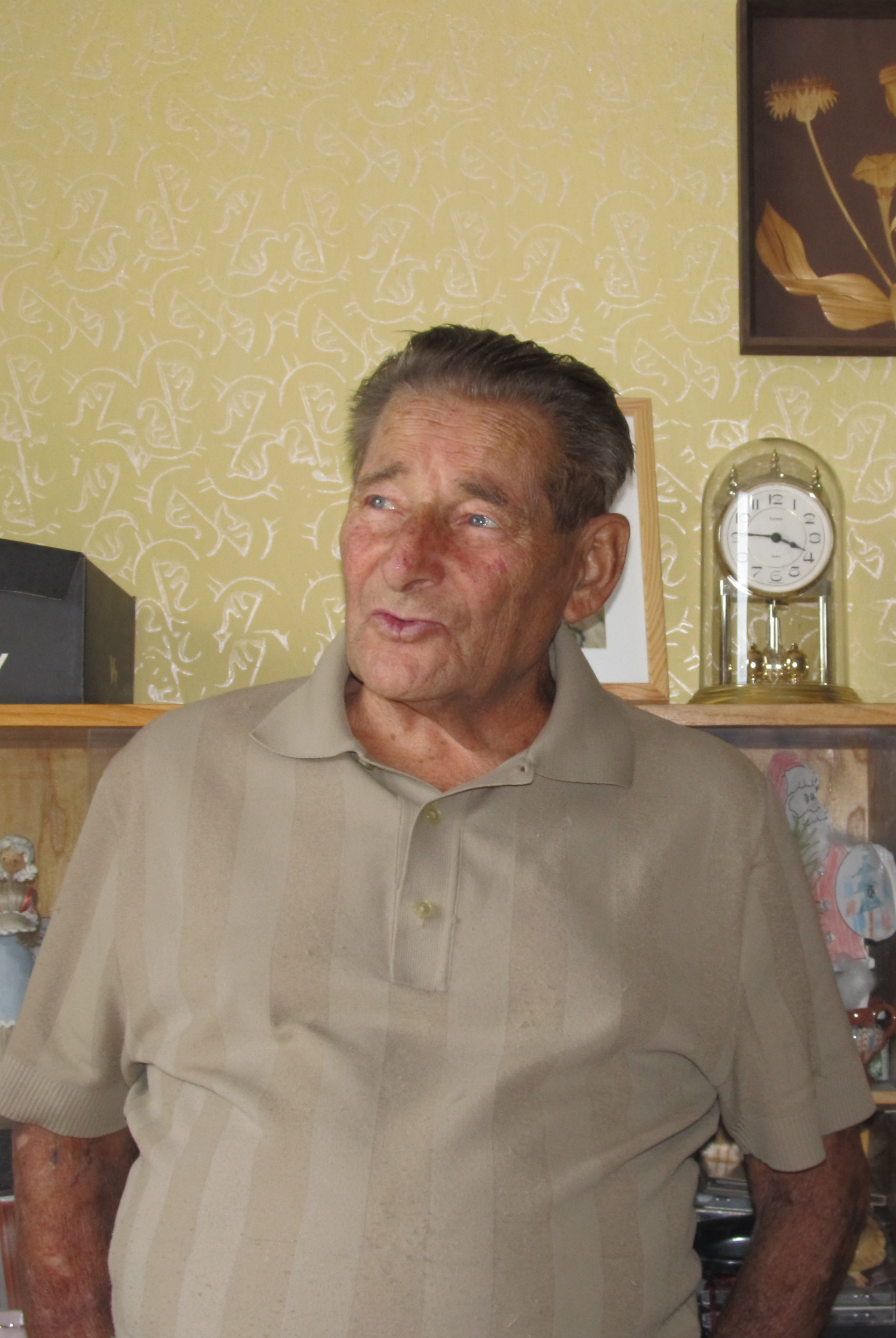
Josef Čech was born on April 20, 1930 in the Zlín-Kudlov district, where his parents owned a small farm. He trained as a shop assistant and after school worked in a private shop, which was nationalised after February 1948 and incorporated into the state-owned Pramen. Josef became the manager of the shop soon after nationalisation, as the original owner was imprisoned. After a year of his activity, an inventory revealed a shortfall which Josef Čech had to pay back. In order to obtain the necessary amount of money, he decided to try a better paid job in the uranium mines in the Jáchymov region. In August 1950, he joined the national enterprise Jáchymovské doly as a civilian employee, where he worked as a collector. At work, he soon became friends with some political prisoners, for whom he began to provide contacts with their families. He personally delivered letters to the families from the convicts, received replies at his address, and received parcels of food and cigarettes, which he handed over to the final recipients. He also became acquainted with Jiří Křivánek, who had been convicted of collaborating with the American intelligence service CIC. At the beginning of 1951 he confided in him that he had decided to escape from a labour camp. Josef Čech promised to help him organize his escape. On February 14, 1951, Křivánek actually managed to escape with the help of several civilian employees, but was not apprehended until June 1951. Immediately after his escape, an investigation was launched and soon all of his aides were arrested -- Josef Čech in particular on February 20, 1951. First he was interrogated in Jáchymov, then in the infamous State Security interrogation room in the underground premises of the former Marian monastery. From there, after several months of investigation, he was taken to Pankrác for trial. He was sentenced to 15 years’ imprisonment by the State Court in Prague on June 1, 1951 for the crimes of treason and espionage. He served his sentence in the prisons at Pankrác and Bory, then was transferred to a labour squad at Hrádek near Rokycany and from there, after a month, to the Rovnost camp in the Jáchymov region, where he remained until 1955. At that time, he was identified as one of the initiators of the prison strike and was therefore transferred to the Vojna camp in the Příbram region via the Ruzyně prison. He was released on parole in February 1960. Subsequently, he found employment in a construction company in Pardubice. However, during several conversations with his colleagues he did not spare criticism of the communist regime, which did not escape the Pardubice Security Service. In February 1962, he was arrested again and taken to a detention centre in Hradec Králové. On April 17, 1962, the District Court in Pardubice sentenced him to two years’ imprisonment for the crime of sedition against the Republic. However, he only served three months of his sentence (which included his pre-trial detention), as another presidential amnesty followed in May 1962. Until his retirement, he then supported himself as an auxiliary worker in the foundry of n. p. TOS. After the fall of communism, he was honored as a participant in the anti-communist resistance.