Petr Bukva

* 1954

  • We came to America, again - we came pretty much on a pass blind - the destination wasn't that solid, but we had those stops, we did San Francisco, that really caught my heart. They weren't hippies there anymore, they were more, I would say, a lot of gays and lesbians, rainbow flags, but they were classy, totally cool. We slept in a hotel for three days, then the locals took over and we were sleeping individually, which was great. The contact, the underground, is suddenly coming back...And some guy Jirka Mareš - he played with the White Lights or something, in the underground, in Prague. We were there with his wife Olina, she worked in the hospital, she didn't have much time for us, he had a workshop - a car repair shop, he drove us around Frisco, so we went around. We looked at Alcatraz and the Golden Gate, all the attractions and the harbour. We spent a week or so there, it was a very nice place, but all the Czechs had moved out of there to LA, they said they didn't have good beer, so he gave us the address of somebody in LA. We flew into LA, got out, took a cab and went to Venice, not quite by the sea, somewhere in there, at night, a cab dropped us off. Now there were Mexicans, the gang or whatever, we were like: Shit, all our savings are in our shoe, now they're gonna ambush us, now they're gonna cut us open! Well, we were pretty scared. 'Who are you looking for?' 'We're looking for a George Popel' 'Yeah, George Popel! It's a Czech biker gang!' And they really let us go and took us to the house, we were almost there. And they, as they lived there in such a wild neighborhood, Jirka Popel, who came back too, was a translator of beatnik poems and that kind of American poetry, I found him like that in many magazines, both of them worked in Hollywood, one made artificial blood and the other one made props and created jewelry. And as he was making the blood, they had all these fake guns, so sometimes when a bunch of Czechs would come to a party there, somehow the hippies would shoot in the air, they'd start a fight, they'd spray some blood and the Mexicans had quite a bit of respect."

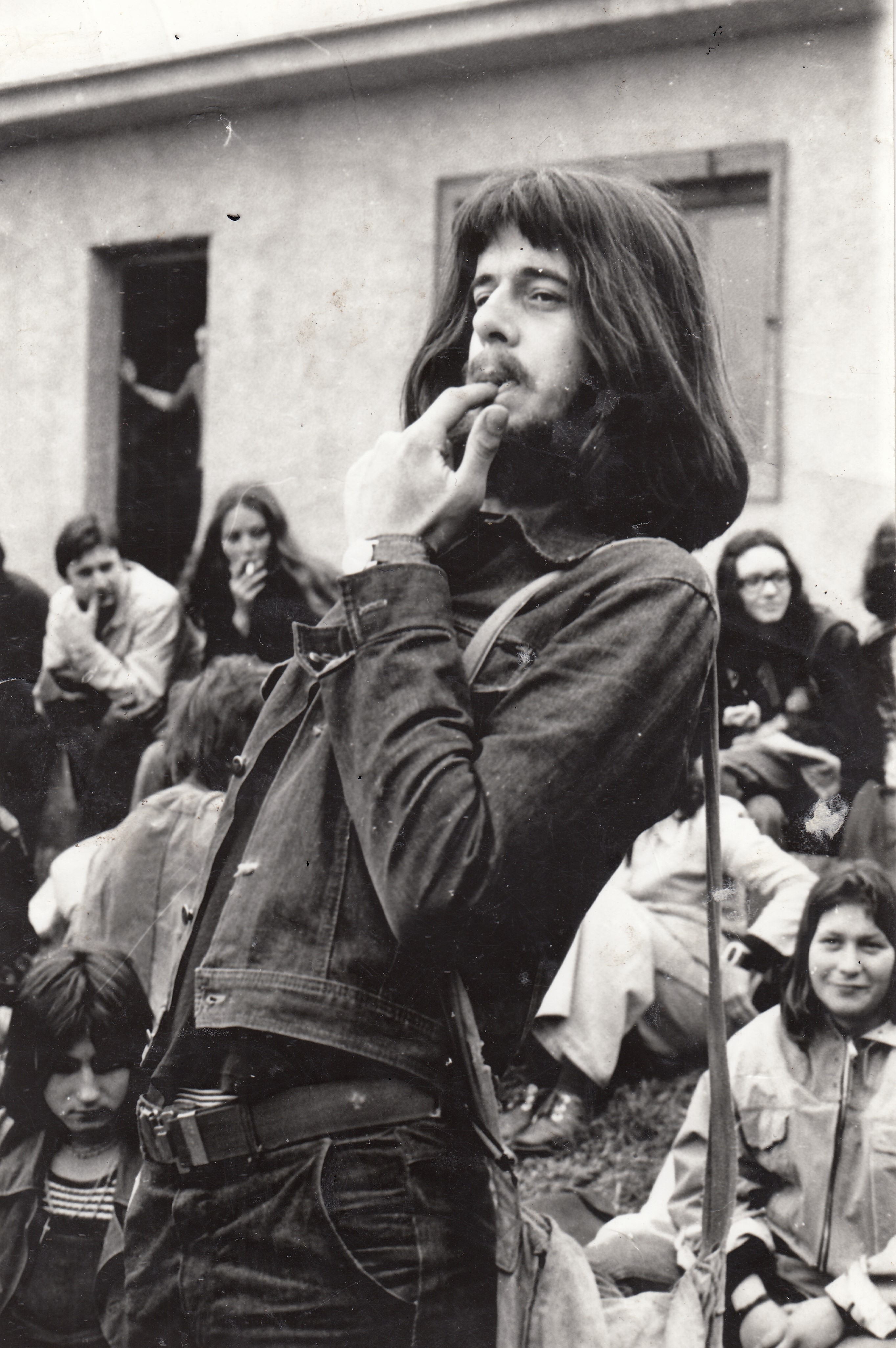
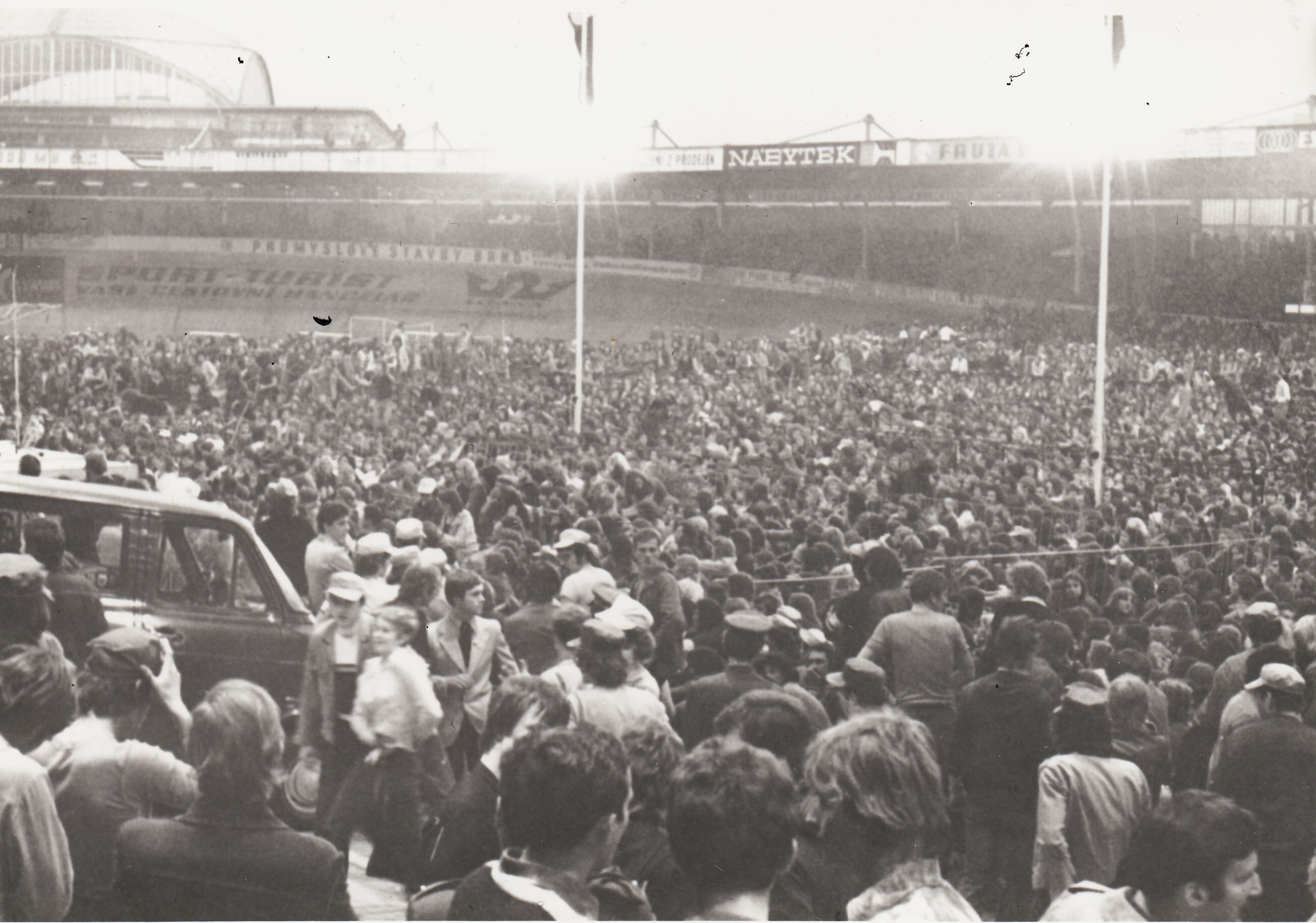
  • "It started to get so crowded and it was already starting, it was quite a fight, so far they were just pushing it with batons to the road and from behind - I would say from the point of view of a spectator - police cars were coming, for example, on that road we were walking, running, pushing it, some of them managed to escape in Rudolfov, but then it wasn't so good, because there were those houses on the side. There were people in the front gardens, they were happy that they were rushing us: "Please, can you hide us, let's just hide in the garden and we´ll go right away?" 'No, no, no,' we ran out again and the cops followed us. Now this Joplin girl - I've got to get back to her - she was a little bit overweight, a really slow girl, she was always at the back and they were beating her normally across her back, across her bottom, across her legs and driving her forward like cattle, really. It was getting absolutely brutal, they were just pushing us."

  • "Then the painters had exhibitions somewhere... for example Stratil was a boilermaker in a boiler room somewhere on Praskova Street, and my friend - I used to sleep there sometimes - had a boiler room right next door. So people from Prague and everybody came there and he had a normal underground opening, like nobody knew anything, in the courtyard of the block of flates he hung paintings, canvases all around and just exhibited there, people came."

  • Full recordings
  • 1

    Olomouc, 31.05.2024

    (audio)
    duration: 02:10:28
    media recorded in project Stories of the region - Central Moravia
  • 2

    Olomouc, 02.08.2024

    (audio)
    duration: 02:16:00
    media recorded in project Stories of the region - Central Moravia
Full recordings are available only for logged users.

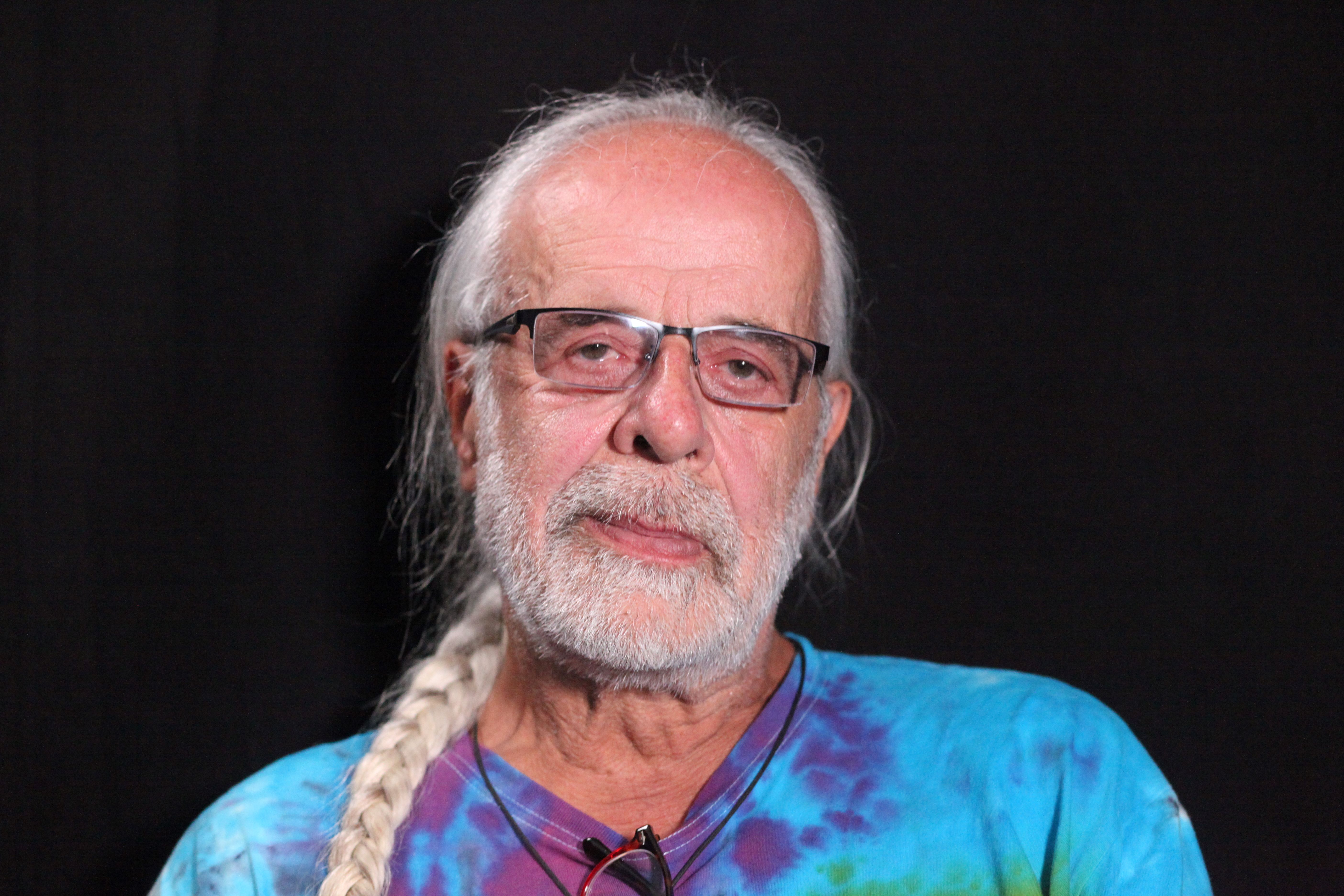
After the raid in Rudolfov, I knew I didn’t want to live here anymore
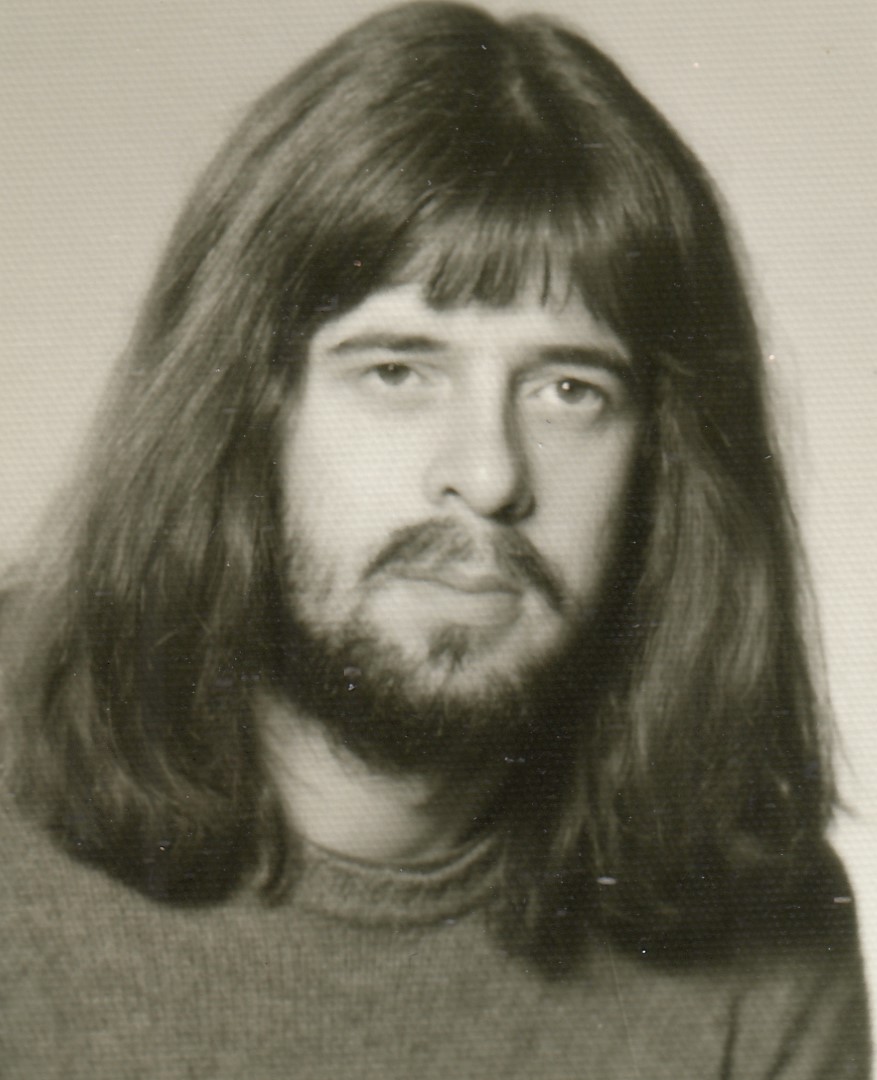
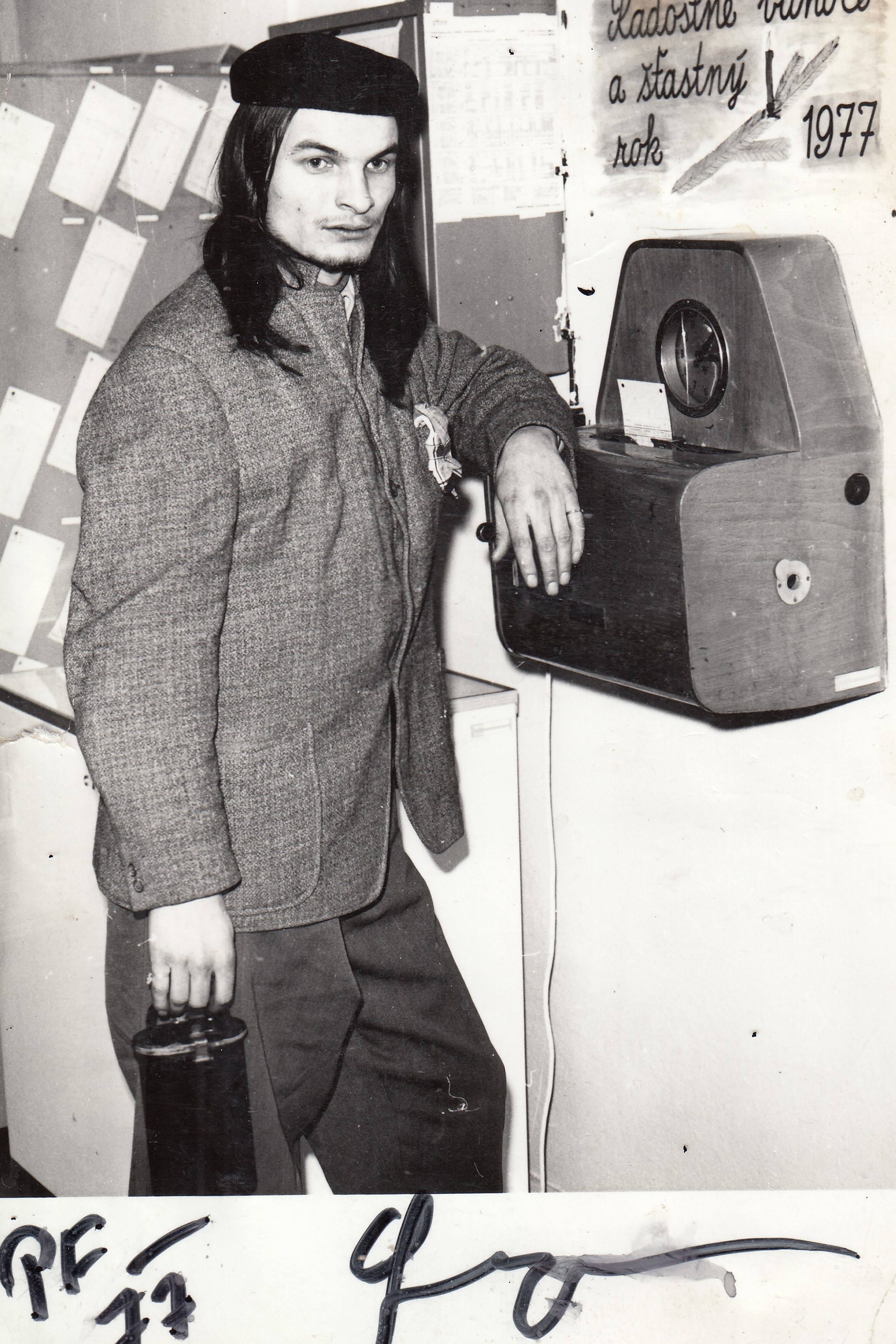
Petr Bukva, photo for ID card, 1976
photo: witness´s archive

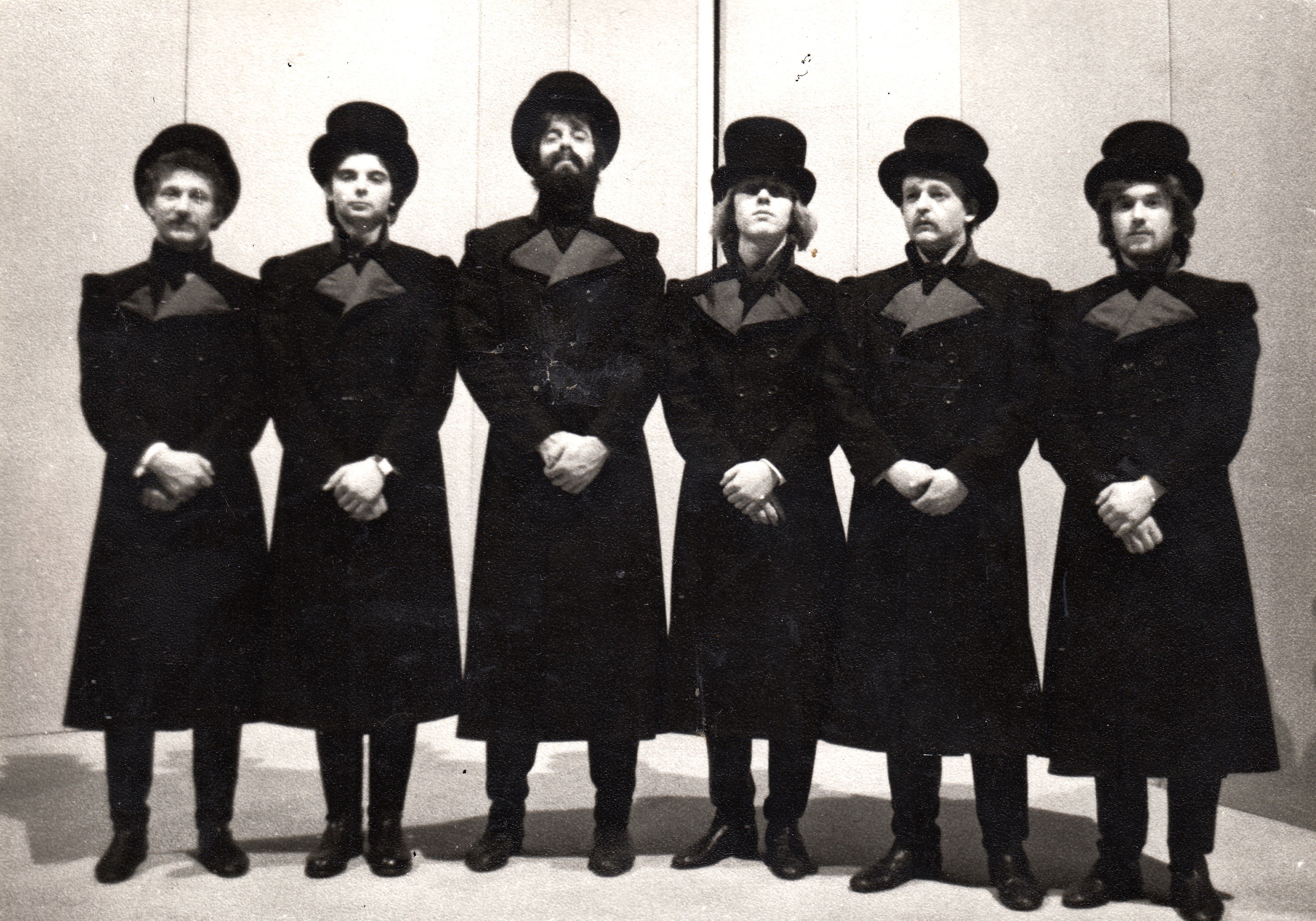
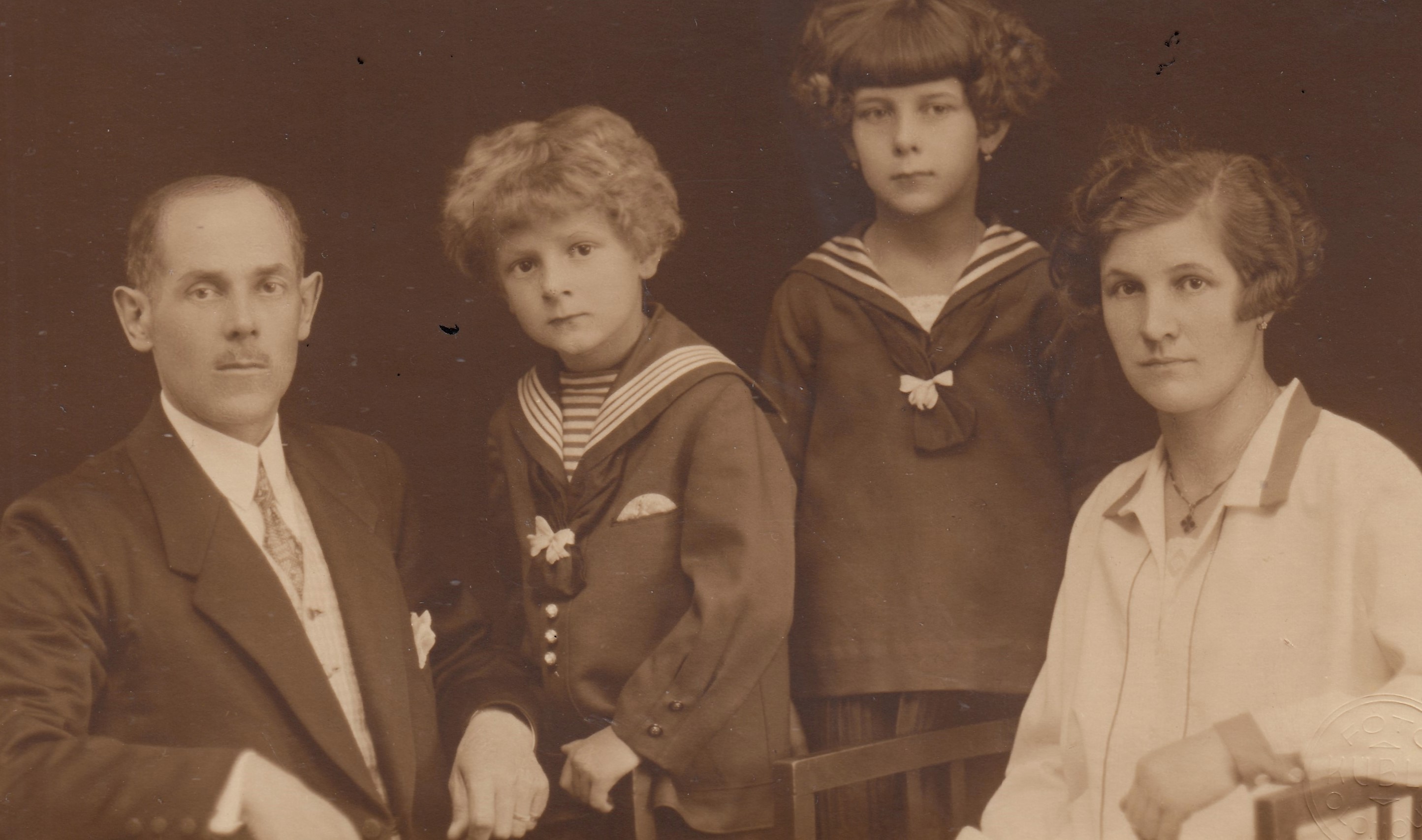
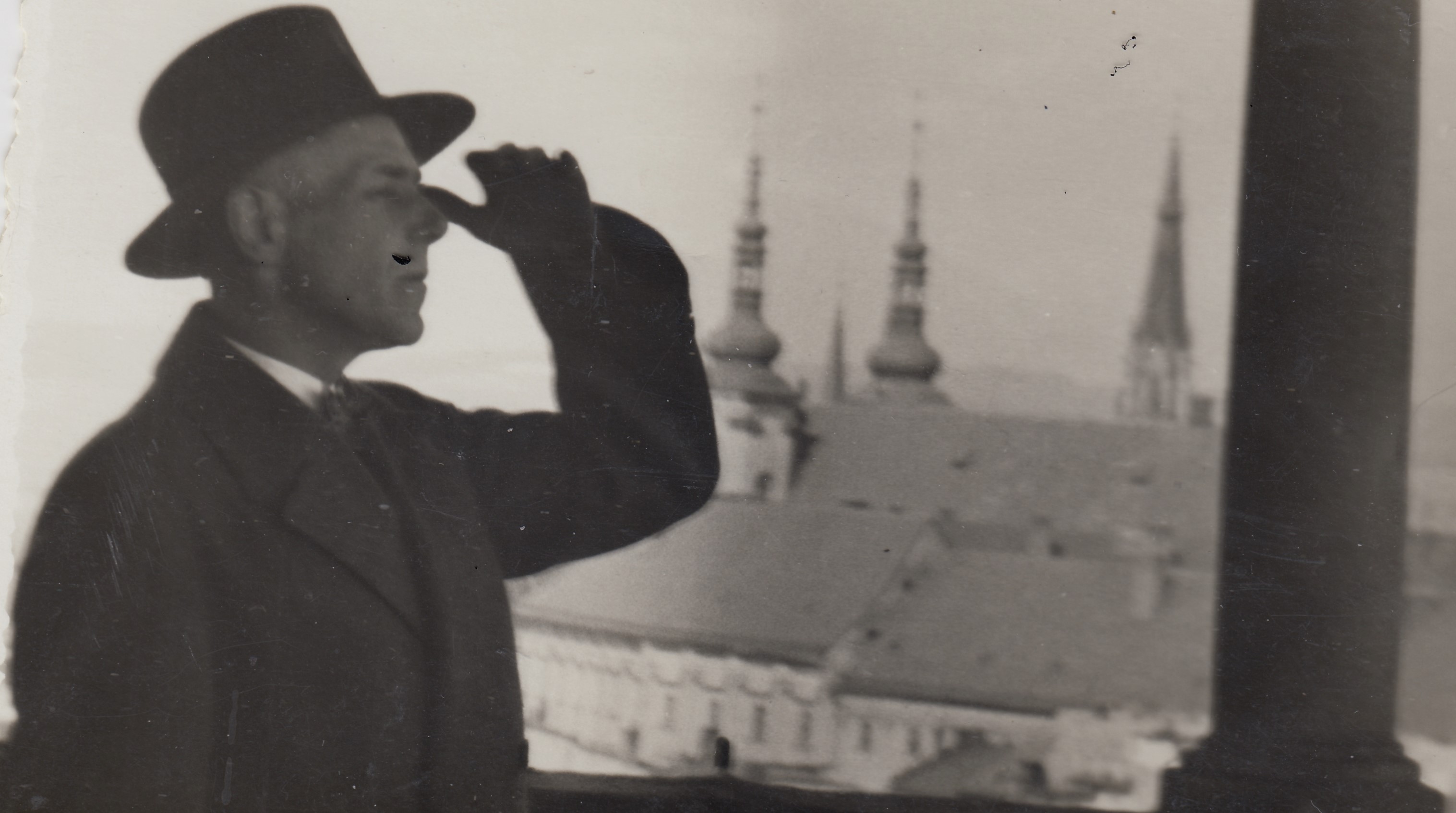
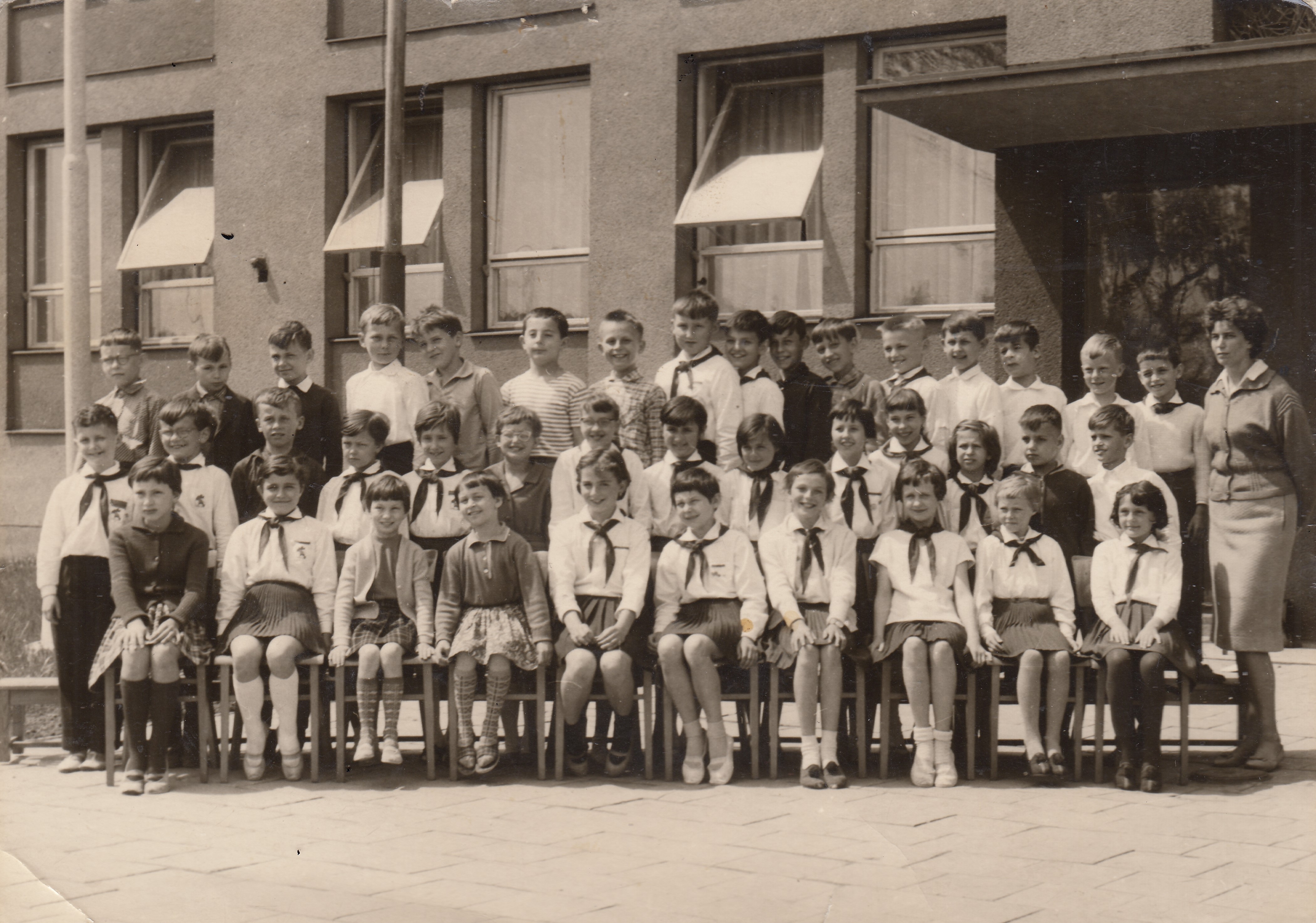
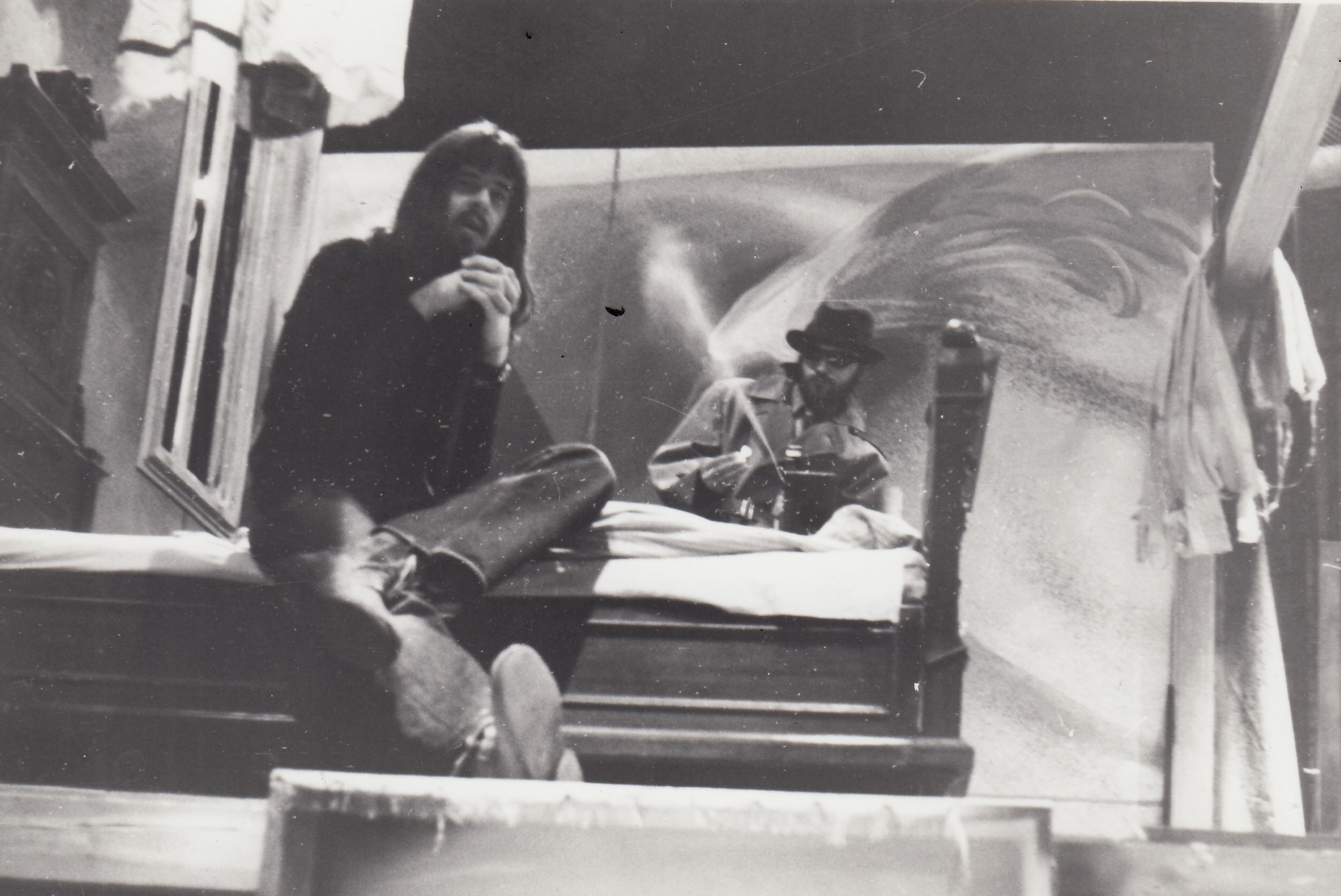
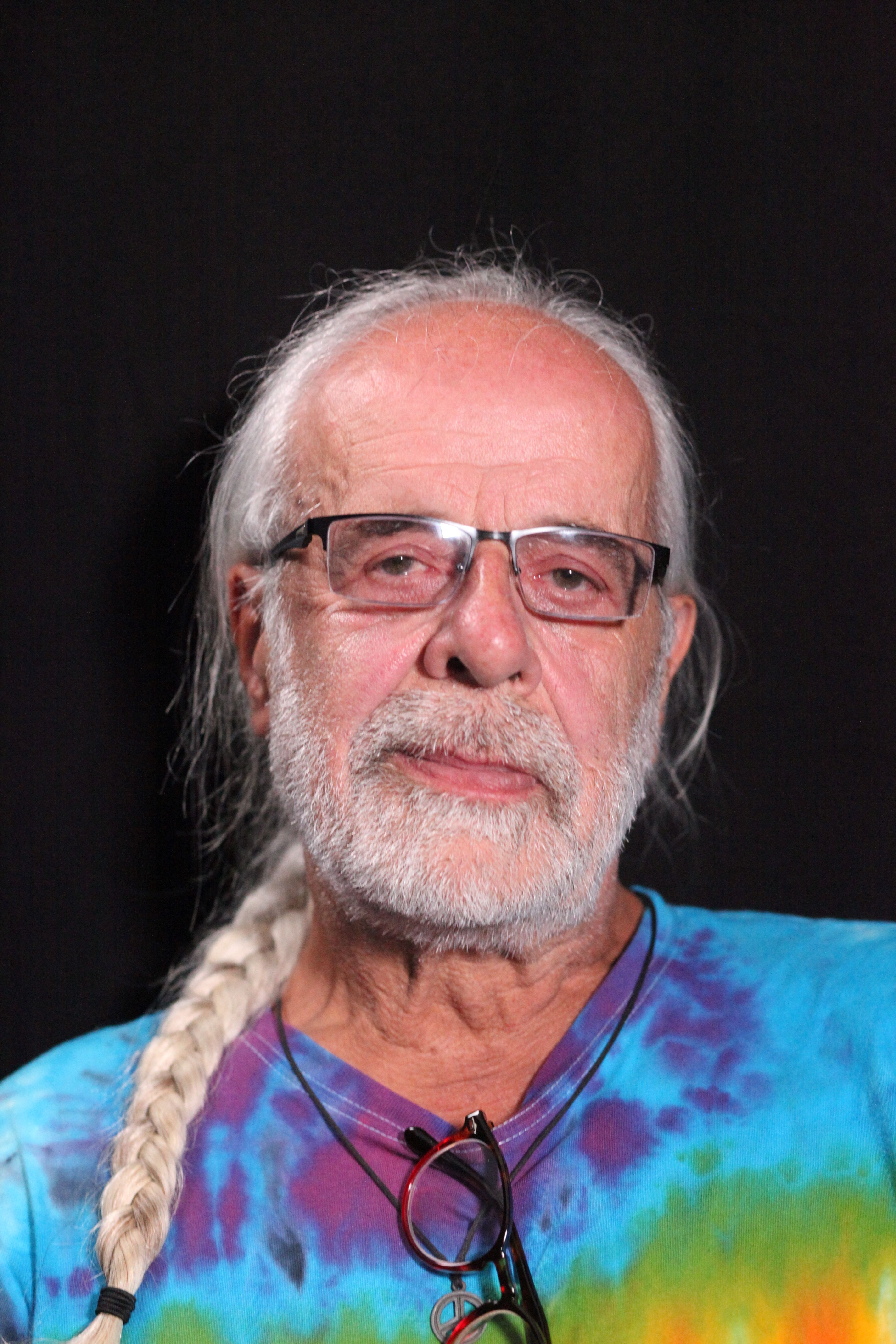
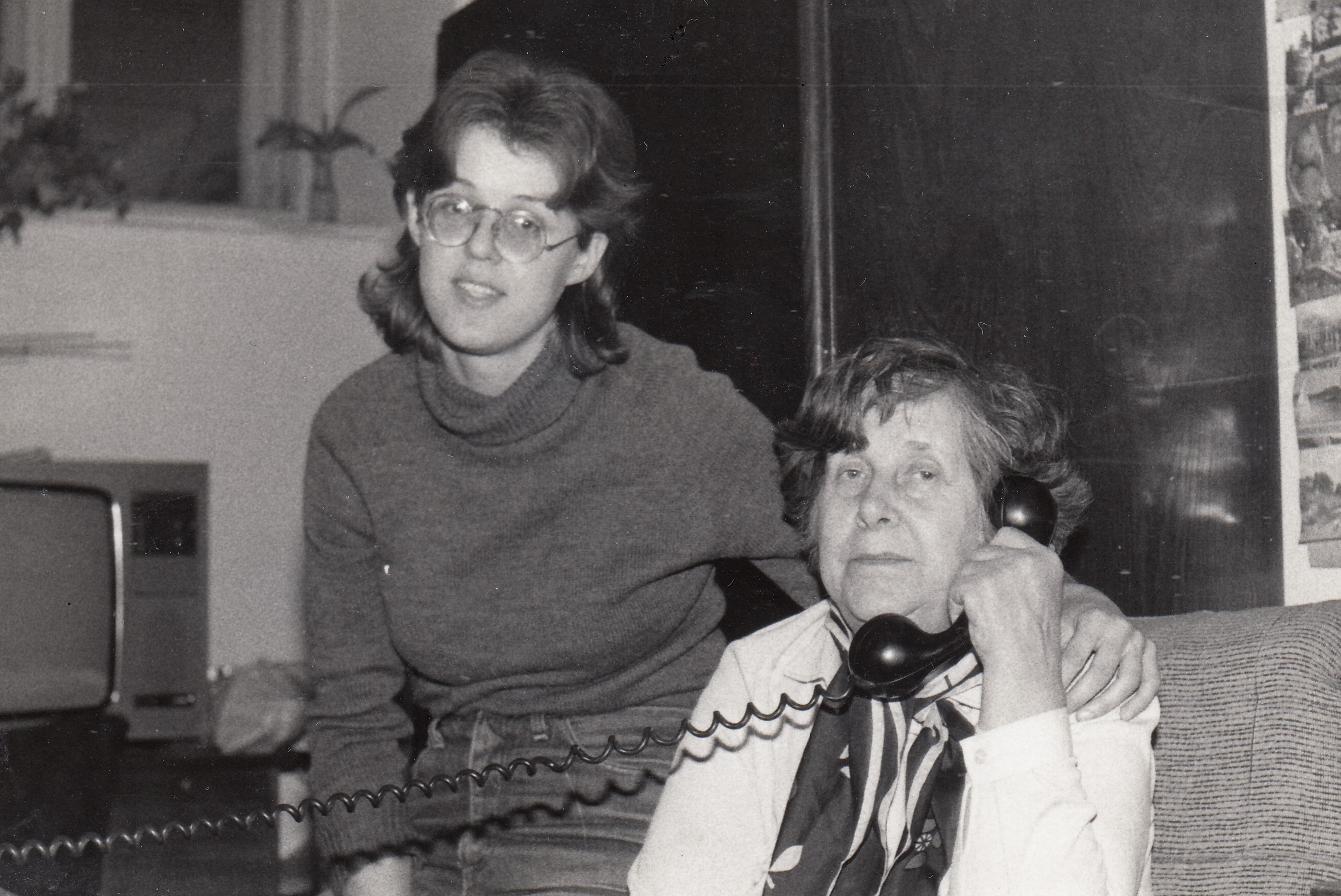
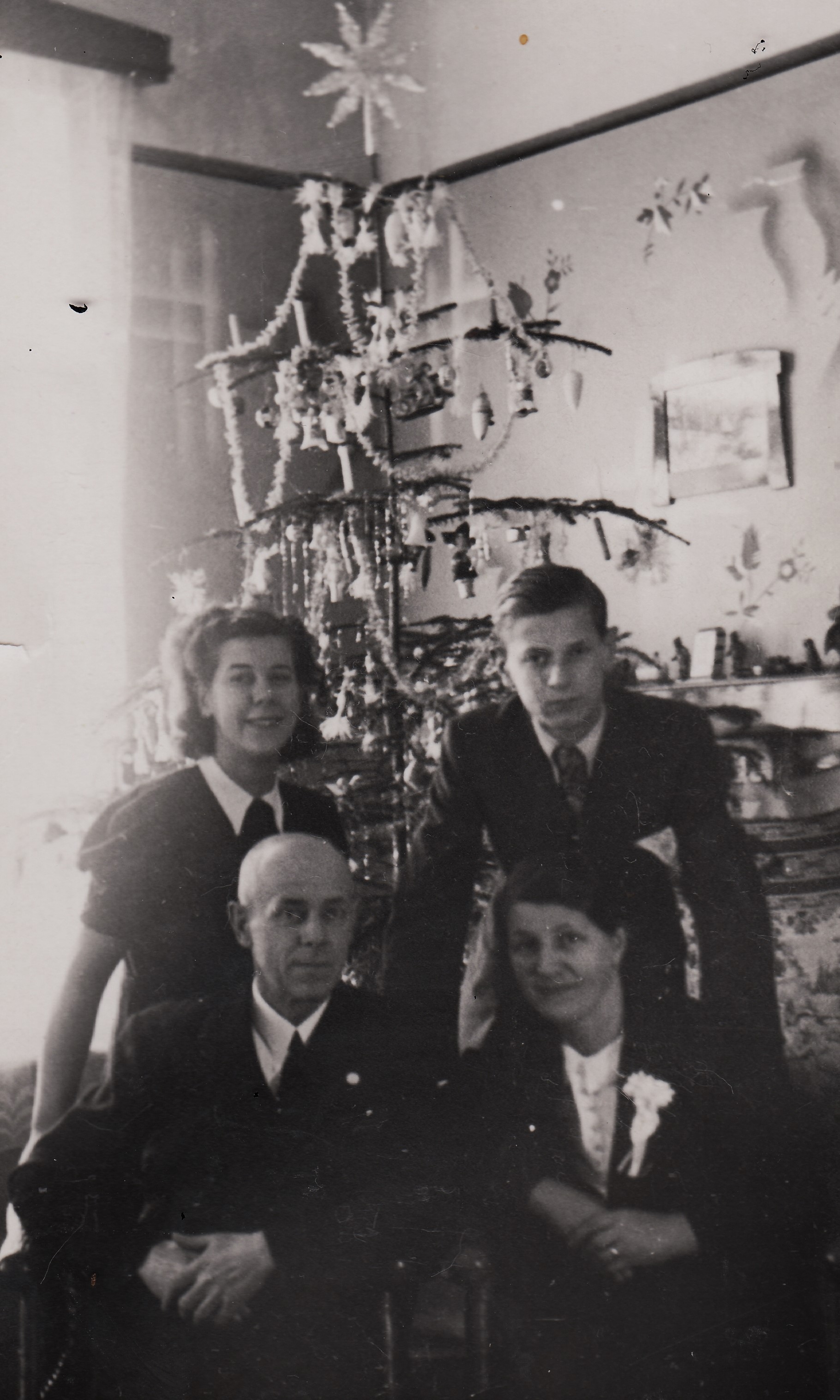
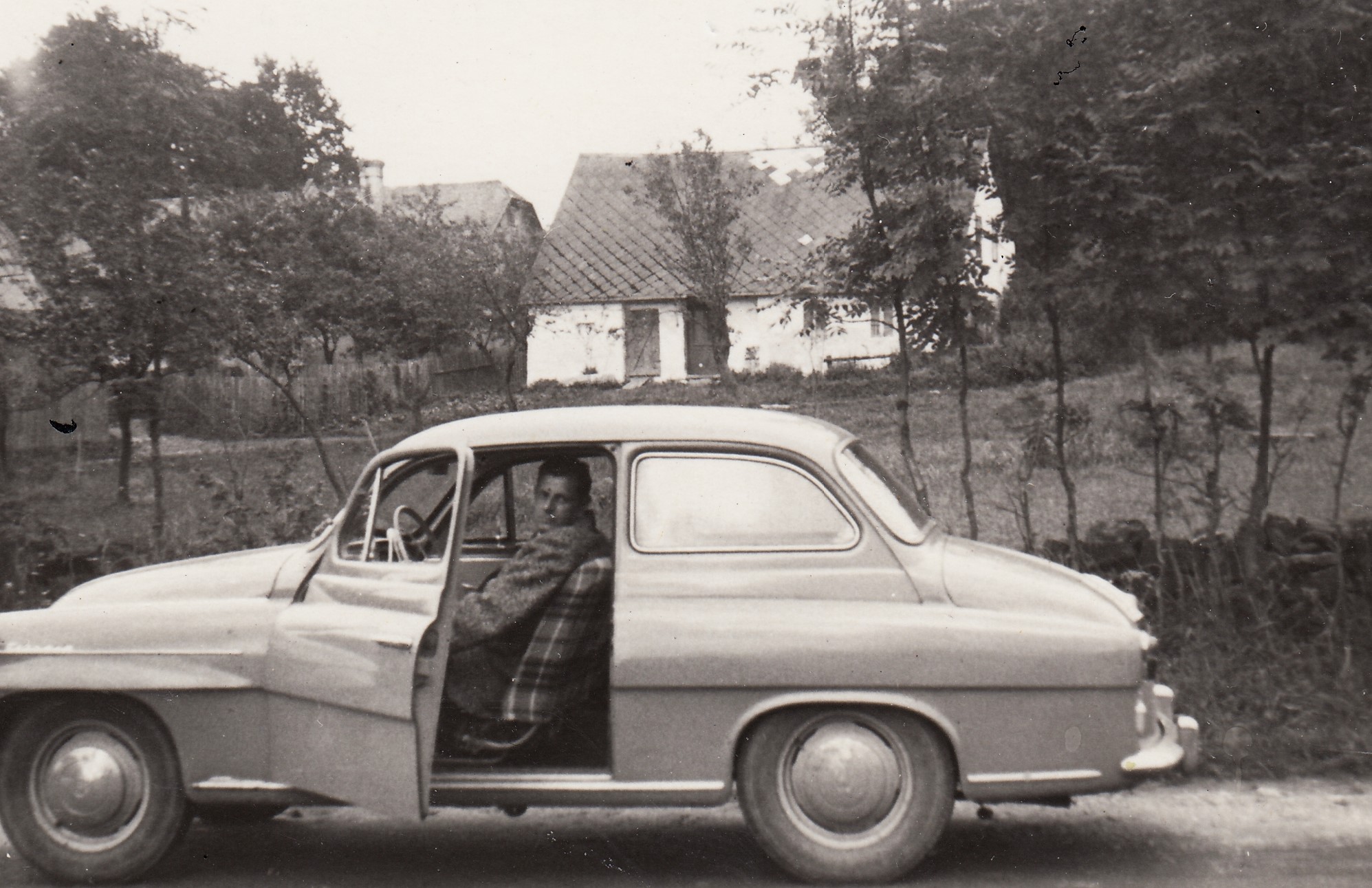
Petr Bukva was born on 27 June 1954 in Olomouc as the middle of three children. His mother Edith, née Pohlídalová, came from Stará Červená Voda, from a mixed marriage of a Czech and a Sudeten German. Before the war the family moved to Olomouc. Thanks to the work of my grandfather Benedikt Pohlídal at the town hall, they were not displaced after the war, unlike his grandmother’s siblings. His father came from Lutín, from a family of farmers who were later affected by collectivisation. He worked as a bus driver, while his mother spent most of her life as a gatekeeper at Palacký University in Olomouc. Petr trained as a machinist in the TOS factory in Olomouc, where he later worked. He became part of the underground movement and its Olomouc circles. In 1974 he attended a concert in Rudolfov, where a brutal police intervention took place. The lack of freedom he was experiencing led him to the idea of emigration. In 1975 he began working as a stage technician at the Oldřich Stibor Theatre, where he also played smaller roles. In 1981 he married Taťána Mlčochová, with whom he became involved in the promotion and distribution of samizdat literature. In 1982 they emigrated to Germany via Yugoslavia, from where they arrived in Australia a year later. In 1986, they decided to return and try to apply for German citizenship, which was denied in 1989. In April, their son Bondy Peter was born, and they returned to Australia with him in the summer. They first came to Czechoslovakia in 1991, and after a few months left for Germany, where their daughter Andrea was born (1991). They moved permanently to Olomouc in 1996. Petr Bukva eventually returned to working in the theatre. In 2011 he married for second time, to Lenka Daňková. In 2025, at the time of recording, he was living in Olomouc.